News related to
political

A turbulent financial landscape and rising global tensions have cast a shadow over Japan’s upcoming prime ministerial race, setting the stage for an exceptionally uncertain political environment. The current administration, led by Prime Minister Fumio Kishida, is grappling with escalating inflation, unpredictable financial markets, and a deteriorating security climate. As Japan prepares for a potential change in leadership, these challenges are likely to shape the political discourse […]

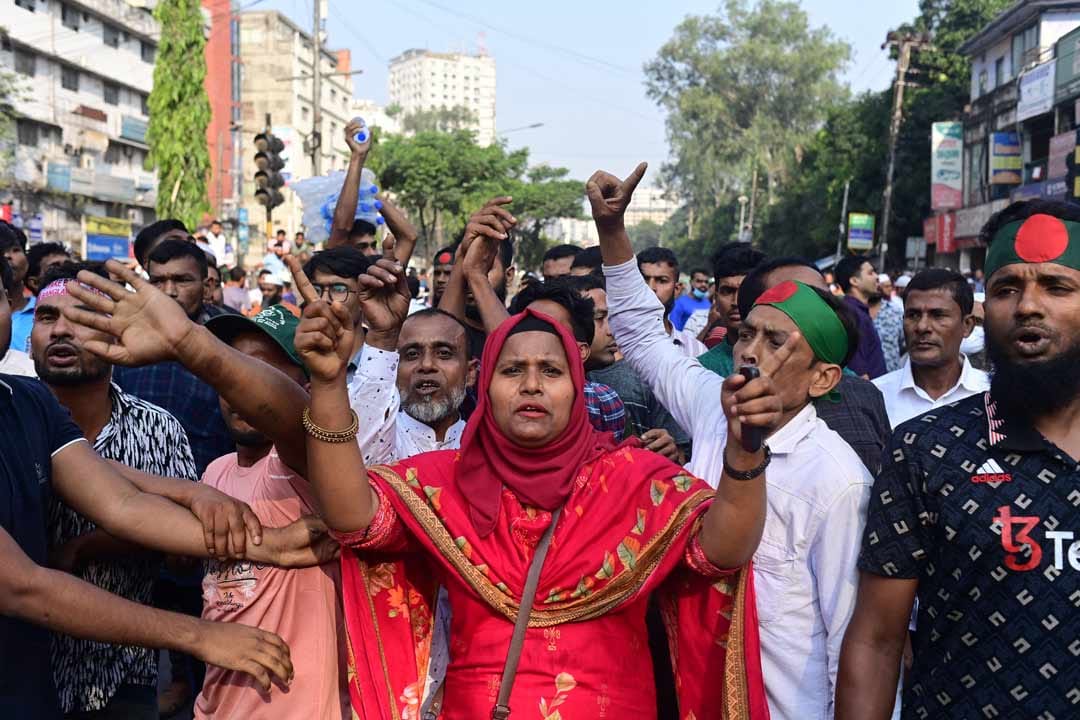
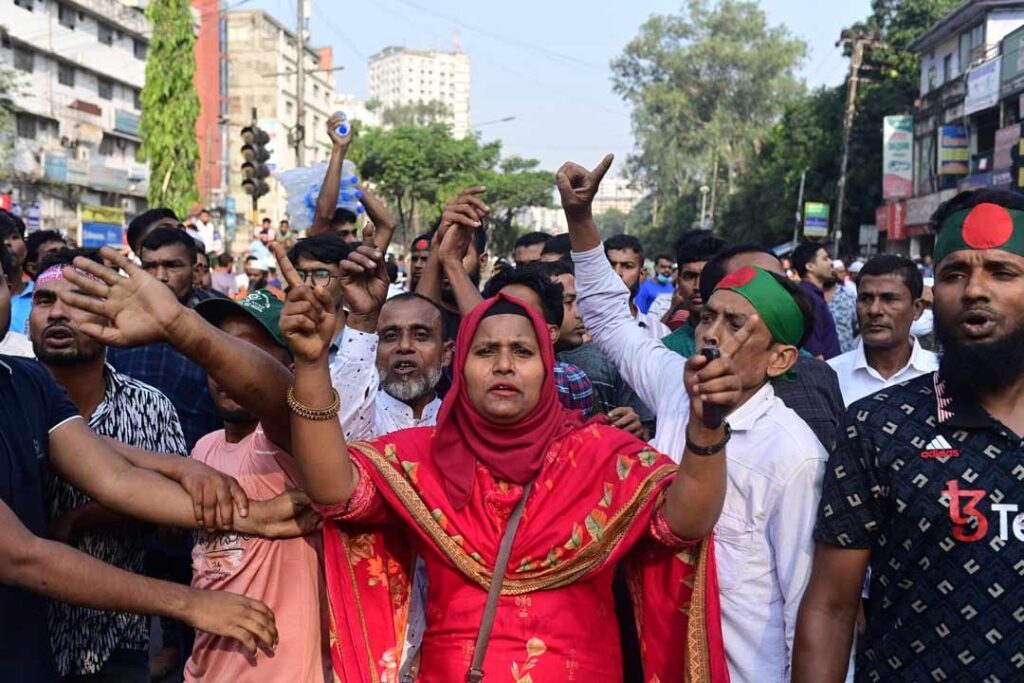
By Nitya Chakraborty Eight days have passed since the ouster of   from power in Bangladesh on August 5 following the mass upsurge led by the students and other opposition parties against the 15 year rule of the Awami League Government led by her. Much has been written about the developments that led to her fall […]

Tensions in Lebanon have escalated, posing significant obstacles for the United States envoy tasked with preventing further conflict. Amidst heightened concerns of an impending war, Western nations are intensifying their diplomatic engagement to de-escalate the situation. Several senior officials from the Biden administration are slated to visit the Middle East this week as part of a broader strategy to address the crisis.

Lebanon is experiencing a period of increased instability, marked by political and economic strife, alongside frequent clashes between various factions. The United Nations and various international organizations have voiced alarm over the potential for broader regional conflict if these issues are not addressed swiftly and effectively. The US envoy, aiming to mitigate these risks, faces a complex landscape fraught with deep-seated tensions and a volatile political environment.

Efforts by the United States to stabilize the region include high-level discussions with key Lebanese political figures and other stakeholders. The envoy’s role is critical in navigating the intricate web of alliances and conflicts that characterize Lebanon’s current situation. The US is seeking to leverage its influence to foster dialogue and reduce hostilities, with a focus on preventing the escalation of violence that could have far-reaching consequences for the region.

The Biden administration’s approach involves coordinated diplomatic efforts with allied nations and regional partners. The upcoming visits by senior officials are part of a concerted strategy to demonstrate solidarity with Lebanon and to push for immediate actions that could ease tensions. These visits are expected to involve discussions on economic support, security cooperation, and political reforms aimed at stabilizing the country.

The situation in Lebanon is complicated by the involvement of various regional powers and non-state actors, each with their own interests and agendas. This complexity makes the envoy’s task particularly challenging, as they must navigate a multifaceted conflict environment while attempting to build consensus among diverse and often conflicting parties.

Recent developments have underscored the urgency of the situation. Reports indicate increasing skirmishes and a deterioration in humanitarian conditions, which further complicate efforts to negotiate a peaceful resolution. The international community is closely monitoring the situation, with many expressing support for diplomatic solutions while emphasizing the need for timely and effective intervention.

The US diplomatic push is also supported by broader Western efforts to address the crisis. European nations, alongside the US, are working on various fronts to provide humanitarian aid and support peacekeeping initiatives. These actions reflect a unified stance on the need to prevent further escalation and to support Lebanon in its path towards stability and recovery.

As the envoy continues their mission, the effectiveness of their efforts will likely hinge on the ability to address both immediate concerns and long-term structural issues contributing to Lebanon’s instability. The international community remains hopeful that with sustained diplomatic engagement and support, it will be possible to avert a full-scale conflict and foster a more stable and peaceful environment in Lebanon.

The evolving situation in Lebanon highlights the complex interplay of regional dynamics and the critical importance of international diplomatic efforts in addressing such crises. The coming weeks will be crucial in determining the trajectory of the conflict and the potential for a peaceful resolution.

NagaCorp Ltd, a key player in the Asian casino industry and the operator of the NagaWorld casino resort in Phnom Penh, Cambodia, is facing financial instability due to a substantial revaluation of its casino resort project in Primorye, Russia. This project, located near Vladivostok, has been stalled for some time, contributing to the current financial challenges the company is grappling with. The company recently announced that its […]

Japan’s Prime Minister Fumio Kishida has confirmed his decision to step down in September, choosing not to seek re-election. Kishida’s departure introduces significant uncertainty regarding Japan’s ongoing initiatives in the Web3 space, an area where he has been a vocal advocate. Kishida, who has been at the helm of the country since October 2021, has championed the integration of Web3 technologies—encompassing blockchain, cryptocurrency, and decentralized finance—into Japan’s […]

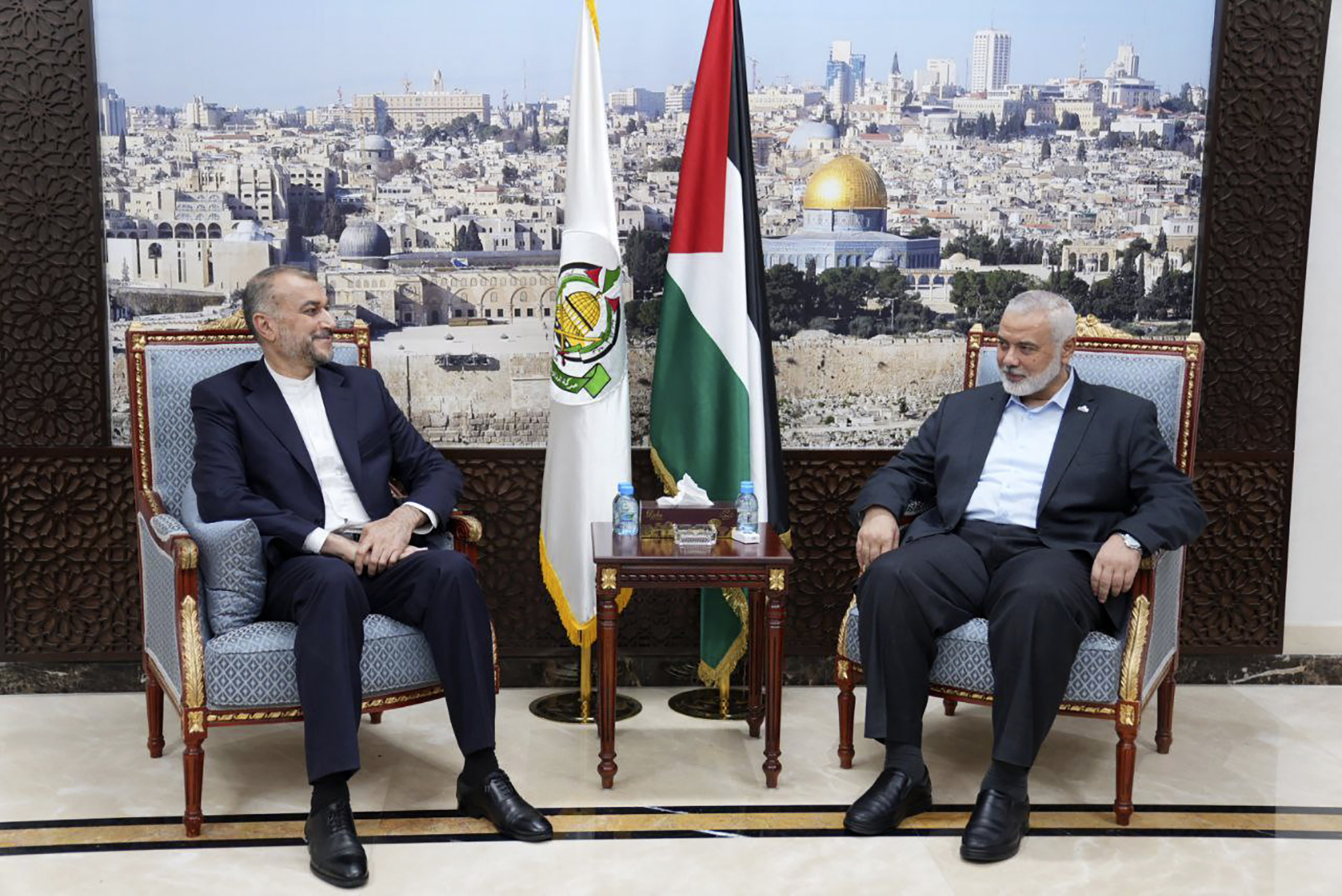
Negotiations aimed at establishing a ceasefire in Gaza face significant challenges as a key Hamas official has declared the group’s reluctance to participate in the upcoming talks in Doha. The anticipated dialogue, scheduled for Thursday, now hangs in the balance due to this development.

President Joe Biden has acknowledged the growing difficulties in achieving a ceasefire in Gaza. The complexities of the negotiation process, combined with shifting political dynamics, have made the path to peace more uncertain. Biden’s comments reflect the escalating tension and the stalled progress in securing a resolution.

Hamas, which has been a central player in the ongoing conflict, has not officially confirmed its stance but internal sources indicate a strong likelihood of their non-participation. This move could further derail the efforts led by international mediators who have been striving to broker peace between the conflicting parties.

The situation remains fluid as both sides prepare for the Doha talks. The absence of Hamas from these discussions could hinder the negotiation process and potentially prolong the conflict. Analysts suggest that without Hamas’s involvement, any agreement reached might lack the necessary support from one of the principal stakeholders, undermining the potential for a lasting ceasefire.

International observers are closely monitoring the situation, emphasizing the importance of including all major parties in peace talks. The ongoing conflict has resulted in substantial casualties and widespread devastation in Gaza, underscoring the urgent need for a comprehensive ceasefire agreement.

The diplomatic community remains hopeful that the dialogue in Doha, despite the current setbacks, may still pave the way for renewed negotiations. However, the exclusion of key players like Hamas from these talks presents a significant obstacle, raising concerns about the feasibility of achieving a viable ceasefire in the near future.

The evolving dynamics of the situation highlight the complexity of the conflict and the challenges faced by mediators working to bring about a resolution. As the international community continues to engage in efforts to address the crisis, the focus remains on finding a path forward that includes all relevant parties and addresses the underlying issues driving the conflict.

As discussions unfold, the world watches closely, hoping for a breakthrough that could lead to a sustained and effective ceasefire. The outcome of the Doha talks will be crucial in determining the next steps in the ongoing efforts to bring peace to Gaza.

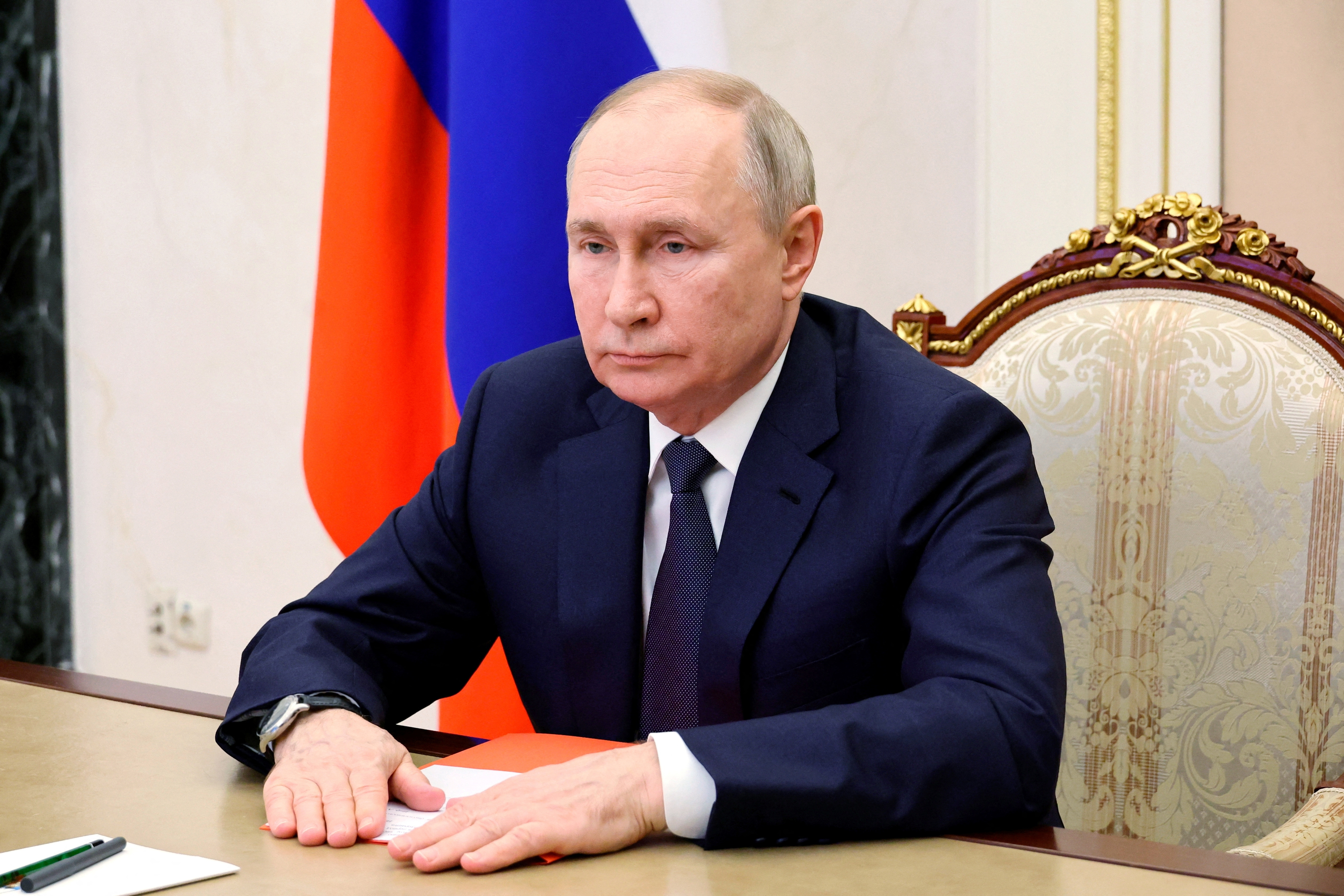
Palestinian President Mahmoud Abbas met with Russian President Vladimir Putin in Moscow to address the ongoing conflict in Gaza and broader issues affecting the Palestinian territories. The meeting highlighted Abbas’s call for increased international support for Palestinian statehood and urgent action to alleviate the humanitarian crisis in Gaza.

The discussion comes amid escalating violence in Gaza and the West Bank, with significant casualties reported in recent weeks. Abbas and Putin explored various measures to de-escalate the situation and pave the way for renewed peace efforts. Abbas emphasized the dire humanitarian conditions in Gaza, where continuous airstrikes and blockades have exacerbated the suffering of civilians.

During the meeting, Abbas reiterated his call for the establishment of an independent Palestinian state, asserting that a two-state solution remains the most viable path to peace. He also voiced concerns about ongoing violence in East Jerusalem and the West Bank, which has further complicated efforts to achieve stability and security in the region.

Putin’s response to Abbas’s proposals was notably diplomatic. He reaffirmed Russia’s support for a two-state solution and expressed concern over the humanitarian situation in Gaza. However, he also stressed the need for a balanced approach to addressing both Palestinian and Israeli concerns. The Russian leader emphasized the importance of direct negotiations between the conflicting parties, highlighting Russia’s role in facilitating dialogue.

The meeting also touched upon the international community’s role in resolving the conflict. Abbas urged greater involvement from global powers and regional stakeholders to pressure Israel into halting its military operations and committing to peace talks. He specifically called for the lifting of the blockade on Gaza, which he argued is a significant barrier to alleviating the humanitarian crisis.

The discussion on Gaza coincides with a broader international discourse on the conflict. Various international organizations and governments have expressed growing alarm over the situation, with some calling for sanctions or other measures against Israel to pressure it into compliance with international law.

In addition to discussing the immediate conflict, Abbas and Putin addressed the ongoing international legal efforts concerning allegations of genocide and war crimes. Abbas has been vocal about the need for accountability and justice, advocating for international legal bodies to address alleged violations by Israel. This aspect of the discussion underscores the broader context of the conflict, where legal and humanitarian concerns intertwine with geopolitical considerations.

Abbas’s visit to Moscow also serves as a strategic move to bolster Palestinian diplomatic efforts. By engaging with major international players like Russia, Abbas aims to garner broader support and exert pressure on other key actors to address the Palestinian cause. The interaction with Putin represents an attempt to leverage Russia’s position in the global arena to further the Palestinian agenda.

The meeting between Abbas and Putin reflects ongoing international efforts to address the complexities of the Israeli-Palestinian conflict. As the situation in Gaza remains dire and violence continues in the West Bank and East Jerusalem, the international community remains divided on the most effective strategies to achieve a lasting resolution. The discussions between Abbas and Putin highlight the urgent need for comprehensive and sustained diplomatic efforts to address the myriad issues at the heart of the conflict.

Advertisements

Abu Dhabi’s wealth fund, ADQ, is reportedly targeting Bank Audi’s Turkish operations as it seeks to expand its financial portfolio in the region. The Abu Dhabi Developmental Holding Company (ADQ), known for its substantial investments in various sectors, is eyeing the acquisition of Bank Audi’s Turkish subsidiary amid a strategic push into the Turkish financial market. The move aligns with ADQ’s broader strategy to diversify its investments […]

A devastating Israeli airstrike in Gaza has resulted in the tragic death of twin newborns, while their father was away retrieving their birth certificates. The attack, which occurred in the densely populated area of Gaza City, highlights the ongoing humanitarian crisis in the region amidst the prolonged conflict between Israel and Palestinian factions.

The father, identified as Ahmed Abu Taha, had left his home to complete the paperwork for his newborn twins, who had just been born a few days prior. The airstrike hit the family’s residence, obliterating it and killing the infants. The attack has drawn widespread condemnation from humanitarian organizations and international observers, who have expressed deep concern over the escalating violence and its impact on civilians.

According to local reports, the airstrike was part of a broader military campaign targeting alleged militant positions in Gaza. However, the dense urban environment often results in significant collateral damage, with residential areas frequently being affected. The loss of life in this instance underscores the severe humanitarian toll on non-combatants, including children, who are increasingly becoming victims of the ongoing conflict.

The incident has sparked outrage and calls for a reassessment of military strategies to minimize civilian casualties. International bodies, including the United Nations, have urged all parties to adhere to international humanitarian laws and take measures to protect innocent lives. The Gaza Strip, a region already struggling with severe shortages of medical supplies, electricity, and basic necessities, faces exacerbated challenges as a result of the continuous conflict.

Witnesses to the bombing described scenes of chaos and devastation, with emergency responders scrambling to provide aid amidst the wreckage. The loss of the twins has deeply affected the local community, which is grappling with the emotional and psychological impact of the violence. The father, who has been described as distraught, faces the additional burden of grieving his children while dealing with the loss of his home.

The international community’s reaction to this tragedy has been swift, with numerous calls for an immediate cessation of hostilities and a renewed focus on diplomatic efforts to resolve the underlying issues. Human rights organizations have emphasized the need for accountability and greater protections for civilians caught in conflict zones.

As the situation in Gaza remains dire, efforts are being made to address the urgent needs of affected families and to provide humanitarian assistance. However, the continuing conflict poses significant challenges to these efforts, as access to aid and resources remains limited.

The death of these newborn twins serves as a stark reminder of the urgent need for a comprehensive and lasting resolution to the Israeli-Palestinian conflict. The international community faces the critical task of addressing both the immediate humanitarian needs and the broader political issues that contribute to the cycle of violence in the region.

The incident underscores the high human cost of the conflict and the imperative for all stakeholders to work towards a peaceful and sustainable solution that protects innocent lives and upholds human dignity.


A magnitude 5.0 earthquake struck Syria on August 12, reigniting anxieties in a region still scarred by the devastating earthquake that rocked the area last year. The tremor, originally reported as a 5.5 magnitude quake, was later downgraded by the U.S. Geological Survey. The earthquake was felt across multiple cities, including Damascus and Hama, prompting residents to evacuate buildings and spend the night outdoors, fearing potential aftershocks.

The quake’s impact extended beyond Syria’s borders, with tremors felt in neighboring Lebanon and as far as northern Israel. Despite widespread panic, there were no immediate reports of casualties or significant damage, although around 25 people were admitted to hospitals due to anxiety-related issues.

The timing of the earthquake added to the region’s already high levels of tension, with ongoing conflicts and political instability exacerbating fears. Syrian state media quickly disseminated safety guidelines, urging the public to remain vigilant in the face of possible aftershocks. This event brought back haunting memories of the catastrophic 7.8 magnitude earthquake in 2023, which claimed over 59,000 lives in Syria and Turkey, leaving many in the region with lingering trauma.

Experts have expressed concerns that this earthquake might be a precursor to more severe seismic activity. The Syrian National Earthquake Centre has issued warnings for residents to stay alert, emphasizing the importance of preparedness in a region where the ground remains perilously unstable. As authorities and communities brace for the possibility of further quakes, the emotional scars from past disasters continue to weigh heavily on the population, underscoring the fragility of life in this volatile part of the world.

While the immediate physical damage from the latest quake appears minimal, the psychological impact is profound, as residents struggle with the fear and uncertainty that these natural disasters bring. The resilience of the Syrian people is once again being tested, as they navigate the ongoing challenges of rebuilding their lives amidst constant threats, both natural and man-made .

Palestinian President Mahmoud Abbas is set to meet with Russian President Vladimir Putin in Moscow on Tuesday amid ongoing hostilities in Gaza. This high-level meeting comes as international concern mounts over the escalating violence and humanitarian crisis in the region.

The discussion between Abbas and Putin will focus on the unfolding situation in Gaza, where recent conflicts have intensified. Abbas aims to seek support and explore potential diplomatic solutions with Russia, a key ally with influence in the Middle East.

The Gaza Strip has been plagued by violence and destruction, with numerous reports highlighting the severe impact on civilians and infrastructure. The international community has called for restraint and a renewed push for peace negotiations, with varying levels of engagement from global powers.

Putin’s meeting with Abbas reflects Russia’s ongoing role in Middle Eastern diplomacy. Russia has positioned itself as a mediator in the region, advocating for balanced approaches to the Israeli-Palestinian conflict. The Kremlin’s involvement underscores its strategic interest in maintaining influence over regional affairs and bolstering its diplomatic credentials on the global stage.

The meeting comes as the United Nations and other international organizations have raised alarms about the humanitarian conditions in Gaza. Reports indicate shortages of essential supplies, medical resources, and a deteriorating living environment for residents affected by the conflict. Both Russia and the Palestinian leadership have expressed concerns over these conditions and the need for a resolution that addresses humanitarian needs while working towards a sustainable peace.

Abbas’s visit to Moscow is expected to address these issues and discuss possible Russian contributions to relief efforts. The Palestinian leadership is seeking a strengthened partnership with Russia to leverage its diplomatic weight and secure international backing for their position. This dialogue aims to align with broader international efforts to mitigate the crisis and facilitate a return to negotiations between the conflicting parties.

The Kremlin has historically been an advocate for Palestinian statehood and has hosted multiple rounds of peace talks in the past. Putin’s engagement with Abbas is seen as part of Russia’s strategy to enhance its influence and act as a counterbalance to Western involvement in Middle Eastern peace processes.

This meeting also highlights the shifting dynamics in international diplomacy regarding the Gaza conflict. As major global powers weigh in, the outcomes of these high-level talks could impact the trajectory of international responses and interventions. The global community is watching closely, with hopes pinned on diplomatic solutions that could lead to an enduring resolution to the conflict.

The talks between Abbas and Putin are set against a backdrop of heightened tensions and complex geopolitical considerations. The effectiveness of this dialogue in contributing to a peaceful resolution remains to be seen, as both leaders navigate a challenging landscape of diplomatic and humanitarian concerns.

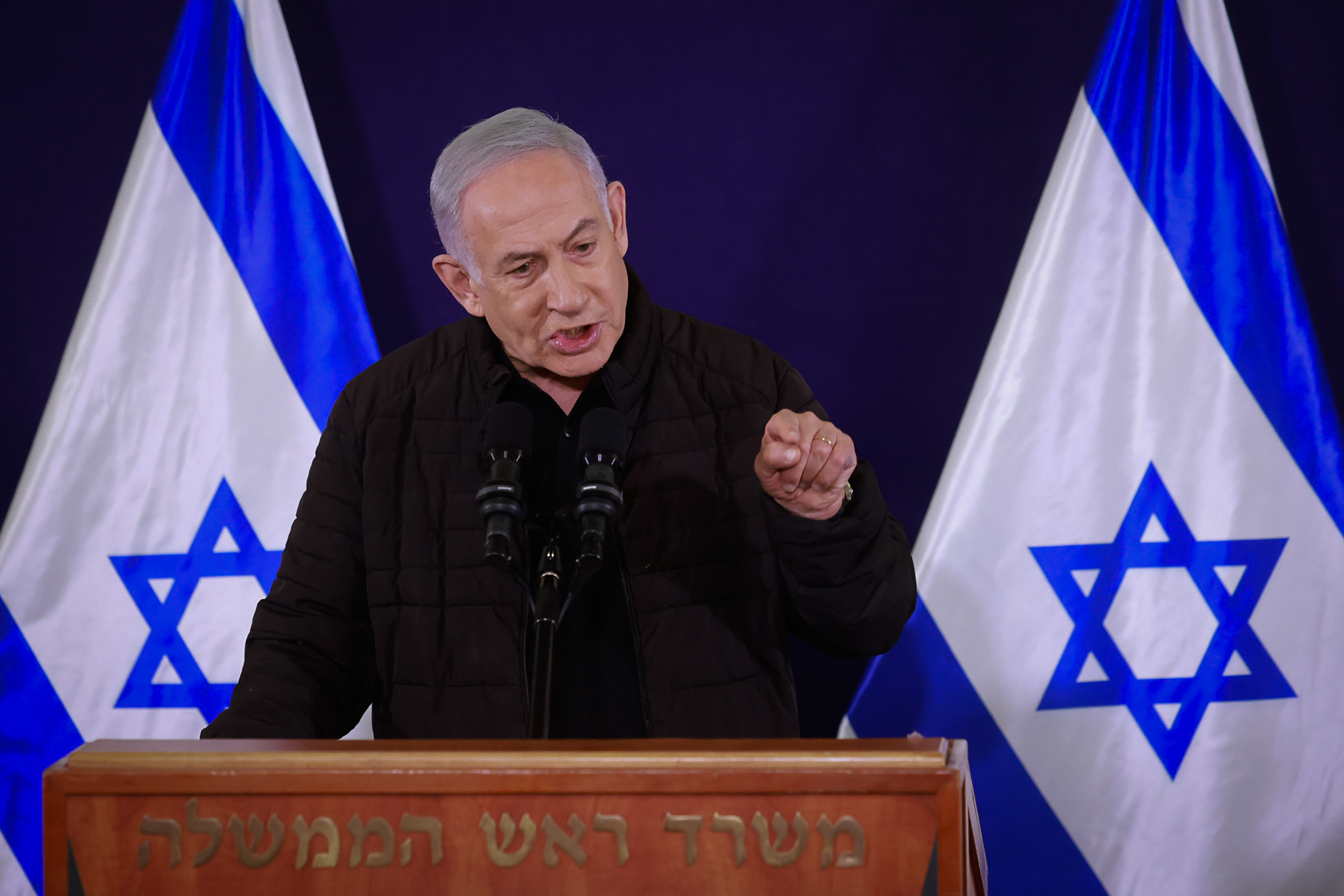
Israeli Prime Minister Benjamin Netanyahu has sharply criticized Defense Minister Yoav Gallant, accusing him of undermining negotiations related to the hostage crisis in Gaza. This development has heightened tensions within Israel’s political and military circles as the country grapples with ongoing conflict and diplomatic pressures.

The friction between Netanyahu and Gallant emerged after a series of public statements and internal disagreements regarding the handling of hostages held by Hamas. Netanyahu’s office has expressed strong dissatisfaction with Gallant’s approach, alleging that the defense minister’s actions jeopardized sensitive negotiations aimed at securing the release of hostages.

The criticism comes at a time when Israel is facing intense international scrutiny and pressure to resolve the crisis. With the situation in Gaza remaining volatile, Israel’s leadership is under increased pressure to manage both domestic and international concerns effectively. The Netanyahu-Gallant dispute highlights the challenges faced by the Israeli government in maintaining a unified front while navigating complex diplomatic and security issues.

In recent days, leaders from France, Germany, and Britain have voiced strong warnings to Iran against taking any retaliatory action against Israel. This international stance underscores the global concern over the escalation of conflict in the region and the potential for broader implications if tensions continue to rise.

The conflict has prompted widespread calls for restraint and diplomatic resolution from the international community, emphasizing the need for careful management of the situation to prevent further escalation. As Israel continues to address the multifaceted challenges posed by the ongoing conflict and internal disagreements, the outcome of this political rift could have significant implications for both domestic policy and international relations.

President His Highness Sheikh Mohamed bin Zayed Al Nahyan and other UAE leaders have conveyed their heartfelt condolences to His Highness Sheikh Meshal Al Ahmad Al Jaber Al Sabah, the Emir of Kuwait, following the passing of Salem Al Ali. The UAE’s gesture reflects the deep-rooted ties and mutual respect shared between the two nations. Salem Al Ali, a distinguished Kuwaiti figure, was known for his significant […]

The global landscape for the wealthy elite is shifting rapidly, with Europe at the forefront of a dramatic reconfiguration. Recent political changes and tax reforms across the continent have triggered a wave of concern among high-net-worth individuals (HNWIs), prompting many to reassess their financial futures. From the UK to France to Norway and beyond, the allure of traditional financial hubs is being challenged by emerging destinations that […]

K Raveendran It was clear to everyone that SEBI was stonewalling a proper investigation into the charges levelled by the Hindenburg report, except those who had other reasons to pretend otherwise. But there was no clarity as to why SEBI was doing so. Now that Hindenburg has disclosed SEBI chairperson’s and her husband’s investment in […]

Adnoc Gas has achieved a record-breaking net income of $1.2 billion for the second quarter of 2024, marking the highest quarterly profit in the company’s history. This impressive financial performance, announced today, reflects a significant boost in sales volumes and operational efficiency. The surge in earnings underscores the company’s robust position in the energy sector amid fluctuating global market conditions.

The company’s success in the second quarter is attributed to an increase in both natural gas and oil production. Adnoc Gas has managed to leverage its extensive infrastructure and operational capabilities to enhance production levels, which has led to higher sales volumes. This strategic optimization has played a crucial role in driving revenue growth.

Market analysts have noted that the rise in Adnoc Gas’s profitability aligns with broader industry trends, where major energy companies are experiencing a rebound due to higher demand and stabilizing oil prices. The company’s strategic focus on expanding its production capacity and streamlining its supply chain has positioned it well to capitalize on these market conditions.

Adnoc Gas’s operational efficiency has been a key factor in its financial performance. The company has invested heavily in technology and innovation to improve its production processes and reduce costs. This commitment to operational excellence has enabled Adnoc Gas to achieve better margins despite fluctuations in global energy prices.

Additionally, the company’s ability to navigate supply chain challenges and geopolitical uncertainties has been instrumental in maintaining steady growth. Adnoc Gas has strengthened its partnerships and supply agreements, ensuring a stable flow of resources and mitigating risks associated with market volatility.

The financial results for the second quarter indicate that Adnoc Gas is well-positioned to sustain its growth trajectory in the coming months. The company’s management has expressed confidence in its ability to continue delivering strong financial performance, driven by its strategic investments and market-leading operations.

As the global energy market continues to evolve, Adnoc Gas remains focused on enhancing its competitive edge and expanding its market presence. The company’s robust performance in the second quarter of 2024 serves as a testament to its effective business strategies and operational excellence.

The record-breaking profit is a significant milestone for Adnoc Gas, reflecting the company’s resilience and adaptability in a dynamic industry landscape. As it moves forward, Adnoc Gas is expected to maintain its strong performance and contribute positively to the energy sector’s overall growth.

Adnoc Gas has reported a historic second-quarter profit of $1.2 billion, marking a significant increase from the $983.7 million earned in the same period last year. This substantial rise in net income is attributed to the company’s robust sales volumes and operational efficiencies.

The impressive financial performance reflects Adnoc Gas’s strategic initiatives to enhance production and streamline operations. Over the past months, the company has focused on expanding its market reach and improving its service delivery, which has contributed to its increased revenue. Additionally, the surge in profit underscores the favorable market conditions and strong demand for natural gas, which have bolstered the company’s earnings.

Adnoc Gas has been active in optimizing its production processes and investing in advanced technologies. These efforts are aimed at increasing efficiency and reducing operational costs, which have played a crucial role in driving profitability. The company’s ability to maintain high production levels while managing costs effectively has positioned it well in the competitive energy sector.

Industry analysts have noted that the natural gas sector has seen a resurgence in demand, partly driven by geopolitical tensions and shifts in energy policies globally. As a result, companies like Adnoc Gas, which are able to capitalize on these trends through strategic investments and operational improvements, have experienced significant financial gains.

In addition to its strong financial results, Adnoc Gas continues to pursue growth opportunities in both domestic and international markets. The company’s expansion plans include exploring new markets and enhancing its technological capabilities to maintain its competitive edge.

The increase in net income is seen as a testament to Adnoc Gas’s successful execution of its growth strategy and its ability to adapt to changing market dynamics. As the company continues to navigate the evolving energy landscape, its focus on efficiency and market expansion is expected to drive further financial success in the coming quarters.

This record profit not only highlights the company’s strong performance but also reflects the broader positive trends within the natural gas industry, positioning Adnoc Gas as a leading player in the sector.

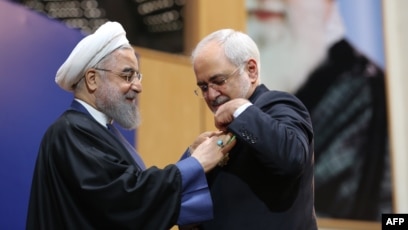
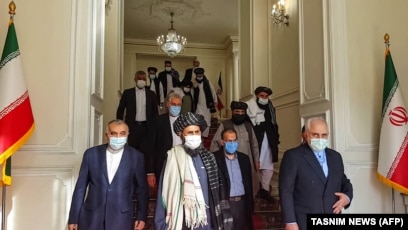
Mohammad Javad Zarif, Iran’s former foreign minister and one of the country’s most prominent diplomats, has resigned from his newly appointed position as the Deputy for Strategic Affairs in President Masoud Pezeshkian’s administration. The resignation, reportedly due to disagreements over cabinet selections, marks a significant shift in the political landscape, given Zarif’s influence in Iran’s foreign policy for over a decade.

Zarif’s appointment to this strategic position was met with considerable anticipation. The role, specially created by President Pezeshkian, was designed to leverage Zarif’s extensive experience in international diplomacy. It was expected that Zarif would guide the administration in navigating complex global challenges and enhance Iran’s strategic posture on the world stage. His resignation, however, underscores the growing tensions within the administration, particularly regarding the direction of Pezeshkian’s cabinet choices.

Zarif, who had served as foreign minister from 2013 to 2021, was instrumental in negotiating the 2015 nuclear deal, which was seen as a significant diplomatic achievement despite later challenges. His departure from the strategic role raises questions about the future of Iran’s foreign and domestic policies under President Pezeshkian, who has been under pressure to balance reformist and hardline elements within his administration.

The resignation is believed to stem from Zarif’s dissatisfaction with certain key appointments in Pezeshkian’s cabinet. Sources indicate that Zarif felt that these choices could undermine the effectiveness of the administration’s strategic initiatives, particularly in dealing with international relations and domestic reforms. This move has sparked speculation about potential rifts within the ruling elite and the possible implications for Iran’s political stability.

President Pezeshkian, who took office earlier this year, has faced considerable challenges in forming a cohesive government. His administration has been characterized by efforts to placate both reformists and conservatives, a task that has proven difficult given the ideological divides within the Iranian political system. Zarif’s resignation may further complicate these efforts, as it signals a potential loss of support from key reformist figures who have been critical of the current direction of the government.

Despite stepping down from his official role, Zarif remains a significant figure in Iranian politics, with deep connections both within the country and internationally. His next moves will be closely watched, particularly by those in the West who have engaged with him in diplomatic negotiations over the years. His resignation also raises concerns about the potential impact on Iran’s ongoing negotiations to revive the nuclear deal, especially given Zarif’s intimate knowledge of the process and his network of international contacts.

The administration has yet to comment publicly on Zarif’s resignation, and it remains unclear who might succeed him in the role of Deputy for Strategic Affairs. However, the departure of such a high-profile figure is likely to have a lasting impact on the dynamics within Pezeshkian’s government and on Iran’s broader strategic direction.

This development marks a critical moment for President Pezeshkian, who must now navigate the fallout from Zarif’s resignation while continuing to address the significant challenges facing his administration. The coming weeks will be crucial in determining whether Pezeshkian can maintain the delicate balance needed to govern effectively or whether this resignation will signal deeper fractures within his government.

Iran’s Vice President for Strategic Affairs, Mohammad Javad Zarif, resigned from his post following disagreements over the composition of the new cabinet under President Masoud Pezeshkian. Zarif, who previously served as Iran’s Foreign Minister, was appointed to the strategic role just over a week ago. However, his resignation came shortly after the list of ministerial nominees was submitted to parliament, a move that has sent shockwaves through the political landscape in Tehran.

Zarif expressed his dissatisfaction with the selection process, stating that the majority of the nominees were not the first choices recommended by the steering council he led. Despite reviewing over 1,000 candidates, Zarif revealed that only three of the 19 selected ministers aligned with the council’s top recommendations. His frustration was further compounded by the failure to fulfill promises regarding the inclusion of women, youth, and ethnic minorities in the new cabinet, which were key elements of Zarif’s vision for the government.

In his resignation statement, Zarif emphasized that the final ministerial list did not adequately reflect expert opinions, which ultimately led to his decision to step down. He expressed gratitude to President Pezeshkian for the opportunity to serve but indicated that he would now return to academia, where he has been a professor at the University of Tehran since leaving his role as Foreign Minister.

The resignation comes at a critical time for the Pezeshkian administration, which is facing significant challenges both domestically and internationally. The parliament is scheduled to begin scrutinizing the ministerial nominees before a vote of confidence on August 17. Zarif’s departure is likely to complicate these proceedings and raises questions about the stability and future direction of the new government.

Zarif, a veteran diplomat, played a significant role in negotiating the 2015 nuclear deal and has been a prominent figure in Iranian politics for decades. His resignation is a blow to the Pezeshkian administration, which had hoped to leverage Zarif’s extensive experience and diplomatic acumen. The former Foreign Minister’s decision to step down underscores the deep divisions within the Iranian political establishment as it navigates the complexities of forming a new government.

This development marks the end of Zarif’s direct involvement in Iran’s domestic politics, at least for the foreseeable future, as he returns to the academic world. The impact of his resignation on the Pezeshkian administration and the broader political landscape in Iran will be closely watched in the coming weeks.

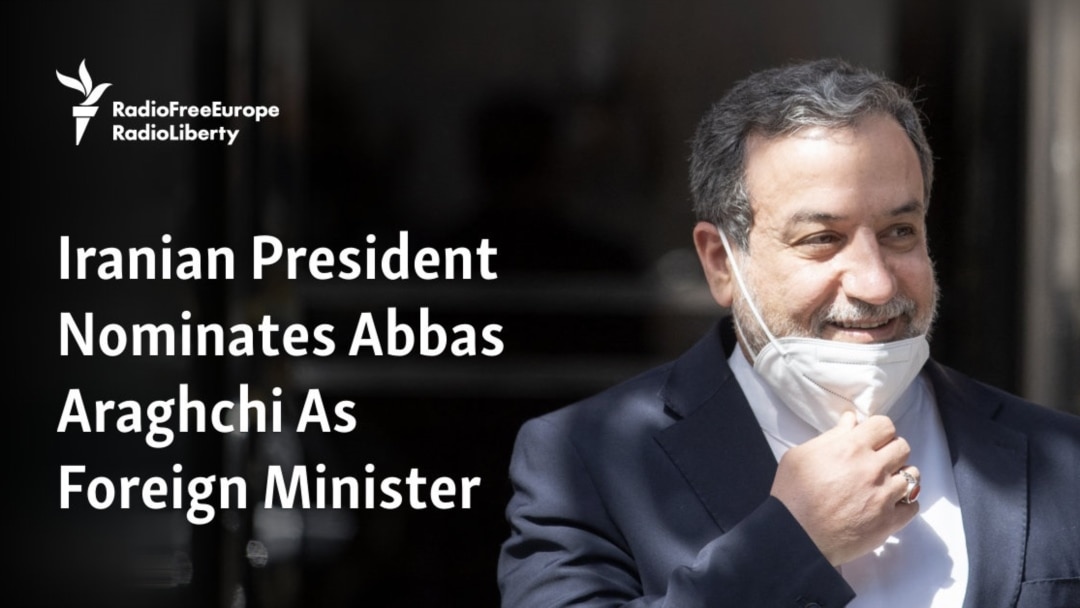
Iran’s President Masoud Pezeshkian has nominated Abbas Araghchi, a seasoned diplomat and former nuclear negotiator, as the country’s new foreign minister. This decision marks a significant step in shaping the country’s foreign policy under Pezeshkian, who took office following the death of his hardline predecessor, Ebrahim Raisi.

Araghchi, known for his pivotal role in the negotiations leading to the 2015 nuclear deal, is widely regarded as a pragmatic figure within the Iranian political landscape. His nomination suggests a possible recalibration of Iran’s diplomatic strategy, focusing on re-engagement with global powers and regional stability, amidst a tense international environment.

This nomination comes at a critical juncture for Iran, as Pezeshkian’s administration seeks to navigate the complex interplay between reformist aspirations and the conservative establishment’s expectations. Araghchi’s experience in diplomacy, particularly his familiarity with the nuances of nuclear negotiations, positions him as a key player in advancing Iran’s international agenda while balancing internal pressures.

The nomination of Araghchi has drawn varied reactions domestically and internationally. Reformist circles view this as a positive move towards moderation, while conservatives remain cautious, emphasizing the need to safeguard national interests. The international community, particularly signatories of the 2015 nuclear agreement, is closely watching this development, as it could signal Tehran’s approach to reviving talks and easing tensions in the region.

Pezeshkian’s administration, despite its reformist leanings, is expected to maintain continuity in several aspects of Iran’s foreign policy, particularly its stance on nuclear issues. However, with Araghchi at the helm of the Foreign Ministry, there may be a renewed focus on diplomacy as a means of addressing the country’s economic challenges and breaking the impasse in nuclear negotiations.

This move by Pezeshkian underscores his administration’s intent to steer the country towards a more balanced foreign policy, one that neither alienates the conservative base nor overlooks the demand for reforms among the populace. Araghchi’s potential confirmation by the Iranian parliament could set the stage for significant diplomatic activity, as Iran seeks to reassert its position on the global stage while managing the expectations of various internal factions.

The international community is expected to engage closely with Araghchi, given his extensive background in diplomacy and negotiations. His appointment could pave the way for a more constructive dialogue between Tehran and the West, especially concerning the future of the nuclear agreement and regional security issues.

As Iran continues to navigate its domestic and international challenges, the role of the Foreign Ministry under Araghchi will be crucial in shaping the country’s future, balancing between reformist ambitions and the conservative establishment’s expectations.

Ukrainian forces have launched a surprise offensive into Russia’s Kursk region, heightening geopolitical tensions and prompting immediate evacuations. This move, confirmed by Ukrainian President Volodymyr Zelenskyy, marks a significant escalation in the conflict between the two nations. The attack on Kursk, a key border area in Russia, has been described by Zelenskyy as a strategic action designed to apply “necessary pressure” on Russia. This development follows a […]

By Dr. Gyan Pathak Prime Minister Narendra Modi has thrown his hat into the quota within quota ring, that is set by a recent Supreme Court verdict. Though the verdict has allowed a structured reservation policy for SC in job and education by subcategorization of more backward castes for sub-quota relative to other castes in […]


European natural gas prices have surged to their highest levels in eight months, driven by mounting concerns over disruptions in Russian gas supplies. This increase highlights the ongoing volatility in the energy markets and the broader implications for European economies dependent on natural gas. The recent price spike follows reports of significant delays and potential reductions in Russian gas deliveries to Europe. European energy markets have been […]

Hindenburg Research has leveled serious allegations against Madhabi Puri Buch, the chairperson of India’s Securities and Exchange Board (SEBI), claiming conflicts of interest that potentially hampered a thorough investigation into the Adani Group. The report, which has ignited widespread concern, particularly in political circles, accuses Buch and her husband of having stakes in offshore funds linked to the Adani family, raising questions about the impartiality of SEBI’s […]

VISHNU RAJA
RYO YAMADA
HITORI GOTOH
IKUYO KITA
Just in:
Meta AI chief raises alarm over superintelligence control // BIT Capital Expands Asia-Pacific Activities with Focus on Hong Kong and Singapore, Bringing Its Human × AI Approach to Asian Investors // Dubai Investments crosses 5% ownership threshold in GFH // European gas futures climb as cold forecasts strain supplies // NMDC Energy agrees to buy Wasco fabrication businesses // Nvidia brings Huang back following Trump intervention // Morgan Stanley lifts UAE stocks to preferred status // Dubai exchange records 22% trading growth amid summit plans // Green SM Celebrates Second Anniversary In Indonesia With “G2EEN SEASON” Promotion, Offering Special Fare Discounts // COOEC signs $800 million QatarEnergy offshore pipeline contract // Google creates simulated internet to test Chrome agents // Three convicted for Kannur CPM man’s murder // Sabarimala pilgrim arrivals decline despite fully booked slots // Noor Royal Collection to host 14 international artists // Guangxi Construction Delegation Heads to Malaysia, Opening A New Chapter in ASEAN–China Cooperation // Palo Alto weighs Terra acquisition above $500 million // Acrab Signs MoU with ModigenceVision at SWITCH 2026 to Advance On-Device AI for Robotics // GTA VI Batman parody revives Knightfall comic scene // India shares briefly erase 2026 losses before retreat // A Bridge Between Indonesia and China: Bali Brought Together Government, Investors, Developers and Future Technologies at the Indonesia-China Bridge Forum //