News related to
political

Iran’s national currency, the rial, has depreciated to an unprecedented low, trading at 1,039,000 rials per U.S. dollar on Tuesday. This significant decline underscores the mounting economic challenges facing the nation as it grapples with stringent sanctions reinstated under President Donald Trump’s “maximum pressure” strategy. The reimplementation of these sanctions has severely curtailed Iran’s oil exports, a primary source of national revenue. Consequently, the economy has experienced […]

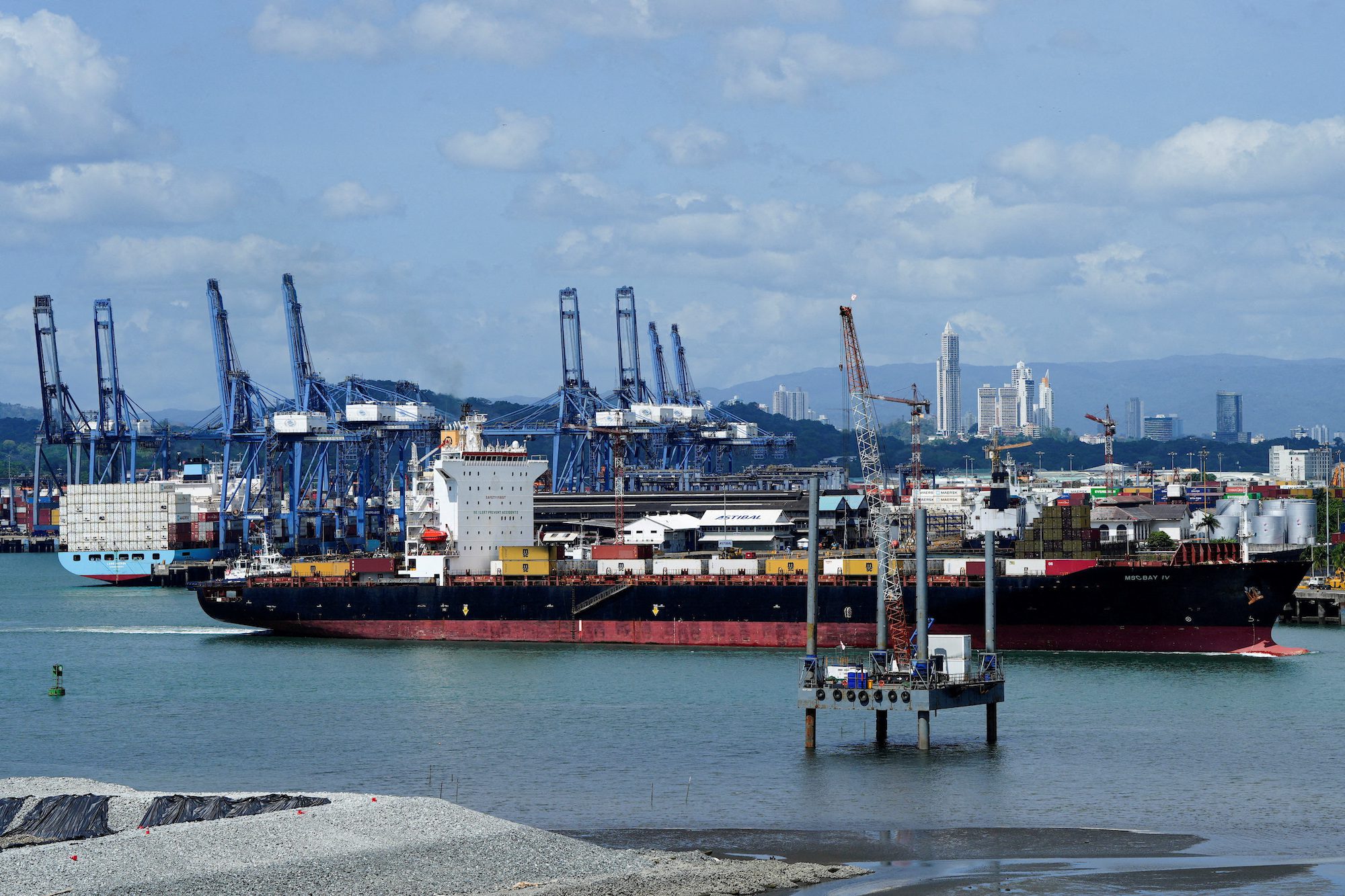
Chinese authorities have initiated a review of CK Hutchison Holdings Ltd.’s agreement to divest its port assets near the Panama Canal to a consortium led by BlackRock Inc., expressing dissatisfaction with the Hong Kong-based conglomerate’s decision.

The deal, valued at approximately $22.8 billion, encompasses the sale of 43 ports across 23 countries, notably including the Balboa and Cristobal terminals situated at either end of the Panama Canal. CK Hutchison asserts that the transaction is purely commercial and does not involve its port operations in Hong Kong or mainland China.

Beijing’s reaction has been notably severe. The Hong Kong and Macau Affairs Office, representing China’s central government, has publicly criticized the sale, describing it as a “betrayal of all Chinese people.” State-affiliated media have echoed this sentiment, labeling the move as “spineless” and accusing CK Hutchison of yielding to foreign pressure.

This development occurs amid heightened geopolitical tensions between China and the United States. U.S. President Donald Trump has lauded the acquisition, interpreting it as a strategic move to reclaim American influence over the Panama Canal, a vital maritime passage constructed by the U.S. in the early 20th century and transferred to Panamanian control in 1999.

In response to the sale, Chinese officials are contemplating the application of anti-monopoly laws to scrutinize the transaction further. Legal experts suggest that while Beijing’s jurisdiction over CK Hutchison’s overseas operations is limited, potential leverage could be exerted through the conglomerate’s substantial investments within China.

Hong Kong’s Chief Executive, John Lee, has also weighed in, denouncing coercive tactics by foreign governments without directly naming the United States or addressing the specifics of the port deal. He emphasized the importance of fair international trade practices and the need to resist external pressures.

Tesla has announced plans to commence sales in Saudi Arabia next month, marking a significant expansion into the Gulf region’s largest market. The electric vehicle manufacturer will host a launch event in Riyadh on April 10 to showcase its lineup of electric vehicles and solar-powered products.

This development indicates a mending of relations between Tesla’s CEO, Elon Musk, and Saudi Arabia, following tensions that arose in 2018. At that time, Musk’s statement about securing funding to take Tesla private, allegedly involving Saudi Arabia’s Public Investment Fund , led to a dispute when the deal did not materialize. Subsequent legal proceedings revealed strained communications between Musk and PIF Governor Yasir al-Rumayyan. The recent rapprochement is highlighted by Musk’s virtual participation in Riyadh’s Future Investment Initiative summit and his appearance alongside al-Rumayyan and U.S. President Donald Trump at a high-profile event in New York.

The upcoming event in Riyadh will not only feature Tesla’s electric vehicles but also introduce innovations such as the autonomous driving technology “Cybercab” and the humanoid robot “Optimus.” While these products will be on display, the company has yet to announce their availability in the Saudi market.

Saudi Arabia’s electric vehicle sector is still in its early stages, with electric cars accounting for just over 1% of total car sales in 2024. Despite this, the kingdom has demonstrated a commitment to diversifying its automotive market. The PIF has invested over $1 billion in Lucid Motors, a competitor in the EV space, and is supporting the development of Ceer, a domestic electric vehicle brand.

Tesla’s entry into Saudi Arabia comes at a time when the company is facing challenges in other markets. In Europe, Tesla has experienced a 42.6% decline in sales this year, even as overall demand for electric vehicles grows. In the United States, the brand has been the target of protests related to Musk’s political engagements and his role in federal budget cuts.

The Saudi market presents both opportunities and challenges for Tesla. The nation’s expansive road networks and limited charging infrastructure, coupled with a consumer preference for large, gasoline-powered vehicles due to low fuel prices, may pose hurdles to widespread EV adoption. However, the government’s initiatives to promote electric vehicles and renewable energy align with Tesla’s mission, potentially facilitating the company’s growth in the region.

Matein Khalid If ever any investor needed a real time lesson in emerging markets risk, the timebombs in Ankara, Jakarta and Bogotá to provided it. President Erdogan ordered the arrest of his top rival Istanbul Mayor Ekrem İmamoğlu and triggered a 10% plunge in the lira against the US dollar, an exodus of offshore money from the local T-bill market and a horrific meltdown in Istanbul bank […]

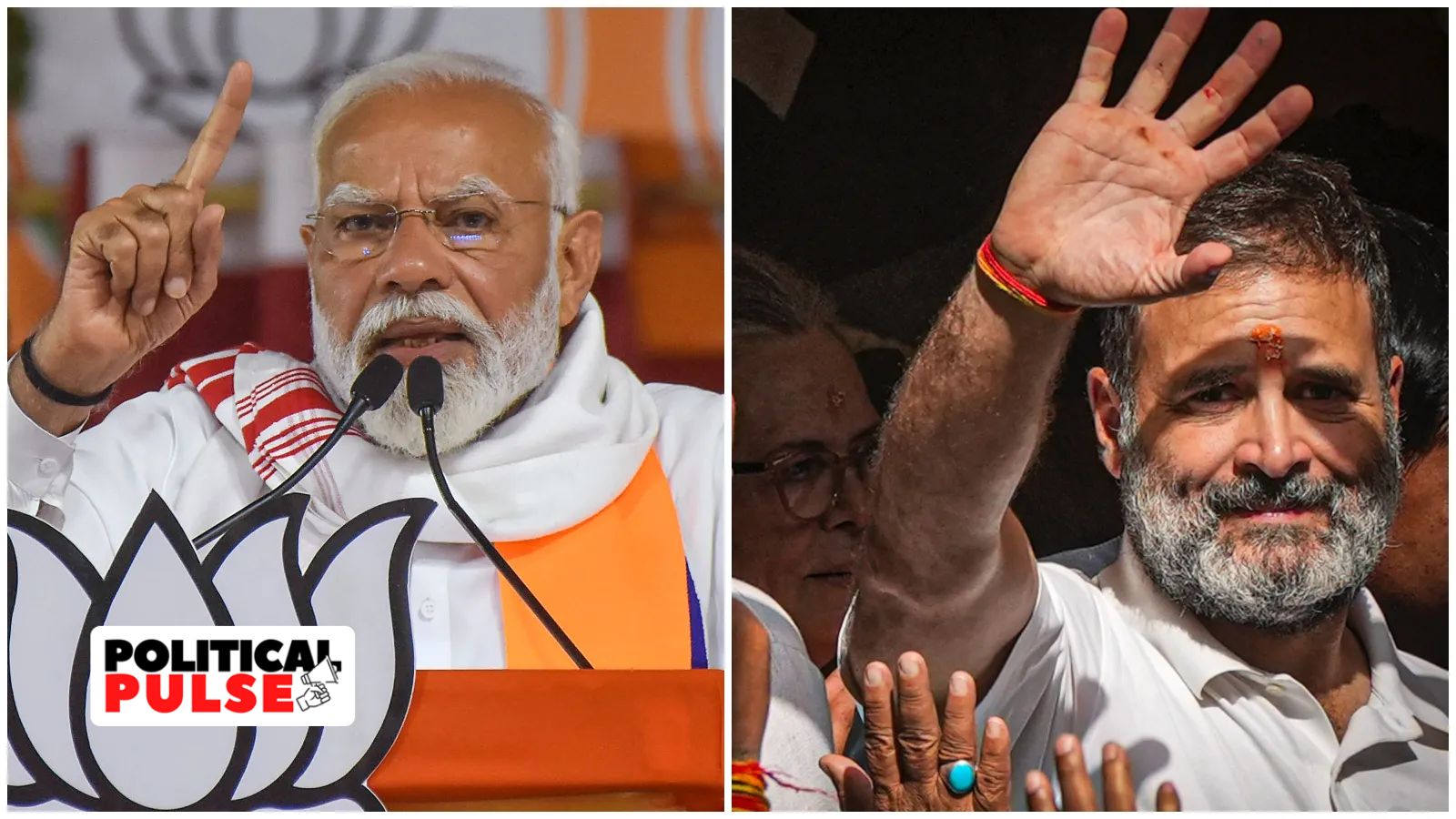
By Sushil Kutty Congress President Mallikarjun Kharge is adamant that nobody (does “nobody” include Congress?) can “change the Constitution drafted by Babasaheb Ambedkar” and that nobody “can finish reservation” either. The question then boils down to can anybody give Muslims reservation, i.e., reservation on the basis of religion? The Constitution says ‘no’. The Congress leaves […]
By Nitya Chakraborty Is the Bangladesh Army going to take over control of their politically turbulent country, either from front or behind, to precipitate the holding of early elections? This question is being raised by the seasoned political observers in Dhaka, as the whole of last week was dominated by highly controversial posts on Facebook, […]

President Donald J. Trump has initiated a significant overhaul of the United States Agency for International Development , rebranding it as the U.S. International Humanitarian Assistance and integrating blockchain technology into its operations. This restructuring places the agency under the direct authority of Secretary of State Marco Rubio, aiming to enhance transparency and efficiency in foreign aid distribution.

An internal memo circulating within the State Department outlines the administration’s plan to utilize blockchain technology to secure and trace aid disbursements. The objective is to improve the transparency, security, and efficiency of aid distribution by leveraging blockchain’s immutable ledger capabilities. However, the specifics of this integration—whether it involves the use of cryptocurrencies or solely blockchain ledgers—remain unclear. The administration emphasizes a shift towards outcomes-based funding, intending to ensure that aid programs deliver measurable results.

Despite these intentions, the proposed reorganization has encountered legal challenges. A federal judge recently ruled that the dismantling of USAID by the Department of Government Efficiency , led by Elon Musk, likely violates the Constitution. The court issued an indefinite injunction blocking further actions against USAID and mandated the reinstatement of email and computer access to affected employees. This ruling does not reverse all personnel changes or fully restore the agency but highlights concerns over the administration’s approach to restructuring.

Critics argue that while blockchain technology offers potential benefits, its application in humanitarian contexts may not be necessary or cost-effective. Some experts caution that such technological solutions could impose additional burdens on smaller non-governmental organizations and may not provide substantial advantages over existing systems. They suggest that the focus should remain on addressing the immediate needs of aid recipients rather than implementing complex technological frameworks.

The administration’s broader strategy includes reducing the size of the federal government and reallocating resources to align more closely with American geopolitical interests. This involves concentrating on areas such as global health, food security, and disaster response, while politically oriented programs may be redirected to other sections within the State Department. The restructuring plan also proposes the elimination of multiple regional bureaus, aiming to streamline operations and enhance efficiency.

Secretary of State Marco Rubio has indicated that the reorganization will proceed with input from Congress, underscoring the administration’s commitment to aligning foreign aid programs with the interests of U.S. taxpayers and strategic objectives. However, the legal setbacks and critiques from various stakeholders suggest that the path forward may be complex and contentious.

Advertisements

British oilfield services and engineering firm Wood Group has agreed to extend its takeover discussions with Dubai-based Sidara, allowing time for the completion of an independent review of Wood’s projects division by Deloitte. This extension comes as Sidara faces a UK regulatory deadline to make a firm offer or withdraw, a deadline now deferred due to mutual agreement. Sidara had previously withdrawn a £1.6 billion bid for […]

By K Raveendran It would be an understatement that the discovery of a large stash of cash from the residence of Delhi High Court Justice Yashwant Varma has sent shockwaves. This unexpected incident has raised uncomfortable questions about corruption and integrity within the judiciary, often viewed as the guardian of justice and moral rectitude. While […]

The United Arab Emirates property market is witnessing a notable influx of foreign institutional investors, marking a significant shift from its earlier reputation as a speculative arena dominated by individual buyers. This transformation is attributed to a combination of regulatory reforms, economic diversification, and the nation’s robust infrastructure, collectively enhancing the market’s appeal to large-scale investors. Historically, the UAE’s real estate sector was perceived as volatile, with […]

Oil prices have experienced a notable increase, marking the second consecutive weekly gain, as geopolitical developments and strategic decisions by major oil-producing entities influence global supply dynamics. The introduction of new US sanctions targeting Iran’s oil sector, coupled with planned output adjustments by the Organization of the Petroleum Exporting Countries and its allies , have been pivotal in this upward trend. Brent crude futures recently rose by […]

Kuwait is on the brink of a significant financial transformation as it prepares to permit banks to offer mortgages for the first time. This legislative shift, anticipated to be approved soon by the Council of Ministers, is expected to unlock a market valued at approximately $65 billion, potentially expanding lenders’ credit portfolios by 40%. Historically, Kuwait has refrained from allowing or regulating mortgages due to concerns over […]

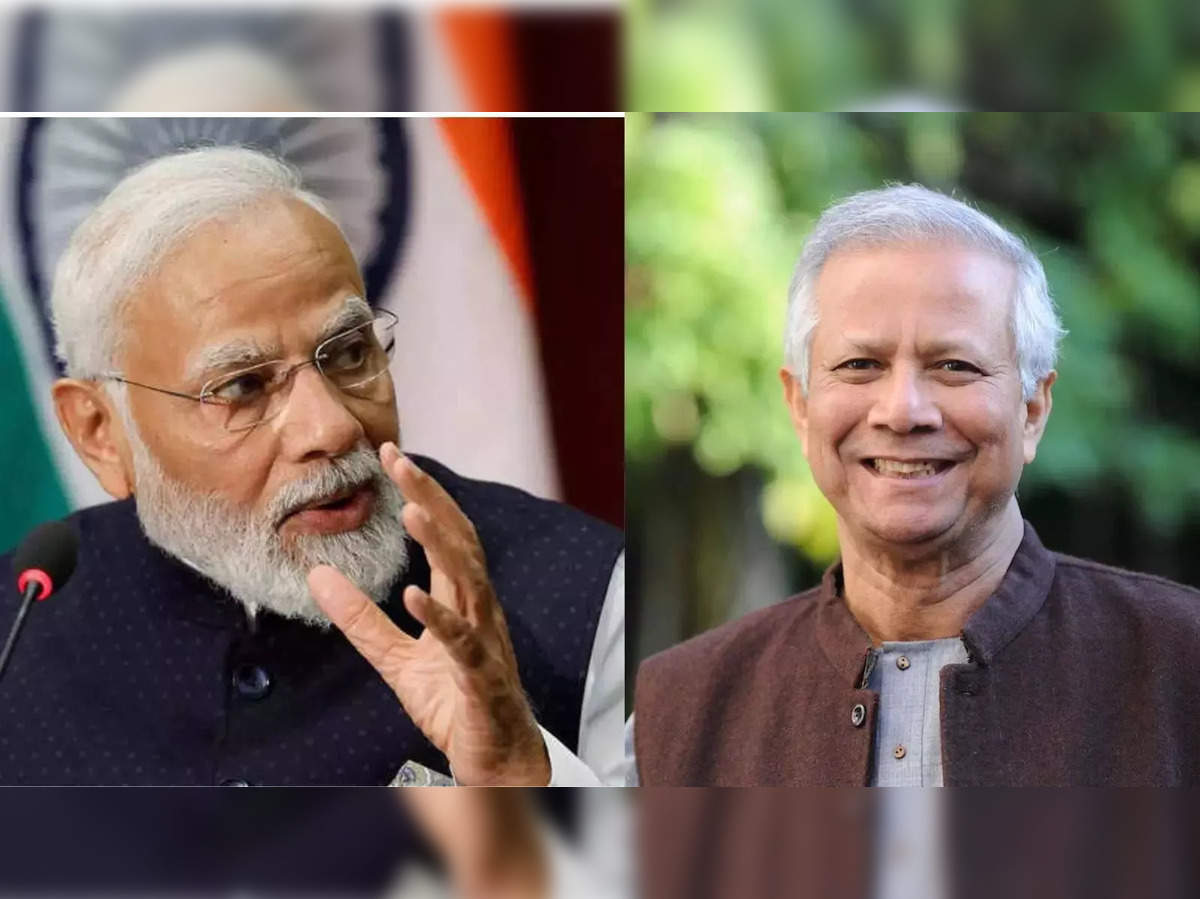
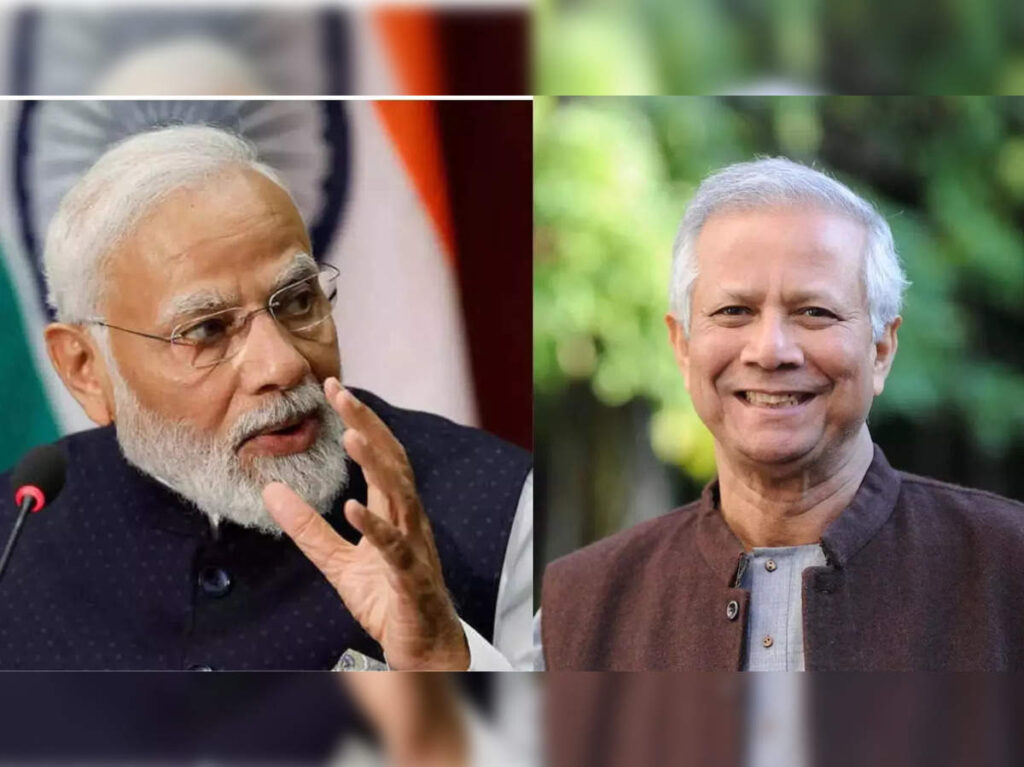
By Nitya Chakraborty Bangladesh has officially sought a meeting between their head of interim government Dr. Mohammad Yunus and the Indian Prime Minister Narendra Modi on the sidelines of the coming BIMSTEC meeting at Bangkok on April 2-4 next. Both countries are members of BIMSTEC. As per present schedule, both have confirmed their presence at […]

Chinese financial experts have raised concerns that US dollar-pegged stablecoins may strengthen the dollar’s global dominance by linking international credit to virtual economies. They advocate for China to develop its own stablecoins to enhance the yuan’s international standing.

A recent opinion piece published in several Chinese outlets considers how China should respond to the proliferation of US dollar stablecoins. The article suggests that China’s central bank should consider issuing its own stablecoins to counter the influence of dollar-pegged digital currencies.

Wang Yongli, former Vice President of the Bank of China, analyzed the position of the U.S. dollar as the world’s dominant currency and its implications for China’s monetary strategy. He pointed out that many countries, including China, have sought to internationalize their currencies and reduce reliance on the dollar, but these efforts face significant challenges. Despite China being the world’s second-largest economy and the largest trading nation in goods, the RMB’s share in global payments remains low, only around 4%, compared to the dollar’s nearly 50%. The RMB’s share in global reserves is also minimal, at just over 2%, while the U.S. dollar, despite declining from its peak, still accounts for nearly 60%.

China has been proactive in developing its own central bank digital currency , known as the digital yuan or e-CNY. This initiative aims to modernize the country’s payment systems and promote the yuan’s international use. The digital yuan is currently being tested in various regions and sectors within China, with plans for broader implementation in the future.

The internationalization of the yuan faces challenges, particularly due to China’s stringent capital controls, which limit the currency’s convertibility. These controls are in place to maintain financial stability but hinder the yuan’s acceptance as a global currency. Additionally, geopolitical tensions and U.S. sanctions add complexity to China’s efforts to promote the yuan internationally.

In response to these challenges, Chinese researchers have proposed the idea of a common Asian digital currency. Such a currency could reduce the region’s reliance on the U.S. dollar and enhance financial cooperation among Asian countries. This proposal reflects a strategic move to counter the dollar’s dominance and promote regional financial stability.

The proliferation of US dollar stablecoins presents both opportunities and challenges for global financial systems. While they offer efficiency and accessibility in digital transactions, they also reinforce the dollar’s hegemony, potentially undermining other currencies. China’s consideration of its own stablecoins and the development of the digital yuan are strategic efforts to enhance the yuan’s global standing and mitigate the risks associated with dollar-dominated digital currencies.

President Vladimir Putin has expressed openness to Western companies considering a return to the Russian market, provided they comply with Moscow’s terms. This stance comes amid ongoing geopolitical tensions and economic realignments following the Ukraine conflict.

In a recent address to the Russian Union of Industrialists and Entrepreneurs, Putin acknowledged the interest of foreign businesses in re-entering Russia but emphasized that any return would not entail preferential treatment. He stated that companies which had previously divested their Russian assets at discounted rates should not anticipate reacquiring them under similar conditions. Putin underscored the necessity of establishing a regulatory framework that preserves the competitive edge of domestic enterprises while accommodating foreign entities.

Despite these overtures, Dmitry Medvedev, Deputy Chairman of Russia’s Security Council, indicated that no formal applications from Western companies seeking to resume operations in Russia have been received. He noted that while there have been informal inquiries, official requests remain absent. Medvedev suggested that the absence of formal applications could be attributed to the complexities introduced by domestic businesses filling the void left by departing Western firms.

The exodus of Western companies from Russia, triggered by the onset of the Ukraine war and ensuing sanctions, led to significant shifts in the Russian market landscape. Major corporations such as McDonald’s and Starbucks ceased their operations, prompting local enterprises to step in and occupy the vacated spaces. This transition has fostered the growth of domestic brands, altering consumer dynamics and market shares within the country.

The prospect of Western companies returning to Russia is further complicated by the nation’s current economic conditions. Russia’s wartime economy is grappling with challenges including inflation and political instability, factors that could deter potential investors. Additionally, concerns over corporate nationalization and asset seizures have heightened apprehensions among foreign investors contemplating re-entry into the Russian market.

The broader geopolitical context also plays a pivotal role in shaping the investment climate. Recent developments, such as discussions around the potential return of blocked Russian foreign exchange reserves, have sparked debates within the European Union. Some analysts caution that releasing these reserves could inadvertently bolster Russia’s war efforts, thereby undermining Ukraine’s position and the EU’s strategic leverage. This underscores the intricate balance that policymakers must navigate in addressing the economic dimensions of the conflict.

Internal documents suggest that Russia may be strategizing to prolong the Ukraine conflict, potentially undermining peace negotiations led by international actors. A Kremlin-affiliated think tank report proposes extending the war and making demands that could derail diplomatic efforts. Such maneuvers add layers of uncertainty to the geopolitical landscape, influencing the calculus of foreign businesses considering a return to Russia.

OPEC+ has announced a revised schedule for seven member nations to implement additional oil output cuts, aiming to compensate for previous overproduction. These measures are set to overshadow the planned production increases slated for next month.

The updated plan mandates monthly reductions ranging from 189,000 to 435,000 barrels per day , with the cuts extending until June 2026. This initiative seeks to address the excess output that has occurred despite the group’s ongoing efforts to stabilize the oil market.

Since 2022, OPEC+, which includes members of the Organization of the Petroleum Exporting Countries along with Russia and other allies, has been implementing output cuts totaling 5.85 million bpd, approximately 5.7% of global supply. These cuts were introduced in phases to support market stability amid fluctuating demand and geopolitical tensions.

Despite these efforts, certain member countries have exceeded their production quotas. Kazakhstan, for instance, has seen a significant production surge due to Chevron’s expansion at the Tengiz oilfield, leading to output levels surpassing its OPEC+ quota.

To address this imbalance, the new compensatory cuts will require substantial contributions from Iraq, Kazakhstan, and Russia, with Saudi Arabia also making smaller adjustments. These measures are designed to offset the previous overproduction and align the group’s output with agreed targets.

Concurrently, OPEC+ has decided to proceed with a modest production increase of 138,000 bpd starting in April, citing healthier market conditions. This marks the beginning of a series of monthly hikes intended to gradually restore a total of 2.2 million bpd over the next 18 months, following repeated delays since 2022.

However, the introduction of compensatory cuts raises questions about the net effect on global oil supply. The scheduled reductions are expected to more than offset the planned production hikes, potentially tightening the market further. This development comes amid new U.S. sanctions targeting Chinese entities involved in supplying Iranian oil, which have contributed to a recent uptick in oil prices.

As of Friday, Brent crude futures rose 0.3% to $72.21 per barrel, and U.S. West Texas Intermediate crude futures increased 0.4% to $68.32 per barrel. Both benchmarks were set to rise about 2% for the week, marking the largest weekly gains since early 2025.

The International Energy Agency has noted that increasing global trade tensions and new U.S. tariffs are negatively impacting oil demand and economic growth, creating uncertainty. The IEA revised its oil-demand growth estimates down to 1.03 million bpd from an earlier 1.1 million bpd, while OPEC projects higher growth at 1.45 million bpd.

With OPEC+ set to raise output beyond April and increased production in regions like Kazakhstan, Iran, and Venezuela, the IEA expects global oil supply to exceed demand, foreseeing a surplus of approximately 600,000 bpd. Total supply could average 104.5 million bpd by 2025, driven by non-OPEC+ production growth.


Matein Khalid Starting in 2016, the US has morphed into the world’s largest LNG exporter, eclipsing Australia and Qatar. Trump is determined to achieve global energy dominance as he exploits the geopolitical leverage American LNG exports give him in his relations with Europe, Asia and the GCC. He has pledged to dramatically expand US natural gas production via his “drill baby drill” ethos, rescinded Biden’s environmental pause […]

By P. Sudhir As the year 2026 approaches, the issue of the delimitation of parliamentary and assembly constituencies is drawing public attention and controversy. This is the year when the freeze on the number of seats will end, and the next round of delimitation must be undertaken following the first census conducted after 2026. The […]

Escalating conflict in the Middle East has led to significant upheavals in global financial markets. On March 18, 2025, Israel launched extensive airstrikes across the Gaza Strip, effectively ending a ceasefire that had been in place since January. These strikes resulted in over 400 Palestinian casualties, including many women and children, marking one of the deadliest 24-hour periods in the region since 2023. Israeli Prime Minister Benjamin […]

Arabian Post Staff -Dubai President Donald Trump hosted Sheikh Tahnoon bin Zayed Al Nahyan, the United Arab Emirates’ National Security Adviser and Deputy Ruler of Abu Dhabi, at the White House on Tuesday evening. The meeting underscored the enduring ties between the two nations and focused on enhancing cooperation in technology and investment sectors. In a statement following the dinner, President Trump highlighted the significance of the […]

By Nitya Chakraborty Indrajit Gupta, the dedicated Communist leader of India in the last century and an outstanding Parliamentarian dominated the country’s trade union movement and the Left movement for the last sixty years of the 20th century. He belonged to that generation of leaders from undivided Bengal whose sense of patriotism and deep anguish […]

Global investors have executed a historic shift in their portfolios, markedly reducing exposure to U.S. equities while increasing allocations to European stocks. This movement reflects growing apprehensions about the U.S. economic outlook and a more optimistic view of Europe’s financial prospects.

A Bank of America survey revealed that fund managers decreased their U.S. equity holdings by 40 percentage points, transitioning from a 17% overweight position in February to a net underweight of 23% in March. This represents the most substantial reduction on record, surpassing adjustments observed during previous economic downturns. The survey, which included 171 participants managing $477 billion in assets, underscores a significant reevaluation of investment strategies in response to emerging global economic challenges.

Several factors have contributed to this shift. Investors express heightened concerns over stagflation—a combination of stagnant economic growth and high inflation—and the potential repercussions of escalating trade tensions. The perception of diminishing U.S. economic exceptionalism has further fueled these apprehensions, leading to a reassessment of asset allocations.

In contrast, European equities have experienced increased investor interest. Allocations to Eurozone stocks surged by 27 percentage points, reaching the highest level since mid-2021. Approximately 39% of global investors now hold overweight positions in European equities, reflecting a growing confidence in the region’s economic resilience and potential for growth.

This reallocation is also evident among UK investors, who have increased their exposure to domestic stocks while reducing U.S. equity holdings. This trend suggests a broader reevaluation of investment strategies, with a renewed focus on local markets perceived as more stable or promising under current global economic conditions.

The technology sector, once a stalwart of U.S. market growth, has seen a notable decline in investor sentiment. Conversely, sectors such as utilities and banking have gained favor, indicating a strategic pivot towards more traditionally stable industries amid economic uncertainty.

Despite these shifts, some hedge funds have begun cautiously reinvesting in U.S. equities following significant sell-offs. This activity suggests that certain investors perceive potential value in the U.S. market, although this perspective is not yet widespread.

The broader implications of this investment reallocation are multifaceted. For the U.S., reduced equity allocations could signal waning confidence in its economic trajectory, potentially leading to decreased capital inflows and subdued market performance. Conversely, Europe’s attractiveness to investors may bolster its markets, providing a counterbalance to global economic headwinds.

This strategic pivot underscores the dynamic nature of global investment landscapes, where economic indicators, geopolitical developments, and market sentiments continually influence capital distribution. Investors’ current preference for European equities over U.S. stocks reflects a nuanced assessment of risk and opportunity in an evolving economic environment.

By Deeksha Dwivedi The recent arrest of Mahmoud Khalil in the United States, an active member of Columbia University’s protests against the ongoing genocide in Gaza, takes me back to 2016 when student political leaders Umar Khalid, Kanhaiya Kumar and Anirban Bhattacharya were arrested by the Delhi Police on charges of sedition. A controversy had […]


A prominent investment fund has made a significant wager on Brent crude oil prices surging toward $100 per barrel, reflecting growing concerns over escalating geopolitical tensions in the Middle East. On Monday, options contracts equivalent to 20 million barrels were traded, poised to profit if Brent’s June futures approach the $100 mark. This substantial position underscores the fund’s anticipation of a potential price spike amid mounting regional […]

VISHNU RAJA
RYO YAMADA
HITORI GOTOH
IKUYO KITA