News related to
power

French artificial intelligence startup Mistral is engaged in discussions to secure up to $1 billion in funding, which could elevate its valuation to $10 billion, according to reports from industry insiders. The company is in talks with several investors and venture capital firms, alongside Abu Dhabi-based MGX, to bolster its growth. This funding will enable Mistral to further develop its large language models and accelerate the commercial […]

Cybersecurity firm Vectra AI has expanded its global operations by opening a new office in Bangalore, a strategic move to reinforce its presence in the Asian market. The company, which focuses on AI-powered threat detection, aims to meet the growing demand for advanced cybersecurity solutions across the region.

The new office will serve as a hub for both engineering and sales operations, marking a significant step in Vectra’s growth strategy. Bangalore, known as India’s tech capital, was chosen due to its thriving tech ecosystem, which is home to a number of global IT giants and startups. This location allows Vectra to tap into the city’s strong talent pool and access a rapidly expanding market for cybersecurity services.

As cyber threats become increasingly sophisticated and widespread, the demand for AI-based cybersecurity solutions has surged globally. Vectra’s decision to set up in Bangalore is part of a broader trend among international tech firms looking to capitalize on India’s growing digital landscape. With a booming digital economy, India is experiencing an uptick in cybercrime, creating an urgent need for advanced cybersecurity measures.

Vectra AI’s technology uses machine learning and AI to detect, investigate, and respond to cyber threats in real-time. The firm’s platform is designed to give enterprises a proactive approach to securing their digital infrastructure by identifying vulnerabilities and malicious activity earlier than traditional methods. The company’s expansion into Bangalore comes at a time when businesses worldwide are prioritizing security, especially as remote work environments and digital transformation continue to rise.

The new office is also expected to boost local job creation in the region. Vectra has been actively recruiting top talent from local universities and the wider IT sector. The firm is looking to hire software engineers, data scientists, and sales personnel to support the growing demand for its solutions. The company’s leadership has expressed confidence that the Bangalore office will play a key role in advancing its technological capabilities and expanding its customer base across Asia.

The company’s move follows a series of investments aimed at expanding its reach. Vectra AI has raised millions in funding in recent years to accelerate its research and development efforts. With the cyber threat landscape continually evolving, the company is positioning itself as a key player in providing solutions that not only detect threats but also help organizations respond to and mitigate attacks effectively.

The Bangalore office will collaborate closely with Vectra’s other offices in the US and Europe, helping to streamline the company’s global operations. It will also serve as a base for expanding partnerships with local firms and government agencies, further cementing Vectra’s commitment to addressing the growing cybersecurity challenges in Asia.

eToro, the globally recognised trading platform, revealed plans to introduce tokenized US stocks and exchange-traded funds on Ethereum. This announcement, made during a global webinar titled ‘eToro Unlocked: Trade Without Boundaries’, marks a significant development in the integration of traditional financial assets with blockchain technology.

The initiative aims to bridge the gap between conventional finance and the burgeoning world of decentralised finance. By utilising Ethereum’s blockchain, eToro will allow users to trade tokenized versions of US stocks and ETFs. This move follows the growing trend of decentralised financial products that provide greater accessibility and transparency to global markets. The tokenisation of these assets is expected to enable fractional ownership, meaning investors can hold and trade portions of stocks and ETFs without the need for a large capital outlay.

This shift is in line with a wider industry push towards blockchain adoption. Major financial institutions, including banks and asset managers, have explored tokenisation as a way to simplify processes, reduce costs, and make trading more efficient. By offering these products on a platform like eToro, which boasts millions of active users, the company is positioning itself as a key player in the digital asset space.

As of now, traditional trading platforms have been somewhat slow to incorporate blockchain technologies, particularly when it comes to mainstream products like equities and ETFs. However, tokenisation is rapidly gaining traction, with the promise of faster transactions, lower fees, and enhanced security. Ethereum, due to its widespread use and robust smart contract capabilities, has emerged as a leading blockchain for such innovations.

The rollout of tokenized US stocks and ETFs will occur in phases. Initially, a select group of eToro users will be given early access to these digital assets, with the plan for a broader launch depending on regulatory approval and market demand. Despite the novelty of tokenised equities, the platform’s offering will be fully compliant with the relevant financial regulations, ensuring that users can trade with confidence.

eToro’s move to embrace Ethereum-based tokenisation comes at a time when other financial services firms are also investigating blockchain’s potential in transforming asset management. For instance, firms like Fidelity and Grayscale have pioneered offerings that allow traditional investment in cryptocurrency, while companies such as JP Morgan and Goldman Sachs have been integrating blockchain technologies into their existing infrastructure.

However, it remains to be seen whether tokenised assets can truly revolutionise the way investors interact with traditional financial products. While blockchain technology offers numerous advantages, including faster settlement times and reduced friction in cross-border trading, the challenge lies in widespread adoption. Regulatory hurdles and market acceptance will play key roles in determining whether tokenisation becomes mainstream or remains a niche offering.

Nonetheless, the trend is gaining momentum. Tokenisation is seen as a way to democratise access to high-value assets that were previously reserved for wealthier investors or institutions. By breaking down these assets into smaller, more affordable fractions, eToro aims to give a wider audience the opportunity to diversify their portfolios, gain exposure to US stocks and ETFs, and participate in a global marketplace.

As eToro has expanded its offerings in recent years, it has positioned itself as a platform that seeks to empower users by providing more trading options and access to a range of global financial products. This tokenisation project is part of eToro’s broader vision of a more open and inclusive financial ecosystem, where geographical and financial barriers are diminished through technological advancements.

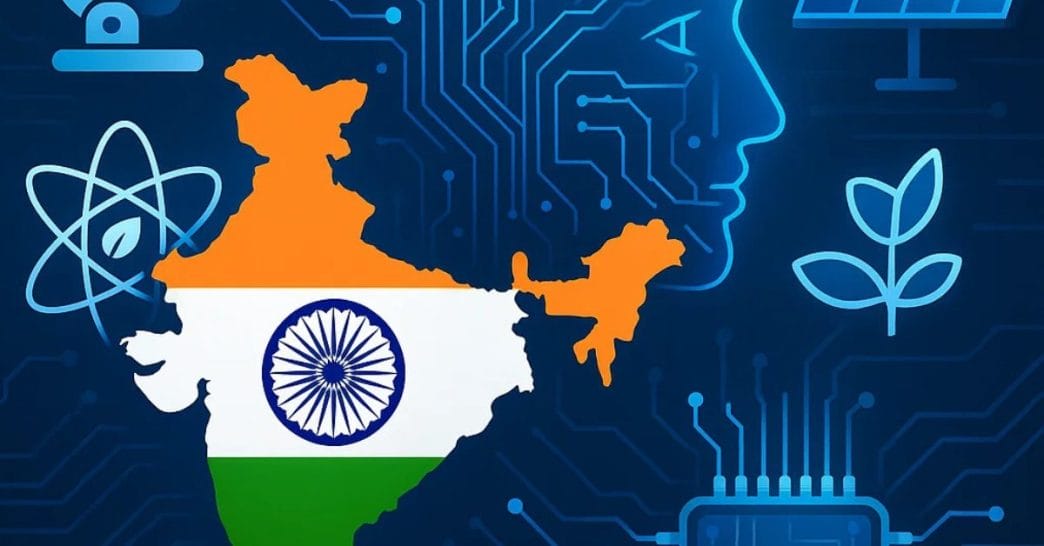
The Indian government has launched a substantial ₹1 lakh crore initiative aimed at advancing research and development in DeepTech sectors, which include artificial intelligence, biotechnology, and clean energy. The move seeks to position India at the forefront of technological innovation while addressing pressing global challenges, such as climate change and health issues, through groundbreaking advancements.

The scheme, which is the largest of its kind in the country, provides financial support through low-interest loans and grants to organisations engaged in pioneering research within these high-tech fields. This initiative is designed to fuel India’s transition to a knowledge-based economy, empowering domestic companies to compete on the global stage.

The programme has been met with widespread enthusiasm across industries, particularly for its potential to create high-skilled jobs and promote sustainable growth. Industry experts believe that the government’s focus on DeepTech will provide the necessary infrastructure for start-ups and established companies to undertake transformative research, particularly in AI and biotechnology, areas that are expected to revolutionise industries globally.

The scheme is structured to benefit both large-scale enterprises and smaller start-ups, ensuring a wide distribution of opportunities across the technology ecosystem. By offering loans with highly favourable interest rates, the government is incentivising private investment in research and innovation. These funds can be used for a variety of purposes, including product development, infrastructure creation, and collaboration with academic institutions. The emphasis on clean energy projects is particularly timely, given the global push towards sustainability and reducing carbon footprints.

Aimed at fostering a more robust R&D culture, this initiative also ties into broader national objectives, such as strengthening India’s technological independence and making strides towards self-reliance. By facilitating the creation of homegrown technologies, the government hopes to reduce the nation’s dependence on foreign technologies and build a self-sustaining innovation ecosystem.

The programme is expected to bring a ripple effect, spurring greater investment in the country’s deep-tech space. This comes at a time when global investors are showing increasing interest in emerging markets like India, particularly in sectors that address environmental concerns and healthcare challenges. Experts suggest that this initiative could make India a major player in AI, clean energy, and biotech, which have seen explosive growth globally.

This initiative builds upon earlier steps taken by the government to boost technological innovation. A notable example is the government’s push for AI adoption across industries, with initiatives such as the National AI Strategy. Moreover, India’s growing digital infrastructure, which includes expanding internet access and cloud capabilities, is seen as a foundation for the country to lead in cutting-edge research and development.

With AI poised to reshape industries such as healthcare, agriculture, and education, the government’s focus on AI-driven projects through this scheme could significantly enhance the country’s global competitiveness. For example, AI technologies are expected to play a critical role in optimising supply chains, improving healthcare diagnostics, and even contributing to smarter urban planning and infrastructure.

Similarly, India’s biotechnology sector, which has been a cornerstone of the nation’s medical advancements, stands to benefit enormously from the new scheme. Biotechnology holds promise for breakthroughs in disease treatment, diagnostics, and sustainable agricultural practices. With government backing, researchers and innovators will have access to the necessary resources to push the boundaries of what is currently possible in life sciences.

The clean energy component of the scheme is particularly crucial in the context of global environmental concerns. India, as one of the world’s largest emitters of carbon dioxide, has made ambitious commitments to reduce its carbon footprint, and this initiative is aligned with those goals. By providing financial incentives for renewable energy projects, including solar, wind, and hydrogen energy, the government is fostering an ecosystem conducive to green innovation.

The scheme also complements India’s broader economic reforms aimed at boosting manufacturing and technological self-sufficiency under the “Make in India” programme. By nurturing DeepTech innovation, India could develop indigenous solutions that cater not just to domestic needs but also to international markets, enhancing its stature as a hub for cutting-edge technology.

As part of its effort to ensure the programme’s success, the government is also facilitating partnerships between industry players and academia. This collaborative approach is intended to strengthen the research base and bridge the gap between innovation and practical application. Partnerships with international research bodies are also expected to enhance India’s global position in deep-tech innovation.


The U. S. Office of Special Counsel has initiated a formal investigation into Jack Smith, the prosecutor overseeing key legal cases against former U. S. President Donald Trump. This move marks a significant escalation in a series of actions targeting Smith, widely viewed as a central figure in the growing legal battle surrounding Trump. The investigation stems from allegations of misconduct during Smith’s tenure as special counsel, […]

The world of cybersecurity has entered an uncharted realm, where artificial intelligence is not only a weapon for cyber attackers but also a critical tool in defending against these increasingly sophisticated threats. As cybercriminals turn to AI to power their attacks, the race is on to develop AI-driven systems that can outthink and outpace malicious algorithms. One of the key figures in this rapidly evolving landscape is […]

ExxonMobil has launched the third edition of its flagship “EXCITE” programme, designed to foster innovation and collaboration within the energy sector. The initiative underscores the company’s commitment to strengthening partnerships and supporting the growth of businesses across the region. This year’s programme introduces enhanced features, offering participants more opportunities to engage with cutting-edge technologies and expert insights.

The EXCITE programme, which was first introduced in 2021, has quickly become a key component of ExxonMobil’s regional strategy, aimed at driving long-term sustainability in the energy sector. Each edition of the programme has sought to build on the lessons of the previous one, refining its approach based on feedback from participants and industry trends. This year’s launch represents a significant step forward, with ExxonMobil seeking to leverage its extensive expertise to address the most pressing challenges in the sector.

A focal point of this year’s programme is the integration of digital transformation initiatives. As the global energy landscape evolves, ExxonMobil has placed a strong emphasis on technology as a tool for enhancing operational efficiency and fostering innovation. By providing participants with access to advanced digital platforms and data analytics tools, the company aims to empower businesses to develop more effective, data-driven solutions.

The EXCITE programme is open to a wide range of organisations, including startups, entrepreneurs, and established companies. Participants gain exposure to ExxonMobil’s vast network of industry leaders and technical experts, providing invaluable mentorship and collaboration opportunities. Through a series of workshops, seminars, and collaborative projects, participants are able to gain a deeper understanding of the latest trends and technologies shaping the future of energy.

A key highlight of this edition is the increased focus on sustainability. As environmental concerns continue to dominate global discussions, ExxonMobil has emphasised the importance of developing solutions that promote energy efficiency, reduce carbon emissions, and support the transition to cleaner energy sources. The company has committed to driving the adoption of renewable energy technologies and promoting the development of sustainable solutions that align with global environmental goals.

The first two editions of EXCITE saw significant success, with numerous startups and small businesses gaining the opportunity to scale their operations through partnerships with ExxonMobil and other stakeholders in the energy sector. These collaborations have led to the development of innovative technologies and processes that are helping to shape the future of energy production and consumption.

The programme also addresses the growing demand for skilled professionals in the energy industry. By offering participants access to training and development opportunities, ExxonMobil is helping to bridge the skills gap in the sector, ensuring that the next generation of energy leaders is well-equipped to tackle the challenges ahead.

ExxonMobil has consistently been at the forefront of efforts to drive innovation and sustainability within the energy sector. With the launch of the third edition of EXCITE, the company is reinforcing its role as a key player in the global energy transition. The programme serves as a testament to ExxonMobil’s ongoing commitment to advancing technologies and solutions that will help meet the world’s growing energy needs while addressing climate change.

Advertisements

Despite mounting international tensions and growing calls for sanctions, India has confirmed its commitment to continuing oil purchases from Russia. The decision, which has drawn both support and criticism, comes in the face of strong opposition from Western powers, particularly the United States.

India’s robust relationship with Russia, especially in energy sectors, remains central to its strategy to ensure energy security amid global market volatility. While the United States has intensified its warnings against increasing trade with Russia, citing geopolitical risks and the ongoing war in Ukraine, Indian officials assert that the decision aligns with the country’s broader economic interests and long-term energy goals.

The timing of the announcement comes as global oil prices continue to fluctuate, driven by factors ranging from OPEC+ production cuts to the ripple effects of the Russia-Ukraine conflict. With Russia now facing significant sanctions from the West, including oil price caps and restrictions on exports, India has emerged as one of the largest buyers of Russian crude oil, navigating complex international pressures while keeping its energy needs in focus.

India’s oil imports from Russia soared in the wake of the war in Ukraine, particularly after Western nations moved to isolate Moscow from the global market. The country, which historically sourced much of its oil from the Middle East, found Russian oil a lucrative alternative as Western sanctions created discounts, allowing India to tap into a relatively cheap energy supply.

Russia, in turn, welcomed the partnership, as it opened new markets and ensured continued demand for its oil. According to official sources, Russia’s increased sales to India, and other non-Western nations, helped offset some of the lost revenue due to sanctions.

India’s government, however, has been careful to position its stance within a framework of neutrality. Public statements highlight that the nation’s energy decisions are based on its own national interest, focusing primarily on economic stability and the welfare of its people. Officials have also pointed out that India is among the world’s most energy-hungry nations and needs to secure a steady and affordable supply of oil to support its growing population and economic expansion.

Internationally, this trade has sparked debates over the moral and strategic implications of engaging with Russia. Critics argue that by maintaining ties with Russia, India risks undermining global efforts to isolate Moscow, particularly as Western governments seek to enforce stricter sanctions. They point out the tensions between India’s non-alignment policy and its deepening economic relationship with a nation under international scrutiny.

On the other hand, some argue that India’s approach reflects a pragmatic understanding of its own strategic priorities, particularly the need to balance international relationships with domestic requirements. With rising fuel costs and inflation becoming pressing issues for many nations, securing affordable energy resources has become a matter of national security.

India’s oil trade with Russia, however, is not without its challenges. Western nations have long pressured India to reduce its dependence on Russian energy. The Biden administration, particularly, has warned that India’s continued imports could strain relations, especially as the US seeks to maintain solidarity with its European allies in pressuring Russia. Washington’s position on the matter is clear: nations that continue to do business with Russia will face consequences, with potential impacts on trade and geopolitical ties.

Yet, India’s economic and geopolitical imperatives make it unlikely to back down. As part of the BRICS group, which also includes Brazil, Russia, China, and South Africa, India has voiced its commitment to a multipolar world order where nations can pursue their own economic paths, free from external coercion. India has also consistently argued for the need for dialogue and peaceful resolution in the Russia-Ukraine conflict, advocating for diplomacy over military escalation.

The ongoing conflict has undeniably reshaped global energy dynamics, forcing countries to reassess their energy strategies and alignments. While India’s stance has garnered significant attention, its broader approach is seen as part of an evolving foreign policy that seeks to advance national interests without being swayed by external pressures.

By K Raveendran Donald Trump’s aggressive tariff regime, launched under the guise of bolstering American strength and reclaiming lost economic ground, has triggered a worldwide response that may ultimately defeat the very goal it seeks to achieve. Framed as a nationalist project to assert America’s economic primacy, the tariff war has turned out to be […]

Dr Imran Khalid On July 26, 2025, amid the grandeur of Shanghai’s World Artificial Intelligence Conference and High-Level Meeting on AI Governance, China unveiled what may well become the defining moment in the transformation of global artificial intelligence – its AI Global Governance Action Plan and the bold proposal to create a World Artificial Intelligence Cooperation Organization, initially headquartered in Shanghai. These moves signal not just China’s […]

KUALA LUMPUR, MALAYSIA – Media OutReach Newswire – 2 August 2025 – In commemoration of Breastfeeding Week 2025, XIXILI shows its commitment to inclusivity by collaborating with Ricca Tai, a licensed pharmacist with a special focus on mothercare, post-natal wellness, and breastfeeding support, to provide expert breastfeeding advice for mothers. XIXILI’s Award Winning Ultra Soft Pansy Wireless Nursing Bra “Breastfeeding can be both rewarding and challenging, particularly […]

By Nitya Chakraborty It is not a cliché to say that our powerful Prime Minister Narendra Modi’s moment truth has arrived after 11 years of ruling the country as the unchallenged leader. The 25 per cent tariff hike on Indian exports announced by the United States President Donald Trump on Wednesday and taking effect from […]

LUOYANG, CHINA – Media OutReach Newswire – 1 August 2025 – From July 23 to 27, the Shanghai Cooperation Organization Media and Think Tank Summit was held in Zhengzhou, Henan Province. On July 26, over 100 guests embarked on a field visit to Luoyang, immersing themselves in the vitality and pulse of this millennium-old ancient capital. Site Museum of Dingding Gate As a pivotal cradle of Chinese […]

SHANGHAI, CHINA – Media OutReach Newswire – 1 August 2025 – InMobi, a global leader in mobile advertising and AI-powered monetization, is taking center stage at ChinaJoy 2025, highlighting its unparalleled growth and unwavering commitment to the Chinese developer ecosystem. With over 80% penetration among China’s top 100 gaming publishers and near-complete publisher retention InMobi has acheived a two-fold increase in revenue for Chinese partners between H1 […]

HONG KONG SAR – Media OutReach Newswire – 1 August 2025 – Cushman & Wakefield, a leading global real estate services firm, today released its Life Sciences on the Chinese Mainland – Vital signs: Diagnosing trends in the life sciences real estate market on the Chinese mainland report. It is based on in-depth interview surveys we conducted on professionals active in the life sciences sector on the […]

HONG KONG SAR – Media OutReach Newswire – 1 August 2025 – ShopBack, Asia’s foremost cashback platform, proudly announces its official entry into the Macau market, introducing a sophisticated yet intuitive solution for savvy shoppers to unlock greater value with every transaction. This strategic expansion signifies ShopBack’s commitment to bringing its signature savings-driven shopping experience to a new community of users. ShopBack officially launches in Macau. New […]

HEIDELBERG moves into defense industry VINCORION Advanced Systems GmbH specializes in power systems for safety-critical applications HEIDELBERG impresses with high vertical range of manufacture and industrialization expertise System partnership with VINCORION marks start of strategic collaboration HEIDELBERG, GERMANY – Newsaktuell – 29 July 2025 – Heidelberger Druckmaschinen AG (HEIDELBERG) is positioning itself in the defense sector with its first concrete project and is entering into a strategic […]

The U. S. Treasury has placed sweeping sanctions on a sprawling oil‑trading and shipping network linked to Mohammad Hossein Shamkhani, whose father, Ali Shamkhani, serves as adviser to Iran’s Supreme Leader Ayatollah Ali Khamenei. The action, imposed on 30 July 2025, marks the most extensive Iran‑related sanctions package since 2018, covering more than 115 individuals, entities and vessels.

At the heart of the measures is Shamkhani’s maritime empire, comprising 15 shipping firms, 52 vessels and 53 entities operating across 17 countries from Panama to Hong Kong. Officials contend the network funnels tens of billions of dollars in revenue from Iranian and Russian oil sales, largely to buyers in China, using aliases, front companies and falsified documentation to conceal ownership and origin.

Treasury Secretary Scott Bessent described the network as a prime example of elite Iranian circles using state influence for private gain while empowering Tehran’s destabilising agenda, asserting that this is “the largest to‑date since the Trump Administration implemented our campaign of maximum pressure on Iran”.

Hossein—known in industry as “H”, “Hector” or, in travel documents, “Hugo Hayek”—is said to travel internationally using foreign passports and operate from the UAE and beyond. The Treasury report underscores his use of a web of shell enterprises and shipping registries in jurisdictions such as Hong Kong, Singapore, the UAE, Italy and Switzerland to obscure true control of assets.

The network’s operations align with broader patterns observed in Iran’s so‑called “ghost fleet.” Surveillance reports have documented vessels switching flags, deactivating AIS transponders, engaging in ship‑to‑ship oil transfers, blending cargoes mid‑voyage and falsifying bills of lading to evade detection. Such tactics enable covert deliveries to Chinese “teapot” refineries and other end‑users despite global sanctions.

The sanctions also extend to six firms based in India, accused of transacting petroleum and petrochemical goods with Iran worth approximately $220 million. U. S. officials warned these sanctions could strain trade relations and signal serious repercussions for firms ignoring sanctions diplomacy ][5]).

While the sanctions are intended to sever the flow of funds financing Iran’s nuclear, ballistic missile and proxy capabilities, U. S. officials stopped short of declaring they will destabilise global oil markets. Still, they emphasised that the network’s disruption would make it “much more difficult” for Tehran to covertly maintain oil sales via front companies and intermediaries.

Ali Shamkhani, previously sanctioned by the U. S. in 2020, remains a key figure in Iran’s security establishment. Serving as a naval officer, former defence minister and head of the Supreme National Security Council until May 2023, he assumed the role of adviser to the supreme leader thereafter. His son’s oil empire is widely seen as an extension of those elite institutional networks.

Industry observers say the sanctions package highlights the increasing difficulty in enforcing international measures against Iran’s evolving evasion networks. The complexity, scale and global reach of Shamkhani’s operations underscore the challenge of identifying and intercepting entities that operate invisibly across jurisdictional lines.

Casablanca, Morocco— Al Tamimi & Company, the leading full-service legal firm in the Middle East, is pleased to announce the addition of Omar Zizi as Partner in Casablanca, marking a significant step in the firm’s renewed presence in Morocco. This strategic combination reflects the firm’s ongoing commitment to delivering top-tier legal services across North Africa. Omar’s appointment, along with his team, enhances Al Tamimi & Company’s regional […]

Factory activity in China showed unexpected signs of contraction in July, signalling deeper challenges for the world’s second-largest economy. This downturn comes despite a partial thaw in trade tensions with the US, with early data indicating a slowdown in exports and continued weakness in domestic demand.

The Purchasing Managers’ Index for July, a key indicator of factory activity, dropped below expectations, highlighting a downturn in production and new orders. Official data indicated that the PMI for manufacturing fell to 49.3, dipping below the critical 50-point mark that separates expansion from contraction. This marks a stark contrast to the optimism that initially followed trade negotiations between the US and China.

The Chinese economy has been grappling with several systemic issues, including ongoing structural imbalances and shifts in consumer behaviour. Economic experts attribute the stagnation in factory activity not only to the global economic uncertainty but also to persistent domestic challenges. While the export sector has been a critical driver of China’s growth in the past decades, the country’s trade surplus has been narrowing as demand for its goods slows down in key markets like the US and Europe.

China’s trade relationship with the US, although stabilised, still faces a challenging landscape. A shift in global trade patterns, exacerbated by geopolitical tensions and the lingering effects of the pandemic, has taken a toll on China’s manufacturing sector. Exports of major products such as electronics and textiles have begun to show signs of slowing, even as Beijing has attempted to bolster its trade position through policy adjustments.

Compounding the issue, domestic demand has failed to pick up the slack. Despite various government efforts to stimulate spending, consumer confidence remains low, particularly in sectors like retail and real estate. The country’s efforts to transition from an export-driven economy to one more reliant on domestic consumption have yet to show significant results, and the reliance on government spending for growth is becoming increasingly evident.

The weakness in the manufacturing sector is linked to a sharp decline in the production of industrial goods, which has directly impacted job creation. Although the government has taken steps to mitigate the effects of unemployment by investing in infrastructure and green technologies, these efforts have yet to yield the desired economic recovery in the short term.

Economists are increasingly concerned that without more comprehensive structural reforms, China may continue to face these economic headwinds. Some analysts suggest that more aggressive monetary policies or fiscal stimulus could be required to stabilise the economy. The People’s Bank of China has already hinted at such moves, potentially lowering interest rates further to spur investment and consumer spending.

However, the global economic context remains challenging. Countries that traditionally rely on Chinese exports are also facing downturns, which could further dampen demand. Additionally, as global inflation continues to impact the purchasing power of consumers worldwide, the potential for China’s manufacturing recovery to take hold seems uncertain.

SINGAPORE – Media OutReach Newswire – 31 July 2025 – Oriental Remedies Clinic, a Traditional Chinese Medicine (TCM) clinic chain in Singapore, has announced the opening of its new clinic in Punggol. Located at Punggol Coast Mall, the chain’s fifth branch aims to cultivate a sanctuary for holistic family wellness, prioritising a nurturing and stress-free environment that offers a child-friendly experience for all ages. Warm, personalised TCM […]

TOKYO, JAPAN – Media OutReach Newswire – 30 July 2025 – On July 29, the 2025 “TOPAI International AI Ecosystem Frontier Private Salon” co-hosted by “TOPAI” and the “Inspiration Island Incubator,” was successfully held in Tokyo, Japan. As the first stop of “TOPAI”‘s overseas private conference, this event brought together over ten investors, scholars, technology developers, and entrepreneurs from the AI sectors of China and Japan. They […]

Major Ethereum holders, often referred to as “whales,” have amassed more than 200,000 ETH in the past 48 hours, pushing their total accumulation to nearly 2 million ETH since the start of July, according to on-chain data firm Santiment. This sharp uptick in activity has caught the attention of market analysts, suggesting that large investors are showing increasing confidence in Ethereum’s long-term price trajectory.

The surge in whale accumulation comes as Ethereum has experienced notable price fluctuations. Following a period of volatility, Ethereum’s price appears to be stabilising, with these strategic accumulations indicating that whales foresee potential price growth. Data from Santiment reveals that these large holders, who hold a significant portion of the total ETH supply, have been acquiring tokens at a rapid pace. Their actions are seen as a signal of confidence in Ethereum’s future, particularly as the network continues to develop and mature.

Ethereum’s ongoing network upgrades, such as the transition to Ethereum 2.0, are likely a contributing factor to this growing bullish sentiment. The shift towards a Proof-of-Stake consensus mechanism has been a long-awaited move, expected to improve scalability, reduce energy consumption, and enhance security. The successful deployment of key upgrades has sparked renewed optimism in the community, particularly among institutional investors who are looking to gain exposure to Ethereum while aligning with broader trends in sustainability.

The shift in sentiment is also reflected in Ethereum’s growing adoption across various sectors. From decentralized finance to non-fungible tokens, Ethereum’s ecosystem continues to expand, driving demand for ETH. As the Ethereum network becomes increasingly entrenched in the broader financial landscape, it is likely that whales view this as a strong indicator of the asset’s potential for long-term appreciation.

The broader cryptocurrency market has been seeing a general trend of institutional involvement, with large-scale investors increasingly allocating capital towards digital assets. Ethereum, as the second-largest cryptocurrency by market capitalisation, stands as a prime target for these investors. The accumulation by whales, many of whom are institutional investors or wealthy individuals, underscores Ethereum’s growing position within the digital asset class.

Despite the positive sentiment surrounding Ethereum, the market remains volatile, with regulatory concerns and global economic factors continuing to influence price movements. However, the heavy accumulation by whales suggests that these investors are more focused on the long-term value proposition of Ethereum rather than short-term price swings. Many believe that as Ethereum’s use cases expand, its value will grow, potentially leading to greater market stability and increasing institutional adoption.

The increasing concentration of ETH in the hands of a few large holders has also raised questions about decentralisation and the potential risks of market manipulation. Critics argue that such accumulation could lead to a situation where a small group of investors has disproportionate control over Ethereum’s price. However, proponents of Ethereum argue that the network’s decentralisation mechanisms and the broader community’s engagement provide a counterbalance to this concentration of power.

The Ethereum Foundation and other key stakeholders have been working diligently to foster an environment that encourages decentralised participation. Community governance, a hallmark of Ethereum’s design, continues to evolve, with decisions about protocol upgrades being made through a collaborative process. As a result, the growing dominance of whales, while notable, is not seen as a fundamental threat to Ethereum’s decentralised nature.

With major upgrades and developments on the horizon, including the anticipated roll-out of sharding to further scale the network, Ethereum’s prospects remain positive. These technological advancements are expected to bolster Ethereum’s position as a leader in the blockchain space, potentially increasing demand for ETH from both institutional and retail investors.

MANILA, PHILIPPINES – Media OutReach Newswire – 30 July 2025 – V-Green Global Charging Station Development Corporation (V-Green) and Green and Smart Mobility Joint Stock Company (Green GSM Philippines) have announced the signing of a Memorandum of Understanding (MOU) with Manila Electric Company (MERALCO) – the largest power distribution company in the Philippines. This milestone marks a significant step forward in the efforts to promote green transportation […]

VISHNU RAJA
RYO YAMADA
HITORI GOTOH
IKUYO KITA