News related to
power

A bold partnership between the Central Bank of the UAE and Presight, the AI arm of G42, is unfolding a new era in financial infrastructure. The joint venture will embed artificial intelligence across core systems – spanning digital currency, instant and real-time payments, card services and open finance platforms – designed, built, and managed within the UAE. The agreement places AI at the heart of systems such as the Central Bank Digital Currency, Instant Payments, Domestic Card Scheme, National Card Switch, Real-Time Gross Settlement, and Open Finance network.

The initiative underpins the Financial Infrastructure Transformation Programme, a sweeping architectural modernisation blueprint launched by CBUAE in February 2023, with full deployment anticipated by 2026. Where CBUAE once relied on external vendors for supervisory technology and data systems, the new venture shifts toward a sovereign, AI-driven approach.

Ebrahim Obaid Al Zaabi, Assistant Governor for Monetary Policy and Financial Stability, characterised the venture as a strategic move “to ensure the UAE’s financial market infrastructure remains resilient, secure, efficient and future-ready.” He also noted that merging FIT’s leadership with Presight’s technological prowess will reinforce the UAE’s financial ecosystem and underpin national economic stability, strengthening its position as a global financial centre.

Thomas Pramotedham, Chief Executive of Presight, described the venture as a “decisive leap forward,” stating that by “focusing exclusively on AI-driven financial solutions, we are creating a sovereign finance technology powerhouse that will redefine how financial markets operate—faster, with applied intelligence, and more securely than ever before.”

Already, FIT has delivered functional platforms like Instant Payments and the Jaywan card scheme, with CBDC infrastructure currently under development. The venture now takes over these critical functions — charged with developing, maintaining and safeguarding them under a sovereign, AI-backed framework.

Beyond financial rails, this AI integration offers promise across several performance benchmarks: settlement speed, fraud detection, transparency, and cost efficiency all stand to improve. These enhancements align with broader technological sovereignty goals: reducing dependence on foreign providers, enhancing cybersecurity responsiveness, and supporting fintech innovation with locally administered smart infrastructure.

In a parallel development, the Emirates Institute of Finance’s Innovation Hub has entered into a Memorandum of Understanding with HSBC, Al Maryah Community Bank, Presight, and Core42 to explore applications of both traditional and generative AI across banking. The objective is to augment operational efficiency, strengthen cybersecurity, and enrich customer service within the banking sector.

In the broader academic and regulatory sphere, scholars have analysed the transformative potential of AI in finance, alongside its risks: regulatory opacity, bias, data privacy issues, systemic vulnerabilities, and ethical concerns. Recent studies advocate for explainability, human oversight, auditability, and adaptive, principled governance frameworks to safeguard trust while fostering innovation.

By embedding AI at the infrastructure layer, the UAE initiative intersects with these academic prescriptions — though realisation of such ideals will hinge on effective governance, transparency, and operational resilience. As financial systems globalise and grow increasingly complex, ensuring AI’s reliable, accountable implementation will determine whether this model achieves its promise.


Millennials and Gen Zs lead the charge in proactive wealth planning; Gen Zs also have the highest expectations towards receiving an inheritance SINGAPORE – Media OutReach Newswire – 19 August 2025 – A new report by Etiqa Insurance Singapore spotlights growing trends in intergenerational wealth transfer, with 77% of Singaporeans prioritising leaving a financial legacy to future generations. With two-thirds of Singaporeans having either received, transferred or […]

Cambridge Dictionary has added over 6,000 entries to its online lexicon this year, including the slang “skibidi,” alongside other terms that reflect internet-era linguistic shifts. Lexical programme manager Colin McIntosh emphasised that each word chosen shows signs of enduring use, based on analysis via the Cambridge English Corpus containing more than two billion instances of written and spoken English. “Skibidi” entered the dictionary with a flexible definition […]

China’s reliance on fossil fuels has been steadily declining despite increasing energy demand, marking a significant shift in the nation’s energy landscape. Coal and gas consumption saw a dip in 2025, even during a scorching July, as the government continues to prioritise clean energy sources. This is a clear sign that China’s aggressive push towards renewable energy and energy efficiency is beginning to take effect, even as the country faces unprecedented challenges in meeting its growing power needs.

Data from the National Energy Administration revealed that, in the first half of 2025, coal usage in the energy mix fell by 5% compared to the same period last year, while natural gas consumption also showed signs of contraction. The most striking development came in the power sector, where a surge in renewable energy production, particularly from solar and wind sources, helped to reduce dependency on fossil fuels.

China’s power demand soared during the summer, driven by an intense heatwave that gripped much of the country. However, the country was able to meet this surge without resorting to its usual fossil fuel-heavy energy production methods. This is partly due to the rapid expansion of its renewable energy capacity, which reached new records in both wind and solar power generation in 2025. The NEA reported that China’s total renewable energy capacity crossed 1,200 gigawatts for the first time, a crucial milestone that reflects the country’s commitment to a cleaner and more sustainable energy future.

One key driver of this change is China’s substantial investment in renewable infrastructure. The government allocated over $60 billion to clean energy projects in 2025, focusing heavily on expanding solar farms and offshore wind installations along the coast. At the same time, China has been making significant strides in energy storage technologies, which are crucial for maintaining grid stability as renewable sources, particularly solar, are intermittent.

While China remains the world’s largest coal producer and consumer, the shift towards clean energy is undeniable. The country’s coal-fired power plants, once the backbone of its energy sector, are now being gradually phased out or repurposed for lower-carbon technologies. The transition has been especially evident in regions like Inner Mongolia, where coal consumption has sharply decreased as wind and solar energy projects have taken root.

Industry experts point to a combination of factors driving this shift. First, there is the national government’s ambitious target of reaching carbon neutrality by 2060. Second, the economic pressures on coal mining companies, many of which are facing increasing scrutiny over environmental and public health concerns, are playing a role in reducing coal’s dominance. Moreover, local governments have introduced incentives for businesses to adopt cleaner energy solutions, further encouraging the transition away from fossil fuels.

The reduction in coal and gas use has also been bolstered by the rise of electric vehicles, which now account for a significant portion of the energy demand in urban centres. China’s push to become a global leader in EV manufacturing has contributed to the decrease in fossil fuel consumption in the transportation sector, where electricity now plays an increasingly prominent role.

However, while the momentum towards renewable energy is clear, challenges remain. One pressing issue is the reliability of the grid, especially in remote areas where renewable generation can be less consistent. The government is addressing this concern with the expansion of transmission infrastructure designed to transport power from renewable-heavy regions like the north and west to energy-hungry areas like the east and south.

While the clean energy push is a notable success, fossil fuels still account for a large portion of China’s energy mix. This means that the country remains vulnerable to price fluctuations in global energy markets, as seen in 2024 when rising global gas prices temporarily hindered efforts to reduce fossil fuel reliance.

The United Arab Emirates has reached a significant milestone, securing the 16th position globally in the 2025 Government Support Index, as outlined in the IMD World Competitiveness Yearbook. This index evaluates how effectively governments foster the conditions needed for businesses to thrive, measuring factors such as infrastructure, regulatory environment, and public sector efficiency. With this advancement, the UAE solidifies its standing as a global leader in creating […]

Greenlogue/AP Suqia, the UAE’s national water charity, continues to solidify its global humanitarian efforts, reaching nearly one million people in Tanzania with clean drinking water. In partnership with the Emirates Red Crescent and backed by a grant from HH Sheikh Mohammed bin Rashid Al Maktoum, this initiative aims to address water scarcity, one of the most pressing issues facing communities in East Africa. The project, a part […]

  LibreOffice now supports AI-driven image generation via a new extension that bridges the office suite with the Stable Diffusion system, enabling users to create visuals directly from textual descriptions without leaving the application. A compact, purpose-built introduction prompts users to describe a scene, then uses Stable Horde, a collaborative network of volunteer-run Stable Diffusion servers, to generate an image. This functionality allows immediate integration of visuals […]

Advertisements

Federal lawmakers are grappling with a surge of feedback following the Senate’s release of its discussion draft of the Responsible Financial Innovation Act, aimed at defining the regulatory framework for digital assets. With a compressed input window and wide-ranging submissions from banking associations, regulators and web3 groups, attention has quickly centred on stablecoin interest—an area of mounting concern.

Provisions introduced by the House’s CLARITY Act placed digital assets under Commodity Futures Trading Commission oversight, but the Senate’s RFI Act grants the Securities and Exchange Commission primary regulatory authority over so-called “ancillary assets” while still permitting CFTC consultation on specific rules. The RFI Act also empowers banks to engage in activities such as custody, lending, market-making and even operating blockchain nodes, alongside instructing the SEC to craft a new rule to determine what constitutes an investment contract, potentially supplanting the decades-old Howey Test.

While the SEC-centric approach aims to resolve ambiguity in digital asset regulation, banking groups are alarmed by what they describe as a critical loophole in the GENIUS Act—the stablecoin law recently enacted. Although the GENIUS Act forbade stablecoin issuers themselves from paying interest on token holdings, it does not explicitly block affiliated intermediaries from offering yield-like rewards. This is of particular relevance to Coinbase, which ends its joint issuance role in USDC but still enables clients to earn approximately 4.1 percent via “rewards” on their holdings.

Major banking associations, including the American Bankers Association and the Bank Policy Institute among others, have urged Congress to plug this gap. Their position is clear: yielding through affiliates risks siphoning deposits from traditional banks, potentially destabilising credit provision and triggering deposit outflows that could amount to trillions.

Coinbase disputes accusations of exploiting the loophole, characterising its model as a legitimate separation between issuers and intermediaries. Nonetheless, concerns endure that such practices undercut the intent of the GENIUS Act, which aimed to draw boundaries between stablecoin issuers and banking functions.

Meanwhile, the RFI Act has divided opinion in the Senate. Democratic senators, led by Senator Elizabeth Warren, warn that redefining digital assets as “ancillary” could erode critical investor protections and financial stability. They argue that the bill would weaken the SEC’s regulatory role and expose taxpayer-backed protections such as FDIC insurance to undue risk.

On the industry front, the GENIUS Act did usher in uniform rules for payment stablecoins, mandating full backing with low-risk assets, monthly reserve disclosures, and independent audits—including attestations from CEOs or CFOs. Yet critics caution that the law stops short of safeguarding against systemic threats or conflicts of interest, particularly noting exemptions that may benefit subsidiaries of large tech firms or powerful political figures.

Academic analysis underscores the broader implications: stablecoins are increasingly viewed as pivotal to a new era of banking, often referred to as “Banking 2.0,” given their potential to enhance global transaction speed, reduce fraud and integrate new financial mechanisms—yet they also carry real risks if regulatory gaps persist.

As the Senate culture shifts from discussion to legislation, the RFI Act’s comment deadline—set for 5 August—has crystallised the debate. The responses could shape whether a stablecoin interest ban via intermediaries is codified, and determine the future balance of power between the SEC and CFTC, between innovation and investor protection, and between crypto-enabled finance and the conventional banking system.

LUSAKA, Zambia — The largest climate adaptation event of the year wrapped up in Lusaka, where world leaders, policy makers, and experts issued a strong appeal for increased financial commitments to tackle the accelerating impacts of climate change. Hosted in Zambia, the UN Climate Adaptation Expo served as a key platform for discussing strategies to protect vulnerable populations and economies from the worsening climate crisis. The Expo, […]

Hurricane Erin intensified into a Category 4 storm on Sunday, prompting urgent warnings from the U. S. National Hurricane Center. As the storm moves northward, it poses an increased risk to coastal areas along the U. S. eastern seaboard, particularly in terms of hazardous surf and rip currents. The NHC’s latest updates indicate Erin’s centre is tracking towards the open Atlantic after battering the U. S. Virgin […]

SINGAPORE – Media OutReach Newswire – 18 August 2025 – Macaron AI, the world’s first Personal Agent, has officially launched, a category-defining AI product that reimagines how artificial intelligence fits into daily life, not just work faster. Macaron AI marks a pivotal shift from productivity AI to what experts now call Experience AI—It is a companion that understands your personality, preferences, and habits to support daily life. […]

West African businesses and digital service providers are reaping the benefits of remote peering, which is rapidly transforming the region’s internet connectivity landscape. As the continent’s digital economy expands, the demand for fast, reliable, and affordable access to online services is driving the adoption of innovative solutions. At the heart of this transformation is TelCables Nigeria, a key player in West Africa’s digital infrastructure. A subsidiary of […]

Saudi Arabia is solidifying its role as a key player in the global content industry, with a focus on the rapidly growing demand for Korean entertainment. The country’s recent partnership with South Korea highlights a strategic effort to bolster its creative sector and position itself as the leading creative hub in the Middle East.

The K-Content Expo held in Riyadh from July 22 to 24, 2025, served as a significant milestone in this collaboration. Organised by Korea’s Ministry of Culture, Sports and Tourism in conjunction with the Korea Creative Content Agency, the event attracted over 30 Korean content companies, who engaged in over 400 one-on-one business consultations with representatives from more than 80 regional partners across 12 Middle Eastern nations.

The expo, which showcased the best of Korean pop culture, including K-pop, K-dramas, and variety shows, offered Saudi Arabia an opportunity to deepen its ties with the thriving Korean entertainment industry. This partnership comes amid the growing influence of Korean content, especially among younger audiences in the Middle East, who have increasingly become avid consumers of K-pop and related media.

Saudi Arabia’s Vision 2030, which seeks to diversify the country’s economy and reduce its dependence on oil revenues, has increasingly focused on sectors such as entertainment, culture, and tourism. The Kingdom’s investment in the creative industries aligns with this long-term strategy and is positioning Riyadh as the region’s entertainment capital.

Notably, the Kingdom has already made strides to integrate the cultural aspects of South Korean entertainment into its media landscape. Recent collaborations between Saudi broadcasters and Korean content producers have resulted in the airing of popular K-dramas, with plans for further integration of Korean programming into Saudi television channels.

The role of Saudi Arabia’s state-backed media companies has also been pivotal in driving this initiative forward. These companies are facilitating the import of Korean content while simultaneously promoting local talent. Saudi Arabia’s growing production facilities and investments in digital media technologies are creating an ecosystem ripe for the exchange of ideas, talent, and content.

The government’s investment in the creative sector is not just limited to entertainment. It has also ventured into areas such as gaming, animation, and digital arts, all sectors in which South Korea has a global reputation. Through these joint ventures, Saudi Arabia hopes to create a self-sustaining creative economy that can compete on a global scale.

One of the primary objectives of the K-Content Expo was to open new opportunities for collaboration in areas such as co-productions, distribution, and marketing of content. The event saw numerous partnerships solidified between Saudi and Korean businesses, facilitating the exchange of not just media content but also expertise in areas such as production, distribution networks, and digital platforms.

With over 100 million people in the region under the age of 30, the Middle East has become a crucial market for content creators. According to recent reports, the demand for digital entertainment in the region has surged, with younger viewers flocking to streaming platforms to watch content from South Korea and beyond. As the digital space continues to grow, Saudi Arabia is positioning itself to capture a significant portion of this expanding market.

One of the standout agreements at the K-Content Expo was the joint initiative between Saudi Arabian streaming platforms and Korean entertainment giants to launch localised K-drama series tailored to the Middle Eastern audience. These series, while maintaining the core characteristics of Korean entertainment, will also incorporate local cultural elements, creating content that resonates with regional tastes and sensibilities.

Saudi Arabian officials have been vocal about their ambition to become a creative powerhouse, with plans to further develop infrastructure and offer financial incentives for foreign productions. This push is part of a broader strategy to not only cater to the domestic audience but also to attract international content producers who may see the region as a gateway for entry into the broader Middle Eastern and North African markets.

Experts have highlighted the role of such events in expanding bilateral relations and fostering cultural exchange between the two nations. The ongoing collaboration between Saudi Arabia and South Korea is poised to offer new business opportunities, particularly in light of the Kingdom’s efforts to develop its entertainment and cultural sectors.

Saudi Aramco has concluded an $11 billion deal for the lease and leaseback of its Jafurah natural gas processing facilities with a consortium led by Global Infrastructure Partners, a subsidiary of BlackRock. This significant agreement marks a major milestone in Aramco’s strategy to expand its natural gas production and diversify its energy portfolio.

The Jafurah field, located in the Eastern Province of Saudi Arabia, is one of the largest non-associated gas developments globally, with estimated reserves of 229 trillion standard cubic feet of raw gas and 75 billion barrels of condensate. Aramco has long prioritised Jafurah as a key part of its energy transition efforts and broader plans to bolster the Kingdom’s gas capacity, aiming for a 60% increase in gas production by 2030.

The consortium, which includes some of the world’s most prominent investment funds, will provide substantial capital to help accelerate the development of the Jafurah field. The deal enables Aramco to monetise its midstream assets while maintaining operational control over the gas reserves. This transaction is seen as a strategic move to finance the development of Saudi Arabia’s gas infrastructure without sacrificing long-term ownership or production rights.

Jafurah plays a pivotal role in Saudi Arabia’s Vision 2030, the ambitious blueprint to diversify its economy and reduce reliance on oil exports. With natural gas being seen as a cleaner alternative to oil, it is a cornerstone of the Kingdom’s strategy to increase domestic energy production and meet rising demand for electricity and industrial use.

Under the terms of the agreement, Aramco will continue to oversee the development and operation of the field, while the international consortium will take on responsibility for the infrastructure, including gas pipelines and processing plants. This partnership is seen as a win-win for both parties, as it enables Aramco to raise capital for further investments in energy projects, while the consortium gains access to one of the most valuable energy assets in the world.

GIP’s involvement in the deal signals its growing interest in the energy sector, particularly in large-scale infrastructure projects. The firm’s experience in managing complex, long-term investments in global infrastructure positions it well to handle the technical and financial challenges associated with Jafurah. As part of BlackRock’s broader investment strategy, the deal also aligns with the company’s focus on sustainable energy and infrastructure development.

The Jafurah field’s importance to Saudi Arabia’s economic future cannot be overstated. The natural gas produced from Jafurah will support the Kingdom’s power generation capacity, which is projected to increase significantly in the coming years. By tapping into the untapped potential of Jafurah, Aramco aims to reduce its reliance on crude oil for domestic power generation, freeing up more oil for export.

Saudi Arabia’s push for gas development has garnered attention from global investors, eager to tap into the Kingdom’s rich natural resources and growing energy sector. This agreement with GIP is a testament to the global interest in the Middle East’s energy markets, and the broader trend of institutional investors seeking long-term, stable returns from the region’s energy infrastructure.

The deal’s financial structure, involving both lease and leaseback elements, is designed to provide Aramco with flexibility while enabling the consortium to generate revenue from the gas assets over time. The leaseback aspect allows Aramco to retain ownership of the gas reserves, while the lease portion provides the consortium with a stable revenue stream from the operations of the Jafurah facilities.

Greenlogue/AP SNB Capital has successfully facilitated the completion of a significant SAR7.1 billion capital increase for Acwa Power, a leading Saudi developer, investor, and operator of power generation and desalination plants. The deal, executed through a rights issue on the Saudi Exchange, marks one of the largest transactions of its kind in the region. The transaction involved the issuance of 33.93 million new shares, priced at SAR210 […]

Cohere has raised $500 million in new funding, propelling its valuation to an impressive $6.8 billion as the company accelerates its push to reshape enterprise AI. This significant investment will bolster its efforts to expand its security-first agentic AI platform, a product designed to enhance organizational productivity through advanced, secure artificial intelligence. The AI sector has seen rapid growth over the last few years, with businesses increasingly […]

Dubai Metro has taken a significant step forward with the integration of artificial intelligence into its operational maintenance model, marking a notable enhancement in its rail system’s efficiency and safety protocols. The shift to AI-powered solutions aims to revolutionise how maintenance is approached, ensuring quicker response times and more proactive management of the city’s rapidly expanding metro infrastructure.

The new AI technology focuses on automating the detection of faults and predicting potential breakdowns before they occur. This shift towards predictive maintenance is in line with Dubai’s wider goals of improving transportation infrastructure through innovation. AI’s role in this transformation goes beyond simply automating tasks; it serves as a core tool in enabling more intelligent decision-making for the Dubai Metro’s operations.

With a network that spans 75 kilometres and operates across multiple lines, the Dubai Metro has grown to be one of the most recognised urban transit systems in the world. Over 200,000 passengers rely on the metro each day, making it essential to maintain high levels of safety and operational reliability. By integrating AI, the metro can now leverage real-time data to monitor equipment and infrastructure, identifying anomalies that would otherwise be overlooked by human inspection.

AI-driven algorithms allow for continuous analysis of various parameters, including train speed, track conditions, and mechanical performance. This data is gathered via sensors installed across the metro system, from trains to trackside infrastructure. When any irregularities are detected, the system alerts maintenance teams, prioritising interventions based on urgency and potential impact. The technology also facilitates remote diagnostics, reducing the need for engineers to physically inspect the system unless absolutely necessary.

This predictive maintenance model promises to cut costs and downtime significantly. According to experts, the AI system is expected to reduce unplanned disruptions by up to 30%, which will directly benefit both passengers and operational teams. Reduced downtime means trains will spend less time off-track for repairs, contributing to a smoother, more reliable service.

The integration of AI into the Dubai Metro’s maintenance strategy is expected to pave the way for similar technological applications across other sectors of the city’s public transportation network. With Dubai’s long-term plans to further expand its metro network, AI will be crucial in ensuring that the growth of this infrastructure remains sustainable and efficient.

However, the implementation of such sophisticated technology also poses challenges, particularly in terms of data privacy and system security. As AI becomes more deeply integrated into the operational framework of Dubai Metro, it is essential to establish robust cybersecurity measures to prevent potential hacking or system failures. The Dubai Roads and Transport Authority, which oversees metro operations, has already placed emphasis on maintaining secure networks, working closely with experts to safeguard sensitive operational data.

AI’s potential in transforming public transport is not unique to Dubai. Several cities globally are also exploring how AI can be applied to enhance the efficiency and sustainability of urban rail systems. In Europe and Asia, metros have begun adopting similar technologies to improve service reliability and reduce the environmental impact of their operations. Dubai’s adoption of AI technology, however, stands out as a benchmark for its scope and ambition, setting a new standard for metro operations in the region.

Dubai Police has added an Audi RS7 to their renowned luxury vehicle fleet, further enhancing their ability to patrol the city in style. The new addition is part of the force’s continuous strategy to maintain a cutting-edge, effective, and visually striking presence on the streets.

This high-performance sports sedan, known for its bold design and advanced technology, is not just a fast patrol car but also a symbol of Dubai’s commitment to innovation. With a 4.0-litre V8 engine that delivers 591 horsepower, the Audi RS7 can reach speeds exceeding 190 mph, making it an impressive tool for rapid response to emergencies.

Equipped with the latest in automotive technology, the RS7 comes with adaptive cruise control, a virtual cockpit, and a range of high-tech sensors designed to optimise the driving experience and enhance the vehicle’s performance during patrols. The inclusion of this car is a significant upgrade to the Dubai Police fleet, which already features luxury models like the Lamborghini Aventador and the Ferrari FF.

While the new Audi RS7 will serve its primary function as a high-speed pursuit vehicle, it is also designed to make a strong visual statement. The sleek lines of the car, along with its distinctive police livery, ensure that it is not just a functional asset but a powerful presence on Dubai’s roads.

The vehicle’s addition comes as part of Dubai’s broader approach to using advanced technology in law enforcement. The city’s police force has long been at the forefront of adopting futuristic tools, from drones to cutting-edge surveillance systems. With a history of utilising high-end vehicles for patrol, Dubai Police’s decision to integrate the Audi RS7 further reinforces the city’s status as a global leader in both innovation and public safety.

The luxury fleet serves multiple purposes. Not only does it offer superior performance for rapid response and high-speed chases, but it also projects a strong image of modernity and strength. For the city that is known for its extravagant skyline and technological innovations, the vehicles used by law enforcement need to mirror the forward-thinking ethos that characterises Dubai.

As part of Dubai’s broader strategy, the police department has also made considerable investments in eco-friendly and electric vehicles. This transition is in line with Dubai’s goal to become a global hub for green technology. The police force’s vehicle fleet includes hybrid and electric models, balancing the need for high performance with sustainability. While the Audi RS7 itself is a petrol-powered sports car, its inclusion is indicative of the continued diversity in the types of vehicles within the fleet.

Greenlogue/AP Oman Data Park has formed a strategic alliance with Solar Wadi to establish the Sultanate’s inaugural green energy data centre, powered by solar generation. The collaboration marks a significant step in aligning ODP’s technological infrastructure with Oman’s net-zero ambitions, as the data centre is set to harness sustainable energy to lower operational emissions and improve grid resilience. ODP, long regarded as the nation’s leading provider of […]

Malian authorities have launched an extensive investigation into an alleged plot to destabilise the country, with the arrest of a French national and several high-ranking generals. The arrests come amidst mounting tension and accusations that foreign powers are attempting to undermine Mali’s stability. The government’s claims have drawn significant attention, as they allege involvement from foreign actors, raising concerns of escalating international interference in the country’s internal […]

Lamborghini has introduced the Fenomeno, its most powerful V12 hybrid supercar, at Monterey Car Week 2025. Celebrating the 20th anniversary of Centro Stile, Lamborghini’s design division, the Fenomeno is a limited-edition model that pushes the boundaries of performance and design. The Fenomeno is powered by a naturally aspirated 6.5-litre V12 engine paired with a tri-electric motor hybrid system, delivering a combined output of 1,065 horsepower. This powertrain […]

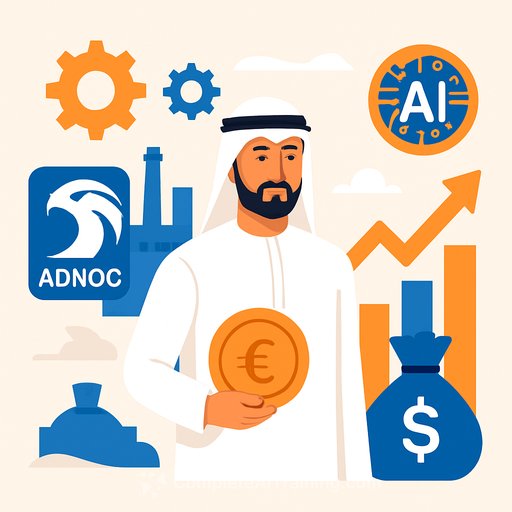
ADNOC Group’s six publicly listed entities posted a combined net profit of USD 4.7 billion for the first half of 2025, underscoring how the widespread deployment of advanced artificial intelligence across operations has sharpened efficiency and underpinned robust growth.

At the heart of this transformation lies MEERAi, ADNOC’s proprietary AI platform. It is deployed across ADNOC Gas, ADNOC Distribution, ADNOC Drilling, ADNOC Logistics & Services, Fertiglobe and Borouge, delivering real-time, data-driven insights that are elevating decision-making and operational precision across the board.

ADNOC Gas achieved a record Q2 net income of USD 1.385 billion, marking a 16 per cent year-on-year rise, while EBITDA increased 8 per cent to USD 2.256 billion, propelled by surging local demand and operational prowess. Investors will see the payoff as the board approved an interim dividend of USD 1.792 billion, up 5 per cent, due for disbursement in September 2025. MEERAi’s impact was central in guiding the board’s strategic decisions.

ADNOC Distribution delivered its highest first-half EBITDA to date—USD 566 million, up 10 percent—with net profit climbing 12.2 percent to USD 358 million. Fuel volumes surged to a record 7.62 billion litres, and non-fuel retail gross profit lifted 14.9 percent. The AI-driven enhancements include predictive fuel-demand forecasting, intelligent assortment planning and hyper-personalised customer offerings. The company introduced MEERAi to its board for real-time strategic oversight, and it expects to distribute a USD 350 million dividend in October 2025.

ADNOC Drilling also delivered standout performance, with management attributing its ability to scale through diverse energy cycles to advanced technologies including AI. The board approved a USD 217 million second-quarter dividend in August 2025. The company is also pursuing regional expansion, including a majority stake acquisition in SLB’s land drilling business across Kuwait and Oman.

Borouge’s AI, digitalisation and technology programme generated USD 307 million in value, including an AI-powered control room in collaboration with Honeywell and integration with MEERAi. New product innovations such as medical-grade polyolefins and recyclable packaging also featured prominently.

Meanwhile, ADNOC’s broader push to harness AI is also playing a central role in its clean-energy pivot. Following earlier investments in AI tools like RoboWell and AR360, which generated USD 500 million in value and reduced around one million tonnes of CO₂ emissions between 2022 and 2023, the company is now deploying AI to advance low-carbon energy frontiers including hydrogen and carbon management, in partnership with entities such as SOCAR, Microsoft and Masdar.

Across all six listed companies, the near-term financial performance echoes the effectiveness of ADNOC’s strategy of embedding AI across both core operations and emerging markets. The unified deployment of MEERAi is not just enhancing control-room functions, but reshaping boardroom dynamics, driving smarter strategy execution, operational optimisation, emissions reduction and product innovation.

Key players in this transformation include the leadership of ADNOC Distribution, championing digital retail evolution; ADNOC Drilling’s CEO Abdulla Ateya Al Messabi, who has publicly credited AI for the company’s resilience and growth momentum; and the broader ADNOC executive team, aligning technology and energy transition goals. Their collective efforts are reinforcing ADNOC’s position as a global energy player committed to leveraging AI for sustainable value creation.

Oracle’s aggressive expansion in AI and cloud services has set the stage for a major shift in the tech industry, with analysts predicting the company could achieve a $1 trillion market valuation by 2030. As one of the largest tech giants globally, Oracle’s growth trajectory is bolstered by significant revenue gains and strategic partnerships, positioning it to challenge established players like Amazon Web Services and Microsoft Azure. […]

SINGAPORE – Media OutReach Newswire – 15 August 2025 – SafetySam, Singapore’s provider of safety solutions and workwear, is proud to announce a new product launch—the WORKSafe Greta Safety Boot. Born from Craftsmanship, Built for the Field Known as “Generally Resistant Enough To Anything”, the Greta boot is a rugged innovation designed for industrial professionals who rely on their footwear every day. The new product launch demonstrates […]

VISHNU RAJA
RYO YAMADA
HITORI GOTOH
IKUYO KITA