Just in:
Dar Global unveils $700m Trump development in Qatar // 2026 Tropical Rainforest Ecosystem Partners Conference Kicks off in Hainan // Workday targets Honeydew purchase to unify AI metrics // Sharjah clears Kalba free zone plan for 400MW complex // Dubai Introduces SHARH, an AI-Powered Platform Helping Entrepreneurs Buy, Sell and Manage Businesses in the UAE // Anthropic’s debut is lifting markets, but someone is still paying for it // Sui activates Hashi Bitcoin lending across partner network // Malappuram hartal over Western Ghats // Travel Insurance Was Built for the Few Who Claim. Ancileo’s Felt Coverage™ is for Everyone Else // Coinbase targets 2027 launch amid state gambling lawsuits // Yeebo Announces Interim Results for FY26/27 Revenue Increases by 45.5% to HK$806.7 Million Profit Attributable to Owners Surges 87.6% to HK$2,284.7 Million // Oil futures rebound after Riyadh strikes and tanker alerts // Promoting Common Human Development Through Exchanges and Mutual Learning Among Civilizations // Dalilk Academy reaches 27 million, targets 100 million by 2030 // Women held for plot to rob pilgrims // NASA tests supersonic Mars rotors for heavier payloads // International Business Leaders Say Xi’s Speech Boosts Confidence in Asia-Pacific Cooperation // Hackers exploit public notes to distribute NodeLinkRAT malware // AXS and PayerMax Advance Omnichannel Payment Acceptance for Merchants // Thailand’s Most Iconic New Year’s Celebration Returns: ICONSIAM Unveils “Amazing Thailand Countdown 2027” //

News related to
risk

Billionaire Gautam Adani, head of the Adani Group, is under investigation in the United States for alleged involvement in a multibillion-dollar bribery scheme. U.S. authorities have indicted the mogul, accusing him of orchestrating fraudulent activities tied to his global business empire. This investigation has already led to the cancellation of a major bond deal, further compounding the challenges for Adani, whose conglomerate had faced mounting scrutiny over financial practices and corporate governance in recent years. The charges are part of an ongoing effort by U.S. regulators to target global corruption networks with cross-border implications.

The controversy surrounding Adani has sparked international concern, with the group’s complex web of operations spanning multiple sectors, including infrastructure, energy, and logistics. In light of the charges, the financial community has reacted swiftly, with investors and stakeholders reassessing the risks involved in partnering with the Adani Group. Additionally, the cancellation of the bond deal highlights the growing caution among international financiers in relation to the conglomerate’s financial stability.

Authorities are examining multiple aspects of the group’s operations, particularly those involving alleged illicit financial transactions. The investigation centers on whether Adani, along with other key figures within his organization, utilized corrupt practices to secure key business deals across the globe. These actions, if proven, would violate both U.S. anti-bribery laws and international standards of corporate conduct.

Bitcoin surged to a new all-time high, surpassing the $97,600 mark, triggering a wave of liquidations worth over $450 million. The spike in value led to the forced closure of significant positions, with $270 million tied to long positions and $180 million to short positions. The volatility underscores the market’s highly reactive nature, as sudden price movements continue to fuel liquidations among traders.

The record-breaking surge in Bitcoin’s value occurred during a period of increased market optimism, with institutional interest and retail participation driving demand. This surge was also influenced by favorable macroeconomic factors, including speculation around potential future regulations and the growing acceptance of Bitcoin as a store of value. Investors and traders alike reacted strongly, as evidenced by the liquidation totals, further highlighting the level of leverage employed in the market.

Bitcoin’s rise above $97,600 marks a major milestone in the cryptocurrency’s price history, surpassing its previous record of $69,000 set in late 2021. This growth came after several months of volatility, in which the digital asset fluctuated widely due to macroeconomic uncertainties, regulatory concerns, and evolving market sentiment. However, despite these fluctuations, Bitcoin has managed to maintain its position as the leading cryptocurrency, with many analysts now predicting a continuation of its bullish trajectory.

The dynamics of cryptocurrency trading, particularly in leveraged positions, play a crucial role in these rapid price movements. Leverage amplifies both gains and losses, leading to a cascade of liquidations when prices swing sharply. The forced selling during Bitcoin’s price ascent is a direct result of traders being unable to meet the margin calls on their leveraged positions, causing automatic closures of both long and short positions.

A closer look at the figures reveals a substantial divide in the liquidations between long and short positions. The majority of the liquidated positions were long trades, valued at approximately $270 million. This reflects the high level of optimism among investors, with many betting that Bitcoin would continue to rise. On the other hand, the $180 million worth of short positions that were liquidated underscores the significant bearish sentiment that existed prior to the rally, as traders who had placed bets on Bitcoin’s decline were forced to close their positions as prices soared.

The liquidity impact extends beyond individual traders. The liquidations also contribute to heightened market volatility, as the closure of large positions can further drive price swings. This feedback loop is a common feature of markets that involve high levels of speculation and leverage, where short squeezes and long squeezes can exacerbate price movements. Such events, while often triggering short-term panic, have the potential to reshape market sentiment and influence future price expectations.

While liquidations are a natural part of the trading cycle, they can have a cascading effect on market participants and broader market trends. Many traders, especially those involved in high-leverage positions, face significant risk when price movements are unpredictable. Despite the allure of large potential returns, the risks associated with trading on margin are substantial, as demonstrated by the liquidation figures.

For Bitcoin and other cryptocurrencies, this volatility is not only a feature of the market but a driving force behind its evolution. As institutional participation increases and market infrastructure improves, there is a growing focus on the stability and regulation of the crypto space. However, the wild price swings that result from speculative trading remain a defining characteristic of the market.

This record-breaking price surge also highlights the ongoing evolution of the digital asset landscape. The acceptance of Bitcoin by institutional investors and large corporations has increased, with more prominent financial institutions entering the space. This institutional participation is seen by some as a validation of Bitcoin’s status as a legitimate financial asset, further fueling its upward trajectory. However, the same institutions are also grappling with the risks associated with the volatile nature of the market.

The Bitcoin rally is reflective of broader trends in the cryptocurrency industry. The increase in Bitcoin’s value comes alongside the rise of other digital assets, such as Ethereum and various altcoins. While Bitcoin remains the dominant cryptocurrency by market capitalization, the overall market for digital assets has grown substantially, with a growing number of investors looking to diversify their portfolios beyond traditional stocks and bonds.

As the digital asset market continues to mature, the balance between speculation and institutional involvement will likely determine the long-term sustainability of these price movements. While Bitcoin’s new all-time high is a significant achievement, the liquidations serve as a reminder of the risks involved in trading digital currencies. Traders and investors alike must remain mindful of the potential for sudden price shifts that can result in substantial financial losses.

SINGAPORE – Media OutReach Newswire – 21 November 2024 – Aon plc (NYSE: AON), a leading global professional services firm, today appointed Magnus Roe as global chief data and analytics officer. This appointment is part of the firm’s strategy to advance its commercial solutions with analytical capabilities and empower clients to make better decisions. Magnus Roe Roe will be based in Singapore, Aon’s global analytics hub, and […]

A new study by Salesforce underscores the growing importance of AI agents in restoring consumer trust, revealing significant opportunities for brands to regain loyalty through transparency and personalization. According to the research, nearly 60% of consumers express concerns about how businesses handle their personal data, highlighting a crucial area for improvement in building stronger relationships. The study finds that companies investing in AI-powered customer service and communication […]

Supervive, a hybrid of Multiplayer Online Battle Arena (MOBA) and battle royale genres, has officially launched into early access, following an overwhelmingly positive response to its recent Steam demo. The game, which blends fast-paced MOBA elements with the tactical survival intensity of battle royale, quickly attracted attention for its unique gameplay and engaging mechanics, carving out a significant niche within the competitive gaming landscape. The early access […]

The U.S. Securities and Exchange Commission (SEC) has announced the distribution of $4.6 million to investors affected by the defunct cryptocurrency startup BitClave. This move follows a long-running investigation into the company, which had been accused of conducting an unregistered securities offering. BitClave’s initial coin offering (ICO), launched in 2017, promised investors a platform for decentralized search and advertising but was marred by allegations of fraud and mismanagement.

BitClave’s ICO raised approximately $25 million by selling its tokens, but the company later faced mounting legal issues and regulatory scrutiny. The SEC’s intervention has been pivotal in bringing some relief to investors, many of whom had seen their investments evaporate as the project faltered and ultimately shut down. The decision to return funds comes after a protracted legal process, which concluded that BitClave’s token sale violated federal securities laws.

As part of the SEC’s ongoing efforts to regulate the rapidly expanding cryptocurrency industry, the agency emphasized the importance of protecting retail investors from deceptive and illegal practices. The recovery of funds for BitClave investors is a rare but significant instance of the SEC securing financial restitution for affected parties in the realm of digital assets.

The funds, along with interest, will be distributed to those who invested in BitClave’s ICO. Investors are expected to receive compensation as part of a settlement that has been finalized by the SEC, marking an important step in holding cryptocurrency companies accountable for their actions. This distribution is seen as a win for investors who were left holding assets that became worthless following BitClave’s collapse.

The SEC’s action against BitClave reflects broader efforts to tighten oversight in the cryptocurrency sector. As digital currencies and blockchain-based startups proliferate, regulators have been grappling with how to classify and monitor ICOs, tokens, and the broader ecosystem to ensure compliance with securities laws. The BitClave case serves as a reminder of the risks involved in cryptocurrency investments, particularly in projects lacking regulatory oversight.

Saudi Aramco, the world’s largest oil company, is advancing its debt strategy, seeking to optimize financial resources while prioritizing consistent dividend payouts to its shareholders. This strategy aligns with the company’s broader goals to remain resilient in the face of global energy market fluctuations and economic challenges.

Aramco’s approach comes at a time when global oil markets are in a state of volatility, driven by geopolitical tensions, supply chain disruptions, and shifting demand. The company’s decision to increase its debt load is seen as an effort to safeguard its dividend policy, which is a critical aspect of its value proposition to investors. Aramco’s dividends have been a significant draw for shareholders, especially given the company’s size and influence in the energy sector.

The company’s recent bond issuance, one of the largest in its history, is a key element in this strategy. Analysts suggest that Aramco is strategically leveraging debt to bolster its liquidity while avoiding the pitfalls of excessive dependence on oil revenues alone. As oil prices fluctuate, Aramco has turned to debt instruments to help ensure stability in its cash flow, a move that underscores its commitment to its long-standing dividend policy.

In its latest move, Aramco plans to issue more bonds and engage in strategic financing activities. The company has emphasized that this will allow it to balance its capital expenditures, which include investments in both upstream and downstream operations, while maintaining robust dividends for its stakeholders. By strengthening its debt profile, Aramco is positioning itself for long-term sustainability, despite potential market risks.

The strategy is designed to support Aramco’s ambitious growth plans. These include continuing investment in key oilfields and enhancing its refining and chemical operations, which are integral to its diversification efforts. The company has also focused on its low-carbon initiatives and investments in renewable energy, both of which have become critical to securing its future in an energy transition world.

With the global energy landscape in flux, Aramco’s management is keenly aware of the pressures that both internal and external factors exert on the company’s financial performance. The increase in debt comes at a time when the company must balance short-term obligations with long-term growth objectives. As part of this initiative, Aramco has reassured investors that the funds raised through debt will be used strategically to support both its operational goals and financial returns.

Aramco’s expanded debt strategy is expected to ensure its ability to maintain a competitive edge in an increasingly dynamic and uncertain energy market. The company’s solid track record of profitability, bolstered by its vast reserves and global footprint, provides a foundation for this enhanced financial approach. By strategically increasing its debt levels, Aramco aims to navigate the unpredictable nature of the oil market while positioning itself as a financially stable and attractive option for investors.

Financial analysts closely monitoring Aramco’s moves believe that the company’s debt strategy could have wider implications for the energy sector. As the global energy transition accelerates, many energy giants are exploring similar strategies to adapt to new market conditions. For Aramco, the challenge will be balancing its debt load with continued operational success, especially as global energy consumption patterns evolve.

Some experts suggest that while Aramco’s strategy to increase debt is sound in the short term, it could present challenges in the longer term, particularly if energy prices experience sustained declines. The company’s massive capital expenditures in the form of infrastructure development and the diversification into non-oil sectors could be financially strained if global oil prices slump. However, with its deep pockets and strong backing from the Saudi government, Aramco is likely to weather these challenges better than most.

Aramco’s increasing reliance on debt raises broader questions about the future of the global energy sector, especially among state-owned oil giants. The move is seen as a response to the changing dynamics of global energy, where sustainability and long-term shareholder value are becoming more important than immediate profits. For Aramco, the shift in focus to maintaining dividends through debt could mark a new phase in its evolution, one where financial flexibility becomes as important as its oil and gas output.

Advertisements

Saudi Aramco is set to bolster its financial positioning by increasing its debt levels, as it aims to continue delivering substantial dividends to shareholders. The decision is part of a broader strategy to maintain its capital return policy while balancing the financial demands of its massive oil and gas operations. The move highlights the company’s commitment to rewarding investors, even as it navigates the complex global energy market.

In a statement issued by the oil giant’s Chief Financial Officer, Aramco emphasized that the increased debt would help facilitate its expansion plans, while also ensuring the growth of its dividend payouts. These dividends have been a key component of Aramco’s investment appeal, with the company previously distributing more than $75 billion to its stakeholders in 2023 alone. The plan to take on more debt underscores a long-term commitment to high dividend levels, despite fluctuations in global oil prices and other macroeconomic factors.

Aramco’s pivot towards debt financing is indicative of its effort to balance its need for reinvestment in oil and gas infrastructure with the demands of shareholders seeking stable returns. Analysts suggest that this move could help the company better withstand market volatility and competition within the global energy sector. However, the strategy also places additional pressure on the company’s financial structure, as it may increase the burden of debt servicing over time.

The company’s debt-to-equity ratio and overall leverage are expected to come under scrutiny as it embarks on this new strategy. While Saudi Aramco remains one of the world’s most profitable companies, critics warn that heavy reliance on debt could expose it to risks if oil prices decline sharply or if geopolitical tensions disrupt supply chains. Nonetheless, Aramco’s financial management team remains confident that the company’s robust cash flow and diversified assets will allow it to service this debt while maintaining its dividend policy.

Aramco’s decision to increase debt comes as oil prices face pressure from a combination of global supply challenges and shifting demand patterns. While the global energy landscape remains unpredictable, Aramco has been consistently outperforming its peers, with solid profits in the last few quarters despite fluctuating crude prices. The company is focusing on maintaining its dominance in the energy sector by investing heavily in both upstream and downstream operations, while also seeking growth in renewable energy projects.

The Saudi oil giant’s move also aligns with its broader goal of diversifying its portfolio to reduce its dependency on crude oil revenue. With a growing interest in natural gas, petrochemicals, and renewable energy ventures, Aramco is looking to adapt to the shifting energy market. This diversification strategy, alongside its increasing debt, suggests that Aramco is positioning itself not only for immediate financial stability but also for long-term resilience.

Despite the challenges posed by shifting global energy markets, Saudi Aramco’s financial position remains strong. The company continues to be a key player in both the energy market and global finance, with investors closely watching its strategies for growth and sustainability. As Aramco ramps up its debt, it also seeks to maintain its reputation as a leading source of stable returns for its investors, cementing its status as one of the world’s most valuable companies.

One of the key aspects of Aramco’s financing strategy is its commitment to shareholder returns, a factor that has long been a hallmark of the company’s business model. As global energy demand fluctuates, Aramco has made it clear that it intends to prioritize its dividend payments as a central element of its financial strategy, which could provide stability to its investors in uncertain times.

However, Aramco’s decision to increase debt is not without its critics. Some experts believe that the move could signal potential concerns over the company’s long-term growth prospects, particularly if energy transition efforts in key markets reduce reliance on fossil fuels. The company’s substantial cash reserves have long been a point of pride, and while debt can provide short-term liquidity, some analysts caution that a more aggressive debt strategy could limit flexibility in the future.

Ultimately, the decision to take on more debt aligns with Aramco’s strategy to balance dividend growth with sustainable investments in its operations and energy diversification. The company’s financial team has expressed confidence that this approach will allow Aramco to meet the demands of its investors while also securing its future in an evolving global energy market.

The rise of stablecoin adoption in Africa has sparked a surge of digital economic activity, with US-based crypto startups leading the charge. This financial shift is largely driven by increasing demand for stable, blockchain-backed currencies that offer a hedge against inflation and volatility, a feature that aligns with the continent’s unique economic challenges. Stablecoins have become a critical tool in enhancing financial inclusion, particularly for underserved populations and markets traditionally excluded from the global financial system.

Several US companies are at the forefront of this movement, offering accessible platforms that enable seamless cryptocurrency transactions across the continent. For example, companies like Yellow Card and other crypto exchange platforms have seen exponential growth in the region, facilitating cross-border payments and enabling users to store wealth in a more stable digital format compared to local currencies that are susceptible to inflation.

Between 2021 and 2022, Africa witnessed a staggering 1200% surge in cryptocurrency adoption, with stablecoins playing a pivotal role in this transformation. As the most widely used digital assets in many African nations, stablecoins provide a vital service by offering an alternative to traditional financial systems that many Africans find inaccessible. These cryptocurrencies are typically pegged to stable assets, like the US dollar, which helps shield users from currency devaluation. They have proven particularly useful for businesses and individuals looking to avoid the risks associated with rapidly fluctuating fiat currencies.

One of the key drivers behind the adoption of stablecoins in Africa is their use in remittances. With millions of Africans living abroad, remittances from the diaspora constitute a significant portion of the continent’s GDP. Traditional money transfer services often charge high fees and can be slow. However, stablecoins allow for nearly instant transfers with minimal fees, making them an appealing alternative for both senders and recipients.

The push for adoption is also supported by local cryptocurrency exchanges, like Yellow Card, which provide users with easy access to stablecoins. According to industry leaders, platforms that embrace stablecoins are able to tap into the growing demand for faster, cheaper, and more reliable digital payments. Furthermore, the integration of blockchain networks like Solana has also helped in reducing transaction fees and increasing the speed of transfers, making stablecoins even more accessible.

Despite the optimism, challenges remain, particularly regarding regulatory frameworks. While some African governments have embraced digital currencies and cryptocurrencies, others have imposed restrictions, complicating the regulatory environment. This has led to a fragmented landscape where the adoption of stablecoins varies significantly across countries. Some countries, such as Nigeria and South Africa, have shown proactive engagement, creating pilot projects and regulations that balance innovation with consumer protection. However, the lack of standardized regulations across the continent continues to pose a challenge.

Education also plays a crucial role in ensuring the success of stablecoin adoption. Many African users are still unfamiliar with how cryptocurrencies work, and a lack of awareness can be a barrier to widespread adoption. To address this, companies like Yellow Card have launched educational initiatives, such as the Yellow Card Academy, which provides free resources to help users understand digital currencies and blockchain technology. These programs aim to foster greater trust in stablecoins and expand the knowledge base, empowering individuals to make informed decisions about their finances.

Highlights of FY24/25 Half-Year Results Group sales US$1,854 million – down 4% compared to first half of the prior financial year Gross profit US$438 million or 23.6% of sales (compared to US$430 million or 22.2% of sales in the first half of the prior financial year) Adjusted EBITA US$177 million or 9.5% of sales (compared to US$180 million or 9.3% of sales in the first half of […]

KUALA LUMPUR, MALAYSIA – Media OutReach Newswire – 20 November 2024 – Bitcoin, the world’s most famous digital currency, has demonstrated an impressive performance following the U.S. presidential elections, in which Donald Trump, a Republican candidate, achieved a decisive victory. Although it has been widely speculated that Bitcoin would rally under Trump, a 30% rise in value in the course of just two weeks surprised even the […]

The European Central Bank (ECB) has issued a stark warning regarding the growing risks of sovereign debt within the eurozone. The institution expressed concern that markets could face disruptions similar to the debt crisis of the 2010s, with potential knock-on effects across global financial systems. In a recent assessment, the ECB pointed to rising government borrowing, weakening fiscal positions, and the economic strain from ongoing geopolitical tensions as significant factors amplifying these vulnerabilities.

The warning follows a series of alarming signals from key eurozone countries. Italy, France, and Spain, in particular, have seen their debt-to-GDP ratios soar, raising doubts about their ability to manage growing liabilities. These countries, among the eurozone’s largest economies, have faced increased fiscal pressures due to high public spending and sluggish economic growth, especially in light of the prolonged impacts of the COVID-19 pandemic and the energy crisis exacerbated by the war in Ukraine.

The ECB highlighted that while some nations have made strides in managing debt, the overall trajectory of government borrowing across the region remains unsustainable. The European Commission has set a 60% debt-to-GDP threshold as part of its fiscal rules, but most member states are far beyond this target, with Italy’s ratio hovering around 150%, Spain’s near 120%, and France’s above 110%. These figures suggest a significant challenge to the region’s economic stability, with policymakers struggling to implement effective measures that balance debt reduction with stimulating economic growth.

As government borrowing continues to rise, the ECB cautioned that markets could once again face a series of challenges akin to those seen during the sovereign debt crisis. During that period, fears over the solvency of key eurozone countries, particularly Greece, sent shockwaves through European and global financial markets. The situation led to a series of bailout packages and austerity measures that had profound social and economic consequences.

The ECB also noted that the current economic climate, with high inflation and uncertain energy prices, further complicates the ability of governments to implement effective fiscal policies. With interest rates rising across the board, borrowing costs for governments are increasing, making it more difficult to service existing debt while funding new public spending. The ECB’s own policies have been focused on curbing inflation, but the unintended consequence could be exacerbating the sovereign debt burden, especially for countries already on the financial edge.

One critical element of the ECB’s warning centers around the evolving relationship between fiscal and monetary policy. In the wake of the 2010s crisis, the ECB implemented unconventional monetary policies, including large-scale asset purchases and negative interest rates, to support struggling economies. However, with inflation reaching multi-decade highs in the eurozone, the central bank has pivoted towards tightening its monetary stance. The delicate balance between maintaining financial stability and addressing inflationary pressures presents a growing challenge for policymakers, with potential repercussions for sovereign debt markets.

Another aspect of the warning involves the broader global economic environment. The ECB emphasized that the interconnected nature of the global economy means that any destabilizing shocks in the eurozone could ripple through international markets. The ongoing energy crisis, driven by the war in Ukraine, has already led to significant increases in energy prices, placing further pressure on already strained budgets. Additionally, the broader global economic slowdown, compounded by rising interest rates in major economies such as the United States, could affect demand for European exports, limiting growth opportunities for countries within the eurozone.

While the ECB has stressed that it is committed to safeguarding the financial stability of the eurozone, the institution faces a complex array of challenges. The central bank has already signaled its intention to act if market conditions deteriorate, but its capacity to intervene effectively is limited by the sheer scale of sovereign debt across the region. If major eurozone economies, such as Italy or Spain, were to face a crisis of confidence, the ECB’s ability to contain the fallout could be tested.

The warning comes at a time when governments across the eurozone are grappling with the dual challenges of fiscal consolidation and promoting economic growth. With the looming threat of a debt crisis, the need for comprehensive structural reforms has never been more urgent. However, the political complexities involved in implementing such reforms, especially in countries with high levels of public debt, make it unlikely that significant progress will be made in the short term.

Bitcoin has surged to an unprecedented high, reaching $94,000, reflecting growing investor optimism and the increasing mainstream adoption of cryptocurrencies. This new milestone marks a significant moment for the digital asset, which has seen its value rise sharply over the past months, despite facing several market fluctuations. As Bitcoin climbs to new heights, it signals not only the expanding interest in cryptocurrencies but also highlights the shifting dynamics of the global financial markets.

The recent spike in Bitcoin’s value has been fueled by a confluence of factors, including institutional adoption, growing interest from hedge funds, and heightened global economic uncertainty. Key players in the financial industry have taken a keen interest in cryptocurrencies, viewing them as a store of value in the face of inflation and currency devaluation. Bitcoin’s ascent is seen as a response to concerns over traditional financial systems, particularly amid rising inflation in major economies.

Experts point to several catalysts behind this bullish trend. One major factor is the ongoing embrace of Bitcoin by institutional investors, who are increasingly looking at it as a hedge against inflation. For example, several large financial institutions and publicly traded companies have disclosed significant Bitcoin holdings. This shift towards institutional investment is seen as a vote of confidence in Bitcoin’s long-term viability as a store of value.

Bitcoin’s increasing integration into traditional finance systems is enhancing its credibility and acceptance. Financial instruments such as Bitcoin futures, exchange-traded funds (ETFs), and Bitcoin-linked products are becoming more mainstream, allowing investors to gain exposure to the cryptocurrency market through regulated platforms. These developments have made it easier for traditional investors to add Bitcoin to their portfolios, further driving up demand.

Another significant factor contributing to the rise in Bitcoin’s price is the growing interest in decentralized finance (DeFi) applications. These platforms, which allow individuals to engage in financial transactions without relying on traditional intermediaries such as banks, have seen explosive growth in the past year. Bitcoin is often seen as the backbone of these platforms, and as DeFi gains traction, so does Bitcoin’s value.

The increasing number of Bitcoin users is also a contributing factor to the surge in price. As more people worldwide recognize the potential of Bitcoin as a financial asset and alternative currency, demand for the cryptocurrency has grown. This is especially notable in countries facing economic instability, where individuals turn to Bitcoin as a means to preserve their wealth. Moreover, Bitcoin’s decentralized nature appeals to those seeking financial independence from centralized financial institutions.

However, Bitcoin’s path to $94,000 has not been without its hurdles. The cryptocurrency has faced regulatory challenges in various countries, with governments exploring ways to control or tax cryptocurrency activities. Despite this, Bitcoin has proven resilient, as regulatory concerns have been overshadowed by the cryptocurrency’s growing use case and its appeal as a hedge against inflation.

In addition, the volatility of the Bitcoin market remains a critical issue for investors. While the cryptocurrency has achieved new highs, it is still prone to sharp price fluctuations. This volatility, often driven by news events or regulatory announcements, continues to pose risks for those looking to invest in Bitcoin. Nonetheless, many market analysts argue that the volatility is a natural part of Bitcoin’s growth cycle, and they expect the digital asset to mature over time, stabilizing as it becomes more integrated into the global economy.

As Bitcoin continues its upward trajectory, other cryptocurrencies are also benefiting from the broader trend. Altcoins, including Ethereum, Litecoin, and others, have seen their values rise alongside Bitcoin, with investors seeking diversified exposure to the cryptocurrency market. However, Bitcoin remains the dominant force in the digital asset space, accounting for a significant portion of the market capitalization of all cryptocurrencies combined.

The growing interest in Bitcoin is not limited to institutional investors and individuals; governments around the world are also taking note of the cryptocurrency’s rising influence. Some countries have embraced Bitcoin, with El Salvador famously adopting it as legal tender in 2021. Others, however, have moved in the opposite direction, with China implementing strict measures to curb cryptocurrency mining and trading. The regulatory environment for Bitcoin remains a key area of focus, with governments looking to balance innovation with consumer protection and financial stability.

Looking ahead, many analysts predict that Bitcoin’s growth trajectory is likely to continue. With its increasing acceptance by both institutional and retail investors, Bitcoin is well-positioned to remain a key player in the global financial ecosystem. Additionally, the growing infrastructure surrounding cryptocurrencies, including wallets, exchanges, and payment processing systems, further enhances Bitcoin’s accessibility and usability.


Saudi Investment Bank has priced its first Additional Tier 1 (AT1) sukuk at 6.375%, marking a significant milestone in the Islamic finance sector. The deal, which was announced to global investors this week, is expected to bolster the bank’s capital position and strengthen its financial stability. The issuance, primarily targeted at international investors, demonstrates the bank’s confidence in capitalizing on favorable market conditions and investor appetite for […]

Chinese refineries continue to benefit from discounted Iranian crude, a critical component of their energy strategy, despite intensified scrutiny and sanctions from the United States. Iran remains a significant supplier, leveraging a clandestine network of “dark fleet” tankers and intermediaries to evade U.S. sanctions. However, this covert supply chain faces heightened challenges, with Washington expanding measures targeting shipping routes and operators associated with these operations.

Iranian crude oil, often disguised as originating from Malaysia or Oman, constitutes about 13% of China’s total oil imports. Shipments have reached an estimated 1.4 million barrels per day this year, up significantly from earlier periods. Much of this oil is funneled through smaller, independent Chinese refineries known as “teapots,” which rely heavily on cost-effective supply sources to maintain operations amid narrowing profit margins.

China and Iran have crafted a trade system designed to bypass dollar transactions and U.S. oversight, utilizing Chinese yuan and intermediaries to shield their dealings. This setup has made it challenging for global regulators to enforce compliance. However, under the prospect of Donald Trump returning to the U.S. presidency and reinstating his administration’s “maximum pressure” campaign, sanctions enforcement could escalate further, potentially disrupting China’s energy imports and raising costs for refiners.

Expanded measures implemented by Washington in October include targeting vessels involved in ship-to-ship transfers of Iranian oil. This has caused delays in deliveries, forcing refiners to seek alternative methods to secure supply lines. While Beijing officially defends its oil trade with Tehran as lawful, the geopolitical stakes are high, with Western policymakers wary of letting discounted Iranian crude further entrench China’s energy security at odds with U.S. sanctions policies.

China’s appetite for Iranian oil reflects broader economic challenges, including lower-than-expected domestic fuel demand and weak refining margins. Many refineries are already struggling to remain profitable, and tougher sanctions enforcement could exacerbate their woes. Market experts predict that any disruption to Iranian oil imports might also create ripple effects across global markets, affecting oil prices and supply chains.

Meanwhile, China’s strategic ties with Iran are underpinned by a broader geopolitical alignment. Both nations seek to counterbalance U.S. dominance in the global oil market. Tehran views China as a lifeline to maintain its crude exports, while Beijing relies on these discounted imports to bolster its economic competitiveness. This intricate relationship continues to challenge U.S. efforts to isolate Iran economically.

The South Korean cryptocurrency market, particularly Bitcoin trading, has garnered significant attention as it evolves into a vital financial hub with distinct characteristics. In recent years, the dynamics of Bitcoin investment in the country have shifted, drawing concern from regulators about the broader implications for both the crypto and traditional financial markets. A detailed investigation reveals the complex origins of funds fueling South Korea’s Bitcoin market, uncovering critical shifts in investor behavior and the potential systemic risks associated with cryptocurrency trading.

Bitcoin, as the most widely recognized and traded cryptocurrency, serves as the focal point of this investigation. From 2010 to 2020, the South Korean Bitcoin market experienced notable fluctuations in trading volume, prompting experts to scrutinize the source of the capital that fueled these changes. What sets South Korea apart in the global crypto landscape is the presence of the “Kimchi premium,” a phenomenon where Bitcoin and other major cryptocurrencies often trade at higher prices on South Korean exchanges than in other markets. This has led to a market that, while robust and influential, operates somewhat in isolation, with money flowing into and out of the market in ways that are not always aligned with global trends.

A key finding of the study, which uses Bitcoin trading data from Korea’s market, is that the relationship between the Korean Stock Price Index (KOSPI) and Bitcoin trading volume changed dramatically after September 2017. Prior to this point, a positive correlation existed between the two markets, suggesting that capital inflows into Bitcoin were closely tied to the performance of traditional equities. However, after September 2017, this correlation turned negative, signaling a distinct shift in investor behavior. This change indicates that as Bitcoin’s popularity grew, more capital, previously invested in traditional stock markets, flowed into the volatile world of cryptocurrency.

The study suggests that in the early stages of Bitcoin’s market development, positive investment stories and high returns attracted risk-seeking investors, increasing the capital influx into the market. These stories boosted the overall risk tolerance of equity investors, allowing them to embrace higher-risk investment opportunities like Bitcoin. But, as the cryptocurrency market matured and the volatility continued, investors began shifting their capital away from traditional markets like KOSPI toward Bitcoin. This shift marks a crucial point in the market’s evolution, where speculative interest in cryptocurrencies became more pronounced.

Further insights from the study indicate that the speculative nature of cryptocurrency investments mirrors that of gambling. By analyzing the relationship between sales of lottery and horse racing tickets and Bitcoin trading volumes, the study found that post-2017, there was a notable increase in the correlation between gambling activities and Bitcoin investments. Before September 2017, no significant relationship was found between gambling behavior and Bitcoin trading, but afterward, a positive correlation emerged, highlighting a rising speculative mentality among investors.

This shift points to a broader trend of heightened risk-taking, where investors began to see Bitcoin not just as a digital asset, but as a speculative tool akin to gambling. As more people viewed Bitcoin investments in this light, it further blurred the lines between traditional investment vehicles and the more unpredictable, high-risk world of cryptocurrency trading. The study’s findings are particularly pertinent for regulators and financial institutions, as they point to a growing level of risk tolerance among investors and raise questions about the long-term stability of the financial system if these speculative behaviors continue to rise.

South Korea’s unique cryptocurrency market provides valuable insights into the global phenomenon of digital currency trading. The distinct characteristics of the South Korean market, such as the isolated environment and high liquidity, make it an ideal case for understanding the broader systemic risks posed by cryptocurrencies. As a result, the findings suggest that the capital driving Bitcoin investments in South Korea largely comes from traditional financial markets, with a noticeable increase in speculative investments after the crypto market gained significant traction in 2017.

The research highlights the growing importance of understanding the flow of money into the cryptocurrency market, as well as the potential implications for financial stability. As global regulators remain concerned about the systemic risks posed by cryptocurrencies, particularly in light of their increasingly interconnected nature with traditional financial markets, South Korea’s Bitcoin market serves as a critical case study. The influx of speculative capital into the crypto market, often originating from traditional investment sources, presents new challenges for regulators tasked with ensuring financial stability.

The connection between gambling activities and Bitcoin trading raises additional concerns about the speculative nature of the market. With growing numbers of individuals viewing cryptocurrencies as a form of high-risk speculation, akin to gambling, the volatility of the market could increase further. The findings suggest that as more capital shifts from traditional markets to the crypto space, the potential for market destabilization grows, particularly if leveraged positions and speculative behavior continue to dominate.

MicroStrategy, a business intelligence company, has reached a significant milestone by entering the ranks of the top 100 U.S. public companies based on market capitalization. With a valuation of $96 billion, the company’s market surge is propelled by a striking 528% increase in its stock price year-to-date. This rapid ascent places MicroStrategy among tech giants like NVIDIA, signaling the influence of Bitcoin in corporate valuations.

The surge in MicroStrategy’s stock has coincided with an unprecedented rally in Bitcoin’s value. As of now, the company holds 331,200 Bitcoin, which is currently valued at over $30 billion. This position makes MicroStrategy the largest corporate holder of the cryptocurrency, significantly influencing its overall market cap.

This performance not only highlights the company’s strategic bet on Bitcoin but also signals a broader trend of cryptocurrency’s growing role in traditional financial markets. MicroStrategy’s growth outpaces even NVIDIA’s over the past five years, a company that has seen significant appreciation due to its dominance in the semiconductor industry and the artificial intelligence (AI) sector.

MicroStrategy’s performance surge is indicative of the ongoing integration of cryptocurrency into mainstream financial strategies. Bitcoin’s price has recently surpassed $94,000, marking a new all-time high and further solidifying the digital asset’s place as a significant financial tool. The company’s strategy to adopt Bitcoin as a central part of its treasury reserves has now positioned it at the intersection of technology and digital assets, with financial markets increasingly viewing it as a key player in both spheres.

The surge in Bitcoin’s value has spurred a ripple effect throughout the broader economy. Companies with significant Bitcoin holdings, such as MicroStrategy, are seeing their market valuations skyrocket. This trend is not limited to MicroStrategy, as other firms in the cryptocurrency space have experienced similar growth. However, MicroStrategy stands out due to its deliberate focus on Bitcoin as a core asset. The company has repeatedly expressed confidence in the digital currency, viewing it as a hedge against inflation and a long-term store of value.

The market’s reaction to MicroStrategy’s performance has been overwhelmingly positive, with its stock price rising consistently throughout 2024. Analysts have pointed out that the company’s market cap, driven by its Bitcoin holdings, positions it as one of the most unique players in the tech sector. Unlike traditional tech firms, MicroStrategy is not just building software or providing services but is also leveraging a volatile and highly speculative asset class to drive its valuation.

MicroStrategy’s success has garnered attention from both traditional investors and crypto enthusiasts alike. The company’s stock has become a proxy for those looking to gain exposure to Bitcoin without directly purchasing the cryptocurrency. This has made MicroStrategy a key stock for those looking to diversify their portfolios and hedge against traditional market risks. Investors have increasingly viewed the company’s stock as a way to benefit from Bitcoin’s upside while avoiding the complexities of managing cryptocurrency directly.

This strategic move by MicroStrategy also raises questions about the future of cryptocurrency in corporate financial strategies. While some skeptics have warned about the volatility of Bitcoin and the potential risks associated with such heavy exposure to a single asset, MicroStrategy’s leadership remains undeterred. The company’s CEO, Michael Saylor, has long been a vocal proponent of Bitcoin, and his vision has shaped the company’s approach to integrating cryptocurrency into its business model. Under his leadership, MicroStrategy has made Bitcoin a central part of its balance sheet, purchasing large amounts of the digital asset over the years.

However, MicroStrategy’s approach is not without its challenges. The volatility of Bitcoin poses risks, particularly in terms of cash flow and the company’s ability to weather downturns in the market. At times when Bitcoin’s price fluctuates dramatically, MicroStrategy faces scrutiny from investors who are concerned about the stability of the company’s earnings. Yet, the company’s long-term vision for Bitcoin has enabled it to weather these fluctuations, and its success so far suggests that its strategy is paying off.

The cryptocurrency market’s growth has not only benefited companies like MicroStrategy but has also led to broader shifts in financial markets and institutional investment strategies. As Bitcoin continues to climb, more institutional investors are entering the space, either by purchasing the cryptocurrency directly or by investing in companies like MicroStrategy that hold substantial amounts of Bitcoin. This trend is reshaping the financial landscape, as digital assets continue to gain legitimacy as an asset class that can provide long-term growth potential.

For now, MicroStrategy’s position in the top 100 U.S. companies by market cap is a testament to the transformative power of Bitcoin and its increasing role in corporate strategy. The company’s growth is a clear indication that cryptocurrency is no longer a niche market, but an integral part of the global financial system. The surge in Bitcoin’s value has only accelerated this trend, and companies like MicroStrategy are positioning themselves at the forefront of this new era in finance.

Meta has undergone a transformative shift, pivoting from its metaverse ambitions to focus heavily on artificial intelligence. The company, led by Mark Zuckerberg, has embraced an open-source approach with its generative AI model, Llama, now at the heart of its operations. By making the model widely accessible, Meta is encouraging innovation across industries, from advertising to augmented reality, while challenging its competitors’ proprietary strategies. This decision has […]

Lada, the iconic Russian automaker, has made its entry into the UAE market, offering residents the chance to test drive and place orders for its vehicles. Through its official distributor in the UAE, the Russian brand is now showcasing a variety of models, including the Granta Sedan, Vesta SW Cross, Niva Legend, and Niva Travel, which are available for purchase and direct engagement by potential buyers in […]

HONG KONG SAR – Media OutReach Newswire – 20 November 2024 – Generali Life (Hong Kong) Limited (“Generali Hong Kong”) has been assigned an Insurer Financial Strength (IFS) Rating of ‘A’ (Strong) by Fitch Ratings, with a ‘Stable’ Outlook. Mr. Alessandro Lavenia, Chief Financial Officer of Generali Hong Kong, said, “This recognition from Fitch Ratings is a major milestone for Generali Hong Kong and a testament to […]

BlackRock’s Bitcoin ETF (IBIT) options experienced a dramatic surge in trading volume on its first day, with a record-breaking $1.9 billion transacted across 354,000 contracts. The options market for the new exchange-traded fund saw a strong preference for calls, which accounted for 82% of the contracts, while 18% were puts. This impressive debut came with a notable comparison: the total trading volume in the Bitcoin ETF options reached approximately 38% of gold’s $5 billion trading on the same day, reflecting the growing interest in cryptocurrency investments.

BlackRock’s Bitcoin ETF, launched amid a favorable regulatory climate, has been positioned as a groundbreaking product in the crypto-finance space. Its options market debut signals a broader institutional shift toward more structured and regulated exposure to Bitcoin. Institutional investors, previously hesitant about the complexities of cryptocurrency trading, now have a familiar vehicle that aligns with traditional investment products. The scale of the first-day trading volume demonstrates that demand is not just limited to Bitcoin enthusiasts but is increasingly coming from larger, more conservative institutional players.

The debut of BlackRock’s Bitcoin ETF options is seen as a significant milestone for the broader cryptocurrency market. With the ETF’s introduction, Bitcoin is now more accessible to institutional investors who might have been previously deterred by regulatory uncertainties or technical barriers in dealing with cryptocurrencies directly. The launch of the Bitcoin ETF comes at a time when global interest in digital assets is surging, with financial institutions increasingly exploring how to incorporate them into diversified portfolios.

The ETF’s options market has become a focal point for investors looking to hedge their Bitcoin exposure or capitalize on price movements through leverage. The $1.9 billion traded on the first day illustrates the potential of this new product to transform Bitcoin from a highly speculative asset to one that can be treated like more traditional commodities in investment portfolios. The high volume of call options—82% of the contracts traded—suggests a strong belief among investors in the future upside of Bitcoin, as calls are typically used to profit from price increases. Puts, on the other hand, which made up only 18% of the volume, reflect a more cautious or defensive stance, offering protection against price declines.

This activity represents more than just speculative trading. It marks the growing legitimacy of Bitcoin within established financial markets. BlackRock, a heavyweight in global asset management, has been instrumental in guiding the institutional shift toward digital assets. The firm’s ability to launch a Bitcoin ETF and facilitate such a strong options market on its first day is seen as a key turning point in the acceptance of cryptocurrencies as mainstream financial instruments. Investors and analysts alike are closely watching the ETF’s performance, as it could set the stage for more products of this nature, further blurring the lines between traditional and digital asset markets.

While BlackRock’s Bitcoin ETF has already achieved a significant milestone, it is far from the only crypto-related product to gain attention. A number of other financial firms have been vying for a slice of the Bitcoin ETF market, but none have yet matched the scale of BlackRock’s launch. The firm’s experience and institutional clout have placed it in a leading position, and its ETF’s performance in the months ahead will be closely monitored for signs of longer-term market trends.

Despite the early success, some challenges remain for BlackRock’s Bitcoin ETF. Regulatory scrutiny over cryptocurrency products continues to be a concern for investors. The U.S. Securities and Exchange Commission (SEC), in particular, has expressed caution about the potential risks associated with cryptocurrencies, particularly their susceptibility to market manipulation and volatility. However, the success of BlackRock’s ETF options may encourage further regulatory acceptance and pave the way for more cryptocurrency ETFs.

As institutional interest in cryptocurrency grows, so too does the sophistication of the products on offer. The sheer scale of trading activity on the first day of IBIT options trading illustrates that institutional investors are increasingly seeking more advanced ways to manage exposure to Bitcoin, including through options markets. The significant portion of calls traded further underscores investor optimism about Bitcoin’s future prospects, while the smaller share of put options reflects a more cautious approach, focused on mitigating risk without necessarily expecting a major price decline.

Haru Investment, a cryptocurrency custody platform based in the British Virgin Islands, has been declared bankrupt by a South Korean court following its failure to meet financial obligations. The platform, which operated under promises of high returns and principal protection, deceived investors for over three years before abruptly halting withdrawals, leaving behind a loss of nearly $995 million in cryptocurrency assets.

Haru Investment attracted a significant number of clients with its claims of safeguarding investments and offering guaranteed returns on deposits. Operating in a growing but volatile crypto market, it positioned itself as a secure alternative for investors looking to store digital assets while earning substantial interest. However, according to legal proceedings and investigations, the company was not as stable as it claimed. By June 2023, Haru Investment had accumulated substantial debts and failed to honor withdrawal requests, prompting panic among investors who were unable to access their funds.

The bankruptcy case has sent shockwaves through the crypto industry, where concerns over transparency and regulatory oversight continue to grow. It also highlights the risks associated with unregulated crypto platforms, many of which operate in jurisdictions with lax financial regulations. Haru’s failure to return investor funds not only raised alarm over its financial practices but also drew attention to the broader challenges of maintaining trust in the cryptocurrency space.

Authorities have claimed that Haru Investment’s management operated a scheme designed to mislead its investors. The platform assured clients that their principal investments were protected, while simultaneously promising high returns—ranging from 10% to 15% annually. However, once a significant number of users began to request withdrawals, the platform abruptly froze its operations, leaving many to speculate that the company’s funds had been misappropriated or mishandled. Legal experts believe that Haru’s actions may have violated multiple financial regulations concerning investor protection and the handling of client funds.

The bankruptcy filing revealed that the company had been operating without the necessary reserves to meet its obligations, a situation exacerbated by the lack of clear accounting practices. The estimated $995 million in crypto assets that were unaccounted for is still being traced, and it is unclear whether any funds will be recovered for investors. In addition, Haru Investment is facing multiple lawsuits from defrauded clients, further complicating the resolution of the case.

The case has prompted calls for stricter oversight of the cryptocurrency industry. As the market for digital currencies expands, the need for comprehensive regulation and enforcement mechanisms becomes increasingly urgent. Experts argue that platforms like Haru Investment, which promise high returns without sufficient transparency, contribute to the volatility and instability of the crypto market, leaving investors vulnerable to large-scale fraud.

Some industry analysts have pointed to Haru’s ability to operate undetected for such a prolonged period as a clear indicator of the limitations of existing regulatory frameworks. Many crypto platforms function outside the purview of national financial regulators, with the jurisdictional complexities of the global market making it difficult to enforce legal standards. While some countries have taken steps to tighten regulation, the decentralized nature of cryptocurrencies complicates enforcement, allowing entities like Haru Investment to flourish without proper oversight.

The South Korean court’s ruling on the bankruptcy also shines a light on the potential liabilities faced by cryptocurrency firms operating abroad. Haru Investment, which was incorporated in the British Virgin Islands, was legally bound by the financial regulations of that jurisdiction. However, it was the failure to comply with international standards that has led to the company’s downfall. The case raises important questions about the efficacy of international regulatory cooperation in addressing cross-border financial crimes, especially in emerging sectors like cryptocurrency.

The collapse of Haru Investment follows a broader trend in the cryptocurrency sector, where investors have witnessed the rapid rise and equally swift fall of numerous platforms. Several high-profile cases in recent years have underscored the risks that come with investing in unregulated digital assets. The most notable of these was the fall of FTX, another crypto exchange that filed for bankruptcy in late 2022 amid allegations of fraud, embezzlement, and inadequate risk management.

While these high-profile bankruptcies have garnered significant media attention, they also serve as a cautionary tale for the general public about the inherent risks in crypto investments. Despite promises of high returns, the unregulated nature of the crypto market means that many investors have little recourse when platforms fail or defraud them. As the number of users in the crypto space grows, the need for enhanced consumer protection and due diligence becomes even more critical.

In South Korea, Haru Investment’s bankruptcy has sparked a broader debate about how to balance innovation with regulation. The country has long been a hub for cryptocurrency activity, but it is also home to one of the world’s most stringent regulatory environments for digital assets. This has led to a push for more stringent oversight in order to protect domestic investors while fostering a competitive crypto ecosystem. However, the Haru Investment case demonstrates the difficulty of enforcing those regulations, especially when dealing with international players who may be operating outside the reach of local law enforcement.

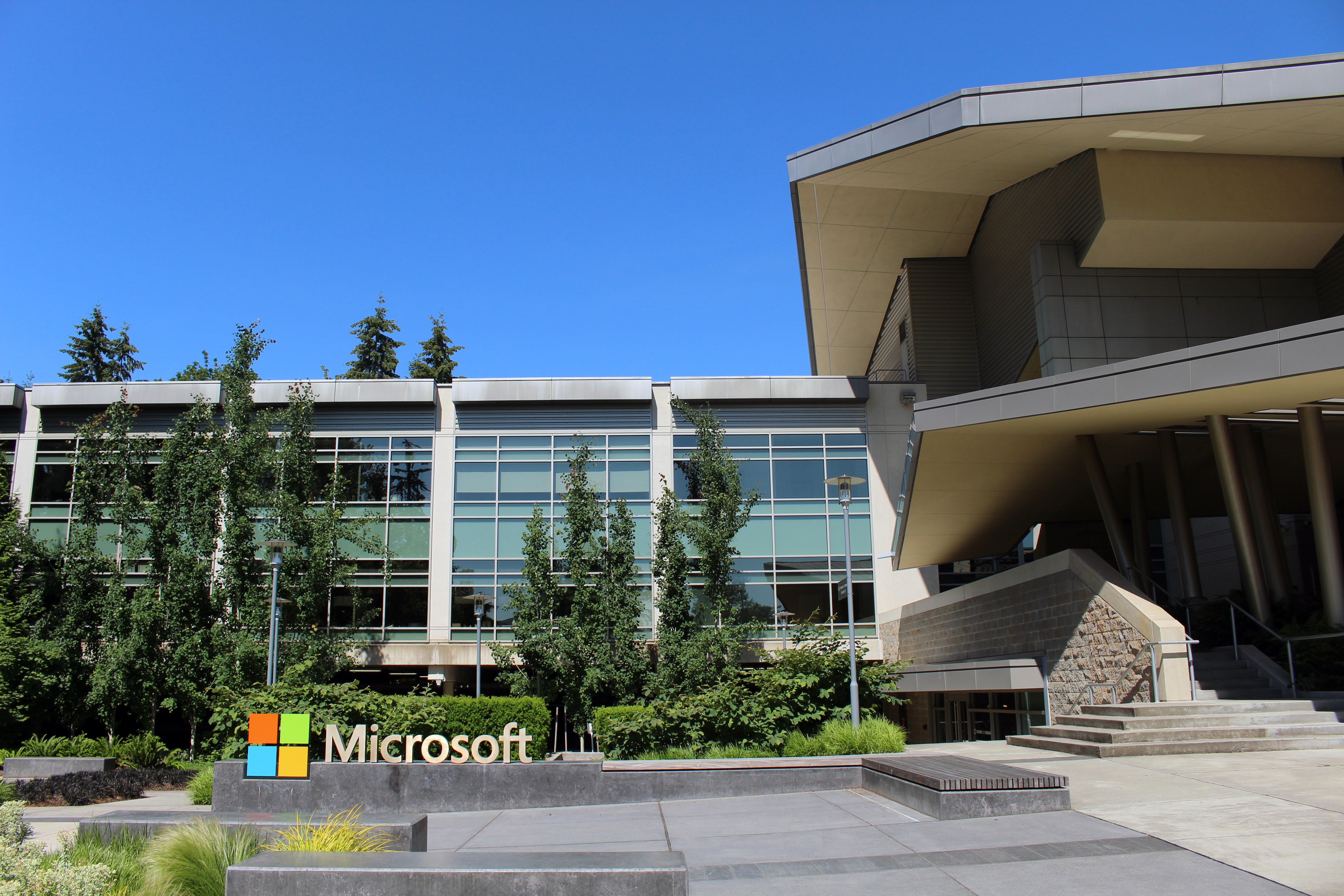
MicroStrategy’s founder, Michael Saylor, will address Microsoft’s board next month regarding the potential incorporation of Bitcoin into the tech giant’s corporate strategy. As the world’s largest software company continues to seek ways to leverage its $78 billion cash reserve, Bitcoin could become a cornerstone in their plans. However, reports indicate the board has already expressed skepticism, with several members raising concerns about the risks and volatility associated with digital assets.

Saylor, a vocal Bitcoin advocate, is expected to present a proposal that could see Microsoft join the growing number of corporate entities embracing cryptocurrency as part of their balance sheets. This follows a broader trend among tech companies, including Tesla and Square, that have invested in Bitcoin as both a hedge against inflation and as a means of aligning with the growing prominence of decentralized digital currencies.

The move by Microsoft, though not final, marks a significant moment in the ongoing evolution of corporate finance. While the company is sitting on a hefty cash reserve, which could potentially absorb the fluctuations of Bitcoin’s market, internal dissent underscores the divide between traditional financial strategies and the allure of digital currency. Microsoft’s board has been reluctant to adopt cryptocurrency, citing potential regulatory hurdles and concerns about the environmental impact of Bitcoin mining.

Despite the opposition, Saylor’s advocacy for Bitcoin remains unwavering. Since 2020, MicroStrategy has acquired over 150,000 BTC, making it one of the largest corporate holders of Bitcoin. The company has also committed to expanding its digital asset strategy, seeing Bitcoin not only as a store of value but also as a long-term investment that can yield substantial returns.

For Microsoft, the decision to integrate Bitcoin as part of its corporate strategy could be pivotal, especially as the company navigates the challenges of an evolving global economy. The ongoing discussions, set to culminate in the upcoming board meeting, come at a time when the financial world is increasingly debating the merits of digital currencies as an asset class. If the proposal is approved, Microsoft would join a small but growing group of traditional corporations making Bitcoin a central part of their financial structure.

In contrast, critics of cryptocurrency within the board have voiced concerns over Bitcoin’s volatility, which could undermine the stability of Microsoft’s cash reserves. These critics argue that the risks associated with such an investment could harm the company’s reputation as a reliable tech giant and create uncertainty for investors who have long viewed Microsoft as a safe haven in the stock market.

There are broader concerns about the regulatory environment surrounding cryptocurrencies. As governments worldwide grapple with the challenges of regulating digital currencies, the legal and financial uncertainties may deter some corporate leaders from taking such bold steps. Microsoft’s leadership, while innovative, has been historically cautious about ventures that could potentially invite scrutiny from regulators or affect the company’s relationships with stakeholders.

On the other hand, proponents of Bitcoin integration argue that Microsoft, with its vast financial resources, is well-positioned to weather the market’s fluctuations. Bitcoin’s rise in value over the past few years has proven that, despite its volatility, the digital currency holds significant long-term potential. With large tech companies and institutional investors like BlackRock increasingly backing Bitcoin, proponents believe that Microsoft’s endorsement could lend further legitimacy to the cryptocurrency market.

If Microsoft were to proceed with a Bitcoin investment strategy, the tech industry could see further moves from other major corporations exploring digital assets as a new avenue for growth. The decision would also reflect the changing mindset of corporate America, which is gradually warming to the idea of blockchain and cryptocurrencies as vital components of future business strategies.

Saylor, whose vision for Bitcoin as a central asset in corporate portfolios has often made headlines, will likely present a case focused not just on the potential upside of investing in Bitcoin, but also on its function as a store of value in an era of economic uncertainty. He argues that Bitcoin offers a unique value proposition compared to traditional assets like stocks or bonds, given its decentralized nature and the finite supply that protects against inflationary pressures.

The internal debate at Microsoft is just one example of how large corporations are grappling with the idea of digital currency integration. While some companies embrace Bitcoin as a forward-thinking investment, others remain wary, opting for more conventional approaches to managing their cash reserves.

As the tech world continues to wrestle with the implications of cryptocurrency, the decision Microsoft faces will serve as a barometer for the broader corporate landscape. Should the tech giant take the leap, it would signal a major shift in how corporations view digital currencies and their role in the future of business finance.

India’s Ministry of Electronics and Information Technology is set to unveil voluntary ethical guidelines for artificial intelligence and generative AI firms by early 2025. These guidelines are expected to outline a framework encouraging responsible innovation while addressing societal concerns linked to the misuse of AI technologies.

As AI transforms industries and public services, the ethical ramifications of its deployment have come under scrutiny. Recognizing the need for oversight, the Ministry has been crafting a non-binding code that promotes transparency, accountability, and fairness in AI applications. This initiative aims to mitigate risks such as algorithmic bias, misinformation propagation, and threats to user privacy, which are becoming critical issues globally.

Government officials have emphasized that the voluntary nature of these guidelines allows for flexibility and innovation while encouraging adherence to ethical standards. Unlike regulations, this approach does not impose strict mandates but seeks to foster collaboration between government bodies, tech companies, and civil society. AI firms participating in the development process have voiced support for the guidelines, stating that they align with global best practices while considering local nuances.

The framework’s primary focus areas include ensuring fairness in AI-driven decision-making processes, safeguarding data privacy, and establishing mechanisms for identifying and addressing misuse. It also underscores the importance of explainability, enabling users to understand how AI systems make decisions. By encouraging companies to adopt these principles, the Ministry hopes to set a precedent for ethical AI development in the global arena.

As AI-powered systems become integral to governance, education, healthcare, and financial services, concerns about their unchecked application have grown. Experts warn of potential pitfalls, such as reinforcing societal inequalities through biased algorithms or enabling large-scale surveillance through advanced data analytics. By addressing these challenges, the guidelines aim to strike a balance between innovation and ethical responsibility.

India’s initiative mirrors global efforts to establish ethical standards for AI. The European Union’s AI Act, currently under deliberation, seeks to regulate AI systems based on their risk levels, while the United States is exploring sector-specific guidelines. India’s voluntary approach, however, aims to create a conducive environment for AI innovation without stifling technological progress.

While the proposed framework has been welcomed by many stakeholders, some experts caution against relying solely on voluntary adherence. They argue that enforceable regulations may be necessary to ensure compliance and protect public interests effectively. Proponents of a regulatory approach highlight the potential for misuse by entities unwilling to adopt ethical practices.

India’s burgeoning AI ecosystem, fueled by startups and global tech giants, has made the country a critical player in the global AI landscape. Industry leaders see the guidelines as a strategic step towards aligning India’s AI ecosystem with international standards, enhancing its competitiveness in the global market. Additionally, ethical AI practices are expected to boost public trust and acceptance of AI-driven innovations.

VISHNU RAJA
RYO YAMADA
HITORI GOTOH
IKUYO KITA
Just in:
Oil futures rebound after Riyadh strikes and tanker alerts // AXS and PayerMax Advance Omnichannel Payment Acceptance for Merchants // Dubai Introduces SHARH, an AI-Powered Platform Helping Entrepreneurs Buy, Sell and Manage Businesses in the UAE // Promoting Common Human Development Through Exchanges and Mutual Learning Among Civilizations // Travel Insurance Was Built for the Few Who Claim. Ancileo’s Felt Coverage™ is for Everyone Else // 2026 Tropical Rainforest Ecosystem Partners Conference Kicks off in Hainan // Antony’s wife called to police station with husband over complaint // Russia permits retail cryptocurrency purchases under regulated framework // LittleLives, Little Lab and SEGi College Sign MOU to Explore Early Childhood Education Collaboration Across ASEAN // Dalilk Academy reaches 27 million, targets 100 million by 2030 // Phancy Announces Business Performance for the Nine Months Ended September 30, 2026 // Dar Global unveils $700m Trump development in Qatar // Workday targets Honeydew purchase to unify AI metrics // Malappuram hartal over Western Ghats // Anthropic shares finish above offer price after Nasdaq debut // NASA tests supersonic Mars rotors for heavier payloads // Hackers exploit public notes to distribute NodeLinkRAT malware // Anthropic’s debut is lifting markets, but someone is still paying for it // International Business Leaders Say Xi’s Speech Boosts Confidence in Asia-Pacific Cooperation // Sharjah clears Kalba free zone plan for 400MW complex //