News related to
risk

A fragile truce in Iraq faces significant jeopardy following a recent U.S. airstrike targeting a militant base south of Baghdad. The attack has intensified tensions, with the Islamic Resistance in Iraq vowing retaliation. This escalation could unravel ongoing peace efforts and destabilize an already volatile region.

The U.S. strike, conducted late last week, was aimed at a compound reportedly used by Iran-backed militias. According to Pentagon sources, the operation was in response to recent threats against American personnel and facilities in Iraq. This action marks a severe escalation in the U.S. military’s involvement in the region and has drawn sharp condemnation from various factions within Iraq.

The Islamic Resistance in Iraq, a prominent group within the broader network of Iranian-aligned militias, has condemned the strike as a blatant violation of Iraqi sovereignty. The group’s senior official indicated that retaliation is imminent, exacerbating fears of a renewed cycle of violence. This development threatens to undermine the delicate balance that has been maintained through ongoing negotiations and diplomatic efforts.

The truce, which has been in place for several months, was intended to reduce hostilities and facilitate dialogue between conflicting parties. It followed a period of intense conflict marked by frequent skirmishes and escalating tensions between Iraqi militias and U.S. forces. The recent airstrike not only jeopardizes this truce but also risks inflaming regional tensions further, potentially drawing in other actors and destabilizing the broader Middle Eastern landscape.

Observers are concerned that the strike could prompt a series of retaliatory actions, leading to a resurgence of hostilities. This would not only disrupt the fragile peace process but also have significant repercussions for the stability of Iraq and the wider region. The potential for a broader conflict underscores the need for immediate diplomatic interventions to de-escalate the situation.

The Iraqi government has condemned the U.S. action, emphasizing the need for respect of its sovereignty and urging restraint from all parties involved. However, the response from the Islamic Resistance in Iraq suggests that diplomatic appeals may not be sufficient to prevent further escalation. The situation remains fluid, with both sides preparing for potential further conflict.

The international community has called for calm and restraint, stressing the importance of dialogue and peaceful resolution to the crisis. However, the immediate aftermath of the strike indicates that the path to de-escalation will be fraught with challenges. The U.S. and Iraqi governments are under immense pressure to navigate the complex dynamics of this conflict and work towards stabilizing the region.

As the situation continues to unfold, the global community watches closely, hoping for a resolution that will preserve the fragile truce and prevent further violence. The next steps taken by the involved parties will be critical in determining whether the current crisis can be mitigated or if it will lead to a broader and more destructive conflict.

Hamas’s political chief, Ismail Haniyeh, was killed in an attack on his residence in Tehran, Iran. This incident, which also claimed the life of one of his bodyguards, marks a significant escalation in the ongoing tensions involving the Palestinian militant group. The attack has drawn immediate condemnation and concern from international leaders and analysts.

According to initial reports, the assailants targeted Haniyeh’s residence with a coordinated assault, leading to his death and the injury of several others. The circumstances surrounding the attack remain under investigation, and no group has yet claimed responsibility. The Iranian government has vowed a thorough investigation into the incident, emphasizing its commitment to combating terrorism and securing the safety of its citizens.

Haniyeh, a prominent figure in Hamas, has been a central player in the group’s leadership and operations. His death could potentially shift the balance within Hamas and affect its strategies and alliances. Analysts are closely watching for potential repercussions on regional stability and the broader Israeli-Palestinian conflict.

The assassination of Haniyeh represents a critical development in the ongoing conflict dynamics. His leadership was instrumental in Hamas’s political and militant activities, and his absence might create a power vacuum within the organization. This event is likely to provoke varied responses from different factions, both within the region and internationally.

International reactions have been swift, with calls for restraint and dialogue from various world leaders. The attack underscores the volatile nature of the geopolitical landscape in the Middle East, highlighting the persistent risks associated with high-profile figures in conflict zones. The implications of Haniyeh’s death will unfold in the coming days as the situation develops and more information becomes available.

As the investigation continues, the global community remains on alert for potential repercussions. The situation reflects the ongoing complexities of Middle Eastern politics and the enduring challenges in achieving lasting peace and stability in the region.

An Israeli airstrike targeted Hezbollah commander Fouad Shukr in Beirut, marking a significant escalation in tensions between Israel and Hezbollah. Shukr, a senior military figure within the Lebanese group, is known for his close ties to Hezbollah’s leadership and his involvement in strategic operations.

The airstrike occurred late Tuesday, with initial reports indicating that Shukr was among the primary targets. Lebanese media confirmed the attack, noting damage to several buildings in the southern suburbs of Beirut, a Hezbollah stronghold. The area, often referred to as Dahiyeh, has seen similar strikes in the past, but this operation specifically aimed at Shukr signals a more direct confrontation.

Fouad Shukr, also known by his nom de guerre, Al-Hajj Mohsin, has been a prominent figure in Hezbollah for decades. His military career began in the early 1980s, and he has since ascended through the ranks, becoming a key advisor to Hezbollah’s Secretary-General Hassan Nasrallah. Shukr’s expertise in military tactics and his role in coordinating operations in Syria have made him a critical asset to the organization.

Hezbollah’s involvement in the Syrian conflict has been extensive, with Shukr playing a pivotal role. His strategic planning and operational oversight have contributed to the group’s efforts to support the Syrian government, particularly in key battles such as those in Aleppo and Qusayr. These operations have cemented Shukr’s reputation as a skilled military leader within Hezbollah’s ranks.

The Israeli government has long viewed Shukr as a significant threat. His role in planning and executing operations against Israeli targets, both within Lebanon and abroad, has placed him high on Israel’s list of adversaries. Israeli officials have accused Shukr of being involved in the 1983 Beirut barracks bombings, which killed 241 U.S. service members, a claim that Hezbollah has consistently denied.

This targeted strike on Shukr is part of a broader Israeli strategy to disrupt Hezbollah’s military capabilities. Israel has repeatedly stated its intent to prevent Hezbollah from acquiring advanced weaponry and strengthening its position along the Israeli-Lebanese border. Over the years, Israel has conducted numerous airstrikes in Syria and Lebanon aimed at intercepting weapons shipments destined for Hezbollah.

The timing of this strike is particularly noteworthy. It comes amid heightened tensions in the region, with ongoing conflicts in Syria and escalating confrontations between Israel and Iranian-backed militias. Hezbollah’s close alliance with Iran has further complicated the dynamics, as Israel seeks to counter Iranian influence in the Middle East.

Reactions to the strike have been swift. Hezbollah condemned the attack, vowing retaliation and reinforcing its commitment to resist Israeli aggression. The Lebanese government, while acknowledging the attack, has called for restraint to avoid further escalation. International reactions have been mixed, with some countries urging both sides to de-escalate and others expressing concern over the potential for a broader conflict.

Analysts suggest that this strike could have significant implications for the stability of the region. Hezbollah’s response will likely determine the immediate future of Israeli-Lebanese relations. Should Hezbollah choose to retaliate, the possibility of a larger military confrontation cannot be ruled out. However, the group may also opt for a more calculated response, avoiding direct confrontation while continuing to strengthen its military infrastructure.

The situation remains fluid, with the potential for rapid developments. As both Israel and Hezbollah navigate this latest escalation, the international community will be closely monitoring the unfolding events. The strike on Fouad Shukr underscores the persistent volatility in the region and the ongoing struggle for power and influence between Israel and Hezbollah.

Hezbollah’s next moves, coupled with Israel’s strategic objectives, will shape the regional landscape in the coming months. This episode highlights the fragile nature of the current ceasefire and the ever-present risk of conflict in the Middle East.

Amid intensified hostilities in Gaza, over 200,000 individuals have been displaced, according to the UN Office for the Coordination of Humanitarian Affairs (OCHA). This surge in displacement stems from ongoing bombardments, with Israeli military operations significantly impacting northern Gaza. Eastern Gaza City, particularly the Shujaiya district, has seen around 84,000 people forced to flee due to heavy fighting. The violence has disrupted essential services, cutting off access […]

UAE President Sheikh Mohamed bin Zayed Al Nahyan and Vice Presidents Sheikh Mohammed bin Rashid Al Maktoum and Sheikh Mansour bin Zayed Al Nahyan have conveyed their heartfelt condolences to President Droupadi Murmu and Prime Minister Narendra Modi following devastating floods in India that have resulted in significant loss of life and property. The catastrophic floods have affected various states, causing severe damage to infrastructure, displacing thousands, […]

Tensions between Israel and Lebanon have escalated with both nations filing formal complaints with the United Nations Security Council. This development underscores the rising risk of military conflict in the region, driven by a series of recent confrontations and ongoing disputes.

Israel’s complaint accuses Lebanon of violating international norms by allowing Hezbollah, a militant group, to launch attacks from Lebanese territory. According to Israeli officials, these actions have resulted in significant damage to Israeli infrastructure and civilian areas. The Israeli government claims that Hezbollah’s aggressive actions not only breach Lebanese sovereignty but also threaten regional stability.

Conversely, Lebanon’s complaint highlights Israeli military operations within Lebanese airspace and territory. Lebanese authorities argue that Israel’s frequent incursions and airstrikes violate Lebanon’s sovereignty and have caused considerable harm to both military and civilian targets. The Lebanese government asserts that these actions are unjustified and exacerbate the already volatile situation in the region.

The exchange of complaints follows a series of border skirmishes and heightened rhetoric from both sides. The recent military exchanges have intensified fears of a broader conflict, with both nations mobilizing forces and preparing for possible escalation. The UN Security Council is now faced with the challenge of addressing these grievances and finding a pathway to de-escalate the situation.

The international community has expressed concern over the potential for a larger-scale conflict, emphasizing the need for diplomatic solutions and dialogue. Various nations and organizations have called for restraint and urged both Israel and Lebanon to engage in negotiations to prevent further violence.

Hezbollah’s role in the conflict remains a central issue, as the group’s operations are a significant point of contention between the two countries. The organization, which is backed by Iran, has a history of hostility toward Israel and has been involved in numerous clashes with Israeli forces over the years.

The situation is further complicated by the broader regional dynamics, including the influence of Iran and the ongoing civil conflict in Syria. These factors contribute to the complexity of the Israeli-Lebanese relations and the challenges in addressing the current disputes.

As the UN Security Council considers the complaints, there is a pressing need for effective mediation to address the underlying issues and prevent further escalation. The international body will likely seek to facilitate dialogue between the two nations and work towards a peaceful resolution to the ongoing tensions.

The outcome of the UN Security Council’s deliberations could significantly impact the trajectory of Israeli-Lebanese relations and the stability of the region. Both countries’ actions and the international response will be closely watched as efforts to de-escalate the situation continue.

Cybersecurity Experts Bolster Digital Transformation, Strengthen Corporate Defenses TAIPEI, TAIWAN – Media OutReach Newswire – 30 July 2024 – In response to global supply chain changes, Malaysia has become a top choice for international manufacturers, promoting digital transformation across various industries. However, with the advancement of digitalization, cybersecurity risks have also increased, leading many international corporations to demand more robust supply chain cybersecurity. As a high-tech stronghold, […]

Advertisements

Doubts are intensifying around Petrofac’s $1.5 billion project in Algeria as geopolitical tensions and economic instability continue to rise. The energy giant’s ambitious venture, aimed at enhancing Algeria’s oil and gas production capabilities, now faces significant delays and financial challenges. Petrofac, a leading international service provider to the oil and gas production and processing industry, initially launched the project to expand its footprint in North Africa. The […]

Airstrikes hit southern Beirut as the conflict between Israel and Gaza intensifies. The Israeli military launched attacks targeting Hezbollah positions in Lebanon’s capital, marking a significant escalation in the region.

Israel’s foreign minister declared the country was facing an “all-out war” following a deadly rocket strike in Majdal Shams, a town in the Golan Heights. The attack resulted in multiple casualties, raising tensions and prompting a swift military response from Israel.

The Israeli Defense Forces (IDF) reported that the airstrikes in Beirut aimed at neutralizing Hezbollah’s military capabilities, which Israel accuses of collaborating with Hamas in Gaza. The bombings targeted key infrastructure and weapons storage facilities, according to IDF spokespersons.

Hezbollah’s leader condemned the airstrikes, vowing retaliation and further complicating the conflict. The group claimed that the Israeli attacks damaged civilian areas and infrastructure, although the extent of the damage remains unclear.

The conflict’s escalation has drawn international concern, with calls for restraint and dialogue from the United Nations and several global leaders. The UN Secretary-General emphasized the need for immediate cessation of hostilities to prevent further humanitarian catastrophe.

In Gaza, the fighting has resulted in substantial casualties on both sides. Israeli airstrikes have targeted what they describe as military installations and tunnels used by Hamas. The Palestinian Health Ministry reported significant civilian casualties, including women and children, as a result of the bombings.

Humanitarian organizations have raised alarms over the deteriorating situation in Gaza. Hospitals are overwhelmed, facing shortages of medical supplies and electricity. The International Committee of the Red Cross (ICRC) called for safe corridors to deliver aid and evacuate the wounded.

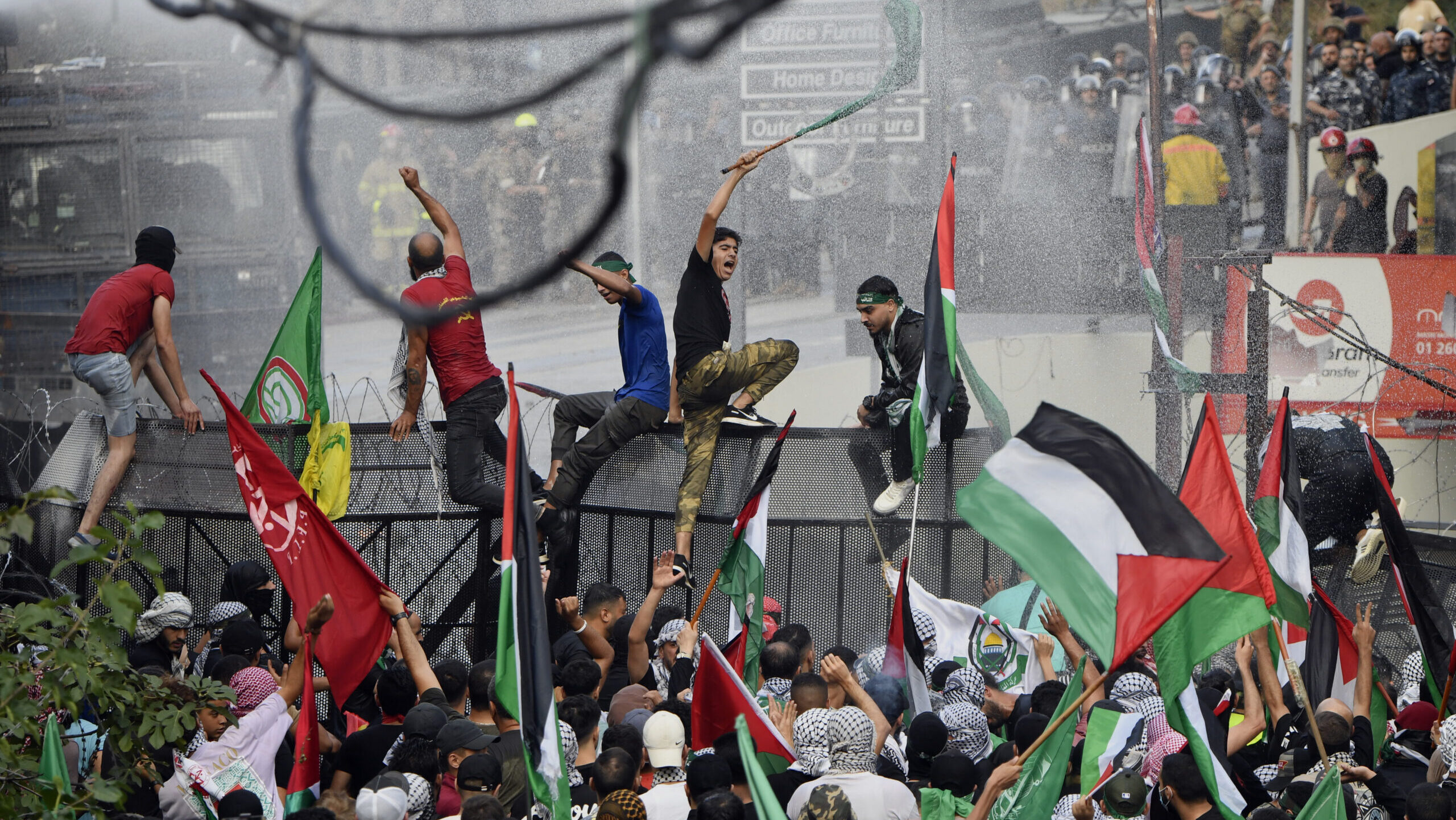
The conflict’s impact extends beyond the immediate war zone. Protests and violent clashes have erupted in several cities across the Middle East, reflecting widespread anger and solidarity with the Palestinian cause. Demonstrations have also taken place in Western capitals, urging governments to intervene and advocate for a peaceful resolution.

Israel has faced international scrutiny over its military actions. Human rights organizations have called for investigations into potential violations of international law, particularly regarding the targeting of civilian areas in Gaza and Lebanon. The Israeli government maintains that its military operations are in self-defense and aimed at minimizing civilian harm.

Diplomatic efforts to broker a ceasefire have thus far been unsuccessful. Egypt and Qatar have been particularly active in mediating between the conflicting parties, but both sides remain entrenched in their positions. The United States has expressed support for Israel’s right to self-defense while urging for measures to protect civilians and reduce casualties.

The economic repercussions of the conflict are also significant. Gaza’s infrastructure has suffered extensive damage, affecting essential services and livelihoods. In Israel, the economy faces disruptions from rocket attacks, with businesses and schools in affected areas forced to close temporarily.

Regional analysts warn that the ongoing hostilities could destabilize the broader Middle East, with potential spillover effects into neighboring countries. The involvement of Hezbollah and the airstrikes in Beirut indicate a risk of the conflict expanding beyond Gaza and Israel.

As the situation unfolds, the international community continues to monitor developments closely. The prospects for a lasting peace appear dim amid the current escalation, with deep-seated grievances and historical animosities driving the conflict.

Efforts to address the humanitarian crisis and rebuild trust between the parties are crucial for any future resolution. The global call for peace underscores the urgent need for dialogue and diplomacy to end the violence and pave the way for a sustainable solution.

Arabian Post Staff DraftKings, a leading name in the global gambling industry, is ceasing its NFT operations following a pivotal legal decision. A US court recently permitted a class action lawsuit to proceed against the company, alleging that DraftKings’ NFTs qualify as unregistered securities. This lawsuit has triggered a significant shift in the company’s business strategy. The legal challenge stems from claims that DraftKings’ NFTs, which are […]

Matein Khalid The weekend Crony Club dinners in the finest watering holes/pizzerias of Dubai are as long as they are liquid and our sole focus is to exchange money making investment ideas and wildest new jokes. So I found out that my buddies were more interested in my calls on the Mag-7 than in my philosophical reveries on MAGA. So paisanos, viola! I had outlined my Tesla […]

Dubai is currently experiencing extreme heat conditions, with temperatures feeling as high as 60°C (140°F) due to the combined effects of high air temperatures and humidity. This extreme weather is putting the city under significant stress and raising concerns about the future impacts of climate change.

The official temperature in Dubai during July averages around 39.4°C (102.9°F), with nighttime lows of about 32.3°C (90.1°F). However, the heat index, which factors in humidity, can make it feel significantly hotter, reaching dangerous levels of 54°C (129.2°F) and beyond. These extreme conditions are not only uncomfortable but also pose serious health risks, especially to those who must work or spend extended periods outdoors.

One of the key factors exacerbating the heat in Dubai is its high humidity levels, which hover around 51% in July. This combination of heat and humidity creates a stifling environment that can lead to heat exhaustion or heat stroke if proper precautions are not taken. The local authorities have issued advisories urging residents and visitors to stay hydrated, avoid strenuous activities during peak hours, and seek shelter in air-conditioned environments whenever possible.

The extreme heat has also highlighted the broader implications of climate change for the region. Dubai, like many parts of the Middle East, is expected to see even more extreme temperatures in the coming decades. Studies predict that heatwaves will become more frequent and intense, making large parts of the region uninhabitable without significant adaptations in infrastructure and lifestyle.

Dubai has already been taking steps to mitigate the effects of its harsh climate. The city has invested heavily in green building technologies, which include better insulation and energy-efficient cooling systems to reduce the reliance on air conditioning. Additionally, there are ongoing efforts to increase the amount of green space within the city to help lower temperatures through natural cooling.

Urban planners in Dubai are also looking into innovative solutions such as reflective building materials that can help reduce the urban heat island effect. This phenomenon, where cities become significantly warmer than their rural surroundings due to human activities, exacerbates the already extreme summer temperatures.

The health risks associated with such extreme weather are not limited to heat-related illnesses. High temperatures can also exacerbate existing health conditions such as cardiovascular and respiratory diseases. The healthcare system in Dubai is bracing for an increase in cases related to heat stress, and there are ongoing public health campaigns to educate people about the dangers of prolonged exposure to extreme heat.

Moreover, the economic impact of extreme heat is significant. High temperatures can reduce productivity, especially in sectors such as construction and outdoor services. The energy demand for cooling also spikes during heatwaves, putting additional strain on the power grid and leading to higher utility costs for both residents and businesses.

The current heatwave in Dubai serves as a stark reminder of the challenges that lie ahead as global temperatures continue to rise. It underscores the urgent need for both mitigation and adaptation strategies to address the risks posed by climate change. As Dubai continues to grow and develop, it will need to balance economic growth with sustainable practices that can help protect its residents and infrastructure from the escalating impacts of extreme weather.

Sources:
– Visit Dubai
– Weather Atlas
– Reuters

Dubai is grappling with unprecedented heat, with temperatures soaring to levels that feel like 60°C (140°F), highlighting the city’s vulnerability to extreme weather conditions. This alarming phenomenon has intensified concerns about the impact of climate change on urban environments.

The recent heatwave has pushed Dubai’s temperature to its highest recorded levels, creating hazardous conditions for residents and raising significant health and safety concerns. The city’s infrastructure, designed to cope with high temperatures, is under strain as the heatwave exacerbates existing challenges related to water scarcity and energy consumption.

Experts attribute the soaring temperatures to a combination of climate change and urban heat island effects. The heat island effect occurs when urban areas experience significantly higher temperatures than their rural surroundings due to human activities and the concentration of buildings and roads. As global temperatures rise, cities like Dubai, with their dense construction and limited green spaces, are experiencing more severe temperature spikes.

The current heatwave is a stark reminder of the growing frequency and intensity of extreme weather events linked to climate change. According to climate scientists, rising greenhouse gas emissions are contributing to higher global temperatures, which in turn exacerbate local weather extremes. For Dubai, this means increased occurrences of dangerously high temperatures, putting additional pressure on its already strained resources.

Health professionals warn that prolonged exposure to such extreme temperatures can have severe consequences, including heat exhaustion and heatstroke. Vulnerable populations, including the elderly, children, and those with preexisting health conditions, are particularly at risk. Authorities are advising residents to take precautions, such as staying hydrated, avoiding outdoor activities during peak heat hours, and using air conditioning where possible.

In response to the heatwave, Dubai’s government has implemented several measures to mitigate the impact. These include increased monitoring of temperature levels, public health advisories, and enhanced cooling systems in public spaces. Additionally, there are ongoing efforts to improve urban planning and green infrastructure to help combat the heat island effect and provide more shade and cooling in the city.

The heatwave also poses challenges for the economy, particularly for industries dependent on outdoor work, such as construction and agriculture. Employers are being urged to implement heat stress management practices to protect workers and minimize productivity losses.

Looking ahead, Dubai’s experience serves as a critical case study for other rapidly growing cities facing similar climate-related challenges. It underscores the need for robust climate adaptation strategies and investment in sustainable urban development to safeguard against the growing risks of extreme weather.

As the situation continues to evolve, ongoing research and data collection will be essential in understanding the full impact of extreme heat events and developing effective mitigation strategies. For now, Dubai remains on high alert, navigating the immediate dangers posed by one of the hottest periods in its history.

Professional ophthalmic products feature patented myopia control technology, effectively slowing down myopia progression in nearly 90% of child wearers HONG KONG SAR – Media OutReach Newswire – 30 July 2024 – ZEISS Vision Care (ZEISS) and the School of Optometry of The Hong Kong Polytechnic University (PolyU) announced their latest collaborative initiative, ZEISS MyoCare Myopia Control Spectacle Lenses (ZEISS MyoCare Lenses). The lenses utilize PolyU’s patented Defocus […]

Bybit, a leading global cryptocurrency exchange, has unveiled its latest innovation—the Digital Rupee (eRupee) payment method. This new feature, designed for users transacting in Indian Rupees (INR), is now fully operational on the platform. Bybit’s move aims to enhance transaction security and convenience, aligning with the growing trend of integrating digital currencies into mainstream financial systems. The eRupee, a wallet-based mobile payment solution, allows for seamless and […]

HANOI, VIETNAM – Media OutReach Newswire – 30 July 2024 – Viet Nam and India have considerable agricultural development, with similar agricultural, forestry and fishery export figures, over US$50 billion annually. However, agricultural trade between the two nations remains low, achieving less than US$2 billion annually, indicating ample growth space. The state visit of the Vietnamese Prime Minister to India from July 30 to August 1, 2024 […]

Arabian Post Staff The launch of DEEP’s new platform promises a significant shift in how digital health metrics are evaluated and utilized. This advanced system aims to offer precise, real-time data on various health parameters, addressing a gap in current health monitoring technologies. DEEP, a cutting-edge health technology company, has introduced a platform designed to revolutionize the measurement of health through digital means. The platform integrates a […]

Israel has issued a stern warning to Hezbollah, promising severe repercussions following a deadly attack in the Golan Heights. Tensions escalated after Hezbollah launched a multi-drone assault on an Israeli military outpost in the region, an incident the militant group claimed responsibility for but later denied initiating. The Israeli Defense Forces (IDF) reported the drone strike on the Golan Heights, an area Israel has controlled since the […]

By Dr. Gyan Pathak Known for having transformed the Delhi education scenario in government schools from poor to very good, even better in performance than private schools in the National Capital Territory, in just a decade, AAP government is now on the way to transform Punjab school education to provide high quality education for all […]

KUALA LUMPUR, MALAYSIA – Media OutReach Newswire – 30 July 2024 – Octa, a financial broker with globally recognised licenses, celebrates its 13th birthday this summer. In some cultures, the number 13 has a special significance. For example, the Chinese omit the thirteenth floor in multi-level buildings as unlucky. The Japanese, on the other hand, associate this number with good fortune. In a series of three articles, […]

The vast majority (80%) have increased their year-on-year investment in generative AI Three quarters agree it is helping drive revenue and innovation Almost all organizations (97%) allow employees to use generative AI in some capacity SINGAPORE – Media OutReach Newswire – 29 July 2024 – Organizations are rapidly embracing generative AI, spurred by an uptick in investment and the value of this transformative technology. It has permeated […]

At least 12.6% of an organisation’s annual revenues were at risk to cyber threats Sensors detected 125% attack hours – 10 attack hours in an 8-hour workday Businesses endured on average 1,104 hours of critical attacks during a span of 880 working hours; protected from a potential of 46 days of downtime Malware trended up 30% YoY, including a massive 92% spike in May alone Ransomware intensifies […]

The world’s richest individual, Elon Musk, has sounded the alarm on the United States’ fiscal health, declaring, “America is going bankrupt btw,” on his social media platform, X. This stark pronouncement was made in response to a post by Billy Markus, the creator of Dogecoin, who highlighted a startling headline: “Interest Payments on US National Debt Will Shatter $1,140,000,000,000 This Year – Eating 76% of All Income […]

Arabian Post Staff The Identity Theft Resource Center (ITRC) reported a staggering 1,170% increase in data breach victims in Q2 2024 compared to the same period last year. This alarming surge, affecting over a billion individuals, is primarily attributed to a few massive breaches that significantly inflated the numbers. ITRC CEO Eva Velasquez highlighted that these breaches are not isolated incidents but part of a growing trend […]

VISHNU RAJA
RYO YAMADA
HITORI GOTOH
IKUYO KITA