News related to
risk

Practices in Sustainable Development Highlighted and Pioneers Commended HONG KONG SAR – Media OutReach Newswire – 25 September 2024 – Founded by the Institute of ESG & Benchmark (IESGB) and co-organised by the Institute of Financial Technologists of Asia (IFTA), the ESG Achievement Awards 2023/2024 (Awards) held its Presentation Ceremony cum Luncheon at the JW Marriott Hotel Hong Kong today. Continuously supported by the ESG Data Partner […]

Gold has surged to historic heights, driven by the latest Federal Reserve decision to cut interest rates by 50 basis points, sparking heightened investor interest in safe-haven assets. The precious metal, which has long been seen as a hedge against inflation and economic uncertainty, reached an unprecedented $2,653 per ounce on September 23, a record in the global market.

The Fed’s move marked a pivotal shift in monetary policy, signaling further potential rate cuts. As interest rates fall, the opportunity cost of holding non-yielding assets like gold decreases, making them more attractive to investors. This shift has ignited a rally in gold prices, with many analysts predicting that the metal’s upward momentum may continue if the Fed maintains its rate-cutting strategy. The substantial increase in gold prices, approximately 30% from the start of the year, underscores growing concerns about the economic outlook.

Economic uncertainty fueled by rising geopolitical tensions, particularly in the Middle East, has also played a crucial role in driving gold to these new highs. Investors tend to flock to gold during times of instability, and the current geopolitical landscape has heightened that trend. In particular, concerns over potential disruptions in oil supplies and escalating conflicts have contributed to a broader risk-off sentiment in the market, with many turning to gold as a safer investment during turbulent times.

Global financial markets have been facing heightened volatility, spurred in part by fluctuating inflation rates and concerns over a possible economic slowdown in key markets such as the United States and Europe. This has led to increased speculation about future interest rate cuts, which further benefits gold. As inflation remains a key concern, particularly in the wake of strong consumer spending data, gold’s allure as a store of value has strengthened significantly.

The Federal Reserve’s latest actions have further entrenched the belief that it will continue to lower rates in an effort to manage inflation and support economic growth. Speculation is rife that further rate cuts could be on the horizon, with several financial analysts forecasting additional cuts by the end of 2024. As a result, gold prices could continue to rise, further bolstered by continued uncertainty in the global economic outlook.

Beyond U.S. monetary policy, a key factor contributing to the gold surge is the weakening of the U.S. dollar, which has dropped against a basket of major currencies. Gold, being dollar-denominated, becomes cheaper for investors holding other currencies when the dollar weakens, further increasing demand. This dynamic is likely to persist as long as the dollar remains under pressure due to softening economic data or expectations of further monetary easing by the Fed.

Central banks around the world have been increasing their gold reserves, driven by the desire to diversify away from dollar holdings amid concerns about long-term economic stability. China and Russia, in particular, have been large buyers of gold in recent years, further tightening supply in the global market and pushing prices upward.

The remarkable performance of gold has also drawn attention from a wide array of institutional investors, who are increasingly viewing it as an essential component of diversified portfolios. Amid concerns over stock market volatility and potential downward pressure on bonds due to interest rate movements, gold has emerged as a resilient option for mitigating risk. The widespread belief that gold will continue to perform well in the current economic environment is fueling additional inflows into gold-backed exchange-traded funds (ETFs) and other investment vehicles tied to the precious metal.

Despite the ongoing bullish sentiment, some analysts caution that gold’s rapid ascent could face headwinds if the Federal Reserve decides to reverse course on its monetary easing policies. A sudden shift toward tightening or a stronger-than-expected economic recovery could diminish gold’s appeal, particularly if the U.S. dollar strengthens in response to better-than-anticipated economic data. Nonetheless, the consensus among market watchers remains that gold is likely to continue benefitting from a combination of lower interest rates, geopolitical uncertainty, and a weaker dollar in the near term.

Gold’s record-breaking surge has been a boon for mining companies and the broader precious metals sector, which have seen their stocks rise in tandem with gold prices. The strong performance of gold miners reflects the market’s confidence that gold will remain a sought-after commodity, at least in the medium term. In particular, companies with low-cost operations are well-positioned to capitalize on the elevated price environment, which has bolstered profit margins across the sector.

Ajeej Capital, in collaboration with Nuwa Capital, has announced the launch of a $100 million private debt fund aimed at providing financing to companies in the Middle East and North Africa (MENA) region. This initiative reflects the growing demand for alternative funding sources amid a shifting economic landscape influenced by rising interest rates and tightening financial conditions globally.

The newly formed fund, named the “Ajeej-Nuwa Private Debt Fund,” will primarily focus on lending to small and medium-sized enterprises (SMEs) that are often underserved by traditional financial institutions. According to industry experts, SMEs play a crucial role in the economic fabric of the region, accounting for a significant portion of employment and GDP. By facilitating access to capital, this fund aims to spur growth in a sector that is pivotal for job creation and economic diversification.

Both Ajeej Capital and Nuwa Capital are seasoned players in the private equity and venture capital markets. Ajeej Capital, known for its strategic investments across various sectors, has established itself as a key player in the MENA investment landscape. Meanwhile, Nuwa Capital, with its expertise in supporting startups and high-growth companies, brings a complementary skill set to the partnership.

The fund’s investment strategy will involve a blend of secured and unsecured debt, tailored to meet the unique needs of each portfolio company. This approach enables the fund to balance risk while providing flexible financing solutions. Moreover, the partnership has signaled its commitment to fostering sustainable and socially responsible business practices, aligning with broader trends in impact investing.

Market analysts emphasize that the launch of this private debt fund is timely, given the challenges facing businesses in the region. Economic pressures, including inflation and supply chain disruptions, have made traditional financing avenues more challenging for SMEs. With banks increasingly cautious in their lending practices, alternative financing options like private debt funds are becoming more attractive to companies seeking capital to sustain operations and fuel growth.

Ajeej and Nuwa’s initiative also coincides with a larger trend in the investment landscape, where institutional investors are increasingly allocating funds to private debt as a means of achieving higher yields in a low-interest-rate environment. According to industry reports, private debt fundraising reached record levels in 2023, highlighting the asset class’s growing appeal among investors seeking diversification.

The fund aims to deploy its capital over the next few years, focusing on sectors such as technology, healthcare, and consumer goods. These industries have shown resilience and potential for growth, making them attractive targets for investment. As part of its strategy, the Ajeej-Nuwa fund will also consider companies that are at various stages of development, from established firms looking to expand to startups seeking initial growth capital.

Both firms have expressed their commitment to not only generating financial returns but also creating positive social impact through their investments. This aligns with a growing emphasis among investors for socially responsible and sustainable investing practices. Ajeej Capital and Nuwa Capital have underscored their goal of supporting businesses that prioritize environmental, social, and governance (ESG) considerations.

Investor interest in private debt continues to surge as traditional asset classes face volatility. The appetite for alternative investments has been driven by a combination of factors, including rising inflation, increased market uncertainty, and the quest for yield in a low-rate environment. Private debt funds provide a unique opportunity to capitalize on these trends by offering more predictable returns compared to public equity markets.

The announcement of the Ajeej-Nuwa fund is indicative of a broader shift in the region’s investment landscape, where innovative financing solutions are becoming essential for economic growth. The collaborative efforts of Ajeej Capital and Nuwa Capital represent a forward-thinking approach to addressing the capital needs of SMEs, which are vital for the sustainable development of the MENA economy.

As the fund gears up for its first investments, it aims to establish a track record of success that can attract additional capital in the future. Both firms are keen to leverage their networks and expertise to identify high-potential companies that align with their investment criteria. By focusing on underrepresented segments of the market, they hope to play a significant role in fostering entrepreneurship and innovation across the region.

The Ajeej-Nuwa Private Debt Fund’s emphasis on flexibility in structuring deals and understanding the unique challenges faced by businesses will be a key differentiator. This approach not only enhances the fund’s competitiveness but also reinforces its commitment to supporting the growth ambitions of its portfolio companies.

Etihad Airways has announced an ambitious plan to invest $7 billion by the year 2030, signaling a significant commitment to enhancing its operations and services. The airline’s CEO, Antonoaldo Neves, emphasized that this financial injection will focus on improving customer experience, expanding the fleet, and embracing sustainability initiatives as part of a broader strategy to maintain its competitive edge in the aviation sector. The investment is part […]

HONG KONG SAR – Media OutReach Newswire – 25 September 2024 – In the first half of 2024, Luxshare Precision, a key global technology manufacturer, has earned the trust of its international clients, some of which are the world’s most prominent technology giants, like Apple, Amazon, Dell, and Lenovo. During the past half year, Luxshare Precision has achieved remarkable recognition by various authorities, reflecting its commitment to […]

Data reveals 11% revenue increase in Cloud-Native Application Protection Platform market HONG KONG SAR – Media OutReach Newswire – 24 September 2024 – Trend Micro Incorporated (TYO: 4704; TSE: 4704) a global cybersecurity leader, today celebrated that it has retained its #1 ranking for worldwide cloud-native application protection platform market share in the IDC, Worldwide Cloud-Native Application Protection Platform Market Shares, 2023: A Bull Market (doc # […]

The call for a significant increase in renewable energy investment to meet global climate goals has intensified. Dr. Sultan Al Jaber, the President of COP28, emphasized that global investments in renewable energy need to more than triple over the next six years to meet the ambitious target of 11,000 gigawatts (GW) of capacity by 2030. His remarks came during the Global Renewables Summit, marking the first-ever high-level […]

Advertisements

World Robotics 2024 Report by International Federation of Robotics released FRANKFURT, GERMANY – Newsaktuell – 24 September 2024 – The new World Robotics report recorded 4,281,585 units operating in factories worldwide – an increase of 10%. Annual installations exceeded half a million units for the third consecutive year. By region, 70% of all newly deployed robots 2023 were installed in Asia, 17% in Europe and 10% in […]

Investor apprehension surrounding Bitcoin custody practices has prompted BlackRock to amend its application for a Bitcoin exchange-traded fund (ETF). The updated application stipulates that Coinbase, designated as the ETF’s custodian, must process Bitcoin withdrawal requests within a strict 12-hour timeframe. This adjustment aims to address mounting concerns over Coinbase’s on-chain settlement processes and the potential risk of acquiring “paper BTC,” which may undermine the true market value of Bitcoin.

Market analysts have noted that Bitcoin has faced significant price stagnation over the past few months, despite a notable surge in institutional investment through various ETF products. This disconnect raises questions regarding the reliability of Coinbase’s custody solutions and the implications for the broader cryptocurrency market.

BlackRock’s strategic decision reflects a broader trend among asset managers to enhance transparency and security in the rapidly evolving cryptocurrency landscape. The company, a global leader in investment management, has been actively pursuing Bitcoin ETF approvals, seeking to capitalize on the increasing interest from institutional investors looking to gain exposure to digital assets.

The demand for Bitcoin ETFs has surged as institutional players seek to navigate the complexities of the cryptocurrency market. However, concerns have been raised about the operational integrity of platforms like Coinbase, particularly regarding their ability to handle large volumes of transactions efficiently. With the growing scrutiny from regulatory bodies and investors alike, BlackRock’s move to enforce stringent withdrawal requirements underscores the need for enhanced governance in the cryptocurrency custody space.

Analysts point out that the introduction of stricter withdrawal timelines could alleviate investor fears regarding liquidity and asset safety. By ensuring that Bitcoin can be swiftly withdrawn from Coinbase, BlackRock aims to foster a more secure investment environment. The move comes amid growing criticism of how exchanges manage customer assets, particularly in light of historical incidents involving exchanges that faced insolvency or operational failures.

Investor sentiment surrounding Bitcoin has fluctuated, particularly with its price stagnating below key resistance levels. While institutional investments have surged, many retail investors remain cautious, leading to questions about the underlying market dynamics. The apparent dichotomy between rising institutional interest and stagnant retail enthusiasm presents a challenge for market participants.

Coinbase has previously faced criticism for its operational practices, particularly regarding its on-chain settlement processes. Concerns have emerged that the exchange may be facilitating the issuance of “paper BTC,” a term that refers to representations of Bitcoin that do not correspond to actual holdings on the blockchain. Such practices could create an inflated sense of supply, potentially exerting downward pressure on Bitcoin prices.

The introduction of BlackRock’s stringent withdrawal requirements serves as a proactive measure to address these concerns, emphasizing the importance of a robust custody framework in fostering investor confidence. As institutional players continue to enter the cryptocurrency market, the need for secure and transparent custodial solutions has never been more critical.

The broader context of Bitcoin’s price performance raises questions about the long-term sustainability of its value proposition. Despite the influx of institutional capital, Bitcoin’s inability to break out of its current price range has left many investors skeptical about its potential for future growth. The dynamics of supply and demand, coupled with macroeconomic factors and regulatory developments, will play a significant role in shaping the cryptocurrency’s trajectory.

Market experts suggest that BlackRock’s amendments to its ETF application could set a precedent for other asset managers looking to establish similar products. As the competition for Bitcoin ETF approvals intensifies, the emphasis on operational transparency and investor protection will likely become a key differentiator in the market. The scrutiny surrounding custody practices is expected to influence how other exchanges operate, potentially leading to industry-wide reforms aimed at enhancing investor confidence.

As BlackRock navigates the regulatory landscape and seeks to launch its Bitcoin ETF, the company’s focus on addressing custody concerns may resonate with both institutional and retail investors. By prioritizing the integrity of the custody process, BlackRock aims to position itself as a leader in the evolving cryptocurrency market.

Brian Cox, known for his formidable roles on screen, has taken on a new persona to address a growing health crisis in modern workplaces. As part of a public service announcement (PSA) for ASICS, Cox portrays “the world’s scariest boss” to highlight the mental health risks associated with prolonged desk-based work. The PSA, timed to coincide with World Mental Health Day, aims to spread awareness about the […]

The Dubai Financial Market (DFM) has completed its scheduled review of the General Index and Islamic Index, applying the new stock weightings to both indices starting today. This periodic evaluation aims to ensure the indices accurately reflect the market’s movements and the performance of listed companies.

The reviewed weightings, effective immediately, are expected to provide a clearer picture of the current market standing. The adjustments have garnered significant attention as investors and stakeholders analyze how the updated figures will impact their portfolios and trading strategies. The changes come during a time of increased global financial uncertainty, making the recalibration of these indices a critical measure for the market’s participants.

DFM’s review process, undertaken twice annually, forms a core part of its strategy to maintain a balanced and representative index system. This time, the Islamic Index received heightened scrutiny as sharia-compliant investments have seen a surge in global interest. The modifications to both indices are reflective of market activity over the past months, including stock performance, market capitalization, and liquidity considerations.

Many large-cap companies retained their influential positions within the indices, while certain mid-cap and smaller firms saw their weightings adjusted. The DFM General Index, a barometer of the broader market performance, experienced changes that industry analysts believe could signal emerging trends in the region’s economic sectors. The Islamic Index, which tracks sharia-compliant companies, also saw updates aligning with the growing demand for ethical investments across the Middle East and North Africa (MENA) region.

Several market experts are focusing on the potential impact these adjustments will have on the financial landscape in the UAE and beyond. With the global investment community closely observing DFM’s activities, the revised weightings could affect decisions made by institutional investors and fund managers, particularly those with significant holdings in both the General and Islamic Indices.

Companies with strong fundamentals and steady performance records were expected to maintain or even improve their positions in the indices, while those with fluctuating market capitalization and lower liquidity risk seeing their weightings diminished. The review is based on a transparent methodology that takes into account factors such as market capitalization, free float, and compliance with DFM’s stringent listing standards.

This year’s review comes at a time when the UAE’s capital markets are witnessing renewed interest from both regional and international investors. Analysts have pointed to the growth of sectors such as real estate, banking, and technology, which continue to drive much of the economic activity on the exchange. DFM’s Islamic Index, in particular, has seen an uptick in interest as sharia-compliant investments become increasingly attractive in an era of socially responsible investing.

With Dubai positioning itself as a global hub for financial services, the success and accuracy of its indices remain pivotal for both local and foreign investors. The DFM General Index, often viewed as a proxy for the health of Dubai’s economy, offers a snapshot of the market’s trajectory. Likewise, the Islamic Index is gaining attention due to the global rise in demand for Islamic finance solutions, particularly as countries across the Gulf continue to diversify their economies away from oil dependence.

Today’s application of the new weightings comes at a time of heightened anticipation among traders and fund managers who closely monitor any shifts in the indices for signs of underlying market movements. Analysts are already beginning to issue forecasts based on the changes, with some expecting a boost in the performance of companies that gained weight in the review.

Several of Dubai’s top-listed firms continue to dominate the General Index, including major players in sectors such as banking, real estate, and logistics. The Islamic Index, meanwhile, continues to feature companies that comply with sharia principles, covering a range of industries from financial services to energy. As Dubai continues to strengthen its regulatory frameworks, ensuring transparency and investor protection, the DFM’s indices play a crucial role in attracting foreign investment and maintaining market stability.

The periodic review also brings into focus the importance of accurate and timely data in market operations. Investors rely on these recalibrations to make informed decisions, particularly when it comes to index-linked investments such as exchange-traded funds (ETFs) and index funds. With the UAE’s capital markets maturing, the role of DFM’s indices in reflecting the true performance of the economy is more critical than ever.

DFM’s commitment to reviewing its indices bi-annually ensures that they remain aligned with international best practices. As part of this process, DFM collaborates with a wide range of stakeholders, including regulators, market participants, and financial experts, to ensure that its indices maintain a high standard of accuracy and relevance. This collaborative approach has helped cement DFM’s position as one of the leading exchanges in the MENA region.


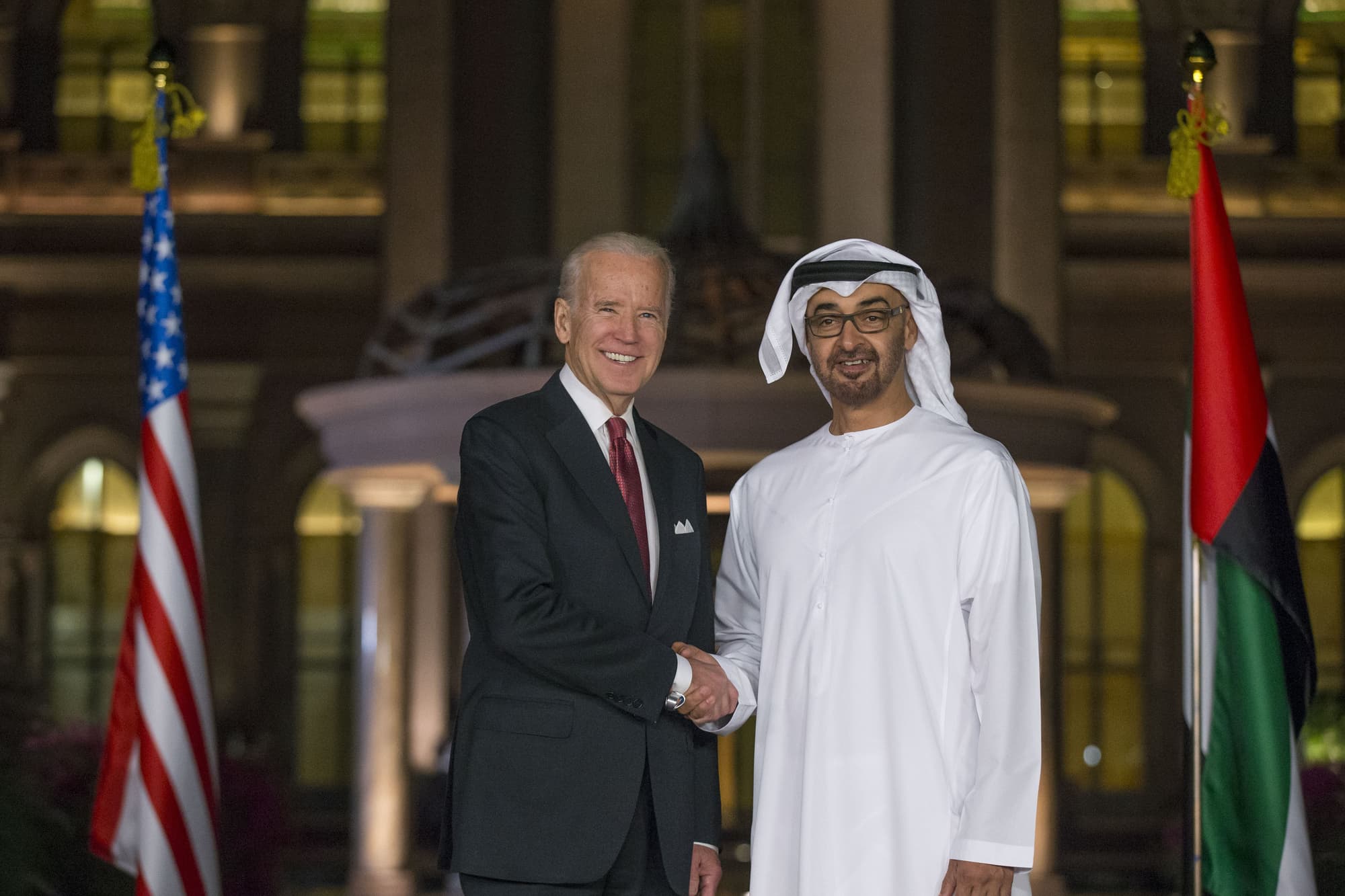
President Joe Biden has officially designated the United Arab Emirates as a major defense partner of the United States, solidifying the nation’s strategic role in the region. This move comes shortly after a similar designation was awarded to India, underscoring Washington’s efforts to build stronger alliances with Gulf and South Asian powers in the face of shifting global security dynamics. The announcement marks a significant step in US-UAE relations, enhancing defense cooperation and reaffirming the UAE’s importance in American military strategy.

The decision highlights the UAE’s evolving role as a critical player in regional security. With this designation, the UAE joins a select group of countries that enjoy preferential treatment when it comes to military cooperation with the United States. The relationship allows for greater access to advanced defense technology, streamlined military sales processes, and deeper intelligence collaboration. These developments come amid ongoing efforts by the US to recalibrate its security commitments in the Middle East, pivoting towards nations capable of contributing more significantly to their own defense.

Biden’s formal recognition of the UAE as a defense partner builds on decades of close military ties between the two nations. The UAE has long been a hub for US military operations in the region, hosting troops and serving as a staging ground for operations in neighboring conflict zones. The move is also seen as part of Washington’s broader strategy to reinforce its influence in the Gulf, where rising geopolitical tensions and the involvement of foreign powers like Russia and China continue to shape the security landscape.

For the UAE, this designation is not merely symbolic. It solidifies the nation’s status as a regional security leader and elevates its position on the global stage. It also provides the UAE with more direct access to sophisticated US defense systems, which will be critical in enhancing its defense capabilities amidst growing concerns over missile threats and other regional challenges. The UAE has long sought to upgrade its military arsenal, focusing on cutting-edge technology such as advanced fighter jets and missile defense systems. This new designation could accelerate these procurements, allowing for a faster, more seamless process.

The US government has been increasingly focused on forging deeper security ties with countries it sees as vital to countering both state and non-state actors. The UAE has been a crucial partner in US-led efforts to combat terrorism and ensure maritime security in the Gulf, particularly through its involvement in anti-piracy and anti-smuggling operations. The nation’s strategic location and military infrastructure have made it an indispensable ally in addressing threats posed by extremist groups and hostile states in the region.

Meanwhile, this development coincides with broader geopolitical shifts, as the US grapples with its role in a multipolar world. The Biden administration’s defense policy has focused on reducing its military footprint in some traditional hotspots while doubling down on partnerships that bolster regional security autonomously. The designation of both the UAE and India as major defense partners reflects a recalibrated approach to ensuring stability through cooperation, rather than direct military involvement.

The strategic importance of the UAE extends beyond the Middle East. Its influence in Africa, Central Asia, and the Indian Ocean region makes it a key player in a wider arc of geopolitical interests. With major global powers vying for influence in the Middle East, Washington’s decision to deepen its defense ties with Abu Dhabi also signals its intention to counter growing Russian and Chinese influence. China’s Belt and Road Initiative and increasing arms sales to Gulf countries, including the UAE, are clear indicators that the region is a key battleground for global influence.

The UAE’s defense relationship with the United States has grown in complexity in recent years. The two nations have regularly conducted joint military exercises, and the UAE has made substantial purchases of US-made defense equipment, including F-16 fighter jets, missile defense systems, and advanced drones. More recently, the UAE has expressed interest in acquiring next-generation US fighter jets, including the F-35, as part of its efforts to enhance its military edge. The partnership also extends to counterterrorism operations, where the two nations collaborate closely in intelligence sharing and tactical support to neutralize extremist threats.

The decision to elevate the UAE’s status comes against the backdrop of broader regional realignments. The Abraham Accords, which normalized diplomatic relations between the UAE and Israel, have reshaped the strategic landscape of the Middle East, offering new opportunities for cooperation between key US allies. This trilateral relationship between the US, UAE, and Israel is likely to deepen in the defense sphere, with potential collaborations in areas like missile defense and cybersecurity.

At the same time, the UAE faces growing security concerns closer to home. The conflict in Yemen, where the UAE has been heavily involved, continues to pose risks to regional stability. Iranian-backed Houthi rebels have launched missile and drone attacks against UAE infrastructure, raising the stakes for Abu Dhabi’s defense posture. The new designation from Washington could pave the way for more robust US support in addressing such threats, with the potential for more advanced defense systems aimed at countering missile and drone attacks.

US defense experts have praised the move, calling it a logical step in strengthening bilateral ties with a trusted partner in the Gulf. They argue that bolstering the UAE’s defense capabilities is not only in the interest of regional stability but also aligns with the US strategy of building self-reliant regional security partners. The UAE’s growing military spending and its focus on modernizing its armed forces further bolster the case for Washington’s decision.

A wave of dissatisfaction is sweeping through Bengaluru as customers of Colive, a startup specializing in tech-enabled shared living spaces, voice grievances regarding unreturned deposit amounts. Numerous complaints have surfaced on social media platforms, with users expressing frustration over what they describe as deceptive practices by the company. The fallout includes allegations of issuing post-dated cheques that bounce due to insufficient funds, leaving many feeling cheated and unheard.

Colive, which operates an app facilitating rentals and paying guest accommodations, has come under scrutiny for its refund policies. Users have reported that when they attempt to reclaim their deposits, the company presents them with post-dated cheques instead of immediate refunds. Many customers, including working professionals like Sanket Salot, have shared their experiences, highlighting the challenges they faced while trying to retrieve their funds. Salot, who resided in the Colive Signature Tower from October 2023 to March 2024, recounted a frustrating ordeal that many have echoed.

“The firm is effectively forcing customers to accept deposits only in the form of post-dated cheques,” Salot stated, underscoring the plight of those who have tried to navigate the refund process. He described a situation where, after repeated attempts to follow up, he received a cheque that ultimately bounced, leaving him at a loss. This sentiment is prevalent among several other users, who have taken to social media platform X (formerly Twitter) to share their stories.

Users on X have characterized Colive’s approach to refunds as a systematic issue. Complaints vary from unresponsive customer service to outright claims of funds being withheld. Many have stated that their support tickets raised with the company have been closed without resolution, further aggravating the situation. This lack of communication has compounded frustrations, leading to a broader narrative of distrust surrounding Colive’s business practices.

In addition to individual experiences, some customers have pointed to a pattern of behavior that suggests a larger systemic issue within the company. Reports indicate that the firm’s inability to return deposits in a timely manner is not isolated. A number of customers have expressed concerns over the company’s financial practices, suggesting that its operational viability is in question. This has raised alarms about the sustainability of the model that relies heavily on customer deposits.

Despite attempts by aggrieved customers to seek clarity and resolution, Colive has not provided a formal response to these allegations. Media inquiries have gone unanswered, leading to speculation about the company’s willingness to address these issues. Industry experts have weighed in, emphasizing the importance of transparency and accountability for companies operating in the shared living sector. They note that maintaining trust with consumers is crucial, especially in a competitive market where customer loyalty can significantly influence success.

This situation has attracted attention beyond the immediate circle of affected users. Social media reactions have spurred discussions about regulatory oversight and the need for consumer protection measures in the rental market. Some commentators argue that startups like Colive must adhere to stricter guidelines to prevent exploitation of consumers, particularly when dealing with significant financial transactions like security deposits.

As the dialogue around Colive’s practices continues to unfold, the broader implications for the shared living space industry are becoming evident. The reliance on digital platforms for rentals has made consumer feedback more visible than ever, forcing companies to adapt or risk losing their customer base. In an era where online reputation can make or break a business, the necessity for ethical practices and responsiveness to consumer concerns cannot be overstated.

Amid these developments, potential renters are advised to exercise caution and conduct thorough research before engaging with companies like Colive. While the concept of tech-enabled shared living offers many benefits, the current complaints highlight the pitfalls that can arise without proper oversight and customer service.

(via inputs from FPJ)

Brookfield Asset Management has successfully raised $2.4 billion for its inaugural climate-focused fund, with backing from Abu Dhabi’s Mubadala Investment Company. This marks a pivotal step in Brookfield’s efforts to support global decarbonization projects. The first phase of fundraising, which is part of a larger initiative to reach a $15 billion goal, underscores the growing international commitment to addressing climate change through substantial private investment. Brookfield’s new […]

HONG KONG SAR – Media OutReach Newswire – 23 September 2024 – The first baijiu company listed on the Hong Kong Stock Exchange and the second Chinese sauce-aroma baijiu stock being publicly listed, ZJLD Group Inc. (“ZJLD” or the “Company”, SEHK stock code: 06979. HK), has been awarded the prestigious “Outstanding Social Sustainable Awards” and “Outstanding Green Sustainable Awards” by the Metro Finance’s “GBA ESG Achievement Awards […]

The crypto market presents a myriad of investment opportunities, particularly for those looking to acquire affordable assets with potential for growth. Amidst a backdrop of fluctuating market conditions, investors are increasingly focusing on lower-priced cryptocurrencies that exhibit strong fundamentals and promising market activity. Several key players have emerged as noteworthy options for investors this month. Among them is Cardano (ADA), which has garnered attention for its innovative […]

Azerbaijan’s announcement of a new climate fund aimed at addressing global climate challenges has sparked debate among experts and policymakers. While the initiative reflects a growing awareness of the need for urgent action in combating climate change, skepticism remains over whether it will significantly narrow the persistent climate finance gap facing developing nations. As pressure mounts on both industrialized and emerging economies to contribute to global climate […]

Anil Ambani’s Reliance Group is poised for significant changes, with a crucial board meeting scheduled for September 23. This meeting comes at a critical juncture as the company seeks to rejuvenate its business operations and adapt to an evolving market landscape.

The backdrop to this transformation is a series of challenges that Reliance Group has faced in recent years, including financial setbacks and increased competition across various sectors. Analysts view this meeting as a pivotal moment for Ambani to outline strategic decisions that could reshape the company’s future. There are expectations for announcements that may include restructuring plans, investment strategies, and potential divestitures aimed at streamlining operations.

The financial health of Reliance Group has been under scrutiny, particularly following reports of mounting debt levels and a decline in share prices. As of late, the company has seen its stock fluctuate amidst concerns regarding its ability to maintain profitability across its diverse portfolio, which includes telecommunications, energy, and retail. Addressing these financial concerns is likely to be at the forefront of discussions during the upcoming board meeting.

Market experts believe that the company’s trajectory could benefit from a renewed focus on core competencies while possibly divesting from less profitable segments. This strategic pivot could enable Reliance to consolidate its position in key markets, particularly in technology and consumer services. The telecom arm, Jio, has been a standout performer, yet there is pressure to ensure that growth in this sector is sustainable.

The board is expected to explore potential partnerships and alliances that can enhance Reliance’s competitive edge. Collaborations in technology and sustainability initiatives are particularly pertinent, given the global shift towards eco-friendly practices and digital innovation. Such partnerships may help the company not only to tap into new revenue streams but also to bolster its reputation as a forward-thinking enterprise.

Ambani’s leadership style has historically been characterized by bold moves and a willingness to embrace risk. His approach to this board meeting will likely reflect a blend of innovative thinking and practical solutions to the challenges at hand. This combination could set the stage for a comprehensive overhaul of the group’s operational framework, aligning it more closely with market demands.

In addition to strategic shifts, the upcoming board meeting is likely to address governance and operational efficiencies. Ensuring that Reliance Group remains agile and responsive to market changes will be crucial in maintaining investor confidence. The potential for leadership changes within the company could also be on the agenda, with discussions about empowering a new generation of executives to drive innovation.

Investors and market analysts are keenly observing these developments, as they may indicate Reliance Group’s future direction. There is a shared sense of anticipation surrounding how Ambani will communicate these strategies and whether he will provide specific timelines and actionable steps. A clear vision articulated during the meeting could significantly impact investor sentiment and the company’s stock performance.

The competitive landscape in which Reliance operates is rapidly evolving. With increasing pressures from both domestic and international players, the company must adopt a more aggressive stance to defend its market share. Analysts suggest that this might involve a focus on enhancing digital offerings and improving customer engagement across its platforms.

As Reliance Group prepares for this critical meeting, stakeholders are looking for signs of a proactive strategy that addresses not only immediate concerns but also long-term growth aspirations. Anil Ambani’s ability to pivot and reposition the group will be essential for its survival and success in an increasingly complex business environment.

The significance of this board meeting cannot be understated, as it represents a potential turning point for Reliance Group. The decisions made on September 23 may very well shape the future of one of India’s most influential conglomerates, influencing market dynamics and setting precedents for corporate governance in the region.

Silvergate Bank’s shutdown in March 2023 highlighted the vulnerability of financial institutions catering to the cryptocurrency industry under tightening regulatory oversight. Despite maintaining adequate capital reserves, the bank succumbed to external pressure from U.S. regulatory authorities, making it the first mid-size banking casualty of the year. Silvergate, which had positioned itself as a critical link between traditional finance and the burgeoning crypto sector, had shown signs of […]

WordCamp USA concluded recently with a keynote address from Matt Mullenweg, the co-founder of WordPress.org and CEO of Automattic, that has since ignited a considerable backlash from the WordPress community and beyond. While the event typically fosters a spirit of collaboration and community, Mullenweg’s speech diverged sharply from this norm, culminating in pointed criticism of a prominent managed WordPress web host, WP Engine. This controversial moment not […]

HubSpot has launched an innovative suite of AI-powered tools, named “Breeze,” designed to enhance marketing automation capabilities for businesses. This new offering aims to streamline processes, increase efficiency, and empower marketers to leverage advanced technology without losing the human touch. According to company executives, the integration of AI into marketing strategies represents a significant leap forward for organizations looking to optimize their operations. The Breeze tools are […]

Australia is set to implement regulations requiring cryptocurrency firms to secure financial services licenses, aligning the legal status of many digital assets with that of traditional financial products. This significant move reflects the growing recognition of cryptocurrencies as essential components of the financial landscape and aims to enhance consumer protection and reduce systemic risks associated with the volatile crypto market. The Australian Securities and Investments Commission (ASIC) […]

Arabian Post Staff -Dubai Global semiconductor powerhouses TSMC and Samsung Electronics are reportedly exploring significant chip manufacturing ventures in the United Arab Emirates, with potential investments exceeding $100 billion. This development marks a strategic move as both companies seek to bolster their production capabilities amid a growing demand for chips worldwide. The discussions between TSMC and Samsung reflect a broader trend in the semiconductor industry, where supply […]

The World Bank has announced a record allocation of $42.6 billion towards climate finance in fiscal year 2024, marking a significant milestone in its efforts to support the global transition to clean energy. This represents a 10% rise from the previous year’s $38.6 billion, a testament to the institution’s ongoing commitment to addressing climate challenges in developing and emerging markets. The bank’s latest financial commitment is part of a broader strategy aimed at directing 45% of its total financing toward climate-related projects, a target it is closing in on.

This surge in climate financing has been largely directed towards green infrastructure, sustainable agriculture, renewable energy projects, and climate resilience measures, particularly in developing countries that are most vulnerable to the impacts of climate change. While the increased funding highlights progress, it still falls short of the trillions required annually to meet global climate goals. Experts have emphasized that for the world to reach net-zero emissions, particularly in emerging markets, there will need to be a substantial increase in both public and private sector investment.

Efforts by the World Bank to prioritize climate finance have come at a critical juncture, with climate-related disasters and global energy transitions becoming more urgent. The $4 billion increase compared to last year underscores the scale of financial mobilization required, yet it also highlights the significant funding gaps that still exist. Many developing countries face considerable challenges in accessing affordable financing to transition to cleaner energy sources, with the cost of capital often prohibitive for large-scale investments.

As governments worldwide continue to set ambitious decarbonization targets, developing economies are grappling with the competing demands of reducing emissions while fostering economic growth. The World Bank’s climate finance aims to bridge this gap, with projects that not only focus on reducing emissions but also enhancing climate resilience and supporting sustainable development initiatives.

The $42.6 billion record in 2024 is seen as a positive step forward, but analysts warn that much more must be done to meet the ambitious targets set by international climate agreements, such as the Paris Agreement. The International Energy Agency (IEA) estimates that to reach global net-zero emissions by 2050, annual investments in clean energy will need to rise to around $4 trillion. This underscores the need for more innovative financing mechanisms, stronger international collaboration, and the involvement of the private sector to mobilize the required capital.

The World Bank has been lauded for its leadership in climate finance, but the scale of the challenge demands broader participation from global financial institutions. Its financing structure, which blends grants, concessional loans, and guarantees, is designed to attract private investment and de-risk projects in developing economies. However, concerns remain that the current pace of financing may not be sufficient to prevent the worst impacts of climate change, particularly in regions that are already experiencing severe climate shocks.

VISHNU RAJA
RYO YAMADA
HITORI GOTOH
IKUYO KITA