News related to
risk

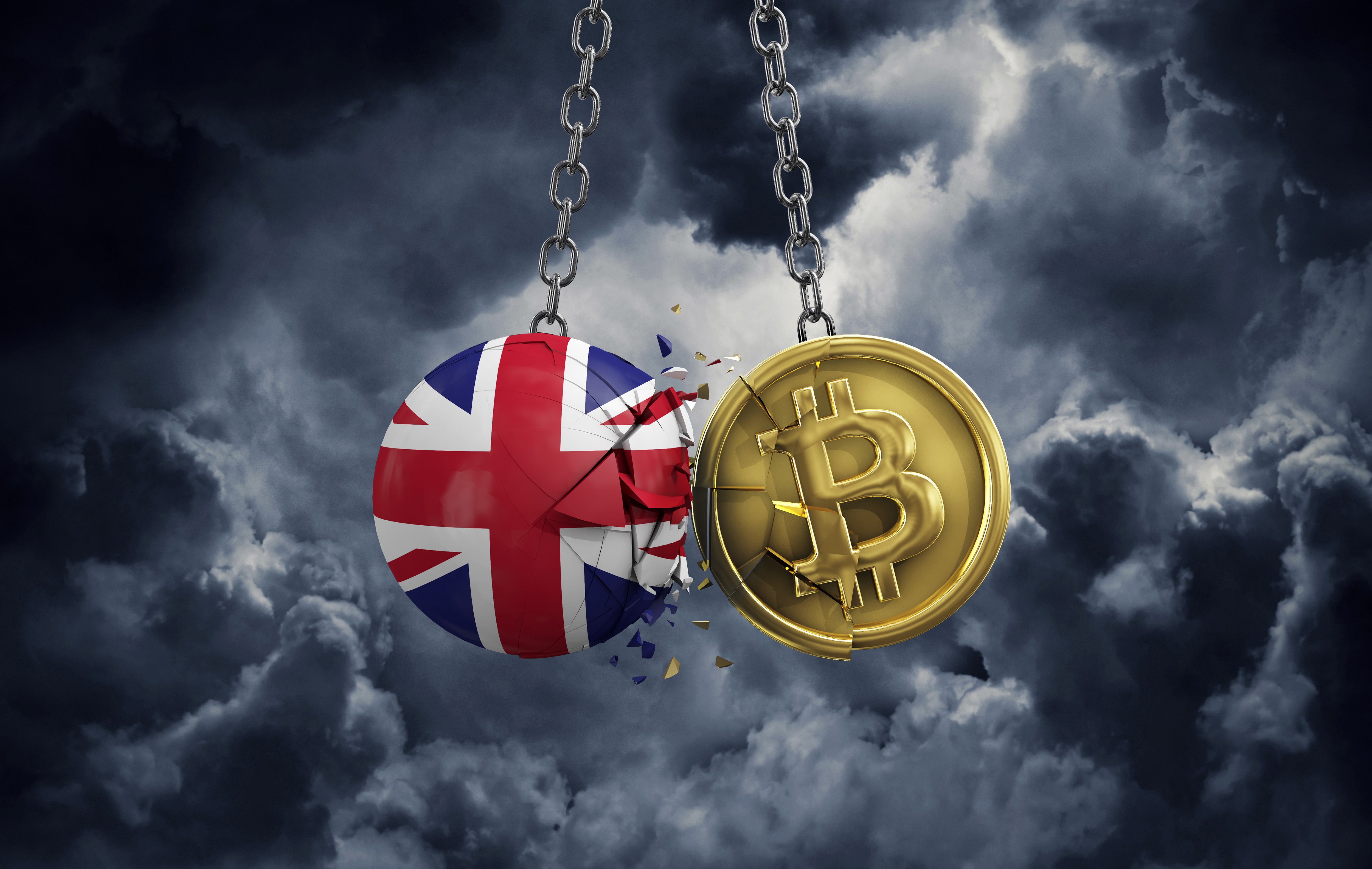
The UK government is set to announce new regulations for the cryptocurrency sector, aiming to address the growing concerns over consumer protection and market stability. As the crypto industry continues to thrive, especially in jurisdictions like the U.S. under President-elect Donald Trump, the UK’s financial authorities are moving to implement more robust regulatory frameworks. These measures are seen as a response to both the rapid development of crypto markets globally and the increasing attractiveness of other nations’ regulatory environments.

For some time, experts and policymakers have raised alarms about the risks of the unregulated or loosely regulated crypto market. The collapse of major entities such as FTX and Celsius has fueled the calls for tighter control, especially in jurisdictions like the UK, which is home to a significant number of crypto startups. According to recent reports, the government’s new approach will introduce a set of rules designed to strengthen the UK’s position as a competitive player in the global crypto market. These regulations will primarily focus on enhancing consumer protections, combating money laundering, and increasing transparency across the crypto sector.

The new regulatory framework will likely be introduced through the Financial Conduct Authority (FCA) and will specifically target crypto trading firms and exchanges. The aim is to establish a comprehensive “crypto market abuse regime,” which will cover various forms of market manipulation and ensure more accountability from crypto businesses. Additionally, UK regulators will address cryptocurrency lending practices, which have become a key point of concern following the industry’s volatility. By tightening these rules, the UK government hopes to ensure that crypto businesses operate within a secure environment, reducing risks for consumers and investors.

One of the critical elements of the proposed regulations is the introduction of time-limited exemptions for certain firms. This measure would allow crypto businesses registered with the FCA for anti-money laundering purposes to issue new tokens while awaiting the full roll-out of the new rules. This temporary solution is designed to prevent the UK from losing its crypto innovation to more favorable regulatory environments, such as those in the U.S. where the crypto market is booming under a less restrictive regulatory framework.

Despite these efforts, the UK has faced growing competition from the U.S. as a key player in the crypto market. Under the leadership of President-elect Trump, U.S. crypto regulations have been perceived as more flexible, attracting a significant influx of investment into the sector. The UK’s proposed regulations are intended to strike a balance between promoting innovation and safeguarding the interests of consumers. However, concerns remain that overly stringent regulations might push businesses to relocate to other more crypto-friendly regions, such as the U.S.

Crypto market leaders have expressed mixed feelings about the UK’s regulatory approach. Some argue that the introduction of clear, stable regulations would enhance the industry’s long-term growth prospects by attracting institutional investors and ensuring better market conditions. Others, however, warn that excessive regulation could stifle innovation and push businesses to seek more favorable climates elsewhere. As the government works to fine-tune its strategy, consultations with stakeholders from the crypto sector, including startups, established firms, and financial regulators, will be crucial to determining the final regulatory framework.

The UK’s cryptocurrency regulations are also expected to mirror similar efforts in other major economies, including the European Union, which is in the process of drafting its own set of rules for the sector. With the rapid expansion of digital currencies and blockchain technology, global regulators are facing mounting pressure to implement regulations that both foster innovation and mitigate risks.

UAE investors have seen their wealth soar following a remarkable surge in Bitcoin prices, attributed to the political and economic shifts following Donald Trump’s victory in the US election. The cryptocurrency, which had been volatile in the years preceding the win, experienced unprecedented growth as markets reacted to the shifting political landscape, with many investors in the UAE now seeing significant returns on their investments.

Bitcoin’s price surged sharply after the US election results were confirmed, with many financial analysts predicting the trend would continue as uncertainty around Trump’s policies drove investors toward assets perceived as safer or potentially more profitable. The volatile nature of cryptocurrencies makes them an attractive option for those willing to accept the risks for the potential rewards. For investors in the UAE, Bitcoin presented a new opportunity, and many took advantage of the fluctuating prices in anticipation of future growth.

Several prominent cryptocurrency investment platforms have seen increased activity in the UAE, with more people turning to Bitcoin as a hedge against inflation and political instability. The surge in Bitcoin’s value has not only been a boon for individual investors but also for cryptocurrency trading platforms and firms offering Bitcoin-based investment products. Several such platforms reported a spike in sign-ups and transactions in the wake of Trump’s election win, which, combined with the global economic uncertainty that followed, has sparked an interest in digital currencies as an alternative to traditional investments.

In Dubai, where many investors have a global outlook, Bitcoin is quickly becoming a key component of wealth management strategies. The local cryptocurrency market has witnessed a rise in demand for both Bitcoin and other digital assets. Investors are diversifying their portfolios with more aggressive positions in cryptocurrency, banking on the potential for continued growth amid the global economic challenges. Some have even opened Bitcoin-specific funds, offering high-risk, high-reward opportunities to those seeking to capitalize on the digital currency’s upward trajectory.

A key factor contributing to this wave of Bitcoin investment is the cryptocurrency’s appeal as an alternative store of value. With concerns around traditional financial systems, particularly in the Middle East, many are seeking to protect their wealth by investing in assets that are decentralized and not subject to the fluctuations of regional currencies or government policies. Bitcoin, with its promise of independence from state-controlled monetary systems, offers a solution that is increasingly attractive to investors in the UAE.

The global appeal of Bitcoin, combined with its growing legitimacy, has made it a more palatable option for UAE investors, many of whom are looking to broaden their financial horizons. The UAE’s status as a financial hub with a progressive regulatory environment for cryptocurrencies has further contributed to the growing interest. While cryptocurrencies remain largely unregulated in many parts of the world, the UAE has been one of the leading countries in the region to introduce frameworks aimed at fostering innovation while protecting investors.

The surge in Bitcoin prices has also prompted a flurry of interest from young, tech-savvy investors in the UAE. As more millennials and Gen Z individuals enter the investment landscape, they are increasingly looking toward digital currencies as a means of growing their wealth. The UAE has one of the highest concentrations of cryptocurrency holders in the Middle East, with a growing number of younger investors taking positions in Bitcoin as part of a broader trend of tech-driven financial strategies.

While the surge in Bitcoin’s price has created substantial wealth for some investors, the cryptocurrency market remains highly volatile, and many caution against overexposure. Financial advisors emphasize the importance of diversifying portfolios, as the rapid rise in Bitcoin’s value could be followed by equally dramatic declines. Investors are urged to remain cautious, keeping in mind that the cryptocurrency market’s unpredictability makes it unsuitable for all types of investors.

The geopolitical factors that contributed to Bitcoin’s rise are also critical to understanding the broader trends at play. Following Trump’s win, the global economy experienced shifts in trade relations and economic policies, which, in turn, affected investor behavior. As Bitcoin’s value continues to fluctuate in response to these political developments, the currency remains a speculative asset. However, for many in the UAE, the rewards have been substantial, allowing some to realize returns on their investments that were previously unimaginable.

KUALA LUMPUR, MALAYSIA – Media OutReach Newswire – 14 November 2024 – Adding exotic currency pairs to a portfolio is a popular way to get exposed to a wider variety of assets. These pairs, which include currencies from emerging markets or smaller economies, offer unique opportunities due to their volatility and potential for high returns. For traders in regions like India and Southeast Asia, exotic pairs can […]

KUALA LUMPUR, MALAYSIA – Media OutReach Newswire – 12 November 2024 – The recent U.S. presidential election and subsequent economic events have significantly impacted the Malaysian Ringgit (MYR), with the USDMYR exchange rate reaching a three-month high on Monday. Octa Broker’s financial market analyst, Kar Yong Ang, explains the reasons for the recent weakness in the Malaysian ringgit and provides short-term exchange rate projections. It has been […]

HONG KONG SAR – Media OutReach Newswire – 13 November 2024 – The first baijiu company listed on the Hong Kong Stock Exchange and the second Chinese sauce-aroma baijiu stock being publicly listed, ZJLD Group Inc. (“ZJLD” or the “Company”, SEHK stock code: 06979. HK), is pleased to announce that the Group has been awarded the supreme honor – The Listed Company of the Year in The […]

By K Raveendran Recent interventions by the Supreme Court into actions taken by the Securities and Exchange Board of India (SEBI) have underscored mounting concerns about systemic issues within the country’s chief market regulator. SEBI’s actions in several high-profile cases—particularly its record of imposing significant penalties and its alleged tendency to either delay or condone […]

Revolut has officially launched its crypto trading platform, Revolut X, in 30 additional European countries. The expansion marks a significant milestone for the financial technology company, which is targeting experienced traders seeking advanced features in cryptocurrency trading. The new rollout is designed to bolster the platform’s presence in Europe, tapping into an increasing demand for more sophisticated trading tools.

The platform, which first launched in the UK and Europe, offers a comprehensive suite of crypto trading features tailored to individuals with a higher level of expertise in the digital assets space. Revolut X includes a range of tools such as real-time market data, advanced charting, and analysis capabilities that are expected to appeal to traders with more in-depth knowledge of the volatile cryptocurrency market.

Revolut, known for its wide array of financial services, had previously made moves in the cryptocurrency market by offering a simpler, more beginner-friendly crypto service through its primary app. The launch of Revolut X in these new markets is part of the company’s strategy to differentiate itself in an increasingly competitive space dominated by established players such as Binance, Kraken, and Coinbase.

The 30 new countries added to Revolut X’s reach include several key European markets, notably in the EU and surrounding regions. These markets represent some of the most active areas for cryptocurrency adoption, with high levels of market penetration and investor interest. For Revolut, this is a calculated move aimed at capturing more of the trading segment from other platforms that cater to more advanced users.

Industry experts suggest that Revolut’s expansion into these markets comes at a time when crypto trading is gaining momentum across Europe. Regulatory frameworks in many EU nations are becoming more favorable, with clearer rules providing a safer environment for traders. This is seen as a major advantage for platforms like Revolut X, which seeks to build trust and legitimacy in a market that has faced scrutiny in recent years due to concerns over security and market manipulation.

With the introduction of advanced trading features, Revolut X also aims to address the growing demand for decentralized finance (DeFi) and other innovative financial products. As more traders seek out opportunities in non-fungible tokens (NFTs), decentralized exchanges (DEXs), and other blockchain-based assets, Revolut is positioning itself as a key player in these evolving markets.

The cryptocurrency sector in Europe has shown considerable growth, with increasing institutional interest and more retail investors participating in crypto markets. Several nations, particularly Germany, France, and the Netherlands, have already seen a rise in retail investment, and there is an ongoing effort within the European Union to establish clearer regulatory standards for digital assets. This regulatory clarity, along with the expanding acceptance of crypto in traditional financial systems, provides a supportive backdrop for Revolut’s expansion.

However, Revolut’s venture into the cryptocurrency space has not been without challenges. Despite the company’s large customer base and technological edge, it faces stiff competition from other financial technology companies and crypto-native platforms that are already well-established in European markets. Furthermore, cryptocurrency trading remains a high-risk venture for many traders, with concerns over market volatility, regulatory changes, and technological risks such as hacking and fraud.

For Revolut, the strategic move to expand Revolut X to 30 new markets is aimed at capitalizing on the increasing adoption of cryptocurrencies and positioning itself as a serious player in the crypto trading sphere. It also aligns with the company’s broader goal of diversifying its service offerings to encompass a wider array of financial products. This includes plans to broaden access to traditional banking, investment options, and more advanced trading tools. As the market matures and regulatory clarity continues to evolve, Revolut’s early investments into crypto trading could prove to be a significant growth area in its future.

The introduction of Revolut X in these 30 countries also signals a shift in the company’s overall business strategy. By targeting more experienced traders, Revolut is moving away from its initial focus on mainstream consumers and expanding into a niche that has shown higher profitability. This move reflects broader trends in the financial industry, where firms are seeking to capture more sophisticated users who are looking for advanced trading features and greater customization in their investment strategies.

Advertisements

The Zimbabwe-Zambia (Zim-Zam) Energy Projects Summit will take place from November 18-20, 2024, in Victoria Falls, Zimbabwe, and could not be more timely. With the governments of both countries making innovative structural changes to make energy projects more bankable, appetite for investment is high. This is the opportunity to secure a more sustainable energy future for both Zimbabwe and Zambia. LONDON, UK – EQS Newswire – 12 […]

Mandatory genetic testing for couples planning to marry will soon extend across the UAE, marking a significant step in the country’s healthcare policies aimed at minimizing the risk of hereditary diseases. This new measure, set to be introduced by January 2025, mandates all Emirati couples to undergo genetic testing as part of their premarital health screenings. Officials say this initiative will help future parents identify genetic disorders or mutations that could pose health risks for their children.

On November 11, 2024, Bitcoin experienced a remarkable surge, marking its largest one-day dollar increase in history. The cryptocurrency opened at $80,427.69 and closed the day at $88,770.73, an increase of $8,343.04, a notable milestone for the digital currency that continues to generate attention from investors and analysts alike.

This sharp spike has drawn significant attention, not only for its scale but for the factors that contributed to it. Bitcoin’s volatile nature is not new, but the latest rally stands out due to the broader context of global financial trends and market dynamics. Analysts point to several key drivers that could have influenced this surge, including shifts in global economic conditions, growing institutional interest, and the increasing adoption of cryptocurrency as a mainstream financial tool.

The increase occurred amidst a backdrop of economic uncertainty. With traditional markets showing signs of stagnation, Bitcoin has increasingly been seen by investors as a hedge against inflation and instability. The digital asset’s decentralized nature makes it an attractive alternative during times of heightened geopolitical risk and tightening monetary policies from central banks.

Institutional interest in Bitcoin continues to climb, with large financial institutions and investment funds increasing their exposure to cryptocurrencies. Major firms have been expanding their portfolios to include Bitcoin as a way to diversify their holdings and tap into its potential as a store of value. A notable development this week involved a prominent Wall Street investment firm that announced its plans to integrate Bitcoin into its core investment strategy. This has further fueled optimism in the market, with many seeing it as a sign of broader acceptance of Bitcoin in traditional finance.

Adding to the appeal is Bitcoin’s fixed supply. Unlike traditional fiat currencies, which can be printed at will by central banks, Bitcoin has a cap of 21 million coins, creating a supply-demand dynamic that contributes to its long-term value proposition. As more people and institutions seek to accumulate Bitcoin, its price has been climbing steadily, reflecting the growing belief in its potential as an alternative asset class.

Another factor contributing to Bitcoin’s growth is the increasing acceptance of cryptocurrency in daily transactions. More companies are starting to accept Bitcoin as a form of payment, creating an ecosystem that reinforces the value of the cryptocurrency. From tech startups to established retail giants, many businesses are adopting Bitcoin due to its lower transaction fees compared to traditional banking systems, along with the appeal of being part of the innovative blockchain ecosystem. The result has been a greater level of mainstream adoption, encouraging retail investors to get involved.

The cryptocurrency sector is also seeing technological advancements that improve the functionality and security of Bitcoin transactions. Over the past few months, there have been significant improvements in Bitcoin’s infrastructure, with upgrades to its blockchain technology making it more scalable and efficient. These enhancements not only improve Bitcoin’s usability but also build confidence among investors, who now see Bitcoin as a more stable and secure asset.

However, Bitcoin’s latest surge has also raised questions about the sustainability of its growth. Critics argue that the rapid price increase is driven by speculation rather than underlying economic fundamentals, and that such volatility makes it a risky investment. Some financial experts caution that while Bitcoin’s growth is impressive, the cryptocurrency market remains unpredictable, and the price could experience sharp declines in the future.

Regulatory scrutiny is another concern hanging over Bitcoin’s future. As cryptocurrencies gain traction, governments and regulatory bodies around the world are grappling with how to best regulate digital assets. Some countries, such as China, have taken a hardline stance against cryptocurrencies, citing concerns over financial stability and illicit activities. In contrast, countries like the United States and the European Union have been working to establish clearer frameworks for the regulation of cryptocurrencies. These regulatory decisions will play a crucial role in shaping Bitcoin’s long-term viability and its integration into the global financial system.

Despite these concerns, Bitcoin’s rapid growth is seen by many as a sign of its increasing maturity as an asset class. More financial services are becoming available to Bitcoin investors, including Bitcoin futures, ETFs, and other derivative products that allow institutional and retail investors to gain exposure to the cryptocurrency without directly holding it. This has brought Bitcoin further into the mainstream, making it a legitimate part of the global financial landscape.

Bitcoin’s success is also having a ripple effect on the broader cryptocurrency market. Other digital currencies, such as Ethereum, Ripple, and Litecoin, have seen price increases as well, with some benefitting from Bitcoin’s momentum. Ethereum, for instance, has gained popularity due to its smart contract capabilities, which allow developers to build decentralized applications on its blockchain. As Bitcoin continues to grow, its success is seen as a rising tide that lifts the entire cryptocurrency sector.

The NFT market in 2024 is grappling with a severe downturn, with the vast majority of new drops failing to gain traction and barely a fraction proving profitable. According to industry reports, 98% of NFT collections released this year have failed, while only 0.2% managed to generate significant returns, signaling an oversaturated market where the potential for success is diminishing rapidly.

The surge in NFT interest that dominated the market in 2021 and 2022 has largely faded. At the height of its popularity, high-profile celebrity-backed NFT collections, art auctions, and metaverse projects generated headlines and high transaction volumes. However, the once-booming sector has faced sharp declines in 2023 and continues to struggle through 2024. The flood of new projects has led to overwhelming competition, with collectors and investors growing increasingly discerning, causing many NFT drops to fail despite substantial marketing efforts.

One key factor behind the market’s downturn is the saturation of low-quality projects. In 2021, the NFT market saw explosive growth, with new collections emerging almost daily, promising lucrative returns. The ease of creating and launching NFTs led to a rapid influx of creators, artists, and brands eager to capitalize on the trend. However, many of these projects lacked the originality, utility, or community support necessary to sustain long-term value, which has become evident in the market’s performance.

Experts point to the lack of innovation in the space as a significant driver of the current struggles. NFT collections that are simply rehashed concepts or derivative works often fail to excite collectors, who are now more cautious in their purchasing behavior. The expectation of speculative profits, which fueled much of the market’s initial boom, has largely dissipated, leaving only the most unique and well-executed projects to stand out. As a result, many newer NFT collections are struggling to build a loyal community, which is crucial for the longevity and success of an NFT project.

The economic environment also plays a crucial role in the market’s decline. A downturn in the broader cryptocurrency market has directly impacted NFTs, as both assets are intertwined. Cryptocurrencies such as Bitcoin and Ethereum have experienced significant price fluctuations in recent months, which has reduced the capital available for NFT investments. With crypto market volatility making investors more risk-averse, the NFT sector has seen fewer high-profile buyers willing to commit to large-scale purchases.

NFT traders have become more skeptical about the long-term viability of the market. While some creators continue to make bold promises about the potential of NFTs in gaming, art, and other sectors, many have struggled to deliver on these visions. Trust in the space has been eroded by scams, failed projects, and the lack of regulatory clarity. As a result, investors are wary of participating in the market, resulting in low transaction volumes and limited liquidity.

One of the few bright spots in the 2024 NFT landscape is the emergence of projects that offer tangible utility. Collections tied to real-world assets, such as exclusive access to events, products, or digital services, have managed to garner attention from collectors who are looking for value beyond speculation. Additionally, some projects have innovated by integrating NFTs into gaming, virtual real estate, and metaverse platforms, where they offer in-game assets or experiences that are more difficult to replicate than traditional artwork-based NFTs.

Despite these innovative approaches, the overall sentiment in the NFT market remains cautious. Several high-profile NFT projects that launched in early 2024 have seen their value plummet, leading to significant losses for investors. The low success rate of new drops suggests that the market’s infrastructure is not yet ready for sustained growth and that additional reforms or innovative solutions may be required to reinvigorate the space.

Some analysts suggest that the NFT market is undergoing a period of “natural correction,” where the speculative bubble that drove its growth is slowly deflating. They believe that the future of NFTs lies in projects that offer real-world utility and sustainable growth, rather than relying solely on hype or celebrity endorsements. These analysts emphasize the importance of community engagement and long-term value for the future of NFTs.

The current state of the NFT market is also prompting calls for greater regulation and industry standards. As more collectors and investors become disillusioned with failed projects, there is an increasing demand for transparency and accountability from creators and platforms. Several organizations and industry leaders are working on establishing clearer guidelines for the NFT ecosystem, focusing on issues like intellectual property rights, secondary market sales, and platform fees.

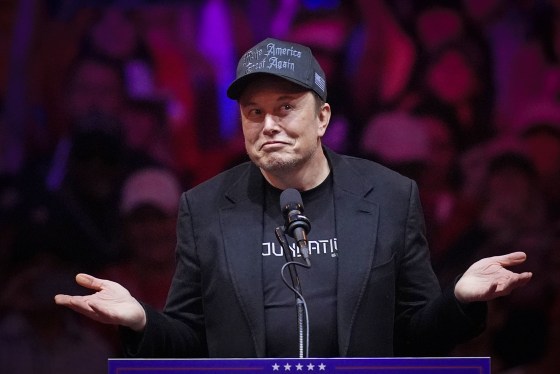
Bitcoin has surpassed $90,000 this week for the first time, marking yet another significant milestone for the cryptocurrency. The surge comes amid growing discussions about using Bitcoin to address America’s escalating national debt. Tesla, X, and SpaceX CEO Elon Musk, and vocal proponent of cryptocurrency, recently endorsed the idea of deploying digital assets to alleviate the United States’ debt burden—a sentiment echoed by President-Elect Donald Trump. Musk, […]

The world’s cities are witnessing a concerning and sustained reduction in green spaces, a trend documented in recent studies and environmental reports that highlight a variety of contributing factors, from rapid urbanization to climate impacts. As metropolises expand and populations grow, urban vegetation, including parks, tree cover, and green corridors, continues to disappear at alarming rates, posing a range of health, environmental, and economic concerns. Research has […]

Apollo Global Management and Mubadala Investment Company have agreed to extend their high-profile partnership, a move that aims to bolster Apollo’s Capital Solutions business. The extension will allow both entities to expand their reach and enhance their ability to originate investment opportunities across various asset classes, solidifying their long-term collaboration.

The extended partnership, which involves several billion dollars, is a significant development in the investment world. It builds upon the strategic relationship that began several years ago, positioning both Apollo and Mubadala for future growth in a rapidly evolving global market. By pooling their resources, the two firms plan to tap into new investment opportunities, with a focus on large-scale, complex transactions across sectors such as real estate, infrastructure, and private equity.

As part of the agreement, Apollo will leverage Mubadala’s global network and significant financial backing to drive its Capital Solutions platform forward. This platform, which specializes in providing flexible, innovative financing solutions, will be further strengthened through this partnership. Apollo has long been a leader in alternative investment strategies, and the continued support from Mubadala enhances its ability to execute its high-value transactions worldwide.

Mubadala, which is the sovereign wealth fund of Abu Dhabi, has long been a key player in the global investment arena. Its robust portfolio spans multiple industries, including energy, technology, and healthcare. By deepening its ties with Apollo, Mubadala gains access to Apollo’s wide-ranging expertise in alternative investments, which is particularly advantageous given the volatile global economic climate.

The extension of the partnership is also expected to accelerate the deployment of capital into high-impact investments. Apollo’s Capital Solutions business, known for structuring and managing bespoke financing arrangements, will benefit from Mubadala’s substantial capital reserves. The partnership’s focus will be on identifying attractive opportunities in both established markets and emerging sectors. This will allow the firms to be well-positioned to respond to market dynamics and provide value to investors.

In addition to the financial and strategic advantages, the expanded collaboration between Apollo and Mubadala is expected to bring greater innovation to the investment management space. The firms will work together to identify new methods for creating value, from investment structuring to risk management. By combining their expertise, the partners aim to develop differentiated solutions for investors, which could include specialized vehicles, bespoke financing options, and new asset classes.

This partnership extension is particularly significant in the context of growing competition in the global investment sector. With rising interest rates and market volatility, institutional investors are looking for partners with proven track records and the capacity to adapt to changing conditions. Apollo and Mubadala’s collaboration offers just that, with both firms having established reputations for managing complex investments and delivering strong returns for their stakeholders.

As part of the broader strategic goals, the extended partnership also aligns with Mubadala’s long-term investment vision. The sovereign wealth fund is keen to diversify its portfolio and deepen its engagement with global markets. By aligning with Apollo’s expertise, Mubadala strengthens its position in the alternative investments space, which has become an increasingly important segment for institutional investors looking for non-traditional assets that offer higher returns.

Apollo’s experience and track record in the global capital markets are another factor that makes this partnership particularly appealing. With a strong presence in private equity, real estate, and credit, Apollo has consistently demonstrated its ability to generate value for investors in both favorable and challenging market environments. Mubadala, by extending its relationship with such a prominent player, ensures it has access to top-tier investment opportunities across the spectrum of asset classes.

The partnership extension also underscores the growing importance of cross-border collaborations in today’s interconnected financial markets. As global investors seek to broaden their exposure to diverse markets and asset types, relationships like the one between Apollo and Mubadala play a crucial role in facilitating capital flows across regions. This is particularly relevant as both companies continue to pursue their respective strategies in global markets, positioning themselves for future success amid evolving macroeconomic conditions.

Looking forward, the partnership is expected to deepen in the coming years, with both Apollo and Mubadala exploring new opportunities for collaboration. This could include expanding their joint investments into new geographies, further diversifying their asset portfolios, or exploring emerging sectors like technology and clean energy. The firms have already shown an appetite for exploring innovative investment structures and new technologies, which could become key drivers of their future success.

Tesla’s cryptocurrency holdings have soared, with the value of its 11,000 Bitcoin reaching over $1 billion. The electric vehicle giant’s investment in Bitcoin has been a key part of its strategy to diversify corporate assets beyond traditional fiat currencies. While the price of Bitcoin fluctuates, Tesla’s large holding has provided it with significant exposure to the cryptocurrency market, elevating the company’s financial profile in a sector that continues to gain attention and evolve.

In 2021, Tesla made headlines when it announced an investment of $1.5 billion in Bitcoin, signaling confidence in the digital asset as a store of value. CEO Elon Musk’s affinity for cryptocurrency, coupled with the company’s broader interest in innovation and emerging technologies, led to this pivotal move. Since then, Tesla’s Bitcoin holdings have fluctuated alongside market conditions, but they have proven to be a lucrative asset, contributing to the company’s financial resilience during periods of market volatility.

Bitcoin’s value has experienced considerable ups and downs, often driven by market sentiment, regulatory changes, and macroeconomic factors. In 2024, the cryptocurrency market saw a resurgence, with Bitcoin prices breaking new thresholds. Tesla’s holdings of 11,000 Bitcoin have benefited significantly from this rise, surpassing the $1 billion mark. At current market prices, Tesla’s Bitcoin stash represents a notable portion of its financial portfolio, highlighting the growing intersection between traditional businesses and the digital economy.

The company’s decision to hold Bitcoin has sparked both praise and criticism. Advocates of the investment argue that Tesla’s strategic move aligns with its innovative image, positioning the company as a leader in adopting cutting-edge technologies. The large holding is seen as a hedge against inflation and a potential future asset in a more decentralized global financial system. Tesla’s Bitcoin investment also provides liquidity, offering the company an alternative means of transacting in the digital realm without relying on conventional banking systems.

Critics, however, point to the volatility of cryptocurrencies and the risks associated with such an investment. Bitcoin’s price can fluctuate significantly over short periods, which has raised concerns about Tesla’s exposure to market swings. Some argue that Tesla’s holdings in Bitcoin could expose the company to unnecessary financial risk, potentially impacting its stock price and long-term stability. There are also broader environmental concerns, with Bitcoin mining being energy-intensive, which could contradict Tesla’s sustainability goals. While the company’s electric vehicles aim to reduce carbon emissions, critics note the contrast between Tesla’s green mission and the energy consumption associated with Bitcoin mining.

Tesla’s Bitcoin holdings also invite scrutiny from regulators. Governments around the world have been taking a closer look at the role of cryptocurrencies in the global economy, with some considering stricter regulatory frameworks. In the U.S., the Securities and Exchange Commission (SEC) has taken an active interest in digital assets, including Bitcoin. Tesla, as a publicly traded company, is subject to scrutiny from regulators on how it reports its cryptocurrency holdings and any potential risks they might pose to shareholders. The company has had to navigate these regulatory waters carefully, ensuring compliance while continuing to profit from its Bitcoin investment.

Despite the risks, Tesla has shown no signs of backing away from its Bitcoin position. The company’s strategy appears to be one of cautious optimism, leveraging the value of Bitcoin while balancing the volatility that comes with holding the cryptocurrency. Tesla has also explored the potential for using Bitcoin as a payment method for its vehicles, further deepening its integration with the digital economy. While this initiative faced some setbacks due to environmental concerns and Bitcoin’s energy consumption, it highlights Tesla’s commitment to pushing the boundaries of innovation in the financial and automotive sectors.

Tesla’s Bitcoin investment has had ripple effects across the business world. Other companies have followed suit, with some publicly traded firms diversifying into cryptocurrency holdings as a hedge or alternative investment. The trend of corporate adoption of Bitcoin has raised questions about the future role of digital currencies in mainstream financial markets. For now, Tesla stands at the forefront of this movement, with its Bitcoin holdings continuing to make waves in both the tech and finance sectors.

The company’s exposure to Bitcoin has also brought attention to the evolving landscape of corporate finance. As the global economy increasingly embraces digital assets, businesses are exploring new ways to incorporate cryptocurrency into their strategies. Tesla’s success with Bitcoin demonstrates the potential for companies to use cryptocurrencies not just as speculative investments, but as integral components of their overall financial strategies.

Bitcoin has surged to unprecedented heights, nearing the $90,000 mark as a combination of market optimism, increased institutional interest, and geopolitical shifts continue to fuel its momentum. This remarkable rise in the cryptocurrency’s value has been closely tied to a series of economic developments, notably the political climate surrounding former U.S. president Donald Trump, whose influence appears to be a significant factor in the growing bullish sentiment.

The cryptocurrency market’s volatility has long been a defining characteristic, but the latest surge in Bitcoin prices signals a shift in the forces driving demand. Analysts are pointing to a confluence of factors, with the Trump factor emerging as a particularly potent catalyst. The former president’s potential return to power has sparked both optimism and uncertainty, prompting traders to flock to Bitcoin as a hedge against political instability and inflationary pressures.

Bitcoin’s ascent began accelerating in mid-2024, following a series of positive regulatory signals, particularly in the United States. The market has also been buoyed by major institutional investors increasing their exposure to digital assets, solidifying Bitcoin’s position as a mainstream asset class. However, it is the increasing political unrest, particularly tied to the upcoming U.S. presidential election, that has helped propel the price to near-record highs.

Trump, whose political future remains uncertain but undeniably impactful, has been a key figure in driving risk-on sentiment within the financial markets. His public statements, rallying for policies that are viewed as pro-business, have ignited optimism among investors, particularly those who see Bitcoin as a store of value. The U.S. dollar’s weakness, in combination with potential political shifts, has fueled the flight to alternative assets, with Bitcoin positioned as the prime beneficiary of this trend.

The U.S. Federal Reserve’s monetary policy, focusing on cautious interest rate adjustments, also plays a role in the cryptocurrency’s rally. As traditional asset classes like equities and bonds face headwinds due to inflationary concerns and tightening policy, Bitcoin’s appeal as an inflation hedge has grown. The digital currency’s decentralized nature makes it an attractive option for those looking to protect their wealth from government interference, and this narrative is gaining traction amid a backdrop of rising populist movements and economic uncertainty.

Meanwhile, the ongoing developments in the global financial landscape are amplifying Bitcoin’s appeal. International geopolitical tensions, such as the growing U.S.-China rivalry and the instability in certain emerging markets, have led to increased interest in decentralized currencies. Bitcoin, as the flagship cryptocurrency, is seen by many as a safe haven in times of crisis. With central banks around the world adopting increasingly accommodative monetary policies in the face of economic challenges, Bitcoin’s value proposition is strengthened.

Institutional investors, who were once cautious about the volatile nature of cryptocurrencies, are now diving into the market with more confidence. Publicly traded companies and hedge funds have significantly increased their Bitcoin holdings over the past year, signaling growing acceptance of digital assets within traditional investment portfolios. This trend has been accelerated by high-profile endorsements, including that of companies like Tesla, MicroStrategy, and Fidelity, which have shifted a portion of their treasury reserves into Bitcoin, further legitimizing it as an investment vehicle.

In addition to institutional interest, the retail market has also played a key role in Bitcoin’s price surge. The proliferation of crypto-focused investment platforms and decentralized finance (DeFi) protocols has enabled easier access for individual investors, resulting in a broader base of market participants. As Bitcoin approaches the $90,000 threshold, its growing popularity among mainstream investors has prompted renewed speculation about the possibility of a $100,000 price target.

Despite the market’s optimism, there are still underlying risks that could hinder Bitcoin’s rally. Regulatory scrutiny remains a significant concern, particularly in major markets like the U.S., where regulators are working to establish clearer frameworks for cryptocurrency trading and taxation. The future of Bitcoin’s price may be shaped by how policymakers choose to approach these challenges.

Another risk factor is the volatility of the broader crypto market. While Bitcoin has shown remarkable resilience, other cryptocurrencies have seen more dramatic fluctuations in value, raising questions about the sustainability of the current rally. Altcoins such as Ethereum, Solana, and others are often subject to greater price swings, which can influence investor sentiment and spill over into Bitcoin’s price.

Frankie Muniz, former star of the popular television series *Malcolm in the Middle*, was involved in a significant crash during the Craftsman Truck Series Championship race on Friday. The actor, who now competes in NASCAR, was seen limping away from the wreck after his vehicle collided with another competitor’s truck. The incident took place during the high-stakes race, drawing attention from fans and sports enthusiasts alike. Muniz, […]

HONG KONG SAR – Media OutReach Newswire – 11 November 2024 – Award-winning brokerage VT Markets held its “Pioneering Global Investment” forum in Hong Kong on 2 November. The event tackled some of the most pressing questions on investment strategies and opportunities as the global brokerage heads into the last quarter of the year. The world economy is an ever-changing pulse—moving to the beat of inflation, political […]

Solana’s native cryptocurrency, SOL, has soared to a significant milestone, surpassing a $100 billion market capitalization for the first time. The rise in SOL’s price to $212 marks its highest value in over three years, reflecting a broader surge in the cryptocurrency market. This rally is being fueled by multiple factors, including the increasing momentum following Bitcoin’s own breakthrough above $80,000, alongside recent market catalysts such as Donald Trump’s electoral victory and the Federal Reserve’s decision to cut interest rates.

As the broader crypto market rebounds, Solana has emerged as one of the key beneficiaries, marking a dramatic rise that has reinvigorated investor interest in the digital assets space. This surge places Solana firmly in the ranks of the top five cryptocurrencies by market capitalization, signaling its growing influence in the industry. Despite the volatility that often characterizes digital currencies, Solana has managed to carve out a niche with its innovative approach to blockchain technology, which offers scalability and faster transaction speeds compared to many competitors.

The price surge is seen as a continuation of Solana’s broader recovery since the sharp decline in its value experienced during the crypto winter of 2022. Over the past year, the blockchain has regained substantial traction, driven by both technical advancements and increasing adoption by developers and decentralized finance (DeFi) platforms. As of now, Solana’s price stands well above its March-April cycle highs, marking an important psychological level for traders and investors.

Much of Solana’s recent growth is tied to its ecosystem’s increasing popularity in decentralized applications (dApps) and non-fungible tokens (NFTs). The blockchain’s high throughput capabilities, combined with low transaction fees, make it a preferred platform for developers building on Web3 and DeFi applications. These characteristics have garnered Solana a significant user base and investment, which is now paying off as market conditions favor the broader crypto sector.

The crypto rally has also been propelled by the changing economic landscape. The Federal Reserve’s decision to cut interest rates has had a ripple effect across financial markets, contributing to increased liquidity and risk appetite among investors. Cryptocurrencies, often seen as a hedge against inflation and traditional financial systems, have benefited from this environment. As the Fed’s monetary policy continues to evolve, many market participants see digital assets as a safer investment compared to traditional stocks and bonds, especially in uncertain economic times.

Meanwhile, Bitcoin’s rise above $80,000 has created a halo effect for other cryptocurrencies, including Solana. The world’s largest cryptocurrency has often set the tone for market movements, and its surge has bolstered investor confidence in the broader digital asset class. Many traders view the rally in Bitcoin as an indication that the overall cryptocurrency market is in the midst of a bull phase, with altcoins like Solana and Ethereum seeing heightened interest from institutional and retail investors alike.

Solana’s technological advancements also play a crucial role in this price surge. The blockchain’s focus on scalability through its Proof of History (PoH) mechanism allows it to process thousands of transactions per second, which significantly enhances its capacity to handle large-scale decentralized applications. This technology has made Solana an attractive choice for developers looking to build decentralized exchanges (DEXs), NFT marketplaces, and other dApps that require high throughput and low transaction fees.

Another key factor contributing to Solana’s growth is the backing it has received from prominent venture capitalists and institutional investors. Over the past few years, Solana has secured major funding rounds, positioning it as one of the most well-funded projects in the cryptocurrency space. This has helped solidify its position as a strong competitor to Ethereum, which has historically dominated the decentralized application space but has struggled with scalability issues due to high transaction costs and slower confirmation times.

Despite these positive developments, the cryptocurrency market remains volatile, and Solana’s price could still face significant fluctuations. While many analysts remain bullish on the future of Solana, there are concerns regarding broader market corrections, regulatory scrutiny, and the sustainability of the current rally. Some experts caution that the rapid rise in Solana’s price could be driven by speculation rather than fundamental growth, which could lead to a pullback in the future.

Solana’s ability to maintain its current market momentum will likely depend on its ability to scale and meet the growing demand for decentralized applications. While its technical advantages set it apart from many of its competitors, the blockchain space remains highly competitive, with Ethereum and other Layer-1 chains continuously improving their offerings. Moreover, the potential regulatory challenges posed by governments and financial institutions around the world could impact Solana and other cryptocurrencies in the coming months.

Shiba Inu has gained significant momentum, surging more than 30% in value, as market attention shifts toward alternative cryptocurrencies in response to broader trends within the crypto space. As a key player in the meme coin sector, Shiba Inu has become one of the most notable performers, eclipsing several major cryptocurrencies in its percentage increase. This surge in price comes amid shifting market dynamics, with investors showing increased interest in altcoins following a broader surge in digital currencies.

The primary catalyst behind Shiba Inu’s impressive rise is tied to an overarching trend within the crypto industry. Bitcoin, which has long been the leader in the crypto market, started showing signs of growth following a shift in market sentiment. However, it is the altcoins that are now catching up. Among them, Shiba Inu has stood out, largely due to its community-driven nature, appealing to a broad base of retail investors. The token has benefited from an expanding ecosystem, including decentralized finance (DeFi) applications, and a growing presence within the Metaverse and Web3 sectors.

Shiba Inu’s latest performance can also be linked to market speculation surrounding potential regulatory changes in the crypto space. With many governments weighing stricter regulations on digital assets, investors are increasingly turning to meme coins, like Shiba Inu and Dogecoin, which are often viewed as less vulnerable to government scrutiny compared to Bitcoin and Ethereum. This shift in investor confidence has led to an influx of capital into smaller altcoins, and Shiba Inu is benefiting from this trend.

Dogecoin, often viewed as the “original” meme coin, has also seen a notable increase in value, rising by 20% to reach its highest point in three years. While Dogecoin’s price jump has been impressive, Shiba Inu’s rise is noteworthy for its dramatic scale and speed. The 30% increase signifies both growing investor interest and the increasing mainstream recognition of Shiba Inu as a legitimate digital asset.

Experts suggest that Shiba Inu’s performance is being driven not just by retail investor enthusiasm but also by growing institutional interest. As major investment firms look for opportunities in alternative assets, Shiba Inu has made its case as a viable investment in the evolving crypto ecosystem. The increasing accessibility of the Shiba Inu token, through various cryptocurrency exchanges and wallet services, has played a role in enhancing its visibility and appeal.

However, the surge in Shiba Inu’s price is not without its risks. Cryptocurrencies, by nature, are highly volatile, and Shiba Inu’s rise could be seen as a speculative bubble. While some investors have capitalized on the price increase, others remain cautious, noting that such gains could be short-lived. The challenge for Shiba Inu will be to maintain its position in the market as other cryptocurrencies adapt to changing market conditions and regulatory environments.

The rise of Shiba Inu also signals the increasing significance of meme coins in the cryptocurrency market. Once seen as a niche market for speculative investments, meme coins are now attracting the attention of more serious investors. Shiba Inu’s growth is a clear indication that these digital assets are moving from the fringes of the market into the mainstream, challenging traditional views on the value of cryptocurrencies.

Shiba Inu’s growth is also tied to its broader ecosystem, which continues to expand. The token’s developers have been actively working to enhance the utility of Shiba Inu within decentralized finance (DeFi), non-fungible tokens (NFTs), and the Metaverse. As more use cases emerge for Shiba Inu, its value proposition is likely to evolve, further fueling demand for the token.

As the crypto market continues to mature, Shiba Inu’s rise highlights the role that smaller, community-driven tokens can play in shaping the future of digital assets. While it remains to be seen whether the token can sustain its recent gains, the attention it has garnered signals that the cryptocurrency space is far from predictable. With investors increasingly diversifying their portfolios, altcoins like Shiba Inu are likely to continue playing a key role in the market’s future.

KUALA LUMPUR, MALAYSIA – Media OutReach Newswire – 11 November 2024 – AI has already made a profound impact on the financial markets. Its ability to predict trends, execute trades swiftly, and manage risk is transforming investment strategies at its core. Since it allows companies to provide enhanced user experience with improved accuracy and personalisation, businesses have started to adopt the tech and implement AI-based solutions. NVIDIA’s […]

By K Raveendran Trump divides people like nobody else does. The liberal Left all over the world are united in their assessment that there would be a presidential onslaught against whatever they stand for. It is not just people who detest Trumps return; even the elements are affected. Gold is particularly allergic to Trump, as […]

PHNOM PENH, CAMBODIA – Media OutReach Newswire – 7 November 2024 – The way people pay and get paid has changed more in the past five years than in the last 50. Consumers have evolved, adapting to new payment experiences – from the advent of embedded, digital commerce to the rapid growth of different payment methods. Visa is announcing a suite of new products and services that […]

The Iraq Stock Exchange (ISX) witnessed significant growth in October, with the Rabee Securities Iraq Stock Exchange Index (RSISX Index) recording an impressive 17.6% increase. This gain, underscoring renewed investor confidence, comes after months of relatively stable but modest market performance, highlighting a robust interest across Iraq’s leading financial sectors.

Driven by strong showings from major banking stocks and telecom companies, the RSISX Index’s October growth reflects increased market activity as Iraq’s economy continues to recover from pandemic-related challenges. Major players in the banking sector, such as Al-Mansour Bank, the National Bank of Iraq, and the Commercial Bank of Iraq, reported substantial gains, positioning banking stocks as the driving force behind the index’s rise. Telecommunications giant Asiacell also contributed significantly to the index’s success, underscoring the sector’s role as a stabilizing force in Iraq’s economic landscape.

Analysts attribute the market’s growth to increased trading volumes, reflecting greater domestic and foreign interest in Iraqi equities. Notably, total trading volume in September hit USD 41.8 million, with a particular increase in transactions outside cross-border trades, which surged by 24% to reach USD 31.9 million. The banking sector commanded nearly 72% of the trading volume, followed by telecoms, industry, agriculture, and hospitality, sectors which collectively contributed to this upward trend.

September’s positive momentum set the stage for October’s robust gains, as the ISX benefited from several factors boosting investor sentiment. A significant development involved a strategic partnership between the International Finance Corporation (IFC) and Iraq’s Central Bank to bolster sustainable financing and introduce a roadmap for environmental and social risk management. This initiative, combined with the announcement of an extended U.S.-led international mission in Iraq through 2025, has added a layer of economic stability that investors have been quick to capitalize on.

Rabee Securities, a leading financial services firm in Iraq, has remained optimistic about Iraq’s stock market potential, highlighting the improving fundamentals within the country’s corporate sector. Thirty-five companies saw their share prices increase in September, with 29 stocks climbing by over 5%, including standout performers like Iraqi Engineering Works, which rose by a remarkable 171.4%, and veterinary firm AL-Kindi, which posted a 50.6% increase. These gains helped propel the RSISX Index upward and fueled investor confidence in Iraq’s broader economic growth.

Iraq’s continued focus on sustainable finance and governance has further positioned its capital markets for sustainable growth. The IFC’s seven-year Sustainable Finance Roadmap, now in collaboration with Iraq’s Central Bank, is poised to set new standards in environmental, social, and governance (ESG) principles across Iraq’s banking sector, marking a significant step toward attracting long-term institutional investors focused on sustainable growth opportunities.

VISHNU RAJA
RYO YAMADA
HITORI GOTOH
IKUYO KITA