News related to
risk

Google will implement a new advertising policy across the European Union from April 23, mandating that all cryptocurrency-related advertisers be authorised under the Markets in Crypto-Assets regulation and certified by Google. This move aligns the tech giant’s advertising standards with the EU’s comprehensive crypto regulatory framework, aiming to enhance consumer protection and market integrity.

Under the updated policy, advertisers promoting crypto exchanges, wallets, or related services must obtain Google certification, which requires proof of authorisation as Crypto Asset Service Providers under MiCA. Non-compliance will trigger a minimum seven-day warning period before potential account suspension.

MiCA, fully applicable since December 2024, establishes a unified regulatory framework for crypto assets across the EU. It aims to streamline the adoption of blockchain and distributed ledger technology while safeguarding users and investors. The regulation mandates that CASPs adhere to stringent requirements, including capital reserves, governance standards, and consumer protection measures.

Google’s policy update reflects a broader industry trend towards stricter oversight of crypto advertising. The company had previously revised its policies in January 2025 for the UK market, requiring advertisers to be registered with the Financial Conduct Authority and certified by Google. Similar measures are now being extended to the EU, with specific transition periods for certain member states: Finland until June 30, 2025; France until June 30, 2026; and Germany until December 30, 2025.

The enforcement of these policies is expected to impact a wide range of crypto businesses operating within the EU. Advertisers must ensure compliance with both Google’s certification process and MiCA’s regulatory requirements to continue promoting their services on the platform. This dual-layered approach aims to mitigate risks associated with unregulated crypto promotions and enhance the overall trustworthiness of crypto-related advertisements.

KUALA LUMPUR, MALAYSIA – Media OutReach Newswire – 15 April 2025 – In online trading, speed is king. Below, the experts at Octa, a regulated and trusted broker since 2011, break down the aspects of trading where speed matters most and offer an accessible way to accelerate trading progress. The modern world revolves around speed and solutions that solve problems faster than their predecessors. Speed advantage determines […]

Dubai-listed Mashreqbank has appointed a group of leading banks to oversee a $500 million five-year senior unsecured sukuk offering, marking a significant move in the region’s Islamic finance sector. The sukuk, which will be governed by market conditions, is part of the bank’s broader $2.5 billion trust certificate issuance programme. The issuance will be rated A3 by Moody’s and A by both S&P and Fitch, with a […]

The United States and Saudi Arabia are preparing to sign a preliminary agreement to collaborate on the development of a civil nuclear industry in the Kingdom. This marks a significant step in the two countries’ ongoing energy partnership, reflecting shared interests in enhancing the security and sustainability of global energy resources.

US Energy Secretary Chris Wright, addressing reporters in Riyadh, confirmed the impending deal, which is set to open a new chapter in Saudi Arabia’s ambitions to develop its own nuclear energy sector. The announcement comes amid growing global demand for cleaner and more sustainable energy solutions. Wright’s comments emphasised the importance of this agreement in both supporting Saudi Arabia’s long-term energy goals and strengthening the bilateral ties between the two nations.

The move follows Saudi Arabia’s ambitious Vision 2030 initiative, a broad economic reform programme designed to diversify the country’s economy away from its heavy reliance on oil exports. Among its many facets, Vision 2030 aims to establish a robust nuclear energy sector that can generate significant portions of the country’s electricity, reducing its dependence on fossil fuels. This is crucial for the Kingdom as it seeks to address both domestic energy needs and environmental concerns.

Saudi Arabia has made significant strides in recent years towards the development of nuclear energy. In 2018, the country’s nuclear authorities announced plans to construct two nuclear reactors by 2030, as part of a broader strategy to introduce nuclear power as a reliable energy source. These efforts have garnered attention from global nuclear power experts and energy companies, particularly those from the US, Russia, and China, all of which are vying for a role in the development of the Saudi nuclear industry.

The United States’ involvement in this sector is not new. Over the past decade, American firms have been at the forefront of nuclear technology development, exporting their expertise in reactors, fuel production, and regulatory frameworks. Saudi Arabia’s decision to move forward with a preliminary agreement highlights the growing importance of collaboration with nuclear powers like the US to achieve these ambitious goals. Additionally, American support could help ensure that the Kingdom adheres to international nuclear safety standards, a crucial consideration in the nuclear energy field.

The potential partnership between the US and Saudi Arabia is a step forward in strengthening their long-standing relationship, which spans multiple areas including defence, trade, and energy. Saudi Arabia’s energy infrastructure, heavily dependent on oil, has been under increasing pressure to adapt to the changing global energy landscape. As the world moves towards more sustainable energy sources, Saudi Arabia aims to take advantage of nuclear energy’s potential to generate electricity without emitting the high levels of greenhouse gases associated with fossil fuel consumption.

For the United States, the deal also represents a strategic move to expand its influence in the Middle East’s evolving energy market. The US has long maintained strong energy ties with the Kingdom, but this agreement will further cement its role as a key partner in Saudi Arabia’s energy diversification plans. By providing expertise in the nuclear field, the US ensures that it will be a prominent player in shaping the future of Saudi Arabia’s energy sector.

Critics, however, have raised concerns about the environmental impact of nuclear energy, especially with the potential risks associated with radioactive waste disposal and reactor safety. Despite these concerns, both nations appear committed to ensuring that the nuclear technology used in Saudi Arabia meets the highest safety standards. The Kingdom’s regulatory bodies are expected to follow stringent international protocols, a key point of focus in the upcoming agreement.

In the broader context, this agreement comes at a time when nuclear energy is experiencing a resurgence globally, driven by the need for cleaner alternatives to fossil fuels. Countries like China and Russia have been aggressively advancing their own nuclear energy sectors, while nations in Europe and Asia are exploring similar initiatives. With the increasing demand for clean energy, Saudi Arabia’s foray into the nuclear power industry positions it as a potential leader in the region, with the ability to export energy solutions to neighbouring countries.

The US-Saudi nuclear cooperation deal also plays a part in the shifting dynamics of international geopolitics. The Middle East has long been a region of strategic importance, and energy remains a critical element in the geopolitical landscape. By fostering deeper cooperation with Saudi Arabia, the US further solidifies its influence in the region, while also promoting energy security for both countries.

Banking powerhouse Standard Chartered, in collaboration with global cryptocurrency exchange OKX, has launched an innovative pilot programme in Dubai aimed at reshaping the landscape for institutional investors trading in digital assets. This new initiative, known as the collateral mirroring programme, promises to transform how cryptocurrencies and tokenised money market funds are used as collateral, potentially setting a new standard in the industry.

The programme enables institutions to use their digital assets as collateral for trading purposes without needing to transfer these assets onto an exchange. This method significantly reduces counterparty risk, one of the primary concerns in the crypto world, particularly for large investors. The model allows firms to maintain control over their assets while still participating in the market, addressing long-standing issues surrounding asset security and liquidity.

This venture marks the first time that a major global bank, a regulated crypto platform, and a traditional asset manager have come together to support secure crypto trading for institutional investors. By collaborating, the entities are not only offering a new approach to collateral management but also strengthening the framework for institutional participation in the crypto space.

Dubai, a hub for both traditional and digital finance, serves as the ideal location for this pilot programme. The city has long been at the forefront of adopting innovative financial technologies, positioning itself as a global leader in digital asset regulation. The Dubai Financial Services Authority has consistently supported initiatives that balance innovation with regulatory oversight, providing a clear framework for the crypto industry to grow within secure boundaries.

Institutional investors have traditionally been hesitant to fully engage in cryptocurrency markets due to concerns about volatility, security, and regulatory ambiguity. The new programme addresses these concerns by ensuring that assets are not exposed to the vulnerabilities of traditional exchanges. Instead of transferring assets directly onto an exchange, they remain in the custody of the institutional investors, with their value mirrored for trading purposes. This provides a layer of protection, reducing the risks associated with custodial services and enhancing capital efficiency.

Capital efficiency is another critical factor for institutional investors, who often deal with large volumes of assets. By using cryptocurrencies and tokenised funds as collateral without the need to move them onto exchanges, investors can free up their capital for additional trading opportunities. This is a significant improvement over the current model, where assets typically need to be held in exchange accounts or liquidated to meet collateral requirements.

The programme comes at a time when institutional interest in cryptocurrencies is growing. The global market for digital assets continues to expand, with more traditional financial institutions looking to integrate crypto services into their portfolios. According to industry experts, such initiatives are a necessary step to bridge the gap between the traditional financial system and the emerging world of digital currencies. The collaboration between Standard Chartered and OKX highlights how traditional financial institutions can innovate while still adhering to regulatory standards.

The partnership is also a response to the increasing demand for tokenisation in financial markets. Tokenisation, the process of converting real-world assets into digital tokens, has gained significant traction in recent years. With tokenised assets, transactions become faster, cheaper, and more transparent, making them attractive to institutional investors. This new initiative builds on the growing trend of tokenisation, offering a secure and regulated way for investors to participate in the digital asset market.

OKX, known for its compliance with global regulations, is well-positioned to offer the technological infrastructure needed for such a programme. As one of the largest cryptocurrency exchanges in the world, it provides a secure platform for trading and asset management, making it an ideal partner for institutional investors who demand reliability and transparency.

Standard Chartered’s involvement brings an additional layer of credibility to the initiative. As one of the world’s leading banking institutions, its participation signals a growing acceptance of cryptocurrencies within the mainstream financial system. By partnering with OKX, Standard Chartered is signalling its commitment to staying ahead of the curve in the rapidly evolving world of digital assets.

The collaboration also reflects a broader trend within the financial industry towards digitalisation. More and more, traditional financial institutions are recognising the potential of blockchain and cryptocurrency technologies to enhance financial services. As digital currencies continue to gain acceptance, the lines between traditional and digital finance are becoming increasingly blurred. This programme is a tangible example of how these two worlds can work together to create a more secure, efficient, and transparent financial system.

While this pilot programme represents a major step forward, the broader implications for the global financial system remain to be seen. The success of the programme will likely influence how other financial institutions and regulators approach the integration of digital assets into their operations. Should it prove successful, it could lead to similar initiatives being launched in other financial hubs around the world.

However, challenges remain. The regulatory landscape for digital assets is still evolving, with countries and jurisdictions adopting varying stances on how cryptocurrencies should be treated. This uncertainty could pose challenges for institutions looking to engage in digital asset trading. Nevertheless, Dubai’s proactive regulatory environment provides a model that other financial centres may look to replicate as they develop their own frameworks for crypto regulation.


Dubai’s property market, which has enjoyed a robust 70% rally over the past few years, now faces uncertainty amid growing concerns over global trade tensions and rising tariffs. These external factors are posing risks to the region’s otherwise bullish real estate sector, which had been buoyed by strong demand from both international investors and affluent buyers seeking stable assets.

While the property market in Dubai had been thriving thanks to its appeal as a safe haven for foreign capital, the shifting landscape of international trade and geopolitical issues are beginning to create ripples. Tariffs, particularly those affecting the construction sector, have seen a marked increase, potentially driving up the cost of raw materials such as steel and cement, which could ultimately disrupt the market’s growth trajectory.

Dubai’s real estate market has long been a barometer of economic sentiment, drawing investors from across the globe who have been eager to tap into its lucrative prospects. However, with the imposition of new tariffs between major global economies, analysts suggest that both developers and investors are likely to face additional challenges, as supply chains are strained and costs climb higher.

The UAE government had, up until now, maintained a favourable regulatory environment, with policies aimed at attracting foreign capital and ensuring a favourable investment climate. These efforts have been part of a wider strategy to diversify the nation’s economy and reduce its dependence on oil revenues. However, with rising global inflation rates and the unpredictability of international tariffs, even the UAE’s free-market policies might not be enough to shield the market from external pressures.

The construction sector, which directly impacts the overall real estate market, has already started feeling the heat. Many developers have raised concerns that rising tariffs on imported materials could force them to increase the prices of new homes and commercial properties. This could result in a slowing of the rapid sales pace observed over the last few years, as potential buyers and investors may hesitate to commit to higher-priced assets.

Global economic instability is causing some caution among international investors. High inflation and a fluctuating global market have dampened investment appetites, and the UAE is not immune to these international economic trends. A reduction in international investment could lead to less capital flowing into Dubai’s property market, making it harder for the city to sustain its property price increases.

Despite the looming risks, there are still some positive indicators for Dubai’s property market. The UAE’s economic diversification strategy, alongside government efforts to ensure the stability of the banking system, has helped sustain confidence in the country’s real estate. Furthermore, Dubai’s positioning as a global financial hub, coupled with its luxury real estate offerings, continues to attract high-net-worth individuals, particularly from regions like Europe, Russia, and parts of Asia.

The growth of Dubai’s tourism sector and events such as Expo 2020 have been contributing factors to the property boom. With a steady influx of visitors and the growing number of residents moving to Dubai for work or lifestyle, the demand for high-quality, well-located properties remains strong.

However, as Dubai continues to build its reputation as a global luxury real estate destination, the sector’s reliance on external factors cannot be ignored. Political shifts in major economies, fluctuations in currency values, and trade disruptions are all variables that could significantly affect the long-term outlook of Dubai’s property market.

Abu Dhabi Global Market authorities have levied a combined fine of $12 million against Hayvn Group, its associated entities, and former Chief Executive Officer Christopher Flinos for conducting unauthorised virtual asset activities through an unregulated entity within the financial free zone.

The Financial Services Regulatory Authority imposed penalties amounting to $8.85 million, while the Registration Authority enforced additional fines totalling $3.6 million. Furthermore, Flinos has been indefinitely barred from engaging in any business activities within ADGM.

The regulatory bodies determined that Hayvn and its affiliates operated virtual asset services without the necessary authorisation, thereby breaching ADGM’s stringent financial regulations. These actions were deemed particularly serious due to the potential risks posed to investors and the integrity of the financial system.

Hayvn, established as a digital asset-focused financial institution, had previously been granted a Financial Services Permission by ADGM in December 2021, authorising it to arrange deals in investments and provide custody for accepted virtual assets. However, the company voluntarily ceased operations in ADGM until further notice.

The investigation into Hayvn’s activities revealed that the firm, under Flinos’s leadership, engaged in unauthorised virtual asset operations through an unregulated entity based in ADGM. This contravention of regulatory requirements prompted the substantial financial penalties and the prohibition order against Flinos.

Advertisements

Anchorage Digital Bank, the only federally chartered crypto bank in the United States, is under investigation by the Department of Homeland Security’s El Dorado Task Force. The inquiry focuses on the bank’s financial practices, particularly its compliance with anti-money laundering regulations. This development follows Anchorage’s recent appointments as a custodian for major crypto products, including those of BlackRock and 21Shares.

The El Dorado Task Force, established to combat financial crimes, has initiated the probe by reaching out to former employees of Anchorage Digital. While specific details of the investigation remain undisclosed, it aligns with the bank’s ongoing challenges in meeting AML compliance standards. In April 2022, the Office of the Comptroller of the Currency issued a consent order against Anchorage for failing to implement an adequate AML program, citing violations of the Bank Secrecy Act.

In response to regulatory pressures, Anchorage has made significant leadership changes aimed at strengthening its compliance framework. In January 2023, the bank appointed Mark duBose as Chief Compliance and Risk Officer and brought in Palmer, a former Department of Homeland Security attorney, to enhance its AML controls. These appointments are part of Anchorage’s broader strategy to address regulatory concerns and reinforce its commitment to compliance.

Despite these efforts, Anchorage’s role in the crypto industry has expanded. The bank has been selected as a custodian for several high-profile crypto exchange-traded funds , including the ARK 21Shares Bitcoin ETF and the 21Shares Core Ethereum ETF. These appointments underscore Anchorage’s growing influence in the institutional crypto custody space, even as it navigates regulatory challenges.

President Donald Trump has affirmed that Chinese-made electronics, including smartphones and laptops, will not be exempt from U.S. tariffs, signaling a continuation of his administration’s protectionist trade policies. Despite a temporary 90-day pause on certain tariffs, Trump clarified that these products remain subject to existing levies and may face additional duties under national security considerations. Commerce Secretary Howard Lutnick announced that electronics will be reclassified under semiconductor […]

OpenAI is set to implement mandatory identity verification for developers seeking access to its advanced artificial intelligence models, marking a significant shift in its approach to platform security and user accountability. This move aims to mitigate misuse, enhance safety protocols, and align with broader regulatory expectations as the company prepares for the release of its next-generation AI systems. Developers will be required to submit government-issued identification to […]

European stock markets gained ground on Monday, with investor sentiment buoyed by expectations of a break from the escalation of global trade tensions. As concerns over tariffs eased, the market shifted its focus towards corporate earnings for the first quarter, which could offer valuable insights into the resilience of businesses amidst ongoing global challenges. The major indices in Europe showed positive momentum, with investors optimistic about potential […]

The cryptocurrency market is undergoing notable shifts as key players continue to evolve and capture the attention of investors. BlockDAG, a blockchain alternative, has secured a substantial $213 million, marking a significant milestone in its rise as an emerging contender in the blockchain space. Meanwhile, Ethereum is pushing forward with upgrades aimed at improving scalability and reducing transaction costs, while Shiba Inu is testing key price levels, potentially positioning itself for a strong rally.

BlockDAG, a Distributed Acyclic Graph technology, has been garnering significant interest due to its ability to overcome some of the limitations of traditional blockchain systems. Unlike conventional blockchains, where transactions are linked sequentially, BlockDAG allows for multiple branches to be added in parallel, offering greater scalability and speed. This new approach is seen as a potential game-changer for industries requiring high throughput and low latency.

The recent funding round, which saw BlockDAG secure $213 million without the involvement of traditional venture capital firms, underscores the growing confidence in the technology’s potential. Investors have expressed interest in the efficiency of BlockDAG’s architecture, which promises to provide faster and cheaper transactions than established blockchains. The funding will be pivotal for BlockDAG to accelerate its development and expand its reach.

BlockDAG’s appeal is evident in its potential to scale more efficiently than other blockchain systems. Ethereum, for instance, continues to face scalability challenges despite its status as one of the most widely used blockchain networks. Ethereum has been pushing forward with key upgrades such as Pectra, which aims to significantly enhance the network’s scalability and reduce gas fees. These upgrades are intended to address ongoing concerns regarding transaction speed and high costs, which have often been cited as barriers to broader adoption.

The upgrade is part of Ethereum’s ongoing efforts to make the platform more efficient as it seeks to maintain its dominance in the decentralised finance space. As Ethereum progresses with its upgrades, it remains to be seen whether it will successfully fend off emerging competitors like BlockDAG, which offer distinct technological advantages.

In parallel, Shiba Inu , often referred to as a meme coin, is witnessing heightened interest as it tests a critical resistance level at $0.0000134. A breakthrough above this resistance could pave the way for a potential 20% rally, enticing speculative investors who have supported SHIB’s meteoric rise. SHIB’s rise from a meme coin to a more serious contender in the crypto space highlights the power of community-driven assets, with its strong social media presence and dedicated following.

SHIB’s price movements have attracted attention from analysts who are closely watching the cryptocurrency for signs of sustained growth. The current resistance level is seen as a crucial point for determining whether SHIB can maintain its momentum or face a downturn. If SHIB manages to break through the $0.0000134 level, it would likely attract further investment, particularly from retail traders seeking high-risk, high-reward opportunities.

Ethereum’s position as the second-largest cryptocurrency by market capitalisation also plays a significant role in the broader market’s direction. The advancements Ethereum continues to make with its ongoing upgrades could have a ripple effect across the broader cryptocurrency market. Other blockchain projects and tokens that rely on Ethereum’s network, such as decentralized applications , will likely benefit from improvements in scalability and transaction efficiency.

The continued growth of DeFi, along with the rise of alternative Layer-1 blockchains such as Solana, Avalanche, and now BlockDAG, signals an increasingly competitive landscape for Ethereum. As these platforms push the envelope on speed, cost-effectiveness, and scalability, Ethereum’s position as the go-to blockchain for smart contracts and decentralised applications will be tested in the years ahead.

Developments in the Ethereum network, especially with projects like Pectra, highlight the ongoing arms race among blockchain platforms to deliver superior performance for various use cases. Ethereum’s transition to Ethereum 2.0 is designed to address long-standing issues such as network congestion, with the proof-of-stake consensus mechanism playing a crucial role in making the network more energy-efficient.

Despite the growth of Ethereum and other competitors, the market remains highly volatile, with projects like BlockDAG, which promises high throughput and low transaction fees, providing a compelling alternative to the limitations of traditional blockchain systems. With institutional and retail investor interest intensifying, the race to capture market share in the rapidly growing blockchain space is becoming more competitive than ever.

Matein Khalid “We went eyeball to eyeball and the other guy blinked” – JFK said about Nikita Peasantovich Shoe Bangarov after Stalin’s henchman in the Red Terror back down in the Cuban missile crisis. Trump has gone eyeball to eyeball with the bond market and Xi Jinping but only the Dragon Empire’s Emperor for Life has blinked while the bond vigilantes have gone berserk in the netherworld […]

Matein Khalid As I sensed a few hours after the NYSE opened on Liberation Day, the masters of the universe on Wall Street and the White House have knowingly ignited the mother of all Lehman/Liz Truss moments in the global capital markets. Like Shakira’s hips, my Bloomberg screen does not lie as it speaks to me in its ominous green phosphorescent flicker. ​The Volatility Index is once […]

President Donald Trump has signed legislation repealing a Biden-era Internal Revenue Service rule that mandated cryptocurrency brokers, including decentralised finance platforms, to report user transactions via Form 1099s. The rule, finalised in December 2024, aimed to extend tax reporting obligations to DeFi platforms, treating them similarly to traditional financial intermediaries.

The repeal follows bipartisan votes in both the House and Senate, utilising the Congressional Review Act to overturn the regulation. Critics argued that the rule imposed unworkable requirements on DeFi platforms, which, by design, lack centralised control and user data necessary for compliance. Industry stakeholders contended that enforcing such reporting standards on DeFi would stifle innovation and drive activity offshore.

The original IRS rule was part of a broader effort to enhance tax compliance in the digital asset sector, stemming from the 2021 Infrastructure Investment and Jobs Act. It sought to align cryptocurrency reporting with that of traditional financial instruments, estimating an increase in federal revenue. However, the DeFi community maintained that the decentralised nature of their operations made adherence to the rule impractical.

Supporters of the repeal, including Senator Ted Cruz and Representative Mike Carey, emphasised the importance of fostering innovation and avoiding regulatory overreach. They argued that the rule exceeded congressional intent and posed significant burdens on emerging technologies.

Opponents of the repeal expressed concerns about potential revenue losses and the risk of increased tax evasion. The Joint Committee on Taxation projected that rescinding the rule could reduce federal revenue by $3.9 billion over the next decade. Tax experts warned that the absence of reporting requirements might complicate efforts to monitor illicit activities within the crypto space.

Zimbabwe’s tobacco farmers are confronting significant financial setbacks as barn fires destroy substantial portions of their harvests, exacerbating existing economic pressures. The 2025 tobacco marketing season, which commenced on March 5, has seen farmers grappling with these unforeseen losses. Barn fires have long plagued Zimbabwe’s tobacco industry, with many incidents linked to the use of traditional curing methods that rely heavily on firewood. This practice not only […]

Leading technology companies, including Apple and Meta, have delayed the introduction of new artificial intelligence features in the European Union , attributing the postponements to regulatory uncertainties stemming from the EU’s Digital Markets Act . Apple announced that three AI-driven features—Phone Mirroring, SharePlay Screen Sharing enhancements, and Apple Intelligence—will not be available to EU users this year. The company expressed concerns that the DMA’s interoperability requirements could […]

Global financial markets are experiencing significant volatility as the United States and China escalate their trade dispute, prompting investors to seek refuge in traditional safe-haven currencies. The Japanese yen and Swiss franc have notably strengthened, while risk-sensitive currencies such as the Australian dollar and Chinese yuan have faced substantial pressure.

The turmoil intensified following President Donald Trump’s decision to impose a 125% tariff on Chinese imports, a move that has overshadowed a 90-day suspension of tariffs for other nations. This action led to a swift response from China, which announced an 84% tariff on U.S. imports and lodged a new complaint with the World Trade Organization. These developments have heightened investor anxiety, leading to a pronounced shift towards assets perceived as safer.

In currency markets, the Japanese yen appreciated to 147.68 per dollar, nearing a five-month high, while the Swiss franc reached 0.87665 per dollar, marking a three-month peak. Conversely, the Australian dollar declined sharply, approaching levels not seen since the early stages of the COVID-19 pandemic. The Chinese yuan also experienced volatility, with the offshore rate nearing record lows at 7.3536 yuan per dollar.

Equity markets have mirrored these currency movements, with significant declines observed across major indices. The S&P 500 experienced a 0.90% drop, reaching one-month lows, while European stocks, represented by the Stoxx 600, fell approximately 4%. Asian markets were not spared, as Japan’s Nikkei tumbled as much as 2.3% in early trading. The heightened trade tensions have sparked fears of a global economic slowdown, prompting investors to reevaluate their risk exposure.

U.S. Treasury yields have also been affected, with the 10-year yield rising sharply. This increase is partly attributed to a lackluster three-year Treasury auction and concerns over the diminishing appeal of U.S. assets as safe havens. The dollar index, which measures the greenback against a basket of currencies, has declined, reflecting broader apprehensions about the U.S. economic outlook amid escalating trade disputes.

The corporate sector is feeling the impact of these developments. Companies such as Stellantis and Cleveland-Cliffs have announced job cuts in response to the uncertain trade environment. Many firms are delaying hiring and investment decisions, citing a lack of clear guidance from policymakers. Business leaders have expressed deep concern over the instability and unpredictability of current trade policies, emphasizing the need for a more consistent and transparent approach.

In the commodities market, gold prices have risen as investors seek safe-haven assets amid the market turmoil. Conversely, oil prices have remained relatively stable, despite the broader market volatility. Analysts attribute this stability to factors such as supply constraints and geopolitical considerations that are currently supporting oil prices.

Market analysts warn that the escalating trade confrontation between the U.S. and China could lead to further depreciation of the yuan and increased market instability. The potential for a full-scale trade war raises concerns about long-term global economic growth and investor confidence. The World Trade Organization has cautioned that prolonged trade disputes could result in significant declines in global GDP, underscoring the need for diplomatic efforts to resolve the tensions.

HONG KONG SAR – Media OutReach Newswire – 10 April 2025 – CPA Australia’s latest Asia-Pacific (APAC) Small Business Survey 2024-25 reveals that the outlook for business growth this year for Hong Kong’s small and medium enterprises (SMEs) has slowed, though their hiring intentions remain strong. To combat uncertainties and rising competition, many are focusing on innovation and increasing their investment in artificial intelligence (AI). (Left) Mr […]

Matein Khalid We are now living “ten days that shook the world” in real life, as John Reed did that fateful autumn long ago in Lenin’s shadow as the Bolshies stormed the Winter Palace in October 1917 before he was resurrected to begin his next life as the chairman/CEO of Citicorp in 1984. Is this just a magic realism joke? No. The fall of Tsar Nicki and […]

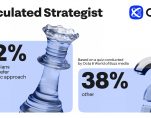
KUALA LUMPUR, MALAYSIA – Media OutReach Newswire – 10 April 2025 – A recent quiz conducted by global broker Octa and World of Buzz media discovered that 62% of Malaysian traders are ‘calculated strategists’—investors who base their decisions on information, risk management, and long-term stability rather than emotional fluctuations. This change in trading behaviour makes rational, strategic investing the new norm. In this article, Octa Broker, a […]

Matein Khalid Tariffs are to economics what leeches are to medicine, what voodoo dolls are to risk management and what astrology is to astronomy. The very fact that Trump believed in this nonsense with rigid consistency for 40 years as a solution to the very real havoc meted out by Davos Man and the apostles of globalisation to Joe/Jane Sixpack in Middle America is both laughable and […]

On average, Malaysian online sellers have adopted AI in only 26% of their business operations, significantly lower than the SEA average of 37%. Indonesia and Vietnam lead average AI adoption in eCommerce in Southeast Asia, followed by Singapore and Thailand. Lazada’s new playbook provides sellers with best practices, actionable insights and resources to help integrate AI into their operations. KUALA LUMPUR, MALAYSIA – Media OutReach Newswire – […]

Matein Khalid In a financial panic, investors sell what they can and not what they must. So the most ominous data points for me is the dramatic widening in US corporate credit/high yield spreads, which means Mr. Market is now certain that default risk will strangle capital markets as varied as auto finance, subprime mortgages, student loan and credit card receivables. The widening of Asian sovereign credit […]

VISHNU RAJA
RYO YAMADA
HITORI GOTOH
IKUYO KITA