News related to
risk

New ERP Solutions Help Construction Companies Meet Budgets, Deadlines, and Resource Demands As the construction industry faces increasingly complex projects and tighter profit margins, a growing number of companies are turning to ERP software for construction to improve efficiency. ERP software tailored for construction is transforming how these companies manage everything from budgeting to scheduling, aiming to reduce costs and streamline operations. ERP Software Helps Address Industry […]

Several central banks in the Gulf Cooperation Council (GCC) have moved in close alignment with the United States Federal Reserve, adjusting interest rates as a preemptive measure against inflationary trends and to stabilize financial markets. In the latest developments, central banks in the UAE, Saudi Arabia, Bahrain, and Qatar have either maintained their rates or slightly adjusted them in response to the Fed’s monetary policy shifts, which […]

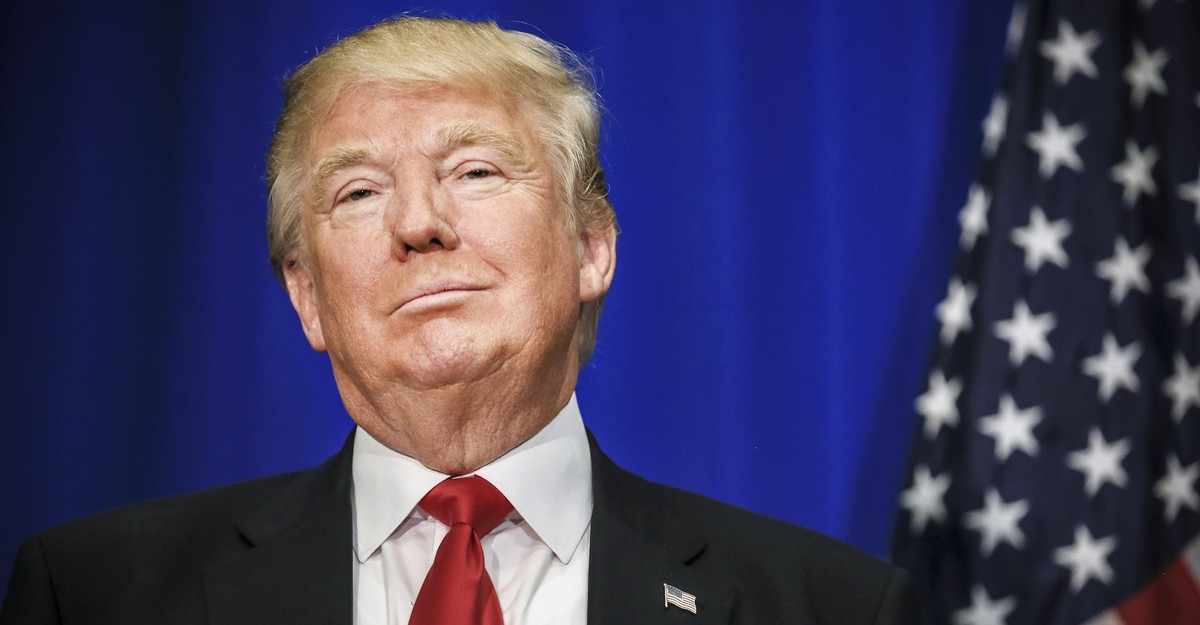
Europe is preparing for the potential implications of a second Trump presidency, concerned about renewed trade tensions and significant shifts in the transatlantic security framework. European leaders recall the policies of Trump’s first term, marked by tariffs on European imports, withdrawal from the Paris Climate Accord, and a confrontational approach to NATO contributions. With 2024 U.S. elections looming, European officials are not only bracing for a resurgence of similar tactics but also assessing ways to assert greater autonomy in defense and trade.

European officials and diplomats have begun emphasizing readiness to avoid a repeat of the challenges that caught many off-guard in 2016. Some leaders, including former French President François Hollande, advocate for a proactive stance, urging the European Union to prepare for a United States that may distance itself from Europe. This contingency plan comes amid heightened anxieties that Trump, unbound by re-election concerns, might intensify his stance on Europe’s defense spending and reduce American military presence in the region.

A renewed Trump administration could increase pressure on Europe to adjust its strategic and defense priorities. With his past criticisms of NATO members’ defense spending, particularly Germany’s, Trump’s possible return to the White House has led to a revival of European conversations on strategic autonomy. During Trump’s initial tenure, he consistently advocated for NATO countries to boost their contributions, often singling out Germany, which at the time did not meet NATO’s 2% GDP defense expenditure target. While Germany has since increased its defense spending, concerns persist that Trump may push for even more significant European financial commitments or explore alternative alliances outside NATO.

In Germany, which has experienced some of the most direct effects of Trump’s policies, the federal government is intensifying its preparations. German Foreign Minister Annalena Baerbock’s outreach to U.S. Republican counterparts exemplifies a strategic approach to establish dialogue channels with influential American conservatives. However, many German policymakers, including influential parliamentarian Norbert Röttgen, question the depth of current preparation efforts, noting that Europe’s primary response to Trump’s 2016 election was inadequate and highlighting the importance of independent defense planning as a hedge against potential U.S. policy shifts.

Across the EU, there is a growing trend to diversify defense and trade partnerships beyond the U.S. European Commission officials have coordinated increased production of military supplies, such as ammunition, to bolster Ukraine’s defense—a move that reflects a broader commitment to strengthening the EU’s defense capabilities independently of the U.S. Former Estonian President Toomas Hendrik Ilves observed that Europe has substantially ramped up its weapons support for Ukraine, surpassing even U.S. assistance in some aspects, which has reinforced confidence in Europe’s evolving defense autonomy.

Another key area of concern is the potential impact on U.S.-EU trade relations. Trump’s previous term saw the imposition of tariffs on European steel and aluminum, sparking a transatlantic trade dispute. A new administration could see these tariffs reintroduced or new tariffs placed on high-value European exports, such as automobiles, which could disrupt key European industries. European economies, particularly Germany’s automotive sector, could experience significant repercussions from any new tariffs, given the close integration of global supply chains. In light of these risks, the EU has been ramping up its trade outreach to diversify markets and secure alternative trade agreements.

The strategic and political implications of a second Trump term also extend to the sensitive issue of European alliances. Poland, for instance, has maintained strong relations with the U.S. regardless of leadership, with initiatives like “Fort Trump”—a symbolic reference to enhanced U.S. troop presence in Poland. While Poland has benefited from U.S. support, including defense cooperation, Trump’s campaign rhetoric about achieving a “peace deal” with Russia within a day has stirred unease. Given Poland’s critical position in NATO’s eastern flank and its robust support for Ukraine, Polish officials are wary of any potential pivot by Washington that could undermine NATO’s collective stance against Russia.

In response to these uncertainties, several European countries have taken steps to build relationships with influential American Republicans, including House and Senate members. Efforts to enhance diplomatic engagement have been evident in the diplomatic visits of figures like former British Prime Minister Boris Johnson, who held talks with Texas Governor Greg Abbott to anticipate changes in U.S.-UK ties in a Trump-led America.

A second term for Donald Trump could usher in significant changes for investors in the Middle East, with the potential for both increased economic opportunities and geopolitical instability. Trump’s return to the presidency would likely revive his administration’s assertive economic policies, reshaping U.S. foreign relations, particularly toward China, Europe, and Middle Eastern nations, while possibly impacting global market dynamics in ways that will directly affect Gulf economies.

Trump’s “America First” approach, previously marked by attempts to realign American foreign policy priorities, could lead to heightened trade tensions with major global economies, including the European Union and China. During his previous term, the Trump administration imposed steep tariffs on Chinese goods and withdrew from the Trans-Pacific Partnership, signaling a shift from multilateral agreements to bilateral deals with clear U.S. advantages. These policies could place Middle Eastern investors in a challenging position, especially those with extensive ties to both Western and Asian markets. His re-election could rekindle these policies, affecting key industries and the economic strategies of regional stakeholders, who may need to reassess their portfolios to navigate potential trade disruptions.

One area of likely change would be Trump’s approach to the U.S.-China trade war, which saw tariffs as high as 25% imposed on hundreds of billions in imports. The escalating tariffs strained trade flows globally, and with Trump’s potential return, the continuation or expansion of such tariffs could push China to deepen its ties with Gulf nations as it seeks alternative partners. The Middle East, particularly Saudi Arabia and the UAE, has already seen increased investment from China under the Belt and Road Initiative, and a further intensification of U.S.-China rivalry could strengthen these relations. Additionally, Gulf economies that depend heavily on oil exports may find opportunities as China looks for secure energy suppliers outside of the American sphere.

Simultaneously, Trump’s proposed policies are expected to drive further U.S. disengagement from traditional allies in Europe, compelling these countries to secure alternative economic partnerships. This shift could create an environment where European countries turn to the Middle East to establish closer trade relations, viewing Gulf states as critical energy providers and investment hubs. Regional investors could benefit from an increased inflow of European capital seeking to mitigate the effects of U.S. tariffs.

In terms of defense, Trump has consistently voiced support for reducing U.S. military commitments abroad, urging allies in Europe and the Middle East to shoulder more responsibility for their own defense. This could result in reduced U.S. military presence in Gulf nations, which may encourage these states to expand defense partnerships within the region and seek additional security alliances beyond the U.S. This shift could spur an increase in local defense spending and the development of domestic defense industries, presenting investment opportunities in these sectors. However, it may also bring heightened insecurity, which could lead to market instability, especially in oil-dependent economies that rely on stable energy production and export environments.

The Middle East’s energy sector might experience new pressures and opportunities under a Trump administration focused on American energy independence. Trump has previously supported policies that increase domestic oil and gas production in the U.S., which could lead to a drop in oil prices globally, impacting the revenue of oil-exporting countries in the Gulf. To counter this, Gulf economies may be motivated to diversify and boost non-oil sectors such as technology, real estate, and tourism, creating new avenues for regional and international investors.

Trump’s stance on Iran could also lead to renewed tensions in the region. During his first term, the administration’s “maximum pressure” campaign aimed at curbing Iran’s nuclear ambitions led to economic sanctions and heightened regional conflicts. If reinstated, such policies could escalate instability in areas around the Strait of Hormuz, a key chokepoint for global oil exports. Middle Eastern markets might face disruptions if these tensions spill over, particularly for industries dependent on steady energy flows and safe trading routes. Yet, defense and energy infrastructure investments may see a boost in response to these renewed geopolitical challenges.

Trump’s previous involvement in brokering the Abraham Accords set a precedent for Arab-Israeli normalization. A return to power could see a renewed push for expanded economic ties between Israel and more Arab states, following the precedent of UAE, Bahrain, Morocco, and Sudan establishing official relations with Israel. Investors across the Gulf could benefit from these expanded commercial ties through greater market access, technology transfers, and joint ventures, particularly in high-growth sectors like technology, renewable energy, and tourism. The prospect of regional integration holds promise for attracting further foreign direct investment (FDI) and bolstering Middle Eastern economies.

Middle Eastern investors, therefore, may need to prepare for a mixed impact, balancing potential market volatility with strategic opportunities. Gulf Cooperation Council (GCC) countries, particularly the UAE and Saudi Arabia, may find themselves in a pivotal position, with increased leverage in securing favorable trade agreements as both Western and Eastern economies seek partnerships in response to Trump’s policies. Yet, they may also have to contend with the risks of being on the frontline of fluctuating U.S. policies toward the region, especially regarding defense and energy.


By Anjan Roy Never before, an American presidential election evoked such widespread interest and concern across the world. This is because the presumptive president has given rise to fears and concerns about America’s policies which do not promise to follow the scripted lines. There is a sense of uncertainty all the way in the power […]


BARCELONA, SPAIN – Media OutReach Newswire – 8 November 2024 – On November 6, Central European Time, at the 2024 Smart City Expo World Congress (SCEWC) held in Barcelona, Shenzhen stood out from 429 candidate cities from 64 countries and regions to win the World Smart City Award, demonstrating China’s extraordinary strength and potential in building smart cities. Centered on the theme of “building a new smart […]

KUALA LUMPUR, MALAYSIA – Media OutReach Newswire – 8 November 2024 – Trading offers a pathway to financial growth, yet for many beginners, fear of loss, mistakes, and market unpredictability can create mental blocks. Octa, a broker with globally recognised licences, explores common trading fears, breaks down their causes, and presents practical methods to manage them. These insights will help traders build management and confidence-boosting strategies, creating […]

Advertisements

Hytron Enhances Hygiene Standards at Temasek Polytechnic, Marks a Monumental Leap in Cleaning Technology SINGAPORE, HONG KONG SAR, BEIJING – Media OutReach Newswire – 7 November 2024 – Primech AI Pte. Ltd., a subsidiary of Primech Holdings Limited (Nasdaq: PMEC), announces the launch of Hytron, a cutting-edge AI-powered automated toilet cleaning robot, now operational and enhancing hygiene standards at Temasek Polytechnic. This innovative technology introduces unprecedented levels […]

KUALA LUMPUR, MALAYSIA – Media OutReach Newswire – 6 November 2024 – Asian financial markets are experiencing increased interest from novice traders. In Southeast Asia, online trading has expanded rapidly, driven by growing internet access and an increasingly digital-savvy population. In Indonesia, active online traders grew by 18%, supported by a thriving e-commerce sector and rising financial literacy. Across Southeast Asia, the digital economy is projected to […]

KUALA LUMPUR, MALAYSIA – Media OutReach Newswire – 6 November 2024 – Current developments and key facts As of 7:00 a.m. UTC, most data providers, including ABC, CBS, NBC, and CNN, projected that Donald Trump would become the next president of the United States. However, even as Trump’s victory looks almost guaranteed at this point, it is the balance of power in the U.S. Congress that will […]

Bitcoin has surged to an all-time high as traders factor in the possibility of a Donald Trump victory in the upcoming U.S. presidential election. The cryptocurrency reached new heights, surpassing the $40,000 mark for the first time, driven by a combination of factors, including growing political uncertainty, the appeal of Trump’s economic policies, and an increasing demand for decentralized assets as hedges against inflation.

As the election race intensifies, market analysts are closely monitoring how Trump’s political resurgence could impact traditional markets and the broader economy. Traders seem to be betting that a second Trump presidency would lead to favorable conditions for Bitcoin, particularly given his past rhetoric on the benefits of digital currencies and his critical stance toward centralized financial systems.

Bitcoin’s rapid rise comes at a time when the broader global economy is grappling with uncertainty. The U.S. economy, though resilient in many ways, faces challenges such as inflation, supply chain disruptions, and a fluctuating stock market. With the Federal Reserve’s interest rate hikes and the push for tightening monetary policy, many investors are looking for assets that provide an alternative to traditional banking systems. Bitcoin, often viewed as a store of value similar to gold, fits the bill.

Trump’s influence on Bitcoin’s price movement is not entirely new. In 2017, during his first presidential campaign, Bitcoin saw significant price appreciation, as his anti-establishment rhetoric resonated with many investors seeking refuge from a perceived unstable traditional financial system. His leadership style, coupled with calls to deregulate the financial sector, has always aligned with the ideals of the crypto community, which champions decentralization and reduced government oversight.

The current market sentiment surrounding Bitcoin reflects growing confidence in the cryptocurrency’s long-term potential, especially among traders who perceive Trump’s economic policies as supportive of asset appreciation. Trump’s stance on cryptocurrencies has evolved over time. Initially dismissive, his recent statements have indicated a more favorable approach, particularly with the rise of Bitcoin’s mainstream appeal.

While Bitcoin’s value continues to climb, it has also drawn attention from traditional financial institutions, who are taking a closer look at the asset class. Major financial firms are increasingly open to the idea of incorporating Bitcoin into their portfolios, with some even offering products that allow clients to invest directly in the cryptocurrency. This shift represents a growing mainstream acceptance of Bitcoin, which was once viewed as a speculative and volatile asset.

The surge in Bitcoin’s price is not solely attributable to political factors. The rise of institutional investment, the increasing adoption of blockchain technology, and regulatory clarity are all contributing to the cryptocurrency’s appeal. In countries like El Salvador, where Bitcoin has been adopted as legal tender, the digital currency’s role as a financial tool has become more apparent. The growing use of blockchain technology in industries ranging from supply chain management to healthcare also bodes well for Bitcoin’s future, as it becomes increasingly intertwined with global economic systems.

In the U.S., Bitcoin’s role in the political sphere is also gaining attention. Some political figures, particularly those aligned with the Republican Party, have expressed support for digital currencies, viewing them as a way to counterbalance the influence of the Federal Reserve and the U.S. dollar. Trump, despite his criticisms of the current administration, has been vocal in supporting policies that could benefit the cryptocurrency market. His stance on cryptocurrency has been a mixture of endorsement and skepticism, but his broader economic agenda, which favors lower taxes, deregulation, and less government intervention, aligns with the pro-crypto sentiment prevalent in the market.

Despite Bitcoin’s bullish momentum, there are concerns about the potential risks associated with such rapid price increases. Critics warn that Bitcoin’s volatility could result in a market correction, particularly if traders begin to overextend their positions. Additionally, global regulatory pressures could affect the asset’s price trajectory. Some governments, including China and the European Union, have signaled that they may take a more stringent approach to cryptocurrency regulation, which could influence market sentiment and investor behavior.

SINGAPORE – Media OutReach Newswire – 5 November 2024 – ViewQwest has partnered with Lightspeed Technologies, an enterprise solution provider and leading email security expert, to unveil the ViewQwest SecurEmail Gateway at GovWare 2024, held from 15 to 17 October. This new solution offers businesses a quick and seamless way to secure their email systems, bolstering protection against email-based threats and vulnerabilities. The cloud-based SecurEmail Gateway aligns […]

The adoption of Central Bank Digital Currencies (CBDCs) in the UAE is fostering closer collaboration between financial institutions and FinTech companies, marking a transformative shift in the country’s financial landscape. In response to the rapid advancement of digital currencies, the UAE government and its financial regulators have emphasized the importance of integrating CBDCs into the nation’s economy. This development is shaping the future of financial transactions and reshaping the relationship between traditional banks and emerging FinTech players.

The UAE’s Central Bank has been at the forefront of digital currency discussions, focusing on exploring a digital dirham, which could enhance the country’s financial infrastructure. The initiative, as part of a broader effort to modernize the financial system, is seen as a strategic move to diversify the nation’s economy, reduce its reliance on oil, and boost its global competitiveness. Banks are now working closely with FinTech firms to understand and integrate CBDCs, aligning with the government’s vision of becoming a hub for digital finance innovation.

One of the driving forces behind this collaboration is the need to create a more efficient and secure payment system. CBDCs, unlike cryptocurrencies, are state-backed and carry the guarantee of the central bank. This makes them an attractive proposition for banks, which are seeking to improve their payment systems while staying ahead of the competition in a rapidly digitizing market. For FinTech companies, the introduction of CBDCs offers a unique opportunity to expand their services, leveraging blockchain technology and other digital tools to enhance financial inclusion and streamline transactions.

Among the key players in this space are traditional banks such as Emirates NBD, First Abu Dhabi Bank (FAB), and Mashreq Bank, which are increasingly working with technology providers and startups to develop CBDC solutions. These banks are testing various use cases for digital currencies, including faster cross-border payments, improved customer experiences, and more secure digital wallets. By collaborating with FinTech firms, these banks aim to bridge the gap between traditional banking services and the fast-evolving digital economy.

FinTech companies, on the other hand, are seizing this moment to expand their footprint in the UAE’s financial sector. Many have already established partnerships with banks to develop CBDC platforms that are more agile and adaptable to user needs. These firms are leveraging their expertise in areas like digital payments, cybersecurity, and blockchain to build innovative solutions that can seamlessly integrate with the UAE’s financial ecosystem. As digital currencies become more mainstream, these partnerships between banks and FinTech firms are expected to accelerate, leading to the rapid development of CBDC infrastructures.

One notable collaboration between traditional banks and FinTech firms is the establishment of new payment systems, which will enable faster, more secure transactions. For instance, several financial institutions are exploring the use of blockchain technology to create a more efficient digital payment infrastructure. Blockchain’s decentralized nature offers enhanced security, transparency, and reduced transaction fees—features that are appealing to both banks and consumers.

The UAE’s regulatory environment plays a crucial role in facilitating these partnerships. The Central Bank has been proactive in introducing regulations that support the development of digital currencies while ensuring financial stability. In 2024, the Central Bank announced that it would begin testing a digital dirham, focusing on its integration with existing financial systems. The success of these trials could lead to the widespread adoption of CBDCs, which could further enhance the UAE’s position as a regional leader in digital finance.

The UAE’s ongoing push towards financial innovation is supported by the Dubai International Financial Centre (DIFC), which serves as a hub for global FinTech companies. The DIFC has established itself as a key player in attracting investment in digital finance and supporting the development of blockchain-based solutions. The centre’s efforts are complemented by the UAE’s broader ambition to integrate artificial intelligence (AI) and blockchain into financial services, further driving the collaboration between banks and FinTech firms.

Despite the promise that CBDCs hold, there are still challenges to overcome. Security concerns, the risk of cyber-attacks, and regulatory uncertainties remain top of mind for both banks and FinTech companies. To address these issues, collaboration between financial institutions, technology providers, and regulators will be critical. As these stakeholders continue to work together, they will need to develop robust cybersecurity frameworks and ensure that the legal and regulatory frameworks are agile enough to accommodate the rapid pace of digital innovation.

Another challenge is the need for public awareness and education. While the benefits of CBDCs are widely recognized within the financial industry, consumer adoption remains a key hurdle. Banks and FinTech companies are tasked with educating their customers about the advantages of digital currencies, including faster transaction times, lower fees, and greater financial inclusion. The success of CBDC integration depends not only on the technological and regulatory landscape but also on how well these digital currencies are received by the public.

Revolutionizing Home and Commercial Cleaning with Aqueous Ozone Solutions that are hypoallergenic & eco-friendly QUEENSLAND, AUSTRALIA – Media OutReach Newswire – 5 November 2024 – OZONO, the eco-conscious brand spearheading the movement towards chemical-free cleaning solutions, is thrilled to announce its official launch in Australia. Established in 2021 in Singapore, OZONO aims to transform the cleaning industry by offering a chemical-free cleaning device. OZONO OZPro is the […]

KUALA LUMPUR, MALAYSIA – Media OutReach Newswire – 5 November 2024 – In Japan, known for its world-leading water technology, there is a rapidly growing service. This is the cloud-based mapping service, Tenchijin COMPASS KnoWaterleak provided by Tenchijin, Inc., a space venture certified by the Japanese national air and space agency JAXA, supporting efficient leak detection. Since its launch in 2023, the service has been adopted by […]

Up to 18% First Year Premium Discount Complimentary Health Services including Health Check-up, Chinese Medicine Services or Vaccination Services HONG KONG SAR – Media OutReach Newswire – 4 November 2024 – As global life expectancy prolongs and the costs of living continue to rise, it is not easy to properly plan for the future of oneself and his beloved ones. Hong Kong Life understands the needs of […]

The world’s most successful investor, Warren Buffett, is making headlines again by significantly reducing his stake in Apple, selling approximately 100 million shares—about 25% of his company’s holdings. This move, which brought Berkshire Hathaway’s holdings of Apple shares down to roughly 300 million, is emblematic of Buffett’s long-standing philosophy of risk management and prudent investing. As of now, Berkshire’s remaining stake in Apple is valued at $69.9 […]

International Forum for sustainable development gathered political and commercial leaders HONG KONG SAR – Media OutReach Newswire – 4 November 2024 – To celebrate its 35th Anniversary, Hong Kong Quality Assurance Agency (HKQAA) held the 35th Anniversary Forum cum Celebration Ceremony at Ballroom, Level 3, JW Marriott Hotel Hong Kong. The Forum in the morning session was officiated by Mr Christopher Hui, GBS, JP, Secretary for Financial […]

Hong Kong’s regulatory landscape for stablecoins is expected to undergo significant transformation with new frameworks anticipated by the end of the year. This marks a substantial step in the Hong Kong Monetary Authority’s (HKMA) broader plan to establish the city as a central player in the digital asset ecosystem. Through an upcoming licensing scheme, the HKMA intends to create a structured environment for fiat-backed stablecoins, ensuring stringent oversight that would apply not only to domestic issuers but also to overseas companies actively marketing stablecoins to the Hong Kong public. This regulatory approach aligns with Hong Kong’s ambition to become a global hub for virtual assets while maintaining a secure environment for investors.

The proposed framework follows Hong Kong’s recent initiatives to regulate virtual asset exchanges and has sparked interest from key industry figures, including Circle’s CEO, who identified Hong Kong as a strategic market for USD Coin (USDC). The stablecoin issuer has shown readiness to engage with Hong Kong’s new regulations, positioning itself for early compliance as the city shapes a potentially influential model for stablecoin governance worldwide.

The core of the HKMA’s strategy targets fiat-referenced stablecoins, distinguishing them from algorithmic or arbitrage-backed digital currencies, which are less likely to meet the agency’s stringent requirements. Under the proposed system, stablecoin issuers must uphold the stability of their currencies by maintaining equivalent reserve assets in segregated accounts, preferably held in Hong Kong–based financial institutions. This approach is intended to prevent destabilization risks seen with algorithmic stablecoins and offers an added layer of financial assurance by linking reserves to the value of the Hong Kong dollar or other fiat currencies.

In setting these standards, the HKMA is seeking to build consumer confidence in stablecoins as reliable digital alternatives to traditional currency. The proposed licensing requirements include a mandated HK$25 million in capital and the presence of a registered office in Hong Kong, requirements that aim to ensure operational transparency and accountability. Additionally, stablecoin issuers will need to meet rigorous internal controls, including risk management practices for handling and safeguarding reserve assets, similar to standards seen in traditional banking and finance.

The HKMA’s approach reflects the “same activity, same risk, same regulation” principle, which mandates that entities offering similar financial services be subject to comparable oversight regardless of their digital or traditional format. This regulatory alignment is intended to create an even playing field, further solidifying Hong Kong’s appeal as a stablecoin issuance and trading center. With the HKMA as the principal regulatory authority, the agency is positioned to enforce these new rules, impacting not only issuers but also entities involved in the stablecoin distribution network.

This framework brings with it an extraterritorial element, meaning that foreign stablecoin issuers could fall under Hong Kong’s regulatory scope if they issue stablecoins pegged to the Hong Kong dollar or target Hong Kong consumers. This provision seeks to limit risks associated with cross-border stablecoin transactions, which can complicate efforts to maintain monetary stability and secure reserves. Overseas issuers operating within Hong Kong’s jurisdiction will be required to obtain the necessary licenses, ensuring that foreign entities adhere to Hong Kong’s regulatory standards when they conduct business with local investors.

The HKMA’s efforts also highlight a broader trend in Asia toward more precise stablecoin regulations. With Japan recently setting its own regulations, Hong Kong is looking to offer a competitive regulatory framework that could draw international digital asset firms to establish operations within the city. This move reflects Hong Kong’s attempt to balance innovation with investor protection, a challenging dynamic as central banks worldwide navigate the complexities of digital finance.

As the regulatory framework unfolds, industry leaders like Circle’s Jeremy Allaire have recognized the advantages of a structured stablecoin ecosystem in Hong Kong, citing its role as a key market for USDC, one of the most widely used fiat-backed stablecoins globally. Circle’s interest in Hong Kong underscores the potential of the market and the appeal of the city’s stable regulatory environment, which could provide stability and growth opportunities for USDC and similar stablecoins within Asia.

Hong Kong’s proactive stance contrasts with the regulatory approaches seen in many Western jurisdictions, where stablecoin legislation remains in preliminary stages or subject to extensive legislative debate. The HKMA’s framework positions Hong Kong as a leader in digital currency regulation, providing a model that could inform stablecoin policies in other regions. By requiring stablecoin reserves to be held in highly liquid and low-risk assets, the proposed guidelines aim to create a safeguard against market volatility and instill confidence among users and investors alike.

To Foster Emotional Well-Being Through Art and Technology HONG KONG SAR – Media OutReach Newswire – 4 November 2024 – Breast cancer is the most common cancer among women in Hong Kong. In addition to improving treatment options for better disease management and survival rates, the medical community is increasingly prioritizing the enhancement of patients’ emotional well-being. From left to right: Professor Angela, Leung Yee-man, Associate Head […]

Online casino platform MetaWin experienced a significant security breach on November 3, resulting in the loss of approximately $4 million in user funds. According to reports from cybersecurity experts and industry insiders, the exploit appears to have been orchestrated by a sophisticated hacking group, leading to widespread concerns about the safety of online gambling sites. Following the attack, the CEO of MetaWin reassured users that the funds […]

The ongoing geopolitical tensions, particularly related to the Russia-Ukraine conflict, have started to seep into the development of open-source software, notably the Linux kernel. A significant decision by prominent developers to exclude contributions from Russian individuals has sparked debate about the implications of political affiliations in software development. Following the onset of the conflict in Ukraine, the open-source community has grappled with ethical considerations regarding the involvement […]

A disturbing new phishing scam is targeting individuals by leveraging personal information, including home addresses and images of their residences, to instill fear and demand money. The email typically comes from an unknown sender and features a menacing message claiming the recipient is under surveillance and that the sender possesses compromising footage. This alarming tactic aims to pressure victims into paying sums of money, often requested in […]

The Monetary Authority of Singapore (MAS) is set to launch a new wholesale Central Bank Digital Currency (CBDC) testnet, named the SGD Testnet, which aims to facilitate the commercialization of tokenization in the financial sector. This initiative is designed to enhance digital financial transactions, allowing various financial institutions to explore innovative applications of digital currencies in their operations. Notable participants include major banks such as Standard Chartered, DBS, Citi, and HSBC, indicating strong industry interest and potential collaboration.

Tokenization has garnered significant attention in Singapore’s financial landscape, particularly within the fixed income, foreign exchange (FX), and asset management sectors. MAS has actively promoted this technology as a means to improve efficiency and security in financial transactions, aiming to leverage blockchain technology for better transparency and trust. The regulator envisions that the SGD Testnet will enable financial institutions to experiment with digital assets and tokenized forms of traditional securities, thereby reducing settlement times and enhancing overall liquidity in the market.

The push for tokenization aligns with global trends as financial institutions and regulators explore ways to modernize the financial system. Tokenized assets, which represent ownership of real-world assets on the blockchain, can provide enhanced accessibility and liquidity, transforming how investors engage with financial products. By establishing the SGD Testnet, MAS seeks to position Singapore as a leader in the tokenization movement and attract more participants to its burgeoning fintech ecosystem.

Initial trials on the SGD Testnet will focus on specific use cases, including tokenizing fixed-income securities and facilitating cross-border transactions. This will provide participating banks with the opportunity to assess the operational capabilities of a wholesale CBDC and how it can integrate with existing systems. The testnet will also serve as a sandbox for innovation, allowing institutions to experiment with new business models and services that could emerge from widespread tokenization.

MAS has already indicated strong interest from various financial sectors, particularly in how tokenization can streamline processes. The regulator aims to gather feedback and insights from participating institutions during the testing phase to refine the framework and regulations surrounding CBDCs and tokenized assets. This iterative approach not only enhances the regulatory environment but also fosters collaboration among banks, technology providers, and other stakeholders in the financial ecosystem.

As the demand for tokenization grows, global financial markets are increasingly recognizing its potential benefits. The integration of tokenized assets into traditional financial systems could enable greater access for retail investors, democratizing investment opportunities and improving market efficiency. Moreover, tokenization can enhance the transparency of transactions, allowing for real-time tracking and reporting, which could be particularly beneficial for compliance and regulatory oversight.

In addition to improving transaction speed and reducing costs, the development of a wholesale CBDC could also enhance the resilience of Singapore’s financial system. By providing a secure and stable digital currency alternative, MAS aims to mitigate risks associated with traditional banking systems and increase the overall robustness of the financial infrastructure. The SGD Testnet represents a crucial step toward achieving these objectives and ensuring that Singapore remains at the forefront of global financial innovation.

As part of the initiative, MAS has highlighted the importance of collaboration with the private sector to ensure the successful deployment of the testnet. By engaging with major banks and fintech firms, MAS hopes to harness a diverse range of expertise and insights that will contribute to the ongoing development of tokenization technologies. This collaborative approach is expected to accelerate the adoption of digital currencies and tokenized assets, allowing Singapore to capitalize on emerging trends in the global financial landscape.

VISHNU RAJA
RYO YAMADA
HITORI GOTOH
IKUYO KITA