Just in:
Microsoft outage leaves Outlook and Teams users disconnected // L’OCCITANE Celebrates 50 Years Of Provençal Craftsmanship With Holiday 2026 Collection // Ladakh Ban On Protests Ahead Of Election Is Uniquely Contentious // Saudi fund assets forecast to cross $400 billion // Modi ally flags youth opportunities gap despite growth // How A Newly Elected Democratic Congress Could Reshape US–India Relations? // Musk expresses willingness to recruit Nvidia chief Huang // ONYX Hospitality Group Unveils Plans for Amari Samui Resort and Villas, Elevating Its Premium Resort Offering on Koh Samui // LANDMARK Presents ‘Destination CENTRAL’: A District-Wide Celebration Inviting Global Travellers to Explore the Dynamism, Luxury, and Soul of Central // U.S. Democratic Leadership Starts Dialogue With Progressive Bloc For Joint Strategy // Forged court directives trigger probe into website blocking // Crescent Enterprises venture arm funds Oyster Therapeutics development // Yicura BioMed Advances Dual Capital and Industrial Strategy: Completes First Closing of Series B Financing Led by Gobi Partners // December Is the Last Window for $800,000 U.S. Residency Investment // Ration dealers seek GPS aided grain deliveries // EBANX and Eneba strengthen partnership in Latin America with 138% YoY growth in payment volume // Spain housing strike disrupts transport and industry nationwide // New Zealand bond bids reach thirteen-year auction peak // Turkish Airlines adds Chengdu to mainland China services // High Court orders scrutiny of Thachankary hospitalisation //

News related to
risk

Banking regulators in the United States, including the Federal Reserve, Federal Deposit Insurance Corporation (FDIC), and Office of the Comptroller of the Currency (OCC), are expected to release significant revisions to bank capital requirements this month. These changes, which aim to strengthen the resilience of the financial system, are part of the larger “Basel III endgame” framework. The upcoming rules are targeted at banks with over $100 billion in assets, with the intention of bolstering their ability to withstand future financial crises.

The planned regulations will eliminate the use of banks’ internal risk models in favor of standardized models, addressing longstanding concerns about inconsistencies in how banks evaluate their risk exposure. If implemented, the new capital requirements will be phased in over three years, beginning in July 2025. However, the proposal has met with significant resistance from the banking industry, which argues that the regulations could lead to reduced lending capacity, stifling economic growth and affecting consumer credit availability.

The proposed revisions represent a culmination of years of efforts by regulators to tighten capital standards in the aftermath of the 2008 financial crisis. Banks have faced increasing scrutiny from both regulators and lawmakers over the adequacy of their capital buffers. Stress tests conducted by U.S. authorities have consistently shown that the nation’s banking system remains well-capitalized, but concerns linger about whether current rules are sufficient to safeguard against future economic shocks.

Among the major changes expected is the implementation of higher capital buffers for banks, particularly those with significant trading operations. This would affect major Wall Street firms, including JPMorgan Chase, Goldman Sachs, and Citigroup. These institutions could be required to hold substantially more capital against their trading assets, which has drawn criticism from the financial sector. The American Bankers Association (ABA) and other industry groups have argued that excessive capital requirements could reduce profitability and hamper their ability to finance economic activity.

Despite these objections, proponents of the new rules, including key regulatory figures, have emphasized the importance of ensuring that banks are prepared for a range of potential crises. Federal Reserve officials have expressed confidence in the banking system’s current stability but have stressed that more stringent capital requirements would reduce the likelihood of taxpayer-funded bailouts in the future. They have also pointed to the Basel III guidelines as an international standard, which the U.S. must comply with to maintain financial stability on a global scale.

Opponents within the banking sector are mounting an aggressive lobbying campaign to delay or modify the rulemaking. They argue that the proposed rules do not take into account the economic impact of stricter capital standards, especially at a time when inflation and interest rate hikes are already placing significant pressure on the industry. Large banks, which are likely to be most affected by the new regulations, have voiced concerns that they will be forced to cut back on lending activities to meet the higher capital requirements.

The pushback has been particularly vocal from some of the biggest players in the financial industry, who warn that the new capital rules could lead to reduced lending to businesses and consumers. The ABA, in a statement, expressed support for strong capital requirements but urged regulators to strike a balance that does not stifle economic growth. They argue that while the banking sector remains resilient, overly stringent capital rules could inadvertently weaken it by making credit more expensive and difficult to obtain.

At the heart of the debate is the balance between financial stability and economic growth. Regulators believe that higher capital buffers will protect the economy from future crises, ensuring that banks can absorb losses without threatening the broader financial system. On the other hand, industry critics argue that the proposed rules may do more harm than good, reducing banks’ ability to lend at a critical time for the economy.


HANOI, VIETNAM – Media OutReach Newswire – 6 September 2024 – Hanoi, Vietnam Amidst a geopolitical and economic landscape fraught with uncertainty, VinFast, the Vietnamese electric vehicle manufacturer, is positioning itself for success with a diversified strategy. By offering a range of products and targeting multiple markets, the company is creating a unique advantage in the rapidly evolving automotive industry. As geopolitical tensions cast a long shadow […]

Alibaba.com, a leading global business-to-business (B2B) e-commerce platform, has partnered with Mastercard to unveil a co-branded credit card aimed at small businesses in the United States. The Alibaba.com Business Edge Credit Card, set to launch later this year, promises to enhance the purchasing power of small enterprises by offering cashback rewards and favorable financing terms on both domestic and international sourcing transactions made through Alibaba’s marketplace.

Designed with small business owners in mind, the credit card aims to address common financial challenges faced by companies engaged in global trade, particularly those involved in cross-border e-commerce. The Alibaba.com Business Edge Credit Card will provide 3% cashback on eligible purchases, along with a 90-day order protection feature. This protection is geared towards businesses seeking to minimize risks when purchasing from international suppliers, a critical factor for companies that depend on reliable sourcing and supplier trust in the global market.

Alibaba’s strategic collaboration with Mastercard highlights the growing significance of financial tools tailored to support small and medium-sized enterprises (SMEs) engaged in international trade. For many businesses, navigating the complexities of global supply chains and managing foreign exchange transactions pose considerable challenges. By introducing this co-branded credit card, Alibaba and Mastercard aim to simplify these processes and empower businesses with greater financial flexibility.

John Caplan, President of North America and Europe for Alibaba.com, emphasized the need for more accessible financial solutions for small businesses engaged in global sourcing. “We understand the difficulties that small business owners face when purchasing from suppliers worldwide. This card was created to make the process easier, more secure, and rewarding,” Caplan remarked. His comments reflect Alibaba’s commitment to expanding its presence in the U.S. market by offering more value to small enterprises through tailored financial solutions.

Mastercard, a global payments leader, brings its expertise to the partnership by ensuring that the Alibaba.com Business Edge Credit Card is equipped with industry-leading security features and seamless transaction capabilities. The card will benefit from Mastercard’s robust global payment network, providing users with easy access to Alibaba’s vast supplier base without the usual concerns surrounding cross-border payments. Small businesses, particularly those relying on Alibaba.com for sourcing products, stand to benefit from reduced transaction fees and enhanced cashback opportunities.

Additionally, Cardless, a U.S.-based fintech firm, is involved in the partnership to offer digital-first capabilities for the card. Cardless is known for its user-friendly app that simplifies the application and card management process, allowing cardholders to access features such as tracking purchases, paying bills, and redeeming rewards—all from a mobile device. The involvement of Cardless adds an extra layer of convenience to the Alibaba.com Business Edge Credit Card, as it provides businesses with a modern, digital solution for managing their spending.

The Alibaba.com Business Edge Credit Card marks Alibaba’s first foray into co-branded credit cards in the United States, demonstrating the company’s intent to strengthen its foothold in the U.S. market. Although Alibaba.com has long been a prominent platform for sourcing goods from international suppliers, the introduction of a co-branded credit card tailored specifically for U.S. businesses signals a shift in the company’s strategy to become more integrated into the financial infrastructure of the country.

By tapping into the vast U.S. small business sector, Alibaba and Mastercard are positioning themselves at the intersection of e-commerce and finance, two industries that continue to experience rapid growth. According to estimates, the U.S. market for small business credit cards is worth billions of dollars, with an increasing number of enterprises relying on credit cards to finance their operations. The introduction of the Alibaba.com Business Edge Credit Card provides an opportunity for Alibaba to offer more than just a marketplace—it positions the platform as a financial partner to its users, offering tools that directly enhance their purchasing and operational capabilities.

Moreover, the launch of the Alibaba.com Business Edge Credit Card comes at a time when global supply chains are under heightened scrutiny. Many small businesses are struggling to navigate the impacts of fluctuating costs, tariffs, and logistics challenges. For businesses using Alibaba.com to source goods, the cashback rewards and extended payment terms offered by the card may help alleviate some of these pressures. By providing users with financial benefits tailored to their purchasing habits, the card is expected to foster long-term loyalty among Alibaba’s U.S. customer base.

The announcement of the card’s waitlist, which went live on September 5, has already generated significant interest from U.S. small business owners. Once available later this year, the Alibaba.com Business Edge Credit Card will allow users to apply through a streamlined digital process facilitated by Cardless. Applicants will be able to complete the process quickly and manage their cards directly from the Cardless mobile app, enhancing accessibility for small business owners who value simplicity and convenience.

Cryptocurrency firms have dramatically escalated their lobbying efforts, pouring millions of dollars into influencing lawmakers and regulators. Companies like Coinbase, Binance.us, and Ripple have taken the lead in boosting their expenditures, signaling their desire to shape policies favorable to the industry amid increasing regulatory scrutiny. The shift comes as governments worldwide consider tightening oversight on the cryptocurrency sector, sparking a significant uptick in corporate interest in political […]

YouTube has announced new measures aimed at curbing the negative effects of algorithm-driven content on young users, a move prompted by growing concerns over how prolonged exposure to certain videos can impact their well-being. The platform’s updated approach includes expanded parental controls designed to give guardians more visibility and authority over what their children watch. The changes, introduced in response to a surge in parental feedback and […]

China is preparing to form its largest brokerage firm by merging two major state-owned securities companies, Guotai Junan Securities and Haitong Securities. The merger is estimated to create a financial giant worth approximately $230 billion, positioning it to compete more effectively on the global stage, particularly against established Wall Street institutions. The plan, which has been in development for some time, is part of Beijing’s broader efforts […]

Abu Dhabi will overhaul its rental index on a quarterly basis, according to a senior official from the Abu Dhabi Department of Real Estate and Municipalities (Adrec). This move is intended to align rental rates more closely with market conditions and enhance transparency in the emirate’s real estate sector. The decision comes amid ongoing discussions about the affordability of housing in Abu Dhabi. The current rental index, […]

Advertisements

Leon Black, co-founder of Apollo Global Management, is establishing a new branch of their family office in Abu Dhabi. This significant move marks a pivotal expansion in the region, reflecting a broader trend of high-profile financial figures investing in the UAE’s growing financial hub. The new branch aims to leverage Abu Dhabi’s robust economic environment and favorable business conditions. Black’s entry into the Abu Dhabi market follows […]

Saudi Arabia is urged by the International Monetary Fund (IMF) to persist with its economic reforms despite fluctuations in global oil prices. The IMF’s recent analysis underscores the importance of maintaining structural changes to ensure long-term economic stability and diversification.

The IMF’s call comes at a pivotal moment for Saudi Arabia, which is navigating a volatile oil market while striving to reduce its economic dependence on petroleum revenues. As oil prices exhibit considerable volatility due to global economic uncertainties and shifting energy policies, the IMF emphasizes that the Kingdom’s reform efforts are crucial for sustained economic growth and resilience.

In its latest report, the IMF highlights that Saudi Arabia’s Vision 2030 program, which seeks to diversify the economy away from oil, remains a critical strategy. This ambitious reform agenda includes investments in non-oil sectors, enhancement of the business environment, and initiatives to boost private sector participation. Despite the current challenges posed by fluctuating oil prices, the IMF argues that these reforms should continue unabated to foster a more robust and adaptable economy.

The IMF’s recommendation is grounded in the belief that economic diversification is essential for mitigating the risks associated with oil price volatility. Historically, Saudi Arabia’s economy has been highly susceptible to the ups and downs of global oil markets, which has often led to significant economic fluctuations. By advancing reforms and investing in sectors beyond oil, Saudi Arabia aims to build a more stable and resilient economic foundation.

Key components of the Vision 2030 reform agenda include the development of the tourism sector, expansion of the digital economy, and enhancement of the Kingdom’s investment environment. The Saudi government has been actively pursuing these goals, with notable progress in areas such as infrastructure development and regulatory improvements. For instance, the establishment of the Saudi Public Investment Fund (PIF) has been a cornerstone of the Kingdom’s strategy to drive investments in diverse sectors, ranging from technology to entertainment.

The IMF’s recommendation also reflects a broader trend among international financial institutions that advocate for structural reforms in oil-dependent economies. Such reforms are seen as essential for ensuring sustainable economic growth and reducing vulnerability to external shocks. The IMF’s stance aligns with previous assessments that underscore the need for comprehensive economic strategies to manage the transition from a resource-dependent economy to a more diversified and knowledge-based economy.

Saudi Arabia’s commitment to reform has been demonstrated through various high-profile initiatives, including the privatization of state-owned enterprises and the introduction of new business regulations aimed at fostering entrepreneurship. Additionally, the Kingdom has made strides in enhancing its social and economic infrastructure, with initiatives such as the Saudi National Industrial Development and Logistics Program (NIDLP) aimed at strengthening industrial capabilities and logistics networks.

Despite these efforts, the challenges posed by fluctuating oil prices continue to impact the Saudi economy. Recent data indicates that the Kingdom has experienced fluctuations in its fiscal balance and external trade due to variations in oil revenue. These fluctuations underscore the importance of the IMF’s recommendation to sustain reform efforts as a means of stabilizing the economy and ensuring long-term prosperity.

As Saudi Arabia navigates these challenges, the IMF’s guidance provides a strategic framework for policymakers to follow. The emphasis on maintaining reform momentum is intended to help the Kingdom achieve its economic goals and enhance its position in the global economy. By addressing structural vulnerabilities and advancing diversification, Saudi Arabia aims to create a more resilient and dynamic economic landscape.

A substantial rise in gambling interest has emerged in the United Arab Emirates (UAE), with recent data indicating a 12.54% increase following a pivotal announcement in 2024. This uptick marks a significant shift in leisure activities and reflects broader changes in societal attitudes and regulatory frameworks concerning gambling.

The surge in interest is attributed to a high-profile decision by the UAE government to review and amend its stance on gambling activities. The announcement, made earlier this year, involved a major policy shift aimed at modernizing the country’s entertainment regulations. This move is part of a broader strategy to diversify the UAE’s economy and enhance its appeal as a global destination for tourism and leisure.

According to industry reports and consumer behavior studies, this policy change has sparked a notable increase in both online and land-based gambling activities within the UAE. The growth is particularly evident in online platforms, where a marked rise in user registrations and engagement metrics has been observed. Traditional casinos and betting shops are also experiencing higher foot traffic and increased revenue, reflecting the changing preferences of residents and visitors.

Experts attribute this shift to several factors. Firstly, the relaxation of regulatory constraints has opened new avenues for gambling operators, leading to a broader range of offerings and promotional activities. This increased accessibility is likely contributing to the higher levels of public interest and participation. Additionally, the integration of advanced technology in gambling platforms has made them more appealing and user-friendly, attracting a wider audience.

The UAE’s move aligns with a global trend where traditional restrictions on gambling are being reevaluated in favor of economic benefits. Many countries have undergone similar transformations, driven by the potential for substantial revenue generation and the creation of new job opportunities. For the UAE, the focus has been on balancing economic growth with the need to maintain social and cultural values.

Another significant aspect of this development is the impact on tourism. The UAE, known for its luxury tourism sector, sees gambling as a potential enhancer of its global tourism appeal. By incorporating modern gambling facilities, the country aims to attract a new segment of tourists who are seeking diverse entertainment options. This strategy is expected to boost overall tourism revenue and contribute to the UAE’s goal of becoming a leading global leisure destination.

The regulatory changes have also sparked discussions about the potential social implications. While the economic benefits are considerable, there is ongoing debate about the need for safeguards to prevent gambling-related issues. Public health experts and social commentators are advocating for measures to address potential risks associated with increased gambling participation. Ensuring that responsible gambling practices are promoted and that support systems are in place will be crucial as the industry expands.

CERT and IIT Madras have officially embarked on a landmark collaboration aimed at fostering global innovation and strengthening educational excellence. The memorandum of understanding (MoU) signed between the two entities is set to create a dynamic platform that will leverage both organizations’ strengths in cutting-edge research, academic distinction, and technological development.

This strategic alliance is expected to pave the way for a series of initiatives that will not only boost the institutions’ reputations on the global stage but also have a far-reaching impact on industries worldwide. By integrating the expertise of IIT Madras, a leader in academic research, and CERT’s proficiency in cybersecurity and technology solutions, the partnership seeks to address pressing global challenges and advance technological solutions across various sectors.

The collaboration outlines several key areas of focus, including research in artificial intelligence, cybersecurity, and advanced technology solutions, all of which are critical in today’s digital age. The MoU also emphasizes the importance of fostering innovation in education through joint efforts to develop advanced curricula and research programs that cater to the evolving needs of industries and academia alike.

Industry experts have lauded the move as a significant step towards bridging the gap between academia and industry. The combination of IIT Madras’s academic prowess and CERT’s technical expertise in cybersecurity will serve to fuel research that addresses complex global issues, especially in sectors such as healthcare, finance, and critical infrastructure. This partnership is poised to contribute to the development of solutions that could be transformative for both the education system and the industrial sector at large.

One of the primary goals of the collaboration is the establishment of a joint innovation lab that will focus on research in emerging technologies. This lab will act as a hub for students, faculty, and industry professionals to collaborate on projects that have the potential to generate innovative solutions to real-world problems. The innovation lab will facilitate the development of products and services that align with global industry standards, positioning both CERT and IIT Madras as leaders in technological advancement.

Furthermore, the partnership will work on creating academic programs that integrate real-world technological challenges into the curriculum. Students from IIT Madras will have the opportunity to collaborate with experts from CERT on cutting-edge research projects, gaining hands-on experience in fields like artificial intelligence and cybersecurity. This exchange of knowledge and expertise is expected to produce graduates who are not only academically proficient but also equipped with the practical skills required in the global workforce.

As part of the agreement, CERT and IIT Madras plan to host joint conferences, workshops, and seminars, bringing together thought leaders from various industries to discuss the latest trends in technology and innovation. These events will serve as platforms for exchanging ideas, promoting interdisciplinary collaboration, and inspiring the next generation of innovators.

The strategic partnership between CERT and IIT Madras also includes provisions for developing joint patent filings and intellectual property management. This aspect of the collaboration is particularly significant as it will encourage the commercialization of new technologies and innovations, contributing to the global tech ecosystem. Both institutions are keen on ensuring that the research and development emerging from this partnership can be translated into practical solutions that have a tangible impact on industries.

CERT, a renowned name in cybersecurity and risk management, brings a wealth of experience in handling complex cyber challenges. Its collaboration with IIT Madras, known for its expertise in technology and engineering education, represents a fusion of academia and industry that is expected to produce groundbreaking research. Both institutions have expressed their commitment to pushing the boundaries of innovation and expanding their influence beyond their respective regions to the global stage.

In addition to technological advancements, the partnership aims to enhance educational frameworks by developing new methods of teaching and learning. IIT Madras is already known for its forward-thinking approach to education, and this collaboration is expected to further enrich its programs by incorporating global industry perspectives. The collaboration will likely see a revamping of existing curricula to ensure they meet the demands of a rapidly changing technological landscape, preparing students for the challenges and opportunities of the future.

On a broader scale, this collaboration marks an important milestone in international academic and industry partnerships. The global push for innovation, particularly in the realms of artificial intelligence, cybersecurity, and advanced technology, has made partnerships like this one increasingly essential. With the global economy becoming more interconnected, the exchange of knowledge and expertise between institutions like CERT and IIT Madras will be instrumental in addressing complex global issues and driving sustainable development.

As both organizations work towards achieving their shared objectives, there is an expectation that this partnership will serve as a model for other academic and industrial collaborations. The blend of academic excellence and industry know-how is a recipe for success, not only in terms of producing world-class research but also in ensuring that the results of this research can be applied in practical and impactful ways.

Nippon Steel Corp.’s ambitious $14.1 billion takeover of United States Steel Corp. appears to be in jeopardy, with the Biden administration signaling its intention to block the deal. The acquisition, seen as a strategic move by the Japanese steel giant to secure a larger foothold in the U.S. market, has run into significant political opposition as the White House prepares to intervene on grounds of national security and competition concerns. The move could derail what was shaping up to be one of the most significant cross-border acquisitions in the steel industry in years.

The takeover bid, which has been in the works for months, aimed to combine two of the world’s leading steel producers in a move that would have created a global steel powerhouse. Nippon Steel, already a major player in the industry, viewed the acquisition as a way to strengthen its presence in the U.S. market, where demand for steel is expected to surge due to infrastructure projects and defense contracts. U.S. Steel, on the other hand, has been grappling with aging infrastructure and rising costs, making it a potential target for foreign buyers seeking growth opportunities.

However, the proposed deal has drawn scrutiny from U.S. lawmakers and regulatory authorities, particularly due to the strategic importance of the steel sector to national defense. The Biden administration, keen on maintaining control over critical industries, is reportedly preparing to invoke regulatory powers to block the acquisition, citing national security concerns. Officials are reportedly worried that the sale of U.S. Steel to a foreign entity, even one as established as Nippon Steel, could pose risks to the country’s defense capabilities, especially with steel being a critical component in military hardware and infrastructure.

Nippon Steel’s interest in acquiring U.S. Steel is part of a broader strategy by the company to expand its global operations and secure a stable supply chain. With steel prices fluctuating and supply chains becoming more fragile in the aftermath of the COVID-19 pandemic, securing production capacity in key markets has become a priority for many manufacturers. The acquisition of U.S. Steel, with its extensive domestic production facilities and established relationships with American contractors, was seen as an ideal fit for Nippon Steel’s long-term plans.

The Biden administration’s opposition to the deal reflects a broader shift in U.S. trade and industrial policy, which has become increasingly protectionist under the current leadership. As part of its strategy to bolster domestic manufacturing and reduce reliance on foreign suppliers, the White House has taken a more aggressive stance on foreign takeovers, particularly in sectors deemed critical to national security. The steel industry, long considered a backbone of the U.S. economy and defense capabilities, has become a focal point of this policy shift.

Political opposition to the deal has been growing steadily. U.S. lawmakers have raised concerns over the potential loss of control over domestic steel production, pointing to the importance of maintaining a strong domestic industry in the face of global uncertainties. The U.S. Congress has also weighed in, with some members advocating for a review of the transaction under the Committee on Foreign Investment in the United States (CFIUS), which has the authority to block deals that pose a threat to national security.

At the same time, industry insiders argue that Nippon Steel’s acquisition of U.S. Steel would bring much-needed investment to the American company, which has struggled to modernize its operations in the face of mounting competition from international players. U.S. Steel, once a symbol of American industrial might, has seen its market share erode in recent years as cheaper imports and rising production costs have taken their toll. Proponents of the deal argue that foreign investment, particularly from a company with the resources and expertise of Nippon Steel, could revitalize U.S. Steel and strengthen the domestic industry in the long run.

The Biden administration’s stance, however, suggests that political considerations will ultimately outweigh economic arguments. With the 2024 elections looming, the White House is under pressure to demonstrate its commitment to protecting American jobs and industries, especially in critical sectors like steel. Blocking the Nippon Steel takeover allows the administration to signal its support for domestic manufacturing while reinforcing its broader trade policy objectives.

For Nippon Steel, the collapse of the deal would represent a significant setback in its efforts to expand its global footprint. The Japanese company has been aggressively pursuing international acquisitions in recent years as part of a strategy to diversify its operations and reduce its reliance on domestic markets. The U.S. market, with its robust demand for steel and favorable economic conditions, was seen as a key target for expansion. Losing out on the U.S. Steel acquisition would force Nippon Steel to reevaluate its options and look for alternative avenues for growth.

Arabian Post Staff Elon Musk’s engagement with AI-generated deepfakes has intensified, with a new focus on Vice President Kamala Harris since she launched her presidential campaign in July. Musk’s recent posts on X (formerly Twitter) have featured increasingly elaborate and doctored content portraying Harris in a misleading light, a tactic that mirrors some of the controversial strategies used by former President Donald Trump. The campaign against Harris […]

The Internet of Things (IoT) market is set to experience exponential growth over the next decade, with projections estimating its value will soar to $5.33 trillion by 2032, according to industry forecasts. This surge is driven by technological advancements, increasing cloud adoption, and a steady rise in wireless networking capabilities, making IoT an integral part of modern industries and day-to-day life. Research highlights a compound annual growth […]

The surge of generative AI tools has dramatically transformed the landscape of scientific publishing, raising concerns about the integrity of research papers. As AI systems become increasingly sophisticated, the ability to produce convincing yet fabricated scientific content has grown, threatening the reliability of academic work. While AI technology promises to streamline research, the emerging risks of falsified papers are becoming a growing problem for the global scientific […]

Robinhood Markets Inc. has reached a $3.9 million settlement with the U.S. Department of Justice (DOJ) to resolve allegations related to its handling of cryptocurrency withdrawals and violations of state commodity laws. This settlement, which addresses issues spanning from 2018 to 2022, mandates significant changes in the company’s operational practices. The investigation into Robinhood’s practices revealed that the company had implemented restrictions on crypto withdrawals, which were […]

Banks in the United Arab Emirates are increasingly poised to expand their lending activities, driven by a robust economic outlook and improving asset quality, according to the Central Bank of the UAE (CBUAE). This shift reflects growing confidence in the stability and potential of the financial sector, fostering a more dynamic lending environment. The CBUAE’s latest report highlights that the UAE’s economic stability has strengthened significantly, supporting […]

The UAE Cabinet has formally adopted a new National Strategy for Anti-Money Laundering, Countering the Financing of Terrorism, and Proliferation Financing (AML, CFT, and CPF) for the period 2024-2027. This strategic initiative, which received approval from the Higher Committee overseeing the National Strategy, marks a significant enhancement of the UAE’s efforts to safeguard its financial system from illegal activities.

The updated strategy introduces a multifaceted approach to address money laundering, terrorist financing, and proliferation financing. It aims to strengthen the UAE’s legal and regulatory framework, align with international standards, and improve the effectiveness of its financial oversight mechanisms. The move comes as part of the UAE’s ongoing commitment to maintain a robust financial system and to comply with global best practices in combating financial crime.

Key components of the new strategy include enhanced coordination among national and international bodies, advanced data-sharing practices, and the adoption of cutting-edge technologies for monitoring and enforcement. The strategy emphasizes a risk-based approach, focusing resources and efforts on high-risk areas to maximize the impact of preventive measures.

The UAE has been a prominent player in the global fight against financial crime, regularly updating its frameworks to reflect evolving threats and international standards. The previous strategy, which covered the years 2020-2023, laid the groundwork for significant improvements in the country’s anti-money laundering and counter-terrorism financing efforts. The new strategy builds upon these achievements by addressing identified gaps and incorporating feedback from stakeholders across the financial sector.

The implementation of the 2024-2027 strategy will involve a series of legislative and procedural updates. These include amendments to existing laws, the introduction of new regulations, and enhanced training programs for financial institutions and law enforcement agencies. By fostering a culture of compliance and vigilance, the UAE aims to further secure its financial system and bolster its reputation as a global financial hub.

International cooperation is a cornerstone of the new strategy. The UAE plans to strengthen its partnerships with other countries and international organizations to facilitate the exchange of information and best practices. This collaborative approach is essential for addressing the transnational nature of financial crimes and ensuring that the UAE’s measures are effective in a global context.

The UAE’s commitment to enhancing its anti-money laundering and counter-terrorism financing framework reflects broader global trends towards stricter regulatory environments and greater transparency. As financial crimes become increasingly sophisticated, countries worldwide are revising their strategies to stay ahead of emerging threats. The UAE’s proactive stance underscores its determination to maintain a secure and compliant financial sector.

The adoption of the new strategy also highlights the UAE’s role in supporting international efforts to combat financial crime. The country has been an active participant in global initiatives and organizations dedicated to addressing these issues. By aligning its national strategy with international standards, the UAE contributes to a unified global response to financial crime.

Gulf Cooperation Council (GCC) banks are expected to maintain robust performance through 2024, according to a new report by S&P Global Ratings. Despite uncertainties and potential economic disruptions, these financial institutions are well-positioned to navigate the challenges and sustain their strong financial metrics.

S&P Global Ratings’ latest analysis highlights that GCC banks have demonstrated remarkable resilience over recent years. Their solid performance is attributed to a combination of strong capital buffers, prudent risk management practices, and favorable economic conditions within the region. The banks’ ability to adapt to fluctuations in the global economic environment has been crucial in maintaining their stability.

One significant factor contributing to the banks’ resilience is their strong capitalization. GCC banks have managed to build and maintain high capital adequacy ratios, providing them with a solid cushion against potential financial shocks. This strong capital base allows them to absorb losses and continue operating effectively even in adverse conditions.

Additionally, GCC banks have benefited from improved economic conditions in the region. The ongoing economic diversification efforts by GCC countries, aimed at reducing their dependency on oil revenues, have created a more stable economic environment. Investments in infrastructure, tourism, and technology have bolstered economic growth, supporting the financial sector’s stability.

The report notes that while GCC banks are in a favorable position, they are not entirely immune to external shocks. Global economic uncertainties, fluctuations in oil prices, and geopolitical tensions could pose risks to the financial stability of these institutions. However, the banks’ strong risk management practices and conservative lending strategies are expected to mitigate these risks effectively.

In particular, the banking sector’s focus on digital transformation has enhanced its ability to manage and respond to potential disruptions. The adoption of advanced technologies and digital platforms has improved operational efficiency, customer engagement, and risk management. This technological edge positions GCC banks to better handle emerging challenges and capitalize on new opportunities.

Moreover, the GCC banking sector has shown a commitment to strengthening regulatory frameworks and compliance standards. This proactive approach to regulatory adherence has enhanced transparency and accountability within the sector, further bolstering its resilience.

S&P Global Ratings also highlights that GCC banks are likely to continue benefiting from supportive government policies and economic initiatives. The ongoing reforms and strategic plans undertaken by GCC governments aim to enhance economic stability and promote sustainable growth, providing a favorable environment for the banking sector.

The U.S. Federal Reserve has directed United Texas Bank to cease its operations, citing major compliance failures related to anti-money laundering (AML) regulations. This directive marks a significant intervention by the Fed against financial institutions involved in cryptocurrency transactions. United Texas Bank, known for its engagement with the cryptocurrency sector and its prior connections with firms like Stellar and Circle, has been flagged for “substantial deficiencies” in […]

OneDegree, a pioneering force in digital asset insurance across Asia, has forged a strategic partnership with Walaa Cooperative Insurance Company, a prominent player in Saudi Arabia’s insurance and reinsurance sector. This collaboration aims to address the burgeoning needs of digital asset security, merging OneDegree’s innovative approach with Walaa’s established market presence.

The alliance between OneDegree and Walaa Cooperative Insurance Company marks a significant step in the evolution of insurance solutions tailored for digital assets. As digital currencies and blockchain technologies gain traction globally, the necessity for specialized insurance products to safeguard these assets has become increasingly apparent. This partnership leverages OneDegree’s expertise in the digital insurance space with Walaa’s robust infrastructure and regional market insights.

OneDegree has established itself as a leader in providing insurance solutions for digital assets, having received regulatory approval as Asia’s first licensed insurer for such assets. Their offerings cover a range of digital assets, including cryptocurrencies and blockchain-based investments, which are often vulnerable to cybersecurity threats and market volatility. By collaborating with Walaa, OneDegree aims to expand its reach and offer its innovative insurance solutions to a broader audience, particularly in the Middle East.

Walaa Cooperative Insurance Company, known for its comprehensive insurance and reinsurance services across various sectors, brings a wealth of experience to this partnership. The company’s established market presence in Saudi Arabia provides a solid foundation for the integration of digital asset insurance into its existing portfolio. This move is expected to enhance Walaa’s service offerings, addressing the growing demand for secure and reliable insurance solutions for digital assets in the region.

This partnership is timely, given the rapid growth in the adoption of digital assets and the corresponding need for protection against potential risks. The digital asset market has seen substantial growth over the past few years, with increasing interest from both individual and institutional investors. As this market continues to expand, the risks associated with digital assets, such as cyber attacks and regulatory changes, become more pronounced. Insurance products designed to mitigate these risks are crucial for fostering confidence and stability in the digital asset ecosystem.

The collaboration between OneDegree and Walaa Cooperative Insurance Company represents a forward-thinking approach to addressing these emerging risks. By combining OneDegree’s specialized expertise with Walaa’s extensive experience and regional knowledge, the partnership is poised to set a new standard in the insurance industry for digital assets. This integration not only broadens the availability of digital asset insurance but also enhances the overall security and reliability of the market.

As digital assets continue to gain prominence, insurance solutions tailored to this sector will play a pivotal role in mitigating associated risks. The partnership between OneDegree and Walaa Cooperative Insurance Company highlights the increasing recognition of the importance of specialized insurance products in the digital age. With their combined strengths, the two companies are well-positioned to meet the evolving needs of investors and stakeholders in the digital asset space.

By Dr. Gyan Pathak Farmers have been demanding legal guarantee for Minimum Support Price (MSP), but the Centre has announced 7 new big schemes for farm sector worth Rs14,000 crore on September 2. Modi government said that the schemes intended for farmers welfare, but farmers have been saying that their well-being depend on the legally […]
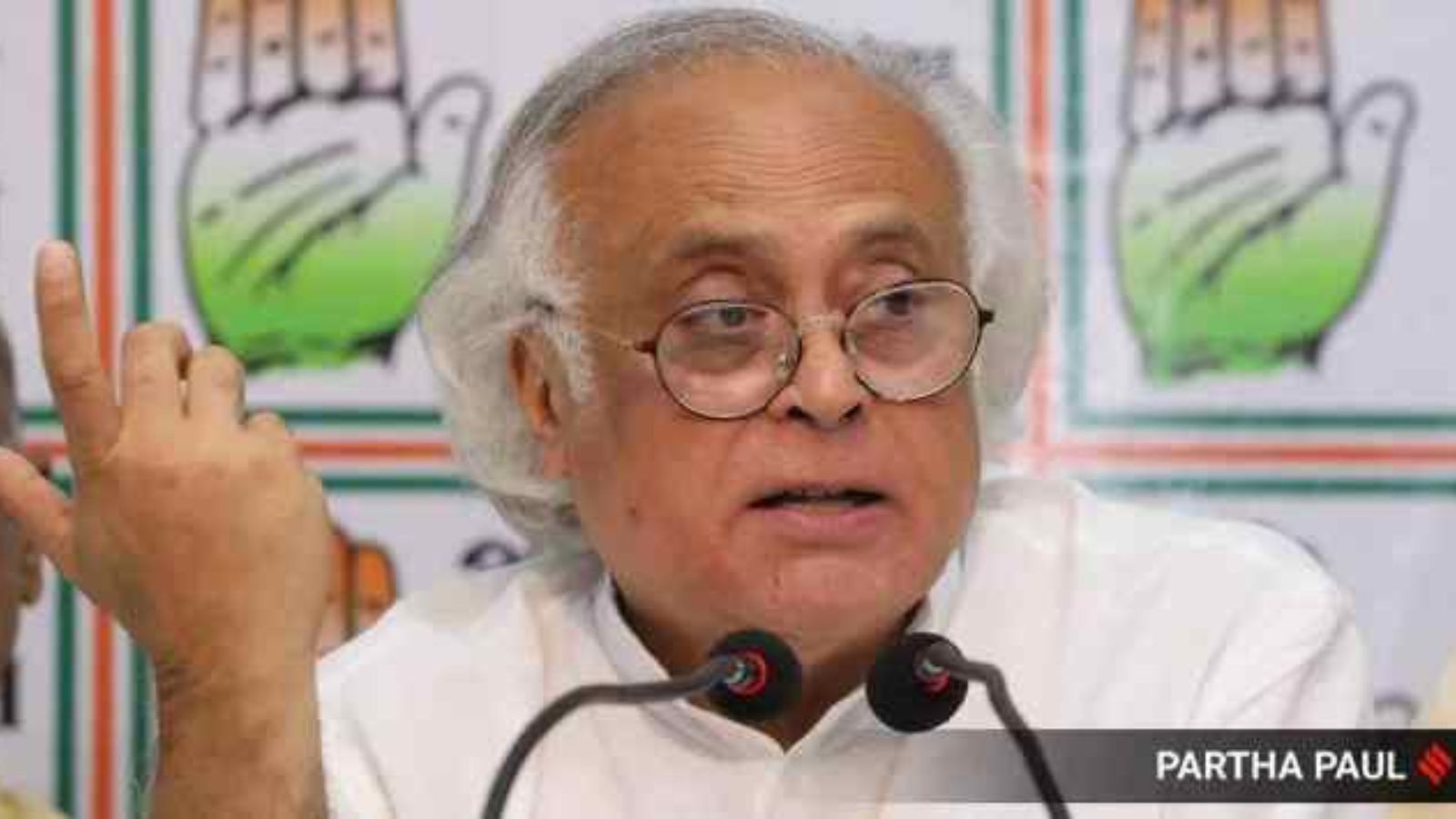
By Arun Srivastava The RSS leadership has imparted a new dimension to its protracted battle against Prime Minister Narendra Modi by extending support to caste census at the three day conclave of RSS organisations that ended in Kerala on September 2. With deepening existential crisis and unable to find a viable political device to combat […]

The Singapore dollar has reached its strongest level against the US dollar in over ten years, reshaping economic dynamics and influencing various sectors from tourism to trade. This notable appreciation of the Singapore dollar, driven by a mix of global economic factors and local financial policies, has brought both opportunities and challenges to different stakeholders.

The current strength of the Singapore dollar, surpassing 1.35 against the US dollar, marks a significant shift in the currency’s performance. This upsurge is attributed to Singapore’s robust economic fundamentals, strategic monetary policies by the Monetary Authority of Singapore (MAS), and a relatively stable political environment compared to other global economies. Investors and analysts have observed that this strength reflects broader trends of a resilient Singaporean economy amidst global uncertainties.

For tourists, this stronger Singapore dollar translates to enhanced purchasing power. Visitors from countries with weaker currencies find their travel budgets stretching further, resulting in increased spending on luxury goods, dining, and entertainment. This shift has been beneficial for Singapore’s retail and hospitality sectors, with luxury boutiques and high-end restaurants reporting a boost in sales from foreign tourists. The tourism sector, a significant contributor to Singapore’s economy, is experiencing a revival as a result of this currency trend.

On the flip side, Singapore’s strong dollar poses challenges for local exporters. Companies exporting goods and services may face reduced competitiveness in international markets due to the higher cost of Singaporean products. This could impact profit margins and market share, particularly in sectors where price sensitivity is crucial. Exporters, especially those dealing with bulk commodities and price-competitive goods, are likely to experience squeezed margins unless they can offset the higher costs through operational efficiencies or increased value addition.

Importers, however, benefit from a stronger Singapore dollar. Lower costs for imported goods can lead to reduced expenses for businesses reliant on foreign products and raw materials. This could translate to lower prices for consumers, especially for imported electronics, vehicles, and other high-value items. The increased purchasing power of the dollar enables businesses to negotiate better terms with international suppliers and capitalize on favorable exchange rates.

The appreciation of the Singapore dollar has also influenced financial markets, with increased capital inflows observed as investors seek stable and profitable opportunities in Singapore. The local stock market has witnessed heightened activity, with foreign investors showing greater interest in Singaporean equities. This influx of investment is bolstering market liquidity and providing additional capital for domestic companies.

Moreover, the currency strength has implications for Singapore’s monetary policy. The MAS, which has a mandate to ensure price stability and economic growth, is closely monitoring the impact of the currency’s appreciation on inflation and economic activity. While a stronger dollar can help in containing import-driven inflation, it also requires careful management to ensure that the broader economic growth is not adversely affected.

The currency’s rise is also intertwined with global financial trends. Investors are increasingly turning to safe-haven assets and stable currencies amid economic uncertainties and geopolitical tensions. The Singapore dollar, often seen as a stable and secure currency, has attracted significant interest from global investors looking to hedge against risks. This trend is reflective of a broader shift towards currencies and assets perceived as safe havens in volatile times.

VISHNU RAJA
RYO YAMADA
HITORI GOTOH
IKUYO KITA