News related to
risk

On average, Malaysian online sellers have adopted AI in only 26% of their business operations, significantly lower than the SEA average of 37%. Indonesia and Vietnam lead average AI adoption in eCommerce in Southeast Asia, followed by Singapore and Thailand. Lazada’s new playbook provides sellers with best practices, actionable insights and resources to help integrate AI into their operations. KUALA LUMPUR, MALAYSIA – Media OutReach Newswire – […]

Matein Khalid In a financial panic, investors sell what they can and not what they must. So the most ominous data points for me is the dramatic widening in US corporate credit/high yield spreads, which means Mr. Market is now certain that default risk will strangle capital markets as varied as auto finance, subprime mortgages, student loan and credit card receivables. The widening of Asian sovereign credit […]

Investors should brace for volatility to remain a defining feature of financial markets until at least September, as a new era of trade disruption, inflation pressures, and global realignments gathers pace. Markets are still reeling from the deepening fallout of President Donald Trump’s sweeping tariff offensive. After his aggressive trade moves last week — dubbed Liberation Day by the White House — equities have suffered one of […]

Greenlogue/AP NEOM Green Hydrogen Company has initiated a substantial recruitment campaign to staff its forthcoming green hydrogen facility at Oxagon in Saudi Arabia’s northwestern region. This initiative seeks to attract skilled professionals across various departments, including Corporate, Environment, Health, Safety, and Security , Risk Management, Operations & Maintenance, Finance, Information Technology, and Cyber Security. The construction of this plant is progressing on schedule, with full operational capacity […]

Goldman Sachs has increased the probability of a United States recession in the next 12 months to 45%, aligning with a wave of revised risk assessments by major investment banks as escalating trade tensions and tighter financial conditions unsettle global markets. The adjustment from Goldman’s previous estimate of 35% reflects the firm’s assessment that a sharp tightening in financial conditions and heightened policy uncertainty will significantly hinder […]

Oil prices have experienced a significant decline, reaching their lowest levels since April 2021, driven by escalating trade tensions between the United States and China, coupled with strategic decisions by OPEC+ regarding oil production. Brent crude futures dropped by $2.28, settling at $63.30 per barrel, while U.S. West Texas Intermediate crude decreased by $2.20 to $59.79 per barrel. This marks a continuation of a downward trend, with […]

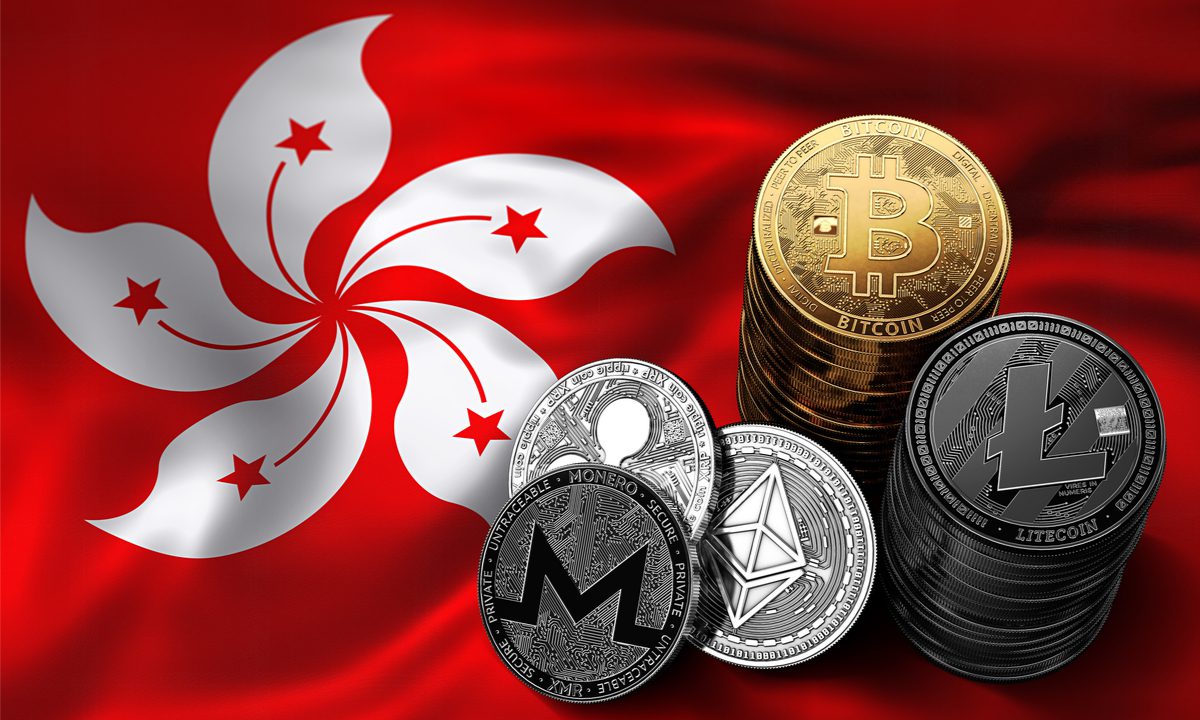
Hong Kong’s Securities and Futures Commission has intensified its scrutiny of virtual asset platforms offering staking services, emphasizing the associated risks and potential legal ramifications. The regulatory body has observed a surge in platforms promoting high-yield returns through staking, prompting a public advisory on the matter.

Staking, a process where cryptocurrency holders delegate their assets to support blockchain network operations, has gained popularity as a means to earn passive income. However, the SFC warns that many of these staking arrangements are not regulated, leaving investors vulnerable to significant risks, including the total loss of their investments. The commission highlighted that some platforms offer returns by on-lending deposited virtual assets or engaging in other investment activities without adequate transparency.

In a statement, the SFC underscored that certain staking programs might constitute unauthorized collective investment schemes . Under Hong Kong law, promoting or operating such schemes without proper authorization is a criminal offense, potentially leading to substantial fines and imprisonment.

The regulatory focus on staking services aligns with Hong Kong’s broader efforts to establish a comprehensive framework for virtual assets. The SFC has been actively exploring the introduction of new token listings, derivatives, and margin trading to enhance the city’s position as a digital asset hub. Julia Leung, the SFC’s Chief Executive, announced plans to potentially expand the regulatory framework to facilitate the listing of new tokens exclusively for professional investors and to review existing safeguards for retail offerings.

The SFC is considering the regulation of crypto derivative trading for professional investors, aiming to facilitate efficient risk transfer within the market. Staking is another area under review, with the commission planning to establish requirements governing the custody of client assets and mitigating risks associated with staking activities.

In addition to these initiatives, the SFC has been in discussions with crypto exchange-traded fund issuers about the possibility of including Ether staking options. This move could allow ETF issuers to stake ETH and generate passive income, providing investors with additional avenues for returns. However, these discussions are ongoing, and no definitive timeline has been established for implementation.

Advertisements

Bitcoin’s price experienced a significant drop, falling from over $83,000 to below $77,000 within a 24-hour period. This abrupt decline led to the liquidation of more than $1 billion in leveraged positions, with long positions accounting for approximately $865 million of the total. The sudden downturn caught many traders off guard, resulting in substantial financial losses across the cryptocurrency market.

Data from Coinglass indicates that a total of 305,170 traders were liquidated during this period, reflecting the widespread impact of Bitcoin’s price movement on investor positions. The majority of these liquidations stemmed from long positions, where traders had anticipated a price increase. As the market moved against them, forced sell-offs occurred, further accelerating the downward momentum.

Among the affected cryptocurrency exchanges, Bybit and Binance recorded the highest liquidation volumes, with $411.54 million and $242.25 million, respectively. Bitcoin itself accounted for the largest share of the total liquidations, contributing $371.66 million. Ethereum was the second most impacted cryptocurrency, with $200.94 million in liquidations, while other crypto assets collectively accounted for over $100 million. The single largest liquidation order took place on Bitfinex, involving a $13.40 million BTC position being forcefully closed.

The high liquidation volume suggests that many traders were caught off guard by Bitcoin’s price drop. With long positions dominating the liquidations, it indicates that market sentiment was largely bullish before the downturn. This scenario underscores the inherent volatility of the cryptocurrency market and the risks associated with leveraged trading.

Despite the sharp downturn, some analysts remain optimistic about Bitcoin’s long-term trajectory. Crypto analyst Javon Marks noted that indicators still suggest Bitcoin could be gearing up for a larger bullish rally. Meanwhile, RektCapital pointed out that Bitcoin’s decline has resulted in a fully filled CME gap between $84,650 and $93,300, which could potentially lead to a price reversal in the near term.

The recent price movement also aligns with patterns observed in previous market cycles. Historically, Bitcoin has experienced significant price corrections following substantial rallies. These corrections often lead to a shakeout of leveraged positions, contributing to market volatility. However, such corrections have also been followed by periods of consolidation and subsequent recoveries.

Market analysts suggest that the current price drop may be attributed to a combination of factors, including profit-taking by long-term holders and macroeconomic uncertainties. The broader financial markets have been experiencing volatility, with investors reacting to various economic indicators and geopolitical developments. These external factors can influence investor sentiment and contribute to price movements in the cryptocurrency market.

The recent liquidation event serves as a reminder of the risks associated with leveraged trading in the cryptocurrency market. Traders employing leverage amplify their potential gains but also their potential losses. In volatile markets, sudden price movements can trigger margin calls and forced liquidations, leading to significant financial losses.

Artificial intelligence technologies, notably OpenAI’s ChatGPT, are increasingly being exploited to create convincing fake identification documents, posing significant challenges for security and identity verification systems worldwide. The emergence of platforms like ‘OnlyFake’ exemplifies this trend, offering AI-generated fake IDs, including passports and driving licenses, for as little as $15. Investigations have demonstrated that these counterfeit documents can bypass verification processes on major platforms, such as cryptocurrency exchanges, […]

Elon Musk’s social media platform, X, is facing potential fines from the European Union for alleged breaches of the Digital Services Act . The European Commission has initiated formal infringement proceedings, citing concerns over content moderation, deceptive user interfaces, advertising transparency, and restricted data access for researchers. The Commission’s investigation highlights that X’s “blue checkmark” verification system may mislead users by allowing any subscriber to obtain verified […]

Oil markets witnessed a significant downturn as Brent crude, the global benchmark, tumbled over 13% in two days, settling just above $66 per barrel. This sharp decline follows the dual impact of OPEC+ unexpectedly increasing production and the imposition of new tariffs by President Donald Trump.

On April 4, 2025, Saudi Arabia led an initiative within OPEC+ to substantially boost oil output by 411,000 barrels per day starting in May. This move aims to penalize member countries like Kazakhstan and Iraq for consistently exceeding production quotas. The decision contributed to an 8% drop in oil prices, with Brent crude falling below $65 per barrel for the first time since 2021.

Concurrently, President Trump intensified trade tensions by imposing tariffs on imports from Canada, China, and Mexico. China responded with a retaliatory 34% tariff on U.S. imports, escalating fears of a global economic slowdown and further pressuring oil prices.

Goldman Sachs revised its 2025 oil price forecasts downward, cutting Brent crude to $69 and West Texas Intermediate to $66 per barrel. JPMorgan raised its global recession probability to 60%, up from 40%, reflecting growing concerns over economic stability.

The surge in supply and escalating trade disputes have led to significant losses in energy stocks. Major oil companies, including Chevron, APA, Occidental Petroleum, and Diamondback Energy, experienced notable declines. The Energy Select Sector SPDR ETF fell nearly 7% on the day and almost 13% for the week.

Analysts suggest that until production is significantly reduced, oil prices may continue to fall. The geopolitical backdrop includes U.S. relations with Saudi Arabia, key to both energy policy and diplomatic efforts related to Russia, Iran, and broader Middle East tensions.

In contrast, natural gas stocks have shown resilience, supported by rising LNG exports and less exposure to OPEC’s dynamics. Companies like EQT, Expand Energy , and Coterra Energy are highlighted as attractive investments due to geographic advantages and favorable valuations.

The current downward trend in oil prices is primarily driven by OPEC+’s decision to increase output and the introduction of U.S. tariffs. Analysts expect the tariffs to curb economic activity and demand for energy, weighing on oil prices. The bank also said higher-than-expected crude supply and a demand squeeze from softer U.S. economic activity and tariff escalation posed downside risks to oil price forecasts.

The Organization of the Petroleum Exporting Countries and its allies, known as OPEC+, decided on Monday to increase output for the first time since 2022, further pressuring crude prices. The group will make a small increase of 138,000 barrels per day from April, the first step in planned monthly increases to unwind its nearly 6 million bpd of cuts, equal to almost 6% of global demand.

The larger-than-expected decline in crude stocks supported the downward trend in oil prices, pointing to weakening demand in the U.S. The U.S. Energy Information Administration is expected to announce the official inventory data during the day.

The risks to oil prices remain tilted to the downside with new supply from OPEC+ and non-OPEC producers expected to push the market well into an oversupply. Brent prices on Wednesday fell to their lowest since December 2021 after U.S. crude inventories rose and in the wake of the decision by OPEC+ to increase their output quotas.

Oil prices had already been trading lower in the last few weeks, partly because of expectations that U.S. president Donald Trump could swiftly end Russia’s war in Ukraine. This, in turn, is likely to increase Russian oil output thanks to sanctions relief.

The benchmark previously dropped to $66.77 a barrel, the lowest since November. “The current downward trend in oil prices is primarily driven by OPEC+’s decision to increase output and the introduction of U.S. tariffs,” said Darren Lim, commodities strategist at Phillip Nova. He said another factor was President Donald Trump’s decision to pause all U.S. military aid to Ukraine after his Oval Office clash with President Volodymyr Zelenskiy last week.

Those politics are likely connected with the wheeling and dealing of Donald Trump, referring to the U.S. president’s calls for lower oil prices. U.S. tariffs of 25% on imports from Canada and Mexico took effect at 12:01 a.m. EST on Tuesday, with 10% tariffs on Canadian energy, while tariffs on imports of Chinese goods were increased to 20% from 10%. Analysts expect the tariffs to curb economic activity and demand for energy, weighing on oil prices.

The bank also said higher-than-expected crude supply and a demand squeeze from softer U.S. economic activity and tariff escalation posed downside risks to oil price forecasts. Chinese demand is also down, with a period of refinery maintenance looming, said Josh Callaghan, head of crude derivatives at Arrow Energy Markets.

Oil prices declined for a third day on Wednesday, as investors worried about OPEC+ plans to proceed with output increases in April, and U.S. President Donald Trump’s tariffs on Canada, China, and Mexico escalated trade tensions. Brent futures fell $1.02, or 1.44%, to $70.02 a barrel by 1149 GMT. U.S. West Texas Intermediate crude declined $1.33, or 1.95%, to $66.93 a barrel.


Dr Imran Khalid President Donald Trump’s declaration of April 2, 2025, as “Liberation Day” marked a seismic shift in U.S. trade policy, with the imposition of sweeping reciprocal tariffs that have sent shockwaves through the global economy. The new measures include a universal 10% tariff on all imports, with punitive rates as high as 54% for China, 46% for Vietnam, and 20% for the European Union, alongside […]

KUALA LUMPUR, MALAYSIA – Media OutReach Newswire – 5 April 2025 – Octa, a global broker since 2011, recently received the FXDailyInfo award as ‘The Most Innovative Broker 2025’. This accolade yet again highlights Octa’s focus on incrementally improving its proprietary trading platform, OctaTrader. Financial portal FXDailyInfo recognised Octa as ‘The Most Innovative Broker 2025’. With this award under its belt, Octa broker has already gained 10 […]

The United States economy added 228,000 jobs in March 2025, surpassing analysts’ expectations and indicating a robust labour market. This growth was notably higher than the anticipated 130,000 positions, reflecting resilience despite looming trade uncertainties. The unemployment rate edged up to 4.2% from 4.1% in February, primarily due to an increased number of individuals entering the workforce. Significant employment gains were observed in the healthcare sector, which […]

India is intensifying biosecurity measures across poultry farms and wildlife sanctuaries in response to the expanding reach of the H5N1 avian influenza virus, which has now affected domestic poultry, wild birds, and several mammalian species, including big cats and domestic cats.

The Ministry of Fisheries, Animal Husbandry and Dairying has issued directives to all states to bolster surveillance and implement stringent biosecurity protocols. This action follows reports of the virus infecting a diverse range of species, raising concerns about its evolving nature and potential implications for both animal and human health.

In Andhra Pradesh, eight outbreaks of highly pathogenic H5N1 bird flu were reported in farms and backyard poultry, leading to the death or culling of approximately 602,000 birds. These incidents underscore the virus’s persistent threat to the poultry industry.

The virus’s impact has extended beyond avian species. In Maharashtra, three tigers and a leopard succumbed to H5N1 at a rescue centre in Nagpur, prompting the central government to issue a red alert for zoos and animal rescue centres nationwide. Authorities have been urged to implement immediate measures to prevent further outbreaks among captive wildlife.

India’s first cases of H5N1 in domestic cats were confirmed in Madhya Pradesh’s Chhindwara district. The infected cats exhibited symptoms such as high fever, loss of appetite, and lethargy before dying within one to three days. Scientists identified 27 mutations in the virus found in these cats, highlighting the need for enhanced surveillance across domestic poultry, wild birds, and mammals, including pets and humans.

The cross-species transmission of H5N1 is not limited to India. Globally, the virus has been detected in various mammalian species, including tigers, leopards, and domestic cats, raising concerns about its ability to jump species barriers. In the United States, outbreaks have been reported among house cats, while in Canada, a teenage girl was severely affected by the virus, indicating its potential risk to human health.

In response to these developments, the Indian government is collaborating with international health organizations to monitor the situation closely. Efforts are underway to study the virus’s mutations and assess the risk of human transmission. Public health advisories have been issued, cautioning against contact with sick or dead birds and emphasizing the importance of hygiene and protective measures for those handling poultry.

The Nasdaq Composite Index entered bear market territory on Friday, April 4, 2025, closing over 20% below its December peak. This significant downturn was precipitated by President Donald Trump’s imposition of a 10% tariff on all imports to the United States, with additional substantial levies targeting technology-centric nations such as China, Taiwan, and Vietnam. China’s swift retaliation, announcing a 34% tariff on all U.S. imports, intensified fears of a global recession and inflationary pressures.

Major U.S. stock indices experienced sharp declines. The S&P 500 fell approximately 2.5%, while the Dow Jones Industrial Average dropped nearly 2.45%, shedding 994.46 points to close at 39,551.47. Technology stocks bore the brunt of the sell-off, with Apple Inc. shares declining over 4%, following a nearly 10% drop the previous day. Nvidia and Broadcom each lost more than 7%, and Tesla shares plummeted almost 10%.

The newly announced tariffs, dubbed “Liberation Day” tariffs by the administration, include a universal 10% tariff on all imports and higher targeted tariffs for numerous countries. Economists warn that these measures could disrupt global supply chains, particularly impacting the technology sector, which relies heavily on components from China and Taiwan. The Semiconductor Industry Association expressed concern that the tariffs could stymie growth and innovation within the industry.

International responses were swift. The European Union signaled readiness to implement countermeasures, while the International Monetary Fund cautioned that escalating trade tensions pose significant risks to global economic stability. In the U.S., political figures across the spectrum voiced apprehension. Senate Majority Leader Mitch McConnell and Senator Ted Cruz criticized the tariffs, warning of potential harm to American workers and farmers.

Despite a robust March jobs report indicating the addition of 228,000 new jobs and a slight uptick in unemployment to 4.2%, market sentiment remained negative. Investors are now looking to Federal Reserve Chair Jerome Powell’s upcoming speech for insights into potential monetary policy adjustments in response to the escalating trade conflict.

The CBOE Volatility Index, a measure of market anxiety, surged to levels not seen since August 2024, reflecting heightened investor concern. Oil prices also declined significantly due to fears of reduced global demand amid the escalating trade tensions.

President Trump defended the tariff strategy, asserting that the measures are necessary to address longstanding trade imbalances and would ultimately benefit the U.S. economy. He urged investors to view the market downturn as a wealth opportunity.

Malta’s Financial Intelligence Analysis Unit has levied a €1.1 million fine against cryptocurrency exchange OKX’s local subsidiary for significant breaches of anti-money laundering regulations. The penalty follows an onsite compliance examination conducted in April 2023, which uncovered several failures deemed “serious and systematic” by the FIAU.

The FIAU’s investigation revealed that OKX’s business risk assessment failed to adequately evaluate potential money laundering risks associated with the products it offered. This deficiency impaired the company’s ability to implement effective measures to mitigate such risks.

In response to the FIAU’s findings, OKX has reportedly taken steps to address the identified shortcomings. The company has implemented remedial measures to enhance its AML compliance framework, aiming to prevent future violations.

President Donald Trump’s administration has announced sweeping tariffs, including a baseline 10% levy on all imports into the United States, with higher rates for specific countries. This development has prompted companies across the Middle East to evaluate potential repercussions and strategize accordingly. The Gulf Cooperation Council nations—comprising Saudi Arabia, the United Arab Emirates , Qatar, Kuwait, Oman, and Bahrain—are subject to the 10% tariff. Given that many […]

The Organization of the Petroleum Exporting Countries and its allies, collectively known as OPEC+, have announced a significant policy shift by accelerating oil production increases. This decision, made during a virtual meeting on Thursday, involves eight member countries—Saudi Arabia, Russia, Iraq, the United Arab Emirates, Kuwait, Kazakhstan, Algeria, and Oman—agreeing to boost output by 411,000 barrels per day starting in May. This adjustment consolidates three months’ worth of planned increases into a single month, surpassing the initially scheduled 135,000 bpd increment.

This move aims to discipline member nations that have been exceeding their production quotas and to address concerns over market stability. The coalition emphasized that these adjustments could be paused or reversed depending on evolving market conditions, underscoring their commitment to maintaining equilibrium in the global oil market.

The announcement had an immediate impact on oil prices. Brent crude futures dropped by 7.1%, settling at $69.63 per barrel, while West Texas Intermediate declined by 7.8% to $66.15 per barrel. These declines represent the steepest single-day percentage drops since mid-2022, reflecting market apprehension about potential oversupply amid existing economic uncertainties.

Compounding these market jitters are newly announced tariffs by U.S. President Donald Trump. The administration has imposed a baseline tariff of 10% on imports from several global economies, raising fears of an escalating trade war that could dampen global economic growth and, consequently, reduce energy demand. Analysts have noted that these tariffs could lead to increased inflation and slower economic expansion, particularly affecting emerging markets in Asia, which are pivotal centers for oil demand growth.

The timing of OPEC+’s decision aligns with these geopolitical developments. By increasing supply, the alliance appears to be responding to external pressures, including calls from major consumers for more affordable energy prices. However, this strategy carries risks, as it may exacerbate price volatility and strain relations within the group, especially with members that have been advocating for more conservative production increases.

Market analysts are closely monitoring the situation, noting that the combination of heightened supply and potential demand contraction due to trade tensions could lead to a surplus in the oil market. This scenario may prompt OPEC+ to reassess its strategy in the coming months to prevent a prolonged downturn in prices.

Corporate events have long gone beyond simple team building activities. They address a wide range of tasks today: helping to accelerate onboarding, improving internal communications, increasing employee engagement and strengthening corporate culture. This is especially important for employees of remote teams who risk losing contact with each other and the company due to remote working formats. In recent years, online tools have made communication easier and virtual […]

CoinList, a prominent cryptocurrency token launch platform, has resumed token sales for accredited investors in the United States after a five-year hiatus. This move follows a period during which U.S. participants were largely excluded from early-stage investments in notable projects such as Solana and Near.

The decision to re-enter the U.S. market aligns with a series of regulatory shifts under the current administration. The Securities and Exchange Commission has recently dismissed several high-profile cases against cryptocurrency firms, including Coinbase and Kraken. citeturn0search12turn0search4 These dismissals signal a more accommodating stance toward the crypto industry, fostering an environment conducive to innovation and investment.

CoinList’s last U.S. token sale occurred in 2019, a time when increased regulatory scrutiny led many projects to exclude American investors. The platform’s return is marked by the upcoming token sale for the DoubleZero Foundation, a project aiming to optimize the internet for distributed systems like blockchain. This sale represents CoinList’s first offering to U.S. accredited investors since its departure from the market.

The broader cryptocurrency market has experienced significant growth since 2019. Excluding Bitcoin, the market capitalization has expanded from $60 billion to $1.15 trillion. This surge underscores the increasing importance of providing U.S. investors with access to emerging digital assets.

The SEC’s recent actions reflect a strategic shift toward establishing a clear regulatory framework for cryptocurrencies. By dropping cases against major exchanges and platforms, the Commission appears to be prioritizing collaboration with the industry over litigation.

Industry observers note that this regulatory pivot could lead to increased participation from U.S. investors in early-stage crypto projects. The inclusion of American investors is seen as vital for the growth and global competitiveness of the U.S. crypto market.

While the easing of regulatory pressures presents new opportunities, it also raises concerns about the potential for reduced oversight. Some critics argue that a more lenient regulatory environment could increase the risk of fraudulent activities within the crypto space.

KUALA LUMPUR, MALAYSIA – Media OutReach Newswire – 3 April 2025 – Understanding the rhythm of financial markets can give traders a significant edge. Seasonalities—lasting trends that repeat themselves during some periods of the year—tend to influence the value of assets and the overall market state. Identifying these cycles allows traders to adapt their strategies better and make more informed decisions. In this material, experts at global […]

President Donald Trump has announced a comprehensive tariff strategy, imposing a baseline 10% duty on all imports into the United States, with significantly higher rates targeting approximately 60 countries. This move, declared during a White House event termed “Liberation Day,” aims to address trade imbalances and bolster domestic industries. Under the new policy, key trading partners will face steep tariffs: China is subjected to a 34% duty, […]

KUALA LUMPUR, MALAYSIA – Media OutReach Newswire – 2 April 2025 – Octa, a global broker since 2011, surveyed more than 2,000 traders from Indonesia, Malaysia, South Africa, and Nigeria to discover their most glaring concerns regarding choosing a financial broker. What are the most suspicious brokers’ traits, according to traders? How do traders identify potentially unreliable service providers in the highly diversified e-brokerage landscape? Below is […]

VISHNU RAJA
RYO YAMADA
HITORI GOTOH
IKUYO KITA
Just in: