News related to
risk

LONDON, UNITED KINGDOM – Media OutReach Newswire – 7 May 2025 – Diginex Limited (“Diginex”) (NASDAQ: DGNX), a global leader in ESG sustainable RegTech, is pleased to announce that His Highness Shaikh Mohammed Bin Sultan Bin Hamdan Al Nahyan, a member of the Abu Dhabi Royal Family, has purchased warrants to purchase 6.75 million Ordinary Shares of Diginex (the “Warrants”) in a private transaction for a consideration […]

By Nitya Chakraborty It is now official. After waiting for a few days since Donald Trump diluted the U.S. tariff rates for China and announced his intention for talks, China confirmed on Wednesday morning that a high level Chinese negotiating team will be visiting Switzerland for four days beginning May 9 to hold talks with […]

Metaplanet Inc., a Tokyo-listed investment firm, has fortified its position in the cryptocurrency market by acquiring an additional 555 Bitcoins, valued at approximately $53.4 million. This purchase was financed through the issuance of zero-coupon bonds to EVO FUND, raising $25 million, which was entirely allocated to the Bitcoin acquisition at an average price of $96,134 per coin.

This strategic move elevates Metaplanet’s total Bitcoin holdings to 2,235 BTC, positioning the company as one of the top 15 publicly traded entities globally in terms of Bitcoin reserves. The firm has set an ambitious target to amass 10,000 BTC by the end of 2025, with a longer-term goal of reaching 21,000 BTC by 2026, aligning with Bitcoin’s capped supply of 21 million coins.

Metaplanet’s aggressive accumulation strategy mirrors the approach of U.S.-based Strategy, formerly known as MicroStrategy, which has been a pioneer in corporate Bitcoin investment. Since adopting the Bitcoin Standard in April 2024, Metaplanet has experienced significant growth, with its market capitalization increasing by 7,000% and its shareholder base expanding to over 50,000.

The company’s financial performance has also seen a substantial boost, achieving a record-breaking 309.82% BTC yield in Q4 2024. Metaplanet measures its performance using BTC yield, focusing on the growth of Bitcoin per share rather than traditional fiat metrics. This approach underscores the company’s commitment to maximizing shareholder value in Bitcoin terms.

To fund its Bitcoin acquisitions, Metaplanet has employed innovative financial instruments, including the issuance of moving strike warrants and zero-coupon bonds. These tools have allowed the company to raise capital without incurring interest-bearing liabilities, thereby optimizing its capital structure and reducing financial risks.

Metaplanet’s CEO, Simon Gerovich, has emphasized the company’s mission to lead the Bitcoin renaissance in Japan and emerge as a global leader in Bitcoin treasury operations. The firm plans to utilize a mix of loans, equity, and convertible bonds to achieve its Bitcoin accumulation goals, reflecting a flexible and strategic approach to capital markets.

The company’s aggressive Bitcoin strategy has not gone unnoticed, with analysts projecting that Bitcoin could reach or surpass $200,000 by the end of 2025. Metaplanet’s bold moves are seen as a response to this bullish outlook, positioning the firm to capitalize on potential market gains.

Metaplanet’s stock performance has mirrored its Bitcoin strategy, with shares surging by over 4,000% in the past year. The company is set to be included in the MSCI Japan Index, a move expected to attract more investors and enhance its market presence.

Gavi, the Vaccine Alliance, has been a cornerstone in improving health outcomes in low-income countries, particularly across Africa. Since its inception in 2000, Gavi has facilitated the delivery of vaccines to more than 700 million children, saving millions of lives. However, with Gavi’s funding facing reductions, the continent is at a critical juncture that could reshape its approach to vaccine financing and health security. Historically, Gavi has […]

The UK Treasury has confirmed it will not pursue the establishment of a national cryptocurrency reserve, diverging from the approach taken by the United States. Instead, the government will focus on implementing a comprehensive regulatory framework for digital assets and exploring the issuance of sovereign debt via blockchain technology.

Treasury Secretary Emma Reynolds stated that creating a crypto reserve is not aligned with the UK’s strategic objectives. The emphasis will be on fostering innovation within a regulated environment, ensuring consumer protection, and maintaining financial stability.

To this end, the UK government has introduced draft legislation aimed at regulating cryptocurrency exchanges, dealers, and agents. These regulations will require crypto firms operating in the UK to adhere to standards for transparency, consumer protection, and operational resilience. The legislation is expected to be finalised by the end of 2025.

The Financial Conduct Authority plans to prohibit retail investors from borrowing funds, including via credit cards, to purchase cryptocurrencies. This measure is designed to protect consumers from the high risks associated with crypto investments. The FCA is also considering implementing credit checks and investment experience assessments for consumers involved in crypto lending and borrowing.

In a move to modernise the UK’s financial markets, the government is exploring the issuance of “digital gilts” on the blockchain. This initiative aims to enhance the efficiency and transparency of the debt issuance process. The Digital Securities Sandbox , launched jointly by the Bank of England and the FCA, will facilitate the testing of such innovations within a regulated environment.

The UK is also working closely with the United States to align regulatory approaches to digital assets. This collaboration includes discussions on a regulatory “sandbox” for digital securities and the exemption of overseas stablecoin issuers from UK regulations, provided they comply with equivalent standards in their home jurisdictions.

Industry leaders have expressed support for the UK’s approach, highlighting the importance of clear and forward-looking regulation to stimulate innovation and growth. They commend specific measures such as the proposed stablecoin regime and the UK-US regulatory sandbox, which are seen as steps towards establishing the UK as a global hub for digital assets.

While the UK government is accelerating efforts to develop a clear definition of cryptoasset staking and to establish a taxonomy of different staking business models, it does not intend to bring stablecoins into UK payments regulation at this time. This decision is based on the current use cases and aims to avoid placing additional regulatory burdens on certain stablecoin activities.

KUALA LUMPUR, MALAYSIA – Media OutReach Newswire – 6 May 2025 – This Thursday, Bank Negara Malaysia (BNM) will announce its policy rate decision. While most analysts expect no change, Octa Broker suggests that a rate cut is on the table and is highly likely to take place later this year due to subdued inflation, stronger ringgit, and a higher likelihood for Fed rate cuts. On Thursday, […]

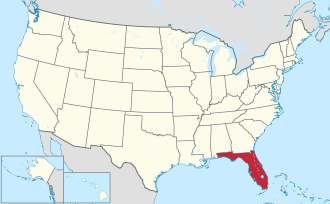
Florida’s legislative session concluded on May 2 without advancing two significant cryptocurrency investment bills, HB 487 and SB 550, effectively halting the state’s consideration of allocating public funds into Bitcoin. Both measures were indefinitely postponed and withdrawn from further deliberation, marking a notable pause in Florida’s exploration of digital asset integration into state financial strategies.

The proposed legislation aimed to authorize the state’s Chief Financial Officer to invest up to 10% of select public funds, including the General Revenue Fund and the Florida Retirement System, into Bitcoin and other digital assets. Proponents, such as Senator Joe Gruters and Representative Webster Barnaby, argued that such investments could serve as a hedge against inflation and diversify the state’s portfolio. They cited the growing institutional acceptance of Bitcoin by firms like BlackRock and Fidelity as indicative of its potential stability and value.

However, the bills faced substantial opposition from financial experts and lawmakers concerned about the volatility and regulatory uncertainties surrounding cryptocurrencies. Critics highlighted the risks of exposing public funds to an asset class known for significant price fluctuations and potential security vulnerabilities. They emphasized the responsibility of safeguarding taxpayer money through more traditional and proven investment avenues.

The failure of HB 487 and SB 550 reflects a broader hesitancy among U.S. states to embrace cryptocurrency investments for public funds. While some states have explored similar proposals, many have encountered resistance due to the inherent risks and lack of comprehensive regulatory frameworks governing digital assets. Florida’s decision underscores the challenges policymakers face in balancing innovation with fiscal responsibility.

Advertisements

Dubai Multi Commodities Centre has unveiled two new business licence categories designed to offer greater flexibility and efficiency for companies operating in the UAE. The newly introduced Special Purpose Vehicle and Holding Company licences are aimed at providing businesses with enhanced options for structuring investments, managing assets, and overseeing operations across the region. The initiative reflects DMCC’s continued efforts to adapt to the evolving needs of the […]

TronZap, a non-custodial energy rental platform on the TRON blockchain, is streamlining the process of transferring USDT by offering instant energy rentals that significantly reduce transaction costs. By enabling users to rent TRON energy on demand, the platform addresses the issue of high fees associated with insufficient energy during transactions.

On the TRON network, USDT transfers require both bandwidth and energy. When a user’s wallet lacks sufficient energy, the network compensates by burning TRX, leading to higher transaction costs. For instance, transferring USDT without adequate energy can cost up to 13.4 TRX, whereas with sufficient energy, the cost drops to approximately 3.7 TRX. This discrepancy becomes more pronounced when sending USDT to a wallet that has never held the token, potentially doubling the energy requirement and increasing the fee to around 27 TRX.

TronZap simplifies the energy acquisition process by allowing users to rent energy instantly without the need for registration or wallet integration. Users send a specified amount of TRX to a designated address, and within 60 seconds, the corresponding energy is delegated to their wallet. This method ensures that transactions proceed smoothly without the risk of encountering “OUT_OF_ENERGY” errors, which occur when a wallet lacks the necessary resources to complete a transaction.

The platform’s non-custodial nature ensures that users retain full control over their wallets, enhancing security and user trust. By staking its own TRX to generate energy, TronZap eliminates the need for users to lock up their assets, offering a more flexible and accessible solution for managing transaction fees.

TronZap’s services are particularly beneficial for frequent traders, decentralized application users, and developers operating within the TRON ecosystem. The platform also provides an API and SDKs in various programming languages, enabling seamless integration for developers seeking to automate energy rentals within their applications.

Matein Khalid I  have not exactly been reticent in my conviction since last autumn that King Dollar was on the precipice of a seminal monetary regime shift that could mean 40% downside risk on its trade weighted index, as in 2001-06. Yet not in my wildest dreams did I anticipate that the New Taiwan dollar would surge 8% against the greenback, its best performance in 42 years, in […]

The security situation between India and Pakistan has escalated to its highest point in years after a deadly assault on Indian tourists in Kashmir last month. The attack, which claimed several lives, has intensified long-standing hostilities between the two nuclear-armed neighbours. Both nations now stand at a critical juncture, with diplomatic channels strained and military forces on high alert, leading many to fear the potential for an […]

Kyrgyzstan is set to launch a gold-backed stablecoin, the Gold Dollar , in the third quarter of 2025. The initiative, spearheaded by the Ministry of Finance, aims to integrate blockchain technology into the national financial system, offering a transparent and stable digital asset backed by $500 million in gold reserves. Plans are underway to increase this backing to $2 billion within two years.

Unlike central bank digital currencies , USDKG operates within a privately managed smart contract ecosystem, ensuring security and transparency without central bank control. The stablecoin is pegged 1:1 to the U.S. dollar and will initially launch on the Ethereum blockchain, with intentions to expand to other chains as adoption grows.

USDKG is designed to facilitate cross-border payments, a significant feature for Kyrgyzstan, where remittances account for approximately 30% of the country’s GDP. The stablecoin enables instant, low-cost international transactions, making it easier for workers abroad to send money home.

Transparency is a cornerstone of USDKG’s design. Each token is verifiably tied to physical gold stored in secure, audited vaults. A publicly accessible proof-of-reserves system will be available, allowing real-time verification of gold reserves and stablecoin issuance on the blockchain.

The Kyrgyz government has also proposed legislation to establish licensed crypto banks, aiming to provide regulated banking services related to digital assets and cryptocurrencies. This move is intended to legalize and regulate the cryptocurrency market, increase trust in crypto assets, and mitigate risks of fraud and unauthorized access to funds.

In addition to USDKG, the National Bank of the Kyrgyz Republic plans to launch a digital national currency, the digital som, by the end of 2026. The digital som will coexist with traditional cash and non-cash currencies, facilitating cashless transactions and improving control over budget spending.

SINGAPORE – Media OutReach Newswire – 5 May 2025 – Co-Axis, a digital impact marketplace connecting funders with impact opportunities advancing the UN SDGs, has secured S$1.25 million in catalytic capital from the Richardson Family (RF), a UK based family office, and Catalytic Capital for Climate and Health (C3H), a catalytic vehicle by Temasek Trust, to support and scale solutions in climate, health, and their intersection. RF […]

A stablecoin developed by World Liberty Financial, a cryptocurrency venture associated with former U.S. President Donald Trump, is being utilised by an Abu Dhabi-based investment firm to facilitate a substantial $2bn investment in Binance, the world’s leading crypto exchange. The disclosure was made by one of World Liberty’s co-founders on Thursday, shedding light on the growing involvement of the Trump family in the cryptocurrency sector. World Liberty, […]

Mozilla’s Chief Financial Officer, Eric Muhlheim, has issued a stark warning about the future of the Firefox browser, stating that its survival is at risk if the U.S. Department of Justice’s proposed remedies against Google’s search monopoly are fully implemented. Muhlheim testified that losing Google’s default search engine payments would threaten the browser maker’s existence. “We would be really struggling to stay alive,” Muhlheim said during testimony […]

KUALA LUMPUR, MALAYSIA – Media OutReach Newswire – 5 May 2025 – Kenanga Investors Berhad (“Kenanga Investors”) has been awarded Best Malaysia Large-Cap Equity Fund at the Morningstar Awards 2025, recognising the strong performance of the Kenanga Blue Chip Fund (“KBCF”). This achievement marks a significant milestone for the firm, as KBCF celebrates its third win at this prestigious award and continues to deliver consistent results across […]

The United Arab Emirates is set to launch artificial intelligence as a core element of its public school curriculum later this year, marking a significant step towards integrating cutting-edge technologies into education. This move comes as part of the nation’s ambitious strategy to position itself as a regional leader in AI development, aligning with its broader vision of fostering a future-ready workforce. AI will not only be […]

A North Korean operative’s attempt to infiltrate Kraken, a prominent cryptocurrency exchange, through a deceptive job interview has been successfully thwarted, highlighting the increasing sophistication of state-sponsored cyber-espionage tactics targeting the digital asset industry.

The incident involved an individual posing as a qualified IT professional, leveraging fabricated credentials and a falsified identity to secure a remote position within Kraken. The operative’s strategy included the use of advanced social engineering techniques, such as deepfake technology and AI-generated documentation, to bypass standard hiring protocols. However, Kraken’s vigilant recruitment team identified inconsistencies during the interview process, leading to the exposure of the applicant’s true affiliation.

This event underscores a broader pattern of North Korean cyber operations aimed at the cryptocurrency sector. The Lazarus Group, a hacking collective linked to North Korea’s Reconnaissance General Bureau, has been implicated in numerous cyberattacks resulting in substantial financial losses. Notably, the group orchestrated a $37 million theft from CoinsPaid in July 2023 by deceiving an employee into downloading malware under the guise of a job-related task.

The United Nations has reported that North Korea employs over 4,000 IT workers globally, generating approximately $600 million annually to fund its nuclear weapons program. These operatives often assume false identities and secure positions in tech firms, exploiting the remote work culture to mask their true origins.

In the United Kingdom, authorities have urged companies to conduct in-person or video interviews to mitigate the risk of hiring imposters. A recent analysis revealed that a single North Korean agent operated under 12 different personas across Europe and the U.S., infiltrating sensitive sectors including defense and government.

The FBI has also issued warnings about North Korean schemes involving fake job offers and investment opportunities designed to trick individuals into downloading malware. These social engineering attacks are characterized by their complexity and the use of sophisticated technical acumen to compromise even well-versed cybersecurity professionals.

Cybersecurity experts emphasize the need for rigorous hiring practices, including thorough background checks and identity verification, to counteract these threats. Companies are advised to be wary of applicants who avoid video interviews, request payment through unconventional means, or exhibit inconsistencies in their professional histories.

Meta Platforms Inc., the parent company of Facebook and Instagram, has warned it may be compelled to suspend both platforms in Nigeria, citing mounting regulatory pressures and substantial financial penalties imposed by the country’s authorities. The warning follows a series of fines levied against Meta by Nigerian regulatory bodies. The Federal Competition and Consumer Protection Commission imposed a $220 million fine for alleged anti-competitive practices. Additionally, the […]

Greenlogue/AP Nearly 400 scientists and experts involved in the sixth National Climate Assessment were abruptly dismissed by the Trump administration, casting doubt on the future of the congressionally mandated report. The NCA, a comprehensive study produced every four years since 1990, guides federal and local governments in preparing for climate change impacts. The administration also disbanded the Global Change Research Program, which coordinated the NCA, and removed […]

EDGE Group, the UAE-based defence conglomerate, has partnered with innovation platform Wazoku to launch a global challenge aimed at discovering the next generation of autonomous drone systems. The initiative seeks to identify breakthrough technologies for the deployment of unmanned aerial vehicles in defence and security environments.

The challenge, officially known as the “Drone in a Box” competition, invites innovators and tech developers from around the world to submit solutions for autonomous drone systems that can be quickly deployed and operated with minimal human intervention. The goal is to harness cutting-edge capabilities that can be integrated into defence operations, as well as security and surveillance missions in various high-risk settings.

The rapid advancement of drone technology has increasingly become a focal point for military and security agencies, with UAVs providing unique advantages in surveillance, reconnaissance, and tactical operations. The “Drone in a Box” challenge aligns with the growing demand for autonomous, all-weather drone systems that can perform a wide range of operations with ease. These systems are designed to operate within a “box” – a compact, secure, and mobile station that facilitates quick deployment, launch, and retrieval of drones in the field.

One of the core objectives of the competition is to enhance the versatility and autonomy of drones. While drones have been used for military applications for years, the ability to operate without a human operator nearby, coupled with the rapid deployment feature, marks a significant step forward in unmanned aviation technology. The challenge will focus on the development of UAVs that can autonomously take off, carry out surveillance or reconnaissance missions, return to their base, and self-dock with minimal human interaction.

The EDGE Group, through its various subsidiaries, has been at the forefront of autonomous defence systems and is committed to advancing technological solutions that address contemporary defence needs. The collaboration with Wazoku brings together expertise from the private sector, academia, and the defence industry, tapping into global ingenuity to push the boundaries of what autonomous UAV systems can achieve.

Wazoku, a leading provider of open innovation and crowdsourcing platforms, has facilitated similar challenges for other industries, allowing a global pool of innovators to collaborate on solving complex technological problems. With its established expertise in running innovation challenges, Wazoku is set to provide a framework for the competition that will allow the best and most viable solutions to be identified and potentially implemented by EDGE Group and its partners.

The competition is structured to attract submissions from a diverse range of organisations, including small tech startups, academic researchers, and larger technology companies. By opening up the challenge to a global audience, EDGE Group and Wazoku aim to tap into a wide array of ideas and designs that could help revolutionise the way UAVs are deployed in critical military and security operations.

The “Drone in a Box” challenge is part of EDGE Group’s broader strategy to modernise and innovate within the defence sector. The company has made significant investments in AI-driven technologies, autonomous systems, and digital transformation to meet the evolving needs of modern warfare. With a focus on operational efficiency and rapid decision-making, EDGE Group’s collaboration with Wazoku further strengthens its commitment to pioneering new technologies that enhance the operational capabilities of armed forces.

Drone systems that require minimal human intervention, yet offer high reliability and durability, are increasingly seen as a solution to challenges such as high operational costs, limited personnel availability, and the need for faster response times in security operations. The versatility of UAVs, particularly in hostile or difficult-to-reach environments, allows for surveillance of vast areas, monitoring of high-risk locations, and even providing immediate tactical support during military operations.

As governments and security agencies around the world seek to enhance their technological capabilities, autonomous UAV systems like the ones envisioned by the “Drone in a Box” challenge are expected to play an integral role. These systems could be used for border patrols, disaster response, counterterrorism, and a wide range of other operations where traditional manpower may be limited or too costly to deploy.

The global nature of the competition reflects the increasingly international landscape of the defence sector, where collaboration between countries, organisations, and industries is key to staying ahead of emerging threats. By reaching out to innovators worldwide, EDGE Group hopes to source solutions that are not only technologically advanced but also adaptable to the diverse and dynamic environments faced by security forces worldwide.

Experts believe that autonomous drones, if successfully integrated into military and security operations, could drastically reduce the risk to human personnel while simultaneously enhancing the capabilities of defence systems. These unmanned aerial vehicles have the potential to carry out missions in environments that may be too dangerous or inaccessible for traditional human-led operations, such as conflict zones, disaster sites, or areas with hazardous conditions.


Bitcoin has climbed above $90,000, recovering from a sharp decline that followed the November 2024 U.S. presidential election. This rebound has reignited discussions about its potential role as a safe-haven asset, especially as it outperforms gold in the current market environment.

After reaching a low of approximately $74,500 in early April, Bitcoin’s price has surged nearly 25%, erasing a significant portion of its earlier losses. This upward trajectory is attributed to a combination of factors, including renewed investor interest and shifting macroeconomic conditions.

Analysts point to the increasing appeal of Bitcoin as a hedge against traditional financial instruments. Geoff Kendrick, head of digital assets research at Standard Chartered, forecasts Bitcoin reaching $120,000 in the second quarter of 2025. He cites economic uncertainties, such as rising tariffs and questions over Federal Reserve policies, as catalysts driving investors toward Bitcoin over traditional assets like U.S. Treasurys.

The cryptocurrency’s performance has also been bolstered by institutional interest. Upcoming SEC 13F filings are anticipated to reveal increased Bitcoin holdings by pension and sovereign wealth funds. Additionally, the approval of Bitcoin exchange-traded funds earlier this year has facilitated greater mainstream adoption, contributing to its price appreciation.

Comparatively, gold has experienced a more modest performance. While it reached a record high of over $3,500 per ounce in April, its gains have been overshadowed by Bitcoin’s rapid ascent. The Bitcoin-to-gold price ratio, a metric used to compare the value of the two assets, hit a record-breaking 40 in December 2024, reflecting Bitcoin’s growing dominance in the alternative asset space.

Despite these developments, some experts urge caution. Mark Hackett from Nationwide Financial emphasizes that it’s premature to classify Bitcoin as a safe-haven asset due to its historical volatility. He notes that while Bitcoin’s recent performance is promising, it must demonstrate sustained stability and low correlation with traditional risk assets to be considered a reliable store of value.

The broader market context also plays a role in Bitcoin’s resurgence. President Trump’s economic policies, including delayed tariffs, have influenced investor behavior, prompting a reevaluation of asset allocations. As traditional markets grapple with these policy shifts, alternative assets like Bitcoin are gaining traction among investors seeking diversification.

Chimpanzees and other wildlife in Uganda’s Budongo Forest have begun consuming bat guano, a behaviour linked to the deforestation of mineral-rich palm trees used in tobacco farming. This shift raises concerns about increased exposure to bat-borne viruses and the potential for zoonotic disease transmission to humans. Between 2006 and 2012, the Raphia farinifera palm, a key source of dietary minerals for wildlife, was extensively harvested by local […]

Saudi Arabia, the leading member of OPEC, has been pursuing an unconventional strategy in recent months, opting to lower oil prices in an effort to restore discipline within the group. The move marks a stark contrast to the traditional approach of pushing prices higher, a tactic long favoured by OPEC to maximise revenue. However, Riyadh’s shift in approach reflects the kingdom’s growing frustration with certain OPEC+ members, […]

VISHNU RAJA
RYO YAMADA
HITORI GOTOH
IKUYO KITA
Just in:
EBANX and Eneba strengthen partnership in Latin America with 138% YoY growth in payment volume // Microsoft outage leaves Outlook and Teams users disconnected // Wizz Air half-year earnings sink as fuel costs surge // Modi ally flags youth opportunities gap despite growth // Uforce reaches $6 billion valuation with British backing // U.S. Democratic Leadership Starts Dialogue With Progressive Bloc For Joint Strategy // Ladakh Ban On Protests Ahead Of Election Is Uniquely Contentious // Ajman University MBA climbs to joint 13th regionally // LANDMARK Presents ‘Destination CENTRAL’: A District-Wide Celebration Inviting Global Travellers to Explore the Dynamism, Luxury, and Soul of Central // Nvidia appoints Colette Kress interim chief after Huang departure // Electric and hybrid interest rises at Sharjah car market // DP World transports million containers through UAE corridors // L’OCCITANE Celebrates 50 Years Of Provençal Craftsmanship With Holiday 2026 Collection // New Zealand bond bids reach thirteen-year auction peak // Fujairah highway pile-up leaves 14 dead and 30 injured // Crescent Enterprises venture arm funds Oyster Therapeutics development // MG Motor presents four electrified vehicles at Dubai exhibition // How A Newly Elected Democratic Congress Could Reshape US–India Relations? // Yicura BioMed Advances Dual Capital and Industrial Strategy: Completes First Closing of Series B Financing Led by Gobi Partners // Ration dealers seek GPS aided grain deliveries //