News related to
risk

Researchers at the Technical University of Liberec in Czechia have harnessed the realism of Euro Truck Simulator 2 to advance driver fatigue monitoring. Led by Mr. Martinka from the Faculty of Textiles, the team integrated smart t-shirts equipped with sensors to track vital signs, utilizing the game to replicate authentic driving conditions. This approach enabled safe and controlled simulations of prolonged driving sessions, essential for studying fatigue […]

Gmail users are facing an unprecedented wave of sophisticated phishing attacks powered by artificial intelligence , prompting the Federal Bureau of Investigation to issue a stark warning: exercise extreme caution and avoid clicking on unsolicited links. These AI-enhanced scams have become increasingly convincing, making them more challenging to detect and posing significant risks to personal and financial information. The FBI’s advisory highlights that legitimate customer support or […]

Mutuum Finance, a decentralized lending protocol, is garnering significant attention in the decentralized finance sector. The platform’s presale phase has seen substantial participation from prominent investors, driven by projections of a 1300% increase in token value by its official launch.

The platform offers a dual-market approach: Peer-to-Contract and Peer-to-Peer . In the P2C market, transactions are automated through smart contracts, providing a secure method for users to supply or borrow assets. This market accepts only tokens that meet stringent safety and risk criteria, such as stablecoins like USDT or established assets like ETH, ensuring a safer environment for users aiming to minimize risk while earning or accessing funds. Conversely, the P2P market enables direct user-to-user transactions, allowing the exchange of a broader range of tokens, including newer or higher-risk assets like memecoins and recently launched cryptocurrencies. While these tokens carry higher risks, they also offer opportunities for users seeking potential higher returns. Both markets are powered by smart contracts, ensuring transactions remain secure, decentralized, and efficient across the platform.

The presale is structured across multiple stages, with the initial phase pricing MUTM tokens at $0.01. Early investors have the opportunity to secure tokens at this entry point, with the price set to increase in subsequent stages, culminating in a launch price of $0.06. This structure offers early participants a potential 1100% return by the time of the platform’s official launch. For instance, an investment of $1,200 at this stage could potentially grow to $13,200 at launch.

Analysts predict further price growth post-launch, driven by the platform’s live beta release and increasing community interest. Anticipated listings on top-tier centralized exchanges could further enhance the token’s value, with projections suggesting an additional 1100% increase or more.

To engage and reward its community, Mutuum Finance has announced a $100,000 giveaway. The prize pool will be divided among 10 winners, each receiving $10,000 worth of MUTM tokens. Participants are required to follow Mutuum Finance on social media platforms and actively engage with the community. Detailed instructions for participation are available on the official website.

Matein Khalid The selloff in emerging markets FX before Trump granted a 30 days reprieve to Canada/Mexico on his 25% tariff threats created multiple trading opportunities. I would stay away from Mexican peso as it is easily the most liquid, most shortable currency in the EM FX constellation. The Sherlock Holmes dog that did not bark in this case was the measured ping pong on tariffs with […]

Saudi Arabia’s Capital Market Authority has released draft amendments to its Investment Funds Regulations, seeking public feedback until 5 November 2024. The proposed changes aim to enhance investor protection, particularly for retail clients engaging with private and foreign investment funds.

A key proposal mandates that fund managers secure equal or greater cash subscriptions from qualified and institutional clients before offering private fund units to retail investors. Similarly, foreign fund securities cannot be privately offered to retail clients unless matching cash subscriptions are obtained from qualified and institutional clients within the Kingdom. This initiative addresses concerns that private and foreign funds, which operate under fewer regulatory constraints than public funds, may pose higher risks to retail investors.

In 2021, the CMA permitted retail clients to invest up to SAR 200,000 in private and foreign funds without specifying their subscription percentage. The current draft amendments aim to set specific percentages for retail client subscriptions to mitigate risk exposure and enhance protection. The CMA emphasizes that these proposals will strengthen investor protection by addressing the risks associated with private and foreign funds.

The CMA encourages stakeholders, market participants, and the public to share their insights on these proposed amendments. Comments can be submitted via the Unified Electronic Platform for Public Consultation or through the CMA’s official email channels. All feedback will be carefully reviewed before finalizing the regulatory amendments.

These proposed amendments are part of the CMA’s ongoing commitment to enhance investor protection by refining the requirements for offering private and foreign investment funds to retail investors. The CMA aims to increase market transparency, enhance investor protection, and boost market participation.

As Saudi Arabia continues to diversify its economy and expand its financial markets, these measures will contribute to a safer and more appealing environment for both local and international investors.

By Satyaki Chakraborty U.S. President Donald Trump has started breaking all conventions about abiding by international laws b h announcing the U.S. government’s sanctions against the International Criminal Court (ICC) taking the plea that the ICC is biased against the U.S. and Israel. Donald Trump launched sanctions against the global body, which is seen as […]

A 19-year-old member of Elon Musk’s Department of Government Efficiency , Edward Coristine, was previously terminated from an internship at Path Network, a cybersecurity firm, for allegedly leaking proprietary information to a competitor. In a June 2022 communication, a Path Network executive stated that Coristine had been dismissed due to the unauthorized disclosure of internal data, emphasizing the company’s zero-tolerance policy towards such breaches. Following his departure […]

Advertisements

SINGAPORE – Media OutReach Newswire – 6 February 2025 – Aon plc (NYSE: AON), a leading global professional services firm, today announced the appointment of Terence Williams as head of Commercial Risk Solutions for Asia Pacific, effective April 2025. Terence Williams Williams will be based in Singapore and report to Joe Peiser, global CEO of Commercial Risk Solutions and Anne Corona, CEO of Asia Pacific. He will […]

Abu Dhabi-based technology conglomerate G42 has introduced its Frontier AI Safety Framework, aiming to ensure the responsible development of advanced artificial intelligence models. This initiative establishes rigorous protocols for risk assessment, governance, and external oversight, aligning with global best practices to proactively identify and mitigate potential risks associated with AI. The framework’s release comes as international discussions intensify regarding the regulation of AI technologies. The European Union […]

AFC has consistently broadened its funding portfolio with innovative transactions that open new capital markets to attract global investors to African infrastructure DUBAI, UNITED ARAB EMIRATES – EQS Newswire – 7 February 2025 – Africa Finance Corporation (AFC) (www.AfricaFC.org), the continent’s leading infrastructure solutions provider, has successfully closed a US$400 million Shariah-compliant Commodity Murabaha facility, marking its strategic return to the Islamic finance market for the first […]

Matein Khalid t is significant that President Trump, despite his bluff and brinkmanship with 25 percent tariff threats against Mexico and Canada, chose only to impose a 10 percent tariff on China. China is Washington’s only real peer competitor in great power realpolitik and its preeminent rival in Cold War 2.0. A 10 percent tariff is not a threat to global economic stability as would have been the 60 percent […]

HONG KONG SAR – Media OutReach Newswire – 6 February 2025 – XTransfer, the world-leading and China’s No.1 B2B Cross-Border Trade Payment Platform, and Ecobank Group, the leading private pan-African financial services group with unrivalled African expertise, have signed a landmark Memorandum of Understanding of Cooperation (MOU) to roll out comprehensive cross-border financial services to Africa’s small and medium-sized enterprises (SMEs) engaged in foreign trade. The collaboration […]

SHENZHEN, CHINA – Media OutReach Newswire – 6 February 2025 – Linklogis, a leading provider of technology-driven supply chain finance solutions, is pleased to announce the appointment of Matt St. Louis as Vice President of Sales & Operations for the US and UK and Milan Petrovic as Director of Sales UK. In addition to these key hires, Linklogis International, the international arm of Linklogis, has made significant […]

First Abu Dhabi Bank has announced a net profit of Dhs17.1 billion for 2024, demonstrating solid financial performance despite ongoing economic challenges. The UAE’s largest lender in terms of assets reported an increase in its year-on-year profits, signalling strong resilience in its core operations and strategic initiatives. FAB’s total operating income reached Dhs31.5 billion, marking a 5% increase compared to the previous year. The bank’s cost-to-income ratio […]

Blue bonds, designed to finance marine conservation projects, are fast emerging as a promising avenue for investors and governments looking to meet environmental, social, and governance objectives. These financial instruments, closely linked to sustainable finance, hold great potential in the context of global climate change strategies. However, their effectiveness hinges on ensuring they align with broader net-zero policies and address the multifaceted challenges of marine ecosystems. In […]

Elon Musk’s Department of Government Efficiency has been granted “read-only” access to the U.S. Treasury Department’s federal payment system, a move that has sparked significant concern among lawmakers and the public. This system manages the disbursement of billions of dollars in federal funds, including Social Security payments and government salaries.

Jonathan Blum, a Treasury official, informed Congress that DOGE’s access is strictly limited to viewing information, ensuring that the team cannot alter or delay any payments. Despite these assurances, several legislators have expressed apprehension about the potential implications of this access. Senator Ron Wyden has been particularly vocal, arguing that Musk’s involvement poses a national security risk and lacks a clear legal foundation.

The situation escalated following the resignation of David Lebryk, the acting Deputy Secretary of the Treasury, who departed after reportedly resisting Musk’s requests related to the payment system. His departure has intensified debates about the appropriateness of granting external entities access to sensitive government operations.

Critics argue that even with “read-only” access, there is a risk of unauthorized use of sensitive taxpayer information. Concerns have been raised about the potential for data breaches or misuse of personal data. The Treasury Department has responded by emphasizing that career officials continue to oversee all payment processes, aiming to maintain the integrity and security of the system.

The establishment of DOGE by the Trump administration was intended to streamline federal operations and reduce inefficiencies. However, the recent developments have led to protests and legal challenges. Demonstrators have gathered outside the Treasury Department, voicing their opposition to Musk’s access to sensitive financial data. Additionally, several federal employee unions have filed lawsuits alleging that the access granted to DOGE violates legal protocols and compromises the security of federal payment systems.

Legal experts are divided on the issue. Some argue that granting DOGE access to federal payment data could potentially violate privacy and security regulations, including the Privacy Act and the Federal Information Security Management Act. Others contend that the move falls within the executive branch’s authority to manage federal operations.

Markets flourish with predictability. Companies require consistency to strategize effectively. However, the current US administration’s erratic approach to trade is fostering the opposite environment. Donald Trump’s eleventh-hour decision to postpone sweeping tariffs on Mexico and Canada provides temporary relief but does not address the core issue: the United States is becoming an increasingly erratic economic ally. Investors are already experiencing the repercussions. This latest suspension is the […]

Australia has moved to ban the DeepSeek AI system from all government devices due to escalating concerns over potential security threats. The decision, announced by the federal government, underscores growing fears surrounding the software’s links to the Chinese government and the risks it poses to national security and data privacy. DeepSeek, a powerful artificial intelligence tool used for data analysis and decision-making, has been increasingly scrutinised for […]

The surge in gold prices has sparked a corresponding rise in gold-backed cryptocurrencies, which have gained significant traction in the wake of global economic uncertainties and a prolonged trade war. The value of gold has climbed nearly 10% this year, reaching new heights as investors look for stable assets amidst volatile market conditions, while most major cryptocurrencies have struggled to maintain positive momentum.

Gold-backed digital currencies, which are pegged to the price of gold, have become increasingly popular as both a hedge against inflation and a secure store of value. These cryptocurrencies provide investors with the benefits of blockchain technology, offering fast, secure transactions and lower fees, while still being tied to the tangible value of gold. As the price of gold breaks records, these digital assets have seen a sharp rise in value, attracting attention from institutional investors who are traditionally more risk-averse and have historically favoured physical gold for their portfolios.

The economic backdrop fueling this surge is primarily the ongoing trade tensions between major global economies. With trade disputes, particularly between the United States and China, showing no signs of abating, the global economy faces mounting pressure. These trade conflicts have led to fears of inflation and slower growth, pushing investors to seek refuge in traditional safe-haven assets like gold. As a result, the demand for gold-backed cryptocurrencies has risen, with investors increasingly willing to embrace digital assets that offer stability amid uncertain times.

Gold-backed cryptocurrencies differ from typical cryptocurrencies such as Bitcoin and Ethereum, which are not directly tied to any physical asset. Instead, the value of gold-backed tokens is directly correlated to the price of gold, which has proven to be a reliable store of value for centuries. This connection appeals to investors who seek the benefits of cryptocurrency without the volatility associated with unbacked tokens.

Several platforms have emerged in recent years offering gold-backed digital currencies, and their growth is being driven by the increasing adoption of blockchain technology across multiple sectors. These platforms typically work by holding physical gold reserves in vaults and issuing tokens that represent ownership of a specific amount of gold. Investors can trade these tokens on various exchanges, and they can also redeem them for physical gold if desired. This hybrid approach offers a unique combination of traditional financial instruments and the advantages of digital currencies.

Notably, the surge in gold prices has been driven by several factors, including concerns over inflation, geopolitical tensions, and the economic fallout from the ongoing trade war. As central banks continue to print money to stimulate economies, the fear of inflation has grown, leading to greater demand for gold as a hedge. In times of economic instability, gold has historically served as a safe-haven asset, with its value often rising when other markets falter. With the US dollar weakening and bond yields remaining low, gold’s appeal as an investment has only increased.

Meanwhile, the trade war, which has disrupted global supply chains and created uncertainty in the markets, has further compounded these concerns. Both the US and China have imposed tariffs on each other’s goods, resulting in higher prices for consumers and reduced global trade. This ongoing uncertainty has prompted many investors to turn to assets like gold-backed cryptocurrencies, which offer the potential for stability in an unpredictable economic environment.

One of the key advantages of gold-backed cryptocurrencies is their ability to provide exposure to the price of gold without the need for physical ownership or storage. Traditional gold investors often face challenges related to the high costs of securing and storing physical gold. By contrast, digital currencies offer a more accessible and efficient way to invest in gold. As more investors seek to diversify their portfolios, gold-backed tokens provide an attractive option for those looking to capitalise on the price of gold while avoiding some of the logistical issues associated with owning physical gold.

Despite the growth of gold-backed cryptocurrencies, challenges remain. The volatility of the broader cryptocurrency market can still affect the price of gold-backed tokens, and there are concerns around regulation and the potential for government crackdowns on digital currencies. While some countries have embraced blockchain technology and cryptocurrency as part of their financial systems, others remain cautious or outright hostile to the sector. This regulatory uncertainty could pose a risk to the long-term growth of gold-backed cryptocurrencies, as potential investors weigh the risks of government intervention and the stability of the market.

The Czech National Bank has agreed to assess the possibility of including Bitcoin in its foreign reserve strategy. This decision follows a recent meeting of the Bank Board, which reviewed a report outlining the bank’s plans for international reserve management in 2024. The move marks a significant step towards considering digital currencies, such as Bitcoin, as a potential asset in the country’s financial strategy.

As part of its ongoing efforts to modernise reserve management, the CNB has acknowledged the growing importance of cryptocurrencies in global financial markets. The move is aimed at diversifying the country’s reserves, which have traditionally been composed of more conventional assets like gold, foreign currencies, and government bonds. The bank’s evaluation will focus on the feasibility of incorporating Bitcoin, given its rising prominence in both investment and economic contexts.

The decision to review Bitcoin as an investment option reflects broader global trends. Central banks and financial institutions worldwide are increasingly exploring the role of digital currencies in their portfolios, with some even establishing direct ties to blockchain technology. The CNB’s assessment, however, is in its early stages and will require careful consideration of Bitcoin’s volatility, regulatory implications, and long-term stability.

For the Czech Republic, the potential inclusion of Bitcoin could enhance its international reserve strategy by introducing a new layer of diversification. This step could also signal the CNB’s proactive stance in adapting to the evolving landscape of global finance.

While the CNB’s proposal is yet to be formalised, the board’s willingness to examine Bitcoin is indicative of the growing recognition of cryptocurrencies as legitimate financial assets. A full review is expected to take place in the coming months, with experts predicting that the CNB could use this period to explore Bitcoin’s role within the broader context of digital finance.

Global interest in cryptocurrencies has surged over the past few years, with Bitcoin being the most prominent of the digital assets. As Bitcoin’s market capitalisation continues to grow, its appeal as a store of value has caught the attention of investors, central banks, and regulators alike. However, its inherent volatility remains a concern for many institutions considering its potential as part of official reserve holdings.

For the Czech National Bank, this proposal comes amid broader discussions on how central banks should respond to the rise of cryptocurrencies and the increasing use of blockchain technologies. Other central banks, including the European Central Bank , have expressed interest in researching the potential benefits and risks of incorporating digital currencies into their portfolios.

One of the main challenges for the CNB will be understanding how Bitcoin’s unpredictable price movements could impact its reserve strategy. Bitcoin’s value has experienced dramatic fluctuations, making it difficult for central banks to predict the asset’s future performance with any degree of certainty. Despite this, there is a growing belief that Bitcoin and other cryptocurrencies may become more stable over time, particularly as the market matures and becomes more integrated into the global financial system.

The CNB’s move also aligns with the broader shift towards digitalisation in the financial sector. The adoption of blockchain and digital currencies is reshaping traditional financial markets, with many institutions seeking to capitalise on the emerging technologies. Bitcoin’s decentralised nature and its ability to function outside of traditional banking systems are among the factors contributing to its growing popularity as an asset class.

Despite the potential benefits, several questions remain unanswered regarding the role of Bitcoin in reserve management. A key concern for the CNB will be the regulatory landscape surrounding digital currencies. As global regulators seek to establish frameworks for cryptocurrency markets, the CNB will need to carefully assess the legal and regulatory implications of holding Bitcoin as part of its official reserves.

In addition to regulatory concerns, the CNB will need to consider the impact of Bitcoin on the country’s broader monetary policy. Bitcoin’s decentralised nature means that it is not subject to the same policies as traditional currencies, which could complicate the CNB’s ability to manage the national economy in times of crisis or economic instability.

The proposal has sparked a broader debate among financial experts about the future role of cryptocurrencies in national reserve systems. While some experts view Bitcoin as a hedge against inflation and a potential safe haven asset, others caution that its volatility and lack of regulation could make it a risky addition to central bank reserves.

As the CNB moves forward with its evaluation, the decision will likely have wider implications for central banks across the globe. If successful, the Czech National Bank’s exploration of Bitcoin could serve as a model for other institutions considering the integration of digital assets into their financial strategies. It could also pave the way for greater acceptance of cryptocurrencies as a mainstream investment option, particularly in the context of government-backed reserves.


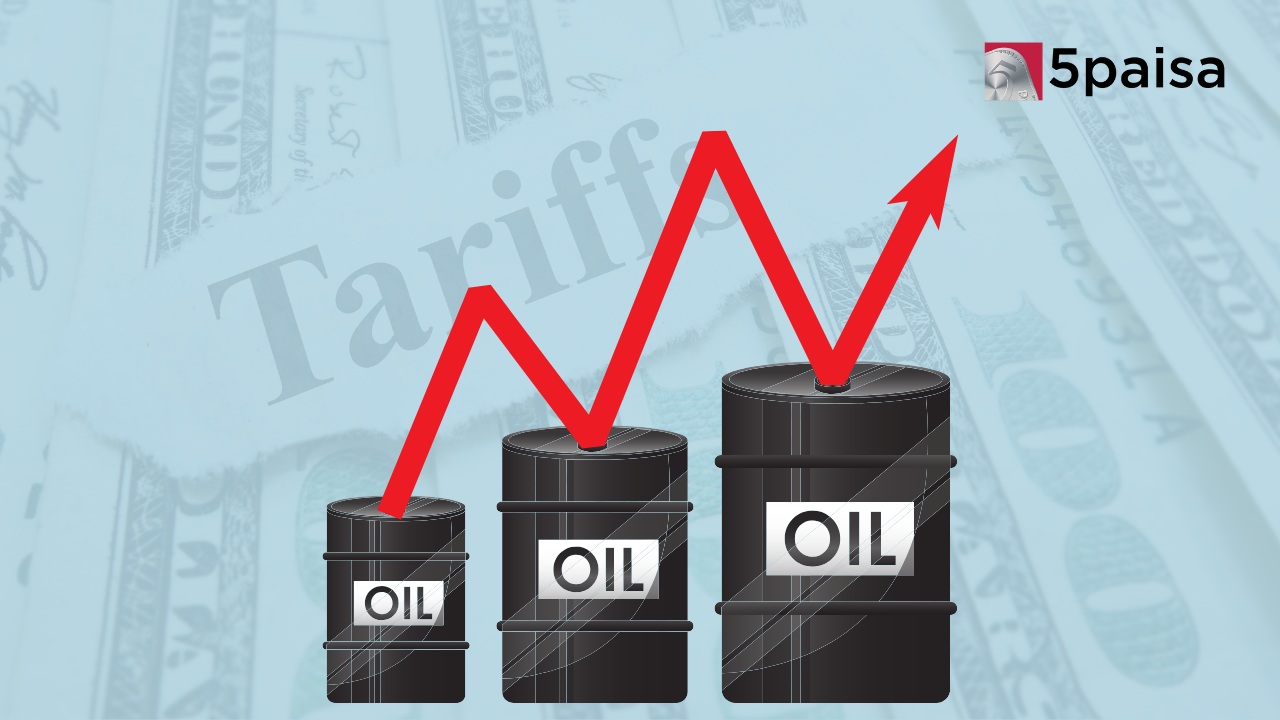
By K Raveendran OPEC+ is once again at the centre of a global energy crisis as it grapples with a new challenge posed by President Donald Trump’s tariffs on major crude oil suppliers. The tariffs, which include a 10 percent levy on Canadian oil and 25 percent on US imports into Canada in retaliation, threaten […]


Cryptocurrency markets began the day with a notable lack of movement, as trading volumes dropped by nearly 30%, marking a period of consolidation. Amid this trend, both bullish and bearish forces have remained active, but the lack of significant price fluctuations points to a potential for range-bound consolidation in the coming period. As major assets like Bitcoin, Ethereum, and XRP continue to experience subdued movement, two particular blockchain projects—Solana and SUI—stand out as they face pivotal moments in their market trajectories.

Solana, once considered one of the leading contenders in the blockchain space, is encountering a crucial juncture. The network, which rose to prominence with its promise of fast transaction speeds and low fees, has seen its price experience a steady decline. As the broader market grapples with low liquidity, Solana’s ability to maintain relevance is being tested. Despite an initial surge fueled by optimism regarding its scalability and unique consensus mechanism, Solana now faces concerns over network outages and heightened competition from other smart contract platforms, including Ethereum and newer contenders such as Avalanche and SUI.

Recent updates from Solana Labs highlight ongoing improvements to the network, including enhancements to decentralisation and transaction throughput. However, these developments have not been enough to stem the downward price pressure that has plagued SOL for months. The volatility seen in its earlier days is now replaced by uncertainty. While Solana remains a top-tier blockchain in terms of market capitalization, many analysts are watching closely to determine whether the project can sustain its position or if it risks falling into the shadows of more dominant platforms.

At the same time, the SUI network—launched with the backing of former Meta engineers—has been positioning itself as a potential long-term winner in the smart contract ecosystem. While it is still in its infancy compared to more established blockchains, SUI has garnered attention for its innovative approach to scalability. Its unique Move programming language, designed to offer flexibility and efficiency in asset management, could differentiate it from competitors.

However, SUI is still in a critical phase where the market must confirm whether it can deliver on its promise. Despite some initial interest, the lack of a clear price surge has left many investors on edge, waiting for concrete signs of bullish momentum. The current market conditions, combined with the cautious stance of many institutional investors, have led to a stagnation in SUI’s growth. Many analysts are closely observing SUI’s ability to break through its resistance levels, which could indicate the start of a more pronounced rally.

As Solana faces its critical point, SUI’s development remains a topic of growing importance in the crypto space. The two projects, while vastly different in terms of their technology and goals, both embody the shifting dynamics of blockchain development. Solana’s struggle to regain its former strength is tempered by the rising expectations around SUI, which is yet to prove itself on a large scale.

The outlook for Solana hinges significantly on its ability to address its scalability issues while maintaining a stable, decentralized network. With its price below key support levels, market watchers have been closely monitoring for any signs of recovery. Some experts argue that Solana might need to focus on strengthening its developer ecosystem, as many of the more successful blockchain platforms owe their success to vibrant communities and continuous innovation.

On the other hand, SUI’s success is largely dependent on its ability to convince both developers and users of its scalability and security advantages. Although SUI’s underlying technology is promising, many in the industry remain sceptical about whether it can achieve significant adoption and whether its distinct approach to data handling will stand the test of time.

The broader market environment plays a crucial role in shaping the trajectories of both networks. If the overall crypto market begins to recover, both Solana and SUI could stand to benefit. However, the current market sentiment remains cautious, as traders wait for more definitive signals. The drop in trading volume indicates that many are waiting for a trigger that might set off the next phase of market activity, whether it’s a bullish breakout or another downtrend.

As it stands, the near-term outlook for Solana is one of continued consolidation, with a focus on whether its core development team can introduce updates capable of restoring confidence in the network. For SUI, the situation is somewhat different; it still has to prove itself in terms of user adoption and building out its ecosystem. While the blockchain space is rife with competition, SUI’s innovative features may yet allow it to carve out a significant position if the market sees an influx of interest in its offerings.

Bitcoin traders are bracing for a possible downturn as market sentiment shifts. The flagship cryptocurrency has been under pressure for weeks, with experts warning that a significant price drop could be on the horizon. According to on-chain metrics, factors such as increased selling activity and a slowing bullish momentum are contributing to the growing concern.

Bitcoin, which has long been a cornerstone of the cryptocurrency market, has experienced remarkable volatility in recent months. After reaching new highs, the cryptocurrency has struggled to maintain its upward momentum, with many analysts suggesting that the market is entering a phase of heightened risk. A key factor in this shift is the increasing sell-off activity by long-term holders and institutional investors, who have been cashing in on their positions after a period of sustained growth.

As Bitcoin faces heightened selling pressure, experts point to several signs indicating a potential price correction. On-chain metrics, which track activity on the blockchain, show that many investors are currently in a profit-taking mode. This has created a significant imbalance between buying and selling, with more sellers than buyers in the market. Historically, this has been a precursor to price declines as selling pressure increases, and Bitcoin’s price fluctuates as a result.

Several prominent analysts have expressed concern about Bitcoin’s price trajectory, with some predicting that the cryptocurrency could plummet to as low as $74,000 if the current trend continues. This figure is significantly lower than Bitcoin’s recent highs, marking a potential decline that could shake investor confidence. For many in the crypto community, this warning serves as a reminder of the market’s inherent volatility, where massive swings in value are not unusual.

Despite these concerns, there are still optimists within the market who believe Bitcoin’s current price levels are merely part of a natural correction. Many investors argue that the cryptocurrency market is in the midst of a healthy consolidation phase, which often precedes further upward movement. They point to Bitcoin’s resilience over the years and the increasing adoption of digital assets by traditional financial institutions as reasons to remain bullish in the long term. However, even among these optimists, the prevailing sentiment is that market conditions are growing more uncertain.

At the heart of the current debate is the role of institutional investors. Bitcoin has increasingly attracted attention from large-scale investors, many of whom have been instrumental in driving its previous price surges. However, their involvement has also introduced a new level of complexity to the market. Institutional investors tend to take a more measured approach, often selling off their holdings when they perceive a downturn, which can amplify downward pressure on the price.

The technical indicators also suggest that Bitcoin is facing a critical juncture. On-chain analysis reveals that key support levels are being tested, and a break below these levels could trigger a cascade of selling. If the price drops below $74,000, many analysts expect further liquidation from investors, which could accelerate the decline. This potential scenario has left some traders on edge, as they weigh their options amid the uncertainty.

Adding to the unease is the broader economic environment. The cryptocurrency market, like many others, is not immune to the effects of global economic shifts. In recent months, regulatory scrutiny around cryptocurrencies has increased, particularly in major markets such as the United States and the European Union. The prospect of stricter regulations or increased taxes on crypto transactions has the potential to further weigh on Bitcoin’s price, as it could reduce market liquidity and discourage new investment.

Despite these pressures, there are also several factors working in Bitcoin’s favour. The increasing institutional adoption of digital currencies continues to grow, with companies like Tesla and Square adding Bitcoin to their balance sheets. This trend is expected to continue, as more traditional companies see Bitcoin as a hedge against inflation and a store of value. Moreover, Bitcoin’s use as a digital asset for cross-border payments and remittances continues to expand, particularly in regions where inflation and currency instability are concerns.

Kazakhstan’s President, Kassym-Jomart Tokayev, has called for the swift expansion of the nation’s cryptocurrency infrastructure, acknowledging its crucial role in shaping the future of the financial sector. Tokayev’s remarks, made during a government meeting on 28 January 2025, highlight the growing importance of digital currencies and assets, particularly in the face of advancements in artificial intelligence.

Addressing government officials, Tokayev pointed out that the global financial landscape is undergoing a significant transformation, with cryptocurrencies becoming a key part of economic systems worldwide. He emphasised that Kazakhstan must capitalise on these developments to stay competitive in an increasingly digital economy. The President outlined the necessity of building a robust and secure digital infrastructure that can support the growing demand for cryptocurrency transactions and services.

Kazakhstan has emerged as a critical player in the global cryptocurrency market in recent years. With a favourable regulatory environment and a relatively low cost of electricity, the country has become a hotspot for cryptocurrency mining. In fact, Kazakhstan currently ranks among the top ten countries globally in terms of Bitcoin mining hash rate, despite facing challenges such as rising energy consumption and concerns over the environmental impact of mining operations.

Tokayev’s call to action for the expansion of crypto infrastructure aligns with broader efforts to position Kazakhstan as a leader in digital finance. The government has already taken steps to strengthen the country’s position in the crypto space, including establishing regulations aimed at attracting foreign investment and enhancing market transparency. However, Tokayev stressed that the pace of development must accelerate to keep up with global trends and technological advancements.

Artificial intelligence , which Tokayev identified as a fundamental factor in the evolving financial landscape, is also seen as a major driver for the adoption of digital assets. The President pointed to the intersection of AI and blockchain technology as a pivotal area for innovation. AI’s ability to optimise blockchain processes, increase security, and enable the creation of decentralised applications is expected to drive further growth in the sector.

Kazakhstan’s proactive stance on crypto infrastructure is particularly important as the country navigates the challenges posed by global economic uncertainty and the increasing prevalence of digital assets. While digital currencies have faced volatility and regulatory hurdles in some parts of the world, Kazakhstan’s government remains committed to fostering an environment conducive to their development. Tokayev’s vision includes creating a comprehensive ecosystem that incorporates not only cryptocurrency mining and trading, but also other digital financial services such as digital banking, insurance, and payment systems.

The potential for Kazakhstan to become a regional hub for digital finance is underscored by its strategic location at the crossroads of Europe and Asia. As more businesses and individuals seek access to alternative financial systems, Kazakhstan’s crypto-friendly policies could position the country as a key player in the global digital economy.

Despite the optimistic outlook, challenges remain. One of the key concerns is ensuring the security of digital assets and protecting consumers from the risks associated with crypto investments. Tokayev acknowledged that while cryptocurrencies offer numerous opportunities, they also present risks, particularly in terms of cyber threats and fraud. As such, the President called for the development of a robust regulatory framework to safeguard the interests of investors and ensure that the benefits of digital assets are fully realised.

The government’s approach to crypto infrastructure is also focused on improving public awareness and fostering educational initiatives. As cryptocurrency adoption continues to grow, it is essential for both the public and private sectors to work together to enhance understanding and encourage responsible usage. Tokayev highlighted the need for collaboration with international experts and stakeholders to create best practices for the crypto industry and establish Kazakhstan as a trusted destination for digital asset innovation.

The push for enhanced crypto infrastructure comes at a time when global financial markets are increasingly focused on the intersection of technology and finance. Countries around the world are competing to establish themselves as leaders in the digital asset space, and Kazakhstan is determined to stake its claim. Tokayev’s remarks reflect a sense of urgency in ensuring that Kazakhstan does not fall behind in the race to capitalise on the potential of cryptocurrencies and blockchain technology.

VISHNU RAJA
RYO YAMADA
HITORI GOTOH
IKUYO KITA
Just in:
December Is the Last Window for $800,000 U.S. Residency Investment // From Dubai to the EU: how UAE-based crypto firms can expand under MiCA // Ration dealers seek GPS aided grain deliveries // Saudi fund assets forecast to cross $400 billion // Valarmathi restarts fast as teachers defy police // Forged court directives trigger probe into website blocking // Turkish Airlines adds Chengdu to mainland China services // Ajman University MBA climbs to joint 13th regionally // Yicura BioMed Advances Dual Capital and Industrial Strategy: Completes First Closing of Series B Financing Led by Gobi Partners // UAE crews sustain coastal oil removal as beaches reopen // Court reinstates Police association rejig order // Ladakh Ban On Protests Ahead Of Election Is Uniquely Contentious // Microsoft outage leaves Outlook and Teams users disconnected // Electric and hybrid interest rises at Sharjah car market // Uforce reaches $6 billion valuation with British backing // ONYX Hospitality Group Unveils Plans for Amari Samui Resort and Villas, Elevating Its Premium Resort Offering on Koh Samui // LANDMARK Presents ‘Destination CENTRAL’: A District-Wide Celebration Inviting Global Travellers to Explore the Dynamism, Luxury, and Soul of Central // L’OCCITANE Celebrates 50 Years Of Provençal Craftsmanship With Holiday 2026 Collection // How A Newly Elected Democratic Congress Could Reshape US–India Relations? // Crescent Enterprises venture arm funds Oyster Therapeutics development //