News related to
risk

The International Defence Exhibition 2025, held at the Abu Dhabi National Exhibition Centre from 17 to 21 February, has become a focal point for unveiling advanced artificial intelligence technologies poised to redefine modern warfare. Leading defense firms from around the globe have introduced cutting-edge AI-powered systems, emphasizing the transformative impact of AI on defense strategies and capabilities.

One of the prominent exhibitors, TAG Dynamics, a UAE-based defense manufacturer, presented a suite of advanced armored vehicles and defense solutions. Their lineup includes the Terrier X, ARX NS-II, SAIF ST-III, ROBUR LT-300, and BATT UMG ST-II, each designed to enhance battlefield effectiveness through AI integration. Notably, TAG Dynamics unveiled the AI-Enabled Agentic Guard Tower, an armored surveillance platform equipped with sophisticated threat detection systems, 360-degree cameras, and a remote weapon station, offering comprehensive situational awareness and autonomous response capabilities.

In a significant development, EDGE, an advanced technology group based in the UAE, launched a next-generation AI-powered geospatial intelligence platform at IDEX 2025. This platform is engineered to provide real-time analytics and situational awareness, enabling military forces to make informed decisions rapidly. By harnessing AI, the system can process vast amounts of geospatial data, delivering precise target tracking and enhanced operational planning.

The exhibition also highlighted the growing trend of AI integration in unmanned systems. Companies showcased autonomous drones and ground robots capable of executing complex missions without human intervention. These systems are designed to operate in high-risk environments, reducing the need for personnel deployment in hazardous zones. The AI-driven capabilities of these unmanned systems include obstacle navigation, target recognition, and adaptive mission planning, marking a significant leap in autonomous military operations.

Industry experts at IDEX 2025 emphasized the strategic importance of AI in modern defense. The integration of AI into defense systems is not merely a technological advancement but a strategic imperative, enhancing operational efficiency and decision-making speed. As AI continues to evolve, its applications in defense are expected to expand, encompassing areas such as cybersecurity, logistics, and intelligence analysis.


The cryptocurrency platform Pump.fun has experienced a significant decline in daily trading volume, coinciding with the controversy surrounding Argentine President Javier Milei’s endorsement of the LIBRA memecoin. Data indicates that Pump.fun’s daily trading volume decreased by 27%, falling from $184 million to $134 million, following the promotion of LIBRA on February 14, 2025.

President Milei’s endorsement of LIBRA led to a rapid surge in the token’s market capitalization, reaching approximately $4 billion. However, the token’s value plummeted shortly thereafter, resulting in substantial financial losses for investors. This incident has sparked widespread criticism and calls for President Milei’s impeachment. He has defended his actions, stating that he was not fully informed about the token and acted in good faith.

The LIBRA memecoin was launched on February 14, 2025, with the intention of supporting small and mid-sized businesses in Argentina. President Milei promoted the token on his social media account, describing it as a promising investment opportunity. The token’s value experienced a brief surge before collapsing, leading to allegations of fraud and a significant financial impact on investors.

In the aftermath of the LIBRA incident, Pump.fun’s trading activity has notably declined. The platform’s daily trading volume fell by 27%, from $184 million to $134 million, as of February 19, 2025. This downturn reflects a broader trend of decreased activity in the memecoin market, possibly influenced by the negative publicity surrounding the LIBRA scandal.

Further complicating the situation, blockchain researchers have reported that approximately $99 million worth of cryptocurrency was withdrawn from the LIBRA marketplace by eight digital wallets linked to the token’s creator. These withdrawals have raised questions about the legitimacy of the token and the intentions of its creators.

The LIBRA incident has also prompted legal and political repercussions. Over 100 complaints have been filed against President Milei in Argentina’s supreme court, alleging financial misconduct and fraud. Opposition parties are calling for his impeachment, accusing him of irresponsibly promoting a fraudulent investment scheme. President Milei has denied any wrongdoing, asserting that he did not benefit financially from the promotion and was unaware of the token’s potential risks.

The Central Bank of the United Arab Emirates has imposed a financial penalty of AED 3.5 million on an exchange house operating within the country. This action follows an examination that uncovered significant non-compliance with Anti-Money Laundering and Combating the Financing of Terrorism regulations. The CBUAE’s investigation revealed that the exchange house failed to implement adequate policies and procedures designed to prevent money laundering and terrorist financing […]

Bitcoin, the leading cryptocurrency, is confronting a potential downturn as indicators point to diminishing demand and reduced network activity. CryptoQuant, a prominent blockchain analytics firm, has highlighted concerns that Bitcoin’s value could decline to $86,000 if these trends persist.

As of February 20, 2025, Bitcoin is trading at $97,187, reflecting a 1.945% increase from the previous close. The day’s trading range has seen highs of $97,340 and lows of $94,997. Despite this upward movement, analysts caution that underlying metrics suggest potential vulnerabilities in Bitcoin’s market position.

CryptoQuant’s analysis emphasizes a notable decrease in network activity, with metrics such as transaction volumes and active addresses showing a downward trend. This decline indicates reduced user engagement and transaction frequency, which are critical for sustaining Bitcoin’s value. Additionally, on-chain data reveals a drop in large transactions, often associated with institutional investors, suggesting a possible retreat of significant market participants.

Market sentiment further reflects this cautious outlook. The Fear & Greed Index, a tool measuring market emotions, has shifted towards ‘Fear,’ implying that investors are becoming more apprehensive about Bitcoin’s short-term prospects. This sentiment is corroborated by a decrease in open interest in Bitcoin futures contracts, indicating that traders are scaling back their exposure to the cryptocurrency.

External economic factors also play a role in shaping Bitcoin’s trajectory. Recent regulatory developments, including increased scrutiny from financial authorities in major economies, have introduced uncertainty into the crypto markets. Moreover, macroeconomic conditions, such as fluctuations in global interest rates and inflation concerns, influence investor behavior, potentially leading to a shift away from riskier assets like cryptocurrencies.

Penguin pair separations, often termed ‘divorces,’ have emerged as a significant indicator of colony well-being, surpassing traditional environmental factors in predictive value. Recent studies focusing on little penguins have revealed that fluctuations in divorce rates closely correlate with the reproductive success and overall health of their colonies. Research conducted over a 13-year period on Phillip Island, Australia, observed that penguin divorce rates varied annually between 5% and […]

Metaplanet Inc., a Tokyo Stock Exchange-listed company, has expanded its Bitcoin holdings to over 2,100 BTC. The firm acquired an additional 68.59 bitcoins at an average price of $96,335 per coin, totaling approximately $6.6 million. This purchase elevates Metaplanet’s total Bitcoin assets to 2,100 BTC, representing 0.01% of the 21 million bitcoins that will ever exist.

This acquisition follows a significant purchase earlier this month, where Metaplanet bought 269.43 bitcoins for around $26 million, averaging $97,985 per coin. These strategic investments are part of Metaplanet’s broader plan to amass substantial Bitcoin reserves. The company aims to hold 10,000 BTC by the end of 2025 and 21,000 BTC by the close of 2026. To support this ambitious goal, Metaplanet has announced plans to raise approximately ¥116 billion through the issuance of 21 million shares.

Metaplanet’s strategic shift towards Bitcoin began in 2024, inspired by MicroStrategy’s approach of utilizing Bitcoin as a primary treasury reserve asset. This pivot has significantly impacted Metaplanet’s financial standing and market perception. In 2024, the company reported unrealized gains of approximately $36 million from its Bitcoin holdings. Additionally, Metaplanet’s shareholder base expanded by 500% to 50,000 investors during the same period.

The company’s stock performance has mirrored its aggressive Bitcoin acquisition strategy. Over the past year, Metaplanet’s share price has surged by 3,500%, reaching ¥5,880 per share. This remarkable growth has drawn parallels to MicroStrategy’s trajectory, earning Metaplanet the moniker “Asia’s MicroStrategy.”

Beyond its investment activities, Metaplanet is diversifying its business operations. The company manages a Bitcoin-themed hotel in Tokyo and holds the exclusive license for Bitcoin Magazine in Japan. These ventures align with Metaplanet’s mission to promote Bitcoin adoption and education within the region.

However, Metaplanet’s aggressive Bitcoin accumulation strategy is not without risks. The inherent volatility of cryptocurrency markets poses potential challenges. Analysts caution that a significant downturn in Bitcoin’s value could adversely affect the company’s financial health and stock performance. Moreover, geopolitical tensions and regulatory uncertainties add layers of complexity to Metaplanet’s investment approach.

Despite these challenges, Metaplanet remains steadfast in its commitment to Bitcoin. The company’s leadership believes that Bitcoin’s unique attributes, such as its scarcity and decentralized nature, position it as a valuable asset for long-term growth. As Metaplanet continues to execute its strategic vision, it stands as a prominent example of corporate Bitcoin adoption in Asia.

In the broader market context, Bitcoin’s price has experienced fluctuations. Currently, Bitcoin is trading at $97,225, reflecting a 2.15% increase from the previous close. The cryptocurrency’s intraday high reached $97,340, with a low of $94,997. These price movements underscore the dynamic nature of the cryptocurrency market, which companies like Metaplanet navigate in their investment strategies.

BENEFIT, Bahrain’s leading fintech and electronic financial transactions service provider, has formalised a partnership with haifin, an e& enterprise company from the UAE, aiming to revolutionise Bahrain’s banking sector. This collaboration is poised to enhance financial resilience and foster innovation across the industry.

Established in the UAE in 2021, haifin has a proven track record in de-risking trade finance lending. The platform employs advanced technologies, including blockchain and artificial intelligence, to detect and prevent fraud in real-time. To date, haifin has safeguarded over $150 million for its consortium members by identifying and mitigating fraudulent activities.

The strategic alliance between BENEFIT and haifin is set to bolster Bahrain’s banking industry’s ability to manage risks and combat fraud, particularly within trade finance. By integrating haifin’s cutting-edge solutions, Bahraini banks are expected to experience increased lending confidence, leading to higher revenues and improved access to liquidity for small and medium-sized enterprises and corporate borrowers.

The official signing ceremony took place at BENEFIT’s headquarters in Bahrain. Abdulwahed AlJanahi, Chief Executive of BENEFIT, emphasised the significance of this partnership, stating that it represents a pivotal step in strengthening Bahrain’s financial ecosystem through advanced technology. He noted that by providing banks with state-of-the-art tools to proactively combat fraud and streamline trade finance, the sector is empowered to operate with unparalleled efficiency and confidence. This collaboration aims to reinforce trust, security, and innovation at the core of the industry’s future, setting the stage for a more resilient and digitally advanced banking landscape in Bahrain.

Zul Javaid, Chief Executive of haifin, highlighted the importance of this partnership, noting that after their success in the UAE and ambition to address similar challenges across the Middle East and Africa region, this collaboration with BENEFIT marks a major milestone. Together, they aim to deliver advanced technology solutions that enhance risk management, ultimately driving growth for banks.

Since its inception, haifin has expanded its network from seven banks in 2021 to 15 lending institutions, including 13 major UAE banks and two fintech companies. The platform has processed transactions exceeding AED 200 billion and has identified potential frauds amounting to several million dirhams. Handling over 4 million data points monthly, haifin’s machine learning capabilities continue to evolve, offering robust solutions to its members.

This partnership aligns with Bahrain’s broader efforts to enhance its financial infrastructure. Earlier this month, the Ministry of Industry and Commerce signed a Memorandum of Understanding with BENEFIT to develop a corporate credit rating system. This initiative aims to provide accurate and transparent credit ratings, facilitating SMEs’ access to necessary financing and promoting investment across the country.

Advertisements

HONG KONG SAR – Media OutReach Newswire – 20 February 2025 – Aon plc (NYSE: AON), a leading global professional services firm, today released results from its 2025 Human Capital Employee Sentiment Study with new insights specific to employees in Hong Kong. The global study of more than 9,000 employees across 23 geographies, including the U.S., UK, China, India and Australia, found that more than half of […]

By K Raveendran The controversial circumstances surrounding the appointment of the new Chief Election Commissioner (CEC) have given rise to a sense of distrust between the Congress party and the Election Commission, setting the stage for a difficult and fraught relationship. The tension was further exacerbated when Rahul Gandhi publicly expressed his dissent, effectively institutionalizing […]
The digital landscape is undergoing a significant transformation as passkeys emerge as a secure and user-friendly alternative to traditional passwords. Major technology companies, including Apple, Google, and Microsoft, are integrating passkey support into their platforms, signaling a shift towards a passwordless future. Passkeys are digital credentials designed to replace passwords, offering a seamless and secure authentication experience. Developed collaboratively by the FIDO Alliance and the World Wide […]

2024 Annual Results – Financial Highlights (Figures for the corresponding period in 2023 are shown in brackets) Consolidated revenue: HK$ 901 million (HK$ 822 million) Consolidated net loss attributable to equity holders of the Company: HK$ 230 million (HK$ 466 million) Basic loss per share: 11.29 HK cents (22.89 HK cents) No final dividend (No final dividend) HONG KONG SAR – Media OutReach Newswire – 19 February […]

  The Middle East’s rapid digital transformation has created both opportunities and vulnerabilities. As cyberattacks on financial institutions, government agencies, and energy sectors rise, organizations are increasingly turning to biometric multi-factor authentication (MFA) as a critical security measure. Traditional password-based authentication is no longer sufficient to combat modern cyber threats. As cybercriminals deploy AI-driven attacks, phishing schemes, and credential-stuffing techniques, biometric MFA has emerged as a more […]

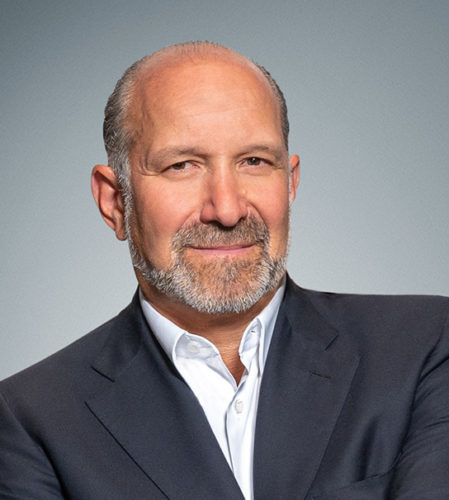
Howard Lutnick, the former CEO of Cantor Fitzgerald, has been confirmed by the U.S. Senate as the new Secretary of Commerce under President Donald Trump. The Senate approved his nomination with a 51-45 vote, positioning Lutnick to oversee a department responsible for a wide array of economic activities, from trade policy to technology regulation.

Lutnick’s confirmation marks a significant moment in the Trump administration’s efforts to reshape the nation’s economic and regulatory landscape. Known for his resilience in rebuilding Cantor Fitzgerald after the tragic loss of 658 employees during the September 11 attacks, Lutnick brings a wealth of experience from the financial sector. His leadership during that crisis, including the distribution of $180 million to victims’ families, has been widely recognized.

As Commerce Secretary, Lutnick is expected to play a pivotal role in implementing President Trump’s trade policies, which have recently included the announcement of potential 25% tariffs on foreign automobiles, semiconductors, and pharmaceuticals. These measures are part of a broader strategy to bolster domestic manufacturing and reduce reliance on foreign imports.

In addition to Lutnick’s appointment, the Trump administration is advancing a series of nominations for key regulatory positions, particularly in agencies overseeing financial markets and emerging technologies. Paul Atkins, a former Securities and Exchange Commission commissioner known for his free-market philosophy, has been nominated to lead the SEC. Atkins has a history of advocating for reduced regulatory burdens and is anticipated to foster a more accommodating environment for financial innovation, including cryptocurrencies.

Brian Quintenz, who previously served as a commissioner at the Commodity Futures Trading Commission from 2017 to 2021, has been nominated to return as the agency’s chairman. During his prior tenure, Quintenz was recognized for his expertise in both traditional finance and the burgeoning cryptocurrency sector. His recent role as head of policy at a16z Crypto, the cryptocurrency division of venture capital firm Andreessen Horowitz, underscores his deep engagement with digital assets. Quintenz’s return to the CFTC is expected to influence the agency’s approach to regulating complex financial instruments and fostering innovation in blockchain technologies.

Jonathan Gould, a legal professional with extensive experience in banking and financial regulation, has been nominated to lead the Office of the Comptroller of the Currency . Gould’s background includes serving as senior deputy comptroller and chief counsel at the OCC, where he provided legal oversight on a range of banking issues. His appointment is seen as a continuation of the administration’s trend toward installing regulators who are knowledgeable about and potentially supportive of cryptocurrency and fintech developments.

These nominations reflect President Trump’s broader strategy to reshape financial regulation in favor of innovation and reduced federal oversight. The administration has been critical of previous regulatory approaches that it perceives as overly restrictive, particularly concerning emerging financial technologies. By appointing individuals with pro-crypto leanings and a history of advocating for lighter regulatory frameworks, the administration aims to create an environment conducive to growth in the fintech and cryptocurrency sectors.

However, these appointments have not been without controversy. Critics argue that reducing regulatory oversight could lead to increased financial instability and potential exploitation within rapidly evolving markets. Supporters, on the other hand, contend that a more permissive regulatory environment is necessary to foster innovation and maintain the United States’ competitive edge in global financial markets.

The Senate’s confirmation of these nominees will be closely watched, as their leadership will significantly influence the direction of U.S. financial regulation in the coming years. As these individuals assume their respective roles, stakeholders across the financial spectrum—from traditional banking institutions to emerging fintech startups—will be assessing how the new regulatory landscape will impact their operations and strategic planning.

In the context of global trade, Lutnick’s role as Commerce Secretary will be particularly critical. His support for President Trump’s tariff policies suggests a continuation of protectionist measures aimed at strengthening domestic industries. This approach has garnered both praise and criticism, with proponents arguing that it safeguards American jobs and industries, while detractors warn of potential retaliatory measures from trading partners and the risk of escalating trade wars.

As the administration moves forward with its economic agenda, the interplay between these regulatory appointments and broader trade policies will be pivotal in shaping the U.S. economic landscape. The emphasis on accommodating financial innovation, particularly in the realm of cryptocurrencies, alongside a protectionist trade stance, represents a distinctive approach that will have lasting implications for both domestic and international economic relations.

As Bitcoin approaches its all-time high, investors are turning their attention to small-cap cryptocurrencies with the potential for substantial returns. Among these, XYZVerse has emerged as a notable contender, alongside four other promising tokens.

XYZVerse is a sports-themed meme coin operating on the Polygon blockchain. It aims to merge the excitement of sports with the viral nature of meme coins, creating a unique niche in the crypto market. Currently in its presale phase, XYZVerse has raised nearly $5 million, reaching the 9th stage out of a planned 15. The project boasts solid tokenomics, plans for strategic listings on both centralized and decentralized exchanges, and regular token burns designed to enhance its value proposition.

Another cryptocurrency attracting attention is Nexa, a scalable layer-one blockchain supporting Ethereum Virtual Machine contracts. With a market cap under $60 million, Nexa aspires to be the next-generation Ethereum by offering a solution for decentralized applications that require both scalability and efficiency.

Bonk, a dog-themed meme coin, has gained traction as Solana’s community-driven token. Unlike other speculative meme coins, Bonk adds value to the Solana ecosystem by incentivizing liquidity across decentralized exchanges. Key highlights include airdrops to Solana NFT collectors and developers, rapid adoption within Solana’s decentralized applications, and strong community backing that fuels price rallies.

Creditcoin is another low-cap cryptocurrency with significant growth potential. It offers innovative solutions and has a strong community, making it an attractive option for investors seeking high-risk, high-reward opportunities.

Loopring is a low-cap cryptocurrency that provides innovative solutions and has a strong community, positioning it as a promising investment opportunity.

Advancements in quantum computing may eventually enable access to dormant Bitcoin wallets, including those of Bitcoin’s elusive creator, Satoshi Nakamoto, according to Tether CEO Paolo Ardoino. In a statement on February 8, Ardoino suggested that while quantum computing currently poses no immediate threat to Bitcoin’s cryptographic security, future developments could compromise inactive wallets lacking quantum-resistant protections.

Ardoino emphasized that Bitcoin’s existing cryptographic structures remain robust, with quantum computing still “very far from any meaningful risk of breaking Bitcoin cryptography.” However, he noted that as quantum technology progresses, wallets with lost keys or those belonging to deceased individuals could become vulnerable. This includes the estimated 1.1 million Bitcoins attributed to Satoshi Nakamoto, which have remained untouched since their creation.

The Tether CEO reassured active Bitcoin holders, stating that the cryptocurrency community is expected to adopt quantum-resistant addresses before quantum computing becomes a tangible threat. “All people alive will move Bitcoin into new quantum-resistant addresses,” Ardoino explained. This proactive approach aims to safeguard active wallets from potential future vulnerabilities.

Despite the potential for previously inaccessible Bitcoins to re-enter circulation, Ardoino underscored that Bitcoin’s fixed supply cap remains unchanged. “Only 21 million Bitcoin anyway. Nothing can change that. Not even quantum computing. That’s the real key important message,” he affirmed. This fixed supply is a fundamental aspect of Bitcoin’s design, intended to preserve its scarcity and value over time.

The discussion around quantum computing’s impact on Bitcoin security has gained momentum following technological advancements by major corporations. Google’s recent unveiling of its quantum processor, Willow, has sparked conversations about the timeline within which quantum computers might pose a genuine threat to current cryptographic systems. While these developments are noteworthy, experts generally agree that practical applications capable of compromising Bitcoin’s security are still years away.

Emin Gün Sirer, co-founder of Ava Labs, has also weighed in on the matter, highlighting that early Bitcoin transactions utilized a Pay-to-Public-Key format. This format exposes public keys, potentially making them susceptible to future quantum attacks. Sirer suggested that the Bitcoin community might need to consider measures such as freezing old P2PK-based holdings or setting deadlines for their usability to mitigate potential risks.

The identity of Satoshi Nakamoto remains one of the most enduring mysteries in the cryptocurrency world. Various theories and investigations have attempted to unmask the creator, but none have been conclusive. The potential unlocking of Satoshi’s Bitcoin holdings through quantum computing adds another layer of intrigue to this enigmatic figure’s legacy.

The cryptocurrency market is currently experiencing heightened volatility, with the Bitcoin Fear and Greed Index indicating a significant surge in fear among investors. This sentiment shift has prompted a closer examination of alternative digital assets, particularly memecoins like DOGEN, which are gaining traction as potential high-reward investments.

As of February 19, 2025, Bitcoin is trading at $95,389, reflecting a decrease of $753 from the previous close. This downward trend has contributed to the elevated fear levels in the market. In contrast, memecoins such as DOGEN are capturing investor interest due to their unique market positioning and community-driven momentum.

DOGEN, a memecoin inspired by popular internet culture, has seen a notable increase in trading volume. Its appeal lies in its vibrant community and the potential for rapid appreciation, characteristics that have historically driven the success of similar tokens. Market analysts suggest that during periods of market fear, investors often explore alternative assets like memecoins, which, despite their inherent risks, offer opportunities for substantial gains.

By Ben Chacko LONDON: The geopolitics of Europe are moving. The least we should demand of our elected representatives in Parliament is a frank discussion of that. We have been denied one. When Russia launched its illegal invasion of Ukraine in February 2022, Labour MPs who signed a Stop the War Coalition statement condemning that […]

Hong Kong’s Securities and Futures Commission has granted a license to Bullish, a prominent virtual asset trading platform, marking a significant milestone in the city’s ambition to become a leading hub for digital assets. This approval allows Bullish to operate within Hong Kong’s regulated framework, offering trading services to both institutional and retail investors.

The SFC’s decision to license Bullish is part of a broader strategy to enhance Hong Kong’s competitiveness in the global digital asset market. Financial Secretary Paul Chan announced that, to date, nine digital asset trading platform licenses have been issued, with eight additional applications under review. This initiative underscores the city’s commitment to fostering a robust and secure environment for virtual asset trading.

Julia Leung, the SFC’s Chief Executive, highlighted that the regulatory body is evaluating the introduction of new cryptocurrency products, including derivatives and margin lending, specifically tailored for professional investors. Speaking at Coindesk’s Consensus Hong Kong 2025 conference, Leung emphasized that these considerations aim to expand the range of services available to investors, thereby solidifying Hong Kong’s position as a regional digital assets hub.

Bullish’s entry into Hong Kong’s regulated market is expected to enhance the city’s digital asset ecosystem. The platform, known for its innovative trading solutions, integrates advanced technologies to provide deep liquidity and secure transactions. By obtaining the SFC license, Bullish demonstrates its commitment to adhering to stringent regulatory standards, offering users a trustworthy platform for virtual asset trading.

The SFC has been proactive in refining its regulatory framework to accommodate the evolving digital asset landscape. In January 2025, the commission introduced a streamlined licensing process for virtual asset trading platforms. This new procedure requires a single external assessment report, replacing the previous two-phased assessment, thereby expediting the approval process for applicants. This move aims to attract more virtual asset service providers to establish operations in Hong Kong, contributing to the city’s growing digital economy.

Hong Kong’s efforts to position itself as a digital asset hub come amid increasing global competition. Jurisdictions such as Singapore and Dubai are also vying for prominence in the virtual asset sector, offering regulatory incentives and establishing comprehensive frameworks to attract blockchain and cryptocurrency enterprises. Hong Kong’s strategic approach, characterized by rigorous regulatory oversight combined with industry-friendly policies, seeks to balance investor protection with innovation.

The city’s regulatory advancements have coincided with notable movements in the cryptocurrency market. Bitcoin, the leading cryptocurrency, experienced a significant surge, reaching an all-time high of $109,071 in January 2025 before stabilizing around $96,000. This upward trajectory reflects growing investor confidence and increased institutional adoption of digital assets. Analysts attribute this trend to favorable regulatory developments and the mainstream acceptance of cryptocurrencies as a legitimate asset class.

In addition to licensing trading platforms, Hong Kong is advancing regulations for stablecoins—digital currencies pegged to stable assets like fiat currencies. The SFC is formulating guidelines to govern the issuance and management of stablecoins, aiming to mitigate risks associated with their use and ensure financial stability. This regulatory clarity is anticipated to encourage the development of stablecoin projects within the region, further diversifying Hong Kong’s digital asset offerings.

Market participants have responded positively to these regulatory developments. The introduction of new licensed platforms is expected to enhance market liquidity and provide investors with a wider array of trading options. Furthermore, the presence of regulated entities like Bullish is likely to attract institutional investors seeking compliant and secure avenues for digital asset exposure. This influx of institutional capital could contribute to the maturation and stabilization of the cryptocurrency market in Hong Kong.

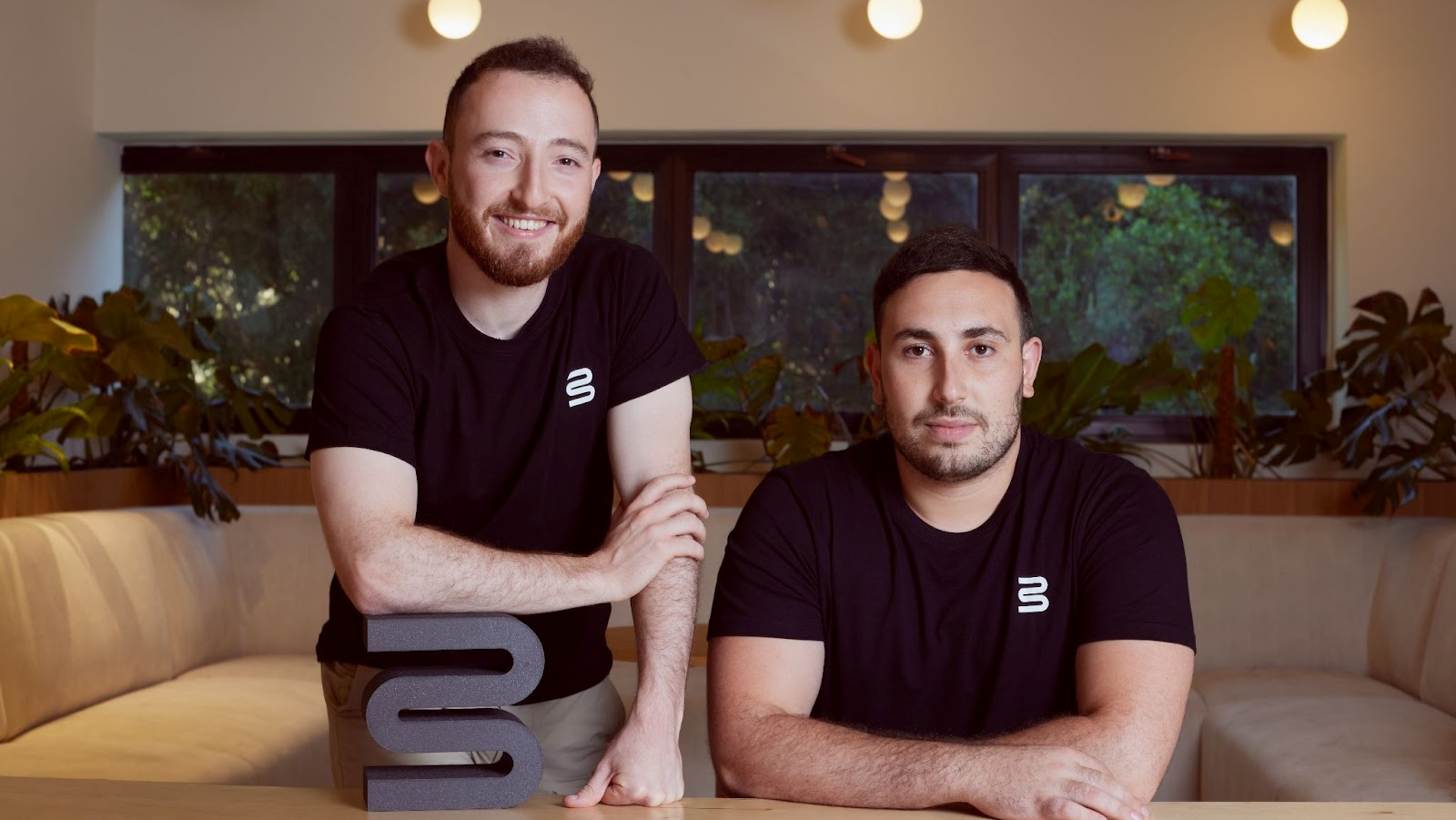
Blockchain security firm Blockaid has raised $50 million in a Series B funding round led by Ribbit Capital, with participation from GV , Variant, and Cyberstarts. This investment aims to bolster Blockaid’s research, engineering, and product development teams to meet the growing demand for robust on-chain security solutions.

Founded in 2022 by former Israeli cyber intelligence operatives, Blockaid has rapidly positioned itself as a key player in the blockchain security sector. The company’s platform offers real-time threat detection for blockchain transactions, integrating directly with wallets and decentralized applications to protect users from malicious activities. In the past year, Blockaid’s system scanned over 2.4 billion transactions and successfully blocked 71 million attacks, safeguarding assets for prominent clients such as Coinbase, MetaMask, Uniswap, and Stellar.

The infusion of new capital will enable Blockaid to scale its product and engineering teams, strengthen go-to-market operations, and expand research capabilities to stay ahead of evolving threats. This strategic growth is in response to the increasing adoption of blockchain technology by major financial institutions and fintech firms, which has, in turn, heightened the need for advanced security measures.

Blockaid’s CEO, Ido Ben-Natan, emphasized the importance of proactive security in the blockchain space, stating, “While the blockchain itself is secure, on-chain applications and the users that interact with them are at risk. This investment will help us continue to advance our machine learning capabilities and expand our current offerings to stay ahead in a highly adversarial landscape of evolving threats.”

The company’s approach leverages machine learning models to detect and prevent potential threats in real-time, providing end-user protection through direct integrations with wallets and dApps. This methodology has proven effective in mitigating risks associated with fraud, phishing, and hacks within the blockchain ecosystem.

Blockaid’s rapid growth is evident in its expansion from 20 employees to 70 within a year, with plans to double its workforce by the end of the year. This scaling aligns with the company’s mission to provide enterprise-grade security solutions for everything on-chain, catering to a diverse clientele that includes chains, protocols, wallets, exchanges, banks, and hedge funds.

The Series B funding round brings Blockaid’s total capital raised to $83 million, following a $27 million Series A round in October 2023. The continued support from prominent investors underscores the confidence in Blockaid’s ability to address the pressing security challenges facing the rapidly evolving blockchain industry.

As blockchain technology continues to gain traction across various sectors, the imperative for robust security measures becomes increasingly paramount. Blockaid’s commitment to enhancing its platform and expanding its team positions the company to effectively combat the sophisticated cyber threats that accompany the growth of on-chain operations.

In addition to its technological advancements, Blockaid places a strong emphasis on research and development. The company plans to utilize part of the new funding to expand its research capabilities, ensuring that it remains at the forefront of identifying and mitigating emerging threats within the blockchain space.

The involvement of GV, the venture capital arm of Alphabet Inc., in this funding round highlights the increasing interest of traditional tech investors in blockchain security solutions. This collaboration is expected to provide Blockaid with strategic insights and resources to navigate the complex landscape of cybersecurity and blockchain technology.

Blockaid’s proactive approach to security has garnered trust from its clients, enabling them to operate with confidence in an environment fraught with potential vulnerabilities. By offering comprehensive security solutions that encompass fraud detection, scam prevention, exploit mitigation, and financial risk assessment, Blockaid addresses the multifaceted challenges inherent in on-chain operations.

As the blockchain industry continues to evolve, the role of security firms like Blockaid becomes increasingly critical. The company’s dedication to innovation, coupled with the substantial financial backing from esteemed investors, positions it to set new standards in blockchain security and to effectively safeguard the interests of its expanding client base.

T-Mobile has announced a strategic collaboration with Red Hat to deploy Red Hat OpenShift Platform Plus, aiming to establish a unified telco cloud that spans the company’s core and far-edge operations. This initiative is designed to enhance operational efficiency, streamline automation processes, and expedite the rollout of new applications and services, all while reducing overall costs. The telecommunications industry is experiencing an escalating demand for flexible cloud […]

Australian digital assets market maker Zerocap has unveiled the nation’s inaugural options-based structured product linked to the CoinDesk 20 Index . Announced at Consensus Hong Kong, this partnership with CoinDesk Indices aims to provide sophisticated investors with diversified exposure to leading digital assets.

The CoinDesk 20 Index serves as a benchmark, capturing the performance of the top 20 digital assets by liquidity and volume. Over the past five years, the index has demonstrated significant growth, offering a broader alternative to traditional bitcoin-ether portfolios by including a range of prominent cryptocurrencies.

Mark Hiriart, head of sales at Zerocap, highlighted the significance of this development: “This partnership with CoinDesk Indices brings sophisticated, structured options to the crypto market for the first time, offering our clients enhanced ways to invest in digital assets with tailored risk and diversification benefits.”

The introduction of this product reflects a growing demand among institutional investors for advanced financial instruments in the cryptocurrency sector. By incorporating options-based strategies, the offering allows for customized risk management, potential yield enhancement, and exposure to a diversified basket of digital assets.

Tokyo-based investment firm Metaplanet has announced a 10-for-1 stock split, effective April 1, following a staggering 3,900% surge in its share price over the past year. This remarkable growth is largely attributed to the company’s strategic acquisition of Bitcoin, positioning it as a significant corporate holder of the cryptocurrency.

Since initiating its Bitcoin investment strategy in April 2024, Metaplanet has amassed approximately 2,031 bitcoins, valued at nearly $200 million. The firm’s aggressive accumulation has drawn parallels to U.S.-based MicroStrategy, known for its substantial Bitcoin holdings. Metaplanet’s stock price escalation has been directly linked to its cryptocurrency investments, prompting the decision to implement a stock split to enhance market accessibility and liquidity.

The upcoming stock split aims to reduce the financial barrier for potential investors by lowering the price per share, thereby broadening the company’s shareholder base. In an official statement, Metaplanet expressed that the stock split is intended to “lower the price per trading unit, thereby improving liquidity, expanding our investor base, and strengthening our connection with a broader range of shareholders.”

In its latest acquisition, Metaplanet purchased an additional 269.43 bitcoins at an average price of ¥14,846,322 per Bitcoin, equating to approximately $25.8 million. This purchase increased the company’s total holdings to over 2,000 bitcoins, reinforcing its commitment to a Bitcoin-centric investment approach. The firm has set ambitious targets to expand its reserves to 10,000 bitcoins by the end of 2025 and 21,000 by the end of 2026.

The company’s strategic shift towards Bitcoin investments has not only bolstered its financial standing but also significantly impacted its market valuation. The 3,900% increase in Metaplanet’s stock price over the past year underscores the market’s positive response to its cryptocurrency-focused strategy. This surge mirrors a broader trend among companies adopting Bitcoin as a treasury asset, inspired by pioneers like MicroStrategy.

Metaplanet’s approach includes diversifying its business model to integrate Bitcoin into various facets of its operations. The firm has ventured into developing a Bitcoin-themed hotel and an educational branch aimed at promoting cryptocurrency adoption. These initiatives reflect a comprehensive strategy to capitalize on the growing interest and acceptance of Bitcoin in mainstream finance and commerce.

However, the company’s aggressive Bitcoin accumulation strategy is not without risks. The inherent volatility of cryptocurrency markets poses potential challenges to financial stability. Analysts caution that a significant downturn in Bitcoin’s value could adversely affect Metaplanet’s financial health, given its substantial exposure to the digital asset. Additionally, geopolitical tensions and regulatory uncertainties surrounding cryptocurrencies add layers of complexity to the firm’s investment approach.

Despite these challenges, Metaplanet remains steadfast in its belief in Bitcoin’s long-term value proposition. The company’s leadership views the cryptocurrency as a hedge against traditional market fluctuations and a strategic asset for future growth. This conviction is evident in their continued investments and the structural adjustments, such as the forthcoming stock split, designed to align with their Bitcoin-centric vision.

The broader market has taken note of Metaplanet’s performance, with investors closely monitoring the outcomes of its bold investment strategy. The forthcoming stock split is anticipated to attract a more diverse group of investors, potentially leading to increased trading volume and liquidity. As the April 1 effective date approaches, market participants are keen to observe how this move will influence Metaplanet’s stock performance and whether it will sustain its upward trajectory.

Argentine President Javier Milei is facing intense scrutiny following his promotion of the cryptocurrency $LIBRA, which experienced a dramatic collapse shortly after his endorsement. The incident has led to widespread financial losses among investors and has sparked legal and political challenges for the president.

On February 14, 2025, President Milei took to his social media platform X to highlight $LIBRA, a newly launched cryptocurrency. His endorsement led to a rapid surge in the token’s value, with prices soaring to nearly $5. However, this spike was short-lived; within hours, $LIBRA’s value plummeted by approximately 90%, leaving numerous investors with substantial losses.

The swift rise and fall of $LIBRA have raised questions about the legitimacy of the cryptocurrency. Critics have labeled it a “memecoin,” suggesting it lacked intrinsic value and was subject to speculative trading. Further investigations revealed that a significant portion of $LIBRA was concentrated in a few wallets, intensifying suspicions of market manipulation.

In the aftermath of the collapse, over 110 complaints were filed against President Milei, accusing him of fraud and illicit association. Federal Judge María Servini has been assigned to investigate these allegations, focusing on whether the president’s actions constituted a deliberate scheme to defraud investors. The Anti-Corruption Office has also initiated an inquiry to determine if there was any misconduct by government officials in connection with the promotion of $LIBRA.

President Milei has denied any wrongdoing, asserting that his intention was merely to share information about $LIBRA and that he did not receive any personal benefit from its promotion. He emphasized that his social media post was intended to support private enterprise initiatives and that investors were aware of the inherent risks associated with cryptocurrency investments. Despite these assertions, the president’s actions have been met with severe criticism from political opponents and the public.

The controversy has had a tangible impact on Argentina’s financial markets. The Buenos Aires Stock Exchange experienced a 5.6% decline, a reaction attributed to the uncertainty and loss of confidence stemming from the $LIBRA incident. Economists warn that such events could deter future investments and exacerbate the country’s existing economic challenges.

Political ramifications are also unfolding. Opposition leaders have called for President Milei’s impeachment, arguing that his actions have undermined the integrity of his office and the nation’s financial stability. Former President Cristina Kirchner referred to Milei as a “crypto fraudster,” highlighting the severity of the accusations. While the likelihood of impeachment remains uncertain, the calls reflect deepening political divisions and growing concerns over the president’s judgment.

The $LIBRA scandal has also drawn attention to the broader issue of cryptocurrency regulation in Argentina. The incident underscores the potential risks associated with digital currencies, particularly those lacking transparency and regulatory oversight. Financial experts advocate for the implementation of stricter regulations to protect investors and prevent similar occurrences in the future.

Prointek, a prominent player in the interactive technology and unified communication sectors, has officially opened its latest manufacturing facility in Greater Noida, marking a significant step towards bolstering India’s self-reliance in high-tech production. This new facility, strategically located in the National Capital Region, is expected to not only increase the company’s production capacity but also enhance its contribution to the rapidly expanding sector.

The 250,000-square-foot plant, which has been in development for several months, will focus on the production of a variety of interactive displays and unified communication solutions. The facility is a response to the growing demand for high-quality tech products that support modern communication systems, particularly as businesses and educational institutions continue to embrace digital transformation.

Prointek’s expansion aligns with the government’s ongoing push for “Atmanirbhar Bharat” , which encourages domestic manufacturing and aims to reduce dependency on foreign imports. By investing in local production capabilities, Prointek seeks to not only cater to the local market but also expand its presence globally, making the plant a crucial element in the company’s long-term strategy.

The company’s expansion is poised to have a significant impact on the regional economy as well. The facility is expected to create numerous job opportunities, both in the manufacturing sector and in associated roles such as research and development, logistics, and sales. Local suppliers of materials and components are also likely to benefit from the enhanced production activity, fostering growth in ancillary industries.

Prointek’s decision to build the facility in Greater Noida reflects the area’s attractiveness for tech-focused investments. The region has become a hub for IT and electronics manufacturing, with proximity to Delhi and well-established infrastructure facilitating easier access to global markets. The presence of skilled labour and a supportive business environment has also made Greater Noida an ideal location for such expansions.

The new manufacturing plant will primarily focus on producing cutting-edge interactive displays, smartboards, and video conferencing systems. These products are highly sought after in various sectors, including education, corporate communications, government services, and healthcare. As hybrid work models and remote learning continue to gain popularity, the demand for advanced technology solutions that bridge physical and virtual spaces has seen substantial growth.

In line with its commitment to sustainability, Prointek has incorporated green technologies into the facility’s design and operations. The plant is equipped with energy-efficient systems and has adopted a zero-waste policy, reflecting the company’s dedication to minimizing its environmental footprint while meeting the demands of the digital age. This move positions Prointek as a leader in eco-conscious manufacturing practices within the technology sector.

The expansion is not only about increasing production capacity but also about enhancing the company’s research and development efforts. Prointek plans to leverage the new facility as a hub for innovation, where cutting-edge technologies can be developed to meet the evolving needs of global markets. With a growing focus on artificial intelligence and machine learning in interactive systems, the company aims to integrate these technologies into its products to provide more dynamic and user-friendly solutions.

Prointek’s growth trajectory has been impressive, with the company already enjoying a strong presence in key international markets. The establishment of the Greater Noida facility is expected to strengthen its competitive edge, enabling the company to meet increasing demand across the globe. As technology continues to play an integral role in communication and business operations, Prointek’s commitment to quality and innovation positions it for continued success.

This move comes at a time when the Indian government is actively encouraging foreign direct investment and supporting the growth of the manufacturing sector through initiatives such as the Production Linked Incentive scheme. These policies are designed to attract global tech companies and encourage domestic companies like Prointek to expand their capabilities. The opening of the new facility is likely to act as a catalyst for further investments in India’s tech manufacturing space.

The growth of Prointek’s operations in India reflects the broader trend of tech companies increasing their local manufacturing presence. This shift is driven by various factors, including the desire to mitigate supply chain risks, reduce lead times, and take advantage of the favourable business environment in India. The opening of Prointek’s plant is a clear indication that India is becoming an increasingly important player in the global tech manufacturing landscape.

Industry analysts expect that Prointek’s new facility will further strengthen India’s position in the global technology market. As more companies follow suit and ramp up domestic manufacturing capabilities, India could become a key hub for the production of high-tech products, offering a competitive alternative to traditional manufacturing centres in Asia and beyond.

VISHNU RAJA
RYO YAMADA
HITORI GOTOH
IKUYO KITA