Just in:

News related to
risk

Silvergate Bank’s shutdown in March 2023 highlighted the vulnerability of financial institutions catering to the cryptocurrency industry under tightening regulatory oversight. Despite maintaining adequate capital reserves, the bank succumbed to external pressure from U.S. regulatory authorities, making it the first mid-size banking casualty of the year. Silvergate, which had positioned itself as a critical link between traditional finance and the burgeoning crypto sector, had shown signs of […]

WordCamp USA concluded recently with a keynote address from Matt Mullenweg, the co-founder of WordPress.org and CEO of Automattic, that has since ignited a considerable backlash from the WordPress community and beyond. While the event typically fosters a spirit of collaboration and community, Mullenweg’s speech diverged sharply from this norm, culminating in pointed criticism of a prominent managed WordPress web host, WP Engine. This controversial moment not […]

HubSpot has launched an innovative suite of AI-powered tools, named “Breeze,” designed to enhance marketing automation capabilities for businesses. This new offering aims to streamline processes, increase efficiency, and empower marketers to leverage advanced technology without losing the human touch. According to company executives, the integration of AI into marketing strategies represents a significant leap forward for organizations looking to optimize their operations. The Breeze tools are […]

Australia is set to implement regulations requiring cryptocurrency firms to secure financial services licenses, aligning the legal status of many digital assets with that of traditional financial products. This significant move reflects the growing recognition of cryptocurrencies as essential components of the financial landscape and aims to enhance consumer protection and reduce systemic risks associated with the volatile crypto market. The Australian Securities and Investments Commission (ASIC) […]

Arabian Post Staff -Dubai Global semiconductor powerhouses TSMC and Samsung Electronics are reportedly exploring significant chip manufacturing ventures in the United Arab Emirates, with potential investments exceeding $100 billion. This development marks a strategic move as both companies seek to bolster their production capabilities amid a growing demand for chips worldwide. The discussions between TSMC and Samsung reflect a broader trend in the semiconductor industry, where supply […]

The World Bank has announced a record allocation of $42.6 billion towards climate finance in fiscal year 2024, marking a significant milestone in its efforts to support the global transition to clean energy. This represents a 10% rise from the previous year’s $38.6 billion, a testament to the institution’s ongoing commitment to addressing climate challenges in developing and emerging markets. The bank’s latest financial commitment is part of a broader strategy aimed at directing 45% of its total financing toward climate-related projects, a target it is closing in on.

This surge in climate financing has been largely directed towards green infrastructure, sustainable agriculture, renewable energy projects, and climate resilience measures, particularly in developing countries that are most vulnerable to the impacts of climate change. While the increased funding highlights progress, it still falls short of the trillions required annually to meet global climate goals. Experts have emphasized that for the world to reach net-zero emissions, particularly in emerging markets, there will need to be a substantial increase in both public and private sector investment.

Efforts by the World Bank to prioritize climate finance have come at a critical juncture, with climate-related disasters and global energy transitions becoming more urgent. The $4 billion increase compared to last year underscores the scale of financial mobilization required, yet it also highlights the significant funding gaps that still exist. Many developing countries face considerable challenges in accessing affordable financing to transition to cleaner energy sources, with the cost of capital often prohibitive for large-scale investments.

As governments worldwide continue to set ambitious decarbonization targets, developing economies are grappling with the competing demands of reducing emissions while fostering economic growth. The World Bank’s climate finance aims to bridge this gap, with projects that not only focus on reducing emissions but also enhancing climate resilience and supporting sustainable development initiatives.

The $42.6 billion record in 2024 is seen as a positive step forward, but analysts warn that much more must be done to meet the ambitious targets set by international climate agreements, such as the Paris Agreement. The International Energy Agency (IEA) estimates that to reach global net-zero emissions by 2050, annual investments in clean energy will need to rise to around $4 trillion. This underscores the need for more innovative financing mechanisms, stronger international collaboration, and the involvement of the private sector to mobilize the required capital.

The World Bank has been lauded for its leadership in climate finance, but the scale of the challenge demands broader participation from global financial institutions. Its financing structure, which blends grants, concessional loans, and guarantees, is designed to attract private investment and de-risk projects in developing economies. However, concerns remain that the current pace of financing may not be sufficient to prevent the worst impacts of climate change, particularly in regions that are already experiencing severe climate shocks.

By K Raveendran The Supreme Court of India is finds itself at the threshold of a unique opportunity to create history when a bench headed by chief justice D Y Chandrachud takes up next month a clutch of petitions seeking a review of the 2022 verdict concerning the Prevention of Money Laundering Act (PMLA). Seldom […]
Advertisements

A Crucial Milestone in the Fight Against Cardiovascular Disease in Chinese Population HONG KONG SAR – Media OutReach Newswire – 22 September 2024 – A groundbreaking AI-powered risk prediction tool is poised to revolutionize the prevention and management of cardiovascular disease (CVD) within the Chinese population. Professor Celine Chui Sze-ling, Assistant Professor of the School of Nursing and the School of Public Health, LKS Faculty of Medicine, […]

India’s climate tech sector is facing significant funding challenges, according to a report by IIMA Ventures and MUFG Bank. Despite the country boasting over 800 climate tech startups, the ecosystem is grappling with limited access to capital, which is hampering innovation in critical areas such as renewable energy, carbon capture, and sustainable agriculture. The findings highlight a growing concern over the sector’s future, as it seeks to […]

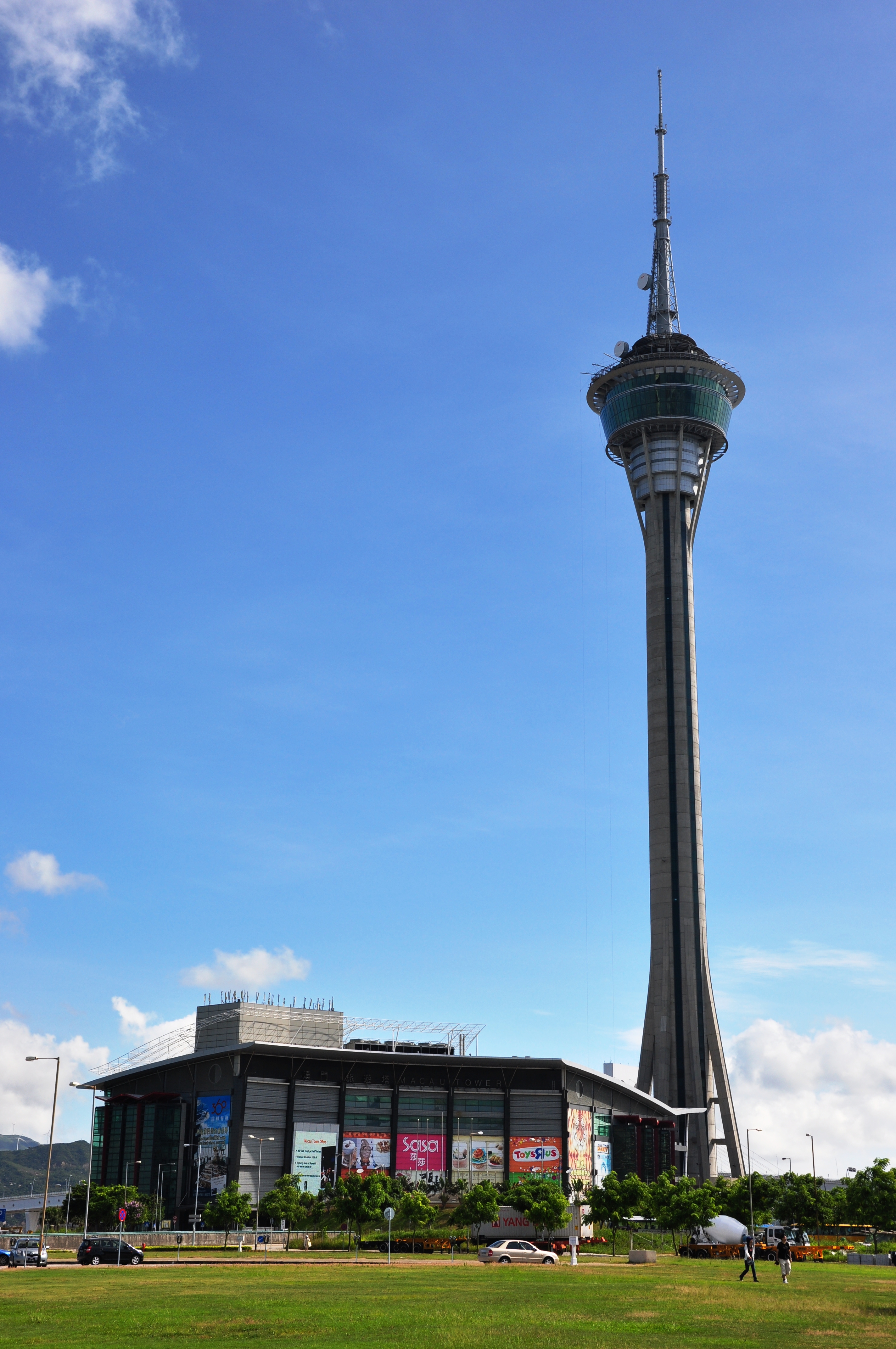
Macau, long recognized as the world’s casino capital, is pivoting towards economic diversification as concerns mount over the sustainability of its gaming-centric economy. The territory, heavily reliant on its vibrant gambling industry, is now witnessing a push from key leaders to embrace broader economic avenues in light of recent challenges, including regulatory pressures and shifting global economic dynamics.

Sam Hou Fai, a former judge and leading contender for the role of Macau’s next chief executive, has emerged as a prominent advocate for this diversification strategy. Emphasizing the urgent need for change, he has openly criticized the rampant expansion of the gaming sector, labeling it “barbaric” and detrimental to the territory’s long-term viability. Hou Fai’s vision encompasses not only an expansion of tourism beyond gaming but also the development of cultural, technological, and entertainment sectors that can provide stable revenue streams independent of the fluctuating fortunes of gambling.

The challenges facing Macau’s economy are manifold. Following the COVID-19 pandemic, the territory has seen a dramatic decline in tourist arrivals, particularly from mainland China, which accounted for a significant portion of its gaming revenues. This downturn has illuminated the risks of an economy overly reliant on a single industry. Furthermore, the Chinese government’s tightening of regulations surrounding gambling and its crackdown on illicit activities linked to the gaming industry have led to uncertainty, prompting both local stakeholders and investors to reconsider their strategies.

As part of this broader push for economic resilience, Macau has initiated various initiatives aimed at enhancing its attractiveness as a destination for non-gaming tourism. These include the development of cultural and heritage tourism, which seeks to showcase Macau’s rich history and blend of Portuguese and Chinese cultures. Events such as the Macau International Fireworks Display Contest and the Macau Arts Festival are being promoted to draw visitors who may not be interested in gambling but are keen on experiencing the local culture.

The shift towards diversification is also backed by the Macau government, which has unveiled plans to allocate substantial funds towards infrastructural projects that enhance connectivity and accessibility. This includes the expansion of public transport networks and the enhancement of facilities to accommodate large-scale international events. By investing in infrastructure, Macau aims to position itself as a competitive hub for business, conventions, and exhibitions, catering to a broader audience.

Tech innovation is another focal point in Macau’s diversification efforts. The government is actively encouraging the growth of tech startups and digital industries, aiming to harness the potential of emerging technologies such as artificial intelligence and blockchain. Initiatives to support entrepreneurship and attract foreign investment in tech sectors are being prioritized, with the goal of creating a sustainable ecosystem that supports job creation and economic growth beyond gambling.

Furthermore, Macau’s geographic location offers unique opportunities for expanding its role as a trade and logistics hub within the Greater Bay Area, a region comprising Hong Kong, Guangdong province, and Macau. This initiative aligns with China’s broader economic strategy, promoting interconnectedness among cities within the region. By leveraging its advantageous location and existing infrastructure, Macau seeks to establish itself as a key player in regional supply chains, thereby attracting businesses that are looking to expand their operations in Asia.

While the road to diversification presents numerous challenges, including resistance from entrenched gaming interests and the need for skilled labor in emerging sectors, the momentum for change is palpable. Sam Hou Fai’s leadership and advocacy are crucial in navigating these complexities, as he seeks to foster a collaborative environment among various stakeholders, including businesses, government entities, and the community at large.

The evolving landscape of Macau’s economy also reflects broader global trends. Many economies that have traditionally relied on a narrow set of industries are recognizing the importance of resilience and adaptability in an increasingly volatile world. The push for diversification is not just about mitigating risks; it is also about seizing new opportunities in a post-pandemic era characterized by shifting consumer preferences and technological advancements.

SpaceX is under scrutiny for alleged safety violations during two launches in 2023, as the U.S. Federal Aviation Administration (FAA) has revealed. The company, led by Elon Musk, could face a fine of up to $630,000 due to failure to meet established launch safety requirements. The FAA disclosed that these violations occurred during two separate missions, raising concerns over adherence to regulatory standards governing commercial spaceflight.

The FAA’s enforcement proposal is based on findings that SpaceX committed three significant violations during its 2023 operations. These violations have prompted the agency to pursue a civil penalty amounting to $633,009, an amount calculated according to the civil penalty guidelines laid out by federal law. SpaceX has been given a 30-day period to respond to the FAA’s formal notice.

The first violation involves SpaceX’s failure to adhere to pre-flight safety protocols, which are designed to ensure that launch conditions are safe for both the crew and the public. The FAA stressed the importance of these protocols, emphasizing that any deviation from them poses potential risks to the mission’s success and to those involved in the launch process. This violation was reported to have occurred during a major satellite launch, which drew significant attention due to its payload and the complex nature of the mission.

The second violation occurred during another SpaceX mission later in 2023. This particular infraction concerned the post-launch safety measures, which are critical in preventing accidents that could arise from debris or malfunctions. The FAA’s findings indicate that SpaceX did not fully comply with the requirements for tracking and mitigating potential risks posed by falling rocket stages or debris that might threaten populated areas.

While SpaceX has been at the forefront of innovation in the space industry, the company has also drawn criticism for pushing the boundaries of regulatory frameworks. The FAA’s proposed fine underscores the tension between innovation and safety, especially as commercial space travel becomes increasingly accessible. SpaceX’s rapid cadence of launches has made it one of the most prolific players in the sector, but the FAA’s findings suggest that this speed may come at a cost to safety.

SpaceX has long been a critical partner in advancing U.S. spaceflight capabilities, working closely with NASA and private sector clients to deliver payloads to orbit and beyond. However, the 2023 violations point to a need for stricter compliance with federal safety regulations. Industry experts have highlighted that as the space industry expands, regulatory agencies such as the FAA must balance the need for innovation with stringent safety oversight to ensure that commercial spaceflight remains sustainable and safe for all stakeholders.

This is not the first time SpaceX has encountered challenges related to regulatory compliance. In previous years, the company faced investigations and scrutiny from federal agencies over various issues, including environmental concerns and noise complaints from communities near its launch sites. However, this proposed fine is one of the largest civil penalties the company has faced to date, signaling the FAA’s commitment to enforcing safety standards in the rapidly evolving commercial space sector.

Critics of SpaceX’s approach to launches argue that the company’s fast-paced operations may be contributing to oversight lapses. Some have raised concerns that the company’s focus on rapid development and frequent launches may come at the expense of rigorous safety checks. SpaceX has previously defended its track record, citing the overall success of its missions and its role in revolutionizing the space industry. Nevertheless, the violations in question indicate that more work may need to be done to ensure compliance with federal safety standards.

Industry analysts believe that the proposed fine could serve as a warning to other space companies operating under the FAA’s purview. The rise of private space ventures has transformed the landscape of space exploration, and with this transformation comes the need for robust oversight. The FAA’s decision to impose penalties on SpaceX could signal a broader shift toward stricter regulatory enforcement in an industry that has, until now, operated with relative freedom compared to other sectors.

SpaceX’s leadership is expected to respond to the FAA’s allegations within the specified 30-day window. It remains to be seen whether the company will contest the fine or take measures to address the violations. Should SpaceX decide to challenge the FAA’s findings, the case could set a significant precedent for how safety violations in commercial spaceflight are handled in the future. If the company chooses to settle, it could result in enhanced safety protocols for future missions and potentially stricter oversight from the FAA going forward.

The space industry is experiencing a period of unprecedented growth, with SpaceX at the forefront of this transformation. The company has achieved remarkable milestones, including the development of reusable rockets, which have lowered the cost of space travel and enabled a surge in commercial space activity. However, these achievements come with increased scrutiny from regulators, who are tasked with ensuring that safety standards keep pace with the rapid advancements in technology and operational scale.

SpaceX’s relationship with the FAA has seen both cooperation and conflict in the past. While the FAA has granted numerous licenses and approvals for the company’s operations, there have also been instances where SpaceX’s ambitious timelines have clashed with the FAA’s regulatory processes. One notable example occurred during a previous high-profile launch, when SpaceX proceeded with a test flight despite FAA objections over environmental concerns. The company’s assertiveness in pushing its agenda has won it praise for innovation but also criticism for occasionally sidestepping regulatory boundaries.

As the investigation into the 2023 violations unfolds, it is likely to fuel broader discussions about the future of space regulation. With more private companies entering the sector and the increasing frequency of launches, the FAA and other regulatory bodies face mounting pressure to ensure that safety protocols are consistently followed. The outcome of the SpaceX case could influence how these agencies approach enforcement in the coming years.


KUALA LUMPUR, MALAYSIA – Media OutReach Newswire – 19 September 2024 – In the last few years, financial scams and fraud have been rampant across various sectors in Southeast Asia. Traders and investors, in particular, are being exposed to financial malpractices like never before. Kar Yong Ang, a financial analyst from Octa, a global broker with extensive experience in the financial markets, offers some actionable tips that […]

HANOI, VIETNAM – Media OutReach Newswire – 20 September 2024 – Doctors at Vinmec Times City International Hospital, along with engineers from the 3D Technology in Medicine Center at VinUniversity, have safely and successfully performed a groundbreaking surgery to remove an 11.5cm tumor and reconstruct the patient’s chest using a 3D-printed titanium implant. This pioneering operation makes Vinmec the first hospital in Southeast Asia to apply 3D-printed […]

A significant investment has emerged from the Vanguard Group, a leading US-based financial services company, which has acquired shares in seven Indian companies for a total value of Rs 998 crore. This move underscores Vanguard’s growing interest in the Indian market, particularly within sectors that demonstrate promising growth potential.

Among the companies receiving investment are Concord Biotech, a prominent player in the biopharmaceutical sector, and Five-Star Business Finance, known for its innovative approach to financial services. The decision to invest in these firms highlights Vanguard’s strategy of diversifying its portfolio in emerging markets, where it anticipates robust growth driven by expanding consumer bases and technological advancements.

The investment by Vanguard Group is indicative of a broader trend of increasing foreign capital inflow into India. Analysts suggest that this influx is largely driven by the country’s favorable economic conditions, which include a growing middle class, government reforms aimed at enhancing the ease of doing business, and a focus on sustainable development. The Indian government has introduced measures to attract foreign investments, including liberalizing foreign direct investment (FDI) norms across various sectors.

Concord Biotech, in particular, has gained attention for its focus on developing and manufacturing a range of biopharmaceutical products. The company’s strong track record in research and development has positioned it well to benefit from the increasing global demand for high-quality biopharmaceuticals. This sector is poised for significant expansion as healthcare needs evolve and more countries seek innovative treatments.

Similarly, Five-Star Business Finance has carved a niche in providing loans to small and medium enterprises (SMEs), which play a crucial role in India’s economy. The firm has been recognized for its robust risk management practices and a customer-centric approach that has allowed it to thrive despite the competitive landscape. The capital injection from Vanguard Group will enable Five-Star to scale its operations and enhance its offerings to a broader clientele.

The move also aligns with global trends where institutional investors are increasingly seeking opportunities in markets outside their home countries. With the Indian economy projected to continue its growth trajectory, foreign investors are keen to tap into sectors such as technology, finance, and pharmaceuticals.

The rise of digital technology in India has opened up numerous avenues for investment. Companies focusing on digital transformation, fintech solutions, and e-commerce are attracting considerable attention from foreign investors, as they promise to leverage India’s tech-savvy population. This digital boom is expected to accelerate economic growth, making India an attractive destination for foreign investment.

Furthermore, the Indian government’s commitment to enhancing infrastructure through initiatives such as the National Infrastructure Pipeline has also played a vital role in attracting foreign capital. This initiative is expected to bolster various sectors, including transportation, energy, and urban development, providing a conducive environment for business operations.

Vanguard Group’s investment strategy often involves taking significant stakes in companies that demonstrate strong fundamentals and potential for long-term growth. This approach reflects a broader trend among institutional investors, who are increasingly focused on identifying companies that can provide sustained returns in rapidly evolving markets.

As the Indian economy continues to gain momentum, the interest from major global players like Vanguard Group signifies confidence in the country’s economic prospects. The involvement of foreign investors not only brings in capital but also enhances knowledge transfer and best practices, further boosting local industries.

Investments of this magnitude are likely to encourage other foreign institutional investors to explore opportunities in India, potentially leading to a cascading effect that could benefit various sectors. This growing trend of foreign investment is crucial for sustaining India’s economic growth and achieving its development goals.

The Vanguard Group’s focus on sectors such as biotechnology and financial services aligns with global investment patterns, where investors are gravitating towards industries that are resilient and exhibit potential for growth. As the landscape of global finance evolves, such strategic investments will play a pivotal role in shaping the future of the Indian economy.

Looking ahead, the focus will be on how these investments translate into performance for the companies involved and the broader economic impact on the Indian market. The ongoing monitoring of these developments will be essential for understanding the implications for investors, policymakers, and businesses alike.

Setec, a French multinational engineering giant, has embarked on a significant transformation of its global operations by partnering with GTT Communications. The move comes as Setec looks to modernize its infrastructure, enhance efficiency, and improve communications across its various business segments worldwide. GTT’s advanced cloud-based network solutions, combined with SIP trunking, are at the heart of this technological overhaul.

The collaboration aims to address growing operational complexities for Setec, which is known for delivering cutting-edge construction and engineering projects across the globe. Setec’s group CIO, Laurent Cuny, noted that this partnership is a critical step toward reducing costs while simultaneously boosting the company’s capacity to collaborate more effectively across borders. “By working with GTT as our trusted partner to upgrade our network and implement SIP Trunking, we have not only achieved a 15% reduction in total cost of ownership but also significantly improved the quality and speed of communication,” said Cuny.

The digital transformation enables Setec to consolidate its telecommunications infrastructure by replacing legacy telephony systems with a modern SIP-based network. GTT’s cloud networking solutions provide a more reliable and secure communication platform that supports seamless connectivity across all Setec’s international offices. The partnership has facilitated a drastic improvement in bandwidth—ranging from a 12-fold to 100-fold increase in some locations—allowing Setec’s global teams to collaborate more efficiently in real-time.

In addition to SIP trunking, GTT implemented robust networking solutions that include a multi-layered WAN architecture. Each of Setec’s primary locations now operates on a high-speed primary link with dedicated broadband for backup, ensuring continuous operations and minimizing the risk of downtime. This infrastructure overhaul also allowed Setec to centralize its data processing by consolidating numerous data centers spread across various sites into five major locations. This consolidation effort aligns with Setec’s broader goals of streamlining operations while enhancing data security and reducing overhead costs.

Setec, which operates in more than 20 countries, faces growing pressure to meet sustainability targets while delivering technically complex projects. As part of its mandate, Setec is increasingly focused on providing solutions that support global efforts to mitigate climate change. GTT’s secure cloud solutions are expected to play a role in enabling Setec to reduce its carbon footprint, as it shifts away from traditional, resource-heavy technologies to more energy-efficient cloud-based systems.

Tom Homer, president of GTT’s Europe Division, highlighted the significance of this partnership, noting that it marks a critical milestone in Setec’s digital transformation journey. “We are proud to be the catalyst for Setec’s digital transformation journey,” Homer said. The strategic focus of the collaboration has been on delivering solutions that not only meet Setec’s immediate operational needs but also future-proof the company’s global operations.

A testimony before a U.S. Coast Guard investigatory panel has revealed significant concerns regarding the safety of submersible missions conducted by OceanGate, the company behind the Titan vessel. A passenger who participated in a previous dive to the Titanic reported that his expedition was aborted due to a suspected mechanical failure, raising critical questions about the operational integrity of the company’s submersibles. The incident, which occurred during […]

The rising tensions in the Red Sea, particularly due to Houthi rebel threats against shipping vessels, have led to a sharp increase in insurance premiums for maritime companies operating in the region. The volatile security environment, combined with the risk of targeted attacks on vessels linked to countries like the UK, US, or those having called at Israeli ports, has left insurers increasingly cautious about providing war-risk cover for ships transiting the waters.

War-risk insurance premiums have skyrocketed to as much as 2% of a vessel’s value for a single transit through the Red Sea. This steep increase reflects heightened concerns following several incidents, most notably the August 21 strike on the oil tanker Sounion, which was carrying about one million barrels of crude oil at the time. Though the tanker was safely towed without spillage, the attack underscored the vulnerability of maritime assets in the region, adding pressure on insurers and shipping companies alike.

The market for insuring ships passing through this critical shipping route has narrowed as smaller insurers retreat from offering coverage. A limited number of firms, mostly high-risk underwriters, continue to offer protection, but at significantly elevated costs. Industry insiders have noted that some vessels, especially those perceived as high-value targets for potential attacks, are struggling to secure any coverage at all.

The risks have intensified with the Houthis’ declaration that ships with certain affiliations would face potential attacks. While traditionally, war-risk cover has been available, the situation is unprecedented with underwriters outright refusing coverage, citing the region’s escalating risks. For shipping operators, this poses not only financial but also operational challenges, as the necessity of traversing the Red Sea for global oil and goods trade remains critical despite the threats.

A consortium of insurance underwriters led by Brit provided the war-risk cover for the Sounion, alongside firms such as Antares, Iquw, Hamilton, and others. However, many of these insurers have been notably silent regarding the details of coverage, which underscores the sensitivity and complexities of offering insurance in such a volatile region. The consortium’s willingness to continue offering protection contrasts with smaller players who are increasingly unwilling to take on such risks.

The situation has compounded concerns for global shipping companies, especially with the strategic importance of the Red Sea in connecting Europe, the Middle East, and Asia. As attacks threaten to disrupt not just oil shipments but broader trade routes, the rising insurance costs may further exacerbate existing challenges for global supply chains.

Maritime experts are urging caution as geopolitical tensions in the region show little sign of abating, with insurers increasingly exercising selective underwriting processes to minimize exposure. Ships perceived as having higher exposure to attacks are now finding it exceedingly difficult to secure coverage at any price. This selective process not only reflects the complexities of the situation but also highlights the unpredictable nature of risk in conflict-prone areas like the Red Sea.

As shipping companies scramble to mitigate these rising costs, the long-term impact on global trade remains a looming concern. Many in the industry are questioning how long they can sustain operations under such financial pressure and whether alternative routes or additional security measures might provide a viable solution in the coming months.

M A Hossain The recent explosion of thousands of pagers across Lebanon is an alarming development that bears the hallmarks of Israeli involvement, potentially signaling an imminent military escalation between Israel and Hezbollah. This tension has been mounting since Hezbollah’s recent engagement with Israeli forces, a direct response to Israel’s intensified military actions against Gaza following the deadly October 7 Hamas-led attack. The strategic aim behind targeting […]

Reinforcing Citi’s Commitment to the Region with Hong Kong as a Nexus HONG KONG SAR – Media OutReach Newswire – 20 September 2024 – Citi Hong Kong recently welcomed Head of Wealth Andy Sieg back in the city for the third time since last September, underlining Citi’s commitment to investing further to support client-led growth in Hong Kong and across the region. During his visit, Andy attended […]

The goal is to enhance resilience in facing the effects of climate change on occupational health and safety in schools, homes and workplaces DUBAI, UNITED ARAB EMIRATES – EQS Newswire – 20 September 2024 – The 26th Water, Energy, Technology and Environment Exhibition (WETEX), organised by Dubai Electricity and Water Authority (DEWA) will take place from 1 to 3 October 2024 at the Dubai World Trade Centre. […]

Polus Capital Management announced a significant capital commitment from the Abu Dhabi Investment Authority (ADIA) for its Special Situations strategy, increasing the assets under management for this strategy to approximately $5 billion. This development underscores a strategic alignment between Polus and ADIA, which is seeking to diversify its portfolio and leverage opportunities in distressed asset classes.

The investment comes on the heels of a pivotal shift in U.S. monetary policy, marked by the Federal Reserve’s first interest rate cut in four years. This change is anticipated to enhance liquidity and provide much-needed support for companies grappling with balance sheet issues, which aligns closely with the focus of Polus Capital’s investment strategy. The firm specializes in identifying and capitalizing on undervalued companies that may benefit from restructuring or operational improvements.

Polus Capital, known for its expertise in special situations investing, plans to deploy this new capital to target a range of distressed assets across various sectors. The firm’s strategy includes acquiring equity stakes in companies that are undergoing significant transformations or facing financial difficulties. Such investments not only aim to deliver attractive returns but also to assist these companies in their recovery processes.

ADIA’s decision to commit capital to Polus Capital reflects a growing trend among sovereign wealth funds to diversify their investments into specialized asset classes. With the current economic landscape presenting both challenges and opportunities, institutional investors are increasingly turning to experienced asset managers who can navigate complex market conditions.

The Federal Reserve’s rate cut is expected to have broad implications for the market. Lower interest rates typically reduce borrowing costs for companies, making it easier for them to finance operations and restructure debts. This environment is particularly conducive for special situations investing, as it enhances the prospects for companies that have been struggling financially but possess strong underlying business models.

Polus Capital’s leadership has expressed confidence that the partnership with ADIA will enable the firm to scale its operations significantly. This collaboration not only brings additional capital but also positions Polus to capitalize on potential investment opportunities in both established and emerging markets. The firm has outlined a commitment to rigorous due diligence processes, ensuring that every investment aligns with its strategic objectives and risk management frameworks.

Moreover, Polus Capital is poised to benefit from the expertise of ADIA, one of the world’s largest sovereign wealth funds, which manages a diverse portfolio across various asset classes. The insights and resources that ADIA brings to the table could prove invaluable in identifying high-potential investment opportunities, particularly in markets where Polus seeks to expand its footprint.

As global economic conditions evolve, the role of specialized investment firms like Polus Capital becomes increasingly significant. Investors are becoming more discerning, seeking out managers who can deliver value through innovative strategies and a deep understanding of market dynamics. Polus’ approach to special situations aligns well with this trend, as it focuses on navigating complexities to unearth investment potential.

Polus Capital’s recent capital commitment signals a broader shift in the investment landscape, where institutional investors are gravitating towards specialized strategies that offer unique value propositions. As the firm prepares to deploy the new capital, stakeholders are watching closely to see how it will leverage this opportunity to enhance its portfolio and achieve its investment goals.

Bitcoin’s surge past $62,000 has rekindled interest in the cryptocurrency market, with growing attention from major financial institutions. As fears of a U.S. dollar crisis mount, BlackRock, one of the world’s largest asset management firms, has issued warnings about the potential fallout from America’s rising debt burden. The firm has indicated that this escalating debt, now towering over $35 trillion, could erode confidence in the U.S. dollar, pushing investors toward alternative assets like Bitcoin.

A sharp 0.5% interest rate cut by the U.S. Federal Reserve shocked the financial world, marking a significant policy shift. This surprise move has added momentum to Bitcoin’s rally, with many investors interpreting it as a sign that traditional financial systems may be under strain. The combination of surging inflation, monetary easing, and ballooning U.S. debt levels is seen by some as a perfect storm for institutional investors to seek refuge in digital assets. BlackRock’s growing focus on Bitcoin reflects this sentiment, as it positions itself ahead of potential macroeconomic upheavals.

The asset manager’s shift towards Bitcoin marks a noteworthy moment in the broader adoption of cryptocurrencies by institutional players. Bitcoin, long regarded as a fringe asset or speculative plaything, is increasingly being viewed as a credible alternative to traditional stores of value. The rise of digital currencies is not just a retail phenomenon anymore; institutional investors like BlackRock are finding it prudent to diversify their portfolios in the face of looming economic uncertainty.

Fears over the stability of the U.S. dollar are not unfounded. Analysts have pointed out that the Federal Reserve’s dovish stance, combined with government borrowing, is creating an environment where the dollar could weaken further. With interest rates low and inflation persisting, the purchasing power of the dollar faces increasing pressure. BlackRock has underscored the importance of preparing for such scenarios, highlighting Bitcoin’s distinct potential as a hedge against currency depreciation.

Bitcoin’s unique characteristics are drawing institutional attention. Unlike gold or other traditional safe-haven assets, Bitcoin offers a blend of scarcity, decentralization, and growing utility in global financial systems. As central banks worldwide grapple with inflation and currency fluctuations, Bitcoin’s role as a hedge has gained legitimacy among institutional investors. BlackRock’s analysts have stressed that Bitcoin’s fixed supply—capped at 21 million coins—makes it a robust alternative to fiat currencies, which can be devalued by excessive monetary policies.

The cryptocurrency’s surge past $62,000 has only strengthened the case for its adoption. A combination of factors, including institutional buying and a broader acceptance of Bitcoin as a financial asset, have contributed to its price rally. Analysts believe that Bitcoin’s newfound appeal as a long-term hedge could propel it further, especially as central banks continue to implement aggressive monetary easing measures.

One of the key drivers behind Bitcoin’s rise is the increasing participation of institutional investors. BlackRock’s move signals a broader trend where traditional financial players, who once viewed Bitcoin with skepticism, are now embracing it as part of their risk management strategies. The company’s endorsement of Bitcoin comes at a time when more hedge funds, pension funds, and asset managers are looking to incorporate digital assets into their portfolios. This growing interest marks a pivotal shift in the financial landscape, with Bitcoin no longer confined to niche markets or retail traders.

BlackRock’s leadership in asset management means its endorsement of Bitcoin is likely to resonate across the financial industry. As one of the largest and most influential firms, BlackRock’s insights often set the tone for broader market trends. Its acknowledgment of Bitcoin as a viable hedge against U.S. dollar risks may spur other institutions to reconsider their stance on digital currencies, further driving adoption in the months to come.

Despite the positive momentum surrounding Bitcoin, the cryptocurrency market remains volatile. Bitcoin’s price swings are still more pronounced compared to traditional assets, and some investors are cautious about jumping in. However, BlackRock has argued that Bitcoin’s volatility may be a risk worth taking in the current macroeconomic climate. The firm’s analysts suggest that as long as the U.S. government continues to accumulate debt and rely on monetary easing, Bitcoin’s role as a hedge will become more valuable.

Institutional investors are also looking beyond Bitcoin’s price movements. The underlying technology of blockchain, which supports Bitcoin and other cryptocurrencies, is increasingly being explored for its potential in financial systems. BlackRock has recognized the long-term value of blockchain technology, acknowledging its potential to revolutionize sectors beyond just finance. The company’s interest in Bitcoin can be seen as part of a broader strategy to position itself at the forefront of technological innovation in finance.

Bitcoin’s status as a “digital gold” is being cemented by its growing adoption. BlackRock’s focus on Bitcoin is a reflection of the wider belief that the world’s oldest cryptocurrency could play a significant role in future financial markets. As the U.S. dollar faces challenges from both domestic and international forces, institutional players like BlackRock are preparing for scenarios where traditional assets might underperform. By including Bitcoin in their portfolios, they are hedging against a potential loss of confidence in the world’s reserve currency.

Estithmar Holding Group has successfully listed its debut corporate sukuk, valued at QAR 1 billion, on the London Stock Exchange. This milestone marks the first corporate sukuk denominated in Qatari Riyals to be listed on an international exchange. The issuance aims to diversify the group’s funding sources while bolstering investor confidence in Qatar’s corporate sector. The sukuk, which is Sharia-compliant, represents an important step for Estithmar Holding, […]

A significant data breach has come to light involving Star Health and Allied Insurance Co., one of India’s leading health insurance providers. The breach reportedly involves the unauthorized access and dissemination of sensitive customer data through Telegram chatbots, raising serious concerns about cybersecurity measures in the insurance sector. The incident was first reported by cybersecurity experts who detected unusual activity linked to the company’s data infrastructure. This […]

VISHNU RAJA
RYO YAMADA
HITORI GOTOH
IKUYO KITA