News related to
risk

SpaceX’s ambitious Starship program encountered a significant setback as its eighth test flight ended in failure. The spacecraft disintegrated minutes after launch from Boca Chica, Texas, scattering debris over the Caribbean. This incident marks the second failure for the Starship vehicle within a span of six weeks, raising concerns about the program’s trajectory and safety protocols. The test flight commenced at 5:30 p.m. CST, with the Super […]

Sustainable bond issuance in the Middle East is anticipated to reach between $18 billion and $23 billion in 2025, according to S&P Global Ratings. This projection underscores the region’s commitment to environmental, social, and governance initiatives, with the United Arab Emirates and Saudi Arabia expected to contribute approximately 60% of the total issuance. In 2024, sustainable bonds constituted over 25% of regional corporate and financial institution issuances, […]

A strategic gathering of House Republicans took place this week at a “Crypto Power Lunch,” which featured key players from the cryptocurrency sector, positioning the event as a precursor to the upcoming White House crypto summit. The meeting included representatives from influential organisations such as the Digital Chamber, Blockchain Association, Paradigm, a16z, CoinFlip, Coinbase, Anchorage Digital, DCG, and ConsenSys. The event highlighted the growing alignment between political leaders and crypto advocates, aiming to shape the future of regulatory frameworks for digital currencies in the United States.

The lunch, hosted in Washington, served as a platform for dialogue between legislators and crypto industry giants. Participants discussed regulatory clarity and the potential for future legislation that would address concerns about market stability, security, and innovation in the rapidly evolving digital assets space. Lawmakers who attended the meeting have voiced a commitment to creating a legislative environment that fosters innovation while ensuring consumer protection.

The move is part of a broader strategy by Republicans to engage with the cryptocurrency community, recognising its potential to drive economic growth and technological advancement. This outreach comes as digital currencies are becoming increasingly mainstream, attracting not only individual investors but also institutional players. Republican lawmakers are positioning themselves as champions of the crypto industry, which has seen explosive growth despite the ongoing regulatory challenges.

The presence of firms like Coinbase and Anchorage Digital signals the crypto industry’s continued interest in influencing policy. Coinbase, one of the largest cryptocurrency exchanges in the world, has long advocated for clear, consistent regulations that would allow businesses to thrive within a defined legal framework. Anchorage Digital, a leader in crypto custody, has similarly lobbied for clarity on how digital assets should be treated by financial regulators.

DCG, the parent company of Grayscale, one of the largest asset managers in the crypto space, also participated in the lunch. DCG’s involvement reflects its ongoing efforts to influence legislative decisions regarding the future of digital asset management. As the largest institutional player in the crypto sector, DCG is concerned about how potential regulation could impact the broader industry, especially in terms of accessibility for institutional investors.

The Blockchain Association and the Digital Chamber, both of which represent a wide array of cryptocurrency-related companies, have been active in advocating for more comprehensive regulation that allows for innovation while addressing concerns related to market manipulation and security risks. Their participation at the lunch signals the need for a more balanced approach to regulation that considers both the opportunities and risks posed by digital currencies.

The event also underscored a growing push from the crypto community to have a seat at the table when it comes to shaping policy. Many industry leaders have expressed concerns over the lack of a clear, unified regulatory framework, which has led to confusion and a fragmented approach to cryptocurrency governance in the US. While some regulators advocate for a more stringent approach, others argue that excessive regulation could stifle innovation and push the industry overseas, potentially leading to the loss of jobs and investment opportunities.

The timing of the lunch is significant, with the White House crypto summit on the horizon. At the summit, President Biden and his administration are expected to engage with both industry leaders and regulatory bodies to discuss the future of cryptocurrency policy. The Republican push to engage with crypto advocates aligns with broader political efforts to ensure that the US remains a global leader in cryptocurrency innovation and adoption.

Some policymakers have called for a more cautious approach, citing the volatility of digital currencies and the potential for misuse in illegal activities such as money laundering or fraud. These concerns have prompted calls for stronger enforcement of anti-money laundering and know-your-customer rules within the industry. However, proponents of the industry argue that the technology behind cryptocurrencies, such as blockchain, offers a more secure and transparent way of conducting financial transactions, reducing the risks of fraud and criminal activity.

As the crypto industry becomes more integrated into the global financial system, the question of how it should be regulated is becoming ever more urgent. The crypto power lunch, which served as a precursor to the summit, represents a concerted effort by Republicans to shape the narrative around digital assets and ensure that any regulatory measures taken in the future reflect the industry’s input.

The impact of these discussions could be far-reaching. Should Congress and the White House agree on a comprehensive regulatory framework for cryptocurrencies, it could set the stage for widespread adoption and integration of digital assets into mainstream financial systems. For businesses operating in the sector, such clarity would provide a level of stability that has been lacking in recent years, potentially unlocking new opportunities for growth and innovation.

SINGAPORE – Media OutReach Newswire – 6 March 2025 – Wells Singapore is proud to introduce the Wells Home Café, the world’s first Tea X Coffee capsule machine designed to elevate the home beverage experience in Singapore. This innovative appliance seamlessly integrates with the Wells The One water dispenser, providing users with a convenient and premium solution for brewing both tea and coffee using purified water. Wells […]

Matein Khalid 2024 was the annus horribilis for luxury stocks as ​the Dragon Empire’s cultural DNA under Xi Dada pivoted to Maoist austerity, inflation hit the mass affluent wannabe Gatsbys of Europe and boonie America and Incredible India’s bling-bling badshahs and bhabhijis discovered the hard way that the speculative stock market mania on Dalal Street can and did end in tears. Obviously, Gandhian values are not exactly […]

Matein Khalid Trump inherited a US economy with 3% growth, a 4% unemployment rate and near 0% recession risk a mere 6-weeks ago. His outrageous tariff threats, policy U-turns, DOGE cutbacks in government spending and mass deportations have ignited a global trade war as well as slashed economic growth, business/consumer confidence. A US recession has now begun as the Atlanta Fed’s GDP Now sees a -2.8% slump […]

China has set an ambitious economic growth target of approximately 5% for 2025, maintaining the same figure as the previous year, despite ongoing tensions with the United States in the form of a prolonged tariff war. This announcement comes at a time when both countries are embroiled in a cycle of escalating trade restrictions, and experts are closely watching the impact these developments will have on global economic stability.

The Chinese government’s decision to maintain its 5% growth target for 2025 is indicative of its continued focus on achieving steady economic expansion in the face of significant external challenges. The target is in line with that of 2024, as the country seeks to navigate its way through a complicated geopolitical landscape. Despite the slowdown in the global economy and intensifying trade disputes with Washington, the Chinese government is prioritising stability, especially as it prepares for its own domestic policy goals, including technological self-sufficiency and boosting domestic consumption.

In an attempt to strengthen its economic position, China has introduced retaliatory tariffs on key American imports, notably targeting agricultural products. These include 15% tariffs on chicken, wheat, corn, and cotton from the U.S., alongside a 10% levy on a broader range of agricultural commodities such as sorghum, soybeans, pork, beef, aquatic products, fruits, vegetables, and dairy products. This is a clear response to U.S. tariffs that have impacted Chinese industries, particularly in sectors such as electronics and consumer goods. The trade dispute, which has evolved over the years, now impacts critical supply chains, particularly in sectors where the U.S. and China have intertwined economies.

In parallel with the tariff increases, China has expanded its list of American companies subject to export controls. The Chinese Ministry of Commerce recently added 15 more American firms to its export control list, including drone manufacturer Skydio. This measure is aimed at restricting Chinese firms from providing dual-use technologies—equipment that can serve both civilian and military purposes—to these companies. The move is a direct response to U.S. actions, particularly those targeting Chinese firms like Huawei and TikTok in previous years. By limiting access to advanced technology, China seeks to ensure its technological independence, especially in areas of high strategic importance, such as artificial intelligence, semiconductors, and aerospace.

The trade war, which began under former President Donald Trump, has seen both countries impose tariffs on billions of dollars’ worth of goods. Although the Biden administration initially sought to soften the stance, tensions have reignited as both nations continue to use tariffs as a bargaining chip. The announcement of a 5% growth target comes as China faces several challenges, not only from the trade war but also from domestic economic pressures such as rising debt levels, a struggling property sector, and an aging population.

While the 5% growth target may appear conservative compared to China’s previous years of double-digit expansion, analysts argue that it reflects a more sustainable growth trajectory in the current global climate. The focus is now shifting towards quality growth, with an emphasis on high-tech industries, innovation, and green development. For the Chinese government, maintaining this growth rate is essential for ensuring social stability and reinforcing the Communist Party’s control over the country.

The U.S.-China trade war has led to significant disruptions in global markets, with both sides suffering economic consequences. For instance, the U.S. has seen its farmers and manufacturers experience difficulties due to China’s retaliatory tariffs. At the same time, Chinese companies have faced hurdles in securing advanced technology from U.S. suppliers. This has led to shifts in global supply chains, as companies increasingly seek to diversify their production away from China to avoid the risks posed by further trade escalation.

In response to these challenges, China has been actively exploring alternative markets. This includes strengthening its trade ties with countries in Asia, Africa, and Latin America, as well as making efforts to deepen its economic integration with the European Union. Furthermore, China has focused on boosting its domestic consumption, aiming to reduce its reliance on exports as a driver of growth. This approach has led to the expansion of industries such as electric vehicles and renewable energy, which are seen as crucial for the country’s long-term economic future.

Despite the economic headwinds, China’s leadership remains resolute in its plans to ensure economic growth through a mixture of policy tools. Measures such as infrastructure spending, financial support for key industries, and a continued push for technological advancements are central to these plans. The government’s ability to navigate through this tumultuous period will largely depend on its ability to manage both domestic challenges and international relations, particularly with the U.S.

Advertisements

MSI has quietly increased the prices of its GeForce RTX 5070 Ti graphics cards, with some models now exceeding $1,000. This move has sparked concerns among consumers and industry observers about the affordability of mid-range GPUs. Initially, Nvidia set the manufacturer’s suggested retail price for the RTX 5070 Ti at $749, positioning it as a cost-effective option for gamers seeking high performance without the premium price tag […]

The White House is set to host a significant summit on March 7, aimed at discussing the future of cryptocurrency and digital assets. The event will see the participation of high-profile figures from the crypto industry, alongside members of the Presidential Working Group on Digital Assets. The gathering will provide a platform for leaders to discuss policy and regulatory frameworks surrounding digital currencies and their potential impact on the economy.

Among the 20 to 25 invitees are key players from some of the most influential companies in the crypto and blockchain sectors. The summit will bring together individuals who have shaped the industry through their work in technology, finance, and digital innovation. Some of the most prominent names on the guest list include Michael Saylor, the CEO of MicroStrategy, who is known for his advocacy of Bitcoin, Brian Armstrong, CEO of Coinbase, and Vlad Tenev, CEO of Robinhood.

Also attending are Arjun Sethi, CEO of Kraken, David Bailey, CEO of Bitcoin Magazine, and Matt Huang, co-founder of Paradigm. These leaders represent a cross-section of the cryptocurrency ecosystem, spanning exchanges, media, and venture capital firms. Other notable attendees include JP Richardson, CEO of Exodus, Kyle Samani, managing partner of Multicoin Capital, and Zach Witkoff, co-founder of WLFI. Sergey Nazarov, the co-founder of Chainlink, will also be present, further emphasizing the blockchain industry’s influence on the digital assets conversation.

The event’s significance extends beyond the individual discussions among these leaders. With the Biden administration focusing on digital assets and their regulatory framework, the summit marks a critical moment in the government’s ongoing effort to better understand the complexities of cryptocurrency markets. Attendees are expected to engage in dialogues that could shape the regulatory environment surrounding digital assets in the United States.

Over the past year, the U.S. government has shown an increasing interest in regulating the cryptocurrency industry. This heightened focus comes amid concerns over the volatility of digital assets, their potential for illicit use, and their long-term impact on financial markets. The summit at the White House is seen as a way to bridge the gap between policymakers and industry leaders, with the goal of crafting policies that support innovation while ensuring consumer protection.

A key topic likely to dominate discussions at the summit is the role of digital assets in the broader financial ecosystem. As cryptocurrencies become more mainstream, there is growing pressure to ensure that they operate within a clear regulatory framework. Some experts argue that without proper regulation, the risk of fraud, money laundering, and market manipulation could undermine trust in digital currencies. Others, however, advocate for a hands-off approach, arguing that overregulation could stifle innovation and limit the potential benefits of digital assets.

The White House summit is expected to focus on a range of issues, from the regulatory treatment of cryptocurrencies to their use in traditional financial markets. A major point of contention has been whether cryptocurrencies should be classified as commodities, securities, or a new class of assets entirely. This distinction has major implications for how they are taxed, traded, and regulated.

For many in the crypto space, this summit represents a critical opportunity to engage directly with policymakers and advocate for policies that support innovation. The presence of prominent figures like Michael Saylor, who has been vocal about his support for Bitcoin as a store of value, and Brian Armstrong, who has been an outspoken advocate for clearer regulatory guidelines, suggests that the meeting will feature a candid and open discussion on the future of digital assets.

One of the critical issues that attendees may address is the potential for a central bank digital currency in the U.S. While other countries, such as China, have made significant strides in developing CBDCs, the U.S. has been cautious in its approach. Some industry leaders are concerned that the introduction of a government-backed digital currency could undermine the decentralised ethos of blockchain technology and compete with private cryptocurrencies like Bitcoin.

At the same time, the growing interest in decentralized finance and non-fungible tokens is likely to feature in conversations. DeFi, in particular, has emerged as one of the most disruptive trends within the cryptocurrency space, offering financial services such as lending and borrowing without the need for traditional intermediaries like banks. This fast-evolving sector could pose challenges for regulators, who will need to balance fostering innovation while ensuring these platforms comply with existing financial laws.

Another important aspect of the summit will be the broader international context. As global governments begin to take action on cryptocurrency regulation, the U.S. faces increasing competition from other countries in setting the pace for crypto innovation. European countries, for example, have introduced their own regulatory frameworks for digital assets, while nations like El Salvador have adopted Bitcoin as legal tender. How the U.S. positions itself in this global race for regulatory leadership could have far-reaching consequences for the industry.


Pioneering AI-Powered Cleaning Technology Deployment Marks Strategic Expansion into Hong Kong Market SINGAPORE – Media OutReach Newswire – 4 March 2025 – Primech AI Pte. Ltd. (“Primech AI”) or (the “Company”), a subsidiary of Primech Holdings Limited (Nasdaq: PMEC), is proud to announce the launch of its innovative Robotics as a Service (RaaS) business line, revolutionizing the cleaning solutions industry. This strategic initiative addresses critical industry challenges […]

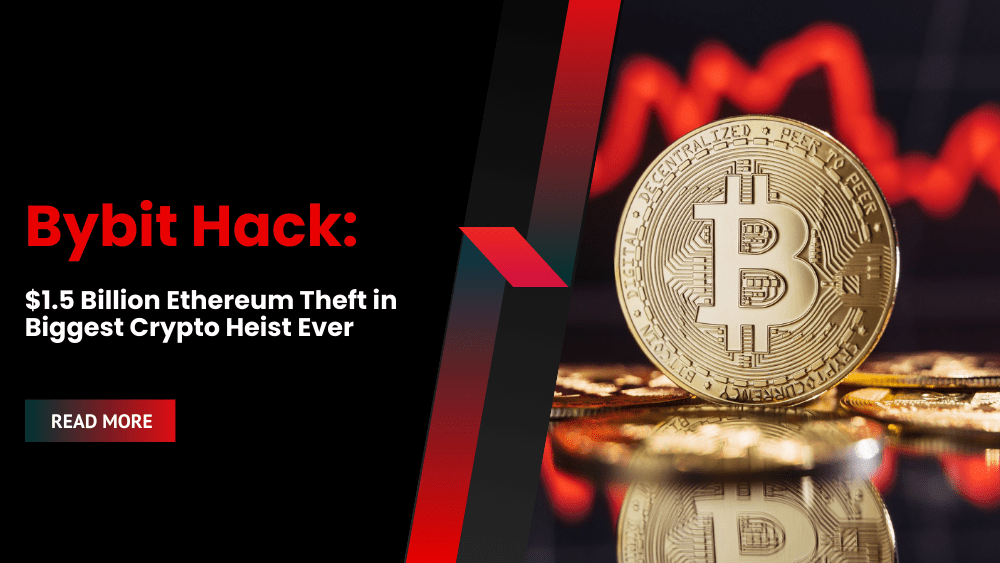
A massive security breach at Dubai-based cryptocurrency exchange Bybit has resulted in the theft of approximately $1.5 billion in Ethereum , marking one of the largest heists in the digital currency sector. The attack, attributed to North Korean hacking groups Lazarus and TraderTraitor, has raised significant concerns about cybersecurity within the cryptocurrency industry.

The Federal Bureau of Investigation has linked the theft to these North Korean-affiliated hackers, who reportedly utilized malware-infected cryptocurrency trading applications to infiltrate Bybit’s systems. This method allowed them to drain substantial amounts of Ethereum from the exchange’s reserves. The stolen funds are believed to be funneled into North Korea’s nuclear and missile programs, highlighting the geopolitical implications of such cybercrimes.

In response to the breach, Bybit’s CEO, Ben Zhou, announced that the exchange has fully restored its Ethereum reserves. The company secured approximately 446,870 ETH through strategic acquisitions and loans, ensuring that all client assets remain backed on a one-to-one basis. This swift action aims to maintain customer trust and stabilize the platform following the unprecedented hack.

The impact of the theft extended beyond Bybit, affecting the broader cryptocurrency market. Funding rates across various platforms experienced a decline, reflecting heightened uncertainty among investors. Ethereum’s price volatility increased as traders reacted to the news, with some large holders, or “whales,” expressing caution amid the fluctuating market conditions.

Despite the initial shock, there are signs of recovery within the market. Bybit’s replenishment of its Ethereum reserves has contributed to a gradual restoration of confidence among users and investors. Additionally, the exchange has launched a $140 million bounty program to incentivize information leading to the recovery of the stolen assets and the identification of the perpetrators.

The hackers have reportedly laundered approximately $335 million of the stolen funds, leaving around $900 million unaccounted for. This ongoing movement of assets poses challenges for authorities attempting to trace and recover the stolen cryptocurrency. The laundering process involves complex techniques, including transferring funds across multiple blockchains and utilizing mixing services to obscure the transaction trail.

Bybit has pledged to enhance its security protocols to prevent future breaches. The exchange is collaborating with international law enforcement agencies and cybersecurity firms to investigate the hack and mitigate potential risks. This incident underscores the critical need for robust security measures within the cryptocurrency industry, as exchanges remain prime targets for sophisticated cyberattacks.

The broader implications of the Bybit hack have prompted discussions about regulatory oversight and the responsibility of exchanges to protect user assets. As the digital currency market continues to evolve, ensuring the security of platforms and the integrity of transactions remains a paramount concern for both industry participants and regulators.

In the aftermath of the hack, Bybit conducted a comprehensive audit to verify the restoration of its reserves. The exchange plans to release an updated proof-of-reserves report, utilizing a Merkle tree structure to provide transparency and reassure clients of the platform’s solvency. This move aims to rebuild trust and demonstrate Bybit’s commitment to safeguarding user assets.

The cryptocurrency community has rallied in support of Bybit, with industry leaders emphasizing the importance of collective efforts to combat cyber threats. Collaborative initiatives are being explored to share threat intelligence and develop standardized security practices across exchanges. These efforts aim to fortify the industry’s defenses against increasingly sophisticated hacking groups.

While the Bybit hack serves as a stark reminder of the vulnerabilities within the cryptocurrency ecosystem, it also highlights the resilience of platforms and their ability to respond to crises. By swiftly restoring its reserves and implementing enhanced security measures, Bybit aims to turn this challenging episode into an opportunity to strengthen its operations and contribute to the overall security of the digital asset landscape.

US financial markets experienced significant declines on Monday, March 3, 2025, following President Donald Trump’s confirmation that 25% tariffs on imports from Canada and Mexico would commence on Tuesday, March 4. The Dow Jones Industrial Average fell by 649 points, closing at 43,191.24—a 1.5% decrease. The S&P 500 Index dropped 1.8% to 5,849.72, and the Nasdaq Composite declined 2.6% to 18,350.19. The President’s announcement ended investor hopes […]

Matein Khalid Some guy wrote to me that I was bearish for 4-years. Poppycock! In mid-Jan, I wrote a bullish analysis of Prologis (PLD), the world’s largest industrial REIT. PLD was 105 then and 124 now. An 18% return in 6-weeks is a gift for those with the IQ to grasp my logic. Which poor Densa could not. What about VNO at 18, Citi at 60, Wells […]

The tariff hammer is about to drop. On Tuesday, the US will slap new duties on goods from Canada and Mexico, and possibly hike levies on Chinese imports. Investors don’t need reminding—tariffs are the number one risk factor hanging over global markets. This isn’t just policy posturing; it’s a direct hit to corporate profits, consumer prices, and the already fragile supply chains that businesses spent years rebuilding […]

Binance, a leading cryptocurrency exchange, has announced it will discontinue trading pairs involving stablecoins that do not comply with the European Union’s Markets in Crypto-Assets regulation for users in the European Economic Area by March 31, 2025. This decision aligns with the EU’s efforts to establish a standardized regulatory framework for crypto-assets, aiming to enhance transparency and consumer protection.

The affected stablecoins include Tether , First Digital USD , TrueUSD , Pax Dollar , Dai , Augmint Euro Token , TerraUSD , TerraClassicUSD , and PAX Gold . Binance has advised its EEA users to convert their holdings in these non-compliant stablecoins to those that meet MiCA standards, such as USD Coin and Euro Coin , or directly to euros.

The MiCA regulation, which came into force in June 2023, seeks to create a cohesive regulatory environment for crypto-assets across the EU. It introduces stringent requirements for stablecoin issuers, including maintaining adequate reserves and adhering to transparency and consumer protection standards. Stablecoins are categorized under MiCA as either e-money tokens , which reference a single official currency, or asset-referenced tokens , which are linked to multiple assets.

Circle’s USD Coin and Euro Coin are among the few stablecoins that have achieved MiCA compliance. This compliance ensures their continued availability and use within the EEA. In contrast, prominent stablecoins like Tether and MakerDAO’s Dai have not met MiCA requirements, leading to their delisting from platforms operating within the EU.

Binance’s move is part of a broader trend among cryptocurrency exchanges to align with the new regulatory landscape. Other exchanges, such as Crypto.com and Kraken, have also announced plans to delist non-compliant stablecoins to adhere to MiCA standards. For instance, Crypto.com has outlined its intention to halt deposits of certain stablecoins by January 31, 2025, with full delisting scheduled for March 31, 2025. Similarly, Kraken is preparing to remove Tether and four other stablecoins from its platform in the EEA to comply with the regulations.

The European Securities and Markets Authority has set a deadline of March 31, 2025, for digital asset firms to ensure compliance with MiCA. This regulatory push underscores the EU’s commitment to fostering a secure and transparent crypto market, mitigating risks associated with stablecoins, and protecting investors.

MiCA’s implementation has also spurred the development of new compliant stablecoins. Dutch fintech company Quantoz Payments, for example, is set to launch two stablecoins, EURQ and USDQ, both licensed by the Dutch Central Bank as e-money tokens. These developments indicate a shift towards regulated digital finance in Europe, providing consumers with more secure and compliant options for digital payments.

Vietnam’s government has initiated the development of a legal framework for digital assets and currencies, aiming to bolster economic growth to at least 8% by 2025. Prime Minister Pham Minh Chinh has directed the Ministry of Finance and the State Bank of Vietnam to draft the necessary regulations, with a proposal expected to be submitted this month. This initiative is part of Directive No. 05, which outlines measures to stimulate the nation’s economic expansion.

The absence of a formal legal framework for digital assets has left Vietnamese investors vulnerable to potential scams and financial losses. Currently, cryptocurrency transactions occur without specific regulatory oversight, increasing the risk for participants. The government’s move to establish clear regulations seeks to protect users and enhance trust in blockchain technology and related applications.

Nguyễn Duy Hưng, Chairman of Saigon Securities Incorporation, highlighted Vietnam’s significant position in the global digital asset market, noting that the country ranks among the top four in terms of transaction volume. He emphasized the necessity of a transparent legal framework to ensure that both developers and investors are protected, thereby fostering a secure environment for market participants and deterring fraudulent activities.

The urgency for regulation has been underscored by incidents such as a recent $100 million cryptocurrency fraud, which exploited the regulatory vacuum. Lawyer Phạm Ba Đô, Director of SJKLAW Law Firm, pointed out that the lack of comprehensive legal guidelines has created fertile ground for such fraudulent schemes. He advocates for the prompt establishment of clear definitions and regulations concerning virtual currencies and assets, recognizing their potential for trade and payment in specific contexts while clarifying their status as legal means of payment.

Vietnam’s strategic move to regulate digital assets aligns with its broader economic ambitions. The country has revised its GDP growth target for 2025 to at least 8%, up from the previous range of 6.5% to 7.0%. This adjustment reflects the government’s commitment to rapid economic development. The National Assembly has approved significant infrastructure projects, including the construction of the country’s first nuclear power plants and a rail link connecting northern Vietnam’s major seaport to China. These initiatives are expected to enhance the nation’s industrial capabilities and trade connectivity.

The manufacturing sector continues to be a cornerstone of Vietnam’s economy, with value added projected to reach $108.7 billion by 2025, growing at a compound annual growth rate of 3.33% from 2025 to 2029. The country’s strategic location, coupled with labor costs approximately 50% lower than China’s, makes it an attractive destination for international businesses seeking relocation. Government tax incentives and participation in trade agreements like the Comprehensive and Progressive Agreement for Trans-Pacific Partnership and the EU-Vietnam Free Trade Agreement further enhance Vietnam’s appeal as a manufacturing hub.

However, achieving the ambitious 8% GDP growth target is not without challenges. The Asian Development Bank forecasts Vietnam’s GDP growth at 6.2% for 2025, while the World Bank projects a slightly higher rate of 6.6%. These figures, though optimistic, fall short of the government’s target, indicating the need for effective policy implementation and favorable external conditions to realize the desired growth.

The development of a legal framework for digital assets is expected to attract foreign investment and stimulate innovation within the financial sector. By providing legal clarity, Vietnam aims to position itself as a regional leader in the digital economy, capitalizing on the growing global interest in cryptocurrencies and blockchain technology.

KUALA LUMPUR, MALAYSIA – Media OutReach Newswire – 3 March 2025 – Kenanga Investors Berhad (“Kenanga Investors“) was presented with a total of five (5) awards at the LSEG Lipper Fund Awards 2025 (“Awards“). This year, the firm surpassed its previous successes, earning recognition across multiple categories, marking a continued commitment to excellence in fund management. From left to right: Brandon Ong, Portfolio Manager; Low Pei Yee, […]

MoneyHash, a leading payment orchestration platform operating in the Middle East and Africa , has been honoured as one of the UAE’s Future 100 companies, acknowledging its significant contributions to fintech innovation in the region. This accolade underscores the company’s commitment to addressing the complex payment infrastructure challenges faced by businesses across the MEA region.

Founded by Egyptian entrepreneurs, MoneyHash offers a unified application programming interface that simplifies the integration of various payment methods and providers. This solution streamlines the checkout experience for businesses, reducing operational costs and enhancing scalability across different markets. The platform’s ability to navigate the fragmented payment landscape in emerging markets has positioned it as a crucial player in the regional fintech ecosystem.

In January 2025, MoneyHash secured $5.2 million in pre-Series A funding, led by Flourish Ventures, a global fintech investor known for backing industry leaders such as Chime and FlutterWave. New investors, including Saudi Arabia’s Vision Ventures, Arab Bank’s venture capital arm, and Emurgo Kepple Ventures, also participated in the round. Notably, Jason Gardner, founder and former CEO of Marqeta, made his first investment in the MEA region through this funding round. This financial boost followed a $4.5 million seed round in early 2024, reflecting the company’s rapid growth and the increasing confidence of investors in its business model.

The payment landscape in emerging markets is often characterized by high failure rates and operational challenges. Each market presents a unique set of payment providers, methods, and regulations, leading to increased operational costs and revenue leakage for businesses. MoneyHash addresses these issues by offering a unified platform that integrates various payment solutions, thereby reducing complexity and improving efficiency. According to Nader Abdelrazik, co-founder and CEO of MoneyHash, failure rates in these markets are three times the global average, with fraud rates and cart abandonment over 20% higher than in developed markets. By leveraging their extensive experience in the MEA region, MoneyHash aims to transform payments from a cost and risk center into a growth enabler for businesses.

The UAE’s Future 100 initiative aims to support the top 100 emerging companies that play a vital role in the competitiveness of the country’s future economy sectors. The program has secured 25 new partnerships, spanning strategic, media, and community collaborations, to support these emerging companies. The inaugural list of Future 100 companies was unveiled on December 2, highlighting businesses that are expected to drive innovation and economic growth in the UAE.

MoneyHash’s recognition as a Future 100 company not only highlights its innovative approach to payment solutions but also emphasizes the growing importance of fintech in the region’s economic development. As businesses in the MEA region continue to seek efficient and scalable payment solutions, platforms like MoneyHash are poised to play a pivotal role in shaping the future of commerce.

The company’s recent funding and accolades reflect a broader trend of increased investment in fintech solutions that address the unique challenges of emerging markets. By simplifying payment processes and reducing operational hurdles, MoneyHash empowers businesses to focus on growth and customer engagement, thereby contributing to the overall economic development of the region.

The longstanding business model of India’s information technology industry is facing obsolescence due to the rapid advancements in artificial intelligence , according to industry leaders. At the recent Nasscom Technology and Leadership Forum in Mumbai, HCL Technologies’ CEO, C Vijayakumar, emphasized the urgency for IT companies to adopt a “paranoid” mindset to remain relevant and drive growth.

Vijayakumar highlighted that the traditional model, characterized by a linear scaling of revenues and personnel over the past three decades, is now ripe for disruption. He revealed that HCL has been challenging its teams to achieve double the revenue with half the workforce, leveraging AI-driven automation to enhance productivity. This approach underscores the necessity for the industry to rethink its operations in the face of AI’s transformative potential.

Echoing this sentiment, Infosys CEO Salil Parekh concurred on the need for vigilance to stay relevant in the evolving landscape. He noted that a significant portion of the industry operates on input-based models and stressed the importance of transitioning to output and platform-based services. Parekh emphasized that AI is a massive productivity development tool, bringing in new work that otherwise wouldn’t have been possible.

The rise of generative AI technologies, which can automate tasks such as code generation, has been identified as a significant factor disrupting current business models. Vijayakumar pointed out that AI’s impact is considerably different from past technological shifts like cloud computing and digitization, necessitating proactive measures including the creation of new revenue streams and business ventures. For instance, generative AI can greatly enhance productivity by accelerating project timelines, exemplified by a potential reduction of a billion-dollar, five-year tech program to three and a half years.

To mitigate dependency on external models and geopolitical risks, Vijayakumar advocated for Indian tech firms to invest in building their own language models, citing the decreasing costs of setting up training infrastructure. This move could offer a long-term competitive advantage as costs decrease. Infosys has already taken steps in this direction by launching an open-source responsible AI toolkit to enhance trust and transparency in AI, furthering its commitment to creating an inclusive AI ecosystem that ensures safety, security, privacy, and fairness.

The Organization of the Petroleum Exporting Countries is grappling with increasing difficulties in managing its surplus oil production capacity, currently estimated at six million barrels per day. Over the past several months, the organization has postponed decisions to increase output multiple times, reflecting concerns over weak global demand and rising production from non-OPEC producers. In December 2024, OPEC and its allies, collectively known as OPEC+, announced a […]

Bitcoin experienced a notable surge, climbing nearly 10% to reach $86,500, following the White House’s announcement of its inaugural Cryptocurrency Summit scheduled for March 7. President Donald Trump, who has previously identified himself as America’s “first crypto president,” is set to host the event, underscoring his administration’s commitment to positioning the United States at the forefront of the digital currency revolution.

The summit is expected to convene prominent figures from the cryptocurrency industry, including founders, CEOs, and leading investors. This initiative aims to foster dialogue on regulatory frameworks, technological advancements, and the broader adoption of digital assets. The announcement has been met with enthusiasm within the crypto community, reflecting a growing recognition of the sector’s significance in the global financial landscape.

Prior to this development, Bitcoin had been trading below $80,000, reflecting a period of bearish pressure influenced by broader economic uncertainties. Analysts had observed a significant decline from its all-time high of $109,000, attributing the downturn to concerns over U.S. economic instability, particularly inflation and trade policies. President Trump’s confirmation of tariffs on Mexico and Canada had exacerbated these worries, potentially sparking inflation and impacting investments in higher-risk assets like cryptocurrencies and stocks.

In the immediate aftermath of the summit’s announcement, Bitcoin’s price surged by approximately 8%, reaching $86,500. This rapid appreciation underscores the market’s sensitivity to policy signals and institutional engagement. The surge was accompanied by a significant increase in trading volume, highlighting growing anticipation among both institutional and retail investors.

Market analysts are now closely monitoring Bitcoin’s trajectory. Some predict that the cryptocurrency may remain range-bound between $89,000 and $108,000 in the coming weeks, while others caution about potential further declines due to ongoing market volatility. The Relative Strength Index indicates that Bitcoin is nearing oversold levels, suggesting a potential rebound if selling pressures ease.

The upcoming summit also raises questions about potential regulatory shifts. President Trump’s pro-crypto stance has been well-documented, and his administration’s policies have been perceived as supportive of digital assets. The summit may provide further clarity on regulatory approaches, potentially influencing market dynamics and investor sentiment.

In the broader context, Bitcoin’s recent price movements mirror trends observed in traditional safe-haven assets like gold. The precious metal recently reached an all-time high above $2,900 per ounce, driven by economic uncertainties and trade tensions. If Bitcoin continues to follow this pattern, some analysts speculate that it could recover past $100,000 and target $125,000 in the near future.

However, it’s essential to approach such projections with caution. The cryptocurrency market is inherently volatile, influenced by a complex interplay of factors including macroeconomic indicators, regulatory developments, and technological innovations. Investors are advised to conduct thorough research and consider their risk tolerance when engaging with digital assets.

Matein Khalid All roads lead to Riyadh, which has replaced Geneva as the epicentre of global diplomacy in 2025. Presidents Trump and Putin will meet in the Saudi capital amid the most dramatic U-turn in US foreign policy as Washington switches sides in the Ukraine war in favour of the Kremlin, bypassing the EU and the embattled Ukraine state. Egyptian President Abdul Fattah al-Sisi is in Riyadh to coordinate the Arab […]

A significant gathering of influential figures from the cryptocurrency and technology sectors will take place at the White House next week, marking a pivotal moment in the ongoing discussions around the future of digital currencies and artificial intelligence. U.S. President Donald Trump will join key stakeholders, including the nation’s Crypto and AI Czar, David Sacks, alongside prominent founders, CEOs, and investors.

The meeting comes as the U.S. government intensifies its efforts to define a clearer regulatory framework for cryptocurrency markets and artificial intelligence technologies. This roundtable aims to address critical issues surrounding the regulation of digital assets, the role of emerging technologies in the economy, and how the U.S. can maintain its competitive edge on the global stage.

David Sacks, appointed as the Crypto and AI Czar, will play a central role in leading the conversation. Known for his leadership in both the cryptocurrency and technology spaces, Sacks brings a wealth of experience from his work with major tech companies and his active involvement in crypto ventures. His insights into the intersection of digital assets and artificial intelligence are expected to shape the discourse during the session, where attendees will discuss the potential impact of AI on financial markets and the wider economy.

The roundtable also comes amid growing concerns over the security and integrity of cryptocurrency markets. Following the surge in digital currency trading, alongside the increasing adoption of blockchain technologies, the sector has faced a wave of scrutiny. Critics have raised questions about the potential for illicit activities, market manipulation, and investor protection. The White House meeting aims to establish a clear regulatory stance on these issues, with particular focus on ensuring the safe integration of crypto technologies within the broader financial ecosystem.

At the same time, artificial intelligence continues to raise both opportunities and concerns within the tech world. While AI presents significant benefits in fields ranging from healthcare to autonomous vehicles, its application within the cryptocurrency industry has sparked debates. Many believe that AI-driven systems could transform the way digital currencies are mined, traded, and secured, but they also fear that AI could be used to exploit market vulnerabilities. The White House gathering is set to delve into the risks and rewards of incorporating AI in crypto markets, seeking to strike a balance between innovation and regulatory oversight.

The presence of top industry leaders at the roundtable signals the growing recognition of the importance of dialogue between government and the private sector in addressing these complex challenges. With major players from Silicon Valley and the broader cryptocurrency industry involved, the meeting will offer a platform for high-level discussions aimed at aligning policy with the evolving landscape of digital finance.

President Trump’s participation underscores his administration’s commitment to engaging directly with the tech and crypto sectors to shape policies that will impact both domestic and international markets. The outcome of the discussions could have far-reaching consequences, setting the stage for future policy decisions that might influence everything from tax laws and securities regulations to international trade agreements.

As the U.S. seeks to position itself as a leader in both cryptocurrency and artificial intelligence, the White House is taking a proactive stance in shaping the regulatory environment. The administration’s focus on these emerging technologies reflects a broader global trend, as governments worldwide grapple with the implications of digital transformation. In Europe, regulators have already taken steps to impose stricter regulations on cryptocurrencies, while Asian markets continue to innovate in the blockchain and AI space. The outcome of the White House roundtable could help to inform similar policy frameworks across the globe.

Investors are rapidly acquiring assets with Russian connections, betting on a potential relaxation of sanctions as diplomatic efforts to resolve the Ukraine conflict intensify. This surge in interest reflects a growing belief that the geopolitical landscape may soon shift, opening avenues for financial gains.

President Donald Trump’s recent diplomatic engagements have fueled this speculation. In a series of high-profile meetings, Trump has emphasized the urgency of achieving peace in Ukraine. During discussions with UK Prime Minister Keir Starmer, Trump underscored the necessity of finalizing a peace agreement promptly to end Europe’s most devastating conflict in decades. Starmer, in turn, pledged to deploy British peacekeeping troops alongside France, signaling a robust European commitment to stabilizing the region.

Further bolstering investor confidence, Ukrainian President Volodymyr Zelensky’s visit to the White House culminated in discussions about a significant economic agreement. This prospective deal aims to fund Ukraine’s post-war reconstruction, with the United States potentially securing a stake in Ukraine’s rare earth elements. Such an arrangement could not only expedite Ukraine’s recovery but also strengthen economic ties between the two nations.

The financial markets have been quick to respond to these developments. Investors are actively seeking opportunities in assets with even tenuous links to Russia, anticipating that a diplomatic resolution could lead to the lifting or easing of existing sanctions. This trend is evident in the increased trading volumes of Russian government and corporate bonds, as well as equities of companies with significant exposure to the Russian market.

However, this surge in investment activity is not without its complexities. The U.S. Treasury Department has previously imposed strict regulations prohibiting American investors from purchasing Russian debt or equities in secondary markets. These measures were designed to exert economic pressure on Russia in response to its actions in Ukraine. Despite the current optimism, these sanctions remain in effect, and any potential easing would require formal policy changes.

Market analysts caution that while the prospect of sanctions relief presents lucrative opportunities, it also carries significant risks. The geopolitical situation remains fluid, and diplomatic negotiations can be unpredictable. Investors are advised to conduct thorough due diligence and remain cognizant of the legal and ethical implications of engaging with Russian-linked assets under the current sanctions regime.

In addition to the economic discussions, security assurances are a critical component of the ongoing negotiations. President Trump has indicated that Russian President Vladimir Putin may be amenable to the presence of European peacekeeping forces in Ukraine as part of a comprehensive peace deal. This potential concession could pave the way for a cessation of hostilities and create a more stable environment for investment and reconstruction efforts.

European leaders have also been actively engaged in the peace process. French President Emmanuel Macron, during his visit to Washington, emphasized the importance of a balanced approach that addresses both security concerns and economic interests. Macron highlighted the European Union’s substantial support for Ukraine and cautioned against any agreements that might inadvertently reward aggression. His stance underscores the need for a unified and strategic approach to the peace negotiations.

VISHNU RAJA
RYO YAMADA
HITORI GOTOH
IKUYO KITA