News related to
risk

Charles Schwab, one of the largest investment firms globally with over $10 trillion in assets under management, is set to launch spot cryptocurrency trading within the next 12 months. CEO Rick Wurster confirmed the timeline during the company’s first-quarter earnings call, stating that the firm is preparing to offer direct access to digital assets like Bitcoin and Ethereum by April 2026.

Wurster attributed the move to a significant surge in client interest, noting a 400% increase in traffic to Schwab’s cryptocurrency-related content. Approximately 70% of this traffic came from prospective clients, indicating a strong demand for crypto trading services among new investors.

The firm’s decision aligns with a broader trend among traditional financial institutions entering the cryptocurrency market. Morgan Stanley is also preparing to offer crypto trading through its E*Trade platform, aiming for a launch next year.

Schwab’s cautious approach to cryptocurrency is evident in its current offerings, which include indirect exposure through exchange-traded funds and other investment products. The company has previously warned clients about the risks associated with digital assets, emphasizing that cryptocurrencies could become worthless.

Despite these warnings, Schwab has been laying the groundwork for a more direct entry into the crypto space. In 2023, the firm co-founded EDX Markets, a non-custodial cryptocurrency exchange backed by Fidelity and Citadel Securities. EDX Markets began trading Bitcoin, Ether, Litecoin, and Bitcoin Cash, providing a platform for institutional investors to engage in cryptocurrency trading.

The regulatory environment in the United States has become more favorable for cryptocurrency trading under the current administration. The Federal Reserve has eased restrictions, removing supervisory letters that previously discouraged banks from engaging in crypto-related activities. This shift has encouraged financial institutions like Schwab and Morgan Stanley to expand their cryptocurrency offerings.

Schwab’s planned rollout of spot crypto trading is expected to make digital asset trading more accessible to everyday investors through its trusted platform. The firm aims to meet rising investor demand for easier access to cryptocurrencies, positioning itself as a competitive player in the evolving financial landscape.

While the firm is optimistic about the potential of digital assets, it continues to approach the sector with caution. Schwab’s website still warns that crypto investments carry the risk of becoming entirely worthless, asserting that digital assets like Bitcoin lack intrinsic value.

Tensions between India and Pakistan have escalated following a deadly attack on Hindu tourists in Indian-administered Kashmir, resulting in 26 fatalities. Both nations have exchanged accusations, with India blaming Pakistan-based militants and Pakistan denying involvement. Diplomatic relations have deteriorated, and both countries have expelled each other’s nationals. The situation has raised concerns about the possibility of military conflict between the nuclear-armed neighbours. Pakistan’s Information Minister, Attaullah Tarar, […]

Foreign investments in Gulf stocks have surged in recent years, as nations within the Gulf Cooperation Council continue to transform their economies and capital markets. By the close of 2024, foreign equity inflows are expected to double to $60 billion, a sharp increase from 2022, driven by a combination of regulatory changes and inclusion in the prestigious MSCI Emerging Market Index.

The GCC’s capital markets have experienced substantial growth. Market capitalisation has increased four-fold, reaching $4.2 trillion, with turnover doubling to $690 billion. The rapid expansion of foreign participation is reshaping the region’s financial landscape, as countries seek to diversify their economies beyond oil revenues. This shift has become particularly evident in the stock markets of the region, where foreign investors are now a more prominent presence than ever before.

Gulf nations have made concerted efforts to modernise their economies, making them more attractive to international capital. A key development has been the GCC’s growing inclusion in global financial indices. Four out of six GCC countries – Saudi Arabia, the UAE, Qatar, and Kuwait – are now part of the MSCI Emerging Market Index. This inclusion has attracted significant international attention and capital, as investors see the region as a promising avenue for growth.

One of the critical factors behind the inflow of foreign capital is the series of regulatory reforms that have been introduced in recent years. These reforms have been designed to make the region’s markets more accessible and investor-friendly. Foreign ownership limits have been eased, allowing international investors to take larger stakes in companies listed on Gulf exchanges. These changes have made the GCC markets more appealing to institutional investors who were previously deterred by restrictive ownership rules.

In addition to regulatory changes, the GCC countries have also improved their financial infrastructure. The establishment of new exchanges, the introduction of better trading mechanisms, and the enhancement of corporate governance standards have all contributed to the region’s growing appeal to international investors. These efforts have created a more stable and predictable investment environment, crucial for attracting foreign capital.

The shift towards diversification from oil has been another driving force behind the surge in foreign investment. Gulf nations, particularly Saudi Arabia and the UAE, have been actively working to reduce their dependence on oil revenues by investing in a variety of industries. Saudi Arabia’s Vision 2030 plan, for example, aims to develop sectors such as technology, entertainment, and tourism, positioning the kingdom as a global investment hub. The UAE, meanwhile, has focused on becoming a regional leader in technology and innovation, with Dubai’s growing status as a fintech hub contributing to the rise in foreign equity participation.

The role of foreign investors in shaping the region’s stock markets cannot be overstated. Their increasing presence is evident in the growing market capitalisation and turnover of Gulf stock exchanges. As more international players enter the market, their influence on corporate governance and market dynamics becomes more pronounced. This has led to greater transparency and a more competitive business environment, which benefits both local and foreign investors alike.

Looking ahead, there are clear signs that the GCC countries will continue to evolve as attractive investment destinations. The ongoing reforms, coupled with the broader diversification strategies being pursued by the region, are likely to sustain the momentum of foreign investment. Oman, which is yet to be included in the MSCI Emerging Market Index, is expected to join in 2027, further expanding the reach of GCC capital markets.

While the region’s markets have flourished, there are also challenges that must be addressed. The volatility of global oil prices continues to be a concern, given that the GCC economies remain largely dependent on oil exports, despite efforts at diversification. Moreover, the geopolitical dynamics of the region also present risks that could affect foreign investment flows. However, the GCC countries have demonstrated resilience in managing these risks, through sound economic policies and a commitment to strengthening ties with global markets.

SINGAPORE – Media OutReach Newswire – 1 May 2025 – Eternity Waterproofing Pte Ltd, a leading provider of waterproofing services in Singapore, is proud to announce that its specialists will soon achieve the Level 1 Infrared Thermography Certification. This globally recognised certification, offered by the Institute of Infrared Thermography (IIRT) Singapore, empowers professionals to utilise advanced thermal imaging technology for precise water leak detection within buildings. Thermal […]

Eric Trump, son of former U.S. President Donald Trump, has issued a stark warning to the global banking industry: without embracing cryptocurrency, particularly Bitcoin, banks could face extinction within the next decade. In a bold statement, he emphasised that financial institutions must adapt to the evolving landscape of digital finance or risk being rendered obsolete by the rise of decentralised financial systems. Trump’s remarks come at a […]

  Findings from independent study support existing aerosol chemistry analyses that suggest waterpipe use may result in lower exposure to harmful chemicals than cigarette smoking  The world’s first charcoal-free shisha product, OOKA, emits substantially lower levels of harmful and potentially harmful constituents (HPHCs) than both traditional charcoal-heated waterpipes and combustible cigarettes, according to a new peer reviewed study published  in Nature’s Scientific Reports.   The study provides substantive new […]

Gold reached an all-time high of $3,432.77 per ounce in April 2025. The climb has been steady, underpinned by sustained demand and fundamental global shifts. The next milestone, $5,000, is firmly in sight, I believe. Capital is realigning. Central banks, institutions, and private investors are adjusting their positioning in response to clear macro realities: weakening currencies, structural inflation, declining real yields, and geopolitical instability. In this environment, […]

Advertisements

Matein Khalid My idea of nirvana Xanadu and Lotus Land is an eme​rging markets strategy bull session in the Waldorf cigar lounge with two bros who can dissect the best money making ideas in EM FX, EM sov debt and EM equities in the dozen odd countries where we see macro fairytales and masala shorts in sectors/countries on the precipice of emergi​ng nightmares from Brazil to Hong […]

A recent and highly sophisticated phishing campaign has exposed a critical vulnerability within Google’s infrastructure, placing Gmail users at significant risk. The attack, identified by Nick Johnson, lead developer of the Ethereum Name Service , demonstrates how cybercriminals can exploit Google’s own systems to deliver deceptive emails that appear to originate from legitimate Google sources. Johnson received an email that seemed to be a standard security alert […]

China International Capital Corp. is intensifying efforts to expand its presence beyond mainland China by establishing a new branch in Dubai and deepening its foothold in Southeast Asia, as global demand for cross-border financial services continues to grow. The Beijing-based investment bank, recognised as one of the country’s most influential financial institutions, is preparing to open a new branch in the Gulf city to cater to sovereign […]

Iran is offering its sanctioned economy as an investment opportunity to the United States, presenting an unconventional proposition amid ongoing negotiations over its nuclear programme. With diplomatic discussions showing momentum, Iranian officials are openly pitching economic engagement with Washington as a path toward a more durable and beneficial agreement, marking a shift not seen in decades. Talks have gained ground as both sides weigh the possibility of […]

Loan Assets Reach a Record High of HK$3.13 billion Customer Deposits Have Significant Growth of 74% Net Interest Income Surged 70% to over HK$130 million In 2024, PAObank achieved outstanding performance across key operational indicators, with net interest income increasing significantly by 70% year-on-year to over HK$130 million. Dedicated to empowering SMEs, PAObank remains committed to supporting their upgrade and transformation. In 2024, total loans and advances […]

Brazil has made significant strides in modernising its air cargo industry by becoming the first country in the Americas to adopt the electronic air waybill system. This shift marks a critical milestone in the global movement towards digitalisation in air freight, allowing Brazil to enhance its competitiveness in the sector while reducing operational costs. By waving the requirement for a physical air waybill, Brazil has streamlined its logistics, supporting broader efforts to foster a more efficient and environmentally friendly global supply chain.

The International Air Transport Association has hailed the move, noting that Brazil’s embrace of the eAWB is a crucial step towards the modernisation of air cargo processes. The eAWB, a fully digital version of the traditional paper-based air waybill, has already been adopted by many countries, but Brazil’s decision to implement the system nationwide positions it as a leader in the Americas. According to IATA, this adoption will not only reduce administrative costs but will also pave the way for increased speed, accuracy, and transparency in international shipping.

IATA’s Director General, Willie Walsh, stated that the digital transformation in Brazil is a testament to the growing demand for seamless, paperless operations in air cargo. By implementing the eAWB, Brazil is not only improving its own air cargo logistics but also setting a precedent for other countries in the region. “This marks a milestone in the sector’s journey towards full digitalisation, and Brazil’s leadership will inspire other nations to follow suit,” he added.

The move is part of a broader trend within the global logistics sector, where the push towards paperless systems and automation has gained momentum in recent years. Globally, the air cargo industry has faced rising demands for speed and efficiency, with digital tools like eAWB becoming essential for meeting these expectations. The switch from paper to digital air waybills reduces delays and the risk of errors that come with handling physical documents, which often contribute to bottlenecks in shipping operations.

The shift to digital documentation aligns with sustainability goals by significantly cutting down on paper use. The air cargo industry has long been criticised for its environmental impact, and digitalisation is seen as a key way to mitigate some of this damage. By reducing the need for paper air waybills, the industry will also lower its carbon footprint, contributing to global sustainability efforts.

Brazil’s adoption of the eAWB will also have direct benefits for its logistics and transportation sectors. The country’s position as one of the largest economies in South America means that its decision could reverberate throughout the region, with neighbouring countries likely to follow Brazil’s lead. According to analysts, Brazil’s air cargo market is expected to grow as it becomes more digitally connected, enhancing its ability to tap into international markets with greater ease.

The change will also have a profound impact on airlines operating in Brazil, including major players like LATAM Airlines and Gol Linhas Aéreas. Airlines will benefit from the adoption of the eAWB through lower operational costs and reduced complexity in cargo handling. As air cargo services become increasingly reliant on technology, carriers that adopt digital solutions will be better equipped to offer competitive, efficient services.

However, the transition to the eAWB system is not without its challenges. Although it offers numerous advantages, the full integration of eAWB requires significant investment in both infrastructure and training. The eAWB system is not just a technological change, but also a cultural one, as it requires all stakeholders in the air cargo ecosystem – including customs authorities, freight forwarders, and ground handling agents – to embrace digital practices. While Brazil’s government and industry leaders are committed to making the shift, the success of the transition will depend on the widespread adoption of digital tools across the sector.

The implementation of the eAWB highlights the importance of collaboration between public and private sector stakeholders. Brazil’s aviation authority, ANAC , has worked closely with airlines, freight forwarders, and IATA to ensure the smooth roll-out of the system. This partnership has been instrumental in overcoming the technical and logistical challenges associated with the transition.

As more countries in the Americas and beyond look towards digitalisation, Brazil’s move could serve as a model for other nations. The country’s efforts to modernise air cargo operations could inspire governments and industry players in other regions to adopt similar digital solutions. Latin American countries, in particular, are expected to benefit from Brazil’s leadership, as the continent seeks to bolster its air cargo capabilities.

International businesses that rely on air freight will also benefit from Brazil’s move towards digitalisation. The streamlined, paperless process reduces the time spent on paperwork and improves the accuracy of shipments, which will ultimately lead to faster, more reliable deliveries. For companies looking to expand in Latin America, this development presents an opportunity to tap into a more efficient and digitally connected market.

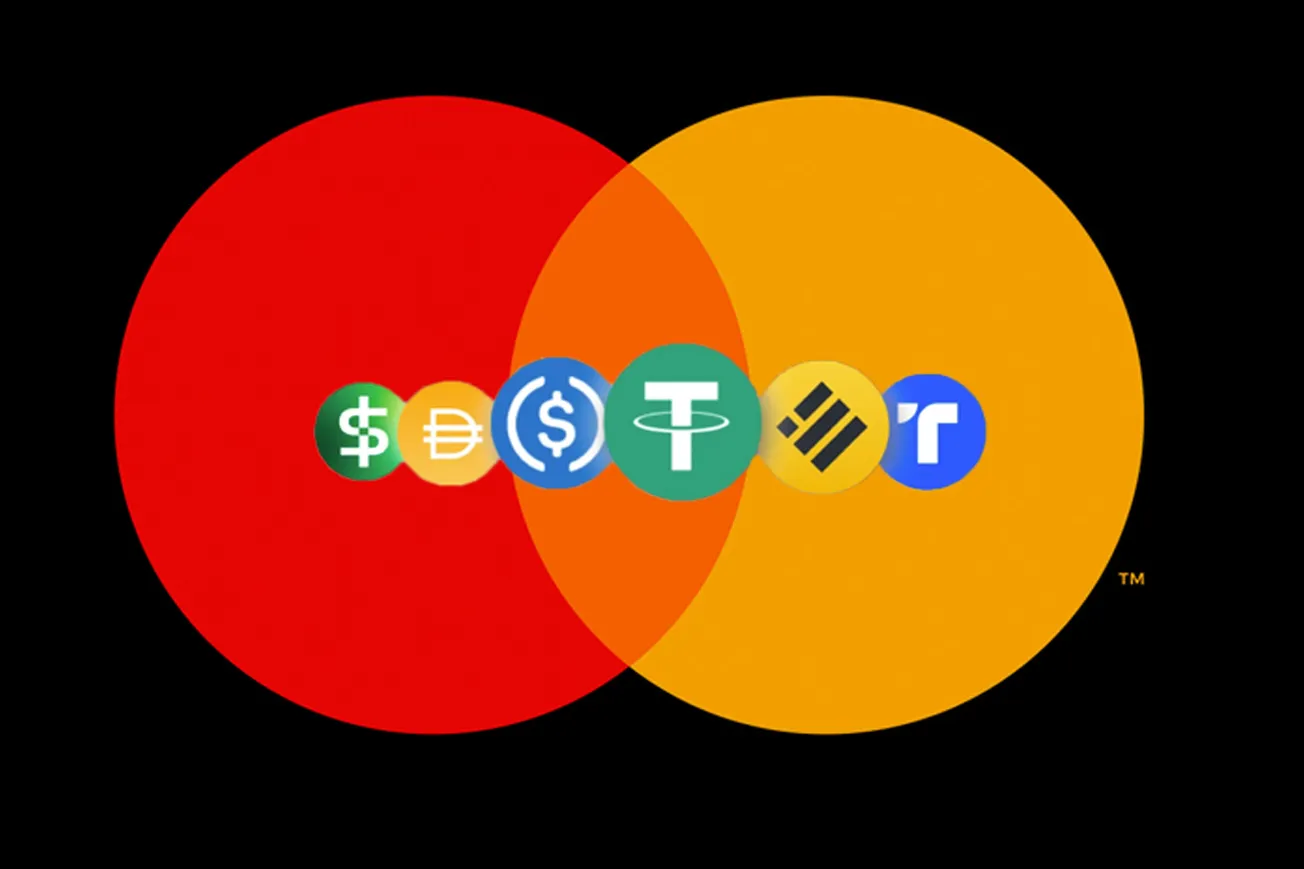
Mastercard has moved to expand its digital asset footprint by unveiling a stablecoin-powered global payment system that aims to bridge traditional finance with blockchain technology. The initiative incorporates wallet integration, card issuance, merchant settlement, and on-chain remittances, signalling a major endorsement for stablecoins within mainstream financial services.

The payments giant will partner with OKX to launch the OKX Card, offering users the ability to spend crypto assets seamlessly through Mastercard’s established infrastructure. The collaboration is positioned to provide cardholders with the option to convert their digital holdings into fiat currency at the point of sale, utilising USDC stablecoins to facilitate transactions in real time.

Mastercard’s broader collaboration also includes Circle, Nuvei, and Paxos, three key players in the stablecoin and blockchain space. The strategy centres on enabling direct merchant settlement using stablecoins, starting with USDC. The move is expected to accelerate merchant acceptance of digital currencies by eliminating the need for fiat conversions and complex intermediary processes.

Raj Dhamodharan, Mastercard’s head of crypto and blockchain, stated that the company is building a “future-proof” payments ecosystem that integrates digital assets responsibly and securely. He emphasised that Mastercard’s framework would ensure compliance with existing regulations and uphold strong consumer protection measures while offering the benefits of blockchain efficiencies.

By embedding stablecoins into payment rails, Mastercard is seeking to address long-standing challenges that have limited wider adoption of digital currencies, including volatility, liquidity management, and interoperability between financial systems. Stablecoins, which are typically pegged to fiat currencies like the US dollar, offer price stability that traditional cryptocurrencies like Bitcoin do not, making them more suitable for everyday transactions.

The OKX Card is expected to launch initially in select markets, with expansion plans to follow based on regulatory approvals and market demand. OKX’s president Hong Fang described the partnership as a “game-changer” that will “empower millions to experience the future of payments today.” The card will allow users to link their crypto wallets directly and spend their digital assets without the need to manually convert them into fiat beforehand.

Mastercard’s collaboration with Circle is particularly noteworthy as Circle’s USDC stablecoin is widely regarded for its regulatory compliance and transparency. Circle CEO Jeremy Allaire welcomed the partnership, highlighting that direct merchant settlement in USDC would reduce transaction costs, enhance speed, and provide greater transparency across payment processes.

Nuvei and Paxos will contribute to strengthening the backend settlement capabilities. Nuvei, a global payment technology firm, brings extensive experience in integrating alternative payment methods for merchants, while Paxos, a regulated blockchain infrastructure platform, provides trusted stablecoin issuance and custody solutions.

This new framework comes at a time when global financial institutions are increasingly exploring digital currencies. The Bank for International Settlements reported an upsurge in central bank digital currency projects globally, with a growing focus on how stablecoins and blockchain could complement traditional payment systems rather than disrupt them.

Mastercard has been experimenting with blockchain and digital assets for several years, conducting pilot programmes with various crypto companies and financial institutions. The company’s partnership with the Reserve Bank of Australia and the Digital Finance Cooperative Research Centre on a central bank digital currency pilot was another key step illustrating its commitment to innovating responsibly within the space.

Mastercard’s stablecoin settlement model follows a successful pilot in Australia, where live transactions using USDC and Mastercard’s network proved the technical viability and regulatory feasibility of using stablecoins for real-world transactions. The pilot included collaboration with Cuscal and Mintable, showcasing the ability to settle card transactions directly on blockchain networks.

Through these developments, Mastercard appears to be positioning itself as a leader among traditional financial service providers seeking to integrate blockchain into their core offerings. This approach not only supports digital asset adoption but also builds bridges between traditional payment providers and emerging decentralised finance ecosystems.

Industry analysts note that Mastercard’s entry into stablecoin-powered payments could force other major payment processors to accelerate their blockchain strategies. Visa, which has been running its own stablecoin settlement pilots, will likely view Mastercard’s moves as a call to action to deepen its blockchain integration efforts to remain competitive.

There are challenges ahead, particularly regarding regulatory clarity. Stablecoins have come under increasing scrutiny from regulators concerned about financial stability, money laundering, and consumer protection risks. Mastercard has indicated that its stablecoin programme will operate within regulated frameworks, ensuring that only stablecoins backed by transparent and compliant reserves are included.

The initiative also highlights growing merchant interest in accepting digital currencies without bearing volatility risks. Direct stablecoin settlement allows merchants to receive payment in a stable asset without relying on third-party crypto-to-fiat conversion services, streamlining operations and reducing costs.

As stablecoins continue to evolve beyond speculative assets into functional financial tools, Mastercard’s system reflects an understanding that digital currencies must serve real-world use cases to achieve mainstream adoption. The company’s ability to integrate stablecoin technology with traditional card networks could significantly alter how digital assets are used in daily commerce.

Mastercard’s latest announcement also underlines a broader industry shift toward interoperability. By supporting transactions across multiple blockchain networks and integrating with different stablecoin issuers, Mastercard aims to create a unified ecosystem where users, merchants, and financial institutions can interact seamlessly across both traditional and digital finance landscapes.


Tether’s tokenised gold product, XAU₮, has reached a major milestone with over 7.7 tonnes of physical gold now backing the asset, pushing its market capitalisation to $770 million as of 28 April 2025. This development marks a significant expansion of Tether’s portfolio beyond its flagship stablecoin USDT and highlights growing investor interest in digital assets secured by tangible commodities.

XAU₮, which represents ownership of one troy ounce of gold held in Swiss vaults, has seen steady accumulation over the past year amid fluctuating economic conditions and shifting investor sentiment towards inflation-resistant assets. According to market data, the token’s supply growth has mirrored increasing demand for alternative stores of value as concerns around fiat currency stability and geopolitical tensions continue to drive diversification strategies.

Tether’s disclosure that XAU₮ is now underpinned by more than 7.7 metric tonnes of physical gold signals strengthened efforts by the company to reinforce confidence in its tokenisation products. Analysts observing this trend note that digital gold products have carved a distinct niche, combining the traditional appeal of precious metals with the technological advantages of blockchain systems, including faster settlement times and greater accessibility for a global investor base.

Paolo Ardoino, CEO of Tether, stated that the surge in XAU₮’s backing reflects broader demand for hybrid assets that bridge the gap between conventional wealth preservation tools and new digital financial infrastructure. He added that Tether remains committed to transparency and robust management practices as it expands its product suite.

Since its launch, XAU₮ has distinguished itself by providing a clear legal structure for ownership claims over specific gold bars, with serial numbers and weight details disclosed through regular attestations. This level of verification has been crucial in appealing to institutional participants who require clear regulatory and custodial assurances before engaging with tokenised assets.

The achievement of a $770 million market cap also places XAU₮ among the most substantial gold-backed cryptocurrencies in circulation, competing with platforms like Paxos Gold and Perth Mint Gold Token . However, Tether’s strong brand presence and expansive network have given XAU₮ a competitive edge in terms of liquidity and market penetration.

Gold itself has continued to perform as a relatively stable asset amid volatile equity markets, stubborn inflation in key economies, and unpredictable monetary policy shifts. As of late April, gold prices hovered around $2,350 per ounce, with analysts forecasting further strength if macroeconomic uncertainty persists. This backdrop has reinforced the appeal of tokenised gold products like XAU₮, especially for investors looking for easily tradable options without the logistical challenges of physical storage.

XAU₮ has also benefited from integration with major exchanges and decentralised finance platforms, allowing users to utilise tokenised gold in broader financial applications such as lending, borrowing, and yield farming. This flexibility contrasts with traditional gold investment avenues, which typically lack interoperability with modern financial tools.

Institutional interest has played a critical role in the token’s growth trajectory. Asset managers, family offices, and corporate treasuries have increasingly explored tokenised commodities as a way to diversify their holdings while maintaining exposure to traditional safe havens. The ability to transfer ownership efficiently and transparently across jurisdictions has further bolstered the attractiveness of XAU₮.

Tether has continually faced scrutiny over its reserve management practices, particularly regarding USDT. However, the company’s detailed disclosures regarding XAU₮’s physical gold reserves appear to have mitigated similar concerns for this product. Regular attestations by third-party auditors have provided additional layers of reassurance to stakeholders wary of opaque reserve practices.

The evolving regulatory environment for stablecoins and tokenised assets may also influence the trajectory of products like XAU₮. Jurisdictions such as the European Union, the United Arab Emirates, and Singapore have introduced or are in the process of finalising frameworks aimed at ensuring greater oversight and consumer protection within the digital asset space. These regulations are expected to encourage higher standards of reporting and reserve management among issuers, benefiting products that already maintain rigorous transparency protocols.

Market participants have observed that gold tokenisation is emerging as a sector with strong fundamentals, particularly as broader adoption of blockchain technology reshapes traditional financial services. XAU₮’s growth demonstrates that tokenisation is not limited to speculative assets but can extend to historically conservative sectors such as commodities.

While challenges remain — including regulatory uncertainty, technological security risks, and the need for robust custodial solutions — the success of Tether’s XAU₮ underscores a maturing digital asset market increasingly focused on quality, transparency, and tangible backing. Observers suggest that continued institutional adoption and technological advancements could position tokenised gold as a staple component of diversified digital portfolios.

HANOI, VIETNAM – Media OutReach Newswire – 28 April 2025 – VinFast Auto Ltd. (“VinFast” or the “Company”) today announced its preliminary vehicle deliveries for the first quarter of 2025. The Company delivered 36,330 electric vehicles (“EVs”) globally in 1Q25, representing a 296% increase year-over-year. In the first quarter of 2025, deliveries of the VF 6 model increased by 453% compared to the same period in 2024. […]

SINGAPORE – Media OutReach Newswire – 28 April 2025 – On April 23, at the inaugural GITEX ASIA 2025 in Singapore, iFLYTEK made a grand entrance by unveiling its On-Prem LLM All-in-One Solution to global acclaim. This turnkey appliance is meticulously engineered for enterprises that demand robust levels of data sovereignty and bespoke AI capabilities, enabling organizations to train, fine-tune, and deploy large language models entirely within […]

Arabian Post Staff -Dubai Unveiling its latest flagship devices at a grand event in Singapore, POCO made a strong statement with the launch of the POCO F7 Ultra and POCO F7 Pro, positioning itself more firmly within the premium smartphone segment. The UAE market, where young, tech-savvy consumers are increasingly demanding top-tier performance without exorbitant pricing, is poised to become a key battleground for these new devices. […]

A major scientific breakthrough in quantum research has sparked optimism that practical quantum encryption could be realised within the next decade, while a fully developed quantum internet may become achievable within the next half-century, according to leading physicists and technology experts. Researchers at Delft University of Technology in the Netherlands confirmed they had successfully demonstrated quantum entanglement between distant nodes in a network in a stable, reliable […]

Marks & Spencer faced a significant digital disruption that impacted its click-and-collect services and in-store contactless payments, raising fresh concerns about cyber vulnerabilities across the global retail landscape. The incident underlined the increasing exposure of retail giants to cybersecurity threats, urging businesses, especially across emerging markets, to reevaluate their digital defences.

The British retailer confirmed that a cyberattack had interfered with its operational systems, temporarily disabling key customer services. Shoppers were unable to collect online orders or make contactless payments across several outlets, forcing stores to rely on manual processing where possible. Though Marks & Spencer worked swiftly to restore functionality, the attack exposed glaring weaknesses that could have far-reaching implications for retailers heavily dependent on digital infrastructure.

Cybersecurity analysts described the attack as a “wake-up call” for retailers worldwide, emphasising that operational continuity can no longer be taken for granted. While Marks & Spencer managed to contain the damage and reported no compromise of customer data, the event demonstrated how even non-financial hacking attempts could paralyse critical retail functions. The attack appears to have targeted internal systems rather than consumer databases, but the operational disruption caused significant inconvenience to customers and operational stress on store teams.

The UK-based company has yet to disclose specific details regarding the nature of the cyberattack or the group responsible, although preliminary assessments suggest the involvement of sophisticated malware designed to penetrate commercial transaction systems. Cybersecurity experts point out that retail chains are increasingly becoming attractive targets for cybercriminals seeking either financial ransom or operational chaos, with attackers focusing not only on stealing data but on interrupting services to exert pressure.

The disruption at Marks & Spencer also resonates strongly across global retail markets, particularly in countries like India, where digitalisation has accelerated dramatically over the past decade. Retail operations across the country are embracing online ordering, contactless payments, and digital inventory systems at an unprecedented pace. Yet the investments in cybersecurity have not always kept pace with the technological expansion, leaving significant vulnerabilities that could be exploited by malicious actors.

Industry experts warn that India’s retail sector, in its rush to modernise, must prioritise building robust cyber resilience strategies. The cyberattack on Marks & Spencer serves as a stark reminder that operational security is as critical as data protection. Retailers must not only guard customer information but ensure that their core business functions can withstand digital assaults without crippling their ability to serve consumers.

Retailers in India, from large conglomerates to smaller regional chains, have increasingly relied on digital payment platforms and integrated online-to-offline models. However, security audits and penetration testing, critical components of cyber defence, are often treated as secondary concerns. The focus on speed and growth has sometimes eclipsed the need for thorough cybersecurity frameworks, an oversight that experts say could prove costly if not urgently addressed.

The disruption of click-and-collect services at Marks & Spencer also illustrates the interconnectedness of digital and physical retail operations. When digital systems falter, physical stores quickly become vulnerable, as manual fallback options are seldom equipped to handle high volumes. In densely populated and high-transaction retail environments such as those in India, the consequences of a similar disruption could be even more severe, with longer downtimes and greater financial losses.

Cybersecurity firms have consistently highlighted retail as one of the sectors most at risk from targeted cyberattacks, given the volume of personal and financial data handled daily. However, incidents like the one affecting Marks & Spencer show that the objective of cybercriminals is shifting. Operational disruption can have as much reputational and financial impact as a data breach, if not more, by immediately affecting customer trust and satisfaction.

Amid evolving threats, there is growing advocacy for a shift towards cyber resilience rather than simple cyber defence. Cyber resilience focuses on building systems capable of absorbing and recovering from attacks without significant interruption to business activities. Experts suggest that this model is more suitable for modern retail, where zero-downtime expectations dominate consumer behaviour.

Leading cybersecurity professionals recommend that retailers invest in dynamic risk assessments, employee training, multi-layered security architectures, and incident response simulations. Retailers must also rethink their supply chain security, ensuring that third-party vendors do not become weak links in their cyber resilience strategy. Given the interconnectedness of suppliers, logistics, and payment partners in retail ecosystems, an attack on one entity can have cascading effects.

While Marks & Spencer’s swift response minimised some of the long-term reputational damage, the event highlights the importance of transparent communication during cyber incidents. Customers expect prompt updates, clear explanations, and assurances regarding the safety of their data and the reliability of services. Retailers that are prepared with crisis communication plans are better equipped to navigate the aftermath of cyberattacks without lasting damage to their brand reputation.

The disruption also underscores the urgent need for regulatory frameworks to catch up with the changing nature of cyber risks. Governments and industry bodies must work together to establish clear guidelines on cybersecurity requirements, reporting obligations, and liability frameworks. Without coordinated efforts, fragmented standards could leave critical vulnerabilities unaddressed, allowing attackers to exploit regulatory gaps.

Meta’s AI systems on Facebook and Instagram have come under intense scrutiny following reports that chatbots engaged in unsettling conversations with users posing as children. The bots, powered by artificial intelligence, were found to be having inappropriate exchanges with users impersonating minors, which included disturbing interactions involving Disney characters and celebrity voices. The controversy emerged when a series of investigations revealed that AI-driven chatbots, designed to simulate […]

Saudi Arabia’s Public Investment Fund has sharply raised its assets under management target for 2030 to $2.67 trillion, marking a significant 43 per cent jump from its earlier ambition of $1.87 trillion. The strategic move follows the sovereign wealth fund surpassing its asset milestone for 2023, underlining its growing influence as a key pillar of the Kingdom’s economic transformation efforts. According to the latest figures released as […]

A new chapter is unfolding in the heart of the UAE’s real estate landscape as Arabian Hills Estate emerges to replace a once highly anticipated but ultimately undelivered development initially sold by Wahat Al Zaweya Holding PJSC. Positioned near Al Ain, on land just across the Abu Dhabi border, this expansive community of villa and mansion plots is being marketed as a symbol of luxury and renewal, […]

Saudi Arabia has achieved a major leap forward in its Vision 2030 ambitions, with a significant number of its key initiatives either completed or advancing on schedule, according to the Vision 2030 Annual Report 2024. As of the end of last year, 85 per cent of the 1,502 active projects under the reform plan are either finalised or progressing as planned, demonstrating an accelerated pace towards economic […]

VISHNU RAJA
RYO YAMADA
HITORI GOTOH
IKUYO KITA