News related to
smart

Matein Khalid Risk assets went ballistic this week as DonnyT did his tariff man war dance, hurled his Tomahawk at Canada, Mexico, China and EU as Liberation Day begins on April 2nd in Year Zero of the Ten Thousand Year MAGA Empire. Long years ago, America made a tryst with destiny and now comes the time, we must redeem our pledge to The Donald, the Don of […]

Revitalised Industrial Building Transformed into State-of-the-Art Smart Headquarters Sets Industry Benchmark HONG KONG SAR – Media OutReach Neswire – 21 March 2025 – ATAL Engineering Group (“ATAL”), a leading provider in electrical and mechanical (E&M) engineering and information and communications technology (ICT) services for smart cities, today held the Opening Ceremony for ATAL Design, Research and Training Centre and its new headquarters, ATAL Tower. This milestone underscores […]

HONG KONG SAR – Media OutReach Neswire – 21 March 2025 – Hong Kong has unveiled its pioneering Low-altitude Economy (LAE) Regulatory Sandbox, marking the official start of pilot projects to promote development of the LAE with a view to creating new business opportunities, strengthening city management and bringing a new “smart city” experience to the public. Speaking at the launch event yesterday (March 21), Chief Executive […]

Tron , the blockchain platform known for its high throughput and scalability, has expanded its ecosystem by integrating with the Solana blockchain. This strategic move aims to enhance cross-chain interoperability, offering users and developers increased flexibility within the decentralized finance landscape.

Justin Sun, founder of Tron, announced the integration, stating that TRX is now operational on the Solana blockchain, with full liquidity available. He provided the contract address for the Solana-based TRX coin, emphasizing the readiness of the liquidity pools.

The integration of TRX onto the Solana blockchain represents a significant strategic move for Tron. This cross-chain expansion offers several potential benefits: enhanced liquidity, improved interoperability, and wider adoption. The integration enables TRX to be traded on Solana-native decentralized exchanges like Pump.fun, potentially increasing overall trading volume and market accessibility. As a wrapped token on Solana, TRX can now participate in Solana’s DeFi ecosystem, which is known for its high throughput and low transaction costs. The move exposes TRX to Solana’s growing user base, potentially attracting new investors and users to the Tron ecosystem.

Beyond the Solana integration, Tron has revealed a partnership with Pump.fun to run the launch of PumpSwap, a new native decentralized exchange meant to reinvent liquidity access and cross-chain interoperability.

The integration of TRX into Solana is part of a broader trend towards increased interoperability and collaboration within the blockchain industry. As more projects seek to work together to overcome technical challenges and expand their user bases, this trend is driven by the recognition that no single blockchain can solve all the problems facing the industry, and that collaboration is key to unlocking the full potential of blockchain technology.

This move is expected to enhance the capabilities of smart contracts, NFTs, and DeFi applications within the Tron ecosystem. The collaboration could allow TRX holders to benefit from faster transactions, access cross-chain liquidity, and enjoy lower transaction costs for DeFi operations. Justin Sun’s vision for zero-fee stablecoin transactions on Tron could also gain momentum with this integration, making it more feasible and efficient.

The potential implications of this integration are vast. Direct TRX-SOL exchanges made possible by the integration could reduce dependency on external bridges, minimizing intermediary risks. Tron’s DeFi protocols, such as JustLend and SunSwap, could leverage Solana’s liquidity and ecosystem, expanding their use cases.

The integration of TRX onto the Solana blockchain represents a significant strategic move for Tron. This cross-chain expansion offers several potential benefits: enhanced liquidity, improved interoperability, and wider adoption. The integration enables TRX to be traded on Solana-native decentralized exchanges like Pump.fun, potentially increasing overall trading volume and market accessibility. As a wrapped token on Solana, TRX can now participate in Solana’s DeFi ecosystem, which is known for its high throughput and low transaction costs. The move exposes TRX to Solana’s growing user base, potentially attracting new investors and users to the Tron ecosystem.

Beyond the Solana integration, Tron has revealed a partnership with Pump.fun to run the launch of PumpSwap, a new native decentralized exchange meant to reinvent liquidity access and cross-chain interoperability.

The integration of TRX into Solana is part of a broader trend towards increased interoperability and collaboration within the blockchain industry. As more projects seek to work together to overcome technical challenges and expand their user bases, this trend is driven by the recognition that no single blockchain can solve all the problems facing the industry, and that collaboration is key to unlocking the full potential of blockchain technology.

JAKARTA, INDONESIA – Media OutReach Newswire – 21 March 2025 – VinFast has signed a Memorandum of Understanding (MoU) with PT Aribi Amartapura (Amarta), one of Indonesia’s leading vehicle distributors, to accelerate the expansion of its showroom network in the country. This partnership marks a significant milestone in VinFast’s global dealership strategy, enhancing brand visibility and bringing its electric vehicles closer to Indonesian customers. VinFast Asia CEO […]

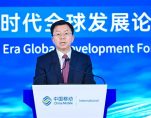
HONG KONG SAR – Media OutReach Newswire – 20 March 2025 – China Mobile International (“CMI”) hosted the AI+ Era Global Development Forum in Hong Kong on March 19. Distinguished guests included Li Huidi, Executive Vice President of China Mobile; Mu Chenhong, Deputy Director of the Information Center, Liaison Office of the Central People’s Government in the Hong Kong SAR; Wong Chi Kwong, Tony, JP, the Commissioner […]

Ethereum’s decentralized finance ecosystem has experienced a substantial contraction, with total value locked plummeting by $29 billion over the past 30 days. This decline has raised concerns about Ethereum’s dominance in the DeFi landscape, especially as rival blockchains gain traction.

As of March 19, Ethereum’s TVL stands at $89 billion, down from $118 billion recorded on February 19, marking a 25% reduction in total deposits within its DeFi platforms. This downturn coincides with a surge in the Bitcoin to Ethereum ratio, which has reached an all-time high. Currently, with Bitcoin trading at $83,000 and Ethereum at $1,900, one BTC can now purchase over 44 ETH, reflecting a 30% increase from the 1:33 ratio observed on February 25.

Several factors have contributed to this sharp devaluation. The introduction of new trade tariff policies has unsettled global markets, prompting crypto investors to seek safety in Bitcoin over Ethereum. Additionally, Ethereum’s ongoing network scalability issues and unsuccessful updates have dampened investor confidence. Historical data indicates that Ethereum’s devaluation has accelerated post-Merge, with multiple failed network upgrades pushing ETH supply above pre-Merge levels.

The Ethereum Foundation attempted to regain control by reshuffling leadership in February, but investor sentiment remains bleak following the disappointing Pectra and Hoodi updates. This has led to a massive capital outflow from Ethereum’s DeFi ecosystem, with TVL dropping from $118 billion on February 19 to $89 billion on March 19, marking a $29 billion capital loss within a month—a 25% decline in total deposits across Ethereum DeFi.

The declining on-chain statistics align with lower demand for leveraged longs in ETH futures. The premium of these futures over spot markets has dropped below the 5% neutral level to only 3%—the lowest in over a year—indicating diminished trading confidence.

Ethereum’s decentralized exchange volumes have seen a significant decline, with volumes decreasing approximately 30% over the last week. Specific protocols within the Ethereum network have exhibited notable drops in activity, with the Maverick Protocol experiencing an 85% reduction and Dodo’s volume decreasing by 45%.

Despite these challenges, Ethereum maintains its leadership in total value locked, currently at $47.2 billion. However, a 9% weekly drop has significantly narrowed the gap with competitors. In contrast, BNB Chain’s deposits increased by 6% in the past week, while Ethereum’s key DeFi projects saw major losses, including an 11% drop in Stargate Finance’s TVL, a 9% decline in Maker’s deposits, and a 6% reduction in Spark Finance.

The $29 billion drop in Ethereum’s DeFi TVL, coupled with continued scalability struggles and external economic pressures, heightens bearish risks. As liquidity diminishes in the DeFi ecosystem, ETH coins previously locked in smart contracts are entering the short-term market supply. If capital outflows persist, ETH could face further downward pressure, potentially retesting the $1,500 support zone. Additionally, with Bitcoin’s dominance widening, ETH risks losing more market share in the near term, especially if upcoming economic policies do not meet market expectations.

The declining interest in Ethereum-based exchange-traded funds further exacerbates the situation. Over the past seven days, these digital assets have suffered cumulative outflows of $265.4 million, reflecting diminished institutional interest.

In response to these challenges, Ethereum’s developers are under increasing pressure to address scalability issues and restore investor confidence. The upcoming Hoodi update is anticipated to tackle some of these concerns, but its success remains uncertain. Meanwhile, competitors like Solana and BNB Chain are capitalizing on Ethereum’s setbacks, attracting users and liquidity with their own DeFi offerings.

Advertisements

BEIJING, CHINA – Media OutReach Newswire – 19 March 2025 – As AI transforms global industries, the transportation sector is undergoing notable change. Autonomous driving technology is rapidly scaling, with top companies like Google’s Waymo and Baidu’s Apollo Go leading the way. Waymo, a pioneer in autonomous driving, has launched commercial operations in four major U.S. cities, providing approximately 150,000 rides per week, which demonstrates its scalability. […]

Siemens, Europe’s largest industrial technology company, has partnered with Minima, a pioneer in decentralized blockchain technology, to integrate blockchain capabilities into its devices across the automotive, robotics, energy, and healthcare sectors. This collaboration aims to bolster data integrity and security in the rapidly evolving landscape of connected industrial systems. The partnership is facilitated through Siemens Cre8Ventures, an initiative dedicated to accelerating industrial transformation by collaborating with startups […]

The consulting industry in the Gulf Cooperation Council is projected to reach a valuation exceeding $8 billion this year, marking a 12% growth compared to the previous year. This expansion, while robust, indicates a slight deceleration from the 13% growth observed in 2024, reflecting a trend of tightening public expenditure across the region. Saudi Arabia, the largest economy within the GCC, has been a significant contributor to […]

SINGAPORE – Media OutReach Newswire – 19 March 2025 – Acclaimed Singaporean actor and cultural icon Li Nan Xing is thriving in his new role as the face of NJHealth NMN 20000mg, the cutting-edge healthy ageing supplement revolutionising the wellness industry in Singapore. Known for his enduring vitality and charisma, Li Nan Xing’s endorsement underscores the product’s efficacy and aligns with his personal commitment to maintaining vitality […]

A consortium of investors, spearheaded by Singapore-based private equity firm RRJ Capital, has committed $600 million in equity to Dubai-headquartered private aviation company Vista. This significant infusion aims to optimize Vista’s capital structure, enhance free cash flow, and reduce existing debt. The transaction is anticipated to conclude by the end of this month.

Vista, recognized globally for its private aviation services, views this investment as a pivotal milestone in its growth trajectory. The company’s founder and chairman, Thomas Flohr, remarked, “Today’s announcement is a strong endorsement of our strategy and long-term vision for the future, while also providing us with great partners for years to come.” He further expressed enthusiasm about collaborating with RRJ Capital and its consortium to support Vista’s forthcoming growth phases.

Established in 2004 by Flohr, Vista has evolved into a prominent entity in the private aviation sector. The company operates renowned brands such as VistaJet and XO, offering clients worldwide access to a fleet of private jets. Over the years, Vista has strategically expanded through acquisitions, including the purchase of JetSmarter in 2019, a digital platform likened to the “Uber of private aviation,” and XOJET in 2018, consolidating its position in the industry.

The lead investor, RRJ Capital, is an esteemed Asian investment firm managing approximately $16 billion in long-term capital. Richard Ong, founder and CEO of RRJ Capital, expressed his satisfaction with the partnership, stating, “RRJ is very pleased to become a long-term partner to Vista, the leading private jet company in the world.” He highlighted Vista’s two decades of industry innovation and its global market presence as factors that make this investment an exciting new chapter for both entities.

The investment aligns with Vista’s commitment to accelerate deleveraging and diversify its investor base, thereby strengthening its financial standing. This move is expected to bolster the company’s ability to meet the increasing demand for private aviation services, especially in a post-pandemic world where personalized and flexible travel solutions have gained prominence.

Financial advisory roles in this transaction were undertaken by UBS for RRJ Capital and Jefferies for Vista, ensuring that the deal aligns with both parties’ strategic and financial objectives.

Vista’s journey reflects a series of strategic decisions aimed at consolidating its market position. The company’s acquisition of JetSmarter and XOJET were pivotal in expanding its service offerings and client base. These moves have positioned Vista to cater to a broader audience seeking private aviation solutions.

The private aviation industry has witnessed notable growth, driven by a surge in demand for personalized travel experiences and the need for flexible travel options. Vista’s ability to adapt to these market dynamics has been instrumental in its sustained growth and appeal to investors.

The $600 million equity investment by RRJ Capital and its consortium is not just a testament to Vista’s past performance but also an endorsement of its future potential. By optimizing its capital structure and reducing debt, Vista is poised to enhance its operational efficiency and service delivery, thereby solidifying its leadership in the private aviation sector.

Revenue Growth Supported by Multiple Pillars Steadily Enhancing Shareholder Returns HONG KONG SAR – Media OutReach Neswire – 17 March 2025 – The world’s largest telecommunications infrastructure service provider China Tower Corporation Limited (“China Tower” or the “Company”) (Stock Code: 0788.HK) is pleased to announce its annual results for the year ended 31 December 2024. Performance Highlights RMB Million 2024 2023 Change Operating revenue 97,772 94,009 4.0% […]

Entries received for “New Places in Edo/Tokyo in metaverse” TOKYO, JAPAN – Media OutReach Newswire – 17 March 2025 – From Wednesday, December 25, 2024 through Friday, January 10, 2025, the Tokyo Metropolitan Government called for submissions of cluster worlds created with the theme “New Places in Edo/Tokyo in metaverse” that showcase the best of Tokyo to a wider audience. We are pleased to announce that 12 […]

HONG KONG SAR – Media OutReach Newswire – 14 March 2025 – UU Wallet, a leading global Web3 payment platform, recently announced that it has officially obtained the Money Services Business (MSB) license from the United States. This makes UU Wallet one of the few digital financial service platforms that combines robust security capabilities with global compliance credentials. The approval of this license signifies that UU Wallet […]

Riyadh is set to become the epicenter of artificial intelligence innovation as it prepares to host the Global AI Show on June 23-24, 2025. Organized by VAP Group, the event is expected to attract over 5,000 AI futurists, industry leaders, and innovators from around the world. This gathering underscores Saudi Arabia’s commitment to establishing itself as a global hub for artificial intelligence, in line with its Vision […]

The United States has intensified its criticism of India’s trade policies, highlighting substantial tariffs imposed on American products. White House Press Secretary Karoline Leavitt underscored these concerns during a press briefing, emphasizing the challenges faced by U.S. exporters in penetrating the Indian market.

Leavitt pointed out that India levies a 150% tariff on American alcohol, significantly hindering the export of products like Kentucky bourbon. Additionally, she noted a 100% tariff on U.S. agricultural goods entering India. These steep tariffs, according to Leavitt, exemplify the broader issues of trade imbalances that the current administration aims to address.

The U.S. administration’s stance is rooted in a commitment to reciprocity and equitable trade practices. President Donald Trump has been vocal about the need for fair treatment of American businesses and workers, criticizing countries that impose disproportionately high tariffs on U.S. goods. In the same briefing, Leavitt also highlighted Canada’s nearly 300% tariff on American cheese and butter, further illustrating the administration’s concerns over global trade practices.

The issue of tariffs has been a recurring theme in U.S.-India trade relations. President Trump has previously labeled India as the “tariff king,” citing its average tariffs on imports as significantly higher compared to other nations. This characterization underscores the administration’s frustration with India’s protectionist measures, which are seen as barriers to U.S. exports.

In response to these concerns, Indian Prime Minister Narendra Modi has initiated steps to reduce tariffs on certain products. Ahead of his visit to Washington, India announced reductions in tariffs on items such as smartphone components and electric-vehicle batteries. These measures aim to strengthen bilateral ties and potentially avert punitive reciprocal tariffs from the U.S. However, many of these tariff reductions are offset by other taxes, and key imports from the U.S. continue to face relatively high tariffs.

The economic implications of these tariffs are significant. For instance, Citi Research estimates that India could lose $7 billion annually if the U.S. proceeds with its proposed reciprocal tariff measures. This potential loss underscores the high stakes involved in the ongoing trade negotiations between the two countries.

The U.S. administration’s concerns are not limited to India. President Trump has also criticized other nations, including Japan, for imposing high tariffs on specific U.S. products. For example, Japan’s tariffs on rice imports stand at 700%, further complicating the global trade landscape.

In an effort to address these disparities, President Trump has announced plans to implement reciprocal tariffs on countries with high value-added taxes or other trade barriers. This policy aims to counteract what the administration perceives as unfair advantages held by countries with high VAT systems, which can act as de facto tariffs on U.S. goods.

The proposed reciprocal tariffs are part of a broader strategy to create a more balanced trade environment for American companies. The administration’s goal is to ensure that U.S. businesses can compete on a level playing field in the global market. While specific details of the reciprocal tariff plan are still being finalized, the administration has indicated that implementation could begin in the coming weeks or months.

The U.S. has also expressed concerns about India’s high average applied Most Favored Nation tariff on agricultural goods, which stands at 39%, compared to the U.S. average of 5%. Additionally, India imposes a 100% tariff on U.S. motorcycles, while the U.S. charges only a 2.4% tariff on Indian motorcycles. These disparities further contribute to the administration’s push for more equitable trade practices.

The ongoing trade tensions have prompted high-level discussions between the two nations. Indian Commerce Minister Piyush Goyal recently visited Washington to negotiate a trade agreement following President Trump’s threat of reciprocal tariffs. These negotiations are part of a broader realignment in India’s trade strategy, as the country also seeks to restart trade talks with the UK and the European Union.

However, significant challenges remain. India’s protectionist stance, particularly in the agricultural sector, poses notable obstacles to reaching a comprehensive trade agreement. The Modi government faces political sensitivities in liberalizing sectors like agriculture, highlighted by past resistance to international trade agreements and farming reforms. Analysts foresee difficult negotiations, especially regarding U.S. demands for market access in agriculture and other sensitive areas.

The personal rapport between President Trump and Prime Minister Modi could play a pivotal role in these negotiations. Both leaders have expressed a desire to strengthen bilateral ties and expand economic cooperation. However, balancing domestic political considerations with international trade demands will be crucial in determining the outcome of these discussions.

As the April 2 deadline for the implementation of U.S. reciprocal tariffs approaches, the urgency for a resolution intensifies. Both nations stand to gain from a mutually beneficial agreement that addresses tariff disparities and promotes fair trade practices. The coming weeks will be critical in shaping the future trajectory of U.S.-India trade relations.


HONG KONG SAR – Media OutReach Newswire – 12 March 2025 – The James Dyson Award, an international student design and engineering competition, opens for submissions today to its 2025 programme in 28 countries and regions. From everyday challenges to the world’s most pressing issues, the Award calls for current or recent students to submit problem-solving ideas that could make a real difference to people’s lives. Since […]

HONG KONG SAR – Media OutReach Newswire – 11 March 2025 – Hong Kong Science and Technology Parks Corporation (HKSTP) today announced the strategic development of InnoCentre in Kowloon Tong as the leading green technology hub – “GreenTech Hub”. This initiative brings together more than 200 green technology companies in the ecosystem to drive R&D and demonstrate sustainable solutions, signifying HKSTP’s pivotal role in propelling Hong Kong […]

Careem Pay, the financial services arm of the Careem app, has introduced a new remittance service enabling United Arab Emirates residents to send funds directly to bank accounts in Egypt. This development aims to provide a swift and cost-effective alternative to traditional banking methods for the substantial Egyptian expatriate community in the UAE. The UAE hosts a significant number of Egyptian expatriates, positioning Egypt among the top […]

Arabian Post Staff -Dubai In a fusion of fashion and technology, Meta Platforms, in collaboration with Ray-Ban and French fashion label Coperni, has introduced a limited-edition series of smart glasses. Unveiled during Paris Fashion Week as part of Coperni’s Fall Winter 2025 collection, these glasses blend Ray-Ban’s iconic Wayfarer design with advanced AI features from Meta. The collection is limited to 3,600 individually numbered pairs, each retailing […]

Dubai’s real estate industry is undergoing a significant transformation as developers, regulators, and investors align efforts to achieve a net-zero built environment by 2030. This collective endeavour is driven by policy initiatives, financial incentives, and technological advancements, positioning sustainability at the forefront of the sector’s evolution. The United Arab Emirates has committed to the Net Zero 2050 initiative, aiming to eliminate carbon emissions by mid-century. This national […]

SINGAPORE – Media OutReach Newswire – 10 March 2025 – SKINARMA has doubled up their seasonal drop this season of pairing with the Apple Watch strap GEMINI and Apple Watch case ATOM. Made to coordinate and complement each other, both products fashioned for the latest Apple Watch Series 10 and Ultra 2 are dressed in dual colors for endless combinations—so you never have to settle for a […]

HANOI, VIETNAM – Media OutReach Newswire – 28 February 2025 – The rise of powerful artificial intelligence (AI) like DeepSeek is transforming the world at an unprecedented pace, sparking enthusiasm and deep concerns about its potential risks. On that subject, “AI godfather” Yoshua Bengio – Laureate of the 2024 VinFuture Grand Prize – highlighted the urgent need for national and global efforts to regulate AI and ensure […]

VISHNU RAJA
RYO YAMADA
HITORI GOTOH
IKUYO KITA