News related to
smart

Octa, a broker with globally recognised licences, will conduct an online trading workshop, ‘Profit Formula’, on 31 October. The event aims to bring the trading community together to share trading expertise. It will feature top industry experts covering crucial trading-related topics and revealing the secrets of achieving consistent success in the financial markets. KUALA LUMPUR, MALAYSIA – Media OutReach Newswire – 18 October 2024 – Many success […]

Recognized for its innovative AI-driven Smart Building Management System, transforming facility operations with predictive technology HONG KONG SAR – Media OutReach Newswire – 18 October 2024 – As part of NTT Group, a world-leading telecommunications and ICT service provider, NTT Com Asia (NTT) is proud to announce that it has been awarded the Best AI Application Award – Bronze at the 2024 CAHK STAR Awards. This prestigious […]

A coalition of eleven nations has committed to the Middle East Green Initiative, aimed at addressing climate change and promoting sustainable development across the region. This significant expansion follows a recent summit where leaders gathered to discuss collaboration on environmental issues, further cementing the initiative’s role as a central platform for regional cooperation on sustainability. The Middle East Green Initiative, launched by Saudi Arabia, is designed to […]

Dahua Technology MENA is showcasing a range of innovative products and solutions at GITEX Global 2024, positioning itself as a key player in the region’s rapidly growing video-centric AIoT market. The company is using the prestigious Dubai event to introduce its latest advancements in artificial intelligence, the Internet of Things (IoT), and video technology. The company’s participation in GITEX comes as part of its strategic efforts to […]

At GITEX Global 2024, Huawei showcased an extensive array of industrial digital and intelligent transformation solutions, emphasizing its commitment to driving technological advancements across multiple sectors. The company hosted the Industrial Digital and Intelligent Transformation Summit, bringing together industry leaders and partners to discuss the future of digital solutions in various fields. Huawei’s strategy focuses on empowering industries through cutting-edge technology, with an emphasis on collaboration and […]

A groundbreaking artificial intelligence engine is set to transform urban mobility in Abu Dhabi. This initiative, led by Abu Dhabi Mobility, aims to enhance traffic management and improve the overall quality of life for residents. Leveraging advanced data analytics, the AI system will monitor various aspects of city movement, including traffic congestion, accident occurrences, and even apartment occupancy levels. The AI engine operates by analyzing real-time data […]

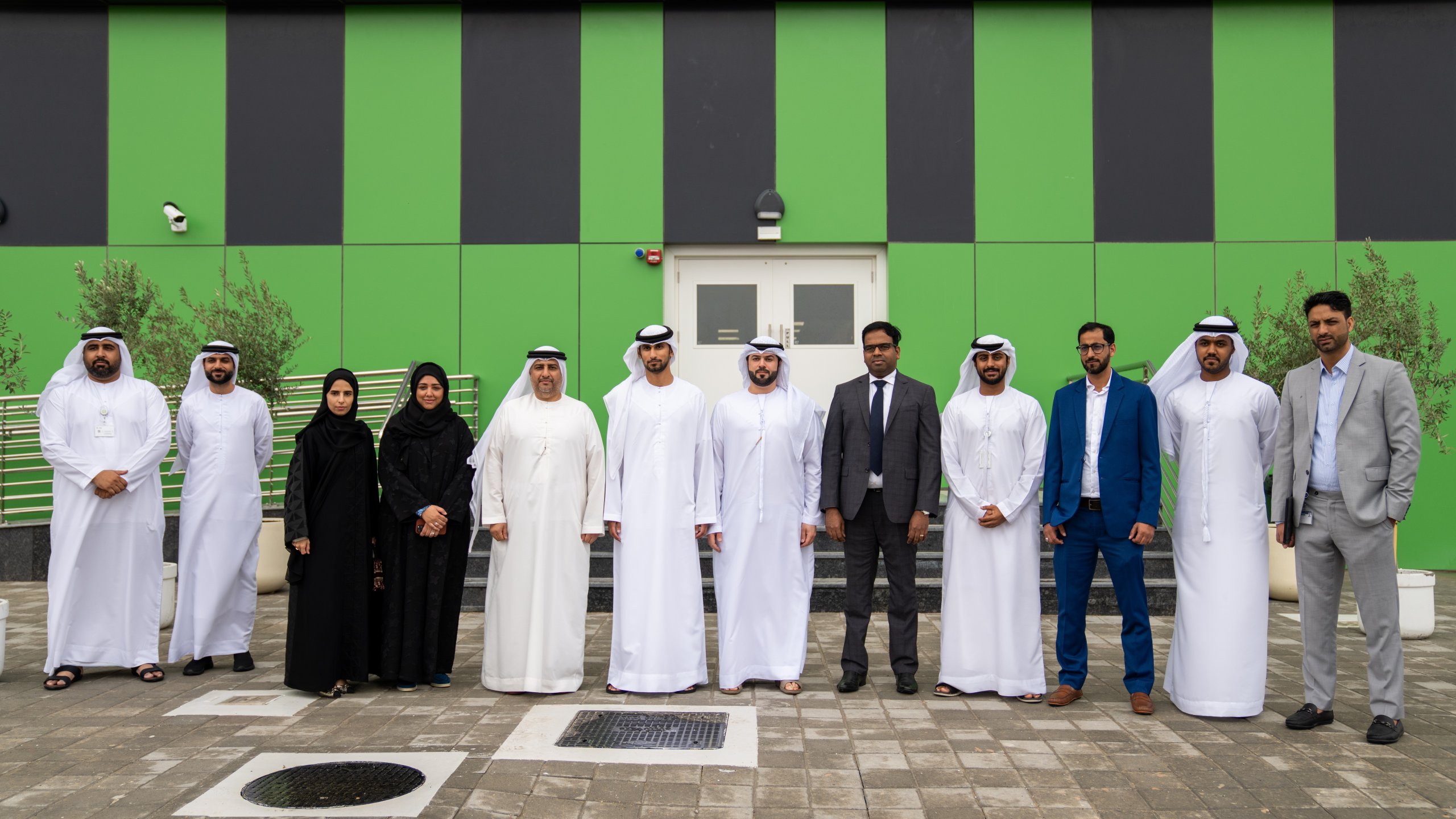
Moro Hub, a subsidiary of Digital DEWA, has formalized a partnership with Dubai Islamic Bank (DIB) aimed at enhancing the bank’s cybersecurity capabilities. The collaboration focuses on the provision of advanced colocation services and a comprehensive cybersecurity suite, ensuring the security and resilience of DIB’s IT infrastructure. This development is expected to boost Dubai Islamic Bank’s efforts to safeguard its operations and data against an evolving threat landscape while expanding its digital footprint.

The Memorandum of Understanding (MoU) signed between Moro Hub and Dubai Islamic Bank underscores the growing need for robust digital infrastructure in the financial sector. As part of the agreement, Moro Hub will provide DIB with secure colocation services in a state-of-the-art data center, alongside a suite of cybersecurity solutions tailored to meet the specific needs of the financial institution. These services aim to mitigate the risk of cyberattacks and ensure the bank’s compliance with regulatory standards, reflecting the increasing pressures on banks globally to adopt enhanced security measures.

Colocation, a service allowing businesses to rent space for their servers and other computing hardware within a third-party data center, offers banks like DIB the advantage of enhanced physical security, disaster recovery, and operational efficiency. Moro Hub’s colocation services will enable Dubai Islamic Bank to host its critical systems in a secure environment, benefiting from the company’s advanced infrastructure, which is designed to meet the stringent security requirements of financial institutions.

This partnership comes at a time when financial institutions in the UAE and around the world are grappling with a surge in sophisticated cyber threats. With the rise of digital banking services and the increased reliance on online platforms, banks have become prime targets for cybercriminals. By leveraging Moro Hub’s expertise in cybersecurity, Dubai Islamic Bank aims to strengthen its defenses against these threats, ensuring the protection of its clients’ sensitive information.

The global banking sector has witnessed a dramatic rise in cybersecurity incidents over the past few years, prompting financial institutions to invest heavily in protective measures. From phishing attacks to sophisticated ransomware campaigns, banks are constantly under siege by attackers seeking to exploit vulnerabilities in their systems. Dubai Islamic Bank’s decision to partner with Moro Hub reflects a proactive approach to dealing with these challenges, as the bank seeks to stay ahead of the curve in an increasingly digitalized world.

Moro Hub, established as part of Dubai’s broader Smart City initiative, has positioned itself as a key player in the region’s digital transformation efforts. The company’s data centers and cybersecurity services are aligned with international standards, making it a trusted partner for businesses seeking to secure their digital operations. For Dubai Islamic Bank, this partnership offers a significant opportunity to enhance the security and efficiency of its IT operations while also reducing the operational costs associated with maintaining in-house data centers.

Cybersecurity is no longer just a technological challenge; it has become a critical component of business strategy for banks and other financial institutions. Regulatory bodies in the UAE and across the globe have tightened their requirements for data protection, mandating that banks adopt stricter security protocols to safeguard customer data and prevent breaches. Failure to comply with these regulations can result in hefty fines and damage to the institution’s reputation. By partnering with Moro Hub, Dubai Islamic Bank aims to ensure full compliance with these regulatory standards while also minimizing the risk of operational disruptions caused by cyberattacks.

Beyond the immediate security benefits, this partnership is also expected to have broader implications for Dubai Islamic Bank’s digital transformation journey. The bank has been steadily expanding its digital services, offering customers a range of online banking options, including mobile banking apps and digital payment platforms. As customer expectations continue to evolve, DIB’s ability to provide seamless and secure digital services will be crucial to maintaining its competitive edge in the market.

The digital banking landscape is undergoing rapid transformation, with customers increasingly favoring online and mobile services over traditional banking methods. This shift has forced banks to rethink their operational strategies, with a focus on enhancing the digital experience for customers while ensuring robust security measures are in place. For Dubai Islamic Bank, the partnership with Moro Hub is a strategic move to ensure that its digital infrastructure is capable of meeting these demands while also safeguarding against the growing threat of cyberattacks.

Financial institutions across the UAE have been accelerating their investments in digital infrastructure in response to changing market conditions and regulatory pressures. With initiatives such as the UAE’s National Cybersecurity Strategy and Dubai’s push towards becoming a global fintech hub, banks are under increasing pressure to enhance their cybersecurity frameworks. Dubai Islamic Bank’s collaboration with Moro Hub is in line with these national priorities, positioning the bank as a leader in digital security within the financial sector.

While the specific financial terms of the MoU were not disclosed, the partnership between Moro Hub and Dubai Islamic Bank represents a significant step forward in the bank’s efforts to strengthen its IT infrastructure. The bank’s leadership has emphasized the importance of cybersecurity as a core component of its business strategy, and this collaboration with Moro Hub is expected to play a key role in achieving those objectives.

Advertisements

The World Bank forecasts a 4.1% growth for the United Arab Emirates’ GDP in 2025, supported by diversification efforts and recovery in tourism and trade. This projection comes amidst ongoing economic reforms and investments in infrastructure and technology that aim to bolster the country’s long-term economic resilience. In its latest report, the World Bank emphasizes that the UAE’s economy has shown remarkable adaptability, bouncing back from the […]

BYD, the Chinese electric vehicle (EV) manufacturer, is making significant strides in the global automotive market, solidifying its position as a leader in producing affordable electric cars. Recent reports indicate that the company’s strategy is not just about increasing production capacity but also focuses on innovative technologies and cost-cutting measures that make electric vehicles more accessible to a broader audience.

The global electric vehicle market has been experiencing remarkable growth, driven by rising consumer demand and regulatory pressures to reduce carbon emissions. In this evolving landscape, BYD’s production capabilities and technological advancements are enabling it to offer vehicles that cater to various segments of the market. The company’s recent launch of the BYD Dolphin, a compact electric hatchback priced competitively, showcases its commitment to making EVs attainable for everyday consumers. This model is particularly noteworthy for its range of features at an entry-level price point, setting a precedent in the budget EV segment.

One of the critical factors contributing to BYD’s success is its vertically integrated supply chain. By manufacturing essential components, such as batteries and electric motors in-house, BYD has managed to reduce costs significantly. This approach allows the company to maintain control over quality and supply, which is increasingly crucial as global supply chain disruptions have affected many automakers. Furthermore, BYD’s expertise in battery technology, particularly lithium iron phosphate (LFP) batteries, has enabled the company to produce more efficient and cost-effective energy storage solutions. These batteries are not only cheaper to produce but also provide enhanced safety and longevity, making them an attractive option for consumers.

Competition in the EV market is intensifying, with established automakers and new entrants alike vying for market share. Tesla, once the undisputed leader in the electric vehicle sector, faces increasing pressure from competitors such as BYD, which are rapidly closing the gap in technology and production capabilities. Tesla’s high-end models have carved out a niche market, but BYD’s focus on affordability targets a different demographic, particularly in emerging markets where price sensitivity is paramount.

BYD’s international expansion strategy is also noteworthy. The company has been increasing its footprint in Europe, Asia, and South America, adapting its offerings to meet the local demand for electric vehicles. For example, in Europe, BYD has introduced models designed specifically for urban environments, emphasizing compact sizes and efficient performance. This tailored approach has allowed BYD to capture the attention of consumers and local governments looking to transition to greener transportation options.

The company’s efforts to enter the U.S. market have garnered significant attention. While navigating the complexities of U.S. regulations and consumer preferences presents challenges, BYD has made strides in establishing partnerships and exploring opportunities for local production. Recently, the company announced plans to invest in manufacturing facilities in North America, a move aimed at mitigating tariffs and streamlining distribution. Such initiatives signal BYD’s commitment to becoming a major player in one of the world’s most lucrative automotive markets.

The push for sustainable manufacturing practices is increasingly shaping consumer preferences and regulatory frameworks. BYD has been proactive in addressing environmental concerns, aiming to position itself as a leader in sustainable mobility. The company has committed to utilizing renewable energy sources in its manufacturing processes, further enhancing its appeal to eco-conscious consumers. This commitment aligns with global trends emphasizing sustainability and corporate responsibility, influencing purchasing decisions across demographics.

The competitive landscape is also seeing new players entering the market, notably from traditional automotive manufacturers pivoting towards electrification. Companies like Volkswagen and Ford are investing heavily in EV development, attempting to leverage their established brand recognition and distribution networks to compete with companies like BYD. The influx of capital into EV development from established players adds another layer of complexity to the industry dynamics. However, BYD’s early investments in technology and production capabilities provide it with a competitive edge.

In addition to affordability, BYD’s focus on technological innovation is crucial in attracting consumers. Features such as advanced driver-assistance systems (ADAS) and smart connectivity options are becoming increasingly expected among consumers. BYD is actively investing in research and development to enhance these features in its vehicles, aiming to meet and exceed consumer expectations. The integration of technology not only improves user experience but also serves as a differentiator in a crowded marketplace.

Industry analysts predict that the competition among EV manufacturers will intensify in the coming years, with price wars becoming more common as companies strive to capture market share. BYD’s strategy to offer high-quality, affordable vehicles positions it well to navigate these challenges. As battery technology continues to advance and production costs decrease, the feasibility of producing lower-priced electric vehicles will only increase, benefiting companies like BYD that have already established a foothold in this arena.

BYD’s commitment to enhancing its vehicle lineup is evident in its strategic partnerships and collaborations. The company has been actively engaging with various technology firms to enhance its offerings further, particularly in software development and connectivity features. By integrating cutting-edge technologies, BYD is poised to not only meet the current demands of the market but also to shape future consumer preferences in the electric vehicle sector.

United Development Company (UDC), a prominent real estate and investment firm in Qatar, has finalized an agreement to divest a 40% stake in Qatar Cool, the leading district cooling service provider in the region. This strategic move is poised to bolster UDC’s financial position while allowing Qatar Cool to enhance its operational capabilities and expand its service offerings. The deal underscores the growing importance of sustainable energy solutions in Qatar’s rapidly developing economy.

Qatar Cool, which was established in 2003, has been instrumental in providing efficient cooling solutions to various sectors, including residential, commercial, and industrial clients. The company has a significant footprint in Qatar, servicing landmark projects such as The Pearl-Qatar, Lusail City, and various governmental facilities. The district cooling model has gained traction in the Gulf region, particularly in Qatar, where high temperatures necessitate energy-efficient cooling solutions.

The decision by UDC to divest a portion of its stake comes at a time when the demand for district cooling services continues to rise, driven by increasing urbanization and the ongoing development of large-scale infrastructure projects. Industry analysts view this divestment as a move that will allow UDC to unlock capital for reinvestment into its core real estate ventures while also enabling Qatar Cool to leverage the new partnership for growth opportunities. The transaction is expected to close within the coming months, pending regulatory approvals.

As the largest shareholder in Qatar Cool, UDC’s divestment will not significantly alter the company’s strategic direction. However, the introduction of new partners could provide fresh perspectives and innovative approaches to expand Qatar Cool’s operations. Analysts are optimistic that this partnership will enable the company to enhance its technology and service delivery, aligning with Qatar’s Vision 2030 objectives focused on sustainable development.

The Qatar district cooling market has seen a substantial increase in investment over the past few years, with several new projects coming online to meet the burgeoning demand. According to industry reports, the district cooling market in Qatar is projected to grow at a compound annual growth rate (CAGR) of approximately 7.5% between 2024 and 2030. This growth is largely attributed to the government’s push for energy-efficient solutions that reduce carbon emissions and support sustainable urban development.

Qatar’s commitment to hosting global events such as the FIFA World Cup 2022 has accelerated infrastructure development across the country. The event has not only raised the profile of Qatar on the world stage but has also catalyzed significant investments in various sectors, including energy, real estate, and utilities. This investment climate is favorable for companies like Qatar Cool, as they can capitalize on the infrastructure development boom to expand their customer base.

Key players in the district cooling industry are increasingly adopting advanced technologies, such as smart cooling systems and IoT-enabled monitoring solutions, to improve energy efficiency and operational performance. Qatar Cool, in particular, has been at the forefront of this trend, leveraging innovative technologies to enhance its service offerings. The company has implemented state-of-the-art infrastructure that allows for real-time monitoring and management of its cooling systems, leading to improved efficiency and cost savings for customers.

UDC’s move to divest a portion of its stake aligns with a broader trend among corporations in the Middle East, where companies are re-evaluating their asset portfolios to focus on core competencies and maximize shareholder value. This strategic realignment is becoming increasingly important as the region navigates economic challenges and seeks to diversify its economies away from oil dependency. The sale of the stake is seen as a prudent financial strategy, positioning UDC to better invest in its real estate projects that are vital to Qatar’s ongoing development.

Industry experts anticipate that this divestment could pave the way for further consolidation in the district cooling sector, as companies seek to enhance their operational capabilities and market reach. The entrance of new stakeholders could bring additional investment, expertise, and innovation to Qatar Cool, ultimately benefiting its customers and contributing to the country’s sustainability goals.

Aegis Sortation becomes exclusive technology distributor for Johnson Electric in the North American market VANDALIA, US – Media OutReach Newswire – 16 October 2024 – Johnson Electric, a global leader in electric motors, actuators, motion subsystems and related electro-mechanical components, today announced an exclusive distribution agreement in partnership with Aegis Sortation. Under the agreement, Aegis will become the technology distributor for Johnson Electric TrueDrive™ and VersaSort™ products […]

A strategic partnership between UAE-based telecommunications giant e& (formerly known as Etisalat Group) and Amazon Web Services (AWS) has been established, valued at $1 billion. This collaboration aims to enhance the digital transformation landscape across the Middle East, enabling organizations to leverage advanced cloud technologies. The agreement signifies a substantial investment in the region’s technological infrastructure, reflecting both companies’ commitment to supporting the UAE’s vision of becoming a global technology hub.

The partnership will focus on providing cloud-based solutions, particularly in areas such as artificial intelligence, machine learning, and data analytics. e& intends to leverage AWS’s extensive capabilities to accelerate its digital service offerings, allowing businesses in the region to improve operational efficiencies and innovate at a faster pace. This move aligns with the UAE’s broader initiative to bolster its digital economy and promote the adoption of advanced technologies across various sectors.

Ahmed Julfar, Group Chief Executive Officer of e&, expressed enthusiasm for the partnership, stating that it underscores their commitment to enhancing customer experiences and enabling businesses to thrive in an increasingly competitive landscape. He emphasized that the alliance with AWS will empower enterprises to utilize cutting-edge technologies, ultimately transforming the region’s business ecosystem.

AWS, a leading global cloud services provider, has been rapidly expanding its footprint in the Middle East. The company views this partnership as an opportunity to deepen its engagement in the region while contributing to the UAE’s digital ambitions. The collaboration is expected to create job opportunities and stimulate economic growth, particularly in sectors poised for digital transformation, such as healthcare, education, and financial services.

The partnership follows a series of strategic investments by AWS in the Middle East, including the establishment of multiple data centers in the UAE. This infrastructure is crucial for providing local customers with faster access to cloud services while ensuring compliance with regional data regulations. The UAE government has been proactive in creating an enabling environment for digital innovation, evidenced by initiatives such as the UAE National Strategy for Artificial Intelligence, which aims to position the country as a global leader in AI by 2031.

Industry experts view this partnership as a significant milestone for both companies. Analysts highlight the importance of collaboration in the tech sector, especially in regions like the Middle East, where digital transformation is increasingly becoming a priority for governments and businesses alike. The partnership not only enhances e&’s service portfolio but also positions AWS as a pivotal player in driving cloud adoption across the region.

The announcement of this partnership coincides with a broader trend in the telecommunications sector, where traditional service providers are increasingly pivoting towards becoming technology companies. This shift is driven by the need to stay competitive in a market that is witnessing rapid changes due to advancements in digital technology. Telecom operators globally are recognizing the importance of diversifying their service offerings beyond traditional voice and data services to include cloud solutions, cybersecurity, and IoT services.

UAE’s e& has been at the forefront of this transformation, investing heavily in technology and innovation. The company has been expanding its portfolio to include various digital solutions, such as e-commerce, digital payments, and smart city initiatives. By partnering with AWS, e& aims to enhance its capabilities in cloud computing and provide customers with seamless access to a range of digital services.

Amazon Web Services, on its part, has been aggressively investing in the Middle East, signaling its commitment to supporting the region’s digital transformation journey. The company has made significant investments in local infrastructure and has launched various initiatives aimed at nurturing local talent and fostering innovation within the tech community. This approach is aligned with the UAE’s vision of creating a knowledge-based economy and promoting a culture of innovation.

As the demand for cloud services continues to surge across the Middle East, this partnership is poised to play a pivotal role in shaping the future of technology in the region. Organizations are increasingly recognizing the importance of digital transformation as they seek to improve efficiency, enhance customer engagement, and drive innovation. The collaboration between e& and AWS is expected to facilitate this transition, providing businesses with the tools and resources needed to thrive in an increasingly digital world.

Bolt, a European ride-hailing platform, has made its entry into the UAE with a strategic partnership with Dubai Taxi Corporation (DTC). The move, which has already attracted attention, aims to provide ride-hailing services across Dubai, leveraging the extensive fleet and operational expertise of DTC. The partnership is expected to strengthen Dubai’s transportation infrastructure, offering commuters more ride options, and is in line with the city’s vision for […]

The Solana blockchain network is moving to strengthen its presence in the UAE, a key emerging market in the crypto world, by hosting the Founders’ Villa event. Organized by Solana Foundation and held at the luxury Founders’ Villa, the event attracted attention from global Web3 investors, entrepreneurs, and developers eager to engage with one of the fastest-growing ecosystems in blockchain.

Solana, known for its high-speed and low-cost transactions, has been pushing aggressively to expand its global footprint. The UAE, with its business-friendly regulatory environment, burgeoning tech hub, and growing interest in blockchain technologies, presents a strategic opportunity for Solana to establish itself as a major player in the region.

At the heart of the event was the growing interest from the UAE’s tech community in Web3 innovations. The Founders’ Villa featured panels, networking opportunities, and demonstrations that showcased Solana’s capabilities, particularly its decentralized finance (DeFi) applications and non-fungible token (NFT) projects. The event highlighted the blockchain’s commitment to improving scalability and security while addressing environmental concerns through energy-efficient Proof-of-History (PoH) consensus mechanisms.

The UAE’s recent strides in blockchain adoption have made it a significant player in the global blockchain ecosystem. Solana’s move into the region aligns with Dubai’s Vision 2030 initiative, which includes heavy investment in digital technologies, blockchain, and smart city solutions. The Dubai Multi Commodities Centre (DMCC) has also been a major supporter of blockchain innovation, launching initiatives such as the DMCC Crypto Centre, which provides a hub for blockchain and crypto-related companies.

Solana’s push into the UAE isn’t just about adoption—it’s about leadership in a market that’s rapidly expanding. The Founders’ Villa event provided a platform for investors to explore the potential of Solana’s ecosystem, with key figures emphasizing the importance of creating sustainable, scalable blockchain solutions. The event comes at a time when the UAE is increasingly viewed as a global hub for Web3, alongside major financial centers like Singapore and Switzerland.

In tandem with this effort, Solana has been targeting partnerships in the Gulf region. The blockchain’s ability to process transactions at a much higher speed than Ethereum and Bitcoin while maintaining lower fees has drawn interest from companies and governments looking for blockchain applications in finance, supply chain, and other sectors. The focus of Solana’s team at the event was not just on expanding the user base but also on ensuring that the network can continue to scale effectively without compromising on performance.

One of the key themes that emerged from the Founders’ Villa was the UAE’s readiness to integrate blockchain into mainstream sectors. Participants from industries including finance, real estate, and logistics expressed growing confidence in blockchain as a foundational technology for future digital ecosystems. Solana’s developers shared insights into new technical upgrades, including planned developments aimed at making the network more resilient against outages, a key challenge the network has faced in the past.

The Founders’ Villa event also provided a platform for showcasing NFT art and decentralized applications (dApps) being built on Solana. The UAE’s growing interest in NFTs, particularly as an investment class, was a major point of discussion. Experts at the event suggested that the region’s wealth managers and family offices are increasingly considering NFTs as part of a diversified investment strategy, particularly as the regulatory environment becomes more supportive of digital assets.

Meanwhile, Dubai’s commitment to fostering innovation in crypto is increasingly drawing global talent to the city. Solana’s decision to hold this event in the UAE signals the blockchain network’s strategic shift toward markets that are less saturated but hold significant potential for growth. The event was marked by a series of announcements about upcoming initiatives that will deepen Solana’s involvement in the region, further strengthening its role as a leader in the blockchain space.

The global blockchain industry has taken note of the UAE’s efforts, and Solana is positioning itself to be at the forefront of this movement. By building relationships with regulators, businesses, and developers in the region, Solana aims to tap into the vast potential of the Middle Eastern market, which is rapidly evolving as a center for blockchain innovation and Web3 technologies.

KUALA LUMPUR, MALAYSIA – Media OutReach Newswire – 15 October 2024 – While gold and silver often move in tandem, their relationship can sometimes be complicated. Despite sharing similar characteristics and applications, differences in underlying demand and supply dynamics can lead to occasional divergences. Octa broker discovers the nuances behind the gold-silver correlation and explores potential trading opportunities with the gold-silver ratio. The positive correlation between gold […]

Dubai is set to revolutionize its public transport system with the introduction of electric pods that will provide seamless door-to-door connectivity from the Metro stations to residences and businesses. This innovative initiative, a collaborative effort between Dubai’s Roads and Transport Authority (RTA) and various technology partners, aims to enhance urban mobility and create a more sustainable transport ecosystem. By combining the efficiency of the Metro with the convenience of electric pods, the city seeks to address the growing demand for integrated public transport solutions.

The electric pods are designed to transport passengers from Metro stations to their destinations without the need for additional transfers. Utilizing an advanced technology framework, these autonomous vehicles will operate on dedicated lanes, minimizing congestion and improving overall travel times. RTA officials have indicated that the electric pods will not only serve as an extension of the existing Metro network but will also promote a more environmentally friendly mode of transport, aligning with Dubai’s broader sustainability goals.

The introduction of electric pods is a part of Dubai’s ambitious 2040 Urban Master Plan, which envisions a city that is smarter, more connected, and environmentally conscious. The plan includes enhancing the public transport network to ensure that at least 20% of all journeys in Dubai are made via public transport. This initiative aims to reduce reliance on private vehicles, contributing to lower traffic congestion and improved air quality.

Dubai’s RTA has emphasized the importance of technological integration in this project. The electric pods will leverage advanced systems for navigation and traffic management, ensuring safe and efficient operation. These vehicles are expected to be equipped with state-of-the-art sensors and artificial intelligence capabilities, allowing for real-time data processing and responsive decision-making. This will not only enhance the user experience but will also ensure that safety remains a top priority.

As part of the pilot program, a select number of electric pods will be deployed in strategic locations around Dubai to gather data and refine the service model. Feedback from initial users will be crucial in optimizing the service, addressing any operational challenges, and enhancing passenger comfort. This phased approach is essential to ensure that the technology meets the needs of Dubai’s diverse population.

The project is anticipated to benefit a wide demographic, including residents, tourists, and those commuting for work. For residents, the convenience of an electric pod that connects directly from the Metro to their doorstep can significantly enhance daily commuting experiences. Tourists will also find this service appealing, as it offers an efficient means to navigate the city without the need for extensive travel planning.

The environmental impact of this initiative cannot be understated. By utilizing electric pods, Dubai aims to reduce the carbon footprint associated with traditional transport methods. The reliance on electric power rather than fossil fuels is a crucial step in the city’s quest to promote sustainability. With global focus shifting towards green technology and eco-friendly practices, Dubai’s initiative reflects a broader trend of urban areas seeking to embrace cleaner transport solutions.

The electric pod initiative is expected to stimulate economic growth and create new job opportunities. The demand for skilled professionals in technology, engineering, and transportation logistics will rise, fostering a more dynamic job market in these sectors. Additionally, partnerships with local businesses to facilitate charging stations and maintenance services will further support economic development.

Looking ahead, Dubai’s commitment to integrating electric pods into its transport infrastructure signifies a bold step towards smart urban living. This initiative not only aligns with the city’s strategic vision but also sets a precedent for other global cities striving to enhance public transport systems. As cities worldwide face challenges related to congestion and pollution, Dubai’s innovative approach may serve as a model for sustainable urban transport.

SINGAPORE – Media OutReach Newswire – 15 October 2024 – Chevron Singapore, which operates the retail brand Caltex, has announced the launch of the refreshed CaltexGO mobile app, designed to enhance customer convenience and engagement across all Caltex stations nationwide. This latest iteration of Singapore’s first mobile fuel payment app underscores Caltex’s commitment to innovation and delivering exceptional customer experiences. The refreshed CaltexGO mobile app (Credit – […]

Hong Kong’s premier electronics showcase has drawn significant attention to the future of mobility this year. The Hong Kong Applied Science and Technology Research Institute (ASTRI) presented its latest advancements in smart mobility, a key highlight of the 44th HKTDC Hong Kong Electronics Fair (Autumn Edition). From October 13 to 16, 2024, the event at the Hong Kong Convention and Exhibition Centre (HKCEC) provided ASTRI with a prominent platform to demonstrate innovations aimed at transforming transportation systems.

At the core of ASTRI’s presentation is Cellular Vehicle-to-Everything (C-V2X) technology, which plays a pivotal role in enhancing the safety and efficiency of autonomous vehicles. C-V2X enables direct communication between vehicles, infrastructure, and other road users, fostering a safer driving environment and contributing to the development of fully autonomous transportation. This technology is seen as a critical enabler for the future of smart cities, where connected and autonomous vehicles (CAVs) will play an integral role.

ASTRI’s showcase focused on how C-V2X can reshape urban mobility by enhancing vehicle communication, reducing traffic congestion, and minimizing accidents. The technology also has potential implications for fleet management and logistics, making it a versatile tool for various sectors. Attendees at the fair had the opportunity to experience live demonstrations of these capabilities, which underscored the institute’s commitment to developing solutions that align with the global shift towards smart city infrastructure.

ASTRI’s participation at the fair extended beyond its exhibits. The institute also hosted a seminar titled “Navigating Tomorrow: How Connected Autonomous Vehicles Reshape Industries.” The session explored the broader implications of CAV technology, emphasizing its potential to revolutionize industries such as transportation, logistics, and even consumer behavior. ASTRI’s experts discussed the potential of C-V2X to improve traffic flow, enhance public transportation systems, and promote greener urban environments by reducing emissions through optimized driving patterns.

The Hong Kong Electronics Fair is one of the largest gatherings of tech innovators and industry leaders, providing an ideal venue for ASTRI to connect with stakeholders across the technology and automotive sectors. This year’s edition featured a broad spectrum of technologies, from consumer electronics to industrial solutions, highlighting the growing importance of smart mobility solutions in the broader technology landscape. ASTRI’s display, positioned at booth CH-J04 in the Convention Hall, attracted significant attention from both local and international attendees, including representatives from the automotive and telecommunications industries, government bodies, and academic institutions.

ASTRI’s commitment to fostering innovation in smart mobility is part of a larger strategy to position Hong Kong as a leader in smart city development. The institute has been actively collaborating with local and international partners to advance research in autonomous driving, intelligent transportation systems, and vehicle communication technologies. Its C-V2X solutions are part of a broader portfolio of technologies that aim to make urban environments more sustainable and livable.

As the demand for smart city technologies continues to grow, ASTRI’s contributions to the development of C-V2X and other smart mobility solutions are likely to play a critical role in shaping the future of transportation in Hong Kong and beyond. The institute’s focus on practical, scalable solutions ensures that its innovations are well-positioned to meet the needs of cities looking to integrate autonomous vehicles into their transportation networks.

A resurgence of interest in cryptocurrencies has sparked renewed scrutiny of the iconic animated series The Simpsons, known for its uncanny ability to predict significant events and trends. This exploration highlights the show’s historical references to Bitcoin and other cryptocurrencies, providing a context for understanding its relevance in contemporary discussions about digital assets. Since 2012, The Simpsons has included multiple references to cryptocurrency, stirring intrigue among fans and analysts alike.

Levi, a prominent crypto analyst, examines various episodes to illustrate how the show has forecasted the trajectory of cryptocurrency trends. One notable episode aired in 2014, where the character Lisa Simpson mentions Bitcoin while discussing the future of money. This early reference highlights the show’s insight into emerging financial technologies, suggesting that the creators have an inherent understanding of the potential for digital currencies. Furthermore, Levi emphasizes that this foresight aligns with broader cultural trends, where entertainment mediums often reflect or predict societal changes.

Analysts argue that the show’s influence extends beyond mere coincidence. It has established a cultural framework that shapes public perceptions of cryptocurrencies. The interplay between humor and prediction engages audiences, prompting discussions that can impact market sentiments. Levi points out that such references can serve as a barometer for public interest in cryptocurrency, suggesting that they might precede significant market movements.

The series has tackled complex subjects such as blockchain technology and the implications of decentralization, underscoring the importance of these themes in today’s economic landscape. This focus may also be indicative of the writers’ awareness of the growing importance of financial literacy and technological advancement in society.

The show’s predictions, while entertaining, raise questions about their accuracy and potential influence. Critics argue that such references can contribute to speculative behavior in the cryptocurrency market. Viewers may be swayed by the association of cryptocurrencies with popular culture, leading to impulsive investment decisions based on the show’s portrayals rather than sound financial principles.

Despite skepticism, some observers note that The Simpsons has indeed predicted various real-world events beyond cryptocurrencies. From the election of Donald Trump to the emergence of smart watches, the show’s track record adds a layer of credibility to its supposed prophetic abilities. This has led to discussions about whether these predictions are coincidental or stem from a deeper understanding of societal trends by the show’s creators.

As the cryptocurrency market continues to evolve, the relationship between popular culture and digital assets becomes increasingly significant. The interplay between media and finance often shapes public discourse and investor behavior. Understanding this dynamic is crucial for navigating the complexities of the digital economy. Analysts highlight the importance of recognizing the influence of cultural references, particularly in a market as volatile as cryptocurrency.

Ongoing developments in the cryptocurrency landscape, including regulatory changes and technological advancements, create a fertile ground for further predictions and speculations. The launch of new cryptocurrencies and the integration of blockchain technology into mainstream finance signify a shift that is likely to be reflected in future episodes of *The Simpsons*. Such integrations can amplify the show’s cultural relevance and impact on the market.

As Levi continues his analysis, he underscores the necessity of critical thinking when interpreting pop culture predictions. Viewers are encouraged to approach these references with skepticism, recognizing that while they may offer insights, they are ultimately rooted in entertainment. The challenge lies in discerning between humor and genuine foresight, a task made more difficult by the speculative nature of the cryptocurrency market.

Emerging trends in digital assets further complicate the narrative. The rise of decentralized finance (DeFi) and non-fungible tokens (NFTs) presents new opportunities and challenges for investors. As these concepts gain traction, *The Simpsons* may provide commentary that reflects or critiques these developments, maintaining its role as a cultural touchstone.

Looking ahead, the impact of pop culture on financial markets is likely to grow. As cryptocurrencies become more integrated into everyday life, the portrayal of these assets in mainstream media will continue to influence public perception and investment behavior. The significance of The Simpsons in this context cannot be overlooked, as its references serve as a lens through which audiences can engage with complex financial concepts.

Dubai, a thriving metropolis renowned for its opulence and multicultural environment, is experiencing a surge in its expatriate population that is exerting pressure on the city’s infrastructure. The latest figures indicate that approximately 88% of Dubai’s population comprises expatriates, with many flocking to the emirate for employment opportunities and an enviable lifestyle. As this trend continues, authorities are faced with significant challenges in managing the growing demand […]

Damac Group, a Dubai-based conglomerate with diverse ventures in real estate and digital infrastructure, has unveiled plans to inject $1 billion into developing data centers in Thailand. This ambitious move, led by Damac’s subsidiary Edgnex Data Centers, is part of a strategic push to tap into the booming data-driven economy in the Asia-Pacific region. The project will be executed through a joint venture with Thailand’s Proen Corp, with Edgnex holding a majority stake in the partnership.

Thailand has emerged as a pivotal hub in the global data center market, driven by rapid digital transformation across sectors. The country’s ongoing initiatives in smart city development, big data analytics, and the Internet of Things (IoT) integration make it an attractive destination for investment. With the demand for data storage and processing growing exponentially, Edgnex’s investment aligns with the broader regional trends aimed at enhancing digital infrastructure.

The first phase of Edgnex’s investment will focus on constructing a state-of-the-art Tier 3 colocation facility in Bangkok’s Rama 9 Central Business District. Covering over 19,000 square meters, the facility is expected to be operational by 2026. This location offers excellent connectivity, sitting in proximity to key economic hubs like Thailand’s Stock Exchange and an international data center, ensuring that the new facility will meet both local and international data service needs. This project will commence with a 10MW output in the first building, with a second building adding another 10MW in the future.

Thailand’s growing data center market is projected to expand significantly in the coming years, largely fueled by the country’s focus on digital innovation. As businesses increasingly shift towards cloud computing, artificial intelligence, and blockchain technologies, the need for reliable and scalable data infrastructure has become more pronounced. Edgnex’s investment aims to meet this escalating demand while bolstering Thailand’s position as a key player in the global digital economy.

Hussain Sajwani, the founder and chairman of Damac Group, highlighted the strategic importance of this move. He pointed to the increasing need for robust digital infrastructure to support Thailand’s ambitious technological goals. As part of the broader APAC strategy, Edgnex’s projects are designed to foster economic competitiveness while also enhancing the quality of digital services available in the region.

In addition to its ventures in Thailand, Edgnex has also been expanding its footprint across the Asia-Pacific region, including the development of a data center in Jakarta, Indonesia. This multi-country approach underscores Damac Group’s commitment to building next-generation digital infrastructure that will power the future of data-driven economies.

While Proen Corp will play a key role in managing operations locally, Edgnex will oversee the strategic direction, leveraging its experience in constructing world-class data centers. The joint venture is expected to create substantial economic benefits for Thailand, including job creation and the facilitation of technology-driven business opportunities.

Damac’s venture in Thailand is part of a larger global trend of heightened investment in data centers, especially as companies and governments alike recognize the critical role digital infrastructure plays in future economic growth. With Asia-Pacific markets experiencing rapid technological advancements, investments such as these are vital to support the digital transformation efforts of businesses and governments.

As global data consumption rises exponentially, particularly driven by innovations in artificial intelligence, machine learning, and 5G networks, the role of data centers in managing and securing this data becomes ever more critical. Thailand, positioned at the intersection of these technological trends, stands to gain significantly from these developments, and Edgnex’s investment is expected to be a key driver of this growth.

Miniverse by Energea emphasizes ultimate portability and functionality for today’s charging needs. SINGAPORE – Media OutReach Newswire – 14 October 2024 – Energea, a Singapore-based company specializing in innovative power solutions and lifestyle tech products, proudly announces its Innovative Tech Kit: Miniverse. This compact and versatile mini kit is designed to meet the needs of digital natives on the go, offering practical and stylish options for charging […]

Dubai’s reputation as a global hub for blockchain innovation solidified further as industry leaders from across the globe gathered for the Future Blockchain Summit 2024. The summit, which runs from October 13 to 16 at Dubai Harbour, features cutting-edge discussions and presentations from experts in blockchain, crypto, NFTs, Web 3.0, and more, signaling a key moment in the advancement of the digital economy.

The Future Blockchain Summit, now in its sixth edition, has evolved into a premier platform for fostering collaborations between governments, enterprises, and startups. It continues to align with Dubai’s ambitious blockchain and digital transformation goals. The event promises to showcase transformative technologies that could redefine financial services, supply chains, healthcare, and governance.

Key highlights of the 2024 edition include insights from a diverse array of speakers, including thought leaders from both the public and private sectors. Major players in the blockchain space, such as Ethereum co-founder Vitalik Buterin and representatives from global blockchain firms, are expected to provide critical analysis on the evolution of decentralized systems, and the road ahead for mainstream blockchain adoption.

Dubai’s focus on blockchain technology is part of a broader strategic vision that began with the Dubai Blockchain Strategy and the Emirates Blockchain Strategy. This framework aims to digitize key government services using blockchain by 2025. The event’s organizers have highlighted the importance of this convergence, noting how governments and enterprises worldwide are increasingly exploring the potential of blockchain to drive efficiency, transparency, and trust in digital transactions.

This year’s summit emphasizes the practical applications of blockchain and its ability to disrupt industries beyond cryptocurrency. With the integration of NFTs, the Metaverse, and Web 3.0 technologies into the mainstream, blockchain is being recognized for its broader implications. During the summit, new solutions and case studies will be shared, shedding light on how blockchain can facilitate digital ownership, secure identity management, and more transparent business operations.

Beyond the focus on blockchain applications, the summit is expected to stimulate dialogue on regulation and sustainability. Policymakers and regulators are anticipated to discuss the creation of balanced frameworks that encourage innovation while ensuring the safety of participants in the digital space. Dubai, in particular, has been a key player in fostering a progressive regulatory environment that has attracted blockchain firms from around the globe.

Among the prominent names attending the event are representatives from DMCC (Dubai Multi Commodities Centre), a key participant in the event. DMCC has been instrumental in supporting blockchain enterprises through its crypto center and blockchain-related initiatives, further solidifying Dubai’s status as a hub for blockchain businesses. DMCC’s representatives will present their insights at the summit, discussing how the organization supports blockchain development within its award-winning free zone community.

The summit also offers opportunities for startups, with several exhibitions and networking events designed to connect emerging firms with potential investors. Several blockchain startups are expected to showcase their innovations, with a particular focus on solving industry-specific challenges through decentralized technologies.

This year, Dubai aims to further its vision as a “Smart City” by emphasizing the integration of blockchain into smart infrastructure projects. These initiatives aim to streamline everything from real estate transactions to cross-border payments. The event underscores how blockchain can enhance operational efficiency, promote transparency in government processes, and provide secure, tamper-proof records.

Notable discussions on the agenda include the future of decentralized finance (DeFi), which is gaining traction as a legitimate alternative to traditional banking. DeFi uses blockchain to eliminate intermediaries in financial transactions, potentially lowering costs and improving access to banking services in underserved markets. Additionally, the summit will explore the impact of blockchain on sustainable practices, particularly in the energy sector.

Dubai’s strategic importance in the global blockchain community is reflected in its hosting of this key event. As the blockchain industry continues to expand, the city is positioning itself as a leader in shaping the future of digital assets and decentralized technologies. The Future Blockchain Summit 2024 is expected to serve as a catalyst for further growth and collaboration within the blockchain ecosystem, helping to propel the technology toward mainstream adoption across industries.


A new co-working space aimed at promoting sustainable building practices has been launched by the Emirates Green Building Council (EmiratesGBC). The Sustainability Lounge, which is designed specifically for members, was inaugurated by Cristina Gamboa, CEO of the World Green Building Council, alongside Khaled Bushnaq, Chairman of EmiratesGBC. This initiative reflects a commitment to fostering collaboration among industry professionals dedicated to sustainability in the built environment. Located within […]

VISHNU RAJA
RYO YAMADA
HITORI GOTOH
IKUYO KITA