News related to
smart

  • Tackle rising business costs and trade barriers with a unified digital platform for Free Trade Agreements as well as build stronger economic partnerships.
  • Bridge AI adoption gaps by co-funding shared data pools and introducing a regional “Trusted AI” mark to drive innovation and governance.
  • Future-proof the workforce with targeted work visas for global experts, job transformation roadmaps, and advanced leadership programmes.

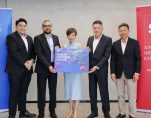
SINGAPORE – Media OutReach Newswire – 7 January 2026 – KPMG in Singapore and the Singapore Institute of Directors (SID) are pleased to announce the release of a joint Budget 2026 Proposal, titled “Prospering in a New Global Landscape”.

From Left to Right: Yong Jiahao, Partner, Infrastructure, Government & Healthcare (IGH) & Industrial Manufacturing, Tax, KPMG; Ajay Kumar Sanganeria, Partner and Head of Tax, KPMG; Lee Sze Yeng, Managing Partner, KPMG; Max Loh Khum Whai, Vice-Chair, Singapore Institute of Directors; Edwin Lee, Deputy CEO, Singapore Institute of Directors

By fostering resilient economic linkages, embedding digital trust, and cultivating world-class talent and leadership with cross-domain expertise, Singapore can ensure its businesses and economy remain secure, innovative, and competitive in an uncertain global landscape.

This Proposal outlines strategies to position Singapore as a critical hub for global flows, covering three crucial areas:

  • A new global order: Resilience as a pivotal growth strategy
  • The Intelligent Age: Smart solutions for an innovative era
  • Next-gen talent: Empowering tomorrow’s leaders today

The recommendations in the proposal are also supported by data-driven insights from a survey recently conducted by KPMG and SID. More than 1,000 professionals, managers, executives and technicians (PMETs) and business owners were surveyed on the challenges they face and the kinds of Budget 2026 support they hoped to see. [For more information, please refer to the deck with the full survey results: https://kpmg.com/sg/en/campaigns/kpmg-singapore-budget.html ]

Empowering businesses to leverage Singapore’s trusted role as a global connector

Global commerce is rapidly transforming amid rising protectionism, shifting trade rules, evolving tax regimes, and geopolitical tensions. Singapore’s long-term prosperity in the new global order depends on its ability to lead as a trusted connector and aggregator of the flows of goods, capital, data, and talent.

Singapore must strengthen its economic linkages, build secure and interoperable digital platforms, cultivate a workforce equipped with cross-domain expertise, and equip boards with essential skills to navigate emerging risks and opportunities. Trusted and resilient economic linkages will ensure the seamless movement of goods, services, and investments, while interoperable digital platforms will play a critical facilitation role in enabling cross-verification of information, streamlining compliance, and fostering trust across borders. These efforts are especially important in helping businesses cope with shifting regulations. KPMG and SID’s survey found that 51 percent of respondents identified increased business costs as the main challenge to cross-border expansion, followed by higher tariffs (26 percent) and supply chain difficulties (25 percent). To address these challenges, 43 percent of respondents want stronger economic and trade partnerships to overcome trade barriers.

KPMG and SID recommend:

a) Developing a unified digital platform for Free Trade Agreement (FTA) management (page 7) to help businesses navigate complex procedures and unlock the full benefits of FTAs. This would be seamlessly integrated with government systems, making it more seamless and cost-effective for businesses to comply with FTA requirements. This would enable firms to leverage Singapore’s extensive FTA network to gain footholds in new markets, further enhancing Singapore’s regional and global competitiveness.

b) Increasing access to working capital to accelerate local enterprises’ strategic transformation and implementing industry-specific governance frameworks (page 7). With geopolitical shifts driving a more complex regulatory landscape, increased and dedicated funding would enable businesses to transform for the future while responding effectively to evolving governance standards. Such funding should be complemented by industry-specific governance playbooks to equip boards with essential tools to strengthen agility and resilience.

c) Enhancing Singapore’s government-backed trade platform with blockchain and AI (page 6). The global economy has seen an increase in supply chain disruptions amid geopolitical and trade uncertainties. An enhanced Government-backed trade platform would enable Singapore to further facilitate the flow of trusted payments, making it even easier for businesses to validate transactions and act on smart recommendations to elevate supply chain efficiency. Amid a more fragmented world, the enhanced platform would also reinforce Singapore’s position as a reliable hub for global commerce, by promoting increased supply chain transparency for critical industries like semiconductors, pharmaceuticals, and advanced manufacturing.

d) Introducing progressive carbon taxes to reward decarbonisation and establish performance-based pathways for large emitters (page 9). Singapore’s carbon taxes must evolve to consider unique business needs and companies’ decarbonisation plans. Progressive carbon tax rates post-2030 – based on facility emissions volume, emissions per unit of output, and sectoral abatement potential – could be accompanied by permanent conditional tax rebates for energy-intensive, trade-exposed sectors. These rebates could be based on set criteria such as verified year-on-year reductions in carbon intensity and investments in low-carbon technology. To strengthen these efforts, Singapore could also establish an ASEAN Environmental Data Exchange to facilitate the sharing of standardised and interoperable environmental data between Singapore and its regional trade partners (page 8). The exchange would improve the flows of green trade and green capital, enabling Singapore to be a regional hub for environmental data harmonisation. Organisations like the Singapore Institute of Directors could play a catalytic role by building board-level capability, aligning disclosure expectations and promoting best practices through director education, guidance frameworks and peer learning on a regional scale, helping boards to lead initiatives like progressive carbon taxation.

Fostering an ecosystem of Trusted AI in the Agentic Era

The rise of artificial intelligence (AI) is reshaping global competitiveness, with agentic AI—capable of autonomous decision-making—introducing both transformative opportunities and significant challenges. While agentic AI can drive innovation, optimise operations, and unlock new efficiencies, it also raises critical concerns around accountability, ethical deployment, and governance.

A critical enabler of AI’s potential is data sharing, yet this often proves difficult due to competition, concerns over intellectual property, and a lack of trust between organisations. Businesses—particularly smaller enterprises—also face cost constraints in accessing high-quality data, and many also lack the strategic clarity and workforce competencies to identify where AI can augment their operations.

KPMG and SID’s poll found that 54 percent of respondents cited talent and skills gaps as the top challenge for adopting AI, followed by high costs of technology adoption (52 percent) and a lack of clear AI adoption strategies (48 percent). By addressing these concerns, Singapore will be able to fully leverage the vast potential of AI and data to reinforce its status as a hub across various sectors.

KPMG and SID recommend:

a) Co-funding sector-specific shared data pools in partnership with trade associations and industry stakeholders (page 15). These shared, anonymised data pools would enable businesses to access high-quality datasets without incurring prohibitive costs. Tailored to specific sectors such as logistics and retail, these pools would facilitate benchmarking, model training, and experimentation under a trusted framework that safeguards data privacy and protects intellectual property. Shared data initiatives should be paired with guided AI adoption support to help businesses understand how AI can enhance specific parts of their value chain. For example, targeted support could help logistics firms optimise supply chains or assist retailers in leveraging AI to personalise customer experiences. This dual approach would enable broader AI adoption and accelerate innovation across industries.

b) Enhancing the public-private partnership (PPP) framework to accelerate AI adoption (page 15). As firms navigate high costs and limited guidance around AI adoption, there is an opportunity for the Government to provide greater access to infrastructure to lower barriers for AI experimentation and deployment. The enhanced framework would create positive spillover effects from existing AI initiatives, as government agencies, academia and industry stakeholders collaborate to strategically integrate AI solutions into business strategies. The framework could also promote cross-sector collaboration in key industries, fostering a culture of open innovation in AI. To bolster digital trust, Singapore could also establish a regional “Trusted AI” mark to drive harmonisation and innovation (page 12). Although Singapore’s Model AI Governance Framework provides a strong foundation for responsible AI deployment, there is still a largely untapped opportunity for Singapore to champion an assurance label that shows firms have AI controls aligned with recognised AI governance standards. By pushing regional recognition of this mark, Singapore could accelerate cross-border innovation and trade. The mark would build on initiatives like AI Verify and Project Moonshot, which have helped to promote Trusted AI in Singapore.

c) Supporting hands-on AI governance training for board members and executives (page 13) through a dedicated fund. This would complement existing SkillsFuture programmes which focus primarily on AI awareness, by expanding the emphasis to address strategic and operational gaps at the leadership level – covering ethical deployment, change management and cross-domain applications.

Building globally relevant leaders with cross-domain skills

To fulfil its role as a hub for global flows, Singapore must enable its businesses to navigate a complex web of governance requirements, trade rules, tax policies, and tariffs. While compliance with governance standards will bring higher upfront costs, it also provides a foundation for businesses to lead in innovation and competitiveness. For instance, businesses that embrace sustainability compliance can innovate in areas like green finance, carbon accounting, and environmental data exchange.

Yet, none of this is possible without specialised talent and leadership. Singapore needs professionals and board leaders with expertise in areas such as supply chain management, AI governance, and sustainability strategy. These individuals must be able to connect the dots across domains, such as linking data governance with trade compliance or integrating sustainability goals into business operations. The need for enhanced talent development also emerged from KPMG and SID’s survey findings. Forty-nine percent of respondents want more skills development and upskilling courses. Meanwhile, 42 percent hope for more support for workforce transformation and job redesign, such as higher grants. In addition, 37 percent of respondents want more leadership and management development initiatives, especially in the areas of mentorship and coaching for emerging leaders and advanced leadership programmes.

KPMG and SID recommend:

a) Creating a dedicated work-pass category for “master trainers” and mentors (page 18). The work-pass would encourage international professionals to join local companies, public agencies and training institutions to lead structured upskilling or leadership development programmes. This would accelerate skills transfer, expose workers to global best practices, and build a robust pipeline of talent capable of driving strategic transformation and competitiveness in a rapidly evolving global landscape. Structured leadership development programmes could also include peer-sharing platforms (page 21) aimed at promoting transformation training among C-suite leaders. Backed by the public sector and industry stakeholders, such platforms could foster the exchange of best practices, promote collective learning on key sustainability capabilities and empower leaders to proactively redesign roles and workflows ahead of market shifts.

b) Setting up job transformation roadmaps with co-funded training and certification initiatives (page 19) tied closely to sector-specific needs. As rapid technological developments shape industry demand for skills, job transformation roadmaps would be beneficial in outlining sector-specific disruptions, challenges and opportunities. These roadmaps could be accompanied by industry-recognised certification, and programmes backed by both the public and private sectors. Tailored to sectoral needs, certifications could help to assess whether workers have acquired the necessary skills to perform in transformed roles, especially in fast-evolving sectors where traditional qualifications may no longer suffice.

c) Establishing a $100 million fund to advance social impact reporting (page 9). As Singapore pursues long-term resilience, it must also ensure that economic growth is sustainable and inclusive. The fund could be used to train professionals and board directors in the reporting of social metrics, support academic modules in social sustainability and certify social auditors and advisers. It could also be complemented by broader efforts to enhance environmental, social and governance (ESG) competencies among businesses’ top leadership. Singapore could establish a national registry of certified sustainability committee members (page 20) who can be matched to boards and committees across sectors. This would help to expand access to qualified board resources, especially for local enterprises.

Lee Sze Yeng, Managing Partner, KPMG in Singapore, said:

“Leadership today isn’t just about mastering AI or acquiring specialised skills—it’s about navigating the intersections of cross-border trade, technology, and sustainability. To remain competitive, leaders must move beyond the basics, using AI and data to drive real business outcomes while building governance frameworks that inspire trust. At the same time, they need the courage to take calculated risks and collaborate across ecosystems to unlock new opportunities. Initiatives like co-funding sector-specific shared data pools and guided AI adoption support are critical to overcoming barriers and equipping leaders with the tools to thrive. As disruptions grow increasingly cross-border and cross-domain, Singapore’s ability to cultivate leaders who can turn complexity into opportunity will define its success as a global flows hub.”

Ajay Kumar Sanganeria, Partner, Head of Tax, KPMG in Singapore, said:

“Singapore’s position as a global hub—connecting trade, data, and capital—offers businesses significant opportunities to grow and compete globally. Grants and platforms are vital enablers, but they must be part of a broader solution that simplifies complexities and empowers businesses to focus on innovation.
Future-ready approaches, such as managing governance and compliance in a more consolidated or ‘as-a-service’ mode, can reduce burdens on enterprises. A unified digital platform for Free Trade Agreement (FTA) management, enhanced with blockchain and AI, could streamline compliance and unlock the full benefits of Singapore’s FTA network. Co-funded training programmes and shared governance frameworks can further help businesses pool resources and build capabilities. By combining grants, platforms, and smarter ways of working, Singapore strengthens its role as a trusted global connector and equips businesses to lead with confidence in an evolving world.”

Yeoh Oon Jin, Chair, Singapore Institute of Directors, said:

“Singapore’s future as a global hub for connectivity and commerce will be shaped by how boards of directors evolve to lead with resilience and trust. Budget 2026 is an opportunity to strengthen governance frameworks that embed sustainability, cyber trust and accountability into every organisation’s agenda. By empowering directors to champion innovation, sustainability and digital assurance, organisations can grow with confidence while reinforcing Singapore’s position as a secure and trusted connector for goods, capital, data and talent in an increasingly complex global landscape.”
Hashtag: #KPMG #SID

The issuer is solely responsible for the content of this announcement.

About KPMG in Singapore

KPMG in Singapore is part of a global organization of independent professional services firms providing Audit, Tax and Advisory services. We operate in 142 countries and territories with more than 275,000 partners and employees working in member firms around the world. Each KPMG firm is a legally distinct and separate entity and describes itself as such. KPMG International Limited is a private English company limited by guarantee. KPMG International Limited and its related entities do not provide services to clients.

About SID

The Singapore Institute of Directors (SID) is Singapore’s national association for company directors. Established in 1998, our mission is to transform boards and empower board directors to be champions of good governance. SID works with regulators and partners to serve as the voice for directors and facilitates consultations and feedback sessions on regulatory matters. In advocating for good governance, SID advances thought leadership and benchmarking research and indices on corporate governance and directorship issues.

SID builds competencies and capabilities to enhance boardroom skills of directors for informed decision-making. An accreditation programme serves to set standards for and showcase best practices of good governance. The organisation supports members on their directorship journey with courses, workshops, advanced masterclasses, forum discussions and pit-stops. SID connects and strengthens the ecosystem with initiatives such as mentoring and networking. The Governance for Good Alliance is an initiative by SID to bring together key stakeholders who help advance our vision for every board director to be a champion of good governance.

For more information, visit sid.org.sg

Arabian Post Staff -Dubai Motorola used the Lenovo Tech World Showcase alongside CES 2026 to outline a sharpened strategy for premium smartphones, unveiling a new Razr foldable and a broader flagship portfolio designed to embed artificial intelligence deeper into everyday mobile use. The announcements signal a renewed attempt by the Lenovo-owned brand to regain momentum in the high-end segment, where competition from Samsung, Apple and fast-rising Chinese […]

71 per cent of Asia’s young adults prefer clear planning, with 69 per cent optimistic about their financial future despite prevailing uncertainty

HONG KONG SAR – Media OutReach Newswire – 7 January 2026 – Asia’s young adults are taking a structured approach to managing their finances, according to a new study published by Prudential plc (“Prudential”), the leading Asia and Africa insurer. The research, titled “Financial Mindset of Young Adults in Asia”, finds that more than seven in 10 respondents (71 per cent) choose clear planning over spontaneity, maintaining consistent insurance and investment habits. This pragmatism is coupled with optimism: nearly 70 per cent believe their personal finances will improve in the next five to 10 years.

The study surveyed over 5,300 young adults aged 20-35 across seven Asian markets, including Hong Kong, Indonesia, Malaysia, the Philippines, Singapore, Taiwan, and Thailand, aiming to take a pulse on this dynamic generation’s insurance and investment experiences, preferences, and attitudes.

A Generation of Financial Pragmatists

The majority of Asia’s young adults believe living in uncertainty is now the norm (63 per cent), citing financial security as their top life concern (77 per cent), surpassing family responsibilities (53 per cent), health (52 per cent), career and education (42 per cent). Close to 60 per cent report focusing more on the future over enjoying the present moment.

Amidst this prevailing sense of unpredictability, young Asians maintain a positive personal financial outlook. Sixty-four per cent express confidence that they will have enough money to fund retirement.

In terms of financial management, more than half of young adults (53 per cent) seek a balance of smart investment strategies with freedom to enjoy life. Flexibility remains a defining preference, with 62 per cent of respondents favouring financial solutions that evolve alongside their lives and aspirations, rather than adhering rigidly to one style of saving or investing.

A measured risk profile with a long-term perspective also defines how young adults in Asia approach investment. They are balanced between high-risk investments for higher returns (42 per cent) and safe, low-risk options such as fixed deposits to safeguard savings (40 per cent). Nearly 60 per cent prefer investment instruments designed to be held for an extended period, reflecting an orientation toward sustainable financial growth.

Priscilla Ng, Chief Customer and Wealth Officer at Prudential plc, said: “Prudential is committed to empowering people across all life stages, including young adults, to shape their future, protecting possibilities and nurturing every promise. Today, Asia’s median age is just 32.5 years1, highlighting a vibrant and youthful population. This generation is redefining how financial management and security is approached, with unique priorities and expectations. Understanding their perspectives helps us tailor solutions that are simple, accessible, and relevant to their needs.”

Digital Ease, Human Expertise

The survey further reveals that young adults in Asia are navigating their insurance and investment journey through a blend of digital convenience and human support. With the prevalence of digital tools, 61 per cent of respondents feel confident researching and selecting products on their own, and 54 per cent are confident managing their portfolio independently.

Yet, human touchpoints remain highly valued: 64 per cent prefer consulting financial advisers for life or health insurance decisions and ongoing support, especially when handling complexities in coverage details (70 per cent) and the claims process (68 per cent). At the same time, digital platforms are favoured for real-time financial management, reflecting a growing demand for hybrid insurance and investment experiences that integrate technology and personal guidance – an approach that strongly resonates with today’s pragmatic young adults.

Millennials and Gen Z are expected to make up about half of Asia-Pacific’s consumers by 20302. For insurers, this means reimagining engagement with this segment through simple, accessible products and innovative, empathetic experiences that blend data, technology, and human understanding, said Ms. Ng.

Explore the detailed findings in the full report.

1 United Nations’ World Population Prospects 2024
2 Eastspring Investment: Asia’s consumer-fuelled growth, September 2025Hashtag: #Prudential

The issuer is solely responsible for the content of this announcement.

About the report

Financial Mindset of Young Adults in Asia is a Prudential commissioned report, delving into the insurance and investment experiences, preferences and attitudes of 5,348 people aged 20-35 in seven Asian markets. through online quantitative survey. The survey was conducted in July-August 2025.

About Prudential plc

Prudential provides life and health insurance and asset management in Greater China, ASEAN, India and Africa. Prudential’s mission is to be the most trusted partner and protector for this generation and generations to come, by providing simple and accessible financial and health solutions. The business has dual primary listings on the Stock Exchange of Hong Kong (HKEX: 2378) and the London Stock Exchange (LSE: PRU). It also has a secondary listing on the Singapore Stock Exchange (SGX: K6S) and a listing on the New York Stock Exchange (NYSE: PUK) in the form of American Depositary Receipts. It is a constituent of the Hang Seng Composite Index and is also included for trading in the Shenzhen-Hong Kong Stock Connect programme and the Shanghai-Hong Kong Stock Connect programme.

Prudential is not affiliated in any manner with Prudential Financial, Inc. a company whose principal place of business is in the United States of America, nor with The Prudential Assurance Company Limited, a subsidiary of M&G plc, a company incorporated in the United Kingdom.

LAS VEGAS, US – Media OutReach Newswire – 7 January 2026 – The 2026 International Consumer Electronics Show (CES 2026) opened on January 6 in Las Vegas, bringing together leading global technology companies. As the barometer of industry trends, CES highlights rapid advances in consumer electronics. This year, Changhong presented a new portfolio of AI-driven home appliances under the concept of “AI Technology + Human-Centric Design”, blending advanced intelligence with a distinctive design identity.

Changhong Unveils AI‑Powered Smart Home Solutions at CES 2026

Changhong is accelerating the integration of AI across its home‑appliance lineup. Its panda-themed AI series merges this widely welcomed Chinese cultural symbol with AI capabilities, utilising anthropomorphic interaction, environmental sensing, and adaptive control to recreate a naturally intuitive and comforting user experience. The AI TV features the intelligent “Panda Xiaobai,” offering round-the-clock interaction. Complementing it, the AI refrigerator introduces cloud-based humidity control to maintain ingredients in an optimized freshness chamber, while the AI air conditioner delivers a gentle adaptive cooling experience reminiscent of a natural breeze. Completing the ecosystem, the AI washing machine employs triple-power cleaning for efficient fabric care. Blending everyday technology with humanistic warmth, Changhong aims to create smart home experiences that feel more intuitive and emotionally engaging.

Moreover, Changhong also unveiled several breakthroughs: The 100-inch RGB MiniLED TV, boasts an ultra-slim profile, an anti-glare display, and immersive audiovisual performance, complemented by industry-leading large-scale AI models like DeepSeek for enhanced voice interaction. The AI Air Manager 360° air conditioner extends beyond temperature control to incorporate air‑quality management, learning user habits to optimize comfort and energy efficiency. The full‑space preservation refrigerator applies AI freshness algorithms and dual‑system temperature control to eliminate odor mixing and temperature fluctuations. The AI washer‑dryer set intelligently identifies fabric types and automatically adjusts washing programs.

Changhong presents a holistic smart home ecosystem designed around user experience, further enhancing its visibility and presence in the international smart home landscape. Driven by its global “Technology + Sports” branding strategy, the brand has established an overseas network encompassing R&D, manufacturing, products, and services. Through intelligent sensing, natural interaction, and multi-scenario coordination, its AI appliances deliver a more efficient, convenient, and comfortable home experience, reflecting the Company’s forward-looking vision for smart living.

Through its fusion of AI innovation and vivid design, Changhong is shaping a distinct global brand presence, delivering smart home solutions that resonate both emotionally and technologically with users worldwide.

Hashtag: #Changhong

The issuer is solely responsible for the content of this announcement.

LAS VEGAS, UNITED STATES – Media OutReach Newswire – 7 January 2026 – Amidst a CES 2026 landscape dominated by AI headlines and humanoid robots, a quiet corner of the Lens Technology booth has unexpectedly become a focal point for commercial space analysts.

There are no flashy RGB lighting effects here, only a sheet of glass as thin as a cicada’s wing, being repeatedly rolled and unrolled like a tape measure. This is the public debut of Lens Technology’s aerospace-grade UTG (Ultra-Thin Glass) photovoltaic encapsulation solution. This technology marks the official entry of the manufacturing titan—best known as a giant in the Apple supply chain—transferring its precision manufacturing capabilities from consumer electronics to humanity’s next trillion-dollar market: space infrastructure.

As leading global satellite companies begin the mass deployment of third-generation (V3) satellites, the Low Earth Orbit (LEO) internet race is entering a “second half” defined by heavy payloads, long lifespans, and low costs. Lens Technology’s entry aims to untie the knot that has long plagued the aerospace industry: the trade-off between flexibility and durability.

Farewell to the “Plastic Feel”: The Material Battle in Space

At the Lens Technology booth, engineers demonstrated the core contradiction to the audience: Traditional aerospace solar cell covers are either heavy Cerium-doped Glass (CMG) or expensive Fused Silica, typically ranging from 100μm to 500μm in thickness. They are robust, but too heavy and impossible to bend.

To adapt to the massive power demands of next-generation satellites (such as those supporting direct-to-cell services), solar wing designs are rapidly evolving from rigid panels to Roll-Out Solar Arrays (ROSA-like structures). This shift forced designers to temporarily turn to polymer materials like transparent Polyimide (CPI).

“However, polymers have a fatal weakness in space,” explained a Lens Technology on-site technical lead. “The LEO environment is filled with high-energy Atomic Oxygen (AO) and strong UV radiation. Under long-term exposure, polymer molecular chains break, causing the material to yellow, become brittle, and suffer a drastic drop in light transmission. This efficiency decay was tolerable for early satellites with 5-7 year lifespans, but for the new generation of mega-constellations pursuing higher commercial returns, it is unacceptable.”

Lens Technology’s answer is Aerospace-Grade UTG. As an inorganic material, glass possesses innate “immunity” to Atomic Oxygen and UV aging, ensuring high light transmission throughout the satellite’s lifecycle. More importantly, its dense structure provides an effective barrier against water vapor and micrometeoroids, offering physical protection for delicate ultra-thin HJT or future Perovskite batteries.

The 30-Micron “Moat”: A Perfect Match for Next-Gen Satellites

In the demo area, a piece of glass only 30μm-50μm thick is bent to an astonishing radius of R1.5mm. This level of flexibility drew gasps from the audience.

This is exactly the characteristic most coveted by top global satellite companies today. To reduce the cost per launch, next-generation mega-satellites must be stowed with origami-like efficiency inside the rocket fairing. Lens Technology’s UTG solution allows solar wings to be tightly wound like a tape measure during launch, and instantly recover to a flat state upon orbital deployment.

However, making glass thin is the first step; keeping it from shattering during the violent vibration of a rocket launch is the real challenge.

Analysts point out that Lens Technology’s core competitiveness lies in its proprietary chemical strengthening processes and laser/diamond wire cutting technologies. Glass fractures often originate from micro-cracks invisible to the naked eye. Leveraging processes honed on foldable smartphones, Lens has significantly reduced the density of micro-defects on the glass edges and surfaces. This means that even under immense tension and vibration, this “glass skin” remains tough and resilient.

Dimensional Strike: Reshaping Aerospace Costs with “Consumer-Grade” Capacity

If technical specifications are the ticket to entry, then capacity and cost control are Lens Technology’s ultimate weapons.

“The logic of commercial space has changed; it is now the era of industrial mass production,” commented an industry analyst at the scene. Compared to the small-batch, lab-grade customization model of traditional aerospace glass manufacturers, Lens Technology brings the scale of consumer electronics manufacturing.

Facing the grand ambition of global satellite leaders planning to launch tens of thousands of satellites annually, supply chain elasticity is critical. Lens Technology stated that it has the capability to rapidly expand existing pilot lines or flexibly retrofit mass production lines. This potential for “ten-thousand-satellite scale” delivery and yield control can significantly lower the BOM (Bill of Materials) cost per satellite—addressing the most sensitive pain point for commercial space giants today.

Outlook: The New Cornerstone of Next-Gen Space Energy

At CES, Lens Technology also “spoiled” its future technology roadmap.

As Perovskite/Silicon tandem cells are viewed as the mainstream for future satellite power, UTG will serve not just as a cover, but as an encapsulation substrate. Lens Technology revealed it is developing next-generation composite UTG integrated with Anti-Static (ESD) coatings and Selective Radiation coatings, which will not only protect chips from electrostatic discharge damage but also assist in regulating battery temperature.

Although this business currently accounts for a tiny fraction of Lens Technology’s massive revenue and is in a period of intensive validation with global top-tier photovoltaic component manufacturers (Tier 2) and top commercial space clients (Tier 1), its signal significance cannot be ignored.

From smartphone screens to satellite wings, Lens Technology is proving that in the era of scaled expansion for space infrastructure, ground-based industrial giants possessing extreme craftsmanship and mass manufacturing capabilities will be indispensable “pavers” for the interstellar journey.

Hashtag: #LensTechnology

The issuer is solely responsible for the content of this announcement.

Apple’s next-generation CarPlay, unveiled for market release in 2025 through a high-profile partnership with Aston Martin, has entered showrooms with ambitions that go far beyond dashboard mirroring, yet its wider rollout is encountering resistance from parts of the global car industry that see strategic and commercial risks in the software’s reach. The updated CarPlay system is designed to extend across multiple vehicle screens, integrating deeply with core […]

HONG KONG SAR – Media OutReach Newswire – 6 January 2026 – FastLane Group is honoured to receive the Total Xero Award 2025, marking its third recognition from Xero following their Asia Advisory Partner of the Year 2024.

This award is less about the trophy itself and more about what it represents — years of steady progress, consistent teamwork, and a shared commitment to improving the way we support businesses. It reflects the long-term effort of our team and partners who continue to learn, adapt, and refine how we use the Xero ecosystem to bring real value to clients.

“We are truly grateful for this recognition,” says Alex So, Founder of FastLane Group. “Each award reminds us that we’re on the right path, but it also keeps us grounded. Our progress comes from continuous effort, small improvements made every day, and the trust our clients place in us. Technology should empower people — not replace them — and we will keep working quietly and consistently to help businesses grow with clarity and confidence.”

From Cloud to Intelligence
FastLane’s journey with Xero began with cloud accounting — transforming how businesses manage compliance and financial data. Today, the partnership has evolved into something more ambitious: using AI to make accounting faster, smarter, and more human.

Xero’s latest AI companion, JAX (Just Ask Xero), automates tasks such as reconciliation, invoicing, and financial insights through simple conversational commands. For Alex, JAX represents the next leap in professional practice.

“Cloud technology gave us speed,” he explains. “AI gives us insight. When our accountants can ask a system a question and get an intelligent answer instantly, they can spend their time advising clients, not crunching numbers.”

Trust, Transparency, and the Human Touch
As AI becomes more embedded in accounting, FastLane emphasizes responsibility and human oversight. The firm aligns with Xero’s commitment to transparent and ethical AI — ensuring that every automated decision still begins and ends with human judgment.

“AI doesn’t take away our role; it amplifies it,” Alex says. “Technology can process data, but it can’t replace human intuition, empathy, or trust. That’s what clients truly value — and that’s what we protect.”

A Vision for the Future
FastLane’s influence now extends across Hong Kong, Taiwan, and Malaysia, where it helps entrepreneurs and growing companies build smarter, more scalable financial systems. Beyond compliance, the firm focuses on advisory, automation, and strategy — redefining how accountants support business growth in an AI-driven world.

“The future accountant isn’t just a number-keeper,” Alex concludes. “They’re a strategic partner, powered by technology and guided by purpose. AI gives us back the time to think, lead, and create real impact.”

Hashtag: #FastLaneGroup

The issuer is solely responsible for the content of this announcement.

About FastLane Group

FastLane Group provides full-stack accounting services to startups, SMEs, and large corporations in Hong Kong, Malaysia, and Taiwan. As a Xero Platinum partner, the Company leverages Xero’s cloud-based accounting software to provide efficient services that comply with local accounting standards. The services cover customised professional accounting services, accountancy, bookkeeping, taxation, offshore formation, company secretary, etc. It was honoured as the Total Xero Award 2025 – Winner, Xero Asia Advisory Partner of the Year 2024 – Winner, and Xero Accounting Partner of the Year Hong Kong 2019 – Winner.

For more information, please visit the official website:

Advertisements

Smart speakers made by Apple, Amazon and Google are facing renewed scrutiny after accusations that the devices can listen to radio broadcasts in homes and use elements of that audio to refine advertising profiles and digital services, raising questions about consent, transparency and the limits of data collection inside private spaces. The allegations centre on claims that smart speakers equipped with always-on microphones are capable of detecting […]

Arabian Post Staff -Dubai Belkin has unveiled a wireless HDMI adapter that removes the need for Wi-Fi networks, aiming to simplify screen sharing in offices, classrooms and homes where reliability and security often trump convenience. Introduced at CES 2026, the ConnectAir Wireless HDMI Adapter promises stable, low-latency transmission over distances of up to 130 feet, positioning it as a practical alternative to software-based casting systems that depend […]

The Gulf Cooperation Council has moved closer to a fully integrated regional market with the launch of the first phase of an electronic customs data linkage system, enabling member states to securely exchange customs declaration information in real time. Approved by the Gulf Cooperation Council Customs Union Authority, the initiative marks a structural shift in how goods move across the bloc, replacing fragmented national processes with a shared digital framework.

Under the new system, customs authorities across the six-member bloc can access standardised declaration data as shipments cross borders, reducing repetitive checks and administrative bottlenecks that have long affected intra-GCC trade. Officials involved in the rollout describe the project as foundational to the Customs Union’s original objectives, which include the free movement of goods produced within the bloc and the consistent application of common external tariffs.

Trade flows within the Gulf have expanded steadily alongside diversification efforts that aim to reduce reliance on hydrocarbons. Manufacturing, re-export activity, food security logistics and e-commerce have all increased the volume and complexity of cross-border shipments. The electronic linkage is designed to keep pace with these changes by allowing authorities to verify origin, valuation and compliance details instantly, rather than relying on physical documentation and sequential clearance at each border.

Technically, the system connects national customs platforms through a secure digital interface governed by agreed data standards. Each declaration submitted in one member state becomes visible to others, allowing advance risk assessment and coordinated inspection decisions. This approach is expected to shorten clearance times, lower costs for traders and improve the predictability of supply chains, particularly for time-sensitive goods such as perishables and pharmaceuticals.

Customs officials familiar with the project say the first phase focuses on core declaration data and risk indicators, with future stages expected to expand into areas such as duty settlement, exemptions and post-clearance audits. The phased approach reflects the complexity of aligning legacy systems and legal frameworks across six jurisdictions while maintaining data security and national sovereignty.

For governments, the linkage strengthens oversight and revenue protection by reducing opportunities for misdeclaration or tariff arbitrage between borders. Shared data allows authorities to track consignments throughout their journey in the region, improving enforcement of customs rules and trade remedies. The system also supports broader efforts to combat illicit trade by enhancing visibility over cargo movements and identifying anomalies earlier in the process.

Businesses operating across the Gulf stand to benefit from lower compliance burdens and faster market access. Logistics providers have long argued that differences in documentation requirements and clearance practices add hidden costs to regional trade. A unified digital channel reduces the need for duplicate submissions and manual reconciliations, making it easier for firms to scale operations across multiple markets within the bloc.

The initiative aligns with national digital transformation agendas that place trade facilitation at the centre of economic policy. Several member states have invested heavily in smart ports, automated clearance systems and single-window platforms over the past decade. The customs data linkage builds on this foundation by connecting these national efforts into a regional network, rather than treating borders as isolated endpoints.

From a strategic perspective, the project supports the Gulf’s ambition to position itself as a global logistics and re-export hub linking Asia, Europe and Africa. As international supply chains increasingly depend on data-driven decision-making, regions with interoperable customs systems are better placed to attract investment and high-value trade flows. The ability to offer predictable, transparent and rapid clearance across multiple countries is viewed by policymakers as a competitive advantage.

Economic analysts note that the linkage also enhances resilience by allowing authorities to respond more effectively to disruptions. Shared data enables coordinated responses to surges in demand, rerouting of shipments or regulatory changes, reducing the risk of congestion at individual borders. This coordination has become more important as global trade patterns adjust to geopolitical shifts and evolving production networks.

Arabian Post Staff -Dubai Samsung used its “The First Look” showcase at the annual Consumer Electronics Show to signal a strategic shift in how large home appliances fit into everyday life, unveiling FoodNote and a slate of software-led upgrades aimed squarely at its refrigerator range. The announcements framed refrigerators not as static storage units but as adaptive hubs designed to manage food, energy use and household routines […]

Punkt has entered the spotlight at CES 2026 with the launch of the MC03, a smartphone positioned as a deliberate counterpoint to data-intensive mobile ecosystems. The device, priced at $699 with an additional subscription for key services, places privacy, sustainability and intentional use at the centre of its proposition, targeting consumers increasingly uneasy about how personal data is harvested and monetised. Unveiled during the annual technology gathering in Las Vegas, the […]

Europe’s ambitions in semiconductors, embedded software and advanced electronic systems have been sharpened with the release of the Electronic Components and Systems Strategic Research and Innovation Agenda 2026, a document that sets priorities for research, industrial deployment and public investment across the continent’s technology base. The updated agenda outlines how Europe plans to strengthen technological sovereignty in electronic components and systems at a time of intense global […]

Dubai Police have expanded coordination with public agencies and private firms to strengthen road safety and labour-area security, positioning enforcement, data-sharing and prevention as central pillars of the emirate’s broader safety agenda.

Senior officers from Jebel Ali and Al Barsha police stations convened a high-level panel discussion titled Forecasting the Future of Road Safety and Labour Area Security in Dubai, drawing together municipal authorities, transport operators, construction firms and safety specialists. The forum underscored a shift towards anticipatory policing, with emphasis on risk forecasting, targeted inspections and early intervention rather than reactive enforcement alone.

Officials said the initiative reflects mounting pressures on transport networks and worker accommodation zones as Dubai continues to attract investment, logistics activity and large-scale construction. Traffic density around industrial areas, ports and residential labour clusters has risen steadily, increasing the likelihood of accidents involving heavy vehicles, buses and pedestrians. Police data presented at the session showed that incidents in such zones tend to involve multiple risk factors, including fatigue, limited visibility, non-compliance with speed limits and inadequate safety training.

Dubai Police leadership stressed that reducing fatalities and serious injuries requires tighter integration between enforcement agencies and employers. Participants discussed expanding joint patrols in high-risk corridors, using shared data dashboards to flag accident-prone locations, and aligning inspection regimes across transport, housing and occupational safety authorities. The approach aims to close gaps where responsibility has traditionally been fragmented between different regulators.

Road safety featured prominently in the discussions, with officials outlining plans to intensify monitoring of commercial fleets, particularly buses transporting workers to and from labour camps. Technology was cited as a critical enabler, including wider deployment of smart cameras, vehicle telematics and predictive analytics to identify unsafe driving patterns before accidents occur. Police officers noted that automated enforcement must be complemented by sustained awareness campaigns targeting drivers, supervisors and site managers.

Labour-area security formed the second core focus of the panel. Senior officers highlighted the importance of safe living environments in maintaining public order and worker wellbeing. Issues such as overcrowding, poor lighting, inadequate emergency access and weak access controls were identified as recurring vulnerabilities. Dubai Police said coordinated inspections with municipal bodies and civil defence teams would be expanded to ensure accommodation facilities meet safety and security standards.

Private-sector representatives acknowledged that compliance expectations are rising. Construction and logistics firms described increasing investment in driver training, fatigue management systems and on-site safety officers, driven both by regulatory pressure and operational risk. Several companies shared examples of internal monitoring tools that track driver behaviour and working hours, with data shared directly with police units during investigations or audits.

The panel also addressed the human dimension of safety enforcement. Police officials emphasised that communication with workers remains essential, particularly in multicultural environments where language barriers can undermine awareness of rules and emergency procedures. Plans were outlined to broaden multilingual outreach programmes and community policing initiatives in labour zones, enabling faster reporting of hazards and disputes.

From a policy perspective, the discussions aligned with Dubai’s long-term vision of zero fatalities on roads. Police leaders reiterated that while enforcement remains firm, the strategy increasingly prioritises prevention, education and partnership. Forecasting models presented during the session illustrated how combining traffic data, urban planning inputs and employer compliance records can help authorities anticipate emerging risks linked to new developments or shifts in traffic flows.

Experts attending the forum noted that Dubai’s approach mirrors global trends in urban policing, where safety is treated as a shared responsibility across government and industry. The emphasis on predictive tools and integrated oversight reflects lessons drawn from international transport safety frameworks, adapted to local conditions such as high temperatures, heavy freight movement and diverse workforce demographics.

The collaboration also carries reputational and economic implications. Officials said safer roads and secure labour environments underpin investor confidence and social stability, particularly as the emirate positions itself as a global logistics, tourism and business hub. Any sustained rise in accidents or security incidents would carry costs not only in human terms but also through delays, insurance claims and regulatory penalties.

Cars sold across major markets are harvesting vast amounts of personal data from drivers and passengers without clear consent, fuelling a widening debate over privacy, ownership and the limits of digital surveillance in everyday transport. As vehicles become rolling computers, regulators and consumer advocates warn that protections have failed to keep pace with the speed and scale of data collection embedded in modern mobility. Vehicles equipped with […]

Arabian Post Staff -Dubai Samsung Electronics has lifted the curtain on the Freestyle Plus, a new generation of its portable projector range that pushes further into artificial intelligence-driven home entertainment. Revealed ahead of the CES 2026 technology show in Las Vegas, the device signals Samsung’s intent to blend mobility with smarter software, at a time when consumer electronics firms are racing to embed AI across everyday products. […]

Global charging technology brand CUKTECH has launched its first desktop super-fast charging station in Vietnam, marking a strategic push into Southeast Asia’s fast-growing market for high-power, multi-device charging solutions aimed at professionals and power users.

The CUKTECH 30 Ultra Charging Station enters a segment shaped by the rapid proliferation of laptops, tablets, cameras and high-capacity smartphones that increasingly demand desktop-class power delivery. The company said the device is designed for users who run several devices simultaneously, including content creators, developers and technology enthusiasts seeking a single hub that replaces multiple chargers without compromising speed or safety.

At the centre of the product is an ultra-high power output architecture capable of delivering fast charging across several ports at once, supported by intelligent power allocation that prioritises devices based on real-time demand. The station features a visual interaction interface that displays charging status, wattage distribution and thermal conditions, a move intended to give users greater control and transparency over how power is being delivered during intensive workloads.

Vietnam has emerged as a focal point for consumer electronics launches, driven by rising disposable incomes, a young digital-first population and the country’s growing role as a manufacturing and innovation hub. By choosing Vietnam for its first desktop charging station rollout, CUKTECH is signalling confidence in demand for premium accessories that support hybrid work, gaming and creative production environments.

Industry analysts note that desktop charging stations are evolving from simple multi-port adapters into intelligent power management devices. As laptops adopt higher-wattage USB-C standards and smartphones push faster charging thresholds, manufacturers are racing to balance speed with safety, heat control and long-term battery health. Products that fail to manage thermal loads or power negotiation effectively risk damaging devices or underperforming under sustained use.

CUKTECH’s 30 Ultra addresses these concerns with built-in safety systems that monitor temperature, voltage and current in real time, automatically adjusting output to protect connected devices. The company has highlighted compliance with international charging protocols, allowing the station to work across a wide range of brands and operating systems without proprietary lock-ins.

The launch also reflects intensifying competition in the charging accessories market, where established players and newer brands are vying to differentiate through design, smart features and ecosystem compatibility. Desktop charging stations, once niche products, are now being positioned as essential tools for modern desks, particularly as remote and hybrid work setups become permanent fixtures for many professionals.

For content creators, the appeal lies in the ability to power cameras, laptops, tablets and phones from a single device while monitoring output visually, reducing cable clutter and downtime. For businesses and co-working spaces, such stations offer a shared charging solution that can support multiple high-demand devices without the need for wall-mounted adapters or extension cords.

CUKTECH’s expansion strategy has drawn attention due to its roots in advanced charging research and its association with broader consumer electronics supply chains in Asia. The company has previously focused on portable power banks and fast chargers, building a reputation for high-wattage products that cater to users with demanding power needs. Moving into desktop charging stations represents a natural extension of that portfolio, while also placing the brand in direct competition with premium accessory makers targeting professional users.

Vietnam’s technology retail landscape has become increasingly receptive to such launches, with consumers showing greater willingness to invest in quality peripherals that promise durability and performance. Retailers have reported strong interest in fast-charging solutions that can future-proof desks as device power requirements continue to climb.

Market observers also point to regulatory clarity around USB-C and fast-charging standards as a factor accelerating adoption. As devices converge on common charging protocols, consumers are more confident that a single high-end station can serve multiple generations of hardware, improving value over time.

Samsung is preparing a significant overhaul of its Bixby voice assistant by integrating technology from Perplexity AI, a move aimed at strengthening on-device intelligence across the Galaxy S26 smartphone range scheduled for 2026. The partnership reflects Samsung’s push to reposition Bixby as a practical, search-driven assistant capable of delivering clearer answers and tighter control over handset functions, as competition in mobile artificial intelligence intensifies. People familiar with […]

Arabian Post Staff -Dubai Google’s Pixel smartphone line is set for a marked transition in 2026 as its camera system moves beyond image capture to function as an always-on AI sensing hub, according to multiple industry briefings, developer disclosures and patent filings tied to the company’s mobile roadmap. The shift centres on deeper integration of Google Lens with on-device artificial intelligence, turning the camera into a primary […]

Largest-ever Hong Kong Tech Pavilion features 3 Innovation Award-winning game-changers showcasing immense potential to scale

LAS VEGAS, US – Media OutReach Newswire – 2 January 2026 – Hong Kong Science and Technology Parks Corporation (HKSTP) and Hong Kong Trade Development Council (HKTDC) will join hands in spearheading the largest-ever Hong Kong Tech Pavilion to the annual Consumer Electronics Show (CES) in Las Vegas from January 6-9 (Tue-Fri). The showcase features 61 tech companies in a dynamic mix of early-stage and mature companies in AI, robotics, healthtech, and sustainability, to signify Hong Kong’s fast-rising technology advancements and the ability to empower innovators in and out of the city to scale imagination to global impact.

Taking centre stage this year, Hong Kong Tech Pavilion stars with several CES Innovation Award winning solutions, as well as world-firsts, in a display of technology strength across the Eureka Park and Global Pavilion that includes companies less than five years old and more established ventures. Highlights include:

  • Widemount Dynamics Tech: named Best of Innovation for Product in Support of Human Security for All, their Smart Firefighting Robot is designed to detect fires, navigate smoke-filled environments, provide real-time mapping, and determine the best extinguishing agent to minimize costs and risks for losses of life and asset.
  • PointFit: honored under the Digital Health category, the PF-Sweat Patch is an ultra-thin wearable built with patented biomarkers tracking technology, it offers a non-invasive alternative with continuous monitoring of vitals and performance for athletes and wellbeing enthusiasts.
  • Eieling Technology: honored under the Digital Health category, FattaLab® is the world’s first intelligence-driven compact fatty liver diagnostic device, delivering assessment results with medical-grade accuracy in just 30 seconds. The high level of convenience promotes early treatment to those who suffer from the disease, enabling immediate preventive care, and potentially boosts longevity.

Happenings such as announcement, product launches and briefings, and conversations to business-match at the Pavilions are lining up. That includes an introduction of GumAI, a smart oral healthcare solution developed by Dentomi, sharing more on the “Dentist coming in handy” approach; a demonstration of how DRESIO puts forth its “AI Physiotherapy for Everyone” solution; the launch of “wuBiee & wuBiee wrap” that moftBODY integrates neuroscience into smart textile onto daily shapewear, and more awaits at the Pavilions. Click here for the full line-up at Hong Kong Tech Pavilion, and schedule your visit now.

In addition, a Hong Kong Tech Networking Reception will be held on Day 2, welcoming all interested parties to engage in conversations of potential partnerships, and explore on business opportunities with Hong Kong tech companies. Registration is now open with details of the Reception as follows:

  • Date: 7 January 2026
  • Time: 5:30 – 7:30 pm
  • Venue: Mercato Della Pescheria, The Venetian

Appendix: List of 61 tech companies at Hong Kong Tech Pavilion, including 47 within the HKSTP ecosystem (in alphabetical order)

No. Company Name Booth Location
1 0x Limited Eureka Park
2 AIeveR Robotics Limited Global Pavilion
3 Airoma AI Limited Eureka Park
4 AniMed Technology Limited Eureka Park
5 AP Infosense Limited Global Pavilion
6 Aporion Technology Limited Eureka Park
7 BuyHive Limited Eureka Park
8 Cartesius Robotics Limited Global Pavilion
9 Cresento Limited Eureka Park
10 Cyanse Smart Energy Tech Limited Global Pavilion
11 Dealer Send Logistics Limited Global Pavilion
12 Decennium Platforms Limited Eureka Park
13 Dentomi Limited Eureka Park
14 DRESIO Limited Global Pavilion
15 Eieling Technology Limited Global Pavilion
16 Entoptica Limited Eureka Park
17 Ezygreenpak Limited Global Pavilion
18 Feelings Group Limited Eureka Park
19 Firefilm Group Limited Global Pavilion
20 FreightAmigo Services Limited Global Pavilion
21 Gembody Limited Eureka Park
22 Glassdio Scientific Company Limited Eureka Park
23 GoGoChart Technology Limited Global Pavilion
24 Green Vigor Limited Eureka Park
25 Greenbulb Trading Limited Global Pavilion
26 Hay-koze Limited Eureka Park
27 Haylo Tech Limited Eureka Park
28 HKSTP x ARROW HARDWARE LAB Global Pavilion
29 Hong Kong Aozhen Technology Co., Limited Global Pavilion
30 iCombo Tech Company Limited Eureka Park
31 ImageVector MedTech Limited Eureka Park
32 Immune Materials Limited Eureka Park
33 Innobound Limited Eureka Park
34 Loongrise Avionics (HK) Co., Limited Global Pavilion
35 Mangdang Technology Co., Limited Eureka Park
36 MedVision Limited Eureka Park
37 Meridian Innovation Limited Global Pavilion
38 MintMind Limited Global Pavilion
39 Mirror Caring Limited Eureka Park
40 MMSTAR Technologies Limited Eureka Park
41 moftBODY Limited Eureka Park
42 Multiply Studio & Technologies Limited Eureka Park
43 Novautek Autonomous Driving Limited Global Pavilion
44 Nuvatech Limited Eureka Park
45 On-Skin Wearable Technology Limited Eureka Park
46 Plasticvore Chain Limited Eureka Park
47 Point Fit Technology Limited Eureka Park
48 ReSaTech Limited Global Pavilion
49 Robocore Technology Limited Global Pavilion
50 Shannon & Turing Technology Limited Eureka Park
51 Solos Technology Limited Global Pavilion
52 TG0 Limited Global Pavilion
53 The Hong Kong Polytechnic University Global Pavilion
54 UbiquiTech Innovations Limited Eureka Park
55 Vcare Vision Technology Limited Global Pavilion
56 Vista Innotech Limited Global Pavilion
57 Webuild Tech Limited Eureka Park
58 WeWealth Electronic Innotech Limited Global Pavilion
59 Widemount Dynamics Tech Limited Eureka Park
60 Xeroptix Technology Limited Eureka Park
61 XOXO Beverages Limited Global Pavilion


Remarks:

  • The Hong Kong Tech Pavilion is located across Eureka Park (booth #63200, Hall G) and Global Pavilion (booth #50732, Hall A-D) at The Venetian Expo.

Hashtag: #HKSTP

The issuer is solely responsible for the content of this announcement.

HKSTP

More information about HKSTP is available at .

Showcasing transparent MicroLED, ultra-bright HUD, and naked-eye 3D displays to redefine the display landscape across retail, cockpit, and smart device applications

LAS VEGAS, USA – Media OutReach Newswire – 2 January 2026 – Innolux will showcase its next-generation display technology in Las Vegas, USA from January 6 to 8, under the theme “Display the Future, TOGETHER.” Powered by high brightness, high resolution, and immersive experiences, Innolux meets the evolving demands of smart retail, cockpit displays, smart homes, and commercial exhibitions, demonstrating its forward-looking strength in cross-domain integration, application innovation, and market deployments.

Innolux unveils next-generation MicroLED Display Window

Next-generation MicroLED transparent displays reshape the visual experience across retail settings

For the first time, Innolux will unveil its next-generation “MicroLED Display Window,” delivering a clearer, more eye-catching spatial visual experience through high clarity, high transmittance, high brightness, and high resolution. Featuring self-illuminating technology, an advanced optical structure, and a wide color gamut, the product delivers outstanding visibility even in strong ambient light, while its high-resolution design blends visual elegance with clear and efficient information recognition. Transparent displays can simultaneously showcase product information, dynamic advertisements, and navigation content, cutting wait times and easing operational demands, while accommodating a variety of sizes and shapes with the world’s largest modular splicing unit. This solution seamlessly integrates digital information into real-world settings, making it ideal for applications such as commercial window displays and museum exhibits, while delivering a new immersive display experience for retail and smart environments.

Dual MicroLED technology debuts, upgrading marine and automotive displays with ultra-high brightness and minimalist aesthetics

Innolux is unveiling its first “Ultra-High Brightness MicroLED HUD,” delivering ultra-high direct brightness (50,000 nits) and reflective virtual image brightness (10,000 nits). This breakthrough solves the challenges of reflections and image blurring caused by intense light in marine and automotive environments. Even under strong sunlight or reflections from the sea surface or deck, the HUD clearly presents waterways, sea conditions, and navigation instructions, thereby enhancing cockpit visibility. Critical information can be projected directly in the line of sight or front field of vision, minimizing eye movement while improving operational safety and application flexibility.

This year’s event will also highlight the next-generation “MicroLED Decoration Display,” which pair high brightness with an elegant wood grain design, ideal for ship cabins and car interiors. When powered off, the display blends seamlessly into its surroundings like a wood panel; when on, its specialized optical structure delivers high transmittance with minimal brightness loss, meeting ESG standards. Leveraging MicroLED technology, the display achieves 2,000 nits brightness, 229 PPI resolution, and 115% NTSC color gamut, ensuring clear visibility even under strong light. By merging aesthetics with functionality, it broadens the range of applications for interior displays.

Multi-view 3D and mirror displays dramatically boost product display efficiency

Innolux has launched the industry’s first “65″ Multi-Users N3D & Kirameki Display(8K)” for retail and exhibition applications. The display combines exclusive N3D multi-view naked-eye 3D technology with the Kirameki algorithm, overcoming the limitations of traditional 2D displays and delivering a more immersive, lifelike stereoscopic experience. N3D allows multiple users to view 3D content simultaneously, maintaining comfort over extended periods while clearly rendering the product’s three-dimensional form. Meanwhile, Kirameki enhances luster, texture, and material details, creating a natural lighting effect from every angle. This boosts product recognition, extends customer engagement, and enriches the interactive experience, making it ideal for retail and boutique displays as well as digital advertising.

Also on display will be an industry first—the “InnoMirror,” which features high-reflection coated glass and local dimming technology to enhance contrast and sharpness while reducing mirror reflection interference. When powered off, the display appears as a mirror; when on, it delivers product information and enables virtual try-on, color matching, and item switching, thus reducing wait times, minimizing wear, and easing staff workloads. This makes it perfect for a range of environments, from boutiques and beauty retailers to smart homes.

Exclusive N3D display technology, paired with low-latency performance and eye-tracking, delivers an immersive naked-eye 3D experience

Innolux is unveiling its “16″ Single User N3D Display,” featuring exclusive N3D technology and a 2D restoration algorithm. The system limits 3D latency to under 1 millisecond, effectively reducing crosstalk and visual discomfort. It also supports seamless switching between 3D and 2D, while eye-tracking ensures a natural, immersive viewing experience.

At the exhibition, Innolux will showcase a range of innovative displays for applications including laptops, AI notebooks, and outdoor and in-flight entertainment, highlighting its latest breakthroughs in display technology. Products on display include the “Multi-Frequency Display (MFD)” and the “Integrated Touch Display.” The former leverages multi-frequency display technology to automatically switch between 24Hz, 60Hz, and 120Hz refresh rates depending on the content, thus optimizing video quality, gaming and graphics smoothness, and energy efficiency. Meanwhile, the Integraded Touch Display incorporates a tTED IC chip design, supports refresh rates from 30Hz to 120Hz, streamlines the PCBA assembly, and features a thin, lightweight form factor. Also on display are the “Ultra Slim and Light LCD Display with Carbon Fiber Bezel,” the “17.3″UHD MiniLED Local Dimming” and the “13.3″ MiniLED for in Fly Entertaiment Display.” Through these debuting products, Innolux exemplifies the integration of high performance, energy efficiency, and portability, reinforcing its leadership in defining the next generation of smart display technology.

Hashtag: #Innolux

The issuer is solely responsible for the content of this announcement.

BANGKOK, THAILAND – Media OutReach Newswire – 30 December 2025 – An event themed “AI Empowers New-Gen Intelligent Substations” was successfully held in Bangkok where Huawei and Thailand’s Provincial Electricity Authority (PEA) jointly unveiled an innovative next-gen intelligent substation solution, marking a new milestone in the digital and intelligent transformation of Thailand’s power infrastructure.

pea-innovative-practice

William Zhang, President of Enterprise Business at Huawei Thailand, stated, “The new power system faces trends such as green energy integration and interactive power consumption. Digitalization and intelligence are key to addressing these challenges. As critical nodes in the grid, substations must be upgraded to enhance overall reliability. The solution we launched with PEA uses optical-visual linkage and AI-based predictive maintenance to enable intelligent inspections and efficient O&M, ensuring substations run safely, reliably, and efficiently.”

Pantong Thinsatit, Assistant Governor for Grid Network Operations at PEA, added, “Digital transformation is essential for high-quality development in the power industry. PEA is accelerating substation intelligence by harnessing innovation to reshape energy services. We’ve deployed intelligent unattended systems in 467 substations, using cutting-edge technology to ensure safe operations. Moving forward, we will push for full automation, eliminate data silos, and integrate smart poles, license plate recognition, battery monitoring, and emergency buttons for rapid, precise responses. This will make intelligent substations central to the energy ecosystem and provide a replicable model for industry-wide digital transformation.”

Traditional substations often struggle with three major issues: limited security monitoring, inefficient and error-prone manual inspections, and outdated cabling that causes high latency and poor stability, restricting multi-service processing and intelligent scheduling. Huawei’s solution tackles these challenges with three core capabilities:

Perimeter Protection—All-Weather Digital Security

Using fiber optic sensing and AI algorithms, the system automatically detects intrusions, links with video surveillance devices, and allows remote verification—shifting from reactive to proactive security with round-the-clock monitoring.

Intelligent Inspection—Innovative Maintenance

Multi-scenario AI inspection algorithms, computer vision models, and cloud-edge collaboration support automatic meter reading and transformer oil leakage warnings, enabling real-time remote management and minute-level fault responses.

Full Connectivity—Comprehensive Sensing Network

Intra-station passive optical networks (PONs) significantly reduce deployment time and costs, forming the power grid’s “nervous system” to deliver reliable, high-speed connectivity for intelligent O&M.

This joint achievement underscores Huawei and PEA’s progress in technological innovation and ecosystem cooperation. Looking ahead, Huawei will continue to work closely with Thai power companies and partners to accelerate the digital and intelligent transformation of the power sector.
Hashtag: #Huawei

The issuer is solely responsible for the content of this announcement.

Arabian Post Staff -Dubai Riyadh’s property landscape is being re-engineered at pace as public investment, private capital and planning reforms converge, with a multi-year pipeline spanning transport, data infrastructure and construction altering how the city builds, works and lives. The shift is being underpinned by the acceleration of Vision 2030, which is redirecting demand across offices, homes, retail and hospitality while seeding new growth in AI infrastructure […]

KINSHASA, CONGO – Media OutReach Newswire – 29 December 2025 – Vingroup today announced the signing of a trilateral Memorandum of Understanding (MoU) with Kinshasa (Democratic Republic of Congo) and Exposure SARL, establishing a comprehensive cooperation framework to support the development of a sustainable, modern, and accessible urban transportation system in Kinshasa. The agreement represents an important step forward in advancing urban infrastructure modernization and accelerating the green transition in the capital of the Democratic Republic of Congo.

From left to right: Mr. Fely Lukwaka Samuna, Director of Exposure Sarl; Ms. Nguyen Hoang Phuong, CEO of Vingroup Africa; Mr. Fiston Lukwebo Musengo, Provincial Minister for Public–Private Partnerships, Trade and Industry; and Mr. Jésus-Noël Sheke Wa Domene, Provincial Minister for Planning, Budget, Transport and Urban Mobility, at the signing ceremony.

Under the MoU, Vingroup, Exposure, and the City of Kinshasa, through its relevant authorities, will collaborate to study and promote the procurement and deployment of VinFast’s fully electric vehicles, including electric buses, electric cars, and electric scooters, to meet the transportation needs of the city and its residents. In parallel, the parties will jointly develop a comprehensive electric mobility ecosystem encompassing charging infrastructure and after-sales services.

To support the transition to electric mobility, the cooperation will focus on modernizing and greening Kinshasa’s transportation system across public transport services, mobility solutions for government officials and civil servants, and transportation options for the general public.

Vingroup, through its subsidiary VinFast, will provide detailed commercial and technical proposals for vehicle fleets, including buses, cars, and scooters. Exposure will be responsible for developing a detailed preliminary business plan for vehicle procurement and infrastructure development, as well as initiating the necessary local administrative and legal procedures for importation, distribution, and operations. Meanwhile, the City of Kinshasa will review and propose appropriate incentive mechanisms, covering tax policies, regulatory frameworks, and access to infrastructure, to encourage the development and adoption of green mobility. A designated focal authority will also be appointed to manage and oversee the electric bus fleet.

During the initial phase, expected to run from now through the end of Q1 2026, the parties have agreed on a roadmap to conclude formal contracts to operationalize the above objectives. Under this roadmap, VinFast is expected to supply approximately 500 electric buses and 1,000 electric cars for public fleet operations in Kinshasa. Over the same period, VinFast and Exposure plan to implement supply and distribution agreements to introduce between 10,000 and 20,000 electric cars and between 50,000 and 100,000 VinFast electric scooters to the local market.

In pursuit of a comprehensive green ecosystem, the parties will cooperate in developing an extensive charging station network and an authorized service workshop system, ensuring stable operations and convenience for electric vehicle users.

Specifically, Vingroup reaffirmed its commitment to sustainable development and positive local impact through knowledge transfer and human resource development. These initiatives include training programs for drivers, technicians, and on-site operations personnel, as well as technical design support for electrified transportation infrastructure. Exposure will undertake technical and economic assessments of the charging network and vehicle maintenance and repair facilities. For its part, the City of Kinshasa has committed to supporting land allocation, identifying locations for charging stations, and ensuring reliable power supply solutions, thereby establishing a solid infrastructure foundation for Vingroup’s green mobility ecosystem in the city.

Mr. Jésus-Noël SHEKE WA DOMENE, Provincial Minister of Planning, Budget, Public Service, Employment, Tourism, Transport and Urban Mobility, representative of the City of Kinshasa stated: “The City of Kinshasa highly values our cooperation with Vingroup in advancing green and smart mobility solutions. This is a strategic step aligned with the city’s sustainable urban development vision, aiming to reduce environmental impacts, improve transportation infrastructure, and deliver long-term benefits to our citizens. We believe this partnership will help transform Kinshasa into a dynamic, modern, and livable city in the region.”

Mrs. Phuong NGUYEN, General Director of Vingroup Africa shared: “Vingroup is honored to partner with the City of Kinshasa on the journey toward building a modern, civilized, and sustainable living environment. The deployment of green and smart mobility solutions will not only gradually transform Kinshasa’s urban transportation landscape, but also create long-term, tangible value by improving quality of life for residents and supporting the city in achieving its future sustainable development goals.”

Previously, the Government of Kinshasa and Vingroup also signed a Memorandum of Understanding to explore large-scale urban development projects in the Democratic Republic of Congo. Under the MoU, the two parties will jointly study and develop a large riverside urban project covering approximately 6,300 hectares, strategically located within the capital’s urban expansion plan.

The mega urban development is expected to include residential areas, villas, hospitals, schools, shopping centers, hotels, entertainment complexes, and future government and ministerial offices, positioning it as a new tourism destination and a landmark of Kinshasa’s development. The city is expected to allocate land for the project in accordance with the agreed cooperation framework.

These strategic agreements underscore Vingroup’s international vision and growing global presence, reaffirm its pioneering role in green mobility, and further deepen economic cooperation between Vietnam and the Democratic Republic of Congo, as both countries pursue green growth and sustainable development.

Vingroup is Vietnam’s largest private conglomerate, operating across six core sectors: Industrials & Technology, Real Estate & Services, Infrastructure, Green Energy, Culture and Social Enterprises, guided by the vision of “To Create a Better Life for People”.

With a strong track record, scale, and proven capabilities, Vingroup continues to expand its international footprint. The Group was recognized by TIME magazine (USA) in the “TIME World’s Best Companies 2025” list, ranking among the world’s top 1,000 companies for outstanding contributions to sustainable development, innovation, and global impact.Hashtag: #Vingroup

The issuer is solely responsible for the content of this announcement.

VISHNU RAJA
RYO YAMADA
HITORI GOTOH
IKUYO KITA