News related to
smart

Engineers and architects are exploring an innovative solution to the world’s energy storage challenges through towering skyscrapers capable of holding vast amounts of power. These ambitious designs are being developed by Skidmore, Owings & Merrill (SOM), a global architecture and engineering firm, in collaboration with Energy Vault, a pioneering energy storage company. Together, they aim to integrate gravity-based energy storage systems into the design of skyscrapers, creating buildings that not only serve as urban landmarks but also contribute to renewable energy infrastructure.

SOM’s skyscrapers could reach heights up to 1,000 meters—nearly three times the height of London’s iconic Shard. The idea of combining energy storage with urban architecture marks a significant step forward in the push for sustainable development. This novel concept of using buildings as massive storage devices leverages gravity batteries, an emerging technology that promises to address the challenge of energy storage in an environmentally sustainable way.

Gravity batteries store energy by using the excess electricity generated from renewable sources like solar or wind to power a system that lifts heavy weights within the building. This energy is stored as gravitational potential energy, ready to be converted back into electricity when needed by lowering the weight. This technology is seen as an efficient and environmentally friendly alternative to conventional batteries, which rely on resource-intensive materials like lithium.

Bill Baker, an engineer at SOM and a leading figure in the development of the project, emphasized the potential of these skyscrapers to accelerate the carbon payback period of buildings, making them more environmentally sustainable over their lifespan. “These buildings could play a critical role in addressing two major challenges facing urban development: energy storage and carbon emissions,” Baker explained, noting that the inclusion of gravity-based energy storage systems can drastically reduce a building’s carbon footprint.

The partnership between SOM and Energy Vault was announced earlier this year, and the concept is gaining traction in both architectural and environmental circles. Energy Vault, known for its work in gravity energy storage, has already made waves in the energy sector with its innovative use of gravity to store renewable energy. By partnering with SOM, the firm is taking its vision to new heights—literally—by embedding its technology into urban architecture.

While the concept of gravity-based energy storage is still relatively new, it is viewed as a promising alternative to more conventional forms of energy storage like lithium-ion batteries. Unlike chemical-based batteries, gravity batteries have the advantage of being low-maintenance and long-lasting. They rely on basic physical principles, making them simpler to implement and scale. Moreover, they do not degrade over time like traditional batteries, which is a significant advantage in terms of long-term sustainability.

One of the most appealing aspects of this technology is its adaptability. Gravity batteries can be built into existing infrastructure, or in this case, integrated directly into new skyscraper designs. This means that cities can begin to incorporate energy storage solutions into their very fabric, rather than relying solely on grid-based energy storage systems that are often located outside urban areas. In dense, energy-hungry cities, this could provide a much-needed boost to renewable energy adoption by making energy storage more accessible.

SOM’s skyscraper designs are still in the prototype stage, but they have already sparked significant interest. The buildings are envisioned as both functional and visually striking, with the potential to become new symbols of sustainable urban development. At a time when cities around the world are grappling with how to reduce their carbon footprints and become more energy-efficient, these gravity-powered skyscrapers could provide a solution that meets both aesthetic and environmental needs.

However, challenges remain. The initial cost of constructing such skyscrapers, particularly with the integrated gravity battery system, is expected to be high. Developers will need to weigh the long-term environmental and economic benefits against the upfront financial investment. Nonetheless, proponents of the technology argue that the cost could be offset by the savings in energy and carbon emissions over the building’s lifespan.

Another issue is the scalability of the technology. While the concept works well in theory and small-scale trials, implementing it in skyscrapers across major cities will require extensive testing and refinement. Factors like building materials, weight distribution, and energy conversion efficiency need to be carefully considered. However, SOM and Energy Vault remain optimistic about the project’s future, pointing to the global shift towards renewable energy as a strong motivator for continued innovation.

The potential benefits extend beyond energy storage. These skyscrapers could also serve as models for a new generation of smart buildings that are self-sustaining and energy-efficient. By integrating renewable energy storage with modern architecture, cities could drastically reduce their dependence on fossil fuels, cutting emissions and promoting sustainable growth. This would not only improve the quality of life in urban areas but also set a global standard for sustainable development in the 21st century.

While the United Kingdom is one potential market for these towering energy storage solutions, other regions may be quicker to adopt the technology. Countries with large-scale urbanization projects and a strong focus on renewable energy, such as those in the Middle East or East Asia, could be more likely to invest in these energy-storing skyscrapers as they seek to diversify their energy portfolios and meet growing energy demands.


A prestigious accolade in the realtors’ community, boasting 199 members in its inaugural year 27 top-tier Millionaire Members, 44 Elite Members, 128 Members from Singapore and Malaysia Year-long exclusive benefits to Club Members, from award presentations to exclusive event invitations SINGAPORE – Media OutReach Newswire – 14 September 2024 – In a landmark event, the real estate industry’s most distinguished professionals from Singapore and Malaysia gathered for […]

In an increasingly digital world, online security and privacy have become paramount, especially in regions like the Middle East, where business, politics, and technology are booming. As more individuals and companies in the UAE and surrounding countries embrace digital tools, the demand for secure internet access has risen sharply. One solution that has gained popularity is the use of a free VPN (Virtual Private Network), offering users […]

JiYue, a joint venture between Baidu and Geely, is set to disrupt the electric vehicle market with the official launch of the JiYue 07 sedan. Positioned as a luxury all-electric vehicle, this AI-powered sedan will compete with global electric vehicle giants, including Tesla’s Model 3, particularly in China’s rapidly growing electric mobility space. The JiYue 07, designed to impress with advanced technology, bold design, and superior range, […]

The International Digital Energy Expo 2024, held in Shenzhen, has become a key event spotlighting cutting-edge developments in smart and digital energy solutions. Drawing participants from across the globe, the expo showcases the latest in energy technology, with a strong focus on innovation, sustainability, and integration of digital solutions in the energy sector. This year’s expo has highlighted new products, partnerships, and initiatives that aim to revolutionize energy management and delivery in a world increasingly focused on carbon reduction and efficiency.

One of the primary themes of the 2024 expo has been the role of digitalization in creating more sustainable energy systems. The event features a variety of smart energy management tools, from next-generation solar panels and wind turbines to advanced AI-driven energy distribution networks. These innovations are designed to optimize the generation, storage, and consumption of energy, reducing waste and enhancing efficiency across the board. Attendees are particularly drawn to displays on smart grids, which integrate renewable energy sources with traditional power infrastructure, offering solutions to one of the biggest challenges in modern energy systems: reliability and scalability.

Digital energy innovation also extends into residential and commercial settings, with numerous companies presenting smart home and office energy systems that allow users to monitor and control their energy use through advanced apps and platforms. Devices powered by the Internet of Things (IoT) are key features at this year’s expo, enabling users to automate energy-saving strategies such as adjusting lighting and heating systems based on real-time data. This shift towards integrating smart devices in everyday energy use is being viewed as an important step toward achieving energy sustainability on a larger scale.

Another highlight of the event is the collaboration between energy companies and tech giants, particularly in the realm of artificial intelligence (AI) and big data. AI is increasingly being used to predict energy demand, optimize resource allocation, and even anticipate system failures before they occur, providing greater resilience in power grids. Leading companies are showcasing how big data analysis can streamline energy production and distribution, allowing utilities to adjust to fluctuating demands more efficiently and reduce overall operational costs.

As part of its forward-looking agenda, the expo is also hosting discussions on the intersection of energy and transport. With electric vehicles (EVs) on the rise globally, the challenge of creating infrastructure capable of supporting an all-electric future is a major focus. Exhibitors are unveiling new EV charging solutions designed to be more efficient and cost-effective, while several panel discussions address how cities can adapt to the anticipated surge in electric transportation. Some of the most notable innovations come from companies presenting wireless charging technology, which promises to further simplify the charging process for electric vehicle users.

Energy storage remains a critical issue in the push for cleaner energy. Several companies are presenting advanced battery technologies, particularly lithium-ion and solid-state batteries, which offer higher efficiency and longer life cycles compared to traditional storage solutions. Energy storage systems are seen as pivotal to balancing intermittent renewable energy sources such as wind and solar. Alongside this, hydrogen technology is gaining traction at the expo, with numerous firms showcasing hydrogen-based energy storage systems that could provide a cleaner alternative to traditional fossil fuels.

The expo isn’t solely about the technology. Experts from around the world are sharing insights into regulatory frameworks, government incentives, and public-private partnerships that can help accelerate the transition to a digital and smart energy future. Countries like China, already a global leader in renewable energy production, are seen as key players in this transition, and there is significant international interest in how policy and business are aligning to drive innovation forward. Keynote speakers emphasize the importance of global collaboration in building more resilient and sustainable energy systems, particularly as the world grapples with climate change and resource depletion.

The President of the United Arab Emirates, Sheikh Mohamed bin Zayed Al Nahyan, and Premier Li Qiang of China have engaged in high-level discussions aimed at reinforcing their countries’ Comprehensive Strategic Partnership. This dialogue marks a significant step in deepening the bilateral ties between the two nations, reflecting their mutual interests in expanding cooperation across various sectors. During their meeting, Sheikh Mohamed and Premier Li underscored the […]

Arabian Post Staff -Dubai Bose has consistently set the standard in audio technology, and its Noise Cancelling Headphones 700 continue this legacy with impressive advancements in sound isolation and performance. Offering premium features and a sleek design, these headphones are priced at AED1,649 and are available at Carrefour, City Centre Deira. Combining superior sound quality with advanced noise-cancellation technology, they provide an immersive experience for music lovers, […]

Advertisements

Dubai has quickly become a hub for cryptocurrency and blockchain companies, fostering innovation and attracting major players in the digital assets space. Despite regulatory challenges and market volatility, several crypto firms have managed to establish a strong presence, contributing to the emirate’s growing influence in the digital economy. Among the most notable companies are Core Devs, BitOasis, Colexion, ArabianChain, BiTex, EmiSwap, Block Gemini, and OneGram, each playing […]

VinFast is responding to the evolving electric vehicle (EV) market with a customer-centric philosophy focused on affordability, quality, and comprehensive after-sales support. This is reflected in its diverse model range and expansion into emerging markets, positioning the company for sustained growth. HANOI, VIETNAM – Media OutReach Newswire – 12 September 2024 – The EV market, while still expanding, has fallen short of the ambitious growth trajectory envisioned […]

Dubai has introduced a new population registry aimed at centralizing and streamlining demographic data across the emirate. The initiative, announced by the Dubai Media Office, is designed to enhance data accuracy, offer a comprehensive view of the population, and provide real-time updates. This registry is a significant step in improving administrative efficiency and public services in the city.

The Dubai population registry will integrate information from various governmental and non-governmental sources into a single, unified database. This centralization is expected to simplify data management for authorities, enabling them to make more informed decisions and tailor services to the needs of residents more effectively.

The Dubai Media Office highlighted that the registry’s development was driven by the need for precise and up-to-date population data, which is crucial for planning and resource allocation. This new system will track demographic changes, including migration patterns, birth and death rates, and other vital statistics.

One of the key features of the registry is its real-time data updating capability. This functionality will allow the registry to reflect changes in the population almost instantaneously, providing authorities with current information that is critical for effective governance and service delivery.

The new system also aims to address gaps and inconsistencies found in previous data management practices. By consolidating information from various sources, the registry seeks to eliminate discrepancies and ensure that all data is accurate and up-to-date. This move is expected to improve the quality of public services, from healthcare and education to infrastructure and transportation.

Experts believe that the implementation of the population registry could set a new benchmark for data management in urban environments. By leveraging advanced technology and data analytics, Dubai aims to create a model that other cities might follow. The registry’s design incorporates the latest advancements in information technology, including artificial intelligence and machine learning, to analyze and interpret data.

Dubai’s initiative comes as part of its broader strategy to enhance smart city capabilities and improve overall governance. The emirate has been at the forefront of adopting innovative technologies to drive development and improve the quality of life for its residents. The introduction of this registry aligns with Dubai’s vision of becoming a global leader in smart city solutions.

The registry will also facilitate better coordination between various governmental departments and agencies. By providing a centralized database, it will enable different entities to access and share information more efficiently, leading to improved collaboration and reduced administrative overhead.

Another significant aspect of the registry is its potential to support research and policy-making. With comprehensive and real-time data at their disposal, policymakers and researchers will be able to conduct more accurate analyses and develop strategies based on reliable information. This capability is expected to enhance evidence-based decision-making and contribute to more effective public policies.

The Biden administration is weighing the possibility of granting Nvidia permission to export its advanced chips to Saudi Arabia, according to sources familiar with the matter. This move could significantly bolster Saudi Arabia’s efforts to enhance its artificial intelligence capabilities by enabling the training and operation of high-performance AI models. The issue of chip sales emerged as a notable discussion point at GAIN, Saudi Arabia’s global AI […]

Artificial intelligence is poised to make a substantial impact on the UAE’s economy, potentially adding $100 billion to the country’s GDP by 2030, according to a recent report by Astra Tech. The findings highlight AI’s transformative potential and underscore the UAE’s strategic efforts to position itself as a global leader in AI innovation. Astra Tech’s report outlines how AI technologies are becoming integral to various sectors, including […]

Arlo Secure 5 Subscription Plans Feature New Proprietary AI Technology to Provide Personalised Protection SINGAPORE – Media Outreach Newswire – 12 September 2024 – Arlo Technologies, Inc. (NYSE: ARLO), a leading smart home security brand, today announced Arlo Secure 5, the next generation of smart home security powered by Arlo Intelligence (AI). Arlo’s new proprietary AI technology introduces a suite of industry-first features such as custom detections, […]

India continues to hold its position as the world leader in cryptocurrency adoption, according to the 2024 Chainalysis Global Crypto Adoption Index. The country’s dominance in this space persists despite a challenging regulatory environment that includes stringent tax policies and bans on foreign crypto platforms. This latest report reflects India’s ability to stay at the forefront of crypto trading and investment, showcasing the nation’s growing influence in […]

Vinhomes offers a fertile ground for international real estate investors seeking opportunities in Vietnam. HANOI, VIETNAM – Media OutReach Newswire – 11 September 2024 – The real estate market in Vietnam, despite facing numerous challenges in recent years, is showing signs of robust recovery. This resurgence has made the market increasingly attractive to both local and international investors. Amidst this revival, Vinhomes has emerged as a key […]

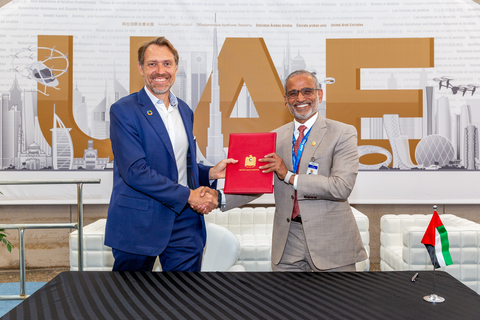
Joby Aviation, the electric vertical takeoff and landing (eVTOL) aircraft manufacturer, has formally applied for aircraft certification in the United Arab Emirates. This strategic move marks a significant step in the company’s expansion plans, aiming to establish a presence in the Middle Eastern market for its innovative flying taxis.

The application, submitted to the General Civil Aviation Authority (GCAA) of the UAE, represents a crucial milestone for Joby Aviation, which has been at the forefront of developing urban air mobility solutions. The certification process will involve rigorous testing and compliance with the UAE’s stringent aviation regulations, designed to ensure safety and operational standards for new aircraft technologies.

Joby Aviation’s eVTOL aircraft, characterized by its all-electric propulsion and vertical takeoff capabilities, is positioned to revolutionize urban transportation by reducing travel time and congestion. The company’s push into the UAE market is part of a broader strategy to tap into emerging global markets where infrastructure and regulatory frameworks are increasingly supportive of advanced aviation technologies.

The UAE has been actively working to become a hub for cutting-edge technologies, including advancements in aviation and transportation. The government’s initiatives to support smart city projects and sustainable transport align with Joby Aviation’s mission to provide efficient and eco-friendly transport solutions. As part of its expansion strategy, Joby has engaged in discussions with various stakeholders in the UAE to explore potential partnerships and operational frameworks that would facilitate the integration of its aircraft into the local transportation network.

The certification process will require Joby Aviation to demonstrate the safety, reliability, and efficiency of its aircraft under the UAE’s aviation standards. This involves a comprehensive evaluation of the aircraft’s performance, maintenance procedures, and safety features. The GCAA will oversee this process to ensure that the aircraft meets all necessary criteria before it is allowed to operate commercially in UAE airspace.

Joby’s entry into the UAE market comes at a time when there is growing interest in urban air mobility solutions globally. Several countries and cities are exploring similar technologies, driven by the need to address urban congestion and environmental concerns. By seeking certification in the UAE, Joby is positioning itself to capitalize on the increasing demand for innovative transportation solutions in a region known for its rapid development and technological adoption.

The company has already made significant strides in its home market of the United States, where it has received substantial investment and support from various stakeholders, including government agencies and private investors. The UAE certification is seen as a key step in Joby Aviation’s international growth strategy, which aims to bring its flying taxi services to major cities around the world.

As Joby Aviation progresses through the certification process, it will likely face several challenges, including navigating the regulatory landscape and establishing operational infrastructure in a new market. However, the company’s commitment to advancing urban air mobility and its track record of innovation position it well for success in the UAE.

The outcome of this certification process will not only impact Joby Aviation but also influence the broader landscape of urban air mobility. If successful, it could pave the way for other companies in the sector to enter the UAE market and contribute to the development of a new dimension in urban transportation.

The UAE’s proactive approach to integrating advanced technologies and supporting sustainable initiatives provides a promising environment for Joby Aviation’s ambitions. The company’s application for certification is a clear indication of the growing global interest in eVTOL aircraft and the potential for such technologies to transform urban travel.

As the aviation industry continues to evolve, the introduction of eVTOL aircraft represents a significant leap forward in the quest for more efficient and environmentally friendly transportation solutions. Joby Aviation’s efforts to gain certification in the UAE underscore the importance of regulatory support and innovation in shaping the future of urban mobility.

Huawei has unveiled its latest innovation, the Mate XT, a tri-fold smartphone priced at $2,800, set to launch on September 20, the same day as Apple’s new iPhone 16 series. This announcement places Huawei in direct competition with Apple in its largest market, China, where Apple faces increasing challenges. The Mate XT introduces several cutting-edge features, including a 10.2-inch screen that expands into a tri-fold design and […]

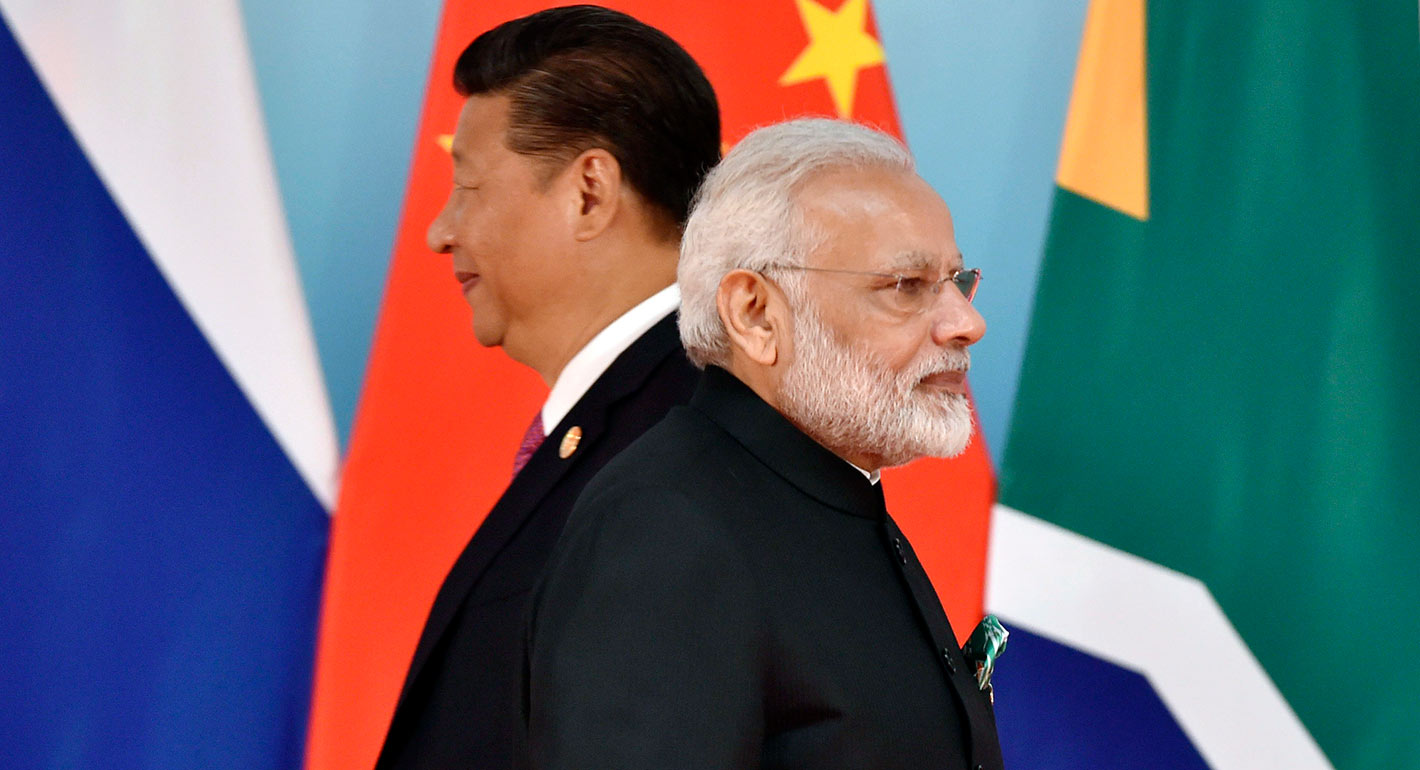
By Subrata Majumder Narendra Modi Government is going hot with China on diplomacy through remarks by the external affairs minister Dr. S Jaishankar, but at the same time, the finance minister Nirmala Sitharaman is soft on the issue of allowing Chinese investment in India. The economic survey of 2023-24 presented before this year’s budget underlines […]

Taiwan welcomed the establishment of a trade office by the U.S. state of Indiana as a significant step towards expanding economic collaboration, particularly in the high-tech and semiconductor sectors. Taiwan’s Ministry of Foreign Affairs (MOFA) expressed optimism that this move will further deepen bilateral ties and open new avenues for investment and innovation, positioning both Taiwan and Indiana as key players in critical global supply chains. Taiwan’s […]

Organic Light-Emitting Diodes (OLEDs) have made significant advancements in color accuracy and energy efficiency, redefining the standards for display technology. These developments mark a new phase for OLED panels, positioning them as frontrunners in the competitive global market dominated by companies such as LG Display and Samsung Display. One of the critical breakthroughs has been the ability of OLED panels to cover more than 95% of the […]

Arabian Post Staff -Dubai Apple has launched the Apple Watch Series 10, marking a decade since the debut of the original Apple Watch. This latest model introduces several significant updates, including larger displays and a new color option, Jet Black, designed to enhance both functionality and style. The Apple Watch Series 10 is the first major redesign since the Series 7, featuring a noticeably larger display that […]

Abu Dhabi’s state-owned holding company ADQ has assumed responsibility for managing two critical urban mobility systems in the emirate, DARB and Mawaqif. This decision marks a significant move within the UAE’s capital as part of ADQ’s ongoing strategy to consolidate its influence across key sectors, including transport and infrastructure. With ADQ at the helm, the management of these systems is expected to enhance efficiency, integrate technological advancements, and drive further development across the region’s mobility infrastructure.

The acquisition of DARB and Mawaqif, which manage road tolls and public parking respectively, signifies a larger push toward creating an interconnected transportation ecosystem in Abu Dhabi. The integration of these platforms under ADQ aims to bolster the emirate’s urban mobility framework, aligning with broader objectives to position Abu Dhabi as a leader in smart city development. The transition is being seen as a major step towards modernizing the city’s infrastructure while ensuring sustainability and ease of mobility for residents.

DARB, the road toll system in Abu Dhabi, was introduced as part of an initiative to reduce traffic congestion and promote the use of alternative transportation methods. The toll system uses automated technology to charge drivers passing through designated gates without requiring any physical tollbooths. This shift toward automation aligns with ADQ’s broader agenda of adopting cutting-edge solutions to enhance public services. The company is expected to focus on improving the technological framework of DARB, making it more user-friendly and efficient.

Mawaqif, on the other hand, is Abu Dhabi’s public parking management system, ensuring that parking spaces are utilized effectively across the city. The system operates through an integrated technology platform that allows residents and visitors to manage parking payments seamlessly through mobile applications and online systems. With ADQ assuming control of Mawaqif, there is speculation that the system could see further integration with other smart city services, enhancing the overall user experience and contributing to the wider development of a unified, technologically advanced infrastructure.

This move fits into ADQ’s long-term plan of building cluster ecosystems, where interconnected industries and services work cohesively to foster growth. The entity has been instrumental in managing a diverse portfolio that includes healthcare, energy, logistics, and utilities. By taking control of DARB and Mawaqif, ADQ is consolidating its role in the urban planning and development space, ensuring that these systems contribute meaningfully to the emirate’s economic and social objectives.

Moreover, ADQ’s involvement in the transportation sector underlines the company’s commitment to aligning its activities with the UAE’s national vision, which emphasizes sustainability, technological innovation, and efficient public services. The integration of DARB and Mawaqif under a single managerial entity allows for streamlined decision-making, faster implementation of improvements, and better coordination between different urban mobility projects. ADQ’s history of successfully managing large-scale projects also boosts confidence in the future of these systems, particularly in terms of reliability and technological advancement.

As the emirate continues to expand, ensuring a sustainable and efficient transport system remains critical. Abu Dhabi has been heavily investing in smart infrastructure, and the transportation sector is a central pillar of these developments. ADQ’s takeover of DARB and Mawaqif will likely bring in significant improvements, especially in terms of adopting newer technologies such as AI-driven traffic management and real-time data analytics. These innovations could lead to optimized traffic flow, better management of urban spaces, and an enhanced quality of life for residents.

Additionally, this transition reflects a broader trend in the region, where governmental entities are increasingly collaborating with semi-autonomous holding companies like ADQ to implement large-scale infrastructure projects. This approach allows for better flexibility in execution while ensuring that public services remain in line with the country’s long-term strategic objectives. The growing influence of such entities, including ADQ, is seen as a key driver of economic diversification in the UAE, reducing dependency on oil revenues and fostering growth in other critical sectors.

While the exact financial details of ADQ’s takeover of DARB and Mawaqif have not been disclosed, industry analysts suggest that the move could lead to a significant increase in revenue generation for the holding company, particularly as the systems expand their scope in the coming years. Both DARB and Mawaqif are essential to Abu Dhabi’s day-to-day urban management, affecting millions of residents and commuters. By streamlining the operations of these systems, ADQ is positioned to ensure that they operate more efficiently and continue to meet the growing demands of the city.

The leadership transition is being watched closely by industry experts, who believe that ADQ’s role could extend beyond operational management to involve strategic decision-making on future expansions of the mobility infrastructure. This could include initiatives such as expanding public transportation options, integrating electric vehicle (EV) infrastructure, and further leveraging digital platforms to make transportation and parking more accessible. The potential for cross-sector collaboration, especially with ADQ’s involvement in utilities and logistics, opens the door to even more comprehensive urban planning initiatives in the future.

Exploring how AI technologies and customer-centric solutions can elevate engagement, accelerate growth, and drive tangible ROE in banking. HO CHI MINH CITY, VIETNAM – Media OutReach Newswire – 9 September 2024 – Backbase, the global leader in Engagement Banking, will be bringing ENGAGE Asia to Ho Chi Minh City this year. On September 11 and 12, this bustling city will transform into the epicenter of digital banking […]

The UAE’s economy experienced a 3.4% growth year-on-year in the first quarter of 2024, reaching a total of $117.1 billion (Dhs430 billion), according to data released by the Federal Competitiveness and Statistics Centre. This growth reflects a robust performance across various sectors, with non-oil GDP increasing by 4% during the same period.

The expansion highlights the UAE’s continued economic resilience and diversification efforts. The growth rate, though slightly lower than previous peaks, demonstrates a stable economic trajectory amid global uncertainties and evolving market conditions. The non-oil sector’s performance is particularly noteworthy, as it underscores the UAE’s strategic shift away from oil dependence towards a more diversified economic model.

Key sectors contributing to this growth include tourism, technology, and financial services. The tourism sector, buoyed by ongoing investments in infrastructure and global marketing campaigns, has continued to attract international visitors, boosting spending and job creation. Similarly, the technology sector has benefitted from significant investments and innovations, driving both domestic and international interest.

Financial services have also played a crucial role in this economic expansion. The sector’s growth can be attributed to increased lending, higher investment inflows, and a burgeoning fintech industry. This development aligns with the UAE’s strategic vision of becoming a global financial hub, with regulatory reforms and advancements in financial technologies further supporting this goal.

The growth in non-oil GDP reflects a broader trend of economic diversification that has been a central focus of UAE policy over the past decade. Efforts to reduce reliance on hydrocarbons have led to substantial investments in alternative sectors, fostering a more balanced economic environment. This diversification strategy is supported by various government initiatives aimed at enhancing the competitiveness of non-oil sectors and attracting foreign investment.

Despite global economic challenges, including fluctuating oil prices and geopolitical tensions, the UAE’s economy has shown remarkable resilience. The government’s proactive measures, such as economic stimulus packages and infrastructure development, have bolstered economic stability and growth. Additionally, the UAE’s strategic location and business-friendly environment continue to attract international companies and investors.

The economic performance in the first quarter of 2024 is also reflective of ongoing structural reforms and policy adjustments aimed at enhancing the ease of doing business. The UAE has been actively pursuing reforms to streamline regulations, improve transparency, and foster innovation. These measures have contributed to a favorable business climate, encouraging both local and foreign investment.

Furthermore, the growth figures align with the UAE’s Vision 2021 and beyond, which emphasize sustainable development, economic diversification, and technological advancement. The government’s commitment to these goals is evident through various initiatives, including investments in green technologies, smart cities, and digital transformation projects.

VISHNU RAJA
RYO YAMADA
HITORI GOTOH
IKUYO KITA