

Arabian Post Staff -Dubai
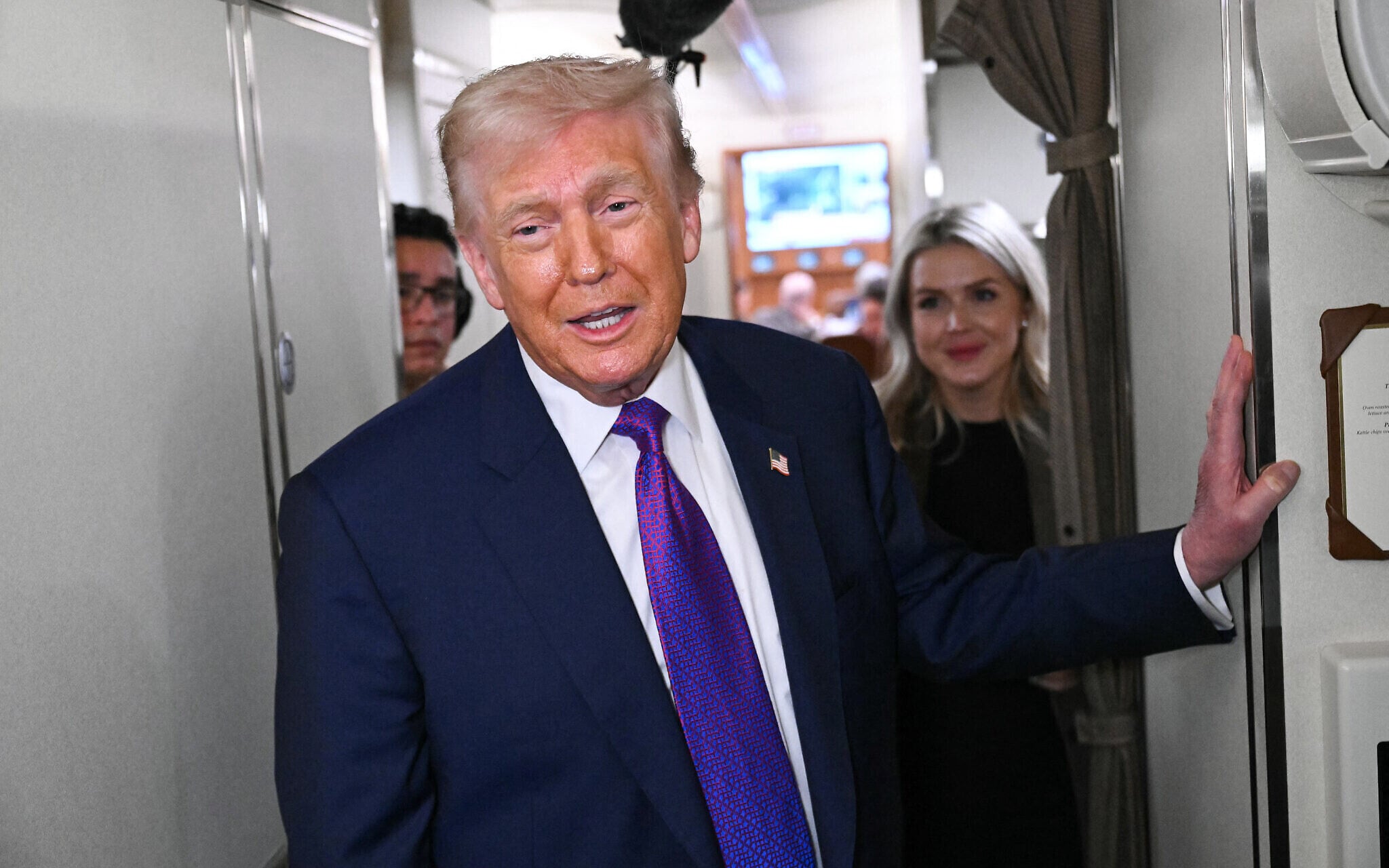
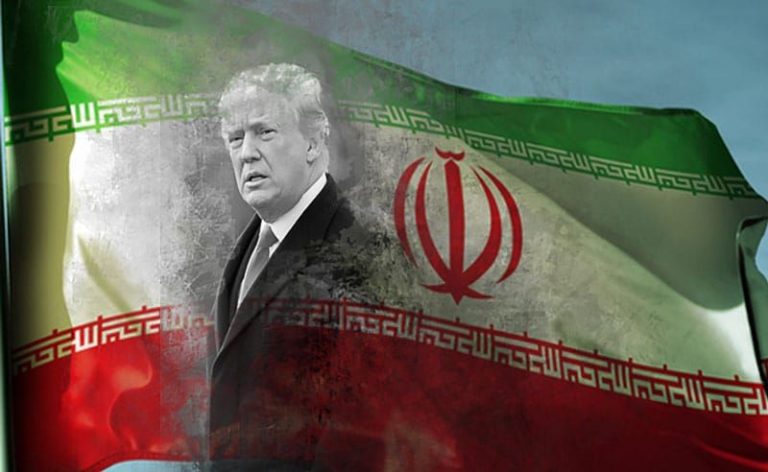
Donald Trump has warned that large-scale bombing of Iran will resume if no agreement is reached before the ceasefire expires on Wednesday evening in Washington, sharpening pressure on Tehran at a moment when diplomacy remains uncertain and the risk of a wider regional shock is still high. The US president has said his sole fixed demand is that Iran must not acquire a nuclear weapon, while officials in Pakistan continue trying to salvage talks that Iran has not yet formally agreed to attend.
The warning has pushed the standoff back to the edge of military escalation after a fragile pause that followed weeks of conflict across the Gulf and beyond. Trump indicated that he was unlikely to extend the ceasefire again and said bombing would restart if the deadline passed without a deal. At the same time, Washington has signalled that a negotiated outcome remains possible, with a senior US team expected to travel to Islamabad if Tehran takes part.
Pakistan has emerged as the main diplomatic channel, seeking to bring the two sides together under intense security and political scrutiny. Officials there have said they have received encouraging signals and are working to ensure Iran’s attendance, but the picture has remained fluid through Tuesday. Iranian officials and state-linked reporting have sent mixed messages, ranging from rejection of talks under threat to indications that the proposal is being reviewed. That uncertainty has left the planned meeting without a confirmed Iranian delegation even as preparations continue.
Trump’s formulation of the dispute has been deliberately narrow: no Iranian nuclear weapon, with little sign of flexibility on that point. Tehran, however, is seeking relief from pressure and has resisted negotiations framed by military ultimatums. The gap between those positions has been widened by fresh confrontation at sea after the United States intercepted and seized an Iranian-flagged cargo ship near the Strait of Hormuz, an incident that drew sharp condemnation from Iran and concern from Beijing. That episode deepened mistrust just as mediators were trying to restart dialogue.
The stakes extend well beyond the immediate military balance. The Strait of Hormuz remains one of the world’s most critical energy chokepoints, and disruption there has already strained oil and gas flows. The International Energy Agency said global oil supply fell by 10.1 million barrels a day in March, describing the interruption linked to attacks on energy infrastructure and tanker restrictions as the largest disruption on record. Its longer-term assessment has underlined how heavily Asian buyers depend on cargoes moving through the strait, and why every diplomatic tremor is being watched by traders and governments alike.
That vulnerability has fed wider concern that another breakdown could unsettle inflation, shipping and industrial demand far beyond West Asia. Market estimates have suggested global oil stocks could fall by around 900 million barrels even if the ceasefire is prolonged, reflecting damage, delays and logistical bottlenecks. Kuwait has already declared force majeure on some shipments because of the blockade around the Gulf, while crude prices have swung sharply on each sign of progress or collapse in diplomacy. Hopes of talks helped prices ease at the end of last week, but the relief has been fragile.
Diplomatic pressure for restraint has grown alongside those market fears. China has called for all parties to avoid further escalation, maintain the ceasefire and create conditions for normal transit through Hormuz. President Xi Jinping, in calls with Gulf leaders, has stressed that the waterway must remain open and that the conflict should be resolved through political means. The United Nations has also backed efforts aimed at securing a more durable end to fighting, while regional governments continue to weigh the commercial and security costs of another round of strikes.
Also published on Medium.
Follow Arabian Post
Select Arabian Post as your preferred source on Google and MSN News for trusted business news and Arab politics and updates.




