
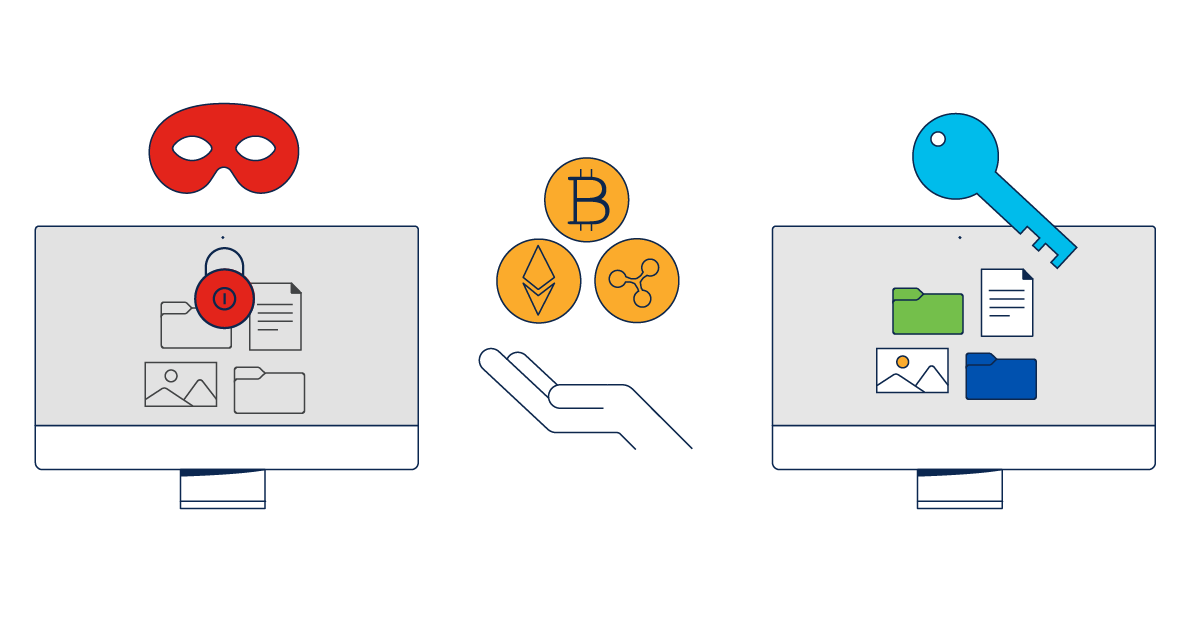
A zero-day vulnerability in widely deployed Cisco firewall systems has been exploited for months by a ransomware group, with security teams warning that the breach highlights deep gaps in enterprise network defences and patch management practices.
Analysis by Amazon Web Services’ security leadership indicates that attackers began abusing the flaw as early as January, gaining unauthorised access to targeted environments before the vulnerability became publicly known. The disclosure has raised concern among corporate security teams, particularly given the scale of Cisco’s firewall installations across critical infrastructure, financial services and government networks.
The vulnerability affects Cisco Adaptive Security Appliance and Firepower Threat Defense devices, both of which are widely used to secure corporate perimeters. According to cybersecurity experts, exploitation enables attackers to bypass authentication mechanisms and execute commands remotely, effectively granting full control over affected systems.
CJ Moses, chief information security officer at AWS, said the activity reflects a “persistent and coordinated campaign” rather than opportunistic attacks. He noted that the threat actors demonstrated a high degree of sophistication, leveraging stealth techniques to remain undetected while moving laterally within compromised networks.
Cybersecurity researchers tracking the campaign have linked it to a ransomware group known for targeting large enterprises and demanding multi-million-dollar payments. The attackers are believed to have used the firewall vulnerability as an initial entry point before deploying additional tools to escalate privileges and exfiltrate sensitive data.
Security analysts say the timeline of the breach is particularly troubling. The exploitation appears to have started well before any patch or mitigation guidance was made available, suggesting that attackers had prior knowledge of the flaw or discovered it independently. Such early access, often referred to as a “zero-day window,” allows threat actors to operate without detection while organisations remain unaware of the risk.
Cisco has since issued advisories and software updates to address the vulnerability, urging customers to apply patches immediately and review system logs for signs of compromise. The company also recommended disabling certain features that could be abused in the attack chain, although experts caution that mitigation measures alone may not fully eliminate the threat.
The incident underscores a broader challenge facing enterprises: the growing complexity of network security combined with increasingly sophisticated threat actors. Firewalls, long considered a foundational layer of defence, are now becoming targets themselves, reflecting a shift in attacker strategy towards exploiting security infrastructure rather than bypassing it.
Industry observers point out that ransomware groups have evolved from simple encryption-based attacks to multi-stage operations involving data theft, extortion and prolonged network infiltration. By compromising perimeter devices, attackers can establish a foothold that is difficult to detect using traditional endpoint security tools.
Organisations affected by the Cisco vulnerability may face significant operational and financial risks. Beyond the immediate threat of ransomware deployment, compromised firewalls can expose sensitive communications, intellectual property and customer data. Regulatory scrutiny may also follow, particularly in sectors with strict data protection requirements.
Experts emphasise the importance of proactive threat hunting and continuous monitoring to detect anomalies that may indicate a breach. They also highlight the need for rapid patching cycles, noting that delays in applying updates can leave systems exposed even after vulnerabilities become known.
The episode has prompted renewed calls for stronger collaboration between technology vendors, cloud providers and enterprise security teams. Early sharing of threat intelligence, analysts argue, can help organisations respond more quickly to emerging risks and reduce the impact of zero-day exploits.
Some cybersecurity professionals have also raised questions about the resilience of widely used network appliances. As attackers increasingly target infrastructure components, there is growing interest in adopting layered security models that reduce reliance on any single point of defence.
Follow Arabian Post
Select Arabian Post as your preferred source on Google and MSN News for trusted business news and Arab politics and updates.