Just in:
Fiscal strength doesn’t guarantee public goods delivery, US study finds // Wuzhen Summit Puts Spotlight on Tongxiang’s Expanding AI Industry // UEM Edgenta Launches Young Entrepreneurship Programme to Develop Future-Ready Vendors // Bitget targets Thai market through licensed exchange purchase // Saudi investment forum shifts tenth edition to 2027 // Burjeel highlights healthcare operations exceeding 1.17 million visits // Figma expands MCP partnerships despite Field’s protocol concerns // Jio Platforms opens record $3.2 billion public offering // Cross-Sector Collaboration For World Sight Day: Orbis, HKOS, Southern District Office, and Southern District Care Team Jointly Launch “Southern District Eye Care Day” – Calling on the Next Generation to Accompany and Protect Senior Vision // Splunk survey exposes widening gaps in AI agent oversight // Bayan Sadagah embodies Saudi women’s football league expansion // Doctify Marks Six Years in the UAE with New UAE Hospital Rankings as Gulf Expansion Accelerates // Solcis launches open compliance layer for AI agents on NVIDIA OpenShell // Chow Tai Fook Jewellery Group Welcomes President of Botswana to Its Newly Opened Signature Boutique in Beijing // Tiny Titan domination: VinFast VF3 is the best-selling BEV model in the Philippines // BDMS Wellness Clinic and Sri panwa Advance Scientific Wellness through ‘The Holistic Wellness Retreat’, Elevating Phuket as a Global Wellness Destination // Can Smartphone Makers Deliver Useful AI Without Draining Battery Life? // Are the world’s central banks about to slam on the brakes together? // Sheikh Mohammed presses Gulf nations for closer cooperation // Town secures $108 million funding at billion-dollar valuation //

News related to
Ardi

Trezor, a leading hardware wallet provider, has reported an unprecedented 600% increase in weekly wallet sales, underscoring the escalating demand for self-custody solutions among cryptocurrency investors. This surge coincides with Bitcoin’s remarkable rally, approaching its record high of $99,600, driven by significant market developments and shifting investor behavior.

The cryptocurrency market has seen heightened activity as Bitcoin prepares for its fourth halving event, anticipated in April 2024. This event, which reduces the block reward miners receive, historically triggers supply shocks that contribute to price surges. Alongside this technical catalyst, enhanced regulatory clarity in the United States has bolstered confidence among institutional and retail investors. The recent approval of spot Bitcoin exchange-traded funds (ETFs) by regulatory authorities has further legitimized Bitcoin as an asset class.

Market trends indicate a substantial withdrawal of Bitcoin from centralized exchanges, with approximately 427,000 BTC removed in 2024 alone. This trend reflects a growing preference for self-custody amid concerns over the security of funds held on exchanges. The collapse of prominent cryptocurrency platforms in prior years has heightened awareness of the risks associated with centralized custodians, driving investors toward more secure storage options such as hardware wallets.

Trezor’s sales figures highlight the growing emphasis on decentralized ownership and asset security. The company’s wallets offer offline storage, safeguarding assets from hacking attempts and cyber threats. This surge in demand aligns with the broader industry shift toward empowering users to take control of their financial assets.

Bitcoin’s rally has also been fueled by its role as a hedge against inflation and economic uncertainty. As traditional financial systems face challenges, Bitcoin’s fixed supply and decentralized nature have attracted investors seeking alternative stores of value. This sentiment is echoed by major institutional players, including MicroStrategy, which continues to accumulate Bitcoin as a strategic reserve asset. MicroStrategy’s holdings, currently exceeding 150,000 BTC, signify the growing institutional adoption of cryptocurrency.

The geopolitical landscape has further underscored Bitcoin’s appeal. In regions experiencing economic instability or strict capital controls, Bitcoin has emerged as a viable tool for financial inclusion and wealth preservation. Countries such as El Salvador have embraced Bitcoin as legal tender, setting a precedent for its potential integration into national economies.

SINGAPORE – Media OutReach Newswire – 26 November 2024 – On October 4, 2024, Airple, a leader in air conditioning installation, repair, and aircon servicing, launched its innovative new website and mobile app, marking a significant milestone in the digitisation of aircon maintenance in Singapore. With its advanced real-time tracking and predictive maintenance capabilities, Airple aims to redefine the standard for convenience and efficiency in aircon care. […]

Brazil’s Chamber of Deputies is deliberating a legislative proposal aimed at incorporating Bitcoin into the country’s foreign reserve portfolio. This groundbreaking move seeks to allocate a portion of Brazil’s international reserves to the cryptocurrency, marking a significant step towards integrating digital assets into mainstream financial strategies.

The proposed legislation, introduced by lawmakers advocating for diversified economic resilience, would allow Bitcoin to constitute up to five percent of the nation’s reserves. This initiative aligns with global trends where nations and institutions are exploring the potential of cryptocurrencies to hedge against traditional economic risks. If passed, the bill could position Brazil as a leader in adopting blockchain-backed financial instruments at a governmental level.

The draft highlights the strategic advantages of holding Bitcoin, including its decentralized nature, resistance to inflationary pressures, and potential as a counterbalance to fluctuations in fiat currencies. Proponents argue that Bitcoin’s finite supply and increasing global acceptance enhance its viability as a reserve asset. These features, according to the proposal, could complement Brazil’s existing reserves composed of foreign currencies, gold, and special drawing rights.

Analysts monitoring Brazil’s economic policies have noted the implications of such a move. Incorporating Bitcoin would diversify the country’s portfolio, potentially safeguarding it against geopolitical tensions and market volatility affecting traditional reserve currencies. The legislation reflects broader global discussions about the role of digital currencies in future economic frameworks, as countries grapple with evolving financial technologies.

Critics of the proposal, however, have raised concerns about the volatility of Bitcoin, which has seen dramatic price swings since its inception. They caution that incorporating such an asset into national reserves could introduce risks, particularly in a global economic environment already rife with uncertainty. Economists skeptical of the move emphasize the importance of stability in reserve assets, arguing that Bitcoin’s speculative nature might undermine the reliability of the country’s holdings.

Despite these criticisms, supporters of the measure point to the growing adoption of Bitcoin and blockchain technology across various sectors worldwide. They argue that early investment in digital currencies could provide Brazil with a strategic advantage, particularly as cryptocurrencies gain legitimacy and value in international markets. Bitcoin’s adoption by major corporations and financial institutions has further strengthened the case for its inclusion in national strategies.

Brazil’s proposal comes amid a broader regional interest in cryptocurrencies. Other Latin American countries, including El Salvador, have taken bold steps to integrate Bitcoin into their economies. While El Salvador adopted Bitcoin as legal tender, Brazil’s approach appears more measured, focusing on Bitcoin as a reserve asset rather than a medium of exchange.

The legislative push aligns with Brazil’s broader digital transformation efforts, which include initiatives to modernize financial services and explore blockchain applications in public administration. These measures signal the country’s intent to leverage technology to enhance transparency, efficiency, and economic growth. Observers see the Bitcoin reserve proposal as a natural extension of these efforts, reflecting a willingness to embrace innovation while navigating its challenges.

The Chamber of Deputies has yet to finalize deliberations on the bill. If approved, the legislation would require regulatory adjustments to ensure that Bitcoin holdings comply with international financial standards and Brazil’s fiscal policies. Key stakeholders, including the Central Bank of Brazil, are expected to play a pivotal role in shaping the implementation framework should the bill pass into law.

Nissan Motor Co. is scaling back production operations in the United States amidst declining sales and intensifying financial challenges. This decision coincides with mounting pressure from tariff threats that could impact the automaker’s cross-border supply chain, particularly between Mexico, Canada, and the United States. The automaker’s production adjustments come as part of broader restructuring efforts aimed at countering its continued struggle to recover market share and stabilize […]

A 360° Experience and A Night of Thrilling Action for UFC Fans MACAU SAR – Media OutReach Newswire – 26 November 2024 – Galaxy Macau™ was proud to host the return of UFC®, the world’s premier Mixed Martial Arts (MMA) organization, to Macau. UFC® FIGHT NIGHT MACAU: YAN vs. FIGUEIREDO was held at Macau’s largest indoor arena, Galaxy Arena, in front of more than 12,000 fans, including […]

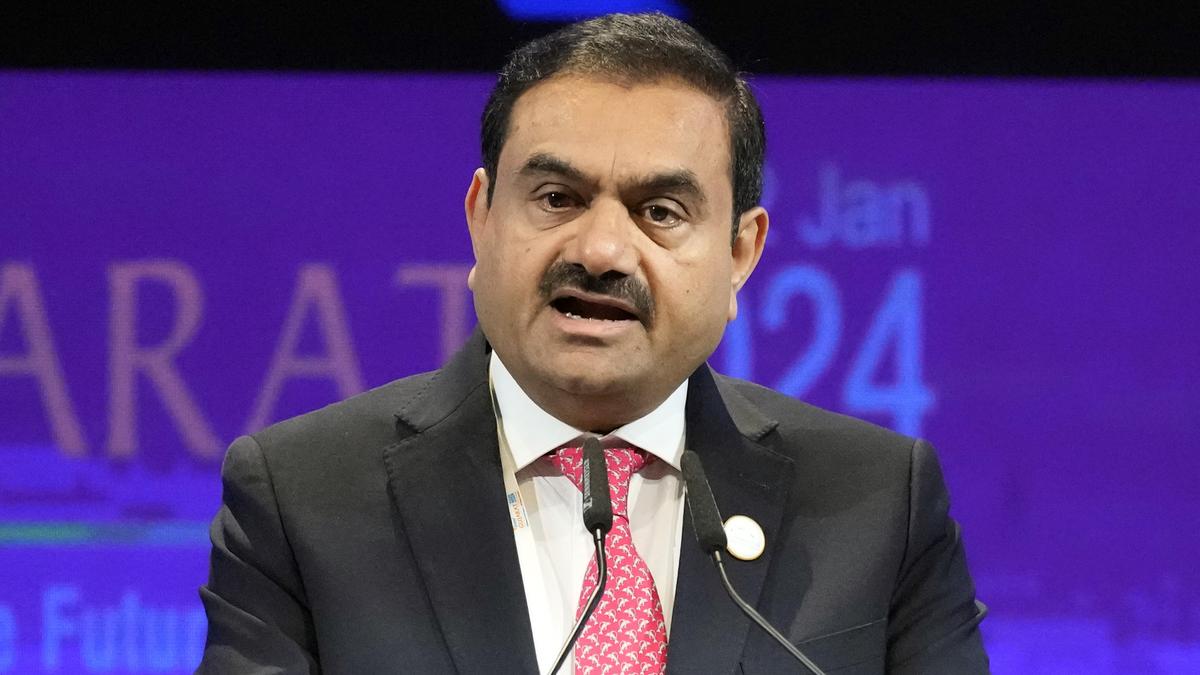
Fitch Ratings has placed certain bonds issued by Adani entities under a “negative watch” as scrutiny of the group’s governance intensifies following allegations of corruption tied to Sri Lankan projects. This development comes amid renewed focus on a contentious $442 million wind power project in Sri Lanka’s Mannar region, which has sparked concerns over environmental compliance and procedural irregularities. The Sri Lankan government had reportedly flagged potential […]

Dubai International Financial Centre (DIFC) has unveiled an exciting collaboration with the Skywards Everyday app, aiming to elevate the shopping, dining, and entertainment experience at the renowned Gate Avenue. The partnership marks a significant step in enhancing customer engagement and offering additional benefits to both new and existing users of the Skywards loyalty program.

Gate Avenue, located in the heart of Dubai’s financial district, is known for its vibrant atmosphere and extensive range of luxury retail outlets, dining options, and entertainment experiences. This new partnership with Skywards Everyday, part of Emirates’ frequent flyer program, offers customers the opportunity to earn and redeem Skywards Miles for purchases at participating outlets within the DIFC precinct.

The collaboration will allow users to earn Skywards Miles for everyday spending, with exclusive offers and promotions available across various restaurants, cafes, and retail outlets in Gate Avenue. Shoppers can now seamlessly integrate their Skywards account with the Skywards Everyday app, benefiting from personalized rewards and exclusive deals. This move is aimed at enhancing the customer experience by merging Dubai’s retail and hospitality sectors with the convenience of a loyalty program, creating a more dynamic, rewarding environment for both local residents and international visitors.

The Dubai International Financial Centre has long been a hub for business, finance, and lifestyle, attracting both global corporations and high-net-worth individuals. By teaming up with the Skywards Everyday app, DIFC aims to tap into the growing demand for integrated digital solutions that provide seamless experiences for consumers. This partnership reflects the evolving nature of consumer expectations, with an increasing desire for convenience, personalized rewards, and a more integrated lifestyle experience.

The initiative also underscores the UAE’s broader ambition to position itself as a global leader in innovation and technology. By leveraging the power of digital applications like Skywards Everyday, the DIFC hopes to foster greater engagement within its community and enhance its status as a top destination for high-end retail and leisure activities. The partnership is expected to bring in a new wave of visitors to Gate Avenue, with Skywards Everyday’s extensive reach providing DIFC with access to a diverse and affluent customer base.

Skywards Everyday, which launched in 2020, has rapidly grown in popularity, providing users with the ability to earn miles on everyday purchases. The app has been designed to work with a wide range of retailers, enabling users to earn Skywards Miles at thousands of locations across the UAE. With this expansion into Gate Avenue at DIFC, users will be able to collect miles for purchases at some of Dubai’s most exclusive shopping and dining spots.

For Emirates, the expansion of the Skywards Everyday app to high-profile locations such as DIFC is part of its ongoing efforts to strengthen the Emirates Skywards program and its loyalty offerings. As the aviation and travel industries continue to recover from the pandemic, loyalty programs have become an increasingly important tool in driving customer retention and engagement. By providing additional ways for Skywards members to earn miles and rewards, Emirates is enhancing the value of its frequent flyer program, which has long been a key differentiator in a competitive industry.

This collaboration also highlights a broader trend in Dubai’s retail and hospitality landscape, where the fusion of technology and customer service is reshaping how businesses interact with consumers. In a city known for its luxury experiences and cutting-edge innovations, partnerships like this are becoming essential in attracting and retaining customers in an increasingly competitive market.

Gate Avenue at DIFC has long been one of Dubai’s prime destinations for luxury shopping and fine dining. The precinct has hosted numerous global brands and offers a wide range of services that cater to the tastes and preferences of the UAE’s affluent residents and international visitors. With the new partnership, DIFC is positioning itself as a leading player in the city’s retail and leisure scene, bridging the gap between traditional shopping experiences and modern digital solutions.

Advertisements

Microsoft confirmed that it is investigating disruptions to its Microsoft 365 suite, primarily impacting Teams and Exchange services. The issue has drawn global attention, with users reporting difficulties in accessing key functionalities, including the Teams calendar and Exchange Online. Downdetector, a platform that tracks service outages, logged a surge of complaints about these issues, suggesting widespread impact. The company acknowledged the situation early Monday, notifying users through […]

Cantor Fitzgerald, a prominent global financial services firm, is reportedly positioning itself to acquire approximately 5% ownership in Tether Holdings, the issuer of the world’s most widely used stablecoin, USDT. This move is viewed as part of Cantor’s strategy to deepen its foothold in the burgeoning cryptocurrency sector, which has seen a surge in institutional interest and regulatory scrutiny.

Tether, known for its dollar-pegged digital token, has grown into a pivotal entity in the cryptocurrency ecosystem, facilitating billions of dollars in daily transactions. The anticipated investment highlights the increasing convergence between traditional financial institutions and the crypto industry, as players like Cantor Fitzgerald seek to leverage the opportunities within blockchain technology and digital currencies.

Howard Lutnick, Cantor Fitzgerald’s CEO and a longstanding ally of President-elect Donald Trump, is expected to play a dual role in shaping these developments. Lutnick is slated to assume the role of Secretary of Commerce under Trump’s administration, raising questions about the interplay of political and business interests, particularly regarding regulatory landscapes affecting digital assets and related financial technologies.

The reported stake acquisition comes amidst broader crypto-related activities on Wall Street, as firms adopt blockchain solutions to modernize trading and record-keeping processes. Observers note that Cantor Fitzgerald’s history of resilience and adaptation, especially following its recovery from significant losses during the 9/11 attacks, positions it well to navigate the volatile but promising crypto market.

As Tether continues to face regulatory challenges globally, including concerns about its reserves’ transparency and governance, the involvement of a major Wall Street firm could signal a shift in perception and potentially bolster confidence in the stablecoin’s operational integrity. Cantor’s move could also influence other financial institutions to consider strategic investments in digital assets, underscoring a growing acceptance of cryptocurrency as a mainstream asset class.

While details about the terms of the deal remain undisclosed, industry insiders suggest that the partnership could herald increased institutionalization of the cryptocurrency market, fostering closer ties between digital finance innovators and established financial entities. This evolution aligns with a broader narrative of transformation within the financial sector, driven by technological advancements and the global adoption of digital payment solutions.

The anticipated collaboration between Cantor Fitzgerald and Tether may also have implications for regulatory policies under the Trump administration. With Lutnick at the helm of the Department of Commerce, there is speculation about potential shifts in the U.S. regulatory approach to cryptocurrencies and blockchain technologies. Some analysts believe that Lutnick’s involvement could provide Tether with a strategic advantage in addressing regulatory challenges and expanding its market reach.

Adani Group’s bonds have seen a sharp decline, hitting their lowest levels in over a year, as concerns about bribery allegations and their potential impact on the conglomerate’s financial stability and global reputation intensify. This marks the latest chapter in the ongoing turbulence for one of India’s largest and most influential business groups. The drop in bond prices follows reports accusing the Adani Group of being involved […]

By Nantoo Banerjee If bribery is a common practice in business, and often viewed as the normal way of doing business in many countries, including India, there is little too sensational about the US Department of Justice indictment, last week, against India’s US$37-billion infrastructure conglomerate Adani group head Gautam Adani, his nephew Sagar Adani, Adani […]

Abu Dhabi has been selected as the first region in the Middle East and North Africa (MENA) to implement the Enhanced Transparency Framework (ETF) at a subnational level, marking a significant step in the emirate’s climate strategy. This initiative, unveiled by the Environment Agency – Abu Dhabi (EAD), follows the successful introduction of the ETF at a national level by the Ministry of Climate Change and Environment (MOCCAE) in 2023. The move signals a broader commitment to meet international climate goals and bolsters Abu Dhabi’s role in regional and global environmental governance.

The ETF is a cornerstone of the Paris Agreement, which aims to increase accountability and foster a more transparent global response to climate change. It requires countries to provide regular updates on their greenhouse gas emissions, climate mitigation efforts, and progress in adapting to environmental changes. With the launch of the framework on a subnational scale, Abu Dhabi is positioning itself as a pioneer in sustainable governance within the MENA region, demonstrating a growing emphasis on local-level climate actions that align with global objectives.

By implementing the ETF, Abu Dhabi will align its efforts with the Paris Agreement’s transparency provisions, which aim to enhance global cooperation and climate commitments. The initiative involves providing data on emissions reductions, evaluating progress on mitigation strategies, and detailing actions taken to address the adverse impacts of climate change. This transparency will allow both local and global stakeholders to track the progress made and encourage greater accountability.

One of the key elements of this new framework is the establishment of a more rigorous and systematic reporting mechanism that supports better decision-making for climate-related investments and actions. The initiative will provide more precise data on the effectiveness of policies and strategies aimed at reducing carbon footprints. These reports will be made accessible to the public, offering a new level of transparency regarding the emirate’s progress in combating climate change.

Abu Dhabi’s move to implement the ETF at the subnational level comes at a time when the region is facing growing environmental challenges. Rising temperatures, changing weather patterns, and the increasing scarcity of water resources are pressing issues for many MENA countries. In this context, the new framework is not just a tool for global compliance but an essential part of the city’s broader efforts to enhance its resilience to climate change.

This initiative also aligns with Abu Dhabi’s broader sustainable development goals, which include reducing the city’s carbon footprint, increasing renewable energy adoption, and promoting green technologies. As part of the UAE’s long-term strategy, the implementation of the ETF will complement the nation’s efforts to meet its ambitious targets for reducing carbon emissions by 2030 and achieving net-zero emissions by 2050.

Abu Dhabi’s adoption of the ETF on a subnational level serves as a model for other cities and regions across MENA. The emirate’s leadership in this space is expected to inspire neighboring countries and cities to follow suit and adopt similar transparency frameworks. It also highlights the role that local governments can play in advancing global climate goals, especially in regions where national-level initiatives may face more significant challenges due to political or economic factors.

For Abu Dhabi, the ETF is not only a tool for accountability but also an opportunity to attract international investment in climate technology and sustainable infrastructure. As businesses and governments worldwide increasingly demand transparency in environmental practices, cities with robust climate frameworks will likely see a rise in green investments. Abu Dhabi’s early adoption of the ETF positions it as a leader in attracting such investment, further cementing its role as a global hub for sustainability and innovation.

The successful implementation of the ETF in Abu Dhabi will also have ripple effects in other key sectors of the economy. In particular, industries such as construction, transportation, and energy will need to align their operations with the new reporting standards. The city’s shift towards transparent climate practices may prompt major changes in corporate strategies, encouraging private sector companies to adopt cleaner technologies and enhance their environmental stewardship.

The introduction of the ETF is expected to foster increased collaboration between public and private sector stakeholders. Governments, businesses, and civil society organizations will need to work together to ensure the smooth implementation of the framework, sharing data, best practices, and strategies for climate action. This collaborative approach will be crucial in helping Abu Dhabi meet its long-term climate goals while driving innovation in sustainability.

While the ETF will undoubtedly present challenges—particularly in terms of data collection, monitoring, and reporting—Abu Dhabi’s existing climate infrastructure, supported by the EAD and other local agencies, places the city in a strong position to succeed. Additionally, the emirate has a track record of leadership in environmental policy, with notable initiatives such as the Masdar City project and the development of solar energy capacity. These past successes provide a solid foundation upon which to build more transparent, data-driven climate actions.


Eastern Europe is quickly becoming a popular destination for ski enthusiasts seeking a thrilling adventure without the hefty price tag associated with more established resorts in the Alps. Ski resorts in countries like Poland, Slovakia, and Bulgaria are gaining attention as affordable alternatives to the high-end ski destinations in Western Europe. These lesser-known mountains provide an exhilarating experience with much lower costs, making them an attractive option for budget-conscious travelers looking for a mix of adventure and value.

The snow-capped peaks of Eastern Europe offer a diverse range of ski options that rival some of the world’s most renowned destinations. With hundreds of miles of ski slopes, well-developed infrastructure, and stunning views, these regions are poised to capitalize on the growing trend of alternative winter sports destinations. Skiers can expect varied terrain suitable for all levels of expertise, from beginner slopes to challenging off-piste runs. The range of facilities is comparable to those in the Alps, but at a fraction of the cost.

In Bulgaria, the Bansko ski resort has become a standout location, renowned for its mix of traditional culture and modern amenities. Located in the Pirin Mountains, Bansko offers over 70 kilometers of ski slopes, making it one of the largest ski areas in the Balkans. What sets it apart is its exceptional value proposition, offering ski passes, accommodations, and meals that are significantly cheaper than similar services in the Alps. The resort is known for its friendly atmosphere, combining Eastern European hospitality with high-quality ski runs. Visitors are often drawn to the lively après-ski scene, which blends cultural authenticity with vibrant nightlife. Bansko’s reputation has grown steadily over the past decade, attracting both seasoned skiers and newcomers alike.

Neighboring Romania also presents enticing options for winter sports enthusiasts, with its Carpathian Mountains offering a variety of resorts that appeal to different tastes and budgets. Poiana Brașov, for example, is one of the country’s premier ski resorts. It boasts more than 24 kilometers of well-maintained slopes, snowboarding parks, and modern cable cars, all set against a dramatic backdrop of dense forests and medieval villages. Poiana Brașov is renowned for being both a family-friendly destination and a location that provides quality skiing without breaking the bank.

Poland is another Eastern European country with an emerging ski scene. Zakopane, situated at the foot of the Tatra Mountains, has long been a favorite for Polish tourists and is gaining recognition on the international stage. Zakopane offers over 40 kilometers of skiing terrain and a lively après-ski culture that is distinctly Polish. The town is particularly appealing for its picturesque charm, offering a combination of rustic wooden cottages and modern ski resorts. Zakopane’s affordable prices, particularly in comparison to neighboring Austria and Slovakia, have made it a rising star in the Eastern European ski market.

Slovakia, with its well-maintained ski resorts such as Jasná in the Low Tatras, is another destination that offers great value. Jasná, the largest ski resort in Slovakia, is renowned for its high-standard facilities, extensive terrain, and affordability. It has rapidly become a popular choice for those looking to experience skiing in the heart of Europe, offering nearly 50 kilometers of ski slopes and a range of winter activities for visitors of all levels. The resort’s modern amenities and beautiful setting in the Low Tatras National Park make it an attractive alternative to some of the more expensive Alpine resorts.

Despite the increasing competition from other countries, these Eastern European destinations retain a unique advantage: their affordability. In many of these regions, the cost of accommodation, food, and lift passes is significantly lower than in Western European ski resorts. For example, the cost of a ski pass in Bansko can be less than half of what visitors would pay at popular Alpine resorts like Chamonix or Zermatt. Similarly, lodging and dining options in countries such as Romania and Poland are often considerably cheaper, making it easier for families and smaller groups to enjoy a ski holiday without the financial strain that typically comes with top-tier Alpine resorts.

Beyond their affordability, these resorts also offer a different cultural experience that sets them apart from the traditional Alpine destinations. Skiers in Eastern Europe can expect a blend of history, culture, and scenic beauty that is unique to this region. Traditional cuisine, charming villages, and centuries-old castles add a distinctive charm to the ski experience. Eastern European resorts are also known for their hospitality, with smaller crowds and a more relaxed atmosphere than the sometimes over-crowded slopes in Western Europe.

Heavy rainfall in Bolivia has unleashed devastating landslides and flooding in parts of La Paz, the nation’s administrative capital. Torrents of water caused a river to breach its banks in the southwestern region of the city, destabilizing hillside neighborhoods and displacing hundreds of residents. This natural calamity has drawn attention to the vulnerabilities of poorly constructed dwellings in steep areas, as authorities scramble to manage the crisis. […]

By K Raveendran The US chargesheet against the Adani group and the arrest warrant issued against Gautam Adani are the strongest indictment yet of the crony capitalism that has been playing out on the sides under the Narendra Modi government. The new developments shed light on the group’s rapid expansion, often facilitated by connections to […]

HONG KONG SAR – Media OutReach Newswire – 22 November 2024 – The Hong Kong Productivity Council (HKPC) recently won the gold award in the “Government Public Relations” category at the 20th China Golden Awards for Excellence in Public Relations. This accolade recognises HKPC’s outstanding efforts in promoting New Productive Forces. The award ceremony took place on 15 November in Beijing. Ms Karen FUNG, Chief Marketing Officer […]

The Press Conference for the Event Was Held This Afternoon at the Galaxy International Convention Center. The Main Event and Co-Main Event Athletes Attended and Spoke to Media. MACAU SAR – Media OutReach Newswire – 22 November 2024 – Galaxy Macau™ is proud to host the return of UFC®, the world’s premier Mixed Martial Arts (MMA) organization, to Macau. UFC® FIGHT NIGHT MACAU: YAN vs. FIGUEIREDO will […]

Bringing together UK and global expertise, the 12th edition of the global language testing and assessment conference explores how language learning and assessment can drive social and economic progress, boost education quality, and contribute to global interconnectedness. HONG KONG SAR – Media OutReach Newswire – 22 November 2024 – The British Council’s flagship event on language testing and assessment, New Directions East Asia 2024, brings together regional […]

The International Criminal Court (ICC) has issued arrest warrants for Israeli Prime Minister Benjamin Netanyahu and former Defense Minister Yoav Gallant in connection with alleged war crimes committed during Israel’s military operations in Gaza. The charges stem from actions taken by Israeli forces that resulted in the deaths of civilians and the destruction of civilian infrastructure, which the ICC claims violated international law. The court’s decision marks […]

By Anjan Roy The real import of the US department of justice (DOJ) indictment of Indian billionaire, Gautam Adani, on counts of corruption and bribery has been somewhat lost on the wider public. It is the geo-economics of US dominion over the rest of the world that has to be taken note of. It is […]

Federal scrutiny of Apple Pay has intensified as the Consumer Financial Protection Bureau (CFPB) moves to enhance oversight of digital payment platforms. The CFPB is evaluating how Apple Pay aligns with consumer protection laws, citing concerns over competition, data security, and equitable access to digital payment services. The platform, which has become a leader in mobile payments, may face significant changes if the proposed regulations proceed. The […]

SINGAPORE – Media OutReach Newswire – 22 November 2024 – Wine enthusiasts in Singapore can embark on a global wine adventure at Wine Connection’s Wine Tasting Fair 2024. Held on November 23rd and 24th at the Wine Connection Bistro @ Robertson Walk, the two-day event offers a chance to explore over 170 wines from across the globe, including exclusive sneak peeks at the upcoming 2025 New Collection. […]

U.S. Securities and Exchange Commission (SEC) Chair Gary Gensler has confirmed plans to step down on January 20, 2025, coinciding with the inauguration of President-elect Donald Trump. Gensler’s tenure, initially set to conclude on June 5, 2026, will end prematurely, paving the way for the incoming administration to appoint a new leader at the regulatory body.

Gensler, who has led the SEC since 2021, championed an ambitious agenda focusing on regulatory reforms, including a contentious approach to cryptocurrency oversight. Under his leadership, the SEC expanded its regulatory purview, initiating high-profile enforcement actions against major crypto firms and tightening disclosure requirements across various industries. These measures sparked debates about their impact on innovation and market dynamics, drawing both praise and criticism from stakeholders.

The decision to step down aligns with historical patterns in the SEC, where chairs often resign following a change in administration. Speculation surrounding Gensler’s departure intensified after Trump’s electoral victory, with reports indicating internal discussions about his successor. Potential candidates for the role include former SEC Commissioner Paul Atkins, ex-CFTC Chair Heath Tarbert, and Robinhood’s Chief Legal Officer Dan Gallagher. Each brings a unique perspective to regulatory policy, potentially signaling a shift in the SEC’s strategic priorities under new leadership.

Trump’s administration is expected to prioritize deregulation, particularly in the financial and technology sectors. This approach contrasts with Gensler’s tenure, which emphasized stringent compliance measures and consumer protections. Industry analysts anticipate that the forthcoming appointment will significantly influence the direction of securities regulation, particularly regarding emerging technologies and digital assets.

Collect FunStamps on the New 7-Eleven App and Redeem for FREE HONG KONG SAR – Media OutReach Newswire – 21 November 2024 – Christmas is just around the corner and 7-Eleven is inviting all of your favourite Pixar pals to celebrate with you! 10 beloved characters – including Joy, Sadness, Anger, Disgust, Mike, Sulley, Buzz Lightyear, Lotso, Alien and Woody – are here to spread cheer with […]

VISHNU RAJA
RYO YAMADA
HITORI GOTOH
IKUYO KITA