Arabian Post Staff -Dubai Dubai International Airport achieved a remarkable milestone in 2024, handling 92.3 million passengers, marking a nearly 6 percent annual increase. This achievement further cements Dubai’s status as one of the world’s leading global tourist hubs and the busiest airport by international traffic. The figure surpasses the airport’s November forecast of 91.9 million passengers, underscoring the sustained growth of Dubai’s aviation sector. This year’s […]

XRP, a prominent cryptocurrency, is poised for a significant development with the potential launch of futures contracts. The Chicago Mercantile Exchange Group has indicated that it may introduce XRP futures as early as February 10, pending regulatory approval. This move is anticipated to enhance market liquidity and provide investors with new avenues for trading and hedging.
In the meantime, the memecoin PEPETO has gained substantial attention, surpassing $4 million in its presale phase. This surge reflects growing investor interest in alternative cryptocurrencies, particularly those with unique features and strong community engagement.
The proposed launch of XRP futures by CME represents a significant milestone for the cryptocurrency market. Futures contracts allow investors to speculate on the future price of an asset, providing opportunities for both hedging and profit. The introduction of such products is expected to attract institutional investors, thereby increasing market depth and stability. However, the CME has clarified that the information regarding the launch was released prematurely and that no official decisions have been made.

Tyler Winklevoss, co-founder and CEO of cryptocurrency exchange Gemini, announced on January 30, 2025, that the company will not hire graduates or interns from the Massachusetts Institute of Technology as long as former U.S. Securities and Exchange Commission Chair Gary Gensler maintains any affiliation with the institution. This decision follows MIT’s recent reappointment of Gensler as a professor, a move that has sparked controversy within the cryptocurrency community.
Winklevoss expressed his stance on social media, stating, “As long as @MIT has any association with Gary Gensler, @Gemini will not hire any graduates from this school. Not even interns for our summer program.” This statement underscores the tension between Gemini and MIT, highlighting the significant impact of Gensler’s return on the hiring policies of leading cryptocurrency firms.
The reappointment of Gensler, who served as SEC Chair from 2021 to 2023, has been met with mixed reactions. Supporters view his return as a positive development for MIT, bringing a wealth of experience in financial regulation and policy. However, critics, including Winklevoss, argue that Gensler’s tenure at the SEC was marked by stringent regulations that they believe stifled innovation in the cryptocurrency sector. They contend that his policies were overly restrictive and detrimental to the growth of digital assets.
Gemini’s decision to halt hiring from MIT reflects broader concerns within the cryptocurrency industry regarding regulatory approaches to digital assets. The industry has long advocated for clearer and more favorable regulations to foster innovation and growth. The reappointment of Gensler, perceived by some as a proponent of stringent regulations, has intensified these concerns.
The move by Winklevoss has sparked discussions about the relationship between academia and the cryptocurrency industry. Universities like MIT have been at the forefront of blockchain and cryptocurrency research, often collaborating with industry leaders. However, the differing perspectives on regulation and innovation have led to tensions, as evidenced by Gemini’s stance.
Industry analysts are closely monitoring the situation, noting that such actions could influence future collaborations between academic institutions and cryptocurrency firms. The decision by Gemini may prompt other companies to reassess their engagement with MIT and similar institutions, potentially leading to a reevaluation of partnerships and hiring practices within the industry.

El Salvador’s legislative assembly has passed a major reform to its Bitcoin law, a move aimed at aligning the country’s cryptocurrency framework with broader financial goals, particularly following an agreement with the International Monetary Fund . The reform has been met with mixed reactions both within the country and internationally, raising questions about its impact on the nation’s economic strategy.
The proposed amendments focus on ensuring that Bitcoin operates as a legal currency in the country but with significant modifications to the conditions under which it can be used. Key adjustments include enhancing regulatory oversight and establishing clearer parameters for businesses involved in cryptocurrency transactions. The reform aims to address concerns raised by both domestic and international financial institutions regarding the volatility and risks associated with Bitcoin, which was adopted as legal tender in the country back in 2021.
This shift comes in the wake of a formal agreement between the Salvadoran government and the IMF, which had previously expressed concerns over the country’s reliance on Bitcoin as a central part of its economic strategy. The IMF had cautioned against the risks of using a highly volatile asset as an official currency, urging El Salvador to exercise caution. The reformation of the Bitcoin law is seen as a response to these international pressures, signaling a more cautious approach to the integration of cryptocurrency into the country’s financial system.
President Nayib Bukele, a strong advocate for Bitcoin adoption, has repeatedly touted the cryptocurrency as a vehicle for financial inclusion and a potential catalyst for economic growth. Despite skepticism from various sectors, Bukele maintained that Bitcoin would bring long-term benefits by providing access to financial services for the unbanked population and attracting foreign investment. However, critics have pointed to the lack of widespread adoption, citing a significant portion of the population still hesitant or unfamiliar with the digital currency.
The IMF’s role in pushing for the law reform underscores the complexities of El Salvador’s economic situation, especially as the country grapples with its growing debt levels and reliance on foreign aid. The approval of the Bitcoin law reforms is a step toward meeting conditions set by international lenders, who have been cautious about the potential destabilizing effects of cryptocurrency on traditional financial systems. For El Salvador, it marks a delicate balancing act between maintaining Bukele’s vision of innovation and securing crucial international financial support.
Supporters of the reform argue that the changes will provide greater clarity for businesses and consumers alike, reducing the legal and economic uncertainty surrounding Bitcoin transactions. By introducing new regulations, such as anti-money laundering provisions, the government aims to ensure that Bitcoin is not used for illicit purposes, while maintaining the broader goal of financial modernization.
On the other hand, critics of the reform are concerned that the amendments do not go far enough in addressing the fundamental issues with Bitcoin’s integration into the national economy. For instance, while the new rules may curb some of the more problematic aspects of cryptocurrency adoption, they may not alleviate the inherent risks tied to Bitcoin’s market fluctuations. The cryptocurrency has demonstrated significant price volatility, which has led to financial instability in countries that have taken similar paths to adopting Bitcoin.
The reform also comes at a time when the global cryptocurrency landscape is facing increasing scrutiny. In the U.S., regulatory bodies are tightening their stance on digital currencies, raising concerns over security, transparency, and the potential for fraud. Similarly, countries such as China and India have taken a more restrictive approach to cryptocurrency, while others like El Salvador and Paraguay have embraced it with varying degrees of enthusiasm and regulation.
This complex global backdrop means that El Salvador’s decision to overhaul its Bitcoin law is not just a domestic issue but part of a broader dialogue on the future of cryptocurrencies in national economies. Some observers argue that the reform may be part of a broader trend where countries reconsider their initial forays into cryptocurrency adoption, especially as economic realities evolve and financial pressures mount.
The Salvadoran government’s decision to overhaul the Bitcoin law also has implications for its wider economic policies. It highlights the ongoing tensions between innovation and regulation, as well as the balancing act that small economies must perform when navigating the global financial system. As the country continues to depend on foreign aid and investment, including funds from the IMF, the path forward for Bitcoin in El Salvador remains uncertain.
El Salvador’s experience with Bitcoin has served as a case study for other countries contemplating similar moves. The nation’s attempt to embrace the digital currency as a national legal tender has been watched closely by governments and financial institutions around the world. With the reform, El Salvador seems to be taking a more cautious approach to cryptocurrency, which may signal a shift away from its previously bold stance on Bitcoin.

Bitwise Asset Management has formally submitted a registration statement to the U.S. Securities and Exchange Commission for a spot Dogecoin exchange-traded fund . This move positions Bitwise alongside other asset managers aiming to capitalize on the burgeoning interest in cryptocurrencies, particularly those associated with internet culture, known as “memecoins.”
The filing, submitted on January 28, 2025, marks a significant step in Bitwise’s strategy to expand its cryptocurrency investment offerings. The proposed ETF would provide investors with exposure to Dogecoin, a digital asset that has garnered attention for its volatility and strong community following. This initiative follows Bitwise’s earlier applications for ETFs linked to other cryptocurrencies, including XRP and Solana.
The SEC’s decision on Bitwise’s Dogecoin ETF application will be closely watched, as it could set a precedent for future approvals of cryptocurrency-based investment products. The regulatory body has previously approved ETFs for more established cryptocurrencies like Bitcoin, but the approval of a Dogecoin ETF would represent a significant expansion into the memecoin sector.
The growing interest in memecoins has led several asset managers to seek approval for related ETFs. Rex Financial and Osprey Funds have filed with the SEC to create ETFs focused on the $TRUMP coin and other memecoin-based assets. These developments highlight the increasing demand for investment vehicles that offer exposure to the diverse and rapidly evolving cryptocurrency market.
Despite the enthusiasm surrounding these investment products, there are concerns about the speculative nature of memecoins. Bryan Armour from Morningstar has criticized such instruments, likening them to gambling rather than investment. The high volatility and lack of intrinsic value in many memecoins contribute to the skepticism among traditional investors and financial analysts.
The outcome of these ETF filings will test the SEC’s approach to digital assets under its current leadership. The regulatory climate is evolving, with some anticipating a more crypto-friendly stance from the SEC. However, the commission has historically been cautious regarding the approval of investment products linked to cryptocurrencies, especially those with less established track records.

Dubai Investments is gearing up to take its subsidiary companies public, with plans for an initial public offering (IPO), according to the company’s CEO. The move reflects the growing trend among Middle Eastern conglomerates to unlock value and attract investment by listing some of their high-performing subsidiaries. The company, a prominent player in the UAE’s investment sector, has not specified a timeline or details about which subsidiaries will be included in the offering, but the announcement marks a significant step in Dubai Investments’ ongoing strategy to diversify its capital base and enhance its market position.
The UAE has seen a surge in IPO activity in recent years, with companies from various sectors, including real estate, energy, and financial services, opting to go public to leverage favorable market conditions. Dubai Investments, with its diverse portfolio spanning sectors like manufacturing, real estate, and healthcare, is positioning itself to tap into this growing market momentum.
The decision to pursue an IPO aligns with the broader push by UAE-based companies to boost their financial profiles and capital flexibility. UAE’s stock exchanges have seen a revival of IPO activity, with several high-profile listings, such as those of Dubai-based Emirates Central Cooling Systems Corporation (Empower) and the real estate developer Emaar Properties. These IPOs, coupled with the UAE government’s efforts to make the country more attractive to foreign investors, have set a strong precedent for other major firms like Dubai Investments to follow suit.
CEO of Dubai Investments, Khaled Al Huraimel, expressed optimism regarding the company’s plans, pointing to a robust market appetite for high-growth companies with a diversified asset base. He emphasized that the decision to list subsidiaries will help maximize shareholder value and unlock greater capital for reinvestment into core operations. With Dubai’s stock market seeing record levels of participation, the potential for a successful IPO seems favorable.
As part of Dubai Investments’ growth strategy, the IPOs will likely be part of a broader restructuring that focuses on enhancing operational efficiencies and sharpening the strategic direction of its subsidiary companies. These subsidiaries, which include some of the UAE’s most successful ventures in manufacturing, real estate, and healthcare, stand to benefit from increased visibility and liquidity once listed. The capital raised from the IPO could be reinvested into expanding these businesses, as well as funding new projects and acquisitions, further solidifying Dubai Investments’ footprint in the region.
Market analysts expect the IPOs to create a ripple effect across the UAE’s business landscape, potentially encouraging other conglomerates in the region to pursue similar paths. By going public, Dubai Investments and its subsidiaries will gain access to a larger pool of capital, allowing them to expand operations more aggressively, strengthen market share, and accelerate their regional and international growth plans.
The UAE government’s pro-business initiatives, including efforts to attract foreign investments and regulatory reforms aimed at increasing market transparency, have made the country an attractive destination for initial public offerings. These efforts are part of the UAE’s broader economic diversification strategy, which aims to reduce reliance on oil revenues and foster the growth of non-oil sectors. The country’s stock exchanges, particularly the Dubai Financial Market (DFM) and the Abu Dhabi Securities Exchange (ADX), have benefited from these policies, experiencing increased investor interest and a rise in IPOs in recent months.
Experts believe that the market conditions are ripe for Dubai Investments to capitalize on the growing investor demand for stocks from well-established firms with strong operational histories. With a track record of success across various sectors, Dubai Investments is well-positioned to attract a wide range of institutional and retail investors who are eager to tap into the growth potential of its diverse subsidiary companies.
The company’s move to pursue an IPO comes at a time when Dubai is further consolidating its position as a regional financial hub, thanks to government-backed initiatives aimed at making the city an appealing destination for business and investment. Dubai’s ease of doing business, robust infrastructure, and investor-friendly regulations make it a favorable environment for companies like Dubai Investments to expand their capital base and achieve long-term growth.
However, the decision to go public also carries risks. IPOs can be volatile, particularly in times of global uncertainty or market fluctuations. Dubai Investments will need to carefully navigate the process to ensure that its subsidiaries are positioned for success post-listing. The company’s management will also need to ensure that the IPOs do not dilute the control or influence of its parent company, preserving its strategic direction and long-term vision.
For Dubai Investments, listing its subsidiaries is a key part of its transformation and efforts to modernize its portfolio. While the IPO route is seen as a way to enhance liquidity and raise capital, it also provides an opportunity to unlock value from a number of high-growth subsidiaries, many of which have proven resilient in the face of economic challenges.

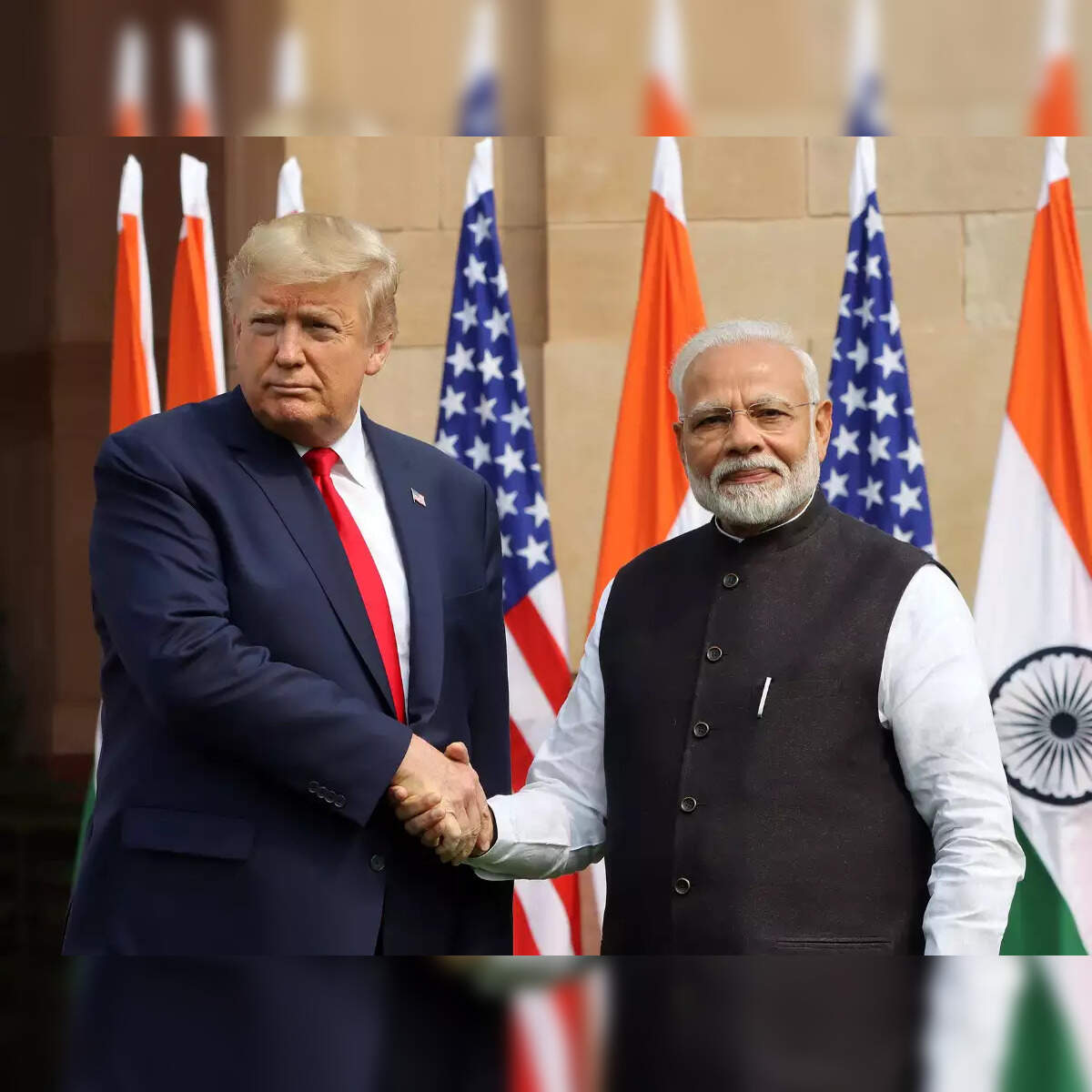
By Nitya Chakraborty Is the U.S. President Donald Trump looking for a big deal with the Chinese President Xi Jinping in his second term to reshape the global order favouring two super powers and marginalizing both Western Europe and Russia? The question gets all the relevance if one analyses the policy announcements by the second […]