Lowering the legal age of adulthood to 18 has been written into a far-reaching overhaul of the country’s civil legal framework, a step the authorities say is intended to align civil capacity with contemporary economic and social realities while widening opportunities for younger people to participate fully in the economy. The change is embedded in a newly issued Federal Decree Law promulgating the Civil Transactions Law, which […]
Qatar and the United Arab Emirates are set to join a United States–led initiative aimed at securing global artificial intelligence and semiconductor supply chains, signalling a widening of Washington’s technology diplomacy into the Gulf and underlining the strategic importance of advanced computing hardware to future economic and security policy. The planned inclusion of the two Gulf states was outlined by Jacob Helberg, the US undersecretary of state […]
Bengaluru | Banking-as-a-Platform is moving from concept to commercial backbone across the country’s financial system, as lenders open their digital rails to fintech partners and reposition themselves as infrastructure providers rather than closed institutions. The model allows banks to expose core capabilities—accounts, payments, lending, compliance and data—through secure application programming interfaces, enabling third parties to build, distribute and monetise financial products at speed.
This shift has gathered momentum as regulatory digital public infrastructure, rising smartphone penetration and instant payments have converged. Unified Payments Interface volumes continue to expand across peer-to-peer and merchant transactions, while account aggregation frameworks allow consent-based data sharing that reduces onboarding friction and credit assessment time. Against this backdrop, platform-led banking is emerging as a scalable engine for fintech growth, changing how products are designed, priced and distributed.
Large lenders and new-age banks have invested heavily in API layers that sit atop legacy cores, separating product logic from distribution. This architectural change allows fintechs to “plug” into regulated balance sheets without becoming banks themselves, “play” by composing features such as KYC, payments or credit scoring, and “scale” nationally without building costly compliance stacks. For banks, the appeal lies in fee income, wider distribution and better utilisation of capital through co-lending and embedded finance.
Executives across the sector say the platform approach has shortened product launch cycles from months to weeks. Consumer lending, merchant credit, wealth distribution and cross-border remittances have been early beneficiaries, with embedded finance extending to ride-hailing, e-commerce, logistics and software-as-a-service platforms. Small enterprises, long constrained by paperwork and collateral requirements, are gaining access to working capital through cash-flow based underwriting that draws on real-time transaction data.
The commercial logic is reinforced by economics. API monetisation—charging per call, per transaction or via revenue sharing—creates annuity-like income streams for banks. Fintechs gain variable cost structures that align expenses with growth. Analysts note that platforms with high uptime, predictable latency and robust documentation are attracting repeat developers, creating network effects similar to cloud marketplaces.
Regulatory guardrails remain central to the model’s credibility. Data localisation rules, customer consent standards and outsourcing guidelines shape how banks expose systems and how partners handle information. Supervisors have emphasised accountability, making licensed entities responsible for customer outcomes even when services are delivered through partners. This has pushed banks to strengthen vendor risk management, audit trails and incident response, while fintechs have had to mature governance and security practices.
Competition among banks has intensified around developer experience. Dedicated sandbox environments, self-serve onboarding and standardised APIs are becoming differentiators. Some lenders have carved out platform subsidiaries to attract talent and ring-fence technology risk, while others have partnered with specialist middleware firms to accelerate rollout. Public sector banks, once seen as slow movers, are also modernising stacks to participate in ecosystem distribution rather than cede ground.
The platformisation trend is reshaping balance-sheet strategies. Co-lending arrangements allow banks and non-bank financiers to share risk, with fintechs originating and servicing loans using data-driven models. In payments, banks are focusing on high-volume, low-cost rails while fintechs compete on user experience and value-added services. Wealth platforms are distributing mutual funds, bonds and insurance through APIs that streamline compliance and reporting.
Challenges persist. Legacy core systems can constrain throughput, requiring phased migrations that test execution discipline. Cybersecurity threats rise with greater connectivity, demanding continuous monitoring and zero-trust architectures. Pricing APIs too aggressively risks discouraging innovation, while underpricing leaves money on the table. There is also the question of differentiation: as APIs commoditise, banks must decide where to invest for unique value, whether in data analytics, sector-specific products or risk pricing.
Talent remains a pressure point. Demand for engineers fluent in financial protocols, security and scalable systems outstrips supply, pushing up costs. Cultural change inside banks—shifting from project delivery to product thinking—has proven as important as technology. Successful platforms tend to empower cross-functional teams, publish clear roadmaps and treat external developers as customers.
China’s commerce authorities have set out plans to reinforce the country’s legal and regulatory architecture governing trade, placing export controls and supply-chain risk management at the centre of economic policy for the year ahead. The agenda, outlined by the Ministry of Commerce of the People’s Republic of China, reflects Beijing’s determination to shield domestic industries from external shocks while maintaining its position as a pivotal node in global manufacturing and logistics networks.
Officials said the push will focus on tightening the legal framework that underpins foreign trade, improving the design and enforcement of export control mechanisms, and strengthening early-warning systems to guard against disruptions. The ministry described supply-chain resilience as a strategic priority, arguing that legal certainty and predictable controls are essential to sustaining economic stability amid persistent geopolitical tensions and shifting global demand.
Export controls have become a particularly sensitive policy lever for China as advanced technologies, critical minerals and dual-use goods face growing scrutiny worldwide. Over the past two years, Beijing has expanded the scope of its export control regime, introducing licensing requirements and compliance obligations that mirror, in some respects, measures imposed by other major economies. Officials now say further refinement is needed to close loopholes, clarify enforcement standards and ensure that rules are aligned with broader industrial and security objectives.
The commerce ministry’s policy outline also emphasises the need to improve coordination among regulators, customs authorities and law-enforcement agencies. By streamlining oversight and information-sharing, Beijing aims to reduce regulatory fragmentation that businesses have long complained adds cost and uncertainty to cross-border operations. Officials argue that a more coherent system will help enterprises navigate compliance requirements while allowing the state to respond more swiftly to emerging risks.
Legal experts in China note that the emphasis on statutory clarity signals a shift away from ad hoc administrative guidance towards more formalised rules. This approach, they say, could provide companies with clearer expectations, particularly foreign-invested firms that often struggle to interpret policy signals. At the same time, stronger legal backing for export controls may give regulators broader discretion to act when national security concerns are invoked.
The policy direction comes as global supply chains continue to recalibrate. Trade frictions, sanctions regimes and technology restrictions have prompted multinational companies to reassess sourcing strategies, diversify production bases and build redundancy into logistics networks. China, while seeking to retain its manufacturing dominance, has also encouraged domestic firms to reduce exposure to external vulnerabilities by investing in upstream capabilities and alternative markets.
Officials have framed the new priorities as part of a broader effort to balance openness with security. While reaffirming commitments to trade facilitation and market access, the commerce ministry stressed that safeguarding key sectors and technologies remains non-negotiable. This dual emphasis reflects guidance from top leadership that economic policy must serve both development and security goals, a theme repeatedly highlighted in speeches by Xi Jinping.
Industry analysts say the strengthened export control regime is likely to have uneven effects across sectors. Producers of high-tech components, rare earths and advanced materials may face tighter scrutiny, while exporters of consumer goods could see limited direct impact. However, the broader compliance environment may become more demanding, requiring companies to invest in legal expertise, internal controls and supply-chain mapping.
Foreign chambers of commerce in China have previously urged authorities to ensure transparency and proportionality in export control enforcement. Businesses worry that ambiguous rules or retroactive application could disrupt contracts and undermine confidence. The commerce ministry has sought to address these concerns by signalling that legal reforms will be accompanied by clearer guidance and procedural safeguards, though details on implementation timelines remain limited.
Beyond export controls, the policy outline highlights risk prevention across trade finance, logistics and overseas investment. Officials pointed to the need for monitoring mechanisms that can detect stress points early, whether arising from financial volatility, shipping bottlenecks or regulatory changes abroad. Strengthening such systems, they argue, will help Chinese firms adapt more quickly and reduce the likelihood of cascading disruptions.
Google has unveiled a Universal Commerce Protocol designed to allow artificial intelligence agents to search, recommend and complete purchases across multiple retail platforms, marking a strategic push to standardise how online shopping works in an era of increasingly autonomous digital assistants. The announcement was made at the 2026 National Retail Federation conference, where technology providers and merchants gathered to outline priorities for the year ahead. The protocol […]
Polygon Labs has rolled out a new financial infrastructure initiative branded the Open Money Stack, positioning it as a foundational layer for what the company describes as the next stage in the evolution of Polygon’s blockchain ecosystem. Announced on January 8, the framework is designed to bring together payments, decentralised finance and tokenised assets into a unified, open system aimed at both developers and institutions seeking […]
President Donald Trump announced the cancellation of a planned second wave of military attacks on Venezuela, pointing to improved cooperation from the country’s interim leadership and gestures such as the release of political prisoners and discussions on oil infrastructure. The decision marks a shift in the U. S. approach after its forces ousted Venezuelan President Nicolás Maduro earlier this month, and underscores Washington’s focus on stabilising relations […]
Binance has revised how it presents proof of reserves data, changing the display to show a clearer one-to-one backing of customer balances after incorporating platform-held assets and liabilities into its calculations. The update addresses long-running questions from users, analysts and regulators about how reserve ratios are derived and whether headline figures accurately reflect the exchange’s ability to meet withdrawals under stress. The crypto exchange said the revised […]
SINGAPORE – Media OutReach Newswire – 18 July 2025 – As more people choose to age independently at home, ensuring safety and security has never been more important.Arlo Technologies, Inc. (NYSE: ARLO), a leader in smart home security, is helping seniors and their families stay protected, connected, and reassured, with smart features that are easy to use and designed to fit seamlessly into everyday life.
WHY HOME SECURITY MATTERS FOR SENIORS Living alone can bring unique challenges for the elderly, from rising concerns around home break-ins, to the growing need for remote support from family members, security plays a vital role in enabling seniors to confidently remain in their own homes.
HOW ARLO SUPPORTS SENIOR SAFETY Simplicity For Peace Of Mind
Simple, Wire-Free Setup: No complicated installations – Arlo’s cameras are designed for easy placement indoors or outdoors, perfect for seniors who want hassle-free security.
Hassle-Free Power Options: From solar panels to wired security options, Arlo offers flexible power solutions, so seniors don’t need to worry about changing batteries.
Share Access with Family: Multiple family members can be granted access through the Arlo Secure Plus app, making it easier for loved ones to stay connected and support from afar.
Easy Remote Check-Ins: Arlo’s Secure mobile app lets family members check in on loved ones in real time, viewing live feeds or receiving alerts, offering peace of mind from anywhere.
Two-Way Communication: Arlo’s cameras are designed with built-in microphones and speakers allowing seniors to speak directly with family or carers.
Deterrence Features: Built-in sirens and spotlight capabilities can help deter potential intruders before anything happens.
Smart AI For Peace Of Mind
Smart Alerts: Customisable motion alerts will notify caregivers by sending a notification to their smartphones – helping to facilitate prompt responses to potential dangers.
Know Who’s At The Door: Arlo’s wire-free video doorbells and cameras let seniors see and speak to anyone at the door without getting up or opening it, offering both convenience and security. Arlo’s cameras can also be personalised to recognise familiar faces. When a known person is detected, their name can appear directly in the notification, ideal for seniors with vision challenges.
Know Whose Vehicle Is On The Property: Personalised vehicle alerts also provide extra reassurance, helping seniors confirm when a family member has arrived or a known car is in the driveway. Again, ideal for seniors with vision challenges.
Custom Detection Zones: Set up alerts for things that might be forgotten, such as a side gate left open. Keeping seniors aware without relying on memory alone.
Fire & Smoke Alarm Detection: For seniors who are still confidently cooking at home, Arlos’ AI-powered notifications alert you when a flame is detected. Whether it’s an unattended stovetop or a forgotten oven, Arlo can instantly alert caregivers or family members, helping prevent accidents before they escalate.
Advanced Audio Detection: For seniors using an Essential Indoor 2K camera, Arlo’s Advanced Audio Detection capability notifies users when critical sounds such as screams, gunshots, dog barks, glass breaking, or Smoke/CO alarms are detected. Bringing added security to everyday tasks such as cooking & putting glassware away.
As our loved ones age, their safety and well-being becomes even more important. We want to support them with the care they deserve, while respecting their independence. Arlo’s technology adds an extra layer of reassurance without being invasive, making home security smarter and safer for older people living alone. From smart alerts to remote check-ins, Arlo understands independence without compromise.
For more information on the full range of Arlo smart security products and services, visit https://www.arlo.com/asia/. Hashtag: #Arlo
The issuer is solely responsible for the content of this announcement.
About Arlo Technologies, Inc.
Arlo is an award-winning, industry leader that is transforming the ways in which people can protect everything that matters to them with advanced home, business, and personal security solutions. Arlo’s deep expertise in AI- and CV-powered analytics, cloud services, user experience and product design, and innovative wireless and RF connectivity enables the delivery of a seamless, smart security experience for Arlo users that is easy to set up and interact with every day. Arlo’s cloud-based platform provides users with visibility, insight, and a powerful means to help protect and connect in real-time with the people and things that matter most, from any location with a Wi-Fi or a cellular connection. Arlo has recently launched several categories of award-winning connected devices, software, and services. These include wire-free, smart Wi-Fi and LTE-enabled security cameras, video doorbells, floodlights, security system, and Arlo’s subscription services: Arlo Secure and Arlo Safe.
With a mission to bring users peace of mind, Arlo is as passionate about protecting user privacy as it is about safeguarding homes and families. Arlo is committed to implementing industry standards for data protection designed to keep users’ personal information private and in their control. Arlo provides enhanced controls for user data, supports privacy legislation, keeps user data safely secure, and puts security at the forefront of company culture.
Google is developing a “try before you buy” option for paid games on the Play Store, a shift that would allow users to sample full versions before committing to a purchase. The feature, surfaced through analysis of unreleased Play Store code, points to time-limited trials that preserve progress, giving players a realistic sense of gameplay, performance and value before payment. Details embedded in the code indicate that […]
Investment to expand robotics research and development, strengthen production readiness, and advance Primech Holdings’ facilities management operations
SINGAPORE – Media OutReach Newswire – 8 January 2026 – Primech Holdings Ltd. (Nasdaq: PMEC), a technology-driven facilities services and robotics company, today announced a $4.0 million strategic investment from WELLE Environmental Group Co., Ltd. (SZSE: 300190), reinforcing Primech’s acceleration into autonomous robotics, AI-powered cleaning systems, and scaled global facilities operations.
The investment highlights growing market confidence in Primech Holdings’ long-term growth strategy and its expanding role at the intersection of autonomous robotics and technology-enabled facilities services. Leveraging the deep operational expertise of its facilities services subsidiary, Primech A&P Pte. Ltd., alongside its robotics subsidiary, Primech AI Pte. Ltd., the capital will support accelerated robotics development, enhanced production capabilities, and the continued commercialization of Hytron, Primech’s flagship autonomous restroom cleaning robot.
“This investment validates the momentum we are building across autonomous robotics and intelligent facilities operations,” said Ken Ho, Chairman and Chief Executive Officer of Primech Holdings. “Partnering with WELLE strengthens our ability to scale faster, deploy more broadly, and execute on the growing demand for AI-powered automation in real-world environments. We are entering 2026 with a clear strategy, strong execution capabilities, and the capital to accelerate growth across international markets.”
Proceeds from the investment are expected to be deployed to expand robotics research, development, and production capacity, strengthen operational and manufacturing readiness, and support broader deployment of Hytron across commercial environments. The investment will also bolster working capital to support the continued expansion of Primech Holdings’ core facilities management business.
The transaction further deepens the strategic alignment between Primech Holdings and WELLE, building on their previously announced cooperation initiatives in robotics and intelligent operations. By combining Primech’s autonomous robotics platform and facilities expertise with WELLE’s environmental technology footprint and operational scale, the collaboration is positioned to accelerate intelligent automation and sustainable infrastructure solutions across industrial and commercial markets.
Additional details regarding the investment are included in Primech Holdings’ Form 6-K filed with the U.S. Securities and Exchange Commission on January 6, 2026.
Hashtag: #Primech
The issuer is solely responsible for the content of this announcement.
About WELLE Environmental Group Co., Ltd.
WELLE Environmental Group Co., Ltd. (300190.SZ) is a technologically advanced enterprise specializing in energy conservation and environmental protection. With strong core technical capabilities and continuous innovation, WELLE operates across environmental governance and bioenergy sectors, including food waste and kitchen waste resource utilization, high-concentration wastewater treatment, biogas and biomethane development, and biofuel production. With extensive project experience and diversified application scenarios, WELLE is committed to promoting energy efficiency, carbon reduction, and circular resource utilization.
About Primech AI
Primech AI is a leading robotics company dedicated to pushing the boundaries of innovation in technology. With a team of passionate individuals and a commitment to collaboration, Primech AI is poised to revolutionize the robotics industry with groundbreaking solutions that make a meaningful impact on society. For more information, visit www.primech.ai. About Primech Holdings Limited Headquartered in Singapore, Primech Holdings Limited (Nasdaq: PMEC) is a leading provider of comprehensive technology-driven facilities services, predominantly serving both public and private sectors throughout Singapore. Primech Holdings offers an extensive range of services tailored to meet the complex demands of its diverse clientele. Services include advanced general facility maintenance services, specialized cleaning solutions such as marble polishing and facade cleaning, meticulous stewarding services, and targeted cleaning services for offices and homes. Known for its commitment to sustainability and cutting-edge technology, Primech Holdings integrates eco-friendly practices and smart technology solutions to enhance operational efficiency and client satisfaction. This strategic approach positions Primech Holdings as a leader in the industry and a proactive contributor to advancing industry standards and practices in Singapore and beyond. For more information, visit www.primechholdings.com.
Forward-Looking Statements Certain statements in this announcement are forward-looking statements, including, for example, statements about completing the acquisition, anticipated revenues, growth, and expansion. These forward-looking statements involve known and unknown risks and uncertainties and are based on the Company’s current expectations and projections about future events that the Company believes may affect its financial condition, results of operations, business strategy, and financial needs. These forward-looking statements are also based on assumptions regarding the Company’s present and future business strategies and the environment in which the Company will operate in the future. Investors can find many (but not all) of these statements by the use of words such as “may,” “will,” “expect,” “anticipate,” “aim,” “estimate,” “intend,” “plan,” “believe,” “likely to” or other similar expressions. The Company undertakes no obligation to update or revise publicly any forward-looking statements to reflect subsequent occurring events or circumstances or changes in its expectations, except as may be required by law. Although the Company believes that the expectations expressed in these forward-looking statements are reasonable, it cannot assure that such expectations will be correct. The Company cautions investors that actual results may differ materially from the anticipated results and encourages investors to review other factors that may affect its future results in the Company’s registration statement and other filings with the SEC.
Porsche Carrera Cup Middle East will stage its opening rounds of the 2026 season at Dubai Autodrome on 24 and 25 January, bringing one of the region’s most competitive one-make racing championships back to the United Arab Emirates after an interval away from the circuit. The event will be hosted by Porsche Centre Dubai and Northern Emirates, part of Al Nabooda Automobiles, and is expected to draw […]
Fireblocks has agreed to acquire crypto accounting and compliance specialist TRES Finance in a transaction valued at about $130 million, a move that brings together one of the industry’s largest digital-asset infrastructure providers with a fast-growing financial intelligence platform serving institutional investors. The deal, confirmed by people familiar with the matter, folds TRES Finance’s reporting and compliance tools into Fireblocks’ custody, settlement and tokenisation stack as competition […]
By K Raveendran The sharp criticism mounted by Opposition leaders against the Supreme Court’s refusal to grant bail to Umar Khalid and Sharjeel Imam in the 2020 Delhi riots conspiracy case has been foregrounded as a defence of constitutional liberty. Yet, when examined closely, the argument appears driven more by political optics than by a […]
Tackle rising business costs and trade barriers with a unified digital platform for Free Trade Agreements as well as build stronger economic partnerships.
Bridge AI adoption gaps by co-funding shared data pools and introducing a regional “Trusted AI” mark to drive innovation and governance.
Future-proof the workforce with targeted work visas for global experts, job transformation roadmaps, and advanced leadership programmes.
SINGAPORE – Media OutReach Newswire – 7 January 2026 – KPMG in Singapore and the Singapore Institute of Directors (SID) are pleased to announce the release of a joint Budget 2026 Proposal, titled “Prospering in a New Global Landscape”.
From Left to Right: Yong Jiahao, Partner, Infrastructure, Government & Healthcare (IGH) & Industrial Manufacturing, Tax, KPMG; Ajay Kumar Sanganeria, Partner and Head of Tax, KPMG; Lee Sze Yeng, Managing Partner, KPMG; Max Loh Khum Whai, Vice-Chair, Singapore Institute of Directors; Edwin Lee, Deputy CEO, Singapore Institute of Directors
By fostering resilient economic linkages, embedding digital trust, and cultivating world-class talent and leadership with cross-domain expertise, Singapore can ensure its businesses and economy remain secure, innovative, and competitive in an uncertain global landscape.
This Proposal outlines strategies to position Singapore as a critical hub for global flows, covering three crucial areas:
A new global order: Resilience as a pivotal growth strategy
The Intelligent Age: Smart solutions for an innovative era
The recommendations in the proposal are also supported by data-driven insights from a survey recently conducted by KPMG and SID. More than 1,000 professionals, managers, executives and technicians (PMETs) and business owners were surveyed on the challenges they face and the kinds of Budget 2026 support they hoped to see. [For more information, please refer to the deck with the full survey results: https://kpmg.com/sg/en/campaigns/kpmg-singapore-budget.html ]
Empowering businesses to leverage Singapore’s trusted role as a global connector
Global commerce is rapidly transforming amid rising protectionism, shifting trade rules, evolving tax regimes, and geopolitical tensions. Singapore’s long-term prosperity in the new global order depends on its ability to lead as a trusted connector and aggregator of the flows of goods, capital, data, and talent.
Singapore must strengthen its economic linkages, build secure and interoperable digital platforms, cultivate a workforce equipped with cross-domain expertise, and equip boards with essential skills to navigate emerging risks and opportunities. Trusted and resilient economic linkages will ensure the seamless movement of goods, services, and investments, while interoperable digital platforms will play a critical facilitation role in enabling cross-verification of information, streamlining compliance, and fostering trust across borders. These efforts are especially important in helping businesses cope with shifting regulations. KPMG and SID’s survey found that 51 percent of respondents identified increased business costs as the main challenge to cross-border expansion, followed by higher tariffs (26 percent) and supply chain difficulties (25 percent). To address these challenges, 43 percent of respondents want stronger economic and trade partnerships to overcome trade barriers.
KPMG and SID recommend:
a) Developing a unified digital platform for Free Trade Agreement (FTA) management (page 7) to help businesses navigate complex procedures and unlock the full benefits of FTAs. This would be seamlessly integrated with government systems, making it more seamless and cost-effective for businesses to comply with FTA requirements. This would enable firms to leverage Singapore’s extensive FTA network to gain footholds in new markets, further enhancing Singapore’s regional and global competitiveness.
b) Increasing access to working capital to accelerate local enterprises’ strategic transformation and implementing industry-specific governance frameworks (page 7). With geopolitical shifts driving a more complex regulatory landscape, increased and dedicated funding would enable businesses to transform for the future while responding effectively to evolving governance standards. Such funding should be complemented by industry-specific governance playbooks to equip boards with essential tools to strengthen agility and resilience.
c) Enhancing Singapore’s government-backed trade platform with blockchain and AI (page 6). The global economy has seen an increase in supply chain disruptions amid geopolitical and trade uncertainties. An enhanced Government-backed trade platform would enable Singapore to further facilitate the flow of trusted payments, making it even easier for businesses to validate transactions and act on smart recommendations to elevate supply chain efficiency. Amid a more fragmented world, the enhanced platform would also reinforce Singapore’s position as a reliable hub for global commerce, by promoting increased supply chain transparency for critical industries like semiconductors, pharmaceuticals, and advanced manufacturing.
d) Introducing progressive carbon taxes to reward decarbonisation and establish performance-based pathways for large emitters (page 9). Singapore’s carbon taxes must evolve to consider unique business needs and companies’ decarbonisation plans. Progressive carbon tax rates post-2030 – based on facility emissions volume, emissions per unit of output, and sectoral abatement potential – could be accompanied by permanent conditional tax rebates for energy-intensive, trade-exposed sectors. These rebates could be based on set criteria such as verified year-on-year reductions in carbon intensity and investments in low-carbon technology. To strengthen these efforts, Singapore could also establish an ASEAN Environmental Data Exchange to facilitate the sharing of standardised and interoperable environmental data between Singapore and its regional trade partners (page 8). The exchange would improve the flows of green trade and green capital, enabling Singapore to be a regional hub for environmental data harmonisation. Organisations like the Singapore Institute of Directors could play a catalytic role by building board-level capability, aligning disclosure expectations and promoting best practices through director education, guidance frameworks and peer learning on a regional scale, helping boards to lead initiatives like progressive carbon taxation.
Fostering an ecosystem of Trusted AI in the Agentic Era
The rise of artificial intelligence (AI) is reshaping global competitiveness, with agentic AI—capable of autonomous decision-making—introducing both transformative opportunities and significant challenges. While agentic AI can drive innovation, optimise operations, and unlock new efficiencies, it also raises critical concerns around accountability, ethical deployment, and governance.
A critical enabler of AI’s potential is data sharing, yet this often proves difficult due to competition, concerns over intellectual property, and a lack of trust between organisations. Businesses—particularly smaller enterprises—also face cost constraints in accessing high-quality data, and many also lack the strategic clarity and workforce competencies to identify where AI can augment their operations.
KPMG and SID’s poll found that 54 percent of respondents cited talent and skills gaps as the top challenge for adopting AI, followed by high costs of technology adoption (52 percent) and a lack of clear AI adoption strategies (48 percent). By addressing these concerns, Singapore will be able to fully leverage the vast potential of AI and data to reinforce its status as a hub across various sectors.
KPMG and SID recommend:
a) Co-funding sector-specific shared data pools in partnership with trade associations and industry stakeholders (page 15). These shared, anonymised data pools would enable businesses to access high-quality datasets without incurring prohibitive costs. Tailored to specific sectors such as logistics and retail, these pools would facilitate benchmarking, model training, and experimentation under a trusted framework that safeguards data privacy and protects intellectual property. Shared data initiatives should be paired with guided AI adoption support to help businesses understand how AI can enhance specific parts of their value chain. For example, targeted support could help logistics firms optimise supply chains or assist retailers in leveraging AI to personalise customer experiences. This dual approach would enable broader AI adoption and accelerate innovation across industries.
b) Enhancing the public-private partnership (PPP) framework to accelerate AI adoption (page 15). As firms navigate high costs and limited guidance around AI adoption, there is an opportunity for the Government to provide greater access to infrastructure to lower barriers for AI experimentation and deployment. The enhanced framework would create positive spillover effects from existing AI initiatives, as government agencies, academia and industry stakeholders collaborate to strategically integrate AI solutions into business strategies. The framework could also promote cross-sector collaboration in key industries, fostering a culture of open innovation in AI. To bolster digital trust, Singapore could also establish a regional “Trusted AI” mark to drive harmonisation and innovation (page 12). Although Singapore’s Model AI Governance Framework provides a strong foundation for responsible AI deployment, there is still a largely untapped opportunity for Singapore to champion an assurance label that shows firms have AI controls aligned with recognised AI governance standards. By pushing regionalrecognition of this mark, Singapore could accelerate cross-border innovation and trade. The mark would build on initiatives like AI Verify and Project Moonshot, which have helped to promote Trusted AI in Singapore.
c) Supporting hands-on AI governance training for board members and executives (page 13) through a dedicated fund. This would complement existing SkillsFuture programmes which focus primarily on AI awareness, by expanding the emphasis to address strategic and operational gaps at the leadership level – covering ethical deployment, change management and cross-domain applications.
Building globally relevant leaders with cross-domain skills
To fulfil its role as a hub for global flows, Singapore must enable its businesses to navigate a complex web of governance requirements, trade rules, tax policies, and tariffs. While compliance with governance standards will bring higher upfront costs, it also provides a foundation for businesses to lead in innovation and competitiveness. For instance, businesses that embrace sustainability compliance can innovate in areas like green finance, carbon accounting, and environmental data exchange.
Yet, none of this is possible without specialised talent and leadership. Singapore needs professionals and board leaders with expertise in areas such as supply chain management, AI governance, and sustainability strategy. These individuals must be able to connect the dots across domains, such as linking data governance with trade compliance or integrating sustainability goals into business operations. The need for enhanced talent development also emerged from KPMG and SID’s survey findings. Forty-nine percent of respondents want more skills development and upskilling courses. Meanwhile, 42 percent hope for more support for workforce transformation and job redesign, such as higher grants. In addition, 37 percent of respondents want more leadership and management development initiatives, especially in the areas of mentorship and coaching for emerging leaders and advanced leadership programmes.
KPMG and SID recommend:
a) Creating a dedicated work-pass category for “master trainers” and mentors (page 18). The work-pass would encourage international professionals to join local companies, public agencies and training institutions to lead structured upskilling or leadership development programmes. This would accelerate skills transfer, expose workers to global best practices, and build a robust pipeline of talent capable of driving strategic transformation and competitiveness in a rapidly evolving global landscape. Structured leadership development programmes could also include peer-sharing platforms (page 21) aimed at promoting transformation training among C-suite leaders. Backed by the public sector and industry stakeholders, such platforms could foster the exchange of best practices, promote collective learning on key sustainability capabilities and empower leaders to proactively redesign roles and workflows ahead of market shifts.
b) Setting up job transformation roadmaps with co-funded training and certification initiatives (page 19) tied closely to sector-specific needs. As rapid technological developments shape industry demand for skills, job transformation roadmaps would be beneficial in outlining sector-specific disruptions, challenges and opportunities. These roadmaps could be accompanied by industry-recognised certification, and programmes backed by both the public and private sectors. Tailored to sectoral needs, certifications could help to assess whether workers have acquired the necessary skills to perform in transformed roles, especially in fast-evolving sectors where traditional qualifications may no longer suffice.
c) Establishing a $100 million fund to advance social impact reporting (page 9). As Singapore pursues long-term resilience, it must also ensure that economic growth is sustainable and inclusive. The fund could be used to train professionals and board directors in the reporting of social metrics, support academic modules in social sustainability and certify social auditors and advisers. It could also be complemented by broader efforts to enhance environmental, social and governance (ESG) competencies among businesses’ top leadership. Singapore could establish a national registry of certified sustainability committee members (page 20) who can be matched to boards and committees across sectors. This would help to expand access to qualified board resources, especially for local enterprises.
Lee Sze Yeng, Managing Partner, KPMG in Singapore, said:
“Leadership today isn’t just about mastering AI or acquiring specialised skills—it’s about navigating the intersections of cross-border trade, technology, and sustainability. To remain competitive, leaders must move beyond the basics, using AI and data to drive real business outcomes while building governance frameworks that inspire trust. At the same time, they need the courage to take calculated risks and collaborate across ecosystems to unlock new opportunities. Initiatives like co-funding sector-specific shared data pools and guided AI adoption support are critical to overcoming barriers and equipping leaders with the tools to thrive. As disruptions grow increasingly cross-border and cross-domain, Singapore’s ability to cultivate leaders who can turn complexity into opportunity will define its success as a global flows hub.”
Ajay Kumar Sanganeria, Partner, Head of Tax, KPMG in Singapore, said:
“Singapore’s position as a global hub—connecting trade, data, and capital—offers businesses significant opportunities to grow and compete globally. Grants and platforms are vital enablers, but they must be part of a broader solution that simplifies complexities and empowers businesses to focus on innovation. Future-ready approaches, such as managing governance and compliance in a more consolidated or ‘as-a-service’ mode, can reduce burdens on enterprises. A unified digital platform for Free Trade Agreement (FTA) management, enhanced with blockchain and AI, could streamline compliance and unlock the full benefits of Singapore’s FTA network. Co-funded training programmes and shared governance frameworks can further help businesses pool resources and build capabilities. By combining grants, platforms, and smarter ways of working, Singapore strengthens its role as a trusted global connector and equips businesses to lead with confidence in an evolving world.”
Yeoh Oon Jin, Chair, Singapore Institute of Directors, said:
“Singapore’s future as a global hub for connectivity and commerce will be shaped by how boards of directors evolve to lead with resilience and trust. Budget 2026 is an opportunity to strengthen governance frameworks that embed sustainability, cyber trust and accountability into every organisation’s agenda. By empowering directors to champion innovation, sustainability and digital assurance, organisations can grow with confidence while reinforcing Singapore’s position as a secure and trusted connector for goods, capital, data and talent in an increasingly complex global landscape.” Hashtag: #KPMG #SID
The issuer is solely responsible for the content of this announcement.
About KPMG in Singapore
KPMG in Singapore is part of a global organization of independent professional services firms providing Audit, Tax and Advisory services. We operate in 142 countries and territories with more than 275,000 partners and employees working in member firms around the world. Each KPMG firm is a legally distinct and separate entity and describes itself as such. KPMG International Limited is a private English company limited by guarantee. KPMG International Limited and its related entities do not provide services to clients.
About SID
The Singapore Institute of Directors (SID) is Singapore’s national association for company directors. Established in 1998, our mission is to transform boards and empower board directors to be champions of good governance. SID works with regulators and partners to serve as the voice for directors and facilitates consultations and feedback sessions on regulatory matters. In advocating for good governance, SID advances thought leadership and benchmarking research and indices on corporate governance and directorship issues.
SID builds competencies and capabilities to enhance boardroom skills of directors for informed decision-making. An accreditation programme serves to set standards for and showcase best practices of good governance. The organisation supports members on their directorship journey with courses, workshops, advanced masterclasses, forum discussions and pit-stops. SID connects and strengthens the ecosystem with initiatives such as mentoring and networking. The Governance for Good Alliance is an initiative by SID to bring together key stakeholders who help advance our vision for every board director to be a champion of good governance.
Arabian Post Staff -Dubai Saudi Arabia will allow all foreign investors to participate directly in its financial markets from February 1, marking a significant liberalisation as the kingdom intensifies efforts to draw sustained overseas capital and deepen market liquidity. The policy shift removes longstanding eligibility thresholds that limited access to a narrower group of institutions, signalling a more open framework aligned with global investment practices. The […]
Enhancing Efficiency Through Technology, Safeguarding Every Match with Professional Oversight
AI Improves Information Efficiency, Allowing Matching to Focus on Interaction
HONG KONG SAR – Media OutReach Newswire – 6 January 2026 –In the domestic helper matching process, employers face their biggest challenge not at the point of decision, but earlier—when they spend hours comparing one profile after another. In Hong Kong’s fast-paced environment, limited time and an overload of information often make the first step of matching particularly demanding.
Recognising this challenge, Daniel Wong, Managing Director of My Sweet Home Employment Agency, led his team to develop and launch Hong Kong’s first AI-powered domestic helper comparison tool. Designed to reduce the time spent searching and comparing information, the system consolidates multiple helper profiles into a single view and provides preliminary analysis based on household background and job requirements—allowing employers to move more quickly to the most important step: meeting and interacting with the helper in person.
My Sweet Home’s AI-powered domestic helper comparison tool is built on the agency’s own long-established database. The system draws on years of actual matching cases, together with the frontline experience and industry knowledge accumulated by its consultant team. These real-world insights form the foundation of the AI’s training, ensuring that its analysis is informed by practical matching experience rather than abstract data alone.
Daniel emphasises that whether a domestic helper is truly suitable for a family must ultimately be assessed through direct interaction.”AI helps organise information more clearly, but the core of matching still lies in face-to-face interaction,” he said. “That interaction allows both sides to assess whether it’s the right match.”
Technology Improves Efficiency, While Interaction Reveals the Details
While AI streamlines the overall process, technology cannot replace what consultants observe through direct interaction with employers and domestic helpers. Every household differs in background, communication style, and daily routines, just as every helper brings a distinct personality, attitude, and set of values that cannot be captured through a resume alone.Through direct interaction with both sides, consultants gain a clearer sense of whether a match is likely to remain stable over time.
For this reason, even as information technology continues to advance and video interviews become increasingly common, My Sweet Home sends Hong Kong–based consultants to the Philippines each week to conduct in-person interviews. Face-to-face interaction allows consultants to observe a helper’s attitude, behaviour, responsiveness, and emotional stability with greater accuracy. Resumes reflect skills, and videos demonstrate language ability, but qualities such as attitude, patience, responsibility, commitment to family life, and sincerity emerge only through direct human interaction.
Maintaining Balance Between Technology and Professional Matching Standards
As the first employment agency in Hong Kong to introduce an AI-powered domestic helper comparison tool, My Sweet Home leads the industry in technology while maintaining a consistent matching philosophy. This innovation brings together years of matching experience and industry insight from the consultant team, using AI to organise and structure professional knowledge. The training data comes from real frontline matching cases and is applied to internal training, improving knowledge transfer while maintaining consistent professional standards and service quality across the team.
The domestic helper industry will continue to digitalise, but effective matching relies on trust and communication. In an era of rapid technological advancement, Daniel has chosen to lead My Sweet Home along a path that is both modern and rooted in direct human interaction. He believes that while technology can accelerate processes, successful matching depends on professional care and attention.
For employers seeking a more structured way to begin matching, My Sweet Home’s AI-powered domestic helper comparison tool provides a clearer and more efficient starting point.
The issuer is solely responsible for the content of this announcement.
My Sweet Home Employment Agency
Established in 2012, My Sweet Home Employment Agency is dedicated to fostering long-term, trustworthy relationships among employers, domestic helpers, and consultants. Guided by our core values of “building lasting client relationships through innovation and service excellence,” we are committed to provide exceptional support throughout the entire application process to ensure that each client receives personalized, attentive, and high-quality service.
With a strong presence across Hong Kong Island, Kowloon, and the New Territories, My Sweet Home Employment Agency has grown into one of the leading employment agency groups in Hong Kong. Our continuous pursuit of innovation and service refinement reflects our unwavering goal: to exceed client expectations through efficiency, accuracy, sincerity, attentiveness, and professionalism.
Web Awesome has entered the front ranks of open-source front-end projects with an explicit ambition: to make modern, high-quality user interface components available without locking developers into any single framework or tooling stack. Positioned as the largest open-source library of web-standards-based UI components, the project arrives at a moment when many developers are reassessing heavy framework dependencies and long-term maintainability in their front-end architectures. Launched as a […]
By Nitya Chakraborty The invasion of Venezuela by the United States on the early hours of January 3 along with the kidnapping of President Nicholas Maduro and his wife marks a new phase in Donald Trump’s foreign policy which has been termed by The Guardian columnist as “naked imperialism”. The announcement by Trump that the […]
Apollo Global Management has agreed to anchor an investor group committing more than $1bn to QXO, the building products distributor led by Brad Jacobs, strengthening the company’s balance sheet as it presses ahead with an ambitious acquisition-led expansion.
People familiar with the transaction said the capital injection is structured to provide QXO with flexibility to pursue large-scale deals while maintaining access to public markets. The funding is expected to be deployed alongside existing cash and debt capacity to accelerate consolidation across a fragmented construction materials supply chain that spans roofing, insulation, waterproofing and related products.
QXO, chaired and controlled by Jacobs, was formed to assemble a scaled distribution platform capable of competing with established regional and national players. Jacobs, known for building multibillion-dollar logistics businesses through serial acquisitions, has positioned QXO as a long-term consolidator targeting steady cash flows and pricing power in non-cyclical end markets such as residential repair, maintenance and infrastructure upgrades.
Apollo’s participation signals institutional backing for that strategy at a time when dealmaking in building products is reshaping supply networks in North America. The alternative asset manager has extensive experience in industrial and services investments, and its involvement is expected to reassure lenders and potential sellers as QXO negotiates transactions that could reshape the sector’s competitive landscape.
People briefed on the matter said the investment gives QXO additional firepower to support a transformative purchase announced earlier, while also preserving capacity for follow-on acquisitions. The company has indicated that scale is critical to improving procurement economics, expanding private-label offerings and deploying technology to optimise inventory and logistics across a wide branch network.
Market participants note that building products distribution has drawn sustained private equity interest due to its resilience during economic slowdowns and its exposure to long-term housing and infrastructure demand. While new construction can fluctuate with interest rates, repair and renovation spending tends to be more stable, supporting predictable earnings for distributors with diversified customer bases.
Apollo’s investment arrives amid cautious optimism in credit markets. Financing conditions have improved compared with earlier tightening cycles, though borrowers remain selective and focused on leverage discipline. By bringing in a deep-pocketed sponsor, QXO reduces reliance on debt at a time when acquisition multiples remain elevated for high-quality assets.
Executives close to the company have said QXO aims to balance rapid growth with operational integration, avoiding the pitfalls that can accompany aggressive roll-up strategies. Jacobs has emphasised disciplined capital allocation, standardised systems and experienced management teams as cornerstones of value creation.
The transaction also underscores Apollo’s broader strategy of partnering with founder-led platforms that can compound value through scale rather than short-term financial engineering. The firm has increasingly favoured equity-heavy structures in sectors where operational improvements and market positioning drive returns over extended horizons.
Analysts covering the building products space say the investment could intensify competitive pressure on mid-sized distributors, many of which face succession challenges or capital constraints. For sellers, a well-capitalised buyer with public currency and sponsor backing can offer certainty of execution, a factor that often influences deal outcomes alongside price.
QXO’s shares have reflected heightened investor attention since the company outlined its acquisition plans, with trading volumes increasing as the market digests the implications of a more aggressive growth profile. The Apollo-backed financing is expected to reduce uncertainty around funding while sharpening focus on execution and integration milestones.
The Gulf Cooperation Council has moved closer to a fully integrated regional market with the launch of the first phase of an electronic customs data linkage system, enabling member states to securely exchange customs declaration information in real time. Approved by the Gulf Cooperation Council Customs Union Authority, the initiative marks a structural shift in how goods move across the bloc, replacing fragmented national processes with a shared digital framework.
Under the new system, customs authorities across the six-member bloc can access standardised declaration data as shipments cross borders, reducing repetitive checks and administrative bottlenecks that have long affected intra-GCC trade. Officials involved in the rollout describe the project as foundational to the Customs Union’s original objectives, which include the free movement of goods produced within the bloc and the consistent application of common external tariffs.
Trade flows within the Gulf have expanded steadily alongside diversification efforts that aim to reduce reliance on hydrocarbons. Manufacturing, re-export activity, food security logistics and e-commerce have all increased the volume and complexity of cross-border shipments. The electronic linkage is designed to keep pace with these changes by allowing authorities to verify origin, valuation and compliance details instantly, rather than relying on physical documentation and sequential clearance at each border.
Technically, the system connects national customs platforms through a secure digital interface governed by agreed data standards. Each declaration submitted in one member state becomes visible to others, allowing advance risk assessment and coordinated inspection decisions. This approach is expected to shorten clearance times, lower costs for traders and improve the predictability of supply chains, particularly for time-sensitive goods such as perishables and pharmaceuticals.
Customs officials familiar with the project say the first phase focuses on core declaration data and risk indicators, with future stages expected to expand into areas such as duty settlement, exemptions and post-clearance audits. The phased approach reflects the complexity of aligning legacy systems and legal frameworks across six jurisdictions while maintaining data security and national sovereignty.
For governments, the linkage strengthens oversight and revenue protection by reducing opportunities for misdeclaration or tariff arbitrage between borders. Shared data allows authorities to track consignments throughout their journey in the region, improving enforcement of customs rules and trade remedies. The system also supports broader efforts to combat illicit trade by enhancing visibility over cargo movements and identifying anomalies earlier in the process.
Businesses operating across the Gulf stand to benefit from lower compliance burdens and faster market access. Logistics providers have long argued that differences in documentation requirements and clearance practices add hidden costs to regional trade. A unified digital channel reduces the need for duplicate submissions and manual reconciliations, making it easier for firms to scale operations across multiple markets within the bloc.
The initiative aligns with national digital transformation agendas that place trade facilitation at the centre of economic policy. Several member states have invested heavily in smart ports, automated clearance systems and single-window platforms over the past decade. The customs data linkage builds on this foundation by connecting these national efforts into a regional network, rather than treating borders as isolated endpoints.
From a strategic perspective, the project supports the Gulf’s ambition to position itself as a global logistics and re-export hub linking Asia, Europe and Africa. As international supply chains increasingly depend on data-driven decision-making, regions with interoperable customs systems are better placed to attract investment and high-value trade flows. The ability to offer predictable, transparent and rapid clearance across multiple countries is viewed by policymakers as a competitive advantage.
Economic analysts note that the linkage also enhances resilience by allowing authorities to respond more effectively to disruptions. Shared data enables coordinated responses to surges in demand, rerouting of shipments or regulatory changes, reducing the risk of congestion at individual borders. This coordination has become more important as global trade patterns adjust to geopolitical shifts and evolving production networks.
Docker is changing how macOS applications are built, tested and deployed, as containerisation gains ground among developers working on Apple hardware. The shift is being driven by the need for consistent development environments, faster performance on Apple silicon machines and smoother collaboration across distributed teams, according to developers and industry analysts tracking software tooling trends. Containerisation allows applications to run in isolated environments that package code with […]
Venezuela’s state-run oil industry continued operating without interruption on Saturday despite a dramatic United States operation that led to the capture of President Nicolas Maduro, according to people familiar with the operations of Petróleos de Venezuela, known as PDVSA. Production, refining and internal logistics remained stable, the sources said, with no damage reported at oilfields, pipelines or export terminals that underpin the country’s energy revenues. The announcement […]
Finnish authorities have detained two crew members from a foreign-flagged cargo vessel as part of an expanding criminal investigation into damage to an undersea telecommunications cable linking Helsinki and Tallinn, sharpening security concerns across the Baltic Sea region at a time of heightened geopolitical tension. The sailors were taken into custody following the seizure of the vessel Fitburg, which Finnish officials believe may be connected to the […]



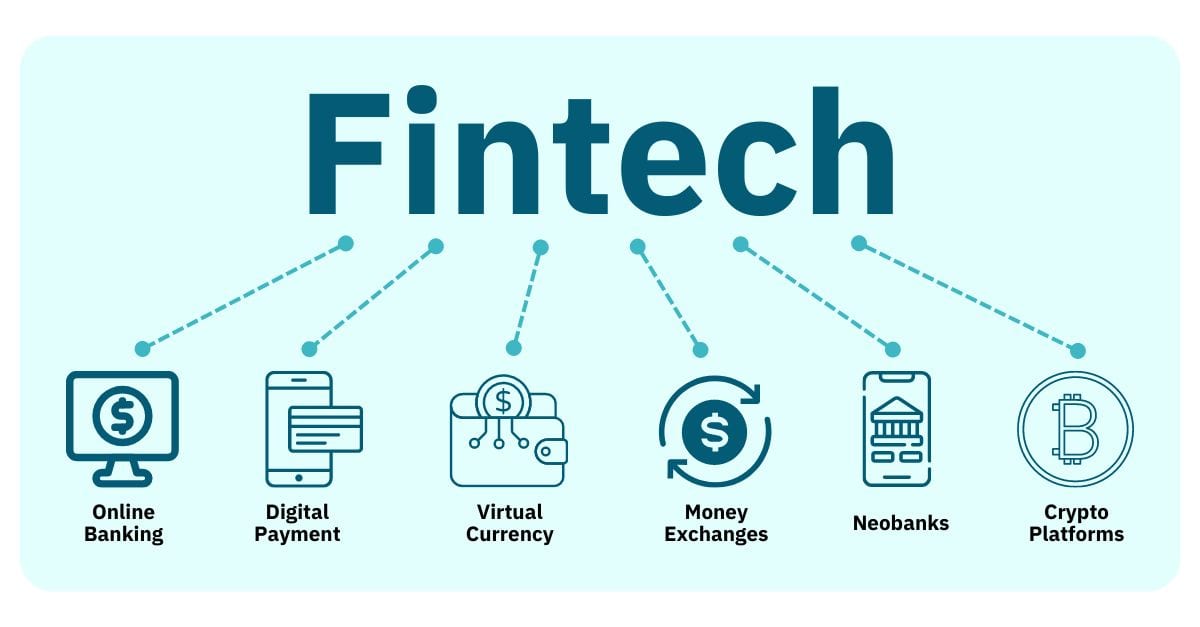 Bengaluru | Banking-as-a-Platform is moving from concept to commercial backbone across the country’s financial system, as lenders open their digital rails to fintech partners and reposition themselves as infrastructure providers rather than closed institutions. The model allows banks to expose core capabilities—accounts, payments, lending, compliance and data—through secure application programming interfaces, enabling third parties to build, distribute and monetise financial products at speed.



 www.primech.ai
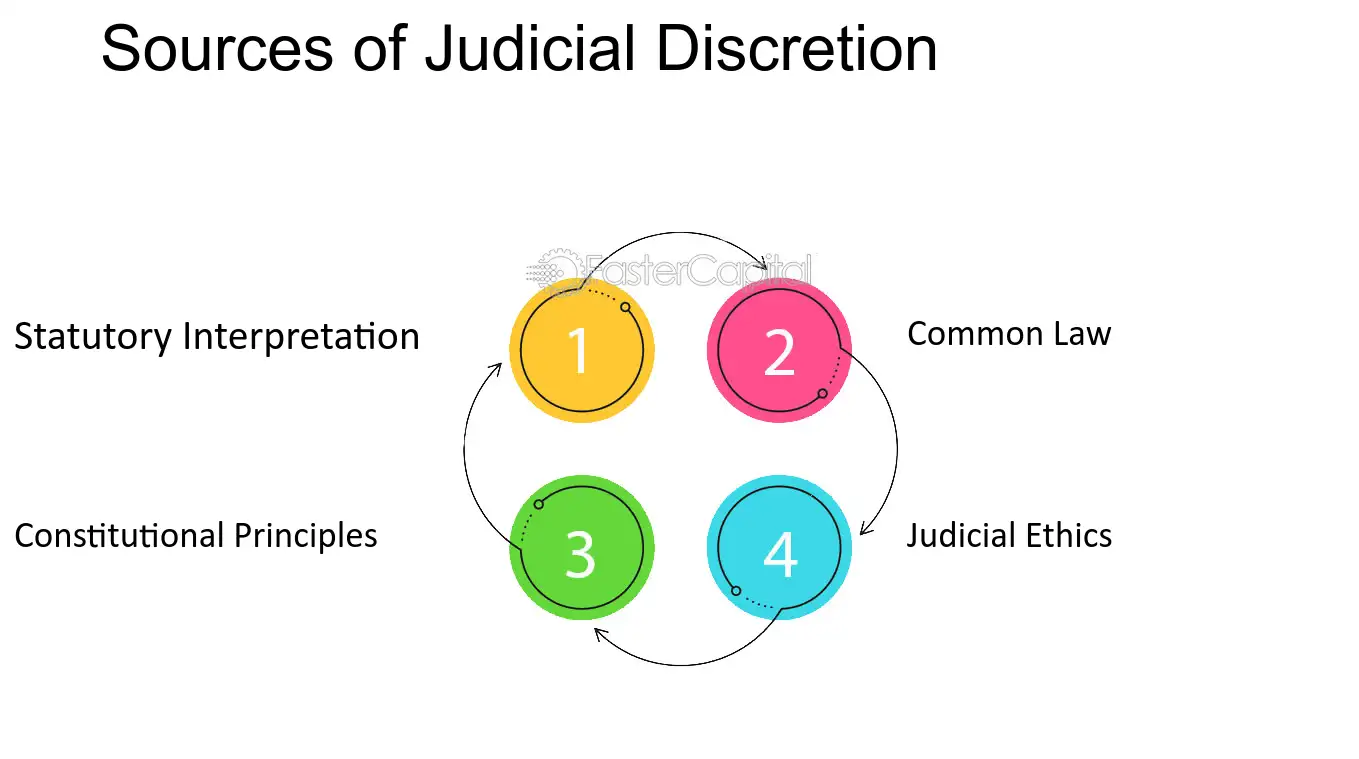
 By K Raveendran The sharp criticism mounted by Opposition leaders against the Supreme Court’s refusal to grant bail to Umar Khalid and Sharjeel Imam in the 2020 Delhi riots conspiracy case has been foregrounded as a defence of constitutional liberty. Yet, when examined closely, the argument appears driven more by political optics than by a […]


![World Bank forecasts robust growth for UAE and Saudi Arabia in 2025[1]](https://thearabianpost.com/wp-content/uploads/2024/11/World-Bank-forecasts-robust-growth-for-UAE-and-Saudi-Arabia-in-20251-151x118.jpg)



 https://www.facebook.com/MySweetHomeEmploymentAgency
 https://www.instagram.com/my.sweet.home.hk