News related to
Ardi

MACAO SAR – Media OutReach Newswire – 10 December 2024 – As the holiday season sweeps in, Galaxy Macau™(referred to as “Galaxy Macau”), the world-class luxury integrated resort, is ready to unwrap a feast of festive-themed menus at its distinguished dining venues. Here, every dish is a curated work of art by the talented master chefs, designed to make this holiday moments sparkle. Whether it’s a family […]

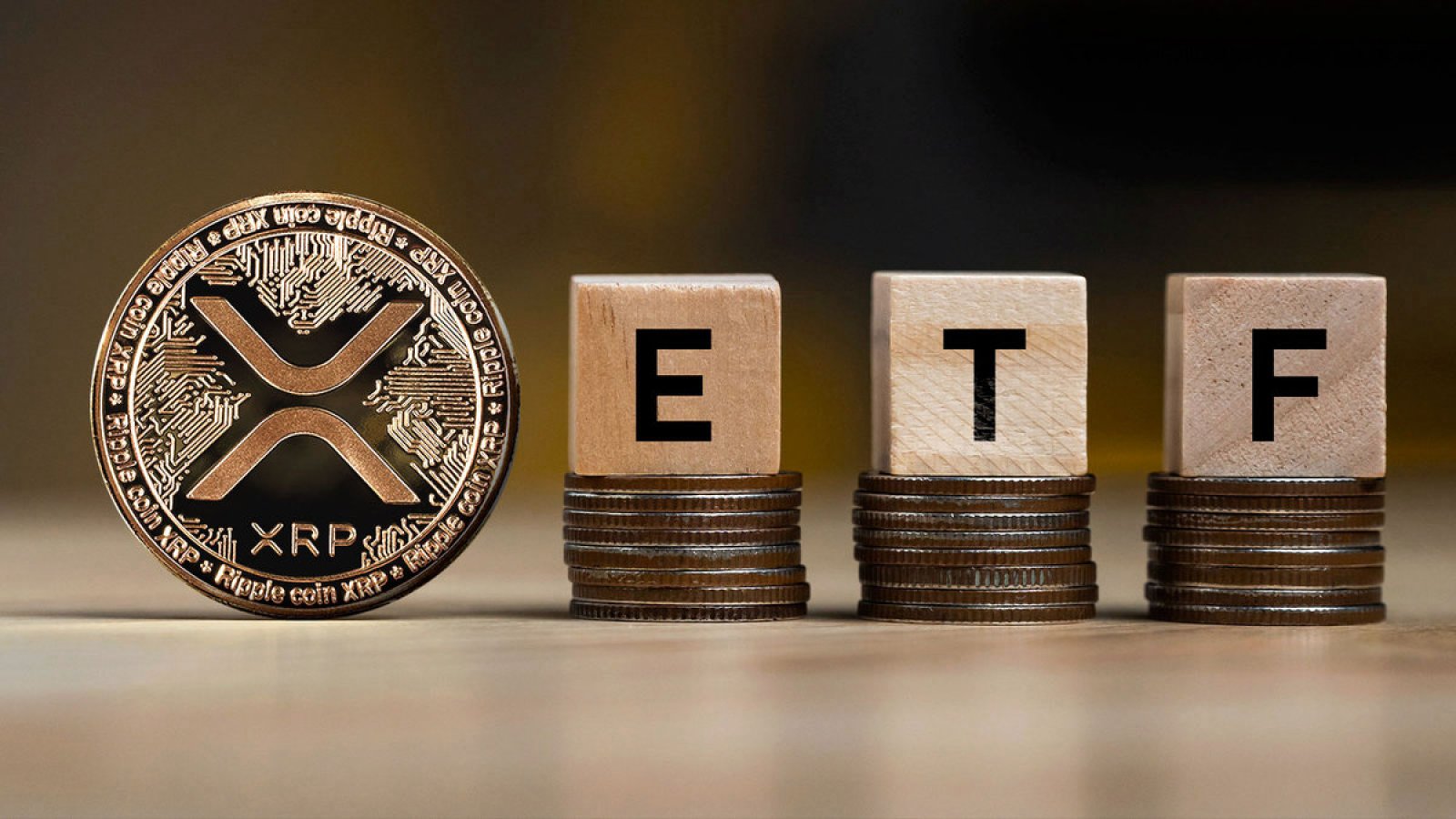
Argentina has approved the use of cryptocurrency-based exchange-traded funds (ETFs), signaling a transformative step in the nation’s financial sector. This move permits investors to engage in assets like Bitcoin, Ethereum, and gold, broadening Argentina’s investment landscape and aligning it with global market standards.

The introduction of these ETFs comes under the libertarian leadership of President Javier Milei, whose policies emphasize decentralization and financial innovation. By embracing crypto ETFs, Argentina positions itself as a forward-thinking player in a rapidly evolving global financial ecosystem. The initiative aims to attract both domestic and international investors, diversifying portfolio options and fostering economic growth.

Crypto ETFs provide a structured way to invest in volatile assets by bundling cryptocurrencies into a single financial product traded on exchanges. This development holds particular significance in a country grappling with inflation and limited access to traditional foreign investment instruments. By enabling the public to invest in alternative assets, the measure seeks to empower individuals and enhance market participation.

The country’s Comisión Nacional de Valores (CNV) played a central role in approving these ETFs, marking a pivotal regulatory shift. The CNV has outlined strict compliance measures to ensure transparency and mitigate risks associated with cryptocurrencies. These steps reflect a balancing act between innovation and safeguarding investor interests, particularly amid global concerns about the volatility and regulatory challenges of digital currencies.

Market analysts view this decision as a strategic alignment with international financial trends, where cryptocurrency ETFs have gained traction in regions like North America and Europe. Argentina now joins a league of nations pioneering regulated access to digital assets, furthering its ambition to modernize its financial infrastructure.

This approval aligns with President Milei’s broader economic agenda, which includes fostering a free-market economy and reducing state intervention. His administration’s focus on financial decentralization resonates with the ethos of cryptocurrency, which advocates for autonomy and borderless transactions. The president has frequently highlighted the potential of digital currencies to address economic challenges, including hyperinflation and currency devaluation, issues that have long plagued the Argentine economy.

Cryptocurrency adoption in Argentina has seen substantial growth in recent years, driven by a combination of economic instability and technological advancements. With limited trust in traditional banking systems, many Argentines have turned to cryptocurrencies as a hedge against inflation and currency depreciation. The legalization of crypto ETFs is expected to amplify this trend, making digital assets more accessible to a broader audience.

The move also aligns with the global shift towards integrating blockchain technology into traditional finance. Experts suggest that Argentina’s adoption of crypto ETFs could catalyze further innovations in the Latin American financial market, setting a precedent for neighboring countries to follow. This regional influence could spur economic collaboration and attract tech-focused investments across borders.

Several key figures from the Trump family and its network gathered at a high-profile cryptocurrency event in the Gulf region, where the convergence of digital currencies and the ever-growing market for crypto investments was on full display. The event, widely attended by industry leaders, investors, and political figures, provided a platform to discuss the emerging landscape of cryptocurrency, with a particular focus on Bitcoin, blockchain technology, and their future within global markets.

As the world navigates the evolving world of cryptocurrencies, the Gulf has become a hotspot for discussions around Bitcoin’s potential and the rising interest among both investors and political figures in the region. The event served as a reflection of broader global trends, where prominent political and business figures are increasingly aligning themselves with the digital currency space. For the Trump family and its allies, this marks an intensified involvement in the ever-growing crypto economy, a sector that has captured the attention of major global investors.

Donald Trump’s family members and political allies, including former White House officials and business partners, were seen attending various sessions during the gathering. These figures have been closely linked with the cryptocurrency movement for years, and their participation at the Gulf event highlights the increasing intersection between the digital currency world and high-profile political figures. Their presence not only signals a growing interest in the sector but also indicates how crypto has evolved from a niche technology to a mainstream financial asset.

The Trump family’s involvement in crypto aligns with broader Republican Party figures, some of whom have advocated for fewer regulations and a more lenient approach to crypto markets. Trump himself, while not overtly endorsing cryptocurrency in public statements, has repeatedly shown an interest in economic policies that benefit digital assets, often commenting on the need for more favorable conditions for businesses in the U.S. crypto space.

This growing alignment between the Trump family and cryptocurrency advocates has led to discussions regarding how the family’s network could further influence digital asset regulations. It is an environment that is ripe for policy lobbying and potential investment opportunities, making it a key area of focus for those gathered at the Gulf conference.

The Gulf region, particularly countries like the UAE and Saudi Arabia, has increasingly emerged as a global center for cryptocurrency innovation and regulation. These nations have been proactive in cultivating a crypto-friendly environment, with numerous free zones and financial hubs aimed at attracting digital asset companies and investors. Their push to position themselves as leaders in the digital finance sector is evident through initiatives aimed at creating regulatory frameworks that are conducive to cryptocurrency ventures.

For the Trump family and its allies, the event in the Gulf represents not just an opportunity to network, but also a deeper engagement with the region’s cryptocurrency potential. A number of Gulf-based investors have been vocal about their interest in Bitcoin, often citing its promise as a store of value amidst global economic instability. This is a view that aligns closely with statements made by key Trump allies, who see Bitcoin as a hedge against inflation and a safeguard for the future of financial systems.

While the Trump family’s direct involvement in crypto investments remains largely speculative, many members of their political network are increasingly vocal in advocating for the integration of cryptocurrency into mainstream financial markets. At the Gulf gathering, several key figures in the Trump camp discussed the potential for digital currencies to be integrated into broader financial systems, from asset management to cross-border payments, and even within the governance structures of central banks.

The event also highlighted the expanding role of cryptocurrency in global political and economic spheres. From the Trump family’s interactions with regional investors to the broader geopolitical implications of a burgeoning crypto economy, it is clear that the Gulf is positioning itself as a critical player in the digital finance space. For countries seeking to diversify their economies and establish dominance in future technologies, cryptocurrencies present an undeniable opportunity.

This expansion of crypto’s influence has not gone unnoticed among policy-makers. With growing calls for clearer regulations to protect both investors and the integrity of the financial system, the Gulf event also shed light on the regulatory challenges that come with rapid crypto adoption. Many industry leaders, alongside political figures, are discussing the importance of establishing global standards that could guide the industry in its growth while ensuring that digital currencies do not pose systemic risks to the financial ecosystem.

The Gulf event also served as a backdrop to discussions about the broader economic implications of cryptocurrencies, especially Bitcoin. As more global corporations and governments consider how to integrate digital assets into their financial systems, the Trump family’s growing involvement signals a broader shift in how political figures engage with the crypto industry. This is not just about investment but also about shaping the future of digital finance through favorable policies and regulatory measures.

As the cryptocurrency market continues to mature, it is clear that the involvement of key political figures, such as those from the Trump family, will play a crucial role in influencing both the regulatory landscape and the direction of investment in digital assets. The event in the Gulf was a clear demonstration of the growing interconnections between political figures, investors, and the rapidly evolving world of cryptocurrencies.

Saudi Arabia and Kuwait have concluded a significant agreement aimed at eliminating double taxation on income, marking a notable advancement in bilateral economic cooperation between the two Gulf nations. This treaty, announced after extensive negotiations, underscores a mutual commitment to fostering trade, investment, and economic collaboration in the region.

The agreement, officially signed in Riyadh, addresses taxation challenges for individuals and entities operating in both countries. It is structured to provide relief by preventing dual taxation and establishing clear tax allocation rules. Key provisions include reduced tax rates on cross-border dividends, interest, and royalties, and streamlined tax compliance mechanisms to encourage smoother business operations. The pact aligns with international standards, including guidelines from the Organisation for Economic Co-operation and Development (OECD), ensuring robust adherence to global tax practices.

This treaty also incorporates measures to prevent tax evasion, a critical concern for governments globally. Transparency and information exchange mechanisms are included to curb potential misuse, reflecting a shared dedication to fiscal accountability. The Saudi Ministry of Finance noted that the agreement would improve the ease of doing business while reinforcing investor confidence in the region.

Economic analysts view the deal as a strategic initiative to attract foreign investment. By mitigating the financial burdens of double taxation, it provides incentives for businesses to establish or expand operations in both Saudi Arabia and Kuwait. Observers also highlighted its potential to bolster intra-GCC (Gulf Cooperation Council) economic integration, a cornerstone of regional policy objectives.

The Kuwaiti government expressed optimism regarding the agreement, emphasizing its alignment with national economic reform goals. This move complements Kuwait’s strategy of diversifying its economy and strengthening its non-oil sectors. The agreement reflects a broader regional trend of adapting fiscal policies to enhance global competitiveness.

This taxation treaty comes amid a period of intensified economic diplomacy within the GCC. Saudi Arabia has been actively pursuing similar agreements with other nations as part of its Vision 2030 reforms. These efforts aim to position the kingdom as a leading hub for global business, promoting a diversified and resilient economy. Similarly, Kuwait has prioritized economic agreements to expand its international partnerships, reflecting a pragmatic approach to sustaining growth in the evolving global market.

The treaty’s implementation will involve detailed frameworks to ensure compliance and efficiency. Tax authorities in both countries are expected to establish bilateral mechanisms to facilitate smooth application, including dispute resolution protocols for any arising conflicts. Experts believe these operational guidelines will be crucial in realizing the full benefits of the agreement.

Economic ties between Saudi Arabia and Kuwait have been historically strong, driven by shared cultural and economic values. This latest agreement further solidifies their partnership, creating a model for regional cooperation that other GCC members may consider replicating. Analysts suggest it could pave the way for broader multilateral tax agreements within the GCC, fostering a more cohesive economic bloc.

As businesses and stakeholders prepare to navigate the new regulatory landscape, the focus remains on how effectively the agreement’s provisions are enacted. Both governments are expected to launch awareness campaigns to educate taxpayers on the treaty’s specifics, ensuring widespread understanding and compliance.

This treaty is set to take effect following ratification by both countries’ legislative bodies, a standard protocol for international agreements. Its ratification process is anticipated to progress swiftly, given the mutual benefits and strong political will driving the initiative.

ADVERTISEMENT

The United States government has approved the export of cutting-edge artificial intelligence (AI) chips to the United Arab Emirates (UAE) under a deal involving Microsoft and the Emirati technology firm G42. This decision comes after a prolonged review, and the deal underscores growing interest in enhancing the UAE’s AI capabilities. Microsoft has invested heavily in G42, forming a partnership to push forward the development of AI technologies in the UAE, but the approval has sparked debates over security risks and potential misuse of the technology.

Microsoft’s $1.5 billion investment in G42 this year not only includes a minority stake but also a strategic partnership that integrates Microsoft’s cloud services with G42’s AI applications. This collaboration is expected to enhance the UAE’s role as a leading player in AI development, especially in areas such as healthcare, government services, and autonomous systems.

However, the deal has faced scrutiny from U.S. lawmakers, who expressed concerns over G42’s potential links to China. The fears center on the possibility of U.S. technology being leveraged by adversarial nations, particularly given G42’s connections to powerful players in the Middle East. U.S. officials have raised alarms about the company’s ties to the Chinese government and its military, fearing that advanced AI systems could inadvertently benefit Beijing or other entities of strategic concern to the U.S.

To mitigate these concerns, the U.S. government imposed strict conditions on the export. Among the most notable restrictions, personnel from countries subject to U.S. arms embargoes, including China, are prohibited from accessing the Microsoft-operated facility in the UAE. Additionally, the deal specifically blocks individuals linked to the Chinese government or organizations based in China from using the technology. These safeguards are designed to ensure that sensitive U.S. technology is not misappropriated by entities that could pose a threat to national security.

Despite these precautions, the deal has ignited a broader conversation about the global race to develop and deploy AI technologies. U.S. officials have repeatedly warned that AI advancements, particularly in fields like military applications and weapons technology, could have significant national security implications. In light of this, the Biden administration has taken steps to bolster oversight of AI development, with mandatory disclosures required from developers of large-scale AI systems regarding the potential security risks of their technologies.

G42, which is partially owned by Abu Dhabi’s sovereign wealth fund and chaired by Sheikh Tahnoon bin Zayed Al Nahyan, has tried to reassure critics by emphasizing its compliance with international standards on AI and its commitment to transparency. However, the company’s efforts have not fully alleviated concerns, with many observers questioning whether the restrictions will be sufficient to prevent sensitive technology from falling into the wrong hands.

The partnership with Microsoft is seen as a major boost for the UAE’s ambitions to position itself at the forefront of AI research and development. The country has long sought to diversify its economy beyond oil, and AI is seen as a key pillar of this transformation. Yet, as this deal shows, the international implications of such partnerships are complex and multifaceted. While the UAE stands to benefit from access to some of the world’s most advanced AI technologies, the potential security risks associated with the transfer of such capabilities remain a point of contention.

KUALA LUMPUR, MALAYSIA – Media OutReach Newswire – 5 December 2024 – Gold has been valued for its stability when the financial fires are raging. That stable nature was underscored in 2024 when its price shot upward, gaining over $700 per ounce. This amounted to a 34% increase since January. The vibrant price increase has gotten traders and investors all jazzed up again about gold, with the […]

Exploring Asia’s Future Focusing on Technology, Business Growth and Strategic Partnerships for Japanese Companies in Southeast Asia TOKYO, JAPAN – Media OutReach Newswire – 5 December 2024 – Iskandar Investment Berhad (IIB), Nikkei Inc. and Nikkei Business Publication (Nikkei BP) have signed a Memorandum of Understanding (MOU) to jointly host the Nikkei Forum 2025 in Medini, Johor, Malaysia, in June 2025. This landmark event will bring together […]

Advertisements
ADVERTISEMENT

Pump.Fun, a popular platform known for facilitating memecoin trading, has taken the controversial step of blocking access for users in the United Kingdom. This move comes on the heels of a stark warning issued by the Financial Conduct Authority (FCA), which claimed that Pump.Fun was operating without the necessary regulatory approvals. The FCA’s directive, issued earlier this week, has raised significant concerns within the cryptocurrency community, sparking discussions about the future of crypto exchanges and their compliance with national regulations.

The FCA’s intervention highlights growing scrutiny over crypto platforms in the U.K., where authorities have been tightening their grip on cryptocurrency trading operations. While memecoins like Dogecoin and Shiba Inu have surged in popularity, the regulatory landscape surrounding these speculative assets remains unclear, particularly in markets like the U.K., where authorities have been more proactive in shaping crypto laws.

Pump.Fun, which markets itself as a fun, decentralized trading platform for memecoins, swiftly responded to the FCA’s notice by suspending services for U.K. residents. This action has been met with mixed reactions, with some praising the platform for taking swift action to comply with regulations, while others view it as an unnecessary restriction on the freedom of crypto users. The move also underscores the challenges faced by global platforms that wish to serve customers in highly regulated markets.

Industry experts have speculated that this may be part of a larger trend where regulators worldwide are increasingly targeting crypto firms that operate in jurisdictions without clear or consistent oversight. The U.K., in particular, has been tightening its crypto regulations as part of a broader effort to prevent financial crimes, such as money laundering and fraud, that could be facilitated by the anonymous nature of cryptocurrencies.

Although Pump.Fun’s abrupt decision to block U.K. traders may seem harsh, it also serves as a stark reminder of the ongoing regulatory challenges that crypto platforms face. The sector has long struggled to reconcile its decentralized ethos with the increasingly complex and stringent regulatory frameworks being imposed by governments around the world. For many platforms, this balancing act remains one of the most difficult aspects of doing business internationally.

The FCA’s warning is part of its ongoing efforts to clamp down on unregulated crypto operations in the U.K. The regulator has been vocal about the risks associated with cryptocurrency trading, particularly regarding platforms that operate without appropriate licenses or protections for consumers. For platforms like Pump.Fun, which rely on offering quick and user-friendly access to the volatile world of memecoins, the inability to operate in major markets like the U.K. could lead to significant business disruptions.

Some market analysts have noted that this ban could potentially trigger a broader shift in how other U.K.-based traders engage with crypto markets. Platforms that do not meet the FCA’s standards may find themselves facing similar restrictions or being forced to alter their business models. It also raises the issue of cross-border crypto exchanges, which may struggle to comply with local regulations while maintaining their operations globally.

The situation has prompted a debate about the future of crypto regulation in the U.K. Some believe that the government is taking a pragmatic approach to safeguarding consumer interests and protecting the financial system. Others, however, argue that such interventions stifle innovation and hinder the growth of the cryptocurrency sector. With crypto trading volumes continuing to grow globally, especially in markets like Asia and North America, the U.K. faces a delicate balancing act in regulating the sector without pushing it away from its borders.

For now, Pump.Fun’s actions serve as a case study of the challenges that crypto firms must navigate as they attempt to serve a global market while complying with an increasingly complex regulatory environment. The platform has not issued further comments on whether it intends to resolve the situation or permanently restrict U.K. users. For now, the ban remains in place, and traders in the U.K. will need to find alternative platforms for engaging with memecoins and other crypto assets.

By K Raveendran OPEC+ has recalibrated its production strategy, extending voluntary output adjustments to stabilize oil markets in the face of uncertain global demand and geopolitical pressures. The alliance’s decision to prolong cuts until the first quarter of 2025 aims to counterbalance potential oversupply and demand fluctuations, particularly linked to Donald Trump’s policies and China’s […]

KUALA LUMPUR, MALAYSIA – Media OutReach Newswire – 7 December 2024 – Artificial intelligence is transforming trading, delivering unprecedented power in data analysis, pattern recognition, and decision-making. However, around 40% of traders hesitate to fully trust AI-driven decisions as they fear losing control over critical trading outcomes. Kar Yong Ang, financial markets analyst at Octa Broker, explores how traders can harness the power of AI while maintaining […]

ADVERTISEMENT

HANOI, VIETNAM – Media OutReach Newswire – 7 December 2024 – The VinFuture Foundation has honored four scientific breakthroughs in 2024. The US$3 million Grand Prize is awarded to “transformational contributions to the advancement of deep learning.” Three VinFuture Special Prizes are awarded to “innovative improvement of oral cholera vaccination in developing countries,” “advancement in design of polymeric biomaterials and methods for biomedical applications,” and “development of […]

DHL’s GoHelp program equips local employees with critical disaster response skills to enhance resilience 20 years after the 2004 Indian Ocean tsunami devastated Sri Lanka COLOMBO, SRI LANKA – Media OutReach Newswire – 6 December 2024 – DHL Group has expanded its GoHelp Disaster Response Team (DRT) training to Sri Lanka, strengthening resilience and preparedness against disasters in the Asia Pacific region. DHL Group’s first GoHelp Disaster […]

BANGKOK, THAILAND – Media OutReach Newswire – 6 December 2024 – The Philippines’ Energy Development Corporation (EDC), a global renewable energy leader, has been awarded the Green Company of the Year at the 2024 Asia Corporate Excellence & Sustainability (ACES) Awards. This prestigious accolade recognises EDC’s unwavering commitment to advancing the country’s renewable energy sector while championing biodiversity, forest restoration, and climate change mitigation. Energy Development Corporation […]

Dubai has become a global hub for innovative fitness experiences, attracting individuals looking to improve their health and well-being. The city offers diverse options, but one trend continues to stand out— fitness boot camps. These programs have gained significant popularity due to their ability to combine intense training sessions with a supportive group environment. Participants often choose these camps to achieve better health, build teamwork skills, and […]

ADVERTISEMENT

Human resources professionals play a critical role in managing employee data, making them a prime target for cyber threats. With businesses increasingly digitizing their operations, experts are emphasizing the importance of equipping HR professionals with the necessary skills to safeguard sensitive data and mitigate cyber risks. According to leading industry figures, the need for HR professionals to receive adequate cyber security training has become an urgent matter […]

Oil prices have held their ground after a slight dip as the focus shifts to OPEC+’s upcoming decision regarding production cuts. Market participants are awaiting critical guidance on future supply restrictions from the cartel, a move that could significantly impact both global energy prices and economic stability. With mounting pressures from both geopolitical factors and fluctuating demand, the outcome of this decision is poised to influence the […]

Balancing Global Dynamics HONG KONG SAR – Media OutReach Newswire – 4 December 2024 – Today, KGI has released its 2025 Market Outlook, covering regions including Mainland China, Hong Kong, Taiwan, the U.S., Singapore, and Indonesia. (From left) Cusson Leung, Chief Investment Officer at KGI; James Chu, Chairman at KGI Securities Investment Advisory; James Wey, Head of International Wealth Management at KGI; Kenny Wen, Head of Investment […]

ADVERTISEMENT

Saudi Aramco, the world’s leading energy firm, has unveiled plans to establish one of the largest carbon capture and storage (CCS) hubs in Jubail. The project is part of the company’s ambitious initiative to tackle carbon emissions and advance global decarbonization efforts. By collaborating with two major industry players, Linde and SLB, Aramco aims to position Saudi Arabia at the forefront of technological solutions addressing climate change. […]

An important component in many industries is stainless steel screws and fasteners. Their advantages include high strength, corrosion resistance and possibility to operate at elevated temperatures. All fasteners, including hex bolts, nuts and other fastening components, have different kinds of threads; fasteners are fitted with threads and the external threading types determine how these fasteners will perform with given bolts or nuts. Therefore, reliability and performance of […]

The supply of Tether (USDT) on the Telegram Open Network (TON) blockchain has skyrocketed more than tenfold since May, with the value of USDT held on the network surging from $100 million to $1.2 billion. This dramatic increase signals both the growing adoption of TON and the growing importance of stablecoins in decentralized ecosystems.

As of December 2024, TON’s integration of USDT is seeing significant traction among both users and projects within the blockchain space. Tether’s growth on the network reflects broader trends in the cryptocurrency industry, where stablecoins continue to gain prominence due to their stability compared to more volatile assets like Bitcoin or Ethereum.

The massive surge in USDT supply comes as the TON blockchain has made considerable strides in attracting decentralized finance (DeFi) applications, exchanges, and users. TON’s unique features, including its high scalability and low transaction fees, make it an attractive option for stablecoin transactions. Experts believe this rapid increase in USDT on the network could further cement TON’s position as a critical infrastructure layer in the world of decentralized finance.

TON’s relationship with stablecoins is not new; however, the scale of USDT’s growth is unprecedented for the network. In May 2024, TON hosted just $100 million in Tether, but by December, this figure had expanded to an impressive $1.2 billion. This rapid increase is viewed by some analysts as an indicator of increasing demand for reliable, decentralized financial products and services, with TON becoming a central player in facilitating such services.

Key industry figures have speculated that the surge in USDT supply is tied to the rise of decentralized finance protocols built on the TON blockchain. These platforms allow users to trade, borrow, and lend cryptocurrency with the stability of USDT, which is backed 1:1 by the US dollar. Stablecoins like USDT provide much-needed price stability, which makes them particularly useful for trading and lending within volatile cryptocurrency markets. With TON’s infrastructure becoming more robust, the ecosystem appears to be maturing rapidly, attracting more liquidity and institutional interest.

In addition to DeFi protocols, centralized exchanges are also becoming key players in the surge of USDT on TON. Exchange platforms have started to offer TON-based USDT as a trading pair alongside other cryptocurrencies. This is particularly important for TON as it enables easier conversion between USDT and more widely used cryptocurrencies like Bitcoin and Ethereum. The seamless liquidity that TON offers for stablecoin transfers is an attractive proposition for both traders and institutional investors, further fueling the growth of USDT on the network.

The surge in USDT supply on TON is also reflective of broader trends in stablecoin use across the cryptocurrency space. Stablecoins have become integral to the global crypto ecosystem, particularly as they provide a less volatile alternative to traditional cryptocurrencies. They are also commonly used for remittances, as their stability makes them a preferred option for cross-border transactions. As cryptocurrency regulations tighten in various jurisdictions, the demand for stablecoins, especially those like USDT, is likely to increase.

The growth of USDT supply on the TON blockchain aligns with the broader trend of stablecoins becoming more entrenched in decentralized financial ecosystems. A critical element of this growth is the increasing acceptance and integration of blockchain-based stablecoins into traditional financial systems. This trend is most evident in regions where cryptocurrency adoption is high, and stablecoins are actively used in cross-border payments, as well as for preserving value in unstable economic environments.

At the same time, the growing prominence of TON as a platform for stablecoin transactions also highlights the increasing competitiveness in the blockchain space. While Ethereum, Binance Smart Chain, and Solana have long been major players in the decentralized finance space, TON is emerging as a strong contender. Its emphasis on scalability, cost-effectiveness, and fast transactions makes it an attractive option for projects that require efficiency and reliability at scale.

As for Tether itself, the surge in USDT supply on TON signals increasing acceptance of the stablecoin within both centralized and decentralized finance ecosystems. Tether’s dominance in the stablecoin market has been firmly established over the past few years, with its market capitalization consistently ranking among the highest of any cryptocurrency. The expansion of USDT on TON represents a new chapter in Tether’s journey, as it expands into new blockchain environments and becomes deeply integrated into the decentralized finance fabric of blockchain networks like TON.

Despite the rapid rise of USDT supply on TON, concerns remain regarding the long-term sustainability of such growth. Some market analysts caution that the exponential rise of stablecoin liquidity on a single blockchain could lead to concentration risk, where a significant portion of the financial activity on the network could become overly reliant on Tether. This could result in instability should Tether ever face a crisis of confidence or face regulatory scrutiny.

However, many in the industry view the current growth in USDT on TON as a positive sign for the broader ecosystem. The significant jump in USDT supply could signal growing confidence in the TON blockchain’s scalability and its ability to handle large volumes of transactions in a decentralized manner. This could open the door for more institutional participation in TON-based DeFi projects and encourage further development of the TON ecosystem, particularly as regulations in major markets evolve.

Cryptocurrency trading in South Korea has faced a turbulent period marked by sharp declines in the value of digital assets paired with the Korean won. Bitcoin prices dropped dramatically to $79,167, while XRP fell to $1.89 during a temporary halt in trading activities. This disruption is closely tied to the implementation of martial law by the country’s leadership, which resulted in the complete shutdown of cryptocurrency exchanges and a pause in trading activity.

The declaration of martial law was reportedly aimed at ensuring political stability and security amid escalating tensions. However, it inadvertently led to market panic, affecting both institutional and retail cryptocurrency investors. Exchange operators were forced offline, rendering digital wallets and trading services inaccessible. This scenario disrupted the South Korean cryptocurrency market, one of the most active globally, renowned for its high trading volumes and significant local investor participation.

After the initial shock, trading volumes and prices have shown signs of recovery as exchanges gradually resume operations under stringent monitoring. The impact of these events has shed light on the vulnerabilities of digital asset trading platforms, especially in regions with heightened political risks. Market analysts suggest that the sharp price drops also highlighted the dependence of cryptocurrencies on broader socio-political factors, challenging the perception of these assets as insulated from traditional market influences.

The Korean won has been a key currency in global cryptocurrency markets, with South Korea’s exchanges acting as critical liquidity providers. This is partly due to regulatory clarity and strong local demand for cryptocurrencies. Despite this robust environment, the martial law declaration revealed gaps in crisis management and operational resilience among exchange operators. Stakeholders, including the government and financial regulators, are now exploring policy frameworks to ensure business continuity during unforeseen disruptions.

Bitcoin and XRP, alongside other major cryptocurrencies, saw varying degrees of recovery as investor confidence began to return. Bitcoin’s recovery reflects its status as a benchmark cryptocurrency, while XRP’s performance underlines the impact of regional trading dynamics. Observers have noted increased activity among professional traders leveraging the temporary volatility for speculative gains.

Cryptocurrency regulation in South Korea has been a topic of considerable debate, with authorities historically adopting a proactive stance to safeguard investors while fostering innovation. This latest incident may accelerate efforts to establish a more robust regulatory infrastructure, emphasizing risk mitigation strategies. Potential measures under discussion include mandatory contingency planning for exchanges, stricter capital requirements, and enhanced cybersecurity protocols.

The martial law’s implications extend beyond market disruptions, potentially reshaping global perceptions of South Korea as a hub for cryptocurrency activity. While the immediate focus remains on restoring normalcy in trading, long-term considerations include the balance between ensuring national security and maintaining the country’s competitive edge in blockchain and cryptocurrency innovation. The rapid rebound in trading volumes suggests resilience within the market, although questions linger regarding the sector’s preparedness for similar challenges in the future.

ENUGU, NIGERIA – Media OutReach Newswire – 3 December 2024 – 1win, a licensed global iGaming brand, launches a charitable healthcare screening initiative in collaboration with the Helpers Social Development Foundation (HSDF). The project aims to improve access to vital health services for vulnerable groups in Enugu and Anambra States and support early diagnosis of diabetes and cardiovascular conditions in Nigeria. Free Healthcare Screenings by 1win and […]

IBIT, a prominent player in the cryptocurrency space, has crossed a significant milestone by accumulating more than 500,000 BTC in its reserves. This achievement places IBIT at the forefront of institutional investors, holding one of the largest Bitcoin stashes worldwide.

The growth of IBIT’s Bitcoin holdings signals not only the company’s expanding influence in the digital asset market but also the ongoing shift toward institutional investment in cryptocurrency. While many traditional investors have historically viewed Bitcoin and similar assets with skepticism, IBIT’s increasing accumulation of BTC highlights a changing trend, with crypto assets now becoming a central part of investment portfolios.

The timing of this move is notable, with Bitcoin’s market volatility and institutional adoption on the rise. As Bitcoin’s price has experienced fluctuations, the growing institutional presence in the market has added a layer of stability and legitimacy to the digital currency. IBIT’s actions are reflective of a broader trend where institutional investors are looking beyond Bitcoin’s price swings and viewing the cryptocurrency as a long-term store of value.

IBIT’s strategy aligns with a growing confidence in the potential of Bitcoin, especially as more companies and financial institutions seek exposure to this volatile yet highly profitable asset class. The company has made headlines not only for its significant Bitcoin holdings but also for its consistent commitment to securing digital assets in a safe and compliant manner. In a space rife with regulatory uncertainty, IBIT’s methodical approach to managing its Bitcoin reserves underscores the increasing sophistication of institutional cryptocurrency investing.

The surge in IBIT’s Bitcoin stash is reflective of an overarching trend in the cryptocurrency industry, where institutional players are playing an increasingly prominent role. Traditional hedge funds, family offices, and large corporations have recognized the value of diversifying their assets into Bitcoin, with the aim of reducing risk and boosting returns. The 500,000 BTC mark comes at a time when several other major players in the industry have followed suit, significantly raising their stakes in Bitcoin as an asset class.

Bitcoin’s market dynamics have changed considerably in recent years, with a notable increase in the volume of institutional investment. As these investors continue to accumulate large quantities of BTC, they inadvertently strengthen Bitcoin’s position within the global financial ecosystem. The digital currency is no longer just a speculative investment but is now seen as a legitimate store of value akin to gold.

IBIT has managed to build its position in the Bitcoin market through strategic acquisitions and partnerships with other major cryptocurrency-related firms. Its growing presence has been fueled by its adherence to a disciplined investment strategy, ensuring its Bitcoin holdings are not only large but also securely stored. This approach has won IBIT the trust of investors and stakeholders alike, many of whom view the company’s success as a blueprint for navigating the complexities of digital asset management.

IBIT’s holdings have been particularly significant when considering the broader trends in Bitcoin’s supply. With the cryptocurrency’s total supply capped at 21 million, large-scale holders like IBIT are seen as key players in the future price dynamics of Bitcoin. By owning over 500,000 BTC, IBIT controls a substantial portion of the available supply, which may influence both the market price and the broader narrative surrounding Bitcoin’s role in the global financial system.

The focus on secure and compliant Bitcoin holdings is an essential aspect of IBIT’s strategy. As regulatory bodies across the world continue to refine their approaches to cryptocurrency, IBIT has positioned itself as a leader in adhering to these evolving standards. This has ensured that its Bitcoin assets remain insulated from regulatory pressures that could potentially jeopardize the security or legality of the holdings.

IBIT’s ability to accumulate such a large amount of Bitcoin has garnered significant attention from investors and analysts. Many view the company’s strategy as indicative of the future direction of the digital asset market, where institutional players will continue to play a dominant role in shaping the supply and demand dynamics of Bitcoin. As Bitcoin’s price continues to rise, driven in part by institutional accumulation, IBIT’s strategic position places it at the center of an increasingly influential market.

The company’s success is also intertwined with Bitcoin’s role as a potential hedge against inflation and economic uncertainty. As central banks around the world continue to adopt expansive monetary policies, Bitcoin has gained recognition as an alternative asset that can serve as a store of wealth. This has contributed to the rise of institutional adoption, as large players seek assets that are less vulnerable to the policies and fluctuations of traditional financial systems.

VISHNU RAJA
RYO YAMADA
HITORI GOTOH
IKUYO KITA
Social Media Auto Publish Powered By : XYZScripts.com