News related to
Capital

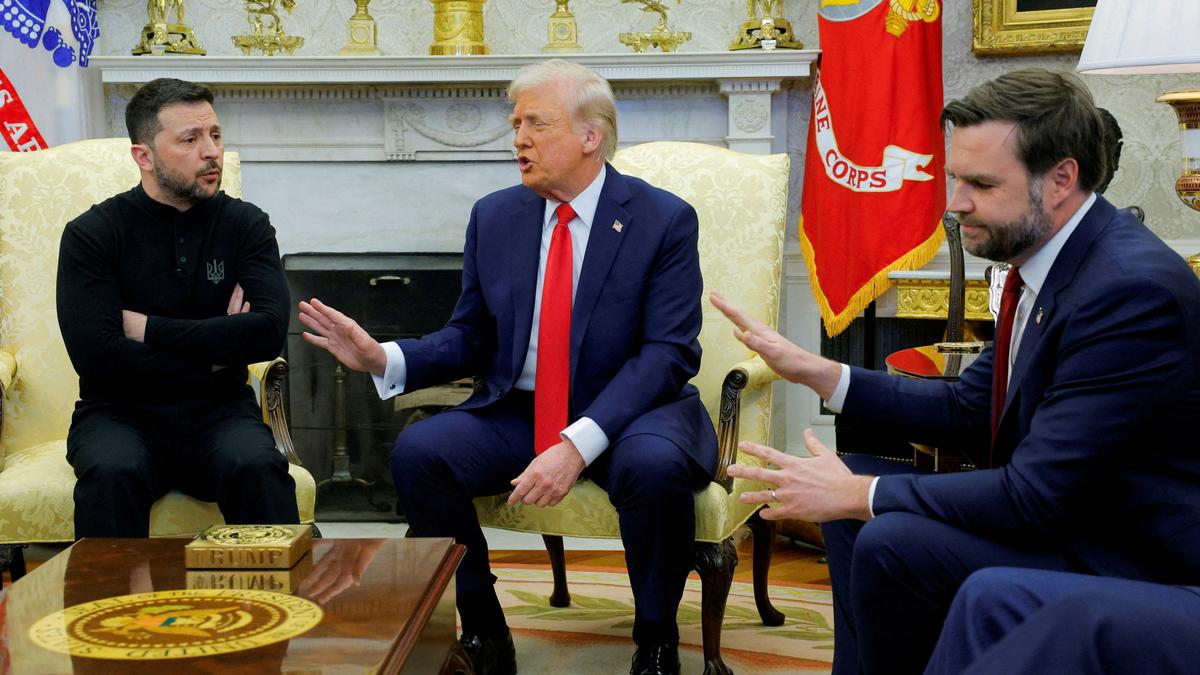
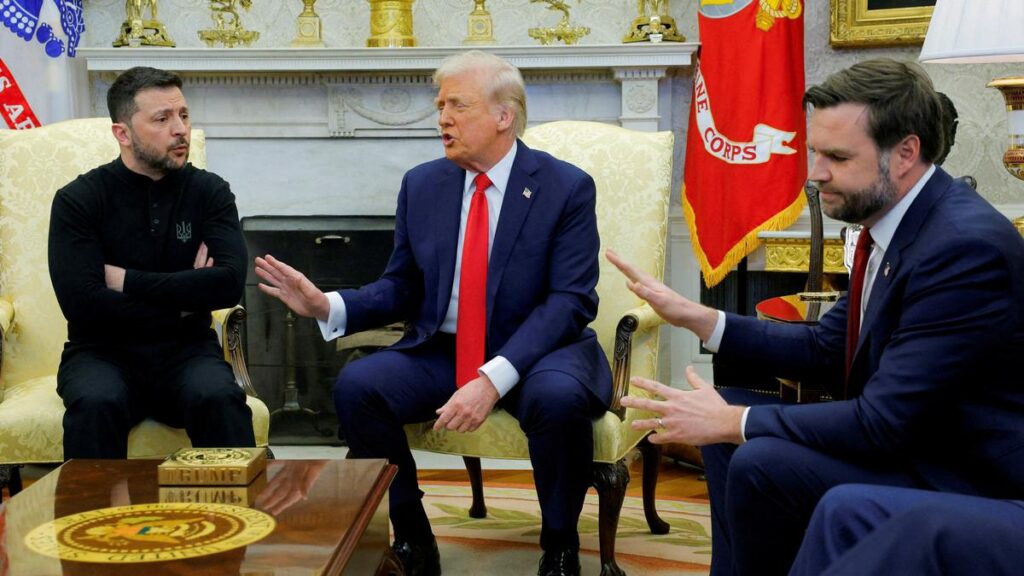
By Nitya Chakraborty Is the global geopolitics moving a full circle after 80 years since the end of the Second World War in 1945? The question is now extremely relevant after the world saw on Friday in TV channels the unprecedented spat between the United States president Donald Trump and the Ukrainian president Volodymyr Zelenskyy. […]

National Central Cooling Company PJSC , a leading district cooling provider in the United Arab Emirates, has successfully issued a $700 million five-year green sukuk. This strategic move underscores the company’s commitment to sustainable financing and positions it prominently within the rapidly expanding green finance sector. The sukuk, structured under Regulation S, carries a fixed profit rate of 5.29% per annum, with payments scheduled semi-annually. Initially marketed […]

GEMS Education, a prominent Dubai-based private school operator, has unveiled plans to invest approximately $300 million over the next two to three years to drive organic growth. CEO Dino Varkey detailed this strategic initiative, emphasizing the company’s intent to capitalize on the region’s burgeoning population and the influx of affluent residents. This substantial investment aligns with GEMS Education’s broader strategy to enhance its educational offerings and infrastructure. […]

Merger and acquisition activity in the Middle East and North Africa region experienced a significant uptick in 2024, with total deal value reaching $92.3 billion, a 7% increase from the previous year. The number of deals also rose by 3%, totaling 701 transactions compared to 679 in 2023. This growth has been largely attributed to substantial reforms in capital markets, strategic policy changes, and enhanced efforts to attract foreign investments.

The Gulf Cooperation Council countries were at the forefront of this surge, accounting for 580 deals worth $90 billion. Cross-border transactions played a pivotal role, representing 52% of the total deal volume and 74% of the overall value. Sovereign wealth funds such as the Abu Dhabi Investment Authority , Mubadala Investment Company from the United Arab Emirates , and the Public Investment Fund from Saudi Arabia were instrumental in driving this activity.

The UAE emerged as a key player, recording the region’s largest M&A deal of the year. Clayton Dubilier & Rice, Stone Point Capital, and Mubadala Investment announced the acquisition of Truist Insurance for $12.4 billion. Following closely, Saudi Aramco acquired a 22.5% stake in Rabigh Refining and Petrochemical Company from Japan’s Sumitomo Chemical for $8.9 billion. Additionally, a consortium comprising PAG, Mubadala, and ADIA acquired a 60% stake in China’s Zhuhai Wanda Commercial Management Group for $8.3 billion.

Outbound deals dominated the M&A landscape, contributing 61% of the total deal value with 199 transactions amounting to $56.6 billion. The MENA region continued to attract foreign direct investment, with 163 inbound deals valued at $11.4 billion, marking an 18% increase in volume and a 42% surge in value compared to 2023.

Sector-wise, technology and consumer products led in deal volume, each experiencing a 10% year-on-year increase. The United States stood out as the largest acquiring country outside the region, with 48 transactions totaling $4.6 billion.

The UAE maintained its position as a preferred investment destination, achieving the highest volume and value for inbound transactions. The country recorded 96 deals valued at $7.6 billion, representing 67% of the total deal value. The technology sector was particularly vibrant, with 35 deals driven by the nation’s focus on artificial intelligence, cybersecurity, and digital transformation. Notably, Microsoft’s $1.5 billion acquisition of Abu Dhabi’s Group 42 underscored the strengthening ties between the UAE and the United States.

Saudi Arabia also attracted significant investment, with the UAE and Saudi Arabia collectively reporting 318 deals valued at $29.6 billion. Both countries were among the top bidders in the MENA region, highlighting their active participation in the M&A landscape. In 2024, the United States was the favored target destination for MENA investors, with 41 deals amounting to $19.9 billion.

Domestic M&A activity saw an uptick, contributing 48% of the total deal volume with 339 deals, up from 333 in 2023. The combined disclosed value of domestic transactions stood at $24.4 billion. The technology and consumer products sectors attracted increased investor interest, fueled by digital transformation and evolving consumer behaviors, together accounting for 35% of the total domestic deal volume.

The oil and gas sector continued its upward trajectory, leading in disclosed deal value with $9 billion, representing 37% of the total domestic deal value. This was largely due to Saudi Aramco’s $8.9 billion acquisition of Rabigh Refining and Petrochemical Company.

HONG KONG SAR – Media OutReach Newswire – 28 February 2025 – International Genius Company (hereafter referred to as “IGC“; Stock Code: 0033.HK) announced its interim results for the period ending December 31, 2024.Thanks to the application of AI-driven trading technology solutions, IGC’s tech-driven investment management services segment has achieved significant growth, turning losses into profits. During the reporting period, IGC witnessed a substantial increase in both […]

The U.S. Securities and Exchange Commission has dismissed its lawsuit against Coinbase, the largest cryptocurrency exchange in the United States. This legal action, initiated in 2023, accused Coinbase of operating as an unregistered securities exchange and facilitating the trading of at least 13 crypto tokens that the SEC contended should have been registered as securities. Coinbase consistently refuted these allegations, maintaining that the crypto assets in question did not meet the criteria of investment contracts.

In a court filing dated February 27, 2025, the SEC agreed to voluntarily dismiss all litigation related to Coinbase and its parent company, Coinbase Global, with prejudice. This decision effectively terminates the case permanently. The SEC also withdrew its request for an interlocutory appeal with the U.S. Court of Appeals, signaling a significant policy shift under the current administration.

This move aligns with a broader change in the SEC’s approach to cryptocurrency regulation following the inauguration of President Donald Trump’s second term and the appointment of Paul Atkins, a crypto-friendly chairman, to lead the agency. Under this new leadership, the SEC has adopted a more lenient stance toward the crypto industry, reflecting the administration’s intent to support and promote the sector.

In addition to the Coinbase case, the SEC has also closed investigations into several other prominent cryptocurrency firms. Notably, the agency has ended its probes into OpenSea, a leading non-fungible token marketplace, and Robinhood’s crypto unit. These investigations, initiated during the previous administration, have been dismissed with prejudice, indicating that they cannot be refiled.

The decision to drop these cases has been welcomed by the affected companies. Coinbase’s Chief Legal Officer, Paul Grewal, stated, “SEC staff has agreed in principle to dismiss its unlawful enforcement case against Coinbase, subject to Commissioner approval—righting a major wrong.” Similarly, representatives from OpenSea and Robinhood expressed relief and optimism about the SEC’s revised regulatory approach.

This series of dismissals is part of a broader realignment of federal regulatory and enforcement priorities under the Trump administration. The SEC’s shift toward a more collaborative and transparent regulatory framework for the crypto industry is evident in the establishment of a new Crypto Task Force. Led by Commissioner Hester Peirce, the task force aims to develop comprehensive regulations that provide clarity and support for the burgeoning crypto sector.

Commissioner Peirce emphasized the need for a revised approach, stating, “It’s time for the Commission to rectify its approach and develop crypto policy in a more transparent manner.” This sentiment reflects a departure from the previous administration’s stringent regulation-by-enforcement strategy, which had been criticized for creating uncertainty and stifling innovation within the industry.

The SEC’s recent actions have also extended to other major players in the crypto space. The agency has dismissed its lawsuit against ConsenSys, the developer of the popular MetaMask crypto wallet. This lawsuit, filed in June 2024, alleged that ConsenSys engaged in the unregistered offer and sale of securities through its MetaMask Staking service and operated as an unregistered broker. The dismissal of this case further underscores the SEC’s evolving stance toward crypto-related businesses.

Market reactions to these regulatory developments have been notable. Shares of Coinbase Global Inc experienced fluctuations, with the stock trading at $208.37, reflecting a decrease of 2.20% from the previous close. Similarly, Robinhood Markets Inc saw its stock price at $48.78, a slight decline of 0.16%. In the cryptocurrency markets, Bitcoin is currently priced at $79,821.00, down 6.82%, while Ethereum stands at $2,121.24, a decrease of 9.14%. These movements suggest a period of adjustment as investors respond to the changing regulatory landscape.

The Trump administration’s influence extends beyond the SEC. The Consumer Financial Protection Bureau has also dropped several enforcement actions against companies such as Capital One and Rocket Homes. These cases, which included allegations of misleading customers and illegal kickback schemes, have been dismissed with prejudice under the bureau’s new leadership. This pattern indicates a significant shift in federal regulatory and enforcement priorities, favoring a more business-friendly environment.

Umm Al Qura for Development and Construction, the developer behind Makkah’s transformative Masar Destination project, has set its initial public offering price at SAR 15 per share. This pricing, at the upper limit of the anticipated range, reflects robust investor interest, with institutional orders surpassing expectations. The IPO’s institutional tranche witnessed an oversubscription rate of approximately 241 times, amassing orders totaling around SAR 473 billion from both […]

Advertisements

The United Arab Emirates’ banking sector is set to maintain its earnings growth trajectory into 2025, bolstered by robust government support and strong capital positions, even as monetary policy tightens. Consultancy firm Alvarez & Marsal reports that aggregate earnings for UAE-listed banks increased by 8% year-on-year in 2024, primarily due to a 26.8% decline in annual impairment charges, attributed to recoveries and reduced write-downs. However, return on […]

The United States Securities and Exchange Commission has concluded its investigation into cryptocurrency exchange Gemini, opting not to pursue any enforcement action. This decision, communicated to Gemini’s legal counsel, marks the end of a protracted inquiry that began in January 2023.

Gemini’s co-founder, Cameron Winklevoss, announced the closure of the investigation, expressing relief but also voicing strong criticism of the SEC’s approach. He stated that while the conclusion of the probe is a positive development, the extensive investigation inflicted significant financial and operational harm on the company. Winklevoss detailed that Gemini incurred tens of millions of dollars in legal expenses and suffered losses amounting to hundreds of millions due to diminished productivity, creativity, and innovation.

The SEC’s investigation into Gemini was primarily focused on the company’s “Earn” program, launched in partnership with Genesis Global Capital. This program allowed users to lend their cryptocurrency holdings in exchange for interest payments. In January 2023, the SEC charged both Gemini and Genesis with offering unregistered securities through this initiative. Despite the closure of the investigation, the SEC has indicated that this decision does not preclude the possibility of future action if new information emerges.

Winklevoss did not mince words in his critique of the SEC’s conduct, accusing the agency of engaging in tactics that he described as bullying, harassment, and unwarranted attacks on a legitimate industry. He argued that such regulatory actions have broader implications, stifling innovation and deterring economic growth within the cryptocurrency sector. Winklevoss emphasized that the damage extends beyond Gemini, suggesting that the SEC’s aggressive stance has led to substantial economic losses across the industry, including missed opportunities for growth and development.

The conclusion of the Gemini investigation is part of a broader pattern of the SEC reevaluating its approach to cryptocurrency regulation. In recent days, the agency has also closed investigations into other prominent crypto entities, including Coinbase, Uniswap Labs, and OpenSea, without pursuing enforcement actions. These developments suggest a potential shift in the SEC’s regulatory strategy under the new administration.

Former SEC Chair Gary Gensler, known for his stringent regulatory stance on cryptocurrencies, resigned on January 20, 2025, coinciding with the inauguration of President Donald Trump’s second term. Gensler’s tenure, which began in 2021, was marked by an aggressive approach toward the crypto industry, with the SEC initiating numerous enforcement actions against various crypto firms. His departure has been followed by a series of decisions indicating a possible softening of the SEC’s posture toward cryptocurrency regulation.

Winklevoss views the closure of the investigation as a significant milestone in what he terms the “war on crypto.” However, he cautioned that the damage inflicted by the SEC’s previous actions may have long-lasting effects, potentially deterring innovation and prompting talent to exit the industry. To prevent similar situations in the future, Winklevoss advocates for thoughtful legislation that provides clear guidelines for the cryptocurrency sector. He also suggests that there should be accountability measures for regulatory bodies, proposing that officials responsible for what he deems “sham investigations and baseless enforcement actions” face consequences, including termination and prohibition from future agency employment.

The SEC has not issued a public statement regarding the closure of the Gemini investigation. The agency’s recent actions, including the dismissal of cases against other cryptocurrency firms, may indicate a strategic reassessment of how to regulate the rapidly evolving digital asset landscape. Industry stakeholders are closely monitoring these developments, as they could signal a more collaborative and less adversarial regulatory environment moving forward.

As the cryptocurrency industry continues to mature, the relationship between regulatory bodies and crypto enterprises remains a critical factor in shaping the future of digital finance. The resolution of the Gemini case, along with similar recent decisions, may pave the way for a more balanced approach that fosters innovation while ensuring compliance and protecting investors.

In the wake of these developments, market participants are cautiously optimistic. The closure of high-profile investigations without enforcement actions could restore confidence and encourage renewed investment in the sector. However, the call for clear and fair regulatory frameworks persists, as the industry seeks to navigate the complexities of compliance in a landscape that has been, until now, marked by regulatory uncertainty.


Finnish mobile game developer Seven Stars has successfully completed a seed funding round, co-led by Spintop Ventures and Behold Ventures, with Sisu Game Ventures joining as a new investor. The investment aims to bolster the company’s mission to redefine the mobile gaming landscape. Established in 2022, Seven Stars is led by CEO Alex Le Bell, with key figures including CTO Olli Aurola and Creative Director Markus Tuppurainen. […]

Abu Dhabi-based investment platform 2PointZero has announced its intention to list on the Abu Dhabi Securities Exchange by the end of this year. Group Chief Executive Mariam Al Mheiri disclosed the company’s plans during the Investopia conference in the UAE capital on Wednesday. Established last year by International Holding Company , 2PointZero boasts an asset base exceeding Dh100 billion . The platform encompasses a diverse portfolio, including […]

Saudi Basic Industries Corporation , a global leader in diversified chemicals, has unveiled plans to implement cost-cutting strategies and explore new investment avenues following an unexpected net loss of 1.89 billion riyals in the fourth quarter of 2024. This loss surpasses the 1.73 billion riyals deficit recorded during the same period in 2023 and contrasts sharply with analyst forecasts, which had anticipated a profit exceeding 1 billion […]

The stock market may grab all the headlines, but behind the scenes, savvy investors are making serious moves into corporate bonds. Once seen as the dull cousin to equities, corporate bonds are having a moment as a growing number of investors recognize their ability to deliver attractive returns, stability, and a tactical hedge against volatility. If you’re not paying attention, you’re missing out on what could be […]

India has inaugurated its first hyperloop test track, a 422-meter facility developed by the Indian Institute of Technology Madras in collaboration with the Ministry of Railways. This significant milestone aims to revolutionize high-speed transportation in the country, potentially reducing travel times between major cities to mere minutes.

The hyperloop concept, first proposed by Elon Musk in 2013, envisions passenger pods traveling through low-pressure tubes at speeds exceeding 1,000 km/h. The completion of this test track at IIT Madras marks India’s commitment to exploring this cutting-edge technology. The facility, located on the IIT Madras campus in Chennai, serves as a critical platform for testing and refining hyperloop systems.

Union Minister for Railways, Electronics, and Information Technology, Ashwini Vaishnaw, announced an additional grant of $1 million to IIT Madras for the continued development of the hyperloop project. This funding follows two previous grants of the same amount, underscoring the government’s dedication to advancing this transformative mode of transport. Speaking at the closing ceremony of the Global Hyperloop Competition 2025, held at the Discovery Campus in Thaiyur, Vaishnaw emphasized the importance of this investment in propelling India’s transportation infrastructure into the future.

The hyperloop system promises to drastically cut travel times between major urban centers. For instance, the distance between Delhi and Jaipur, approximately 300 kilometers, could be traversed in less than 30 minutes using this technology. Similarly, routes like Mumbai to Delhi and Bengaluru to Chennai could see travel times reduced to a fraction of current durations. Such advancements not only enhance passenger convenience but also have the potential to boost economic activities by facilitating faster movement of goods and people.

The Ministry of Railways is also exploring the development of a 50-kilometer commercial hyperloop corridor, which would be the world’s longest test track of its kind. This initiative aims to assess the feasibility of integrating hyperloop technology into India’s existing transportation network. The proposed corridor is expected to serve as a prototype for future commercial hyperloop routes, setting the stage for a new era of high-speed travel in the country.

IIT Madras has been at the forefront of hyperloop research in India. The institute’s Avishkar Hyperloop team has been actively involved in developing scalable and efficient hyperloop technologies. Their efforts have garnered international recognition, positioning India as a significant player in the global pursuit of ultra-fast transportation solutions. The team’s work focuses on creating cost-effective and energy-efficient systems tailored to India’s unique geographic and demographic challenges.

The hyperloop project aligns with India’s broader strategy to modernize its transportation infrastructure. The government has been prioritizing investments in railway modernization, with plans to expand the 68,000-kilometer rail network and introduce 400 high-speed Vande Bharat trains by 2027. The integration of hyperloop technology is seen as a complementary effort to these initiatives, offering an alternative mode of transport that could alleviate congestion on traditional rail and road networks.

However, the implementation of hyperloop systems is not without challenges. High capital expenditure, land acquisition hurdles, and the need for rigorous safety standards pose significant obstacles. Moreover, the technology is still in its nascent stages globally, with no fully operational commercial hyperloop systems to date. Despite these challenges, India’s proactive approach, exemplified by the IIT Madras test track and continued governmental support, reflects a strong commitment to overcoming these barriers and pioneering the future of transportation.

On February 26, 2025, spot Bitcoin exchange-traded funds experienced significant outflows, with close to $940 million being withdrawn, as the cryptocurrency saw a sharp decline, dropping below $88,000. This marks its lowest value since November 2024, sparking a wave of investor concern.

The latest data reveals that Bitcoin’s sudden drop sent shockwaves through the ETF market, causing investors to pull back. The vast outflow from spot Bitcoin ETFs represents a major shift in sentiment, highlighting the growing uncertainty surrounding the cryptocurrency’s future performance. Investors seem to have become increasingly risk-averse, with fears about Bitcoin’s short-term volatility playing a role in their decisions.

The sudden downturn in Bitcoin’s value has been attributed to a variety of factors. Experts point to a series of negative developments in both the macroeconomic environment and the cryptocurrency sector. The tightening of global monetary policies has put pressure on high-risk assets, and Bitcoin, often considered a speculative investment, has not been immune. Additionally, regulatory concerns and heightened scrutiny from government bodies have increased investor anxiety, particularly in major markets like the United States and Europe.

The sharp drop in Bitcoin’s price also coincides with a decline in broader market sentiment. Global equity markets have been experiencing their own challenges, with growing concerns over inflation, interest rates, and geopolitical tensions, leading investors to seek safer assets. Bitcoin, traditionally seen as a hedge against inflation, has not lived up to this reputation in the face of broader economic pressures.

Despite these challenges, Bitcoin still retains a strong following among long-term investors and institutional players. However, the massive outflows from spot Bitcoin ETFs suggest that some investors are recalibrating their positions in response to the volatile market conditions. ETF providers, particularly those offering exposure to Bitcoin, have faced significant headwinds as a result of the turbulence in the cryptocurrency market.

In the wake of the outflows, some analysts suggest that Bitcoin’s current price could stabilise as a result of the selling pressure being alleviated. Others, however, warn that the cryptocurrency remains highly vulnerable to further downward price movements. With Bitcoin’s value being particularly sensitive to both macroeconomic and regulatory shifts, many investors are adopting a wait-and-see approach, unwilling to commit more capital until the market finds more clarity.

Bitcoin’s price fluctuation has had ripple effects across the broader cryptocurrency ecosystem. Other digital assets, particularly altcoins, have followed Bitcoin’s downward trajectory. Investors, particularly those involved in the broader crypto market, are keenly watching Bitcoin’s price action, as it has historically been a barometer for the health of the entire market.

The broader impact of Bitcoin’s slide on the cryptocurrency market has raised concerns about the viability of some smaller cryptocurrencies. While Bitcoin remains the dominant player, the fall in its price has reminded many of the inherent risks in the market, particularly for investors who had hoped for sustained growth. Analysts warn that the volatility seen in Bitcoin’s price could spill over into the altcoin sector, potentially exacerbating the losses across the board.

The massive outflows from spot Bitcoin ETFs have also raised questions about the long-term prospects of Bitcoin ETFs as a financial product. While they have offered investors a more accessible route to exposure in the past, the current downturn could lead to a reevaluation of their appeal. Some experts believe that the volatility in Bitcoin’s price could ultimately limit the growth potential of Bitcoin ETFs, especially if the cryptocurrency continues to experience sharp price swings. In contrast, others argue that the evolution of Bitcoin and cryptocurrency regulations will likely determine the future growth of these investment products, regardless of short-term market fluctuations.

The cryptocurrency market is experiencing significant volatility, with Bitcoin’s value dropping below $90,000 and the Crypto Fear and Greed Index falling to levels indicative of heightened investor anxiety.

Bitcoin, the leading cryptocurrency by market capitalization, has seen a substantial decline, trading at $88,420, a decrease of approximately 3.9% from the previous close. This downturn is part of a broader market sell-off affecting various digital assets.

The Crypto Fear and Greed Index, a tool that gauges market sentiment by analyzing factors such as volatility, market momentum, and social media trends, has dropped to 25, categorizing the current sentiment as “Extreme Fear.” This marks a significant shift from the previous day’s neutral position at 49.

Several factors have contributed to this decline in market confidence. A notable incident is the $1.5 billion hack of Ether from the Bybit exchange, which has raised concerns about the security of digital assets and the robustness of trading platforms. Additionally, global economic uncertainties, including potential shifts in U.S. economic policies and impending tariffs on imports from Canada and Mexico, have added to investor apprehension.

The impact of this sentiment is evident across various cryptocurrencies. Ethereum is currently trading at $2,476.08, reflecting a 1.2% decrease. Other major cryptocurrencies such as Solana , XRP, and Dogecoin have also experienced declines, with SOL plunging 14% and both XRP and DOGE down by over 8% in the past 24 hours.

Market analysts suggest that the current bearish sentiment may be overextended. They emphasize the importance of macroeconomic decisions in influencing market trajectories and caution against reactionary trading based solely on short-term market movements.

In response to the growing institutional interest in cryptocurrencies, Citadel Securities, under the leadership of Ken Griffin, has announced plans to enter the cryptocurrency market-making sector. This move aims to provide liquidity for cryptocurrencies on global exchanges, signaling a shift from the firm’s previously cautious stance on digital assets.

Despite the prevailing market downturn, some industry leaders remain optimistic about the long-term prospects of cryptocurrencies. Cathie Wood, CEO of ARK Investment Management, highlighted that institutional adoption of Bitcoin is still in its early stages. She anticipates a significant increase in Bitcoin’s value as more institutions engage with the cryptocurrency, suggesting that the current market consolidation is a healthy phase before potential growth.

Conversely, the rapid proliferation of meme-based cryptocurrencies has introduced additional volatility into the market. These meme coins, often driven by speculative trading and lacking fundamental value, have led to financial losses for many investors. High-profile endorsements and subsequent failures of such coins have underscored the need for clearer regulations to protect investors and maintain market integrity.

The recent downturn has also led to significant liquidations across the market, with over $1.5 billion in positions being liquidated within a 24-hour period. This wave of liquidations has further exacerbated the downward pressure on cryptocurrency prices, contributing to the prevailing atmosphere of fear and uncertainty among investors.

e&, formerly known as Etisalat Group, has reported a consolidated net profit of AED 10.8 billion for the fiscal year 2024, marking a 4.3% increase compared to the previous year. This financial milestone underscores the company’s strategic transformation over the past three years, solidifying its position as a global technology conglomerate. The group’s consolidated revenues reached AED 59.2 billion, reflecting a 10.1% year-over-year growth. When adjusted for […]

UAE-based fintech company Flow48 has successfully raised $69 million in a Series A funding round, combining debt and equity, to enhance its financing solutions for small and medium-sized enterprises and expand into Saudi Arabia. The investment round was led by Paris-based venture capital firm Breega, with participation from investors including 212, Speedinvest, Daphni, Endeavor Catalyst, Evolution Ventures, and Plus VC. Founded in 2022 by CEO Idriss Al […]

Bitcoin’s value has experienced a significant decline, falling below the $90,000 threshold for the first time since November 2024. The cryptocurrency reached a low of $86,000, marking a substantial drop from its peak of $109,225 observed on January 20, 2025. This downturn has led to widespread market repercussions, including over $1.6 billion in liquidations within the past 24 hours.

The recent sell-off has been attributed to a confluence of factors, notably escalating geopolitical tensions and internal challenges within the cryptocurrency ecosystem. President Donald Trump’s administration has introduced new tariffs on Mexico and Canada, measures perceived as inflationary and potentially detrimental to economic growth. These policies have contributed to a broader risk-averse sentiment among investors, leading to a retreat from volatile assets such as cryptocurrencies.

In addition to geopolitical concerns, the security of cryptocurrency platforms has come under scrutiny. A significant breach occurred on February 21, 2025, when Bybit, a prominent Dubai-based crypto exchange, suffered a hack resulting in the loss of approximately $1.5 billion. This incident has exacerbated apprehensions regarding the safety of digital assets, prompting further sell-offs in the market.

The cascading effect of these events has led to substantial liquidations across the cryptocurrency market. Data indicates that over 362,000 traders have been affected, with total liquidations surpassing $1.3 billion in the past day. Bitcoin alone accounted for $523 million of these liquidations, underscoring the volatility and heightened risk associated with leveraged trading positions.

Market analysts are closely monitoring key support levels for Bitcoin. The breach of the $90,000 support has raised concerns about potential further declines. Technical analysis suggests that if Bitcoin fails to maintain support at $86,000, it could test lower thresholds, with significant support anticipated around the $80,400 and $74,000 levels. Conversely, resistance levels are identified at $98,500 and $106,000, which Bitcoin would need to surpass to signal a potential reversal of the current downward trend.

The broader cryptocurrency market has mirrored Bitcoin’s downturn. Major altcoins such as Ether and XRP have experienced notable declines, with Ether dropping 8.5% to $2,416 and XRP falling by 5% to $2.24. The overall market capitalization has contracted significantly, reflecting the pervasive uncertainty and risk aversion among investors.

Investor sentiment has been further dampened by unmet expectations regarding regulatory support for cryptocurrencies. The initial optimism surrounding a crypto-friendly stance from the current U.S. administration has not materialized into concrete policy changes. This lack of regulatory clarity, coupled with economic challenges, has contributed to the recent sell-off and the erosion of confidence in the market.

In response to the heightened volatility, traders are advised to exercise caution, particularly those engaged in leveraged positions. The current market environment underscores the importance of risk management and the need for a thorough understanding of the factors influencing cryptocurrency valuations.

65 percent of employees are willing to sacrifice existing benefits for a better choice of benefits 45 percent agree that their compensation is fair compared to similar roles SINGAPORE – Media OutReach Newswire – 26 February 2025 – Aon plc (NYSE: AON), a leading global professional services firm, today released results from its 2025 Human Capital Employee Sentiment Study. The global study of more than 9,000 employees […]

Travel, Explore, Live It with Etiqa’s Extensive Travel Insurance Offers and Exciting Prizes SINGAPORE – Media OutReach Newswire – 25 February 2025 – Etiqa Insurance Singapore, a leading general and life insurer, returns as the Official Travel Insurer for the National Association of Travel Agents Singapore (NATAS) Travel Fair 2025. Themed ‘Travel, Explore, Live It!‘, Singapore’s largest premier travel fair will be held at the Singapore Expo […]

Aimed at businesses of any size and at any sustainability stage, the partnership service has already engaged nearly 50 global partners since its soft launch HONG KONG SAR – Media OutReach Newswire – 25 February 2025 – The Mills Fabrica, a global collaborative hub propelling sustainability-focused innovations in the techstyle and agrifood sectors, today announces the launch of its partnership service, designed to help brands and organisations […]

International Holding Company , under the leadership of Chairman Sheikh Tahnoon bin Zayed Al Nahyan, has reported a remarkable 54.2% increase in revenue for the fiscal year 2024, reaching AED 92.7 billion, up from AED 60.1 billion in 2023. This significant growth is attributed to strategic portfolio management and the integration of AI-driven efficiencies across its diverse business units. The company’s total assets expanded by 52% to […]

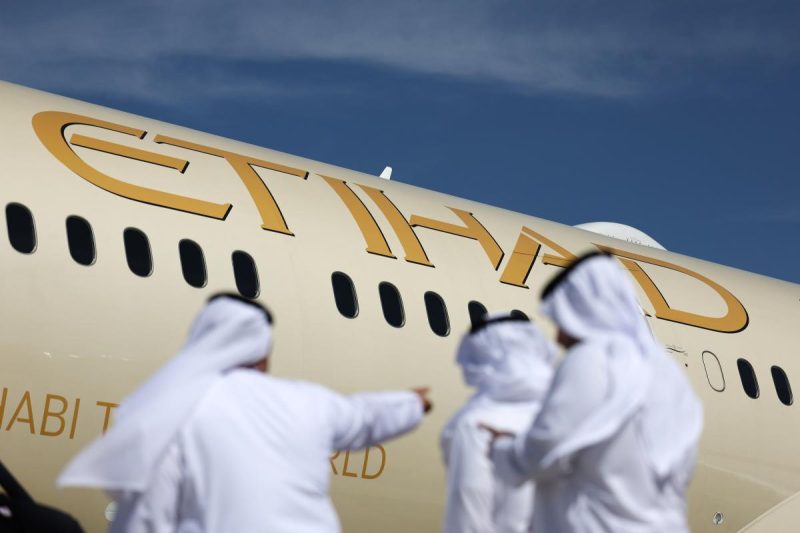
Etihad Airways is set to announce the launch of an initial public offering worth $1 billion, sources have revealed. This marks a significant milestone in the aviation industry, as it would be the first public listing by a major Gulf airline in nearly two decades.

The airline, which is fully owned by Abu Dhabi’s sovereign wealth fund ADQ, intends to offer 20% of its business to the public, with the funds raised being allocated towards accelerating its expansion plans. The decision to go public highlights Etihad’s ambitions to position itself as a stronger player in the global airline industry.

The move also underscores the growing trend among Gulf-based companies to raise capital through IPOs, following a wave of high-profile listings in the region. The Middle East has witnessed a surge in IPO activity in recent years, driven by a desire for diversification and economic growth, in line with the region’s broader efforts to reduce reliance on oil revenues.

Etihad’s decision to open up its equity to public investors is part of a larger strategy aimed at enhancing its operational capabilities and competing more effectively with regional and international rivals. The airline’s plans include expanding its fleet, increasing flight frequencies, and potentially adding new routes to cater to growing demand in key global markets.

The IPO also reflects the broader changes taking place in the aviation sector, particularly in the Gulf region. Airlines in the region, such as Emirates and Qatar Airways, have been aggressively investing in their fleets and expanding their networks in a bid to capture more market share. Etihad’s move to become a publicly traded entity comes as the airline looks to consolidate its position as a leading regional carrier, competing with its peers.

Sources close to the matter suggest that Etihad’s management team is optimistic about the potential success of the IPO, given the ongoing recovery in the global travel industry following the challenges posed by the COVID-19 pandemic. The airline is reportedly confident that investors will be attracted to its growth prospects, as air travel demand rebounds and the aviation sector experiences a strong recovery.

The IPO will be managed by a consortium of financial institutions, which are expected to handle the share sale process. The precise timing of the launch is yet to be confirmed, but it is anticipated to take place in the coming days. As part of the offering, Etihad is likely to sell a portion of its shares to institutional investors, with a smaller portion allocated to retail investors.

Etihad Airways has faced a challenging few years as it navigated the impacts of the global pandemic, which resulted in a significant decline in air travel demand. However, the airline has implemented a series of cost-cutting measures and streamlined its operations in an effort to adapt to the changing market environment. These efforts, coupled with its focus on expanding its network and enhancing its product offering, have positioned Etihad for long-term growth.

Despite the challenges faced by the airline, Etihad has remained committed to its vision of becoming a global aviation leader. The airline’s investment in new technologies, customer service initiatives, and sustainability measures has helped bolster its reputation and attract a loyal customer base. By tapping into the capital markets, Etihad hopes to strengthen its financial position and continue to invest in its future growth.

The IPO is expected to be closely watched by market analysts, investors, and industry experts alike, as it could signal the beginning of a new era for Gulf airlines. If successful, Etihad’s IPO could set a precedent for other regional carriers considering similar moves. Airlines in the region are under increasing pressure to modernize their fleets, improve operational efficiencies, and adapt to changing consumer preferences.

Etihad’s decision to go public is part of the wider trend in the Gulf region, where state-owned companies are increasingly seeking to diversify their operations and raise funds to support growth initiatives. The UAE government has been actively encouraging the privatization of certain state-owned entities to promote economic development and attract foreign investment.

VISHNU RAJA
RYO YAMADA
HITORI GOTOH
IKUYO KITA