Arabian Post Staff -Dubai Dubai’s automotive data market is moving deeper into predictive intelligence after Seez entered a strategic collaboration with AutoData Middle East to strengthen vehicle valuation and market analytics across the region. The agreement brings Seez’s artificial intelligence models into AutoData Analytics, with an immediate focus on the platform’s Future Residual Value module. The integration is intended to improve projections of how vehicles retain value […]
Malicious NuGet packages masquerading as familiar. NET libraries have put developer workstations and build environments at risk of credential theft, with attackers using plausible package names, hidden version histories and obfuscated payloads to target users in Chinese software ecosystems. Five packages identified in the campaign — IR. DantUI, IR. OscarUI, IR. Infrastructure. Core, IR. Infrastructure. DataService. Core and IR. iplus32 — were published through the same account, […]
China’s push into humanoid robots is emerging as a new test of its ability to convert industrial policy, supply-chain depth and scale manufacturing into export power, with Morgan Stanley research arguing that the sector could help lift the country’s share of global manufacturing by the end of the decade.
Economists led by Chetan Ahya have drawn a parallel with electric vehicles, where early policy support, component localisation and aggressive production expansion turned China from a fast follower into the world’s dominant exporter. Their research projects China’s share of global manufacturing could rise to 16.5 per cent by 2030, from about 15 per cent now, as advanced automation and embodied artificial intelligence move from demonstration projects into factory and logistics use.
The bullish case rests on China’s widening lead in humanoid robot production. Industry estimates show the country produced about 12,800 humanoid robots in 2025, close to 90 per cent of global output, though the market remains tiny compared with conventional industrial robotics. China also remains the world’s largest industrial robot market, accounting for more than half of global factory robot installations in 2024, with an operational stock above 2 million units.
That foundation matters because humanoid robots require the same manufacturing strengths that supported China’s rise in solar panels, batteries and electric vehicles: precision motors, sensors, actuators, batteries, control systems, machine vision and low-cost assembly. Local companies are building ecosystems around these components, while provincial governments are offering subsidies, industrial parks and procurement support to accelerate commercial deployment.
Beijing has identified humanoid robots as a strategic industry, setting targets for mass production and global leadership while integrating robotics into wider plans for artificial intelligence and advanced manufacturing. The 15th Five-Year Plan framework is expected to place AI-powered robots near the centre of industrial upgrading, although large-scale commercialisation is more likely toward the later part of the plan period than immediately.
The sector’s momentum has drawn major private capital. Start-ups such as Unitree, UBTech, AgiBot and Fourier Intelligence have moved quickly from stage demonstrations to pilot factory and warehouse deployments. Linkerbot, a fast-growing maker of dexterous robotic hands, is seeking a valuation of about $6 billion after building a strong position in high-degree-of-freedom robotic hands used in humanoids and industrial systems. Its modular products point to an important feature of the market: some of the earliest profits may come from components rather than complete humanoid machines.
Automakers and electronics groups are also moving into the field. Xpeng has said humanoid robotics could become a long-term investment area alongside electric vehicles, while other manufacturers are testing robots for inspection, sorting, materials handling and repetitive shop-floor tasks. The logic is clear. China faces an ageing workforce, rising labour costs in coastal manufacturing hubs and growing pressure from tariff barriers. A successful humanoid robotics industry could help preserve competitiveness even as low-cost labour advantages fade.
The export implications are broader than robot sales. If humanoids improve productivity in Chinese factories, they could lower production costs across electronics, machinery, appliances and consumer goods. That would reinforce the country’s position in global supply chains at a time when the United States, Europe and several Asian economies are trying to reduce dependence on Chinese manufacturing. It could also create a new export category in robots, components, software and maintenance services.
Yet the constraints remain substantial. Humanoid robots are still expensive, often have limited battery life and struggle with unstructured environments. Many can perform scripted tasks in controlled settings but fall short when asked to handle the speed, judgement and dexterity of human workers. Even executives in China’s robotics industry acknowledge that factory humanoids remain less efficient than people in many jobs. Safety certification, liability rules, data protection and workplace integration will also affect adoption.
Dependence on high-end chips and advanced software ecosystems is another weakness. US restrictions on AI semiconductors have pushed Chinese firms to localise more hardware, but training and deploying capable embodied AI systems remains compute-intensive. Without steady access to cutting-edge chips, progress may be uneven, particularly in models that require real-time perception, movement planning and continuous learning.
HONG KONG SAR – Media OutReach Newswire – 7 May 2026 – The Chinese University of Hong Kong (CUHK) has achieved outstanding results in the QS World University Rankings by Subject 2026, released on 25 March, further cementing its position as a global leader in research and academic excellence. Ten CUHK subjects have secured the top position in Hong Kong, and 21 subjects rank among the top 50 worldwide. These outstanding results reflect CUHK’s sustained commitment to research impact and the calibre of its scholars, whose work continues to advance the collective understanding of the world’s most pressing challenges.
CUHK’s Academic Excellence and Global Research Impact
Ranked among the world’s top 50 universities, CUHK ascended to 32nd place globally in the QS World University Rankings 2026, marking a four-place rise that reinforces its role as a hub for rigorous inquiry, and a dynamic environment where students are empowered to pursue meaningful research and knowledge exchange. This trajectory is supported by 17 CUHK researchers recognised on the Highly Cited Researchers 2025 list by Clarivate Analytics, and 431 academics listed among the world’s top 2% scientists by Stanford University. Among them, 47 scholars were ranked within the global top 100 in their respective fields. Notably, three scholars, including Vice-Chancellor and President Professor Dennis Lo Yuk-ming, have earned positions within the global top 10, a distinction that highlights the remarkable depth and excellence of CUHK’s research community.
CUHK’s The Nethersole School of Nursing: Nurturing Research Innovation and Global Talent in Nursing
Among CUHK’s strongest performers in this year’s rankings, the Nethersole School of Nursing has been ranked #1 in Hong Kong and Asia, and #6 worldwide. Reflecting on the academic environment, Pham Nhat Vi DO, a Vietnamese PhD student in Nursing, shared: “My PhD journey at CUHK has transformed my research abilities, critical thinking, and leadership skills. Through CUHK’s outstanding faculty support, I have accessed diverse academic resources and gained invaluable hands-on experience, building a strong foundation for my future career.”
Vi’s research focuses on colorectal cancer survivorship using cutting-edge technology. As the first Vietnamese researcher adopting this approach, her work reflects CUHK’s strength in empowering students to break new ground.
CUHK’s Geography and Resource Management: Advancing Student Research on Pressing Climate Challenges
CUHK’s Department of Geography and Resource Management has also earned notable recognition in this year’s ranking, placing #4 in Asia and #21 worldwide. Arati POUDEL, a Nepali PhD student, highlighted the University’s research ecosystem as a key defining aspect of her experience. “CUHK exceeds expectations through outstanding research facilities, supportive faculty, and comprehensive professional development opportunities. The prestigious Belt and Road Scholarship has also enriched my research journey in this beautiful campus environment.”
Supported by CUHK, Arati’s research investigates how adaptation to climate extremes—particularly water scarcity and excess—are being addressed, and the pivotal role played by communities and civil society in leading these responses.
Through the QS World University Rankings by Subject 2026, CUHK continues to demonstrate the impact of its research and scholarship. These achievements underscore the University’s growing influence on the global academic stage and its steadfast commitment to addressing complex global challenges through innovation, insight, and collaboration. Hashtag: #CUHK
The issuer is solely responsible for the content of this announcement.
About CUHK
The Chinese University of Hong Kong (CUHK) is a leading higher education institution dedicated to nurturing and empowering students to become responsible and compassionate global citizens. With a rich heritage and a forward-looking vision, CUHK strives to blend tradition with innovation, fostering academic excellence, research breakthroughs, and meaningful societal impact.
Screening 104 Matches across 3 Major Malls, with over 40% Morning Kick-offs and Dedicated Family Zones to Encourage Cross-Generational Football Viewing
Olympian City “Classic x New”, tmtplaza “Football King Challenge”, Citywalk “Baby Football Mania”
More than 50 Activities to be held, with Double-Digit Growth Expected in Football and Sports-Related Retail Sales
HONG KONG SAR – Media OutReach Newswire – 6 May 2026 – The highly anticipated quadrennial major football event will kick off in mid-June, igniting excitement among fans citywide. Committed to supporting international sporting events, Sino Group announces that its shopping malls will be screening the tournament in full for the fourth consecutive edition. The Group will invest over HK$8 million in promotional spending. Its three flagship malls — Olympian City, tmtplaza and Citywalk — will broadcast all 104 matches live in high definition on giant LED screens, offering the public an immersive stadium-like experience and uniting fans across Hong Kong in celebration of global football fever.
Sino Group Broadcast International Football Tournament for Fourth Straight Edition Over HK$8M Invested to Launch ‘Sino Malls Goal Together’ Campaign
Ms. Bella Chhoa, Chief Commercial Officer of Sino Group, remarked: “Sino Group has long been dedicated to promoting local sports development and major international sporting events. This year, over 40% of the matches will kick off in the morning Hong Kong time, creating a unique ‘morning sports economy’. Beyond core football fans, the early kick‑offs are ideal for families, allowing parents, children and even three generations to enjoy breakfast together while watching matches. A dedicated family viewing zone and morning match viewing parties will be introduced at Olympian City to encourage football culture across generations. In total, over 50 football‑themed activities will be organised across the malls, catering to toddlers, families, hardcore fans and e‑sports enthusiasts alike, seeking to unite the city and share the excitement. In addition, nearly 100 merchants will roll out special promotions in phases across dining, sportswear and electronics categories and more.” She added that the Group expects the football frenzy to significantly boost local consumption, with double‑digit year‑on‑year growth anticipated in both mall footfall and sales performance of sports‑related retailers.
To enhance the viewing experience, matches will be broadcast on the 430‑inch and 540‑inch giant LED screens at Olympian City and tmtplaza respectively, with Citywalk also offering simultaneous HD live broadcasts, bringing fans from across the city together to cheer on their favourite teams.
Olympian City: “Classic x New” Football Fun for All Generations
Yapp Hung Fai Appears with Three Generations of Family | Classic “Watermelon Ball” Meets the New Football Challenges
As the main broadcasting hub, Olympian City will screen all 104 matches in full and, in view of the strong appeal of morning fixtures, will set up a dedicated Family Zone with family seating and cheering props for all 44 morning matches, bringing families together to jointly experience a world‑class sporting spectacle. 3 special morning match viewing parties will offer breakfast menus including Chinese dim sum, Hong Kong-style pineapple buns and Western fast food, allowing fans to enjoy breakfast while cheering for their favourite teams.
Under the theme of “Classic x New”, Olympian City welcomes the Hong Kong Footballer of the Year, Yapp Hung Fai, who will attend with his father and four‑year‑old son to share stories of football heritage across generations, alongside a series of interactive highlights including a 3.5-metre-tall classic “Watermelon Ball” photo spot, retro arcade football game on a 430-inch LED screen, traditional tabletop football, innovative under-table football and a 2-on-2 mini match featuring age-grouped competitions, allowing children and adults alike to experience the joy of football from multiple perspectives.
tmtplaza: Clear 10 Rounds to Win Up To HK$40,000 in cash vouchers at “Football King Challenge”
tmtplaza will partner with PlayStation to present the highlight weekend event “Football King Challenge”, featuring PlayStation®5 EA SPORTS FC™ 26 gameplay in a classic knockout format. Participants who clear 10 consecutive rounds can win HK$10,000 S Coupons, with no quota limit. The top 16 finalists will advance to the grand finale to compete for the Football King title and HK$30,000 worth of S Coupons, also a chance to challenge well‑known KOLs onsite. A dedicated PS5 football gaming experience zone will be open to the public, allowing e-sports players and football fans alike to showcase their skills in the virtual arena.
Beyond e‑sports, the mall actively promotes youth sports development. In collaboration with local football academy LBRO, football experience sessions and regular interest classes for children aged 3 to 10 will be held from May at tmtp commons, led by professional coaches to nurture interest, teamwork and perseverance.
Additionally, the mall atrium will transform into a giant football field, featuring 11 international football stars reimagined by local designers as 2‑metre‑tall Q‑style inflatable “Football Stars” for photo‑taking.
Citywalk: Kick-Off for All Ages – From Babies to Seniors
In addition to live match broadcasts, Citywalk will roll out a series of football‑themed activities designed to engage participants of all ages, launching with “Baby Football Mania”, which features football‑inspired crawling and obstacle courses for babies, alongside “Senior Football Adventures”, offering football fitness exercises tailored for elderly participants. The programme will be rounded out by the “Goddess of Goals Challenge”, a pop‑up interactive game inviting shoppers of different generations to join in, ensuring that children, families and seniors alike can share in the excitement of the football spectacle together.
More exciting programmes will be announced soon. Stay tuned for more. Hashtag: #SinoGroup #OlympianCity #tmtplaza #Citywalk
The issuer is solely responsible for the content of this announcement.
Auto China 2026 closed in Beijing on Sunday after setting new benchmarks for scale, attendance and vehicle premieres, reinforcing China’s position as the central battleground for electric vehicles, intelligent driving and next-generation automotive supply chains.
The 19th Beijing International Automotive Exhibition, held from April 24 to May 3, brought together nearly 1,000 companies from 26 countries and regions across two venues for the first time. Its 380,000 square metres of exhibition space, spread across 17 halls at the China International Exhibition Center in Shunyi and the Capital International Convention and Exhibition Center, made it the largest edition in the event’s history.
Organisers recorded 1.28 million visitors, including about 65,000 overseas attendees, underlining the show’s growing appeal beyond China’s domestic market. A total of 1,451 vehicles were displayed, including 181 world premieres and 71 concept cars, placing the event among the most active global platforms for new model launches.
The numbers told only part of the story. Auto China 2026 was dominated by a clear shift from conventional vehicle launches to software-defined mobility, artificial intelligence, battery breakthroughs and advanced driver assistance. Carmakers used the show not merely to present new models, but to demonstrate how quickly vehicles are becoming technology platforms.
China’s home-grown manufacturers were at the centre of the exhibition’s momentum. BYD, XPeng, Nio, Geely, Chery, Dongfeng and Huawei-linked brands showcased vehicles and systems aimed at defending their lead in the world’s largest car market while accelerating overseas expansion. Their focus was sharply aligned with consumer demand for longer range, faster charging, smarter cabins and more automated driving functions.
BYD highlighted fast-charging and low-temperature battery performance, including technology designed to charge under conditions as cold as minus 30 degrees Celsius. CATL drew attention with new battery systems promising ultra-fast charging and longer driving ranges, including a version of its Shenxing battery that can charge from 10 per cent to 98 per cent in about six and a half minutes. These advances added further pressure on global rivals still working to close gaps in battery cost, charging speed and supply-chain depth.
Huawei’s presence illustrated the growing power of technology suppliers inside the automotive ecosystem. Its intelligent driving systems, HarmonyOS cockpit technology and vehicle partnerships featured prominently across several brands. The company’s Qiankun advanced driving system was presented as part of a broader push into AI-assisted mobility, with claims of stronger collision avoidance and more natural in-car interaction.
XPeng used the event to promote intelligent driving features that can detect when a driver is unable to control the vehicle, pull over automatically and alert emergency services. Nio displayed its three brands, Nio, Onvo and Firefly, together at the same booth, signalling a wider product strategy covering premium, family and mass-market electric segments.
Foreign automakers also used Beijing to reset their China strategies. Volkswagen introduced China-focused electric models and AI-driven cockpit features developed with local partners, including XPeng and Horizon Robotics. BMW, Mercedes-Benz and Toyota presented products tailored to a market where customers increasingly expect high-end digital functions even in mid-priced vehicles.
The competitive pressure remains intense. China’s passenger car sales fell sharply in the first quarter from a year earlier, reflecting weaker subsidy support, cautious consumers and price competition across the sector. Exports, however, continued to expand strongly as China-made vehicles gained ground in Europe, Southeast Asia, Latin America and other growth markets.
That divergence shaped much of the discussion around the exhibition. Domestic demand is tougher, margins are thinner and consolidation risks are rising, yet China’s automakers and suppliers are moving faster on product cycles than many overseas competitors. More than 80 new models were launched in China in March alone, a pace that underscores the speed of iteration in the market.
Auto China 2026 also showed that global expansion is entering a new phase. Chinese manufacturers are no longer relying only on exports. Several are building or planning overseas production bases to reduce tariff exposure, ease regulatory concerns and strengthen local market access. Hungary, Turkey, Southeast Asia and Latin America have emerged as important destinations for investment.
Beijing has moved from denunciation to direct legal defiance of US sanctions, ordering companies and financial institutions under its jurisdiction not to recognise or comply with American penalties imposed on five refiners accused of involvement in Iranian oil trade.
The order, issued by the Ministry of Commerce on 2 May, marks China’s first known use of a formal blocking mechanism against US sanctions on domestic companies. It targets measures against Hengli Petrochemical Refinery Co, Shandong Shouguang Luqing Petrochemical Co, Shandong Jincheng Petrochemical Group Co, Hebei Xinhai Chemical Group Co and Shandong Shengxing Chemical Co. The firms had been placed under US restrictions linked to alleged purchases or processing of Iranian crude, including asset freezes and transaction bans.
The move places banks, insurers, commodity traders and shipping intermediaries in a difficult position. Compliance with Washington’s restrictions may now expose them to legal risk in China, while compliance with Beijing’s order may expose them to penalties under the US sanctions regime. For large Chinese banks with international operations, the dilemma is particularly acute because access to dollar clearing, correspondent banking and global capital markets remains central to their business.
China has long rejected unilateral US sanctions as illegitimate, especially when they apply beyond American territory. Until now, however, Beijing had often allowed major financial institutions and state-linked enterprises to quietly reduce exposure to sanctioned entities to avoid jeopardising access to the US financial system. The latest order changes that balance by instructing domestic parties not to recognise, enforce or comply with the penalties.
The legal basis lies in China’s blocking rules against what Beijing describes as unjustified extraterritorial application of foreign laws. Those rules, introduced in 2021 and strengthened by additional countermeasure regulations, allow authorities to prohibit compliance with foreign restrictions that impair normal business with third countries. The 2 May order says the US measures against the refiners improperly restrict lawful trade and harm the rights of Chinese entities.
The immediate trigger is Washington’s renewed pressure on Iranian oil revenues. Hengli’s Dalian refinery, with capacity of about 400,000 barrels per day, is among the most prominent privately owned refining assets to be targeted. US authorities have accused it of buying large volumes of Iranian crude. Hengli’s parent has denied trading with Iran and said operations remain normal.
Other sanctioned firms are part of China’s independent refining sector, often described as “teapot” refiners, clustered mainly in Shandong and surrounding provinces. These companies have become central to China’s discounted crude imports, including oil from Iran and Russia, as state refiners have generally been more cautious in handling cargoes exposed to sanctions risk.
The financial implications extend beyond the refiners themselves. Banks processing payments, lenders providing working capital, insurers covering cargoes, shipowners transporting crude and brokers arranging trades could all face competing legal obligations. International banks are likely to adopt a more conservative stance, while smaller domestic institutions may come under pressure to maintain services to companies protected by Beijing’s order.
Hengli has already moved to limit operational disruption. Its Singapore trading unit was restructured after the US designation, with a majority stake transferred to a company linked to a local government entity in Dalian. The shift has not fully reassured counterparties, as brokers and financial institutions remain wary of dealing with entities connected to sanctioned operations.
The confrontation comes as energy markets are adjusting to tighter enforcement against Iranian crude flows. China remains Iran’s largest oil customer, with independent refiners attracted by discounted barrels at a time when domestic margins are under pressure. Traders have reported that cargoes are often routed through complex shipping arrangements, with documentation obscuring origin and payments settled through non-dollar channels.
For Beijing, the order is also a political signal. It asserts that China will not automatically absorb the costs of US secondary sanctions when strategic commodities, energy security and private industrial champions are involved. It also offers reassurance to domestic firms that the government is prepared to use legal instruments rather than limit itself to diplomatic protest.
For Washington, the step complicates enforcement. Sanctions work most effectively when banks and intermediaries avoid designated firms without needing direct prosecution. If China compels non-compliance at home, US authorities may have to decide whether to escalate against financial institutions that continue servicing the refiners, a move that could widen the dispute from energy trade into the banking system.
Matein Khalid As the world’s leading trading power, China’s vast export engine fuelled a $1.2 trillion current account surplus in 2025. At the same time, it is the largest importer of crude oil globally, with around 40 percent sourced from the Middle East. This exposure gives Beijing a clear stake in Gulf stability – prioritising secure maritime transit through energy chokepoints and uninterrupted access to the GCC’s trillion-dollar development […]
MILAN, ITALY – Media OutReach Newswire – 1 May 2026 – As the dynamic interplay of light and shadow along the Putuo District section of Suzhou Creek in Shanghai, known as the “Half Marathon Suzhou Creek,” met the artistic atmosphere of Milan Cathedral, a spring dialogue spanning continents opened warmly as part of the “Shanghai in My Mind · Spring Shanghai” pop-up event series in Milan. On April 25, the “Putuo Day” themed event was held at a newsstand in Largo Augusto, Milan. Centered on the theme “Half Marathon Suzhou Creek · Garden of Light,” the event offered local residents an immersive experience of the distinctive charm of Shanghai’s Putuo District.
Light as a Bridge: A Garden of Light in Miniature
Centered on the theme of “Garden of Light,” the pop-up event blended Putuo’s cultural heritage with Milan’s artistic aesthetic, transforming the compact newsstand into four themed spaces: the Light of Development, the Light of Vitality, the Light of Warmth and the Light of Craftsmanship. Together, they created a refined and richly layered exhibition of urban aesthetics.
The Garden Walk zone conveyed the “Light of Vitality,” with artificial greenery recreating the energy of the Suzhou Creek waterfront. Cultural and creative products from the “Half Marathon Suzhou Creek” collection, including sand-art magnets, liquid-motion coasters and custom scarves, added to the lively atmosphere. The Interactive Experience zone embodied the “Light of Warmth,” linking stamp collecting, message sharing and film screenings to create a welcoming space where every visitor could take part in the cross-cultural exchange. The Craftsmanship Heritage zone interpreted the “Light of Craftsmanship,” featuring century-old Hero pens, intangible cultural heritage bamboo weaving and pieces from the Shanghai Mint, highlighting the brilliance of Eastern craftsmanship through light and shadow. The Light and Shadow Window zone represented the “Light of Development.” Warm light passed through suspended golden bookmarks, casting colorful reflections across the walls and floor, echoing the stained-glass windows of Milan Cathedral.
At the event, local residents and visitors posed for photos with light-and-shadow bookmarks, wrote heartfelt messages on postcards, and captured joyful moments with instant cameras. They collected commemorative stamps as keepsakes, experienced the elegance of Eastern writing with Hero pens, and watched the VR film “HI, This Is Half Marathon Suzhou Creek” for an immersive introduction to Putuo. The pop-up event transcended barriers of language and distance, bringing the urban charm of Putuo to people in Milan through experiences that were tangible, engaging and memorable.
Spring Echoes: Suzhou Creek’s Story Continues in Light
The “Spring Shanghai” themed pop-up was not only a city showcase in Milan, but also a dialogue between two cities across Europe and Asia. To extend the memory of this celebration of light, Putuo has created a “Garden of Light” themed corner at the Half Marathon Suzhou Creek Café & Cultural Creative Store, allowing cultural exchanges between the two places to continue to grow.
Inside the store, white magnolias and azaleas feature throughout the décor, symbolizing friendship and dialogue between the two cities. Decorative decals inspired by the stained-glass windows of Milan Cathedral cast colorful patterns of light across the floor, creating an aesthetic connection between Shanghai and Milan. Messages from visitors collected during the Milan event, handwritten postcards and instant photos will be displayed in artistic installations, including a corridor of greetings and a light-and-shadow photo wall reflecting a blend of Chinese and Italian culture. Limited-edition light-and-shadow bookmarks and other themed merchandise will also be introduced, while messages written by Shanghai residents in response will be compiled into a collection, creating a two-way bond of mutual goodwill.
From Milan to Suzhou Creek, Putuo used light as a bridge to continue the friendship between China and Italy across the two cities, while enabling more people to see and understand the story of “Half Marathon Suzhou Creek.”
Vibrant Putuo: Half Marathon Suzhou Creek in Full Flow
Putuo District is actively participating in China’s Yangtze River Delta integration strategy. It supports the development of the Shanghai–Nanjing Industrial Innovation Belt, advances the “one belt, one core, one city” framework, and promotes a vision of a coordinated innovation zone and a high-quality Half Marathon Suzhou Creek area. A digital-driven upgrade of the bulk commodity trade supply chain is currently taking shape. Along the Suzhou Creek waterfront, ecological landscapes are increasingly being transformed into spaces for industrial development. The Zhenru sub-center is speeding up its digital transformation, combining heritage with modern urban functions and integrating cultural and commercial activity. Taopu Smart City is emerging as a hub for R&D and advanced manufacturing, as it moves toward becoming a model for integrated urban-industrial development. Together, these developments are helping drive Putuo’s high-quality growth.
Industrial growth brings urban vitality, and a vibrant city improves people’s quality of life. Building on a solid foundation of high-quality development, Putuo is shaping a livable and business-friendly district defined by energy and human warmth. It is both a hub for sports and an appealing place to live. Major events such as the Suzhou Creek Half Marathon, dragon boat races, the 10km Elite Race and the National Curling Championships showcase the district’s dynamism and competitive spirit. Daily life offers a different rhythm. TOP Central Park provides expansive green space, the RV Music Festival draws crowds with live performances, M50 Creative Park remains a center for arts and culture, and Hong Shou Fang blends Shanghai-style charm with the atmosphere of neighborhood street life. Putuo is working to build a district-wide “15-minute community living circle,” giving residents convenient access to education, healthcare, eldercare and retail services. It is advancing child-friendly urban development, expanding the silver economy to better serve seniors, and creating homes and support services for the city’s builders and frontline workers. Through these efforts, openness, inclusiveness and warmth have become defining features of the district.
Arabian Post Staff -Dubai Samsung Electronics has signalled plans to expand its wearable device ambitions into AI glasses, even as it warned that a deepening global memory shortage could intensify through 2027 and raise costs across consumer electronics, servers and mobile devices. The remarks came during the company’s first-quarter 2026 earnings call, where executives linked the squeeze in RAM and storage supply to the rapid build-out of […]
SINGAPORE – Media OutReach Newswire – 30 April 2026 – AI for Global Civilization: China-Singapore Dialogue was held in Singapore on April 28. The event gathered around 100 participants, including experts, scholars, and representatives from Chinese and Singaporean academic institutions, cultural organizations, as well as technology and cultural enterprises. Participants engaged in in-depth discussions on China-Singapore digital industry cooperation and how digital and intelligent technologies empower inter-civilizational mutual learning. They also jointly showcased innovative achievements and frontier practices of both sides in the integrated field of culture and technology.
Event Highlights
Opening remarks were delivered by Yuan Lin, Executive Assistant to the President of the Academy of Contemporary China and World Studies, and Wang Donghai, Associate Director of NUS Enterprise. Keynote speeches were delivered by Cai Yiyu, Professor at Nanyang Technological University; Director of the Computer-Aided Engineering Labs and The Strategic Research Program on Virtual Reality; Co-President of Association of Global Technomics Education and Exchange; Cui Kai, Director of the Digital Culture Promotion Department, Center for International Cultural Communication, China International Communications Group (CICG); and Yang Jianwei, Visiting Professor at the National University of Singapore.
Yuan Lin stated that the rapid development of artificial intelligence technology has injected new momentum into China-Singapore cultural exchanges. He stressed the importance of innovating cultural expression forms empowered by digital intelligence, upholding a correct value orientation in technological application, deepening people-to-people exchanges enabled by smart technologies, and actively exploring the profound value of intelligent technologies in advancing cross-cultural understanding.
Wang Donghai pointed out that it is essential to prioritize the integration of technological applications with social needs. Leveraging cutting-edge technologies such as artificial intelligence to build bridges for civilizational exchange helps enhance cross-cultural understanding, enabling technology to better serve humanity and drive social progress.
Cai Yiyu noted that Singapore is forging ahead in cutting-edge fields including semiconductors, aerospace and artificial intelligence, opening up broad prospects for bilateral cooperation between China and Singapore. He emphasized that digital and intelligent technologies can be harnessed to revitalize and inherit traditional culture via youthful, trendy formats, thereby further deepening scientific, technological and people-to-people exchanges between the two countries.
Cui Kai stated that intelligent imaging technology is profoundly reshaping the logic of cross-cultural narrative. Digital content creation is not merely about keeping pace with technological advancement; more importantly, it should take emotional resonance as the bond to break down cultural barriers, foster in-depth empathy, mutual learning and appreciation among global civilizations, and enable more outstanding civilizational achievements to be seen, understood and respected worldwide.
Yang Jianwei noted that artificial intelligence is becoming an important vehicle for inter-civilizational mutual learning, while cultural differences remain a core obstacle to cross-cultural communication. He advocated for the innovative and rational use of artificial intelligence in the future to eliminate prejudices and enhance civilizational understanding through technological power.
In the Case Sharing Session, guest speakers included Lisa Meng, Head of Singapore of Tencent Cloud International; Koh Chin Yee, Managing Director of Singapore Eye; Bai Yu, Director and Partner of LAiPIC; Hu Chengchen, Founder & CEO of ClariPpi (Singapore); Jane Zhao, SVP and Head of Global Business at Mininglamp Technology; and Jerry Tuo, AI Technology Director of Red Fun Planet. They delivered insightful presentations on the application prospects of artificial intelligence in content production as well as inter-civilizational mutual learning and exchange.
The participating guests agreed that artificial intelligence has brought revolutionary changes to the intelligent production, targeted communication and immersive presentation of cultural content. China and Singapore boast strong complementarity in digital infrastructure and cultural resources. Going forward, the two sides may deepen cooperation in joint research and development and scenario-based application, develop benchmark cultural-technology products and integrated solutions tailored for Southeast Asia, and jointly advance the high-quality development of the digital cultural industry.
This event was jointly hosted by the Academy of Contemporary China and World Studies and the Center for International Cultural Communication,CICG, with Nanyang Technological University and other cultural and business exchange institutions participating as supporting partners.
Hashtag: #ACCWS
The issuer is solely responsible for the content of this announcement.
By Nitya Chakraborty Just two weeks before the scheduled summit of U.S President Donald Trump with the Chinese President Xi Jinping in Beijing on May 14-15, the report of the World Intellectual Property Organisation (WIPO) on the status of AI related applications, has unnerved the U.S. administration as the latest Chinese supremacy in robot related […]
BEIJING, CHINA – Media OutReach Newswire – 29 April 2026 – Auto China 2026 officially opened in Beijing. Under the theme of “Commitment & Integrity,” GWM unveiled its comprehensive global localization strategy for the first time. Backed by a compelling product lineup and cutting-edge technology, the GWM booth quickly became one of the most talked-about highlights of the show.
Left — GWM ONE Platform; Center — GWM CEO Mu Feng Delivers Keynote Speechat Auto China 2026; Right — High-Performance V8
In his speech, GWM CEO Mu Feng emphasized that commitment and integrity are essential to accelerating high-quality growth. Guided by the GWM ONE (Guiyuan) philosophy, GWM continues to focus on real user needs, building solid product strength, technological excellence, and global brand value.
“Trust built on commitment and integrity is the strongest foundation in business,” Mu said. From a global perspective, he reaffirmed GWM’s commitment to deepening its roots in international markets, constructing a complete business ecosystem, and advancing what he called “ecosystem-based globalization.” Based on respect, long-term dedication, and genuine local cultivation, the company aims to forge lasting bonds of trust with users worldwide.
A Robust Portfolio Defining Elevated Product Excellence
At Auto China 2026, GWM showcased a comprehensive portfolio spanning six major lineups. From family SUVs to premium off-road vehicles, from urban commuting to long-distance motorcycle touring, the offerings are thoughtfully engineered to meet the diverse demands of today’s mainstream global consumers.
The WEY V9X is the first flagship model built on the GWM ONE S Platform. With its spacious six-seat layout, native AI agent, and Super Hi4 hybrid architecture, the V9X was developed not just for China, but as a global model for users worldwide.
The all-new TANK 700 made a strong impression with dual-flagship powertrain options: 3.0 Hi4-T and 2.0 Hi4-Z, making it the first body-on-frame model to integrate a VLA large model. The GWM P300 Hi4-T adopts the Hi4-T hardcore off-road super hybrid architecture, equipped with the Coffee OS 3 smart cockpit and high-power external discharge, delivering intelligence, reliability, and all-scenario adaptability. The P500 Hi4-T offers higher performance and greater luxury, ushering pickups into a new 4.0 era of “all-scenario, intelligent, and new energy.”
For key markets such as Australia and Thailand, where off-road culture is deeply rooted, these two models powerfully demonstrate GWM’s localized product expertise.
Designed for young users seeking individuality and a lifestyle-oriented mobility experience, the GWM ORA 5 Sport has already generated strong interest in Europe and Southeast Asia. During the auto show, overseas media also took part in in-depth test drives, allowing the product itself to prove GWM’s technological claims.
The entire SOUO Motorcycles lineup stole the spotlight with the world’s only 2,000 cc horizontally opposed eight-cylinder engine, redefining the premium long-distance motorcycle touring experience. Within GWM’s brand matrix, SOUO is the clearest expression of the brand’s “confidence in driving culture.”
Behind every compelling vehicle lies deep technological strength. The GWM technology zone drew large crowds eager to explore the company’s latest R&D advancements firsthand.
High-Performance V8: At the auto show, GWM introduced a new high-performance powertrain architecture headlined by an all-new in-house high-performance V8 engine — a major step forward in GWM’s powertrain capabilities. The company also showcased a world-class lightweight solution featuring extensive carbon fiber, as well as a newly adopted mid-engine layout designed to deliver exceptional handling performance.
GWM ONE Platform: In intelligent technology, GWM has built a formidable competitive moat across data, algorithms, and computing power. Its VLA assisted-driving large model and other intelligent technologies have received wide acclaim. The GWM ONE Platform supports five powertrain variants: PHEV, HEV, BEV, FCEV, and ICE. It enables one platform to support multiple powertrains, product categories, body styles, and global markets. Built on native AI, the platform integrates dual VLA large models and creates a native full-stack intelligent agent. It also uses AI to redefine safety logic, deeply fusing active and passive safety systems and reinforcing GWM’s commitment to safety.
GWM Hi4 has evolved into a comprehensive powertrain family tailored to different driving scenarios and user needs. The new-generation Hi4 technology continues to deliver “the performance of four-wheel drive with the energy consumption of two-wheel drive,” making advanced all-wheel-drive capability more accessible than ever. Hi4-Z is designed for general off-road scenarios, while Hi4-T is for hardcore off-road demands, each bringing distinctive strengths and further consolidating GWM’s leadership in off-road mobility.
GWM also presented its forward-looking diesel hybrid technology for demanding off-road and towing scenarios. The new powertrain is expected to cut urban fuel consumption by 15% while boosting acceleration performance by 40%.
Ecosystem-Based Globalization Builds Stronger Global Brand
At Auto China 2026, the GWM booth attracted large numbers of overseas visitors, media journalists, dealers, and investors, becoming a key platform connecting GWM with global users. The invitation of 1,500 media and dealers reflects GWM’s growing global appeal. According to some overseas media reports, Chinese automakers are reshaping industry norms through shorter R&D cycles, innovative concepts, and well-coordinated supply chains.
Amid rising complexities and tariff barriers, GWM is shifting its global strategy from simple product exports toward comprehensive local ecosystem development — an approach increasingly recognized across the industry. The future of global competition will no longer be about exporting products, but about the coordinated global expansion of technology standard-setting, supply chains, and brand value as an entire ecosystem.
At Auto China 2026, GWM showcased core technologies including the super V8, Hi4 Hybrid, and ADAS — technologies that will help the company participate in setting global industry standards and building a lasting brand moat.
Reliable products remain GWM’s promise to users. Accessible technology is its contribution to the industry. Ecosystem-based globalization is its commitment to local communities. GWM is taking root and growing in every aspect of its global operations — from technical architecture and product definition to manufacturing, after-sales service, compliance, and cultural integration. While the industry remains focused on overseas sales growth, GWM has already elevated “deep localization” as a new benchmark for global success, building a shared future with users through genuine, long-term commitment.
Hashtag: #GWM
The issuer is solely responsible for the content of this announcement.
Beijing’s move to sharpen penalties for unauthorised rare earth production sent shares of major producers higher, as investors assessed a tougher enforcement regime that could curb illegal supply and reinforce China’s control over a sector central to clean energy, defence and advanced manufacturing.
China’s Ministry of Industry and Information Technology has opened public consultation on detailed penalty benchmarks under the Rare Earth Management Regulations, setting out how authorities should punish breaches involving mining, smelting, separation, product circulation and data reporting. The draft rules target companies and individuals that exceed state production quotas, operate without approval, process illicit raw materials, falsify traceability data or obstruct inspections.
The consultation runs until 28 May, adding another layer to a regulatory structure that took effect on 1 October 2024. The framework places rare earth mining, smelting and separation under a “total control” system, giving Beijing formal authority to set production limits and police flows across the supply chain. The new penalty table is designed to narrow discretion in enforcement by grading violations according to value, volume, frequency and consequences.
Rare earth-linked equities climbed in Shanghai and Shenzhen after the announcement. China Northern Rare Earth, China Rare Earth Resources and Technology, Huahong Technology and other names tied to mining, processing and permanent magnets moved sharply higher during Wednesday trading. The rare earth permanent magnet segment also advanced, helped by firmer prices for praseodymium-neodymium products and stronger first-quarter earnings from leading producers.
Investors read the draft as a supply-side signal. Stricter penalties could reduce unapproved output that has historically weighed on pricing during periods of weak demand. For larger quota-holding groups, tighter enforcement may support margins by giving compliant producers a stronger position in pricing and procurement. China Northern Rare Earth reported a first-quarter net profit of about 918 million yuan, more than double the level a year earlier, helped by higher average prices for core rare earth products. China Rare Earth Resources and Technology also posted a sharp rise in quarterly profit as prices for selected products improved.
The proposed penalties are substantial. Unauthorised smelting and separation, misuse of rare earth mineral products by recycling or comprehensive utilisation companies, and trading in illegal rare earth products can lead to confiscation of products, unlawful income and related equipment. Fines may reach five to 10 times unlawful gains, while cases with no gain or gains below defined thresholds can still attract penalties running into millions of yuan. Serious breaches can result in business licence revocation.
Traceability is a central element of the enforcement push. Companies that fail to record, upload or maintain data on product flows face fines and possible suspension if they refuse to rectify violations. The system is intended to make it harder for illegal ore, semi-processed products or recycled materials to enter formal supply chains undetected. It also strengthens the state’s ability to align domestic output with industrial policy, export controls and strategic stockpiling objectives.
Rare earths comprise 17 elements used in permanent magnets, electric vehicles, wind turbines, smartphones, robotics, missile guidance systems, radar, drones and precision equipment. China accounts for roughly 70 per cent of global rare earth mining and an even larger share of processing, refining and magnet manufacturing. That position gives Beijing significant influence over a supply chain that remains difficult and costly for other economies to replicate.
The policy shift comes against a backdrop of heightened competition over critical minerals. Export controls introduced in 2025 placed rare earth materials and related technologies at the centre of trade negotiations and industrial security planning. Licensing delays and tighter availability of high-performance magnets have already affected downstream manufacturers, particularly in automotive, electronics and defence-linked industries.
Western governments and companies are trying to build alternative supply chains, but progress remains uneven. Mining projects in the United States, Brazil, Australia, Greenland and parts of Africa have attracted capital, while magnet-making and separation capacity outside China remains limited. Processing is the central bottleneck, requiring specialised technology, environmental safeguards and long approval timelines. New ventures can take years to move from exploration to commercial output, leaving buyers exposed to Chinese policy decisions.
Environmental enforcement is also part of the equation. Illegal mining and poorly controlled processing have caused soil, water and radioactive waste concerns in several producing regions. Tougher penalties can be framed not only as an industrial strategy but also as an attempt to reduce pollution, consolidate smaller operators and push production towards state-backed or better-capitalised firms.
By Saifur Rahman GCC financial wealth is projected to grow by roughly 4.7–5.2 percent annually, reaching US$3.5 trillion by 2026–2027, up from US$2.7–US$2.8 trillion in 2021–2022, driven by high oil prices, robust IPO activity in the UAE and Saudi Arabia, and a rising influx of high-net-worth individuals, according to a report by Boston Consulting Group. The recently announced plans by the UAE Government to automate 50 per […]
SUBANG JAYA, MALAYSIA – Media OutReach Newswire – 28 April 2026 – China-based home furnishing brand 居然之家 Easyhome has officially launched Easyhome Mall in Kuala Lumpur on 26 April 2026, marking its first major step into the Southeast Asian market and a key milestone in advancing China–Malaysia economic and trade cooperation.
From left: SUPT. Tan Shyong Shan, ACP Wan Azlan Wan Mamat, Philip Ho, Datuk Ab Wahab Bin Khalil, Wang Ning, Li Zhiqiang, KH Lim, and Vincent Lee Seng Chiang officiated the ribbon-cutting ceremony for Easyhome Mall.
The grand opening ceremony welcomed a distinguished lineup of guests, including Wang Ning, Chairman and CEO of Easyhome; Tuan ACP Wan Azlan, Subang Jaya Police Chief; Tan Shyong Shan, Staff Officer for Enforcement (Inspector-General of Police’s Office); Vincent Lee Seng Chiang, CEO of Nanyang Siang Pau; Li Zhiqiang, Vice President of CECA and General Manager of China Telecom Malaysia; Dato’ Sri Dr. Philip Ho, CEO of Pavilion Group; KH Lim, Founder and CEO of Senheng; Dato’ Abdul Wahab, Advisor to Pavilion Group; and General Manager Xue Yaqi. Strategic Entry into Southeast Asia
Wang Ning expressed strong confidence in Malaysia’s development prospects, positioning the country as a key starting point and strategic hub in the company’s global expansion roadmap.
He noted that as China’s manufacturing capabilities continue to advance, its products have become increasingly competitive globally, making international expansion an inevitable direction. At the same time, younger consumer demographics worldwide are driving demand growth, further reinforcing the push into overseas markets.
Malaysia’s mature business environment, openness to foreign investment, and strategic role as a gateway to Southeast Asia were key considerations. Moving forward, Easyhome Mall will serve as a base to expand into Southeast Asia, as well as into the Middle East and Central Asia.
Wang also revealed that the internationalisation strategy began approximately three years ago, with Malaysia being the first large-scale overseas implementation. Over the next three years, the company plans to strengthen its local supply chain and expand into key cities such as Johor Bahru and Penang, alongside other major regional markets. A New Benchmark in Home & Lifestyle Retail
Established in 1999, Easyhome has grown into one of China’s leading home furnishing retail groups, operating nearly 400 stores nationwide. Its business ecosystem spans design services, furniture and building materials retail, smart logistics, and commercial operations, with strong emphasis on customer-centric service standards.
The Malaysia debut represents a replication of its proven “one-stop home solution” model, integrating China’s advanced supply chain with local consumer needs to deliver a seamless and innovative retail experience.
The project is developed in collaboration with Pavilion REIT, combining operational expertise and resource strengths to establish a benchmark for China–Malaysia commercial cooperation. Empowering Smart Living Through Innovation
A representative from Pavilion REIT noted that the opening of Easyhome Mall marks a new phase for the Subang project, reflecting continuous upgrades and transformation to better serve the local community.
As technology reshapes lifestyles, homes are evolving into more intelligent and interconnected spaces. In response, Easyhome Mall introduces a new retail concept that integrates smart home technologies with modern living experiences, bringing a new dimension to Malaysia’s retail landscape. A Fully Integrated One-Stop Home Destination
General Manager Xue Yaqi highlighted that home-related consumption typically involves multiple stages—from design and renovation to building materials, furniture, and appliances—often requiring consumers to visit multiple locations.
Easyhome Mall addresses this by consolidating the entire value chain into a single destination, enabling a seamless one-stop shopping experience. The “what you see is what you get” concept reduces information gaps and enhances decision-making efficiency.
This integrated model allows consumers to complete their home planning and purchasing journey within one space, significantly improving convenience and overall experience. Comprehensive Lifestyle Offering
Located in USJ 1, Subang Jaya, Easyhome Mall is easily accessible via major highways including KESAS, NKVE, ELITE, and the Subang–Kelana Jaya elevated highway, as well as nearby LRT and BRT stations.
The mall features a carefully curated, multi-level layout:
• LG Floor: Supermarket, dining, and lifestyle offerings
• Ground Floor: Customised furniture and smart home appliances with integrated home solutions
• First Floor: International home furnishing brands with global design standards
• Second & Third Floors: Local brands focusing on mattresses and home essentials
• Fourth Floor: Dining and event spaces
This tenant mix brings together premium Chinese brands and local businesses, creating a complete “shop, dine, and experience” destination.
Driving Digital Transformation
Easyhome’s expansion is supported by its digital ecosystem, including platforms such as Doorverse, Homestyler, and Easyhome IoT.
Homestyler, developed in collaboration with Alibaba Group and enhanced through AI technologies with NVIDIA, enables advanced 3D design and immersive user experiences.
The Doorverse platform has achieved rapid growth, surpassing RMB100 billion in gross merchandise value within three years, reflecting the strength of Easyhome’s digital capabilities.
These technologies support the transition from traditional retail to a digitalised industry service platform, enhancing both operational efficiency and customer experience. Strengthening Regional Presence
Malaysia represents a key milestone in Easyhome’s global expansion and serves as its first large-scale integrated overseas development. Following earlier ventures in Phnom Penh and Macau, the Kuala Lumpur launch marks a deeper commitment to Southeast Asia.
Beyond retail, Easyhome Mall acts as a platform connecting high-quality Chinese home furnishing brands with the Malaysian market, while simplifying the traditionally complex home furnishing process into a more efficient and enjoyable experience.
Looking ahead, Easyhome plans to further integrate its supply chain, establish overseas warehousing, and support the global expansion of Chinese home brands—from product export to full-scale internationalisation of brands and manufacturing. Grand Opening Highlights
The opening ceremony featured lion dance performances and a series of promotional activities, including exclusive offers and “crazy sales” deals, attracting strong public turnout and long queues from early morning.
The successful launch of Easyhome Mall marks a promising beginning in Malaysia and sets the foundation for continued growth across the region.
MACAU SAR – Media OutReach Newswire – 27 April 2026 – Galaxy Macau reinforces its market-leading status as Asia’s premier dining destination with an exceptional presence in this year’s South China Morning Post“100 Top Tables” restaurant guide. Five of its signature restaurants—Feng Wei Ju, 8½ Otto e Mezzo BOMBANA, Lai Heen, Sushi Kissho by Miyakawa, and Teppanyaki Shou—have secured places in the coveted guide, highlighting the resort’s ‘stars of gastronomy’; and Galaxy’s remarkable breadth and commitment to upholding the finest quality and excellence in its lauded portfolio of fine-dining restaurants helmed by the industry’s standout talents.
From left: Jackie Ho Hon-sing, Chinese Executive Chef of The Ritz-Carlton, Macau; Norihisa Maeda, Executive Chef of Teppanyaki Shou; Soma Shibuya, Executive Sous Chef of Sushi Kissho by Miyakawa; Chan Chek Keong, Assistance Vice President of Food & Beverage Culinary of StarWorld Hotel and Executive Chef of Feng Wei Ju; Marino D’Antonio, Executive Chef of 8½ Otto e Mezzo BOMBANA at Galaxy Macau.
Recognised as one of the region’s most authoritative dining guides, SCMP’s 100 Top Tables honours restaurants that excel in cuisine, service, and overall dining experience. The inclusion of multiple Galaxy Macau restaurants across Chinese, Italian and Japanese traditions reflects the award-winning luxury resort’s ability to unite worldclass talent, refined craftsmanship and impeccable hospitality within a single destination. Together, these acclaimed establishments form a sophisticated and diverse dining portfolio that underscores Galaxy Macau’s position at the forefront of Asia’s culinary landscape.
Five restaurants from Galaxy Macau Luxury Resort and StarWorld Hotel have proudly secured spots on the “100 Top Tables” list by the South China Morning Post this year, reflecting a continued commitment to growth and recognition within the region.
Feng Wei Ju
At StarWorld Hotel, Feng Wei Ju has carved out a niche as the premier destination for Hunan and Sichuan cuisine in the region, imparting an unforgettable taste experience on every guest with its nuanced approach to pristine ingredients and flavours. Master Chef Chan Chek Keong, Assistance Vice President of Food & Beverage Culinary of StarWorld Hotel and Executive Chef of Feng Wei Ju, boasts a deep understanding of regional Chinese culinary traditions, crafting dishes that are as bold and nuanced, as they are delicate. The restaurant’s multi-sensory approach to dining has earned it a loyal following and a quiet yet resounding endorsement of its excellence spanning over a decade as one of Macau’s most coveted dining destinations.
8½ Otto e Mezzo BOMBANA
At Galaxy Macau, 8½ Otto e Mezzo BOMBANA continues to set the standard for Italian fine dining with flawless execution in every detail. Under the leadership of Executive Chef Marino D’Antonio, the restaurant has entered a new chapter. Chef Marino, whose career spans Michelin-starred kitchens, brings a passion for quality and a deep respect for tradition to his craft. His dishes are an ode to Italian food, each one a celebration of regional flavours and produce elevated with ultimate craft.
Lai Heen
Perched on the 51st floor of The Ritz-Carlton, Macau, Lai Heen offers exquisite Cantonese cuisine against a glittering panorama of the Galaxy Resort and Macau beyond. Chinese Executive Chef Jackie Ho Hon Sing, the creative force behind the restaurant, projects his vision and skill into every dish, reimagined with a modern sensibility. Combining traditional Cantonese flavours with Ritz-Carlton’s legendary service, Lai Heen delivers an unparalleled dining experience.
Sushi Kissho by Miyakawa
Sushi Kissho by Miyakawa at Raffles at Galaxy Macau, the first international establishment by Chef Masaaki Miyakawa—one of Japan’s six Michelin three-star sushi masters—has found its home at Raffles at Galaxy Macau. The restaurant celebrates Chef Miyakawa’s interpretation of the art of Edomae sushi, a tradition that celebrates the purity of nature and the time-honoured artistry of the chef. Here, the finest seasonal ingredients, from Japan’s leading growers and generational fisherman, are transformed into delicate bites that speak to the sea, the soil, and the seasons. With only 10 seats at the sushi counter, Sushi Kissho by Miyakawa is an intimate space where every detail is a considered ode to seasonality, experience, and restraint.
Teppanyaki Shou
Since opening its doors in 2024, Teppanyaki Shou at Raffles at Galaxy Macau has earned its reputation as a study in precision and passion, redefining the teppanyaki experience under the guidance of Japanese maestros. The restaurant’s name speaks to its mission: to carry forward the traditions that encapsulate the essence of authentic Japanese food culture. Under the guidance of master chefs, the teppanyaki grill becomes a stage, where the finest ingredients sourced daily from Japan and beyond – air-freighted daily to Macau – ensuring that every dish is a masterpiece of freshness and can be transformed into a symphony of flavour. The chefs, with their deft hands and keen intuition, tailor each dish to the diner’s preferences, creating an omakase experience that is as personal as it is unforgettable.
As a world-class luxury integrated resort, Galaxy Macau continues to shape Macau’s gastronomic landscape through excellence, innovation and a steadfast dedication to quality. This latest authoritative recognition by SCMP‘s 100 Top Tables further reinforces Galaxy’s role as Asia’s leading culinary hub; contributing to Macau’s global reputation as a UNESCO Creative City of Gastronomy.
The issuer is solely responsible for the content of this announcement.
ABOUT GALAXY MACAU INTEGRATED RESORT
Galaxy Macau, The World-class Luxury Integrated Resort delivers the “Most Spectacular Entertainment and Leisure Destination in the World”. Developed at an investment of HK$43 billion, the property covers 1.1 million-square-meter of unique entertainment and leisure attractions that are unlike anything else in Macau. Nine award-winning world-class luxury hotels provide close to 5,000 rooms, suites and villas. They include Banyan Tree Macau, Galaxy Hotel, Hotel Okura Macau, JW Marriott at Galaxy Macau, The Ritz-Carlton, Macau, Broadway Hotel, Raffles at Galaxy Macau, Andaz Macau, and Capella at Galaxy Macau. Unique to Galaxy Macau, the 75,000-square-meter Grand Resort Deck features the world’s longest Skytop Adventure Rapids at 575-meters, the largest Skytop Wave Pool with waves up to 1.5-meters high and 150-meters pristine white sand beach. Two five-star spas from Banyan Tree Spa Macau and The Ritz- Carlton Spa, Macau help guests relax and rejuvenate.
As the dining destination in Asia, Galaxy Macau offers a wide variety of gastronomic delights, exquisite experiences and ingredients of the finest quality with over 120 dining options from Michelin dining to authentic delicacies.
Embark on a delightful and rewarding journey at Galaxy Promenade, the one-stop shopping destination boasting some of the world’s most iconic luxury brands. Be the first to get the latest limited-edition items; explore fascinating pop-ups by coveted labels and revel in fabulous shopping rewards and privileges. Our VIPs are entitled to a highly-curated experience with dedicated personal shoppers at guests’ service, and be invited to exclusive luxury brand events. A different calibre of privileges and rewards also await. Discover the joys of fashion and stand at the forefront of style and sophistication—Galaxy Promenade has everything guests need to stay ahead of the style game.
Galaxy Cinemas takes immersive movie experiences to the next level with the latest audio-visual technology, ultra-luxurious facilities and bespoke services; CHINA ROUGE, one-of-a-kind cabaret lounge that evokes the glamor of Shanghai’s golden era with stylish entertainment and customizable surrounds; and Foot Hub, which presents the traditional art of reflexology for authentic relaxation and revitalization. For Authentic Macau Flavours and Vibrant Asian Experiences, Broadway Macau – just a 90-second walk via a bridge from Galaxy Macau, has over 35 Authentic Macau & Asian Flavours at Broadway Food Street. The 2,500-seat Broadway Theatre plays host to world-class entertainers and a diverse array of cultural events.
Meeting, incentive and banquet groups are also catered to with a portfolio of unique venues in Galaxy Macau and an expert service team. Galaxy International Convention Center (GICC) is the latest addition to the Group’s ever-expanding integrated resort precinct and will usher in a new era for the MICE industry in Macau. GICC is a world-class event venue featuring 40,000-square-meters of total flexible MICE, and the 16,000-seat Galaxy Arena – the largest indoor arena in Macau.
Focus on the “Four Evolutionary Capabilities” of Private Enterprises as European Delegation Joins Efforts to Foster a China-Europe Cooperation Bridge
HONG KONG SAR – Media OutReach Newswire – 27 April 2026 – “Momentum Unleashed, Time is Now · GE Jun 2026 Grain Rain Speech” was recently staged in Hangzhou. GE Jun, the Chairman and CEO of TOJOY Shared Smart Enterprise Services, joined more than 2,000 private entrepreneurs, a visiting European political and business delegation, and leading scholars and experts in a far-reaching dialogue on how private enterprises may endure, adapt and evolve in a new era.
Pictured: GE Jun, the Chairman and CEO of TOJOY, shares his perspective on the evolution of private enterprise with an audience of more than 2,000 entrepreneurs at the 2026 Grain Rain Speech.
This year marks the third consecutive edition of GE Jun’s annual Grain Rain Speech. From “Leap Ahead Again” in Shenzhen in 2024, to “With Belief, The Road Opens Up” in Chengdu in 2025, and this year’s “Momentum Unleashed, Time is Now” in Hangzhou, the series has maintained a clear thematic continuity. Across the three editions, it has attracted more than 6,000 entrepreneurs to attend in person and reached tens of millions online, and has become a signature public intellectual platform amid the transformation wave facing private enterprises.
Focusing on Three Major Currents and Advancing Four Evolutionary Capabilities
GE Jun, formerly Global Vice President at Intel, Apple and NVIDIA, brings extensive global management experience. In a three-hour address, he structured his remarks around four major chapters — “Great Rivers and Mighty Currents,” “Big Waters, Big Fish,” “The Evolution of Fish,” and “Deep Bonds Between Fish and Water” — offering a systematic reading of the three great currents confronting private enterprises in 2026: technology, globalization and policy.
He pointed out that enterprises in 2026 are confronting three key realities: competition is shifting from “manufacturing capability” to “scenario-solving capability”; overseas expansion is moving from “product exports” to “capability exports”; and policy is evolving from a “traffic light” into a “navigation system.” Only by cultivating four evolutionary capabilities — antifragility, multi-generational continuity under the “new three generations,” ecosystem positioning, and two-way engagement — can enterprises truly navigate economic cycles.
European Delegation Attends Event in China as TOJOY Builds a Bridge for China-Europe Collaboration
During the speech, GE Jun said that true globalization is about “two-way engagement” — not only Chinese enterprises going abroad, but also international partners coming into China, with both sides enabling one another and pursuing shared prosperity.
Of particular interest, Ralf, founder of the European thought exchange platform Big Improvement Day, led a 30-member European political and business delegation to China specifically to attend the event. Big Improvement Day is understood to enjoy wide influence in global economic thought circles and is often described as a “mini-Davos.” During the event, TOJOY and the delegation jointly organised the 2026 Sino-European Entrepreneurs Cooperation Forum (SEEC) and Global Innovation and Development Conference, providing a long-term cooperation platform for entrepreneurs from China and Europe.
As a concrete implementation of the “two-way engagement” concept, TOJOY announced the launch of the “Global Shared Office.” Backed by the Group’s entrepreneur resource-sharing platform with more than 6 million registered users, the initiative will create overseas footholds for small and medium-sized enterprises expanding internationally and support the high-quality global expansion of private enterprises.
New Book “A Distant Drum” Released at the Event, Highlighting the Global Evolution Path of Private Enterprises
At the event, GE Jun officially released his new book, A Distant Drum: Evolution of China’s Private Enterprises in a Global Context. The book systematically sets out the evolutionary logic and practical pathways of Chinese private enterprises within a global framework, bringing together the intellectual essence of GE Jun’s more than three decades of global perspective and deep practical engagement with the private economy. “All those who stand apart do so because they have heard the drumbeat from afar.” With these words, GE Jun offered his message to entrepreneurs on the journey ahead.
GE Jun said: “Over the past 30 years, China’s economy has been defined by ‘big waters, big fish.’ Over the next 30 years, it will surely be marked by ‘deep bonds between fish and water.’ I am willing to be a resolute builder of bridges, gathering millions of ‘I’s into a shared ‘we.'”
Hashtag: #TOJOY #天九 #戈峻
The issuer is solely responsible for the content of this announcement.
SINGAPORE – Media OutReach Newswire – 27 April 2026 – Lee Kum Kee Sauce (“Lee Kum Kee”), the global leader in Asian sauces and condiments, served as Official Sauces and Condiments Partner at the four-day Young Chefs Grand Prix at Food & Hospitality Asia (FHA) 2026. Through this partnership, Lee Kum Kee reaffirmed its dedication to global youth culinary immersion, and inspiring the next generation of chefs to create with authentic Asian-inspired flavours.
Emerging chefs craft exceptional dishes using Lee Kum Kee’s signature sauces
Held from 21-24 April 2026 at Singapore EXPO, the competition attracted over 180 young culinary talents from Australia, Malaysia, Singapore, South Korea, Sri Lanka, Taiwan, Thailand, the UAE and the USA to show their ingenuity and determination in shaping the future of foodservice.
As Official Sauces and Condiments Partner, Lee Kum Kee sponsored its signature sauces throughout the competition, including Premium Brand Oyster Sauce, Supreme Authentic First Draw Soy Sauce, Seafood XO Sauce and Premium Mushroom Powder, enabling contestants to refine their seasoning and create dishes with exceptional flavour profiles.
The competition was a collaboration between FHA, the Singapore Chefs Association and the Singapore Junior Chefs Club, and was endorsed by the World Association of Chefs’ Societies. As well as being a test of traditional cooking skills, it provided a globally recognised platform that challenged participants to demonstrate creativity, adaptability and culinary confidence in a realistic foodservice environment.
During the competition, young chefs who participated in either the Team Challenge or the Skills and Innovation Challenge showcased their technique and creativity under time constraints. The Grand Prix reached its climax with the Team Challenge Finals, with the top eight teams from an initial field of 14 presenting an intense lunch service for invited guests that required contestants to prepare a three-course menu using mystery basket ingredients. Judges evaluated their performances based on Worldchefs Judging Criteria, underscoring the competition’s high standards of excellence and professionalism. Korea Cooking Art Academy was crowned Champion of the Team Challenge Finals.
As part of its participation at FHA, Lee Kum Kee presented its signature products at a dedicated booth, featuring a range of offerings designed for professional chefs, HoReCa practitioners and industry players. Daily tastings of specially crafted dishes made with Lee Kum Kee sauces were offered to visitors during the exhibition, which invited them to appreciate the quality of the products.
Lee Kum Kee showcases the versatility of its foodservice solutions
Vincent Wong, President – APAC of Lee Kum Kee Sauce, said: “Supporting the Young Chefs Grand Prix at FHA 2026 underscores our commitment to nurturing future culinary professionals. The event went beyond competition, helping to inspire enduring interest in Asian cuisine and showcasing Lee Kum Kee’s product excellence to the next generation.” Hashtag: #LeeKumKee, #LKK
The issuer is solely responsible for the content of this announcement.
About Lee Kum Kee
Lee Kum Kee is the global gateway to Asian culinary culture, dedicated to promoting Chinese culinary culture worldwide. Since 1888, it has brought people together over joyful reunions, shared traditions and memorable meals. Beloved by consumers and chefs alike, Lee Kum Kee’s range of more than 300 sauces and condiments sparks creativity in kitchens everywhere, inspiring professional and home chefs to experiment, create and delight. Headquartered in Hong Kong, China, and serving over 100 countries and regions, Lee Kum Kee’s rich heritage, unwavering commitment to quality, sustainable practices and “Constant Entrepreneurship” combine to enable superior experiences through Asian cuisine for people worldwide. For more information, please visit www.LKK.com.
HONG KONG SAR – Media OutReach Newswire – 27 April 2026 – As a leader in China’s fragrance industry driving sustainable development, Eternal Beauty Holdings Limited (“Eternal Beauty” or the “Group”; stock code: 6883.HK) today announced the launch of “Green is Eternal,” Hong Kong’s first rinse-free recycling program for fragrance and skincare cosmetics. The initiative works hand in hand with customers to build a greener, more eco-friendly ecosystem.
The program has brought in local recycling startup The Loops Hong Kong (“The Loops”) as its strategic partner. By leveraging advanced recycling equipment and a well-established processing system, the initiative introduces a breakthrough approach—rinse-free recycling. Customers no longer need to wash out bottles or disassemble components. Instead, they simply hand over used fragrance bottles or skincare cosmetics containers to store staff for collection. The materials are then sent to The Loops’ Hong Kong facilities for processing and ultimately transformed into recycled resources—lowering the barrier to recycling and making participation far more convenient.
Hong Kong’s first rinse-free recycling program
“Green is Eternal” is built on two key advantages: rinse-free and all brands. It greatly simplifies the recycling process—customers do not need to wash away any residue left in the bottles, nor do they need to remove decorative elements from packaging. Eligible glass or plastic bottles can be handed directly to store staff at designated Eternal Beauty locations to complete the recycling process.
The eligible recycling scope includes fragrance bottles, skincare product bottles, home fragrance bottles, and cosmetics packaging from various brands. Excluded from the program are personal care products (such as shampoo and hair-care products, body wash, body-care products, aerosol spray containers, and makeup tools), as well as fragrance bottles with a capacity of less than 10ml.
To encourage widespread public participation, the program features an incentive mechanism: for every eligible fragrance or skincare cosmetics bottle recycled, customers receive an electronic stamp. After collecting 10 electronic stamps, they can redeem them for a shopping voucher.
The program is already up and running at the Group’s eight outlets and offices across Hong Kong. The Group has also provided dedicated environmental recycling training for frontline staff to ensure the recycling process is standardized, efficient, and seamlessly woven into everyday customer service. Throughout the year, the Group will collaborate with a local charity to host recycling facility tours, guiding the public and students through the inner workings of recycling operations—raising environmental awareness and helping cultivate lasting recycling habits.
Beyond recycling: Advancing sustainability at the community level
“Green is Eternal” is more than an environmental recycling initiative—it is a structured sustainability project that blends retail-based education with deep community engagement. According to industry data, packaging is one of the major sources of carbon emissions in the sector. Furthermore, recycling fragrance and makeup bottles poses significant challenges due to the complexity of residual ingredients, which limits the adoption of recycling practices and results in persistently low voluntary recycling rates for these containers.
Drawing on its industry expertise, the Group partners with The Loops to tackle the challenges of traditional recycling through professional technology. The company also works with community organizations to build an educational and awareness platform, bringing employees, community members, and students into recycling facilities for in-depth environmental learning, while encouraging the public to integrate recycling into daily life. The goal is to establish a sustainable corporate model that is both socially responsible and environmentally friendly.
Wendy Lau, Executive Director of Eternal Beauty and Chairperson of its ESG Committee of the Group, commented: “Understanding the core challenge in traditional recycling systems—that customers are required to put in effort to clean bottles—explains why many people give up on participation. We are delighted to work with The Loops, whose advanced recycling system and equipment can effectively address the impact of residual ingredients in fragrances and cosmetics, truly enabling rinse-free recycling. We hope this program motivates more customers to take the initiative in environmental protection and, together with our partners, promotes sustainable development across the fragrance and beauty industry.”
Jorch Wong, Founder of The Loops Hong Kong, added: “This program marks a major milestone for sustainability in the fragrance and beauty industry. In recent years, while the number of recycling programs has increased, recycling fragrance and beauty packaging has remained difficult and cumbersome, leading to persistently low recycling rates for this category. As an industry leader, Eternal Beauty has proactively taken the lead in launching Hong Kong’s first rinse-free recycling program. This not only strengthens consumers’ environmental awareness but also helps the public build long-term recycling habits—an important encouragement for the entire recycling industry and a replicable model for sustainable development.”
As a leader in China’s fragrance industry, the Group fosters sustainable development through four key pillars: Environment, People, Product, and Community, while actively fulfilling its corporate social responsibility. Following the successful launch of “Green is Eternal” in Hong Kong, the Group aims to expand the program to its distribution points across Mainland China within the year—strengthening environmental collaboration between Hong Kong and Mainland markets, extending the program’s environmental impact, and encouraging the broader industry to move toward sustainability.
Note: The recycling scope does not include personal care products (such as shampoo and hair-care products, body wash, body-care products, aerosol spray containers, and makeup tools), nor fragrance bottles with a capacity of less than 10ml.
Green is Eternal Collection Points:
District
Location
Brands
Address
Causeway Bay
wwwtc
Jimmy Choo Parfums
Shop No L1-05, Level 1 280, Gloucester Road, Causeway Bay, Hong Kong Island
Parfums de Marly
Shop No L1-05, Level 1 280, Gloucester Road, Causeway Bay, Hong Kong Island
Tsim Sha Tsui
K11 MUSEA
BABOR
Shop No. B223, Basement 2, K11 MUSEA, Victoria Dockside, 18 Salisbury Road, Tsim Sha Tsui Kowloon, Hong Kong
Harbour City
Dolce&Gabbana
Shop 2522, Level 2 Gateway Arcade Harbour City, Kowloon
Kowloon Tong
Festival Walk
Acca Kappa
Kiosk E1, UG Level, Festival Walk, 80 Tat Chee Avenue, Kowloon Tong, Kowloon, Hong Kong
BABOR
KIOSK Q, UG Level, Festival Walk, 80 Tat Chee Avenue, Kowloon Tong, Kowloon, Hong Kong
Mong Kok
Langham Place
Laura Mercier
Shop L2-08, Langham Place, Mong Kok Kowloon, Hong Kong
The issuer is solely responsible for the content of this announcement.
About Eternal Beauty Holdings Limited (Stock Code: 6883.HK)
Eternal Beauty Holdings Limited is the largest perfume group (apart from brand-owner perfume groups) in China (including Hong Kong and Macau) in terms of retail sales in 2023. It primarily sells and distributes products procured from third-party brand licensors, and deploys market for these brand licensors, offering such services as brand management, and designing and implementing customized market entry and expansion plans for their brands. The Group boasts large and diversified brand portfolios that include not only perfumes, but also color cosmetics, skincare products, personal care products, eyewear and home fragrances. As at 30 September 2025, it conducted product distribution and market deployment for a total of 74 external brands, including Hermès, Van Cleef & Arpels, Chopard, Albion and Laura Mercier, with products in different pricing tiers and of versatile features that meet the differentiated demands of consumers in Chinese Mainland, Hong Kong and/or Macau.
About The Loops Hong Kong
The Loops, founded in 2019, is Hong Kong’s premier one-stop recycling center, offering door-to-door collection, sorting, and reporting. Handling over 40 recyclable types in a single basket, we simplify waste management for homes and businesses, provide real-time ESG data, innovative food waste recycling, and dirty recycling services, fostering sustainable practices. The Loops also empowers disadvantaged homemakers with flexible work, supports families, and transforms waste into resources for a sustainable future through a circular economy.
SHANGHAI, CHINA – Media OutReach Newswire – 24 April 2026 – SIBUR, Russia’s largest polymer producer, plans to increase its supplies to Asian countries fivefold by 2030, driven by capacity growth supported primarily by the launch of a major new polymer production facility, the Amur Gas Chemical Complex (AGCC), in Russia’s Far East.
With an annual capacity of 2.7 million tonnes of basic polymers, the AGCC is set to become the most efficient polymer production facility in Russia and one of the largest globally. Polyethylene production is scheduled to begin in 2026, followed by polypropylene in 2027. The launch will enable SIBUR to greatly expand its presence in key markets in South and Southeast Asia.
“Emerging Asian markets are demonstrating strong growth in polymer demand, driven primarily by the packaging, healthcare and hygiene industries, as well as sizeable infrastructure and construction investments. The majority of demand in the region is met through imports. The commissioning of the AGCC will enable SIBUR to increase supplies to South and Southeast Asian markets fivefold by 2030 compared with current levels,” said Natalia Burlina, Head of SIBUR’s New Projects Go-to-Market Division, speaking at the ChinaPlas SIBUR Conference in Shanghai for South and Southeast Asian customers.
“In recent years, we have strengthened our position in South and Southeast Asian markets. We continue to grow and improve our customer service through local sales and technical support.”
Various logistics options for delivering AGCC polymers to Asian markets were discussed at the conference, including transshipment via Chinese ports and direct shipments from Russian seaports to destination ports.
The AGCC portfolio includes more than 20 in-demand solutions, such as linear low-density polyethylene (LLDPE) for packaging films; high-density polyethylene (HDPE) for blow moulding, injection moulding, films, monofilament and pressure pipes; polypropylene (PP) yarn for raffia and nonwoven materials; as well as BOPP for packaging applications. In addition, SIBUR, thanks to its well-established R&D infrastructure and innovation practices, is ready to develop tailor-made solutions to meet customers’ needs.
SIBUR’s reliable supply of AGCC polymer solutions to Asian markets will create a shared value for its customers.
Hashtag: #SIBUR
The issuer is solely responsible for the content of this announcement.
HONG KONG SAR – Media OutReach Newswire – 23 April 2026 – Hong Kong’s small businesses delivered their strongest performance in a decade in 2025, while confidence in the year ahead has climbed to a record high, according to CPA Australia’s latest Asia‑Pacific Small Business Survey 2025–26.
The survey shows that 68 per cent of Hong Kong SMEs recorded growth in 2025, up from 65 per cent in 2024 and marking the highest result on record. This positive momentum is expected to continue this year, with 71 per cent of SMEs expecting their businesses to grow and 76 per cent anticipating growth in the local economy — both at record highs. Customer loyalty and a strong workforce were identified as key drivers behind SMEs’ solid performance last year.
Mr Cliff Ip, Councillor of CPA Australia’s Greater China Divisional Council, said Hong Kong’s improving business environment played a critical role in supporting SME growth. “Hong Kong’s business confidence and economic growth strengthened last year, supported by robust capital markets, a recovery in tourism and consumption, and signs of stabilisation in the property market,” said Mr Ip. “Against this stable and supportive backdrop, small businesses not only benefited from increased business activity, but were also able to expand in a healthy and sustainable manner.”
Looking ahead, Mr Ip noted that while global geopolitical tensions and external uncertainties pose rising challenges, Hong Kong’s underlying strengths remain a key advantage for SMEs. “Rising geopolitical risks are likely to create headwinds for many sectors such as trade and logistics through higher fuel costs and supply chain disruptions. However, I remain confident about Hong Kong’s overall business outlook this year,” he said. “As many regions become more unpredictable or less secure, Hong Kong’s stable and consistent business environment, together with supportive policy settings including the city’s low and simple tax regime stand out as important advantages in attracting international companies and investors.”
Mr Ip added that these developments also present new opportunities for local SMEs, particularly as increased international interest creates scope to build partnerships, expand networks and tap into new markets. “This environment also creates favourable conditions for younger entrepreneurs to explore emerging markets and pursue new business opportunities,” he said.
Improved business performance has strengthened the solvency of many local SMEs. The share of businesses reporting difficulty paying debts fell sharply from 22 per cent in 2024 to just 3 per cent in 2025, while only 4 per cent expect to face difficulties this year, down markedly from 26 per cent previously. As a result, Hong Kong small businesses are now the least likely among the surveyed businesses to report solvency concerns.
Mr Ip said, “The solvency of many SMEs has notably improved, driven by stronger cash flow from improved business growth, a robust capital market and a recovering property market over the past year. This healthier cashflow has both supported easier access to external finance and reduced the need for such finance.”
Hong Kong SMEs have also strengthened their capability to invest in technology that delivers rapid improvements in profitability. In 2025, 64 per cent of SMEs reported that their technology investment in that year helped improve profitability, up from 59 per cent in 2024. Two in five Hong Kong SMEs invested in artificial intelligence (AI) last year, making it the leading technology investment among local SMEs, followed by customer relationship management (CRM) software.
At the same time, cyber protection has improved, with the share of Hong Kong businesses reporting losses from cyber incidents falling sharply from 72 per cent in 2024 to 43 per cent in 2025. However, as digitalisation accelerates, cyber risks remain elevated, with nearly three in five SMEs expecting to face cyber threats this year, above the survey average 42 per cent.
Mr Davy Leung, Deputy Chairperson of CPA Australia’s SME and Entrepreneurship Committee of Greater China, said the growing maturity and availability of AI tools is helping SMEs enhance productivity, reduce operating costs and improve customer experience.
(Left) Mr Davy Leung, Deputy Chairperson of SME and Entrepreneurship Committee 2026 from CPA Australia (Right) Mr Cliff Ip Greater China Divisional Councillor 2025 from CPA Australia
“However, rising digital fraud, wider AI adoption and SMEs’ increasing reliance on digital banking have prompted the Hong Kong Government to significantly strengthen banking security and cybersecurity resilience over the past year. This includes the rollout of low-cost and practical initiatives such as the Cybersec One Programme and the continued implementation of the ‘9+5’ SME support measures. The decline of cyberattack-related losses reported in the survey in part reflects the effectiveness of these measures.
“As cybersecurity threats and digital fraud risks continue to escalate, SMEs should make better use of these available resources, including free website risk assessments and vulnerability identification services, to strengthen their defence capabilities and safeguard business operations.”
Mr Leung also suggested that the Government consider revamping the Technology Voucher Programme to support broader digitalisation efforts, including the adoption of both AI and non-AI technologies. He added that enhanced training support would help SMEs identify and implement modern tools to drive innovation, improve efficiency and strengthen long-term competitiveness.
Rising costs remain a key challenge for Hong Kong SMEs in 2025, with 29 per cent reporting it having a negative impact on their business. However, this was the second‑lowest level among all surveyed markets, underscoring Hong Kong’s relatively low inflationary environment last year. Notably, the share of SMEs citing staff costs as a negative factor rose from 35 per cent to 42 per cent, making it the most significant cost pressure for Hong Kong businesses in 2025. This increase may help explain why the proportion of SMEs hiring additional staff declined from 42 per cent to 38 per cent last year.
Mr Leung said, “Increasing costs remain a significant barrier for many SMEs across Asia‑Pacific region, but Hong Kong’s relatively low inflation has helped cushion the impact on local small businesses,” Mr Leung said.
Mr Leung added that while headcount growth has moderated, overall staff costs have continued to rise as businesses invest in higher‑value talent. “Greater digitalisation and automation have helped ease labour constraints in Hong Kong. When SMEs do add staff, they are increasingly recruiting employees with digital and AI capabilities, or creating new roles to support business transformation. These positions typically command higher salaries, which has contributed to higher overall staff costs despite slower hiring growth.”
The annual survey collected the views of 4,166 small businesses across 11 Asia-Pacific markets, including Singapore, the Chinese Mainland, and Australia, with 305 respondents from Hong Kong. Hashtag: #CPAAustralia
The issuer is solely responsible for the content of this announcement.
About CPA Australia
CPA Australia is Australia’s leading professional accounting body and one of the largest in the world. We have more than 176,000 members in over 100 countries and regions. Our core services include education, training, technical support and advocacy. CPA Australia provides thought leadership on local, national and international issues affecting the accounting profession and public interest. We engage with governments, regulators and industries to advocate policies that stimulate sustainable economic growth and have positive business and public outcomes. A CPA is a Certified Practising Accountant. More at cpaaustralia.com.au
HONG KONG SAR – Media OutReach Newswire – 22 April 2026 – Cushman & Wakefield, a leading global real estate services firm, today released its annual Beyond the Carbon Blind Spot – Embodied Carbon and Scope 3 Emissions in the Commercial Property Sector on the Chinese Mainland, a landmark report highlighting the growing importance of whole-life carbon in shaping the future of real estate investment, development, and asset performance.
What is Embodied Carbon?
Scope 1, 2 and 3 Emissions in Commercial Real Estate
Shanghai – The Average Green Grade A Office Rental Compared to the Average Non-Green Grade A Office Rental (Q4 2015-Q1 2026)
Source: Cushman & Wakefield Research
The report finds that while operational energy efficiency has improved significantly across the sector, embodied carbon and Scope 3 emissions now represent the majority of total lifecycle emissions in many commercial buildings.
A Shift to Whole-Life Carbon Thinking
As building efficiency improves and electricity grids decarbonise, the relative importance of embodied carbon is increasing. The report highlights the “redevelopment paradox”: while new buildings are more energy efficient, demolition and reconstruction can generate such high upfront carbon that total lifecycle emissions may exceed those of retained and refurbished assets.
This shift is particularly relevant in rapidly evolving urban markets such as Shanghai, Beijing, Shenzhen, and Guangzhou, where redevelopment cycles are frequent and asset repositioning is common.
Scope 3 Becomes a Core Market Driver
Scope 3 emissions – covering embodied carbon, tenant energy use, and supply chain activities – are now the largest emissions category for most real estate portfolios.
The report shows that leased office space is increasingly a key Scope 3 exposure point for occupiers, especially multinational companies operating under global net-zero commitments. As a result, Scope 3 performance is now influencing:
Leasing decisions and tenant demand
Capital allocation and ESG investment screening
Access to green finance
Corporate disclosure and benchmarking frameworks
Carbon as a Financial Factor
Embodied carbon and Scope 3 emissions are no longer just sustainability metrics – they are collectively a financially material driver of asset value. The report demonstrates that differences in whole-life carbon performance can create meaningful divergence in asset outcomes through:
Rental performance and occupancy resilience
Operating costs and capital expenditure requirements
Exit yields and investor demand
A comparative analysis shows that carbon performance alone can drive a value differential of approximately 37% between otherwise identical assets.
From Risk to Opportunity
While regulatory frameworks continue to evolve, global capital and leading occupiers are already embedding whole-life carbon considerations into decision-making. The report highlights a clear opportunity for market participants who act early through:
Adaptive reuse and retrofit-first strategies
Low-carbon materials and construction innovation
Supply chain engagement and procurement reform
Green leasing and tenant collaboration
Improved carbon data and governance frameworks
Beyond the Carbon Blind Spot concludes that the Chinese mainland commercial real estate sector is entering a decisive new phase where whole-life carbon performance is becoming central to competitiveness, asset value, and investment strategy. Stakeholders who integrate embodied carbon and Scope 3 considerations into core decision-making today will be best positioned to enhance resilience, unlock capital, and deliver long-term value in a rapidly evolving market.
Alton Wong, Executive Director, Head of Sustainability Advisory Services, Head of Advisory Services, Valuation and Advisory Services, Greater China, said, “Embodied carbon and Scope 3 emissions are now firmly at the centre of the decarbonisation agenda for commercial real estate. As operational performance improves, the industry is being forced to confront the much larger, and more complex, emissions embedded across the full asset lifecycle. This is driving a fundamental shift in how buildings are designed, constructed and managed, with increasing emphasis on material choices, retrofit strategies, and supply chain engagement. What was once considered a technical sustainability issue is now a core strategic priority for investors and occupiers alike.”
Shaun Brodie, Head of Research Content, Greater China, said, “Our research shows that carbon is rapidly becoming a defining factor in commercial real estate performance on the Chinese mainland. The transition to whole-life carbon thinking is not just about reducing emissions – it is about understanding how sustainability directly impacts asset value, leasing dynamics, and investment outcomes. As occupiers and capital providers place greater weight on embodied carbon and Scope 3 emissions, assets that fail to adapt risk accelerated obsolescence, while those that lead on carbon performance stand to capture a clear competitive advantage.”
The issuer is solely responsible for the content of this announcement.
About Cushman & Wakefield
Cushman & Wakefield (NYSE: CWK) is a leading global commercial real estate services firm for property owners and occupiers with approximately 53,000 employees in nearly 350 offices and 60 countries. In Greater China, a network of 23 offices serves local markets across the region. In 2025, the firm reported revenue of $10.3 billion across its core services of Valuation, Consulting, Project & Development Services, Capital Markets, Project & Occupier Services, Industrial & Logistics, Retail, and others. Built around the belief that Better never settles, the firm receives numerous industry and business accolades for its award-winning culture. For additional information, visit www.cushmanwakefield.com.hk or follow us on LinkedIn (https://www.linkedin.com/company/cushman-&-wakefield-greater-china).
ORDOS, CHINA – Media OutReach Newswire – 22 April 2026 – On April 20, 2026, a new batch of watermelon seedlings was transplanted in the greenhouses within the reclamation area of Minda Coal Mine, located in Dongsheng District, Ordos, Inner Mongolia. This open-pit coal mine has an annual production capacity of 8 million tons.
In late spring, workers in the coal mine reclamation greenhouses actively plant seedlings to make the most of the farming season.
This scene is not from a typical ecological farm’s spring planting but represents a significant transformation taking place within a traditional coal enterprise.
Minda Coal Mine is the largest open-pit mine in Dongsheng District, producing up to 8 million tons of coal annually. Just a few hundred meters away, mining operations continue as usual; meanwhile, on the other side, 300 greenhouses flourish all year round, and the livestock area produces 6,000 pigs, 2,000 heads of cattle, 4,000 sheep, and 10,000 chickens annually.
This transformation began in 2018. Initially, the goal was simple: to provide mine workers with safe, locally produced vegetables and meat. Seven years later, this integrated “planting and breeding circular chain” has achieved tangible economic results. In 2025, the agricultural output value reached 12 million yuan, benefiting 150 farming households in Tongchuan Town, with each household seeing an average annual income increase of 30,000 yuan. The ecological supermarket in Toudao Lane, Dongsheng District, which opened just five months ago, now serves approximately 300 customers daily, with daily sales exceeding 10,000 yuan.
The challenges here extend beyond deciding what to plant.
Situated on the Ordos Plateau, Minda Coal Mine experiences less than 400 millimeters of annual rainfall, with drought occurring nine years out of ten. The reclamation area initially consisted largely of stripped rock and soil, with organic matter content as low as 0.2%. To address this, the mine invested 150 million yuan to construct 11 water storage ponds that collect rainwater from slopes, roads, and rooftops, creating a “rainwater bank” with a total capacity of 5,000 cubic meters, achieving 100% utilization of collected rainwater. Soil quality was enhanced through screening, backfilling, and the application of biological fertilizers, increasing the organic matter content across 14,000 mu of reclaimed land from 0.2% to 1.5%.
In the reclamation area, rows of chicken coops are neatly arranged, with tens of thousands of free-range ecological chickens roaming freely.
“Coal will eventually run out, but the land must be preserved for future generations.” A statement from the head of Minda Coal Mine highlights a long-term challenge faced by resource-dependent regions.
Currently, Dongsheng District has achieved an 87% green mine certification rate, completed reclamation greening of 820 hectares, and manages 1,525 hectares of goaf areas. New industries such as sea buckthorn cultivation, photovoltaics, agriculture, and animal husbandry have been established in the reclamation area. Where coal mining once accounted for 90% of income, ecological agriculture now contributes 18%, with projections of an increase to 35% by 2027. Plans are underway for slaughterhouses, food processing plants, feed factories, fertilizer plants, and breeding bases.
From coal mining to farming, from the “rainwater bank” to supermarket shelves, the spring of 2026 at Minda Coal Mine offers a promising answer to a common question in China’s resource-based regions: after underground resources are depleted, how can above-ground advantages be sustainably leveraged? Hashtag: #DongshengDistrictIntegratedMediaCenter
The issuer is solely responsible for the content of this announcement.


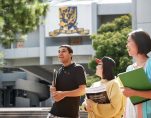


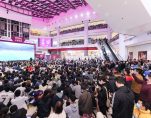


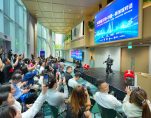


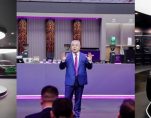



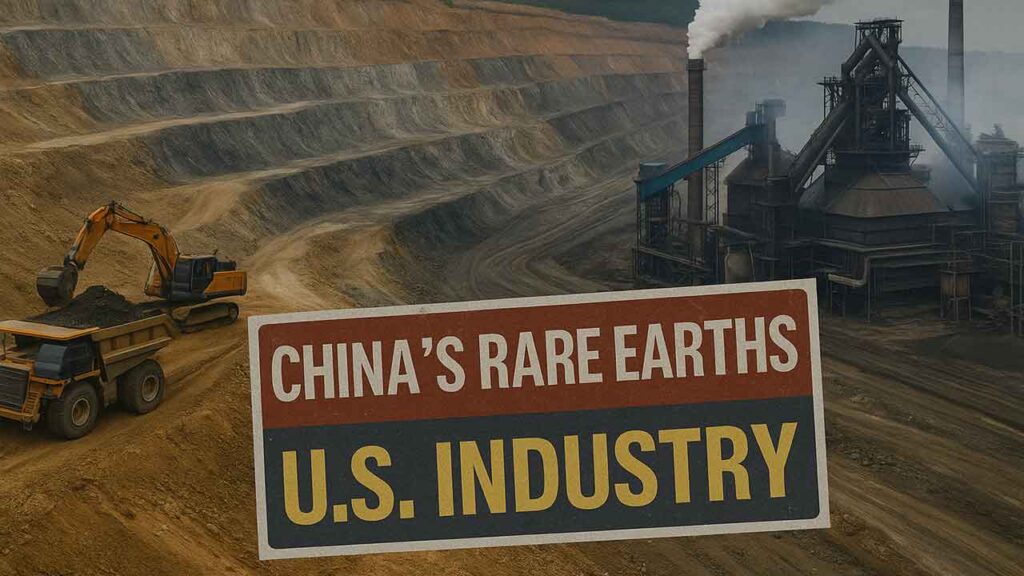


 https://easyhome-kl.com/
 https://www.facebook.com/share/1CbAwmsvbf/?mibextid=wwXIfr
 https://www.instagram.com/easyhomemall?igsh=bzU3czhnMWxhaGt0&utm_source=qr
 https://www.tiktok.com/@easyhomemall?_r=1&_t=ZS-95a1LnrTmsh







 https://www.linkedin.com/company/cushman-&-wakefield-greater-china