News related to
Chinese

Panama has unequivocally rejected a proposal from the United States to establish military bases on its territory, asserting its sovereignty over the Panama Canal and dismissing claims of foreign control. The proposal, presented by US Defense Secretary Pete Hegseth during his visit to Panama City, aimed to deepen military cooperation and counter alleged Chinese influence in the region. President José Raúl Mulino responded by reaffirming Panama’s control […]

HONG KONG SAR – Media OutReach Newswire – 11 April 2025 – As a low-carbon energy source with significant development potential, hydrogen energy is recognised as a vital component of future national energy strategies. To address the increasing industry demand for hydrogen energy applications, the Technological and Higher Education Institute of Hong Kong (THEi) is actively advancing the development of the hydrogen energy sector. Funded by the […]

Global financial markets are experiencing significant volatility as the United States and China escalate their trade dispute, prompting investors to seek refuge in traditional safe-haven currencies. The Japanese yen and Swiss franc have notably strengthened, while risk-sensitive currencies such as the Australian dollar and Chinese yuan have faced substantial pressure.

The turmoil intensified following President Donald Trump’s decision to impose a 125% tariff on Chinese imports, a move that has overshadowed a 90-day suspension of tariffs for other nations. This action led to a swift response from China, which announced an 84% tariff on U.S. imports and lodged a new complaint with the World Trade Organization. These developments have heightened investor anxiety, leading to a pronounced shift towards assets perceived as safer.

In currency markets, the Japanese yen appreciated to 147.68 per dollar, nearing a five-month high, while the Swiss franc reached 0.87665 per dollar, marking a three-month peak. Conversely, the Australian dollar declined sharply, approaching levels not seen since the early stages of the COVID-19 pandemic. The Chinese yuan also experienced volatility, with the offshore rate nearing record lows at 7.3536 yuan per dollar.

Equity markets have mirrored these currency movements, with significant declines observed across major indices. The S&P 500 experienced a 0.90% drop, reaching one-month lows, while European stocks, represented by the Stoxx 600, fell approximately 4%. Asian markets were not spared, as Japan’s Nikkei tumbled as much as 2.3% in early trading. The heightened trade tensions have sparked fears of a global economic slowdown, prompting investors to reevaluate their risk exposure.

U.S. Treasury yields have also been affected, with the 10-year yield rising sharply. This increase is partly attributed to a lackluster three-year Treasury auction and concerns over the diminishing appeal of U.S. assets as safe havens. The dollar index, which measures the greenback against a basket of currencies, has declined, reflecting broader apprehensions about the U.S. economic outlook amid escalating trade disputes.

The corporate sector is feeling the impact of these developments. Companies such as Stellantis and Cleveland-Cliffs have announced job cuts in response to the uncertain trade environment. Many firms are delaying hiring and investment decisions, citing a lack of clear guidance from policymakers. Business leaders have expressed deep concern over the instability and unpredictability of current trade policies, emphasizing the need for a more consistent and transparent approach.

In the commodities market, gold prices have risen as investors seek safe-haven assets amid the market turmoil. Conversely, oil prices have remained relatively stable, despite the broader market volatility. Analysts attribute this stability to factors such as supply constraints and geopolitical considerations that are currently supporting oil prices.

Market analysts warn that the escalating trade confrontation between the U.S. and China could lead to further depreciation of the yuan and increased market instability. The potential for a full-scale trade war raises concerns about long-term global economic growth and investor confidence. The World Trade Organization has cautioned that prolonged trade disputes could result in significant declines in global GDP, underscoring the need for diplomatic efforts to resolve the tensions.

The United States stock market experienced a significant surge following President Donald Trump’s announcement of a 90-day suspension on most newly imposed tariffs. This unexpected policy shift led to a substantial influx of approximately $5.1 trillion into the market, marking one of the most notable rallies in recent history.

On April 9, 2025, President Trump declared a temporary halt to the implementation of new tariffs, with the notable exception of those targeting Chinese imports, which were increased to 125%. This decision came after appeals from over 75 countries seeking relief from escalating trade tensions. The President’s announcement was made via his social media platform, Truth Social, where he encouraged investors to capitalize on the market conditions.

The market responded promptly and positively to the President’s remarks. The S&P 500 index rose by 9.5%, its most significant gain since 2008, while the Dow Jones Industrial Average increased by 7.9%, adding 2,963 points—the largest point gain in its history. The Nasdaq Composite outperformed with a 12.2% surge, marking its most substantial one-day rise since the early 2000s.

Technology stocks, particularly those comprising the “Magnificent Seven,” experienced remarkable rebounds. Nvidia’s stock soared by 18.72%, reflecting strong investor confidence in the semiconductor sector. Tesla’s shares increased by 22.69%, indicating renewed optimism in the electric vehicle market. Apple and Meta Platforms also saw significant gains of 15.33% and 14.76%, respectively, suggesting a positive outlook for consumer electronics and social media industries. Microsoft, Amazon, and Alphabet recorded increases of 10.13%, 11.98%, and 9.88%, respectively, underscoring the broad-based recovery among leading technology firms.

Despite the market’s enthusiastic response, some analysts urge caution, emphasizing the temporary nature of the tariff suspension and the ongoing complexities in international trade relations. The increased tariffs on Chinese goods to 125% have prompted concerns about potential retaliatory measures from Beijing, which could introduce further volatility into the market. Additionally, the bond market exhibited signs of distress, with notable fluctuations in Treasury yields, reflecting underlying uncertainties about the long-term economic implications of the administration’s trade policies.

In Congress, reactions to the President’s tariff pause were mixed. While some Republican lawmakers welcomed the move as a strategic decision to stabilize the economy, others expressed skepticism about the consistency and predictability of the administration’s trade policy. Democratic leaders criticized the abrupt policy shift, labeling it as erratic and potentially destabilizing for both domestic and global markets.

Internationally, the response was varied. While many countries expressed relief at the temporary suspension, the heightened tariffs on Chinese imports escalated tensions with Beijing. China responded by increasing tariffs on U.S. imports to 84%, signaling a potential intensification of the trade conflict between the two economic giants.

President Trump’s decision to pause most new tariffs appears to be a strategic maneuver aimed at alleviating immediate market anxieties and opening avenues for further trade negotiations. However, the selective nature of the tariff adjustments, particularly the substantial increase on Chinese goods, suggests a continued commitment to addressing specific trade imbalances. The administration’s approach reflects an attempt to balance domestic economic interests with the complexities of international trade dynamics.

Matein Khalid We are now living “ten days that shook the world” in real life, as John Reed did that fateful autumn long ago in Lenin’s shadow as the Bolshies stormed the Winter Palace in October 1917 before he was resurrected to begin his next life as the chairman/CEO of Citicorp in 1984. Is this just a magic realism joke? No. The fall of Tsar Nicki and […]

Smart Mobility International , a UAE-based distributor of New Energy Vehicles , has entered into a strategic partnership with IM Motors, a Chinese electric vehicle manufacturer co-founded by SAIC Motor, Alibaba Group, and Shanghai Zhangjiang Hi-Tech Park Development. This collaboration aims to introduce IM Motors’ premium electric vehicles to the United Arab Emirates , marking the brand’s inaugural entry into the Gulf Cooperation Council region.

IM Motors, established in 2020, has rapidly gained recognition for its innovative approach to electric mobility. The company’s vehicle lineup includes models such as the IM L7 sedan and the IM LS7 SUV, both of which have garnered attention for their advanced technology and design. In March 2024, IM Motors secured over 8 billion yuan in a Series B equity financing round. This funding, one of the largest investments in Chinese EV brands in recent years, was led by prominent state-backed investors, including Bank of China’s asset management unit, an investment arm of Agricultural Bank of China, and Shanghai government-backed Lingang Group. The capital infusion is earmarked for the development of new smart car models, technological advancements, and overseas expansion plans.

SMI has been proactive in aligning with the UAE’s vision for sustainable transportation. In January 2025, the company announced the opening of a specialized NEV service center in Dubai’s Al Quoz automotive district. This facility is designed to offer comprehensive maintenance services tailored to electric vehicles, including quick service areas, specialized battery care sections, and advanced diagnostic tools. The initiative reflects SMI’s commitment to supporting the UAE’s goal of increasing NEVs to 50% of the total vehicles on the nation’s roads by 2050.

The partnership between SMI and IM Motors is poised to introduce a range of premium electric vehicles to the UAE market. While specific models and timelines have yet to be announced, industry observers anticipate that IM Motors’ flagship vehicles, such as the IM L7 and IM LS7, will be among the first offerings. These models are known for their cutting-edge features, including autonomous driving capabilities, advanced infotainment systems, and impressive driving ranges.

The UAE’s automotive market has witnessed a surge in interest towards electric vehicles, driven by government initiatives promoting sustainable energy and reducing carbon emissions. The introduction of IM Motors’ vehicles is expected to cater to the growing demand for high-performance, environmentally friendly transportation options.

By Nitya Chakraborty What is happening to the “Neighbourhood First” policy of the Indian Prime Minister Narendra Modi in the year 2025? Modi is an expert in coining attractive slogans whether those finally work or not. For South Asia, he opted for Neighbourhood First and for South East Asia and ASEAN nations Act East. At […]
Advertisements

Global oil prices have fallen to their lowest levels in over four years, driven by escalating trade tensions and fears of a global economic slowdown. Brent crude dropped by 3.79% to $60.44 per barrel, while West Texas Intermediate declined by 4.13% to $57.12, marking their lowest points since February 2021. This decline follows the United States’ implementation of 104% tariffs on Chinese imports, after Beijing maintained its 34% retaliatory tariffs on U.S. goods. The escalating tit-for-tat measures have dampened hopes for a swift resolution, raising concerns about a deepening global recession and diminishing energy demand.

Compounding the situation, the Organization of the Petroleum Exporting Countries and its allies plan to increase output by 411,000 barrels per day in May, potentially leading to a supply surplus. Analysts warn that this move could further destabilize the market. Despite a slight easing from a 1.1 million-barrel decrease in U.S. crude inventories, overall sentiment remains bearish. Goldman Sachs forecasts further declines in oil prices through 2025 and 2026. Additionally, Russia’s ESPO Blend oil has, for the first time, dropped below the $60 Western price cap, underlining the global pressure on oil markets.

In Canada, oil and gas executives are adopting a cautious approach in response to the price slump. Doug Bartole, CEO of InPlay Oil, indicated that while immediate cutbacks in production or spending are not planned, sustained low prices, especially around $50 per barrel, could prompt strategic reassessments. InPlay recently completed a C$321 million acquisition of Alberta oil assets from Obsidian Energy, despite market uncertainties. Analysts from ATB Capital Markets have downgraded InPlay’s share target based on current low WTI price levels. Economist Peter Tertzakian noted that while major oil sands companies can sustain lower prices, smaller firms may need to adjust capital expenditures if the price slump continues. Meanwhile, Birchcliff Energy CEO Chris Carlsen highlighted a potential benefit for natural gas producers, as reduced oil drilling may decrease associated gas output, potentially tightening supply.

The sharp decline in oil prices poses significant challenges for Saudi Arabia’s ambitious Vision 2030 megaprojects, including the futuristic Neom city. Oil remains the backbone of the kingdom’s economy, despite efforts to diversify. With Brent crude recently falling to $62 a barrel and forecasts suggesting further declines due to global economic instability and increased OPEC+ output, the country faces a budget deficit and reduced oil-derived income. Saudi Aramco’s anticipated dividends have dropped significantly, compounding financial pressures. Analysts expect the government may scale back or delay lower-priority projects, focus on key investments like global events, or increase borrowing and taxation. Notably, plans for “The Line” have reportedly been reduced to a 1.5-mile stretch associated with the 2034 FIFA World Cup. Despite reassurances from Saudi officials, concerns persist that the ambitious Neom development, championed by Crown Prince Mohammed bin Salman, may need to be downsized unless oil revenues recover.

The U.S. administration’s tariff policies have been a significant factor in the market’s volatility. While some argue that the tariffs, impacting about 1% of the $28 trillion U.S. economy, are intended to shift global trade dynamics in favor of the United States and counter countries like China, others believe that the market’s reaction has been exaggerated. Despite the uproar, these tariffs would channel approximately $300 billion annually to the U.S. Treasury. Critics argue that the U.S., while the world’s largest importer, has a relatively low import-to-GDP ratio compared to other countries. They contend that China has more to lose in a trade war due to its export-reliant economy and employment structure. American public sentiment appears cautiously supportive of fair trade measures, especially against perceived Chinese industrial subsidies. Some suggest that markets should adopt a wait-and-see approach rather than panicking, likening the administration’s stance to the backlash faced by UK Prime Minister Liz Truss over her economic reform attempts, suggesting a resistance to market-driven pressure.

Falling oil prices, encouraged by policies aimed at reducing regulatory burdens, may bring lower gasoline costs but also discourage new oil production due to unprofitable pricing levels and economic uncertainty. Efforts to stimulate future energy production, such as expanding drilling access and reviving coal via executive order, are counterbalanced by cautious industry investment amidst global trade tensions. Additionally, March 2025 was the second-warmest on record globally, with Arctic sea ice hitting a near half-century low, continuing a concerning trend of climate anomalies. On the tech front, battery startup Bedrock Materials is shutting down due to competitiveness issues against cheaper lithium-ion technology from China. Meanwhile, Tesla alum Drew Baglino’s Heron Power is raising $50 million to develop advanced solid-state transformers, reflecting continued clean-tech investment. Furthermore, the Bezos Earth Fund and Global Methane Hub announced a $27.4 million initiative to identify and breed cattle and sheep that emit less methane, a step toward sustainable livestock farming. These developments reflect significant intersections between policy, environment, and innovation shaping global energy and climate landscapes.

By Anjan Roy In the wake of Trump’s tariffs and restrictive trade practices, a global economic warfare has been sparked off, with all major economies working up stringent measures to teach the newly elected US prescient, Donald Trump, a lesson: Tariffs are a two way instrument. If you impose tariffs on others, others can impose […]

Goldman Sachs Group Inc. has cautioned that Brent crude oil prices could plummet below $40 per barrel under extreme scenarios, as escalating trade tensions between the United States and China exacerbate fears of a global economic downturn. This warning follows the bank’s recent downward revision of its 2025 Brent crude forecast to $77 per barrel, a $5 reduction from earlier estimates, citing unexpected increases in oil inventories and sluggish demand growth from China.

The ongoing trade dispute has led to significant market volatility, with President Donald Trump’s administration imposing tariffs of up to 60% on Chinese goods and 25% on steel imports. These aggressive measures have rattled global markets, leading to a bear market for the S&P 500 and substantial losses across major indices, including the FTSE 100 and DAX.

In response to these developments, OPEC+, the alliance of the Organization of the Petroleum Exporting Countries and its partners, announced an unexpected production increase of 411,000 barrels per day starting in May. This move aims to discipline non-OPEC supply but has contributed to a surplus, further depressing oil prices.

Analysts at Goldman Sachs have outlined several scenarios that could lead to a sharp decline in oil prices. For instance, if Chinese oil demand remains flat, Brent crude could drop to $60 per barrel. Additionally, the imposition of a comprehensive 10% tariff on imported goods by the U.S. could drive prices down to $63 per barrel. A full reversal of OPEC’s additional production cuts of 2.2 million barrels per day could further push prices to $61 per barrel.

The repercussions of these developments are multifaceted. While consumers may benefit from lower fuel prices, energy companies, particularly those involved in U.S. shale production, face significant financial strain. Major firms such as Chevron, Occidental Petroleum, and Diamondback Energy have already experienced notable stock declines.

The broader economic implications are equally concerning. The combination of escalating trade tariffs and increased oil production has heightened fears of a global recession. Financial institutions, including JPMorgan, have raised their recession forecasts, reflecting the growing economic uncertainties.

President Donald Trump has announced plans to impose an additional 50% tariff on Chinese goods starting April 9, escalating tensions in the ongoing trade dispute between the United States and China. This move comes in response to Beijing’s recent implementation of a 34% tariff on U.S. imports, which was itself a countermeasure to earlier U.S. tariffs. The administration’s decision has sent shockwaves through global financial markets. The […]

New global thought leadership series spotlighting the HKSTP I&T powerhouse, uniting its soft power of visionaries to rally the world to keep up with Hong Kong’s innovation HONG KONG SAR – Media OutReach Newswire – 7 April 2025 – HKSTP’s Keep Up global brand campaign has taken the world by storm, reaching over 19 million people across 240+ destinations worldwide since its launch in July 2024—a testament […]

Grade A office rents remained under pressure in Q1, while a tourist inflow recovery is yet to boost retail market confidence Smaller-sized residential units have been more sought-after following the relaxation of the maximum property value chargeable at a HK$100 stamp duty level as announced in the latest government budget speech, supporting first-hand residential sales. The total residential unit transaction number for Q1 climbed 24% y-o-y to […]

Goldman Sachs has increased the probability of a United States recession in the next 12 months to 45%, aligning with a wave of revised risk assessments by major investment banks as escalating trade tensions and tighter financial conditions unsettle global markets. The adjustment from Goldman’s previous estimate of 35% reflects the firm’s assessment that a sharp tightening in financial conditions and heightened policy uncertainty will significantly hinder […]

Chinese social media platforms are abuzz with users expressing strong opposition to suggestions that Beijing should acquiesce to U.S. trade demands following President Donald Trump’s recent tariff escalations. The online discourse reflects a nationalistic sentiment, with many netizens urging the Chinese government to stand firm against what they perceive as economic intimidation.

President Trump announced a 10% baseline tariff on all imports, with significantly higher duties targeting specific countries, including a 54% tariff on Chinese goods. This move has intensified trade tensions between the world’s two largest economies. In retaliation, China imposed a 34% tariff on various American products, signaling its resolve to counter U.S. measures.

The Chinese Foreign Ministry’s spokesperson, Guo Jiakun, highlighted the global market’s adverse reaction to the U.S. tariffs, stating, “The market has spoken.” This remark underscores Beijing’s position that the U.S. actions are disruptive to international trade stability.

State-run media outlets have also weighed in, criticizing the U.S. administration’s approach. The Global Times labeled the tariff threats as “ridiculous” and indicative of “deep arrogance,” while China Daily warned that such actions could lead to a “mutually destructive tariff war.”

On platforms like Weibo and WeChat, Chinese citizens are vociferously rejecting any notion of capitulation. Users are calling for unity and resilience, emphasizing the importance of safeguarding national interests and economic sovereignty. This collective online sentiment reflects a broader public consensus supporting the government’s stance in the escalating trade dispute.

Indian metal companies are significantly expanding their operations, driven by robust domestic demand, even as they navigate complex global trade dynamics. Industry leaders such as Vedanta and JSW Steel are at the forefront of this growth, unveiling ambitious plans to scale up production capacities across various segments.

Vedanta, a prominent conglomerate, has announced a $20 billion expansion strategy encompassing sectors like zinc, aluminium, copper, iron, steel, oil, gas, and power. This initiative includes seeking global partnerships to bolster its ventures. The company is also in the process of restructuring into four distinct entities: Vedanta Aluminium, Oil and Gas, Power, and Iron and Steel. Notable investments involve allocating $2 billion to $2.5 billion for enhancing Hindustan Zinc’s production and $5 billion aimed at increasing oil output through Cairn India. Additionally, Vedanta plans to double its power portfolio and explore opportunities in nuclear energy, targeting 5 GW of nuclear power for internal consumption within India.

JSW Steel, another major player, is pursuing an aggressive expansion trajectory. The company aims to elevate its production capacity from the current 27.5 million tonnes per annum to 38.5 mtpa by the fiscal year 2024-25. This growth strategy includes commissioning iron ore and coal mines in Karnataka, Odisha, and Goa, which is expected to reduce operational costs. JSW Steel is also investing in renewable energy projects to further decrease production expenses. The company has set a target to reach a 50 mtpa capacity before 2030, reflecting confidence in sustained domestic demand growth.

Tata Steel is also contributing to the industry’s expansion by adding 5 million tonnes to its existing 21 mtpa capacity. Similarly, Jindal Steel and Power plans to increase its capacity by 6 million tonnes, building upon its current 9.6 mtpa. Collectively, these initiatives represent a substantial investment aimed at capitalizing on India’s burgeoning steel consumption, which is projected to grow between 8% to 10% in the fiscal year 2024-25.

The Indian government’s policy measures are playing a crucial role in supporting domestic manufacturers. The “Domestically Manufactured Iron and Steel Products Policy 2025,” effective from April 1, mandates that all government ministries and agencies prioritize locally produced steel products. This policy aims to protect the domestic steel industry from the influx of cheaper imports, particularly from countries like China, South Korea, and Japan. It also restricts the use of foreign certifications or stringent technical specifications that could disadvantage local suppliers and bars foreign entities from participating in Indian tenders if their home countries impose procurement restrictions on Indian mills.

Despite these protective measures, Indian steelmakers face challenges from international trade policies. The United States has imposed a flat 26% reciprocal tariff on all Indian exports, citing high Indian tariffs on U.S. goods. This move is expected to impact key Indian export sectors, including electronics, gems and jewellery, and certain aluminium and auto parts. However, pharmaceuticals and energy products are exempt from these tariffs. In response, India is engaging in negotiations with the U.S. for a new trade deal and has expressed willingness to reduce tariffs on $23 billion worth of U.S. imports. Additionally, India is exploring opportunities to expand exports in sectors like textiles, apparel, footwear, and steel, particularly as higher tariffs are levied on Chinese goods.

The global shipping industry is experiencing significant upheaval following the implementation of extensive tariffs by U.S. President Donald Trump. These measures, including a 25% tariff on imports from Canada and Mexico and a 10% levy on Chinese goods, have disrupted international trade flows and introduced widespread economic uncertainty.

In anticipation of these tariffs, container vessel traffic to American ports surged by 12% last month, reaching a record 281 port calls in the week ending March 13, as reported by Ami Daniel of AI data provider Windward. This rush to ship goods ahead of the tariffs has complicated annual freight contract negotiations, set to begin on May 1, according to Norwegian analytics firm Xeneta. Asian shipping companies have responded by raising prices for routes to the U.S. to offset the expected tariffs on Chinese-built ships, as noted by Singapore-based Linerlytica.

The automotive sector has been notably affected. Jaguar Land Rover announced a temporary halt to exports of its British-made vehicles to the U.S. in response to the 25% import tariff. The company, which exports nearly a quarter of its 400,000 annual vehicle sales to the U.S., is assessing the financial impact and exploring options such as price increases for American consumers and boosting sales in other markets. Other UK-based automakers, including BMW, Rolls-Royce, and Ineos Automotive, are also evaluating their responses, with Ineos already raising U.S. prices.

The financial markets have reacted sharply to the tariff announcements. The Dow Jones Industrial Average and S&P 500 experienced significant declines over the past week, falling 7.9% and 9.1%, respectively, with the Dow dropping over 2,200 points on Friday alone. China responded with retaliatory 34% tariffs, escalating fears of a deepening trade war. Experts, including Moody’s chief economist Mark Zandi, warned that the tariffs could hinder productivity, damage the U.S.’ investment image, and prompt global allies to distance themselves from U.S. trade.

In the United Kingdom, Prime Minister Keir Starmer is considering a significant reset of the country’s economic policies in response to the U.S. tariffs. The FTSE 100 has plummeted over 7% in its worst week since the COVID-19 panic in March 2020. Amid fears of a prolonged recession, Starmer and Chancellor Rachel Reeves are reportedly contemplating raising taxes or altering fiscal rules to increase borrowing and stimulate growth, despite previous pledges to the contrary. British businesses, such as JLR, are already feeling the pressure, with the automotive sector particularly vulnerable due to its reliance on exports to the U.S.

The tariffs have also intensified discussions around supply chain deglobalization. Companies are reassessing their sourcing strategies, with potential shifts toward domestic production and alternative countries like Vietnam and India. This trend is driven by the need to mitigate the impact of tariffs and reduce reliance on any single country for manufacturing. However, such shifts are complex and require significant investment and time to implement.

The shipping industry is facing additional challenges due to the removal of the de minimis exemption for shipments under $800 from Canada, Mexico, and China. This change means that goods arriving by air will be subject to the new and existing tariffs, incur significant filing requirements and costs, and take longer to clear customs. This development could sharply reduce air cargo volumes from China to the U.S., leading to downward pressure on transpacific air cargo rates and potentially affecting the broader air cargo market.

Industry leaders are expressing concern over the escalating trade tensions. Billionaire Elon Musk expressed hopes for a future zero-tariff trade zone between North America and Europe. Meanwhile, leaders from the UK and France emphasized the importance of global cooperation and warned against the detrimental effects of trade wars. Italy’s economy minister cautioned against retaliatory actions and urged a rational response to safeguard Europe’s economic interests.

Oil markets witnessed a significant downturn as Brent crude, the global benchmark, tumbled over 13% in two days, settling just above $66 per barrel. This sharp decline follows the dual impact of OPEC+ unexpectedly increasing production and the imposition of new tariffs by President Donald Trump.

On April 4, 2025, Saudi Arabia led an initiative within OPEC+ to substantially boost oil output by 411,000 barrels per day starting in May. This move aims to penalize member countries like Kazakhstan and Iraq for consistently exceeding production quotas. The decision contributed to an 8% drop in oil prices, with Brent crude falling below $65 per barrel for the first time since 2021.

Concurrently, President Trump intensified trade tensions by imposing tariffs on imports from Canada, China, and Mexico. China responded with a retaliatory 34% tariff on U.S. imports, escalating fears of a global economic slowdown and further pressuring oil prices.

Goldman Sachs revised its 2025 oil price forecasts downward, cutting Brent crude to $69 and West Texas Intermediate to $66 per barrel. JPMorgan raised its global recession probability to 60%, up from 40%, reflecting growing concerns over economic stability.

The surge in supply and escalating trade disputes have led to significant losses in energy stocks. Major oil companies, including Chevron, APA, Occidental Petroleum, and Diamondback Energy, experienced notable declines. The Energy Select Sector SPDR ETF fell nearly 7% on the day and almost 13% for the week.

Analysts suggest that until production is significantly reduced, oil prices may continue to fall. The geopolitical backdrop includes U.S. relations with Saudi Arabia, key to both energy policy and diplomatic efforts related to Russia, Iran, and broader Middle East tensions.

In contrast, natural gas stocks have shown resilience, supported by rising LNG exports and less exposure to OPEC’s dynamics. Companies like EQT, Expand Energy , and Coterra Energy are highlighted as attractive investments due to geographic advantages and favorable valuations.

The current downward trend in oil prices is primarily driven by OPEC+’s decision to increase output and the introduction of U.S. tariffs. Analysts expect the tariffs to curb economic activity and demand for energy, weighing on oil prices. The bank also said higher-than-expected crude supply and a demand squeeze from softer U.S. economic activity and tariff escalation posed downside risks to oil price forecasts.

The Organization of the Petroleum Exporting Countries and its allies, known as OPEC+, decided on Monday to increase output for the first time since 2022, further pressuring crude prices. The group will make a small increase of 138,000 barrels per day from April, the first step in planned monthly increases to unwind its nearly 6 million bpd of cuts, equal to almost 6% of global demand.

The larger-than-expected decline in crude stocks supported the downward trend in oil prices, pointing to weakening demand in the U.S. The U.S. Energy Information Administration is expected to announce the official inventory data during the day.

The risks to oil prices remain tilted to the downside with new supply from OPEC+ and non-OPEC producers expected to push the market well into an oversupply. Brent prices on Wednesday fell to their lowest since December 2021 after U.S. crude inventories rose and in the wake of the decision by OPEC+ to increase their output quotas.

Oil prices had already been trading lower in the last few weeks, partly because of expectations that U.S. president Donald Trump could swiftly end Russia’s war in Ukraine. This, in turn, is likely to increase Russian oil output thanks to sanctions relief.

The benchmark previously dropped to $66.77 a barrel, the lowest since November. “The current downward trend in oil prices is primarily driven by OPEC+’s decision to increase output and the introduction of U.S. tariffs,” said Darren Lim, commodities strategist at Phillip Nova. He said another factor was President Donald Trump’s decision to pause all U.S. military aid to Ukraine after his Oval Office clash with President Volodymyr Zelenskiy last week.

Those politics are likely connected with the wheeling and dealing of Donald Trump, referring to the U.S. president’s calls for lower oil prices. U.S. tariffs of 25% on imports from Canada and Mexico took effect at 12:01 a.m. EST on Tuesday, with 10% tariffs on Canadian energy, while tariffs on imports of Chinese goods were increased to 20% from 10%. Analysts expect the tariffs to curb economic activity and demand for energy, weighing on oil prices.

The bank also said higher-than-expected crude supply and a demand squeeze from softer U.S. economic activity and tariff escalation posed downside risks to oil price forecasts. Chinese demand is also down, with a period of refinery maintenance looming, said Josh Callaghan, head of crude derivatives at Arrow Energy Markets.

Oil prices declined for a third day on Wednesday, as investors worried about OPEC+ plans to proceed with output increases in April, and U.S. President Donald Trump’s tariffs on Canada, China, and Mexico escalated trade tensions. Brent futures fell $1.02, or 1.44%, to $70.02 a barrel by 1149 GMT. U.S. West Texas Intermediate crude declined $1.33, or 1.95%, to $66.93 a barrel.


The escalating trade conflict between the United States and China has introduced significant shifts in global trade dynamics, presenting both opportunities and challenges for Indian exporters. The U.S. administration’s imposition of substantial tariffs on Chinese imports has prompted China to retaliate with its own set of tariffs, affecting a broad spectrum of goods. This tit-for-tat exchange has disrupted established supply chains, leading American importers to seek alternative sources for various products.

Indian exporters are poised to benefit from this realignment, particularly in sectors where India has a competitive edge. Industries such as agriculture, engineering, textiles, chemicals, and leather are witnessing increased interest from U.S. buyers aiming to diversify their supply chains away from China. Ajay Sahai, Director General of the Federation of Indian Export Organisations , noted that U.S. buyers are approaching Indian companies with manufacturing operations in China, requesting them to supply from their Indian facilities due to the prevailing uncertainties.

The agricultural sector stands to gain notably, with products like soybeans and seafood emerging as viable alternatives to Chinese exports. Similarly, the engineering and machine tools industries are experiencing heightened demand, as American companies look to mitigate the impact of increased tariffs on Chinese machinery. The textiles and garments sector is also seeing a surge in orders, capitalizing on India’s established reputation in these markets.

However, this shift is not without its challenges. The increased tariffs on Chinese goods have led to concerns about the potential for these products to be redirected to other markets, including India, at lower prices. This scenario raises the specter of dumping, which could adversely affect domestic manufacturers. Crisil, a global analytics company, has highlighted that as the U.S. imposes higher tariffs on Chinese imports, there is a heightened possibility of these surplus goods being diverted to countries like India, potentially disrupting local industries.

In response to these developments, the Indian government is actively engaging with exporters to assess the evolving landscape and identify strategies to capitalize on emerging opportunities. Efforts are underway to enhance manufacturing capabilities, streamline regulatory processes, and improve infrastructure to better position Indian products in the global market. The government’s proactive stance aims to not only seize the openings created by the U.S.-China trade tensions but also to safeguard domestic industries from potential negative spillovers.

By Subrata Majumder The entire world is deepening into geopolitical tensions and increasing uncertainty in trade following the announcement made by the U.S. President Donald Trump the new tariff rates on April 2. The U.S. slapped 27 percent import tariff on India. President Trump exhilarated this as “discounted replication”, despite India imposing 52 percent and […]

Beijing has announced the imposition of a 34% tariff on all imports from the United States, effective April 10, 2025, in direct response to the sweeping tariffs introduced by U.S. President Donald Trump. The Chinese Ministry of Finance stated that this measure aims to counteract what it perceives as unjust and protectionist policies from Washington.

This development follows President Trump’s declaration of “Liberation Day” on April 2, during which he unveiled a universal 10% tariff on all foreign imports, with higher rates for specific countries. China was notably targeted with an additional 34% tariff, bringing the total levy on Chinese goods to 54%. The U.S. administration justified these tariffs as necessary to rectify longstanding trade imbalances and to protect domestic industries.

In a statement, China’s Ministry of Finance condemned the U.S. actions, urging Washington to immediately withdraw the imposed tariffs to prevent further escalation. The ministry emphasized that China’s countermeasures are a legitimate response to safeguard its national interests and the multilateral trading system.

The U.S. tariffs have been met with criticism from various quarters. Economists have expressed concerns over the methodology used to calculate these tariffs, arguing that the approach is overly simplistic and could lead to unintended economic consequences. They warn that such measures might not effectively address trade deficits and could harm consumers through increased prices.

The business community is also bracing for the impact of these tariffs. In New York City, retailers are encouraging consumers to make purchases before the new tariffs lead to price increases. Products such as electronics, appliances, and automobiles are expected to see significant price hikes, prompting a surge in sales ahead of the tariff implementation.

China’s retaliatory tariffs are anticipated to affect a wide range of U.S. exports, including agricultural products, automobiles, and technology goods. This move is expected to have significant implications for American farmers and manufacturers who rely heavily on the Chinese market. Analysts predict that the escalating trade war could disrupt global supply chains and dampen economic growth in both countries.

Impressive technological applications win international praise, assisting enterprises in going global to explore more opportunities HONG KONG SAR – Media OutReach Newswire – 3 April 2025 – The Hong Kong Productivity Council (HKPC) debuted with a dedicated pavilion at Hannover Messe 2025 (Hannover Messe), showcasing a range of Hong Kong’s technological applications, which were highly regarded by international companies and investors. HKPC successfully showcased the impressive achievements […]

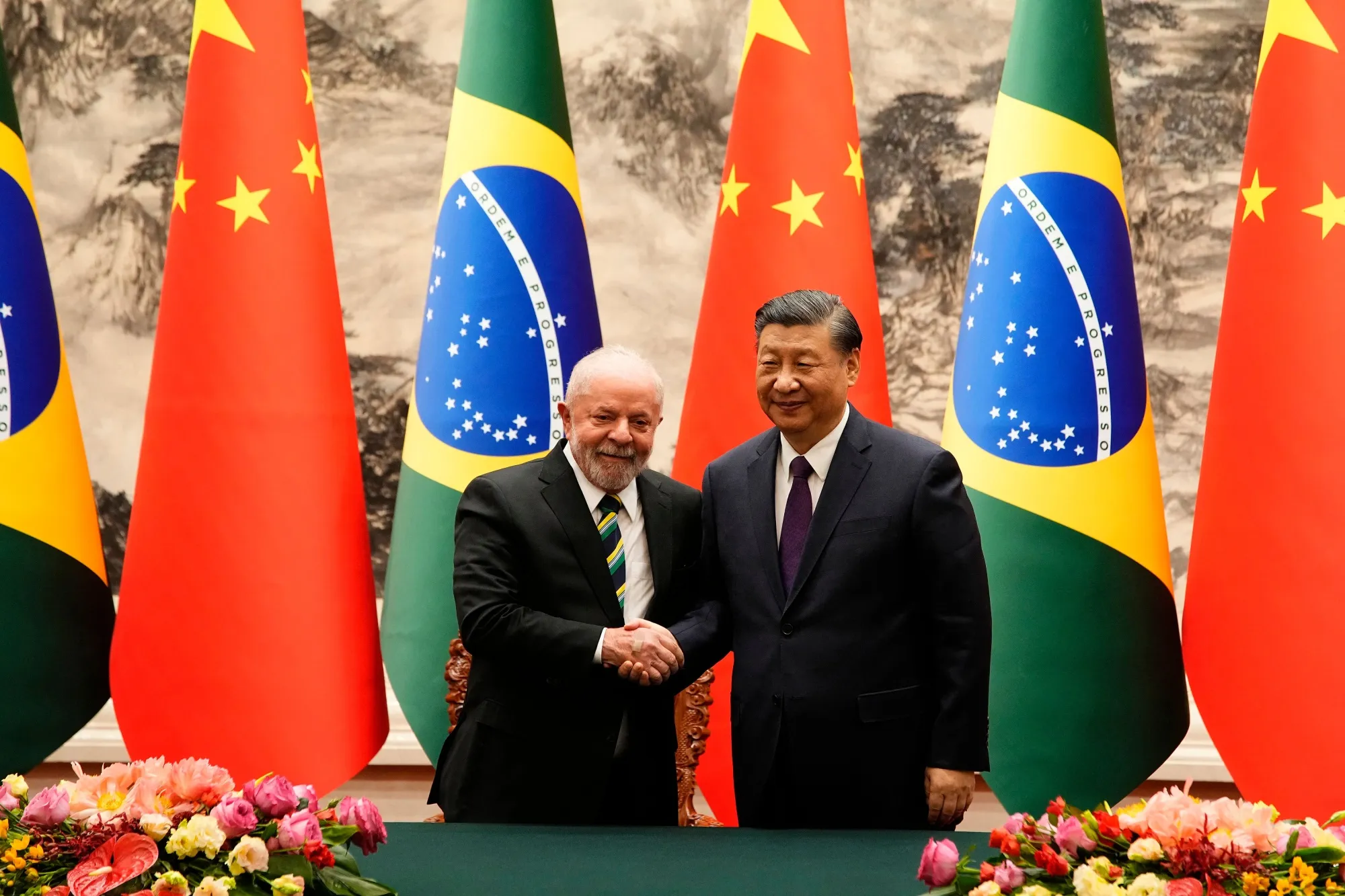
By Nitya Chakraborty Brazil’s President Luiz Inacio Lula da Silva, better known globally as Lula has launched a major initiative to meet the U.S. President Donald Trump’s unilateral tariff offensive by joining hands with Chinese President Xi Jinping and the Russian President Vladimir Putin, apart from taking assistance from South Africa and a few other […]


SAN FRANSICO, USA – Media OutReach Newswire – 3 April 2025 – On April 1 (Pacific Standard Time), the world’s top optical communication event, the 50th Optical Fiber Communication Conference and Exhibition (OFC), opens at the Moscone Center in San Francisco, USA. As a leading Chinese enterprise in the smart grid and energy management community, Shenglong Electric displays two competitive products: AI-iPanel, an AI-powered medium- and low-voltage […]

VISHNU RAJA
RYO YAMADA
HITORI GOTOH
IKUYO KITA
Just in: