News related to
Chinese

HONG KONG SAR – Media OutReach Newswire – 27 April 2026 – As a leader in China’s fragrance industry driving sustainable development, Eternal Beauty Holdings Limited (“Eternal Beauty” or the “Group”; stock code: 6883.HK) today announced the launch of “Green is Eternal,” Hong Kong’s first rinse-free recycling program for fragrance and skincare cosmetics. The initiative works hand in hand with customers to build a greener, more eco-friendly ecosystem.

The program has brought in local recycling startup The Loops Hong Kong (“The Loops”) as its strategic partner. By leveraging advanced recycling equipment and a well-established processing system, the initiative introduces a breakthrough approach—rinse-free recycling. Customers no longer need to wash out bottles or disassemble components. Instead, they simply hand over used fragrance bottles or skincare cosmetics containers to store staff for collection. The materials are then sent to The Loops’ Hong Kong facilities for processing and ultimately transformed into recycled resources—lowering the barrier to recycling and making participation far more convenient.

Hong Kong’s first rinse-free recycling program

“Green is Eternal” is built on two key advantages: rinse-free and all brands. It greatly simplifies the recycling process—customers do not need to wash away any residue left in the bottles, nor do they need to remove decorative elements from packaging. Eligible glass or plastic bottles can be handed directly to store staff at designated Eternal Beauty locations to complete the recycling process.

The eligible recycling scope includes fragrance bottles, skincare product bottles, home fragrance bottles, and cosmetics packaging from various brands. Excluded from the program are personal care products (such as shampoo and hair-care products, body wash, body-care products, aerosol spray containers, and makeup tools), as well as fragrance bottles with a capacity of less than 10ml.

To encourage widespread public participation, the program features an incentive mechanism: for every eligible fragrance or skincare cosmetics bottle recycled, customers receive an electronic stamp. After collecting 10 electronic stamps, they can redeem them for a shopping voucher.

The program is already up and running at the Group’s eight outlets and offices across Hong Kong. The Group has also provided dedicated environmental recycling training for frontline staff to ensure the recycling process is standardized, efficient, and seamlessly woven into everyday customer service. Throughout the year, the Group will collaborate with a local charity to host recycling facility tours, guiding the public and students through the inner workings of recycling operations—raising environmental awareness and helping cultivate lasting recycling habits.

Beyond recycling: Advancing sustainability at the community level

“Green is Eternal” is more than an environmental recycling initiative—it is a structured sustainability project that blends retail-based education with deep community engagement. According to industry data, packaging is one of the major sources of carbon emissions in the sector. Furthermore, recycling fragrance and makeup bottles poses significant challenges due to the complexity of residual ingredients, which limits the adoption of recycling practices and results in persistently low voluntary recycling rates for these containers.

Drawing on its industry expertise, the Group partners with The Loops to tackle the challenges of traditional recycling through professional technology. The company also works with community organizations to build an educational and awareness platform, bringing employees, community members, and students into recycling facilities for in-depth environmental learning, while encouraging the public to integrate recycling into daily life. The goal is to establish a sustainable corporate model that is both socially responsible and environmentally friendly.

Wendy Lau, Executive Director of Eternal Beauty and Chairperson of its ESG Committee of the Group, commented: “Understanding the core challenge in traditional recycling systems—that customers are required to put in effort to clean bottles—explains why many people give up on participation. We are delighted to work with The Loops, whose advanced recycling system and equipment can effectively address the impact of residual ingredients in fragrances and cosmetics, truly enabling rinse-free recycling. We hope this program motivates more customers to take the initiative in environmental protection and, together with our partners, promotes sustainable development across the fragrance and beauty industry.”

Jorch Wong, Founder of The Loops Hong Kong, added: “This program marks a major milestone for sustainability in the fragrance and beauty industry. In recent years, while the number of recycling programs has increased, recycling fragrance and beauty packaging has remained difficult and cumbersome, leading to persistently low recycling rates for this category. As an industry leader, Eternal Beauty has proactively taken the lead in launching Hong Kong’s first rinse-free recycling program. This not only strengthens consumers’ environmental awareness but also helps the public build long-term recycling habits—an important encouragement for the entire recycling industry and a replicable model for sustainable development.”

As a leader in China’s fragrance industry, the Group fosters sustainable development through four key pillars: Environment, People, Product, and Community, while actively fulfilling its corporate social responsibility. Following the successful launch of “Green is Eternal” in Hong Kong, the Group aims to expand the program to its distribution points across Mainland China within the year—strengthening environmental collaboration between Hong Kong and Mainland markets, extending the program’s environmental impact, and encouraging the broader industry to move toward sustainability.

Note: The recycling scope does not include personal care products (such as shampoo and hair-care products, body wash, body-care products, aerosol spray containers, and makeup tools), nor fragrance bottles with a capacity of less than 10ml.

Green is Eternal Collection Points:

District Location Brands Address
Causeway Bay wwwtc Jimmy Choo Parfums Shop No L1-05, Level 1 280, Gloucester Road, Causeway Bay, Hong Kong Island
Parfums de Marly Shop No L1-05, Level 1 280, Gloucester Road, Causeway Bay, Hong Kong Island
Tsim Sha Tsui K11 MUSEA BABOR Shop No. B223, Basement 2, K11 MUSEA, Victoria Dockside, 18 Salisbury Road, Tsim Sha Tsui Kowloon, Hong Kong
Harbour City Dolce&Gabbana Shop 2522, Level 2 Gateway Arcade Harbour City, Kowloon
Kowloon Tong Festival Walk Acca Kappa Kiosk E1, UG Level, Festival Walk, 80 Tat Chee Avenue, Kowloon Tong, Kowloon, Hong Kong
BABOR KIOSK Q, UG Level, Festival Walk, 80 Tat Chee Avenue, Kowloon Tong, Kowloon, Hong Kong
Mong Kok Langham Place Laura Mercier Shop L2-08, Langham Place, Mong Kok Kowloon, Hong Kong

For campaign details, please visit https://www.eternal.hk/green-is-eternal/campaign.

Hashtag: #EternalBeautyHoldings

The issuer is solely responsible for the content of this announcement.

About Eternal Beauty Holdings Limited (Stock Code: 6883.HK)

Eternal Beauty Holdings Limited is the largest perfume group (apart from brand-owner perfume groups) in China (including Hong Kong and Macau) in terms of retail sales in 2023. It primarily sells and distributes products procured from third-party brand licensors, and deploys market for these brand licensors, offering such services as brand management, and designing and implementing customized market entry and expansion plans for their brands. The Group boasts large and diversified brand portfolios that include not only perfumes, but also color cosmetics, skincare products, personal care products, eyewear and home fragrances. As at 30 September 2025, it conducted product distribution and market deployment for a total of 74 external brands, including Hermès, Van Cleef & Arpels, Chopard, Albion and Laura Mercier, with products in different pricing tiers and of versatile features that meet the differentiated demands of consumers in Chinese Mainland, Hong Kong and/or Macau.

About The Loops Hong Kong

The Loops, founded in 2019, is Hong Kong’s premier one-stop recycling center, offering door-to-door collection, sorting, and reporting. Handling over 40 recyclable types in a single basket, we simplify waste management for homes and businesses, provide real-time ESG data, innovative food waste recycling, and dirty recycling services, fostering sustainable practices. The Loops also empowers disadvantaged homemakers with flexible work, supports families, and transforms waste into resources for a sustainable future through a circular economy.

SHANGHAI, CHINA – Media OutReach Newswire – 24 April 2026 – SIBUR, Russia’s largest polymer producer, plans to increase its supplies to Asian countries fivefold by 2030, driven by capacity growth supported primarily by the launch of a major new polymer production facility, the Amur Gas Chemical Complex (AGCC), in Russia’s Far East.

With an annual capacity of 2.7 million tonnes of basic polymers, the AGCC is set to become the most efficient polymer production facility in Russia and one of the largest globally. Polyethylene production is scheduled to begin in 2026, followed by polypropylene in 2027. The launch will enable SIBUR to greatly expand its presence in key markets in South and Southeast Asia.

“Emerging Asian markets are demonstrating strong growth in polymer demand, driven primarily by the packaging, healthcare and hygiene industries, as well as sizeable infrastructure and construction investments. The majority of demand in the region is met through imports. The commissioning of the AGCC will enable SIBUR to increase supplies to South and Southeast Asian markets fivefold by 2030 compared with current levels,” said Natalia Burlina, Head of SIBUR’s New Projects Go-to-Market Division, speaking at the ChinaPlas SIBUR Conference in Shanghai for South and Southeast Asian customers.

“In recent years, we have strengthened our position in South and Southeast Asian markets. We continue to grow and improve our customer service through local sales and technical support.”

Various logistics options for delivering AGCC polymers to Asian markets were discussed at the conference, including transshipment via Chinese ports and direct shipments from Russian seaports to destination ports.

The AGCC portfolio includes more than 20 in-demand solutions, such as linear low-density polyethylene (LLDPE) for packaging films; high-density polyethylene (HDPE) for blow moulding, injection moulding, films, monofilament and pressure pipes; polypropylene (PP) yarn for raffia and nonwoven materials; as well as BOPP for packaging applications. In addition, SIBUR, thanks to its well-established R&D infrastructure and innovation practices, is ready to develop tailor-made solutions to meet customers’ needs.

SIBUR’s reliable supply of AGCC polymer solutions to Asian markets will create a shared value for its customers.

Hashtag: #SIBUR

The issuer is solely responsible for the content of this announcement.

HONG KONG SAR – Media OutReach Newswire – 23 April 2026 – Hong Kong’s small businesses delivered their strongest performance in a decade in 2025, while confidence in the year ahead has climbed to a record high, according to CPA Australia’s latest Asia‑Pacific Small Business Survey 2025–26.

Stable economy and digital transformation power Hong Kong SMEs to decade high performance, CPA Australia survey

The survey shows that 68 per cent of Hong Kong SMEs recorded growth in 2025, up from 65 per cent in 2024 and marking the highest result on record. This positive momentum is expected to continue this year, with 71 per cent of SMEs expecting their businesses to grow and 76 per cent anticipating growth in the local economy — both at record highs. Customer loyalty and a strong workforce were identified as key drivers behind SMEs’ solid performance last year.

Mr Cliff Ip, Councillor of CPA Australia’s Greater China Divisional Council, said Hong Kong’s improving business environment played a critical role in supporting SME growth. “Hong Kong’s business confidence and economic growth strengthened last year, supported by robust capital markets, a recovery in tourism and consumption, and signs of stabilisation in the property market,” said Mr Ip. “Against this stable and supportive backdrop, small businesses not only benefited from increased business activity, but were also able to expand in a healthy and sustainable manner.”

Looking ahead, Mr Ip noted that while global geopolitical tensions and external uncertainties pose rising challenges, Hong Kong’s underlying strengths remain a key advantage for SMEs. “Rising geopolitical risks are likely to create headwinds for many sectors such as trade and logistics through higher fuel costs and supply chain disruptions. However, I remain confident about Hong Kong’s overall business outlook this year,” he said. “As many regions become more unpredictable or less secure, Hong Kong’s stable and consistent business environment, together with supportive policy settings including the city’s low and simple tax regime stand out as important advantages in attracting international companies and investors.”

Mr Ip added that these developments also present new opportunities for local SMEs, particularly as increased international interest creates scope to build partnerships, expand networks and tap into new markets. “This environment also creates favourable conditions for younger entrepreneurs to explore emerging markets and pursue new business opportunities,” he said.

Improved business performance has strengthened the solvency of many local SMEs. The share of businesses reporting difficulty paying debts fell sharply from 22 per cent in 2024 to just 3 per cent in 2025, while only 4 per cent expect to face difficulties this year, down markedly from 26 per cent previously. As a result, Hong Kong small businesses are now the least likely among the surveyed businesses to report solvency concerns.

Mr Ip said, “The solvency of many SMEs has notably improved, driven by stronger cash flow from improved business growth, a robust capital market and a recovering property market over the past year. This healthier cashflow has both supported easier access to external finance and reduced the need for such finance.”

Hong Kong SMEs have also strengthened their capability to invest in technology that delivers rapid improvements in profitability. In 2025, 64 per cent of SMEs reported that their technology investment in that year helped improve profitability, up from 59 per cent in 2024. Two in five Hong Kong SMEs invested in artificial intelligence (AI) last year, making it the leading technology investment among local SMEs, followed by customer relationship management (CRM) software.

At the same time, cyber protection has improved, with the share of Hong Kong businesses reporting losses from cyber incidents falling sharply from 72 per cent in 2024 to 43 per cent in 2025. However, as digitalisation accelerates, cyber risks remain elevated, with nearly three in five SMEs expecting to face cyber threats this year, above the survey average 42 per cent.

Mr Davy Leung, Deputy Chairperson of CPA Australia’s SME and Entrepreneurship Committee of Greater China, said the growing maturity and availability of AI tools is helping SMEs enhance productivity, reduce operating costs and improve customer experience.

(Left) Mr Davy Leung, Deputy Chairperson of SME and Entrepreneurship Committee 2026 from CPA Australia (Right) Mr Cliff Ip Greater China Divisional Councillor 2025 from CPA Australia

“However, rising digital fraud, wider AI adoption and SMEs’ increasing reliance on digital banking have prompted the Hong Kong Government to significantly strengthen banking security and cybersecurity resilience over the past year. This includes the rollout of low-cost and practical initiatives such as the Cybersec One Programme and the continued implementation of the ‘9+5’ SME support measures. The decline of cyberattack-related losses reported in the survey in part reflects the effectiveness of these measures.

“As cybersecurity threats and digital fraud risks continue to escalate, SMEs should make better use of these available resources, including free website risk assessments and vulnerability identification services, to strengthen their defence capabilities and safeguard business operations.”

Mr Leung also suggested that the Government consider revamping the Technology Voucher Programme to support broader digitalisation efforts, including the adoption of both AI and non-AI technologies. He added that enhanced training support would help SMEs identify and implement modern tools to drive innovation, improve efficiency and strengthen long-term competitiveness.

Rising costs remain a key challenge for Hong Kong SMEs in 2025, with 29 per cent reporting it having a negative impact on their business. However, this was the second‑lowest level among all surveyed markets, underscoring Hong Kong’s relatively low inflationary environment last year. Notably, the share of SMEs citing staff costs as a negative factor rose from 35 per cent to 42 per cent, making it the most significant cost pressure for Hong Kong businesses in 2025. This increase may help explain why the proportion of SMEs hiring additional staff declined from 42 per cent to 38 per cent last year.

Mr Leung said, “Increasing costs remain a significant barrier for many SMEs across Asia‑Pacific region, but Hong Kong’s relatively low inflation has helped cushion the impact on local small businesses,” Mr Leung said.

Mr Leung added that while headcount growth has moderated, overall staff costs have continued to rise as businesses invest in higher‑value talent. “Greater digitalisation and automation have helped ease labour constraints in Hong Kong. When SMEs do add staff, they are increasingly recruiting employees with digital and AI capabilities, or creating new roles to support business transformation. These positions typically command higher salaries, which has contributed to higher overall staff costs despite slower hiring growth.”

The annual survey collected the views of 4,166 small businesses across 11 Asia-Pacific markets, including Singapore, the Chinese Mainland, and Australia, with 305 respondents from Hong Kong.
Hashtag: #CPAAustralia

The issuer is solely responsible for the content of this announcement.

About CPA Australia

CPA Australia is Australia’s leading professional accounting body and one of the largest in the world. We have more than 176,000 members in over 100 countries and regions. Our core services include education, training, technical support and advocacy. CPA Australia provides thought leadership on local, national and international issues affecting the accounting profession and public interest. We engage with governments, regulators and industries to advocate policies that stimulate sustainable economic growth and have positive business and public outcomes. A CPA is a Certified Practising Accountant. More at

HONG KONG SAR – Media OutReach Newswire – 22 April 2026 – Cushman & Wakefield, a leading global real estate services firm, today released its annual Beyond the Carbon Blind Spot – Embodied Carbon and Scope 3 Emissions in the Commercial Property Sector on the Chinese Mainland, a landmark report highlighting the growing importance of whole-life carbon in shaping the future of real estate investment, development, and asset performance.

What is Embodied Carbon?Scope 1, 2 and 3 Emissions in Commercial Real EstateShanghai – The Average Green Grade A Office Rental Compared to the Average Non-Green Grade A Office Rental (Q4 2015-Q1 2026)Source: Cushman & Wakefield Research

  • What is Embodied Carbon?
  • Scope 1, 2 and 3 Emissions in Commercial Real Estate
  • Shanghai – The Average Green Grade A Office Rental Compared to the Average Non-Green Grade A Office Rental (Q4 2015-Q1 2026)

Source: Cushman & Wakefield Research

The report finds that while operational energy efficiency has improved significantly across the sector, embodied carbon and Scope 3 emissions now represent the majority of total lifecycle emissions in many commercial buildings.

A Shift to Whole-Life Carbon Thinking

As building efficiency improves and electricity grids decarbonise, the relative importance of embodied carbon is increasing. The report highlights the “redevelopment paradox”: while new buildings are more energy efficient, demolition and reconstruction can generate such high upfront carbon that total lifecycle emissions may exceed those of retained and refurbished assets.

This shift is particularly relevant in rapidly evolving urban markets such as Shanghai, Beijing, Shenzhen, and Guangzhou, where redevelopment cycles are frequent and asset repositioning is common.

Scope 3 Becomes a Core Market Driver

Scope 3 emissions – covering embodied carbon, tenant energy use, and supply chain activities – are now the largest emissions category for most real estate portfolios.

The report shows that leased office space is increasingly a key Scope 3 exposure point for occupiers, especially multinational companies operating under global net-zero commitments. As a result, Scope 3 performance is now influencing:

  • Leasing decisions and tenant demand
  • Capital allocation and ESG investment screening
  • Access to green finance
  • Corporate disclosure and benchmarking frameworks

Carbon as a Financial Factor

Embodied carbon and Scope 3 emissions are no longer just sustainability metrics – they are collectively a financially material driver of asset value. The report demonstrates that differences in whole-life carbon performance can create meaningful divergence in asset outcomes through:

  • Rental performance and occupancy resilience
  • Operating costs and capital expenditure requirements
  • Exit yields and investor demand

A comparative analysis shows that carbon performance alone can drive a value differential of approximately 37% between otherwise identical assets.

From Risk to Opportunity

While regulatory frameworks continue to evolve, global capital and leading occupiers are already embedding whole-life carbon considerations into decision-making. The report highlights a clear opportunity for market participants who act early through:

  • Adaptive reuse and retrofit-first strategies
  • Low-carbon materials and construction innovation
  • Supply chain engagement and procurement reform
  • Green leasing and tenant collaboration
  • Improved carbon data and governance frameworks

Beyond the Carbon Blind Spot concludes that the Chinese mainland commercial real estate sector is entering a decisive new phase where whole-life carbon performance is becoming central to competitiveness, asset value, and investment strategy. Stakeholders who integrate embodied carbon and Scope 3 considerations into core decision-making today will be best positioned to enhance resilience, unlock capital, and deliver long-term value in a rapidly evolving market.

Alton Wong, Executive Director, Head of Sustainability Advisory Services, Head of Advisory Services, Valuation and Advisory Services, Greater China, said, “Embodied carbon and Scope 3 emissions are now firmly at the centre of the decarbonisation agenda for commercial real estate. As operational performance improves, the industry is being forced to confront the much larger, and more complex, emissions embedded across the full asset lifecycle. This is driving a fundamental shift in how buildings are designed, constructed and managed, with increasing emphasis on material choices, retrofit strategies, and supply chain engagement. What was once considered a technical sustainability issue is now a core strategic priority for investors and occupiers alike.”

Shaun Brodie, Head of Research Content, Greater China, said, “Our research shows that carbon is rapidly becoming a defining factor in commercial real estate performance on the Chinese mainland. The transition to whole-life carbon thinking is not just about reducing emissions – it is about understanding how sustainability directly impacts asset value, leasing dynamics, and investment outcomes. As occupiers and capital providers place greater weight on embodied carbon and Scope 3 emissions, assets that fail to adapt risk accelerated obsolescence, while those that lead on carbon performance stand to capture a clear competitive advantage.”

Please click here to download the full report

Hashtag: #Cushman&Wakefield

The issuer is solely responsible for the content of this announcement.

About Cushman & Wakefield

Cushman & Wakefield (NYSE: CWK) is a leading global commercial real estate services firm for property owners and occupiers with approximately 53,000 employees in nearly 350 offices and 60 countries. In Greater China, a network of 23 offices serves local markets across the region. In 2025, the firm reported revenue of $10.3 billion across its core services of Valuation, Consulting, Project & Development Services, Capital Markets, Project & Occupier Services, Industrial & Logistics, Retail, and others. Built around the belief that Better never settles, the firm receives numerous industry and business accolades for its award-winning culture. For additional information, visit or follow us on LinkedIn ().

ORDOS, CHINA – Media OutReach Newswire – 22 April 2026 – On April 20, 2026, a new batch of watermelon seedlings was transplanted in the greenhouses within the reclamation area of Minda Coal Mine, located in Dongsheng District, Ordos, Inner Mongolia. This open-pit coal mine has an annual production capacity of 8 million tons.

In late spring, workers in the coal mine reclamation greenhouses actively plant seedlings to make the most of the farming season.

This scene is not from a typical ecological farm’s spring planting but represents a significant transformation taking place within a traditional coal enterprise.

Minda Coal Mine is the largest open-pit mine in Dongsheng District, producing up to 8 million tons of coal annually. Just a few hundred meters away, mining operations continue as usual; meanwhile, on the other side, 300 greenhouses flourish all year round, and the livestock area produces 6,000 pigs, 2,000 heads of cattle, 4,000 sheep, and 10,000 chickens annually.

This transformation began in 2018. Initially, the goal was simple: to provide mine workers with safe, locally produced vegetables and meat. Seven years later, this integrated “planting and breeding circular chain” has achieved tangible economic results. In 2025, the agricultural output value reached 12 million yuan, benefiting 150 farming households in Tongchuan Town, with each household seeing an average annual income increase of 30,000 yuan. The ecological supermarket in Toudao Lane, Dongsheng District, which opened just five months ago, now serves approximately 300 customers daily, with daily sales exceeding 10,000 yuan.

The challenges here extend beyond deciding what to plant.

Situated on the Ordos Plateau, Minda Coal Mine experiences less than 400 millimeters of annual rainfall, with drought occurring nine years out of ten. The reclamation area initially consisted largely of stripped rock and soil, with organic matter content as low as 0.2%. To address this, the mine invested 150 million yuan to construct 11 water storage ponds that collect rainwater from slopes, roads, and rooftops, creating a “rainwater bank” with a total capacity of 5,000 cubic meters, achieving 100% utilization of collected rainwater. Soil quality was enhanced through screening, backfilling, and the application of biological fertilizers, increasing the organic matter content across 14,000 mu of reclaimed land from 0.2% to 1.5%.

In the reclamation area, rows of chicken coops are neatly arranged, with tens of thousands of free-range ecological chickens roaming freely.

“Coal will eventually run out, but the land must be preserved for future generations.” A statement from the head of Minda Coal Mine highlights a long-term challenge faced by resource-dependent regions.

Currently, Dongsheng District has achieved an 87% green mine certification rate, completed reclamation greening of 820 hectares, and manages 1,525 hectares of goaf areas. New industries such as sea buckthorn cultivation, photovoltaics, agriculture, and animal husbandry have been established in the reclamation area. Where coal mining once accounted for 90% of income, ecological agriculture now contributes 18%, with projections of an increase to 35% by 2027. Plans are underway for slaughterhouses, food processing plants, feed factories, fertilizer plants, and breeding bases.

From coal mining to farming, from the “rainwater bank” to supermarket shelves, the spring of 2026 at Minda Coal Mine offers a promising answer to a common question in China’s resource-based regions: after underground resources are depleted, how can above-ground advantages be sustainably leveraged?
Hashtag: #DongshengDistrictIntegratedMediaCenter

The issuer is solely responsible for the content of this announcement.

GUANGZHOU, CHINA – Media OutReach Newswire – 20 April 2026 – XTransfer, the World’s Leading B2B Cross-Border Trade Payment Platform, released its latest figures at the 139th China Import and Export Fair (Canton Fair). In the first quarter of this year, emerging markets across Asia, Africa, and Latin America accounted for 73% of XTransfer’s inbound cross-border payment collections, with 45% increase year-on-year. Collections from Africa, Latin America, and Southeast Asia increased 115%, 97%, and 18% year-on-year, respectively, highlighting growing demand among exporters for secure and efficient cross-border collection channels.

XTransfer at the 139th Canton Fair

According to statistics from the China General Administration of Customs, emerging markets in Asia, Africa, and Latin America have become a key driver of export growth. However, underdeveloped local financial infrastructure, incomplete cross-border payment systems, and shortages of foreign exchange mean buyers often struggle to access U.S. dollars. As a result, exporters in these markets frequently face low settlement efficiency, slow cash recovery, and risks such as account freezes.

To address these collection challenges, XTransfer has developed a comprehensive set of cross-border collection solutions. In 2025, payment collections from emerging markets in Asia, Africa, and Latin America rose 106% year-on-year. By region, collections increased 273% in Africa, 82% in Southeast Asia, and 94% in Latin America.

Over the same period, customs statistics show that in 2025, China’s total goods exports to Asia, Africa, and Latin America increased 14.6% year-on-year, with exports to Africa, Southeast Asia, and Latin America up 26.6%, 14%, and 8%, respectively. XTransfer’s significantly faster growth in collections compared with export growth suggests exporters are accelerating the shift from informal channels to secure, compliant collection methods, and that market recognition of high-quality cross-border payment services continues to rise.

Bill Deng, Founder and CEO of XTransfer, said emerging markets offer long-term opportunities for Chinese exporters, but many are held back by the “last mile” of collections. He added that XTransfer is committed to helping SMEs collect funds safely and quickly through secure, compliant, and efficient cross-border financial services comparable to those used by multinational companies.

Release of XTransfer PMI
At the Canton Fair, XTransfer partnered with the Yicai Research Institute to publish the “China Small and Medium Enterprises (B2B) Merchandise Export Purchasing Manager Index” (XTransfer Export PMI), offering operational guidance and decision-making reference for small and micro export-oriented businesses.

This edition draws on a sample survey of XTransfer’s 800,000 SME users, selecting over 3,000 companies nationwide. It covers the full export process across export orders, pricing, procurement, logistics, staffing, and cash flow. The report shows that the March 2026 XTransfer PMI was 51.56%, indicating export conditions for SMEs are generally improving. Despite a complex external environment, SMEs have remained resilient and steadily strengthened their pricing power in international markets. Meanwhile, demand structures in emerging markets are reshaping, with export focus shifting toward intermediate goods and higher value-added products.

Resilience Amid Geopolitical Disruptions
Customs data show that in the first quarter, China’s goods exports reached RMB 6.85 trillion, up 11.9% year-on-year, marking a strong start to the year and benefiting SMEs. The XTransfer PMI also shows expansion in the export order index (53.85) and the export price index (56.15). While seasonal factors like the Spring Festival affected the short term, the underlying “volume and price rising together” trend suggests SMEs are accelerating their shift from “low-price internal competition,” strengthening pricing power through technology upgrades and improved quality.

Geopolitical disruptions have also extended delivery times, pushing the logistics time PMI down to 37.50. In contrast, the sales collection (receivables) index rose to 68.59, showing a pattern of “goods moving slower, money returning faster”. This suggests overseas buyers remain strongly tied to China’s high-quality supply chain and are willing to raise prepayment ratios or shorten payment terms to secure capacity. One exhibitor, Mr Wang, said, “A Southeast Asian customer increased its deposit from 30% to 70% to lock in production, worried our capacity would be booked by others.“

Emerging Markets Demand Trends Toward “High-End” Upgrading
The report highlights a shift toward higher-end demand in emerging markets. Africa’s export orders index (57.55) points to rising infrastructure-related demand; Latin America’s export orders index (56.47) and price index (57.81) signal opportunities in electromechanical and optical medical equipment; and Southeast Asia is absorbing components and semi-finished goods, calling for SMEs to move from finished-goods suppliers to supply-chain partners.

As industrialisation accelerates in emerging markets, demand for high-quality intermediate goods, complete electromechanical equipment, and technical services is rising. SMEs are moving from “low-end capacity exports” to “exports of technology and supply chain support”.

The composite PMI for the “New Three” (new energy vehicles, photovoltaics, and lithium batteries) was 54.59. The “New Three” sectors continue to hold growth potential, and enterprises need to enhance profit margins by delivering differentiated value.
Hashtag: #XTransfer #PMI #Crossborder #Payment #SMEs

The issuer is solely responsible for the content of this announcement.

China has launched a new satellite designed to track greenhouse gases with greater precision, adding a fresh layer of space-based monitoring to the country’s climate and environmental data network.

The satellite lifted off aboard a Long March-4C rocket from the Jiuquan Satellite Launch Centre in north-west China at 12:10 pm Beijing time on April 17. State media said the spacecraft entered its planned orbit successfully, marking the 638th mission of the Long March rocket family. Chinese reports described it as a high-precision greenhouse-gas detection satellite intended to strengthen observation of atmospheric conditions from orbit.

Chinese broadcaster CGTN reported that the satellite carries five instruments, including an atmospheric detection lidar, a broad-spectrum hyperspectral greenhouse-gas monitor, ultraviolet and infrared hyperspectral sensors for atmospheric composition, and a cloud-and-aerosol imager. Together, those tools are intended to improve detection of carbon dioxide, methane and related atmospheric variables, while helping scientists separate emissions signals from interference caused by clouds, aerosols and other background conditions. The spacecraft and launcher were developed by the Shanghai Academy of Spaceflight Technology, according to CGTN and other Chinese reports.

The launch gives Beijing a more advanced platform for a task that has become politically and economically important: measuring what is actually entering the atmosphere. Satellite-based observation has become a key part of climate governance because it can provide independent, repeated coverage across large industrial zones, energy corridors and remote terrain where ground-based monitoring is patchier or harder to verify. Methane, in particular, has come under sharper scrutiny because it traps far more heat than carbon dioxide over the short term, while carbon dioxide remains the dominant driver of long-term warming.

For China, the mission also carries strategic weight. The country has pledged to peak carbon dioxide emissions before 2030 and reach carbon neutrality before 2060, goals that require more dependable measurement of emissions trends and sector-by-sector performance. Yet that transition remains uneven. Reuters reported in February 2025 that China cut carbon intensity by 3.4 per cent in 2024, but still lagged behind its five-year target, underscoring the tension between climate pledges, industrial growth and energy security. More precise atmospheric data can help narrow that gap between policy targets and real-world measurement.

The new mission also builds on a longer Chinese effort to monitor greenhouse gases from space. In 2016, China launched TanSat, a carbon-tracking satellite aimed at taking global carbon dioxide readings roughly every 16 days, with accuracy of at least four parts per million, according to Reuters and the China National Space Administration. That earlier satellite was presented as a step towards giving policymakers more independent climate data. The new spacecraft appears to signal a move from pioneering measurement capability towards a more operational and higher-resolution system.

That matters beyond China. Space-based emissions tracking has gained prominence as governments, investors and campaigners press for more transparent climate accounting. The loss last year of MethaneSAT, a privately backed satellite funded in part by Jeff Bezos and operated by the Environmental Defense Fund, highlighted both the promise and fragility of this new monitoring architecture. At the same time, political pressure on some United States climate-observation programmes has raised concerns among scientists about the continuity of global emissions data. Against that backdrop, China’s launch adds capacity to a field in which international coverage remains valuable but uneven.

The timing is notable because climate data has become more than a scientific matter. It now feeds into carbon markets, industrial regulation, trade pressure and diplomatic claims over who is cutting emissions and who is not. Better satellite detection could strengthen verification of methane leaks from coal mines, oil and gas facilities, and large industrial sites, while also improving broader atmospheric modelling. Chinese researchers are already working on ever finer emissions datasets for the country, and the addition of a new orbital platform could help tighten links between satellite observation, ground measurements and policy enforcement.

Advertisements

Jagex is preparing to take RuneScape: Dragonwilds into the Asia-Pacific market later this summer, extending the survival-crafting spin-off beyond its existing footprint and giving the long-running franchise a new test of international reach as it marks its 25th year. The Cambridge-based developer said the game will launch in Simplified Chinese, Japanese and Korean, a move it described as the most significant international expansion in its history. Dragonwilds […]

Higher calcium intake was linked to a markedly lower likelihood of age-related macular degeneration in a Chinese case-control study that adds fresh evidence to a growing debate over whether diet can help shape the course of one of the world’s leading causes of vision loss in older adults. The findings, published on 14 April in Food & Function, suggest that calcium from dairy foods such as milk […]

Arabian Post Staff -Dubai Samsung’s next flagship phone range may bring a meaningful storage upgrade, but not across the board, if the latest leak surrounding the Galaxy S27 line proves accurate. Reports circulating on 17 and 18 April say Samsung is considering UFS 5.0 flash storage for higher-end Galaxy S27 variants while leaving the standard models on UFS 4.0, a split that would give premium buyers faster […]

SANYA, CHINA – Media OutReach Newswire – 17 April 2026 – As the 6th Asian Beach Games draws near, 4,680 youth volunteers, affectionately known as the “Little Deer” (Xiao Lu Lu), have completed their general training and are now intensively honing their foreign language skills and job-specific practical abilities in final preparation for the event.

4,680 young Chinese volunteers ready for Asian Beach Games.

Recruited from 12 universities, including Hainan University and Hainan Normal University, as well as other local organizations, the volunteers share the common nickname “Little Deer.” The name is derived from Sanya’s nickname, “Deer City,” and is meant to reflect the volunteers’ lively, warm, and friendly spirit.

“See ya in Sanya” is both the slogan of the Asian Beach Games and the guiding principle for its volunteers. Liang Zihan, a student from Hainan Tropical Ocean University, said: “Since the launch of the volunteer recruitment drive, whether it is learning about the Games, mastering multilingual communication, or taking part in scenario-based drills and emergency exercises, I have given it my all. I hope to convey Sanya’s warmth, openness, and inclusiveness to every friend who comes from afar.”

Alongside local students, the volunteer team also includes many young people from across China brought together by the Games. Wu Yujia, a sophomore at the Hospitality Institute of Sanya, is one of them. “I want to show a warm, caring, and energetic Sanya,” she said. When asked about her future plans, she did not hesitate: “I want to stay in Sanya.” In her eyes, the city’s pleasant climate and beautiful scenery have deepened her affection for it and strengthened her commitment to volunteering.

The 6th Asian Beach Games will be held in Sanya, Hainan, from April 22 to 30, 2026. Delegations from all 45 member countries and regions of the Olympic Council of Asia (OCA) will take part in what is the largest and most influential beach sports event in Asia. As the first major international sporting event to be held in Hainan after the independent customs operations of the Hainan Free Trade Port, the Games are not only a celebration of Asian sport but also an important opportunity for Hainan to present an open and welcoming face to the world.

The issuer is solely responsible for the content of this announcement.

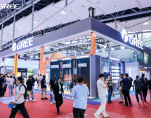
GUANGZHOU, CHINA – Media OutReach Newswire – 17 April 2026 – On April 15, the 139th China Import and Export Fair (hereinafter referred to as the “Canton Fair”) officially opened. As a leading enterprise in the manufacturing sector, Gree Electric made a grand appearance at Pavilion 4.2A under the theme “GREE, Making Better Electric Appliances,” presenting over a hundred innovative products in its largest exhibition area in Canton Fair history. Amid the global wave of green and intelligent manufacturing transformation, GREE is leveraging its hard-core independent innovation and full-industry-chain capabilities to show the world the confidence and resolve of China’s intelligent manufacturing to navigate industry cycles and lead the transformation.

GREE at the 139th China Import and Export Fair

Zhu Lei, CMO of Gree Electric, stated that Gree has participated in the Canton Fair for 31 consecutive years. This year, GREE brought 130 products to the event. Facing the global market, GREE strives to fully meet the practical needs of consumers from different regions worldwide. Notably, the majority of these products are originally manufactured in and exported from China, reflecting the dedication and ingenuity of GREE’s Chinese craftsmen.

It is reported that at this year’s Canton Fair, GREE has created a full-industry-chain exhibition space ranging from core components to scenario-based solutions. To date, buyers from over 50 countries and regions have scheduled visits and business negotiations, marking a 21% year-on-year increase.

Currently, the global home appliance industry is undergoing a dual transformation. On one hand, an energy efficiency revolution driven by the “Dual Carbon” goals makes the transition to eco-friendly refrigerants an urgent priority; on the other hand, an experience revolution spurred by consumption upgrades has made quietness, health, and smart features the core demands of users. GREE’s SilenzX series ultra-quiet air conditioners, showcased at the event, serve as a precise response to this trend. Equipped with a self-developed rotary four-cylinder compressor, the SilenzX series reduces the minimum sound pressure level of the outdoor unit to a mere 29 decibels—far below the industry average of 42 decibels. Backed by 137 invention patents, the product recently won a Gold Medal at the International Exhibition of Inventions Geneva, signaling that Chinese enterprises have shifted from being “followers” to “leaders” in the realm of comfort technology.

A deeper layer of competitiveness stems from GREE’s long-term bet on a green future. Among the products showcased at this Canton Fair, over 80% are equipped with AI, green energy-saving, and other advanced technologies. GREE has comprehensively implemented R290 eco-friendly refrigerant technology across its entire product matrix, including split units, window units, and water heaters. Furthermore, its world-first photovoltaic air conditioning system has achieved a systemic breakthrough of “zero carbon emissions, zero electricity bills, and zero waste.” The AI dynamic energy-saving technology also utilizes intelligent algorithm optimization to boost annual energy efficiency by 15.8% and reduce power consumption by 13.6%. Rather than isolated technological features, these represent comprehensive green solutions that cover the entire chain of energy production, transmission, and consumption, providing the industry with a leapfrog path from “low-carbon compliance” to “zero-carbon leadership.”

Behind this systemic innovation capability lies a full-industry-chain competitive moat forged through 35 years of independent R&D. At this Canton Fair, Gree introduced three major compressors—G-Boost, G-Storm, and G-Hyper—which have successfully overcome industry challenges such as ultra-high-temperature cooling and ultra-low-temperature heating. Its star product, the GMV 9 series, is capable of operating in an ultra-wide temperature range from -35°C to 60°C, marking GREE’s achievement of full-stack technological autonomy from core components to system integration.

Overseas buyers visit the booth of Gree

This strategic resolve is yielding substantial returns in GREE’s global layout. As one of the first Chinese home appliance companies to venture overseas, GREE has built a network covering more than 190 countries and regions. Independent brands now account for 70% of its total export volume, and this figure exceeds 85% in Belt and Road countries. This marks a highly successful, high-quality transformation from a traditional OEM (Original Equipment Manufacturer) model to an independent brand-led enterprise.

From core technological breakthroughs to a green and low-carbon transition, GREE remains rooted in technology and centered on quality. Its presence at the Canton Fair serves as a vivid microcosm of the transformation and upgrading of China’s manufacturing sector, demonstrating the powerful potential and dynamic momentum of “Made in China.”
Hashtag: #GREE

The issuer is solely responsible for the content of this announcement.

Arabian Post Staff -Dubai Abu Dhabi Crown Prince Sheikh Khaled bin Mohamed bin Zayed Al Nahyan used meetings in Beijing with President Xi Jinping and Premier Li Qiang to push the UAE-China relationship deeper into energy, investment, technology and industrial cooperation, as both sides sought to align long-term economic goals with a more volatile regional backdrop. The visit, which ran from April 12 to April 14, also […]

BEIJING, CHINA – Media OutReach Newswire – 16 April 2026 – With light and shadow flowing to carry forward the revolutionary legacy, and children’s voices resounding to celebrate the glorious chapters of our times. On April 9, guided by the Publicity Department of the CPC Beijing Committee, the event was jointly organized by the China National Film Museum, the China Film Association and the China Children’s Film Association.

As a public welfare brand dedicated to children’s growth and education for sixteen years, the activity continues to uphold the purpose of “fostering children’s growth, inspiring their minds, enriching their lives, and promoting children’s cinema.” Centered around the theme “A Dream of Light and Shadow, Voices Create Brilliance,” it targets children aged 7 to 16 both domestically and internationally. With film dubbing at its core, the activity provides a platform for artistic immersion, ideological guidance, and practical growth through diverse forms such as film lectures, dubbing challenges, film culture summer camps, and talent showcases, guiding children to experience the charm of film art in the world of light and shadow.

The year 2026 marks the 105th anniversary of the founding of the Communist Party of China and the 90th anniversary of the victory of the Long March of the Chinese Workers’ and Peasants’ Red Army. This edition of the event has selected classic films embodying historical memories and revolutionary spirit as dubbing materials, including Sparkling Red Star, The Letter with Feathers, The Detachment of The Hui People, Young Peng Dehuai, The Volunteers: Peace at Last, and Dead to Rights. These films guide children to revisit extraordinary years through cinematic images and grasp the spirit of the times through dubbing. Additionally, classic films showcasing China’s excellent traditional culture, such as Ne Zha 2, Chang‘An, I Am What I Am, and Big Fish & Begonia, help children strengthen their cultural confidence through diverse artistic nourishment.

With voices soaring, children interpret the legends of light and shadow; with dreams setting sail, they shine with youthful splendor. From today, the registration channel for the 17th China Children’s Film Dubbing Promotion and Exhibition Event is officially open! Dubbing enthusiasts aged 7 to 16 may access details and sign up via the official mini-program “Xiao Ying Mi Ai Pei Yin” or the WeChat Official Account of the China National Film Museum.

Hashtag: #ChinaNationalFilmMuseum

The issuer is solely responsible for the content of this announcement.

JAKARTA, INDONESIA – Media OutReach Newswire – 15 April 2026 – Huawei Cloud AI Boost Day, themed “Agentic AI Practice”, was successfully held in Jakarta. At the event, Huawei Cloud announced the official launch of its MaaS service in Asia Pacific.

Huawei Cloud MaaS grand launch across Asia Pacific

Following the rollout of AI Compute Service in Hong Kong (China), Thailand, Indonesia, and Singapore in 2025, Huawei Cloud MaaS (Model-as-a-Service) is now available, leveraging Huawei’s in-house acceleration engine to support mainstream models and provide customers with stable and high-quality token services.

Huawei Cloud continues to strengthen its collaboration with high-quality open-source models in the industry. Six models from three categories—GLM, DeepSeek, and Qwen—are the first to be supported by MaaS. These models are designed for two major application scenarios: intelligent Q&A and AI coding. They offer one-click access and out-of-the-box model hosting services, covering the entire lifecycle of model management from deployment to inference, fine-tuning, and evaluation. With elastic compute and pay-per-use billing, enterprises and developers can quickly integrate AI capabilities into their service systems without having to worry about the underlying infrastructure. This makes AI accessible to everyone.

Notably, this release includes support for the latest GLM-5 model. GLM-5 has attained state-of-the-art (SOTA) performance in coding and agent capabilities, making it an ideal general-purpose agent foundation for complex system engineering and long-text agent tasks in enterprise environments.

Huawei Cloud’s long-term strategic investment in AI has resulted in a comprehensive suite of AI solutions, including CloudMatrix AI Infra, MaaS, ModelArts (a model training and inference platform), CodeArts (a coding agent), AgentArts (an agent platform), and DataArts (a data agent).

CodeArts and AgentArts will be launched outside the Chinese mainland in the second half of 2026.

Huawei Cloud has established an optimized cloud infrastructure network in the Asia Pacific region. This network comprises five Regions and 18 availability zones (AZs) located in Singapore, Thailand, Hong Kong (China), Indonesia, and the Philippines, ensuring a 50 ms access latency. Additionally, in Malaysia, Huawei Cloud and partners have jointly built a local cloud.

Huawei Cloud AI Compute Service have helped many Asia Pacific customers elevate their cloud journey from simply migrating to the cloud to using AI well. They have benefited from improved productivity and better adaptation to changing environments.

iFLYTEK, a leading intelligent voice and AI company, selected Singapore as the first destination for its global expansion strategy in 2023, naturally extending its collaboration with Huawei Cloud from China to a global scale. Huawei Cloud AI Compute Service helped iFLYTEK quickly deploy their large language model training resources within two weeks. The training remained stable for 60 days without interruption, ensuring zero faults during the release of major versions.

In Vietnam, Green and Smart Mobility (GSM), an emerging green mobility platform, migrated its core operations platform to Huawei Cloud to reduce costs, enhance efficiency, and achieve multi-cloud flexibility. GSM has developed a comprehensive fleet management platform using AI and IoT. By utilizing Huawei Cloud IoTDA and ModelArts AI technologies, GSM analyzes violations and generates risk alerts to ensure driver and passenger safety, thereby fulfilling its mission of promoting green and safe transportation.

Huawei Cloud will continue to invest in AI innovation and provide a secure, stable, and intelligent cloud foundation to help enterprises in Asia Pacific achieve sustainable business growth in the AI era.


Hashtag: #HuaweiCloud #MaaS #AI #Token


Wechat: 亚太华为云

The issuer is solely responsible for the content of this announcement.

About Huawei

Founded in 1987, Huawei is a leading global provider of information and communications technology (ICT) infrastructure and smart devices. We have 207,000 employees and we operate in more than 170 countries and regions, serving more than three billion people around the world.

Our vision and mission is to bring digital to every person, home and organisation for a fully connected, intelligent world. To this end, we will work towards ubiquitous connectivity and inclusive network access, laying the foundation for an intelligent world; providing diversified computing power where you need it, when you need it, to bring cloud and intelligence to all four corners of the earth; build digital platforms to help all industries and organisations become more agile, efficient, and dynamic; and redefine user experience with AI, making it smarter and more personalised for people in all aspects of their life, whether they’re at home, on the go, in the office, having fun, or working out. For more information, please visit Huawei online at www.huawei.com

Asian equities pushed higher on Thursday as hopes of a diplomatic opening in the US-Iran conflict combined with solid corporate earnings to lift sentiment across the region, extending a rebound that has carried global benchmarks back towards, and in some cases beyond, their pre-war highs. MSCI’s broadest index of Asia-Pacific shares outside Japan rose about 0.9 per cent, while Japan’s Nikkei jumped 2.2 per cent to a fresh record, tracking Wall Street gains after the S&P 500 and Nasdaq ended at all-time closing highs on 15 April.

The rally reflected a market view that the worst-case economic fallout from the conflict may yet be avoided if negotiations regain momentum. Investors were encouraged by signs that talks between Washington and Tehran could resume after earlier efforts faltered, easing some fears over energy supply disruptions and allowing attention to swing back to earnings, economic data and the resilience of household demand in the United States and Asia. That shift in mood helped lift US stock futures and underpinned broader gains from Tokyo to Mumbai.

Japan led the advance, with exporters and technology names benefiting from stronger risk appetite and the market’s belief that any easing in Middle East tensions could reduce pressure on fuel costs and shipping. The Nikkei’s record level also reflected investor confidence that large Japanese companies remain well placed to benefit from global demand for semiconductors, automation and artificial intelligence infrastructure. Elsewhere, South Korean and Hong Kong shares also moved higher, while mainland Chinese markets were supported by data showing the economy expanded by 5.0 per cent in the first quarter, beating expectations and offering some reassurance that domestic activity has retained momentum despite the geopolitical shock.

Wall Street’s lead mattered. The S&P 500 closed at 7,022.95 on Wednesday, a record that marked a full recovery from losses triggered after the conflict began in late February, while the Nasdaq posted another record finish and extended a powerful winning streak. Strong results from major banks, including Bank of America and Morgan Stanley, reinforced the idea that corporate America is entering the earnings season on firmer footing than many investors had feared when oil prices spiked and risk assets sold off. Reuters reported that 84 per cent of companies that had reported by then had beaten expectations, helping to steady nerves about margins and consumer activity.

The earnings story is now sharing the stage with geopolitics. Markets are effectively pricing a narrower range of negative outcomes than they were only weeks ago, but that optimism remains conditional. Oil prices, while off their most alarming levels, are still elevated by historical standards, and every diplomatic headline continues to carry outsized weight because the Strait of Hormuz remains central to global crude flows. Reports that Iran may allow shipping through the waterway helped calm traders, though supply risks have not disappeared, especially with refinery disruptions in Australia and the threat of fresh sanctions or military miscalculation still present.

That tension between relief and caution is visible across asset classes. The dollar was broadly steady, the euro stayed firm, gold edged up and cryptocurrencies drifted lower, all signs that investors have not fully abandoned hedges even as they add exposure to equities. In India, shares opened higher as lower oil prices and hopes of renewed dialogue supported all major sectors, with the Nifty 50 and Sensex building on gains from the previous session. For economies that import large volumes of energy, any sustained cooling in crude would ease inflation pressure, support currencies and give central banks more room to focus on domestic growth rather than external shocks.

Technology remains a central pillar of the market’s confidence. Taiwan Semiconductor Manufacturing Co. was in focus ahead of results that investors expected to show a sharp profit jump, driven by demand tied to artificial intelligence chips. That anticipation has fed into a broader belief that the AI investment cycle can continue to offset weakness elsewhere in the global economy. Yet the strength of that narrative also creates a vulnerability: richly valued technology shares leave little room for disappointment, and any sign of slowing orders or tighter capital spending could quickly change the market tone.

China is set to issue 15.5 billion yuan in sovereign bonds in Hong Kong on 22 April, marking its largest offshore yuan government bond sale in the city since 2023 and adding to the pool of renminbi assets available to global investors at a time when geopolitical strain and inflation fears have unsettled many other markets. The Ministry of Finance disclosed the plan on 15 April, with detailed tender arrangements to be published through Hong Kong’s Central Moneymarkets Unit.

The move comes as China’s bond market has drawn fresh attention from overseas investors looking for relative stability. Foreign investors put about $2.5 billion into Chinese debt in March, while other emerging markets as a group suffered roughly $16.7 billion of outflows, according to Reuters data. That divergence has sharpened interest in yuan assets, helped by lower inflation in China, a still-supportive monetary stance and a yield curve that has behaved differently from those in the United States and Europe.

For Hong Kong, the planned sale also reinforces its role as the main offshore centre for renminbi financing. Regular sovereign issuance from Beijing has long been used to deepen the city’s yuan liquidity pool, extend the offshore yield curve and provide benchmark pricing for other issuers. Hong Kong authorities have made expansion of the offshore renminbi ecosystem a policy priority, linking bond issuance with broader efforts to promote cross-border settlement, trading and investment products tied to the Chinese currency.

Beijing has already tapped the Hong Kong market once this year. In February, the Ministry of Finance sold 14 billion yuan of sovereign bonds in the city, split across two-year, three-year, five-year, 10-year and 30-year maturities, with the offering drawing nearly four times subscription. That strong demand provided an early signal that institutional investors still had appetite for Chinese sovereign paper despite uncertainty over domestic growth and external trade conditions. The new 15.5 billion yuan deal will exceed that February size and also top the 12.5 billion yuan tranche sold in Hong Kong in April 2025.

Timing is central to the significance of the sale. Global investors have been reassessing where to park money as the war involving Iran has pushed up oil prices, clouded the inflation outlook and stirred volatility across currencies and bonds. The International Monetary Fund warned this week that the conflict is raising broader financial stability risks, especially if funding conditions tighten or inflation expectations become more entrenched. Against that backdrop, China’s comparatively subdued inflation and its ability to avoid the kind of aggressive rate response seen elsewhere have made its debt market look more defensive than many peers.

That does not mean investors are ignoring the risks. China remains a large energy importer, and any sustained period of high oil prices could feed through into producer costs, growth expectations and longer-dated bond yields. Reuters reported that investors have favoured short- and medium-dated Chinese bonds more than the long end, even as demand for the asset class has improved. There are also broader questions around China’s economy, including softer credit demand, pressure on exports from weaker global activity and the continuing need for fiscal support. March bank lending rose from February levels but still missed expectations, highlighting the uneven nature of the recovery.

The bond sale also fits within a wider fiscal picture. China’s 2026 budget includes 1.3 trillion yuan of ultra-long special treasury bond issuance, matching the previous year, and the Finance Ministry is due to brief underwriters on the broader government borrowing plan. Investors have been closely watching how Beijing balances support for growth with concerns about duration risk and market absorption, especially after expectations of a smaller allocation of 30-year special bonds helped pull those yields lower.

For Hong Kong’s market, a larger sovereign bond sale offers both symbolism and practical benefits. Sovereign paper from Beijing serves as a high-grade reference point for pricing dim sum bonds and other offshore renminbi instruments, while also supporting repo activity and secondary-market development. The more frequently and predictably such bonds are issued, the easier it becomes for asset managers, banks and reserve holders to build yuan exposure outside the mainland. Hong Kong officials have repeatedly framed that process as essential to strengthening the city’s function in renminbi internationalisation.

China’s export growth lost momentum sharply in March, offering the clearest sign yet that the war centred on Iran is beginning to weigh on the world’s second-largest economy through higher energy costs, disrupted shipping patterns and weaker overseas demand. Official trade data showed exports rose 2.5 per cent from a year earlier, far below market expectations and down from the 21.8 per cent jump recorded in the combined January-February period.

The slowdown matters because overseas sales have been doing much of the heavy lifting for China while the property downturn and soft household spending continue to restrain growth at home. Economists surveyed by Reuters expect the economy to have expanded 4.8 per cent in the first quarter, up from 4.5 per cent in the previous three months, but they also see the outlook dimming as the Middle East conflict pushes up input costs and clouds demand in key markets.

March’s figures suggest that what had looked like a strong start to the year is becoming harder to sustain. Earlier gains had been supported by front-loaded shipments, strong demand for artificial intelligence-linked electronics and a rebound in some advanced manufacturing exports. That mix is now facing a harsher external backdrop. The conflict involving Iran has disturbed energy markets, with the Strait of Hormuz under severe strain and oil prices climbing towards the $100 a barrel mark, a level that raises transport, production and logistics costs across Asia and Europe.

Imports into China, by contrast, jumped 27.8 per cent in March, the strongest increase since late 2021. Part of that rise reflected demand tied to semiconductors, components and technology supply chains, but it also pointed to stockpiling and shifting trade flows as businesses prepared for a more volatile energy and freight environment. The divergence between softer export growth and surging imports may complicate Beijing’s effort to keep its large trade surplus intact through 2026.

Pressure from the Iran conflict is being transmitted through more than one channel. China remains heavily exposed to imported energy, and although it has reserves and a diversified supply base, higher crude and gas costs squeeze manufacturers’ margins and can erode the price competitiveness that has underpinned the country’s export machine. Reuters reported that March also brought the first rise in factory-gate prices in more than three years, indicating that cost pressures are building just as external demand becomes less predictable.

There are also direct trade effects. Reuters reported that crude and natural gas imports fell as the regional conflict disrupted flows. OPEC, in its first formal assessment of the war’s economic effect, cut its forecast for second-quarter global oil demand by 500,000 barrels a day, saying the conflict had become a meaningful drag on consumption and trade. For export-oriented economies such as China, that points to a tougher environment in which customers abroad may curb discretionary spending while producers face steeper energy bills.

Yet the picture is not uniformly bleak. China’s technology and clean-energy manufacturers still have areas of strength that could cushion the blow. Overseas demand for electric vehicles, batteries and solar equipment has been supported by the same oil shock that is hurting traditional exporters. Associated Press reported that Chinese new-energy vehicle exports continued to surge in March, while another AP analysis said the energy crisis was sharpening global interest in Chinese clean-tech supply chains. Those sectors are unlikely to offset every weakness, but they do show that the country’s export story is becoming more uneven rather than simply weaker across the board.

That unevenness is visible across product categories. Lower-value consumer goods such as clothing, furniture and other labour-intensive shipments were hit by seasonal factors and softer foreign demand, while higher-end electrical and AI-linked exports remained more resilient. South Korea’s sharp rise in exports to China, driven by chip demand, underlined the point that advanced technology supply chains are still expanding even as broader goods trade loses pace.

Beijing now faces a familiar policy dilemma made more acute by war. It wants to preserve growth without adding excessive leverage, support exporters without worsening trade tensions, and stabilise domestic demand while avoiding another debt-fuelled property cycle. Current forecasts still place full-year growth within the official 4.5 to 5 per cent target range, but many analysts now expect a weaker second quarter than they did before the Iran crisis deepened. Fiscal support, bond issuance and selective easing remain on the table, though officials appear cautious about deploying a large stimulus immediately.

MADRID, SPAIN – Media OutReach Newswire – 14 April 2026 – Recently, the Department of Tourism, Culture, Radio, Television and Sports of Hainan Province, China, hosted a Hainan tourism promotion seminar for the local cultural and tourism industry at the China Cultural Center in Madrid. This event aimed to further advance cultural and tourism exchanges and cooperation between Hainan and Spain.

Hainan tourism promotion seminar held in Madrid, Spain.

Attendees included Yang Changqing, Director of the China Cultural Center in Madrid; Aranzazu Urbina Álvarez, Deputy Director for Sustainability and Tourism Development, Community of Madrid; and representatives from over 30 local cultural and tourism enterprises, travel agencies, and industry associations. Together, they conducted in-depth discussions on bilateral cooperation in culture and tourism. Local travel agencies, cultural and tourism companies, and industry association representatives in Madrid showed strong interest in Hainan’s tourism resources and engaged in extensive exchanges with the Hainan delegation, injecting new vitality into the future coordinated development of cultural tourism between the two regions.

Yang Changqing noted that the seminar provides Spanish travel operators with a window to deeply understand the latest developments in China’s inbound tourism market. She expressed China’s hope to enhance cooperation with Spanish cultural and tourism professionals, aiming for more concrete outcomes in joint tourism product development and two-way visitor exchanges, thereby elevating bilateral cultural and tourism cooperation to a new height.

Aranzazu Urbina Álvarez remarked that the event has created a valuable platform for dialogue between China and Spain, enabling both sides to share insights on core issues such as sustainable tourism development. She expressed her anticipation of visiting Hainan in the future to tour the local tourism sector and pinpoint cooperation opportunities that capitalize on the complementary strengths of the two sides.

Over the past year, cultural and tourism exchanges between Hainan and Madrid have seen remarkable progress. Hainan’s Food Week event in Madrid allowed European audiences to experience the unique charm of this Chinese tropical island firsthand. This year, Hainan officially set up a tourism promotion office in Madrid, which will further open channels for cultural and tourism enterprises from both sides to connect, boosting tourism promotion and cooperation on the ground.

Wang Yuechuan, Director of the International and Hong Kong, Macao, Taiwan Market Promotion Division of the Department of Tourism, Culture, Radio, Television and Sports of Hainan Province, stated that the Hainan Free Trade Port is actively working to launch a direct flight route from Madrid to Haikou. At the same time, it is continuously improving infrastructure, such as international payment systems and multilingual services, to offer European tourists a more convenient vacation experience.

Hashtag: #HainanTourism

The issuer is solely responsible for the content of this announcement.

China’s President Xi Jinping used talks in Beijing with Spain’s Prime Minister Pedro Sánchez on Tuesday to press for closer ties with Madrid, casting Spain as a useful partner at a time of what he described as a “crumbling” international order. The meeting placed Spain at the centre of China’s broader effort to keep channels open with Europe as trade frictions, security tensions and strategic rivalry with Washington continue to reshape diplomacy.

Sánchez, on his fourth trip to China in four years, arrived with a message that mixed engagement with caution. On the eve of meeting Xi, he told an audience at Tsinghua University that China should assume a larger role in tackling climate change, inequality, global health, responsible artificial intelligence and major conflicts, while also arguing that Europe must step up as the United States pulls back from several fronts. That language reflected Madrid’s attempt to deepen economic relations with Beijing without ignoring the strategic unease that still colours China’s ties with much of the West.

For Xi, Spain offers a politically valuable counterpart inside the European Union. Beijing has been looking for reliable European interlocutors as Brussels tries to defend industrial interests, scrutinise state-backed Chinese investment and manage disputes over electric vehicles and market access. Spain has often sounded less confrontational than some other European capitals. Sánchez has previously urged compromise over tariffs on Chinese-made electric vehicles and has continued to frame China as a strategic partner rather than only a rival. That posture does not place Madrid outside the EU mainstream, but it does make Spain one of the more open major economies for Chinese diplomacy.

Trade remains the hardest fact beneath the warmer language. Sánchez acknowledged in Beijing that China accounts for 74 per cent of Spain’s overall trade deficit, and Reuters reported that Spain’s deficit with China approached $50 billion in 2025 after more than doubling over four years. Madrid wants better access for agricultural and manufactured exports while preserving inward investment that could help its green transition and industrial base. Chinese capital has already been tied to projects in batteries, hydrogen and manufacturing in Spain, underlining why the government sees practical gains in staying engaged even as the imbalance in trade grows harder to ignore.

That commercial logic is colliding with a tougher geopolitical climate. Sánchez’s visit has drawn scrutiny because it comes as China seeks stronger European ties during a period of strain with Washington. Reuters reported before the trip that Sánchez’s independent line on China had already irritated U. S. President Donald Trump, while Spain also rejected sharp U. S. criticism of moves to expand trade with Beijing. Chinese officials, for their part, signalled before the visit that they wanted to use it to deepen strategic trust, cooperation and multilateral coordination. The result is a diplomatic balancing act in which Madrid is trying to protect its autonomy, retain access to both superpowers and avoid being forced into a binary choice.

The political symbolism runs beyond bilateral ties. Sánchez’s stop in Beijing follows a succession of other European leaders visiting China this year, suggesting that even governments wary of Beijing’s security posture and industrial policies still see a need for direct dialogue. China is encouraging that trend, presenting stable relations with Europe as proof that it is not isolated despite mounting tension elsewhere. Spain’s government has echoed part of that argument, with Sánchez saying in Beijing that Europe and China had prospered together before and could do so again. That sentiment fits neatly with Xi’s effort to frame China as a pillar of order against a backdrop of war, protectionism and institutional drift.

TCL Electronics is exploring the sale of a stake in its television manufacturing business in India to local buyers, in a move that could help the Chinese consumer electronics group expand more deeply in one of the world’s fastest-growing electronics production bases, according to people familiar with the matter. Bloomberg reported the company is working with an adviser and is seeking to raise at least $200 million from the proposed stake sale.

The deliberations point to a broader shift in strategy for global electronics groups operating in India, where policy support for domestic manufacturing, supply-chain localisation and greater local participation in ownership are increasingly shaping investment decisions. India approved more than $750 million in projects for electronic component manufacturing at the end of March and has set a target of lifting electronics output to $500 billion by fiscal 2031, up from $125 billion in the year to March 2025.

TCL has spent years building out its industrial footprint in the country. The group’s Tirupati manufacturing base, unveiled as its largest such facility outside China, was designed to produce TV and mobile phone screens at scale. Economic Times reported the plant was built with annual capacity for eight million large-sized TV screens and 30 million small-sized mobile screens.

That industrial push has since been reinforced by TCL CSOT India, the company’s display-panel arm, which said it had completed three production lines with monthly capacity of 1.2 million units and was moving towards full bonding, lamination and assembly operations with capacity reaching two million units a month. The company said the India operation was supplying panel modules to customers including Samsung, underscoring that the business is not only about selling finished televisions under the TCL brand but also about embedding itself in the wider supply chain.

A partial stake sale to domestic investors would therefore carry strategic weight beyond capital raising. It could give TCL stronger local alliances, improve regulatory comfort, and help the company navigate a market where manufacturing, sourcing and ownership are increasingly entwined with industrial policy. It may also position the business more favourably in dealings with state governments, suppliers and large retail channels as competition intensifies across the television segment. The company has not publicly announced any transaction, and the talks may not lead to a deal.

For TCL, India matters not just as a sales market but as a production and export platform. The company’s 2024 annual report showed it shipped 29 million televisions worldwide last year, with global market share by shipments rising to 13.9%, placing it among the top two TV brands globally, according to Omdia data cited by the company. The same report said TCL ranked among the top three in retail sales volume in nearly 20 overseas markets and recorded strong growth across emerging markets, including the Middle East and Africa.

Those figures help explain why TCL may be seeking a structure that allows it to preserve momentum in India while adapting to local realities. India is becoming harder to treat as a simple import destination. Policy incentives are encouraging assembly, component manufacturing and deeper supply-chain integration, while geopolitical tensions and tariff shifts are prompting multinational groups to diversify production beyond a single geography. For television makers, that means scale alone is no longer enough; local manufacturing depth and political acceptability also matter.

The move also reflects a wider pattern among Asian electronics manufacturers, many of whom have expanded capacity in India to reduce dependence on imports and align themselves with official manufacturing goals. Reuters reported in late March that New Delhi’s incentive programmes are aimed at cutting import dependence and strengthening local supply chains. That policy environment has created room for both foreign and domestic investors, but it has also made partnership structures more attractive than wholly externally controlled operations in sensitive or high-volume sectors.

Arabian Post Staff -Dubai Abu Dhabi-based Etihad Airways has unveiled one of its largest single-market expansions in years, adding five mainland China destinations and 28 weekly flights as it deepens its joint venture with China Eastern Airlines and sharpens its focus on a corridor carrying growing weight in trade, tourism and cargo. The move will lift Etihad’s mainland China operation to 35 weekly services across six gateways, […]

HONG KONG SAR – Media OutReach Newswire – 13 April 2026 – The Hong Kong Trade Development Council (HKTDC) will unite the global lifestyle industry with its seven lifestyle and licensing events from 27 to 30 April 2026. Encompassing gifts, houseware, fashion, printing, packaging, and licensing, these events offer buyers a streamlined and cross-sector sourcing journey. The Hong Kong Gifts & Premium Fair and Home InStyle will be hosted at the Hong Kong Convention and Exhibition Centre, where exhibitors will showcase curated international collection, enabling efficient and diverse sourcing across key lifestyle categories in one central location.

Connecting global suppliers and buyers with trending lifestyle products and innovative ideas.

In 2026, the Hong Kong Gifts & Premium Fair will spotlight four key focuses – personalisation, sustainability, health & wellness, and culture & creativity – guiding buyers to discover products that reflect the latest market trends and consumer preferences.

The fair will once again feature the highly acclaimed Hall of Fine Designs, a convergence point of reputed brands. First time exhibitors include Alpha Art Gifts LLC (United Arab Emirates), known for its unique and high-quality gift solutions; Crown Decor Pvt Ltd (India), a leading manufacturer for premium laminates. And the distinguished Hong Kong brands Camel and RedA will continue showcase their products at the fair. In addition, the Shanxi Pavilion will make its debut at the Hong Kong Gifts & Premium Fair 2026. This year, the Zhejiang Pavilion, for the first time led by the Department of Commerce of Zhejiang Province, will bring a large number of exhibitors. Meanwhile, the Korea Pavilion and Busan Pavilion will return with even greater presence.

Furthermore, the Hong Kong Exporters’ Association will assemble Hong Kong companies to form a pavilion, showcasing the design skills and branding excellence of Hong Kong’s product designers. The Smart Design Global, organised by Hong Kong Exporters’ Association, will also showcase shortlisted entries and signature products from its participating companies at the Gifts & Premium Fair, leveraging the fair as a platform to promote Hong Kong original designs to international markets.

Running concurrently, Home InStyle will focus on new materials, culture & creativity, and gerontechnology for silver‑age living, aligning with emerging lifestyle and consumer trends. The fair completes the sourcing journey by fostering meaningful connections and spark fresh inspiration across the design and lifestyle community.

A key highlight remains the signature Cultural and Creative Avenue, which will showcase distinguished designs from around the world and welcome international brands that blend unique design concepts with cultural heritage. The fair’s collaboration with Pantone will be elevated, with the Colour of the Year 2026 “Cloud Dancer” prominently featured in this zone. Through trend-focused displays and real-life applications, visitors will see the colour brought to life, helping buyers and exhibitors visualise its use in contemporary home and lifestyle products.

Furthermore, funded by the Innovation and Technology Commission, Home InStyle will launch the Gerontech and Innovative Material Pavilion, where nearly 20 local enterprises will present a wide range of innovative technology products and solutions designed for senior living, while highlighting the application of new materials in home spaces.

“Adding to the fair’s design-led highlights, the 2nd MOTIFX – Embracing the Beauty of Chinese Culture exhibition, organised by the Hong Kong Design Institute (HKDI) under the Vocational Training Council (VTC) and sponsored by the Cultural and Creative Industries Development Agency (CCIDA), invites emerging designers to reinterpret traditional Chinese elements for contemporary contexts. The project seamlessly integrating historical components into modern objects, interiors, and lifestyle products while deepening new generations’ engagement with their cultural heritage.”

Home InStyle will also host a selection of international brands known for their craftsmanship and creativity. Highlights include vibrant hand-blown Bohemian glassware, handmade baskets and bags woven from wild grapevines alongside classic bamboo steamers, and licensed DC Comics illuminated signs.

Throughout the fairs, a series of seminars and forums will bring together leading industry experts to share forward-looking insights on key trends and future developments, from creative thinking and the silver economy to sustainability and beyond. These sessions are crafted to foster meaningful dialogue and equip attendees with the latest market intelligence. As a comprehensive one-stop sourcing platform, the fairs unlock exciting business opportunities and deliver a diverse, world-class selection of lifestyle products and services tailored to every buyer’s needs.

Digital platform creates efficient exhibition experience
Under the EXHIBITION+ model, the fairs integrate offline and online elements. Buyers can continue searching for products and services on the hktdc.com Sourcing platform and network through the Click2Match smart business-matching platform. During the physical fair, buyers can use the Scan2Match function of the HKTDC Marketplace App to scan exhibitors’ exclusive QR codes, bookmark favourite suppliers, browse product information and continue discussions with exhibitors online during or after the show.

One stop registration for HKTDC trade fairs:
https://tinyurl.com/yc8jvdpp

Hashtag: #HKTDC #GiftsFair #HongKong #TradeFair #Innovation #sustainable

The issuer is solely responsible for the content of this announcement.

China has announced 10 measures aimed at signalling goodwill towards Taiwan after a rare meeting between President Xi Jinping and Cheng Li-wun, chairwoman of Taiwan’s main opposition Kuomintang, offering easier tourism, broader trade access and a possible new party-to-party contact channel even as Beijing kept its conditions on sovereignty unchanged.

The package, unveiled on Sunday at the close of Cheng’s visit to China, includes moves to restore more flights across the Taiwan Strait, permit some residents of Shanghai and Fujian to visit Taiwan, ease standards affecting food and fishery imports, and allow selected Taiwanese television dramas, documentaries and animation to be broadcast on the mainland provided they meet Beijing’s content requirements. Chinese state media also said officials would explore a regular communication mechanism between the Communist Party and the KMT.

The announcement followed Cheng’s meeting with Xi at the Great Hall of the People in Beijing on Friday, a politically sensitive encounter that stood out because China has refused to engage with Taiwan’s President Lai Ching-te, branding him a separatist. During the talks, Xi repeated Beijing’s long-held position that both sides of the strait belong to “one China”, said Taiwan independence was the main threat to peace, and called for efforts toward what he described as reunification. Cheng, presenting her trip as a peace mission, said people on both sides wanted stability, development and more balanced exchanges.

That combination of outreach and warning is central to the significance of Sunday’s measures. Beijing appears to be trying to show Taiwanese voters that practical benefits may be available through engagement with the opposition, while keeping pressure on the ruling Democratic Progressive Party and preserving the political precondition that any improvement in ties must rest on opposition to formal independence. The trade and tourism sweeteners may carry appeal for sectors in Taiwan that have long depended on mainland visitors and mainland demand for agricultural and aquatic products, both of which have been disrupted by years of political tension, pandemic-era restrictions and Chinese import curbs.

Taipei’s response was sharply critical. Taiwan’s Mainland Affairs Council said Beijing’s unilateral concessions were “poisoned pills” dressed up as generous gifts and argued that healthy cross-strait exchanges should not be tied to political conditions. That reaction underscored the core divide between the two governments: China says the issue is domestic and insists on a one-China framework, while Taiwan’s administration says only the island’s people can decide their future and that Beijing should talk directly to its democratically elected government rather than sidestepping it.

The KMT, by contrast, welcomed the package and cast it as beneficial to ordinary people in Taiwan. That stance is consistent with the party’s longstanding preference for deeper economic and diplomatic engagement with the mainland than the ruling DPP supports. Cheng’s trip was the first by a KMT leader to China in a decade, making it symbolically important as well as politically divisive at home, where critics say opposition outreach risks strengthening Beijing’s narrative while weakening Taiwan’s bargaining position.

Any goodwill message from Beijing has also been complicated by events in the skies and seas around Taiwan. Reuters reported that Chinese military activity around the island continued during Cheng’s visit, and Taiwan’s defence ministry said warplanes were detected near the island as Xi met the opposition leader. That has allowed Lai’s administration and its supporters to argue that China is offering conciliation in public while maintaining coercion in practice. The contrast has sharpened a broader political argument inside Taiwan between those who say deterrence and defence spending are indispensable, and those who believe dialogue must have a larger role in reducing risk.

Washington has added another layer to the story. Raymond Greene, the top United States diplomat in Taiwan, said Beijing should abandon threats and military pressure and keep communication open with all of Taiwan’s political parties, especially leaders elected by the Taiwanese people. His remarks reflected a familiar United States position: support for dialogue across the strait, opposition to unilateral changes to the status quo, and insistence that talks cannot be divorced from the balance of deterrence.

VISHNU RAJA
RYO YAMADA
HITORI GOTOH
IKUYO KITA