News related to
Chinese

HONG KONG SAR – Media OutReach Newswire – 13 June 2025 – The International Automotive & Supply Chain Expo (Hong Kong) 2025 opened on June 12, bringing together global industry leaders. Seizing this strategic opportunity in Hong Kong, Dongfeng Motor is showcasing its technological edge and promoting nine flagship models covering both passenger and commercial vehicle segments. Dongfeng Motor aims to rank among the top three Chinese […]

The newly announced trade agreement between the United States and China offers temporary relief from economic tensions, but it does not resolve the deep strategic rift between the world’s two largest economies. For investors, I believe, this is a short-term fix within a long-term rivalry, and portfolios must be positioned accordingly. President Donald Trump’s statement that a deal is “done” follows two days of talks in London. […]

2025 Sustainable and Constructive News Awards Now Open for Entries TAIPEI, TAIWAN – Media OutReach Newswire – 12 June 2025 – The 2025 Sustainable and Constructive News Awards are now officially open for submissions. Under the theme “Raise Your Voice, Brighten the World; Report the Truth, Strengthen Its Power,” the Awards call on journalists to merge professional reporting skills with a commitment to sustainability—transforming journalism into a […]

Donald Trump has declared on social media that the United States and China have finalised a trade agreement, pending formal sign-off from both himself and Chinese President Xi Jinping. The accord ensures China will supply rare earth minerals and magnets “up front” to the U.S., while the U.S. will honour its commitments, including allowing Chinese students to study at American universities. Trump also highlighted a tariff arrangement favouring the U.S., imposing a total of 55 per cent, against China’s 10 per cent.

Negotiators in London laid the groundwork for this framework during two days of discussions aimed at restoring the Geneva truce first reached in May, which had faltered amid export restrictions on critical minerals. U.S. Commerce Secretary Howard Lutnick described the outcome as putting “meat on the bones” of the Geneva agreement by addressing China’s curbs on rare earths and magnets. Both governments intend to present the framework for approval by Trump and Xi.

China controls a significant share of the world’s rare earth minerals, essential for manufacturing electronics, electric vehicles and defence technologies. Export licences recently granted to Chinese firms meeting U.S. demand reinforce China’s commitment to the agreement. The shortage of these minerals had previously disrupted global supply chains and limited U.S. access to critical components.

Alongside rare earth supplies, the agreement addresses educational exchanges by reaffirming that Chinese students will continue to access American universities. Trump emphasised this pledge in his social media announcement. Although the U.S. has criticised visas for students in sensitive fields, the deal appears to restore earlier norms.

Trump presented the tariff structure as a win for American interests: 55 per cent U.S. tariffs versus 10 per cent Chinese tariffs. These adjustments mark a shift from the extreme tariff stances of earlier this year, which had peaked at triple-digit levels.

Stock markets responded cautiously to the news: global indices displayed measured optimism as investors awaited details and official approvals. Analysts warned that markets remain fragile, with movement dependent on implementation and trust between the two nations.

Beijing’s participation was led by Vice Premier He Lifeng and Commerce Minister Wang Wentao, who conveyed the deal as a balanced step toward reviving the Geneva pact. The U.S. delegation included Commerce Secretary Lutnick, Treasury Secretary Scott Bessent, and Trade Representative Jamieson Greer. President Trump and President Xi had previously spoken by telephone on 5 June, building momentum for these discussions.

Despite this progress, experts caution that deep-seated mistrust and unresolved disputes remain. Non‑tariff barriers, such as technology export restrictions and visa policies, continue to loom. Chinese officials emphasised the deal’s provisional nature, awaiting “balanced” steps by both sides.

Analyst Ian Bremmer of Eurasia Group observed that while restarting the Geneva truce is a step up from breakdown, achieving a durable U.S.-China trade relationship will require sustained engagement and policy alignment. The role of rare earths as leverage underscores China’s global strategic advantage.

President Trump signalled confidence that approval could occur swiftly: Lutnick suggested sign-off might happen within days, as early as Wednesday or Thursday, after which implementation could begin. However, both governments have set a firm deadline of 10 August to negotiate a broader accord, before tariffs revert to higher levels.

With economic growth at risk from disrupted supply chains and tense trade anomalies, both the White House and Beijing face pressure to deliver tangible results. The World Bank recently warned that heightened tariff uncertainty could drag down global growth to an estimated 2.3 per cent in 2025.

While the deal hasn’t resolved core security‑driven trade issues—such as semiconductor and aviation export controls—it marks a notable thaw in tensions. Trump labelled his relationship with Xi as “excellent”, while both leaders exchanged invitations for state visits, signalling a diplomatic openness that has been absent from U.S.-China relations.

YINCHUAN, CHINA – Media OutReach Newswire – 11 June 2025 – The Fifth China (Ningxia) International Wine Culture and Tourism Expo opened Monday in Yinchuan, capital of northwest China’s Ningxia Hui Autonomous Region, with the Concours Mondial de Bruxelles (CMB) — dubbed the “Wine Olympics” — returning to China after seven years. The opening ceremony of the Fifth China (Ningxia) International Wine Culture and Tourism Expo in […]

By Nitya Chakraborty The high level delegations of United States of America and China concluded their two day trade talks in London on Tuesday agreeing to take forward the course of negotiations for further promoting steady and healthy development of economic and trade ties between the two largest economies of the world. Both Chinese and […]

Applications from African professionals to American MBA programmes are climbing sharply, driven by robust scholarship support, evolving diversity strategies, and a post-pandemic appetite for international career mobility. African candidates are finding new momentum in American business schools thanks to generous funding sources such as the TY Danjuma MBA Scholarship, established in 2011. The fund supports admissions at top‑ranked global institutions, awarding 64 students from nations including Nigeria, […]

Advertisements

Some 2,400 stem cell and regenerative medicine pioneers convene to chart new frontiers, resulting from bidding efforts of Hong Kong Convention Ambassadors of the Hong Kong Tourism Board HONG KONG SAR – Media OutReach Newswire – 11 June 2025 – Reputed to be a leading research and development (R&D) hub for medical sciences, Hong Kong hosts the world’s largest and most significant gathering of stem cell research […]

MediLink Therapeutics Ltd. is preparing to launch an initial public offering in Hong Kong, having secured China International Capital Corp., JPMorgan Chase & Co. and Morgan Stanley as its lead advisers, according to people with knowledge of the matter. The move comes as the clinical-stage biotech firm seeks to capitalise on growing investor interest in advanced tumour-targeting therapies and consolidate its platform of antibody‑drug conjugates.

Founded in 2020 and headquartered in Suzhou with R&D operations in Shanghai and Boston, MediLink has developed a proprietary ADC technology known as TMALIN®. The platform facilitates precise delivery of cytotoxic agents to tumour cells, with the intention of widening therapeutic windows for solid tumour treatments. Its pipeline includes programs that have advanced to clinical stages in both China and the United States, supported by a Series B financing round of approximately USD 70 million in 2022.

MediLink’s strategic engagement of three underwriters reflects heightened confidence in anchor investors and broader syndication. China International Capital Corp. brings deep roots in Chinese capital markets and extensive IPO experience in the biotech sector. JPMorgan and Morgan Stanley add global banking heft and access to international investors.

CICC itself is emerging as a top-tier sponsor for Hong Kong listings. It led or co-led 19 IPOs for Chinese corporates last year, raising USD 3.84 billion, positioning it as a dominant force amid market revival. The engagement of internationally renowned banks alongside CICC is likely aimed at boosting MediLink’s valuation and widening investor interest both locally and abroad.

While IPO details remain confidential, analysts suggest MediLink could seek a valuation in the mid‑to‑high hundreds of millions of dollars. That would reflect both the advanced stage of its pipeline and prevailing market multiples for ADC developers. Comparable biotech flotations in Hong Kong and the U.S. have reflected growing appetite for oncology-focused platforms.

Alongside listing ambitions, MediLink continues to advance its clinical and licensing goals. In March it unveiled preclinical data at the American Association for Cancer Research annual meeting; earlier in the year it received FDA clearance for its IND application for YL217, its lead candidate. YL201, another programme, received Breakthrough Therapy Designation in January for treatment of recurrent/metastatic nasopharyngeal carcinoma.

The company has also pursued strategic licensing agreements with global pharmaceutical firms to expand development and commercialisation capabilities. A licensing deal under discussion ahead of the IPO is believed aimed at enhancing distribution reach while reinforcing MediLink’s balance sheet.

The IPO effort is part of a broader resurgence in biotech listings in Hong Kong, where authorities have eased regulations to attract innovation-driven offerings. CICC and other banks have ramped up support for ADC and gene therapy companies, signalling a turning point after a lull in listings.

MediLink’s choice of banks aligns with a wider trend: CICC has co-sponsored blockbuster floats including the forthcoming mega‑IPO of CATL, while banks like Goldman Sachs and Morgan Stanley have also participated. In this context, MediLink is positioning itself to tap both deep domestic networks and international capital.

Stakeholder sentiment appears optimistic. MediLink’s management team, comprised of co‑founders Tony Xue and Jiaqiang Cai alongside C‑suite leaders experienced in drug development and financial strategy, has overseen steady progress in its ADC pipeline and established global partnerships. Jason Li’s appointment as CFO in 2023 reportedly strengthened the company’s capital market readiness.

Market observers highlight challenges ahead. ADC development remains capital-intensive, clinical risks high, and competition fierce among domestic and international peers. Success will hinge on late‑stage data and licensing traction. At the same time, geopolitical tensions and volatility in Hong Kong equity markets may affect investor sentiment.

MediLink must also navigate post‑IPO obligations, including regulatory reporting and corporate governance under Hong Kong’s Main Board requirements. Mitigating execution risk will be critical, underscoring the role of its chosen bankers in underwriting diligence and market support.

Analysts describe the listing as a pivotal moment: it offers the backing to fund Phase II/III efforts while elevating MediLink’s corporate profile. For banks, it reinforces Hong Kong’s appeal as a biotech capital market when compared with established centres like Nasdaq.

With its IPO process underway, MediLink now awaits market timing and regulatory clearances before formally filing a prospectus. The company is expected to continue advancing clinical data, strengthening licensing ties, and preparing investor materials aligned with regulatory requirements.

Ethiopia’s finance minister has announced that the economy is projected to expand by 8.9 % in the fiscal year beginning 8 July 2025, alongside a modest increase in the budget deficit amid structural reforms. Finance Minister Ahmed Shide addressed parliament on Tuesday, outlining the forecast for the next fiscal year, citing an acceleration in real GDP growth from an estimated 8.4 % this year to 8.9 % next year. The state […]

The Logistics Real Estate Market on the Chinese Mainland Shows Signs of Stabilization Amid Ongoing Consumer and Industrial Demand HONG KONG SAR – Media OutReach Newswire – 10 June 2025 – Cushman & Wakefield (NYSE: CWK) has published its inaugural global logistics and industrial outlook, ‘Waypoint 2025‘, which highlights a significant shift in the sector as global supply chains are reconfigured and cost pressures evolve. Drawing on […]

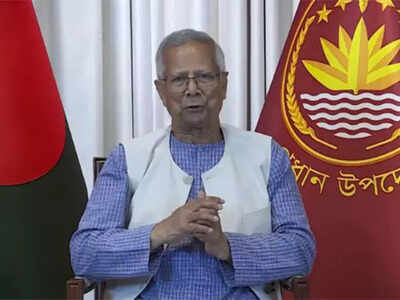
By Nitya Chakraborty The interim Chief Adviser of Bangladesh Government Dr. Muhammad Yunus has finally announced the holding of national elections in the country in the first half of April next year defying the demand of the main opposition party BNP to hold it in December this year. The final dates will be notified by […]

Saudi Arabia will export about 47 million barrels of crude to China in July, marking a modest decline of one million barrels compared with June allocations. Despite the slight reduction, this remains the third consecutive month of elevated shipments to the world’s largest crude importer, underscoring Riyadh’s resurgence in securing market share. This shift follows a decision by OPEC+—a coalition of the Organisation of the Petroleum Exporting […]

WUXI, CHINA – Media OutReach Newswire – 10 June 2025 – At the opening ceremony of the 2025 Jiangsu Week of Grand Canal Culture on June 10, Wuxi, a city located in the heart of E China’s Jiangsu Province, takes center stage as a “City of Music”. The city’s rich musical heritage was highlighted through captivating performances, including traditional Xiju Opera, which enthralled the international audience and […]

Starbucks has announced price reductions averaging 5 yuan on select iced and tea‑based beverages in China, marking a significant shift in its pricing strategy within its second‑largest market. The move, effective from this Tuesday, will place some drinks at 23 yuan, aiming to broaden appeal during afternoon hours amid mounting competitive and economic pressures.

China’s coffee landscape has grown increasingly fragmented, driven by a prolonged deflationary trend and cautious consumer sentiment. Deflation persisted into its fourth month as of May, with consumer prices dipping 0.1 per cent year‑on‑year, prompting retailers across sectors to adjust pricing. Domestic chains such as Luckin Coffee, Manner Coffee and Cotti Coffee now retail Americanos for between 14–15 yuan, while JD.com and Alibaba‑affiliated delivery services can bundle drinks via promotions for as low as 2.9 yuan. Bubble‑tea giant Mixue has entered the fray with tea coffees priced at around 6.9 yuan, following a $444 million IPO in Hong Kong.

A spokesperson closely involved with Starbucks China, speaking anonymously, maintained that the adjustments are not a capitulation to a price war but rather a strategic effort to attract more afternoon foot traffic, particularly towards non‑coffee offerings like frappuccinos and tea lattes. This follows a subtle shift over recent months, where the company introduced smaller drink sizes and more digital coupons to stimulate transactions.

As of late 2024, Starbucks operates 7,685 outlets across the mainland, having added a roasting plant in Kunshan and continued store expansion. Nonetheless, slowing China growth—4.7 per cent in Q2 2024—and deflationary trends have eroded consumer confidence, with job insecurity prompting tighter spending in discretionary areas such as cafés.

Starbucks’ appeal has long rested on its “third‑place” ambience—charging premium for experience. But critics and analysts note that domestic players emphasise product innovation and affordability. Kearney’s Sherri He described the shift: “Starbucks is targeting white‑collar professionals… but broader masses opt for lower‑cost, trend‑driven products”. Indeed, Luckin now runs more than 20,000 stores nationwide, tripling Starbucks’ footprint in major urban centres.

Luckin’s resurgence—after accounting scandals and bankruptcy—has been marked by aggressive volume strategies and rapid recovery in same‑store sales, recording triple‑digit net income growth in late 2024. That firm’s continued expansion underscores the pricing threat Starbucks faces, particularly in lower‑tier cities where cost sensitivity is acute.

Analysts point to broader strategic recalibrations within Starbucks. Last week, the company reportedly explored partnerships and divestments tied to its China operations as part of a wider turnaround push. In recent financial reports, Starbucks admitted North America and China comp store performance remained under pressure, with CEO Brian Niccol pledging menu simplification and improved customer experience.

Starbucks’ pivot seems aimed at reintroducing affordability while defending its premium image. While global chains retreat from steep discounting, in China delivering price accessibility may be essential ground‑level defence. Observers will be monitoring whether afternoon footfall increases and if lower price points sustain margins amid stiff competition.

The broader market vibrates with innovation and localisation. Domestic players are accelerating menu iterations—bubble‑tea flavours, brown sugar boba lattes, coconut‑coconut variants—tailored to Gen‑Z preferences. Mixue’s model, which prioritises ingredient and equipment revenues to franchisees, allows ultra‑low pricing and rapid store proliferation—a direct challenge to Starbucks’ directly‑operated format.

Starbucks’ push into smaller Chinese towns—far beyond tier‑one cities—is another key differentiator. With a goal of opening 9,000 outlets by end‑2025, the company is banking on long‑term expansion even as urban discretionary spending decelerates. But this scale‑up entails heightened exposure to price‑led local competitors.

Top-level officials from Washington and Beijing convened at London’s historic Lancaster House to try to uphold a fragile trade truce. The US team—led by Treasury Secretary Scott Bessent, Commerce Secretary Howard Lutnick and Trade Representative Jamieson Greer—pressed China to lift export restrictions on rare earth minerals, a linchpin in sectors from electric vehicles to semiconductors. China’s delegation, headed by Vice‑Premier He Lifeng and joined by Commerce Minister Wang Wentao and […]

Hong Kong’s Hang Seng index climbed past the 24,000 mark, reaching heights unseen since March, fuelled by renewed optimism surrounding US-China trade discussions. Investor sentiment improved as market participants weighed the possibility of easing tensions between the two largest economies, sparking a notable rally in Hong Kong’s benchmark index. However, this upbeat mood contrasted sharply with the performance of Bitcoin, which struggled amid uncertainties over inflation dynamics and broader market volatility.

The Hang Seng’s advance reflected a growing belief that US and Chinese officials are making progress toward resolving key trade disputes. Early talks aimed at addressing tariffs, technology restrictions, and investment barriers have led investors to anticipate a thawing in one of the most consequential economic standoffs globally. The improving trade dialogue appears to be encouraging capital inflows into Hong Kong-listed shares, particularly in sectors sensitive to cross-border trade such as technology, manufacturing, and finance.

Market experts highlight that investor focus remains fixed on the trajectory of these negotiations, with any breakthroughs potentially unlocking significant value in the region’s equities. The rally also aligns with a more cautious but hopeful stance among traders that a prolonged trade conflict could ease, bolstering global economic growth prospects. Notably, blue-chip stocks led the gains, signalling confidence among institutional investors betting on recovery and expansion in the Asia-Pacific markets.

Conversely, Bitcoin’s performance diverged, as the leading cryptocurrency grappled with pressure from both macroeconomic and regulatory fronts. The digital asset has faced downward momentum partly due to investor apprehensions over persistent inflationary pressures in the United States. Inflation data remains a key focal point, as higher consumer prices could prompt the Federal Reserve to sustain or accelerate interest rate hikes, tightening liquidity conditions and dampening risk appetite in speculative assets.

Bitcoin’s volatility has also been compounded by shifting regulatory attitudes worldwide. Authorities in various jurisdictions are intensifying scrutiny of digital currencies, citing concerns over money laundering, market manipulation, and financial stability risks. Such regulatory tightening has contributed to a cautious investor approach, limiting Bitcoin’s ability to capitalize on broader risk-on sentiment seen in equities.

Analysts note that while Bitcoin has often been viewed as a potential inflation hedge, its correlation with traditional risk assets has increased, causing it to react sensitively to shifts in monetary policy and global economic uncertainty. This evolving dynamic challenges the narrative of cryptocurrencies as safe havens, complicating portfolio strategies for institutional and retail investors alike.

The Hang Seng’s rally has benefited from strong performances in technology companies listed in Hong Kong. Giants in the semiconductor and telecommunications sectors saw their share prices rise amid speculation that easing trade tensions could reduce supply chain disruptions and promote cross-border business activities. Additionally, financial stocks gained momentum as optimism grew about improving economic fundamentals and potential credit growth in the region.

Meanwhile, traders are closely monitoring upcoming US inflation reports, which could significantly influence market direction. Persistent inflation could lead the Federal Reserve to maintain a hawkish stance, thereby exerting downward pressure on risk assets including equities and cryptocurrencies. Conversely, signs of easing inflation could provide further impetus for market rallies and reduce volatility.

Hong Kong’s role as a financial gateway between China and the global economy continues to underpin investor confidence. The city’s markets are seen as a barometer for broader regional economic health, and the Hang Seng’s rise signals expectations that cross-border trade and investment flows will stabilise or improve amid diplomatic progress. This optimism is tempered by awareness of ongoing geopolitical risks, including Taiwan tensions and global supply chain uncertainties.

Bitcoin’s challenges underscore the growing complexity of the global investment landscape, where traditional and emerging asset classes are influenced by an intertwined set of economic, regulatory, and geopolitical factors. While the cryptocurrency market remains dynamic, its path forward appears increasingly contingent on external economic conditions rather than solely on technological or adoption milestones.

HONG KONG SAR – Media OutReach Newswire – 9 June 2025 – The Chinese University of Hong Kong (CUHK) continues to attract exceptional international talent, as demonstrated by the success story of Sansita DEWANI, a second-year Integrated Bachelor of Business Administration (IBBAC) student from India. Her journey highlights CUHK’s growing appeal among South Asian students seeking world-class education in Asia. CUHK full scholarship awardee Sansita DEWANI (second […]

Matein Khalid I had analyzed SpaceX as a potential 10X winner in the Dubai media circa late 2020 when it traded at a mere $46 billion in the private market and even invited a number of close friends in an investor syndicate after sourcing shares from the Founders Fund in San Fran via the secondary market. Shakespear’s Henry V praised the English longbow archers who won him […]

UAE’s car market is undergoing a fundamental shift as lifestyle-driven mobility rises to prominence, reshaping consumer choices from metal to experience. A surge in preference for digitally enabled, subscription-based, and autonomous transportation is aligning with the emirates’ drive for sustainable, high-tech urban living. Automakers and transport authorities are adapting, marking a new era for mobility in the region.

At the forefront is the uptake of connected and autonomous vehicles. A 2024 Astute Analytica report found that the UAE invested US $500 million in autonomous and connected vehicle infrastructure, and government surveys show that nearly 60 per cent of residents are open to self-driving cars once available . Dubai aims for 25 per cent of its transport network to operate autonomously by 2030, while Abu Dhabi is piloting robotaxis under a combined Dubai Roads and Transport Authority and DP World initiative . Chinese mobility pioneer WeRide has commenced fully driverless robotaxi trials in Abu Dhabi and holds significant UAE licences, further cementing the country’s status as a regional testbed .

Parallel to autonomy, digital car buying and subscription services are gaining ground. A global study by Arthur D. Little reports that UAE has the highest percentage worldwide of buyers willing to complete vehicle purchases entirely online, with 53 per cent preferring full digital transactions . It also notes more than half of car buyers intend to purchase hybrid or electric models for their next car . Major brands such as Jaguar‑Land Rover, Audi and Volvo have launched subscription models allowing flexible short‑term access to vehicles, reflecting a deeper shift from ownership to access .

Luxury meets lifestyle in a market defined by adventure and affluence. The UAE’s love for off‑road capable SUVs—icons like Land Rover, Toyota Land Cruiser and Mercedes G‑Class—remains strong, supported by driving culture and desert heritage . At the same time, social media has amplified the aspirational value of high‑performance and bespoke vehicles, prompting services offering vehicle customisation and luxury rentals to expand .

Despite their prestige, sustainable mobility options are advancing steadily. Government plans aim for EVs to account for 10 per cent of all vehicles by 2030; Dubai Electricity and Water Authority intends to install 1,000 public charging points by 2025 . Financial incentives including free parking and toll exemptions support uptake. While less than 15 per cent of buyers currently prefer full battery‑electric vehicles , more than 50 per cent plan to choose hybrid or electric options next .

Shared mobility and micro‑mobility solutions are gaining traction among urban dwellers. The UAE’s ride‑hailing market grew to US $1.3 billion in 2023, and car‑sharing usage surged by 30 per cent to over 200,000 subscribers . Platforms like Careem, ekar and others expand convenient access while supporting sustainability goals .

Pre‑owned and rental markets also reflect shifting lifestyle demands. The luxury car rental segment caters to business travellers and experience‑seeking residents, accounting for over half of regional luxury rentals . Certified pre‑owned programmes and digital platforms make premium vehicles accessible and promote circular economy models .

Industry participants are racing to adapt. Six major dealers—including Al Futtaim Motors and Al Habtoor—control more than 62 per cent of the auto market by offering hybrid and electric models, digital sales funnels, and after‑sales personalisation services . Additionally, more than 80 per cent of UAE and KSA consumers now value in‑car digital services and are willing to share data for personalised experiences .

Strategic foreign investment continues to flow. In 2024, DP World handled a record 1.3 million vehicles, up 53 per cent year‑on‑year. China led automotive investments region‑wide, with 27 projects worth US $8 billion, generating 20,000 jobs . The UAE attracted 145 automotive projects valued at US $22 billion, solidifying its regional industry leadership .

Air mobility is emerging as a bold frontier. Authorities, including the General Civil Aviation Authority and Technology Innovation Institute, are mapping aerial corridors for air taxis and drones with a view to commercial roll‑out by 2026. Vertiports are under construction as Dubai aims to launch urban air taxi operations in early 2026 . Collaborations with global developers such as Volocopter and Joby Aviation underscore UAE’s intent to lead advanced mobility innovation.

Demographic and behavioural trends are shifting expectations. UAE’s younger, tech‑savvy population demands multimodal transport, sustainable choices, and flexible ownership. European research shows Gen Z and millennials prefer compact, shared, and electric vehicles, and lease options tied to services—mirroring emerging patterns in the Emirates . The convergence of digital retail, in‑car connectivity, autonomous capabilities and lifestyle choices is now the defining feature of the market.

That convergence gives rise to dynamic policy alignment and infrastructure development. Dubai’s Autonomous Transportation Strategy ambitions to ease congestion and strengthen economic diversification, while public‑private partnerships are building the ecosystem for AI‑enabled transport .

The transformation is clear: the UAE auto sector is evolving from a conventional showroom‑focused industry to an experiential mobility ecosystem. Consumers expect seamless digital transactions, autonomous options, flexible subscriptions, and elevated experiences. Governments and businesses are aligning investment and strategy to meet these expectations, fusing luxury with sustainability, and individual desire with urban resilience.

As the 2030 horizon approaches, next‑generation mobility is no longer an aspiration but a reality rolling on UAE roads, in the air, and on digital platforms—heralding a new age for the Gulf’s automotive narrative.


FUZHOU, CHINA – Media OutReach Newswire – 8 June 2025 – Fujian recently launched the “Marine Culture in Fujian” campaign, inviting experts to express their perspectives on the province’s successful marine culture. In this video, Shan Jixiang (Director of the Expert Committee of the Chinese Cultural Relics Society and Director of the Academic Committee of the Palace Museum) and several foreign students visited the traditional village of […]

Top trade officials from the United States and China are set to meet in London on Monday, 9 June, in a bid to ease escalating tensions over tariffs, technology transfers, and critical mineral exports. The announcement follows a 90-minute phone call between President Donald Trump and President Xi Jinping, during which both leaders agreed to resume dialogue and expressed cautious optimism about resolving key disputes. Leading the […]

Oil prices maintained stability following a notable rise as market participants reacted to constructive signals from high-level discussions between the United States and China. Brent crude hovered near $65 a barrel, positioning itself for a weekly advance that would mark its first since mid-May. Similarly, West Texas Intermediate settled close to $63, reflecting a cautious but optimistic outlook amid evolving geopolitical dynamics. The dialogue between President Donald […]

By Nitya Chakraborty 26 days have passed since the temporary truce in the limited four day war between India and Pakistan taking effect on May 10 this year. Prime Minister Narendra Modi has been talking of his three point doctrine since then, the most important of which is no dialogue with Pakistan unless the ruling […]

VISHNU RAJA
RYO YAMADA
HITORI GOTOH
IKUYO KITA