News related to
Chinese

Matein Khalid 2024 was the annus horribilis for luxury stocks as ​the Dragon Empire’s cultural DNA under Xi Dada pivoted to Maoist austerity, inflation hit the mass affluent wannabe Gatsbys of Europe and boonie America and Incredible India’s bling-bling badshahs and bhabhijis discovered the hard way that the speculative stock market mania on Dalal Street can and did end in tears. Obviously, Gandhian values are not exactly […]

CGTN published an article outlining key takeaways of the Chinese government work report, which was submitted to the country’s national legislature for deliberation on March 5. The story expressed China’s full confidence in its economic development prospects for 2025 and highlighted China’s contribution to global development. BEIJING, CHINA – Media OutReach Newswre – 5 March 2025 – The world has once again turned its eyes to Beijing […]

China has set an ambitious economic growth target of approximately 5% for 2025, maintaining the same figure as the previous year, despite ongoing tensions with the United States in the form of a prolonged tariff war. This announcement comes at a time when both countries are embroiled in a cycle of escalating trade restrictions, and experts are closely watching the impact these developments will have on global economic stability.

The Chinese government’s decision to maintain its 5% growth target for 2025 is indicative of its continued focus on achieving steady economic expansion in the face of significant external challenges. The target is in line with that of 2024, as the country seeks to navigate its way through a complicated geopolitical landscape. Despite the slowdown in the global economy and intensifying trade disputes with Washington, the Chinese government is prioritising stability, especially as it prepares for its own domestic policy goals, including technological self-sufficiency and boosting domestic consumption.

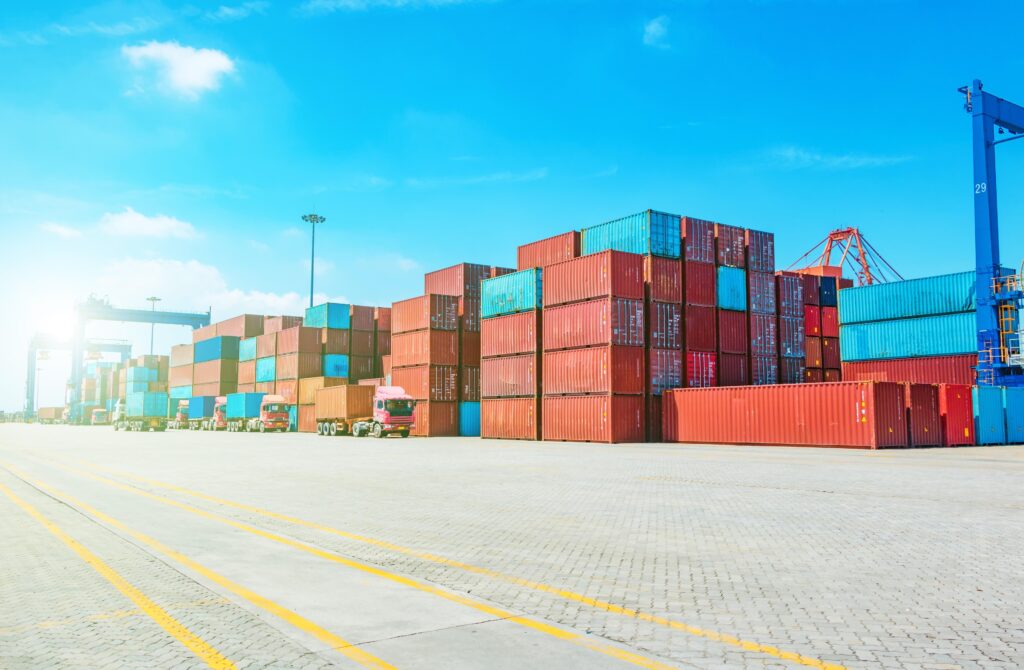
In an attempt to strengthen its economic position, China has introduced retaliatory tariffs on key American imports, notably targeting agricultural products. These include 15% tariffs on chicken, wheat, corn, and cotton from the U.S., alongside a 10% levy on a broader range of agricultural commodities such as sorghum, soybeans, pork, beef, aquatic products, fruits, vegetables, and dairy products. This is a clear response to U.S. tariffs that have impacted Chinese industries, particularly in sectors such as electronics and consumer goods. The trade dispute, which has evolved over the years, now impacts critical supply chains, particularly in sectors where the U.S. and China have intertwined economies.

In parallel with the tariff increases, China has expanded its list of American companies subject to export controls. The Chinese Ministry of Commerce recently added 15 more American firms to its export control list, including drone manufacturer Skydio. This measure is aimed at restricting Chinese firms from providing dual-use technologies—equipment that can serve both civilian and military purposes—to these companies. The move is a direct response to U.S. actions, particularly those targeting Chinese firms like Huawei and TikTok in previous years. By limiting access to advanced technology, China seeks to ensure its technological independence, especially in areas of high strategic importance, such as artificial intelligence, semiconductors, and aerospace.

The trade war, which began under former President Donald Trump, has seen both countries impose tariffs on billions of dollars’ worth of goods. Although the Biden administration initially sought to soften the stance, tensions have reignited as both nations continue to use tariffs as a bargaining chip. The announcement of a 5% growth target comes as China faces several challenges, not only from the trade war but also from domestic economic pressures such as rising debt levels, a struggling property sector, and an aging population.

While the 5% growth target may appear conservative compared to China’s previous years of double-digit expansion, analysts argue that it reflects a more sustainable growth trajectory in the current global climate. The focus is now shifting towards quality growth, with an emphasis on high-tech industries, innovation, and green development. For the Chinese government, maintaining this growth rate is essential for ensuring social stability and reinforcing the Communist Party’s control over the country.

The U.S.-China trade war has led to significant disruptions in global markets, with both sides suffering economic consequences. For instance, the U.S. has seen its farmers and manufacturers experience difficulties due to China’s retaliatory tariffs. At the same time, Chinese companies have faced hurdles in securing advanced technology from U.S. suppliers. This has led to shifts in global supply chains, as companies increasingly seek to diversify their production away from China to avoid the risks posed by further trade escalation.

In response to these challenges, China has been actively exploring alternative markets. This includes strengthening its trade ties with countries in Asia, Africa, and Latin America, as well as making efforts to deepen its economic integration with the European Union. Furthermore, China has focused on boosting its domestic consumption, aiming to reduce its reliance on exports as a driver of growth. This approach has led to the expansion of industries such as electric vehicles and renewable energy, which are seen as crucial for the country’s long-term economic future.

Despite the economic headwinds, China’s leadership remains resolute in its plans to ensure economic growth through a mixture of policy tools. Measures such as infrastructure spending, financial support for key industries, and a continued push for technological advancements are central to these plans. The government’s ability to navigate through this tumultuous period will largely depend on its ability to manage both domestic challenges and international relations, particularly with the U.S.


Oil prices in the Middle East have experienced a significant decline, with the cost of Oman crude on the Gulf Mercantile Exchange falling below Brent crude for the first time since late 2024. This shift marks the end of the Middle Eastern grade’s longest run of premiums over the global benchmark since 2023. The downturn is largely attributed to the anticipated increase in oil supplies from OPEC+ nations, prompting a selloff in the region’s crudes.

The Organization of the Petroleum Exporting Countries and its allies, collectively known as OPEC+, have confirmed plans to proceed with a gradual increase in oil production starting April 2025. This decision involves unwinding the 2.2 million barrels per day of voluntary production cuts that were implemented to stabilize the market. The phased approach will see an average monthly rise of 137,000 bpd, extending until September 2026. Notably, the United Arab Emirates will receive a 300,000 bpd increase in its production target over this period.

This strategic move by OPEC+ reflects a response to healthier market fundamentals and a positive outlook for global oil demand. However, the group has emphasized flexibility, stating that the planned production increases may be paused or reversed if market conditions warrant such adjustments. This adaptability aims to maintain oil market stability amid evolving economic landscapes.

The announcement has exerted downward pressure on global oil prices. Brent crude futures fell by 1.6%, settling at $71.62 per barrel, while West Texas Intermediate crude dropped by 2.0%, closing at $68.37 per barrel. These figures represent the lowest closing prices for Brent and WTI since early December 2024.

Market analysts attribute the price decline to multiple factors beyond the anticipated OPEC+ supply boost. President Donald Trump’s recent announcement of imposing tariffs on imports from Canada and Mexico, as well as increasing duties on Chinese goods, has raised concerns about potential dampening effects on energy demand. Additionally, the U.S. decision to pause military aid to Ukraine and speculation about easing sanctions on Russia have contributed to market volatility and uncertainty.

The increase in oil production is expected to come from several OPEC members and their allies, adding approximately 2.2 million barrels over the next 18 months. Analysts suggest that this decision could lead to oversupply issues, further pressuring prices if demand does not keep pace. This situation has negatively impacted major oil company stocks, with significant declines observed in Exxon Mobil, Chevron, BP, Shell, and Total Energies.

The shifting dynamics in the oil market underscore a potential transition of influence from traditional producers like OPEC to other global players. The rise of electric vehicles, advancements in fuel efficiency, and reduced reliance on oil for power and heating have contributed to weaker demand, challenging the market power of oil-producing nations.

Chinese electric vehicle manufacturer BYD has successfully raised $5.6 billion through a significant share sale, marking the largest equity follow-on offering in the global automotive sector in the past decade. The company sold 129.8 million shares at HK$335.20 each, representing an 8% discount to its previous closing price. The United Arab Emirates-based Al-Futtaim Family Office emerged as a key investor in this transaction, underscoring a strategic partnership […]

ByteDance, the parent company of TikTok, has initiated a new share buyback program for its U.S.-based employees, offering $189.90 per share. This marks an 11% increase from the previous buyback prices of $171 and $181 per share. The latest valuation positions ByteDance at approximately $315 billion, reflecting a significant recovery from its valuation dip in 2023.

The company’s robust balance sheet, bolstered by its expanding domestic and global operations, underpins this enhanced valuation. Despite facing potential U.S. bans over national security concerns, ByteDance continues to demonstrate financial strength. Congress passed legislation last year requiring ByteDance to divest TikTok by January 19, or face a ban in the United States. The enforcement of this ban was postponed for 75 days, allowing the company time to explore its options.

ByteDance’s consistent share buyback programs not only provide liquidity to its investors and early employees but also serve as a testament to its confidence in sustained growth. The company’s valuation trajectory has been noteworthy; in December 2023, a buyback offer valued ByteDance at $268 billion, and by November 2024, this figure had risen to $300 billion.

The company’s flagship product, TikTok, boasts a user base of 170 million Americans. Despite its popularity, TikTok has been under scrutiny due to national security concerns, leading to legislative actions aimed at curbing its operations in the U.S. ByteDance has been actively engaging with the U.S. administration to devise a plan that would allow TikTok to continue operating in the country.

In addition to its share buyback initiatives, ByteDance is making significant investments in artificial intelligence infrastructure. The company plans to spend over $12 billion on AI infrastructure in 2025, with approximately $5.5 billion allocated for acquiring AI chips in China, doubling its expenditure from the previous year. About 60% of these purchases will come from Chinese suppliers like Huawei and Cambricon, with the remainder from Nvidia, modified to comply with U.S. export controls. Furthermore, ByteDance plans to invest around $6.8 billion overseas to enhance its AI model training capabilities.

These strategic investments in AI are part of ByteDance’s efforts to bolster its technological capabilities and maintain a competitive edge in the rapidly evolving digital landscape. The company’s focus on AI aligns with industry trends, as rivals like Baidu, Alibaba, and Tencent also ramp up their AI initiatives.

However, ByteDance’s expansion and valuation growth are not without challenges. The company faces regulatory hurdles, particularly in the U.S., where concerns about data security and potential Chinese government influence have led to calls for stricter oversight or outright bans of TikTok. In response, ByteDance has filed a federal lawsuit against the proposed ban, arguing that it infringes on users’ free speech rights.

By Nitya Chakraborty The U.S. President Donald Trump has fired his missile on Europe, especially, France, UK and Germany by suspending arms aid to Ukraine after categorically making it clear that President Zelensky has to agree to the peace and security deal proposed by Trump on Friday in the White House meeting. The deal is […]

Advertisements

The tariff hammer is about to drop. On Tuesday, the US will slap new duties on goods from Canada and Mexico, and possibly hike levies on Chinese imports. Investors don’t need reminding—tariffs are the number one risk factor hanging over global markets. This isn’t just policy posturing; it’s a direct hit to corporate profits, consumer prices, and the already fragile supply chains that businesses spent years rebuilding […]

By Nantoo Banerjee If the United States of America is the provider of the largest trade surplus to India year after year, there is no reason for India to impose unreasonable tariffs on merchandise imported from its best trading partner. In fact, the import tariff should not be allowed to be a bone of contention […]

Chinese automaker BYD Co. has reported a significant increase in its February 2025 sales, reinforcing its leading position in the global electric vehicle market. The company sold 322,846 vehicles worldwide, marking an 8.9% rise from January’s 296,446 units and a substantial year-on-year growth from 122,311 units in February 2024. This surge includes 318,233 passenger new energy vehicles , encompassing both battery electric vehicles and plug-in hybrid electric […]

The United Arab Emirates has firmly established itself as a leading global investment destination, attracting substantial foreign direct investment inflows that have significantly bolstered its economic landscape. In 2023, the UAE’s FDI inflows surged by 34.97% to reach $30.69 billion, up from $22.74 billion in 2022, marking a notable increase in investor confidence and economic resilience. This remarkable growth positions the UAE as the second-largest recipient of […]

Chinese artificial intelligence startup DeepSeek has unveiled data suggesting its V3 and R1 models could achieve a theoretical daily cost-profit ratio of 545%. citeturn0news9 This revelation has significant implications for the AI industry, particularly concerning operational efficiencies and cost structures.

According to DeepSeek’s disclosure, the daily operational cost for these models amounts to $87,072. This figure is based on the rental expense of Nvidia’s H800 graphics processing units , priced at $2 per hour. In contrast, the models are projected to generate daily revenues of $562,027, leading to the stated 545% cost-profit ratio. citeturn0news9

However, DeepSeek has cautioned that actual revenues may be lower due to various factors, including different model costs, free access via web and app platforms, and reduced developer fees during off-peak hours. citeturn0news9

The company’s pricing strategy has been notably aggressive. DeepSeek recently announced discounts of up to 75% for developers during off-peak hours, specifically from 1630 GMT to 0030 GMT. This move aims to attract a broader developer base and challenge global competitors by offering more affordable integration options. citeturn0news10

Beijing has expressed support for DeepSeek’s advancements, emphasizing that the company seeks to complement, rather than compete directly with, U.S. AI giants like OpenAI and Google DeepMind. The Chinese embassy in Washington highlighted the collaborative potential of global AI developments, reflecting a preference for cooperation over competition. citeturn0news11

DeepSeek’s models have seen rapid adoption across various sectors in China, including hospitals, local governments, car manufacturers, and state-owned enterprises. This widespread integration is attributed to the models’ low deployment costs and the company’s open-source strategy, which have facilitated seamless adoption. Notably, endorsements from President Xi Jinping and major Chinese corporations like Tencent, BYD, and Great Wall Motor have further propelled DeepSeek’s prominence in the AI landscape. citeturn0news12

The company’s cost-efficient approach has raised questions about the high expenditure models prevalent among U.S. AI firms. DeepSeek’s ability to deliver competitive performance using less powerful and more affordable hardware challenges the existing paradigms of AI development and deployment costs.

HONG KONG SAR – Media OutReach Newswire – 28 February 2025 – International Genius Company (hereafter referred to as “IGC“; Stock Code: 0033.HK) announced its interim results for the period ending December 31, 2024.Thanks to the application of AI-driven trading technology solutions, IGC’s tech-driven investment management services segment has achieved significant growth, turning losses into profits. During the reporting period, IGC witnessed a substantial increase in both […]

The Gulf region’s strategic importance in global supply chains is increasing as the US seeks to secure critical minerals vital for technology and clean energy. With an eye on reducing dependence on China, the US is now pivoting towards the Gulf, an area rich in natural resources and energy infrastructure, to diversify its supply of rare earth elements and minerals. Recent geopolitical shifts have made it clear […]

Bitcoin, the world’s largest cryptocurrency by market value, experienced a significant decline on Friday, falling over 5% to a three-and-a-half-month low. The digital asset traded below $80,000 for the first time since November 11, reaching $79,666.

This downturn has erased approximately a quarter of Bitcoin’s market value since mid-December, when it peaked at $105,000. The recent decline is attributed to uncertainties surrounding U.S. President Donald Trump’s impending tariff plans and crypto policy, as well as diminished investor confidence following a substantial $1.5 billion hack involving rival cryptocurrency Ether.

President Trump confirmed that a 25% tariff on Mexican and Canadian goods, along with an additional 10% on Chinese imports, will commence on March 4. This announcement has led to a sell-off in risk-sensitive assets, including cryptocurrencies. The broader tech sector has also been affected, with major indices like the Dow Jones, S&P 500, and Nasdaq experiencing considerable losses.

The recent $1.5 billion hack of Ether from the Bybit exchange has further exacerbated negative sentiment in the crypto market. This incident has raised concerns about the security of digital assets, leading to increased withdrawals from Bitcoin-backed exchange-traded funds.

Market analysts suggest that if key support levels, such as $82,000, do not hold, Bitcoin might face further losses. The decline is also influenced by a broader risk-off environment, significant outflows from spot Bitcoin ETFs, and macroeconomic uncertainties.

SHANGHAI, CHINA – Media OutReach Newswire – 27 February 2025 – Chinese animated blockbuster Ne Zha 2 has taken Hong Kong by storm, topping the city’s box office charts for four consecutive days since its release. As of now, its cumulative earnings in Hong Kong have surpassed $2.07 million, securing its position as 2025’s highest-grossing film in the region. The premiere of the Chinese animated blockbuster “Ne […]

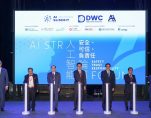
WDTA APAC Institute Inaugurated to Lead AI Governance and Standards Development HONG KONG SAR – Media OutReach Newswire – 27 February 2025 – Cyberport, the World Digital Technology Academy (WDTA) and the International Academicians Science & Technology Innovation Centre (IASTIC) co-organised the “AI Safety, Trust, and Responsibility (AI STR)” Forum. This event served as the Hong Kong session of the recently concluded AI Action Summit 2025 in […]

Nvidia Corporation’s stock has experienced a notable decline, influenced by production delays of its Blackwell AI chips and potential new export restrictions from the Trump administration. The company’s shares fell by 2.7% to $126.73 ahead of its quarterly earnings report, as investors express concern over these developments. The Blackwell series, Nvidia’s next-generation AI chips, has encountered significant setbacks due to overheating issues when multiple units are interconnected […]

HONG KONG SAR – Media OutReach Newswire – 26 February 2025 – Dofo Tea is thrilled to announce the launch of its premium Phoenix Dancong tea, a rare and exquisite tea variety that captures the essence of China’s rich tea heritage. Sourced from the high-altitude Phoenix Mountain in Chaozhou, Guangdong, this tea represents the perfect fusion of tradition, craftsmanship, and natural flavor. Known as the “noble of […]

https://www.census.gov/foreign-trade/balance/c5700.htmlhttps://www.census.gov/foreign-trade/balance/c5700.htmlBy Dr. Nilanjan Banik The US-China trade war has been a focal point of economic discussions for a significant period, as the world’s two largest economies have imposed tariffs on each other’s goods. The Trump administration imposed 10% tariffs on Chinese imports, while China, in turn, levied 15% tariffs on US liquid natural gas (LNG) […]

Apple Inc. has unveiled an ambitious plan to invest over $500 billion in the United States within the next four years, a move poised to significantly bolster the nation’s technology infrastructure and employment landscape. Central to this initiative is the construction of a 250,000-square-foot manufacturing facility in Houston, Texas, dedicated to producing servers for Apple’s artificial intelligence operations. This facility is expected to commence operations in 2026, […]

Shares of Japanese semiconductor equipment manufacturers experienced notable declines today following reports that the United States government is preparing to implement more stringent export controls targeting China’s semiconductor industry. This development has raised concerns about potential disruptions in the global technology supply chain and the financial health of key industry players.

Tokyo Electron Ltd., a leading Japanese semiconductor equipment maker, saw its stock price drop by as much as 4.4% during trading hours. Similarly, other prominent companies in the sector, such as Advantest Corp. and Lasertec Corp., also faced downward pressure on their share prices. These movements in the stock market reflect investor apprehension regarding the potential impact of the proposed U.S. export restrictions on these firms’ operations and revenues.

The proposed measures by the U.S. government aim to curb China’s access to advanced semiconductor technologies, thereby limiting its ability to develop cutting-edge technologies in areas like artificial intelligence and supercomputing. This initiative is part of a broader strategy to maintain technological superiority and address national security concerns. The new controls are expected to include restrictions on the export of certain semiconductor manufacturing equipment and high-performance computing chips to Chinese entities.

In response to these developments, Chinese technology companies are reportedly accelerating efforts to achieve self-sufficiency in semiconductor production. For instance, Huawei Technologies Co. has made significant progress in producing advanced artificial intelligence chips, with the yield of its Ascend 910C processors increasing to nearly 40%, up from 20% the previous year. This improvement underscores China’s determination to reduce reliance on foreign technology amid escalating trade tensions.

The potential implementation of stricter export controls has also prompted discussions among industry stakeholders and policymakers in Japan. Given the interconnected nature of the global semiconductor supply chain, Japanese companies play a crucial role in providing essential equipment and materials for chip production worldwide. The proposed U.S. measures could compel these firms to reassess their business strategies and explore alternative markets to mitigate potential losses resulting from reduced access to the Chinese market.

Bupa introduces a prestigious VHIS plan with enhanced protection, personalised health concierge services, and dedicated health expertise for those who seek the best HONG KONG SAR – Media OutReach Newswire – 24 February 2025 – For people in Hong Kong who want to safeguard what matters most with a plan that goes beyond, Bupa is now welcoming a new Voluntary Health Insurance Scheme (VHIS) plan into its […]

Chinese artificial intelligence startup DeepSeek has announced plans to release five open-source code repositories in the coming week, furthering its commitment to transparency and community collaboration. This initiative follows the company’s recent unveiling of its R1 reasoning model, which has positioned DeepSeek as a formidable competitor to established AI entities like OpenAI and Meta. Founder Liang Wenfeng emphasized the cultural significance of open-source practices, stating that they […]

VISHNU RAJA
RYO YAMADA
HITORI GOTOH
IKUYO KITA