The Centre has ordered a nationwide temporary block on Telegram until June 22, escalating its crackdown on online cheating rackets ahead of the NEET-UG 2026 re-examination scheduled for June 21.
The restriction, issued through the Ministry of Electronics and Information Technology under Section 69A of the Information Technology Act, 2000, follows complaints that groups on the messaging platform were being used to sell, advertise or fabricate claims about leaked question papers. A separate direction requires Telegram to disable, within the country, the editing of already published messages until June 30, a feature investigators say has been exploited to alter posts after publication and mislead candidates about when alleged leak material first appeared.
The National Testing Agency, which conducts NEET-UG, welcomed the move and said the intervention was intended to protect candidates from fraud, impersonation and misinformation before the retest. The agency has also opened an online reporting mechanism for claims linked to fake paper leaks, suspicious social-media groups and attempts to contact candidates with offers of access to the examination paper.
The June 21 test follows the cancellation of the May 3 NEET-UG examination, which affected more than 2.2 million medical aspirants. The original test was annulled after allegations of a question-paper leak and organised cheating led to widening investigations, student protests and criticism of examination governance. The re-examination has become a test of the authorities’ ability to restore confidence in a high-stakes admission system that determines access to medical colleges.
Officials involved in the crackdown have focused on Telegram because of its large channels, rapid forwarding systems and privacy-oriented architecture, which have made it attractive both to legitimate users and to networks selling purported exam material. Investigators have examined groups that allegedly claimed to possess NEET papers, sought payments from anxious candidates and used screenshots of edited posts to suggest advance access to confidential material.
The role of message editing has drawn particular scrutiny. Authorities say some posts were modified after circulation to create the impression that a question paper, answer key or inside information had been available before the examination. That method can fuel panic even where no genuine paper leak has occurred, because altered timestamps and viral screenshots are difficult for candidates and parents to verify quickly.
Cybercrime teams, including the Indian Cyber Crime Coordination Centre, Bihar Police and the Ahmedabad Cyber Cell, have been involved in action against suspected digital fraud networks. Gujarat cyber officials have also arrested two people accused of promising access to NEET papers, underlining that the threat extends beyond one platform and includes paid deception, impersonation and panic-driven extortion.
The government’s decision marks one of the most visible temporary app restrictions since the sweeping blocks imposed on Chinese-linked apps in 2020, though this order is narrower in duration and linked to an examination-security objective. Telecom operators are expected to comply with blocking directions, while app-store availability and platform-level functionality may vary as implementation proceeds.
Telegram has not issued a detailed public response to the order. The platform has faced scrutiny in several countries over alleged misuse by fraud groups, piracy networks and extremist channels, even as it remains widely used for education, business updates, news distribution and community communication.
Civil-liberties groups have criticised the measure as disproportionate, saying a temporary shutdown penalises ordinary users and small businesses that rely on Telegram while leaving deeper vulnerabilities in examination management unresolved. They have called for publication of the blocking order, the reasons cited by the authorities and details of why channel-specific enforcement was judged insufficient.
From campus-based learning to visits to a Chinese medicine production base, combining story-based learning with hands-on experience to bring students closer to TCM through fun and interactive engagement
HONG KONG SAR – Media OutReach Newswire – 16 June 2026 – Building on last year’s success, Beijing Tong Ren Tang’s “The Tong Ren Extraordinary Journey” school outreach programme has been further deepened and expanded this year. Evolving from in-school learning to a model that integrates and extends into off-campus activities, the programme combines school visits with tours of Beijing Tong Ren Tang’s production and R&D base, opening a new chapter in a comprehensive way and bringing students closer to traditional Chinese medicine (TCM) through a lively and interactive engagement.
Photo 1: “The Tong Ren Extraordinary Journey” visited 20 primary schools in Hong Kong, bringing students a fun and engaging introductory journey into the world of Chinese medicine.
Two-stage learning: from in-school education to hands-on experience Through a variety of interactive formats, “The Tong Ren Extraordinary Journey” offers students an engaging and knowledge-rich introduction to Chinese medicine. Designed around the concept of “from understanding to experience,” the programme combines in-school learning with off-campus visits to Beijing Tong Ren Tang’s production and R&D base. Activities include guided storytelling on the “Tong Ren” story, acupoint-based interactive games, and lively introductions to Chinese medicine culture and basic Chinese medicine knowledge, making the learning experience both enjoyable and informative. Students can also visit Beijing Tong Ren Tang’s production and R&D base in Tai Po, where they tour the museum, learn about the operation of the production line, and explore the Chinese Herbal Garden. In this way, students gain a well-rounded understanding of Chinese medicine and learn how it can be applied in daily life.
Herbal planting activities reinforce learning experience A special feature of the programme is a planting experience in the Beijing Tong Ren Tang Chinese Herbal Garden. Guided by gardeners and instructors, students take part in a seedling transplanting activity, observing herbal plants up close and experiencing the planting process first-hand. This hands-on experience not only gives them a sense of achievement but also deepens their understanding of what they have learned. Through this enjoyable and educational activity, Chinese medicine culture is brought to life for the younger generation while supporting its preservation and continued development.
Photos 2: Students visited the “Beijing Tong Ren Tang Chinese Herbal Garden” to learn about the characteristics and medicinal value of different Chinese herbs and took part in a hands-on planting activity.
In-school learning: “The Tong Ren Extraordinary Journey” tutorial During the school visits under “The Tong Ren Extraordinary Journey,” Chinese medicine practitioners and instructors each led nearly 100 students at a time through a lively one-hour session, using an easy-to-understand approach that combined storytelling and interactive games to explore Chinese medicine knowledge. Topics covered ranged from itinerant physicians to hall physicians, from the acupuncture bronze figure to the meridian system, and from the four diagnostic methods of Chinese medicine to its internal and external treatment approaches. Students were also introduced to Tong Ren Tang’s history of supplying imperial medicine, as well as Chinese medicine concepts such as “monarch, minister, assistant and guide“. These sessions helped students understand Chinese medicine in an accessible way, while interactive acupoint games further strengthened memory and comprehension through play.
Off-campus experience: visits to Beijing Tong Ren Tang’s production and R&D base After completing the school visit component of “The Tong Ren Extraordinary Journey,” students also had the opportunity to visit and experience Beijing Tong Ren Tang’s production and R&D base in Hong Kong. During the guided tour, students gained a deeper understanding of the story of Tong Ren Tang, a time-honoured Chinese medicine brand, its imperial medicine tradition and its pharmaceutical culture, while revisiting the core beliefs it upholds: “cultivating benevolence and virtue, and promoting health for the benefit of society” and its corporate motto of “No compromise on cost and labour despite the complexity of processing herbal medicine. No compromise on quality and standard despite the scarcity of medicine ingredients.”
During the visit, students sampled herbal tea as an entry point to understanding Chinese herbs. They then learned about the Chinese medicine production process and took part in a workshop on the traditional pill-rolling technique, an item of intangible cultural heritage. This allowed them to translate theory into practical experience, and to understand how herbs are processed and prepared into medicinal materials for use. Through this, they learned about the development of Chinese medicine from ancient times to the present, as well as the evolution of different dosage forms. Students later moved to the Beijing Tong Ren Tang Chinese Herbal Garden for a herbal planting activity, where they learned how soil, water and sunlight affect plant growth.
Expanded to 20 primary schools, with a comic book supporting school-based extended reading This year, “The Tong Ren Extraordinary Journey” expanded to 20 primary schools, reaching approximately 3,000 teachers and students in total. To complement the in-school curriculum and extended reading, Beijing Tong Ren Tang specially wrote and produced the comic book The World of Chinese Medicine – “The Tong Ren Extraordinary Journey”. Featuring the adorable “Little Tong Ren” as the main character and guide, the comic adopts a child-friendly narrative approach to help students understand the meaning of “Tong Ren” and “Tong Ren Tang,” the wisdom of balance emphasised in Chinese medicine culture, and its people-oriented spirit of benevolence and compassionate healing. Beijing Tong Ren Tang hopes that, through more interesting and approachable content formats, Chinese medicine culture can take root on campus and, through students’ reading and sharing, extend into families and communities as a cultural learning journey that can be passed on continuously.
Bringing Chinese medicine into everyday life Beijing Tong Ren Tang hopes to foster a relaxed and enjoyable learning environment for students, introducing Chinese medicine step by step and encouraging them to share what they have learned with family and friends. By starting from a child’s perspective and focusing on themes such as meridians, herbs and balance, the programme helps integrating the wisdom of TCM into students’ everyday knowledge systems and encouraging them to share and apply these insights in daily life.
The issuer is solely responsible for the content of this announcement.
About Beijing Tong Ren Tang
Tong Ren Tang was founded in 1669 and has a 356-year history. The company has always adhered to its corporate motto of “No compromise on cost and labour despite the complexity of processing herbal medicine. No compromise on quality and standard despite the scarcity of medicine ingredients.” This commitment has led Beijing Tong Ren Tang to steady development, lasting through every generation, achieving excellence, and becoming a national treasure while expanding globally.
At the same time, Beijing Tong Ren Tang has taken on the mission of promoting traditional Chinese medicine culture, actively participating in domestic and international traditional Chinese medicine promotion activities, facilitating cultural exchanges around the world, and striving to expand the international influence of traditional Chinese medicine. To date, it has been operating over 160 retail branches in 26 countries and regions overseas, making it one of the most recognized traditional Chinese medicine brands internationally.
About Beijing Tong Ren Tang Chinese Medicine Company Limited
Established in Hong Kong in 2004, Beijing Tong Ren Tang Chinese Medicine Company Limited serves as Tong Ren Tang’s development platform outside Mainland China. The Company was listed on the Growth Enterprise Market of the Hong Kong Stock Exchange in 2013 and transferred to the Main Board in 2018. Guided by its corporate spirit of “cultivating benevolence and virtue, and promoting health for the benefit of society” and driven by its mission to “create health for all to share globally,” the Company has built on Hong Kong as its base while expanding its global presence. It is committed to promoting Chinese medicine culture beyond Mainland China, and has accelerated the internationalisation of Chinese medicine through a communication model that integrates medical services with pharmaceutical products and places culture at the forefront. (Beijing Tong Ren Tong Chinese Medicine Company Limited website: https://cm.tongrentang.com)
The West Synchrony™ Prefillable Syringe (PFS) System offers strategic infrastructure to support Chinese biotech innovators to expand their global footprint in biologics and vaccines.
SHANGHAI, CHINA – Media OutReach Newswire – 16 June 2026 – West Pharmaceutical Services, Inc. (NYSE: WST), a long-standing partner to China’s pharmaceutical industry, today announced the availability of its West Synchrony™ prefillable syringe (PFS) system to drug developers at CPHI & PMEC China 2026, taking place June 16-18, 2026. This innovative platform uniquely integrates the syringe barrel, plunger, and needle shield/tip cap into a fully harmonized, verified system from a single supplier and emphasizes the company’s commitment to supporting the development of China’s biopharmaceutical sector in alignment with the country’s 15th Five-Year Plan. By strengthening the innovation ecosystem and accelerating development and time to market, the company supports China’s biopharmaceutical companies in achieving biotechnology breakthroughs and reaching global milestones.
West Pharmaceutical Services, Booth N5D18, CPHI & PMEC China 2026
Enabling China’s Next Phase of Global Biopharmaceutical Growth
China’s biopharmaceutical sector is entering a new phase of global relevance. Long recognized as a strategic pillar of the national economy, sustained policy support and investment over the past decade have helped build deep scientific capabilities and a rapidly maturing innovation ecosystem.
As more biopharmaceutical companies “Go Global”, many are establishing a growing international footprint, while others are accelerating their overseas ambitions. Emerging as core players on the global stage, Chinese companies accounted for nearly 50%1 of all new drug molecules entering human trials in the first half of 2025 alone.
At the same time, the growing complexity of biologics and vaccines is driving increased demand for advanced, high-quality drug delivery and packaging systems that can support product performance and safety from early development through commercialization. Competing globally also requires navigating stringent regulatory environments while ensuring reliable, scalable supply. Together, these factors make trusted partners with proven technical expertise and international regulatory experience critical for sustainable growth.
To support Chinese biopharmaceutical companies in their ambitions, West has now made the West Synchrony™ PFS system available in the country.
West Synchrony™ PFS System
This gives Chinese innovators the infrastructure needed to compete on quality, safety, and regulatory compliance across international markets, with greater confidence and efficiency.
“Chinese biopharmaceutical companies today have established themselves as serious global innovators, with significant opportunities to sustain momentum through high‑quality innovation,” said Maha Guruswamy, Vice President & Managing Director, Commercial, Asia Pacific. “The challenge is that a traditional, individual-component system introduces significant technical and regulatory complexities. West Synchrony addresses these by providing a fully verified and integrated containment and delivery system from a single source, allowing our partners to accelerate development and focus on delivering therapies to patients.”
Deepening A Long-Term Partnership with China’s Pharmaceutical Ecosystem
The introduction of the West Synchrony™ PFS system reflects the company’s decades-long commitment to supporting pharmaceutical innovation. This investment extends beyond product offerings to include technical expertise, regulatory support, and a single source of accountability that serve both domestic Chinese companies and multinational partners operating in China.
“As China’s biopharmaceutical companies continue to strengthen their capabilities and expand their presence globally, West is committed to partnering with them at every stage of their growth journey,” said Philip Wang, Senior Director, Commercial, China. “We aim to enable them to achieve their global ambitions, and the West Synchrony™ PFS system is one example from our portfolio of high‑quality, innovative solutions that provide customers with the same trusted infrastructure relied upon by leading multinational pharmaceutical companies worldwide.”
Join West at CPHI & PMEC China 2026
The West Synchrony™ PFS system will be showcased at CPHI & PMEC China 2026, where an expert from West will present on the role of integrated delivery systems in supporting China’s next phase of biopharmaceutical innovation and its global ambitions for expansion. Trade media and industry stakeholders interested in learning more about the technology and its application in biologics are invited to visit the West booth during the exhibition. The details of the presentation are as follows:
Presentation: “Stop Piecing It Together—Get an Integrated Verified Prefillable Syringe System from One Source”
Date & Time: June 17, 14:10-14:40
Location: Shanghai New International Expo Center
Speaker: Lynn Yao, Senior Manager, TCS, AP
The West Synchrony™ PFS System is now available to bio and pharmaceutical companies in China. Visit West at Booth N5D18 to learn more, or find out more information via the website here.
Forward-Looking Statements
Certain forward-looking statements are included in this press release. They use words and phrases such as “achieving biotechnology breakthroughs,” “reaching global milestones,” “accelerate development,” and other similar terminology. These statements include, but are not limited to, statements regarding the anticipated benefits of the West Synchrony™ prefillable syringe system in China, the expected growth of China’s bio-health and pharmaceutical industries, and West’s ability to support customers’ development and commercialization efforts. These statements reflect management’s current expectations regarding future events and operating performance and speak only as of the date of this release.
Forward-looking statements are based on current expectations and assumptions and are subject to risks and uncertainties that could cause actual results to differ materially from those expressed or implied in such statements. Factors that could cause actual results to differ materially include, but are not limited to, changes in market conditions, regulatory requirements, global economic and geopolitical conditions, customer demand, supply chain constraints, competitive developments, technological changes, and other risks. These important factors are not all inclusive. For a description of certain additional factors that could cause West’s future results to differ from those expressed in any such forward-looking statements, see Item 1A, entitled “Risk Factors,” in West’s Annual Report on Form 10-K for the year that ended on December 31, 2025. Except as required by law or regulation, West undertakes no obligation to publicly update any forward-looking statements, whether as a result of new information, future events, or otherwise.
The issuer is solely responsible for the content of this announcement.
About West Pharmaceutical Services, Inc.
West Pharmaceutical Services, Inc. is a leading provider of innovative, high-quality injectable solutions and services. As a trusted partner to established and emerging drug developers, West helps ensure the safe, effective containment and delivery of life-saving and life-enhancing medicines for patients. With over 10,000 team members across 50 sites including 26 manufacturing facilities worldwide, West helps support its customers by delivering over 41 billion components and devices each year.
Headquartered in Exton, Pennsylvania, USA, West in its fiscal year 2025 generated USD 3.07 billion in net sales. West is traded on the New York Stock Exchange (NYSE: WST) and is included on the Standard & Poor’s 500 index. For more information, visit www.westpharma.com.
All trademarks and registered trademarks used in this release are the property of West Pharmaceutical Services, Inc. or its subsidiaries in the United States and other jurisdictions, unless otherwise noted.
SHANGHAI, CHINA – Media OutReach Newswire – 15 June 2026 – On June 11, the People’s Bank of China (PBOC) and Bank Indonesia held the Second Governors’ Meeting of the Joint Work Program in Shanghai, announcing a series of financial cooperation outcomes. The China-Indonesia cross-border QR payment linkage was officially launched in the presence of the governors of both central banks. With this milestone, the number of UnionPay QR merchants outside the Chinese mainland has surpassed 46 million. In attendance at the ceremony were Dong Junfeng, Chairman of China UnionPay and UnionPay International (UPI); Santoso Liem, Chairman of the Indonesian Payment System Association (ASPI); Ge Haijiao, Chairman of Bank of China; Larry Wang, CEO of UPI; and Yang Peng, CEO of Ant International.
Under the government-to-government (G2G) framework, guided by both central banks, and with participation from multiple industry stakeholders, the payment linkage has become a benchmark for digital finance cooperation between China and Indonesia, creating profound impact in the following ways.
First, the linkage delivers convenient, secure, and efficient cross-border payment services to the people of both countries, facilitating bilateral people-to-business exchanges and promoting trade relations.
Second, UnionPay has fully leveraged its role as the hub of the payment industry, collaborating with Ant International and Bank of China (Hong Kong) Jakarta Branch to set a prime example of Chinese enterprises working in concert for global expansion.
Third, the project pioneers bilateral local currency settlement, whereby transactions made by Indonesian wallets in the Chinese mainland are settled in RMB, and transactions made by Chinese wallets in Indonesia are settled in Indonesian Rupiah—effectively enhancing the acceptance and user stickiness of the RMB in international markets.
Fourth, the initiative creates a replicable, scalable framework for cross-border payment connectivity, paving the way for an expansion into more regions across the globe, such as Latin America and Europe.
With the full rollout, two-way cross-border QR code payments have achieved near-nationwide coverage. So far, payment networks in seven out of the eleven ASEAN nations are interoperable with UnionPay.
Chinese users can now use the UnionPay App, banking apps integrated with the UnionPay MobileWallet Connect, and Alipay to make QR payments at tens of millions of QRIS (Quick Response Code Indonesian Standard) merchant locations across Indonesia. Likewise, visitors from Indonesia can pay to UnionPay and Alipay QR merchants in the Chinese mainland with dozens of major Indonesian wallets, such as MyBCA, OVO, DANA, GoPay, Mandiri and ShopeePay.
In recent years, UnionPay continues to grow its global card and QR payment networks and enhance its cross-border payment ecosystem. To date, UnionPay has launched over 200 UnionPay-powered wallets in 37 countries and regions outside the Chinese mainland. Since the beginning of 2026, transactions made by these wallets in China have doubled year-on-year in both transaction count and value, while the number of QR payments made outside the mainland by the UnionPay App and Chinese partner wallets has surged over 300% year-on-year. Moving forward, UnionPay will remain committed to its strategic vision of “Trusted Ties, Shared Success”, scale up two-way payment linkages, enhance user experiences, and deliver more benefits to consumers worldwide.
Hashtag: #UnionPay
The issuer is solely responsible for the content of this announcement.
OpenAI has shut down two China-linked ChatGPT account clusters that it says tried to manipulate US debates over artificial intelligence infrastructure, tariffs and technology policy, with one campaign generating posts and cartoons that blamed data centres for higher electricity bills. The San Francisco-based company said the accounts were used to produce social media comments, comic strips, slogans and political cartoons for apparent covert influence operations. The activity […]
Mistral AI is in talks to raise about €3 billion at a valuation of roughly €20 billion, a potential deal that would sharply lift the Paris-based artificial intelligence company’s standing among Europe’s most valuable private technology groups. The discussions remain fluid and may still change in size, timing or investor composition. If completed near the terms being discussed, the financing would mark another significant jump for a […]
Cybercriminals are using counterfeit AI learning material and developer guides to lure professionals into opening files that trigger a multi-stage malware chain ending in AsyncRAT, a remote access trojan capable of surveillance, data theft and covert system control. The campaign targets Windows users with archives and documents framed as useful resources for artificial intelligence adoption, coding and marketing. One lure was presented as a developer guide for […]
Shin-Etsu Chemical plans to build a new rare-earth refining facility in Fukui Prefecture as Japan accelerates efforts to protect critical mineral supply chains from disruption caused by China’s export controls.
The project marks the company’s first new rare-earth refining facility since 2008 and comes as demand for high-performance magnets rises across electric vehicles, hard disk drives, robotics, wind power systems, defence equipment and advanced electronics. The investment is expected to exceed ¥35 billion, with ¥17.5 billion to be covered by government subsidy support, although the final cost and production schedule have not yet been fixed.
The new facility is intended to reinforce supplies for Shin-Etsu’s rare-earth magnet business and strengthen access to raw materials used in neodymium-based magnets. Heavy rare earths such as dysprosium, terbium and yttrium are particularly important because they improve magnet performance in high-temperature and high-stress applications, including vehicle motors and precision industrial systems.
Shin-Etsu already operates rare-earth refining facilities in Japan and has long been one of the country’s most important producers in the sector. Its rare-earth operations are centred in Fukui Prefecture, where it smelts materials and manufactures magnets at its plant in Echizen. The company says it works from raw materials through production to provide stable quality and supply, while also pursuing recycling and resource diversification.
The planned expansion reflects a broader shift in Japan’s industrial policy after months of tightening access to critical minerals. Chinese shipments of several heavy rare earths and gallium to Japan have been severely restricted since late 2025, heightening concerns among manufacturers that depend on these materials for magnets, semiconductors and other precision components. China continues to dominate mining, separation and refining capacity across the rare-earth value chain, giving Beijing considerable leverage over downstream industries.
Japan remains the largest rare-earth magnet producer outside China, but its manufacturers are still exposed to bottlenecks in the supply of heavy rare earths. The country has built stockpiles, backed overseas projects and encouraged recycling since the 2010 rare-earth shock, when diplomatic tensions with China exposed the risk of overdependence on one supplier. Those measures have improved resilience, but they have not removed the vulnerability.
The latest project is significant because it targets refining and processing rather than simply raw-material procurement. Mining deposits alone do not solve the supply challenge; rare earths require complex separation, purification and alloy processing before they can be turned into magnets. China’s advantage lies not only in reserves but also in decades of accumulated processing capacity, cost efficiency and industrial integration.
Shin-Etsu’s move also fits into a wider network of partnerships being pursued by Japan with Australia, France and the United States. Tokyo has backed alternative producers, supported offtake arrangements and encouraged private-sector investment in midstream processing. Australia-based Lynas has become a key non-China supplier, but output of heavy rare earths remains far below the volumes needed to replace Chinese supply in full.
The pressure is not limited to Japan. Manufacturers in the United States and Europe have faced similar supply uncertainty as export licensing delays affect rare earths used in aerospace, defence, clean energy and electronics. Companies exposed to the restrictions are searching for alternative suppliers, but industry executives warn that rebuilding a fully independent supply chain will take years.
For Shin-Etsu, the business case rests on both security and demand. Permanent magnets are central to electrification and digital infrastructure. Electric vehicles require compact, powerful motors; data centres and hard disk drives depend on precision magnetic components; wind turbines need high-strength magnets to improve efficiency. Demand growth has made the magnet supply chain a strategic concern for governments as well as manufacturers.
The company’s project is unlikely to eliminate Japan’s reliance on imported feedstock, especially for heavy rare earths where global non-China supply remains thin. It could, however, give domestic manufacturers greater control over processing, quality assurance and emergency production planning. That matters for customers in sectors where delivery delays can disrupt production lines and where material specifications are tightly controlled.
The government subsidy underscores how rare earths have moved from a specialist materials issue to a national industrial priority. Public support reduces the financial burden on companies undertaking technically demanding projects with long payback periods. It also signals that Tokyo is prepared to use industrial policy to keep strategic capabilities onshore.
Arabian Post Staff -Dubai Industrial and Commercial Bank of China Limited’s Dubai branch is marketing dual-currency green bonds, offering investors a dollar floating-rate tranche and a renminbi fixed-rate tranche as sustainable debt issuance continues to gain traction across Gulf capital markets. The proposed three-year dollar notes carry initial price guidance at the Secured Overnight Financing Rate plus 90 basis points, while the three-year offshore renminbi tranche is […]
Chinese investors shut out of SpaceX’s planned blockbuster share sale are turning to indirect routes, fuelling speculative demand for offshore vehicles, supplier stocks and domestic space-sector names as Elon Musk’s rocket company prepares for one of the largest market debuts on record. Underwriters handling the offering have been told not to accept orders from investors in mainland China and Hong Kong, with the restriction linked to US […]
SINGAPORE – Media OutReach Newswire – 9 June 2026 – Credit Bureau (Singapore) Pte Ltd (CBS) and Experian Information Services (Malaysia) Sdn. Bhd. (Experian Malaysia) have signed a Memorandum of Understanding (MOU) to develop a two-way cross-border credit reporting service between Singapore and Malaysia.
From left to right: Ms. Dawn Lai, Chief Executive Officer of Experian Information Services Malaysia and Mr. William Lim, Executive Director of Credit Bureau Singapore
The MOU establishes a framework for collaboration to facilitate consented cross-border credit report applications for individuals with financial footprints in either country. The initiative aims to enhance financial inclusion, strengthen credit risk assessment, and support the growing economic integration between the two neighbouring markets.
Singapore and Malaysia share one of ASEAN’s most dynamic economic relationships, with bilateral trade regularly exceeding SGD 100 billion annually. Both countries maintain deep labour, education and business linkages, supported by strong digital infrastructure and rapidly growing digital financial services ecosystems.
The collaboration is strategically aligned with the Johor-Singapore Special Economic Zone (JS-SEZ), which places strong emphasis on digital industries, data-driven enterprises and technology-enabled services. As the digital economy accelerates cross-border business models, including fintech, e-commerce, digital banking and platform-based SMEs, trusted cross-border credit infrastructure will be critical to enabling secure digital onboarding, responsible lending and seamless access to capital across both markets.
Under the MOU, CBS and Experian Malaysia intend to collaborate on a cross-border initiative that enables the structured and secure exchange of individual credit information between the two markets.
The proposed framework will define:
The operational roles of the “Source Bureau” and “Processing Bureau” in generating and facilitating cross-border credit data applications
Secure mechanisms for obtaining and managing consumer consent for a one-time release of the credit report
Personal data protection and compliance safeguards in accordance with applicable laws
Commercial and governance models to support sustainable implementation
For consumers, the initiative is expected to improve access to financial products by enabling lenders to consider verified credit histories of individuals from across the border. This may particularly benefit digital-native workers, entrepreneurs and professionals whose financial footprints span both jurisdictions. As more individuals build financial footprints on both sides of the Causeway, the ability to securely and responsibly reflect their credit history across borders becomes increasingly important. A structured cross-border credit reporting framework can help ensure that consumers are assessed more fairly and comprehensively, rather than being treated as “new-to-credit” applicants when they move between Singapore and Malaysia.
For financial institutions, access to cross-border credit data can provide a more holistic view of an applicant’s financial obligations, supporting stronger digital underwriting, reduced cross-border fraud risk and more confident expansion into adjacent markets. Improved cross-border data transparency may also enhance operational efficiency and portfolio resilience in increasingly digital lending environments.
CBS and Experian Malaysia emphasised that data protection, regulatory compliance, and consumer consent are foundational to the initiative. Both parties are committed to working within their respective legal and regulatory frameworks and engaging relevant authorities to facilitate responsible implementation. The MOU also contains confidentiality provisions governing information exchanged in the course of collaboration.
Mr. William Lim, Executive Director of Credit Bureau Singapore, said:
“As individuals and businesses operate more seamlessly across Singapore and Malaysia, credit information systems must evolve to reflect cross-border realities. This collaboration represents an important step towards enabling more seamless and responsible access to credit for consumers.”
Ms. Dawn Lai, Chief Executive Officer of Experian Information Services Malaysia, added: “Trusted data collaboration is key to strengthening digital financial ecosystems. By working together, we aim to enhance financial inclusion, improve risk transparency and support sustainable growth across both markets.”
Mr. Vincent Yap, CBS Board Chairman & Group Chief Credit Officer, Consumer Credit Risk Management of Oversea-Chinese Banking Corporation, said “The access to cross-border credit data can provide a more comprehensive view of an individual applicant’s financial obligations, supporting more accurate risk assessment outcomes, reduced cross-border fraud risk and promote seamless access to capital across both markets.”
Hashtag: #Experian
The issuer is solely responsible for the content of this announcement.
About Credit Bureau (Singapore) Pte Ltd (www.creditbureau.com.sg)
Credit Bureau (Singapore) Pte Ltd (CBS), a subsidiary of Credit Bureau Asia Limited (CBA), is Singapore’s most comprehensive consumer credit bureau that has full-industry uploads from financial institutions such as retail banks, merchant banks, finance companies and credit card issuers licensed by the Monetary Authority of Singapore (MAS). CBS is a joint venture between The Association of Banks in Singapore (ABS) and Infocredit Holdings Pte Ltd.
The setting up of a consumer credit bureau in Singapore is a significant addition to enhance the Republic’s risk management capability. Since 2002, the Banking Act, administered by the Monetary Authority of Singapore, has allowed CBS members to disclose and obtain credit-related information to mitigate consumer credit risk through information pooling from CBS. From 2021, credit bureaus that conduct consumer credit reporting businesses in Singapore, such as CBS, are regulated under the Credit Bureau Act 2016.
As part of consumer credit reporting business, CBS aggregates credit-related information amongst participating members and presents a more complete risk profile of a customer to credit providers. This helps credit providers to determine the likelihood of the customer repaying, thus enhancing their risk assessment capabilities. Our goal is to also educate and reach out to the wider community on the importance of credit reputation.
CBS has also been designated by the Ministry of Law as the operator of the Moneylenders Credit Bureau (MLCB) under Section 56 of the Moneylenders Act.
MLCB is a central repository of data on borrowers’ loans and repayment records with all licensed moneylenders (LMLs) in Singapore. It will allow LMLs to assess the creditworthiness of borrowers and make informed decisions when granting loan applications. MLCB will also help borrowers to understand their loan information report so as to work towards achieving better financial health.
About Credit Bureau Asia Limited (www.creditbureauasia.com) Credit Bureau Asia Limited (CBA) is a leading player in the credit and risk information solutions market in Southeast Asia. CBA provides credit and risk information solutions to an extensive client base of financial institutions (“FI”), multinational corporations, telecommunication companies, government bodies and public agencies, local enterprises and individuals across Singapore, Malaysia, Cambodia and Myanmar. CBA’s business has two core segments, the FI Data Business and the Non-FI Data Business, covering both consumer and commercial credit risk information.
As at 31 December 2024, the Group has more than 255 financial institution members across Singapore, Cambodia and Myanmar, including banks, microfinance institutions, leasing companies and rural credit operators.
For its Non-FI Data Business, the Group has more than 6,000 enterprise customers, ranging from multinational corporations to small and medium-sized enterprises. CBA’s Non-FI Data Business operates in Singapore and Malaysia, where enterprise customers can access a wide range of business information and risk management services, sales and marketing solutions, and commercial insights. CBA combines data sourced from a variety of publicly accessible registries, Dun & Bradstreet’s extensive international network, as well as information contributed by businesses which subscribe to CBA’s payment bureau services. The Group has access to a database of more than 580 million business records globally.
CBA was named in Forbes Asia’s 2025 “Best Under A Billion” list, marking the second consecutive year that CBA has been named among the top 200 top-performing publicly listed small and mid-sized companies across the Asia-Pacific region.
About Experian (www.experianplc.com)
Experian is a global data and technology company, powering opportunities for people and businesses around the world. We help to redefine lending practices, uncover and prevent fraud, simplify healthcare, deliver digital marketing solutions, and gain deeper insights into the automotive market, all using our unique combination of data, analytics and platforms. We also assist millions of people to realise their financial goals and help them to save time and money.
We operate across a range of markets, from financial services to healthcare, automotive, agrifinance, insurance, and many more industry segments.
We invest in talented people and new advanced technologies to unlock the power of data and to innovate. A FTSE 100 Index company listed on the London Stock Exchange (EXPN), we have a team of 25,200 people across 33 countries. Our corporate headquarters are in Dublin, Ireland. Learn more at experianplc.com.
China’s aluminium exports accelerated in May as overseas buyers turned to the world’s biggest producer to offset supply disruption triggered by the Middle East war, while crude oil imports dropped to their lowest level in eight years in a sign of strain across the country’s commodity flows.
Customs figures showed a sharp rise in outbound shipments of unwrought aluminium and aluminium products, extending the strong performance seen in April, when exports reached 598,000 metric tonnes. The increase underlined China’s role as the main buffer for a global market unsettled by production cuts, shipping delays and higher insurance costs linked to the conflict around the Gulf and the Strait of Hormuz.
The aluminium surge came as China’s wider trade machine gathered pace. Total exports rose 19.4 per cent from a year earlier in May, beating forecasts and widening the trade surplus to more than $105 billion. Imports also grew 27.4 per cent, but the headline gain masked a sharp fall in crude purchases, with volumes down about 29 per cent as refiners leaned more heavily on inventories and cut some buying amid elevated freight and geopolitical risks.
Aluminium has become one of the clearest channels through which the Middle East war is reshaping industrial supply chains. Producers in Gulf states account for a meaningful share of non-Chinese primary aluminium supply, and disruption to power-intensive smelting, port activity and shipping routes has tightened availability for consumers in Europe, Asia and North America. Prices in London climbed to a four-year high this month as traders priced in the risk of prolonged supply constraints.
Chinese exporters have benefited from the opening. Producers and traders have increased shipments of semi-finished products and other aluminium categories where overseas premiums have risen faster than domestic prices. The price gap has improved margins for exporters, even as Beijing continues to manage capacity growth in a sector long associated with heavy energy use and emissions.
The market shift is particularly important for manufacturers in transport, construction, packaging, power infrastructure and renewable energy. Aluminium is widely used in electric vehicles, aircraft parts, solar frames, building systems and high-voltage transmission equipment. A sustained shortage outside China could raise input costs for industries already dealing with expensive financing, disrupted shipping schedules and volatile energy markets.
China’s advantage rests on scale. The country dominates global aluminium production and has built deep processing capacity across provinces such as Shandong, Henan, Guangxi and Yunnan. Its producers can move quickly when export margins improve, though output remains constrained by power costs, environmental controls and the national ceiling on smelting capacity.
The export rise also carries political sensitivity. Western governments have long argued that China’s industrial policies create excess capacity and depress global prices. A fresh wave of metal exports, even if driven by war-related shortages, could sharpen trade friction at a time when the United States, Europe and other economies are expanding scrutiny of Chinese goods in sectors ranging from steel and batteries to solar components and electric vehicles.
Crude oil tells a different story. China remains the world’s largest crude importer, but May’s decline showed how refiners are adjusting to uncertainty in Gulf shipping. The Middle East supplied a large share of China’s crude last year, with Saudi Arabia, Iraq, the United Arab Emirates, Oman, Kuwait and Qatar among key reported suppliers, while Iranian barrels have continued to reach Chinese buyers through opaque trading channels.
Refiners have drawn on commercial and strategic inventories built during earlier periods of lower prices and heavy discounted buying. Weak domestic fuel margins have also reduced the incentive to import aggressively. Independent refiners in Shandong and state-run plants have faced pressure from high crude costs, capped fuel prices and softer demand growth as electric vehicles erode petrol consumption.
The fall in crude imports may help ease immediate pressure on global oil markets, but it also reflects the vulnerability of China’s energy security to maritime disruption. The Strait of Hormuz remains central to crude and liquefied natural gas flows, and any prolonged interruption would force Beijing to rely more on stockpiles, pipeline supplies from Russia and Central Asia, and alternative seaborne routes.
For commodity markets, May’s trade data showed a split picture. Metals exports are expanding where China can monetise overseas shortages, while energy imports are being managed more cautiously to reduce exposure to war-driven price spikes. Copper imports slipped from April, suggesting that parts of the manufacturing supply chain remain uneven despite the strong headline export performance.
MACAU SAR – Media OutReach Newswire – 8 June 2026 – Galaxy Entertainment Group (GEG) proudly unveils “Dazzling Galaxy – Crystalline Art Exhibition” at GalaxyArt, the multipurpose arts and cultural hub at the group’s flagship luxury resort, Galaxy Macau. Centred on innovative translucent materials, the exhibition blends the richness of Eastern cultural heritage by conceptualising themes from nature, presenting a distinctive contemporary artistic style.
The exhibition brings together over 60 pieces of signature works alongside new creations, accentuating cross-disciplinary philosophy of “Technology + Art + Eastern Culture” to achieve glittering and transparent art works. Through the use of innovative, crystalline materials and immersive, accessible artistic language, Wu Daijie Art Studio redefines artistic expression to deliver avant-garde works that resonate deeply with audiences.
GalaxyArt, the artistic and cultural hub of Galaxy Macau, proudly presents the “Dazzling Galaxy – Crystalline Art Exhibition” exhibition, featuring over 60 art works. The exhibition is now open until September 13.
The Opening Ceremony was officiated by guests of honour, including Ms. Maria Helena de Senna Fernandes, Director of the Macao Government Tourism Office; Ms. Chan Lei Lei, Director of Macao Conservatory, Cultural Affairs Bureau of the Macau S.A.R. Government; Mr. Philip Cheng, Director of Galaxy Entertainment Group; and lead artist Wu Daijie.
The Opening Ceremony was held this morning, officiated by guests of honour, including Ms. Maria Helena de Senna Fernandes, Director of the Macao Government Tourism Office (2nd from right); Ms. Chan Lei Lei, Director of Macao Conservatory, Cultural Affairs Bureau of the Macau S.A.R. Government (2nd from left); Mr. Philip Cheng, Director of Galaxy Entertainment Group (1st from right); artist Wu Daijie (1st from left).
At the opening ceremony, Mr Philip Cheng, Director of Galaxy Entertainment Group, said: “Galaxy Entertainment Group continues to align with the Macao SAR Government’s “Tourism + Culture” initiative, working closely alongside the government and industry partners to create distinctive cultural and artistic experiences. Through dedicated efforts, we present a diverse range of unique events that offer fresh and exciting experiences for visitors from around the world. This exhibition bridges artistic expression with technological innovation, inspired by interpretations and imagination rooted in traditional Eastern culture. We believe that this brand-new exhibition will bring renewed vibrancy and creative energy to Macao’s arts and cultural scene this summer.”
Following the opening ceremony, the officiating guests visit the exhibition under docent introduction of lead artist Wu Daijie.
Lead artist Wu Daijie added: “Macau serves as the gateway for Chinese and Western interaction and a vital hub for cultural exchange within the Greater Bay Area. Galaxy Macau and GalaxyArt – world-class integrated resort and arts platform – continuously offer forward-thinking experiences. I am deeply honoured to present my exhibition here, which is not only a sharing of my personal artistic endeavours at this stage, but also a way to contribute to the popularisation of art.”
Structured around four thematic expressions, the exhibition unfolds a poetic journey through light, form and emotion. “Luminosity · The Spirit of Nature” captures the ethereal beauty of living beings, distilling their essence into luminous, crystallised forms that reflect the pure vibrancy of living creatures. “Luminosity · The Glow of Modernity” presents whimsical perfection and unlimited possibilities seen in fairy tales through light and shadows, creating striking, avant-garde visual narratives.
In “Luminosity – Beyond Void & Form,” the serene elegance of Zen philosophy is reinterpreted through a delicate interplay of classical and modern aesthetics, while “Luminosity – Flowing like Water” evokes fluidity and abundance, expressing grace, balance and openness.
A Vivid Transformation into Luminous Clarity
‘Ethereal Flow’, which includes a striking aerial installation and inspired by Laozi’s philosophy—evoking water’s quiet virtue of nurturing all without contention through a dazzling, immersive visual experience.
“Ethereal Flow” — a contemporary, fashion-forward series that includes a large-scale aerial installation – is the highlight in the “Luminosity · Flowing like Water” section series. Inspired by a classic passage from Laozi’s Tao Te Ching— “The highest goodness is like water; water benefits all things without contention, embodying the virtue of humility”—the work reflects the idea that true virtue, like water, nurtures and sustains all without striving. With its dynamic sense of scale and dazzling visual impact, the installation invites audiences to reflect on reality and the nature of humanity.
Ethereal Stone: A Modern Table – 4.2-metre-long and only eight pieces in the world – draws inspiration from the classic anecdote of Mi Fu reverently addressing a scholar’s rock, reflecting the deep-rooted Chinese tradition of stone appreciation and its unique cultural heritage.
“Ethereal Stone” and “Timeless Dialogue: Taihu Stone” is a collection of four pieces at the “Luminosity – Beyond Void & Form” section. The works draw inspiration from the classic anecdote of Mi Fu reverently addressing a scholar’s rock, reflecting the deep-rooted Chinese tradition of stone appreciation and its unique cultural heritage. Centred on the intricate beauty of Taihu stones, the works reinterpret their delicate, sculptural forms through a contemporary lens. By bringing traditional culture into dialogue with modern artistic expression, the series creates a poetic exchange across time. It also serves as a gentle reflection for today’s fast-paced society—encouraging a return to inner contemplation, and a rediscovery of cultural identity and humanistic spirit through the philosophies of Chinese tradition.
“Dazzling Galaxy – Crystalline Art Exhibition” – open now until September 13 at GalaxyArt – invites visitors to immerse themselves in a radiant convergence of innovation, culture and artistry, further enriching Galaxy Macau’s dynamic cultural landscape and reaffirming the award-winning luxury resort’s commitment to world-class creative experiences.
For more information about Galaxy Macau and GalaxyArt, please visit www.galaxymacau.com.
Hashtag: #GalaxyMacau
The issuer is solely responsible for the content of this announcement.
About Galaxy Macau Integrated Resort
Galaxy Macau, world-class luxury integrated resort, delivers the “Most Spectacular Entertainment and Leisure Destination in the World”. Developed at an investment of HK$43 billion, the property covers 1.1 million-square-meter of unique entertainment and leisure attractions that are unlike anything else in Macau. Nine award-winning world-class luxury hotels provide close to 5,000 rooms, suites and villas. They include Banyan Tree Macau, Galaxy Hotel™, Hotel Okura Macau, JW Marriott Hotel Macau, The Ritz-Carlton, Macau, Broadway Hotel, Raffles at Galaxy Macau, Andaz Macau, and Capella at Galaxy Macau. Unique to Galaxy Macau, the 75,000-square-meter Grand Resort Deck features the world’s longest Skytop Adventure Rapids at 575 metres, the largest Skytop Wave Pool with waves up to 1.5-metre high and 150-metre pristine white sand beach. Two five-star spas from Banyan Tree Spa Macau and The Ritz- Carlton Spa, Macau help guests relax and rejuvenate.
As the dining destination in Asia, Galaxy Macau offers a wide variety of gastronomic delights, exquisite experiences and ingredients of the finest quality with over 120 dining options from Michelin dining to authentic delicacies; Galaxy Promenade is the hottest shopping destination featuring the latest in fashion and curated experiences in Macau. Spanning over 100,000-square-meter, luxury flagship stores, lifestyle boutiques and our selection of labels are among the more than 200 world-renowned brands for a world-class shopping journey; Galaxy Cinemas, immersive thrills and luxurious comfort go hand in hand at Galaxy Cinemas. All 10 theatres are equipped with the latest audio-visual technology; CHINA ROUGE, one-of-a-kind deluxe lounge that evokes the glitz and glamor of Shanghai’s golden era with entertainment in luxury and style; and Foot Hub presents the traditional art of reflexology to make you feel more relaxed and revitalized. For Authentic Macau Flavours & Vibrant Asian Experiences, Broadway Macau – just a 90-second walk via a bridge from Galaxy Macau, has over 35 Authentic Macau & Asian Flavours at its Broadway Food Street. The 2,500-seat Broadway Theatre plays host to world-class entertainers and a diverse array of cultural events. Meeting, incentive and banquet groups are also well looked after with a portfolio of unique venues in Galaxy Macau and a professional service staff.
Galaxy International Convention Center (GICC) is the latest addition to the Group’s ever-expanding integrated resort precinct and will usher in a new era for the MICE industry in Macau. GICC is a world- class event venue featuring 40,000-square-meter of total flexible MICE, and a 16,000-seat Galaxy Arena – the largest indoor arena in Macau.
Chinese President Xi Jinping is due to travel to North Korea on June 8 for a two-day state visit aimed at reinforcing Beijing’s leverage over Kim Jong Un at a moment when Pyongyang has expanded its nuclear posture, tightened defence ties with Russia and shown less dependence on its long-standing patron. The trip, Xi’s first to North Korea in nearly seven years, places China at the centre […]
HONG KONG SAR – Media OutReach Newswire – 5 June 2026 – A large high-level business delegation led by John Lee, Chief Executive of the Hong Kong Special Administrative Region (HKSAR), today (June 5) wrapped up its five-day visit to Kazakhstan and Uzbekistan respectively, achieving fruitful results of strengthening bilateral relations and deepening ties with Central Asia.
The delegation of over 70 business and institutional leaders from Hong Kong and the Chinese Mainland is the largest and most diverse overseas mission led by the current term of the HKSAR Government so far.
Hong Kong SAR’s Chief Executive, John Lee (fifth right) and the Advisor to the President of Uzbekistan on Strategic Development, Sardor Umurzakov (fourth right) witness the exchange of memoranda of understanding and co-operation agreements between government departments, enterprises and organisations from Hong Kong and Uzbekistan.
Speaking to the media in Uzbekistan yesterday (June 4), Mr Lee set out the three main objectives of the visit: further explore emerging markets and lay the foundation for long-term economic and trade development; strengthen government-to-government (G2G) relationships and promote closer bilateral co-operation; and build a “hub-to-hub” model of co-operation.
He said the visit had been successful, yielding achievements in eight areas, including:
Establishing high-level contacts and ties between the HKSAR Government and the Governments of Kazakhstan and Uzbekistan, and reaching consensus on co-operation in multiple areas;
A total of 96 co-operation agreements and memoranda of understanding (MoUs) were reached during the visit (61 with Kazakhstan, 35 with Uzbekistan), involving specific amounts exceeding US$1.65 billion in total;
The governments agreed to commence bilateral discussions on agreements in various areas;
Deepening project matching and research collaboration between Hong Kong and Central Asian region in areas including finance, innovation and technology (I&T), and aviation;
Demonstrating Hong Kong’s effective role as a platform for going global and achieving substantial results, with Hong Kong and Mainland enterprises joining forces in tapping new markets and bringing synergistic advantages into full play;
Facilitating more convenient people-to-people exchanges by promoting direct flights, aviation and transport co-operation, and extensions to the mutual visa-free period;
Promoting exchanges in education, talent and culture to further deepen people-to-people bonds; and
Advancing a hub-to-hub co-operation model to open up broader room for co-operation between Hong Kong and the Central Asian region.
While in Tashkent (June 3-5), Mr Lee met with local leaders, government officials and business representatives to deepen co-operation between Hong Kong and Uzbekistan in areas including trade, investment, finance, I&T, and people-to-people exchanges.
Mr Lee held meetings with the President of Uzbekistan, Shavkat Miromonovich Mirziyoyev, his Advisor on Strategic Development, Sardor Umurzakov, the Prime Minister, Abdulla Nigmatovich Aripov, as well as the Deputy Prime Minister, Jamshid Khodjayev, to exchange views on furthering mutual co-operation.
Mr Lee highlighted that under the “one country, two systems” principle, Hong Kong enjoys both the China advantage and the global advantage. He said that Hong Kong would continue to play its roles as a “super connector” and a “super value-adder” to further deepen co-operation and exchanges with Uzbekistan on various fronts in line with Uzbekistan’s goal of achieving high-quality development.
Hong Kong SAR’s Chief Executive, John Lee (left) meets with the President of Uzbekistan, Shavkat Miromonovich Mirziyoyev.
Earlier (June 3), Mr Lee met with the Minister of Foreign Affairs of Uzbekistan, Bakhtiyor Saidov, after which they jointly witnessed an exchange of notes between the two places on a mutual visa-free arrangement, which would allow a visa-free period of 30 days for visitors from both sides.
“Moreover, we are glad to have initialed the Air Services Agreement with Uzbekistan, and look forward to launching direct passenger flights between the two places soon,” Mr Lee said, during a high-level business dinner (June 4). The Chief Executive pointed out that Hong Kong and Uzbekistan are important trade and investment gateways to their respective regions – the Asia-Pacific and Central Asia.
“It helps that we are all believers in the Belt and Road (B&R) Initiative, a modern expression of the ancient Silk Road spirit,” Mr Lee said. “Today, China is Uzbekistan’s largest trading partner, and the two countries work closely on major infrastructure and connectivity projects that are revitalising the Silk Road. Hong Kong is a pivotal player in the B&R Initiative, thanks to our world-class professional and financial services expertise.”
The delegation also toured the IT Park Uzbekistan and the Center for Islamic Civilization before concluding its visit in Tashkent.
Washington has moved to close a sensitive gap in its China technology controls after Trump administration officials concluded that overseas units of Chinese companies may have been able to buy Nvidia’s most advanced artificial intelligence chips without the export licences required for direct shipments to China. The Commerce Department’s Bureau of Industry and Security issued guidance on 31 May clarifying that licence requirements for advanced computing items […]
Kairos-HomeWorld is purpose built for embodied intelligence and represents the first unified framework capable of generating a complete, fully interactive home environment from a single text prompt. Extending indoor scene generation beyond individual rooms, it enables whole-home simulation in which every object is fully manipulable within an integrated simulation engine.
Kairos-HomeWorld employs a four-stage hierarchical architecture encompassing floorplan generation, 2D-to-3D lifting, recursive refinement, and manipulable object placement. This approach enables the production of globally coherent, physically accurate, and simulation-ready scenes. Each environment contains more than 15 manipulable objects and achieves a Footprint Object Density of 4.16, the highest among compared methods.
The accompanying open-source dataset is purpose-built for Chinese households, pairing 300,000 real residential floor plans with 5,000 fully furnished, simulation-ready homes and 50,000 physics-enabled interactive object assets. Already deployed in ACE ROBOTICS’ daily robot training, it significantly accelerates the simulation-to-reality transfer cycle.
SHANGHAI, CHINA – Media OutReach Newswire – 5 June 2026 – ACE ROBOTICS, in collaboration with the Multimedia Laboratory at The Chinese University of Hong Kong (CUHK) and Shenzhen Loop Area Institute, today announced the open-source release of Kairos-HomeWorld, the industry’s first unified World Model framework capable of generating full home-scale, object-level interactive 3D environments from a single text prompt. The solution addresses longstanding limitations in indoor scene generation, which has typically been restricted to single-room outputs with weak global consistency and limited interactivity. Kairos-HomeWorld overcomes these constraints by delivering structurally coherent, physically plausible, and functionally complete residential environments. These high-fidelity, large-scale simulations provide a robust foundation for advancing embodied intelligence applications and accelerating real-world robot training.
The long-term vision for embodied intelligence is the home environment. However, residential settings are inherently diverse and highly personalized, requiring robots to be trained across a broad range of realistic and differentiated scenarios before they can reliably operate in even a single household. High-fidelity simulation offers the most practical pathway to achieving this at scale, yet existing approaches typically involve a trade-off: synthetic environments lack realism, while scanned real-world scenes offer limited interactivity. Kairos-HomeWorld, together with its accompanying dataset, is designed to bridge this gap, delivering both realistic and interactive environments within a unified framework.
A four-stage architecture for whole-home, object-level generation Conventional approaches to indoor scene generation remain constrained to single-room outputs, often exhibiting weak global consistency, frequent physical inaccuracies, and limited or no interactivity. Kairos-HomeWorld takes a fundamentally different approach. It decomposes whole-home generation into a structured, four-stage process, redefining the underlying architectural paradigm from the ground up.
Stage 1 — Floor Plan Generation. A K-D tree-based approach translates real-world floor plans into a hierarchical text representation that can be efficiently processed by large language models (LLMs). This method mitigates common issues in conventional layout generation, including room overlaps and fragmented topologies, resulting in more coherent and structurally consistent spatial configurations.
Stage 2 — 2D-to-3D Lifting & Furniture Layout Generation. A “top-down global initialization combined with a first-person detail walkthrough” approach anchors the process to the 3D building shell generated in Stage 1. This methodology mitigates the geometric drift commonly associated with conventional 2D-to-3D lifting techniques, enabling more stable and spatially consistent scene generation.
Stage 3 — Recursive Refinement. A fine-tuned vision-language model performs iterative validation and correction, automatically identifying and resolving physical inconsistencies, such as obstructed doorways or object collisions. This recursive process materially reduces spatial errors, achieving among the lowest reported furniture-collision rates in the industry.
Stage 4 — Manipulable Object Placement. A surface-centric placement algorithm assigns each object detailed physical properties, including material composition, density, friction, and structural support relationships. Each generated scene incorporates an average of more than 15 manipulable objects and achieves a Footprint Object Density (FOD) of 4.16, a metric reflecting the concentration of items across furniture surfaces. All objects are natively compatible with simulation engines, enabling direct interaction for tasks such as grasping, movement, and stacking.
The resulting environments move beyond “viewable but not actionable” outputs. Their coherent spatial structure enables seamless, continuous navigation across multiple rooms, while objects embedded with realistic physical properties allow robots to simulate complex household tasks end-to-end. Taken together, this approach addresses key limitations in existing data pipelines, resolving the scarcity of high-quality 3D simulation data, the lack of realism in synthetic environments, and the limited interactivity of scanned scenes within a single unified framework.
The dataset: 300,000 real floor plans, 5,000 fully interactive homes, built for Chinese households ACE ROBOTICS and CUHK are open-sourcing a dataset of 300,000 structurally annotated residential floor plans, sourced from real-world listings and processed through a multi-stage automated pipeline. The pipeline vectorizes and labels key spatial elements, including door and window positions, room geometry, functional zoning, and connectivity. By comparison, widely used benchmarks such as RPLAN and ResPlan contain approximately 80,000 and 17,000 floor plans, respectively, underscoring the scale and comprehensiveness of the Kairos-HomeWorld dataset.
Building on this foundation, the dataset also includes 5,000 fully furnished residential environments, each featuring a complete furniture layout and an average of more than 15 physics-enabled, manipulable objects, powered by the PhysX-Omni model. All assets are sim-ready and can be directly imported into a simulation engine, enabling immediate use in interactive training scenarios.
Most existing open indoor-scene datasets are centered on North American and European residential formats, typically featuring open-plan kitchens, the absence of service balconies, and layouts and design elements that capture only a narrow segment of global housing. As a result, robots trained on these datasets often exhibit limited transferability when deployed in environments outside their scope. Kairos-HomeWorld ‘s dataset is purpose-built for Chinese households, with deliberate coverage of historically under-represented housing typologies. It spans a wide range of unit sizes, from approximately 30 m² (around 320 sq ft) studio apartments to residences exceeding 200 m² (approximately 2,150 sq ft). The dataset accurately reflects key architectural features common in these settings, including north-south cross-ventilated layouts, enclosed kitchens, dedicated service balconies, wet-and-dry-separated bathrooms, and entryway storage, as well as the irregular room configurations often found in older housing stock.
The dataset is being openly released to both academic and industry communities. Going forward, the team plans to expand its scope to include additional regions, interior styles, and interaction scenarios, further lowering barriers to real-world-ready training for embodied intelligence.
See it in action: one prompt to a fully interactive home Kairos-HomeWorld runs the full end-to-end pipeline, from initial text input to a fully interactive home environment, delivering global spatial consistency, physical realism, and seamless interactivity from a single prompt.
The system begins with a single-line prompt: “Generate a 90 m² (approximately 970 sq ft) two-bedroom apartment in neo-Chinese style.” Leveraging real floor plan data and its K-D tree representation, Kairos-HomeWorld first constructs an empty spatial layout aligned with real-world living patterns, incorporating cross-ventilation and well-defined functional zoning. Building on this foundation, a hierarchical “global layout plus first-person detail” approach furnishes the environment with stylistic coherence, while a PhysX-Omni rendering pass assigns full physical properties to all surfaces and objects, including articulated behavior, ensuring the scene is fully interactive and sim-ready.
A single natural-language instruction, “tidy the whole home”, is decomposed by the robot into a variety of discrete sub-tasks, executed sequentially along a complete navigation path spanning the living room, bedrooms, kitchen, bathroom, and dining area. The robot recognizes objects, plans efficient routes, and performs precise manipulation tasks, including articulated-object interactions for opening refrigerator and cabinet doors, fluid interactions for pouring laundry detergent, soft-body interactions for drawing curtains, irregular-object interactions for grasping apples, and gravity-based physical interactions for placing snacks.
Conventional simulation environments typically support navigation-focused training in isolation. By contrast, Kairos-HomeWorld integrates globally consistent spatial structures with objects that embody realistic physical properties. This enables robots to interact naturally with more than 15 object types, accurately modeling real-world dynamics such as collision, gravity, and friction, and to rehearse the full lifecycle of complex household tasks entirely within a virtual environment.
Across the industry, the same structural bottleneck, the scarcity of home-scale training data, is being addressed through multiple approaches. For example, Figure AI’s collaboration with Brookfield focuses on collecting human activity data across more than 100,000 residential units. Kairos-HomeWorld addresses this challenge through on-demand synthetic generation, delivering scalable training environments enhanced with object-level physical realism, capabilities that real-world data capture alone cannot fully provide.
In contrast, Kairos-HomeWorld delivers significantly lower costs and higher efficiency for household robot training. Powered by its world model, it can programmatically generate diverse Chinese home simulation scenes and physics-enabled interactive objects at scale.
Robots can complete a full range of household tasks training entirely within the virtual environment. New scene generation incurs near-zero marginal cost, eliminating substantial real-world testing expenses such as site operation and maintenance and furniture damage. Meanwhile, unconstrained by the limited stock of physical residential properties, it outperforms real-world data collection approaches in both training efficiency and scalable expansion.
Kairos-HomeWorld is already deployed in ACE ROBOTICS’ embodied intelligence training workflows, enabling full-pipeline simulation of long-horizon household tasks, including cross-room navigation and multi-room tidying. By allowing robots to rehearse complete task sequences in a virtual environment, the platform significantly shortens the simulation-to-reality transfer cycle. This approach lowers barriers to developing embodied intelligence systems and supports the accelerated, large-scale deployment of home robotics, particularly within the Chinese market. Kairos-HomeWorld is now available on GitHub.Hashtag: #ACEROBOTICS
The issuer is solely responsible for the content of this announcement.
About ACE ROBOTICS
Equipping robots with intelligent “brains” and engaging “souls”.
ACE ROBOTICS is a pioneering robotics company dedicated to advancing the field of embodied intelligence. Through breakthrough technological innovations and deep insights into embodied intelligence scenarios, we aim to empower robots with the ability to autonomously understand and explore the physical world, thereby accelerating their commercial implementation.
The company pioneered the ACE R&D paradigm and built a vision-based “environmental data engine, real-world cognition, embodied interaction generalization” technology chain. Using full spatiotemporal and multi-perspective environmental capture as its engine, along with Kairos 3.0 – China’s first open-source and commercially applicable world model – plus the Embodied Foundation Model as its technical backbone, ACE ROBOTICS addresses core industry challenges such as data scarcity, common sense gaps, poor generalization, and limited versatility. Simultaneously, the company unveiled its flagship A1 Embodied Super Brain Module, accelerating the large-scale commercial deployment of embodied intelligence across diverse scenarios.
ACE ROBOTICS is both a technology pioneer and an ecosystem builder. Through strategic cooperation with top hardware manufacturers, cloud service providers, and vertical scenario partners, we have broken through the “model-hardware-scenario” industrial deadlock, providing standardized and customized solutions that are driving the development of China’s embodied intelligence industry.
HONG KONG SAR – Media OutReach Newswire – 3 June 2026 – A large delegation, led by John Lee, Chief Executive of the Hong Kong Special Administrative Region (HKSAR), is visiting Kazakhstan and Uzbekistan (June 1-6) to forge closer ties with Central Asia.
Comprising over 70 business and professional representatives from Hong Kong and the Chinese Mainland, the delegation has already yielded significant results at its first stop in Kazakhstan.
Speaking at a business luncheon in Astana yesterday (June 2), Mr Lee highlighted that 43 memoranda of understanding (MOU) and agreements have been concluded by the visiting delegation with companies and organisations from Kazakhstan, with more agreements to come.
“They span aviation, finance and trade, innovation and technology, the digital economy, green development, and more,” Mr Lee said, adding that a Hong Kong airline plans to launch direct flights to Almaty in the first quarter of 2027.
“I believe that Kazakhstan can serve as a hub for Hong Kong to connect with the Central Asian market. In turn, Hong Kong can be Central Asia’s hub in the east and southeast Asian region,” Mr Lee said.
“By strengthening co-operation between our two hubs, we can construct a hub-to-hub co-operation model.”
On his first day of visit in Astana (June 1), Mr Lee met with top government officials including the President of Kazakhstan, Kassym-Jomart Tokayev, Prime Minister Olzhas Bektenov, and Deputy Prime Minister and Minister of National Economy Serik Zhumangarin.
Hong Kong SAR’s Chief Executive John Lee (left) meets with the President of Kazakhstan Kassym-Jomart Tokayev to exchange views on deepening bilateral relations.
Mr Lee noted that Kazakhstan has been actively promoting reforms on various fronts to bring about rapid economic growth.
“As one of the world’s three major financial centres, and the world’s largest cross-boundary wealth management centre and offshore Renminbi business hub, Hong Kong can provide diversified and flexible support including capital and asset allocation for Kazakhstan’s economic reforms and infrastructure development,” Mr Lee said.
The Chief Executive also encouraged companies in Kazakhstan to leverage Hong Kong’s advantages under the “one country, two systems” principle.
“Under this unique principle, Hong Kong has its own economic, social, legal, legislative and judicial systems. We are the only common law jurisdiction in China. We have our own currency, with no capital or foreign exchange controls. We are, as well, a separate customs territory,” Mr Lee said.
“The ‘one country, two systems’ principle ensures Hong Kong’s unparalleled access to the markets of the Chinese Mainland. Capitalising on our global connectivity and world-class professional services, Hong Kong is your ideal, two-way springboard for business expansion.”
Mr Lee also visited the Astana International Financial Centre and the Astana Hub, a local technology and innovation park, to respectively learn about Kazakhstan’s experience in promoting the development of the non-bank financial sector and the latest developments of the country in the field of AI.
Hong Kong SAR’s Chief Executive John Lee (centre) witnesses the exchange of memoranda of understanding and co-operation agreements between organisations from both sides with the Governor of the Astana International Financial Centre Renat Bekturov (second right).
Before leaving Kazakhstan today (June 3), Mr Lee visited Nazarbayev University, underscoring the historic significance of the trip.
“It was here, at Astana’s Nazarbayev University in 2013, that President Xi Jinping first raised the visionary initiative of jointly building the Silk Road Economic Belt – today’s Belt and Road Initiative (BRI),” Mr Lee said.
Last year, at the 10th Belt and Road Summit in Hong Kong, the university signed a MOU with the Hong Kong University of Science and Technology, demonstrating a shared commitment to advancing higher education co-operation under the BRI. It further reached MOUs with Hong Kong’s Education University and Polytechnic University today.
“These agreements will deepen academic and research collaboration.
“Hong Kong is the only city in the world with five of the top 100 universities. This talent environment is reinforced by our global standing: last year, Hong Kong ranked first in Asia, and fourth globally, in the World Talent Ranking,” he added.
Mr Lee will continue to lead the delegation to Uzbekistan for the second leg of the mission to Central Asia.
Advancing Cross-Border Payments Across Latin America and Europe
AMSTERDAM, NETHERLANDS – Media OutReach Newswire – 3 June 2026 – XTransfer, the world’s leading B2B cross-border trade payment platform, and BBVA, a global financial group, have signed a Memorandum of Understanding (MOU) during Money20/20 Europe 2026 in Amsterdam to deepen cross-border payment infrastructure across Latin America and Europe.
The MOU was signed by Bill Deng, Founder and CEO of XTransfer, and Ksenia Nekrasova, Global Sector Co-Head of TMT at BBVA, at Money20/20 Europe 2026 in Amsterdam.
Under the MOU, XTransfer and BBVA will combine their respective strengths to explore the delivery of integrated cross-border financial solutions, spanning FX conversion, local payments and cross-border payments across Latin America, Europe and Hong Kong SAR.
The parties will also explore leveraging technology and innovation, including APIs, digital platforms, collection solutions and virtual accounts, to support more automated, real-time and seamless FX conversion and transaction processing. By streamlining payment flows and improving operational connectivity, the collaboration is expected to enhance the scalability, efficiency and reliability of cross-border financial services for SMEs engaged in international trade.
In recent years, trade between China and Latin America has grown closer. XTransfer data shows that in 2025, payment collections from Latin America on its platform rose 94% y-o-y. Yet many SMEs still face major cross-border settlement hurdles, including slow onboarding, FX constraints, and complex compliance. The partnership between XTransfer and BBVA is structured to tackle these barriers directly.
For XTransfer, the partnership strengthens the coverage and depth of X-Net, its global unified B2B cross-border settlement and risk management network, in two of the most important regions for its SME clients. With Latin America emerging as a high-growth corridor for Chinese exporter settlements, BBVA’s strong presence across Latin America and Europe further strengthens XTransfer’s reach and competitive position.
With XTransfer’s network of more than 897,000 SME clients worldwide, the partnership also strengthens BBVA’s position in global payments and expands its ability to serve a broader, more diverse client base across multiple regions.
Bill Deng, Founder and CEO of XTransfer, said, “Latin America remains an active but underserved B2B trade corridor, where SMEs still encounter significant challenges. We are pleased to sign this MOU with BBVA, enabling us to leverage their expertise to bring X-Net’s infrastructure directly into the region. Together, we aim to simplify cross-border finance and improve the efficiency and inclusivity for global traders.”
Ksenia Nekrasova, Global Sector Co-Head of TMT at BBVA, said: “Beyond the growth in flows, we are seeing a shift in how our clients operate: digital platforms with global, real-time and highly integrated needs. This agreement allows us to anticipate that evolution, strengthening our capabilities in the TMT space and supporting these clients in their international expansion with solutions designed for their scale and complexity.” Hashtag: #XTransfer #BBVA #CrossborderPayments #SMEs
The issuer is solely responsible for the content of this announcement.
About XTransfer
XTransfer, the world’s largest B2B cross-border trade payment platform with over US$60 billion TPV in 2025, according to CIC. Founded in 2017 as one of the first payment platforms worldwide dedicated to B2B cross-border trade, we serve the largest customer base of over 800,000 registered SMEs globally as of March 31, 2026.
We connect top-tier financial institutions directly to SMEs, the backbone of global trade, giving businesses of every size access to the same secure, compliant and seamless payment infrastructure once reserved for multinationals. As of March 31, 2026, we provide payment services across more than 200 countries and regions through partnerships with financial institutions, including some of the most established international banks around the world.
XTransfer has obtained required licenses in major hubs, including the Chinese Mainland, Hong Kong, the United Kingdom, the United States, Singapore, the Netherlands, Australia and Canada.
For more information, please visit: https://www.xtransfer.com
Scientists have identified a link between biological changes present at birth, the development of gut bacteria during infancy and early signs of autism spectrum disorder and attention-deficit/hyperactivity disorder by age three, raising fresh questions about how brain development may be shaped before and after delivery. A large birth-cohort study led by researchers at The Chinese University of Hong Kong’s Faculty of Medicine found that epigenetic marks in […]
Mainland Chinese investors have turned net sellers of Hong Kong-listed equities through Stock Connect, marking a rare reversal in cross-border flows as enthusiasm for onshore artificial intelligence shares draws capital back towards Shanghai and Shenzhen.
The shift reflects a sharp change in investor preference after months of underperformance by Hong Kong equities against mainland peers. Mainland investors sold about HK$3.6 billion of Hong Kong shares through the trading links last month, the first monthly net outflow since June 2023 and one of only a small number of monthly selling episodes since the southbound channel became a key route for mainland money into the city’s market.
The move is striking because southbound buying has been one of the strongest supports for Hong Kong stocks over the past year. Mainland funds poured into high-dividend banks, telecoms groups, energy companies and internet platforms during earlier phases of the rally, helping offset caution among global investors. That support is now weakening as domestic funds chase companies tied to AI infrastructure, chips, optical modules, software and computing power.
Onshore AI shares have delivered a stronger performance than Hong Kong’s technology benchmarks this year. The CSI Artificial Intelligence Index has risen sharply, while the Hang Seng Tech Index has lagged, weighed down by concerns over platform margins, heavy spending on AI models and pressure from subsidy battles in e-commerce and online services. The divergence has encouraged active money managers and retail traders to reassess whether Hong Kong-listed internet giants still offer the most attractive exposure to China’s technology story.
The change in flows also comes as Beijing’s industrial policy continues to favour advanced manufacturing, domestic semiconductors, large language models and high-end computing. Companies linked to AI servers, data centres, optical communications, robotics and chip design have become favoured market proxies for China’s effort to reduce dependence on foreign technology. That policy backdrop has helped support valuations even as questions persist over earnings visibility, capital expenditure demands and competition.
Cambricon Technologies, Zhongji Innolight, Kingsoft Office, iFlytek and other mainland-listed technology names have been among the companies watched closely by investors seeking domestic AI exposure. Hong Kong still hosts major technology groups such as Tencent, Alibaba, Baidu, Meituan and Xiaomi, but the market’s heavyweight structure makes it more exposed to mature platform businesses than to the faster-growing AI hardware and infrastructure supply chain favoured by onshore traders.
Hong Kong’s role as a fundraising centre remains intact despite the outflow. The city has continued to attract listings from technology, healthcare, robotics and semiconductor-related companies, while mainland firms still view it as the most practical offshore venue for raising international capital. Several AI and chip-linked companies are preparing or considering Hong Kong share sales, suggesting the city remains central to China’s capital market architecture even as secondary-market money rotates elsewhere.
The weakness in southbound appetite also reflects broader caution over Hong Kong valuations after a strong earlier advance. Investors who bought the market for dividends and policy support are locking in gains while seeking higher-beta opportunities at home. The shift does not necessarily point to a structural rejection of Hong Kong stocks, but it does show that mainland money is becoming more selective after helping drive earlier momentum.
Regulatory pressure on offshore investment channels may also be influencing behaviour. Authorities have tightened scrutiny of unauthorised cross-border trading accounts and offshore brokerage activity, reinforcing the appeal of regulated domestic routes. While Stock Connect remains an approved mechanism, wider efforts to keep capital within supervised channels have added another layer of sensitivity around outbound allocations.
Market analysts say the key question is whether the AI-led onshore rally can broaden beyond a narrow group of highly valued companies. China’s AI supply chain is benefiting from state support, falling model costs and growing enterprise adoption, but investors face risks from crowded positioning, uneven profitability and rapid technological shifts. Several AI-linked companies still trade more on expectations than on proven earnings, leaving the sector vulnerable to volatility if sentiment turns.
Between 2018 and 2023, Dr Ivan Puah treated over 550 cases, addressing unique challenges in Singapore’s multi-ethnic population. His study included diverse case profiles. Results revealing no complications and high satisfaction prove the need to adapt surgical techniques for variations in skin type between Asian and Caucasian patients.
SINGAPORE – Media OutReach Newswire – 3 June 2026 – The evaluation and management of surgical treatment for gynecomastia primarily focus on Western populations. However, Amaris B. Clinic’s decades of experience in Singapore highlight specific considerations for Asian patients.
Dr Ivan Puah, Medical Director at Amaris B. Clinic and the lead researcher on a recent study, has offered new insights into treating gynecomastia, a condition characterised by male breast enlargement, in Singapore.
The research paper titled ‘Surgical Management of Gynecomastia in Asian Men – Clinical Experience and Considerations for Different Patient Types’ provides detailed, important considerations, including the management of the consultation process, addressing varying patient expectations, and tackling the surgical aspects necessary to achieve desired aesthetic outcomes.
Between 2018 and 2023, Dr Puah treated over 550 cases at Amaris B. Clinic and presented six representative patient cases that illustrate the demographics and unique challenges faced by this multi-ethnic Asian population.
The typical patient profiles included obese, overweight, and lean adults, as well as adolescents. Common causes of gynecomastia observed in the patients included hormonal changes during puberty, drug-induced gynecomastia from anabolic steroids, and conditions related to weight loss.
Dr Puah’s proprietary surgical methods involve making a single incision along the areola to minimise scar visibility while effectively excising glandular tissue, performing liposuction to remove excess fat, and tightening the chest skin.
Six case studies of diverse gynecomastia patient profiles
Gynecomastia Grade
Demographic
Profile
Grade II
17-year-old Chinese
A history of bilateral breast enlargement since 13 years-old
Grade II
18-year-old Chinese
A history of bilateral breast enlargement since 12 years-old
Grade II
22-year-old Malay
Using anabolic hormone supplements for bodybuilding for 4 years
Grade II
46-year-old Chinese
Took anabolic steroids for 5 years
Grade IV
28-year-old Chinese
Overweight since childhood
No reduction in breast enlargement despite losing weight
Skin laxity present
Grade IV
21-year-old Indian
Overweight since childhood
No reduction in breast enlargement despite losing weight
Skin laxity present
At the 3-month follow-up after surgery, 5 of 6 patients reported no complications, highlighting the effectiveness of the tailored surgical approach. They expressed high satisfaction with the aesthetic results of the procedure, rating it a perfect 7 out of 7, and reported relief from emotional distress.
Only one patient experienced mild keloid formation at the edges of both areolae where incisions were made, which were not easily noticeable, and reported no complications or dissatisfaction.
Dr Ivan Puah emphasises, “It is important to adapt surgical techniques to address issues such as scarring and hyperpigmentation, which can be more pronounced in Asian patients due to their skin types. The differences in skin quality and glandular tissue characteristics between Asian and Caucasian patients with gynecomastia necessitate distinctions in treatment planning, particularly regarding careful incision placement.”
The issuer is solely responsible for the content of this announcement.
ABOUT AMARIS B. CLINIC
Amaris B. Clinic, established in 2004 in Singapore and led by Dr Ivan Puah, focusing on medical aesthetics and cosmetic surgery.
The clinic offers facial and body sculpting services such as liposuction, gynecomastia surgery, and fat grafting, as well as non-surgical treatments like Ultherapy Prime, biostimulator injections, and hair loss therapy.
Dr Puah, an MOH-accredited liposuction doctor with extensive training in various cosmetic procedures, is committed to providing personalised care with an artful eye and proven medical techniques.
Dedicated surgical training in gynecomastia surgery in San Francisco
Chairman of the Lipo Peer Review Committee in Singapore
Trained in Vaser liposuction (fundamental and hi-definition) in Colorado and Argentina
Trained in syringe liposculpture, fat grafting, and thread lift from renowned French plastic surgeon, Dr Pierre Francois Fournier
Appointed trainer by Allergan and Merz for fellow doctors on cosmetic injectables
Designated trainer for PDO thread lift and Picolaser from Venusys Medical
Graduate Diploma in Family Dermatology from NUS
Graduate Diploma in Acupuncture from TCMB
Graduate Diploma in Sports Medicine from LKCMedicine, NTU
Swiss watch exports fell sharply in April as shipments to the United States slumped from a distorted high base created last year, when brands and distributors rushed inventory across the Atlantic before higher US tariffs took effect. Exports dropped 16.6 per cent year on year to CHF2.13 billion, with the United States accounting for the largest drag on the industry’s monthly performance. Shipments to the US, still […]
Hackers are using targeted spearphishing emails to deploy AZUREVEIL, an Adaptix-based command-and-control agent, against government and enterprise-linked targets in the Czech Republic and Taiwan, underscoring the growing use of trusted cloud services to mask cyber-espionage activity. The campaign, tracked as Operation Dragon Weave, begins with a malicious ZIP archive carrying files designed to appear as official documents. Once opened, the archive can trigger a multi-stage infection chain […]





 https://cm.tongrentang.com
 https://www.facebook.com/beijingtongrentanghk

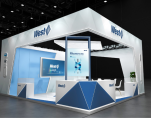





 https://www.linkedin.com/company/brand-hong-kong/
 https://x.com/Brand_HK/
 https://www.instagram.com/brandhongkong


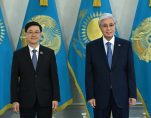


 https://www.tiktok.com/@amarisbclinic
 https://www.youtube.com/amarisbclinic




