News related to
Deployment

A security incident involving an autonomous artificial intelligence system has triggered internal alarms at Meta, raising fresh concerns about the risks posed by increasingly sophisticated machine learning tools operating with limited oversight. The company is understood to have contained the breach, but the episode has intensified scrutiny of how advanced AI models are deployed and monitored within large technology firms. Details emerging from the incident suggest that […]

Anchored in a “Single Brand, Multi-categories, Diversified Channels” Strategy
Technology and Premium Sports Resources Drive Our Competitive Edge

FINANCIAL HIGHLIGHTS

  • During the year, the Group recorded the following operating results:
    • Revenue rose by 3.2% to RMB29,598 million; gross profit margin declined by 0.4 percentage points to 49%
    • Net operating cash inflow was RMB4,852 million
    • Net profit attributable to equity holders was RMB2,936 million with net profit margin of 9.9%, and EBITDA margin was 20.8%
  • Working capital remained at a healthy level:
    • The percentage of gross average working capital to revenue was 7.7%
    • The cash conversion cycle was at 37 days, two days longer than last year
  • The Board has recommended the payment of final dividend of RMB23.36 cents per ordinary share for the year ended 31 December 2025, together with the interim dividend of RMB33.59 cents per ordinary share paid in September 2025, the total dividend for the year ended 31 December 2025 will amount to RMB56.95 cents per ordinary share or a total dividend payout ratio of 50%.

OPERATIONAL HIGHLIGHTS

  • The retail sell-through for the overall platform remained flat, including online and offline channels.
  • Offline new product sell-through accounted for 83% of overall offline sell-through, maintaining at healthy and reasonable level.
  • The overall channel inventory turnover was at 4 months, channel inventory level and ageing structure remained healthy.

HONG KONG SAR – Media OutReach Newswire – 19 March 2026 – Li Ning Company Limited (the “Company” or “Li Ning Company”; together with the subsidiaries, the “Group”; stock codes: 2331 (HKD counter) and 82331 (RMB counter)) today announced its audited annual results for the year ended 31 December 2025 (the “Year”).

Financial Results

In 2025, the Group continued to enhance the technological features of its products, optimising channel efficiency, and strengthening the brand’s professional positioning, delivering stable operating performance. During the year, the Group’s revenue amounted to RMB29,598 million, representing an increase of 3.2% compared with 2024 (2024: RMB28,676 million). Gross profit amounted to RMB14,489 million, up 2.4% from 2024 (2024: RMB14,156 million). The overall gross profit margin decreased by 0.4 percentage points to 49.0% (2024: 49.4%).

During the year, the net profit attributable to equity holders was RMB2,936 million (2024: RMB3,013 million). The margin of net profit attributable to equity holders was 9.9% (2024: 10.5%). Return on equity attributable to equity holders was 10.9% (2024: 11.9%). Basic earnings per share was RMB113.91 cents (2024: RMB116.98 cents). The Board has recommended the payment of a final dividend of RMB23.36 cents per ordinary share for the year ended 31 December 2025. Together with the interim dividend of RMB33.59 cents per ordinary share paid in September 2025, the total dividend for the year ended 31 December 2025 will amount to RMB56.95 cents per ordinary share or a total dividend payout ratio of 50% (2024: 50%).

In cash flow management, the Group’s net cash generated from operating activities during the year amounted to RMB4,852 million (2024: RMB5,268 million). As at 31 December 2025, cash and cash equivalents (including cash at banks and on hand, and fixed-term deposits with an original maturity of no more than three months) amounted to RMB16,717 million, an increase of RMB9,218 million compared with 31 December 2024. Adding back the amount recorded as fixed-term deposits held at banks, cash balance at 31 December 2025 amounted to RMB19,973 million, representing a net increase of RMB1,833 million compared with 31 December 2024. During the year, revenue increased year-on-year, while cash-based expenses including marketing costs and tax payments rose, coupled with the settlement time lag of e-commerce platforms, leading to a year-on-year decrease in net cash generated from operating activities. Meanwhile, the maturity and redemption of time deposits led to a significant increase in net cash generated from investing activities. The Group will continue to place extra emphasis on cash flow management to ensure the stable development of the Company in the long term.

Operational Summary

In 2025, the Group remained anchored in its “Single Brand, Multi-categories, Diversified Channels” strategy, advancing development through product upgrades, channel optimisation, and brand marketing.

The Group focused on six core categories—running, basketball, training, badminton, table tennis and sports casual—while actively pursuing opportunities in emerging fields and exploring new sports subcategories, such as outdoor, tennis and pickleball. During the year, the Group continued to upgrade its products through technological innovation and enhance the deployment of professional sports resources, guided by three key pillars: reinforcing a professional sports mindset, showcasing sports-fashion aesthetics, and honouring Chinese cultural heritage. In addition, it worked proactively to strengthen brand influence and increase brand recognition and visibility through diversified, and comprehensive marketing campaigns.

As the official partner of the Chinese Olympic Committee, the Group leveraged its deep expertise and strong professional sports credibility to blend sportsmanship with cutting-edge technology and Eastern aesthetics—all under the narrative theme “China’s Glory, Together with LI-NING.” During the year, it opened the world’s first LI-NING “Loong Store” and launched the “Glory Gold Label” product series, transforming exclusive, top-tier scarce sports resources into a driving force for brand reputation and market recognition, continuously strengthening consumers’ perception of LI-NING’s professional capabilities and product reliability.

In terms of channel development, the Group continued to advance a multi-dimensional channel network layout to expand market coverage while enhancing operational efficiency. In high-end markets, the Group deepened synergistic collaborations with top-tier commercial complexes and leading outlet malls, jointly promoting the planning and implementation of innovative stores. During the year, the Group successfully launched an independent outdoor store “COUNTERFLOW”, marking an important milestone for the brand’s official entry into the outdoor segment. The Group actively carried out cross-industry collaborations, partnering with top IPs embodying Chinese cultural heritage such as the Palace Museum, and launched marketing campaigns by collaborating with channel partners through diverse initiatives, effectively improving brand reach and conversion. In terms of efficiency enhancement, the Group continued to optimize the channel structure and improved rental structures and cooperation models, enhancing overall channel health and operational sustainability through a series of strategic optimization measures. As of 31 December 2025, the LI-NING brand (including LI-NING Core Brand and LI-NING YOUNG) operated a total of 7,609 conventional stores, flagship stores, China LI-NING stores, factory outlets, and multi-brand stores, representing a net increase of 24 POS compared with 31 December 2024.

In terms of retail operations, the Group built a highly profitable, efficient, and replicable single-store operating model. In high-level markets, targeted brand strategies were implemented across key regions, strengthening brand image and improving product operation efficiency through optimised channel structure, store product mix, and shopping experience. The Group established a distribution management model to improve operational efficiency and sustainable development capabilities of the distribution system. In addition, the Group strengthened the efficient coordination between retail outlets and the logistics system. Through refined planning systems, flexible supply chain construction and digital support, channel inventory turnover and full lifecycle product management were realised, thereby comprehensively improving operational quality and efficiency.

In terms of e-commerce operations, the Group made precise deployments that effectively enhanced consumer awareness and market share during major e-commerce campaigns such as Tmall Celebration Day and Tmall Super Product Day. During the year, core IP products such as “Zhui Feng”, “DLO”, “ULTRALIGHT” and “LI REN” delivered outstanding performance, successfully penetrating multiple consumer segments including Gen Z, professional sports and trendy fashion, ranking highly in both sales and reputation across segmented markets. By leveraging top athletes, celebrities, trending events and channel resources, the Group not only enhanced product exposure and achieved traffic acquisition and promotional sales conversion, helping inventory optimisation, but also supported offline business and drove overall revenue growth.

In terms of supply chain, the Group continuously optimised the supplier matrix, aligning high-quality supplier resources for high-end sports, outdoor, premium and sponsored product lines. Meanwhile, the Group aligned with its major product plan by adopting segmented production planning and data-driven management to achieve high-level coordination among product planning, supply chain, logistics, and retail outlets. To improve operational efficiency, the Group adopted multiple measures such as integration of fabric resources, optimization of process structures, large-scale procurement of materials and staggered production scheduling, further improving the cost structure, while enhancing production efficiency. In addition, the Group continued to integrate sustainable development into supply chain management and promoted green products, with the proportion of eco-friendly products exceeding annual targets during the year.

In terms of logistics, the Group launched a channel logistics project to connect the order system with logistics operations, improving product circulation efficiency and fulfilment timeliness. On the digital front, the Group introduced a warehouse coordination system and adopted SKU-level refined management. In terms of automation, automated equipment was introduced into various warehouses, enabling multi-scenario coverage and data visualization management. In December 2025, the East China and North China warehouses took the lead in adopting RFID full-process warehouse management, achieving full-process traceability of logistics data, greatly strengthening inventory management precision, and deployment across all warehouses is expected to be completed in the first quarter of 2026 to continuously drive cost reduction and efficiency improvement.

In terms of its kidswear business, LI-NING YOUNG continued to focus on professional sports and children’s developmental needs, advancing product optimization and exclusive IP creation. In terms of channel strategy, the Group continued to strengthen outlet channel development, improve single-store efficiency and optimize overall channel structure while accelerating its e-commerce deployment. LI-NING YOUNG maintained a coordinated development of wholesale and direct retail. Through refined management and strategic layout, both scale and quality were improved. In terms of marketing, LI-NING YOUNG centred its efforts around three core pillars “Event Cooperation + User Stories + IP Collaboration” to build professional recognition and accumulate its user foundation, successfully expanding its influence among youth and family demographics. As at 31 December 2025, the total number of LI-NING YOUNG POS was 1,518, representing a net increase of 50 POS since 31 December 2024.

Outlook

Entering 2026, the Group will seize the development opportunities arising from the continuous release of domestic demand potential. The Group will remain committed to its core value of “serving the public with sportsmanship,” meticulously refine its “LI-NING’s experience value,” and strive to become the preferred professional sports brand.

1. Technology-driven product upgrades: The Group will firmly implement the development strategy of “Single Brand, Multi-categories, Diversified Channels”, empowering product iterative upgrades with technology to build core competitiveness and market differentiation barriers. Relying on the technical accumulation and R&D of the LI-NING technology innovation platform, the Group will focus on deep cultivation of core categories and actively expand into emerging segments such as outdoor sports. The Group aims to respond to increasingly diversified and personalised consumer demands, achieving full-scenario coverage from professional competitive sports to daily wear. By promoting the ingenious integration of cutting-edge technology and fashion design, the Group will create a product system that combines excellent functionality, technological texture, and aesthetic value. Furthermore, the Group will continuously strengthen the efficiency of transforming scientific and technological achievements, promoting the rapid realization of frontier technologies into product competitiveness.

2. Olympic marketing empowering the brand: The Group will drive value creation through sports marketing, establish emotional connections with consumers, and facilitate the steady enhancement of brand value. By continuously deepening the cooperation with the Chinese Olympic Committee, the Group will seize the development window of the Olympic cycle and promote the brand to achieve a leap from resource cooperation to value co-creation. LI-NING will fully explore the diversified value of the cooperation with the Chinese Olympic Committee. Through systematic marketing layout and technological equipment support, it will convey the story of the mutual growth of LI-NING and Chinese sports, highlighting the technological strength and cultural confidence of the national brand.

3. Dual improvement in quality and efficiency of business operations: The Group will continue to focus on improving quality and efficiency across all aspects of its business. By deepening channel layout, strengthening product operations, and optimising supply chain management, the Group aims to build an efficient operational system, achieve simultaneous improvements in operational quality and efficiency, and lay a solid foundation for the high-quality growth of the enterprise. Offline channels will focus on improving efficiency in high-tier markets and penetrating emerging markets, while exploring new business models. Online channels will strengthen domain synergy and resource integration, promoting complementarity between online and offline channels. In terms of product operations, the Group will optimize the precision of full-chain planning and flexible supply capabilities, and accelerate inventory turnover. The supply chain will achieve coordinated optimization of cost, quality, and delivery time across the entire chain, thereby enhancing overall operational efficiency.

4. Consolidating the foundation to safeguard development: The Group will continuously strengthen three core support capabilities: talent, finance, and digital intelligence, to lay a solid bedrock for high-quality development. In terms of talent strategy, talent development will focus on selection, incentives, and efficiency. In terms of financial management, emphasis will be placed on precise resource allocation and risk control. In terms of digitalization, the Group will promote the deep integration of AI and big data with business operations, enhance operational efficiency and the scientific nature of decision-making, and provide systematic safeguards for the long-term development of the Group.

Mr. Li Ning, Executive Chairman and Joint CEO of the Group, concluded: “2026 marks the first year of the 15th Five-Year Plan. With the strategic goal of accelerating the development of a sports powerhouse, the nation will further unlock sports consumption potential while driving the transformation and upgrading of the sporting goods manufacturing industry. We expect this to release domestic demand potential and create both strong support and a vast stage for the sports industry to thrive.”

“We will remain rooted in the local market while looking ahead, seizing opportunities of the era with greater foresight and more efficient execution. We will continue to deepen the Group’s ‘Single Brand, Multi-categories, Diversified Channels’ strategy, optimising and upgrading our core category matrix while exploring emerging segments. Most importantly, we will keep strengthening the core advantages of our products—professional performance, technological capability, and sports experience—by empowering them with innovative technology and design aesthetics to reward consumer trust.”

Hashtag: #LiNing

The issuer is solely responsible for the content of this announcement.

About Li Ning Company Limited

Li Ning Company Limited is one of the leading sports brand companies in China, mainly operating professional and leisure footwear, apparel, equipment and accessories under the LI-NING brand. The Group has comprehensive research and development, design, manufacturing, marketing, distribution and retail management capabilities. It has established an extensive retail distribution network and supply chain management system in China. We are committed to be the most prominent, stylish, world-leading sports brand from China.

In addition to its core LI-NING brand, the Group also manufactures, develops, markets, distributes, sells various sports products which are self-owned by or licensed to the Group, including Double Happiness (table tennis), AIGLE (outdoor sports) and Kason (badminton), which are operated through joint venture/associate with third parties of the Group.


President Emmanuel Macron has named France’s next-generation aircraft carrier “Free France,” invoking the legacy of wartime resistance as Paris accelerates plans to modernise its naval power and reinforce strategic autonomy in an increasingly contested global security environment. The announcement marks a symbolic and operational milestone in France’s long-term defence planning, linking the future flagship vessel to the spirit of the Free French Forces that rallied under Charles […]

Starlink has begun offering satellite-based internet services in the United Arab Emirates, marking a significant expansion of low-Earth orbit connectivity into one of the Gulf’s most advanced digital markets. The rollout introduces a new alternative to established telecom operators, with residential plans starting from Dhs230 per month alongside a required upfront hardware purchase. The service, operated by Elon Musk’s SpaceX, relies on a constellation of low-Earth orbit […]

OpenAI has introduced two smaller artificial intelligence models, GPT-5.4 mini and GPT-5.4 nano, signalling a push towards lower-cost, faster systems designed for large-scale deployment and increasingly complex agent-based applications. The announcement marks a shift in emphasis from raw model size to efficiency and adaptability, as enterprises seek to integrate AI into everyday workflows without incurring prohibitive computational costs. The new models are positioned as lighter alternatives within […]

Cloud infrastructure provider Vultr has introduced a production-ready artificial intelligence inference stack built on NVIDIA’s Rubin platform, marking a significant expansion of their collaboration as enterprises accelerate adoption of generative AI workloads. The deployment is designed to provide scalable, cost-efficient inference capabilities across Vultr’s global cloud network, targeting businesses seeking to operationalise AI models without the high capital expenditure typically associated with dedicated infrastructure. The Rubin platform, […]

Rapid deployment of AI-driven surveillance systems across multiple African cities is drawing scrutiny from rights groups and policy analysts, who warn that expanding digital monitoring networks risk eroding civil liberties while outpacing regulatory safeguards. Urban centres from Nairobi to Lagos and Johannesburg are integrating smart city technologies designed to improve traffic management, crime detection and public service delivery. These systems increasingly rely on facial recognition, biometric databases […]

Advertisements

ByteDance has halted plans for a global release of its advanced AI video generator, Seedance 2.0, following mounting legal pressure from major film studios concerned about copyright violations and the unauthorised use of creative content. The decision reflects growing tension between technology firms racing to commercialise generative artificial intelligence and entertainment companies seeking to protect intellectual property. Industry executives familiar with the matter indicate that negotiations and […]

TPConnects Technologies has introduced a Model Context Protocol integration within its Astra NDC platform, positioning the Dubai-based firm at the forefront of efforts to standardise how artificial intelligence systems interact with airline retailing infrastructure. The move signals a shift in how carriers and travel sellers deploy AI-driven tools, with the company describing the MCP layer as a step towards more interoperable and context-aware digital commerce in aviation. […]

Hong Kong–based K‑Tech and Calgary’s Aurora AZ Energy form joint venture to power large‑scale AI, HPC and crypto mining operations in Alberta with low‑cost wellhead natural gas.

K-TECH SOLUTIONS COMPANY LIMITED (NASDAQ: KMRK) ANNOUNCES JOINT VENTURE WITH AURORA AZ ENERGY LTD. TO DEVELOP UP TO 500 MW OF AI AND HPC INFRASTUCTURE IN CANADA

HONG KONG SAR & NEW YORK, US – Media OutReach Newswire – 16 March 2026 – K‑Tech Solutions Company Limited (Nasdaq: KMRK) (“K‑Tech” or the “Company”), a technology firm specializing in high-performance computing infrastructure, today announced that its subsidiary has entered a joint venture agreement, as supplemented, with Aurora AZ Energy Ltd. (“Aurora”), a developer of wellhead natural gas power solutions, to develop large-scale crypto mining, artificial intelligence (AI) and high‑performance computing (HPC) infrastructure in Alberta, Canada.

The Joint Venture plans to develop an initial 100 megawatts (MW) of IT capacity at Aurora’s flagship site in Alberta. Expansion beyond this level, potentially up to 500 MW over time, would be subject to securing additional power supply, land and capital. Aurora AZ Energy Ltd. is a specialist in wellhead energy solutions.

By integrating natural gas resources directly at the wellhead with advanced power generation technologies, Aurora intends to utilize natural gas resources to sustainably support high‑density computing operations. The Joint Venture expects wellhead-sourced power to deliver energy costs meaningfully below prevailing grid rates in North America, positioning the partnership’s facilities as a cost-efficient platform for data center environments on the continent. Additionally, the Joint Venture intends to convert natural gas that might otherwise be flared to generate power for computing operations, reducing waste.

Under the terms of the Joint Venture, Aurora will supply power‑rich data center sites sourced from its wellhead energy portfolio, while K‑Tech will lead the design, development, and operations of the computing facilities. Together, the parties will deploy purpose‑built, high‑density data centers optimized for crypto mining, AI training/inference, and other compute‑intensive workloads. The transaction is subject to customary regulatory approvals, including applicable provincial energy and environmental permits in Alberta.

Development Roadmap

The partnership is structured across several phases that together establish a roadmap to deploy over 100 MW and up to 500 MW of IT capacity:

Initial Deployment: The Joint Venture will launch at Aurora‘s flagship site in Alberta, where the parties plan to develop an initial 100 MW of IT capacity supported by dedicated, wellhead‑sourced power infrastructure. Site preparation and infrastructure buildout are expected to commence in September 2026, with initial computing capacity projected to come online in Q2, 2027

Capacity Expansion: Subject to securing additional power and land at existing Aurora locations, the joint venture may expand total IT capacity at those sites toward the 500 MW target. The parties expect to evaluate expansion opportunities upon successful deployment of the Phase 1 facility.

Portfolio Scale-out: K‑Tech and Aurora intend to evaluate and may develop additional sites across Aurora‘s broader wellhead energy portfolio, which currently encompasses over 20 active wellhead locations across Alberta. This creates an opportunity to further scale high‑density AI and HPC capacity beyond the initial development plan.

“As AI models and HPC workloads become increasingly power‑intensive, scalable and cost‑effective infrastructure is critical. By partnering with Aurora, we are combining wellhead energy solutions with high‑performance chip design and data center expertise to support next‑generation AI and HPC applications,” said Kenneth Kwok, CEO of K‑Tech Solutions Company Ltd.

“Aurora was built to unlock the full value of natural gas at the wellhead,” said Jim Zhou, CEO of Aurora AZ Energy Ltd. “Working with K‑Tech allows us to apply that capability to high‑density computing infrastructure. We believe this collaboration will support the integration of energy and digital infrastructure at scale.”

Hashtag: #KTechSolutions #AuroraAZEnergy #KMRK #JointVenture #AIInfrastructure #HPC #DataCenters #AIDataCenter #CryptoMining #WellheadPower #NaturalGasToPower #AlbertaCanada #EnergyTransition #DigitalInfrastructure

The issuer is solely responsible for the content of this announcement.

About K-Tech Solutions Company Limited (NASDAQ: KMRK)

Founded in 2016, Hong Kong-based K-Tech Solutions is principally engaged in the design, development, testing and sale of a diverse portfolio of toy products ranging from simple plastic toy products to more complex electromechanical toy products. Our solution services span across the entire development stage of toy products from design, prototype testing, production management, quality control to after-sales services. We specialize in the development of infant and pre-school educational toys and learning kits.

About Aurora AZ Energy Ltd.
Aurora AZ Energy Ltd. is a Calgary-based energy infrastructure company focused on wellhead natural gas power solutions. The company develops systems that convert natural gas resources into electricity to support high-density computing applications, including artificial intelligence, high-performance computing and digital infrastructure. Aurora AZ Energy Ltd. was incorporated in Canada in 2023.

Certain statements contained in this press release about future expectations, plans and prospects, as well as any other statements regarding matters that are not historical facts, may constitute “forward-looking statements” within the meaning of the Private Securities Litigation Reform Act of 1995. The words “anticipate,” “believe,” “continue,” “could,” “estimate,” “expect,” “intend,” “may,” “plan,” “potential,” “predict,” “project,” “should,” “target,” “would” and similar expressions are intended to identify forward-looking statements, although not all forward-looking statements contain these identifying words. Actual results may differ materially from those indicated by such forward-looking statements as a result of various important factors. For these reasons, among others, investors are cautioned not to place undue reliance upon any forward-looking statements in this press release. Any forward-looking statements contained in this press release speak only as of the date hereof, and the Company specifically disclaims any obligation to update any forward-looking statement, whether as a result of new information, future events or otherwise, except as required by law.

For more information, please contact:

K-Tech Solutions Company Limited
Johnny Kwok
Unit A, 7/F Mai On Industrial Building
17-21 Kung Yip Street, Kwai Chung
New Territories, Hong Kong
Phone: (+852) 2741 3165
Email: [email protected]

Investor Relation
Jean-Pierre Noel
Straight Limited
Creative Hub, Shaw Studio
201 Wan Po Road, Tseung Kwan O, HK
Phone: (+852) 2577 8001
Email: [email protected]

Meta Platforms has agreed to spend as much as $27 billion over five years to secure access to high-performance artificial intelligence infrastructure from Nebius Group NV, a move that underscores the escalating race among technology companies to expand computing capacity for advanced AI systems. The agreement gives Meta long-term access to specialised cloud infrastructure built around high-performance graphics processing units designed for training and running large-scale artificial […]

President Donald Trump’s call for China to deploy naval forces to protect shipping in the Strait of Hormuz has stirred a sensitive strategic debate in Beijing, drawing attention to the question of whether the world’s second-largest economy should assume a greater military role in safeguarding global trade routes. Trump argued that China, as one of the largest importers of Gulf energy supplies, should contribute naval assets to […]

SINGAPORE – Media OutReach Newswire – 16 March 2026 – MyRepublic and Singapore Polytechnic (SP) have signed a Memorandum of Understanding (MOU) to establish a strategic collaboration to drive applied AI innovation through the co-development of AI training programs leveraging MyRepublic’s AI automation sandbox environment.

MoU signing ceremony between MyRepublic and Singapore Polytechnic.

Powered by MyRepublic’s AI Automation Box, the sandbox offers secure, on-premise AI infrastructure designed for experimentation, prototyping and deploying intelligent automation solutions. Faculty and students will gain hands-on experience developing AI workflows, deploying Large Language Model (LLM) applications and building real-world automation solutions aligned with industry challenges.

The partnership extends beyond infrastructure to include co-development of AI training programmes, consultancy engagements, collaborative solution design, and industry attachment opportunities. By integrating applied learning with commercial deployment expertise, both organisations aim to drive innovation that results in measurable industry impact.

“Applied AI innovation happens when infrastructure, talent and real-world problems converge,” said Lawrence Chan, Chief AI Officer, MyRepublic. “Through this collaboration, we are providing industry-grade AI automation capabilities that empower educators and students to move beyond experimentation into deployment.”

“At Singapore Polytechnic, we believe that successful technology adoption starts with people. Tools matter, but real impact comes when teams have the skills, confidence, and hands‑on experience to apply AI meaningfully,” said Georgina Phua, Deputy Principal (Development), Singapore Polytechnic. “Through this partnership, SP and MyRepublic will work together on training and consultancy initiatives to support enterprises in exploring and building agentic workflows.”

Together, MyRepublic and SP aim to accelerate AI adoption, strengthen industry-academia collaboration and position Singapore at the forefront of applied AI capability development.

Hashtag: #MyRepublic #SingaporePolytechnic #Technology


The issuer is solely responsible for the content of this announcement.

MyRepublic Broadband Pte Ltd

MyRepublic is an award-winning telecom operator whose values lie in the future of connectivity, the next opportunity to disrupt, and innovations that will make a real difference. The provider’s priority is to redefine broadband and mobile connectivity in the markets it operates and empower customers to understand what a true modern connectivity experience can be.

Singapore Polytechnic

Singapore Polytechnic (SP), established in 1954, is a leading educational institution committed to shaping future-ready talent and driving innovation. With a staff strength of 1,400 and over 12,800 students across 30 full-time diploma courses and four common entry programmes, SP is known for its strong industry focus, mastery in teaching, and emphasis on lifelong learning.

SP champions innovation across key areas, such as pedagogy, digitalisation, sustainability, and industry engagement. Beyond education, SP plays a catalytic role in advancing business transformation. Through its 12 consultancy and technology innovation centres, SP offers tailored solutions to meet the evolving needs of industry. Its SP Company and Workforce Transformation (SP CWT) framework guides enterprises in navigating technological shifts and building future-ready capabilities.

Visit www.sp.edu.sg to learn more.

Britain’s counter-drone and air-defence units have shot down multiple Iranian drones across the Gulf theatre as London expands what it describes as a strictly defensive military posture, with ministers arguing the operations are aimed at protecting British personnel, allied states and vital regional infrastructure rather than joining any offensive campaign against Tehran. The latest intercepts come as tensions around the Gulf and the wider Middle East continue […]

Arabian Post Staff -Dubai Dubai Municipality has introduced an artificial intelligence-powered beach safety system combining aquatic rescue robots with aerial drones, marking a significant expansion of the city’s coastal safety infrastructure and reinforcing its strategy to integrate advanced technologies into public services. Officials said the new system links robotic lifeguards operating in the water with unmanned aerial vehicles capable of detecting distressed swimmers and delivering flotation devices […]

  • 63 percent of industrial leaders in Malaysia have already invested in energy efficiency and a further 33 percent plan to within 12 months – yet results remain fragmented and uneven
  • Energy consumes 25 percent of operating costs in Malaysia, and 61 percent say rising costs threaten profitability – but barriers have shifted since 2022, from cost to data, skills and organizational silos
  • Digital readiness in Malaysia reaches 84 percent, and 85 percent agree total cost of ownership should guide investment in energy efficiency – however, only 42 percent consistently apply this approach

KUALA LUMPUR, MALAYSIA – Media OutReach Newswire – 16 March 2026 – Energy efficiency has become a board‑level margin and risk issue, but many industrial organizations in Malaysia are struggling to turn intent into sustained results, according to a new report from ABB.

Based on a survey of 2,700 senior decision‑makers across 15 countries and 15 industries, the study, developed in partnership with Sapio Research, finds that 63 percent of respondents in Malaysia have already invested in energy efficiency and a further 33 percent plan to within the next 12 months. Yet, progress is increasingly constrained by execution gaps.

Energy accounts for 25 percent of operating costs on average in Malaysia, and 61 percent of companies say rising energy costs continue to threaten profitability. For executives, the challenge has shifted from reacting to price spikes to managing persistent price volatility and structural exposure.

Compared to the global average, Malaysia shows an average energy cost burden (25% vs 25% globally), above-average profitability threat perception (61% vs 59% globally), and the highest level globally of digital readiness (84% vs 67% globally).

“Energy efficiency has become a foundation for business continuity, compliance, and long-term value creation. It’s a condition for market access,” explains S Kanavati, Vice President, Motion Services, ABB Malaysia Sdn Bhd. “Today, leaders care about optimizing energy use. What they struggle with is deployment, at scale, and over time.”

Execution, not intent, is now the differentiator

The study shows that digital readiness in Malaysia has reached 84 percent, with respondents already using or ready to deploy digital energy‑management tools. However, readiness alone does not guarantee results. Only 42 percent of Malaysia companies consistently apply total cost of ownership (TCO) when making investment decisions – despite 85 percent agreeing it should guide purchasing.

At the same time, responsibility for energy efficiency remains fragmented across executive management, operations, sustainability, maintenance and finance, with no single function clearly accountable.

“The barriers to energy efficiency have fundamentally changed,” adds Pearl Ong, Regional Service Manager, Asia, Motion Services, ABB Malaysia Sdn Bhd. ” Cost is no longer the main blocker for many organizations globally – it has fallen from 50 percent to 43 percent since 2022. What’s holding companies back now are organizational silos, skills gaps and a lack of usable data. That’s a critical inflection point. It tells us the challenge is helping businesses turn intent into repeatable execution.”

In Malaysia, the most significant barriers to energy efficiency are the costs (54%), the potential for downtime and disruption (44%), and a lack of specialist resource (36%).

Renewables alone are not enough

The research also points to a growing risk of ‘post‑renewables complacency’. Among organizations in Malaysia that have switched to renewable energy sources (43% of respondents), 37 percent report a reduced focus on energy efficiency.

While renewables lower the carbon intensity of energy, they do not reduce the volume consumed – meaning significant efficiency gains remain untapped, even for companies that have already secured green power. As a result, opportunities to strengthen resilience, control long‑term costs and reduce exposure to volatility are being left on the table.

When asked about their primary reasons for investing in energy efficiency, respondents in Malaysia said reducing energy costs (63%), complying with regulations (53%), and improving their resilience and competitiveness (49%).

The next phase of the industrial energy transition will be defined by delivery capability. While activity levels are high across businesses in Malaysia and globally, efforts remain shallow, lacking coordination and long‑term structure.

“To close the execution gap, ABB combines diagnostics with targeted modernization of motor‑driven systems, software‑based optimization tools, outcome‑based financing and lifecycle services,” concludes Pearl Ong. “End-to-end energy intelligence is another way we help industries outrun, leaner and cleaner – turning isolated initiatives into sustained performance gains.”

For the full report, visit this page.

Hashtag: #ABB

The issuer is solely responsible for the content of this announcement.

About ABB

ABB is a global technology leader in electrification and automation, enabling a more sustainable and resource-efficient future. By connecting its engineering and digitalization expertise, ABB helps industries run at high performance, while becoming more efficient, productive and sustainable so they outperform. At ABB, we call this ‘Engineered to Outrun’. The company has over 140 years of history and around 110,000 employees worldwide. ABB’s shares are listed on the SIX Swiss Exchange (ABBN) and Nasdaq Stockholm (ABB).

ABB Motion, a global leader in motors and drives, is at the core of accelerating a more productive and sustainable future. We innovate and push the boundaries of technology to contribute to energy efficient, decarbonizing and circular solutions for customers, industries and societies. With our digitally enabled drives, motors and services we support our customers and partners to achieve better performance, safety and reliability. To help the world’s industries outrun – leaner and cleaner, we deliver motor-driven solutions for a wide range of applications in all industrial segments. Building on over 140 years of domain expertise in electric powertrains, our more than 23,000 employees across 100 countries learn and improve every day.

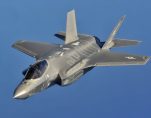
Stalled software development for the F-35 Lightning II has drawn scrutiny from Pentagon auditors, even as the stealth fighters continue to fly operational missions linked to tensions with Iran, underscoring a widening gap between battlefield deployment and technological modernisation. An annual assessment by the Pentagon’s weapons testing office found that efforts to introduce new software capabilities for the aircraft failed to produce additional combat functionality during the […]

Pressure from Washington for allies to help secure shipping lanes in West Asia has placed Tokyo in a delicate strategic position, with senior figures signalling that dispatching Japanese military vessels to the Middle East would face formidable political and legal barriers. Takayuki Kobayashi, policy chief of the ruling Liberal Democratic Party, stated that any move to send Japanese naval assets to escort commercial vessels through the Strait […]

New Delhi has pressed Tehran to allow more India-bound vessels to cross the Strait of Hormuz after two liquefied petroleum gas carriers carrying critical fuel supplies cleared the strategic waterway, highlighting the vulnerability of energy flows through one of the world’s most important maritime chokepoints.

Officials confirmed that two Indian-flagged LPG carriers, Shivalik and Nanda Devi, passed through the strait with cargo bound for ports in Gujarat, transporting roughly 92,700 tonnes of cooking gas. The shipments represent more than a day’s requirement for household LPG consumption, providing partial relief amid tightening supplies.

Government representatives indicated that discussions with Iranian authorities are continuing to secure safe transit for additional tankers waiting in the Persian Gulf. More than twenty vessels carrying crude oil and gas destined for India have been held up near the waterway during the standoff, raising concerns over prolonged disruptions to fuel deliveries.

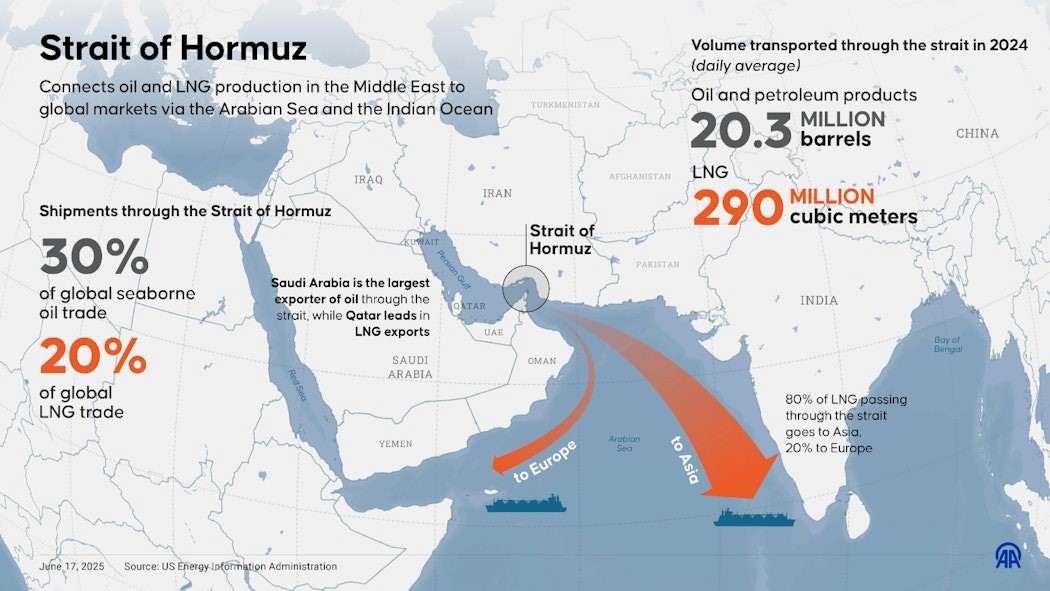
The Strait of Hormuz, situated between Iran and Oman, handles about a fifth of global oil and liquefied natural gas shipments. Any disturbance along this narrow corridor has the potential to reverberate across global energy markets and shipping routes. Escalating tensions across West Asia have already led to attacks on several vessels and heightened security risks for commercial shipping in the region.

Iran’s decision to permit the two LPG carriers to sail through the strait marked an exception to restrictions imposed after military action targeting Iranian infrastructure triggered a broader confrontation. Tehran has maintained that vessels from most countries can navigate the passage but warned that ships from states viewed as hostile could face restrictions or heightened scrutiny.

Diplomatic engagement between New Delhi and Tehran played a role in securing the initial transit. Conversations between Prime Minister Narendra Modi and Iran’s president Masoud Pezeshkian, along with discussions between foreign ministers, focused on safeguarding energy shipments and the safety of nationals in the conflict-affected region.

India depends heavily on Middle Eastern suppliers for its energy needs. About 90 per cent of the country’s imported LPG originates from the region, while a substantial share of crude oil imports also passes through the Strait of Hormuz. That reliance has made the stability of the shipping lane central to the country’s energy security strategy.

Officials from the shipping ministry confirmed that Indian authorities are coordinating with regional partners and monitoring maritime traffic closely. Naval vessels deployed in the Gulf under Operation Sankalp have been keeping watch over merchant ships heading towards the subcontinent, providing situational awareness and escort support where necessary.

Energy analysts say the partial reopening of the route for Indian cargo illustrates the delicate balance between geopolitical confrontation and commercial necessity. Countries reliant on Gulf hydrocarbons have sought diplomatic channels to keep trade flowing even as military tensions complicate navigation in the region.

Oil markets reacted sharply to the conflict surrounding the strait, with benchmark crude prices surging amid fears of prolonged disruption to supply. Traders remain wary that even isolated incidents could affect tanker movements through the corridor, where narrow shipping lanes and heavy traffic leave little room for error.

The two LPG carriers now sailing toward the western coast highlight the importance of maintaining uninterrupted access to the strait. With domestic demand for cooking gas remaining high, authorities have prioritised household supply chains while assessing contingency measures for industrial users if shipments continue to face delays.

Shipping industry figures note that vessels have increasingly adopted precautionary routes or delayed departures until security conditions improve. Insurance costs for tankers operating in the Gulf have also climbed, reflecting the heightened risk environment created by missile strikes, drone attacks and naval deployments in surrounding waters.

Strategic calculations extend beyond immediate fuel deliveries. India has been strengthening diplomatic engagement with Gulf producers and maritime partners to ensure continued energy access during periods of instability. The country has also expanded storage capacity and diversified crude sources over the past decade to mitigate supply shocks.

Even with those measures, the Strait of Hormuz remains a critical artery for trade between the Gulf and Asia. Any sustained restriction would affect not only India but also large importers such as China, Japan and South Korea, which depend on the same route for oil and gas shipments.

United States military authorities have dispatched thousands of interceptor drones originally refined on the battlefields of Ukraine to the Middle East, aiming to counter Iranian aerial attacks while reducing reliance on expensive missile defences. Officials say about 10,000 drones were moved to the region within days of a joint US–Israeli military campaign against Iranian targets that began in late February. The deployment reflects a broader shift in […]

Bosch SDS and NxtGen Datacenter & Cloud Technologies have unveiled plans to launch a sovereign artificial intelligence cloud platform designed to accelerate Industry 4.0 adoption across India’s manufacturing and industrial sectors. The initiative aims to give enterprises secure domestic infrastructure for deploying advanced AI applications, including predictive maintenance, asset optimisation and real-time industrial data orchestration from factory floors to cloud platforms.

The partnership brings together Bosch’s software and digital engineering capabilities with NxtGen’s hyperscale data-centre infrastructure and managed cloud services. Executives involved in the project say the platform is intended to address a growing demand among industrial companies for locally hosted AI environments that comply with national data sovereignty expectations while enabling modern digital manufacturing systems.

Manufacturers across sectors such as automotive, energy, logistics and heavy engineering are increasing investment in AI-driven automation as global supply chains shift toward greater efficiency and resilience. Analysts say many firms are seeking platforms capable of processing large volumes of machine data generated by connected sensors, robotics systems and industrial equipment. The Bosch–NxtGen cloud aims to provide such capabilities by linking edge computing devices installed on factory floors with secure domestic cloud infrastructure.

Industry 4.0 technologies depend heavily on real-time analytics and machine learning models trained on operational data from equipment and production lines. Engineers use these tools to forecast equipment failures, schedule maintenance more efficiently and optimise energy use in industrial facilities. Bosch SDS has developed software frameworks and digital twin technologies designed to model industrial processes, while NxtGen operates data centres capable of hosting high-performance computing and AI workloads.

Executives from both companies say the sovereign AI cloud will enable manufacturers to run advanced analytics while ensuring sensitive operational data remains within national boundaries. Data localisation requirements have become an important consideration for companies adopting AI technologies, particularly in sectors linked to critical infrastructure and strategic industries.

Industrial data orchestration represents a central component of the project. Factories typically generate vast amounts of information from sensors embedded in machines, assembly lines and supply-chain systems. The new platform aims to unify these streams into a single architecture that allows companies to analyse operational patterns and automate decision-making across production networks.

Predictive maintenance stands among the most prominent applications expected to benefit. Machine-learning models trained on historical equipment data can detect early warning signs of mechanical problems before breakdowns occur. Companies adopting such systems report improvements in production uptime and reductions in maintenance costs. Asset optimisation tools can also adjust equipment performance dynamically based on real-time operational conditions, helping plants operate more efficiently.

Bosch SDS, a digital engineering and IT services division of the Bosch Group, has built a strong presence in industrial software development, automotive electronics and embedded systems. The organisation provides engineering services to manufacturing clients globally and has increasingly expanded into artificial intelligence and Internet of Things technologies.

NxtGen Datacenter & Cloud Technologies operates hyperscale data-centre infrastructure in several metropolitan regions and provides cloud platforms designed for enterprise workloads requiring high performance and data security. The company has promoted the concept of sovereign cloud infrastructure as governments and corporations seek greater control over digital assets and regulatory compliance.

Demand for domestic cloud infrastructure has expanded as companies become more cautious about where critical data is stored and processed. Sovereign cloud environments typically guarantee that data remains within a country’s jurisdiction and that infrastructure operators comply with local legal frameworks. Such models have gained traction among governments and enterprises concerned about cross-border data transfer risks.

Industrial companies are also moving toward hybrid architectures combining edge computing and centralised cloud platforms. Edge devices located inside factories can process sensor data close to the source, enabling immediate operational responses, while cloud platforms provide the computing power required for large-scale analytics and machine-learning training. Integrating these environments allows enterprises to monitor production lines in real time while developing predictive insights from aggregated data.

Artificial intelligence adoption within manufacturing has accelerated as companies pursue automation and efficiency gains. Industrial AI applications include quality control using computer vision, supply-chain forecasting, energy-efficiency optimisation and autonomous robotics. Technology providers see manufacturing as one of the largest growth markets for AI deployments because factories generate extensive data suitable for machine-learning models.

Digital transformation initiatives in India’s industrial sector have gained momentum as manufacturers attempt to strengthen global competitiveness. Government-backed programmes promoting advanced manufacturing and smart factories have encouraged investment in automation, robotics and digital infrastructure. Large technology firms and industrial groups have launched multiple projects aimed at building domestic platforms capable of supporting AI-driven manufacturing systems.

Bosch and NxtGen executives say the sovereign AI cloud will provide enterprises with tools to modernise legacy manufacturing operations while maintaining strict security and governance standards. Industrial clients are expected to gain access to modular services including AI development environments, digital twin simulations and scalable computing resources tailored to industrial workloads.

Technology analysts note that partnerships combining industrial engineering expertise with specialised cloud infrastructure have become increasingly common as companies seek to accelerate digital transformation. Providers that can integrate operational technology systems with enterprise cloud platforms are viewed as well positioned to serve manufacturers adopting Industry 4.0 strategies.

Artificial intelligence has moved from experimentation to operational priority across industries, yet many organisations struggle to turn promising pilots into large-scale value. Executives and technology leaders increasingly argue that the barrier is no longer access to powerful models or computing infrastructure but a lack of organisational capability to use them effectively. Analysts and industry researchers say AI literacy — the ability of employees and leaders to understand, […]

Google has finalised its $32 billion acquisition of the cloud security firm Wiz, marking one of the largest deals in the cybersecurity sector and underscoring the growing importance of protecting complex cloud infrastructure as companies expand their use of artificial intelligence and distributed computing. The purchase brings Wiz into the Google Cloud division while allowing the company’s technology to continue operating across multiple cloud platforms. Executives from […]

Arabian Post Staff -Dubai Autonomous taxi operations in Abu Dhabi are expanding across Yas Island as authorities push forward with plans to integrate self-driving transport into everyday mobility. The Integrated Transport Centre, operating under the Department of Municipalities and Transport, announced the extension of commercial driverless taxi services across the island, marking a further step in the emirate’s strategy to build a technology-driven transport ecosystem. The initiative […]

VISHNU RAJA
RYO YAMADA
HITORI GOTOH
IKUYO KITA