News related to
Deployment

Canonical’s Ubuntu 20.04 LTS, known as Focal Fossa, will reach the end of its standard five-year support period on 31 May 2025. This transition affects millions of users across enterprise, cloud, and personal environments, who must now decide between upgrading to a newer release or subscribing to extended support to maintain security compliance. Ubuntu LTS releases are designed to provide five years of free security updates and […]

Hitachi Vantara has introduced VSP 360, a comprehensive data management software designed to streamline storage across diverse environments. The new platform integrates block, file, object, and software-defined storage into a single, unified system, aiming to simplify operations and enhance efficiency for enterprises managing complex data landscapes. The launch reflects growing demand among organisations for versatile and scalable storage solutions capable of supporting hybrid and multi-cloud deployments. VSP […]

A striking new technological marvel took centre stage at Beitou Shilin Technology Park in Taipei, where Nvidia revealed its latest innovation, the Constellation. The Constellation is an extraordinary modular structure, designed to resemble a spaceship that can transform into a fully operational factory. This development represents a bold step forward in integrating advanced manufacturing with futuristic design.

During the demonstration, the Constellation made a dramatic entrance, appearing as a sleek, spaceship-like vessel. As the event progressed, the structure descended gracefully and unfolded into an expansive, functional manufacturing facility. This transformation highlights Nvidia’s vision of combining mobility and rapid deployment with cutting-edge industrial capabilities.

The concept behind the Constellation aligns with the growing trend of adaptable infrastructure in the technology and manufacturing sectors. Traditional factories are often fixed in place, requiring extensive setup and significant lead time before production begins. Nvidia’s design challenges this by offering a mobile, transformable manufacturing hub that can be deployed wherever it is needed, potentially revolutionising how production lines are established and operated.

Experts point out that such flexibility is crucial for industries facing supply chain uncertainties, fluctuating demand, and the need for rapid response to market changes. The ability to deploy a factory-like unit that arrives as a compact structure and expands on-site offers strategic advantages, including reduced construction costs, faster operational readiness, and increased scalability.

Nvidia’s Constellation project reflects broader ambitions beyond graphics processing units and AI chips, tapping into the realm of smart manufacturing and Industry 4.0. The company has increasingly focused on leveraging its technological prowess to enable more efficient and intelligent production methods. Integrating AI, robotics, and modular hardware within a transformable space embodies this approach.

While the demonstration attracted attention for its visual spectacle, the underlying technology is equally compelling. The transformation mechanism relies on advanced engineering to ensure structural integrity and operational functionality once expanded. Nvidia has incorporated automated systems that manage the unfolding process and ensure the workspace is ready for immediate use. This level of automation underscores the company’s commitment to seamless user experience and operational efficiency.

Taipei’s Beitou Shilin Technology Park, known for fostering innovation and supporting high-tech ventures, provides an ideal setting for such a launch. The park hosts numerous tech companies and research institutions, creating a fertile environment for collaborative development and commercialisation of futuristic projects like the Constellation.

Industry observers note that Nvidia’s entry into mobile and modular factory design could spur competition and innovation in the manufacturing landscape. Competitors and collaborators alike are likely to explore similar concepts as the demand for agile manufacturing solutions increases globally. Companies in sectors such as automotive, electronics, and aerospace are already exploring mobile production units to address regional production needs and mitigate risks associated with global supply chains.

The Constellation’s ability to function as a compact transport vessel and a fully equipped factory could also have implications for disaster response and remote area manufacturing. Rapidly deployable factories can aid in recovery efforts by producing essential goods and equipment close to affected zones, thereby shortening supply lines and enhancing resilience.

Nvidia’s demonstration included a detailed explanation of the Constellation’s design philosophy. The modular units are constructed using lightweight but durable materials to withstand transport stresses and ensure longevity in operational environments. The internal layout is configurable, allowing for customised setups tailored to different manufacturing processes and industry requirements.

This flexibility extends to the technological ecosystem within the factory space. Nvidia envisions integrating AI-powered control systems to optimise production workflows, predictive maintenance, and resource management. The system’s connectivity supports real-time monitoring and remote management, enabling companies to maintain high efficiency and adapt quickly to changing production demands.

Although Nvidia has not disclosed specific plans for commercial rollout or pricing, the unveiling of the Constellation signals a clear intent to expand its footprint in manufacturing technology. The project dovetails with global shifts toward decentralised and digitised production models, which prioritise speed, adaptability, and intelligent automation.

As governments and corporations invest heavily in reshaping supply chains and boosting domestic manufacturing capabilities, innovations like the Constellation may play a pivotal role. The ability to deploy advanced manufacturing capabilities rapidly and in a self-contained format aligns with strategic priorities in multiple countries seeking greater industrial autonomy and technological leadership.

Critics caution that the real-world viability of such a mobile factory concept will depend on practical factors such as regulatory approvals, logistical considerations, and the ability to maintain consistent quality standards across deployments. Ensuring seamless integration with existing supply chains and labour forces will also be a challenge.

Red Hat Enterprise Linux and Rocky Linux are accelerating efforts to support the RISC-V architecture, signalling a significant shift in the enterprise Linux landscape. This development reflects the growing momentum behind RISC-V, an open-source instruction set architecture that is reshaping hardware innovation amid challenges in traditional chip supply chains and rising demand for customisable, energy-efficient computing. Red Hat, a subsidiary of IBM and a dominant force in […]

Switzerland has authorised the deployment of GNU Taler, a privacy-focused digital payment system, marking a significant development in the nation’s transition towards a cashless economy. Taler Operations AG, the entity responsible for operating the system in Switzerland, will collaborate with Maerki Baumann Bank to facilitate transactions in Swiss francs . GNU Taler, an acronym for “Taxable Anonymous Libre Electronic Resources,” is designed to offer privacy for payers […]

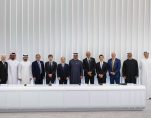
Abu Dhabi is set to host the world’s largest artificial intelligence data centre outside the United States, following a landmark agreement between OpenAI, G42, Oracle, NVIDIA, SoftBank, and Cisco. The project, named Stargate UAE, will be situated at the newly established UAE–US AI Campus in the capital. The Stargate UAE initiative is part of OpenAI’s broader “OpenAI for Countries” programme and represents a significant AI investment by […]

Etihad Water and Electricity , Al Dahra Agriculture Trading, and Fujairah Municipality have formalised a strategic partnership aimed at accelerating sustainable development in the Emirate of Fujairah. The agreement, signed under the patronage of H.H. Sheikh Mohammed bin Hamad bin Mohammed Al Sharqi, Crown Prince of Fujairah, underscores a shared commitment to environmental protection, resource efficiency, and community well-being.

The collaboration focuses on three primary objectives: enhancing water and energy efficiency, promoting sustainable agriculture, and fostering community engagement in environmental initiatives. EtihadWE brings to the partnership its expertise in innovative water and electricity solutions, including the deployment of advanced metering infrastructure and smart grid technologies. Al Dahra contributes its experience in sustainable agricultural practices and food security, while Fujairah Municipality provides governance and oversight to ensure alignment with the emirate’s development plans.

A key component of the initiative is the implementation of smart water management systems. EtihadWE plans to install sophisticated sensors in water pumping stations capable of detecting changes in water quality and automatically shutting down operations to prevent contamination. Additionally, the company will introduce remote inspection devices for high-pressure pipelines, enhancing the reliability and safety of the water supply network.

In the realm of agriculture, Al Dahra aims to introduce sustainable farming techniques that reduce water consumption and increase crop yields. The company will work closely with local farmers to implement drip irrigation systems, soil moisture monitoring, and the use of drought-resistant crop varieties. These measures are expected to contribute significantly to the emirate’s food security and environmental sustainability goals.

Fujairah Municipality will play a pivotal role in facilitating community engagement and education. Plans include the establishment of community gardens, educational workshops on sustainable practices, and the integration of environmental topics into school curricula. The municipality will also oversee the development of green spaces and the implementation of eco-friendly infrastructure projects.

The partnership aligns with the UAE’s broader sustainability objectives, including the UAE Energy Strategy 2050 and the National Water Security Strategy 2036. By fostering collaboration between public and private entities, the initiative aims to create a model for sustainable development that can be replicated across the country.

Yousif Ahmed Al Ali, CEO of EtihadWE, stated, “This partnership represents a significant step towards achieving our sustainability goals. By combining our technological expertise with Al Dahra’s agricultural knowledge and the strategic oversight of Fujairah Municipality, we are poised to make substantial progress in environmental conservation and resource efficiency.”

Khaleefa Al Mazrouei, CEO of Al Dahra Agriculture Trading, commented, “Our collaboration with EtihadWE and Fujairah Municipality underscores our commitment to sustainable agriculture and food security. We look forward to implementing innovative farming practices that will benefit both the environment and the local community.”

Eng. Mohamed Saif Al Afkham, Director-General of Fujairah Municipality, added, “This agreement marks a new chapter in our efforts to promote sustainable development in Fujairah. Through this partnership, we aim to enhance the quality of life for our residents while preserving our natural resources for future generations.”

The initiative also includes plans for the development of renewable energy projects, such as solar-powered public facilities and the integration of electric vehicle charging stations throughout the emirate. These projects are designed to reduce carbon emissions and promote the adoption of clean energy technologies.

As part of the agreement, the partners will establish a joint task force to oversee the implementation of the various projects and ensure that they meet established sustainability benchmarks. Regular progress reports will be published to maintain transparency and keep the public informed of developments.

Advertisements

Microsoft has introduced Magentic-One, an open-source, multi-agent AI framework designed to autonomously manage complex digital tasks. Unveiled at Build 2025, the system aims to enhance productivity by coordinating specialised agents to perform intricate, multi-step operations across various domains. At the heart of Magentic-One is the Orchestrator, a central agent that supervises four specialised sub-agents: WebSurfer, FileSurfer, Coder, and ComputerTerminal. WebSurfer navigates and interacts with web browsers; FileSurfer […]

Drone and robotics are evolving industry worldwide as well as in the Middle East where the UAE has taken a leadership role in gradually deploying them in government departments and public facilities – in addition to bringing in driver less vehicles and flying taxis – to transform its urban infrastructure into smart cities where drones, machines, robotics and AI will play a crucial role. The UAE’s General […]

Artificial Intelligence is expected to contribute around US$320 billion to the Middle East’s Gross Domestic Product (GDP) by 2030, with the Gulf Cooperation Council countries accounting for nearly 80 percent of that impact, translating to approximately US$260 billion, according to a latest report by global accounting firm PriceWaterhouseCoopers (PwC). The Gulf Cooperation Council (GCC) countries—Bahrain, Kuwait, Oman, Qatar, Saudi Arabia, and the United Arab Emirates—are at a […]

Addverb Technologies, a prominent player in industrial automation, has joined forces with Infineon Technologies to introduce Bluetooth Low Energy -based safety systems for warehouse robots, marking a significant step forward in industrial automation safety and reliability. The partnership aims to enhance operational efficiency and safety in increasingly automated warehouse environments by leveraging Infineon’s expertise in semiconductor technology and Addverb’s robotics solutions.

Warehouse automation has surged worldwide as e-commerce and supply chain demands intensify. Robots navigating complex warehouse layouts must adhere to stringent safety protocols while maintaining seamless communication with control systems. Addressing this, Addverb and Infineon have developed a BLE-enabled safety system designed to deliver real-time monitoring and remote power management for automated guided vehicles and autonomous mobile robots .

This collaboration integrates Infineon’s advanced semiconductor solutions, including microcontrollers and sensor technologies, with Addverb’s proprietary robotics platforms. The BLE technology facilitates low-latency, reliable wireless communication critical to safety compliance. It allows continuous exchange of safety signals between robots and central control units, ensuring immediate response to any irregularities or hazards within warehouse operations.

The system is designed to remotely control power supply to the robots, enabling emergency shutdowns or power cycling without physical intervention. This capability not only reduces downtime but also enhances worker safety by allowing rapid isolation of malfunctioning units from the fleet. Moreover, the BLE safety infrastructure supports real-time diagnostics and predictive maintenance, allowing operators to preempt potential failures before they escalate.

Addverb has been pushing the boundaries of warehouse robotics with a portfolio ranging from material handling robots to complex automation systems tailored for sectors such as e-commerce, retail, and manufacturing. Integrating BLE safety measures elevates the reliability of these systems by ensuring that automated machines operate within strict safety parameters while maintaining agility in operations.

Infineon’s role in this venture capitalises on its leadership in power management and sensor technology. The company’s robust BLE chipsets and microcontrollers form the backbone of the wireless communication system, optimised for low power consumption and high security, crucial in sensitive industrial environments. Their solutions are designed to withstand electromagnetic interference and physical wear and tear common in industrial settings.

The strategic alliance arrives amid growing regulatory and industry focus on enhancing safety standards in automated environments. Warehouse robots often operate alongside human workers, making fail-safe communication protocols a top priority. The BLE-based system introduced by Addverb and Infineon addresses this need by ensuring that safety signals are transmitted reliably and instantaneously, thereby preventing accidents and equipment damage.

Experts highlight that BLE technology offers a unique combination of low power consumption and sufficient range to cover extensive warehouse floors, making it well suited for large-scale automation systems. The technology’s inherent security features also mitigate risks associated with wireless communication, such as hacking or data breaches, thereby safeguarding operational integrity.

The deployment of BLE safety systems is expected to improve automation scalability in warehouses. Facilities can add or reconfigure robots without extensive rewiring or additional hardware installation, reducing costs and increasing flexibility. The wireless nature of the system also facilitates rapid integration with existing warehouse management systems and industrial Internet of Things platforms.

Addverb and Infineon’s partnership exemplifies the growing trend of collaboration between robotics firms and semiconductor companies to address the evolving challenges of industrial automation. By combining domain expertise, the companies are pioneering solutions that not only boost productivity but also uphold the highest safety standards in demanding environments.

Industry analysts view the integration of BLE-based safety systems as a critical advancement that will likely set a new benchmark for warehouse automation safety protocols globally. The move aligns with broader trends towards digitisation and smarter factories, where connectivity, automation, and safety coalesce to drive operational excellence.

The focus on remote power control also reflects an industry-wide shift towards more intelligent energy management in automation. Robots consume significant amounts of energy, and their efficient power regulation reduces operational costs and environmental impact. By enabling precise remote power management, the Addverb-Infineon system contributes to sustainable automation practices.

Abu Dhabi’s aerospace firm Space 42 is set to initiate production of prototype platforms designed to operate at altitudes reaching thousands of metres above the Earth’s surface. This development marks a significant step in the emirate’s growing ambitions within the aerospace sector, targeting near-space exploration and flight operations.

The prototypes will serve as platforms to launch near-space flights, a field that bridges traditional aviation and outer space exploration by operating at the edge of the Earth’s atmosphere. Space 42’s initiative is aligned with broader national goals to position Abu Dhabi and the United Arab Emirates as leaders in aerospace innovation and technology development. The company aims to contribute to the emerging commercial space economy by developing technologies capable of operating in the stratosphere and beyond.

Near-space platforms have a variety of potential applications, ranging from scientific research and atmospheric monitoring to telecommunications and high-altitude surveillance. These platforms can also serve as launchpads for suborbital missions, enabling experimental payloads or commercial ventures to access near-space environments more cost-effectively than traditional rockets.

Space 42 plans to produce the prototypes by the end of the year, employing advanced aerospace engineering and leveraging local expertise alongside international collaborations. The company’s approach involves creating modular, reusable platforms that can carry payloads to high altitudes while maintaining stability and control in the thin upper atmosphere.

Abu Dhabi has invested heavily in aerospace and space-related ventures as part of its strategy to diversify the economy away from oil. Space 42 is among several entities in the emirate focused on fostering innovation and building capabilities in advanced technologies. The move toward near-space flights reflects a global trend where governments and private companies alike are investing in technologies that can bridge the gap between Earth-bound aviation and space travel.

The platforms under development will use cutting-edge materials and propulsion technologies tailored to withstand harsh near-space conditions, including extreme temperature variations and low atmospheric pressure. The prototypes are expected to undergo rigorous testing phases before any commercial or scientific deployments.

Space 42’s project is part of a broader wave of interest in high-altitude platforms worldwide. These platforms offer a middle ground between satellites and aircraft, combining endurance and payload capacity with relative ease of deployment and maintenance. Their ability to provide persistent observation or communication coverage without the high costs associated with orbital launches makes them attractive for various industries.

The company’s initiative aligns with the UAE’s long-term space ambitions, which include Mars exploration, satellite development, and fostering a local space industry ecosystem. By manufacturing these prototype platforms, Space 42 aims to develop a technological edge that can be leveraged for both domestic and international markets.

Industry experts note that near-space platforms could transform how data is collected and transmitted across multiple sectors. They can support environmental monitoring by offering high-resolution data on atmospheric conditions, track climate change indicators, and improve weather prediction models. Telecommunications companies see potential in using such platforms to extend internet coverage to remote areas or enhance network resilience during emergencies.

Globally, the near-space flight market is gaining momentum as new entrants join established aerospace firms in developing technologies for stratospheric operations. Governments are increasingly recognising the strategic importance of controlling near-space assets for national security, scientific advancement, and economic competitiveness.

The production of prototype platforms by Space 42 is expected to position Abu Dhabi as a key player in this expanding field. This move may encourage further investments in research and development, talent acquisition, and infrastructure to support near-space flight activities. The initiative also aligns with the UAE’s vision to be a hub for science and technology innovation in the Middle East.

Space 42 has emphasised the role of sustainability and cost-effectiveness in their design philosophy, aiming to reduce the environmental footprint compared to traditional aerospace operations. Reusability and energy-efficient propulsion systems are central to this strategy, ensuring that the platforms can operate repeatedly without significant resource expenditure.

As the prototypes enter production, the company plans to collaborate with academic institutions, industry partners, and government bodies to validate performance and explore potential applications. This cooperation will be critical to overcoming technical challenges inherent in operating at the edge of space, where conditions differ markedly from those experienced by conventional aircraft.

The near-space platform project reflects a strategic blend of ambition and pragmatism. By focusing on prototype development, Space 42 is taking measured steps toward establishing a presence in an area that promises to grow significantly in importance and economic value. The company’s work contributes to the broader narrative of the UAE’s emergence as a forward-looking aerospace nation, committed to advancing scientific knowledge and commercial capabilities beyond the atmosphere.

While the production timeline anticipates completion before year-end, the path ahead will involve iterative testing and refinement. These phases are crucial to ensure the platforms meet stringent operational standards for safety, reliability, and performance under near-space conditions.

The company’s announcement has drawn attention from industry analysts and potential customers interested in utilising high-altitude platforms for various applications, from telecommunications to defence. The development also signals increasing competition in a sector where innovation and technical mastery are vital.


Saudi Telecom Company’s Tali Ventures and Aramco’s Wa’ed Ventures have jointly led a $19 million investment in Graphiant, a US-based network connectivity start-up, as part of a broader $102 million Series B funding round. The move underscores the Kingdom’s strategic push to enhance its digital infrastructure and diversify its economy in line with Vision 2030. Graphiant, headquartered in California, specialises in providing a unified network solution that […]

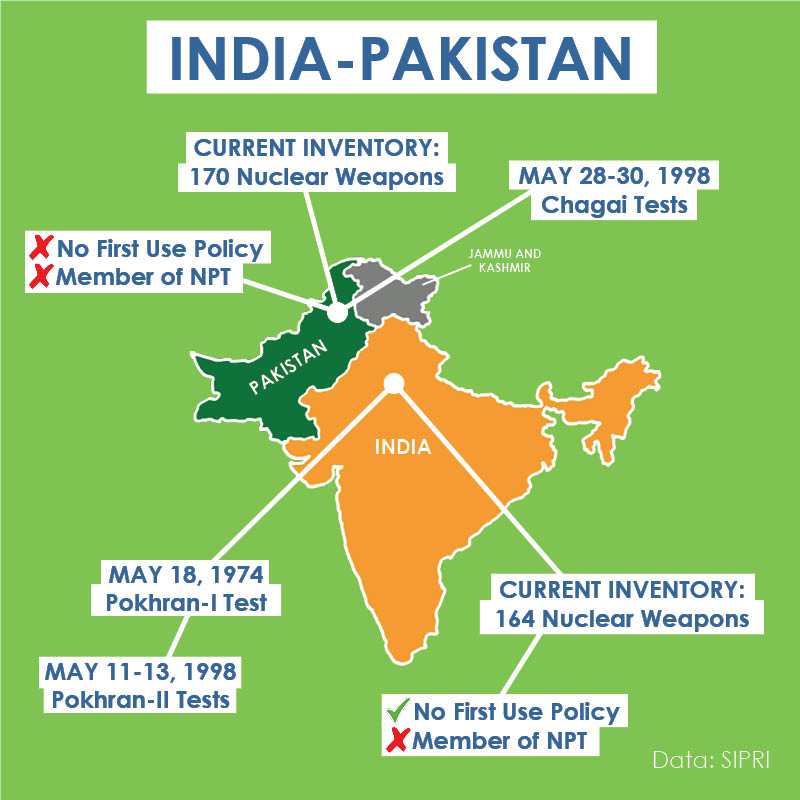
By Nantoo Banerjee It may be good that the latest armed conflict between India and Pakistan ended quickly before it could blow up into a full-scale war leading to massive destruction of life and property and economic disaster in both the countries – maybe more so in Pakistan than in India. However, the abrupt end […]

Spain has increased reliance on its more expensive gas-fired power plants as it confronts challenges in maintaining grid stability following a nationwide blackout that exposed vulnerabilities in managing a surge of renewable energy on the system. The blackout disrupted power supplies for thousands, prompting urgent measures by grid operators to strengthen electricity generation from fossil fuel sources while balancing the country’s ambitious green energy goals. The blackout […]

AI security solution integrated with NVIDIA Enterprise AI Factory validated design HONG KONG SAR – Media OutReach Newswire – 19 May 2025 – Trend Micro Incorporated (TYO: 4704; TSE: 4704), a global cybersecurity leader, today announced its bringing powerful and simplified security capabilities to NVIDIA Enterprise AI Factory validated design, helping organizations worldwide safely transform their business with next-gen AI infrastructure. Eva Chen, Co-Founder and CEO at […]

Sweden has embarked on a major technological initiative to establish a National AI Cloud infrastructure, with the Nordic data centre provider atNorth selected as the host for this critical platform. The project, led by 6G AI Sweden, aims to significantly enhance the country’s capacity to develop and deploy artificial intelligence technologies by providing state-of-the-art cloud computing resources tailored for AI research and industrial applications. This National AI […]

Open source software has received a significant injection of support from leading companies such as Canonical, Zerodha, and other major industry players, marking a pivotal moment for the global development community. This wave of generous contributions comes as open source projects continue to underpin vast segments of the digital infrastructure powering everything from cloud computing to fintech applications. Canonical, known globally as the company behind the Ubuntu […]

PepsiCo has embarked on a significant multi-year partnership with Amazon Web Services to boost its digital and cloud transformation initiatives. The agreement positions PepsiCo to harness AWS’s comprehensive infrastructure and advanced artificial intelligence tools, aiming to streamline operations, enhance data analytics, and drive innovation across its global business. This strategic collaboration reflects PepsiCo’s commitment to embedding technology deeply within its operations. By migrating critical workloads to the […]

Elon Musk confirmed that Saudi Arabia has authorised the deployment of Starlink, his satellite internet service, for aviation and maritime applications. The announcement was made during the Saudi-US Investment Forum in Riyadh, where Musk also expressed interest in introducing Tesla’s autonomous vehicles to the Kingdom.

Starlink, operated by Musk’s aerospace company SpaceX, aims to provide high-speed internet connectivity, particularly in underserved and mobile regions. The approval in Saudi Arabia allows the service to cater to the country’s aviation and maritime sectors, enhancing communication capabilities in these industries.

Musk’s participation in the forum coincided with a visit by former U.S. President Donald Trump, who was in the Kingdom to strengthen bilateral economic ties. During the event, Musk showcased Tesla’s Optimus humanoid robots and discussed the potential introduction of Tesla’s self-driving vehicles in Saudi Arabia, aligning with the nation’s Vision 2030 initiative to diversify its economy through technological innovation.

Saudi Arabia has been investing heavily in its transportation and logistics infrastructure, aiming to become a global hub in these sectors. The integration of Starlink’s satellite internet service is expected to bolster the Kingdom’s capabilities in aviation and maritime operations, contributing to its broader economic diversification goals.

While Musk did not provide a specific timeline for the introduction of Tesla’s autonomous vehicles in Saudi Arabia, his discussions with Saudi officials indicate a mutual interest in exploring advanced transportation technologies. The Kingdom’s commitment to embracing innovative solutions positions it as a potential market for Tesla’s self-driving technology.

President Donald Trump has unveiled a series of agreements with the United Arab Emirates totalling over $200 billion, encompassing significant investments in aviation and artificial intelligence. The announcements followed Trump’s meeting with UAE President Sheikh Mohamed bin Zayed Al Nahyan, underscoring a deepening strategic partnership between the two nations. Etihad Airways has committed $14.5 billion to acquire 28 wide-body Boeing aircraft, including 787 Dreamliners and 777X models, […]

Dubai has announced a comprehensive zoning initiative under its 2040 Urban Master Plan, dividing the emirate into distinct urban and rural zones. This strategic move aims to bolster public safety, optimise emergency response times, and promote sustainable development across the region. Urban zones, encompassing areas such as Downtown Dubai and Business Bay, will see a significant enhancement in security infrastructure. The deployment of advanced technologies, including artificial […]

CoreSite, a prominent U.S. data centre colocation provider, has chosen Nokia to implement a comprehensive upgrade of its IP routing infrastructure spanning 30 data centres across the country. This collaboration aims to enhance network performance, reliability, and scalability to meet the surging demand for data-intensive applications and cloud services. The agreement covers the deployment of Nokia’s high-performance IP routing solutions, integrating both edge and core network capabilities […]

Saudi Arabia has authorised SpaceX’s Starlink satellite internet service for deployment in its aviation and maritime sectors, marking a significant step in the Kingdom’s push to modernise its digital infrastructure. The announcement was made by Elon Musk during the Saudi-US Investment Forum in Riyadh, where he expressed gratitude to the Kingdom for the approval. The decision aligns with Saudi Arabia’s broader ambitions to diversify its economy and […]

VISHNU RAJA
RYO YAMADA
HITORI GOTOH
IKUYO KITA