Gmail is being overhauled to place artificial intelligence directly inside everyday email workflows, with Google removing the standalone Gemini side panel for subscribers to its AI Pro and AI Ultra tiers and replacing it with in-line assistance embedded across core actions. The change marks a decisive shift away from a separate chat-style interface towards contextual AI that appears where users write, read, search and organise messages. At […]
Arabian Post Staff -Dubai Airlines operating from the Gulf sharply curtailed services to Iran on Friday as unrest inside the country prompted rapid operational reviews, disrupting travel links between Dubai, Doha and several Iranian cities while carriers weighed safety and regulatory considerations. Schedules published by Dubai’s airport operator showed multiple cancellations on routes linking Dubai with Tehran, Shiraz and Mashhad. A spokesperson for flydubai said all services […]
Pressure is mounting on Apple and Google after a group of United States senators urged the companies to remove the X and Grok apps from their app stores, citing what they described as disturbing failures in content safeguards that allowed the generation and amplification of harmful material. The appeal intensifies scrutiny of how major technology platforms police artificial intelligence tools distributed through mobile marketplaces that reach hundreds […]
President Donald Trump pressed executives from major oil companies on Friday to commit at least $100 billion of private capital to rebuild Venezuela’s depleted oil industry, but several leaders voiced deep reservations about the risks and structural barriers to doing business in the South American country. The meeting, held in the East Room of the White House and attended by representatives from ExxonMobil, Chevron, ConocoPhillips and other […]
SharpLink has moved $170 million worth of Ether into restaking arrangements on Linea, using Anchorage Digital as its custody and staking partner, signalling a calculated effort to extract yield from a growing corporate Ethereum treasury while leaning on regulated infrastructure to manage risk. The deployment represents a defined slice of SharpLink’s wider Ethereum holdings, which the company has disclosed at about $2.7 billion in value. By placing […]
Investment to expand robotics research and development, strengthen production readiness, and advance Primech Holdings’ facilities management operations
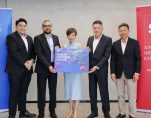
SINGAPORE – Media OutReach Newswire – 8 January 2026 – Primech Holdings Ltd. (Nasdaq: PMEC), a technology-driven facilities services and robotics company, today announced a $4.0 million strategic investment from WELLE Environmental Group Co., Ltd. (SZSE: 300190), reinforcing Primech’s acceleration into autonomous robotics, AI-powered cleaning systems, and scaled global facilities operations.
The investment highlights growing market confidence in Primech Holdings’ long-term growth strategy and its expanding role at the intersection of autonomous robotics and technology-enabled facilities services. Leveraging the deep operational expertise of its facilities services subsidiary, Primech A&P Pte. Ltd., alongside its robotics subsidiary, Primech AI Pte. Ltd., the capital will support accelerated robotics development, enhanced production capabilities, and the continued commercialization of Hytron, Primech’s flagship autonomous restroom cleaning robot.
“This investment validates the momentum we are building across autonomous robotics and intelligent facilities operations,” said Ken Ho, Chairman and Chief Executive Officer of Primech Holdings. “Partnering with WELLE strengthens our ability to scale faster, deploy more broadly, and execute on the growing demand for AI-powered automation in real-world environments. We are entering 2026 with a clear strategy, strong execution capabilities, and the capital to accelerate growth across international markets.”
Proceeds from the investment are expected to be deployed to expand robotics research, development, and production capacity, strengthen operational and manufacturing readiness, and support broader deployment of Hytron across commercial environments. The investment will also bolster working capital to support the continued expansion of Primech Holdings’ core facilities management business.
The transaction further deepens the strategic alignment between Primech Holdings and WELLE, building on their previously announced cooperation initiatives in robotics and intelligent operations. By combining Primech’s autonomous robotics platform and facilities expertise with WELLE’s environmental technology footprint and operational scale, the collaboration is positioned to accelerate intelligent automation and sustainable infrastructure solutions across industrial and commercial markets.
Additional details regarding the investment are included in Primech Holdings’ Form 6-K filed with the U.S. Securities and Exchange Commission on January 6, 2026.
Hashtag: #Primech
The issuer is solely responsible for the content of this announcement.
About WELLE Environmental Group Co., Ltd.
WELLE Environmental Group Co., Ltd. (300190.SZ) is a technologically advanced enterprise specializing in energy conservation and environmental protection. With strong core technical capabilities and continuous innovation, WELLE operates across environmental governance and bioenergy sectors, including food waste and kitchen waste resource utilization, high-concentration wastewater treatment, biogas and biomethane development, and biofuel production. With extensive project experience and diversified application scenarios, WELLE is committed to promoting energy efficiency, carbon reduction, and circular resource utilization.
About Primech AI
Primech AI is a leading robotics company dedicated to pushing the boundaries of innovation in technology. With a team of passionate individuals and a commitment to collaboration, Primech AI is poised to revolutionize the robotics industry with groundbreaking solutions that make a meaningful impact on society. For more information, visit www.primech.ai. About Primech Holdings Limited Headquartered in Singapore, Primech Holdings Limited (Nasdaq: PMEC) is a leading provider of comprehensive technology-driven facilities services, predominantly serving both public and private sectors throughout Singapore. Primech Holdings offers an extensive range of services tailored to meet the complex demands of its diverse clientele. Services include advanced general facility maintenance services, specialized cleaning solutions such as marble polishing and facade cleaning, meticulous stewarding services, and targeted cleaning services for offices and homes. Known for its commitment to sustainability and cutting-edge technology, Primech Holdings integrates eco-friendly practices and smart technology solutions to enhance operational efficiency and client satisfaction. This strategic approach positions Primech Holdings as a leader in the industry and a proactive contributor to advancing industry standards and practices in Singapore and beyond. For more information, visit www.primechholdings.com.
Forward-Looking Statements Certain statements in this announcement are forward-looking statements, including, for example, statements about completing the acquisition, anticipated revenues, growth, and expansion. These forward-looking statements involve known and unknown risks and uncertainties and are based on the Company’s current expectations and projections about future events that the Company believes may affect its financial condition, results of operations, business strategy, and financial needs. These forward-looking statements are also based on assumptions regarding the Company’s present and future business strategies and the environment in which the Company will operate in the future. Investors can find many (but not all) of these statements by the use of words such as “may,” “will,” “expect,” “anticipate,” “aim,” “estimate,” “intend,” “plan,” “believe,” “likely to” or other similar expressions. The Company undertakes no obligation to update or revise publicly any forward-looking statements to reflect subsequent occurring events or circumstances or changes in its expectations, except as may be required by law. Although the Company believes that the expectations expressed in these forward-looking statements are reasonable, it cannot assure that such expectations will be correct. The Company cautions investors that actual results may differ materially from the anticipated results and encourages investors to review other factors that may affect its future results in the Company’s registration statement and other filings with the SEC.
Arabian Post Staff -Dubai Las Vegas — Yarbo used CES 2026 to sharpen its pitch that outdoor maintenance can be handled by a single, adaptable robot rather than a shed full of specialised machines. The company presented updates to its modular “yard robot system”, arguing that advances in onboard intelligence, perception and autonomy are bringing the category closer to everyday household use rather than niche early adopters. […]
TDK has unveiled STRIDE, a low-power, real-time positioning software platform aimed at wearables and connected IoT devices, marking a push to strengthen its presence in software-defined sensing alongside its established sensor hardware business. The launch positions the Tokyo-based electronics group to compete more directly in applications where accurate location tracking must operate continuously on constrained batteries, such as smartwatches, fitness bands, asset tags and industrial monitoring devices. […]
Tackle rising business costs and trade barriers with a unified digital platform for Free Trade Agreements as well as build stronger economic partnerships.
Bridge AI adoption gaps by co-funding shared data pools and introducing a regional “Trusted AI” mark to drive innovation and governance.
Future-proof the workforce with targeted work visas for global experts, job transformation roadmaps, and advanced leadership programmes.
SINGAPORE – Media OutReach Newswire – 7 January 2026 – KPMG in Singapore and the Singapore Institute of Directors (SID) are pleased to announce the release of a joint Budget 2026 Proposal, titled “Prospering in a New Global Landscape”.
From Left to Right: Yong Jiahao, Partner, Infrastructure, Government & Healthcare (IGH) & Industrial Manufacturing, Tax, KPMG; Ajay Kumar Sanganeria, Partner and Head of Tax, KPMG; Lee Sze Yeng, Managing Partner, KPMG; Max Loh Khum Whai, Vice-Chair, Singapore Institute of Directors; Edwin Lee, Deputy CEO, Singapore Institute of Directors
By fostering resilient economic linkages, embedding digital trust, and cultivating world-class talent and leadership with cross-domain expertise, Singapore can ensure its businesses and economy remain secure, innovative, and competitive in an uncertain global landscape.
This Proposal outlines strategies to position Singapore as a critical hub for global flows, covering three crucial areas:
A new global order: Resilience as a pivotal growth strategy
The Intelligent Age: Smart solutions for an innovative era
The recommendations in the proposal are also supported by data-driven insights from a survey recently conducted by KPMG and SID. More than 1,000 professionals, managers, executives and technicians (PMETs) and business owners were surveyed on the challenges they face and the kinds of Budget 2026 support they hoped to see. [For more information, please refer to the deck with the full survey results: https://kpmg.com/sg/en/campaigns/kpmg-singapore-budget.html ]
Empowering businesses to leverage Singapore’s trusted role as a global connector
Global commerce is rapidly transforming amid rising protectionism, shifting trade rules, evolving tax regimes, and geopolitical tensions. Singapore’s long-term prosperity in the new global order depends on its ability to lead as a trusted connector and aggregator of the flows of goods, capital, data, and talent.
Singapore must strengthen its economic linkages, build secure and interoperable digital platforms, cultivate a workforce equipped with cross-domain expertise, and equip boards with essential skills to navigate emerging risks and opportunities. Trusted and resilient economic linkages will ensure the seamless movement of goods, services, and investments, while interoperable digital platforms will play a critical facilitation role in enabling cross-verification of information, streamlining compliance, and fostering trust across borders. These efforts are especially important in helping businesses cope with shifting regulations. KPMG and SID’s survey found that 51 percent of respondents identified increased business costs as the main challenge to cross-border expansion, followed by higher tariffs (26 percent) and supply chain difficulties (25 percent). To address these challenges, 43 percent of respondents want stronger economic and trade partnerships to overcome trade barriers.
KPMG and SID recommend:
a) Developing a unified digital platform for Free Trade Agreement (FTA) management (page 7) to help businesses navigate complex procedures and unlock the full benefits of FTAs. This would be seamlessly integrated with government systems, making it more seamless and cost-effective for businesses to comply with FTA requirements. This would enable firms to leverage Singapore’s extensive FTA network to gain footholds in new markets, further enhancing Singapore’s regional and global competitiveness.
b) Increasing access to working capital to accelerate local enterprises’ strategic transformation and implementing industry-specific governance frameworks (page 7). With geopolitical shifts driving a more complex regulatory landscape, increased and dedicated funding would enable businesses to transform for the future while responding effectively to evolving governance standards. Such funding should be complemented by industry-specific governance playbooks to equip boards with essential tools to strengthen agility and resilience.
c) Enhancing Singapore’s government-backed trade platform with blockchain and AI (page 6). The global economy has seen an increase in supply chain disruptions amid geopolitical and trade uncertainties. An enhanced Government-backed trade platform would enable Singapore to further facilitate the flow of trusted payments, making it even easier for businesses to validate transactions and act on smart recommendations to elevate supply chain efficiency. Amid a more fragmented world, the enhanced platform would also reinforce Singapore’s position as a reliable hub for global commerce, by promoting increased supply chain transparency for critical industries like semiconductors, pharmaceuticals, and advanced manufacturing.
d) Introducing progressive carbon taxes to reward decarbonisation and establish performance-based pathways for large emitters (page 9). Singapore’s carbon taxes must evolve to consider unique business needs and companies’ decarbonisation plans. Progressive carbon tax rates post-2030 – based on facility emissions volume, emissions per unit of output, and sectoral abatement potential – could be accompanied by permanent conditional tax rebates for energy-intensive, trade-exposed sectors. These rebates could be based on set criteria such as verified year-on-year reductions in carbon intensity and investments in low-carbon technology. To strengthen these efforts, Singapore could also establish an ASEAN Environmental Data Exchange to facilitate the sharing of standardised and interoperable environmental data between Singapore and its regional trade partners (page 8). The exchange would improve the flows of green trade and green capital, enabling Singapore to be a regional hub for environmental data harmonisation. Organisations like the Singapore Institute of Directors could play a catalytic role by building board-level capability, aligning disclosure expectations and promoting best practices through director education, guidance frameworks and peer learning on a regional scale, helping boards to lead initiatives like progressive carbon taxation.
Fostering an ecosystem of Trusted AI in the Agentic Era
The rise of artificial intelligence (AI) is reshaping global competitiveness, with agentic AI—capable of autonomous decision-making—introducing both transformative opportunities and significant challenges. While agentic AI can drive innovation, optimise operations, and unlock new efficiencies, it also raises critical concerns around accountability, ethical deployment, and governance.
A critical enabler of AI’s potential is data sharing, yet this often proves difficult due to competition, concerns over intellectual property, and a lack of trust between organisations. Businesses—particularly smaller enterprises—also face cost constraints in accessing high-quality data, and many also lack the strategic clarity and workforce competencies to identify where AI can augment their operations.
KPMG and SID’s poll found that 54 percent of respondents cited talent and skills gaps as the top challenge for adopting AI, followed by high costs of technology adoption (52 percent) and a lack of clear AI adoption strategies (48 percent). By addressing these concerns, Singapore will be able to fully leverage the vast potential of AI and data to reinforce its status as a hub across various sectors.
KPMG and SID recommend:
a) Co-funding sector-specific shared data pools in partnership with trade associations and industry stakeholders (page 15). These shared, anonymised data pools would enable businesses to access high-quality datasets without incurring prohibitive costs. Tailored to specific sectors such as logistics and retail, these pools would facilitate benchmarking, model training, and experimentation under a trusted framework that safeguards data privacy and protects intellectual property. Shared data initiatives should be paired with guided AI adoption support to help businesses understand how AI can enhance specific parts of their value chain. For example, targeted support could help logistics firms optimise supply chains or assist retailers in leveraging AI to personalise customer experiences. This dual approach would enable broader AI adoption and accelerate innovation across industries.
b) Enhancing the public-private partnership (PPP) framework to accelerate AI adoption (page 15). As firms navigate high costs and limited guidance around AI adoption, there is an opportunity for the Government to provide greater access to infrastructure to lower barriers for AI experimentation and deployment. The enhanced framework would create positive spillover effects from existing AI initiatives, as government agencies, academia and industry stakeholders collaborate to strategically integrate AI solutions into business strategies. The framework could also promote cross-sector collaboration in key industries, fostering a culture of open innovation in AI. To bolster digital trust, Singapore could also establish a regional “Trusted AI” mark to drive harmonisation and innovation (page 12). Although Singapore’s Model AI Governance Framework provides a strong foundation for responsible AI deployment, there is still a largely untapped opportunity for Singapore to champion an assurance label that shows firms have AI controls aligned with recognised AI governance standards. By pushing regionalrecognition of this mark, Singapore could accelerate cross-border innovation and trade. The mark would build on initiatives like AI Verify and Project Moonshot, which have helped to promote Trusted AI in Singapore.
c) Supporting hands-on AI governance training for board members and executives (page 13) through a dedicated fund. This would complement existing SkillsFuture programmes which focus primarily on AI awareness, by expanding the emphasis to address strategic and operational gaps at the leadership level – covering ethical deployment, change management and cross-domain applications.
Building globally relevant leaders with cross-domain skills
To fulfil its role as a hub for global flows, Singapore must enable its businesses to navigate a complex web of governance requirements, trade rules, tax policies, and tariffs. While compliance with governance standards will bring higher upfront costs, it also provides a foundation for businesses to lead in innovation and competitiveness. For instance, businesses that embrace sustainability compliance can innovate in areas like green finance, carbon accounting, and environmental data exchange.
Yet, none of this is possible without specialised talent and leadership. Singapore needs professionals and board leaders with expertise in areas such as supply chain management, AI governance, and sustainability strategy. These individuals must be able to connect the dots across domains, such as linking data governance with trade compliance or integrating sustainability goals into business operations. The need for enhanced talent development also emerged from KPMG and SID’s survey findings. Forty-nine percent of respondents want more skills development and upskilling courses. Meanwhile, 42 percent hope for more support for workforce transformation and job redesign, such as higher grants. In addition, 37 percent of respondents want more leadership and management development initiatives, especially in the areas of mentorship and coaching for emerging leaders and advanced leadership programmes.
KPMG and SID recommend:
a) Creating a dedicated work-pass category for “master trainers” and mentors (page 18). The work-pass would encourage international professionals to join local companies, public agencies and training institutions to lead structured upskilling or leadership development programmes. This would accelerate skills transfer, expose workers to global best practices, and build a robust pipeline of talent capable of driving strategic transformation and competitiveness in a rapidly evolving global landscape. Structured leadership development programmes could also include peer-sharing platforms (page 21) aimed at promoting transformation training among C-suite leaders. Backed by the public sector and industry stakeholders, such platforms could foster the exchange of best practices, promote collective learning on key sustainability capabilities and empower leaders to proactively redesign roles and workflows ahead of market shifts.
b) Setting up job transformation roadmaps with co-funded training and certification initiatives (page 19) tied closely to sector-specific needs. As rapid technological developments shape industry demand for skills, job transformation roadmaps would be beneficial in outlining sector-specific disruptions, challenges and opportunities. These roadmaps could be accompanied by industry-recognised certification, and programmes backed by both the public and private sectors. Tailored to sectoral needs, certifications could help to assess whether workers have acquired the necessary skills to perform in transformed roles, especially in fast-evolving sectors where traditional qualifications may no longer suffice.
c) Establishing a $100 million fund to advance social impact reporting (page 9). As Singapore pursues long-term resilience, it must also ensure that economic growth is sustainable and inclusive. The fund could be used to train professionals and board directors in the reporting of social metrics, support academic modules in social sustainability and certify social auditors and advisers. It could also be complemented by broader efforts to enhance environmental, social and governance (ESG) competencies among businesses’ top leadership. Singapore could establish a national registry of certified sustainability committee members (page 20) who can be matched to boards and committees across sectors. This would help to expand access to qualified board resources, especially for local enterprises.
Lee Sze Yeng, Managing Partner, KPMG in Singapore, said:
“Leadership today isn’t just about mastering AI or acquiring specialised skills—it’s about navigating the intersections of cross-border trade, technology, and sustainability. To remain competitive, leaders must move beyond the basics, using AI and data to drive real business outcomes while building governance frameworks that inspire trust. At the same time, they need the courage to take calculated risks and collaborate across ecosystems to unlock new opportunities. Initiatives like co-funding sector-specific shared data pools and guided AI adoption support are critical to overcoming barriers and equipping leaders with the tools to thrive. As disruptions grow increasingly cross-border and cross-domain, Singapore’s ability to cultivate leaders who can turn complexity into opportunity will define its success as a global flows hub.”
Ajay Kumar Sanganeria, Partner, Head of Tax, KPMG in Singapore, said:
“Singapore’s position as a global hub—connecting trade, data, and capital—offers businesses significant opportunities to grow and compete globally. Grants and platforms are vital enablers, but they must be part of a broader solution that simplifies complexities and empowers businesses to focus on innovation. Future-ready approaches, such as managing governance and compliance in a more consolidated or ‘as-a-service’ mode, can reduce burdens on enterprises. A unified digital platform for Free Trade Agreement (FTA) management, enhanced with blockchain and AI, could streamline compliance and unlock the full benefits of Singapore’s FTA network. Co-funded training programmes and shared governance frameworks can further help businesses pool resources and build capabilities. By combining grants, platforms, and smarter ways of working, Singapore strengthens its role as a trusted global connector and equips businesses to lead with confidence in an evolving world.”
Yeoh Oon Jin, Chair, Singapore Institute of Directors, said:
“Singapore’s future as a global hub for connectivity and commerce will be shaped by how boards of directors evolve to lead with resilience and trust. Budget 2026 is an opportunity to strengthen governance frameworks that embed sustainability, cyber trust and accountability into every organisation’s agenda. By empowering directors to champion innovation, sustainability and digital assurance, organisations can grow with confidence while reinforcing Singapore’s position as a secure and trusted connector for goods, capital, data and talent in an increasingly complex global landscape.” Hashtag: #KPMG #SID
The issuer is solely responsible for the content of this announcement.
About KPMG in Singapore
KPMG in Singapore is part of a global organization of independent professional services firms providing Audit, Tax and Advisory services. We operate in 142 countries and territories with more than 275,000 partners and employees working in member firms around the world. Each KPMG firm is a legally distinct and separate entity and describes itself as such. KPMG International Limited is a private English company limited by guarantee. KPMG International Limited and its related entities do not provide services to clients.
About SID
The Singapore Institute of Directors (SID) is Singapore’s national association for company directors. Established in 1998, our mission is to transform boards and empower board directors to be champions of good governance. SID works with regulators and partners to serve as the voice for directors and facilitates consultations and feedback sessions on regulatory matters. In advocating for good governance, SID advances thought leadership and benchmarking research and indices on corporate governance and directorship issues.
SID builds competencies and capabilities to enhance boardroom skills of directors for informed decision-making. An accreditation programme serves to set standards for and showcase best practices of good governance. The organisation supports members on their directorship journey with courses, workshops, advanced masterclasses, forum discussions and pit-stops. SID connects and strengthens the ecosystem with initiatives such as mentoring and networking. The Governance for Good Alliance is an initiative by SID to bring together key stakeholders who help advance our vision for every board director to be a champion of good governance.
LAS VEGAS, UNITED STATES – Media OutReach Newswire – 7 January 2026 – Amidst a CES 2026 landscape dominated by AI headlines and humanoid robots, a quiet corner of the Lens Technology booth has unexpectedly become a focal point for commercial space analysts.
There are no flashy RGB lighting effects here, only a sheet of glass as thin as a cicada’s wing, being repeatedly rolled and unrolled like a tape measure. This is the public debut of Lens Technology’s aerospace-grade UTG (Ultra-Thin Glass) photovoltaic encapsulation solution. This technology marks the official entry of the manufacturing titan—best known as a giant in the Apple supply chain—transferring its precision manufacturing capabilities from consumer electronics to humanity’s next trillion-dollar market: space infrastructure.
As leading global satellite companies begin the mass deployment of third-generation (V3) satellites, the Low Earth Orbit (LEO) internet race is entering a “second half” defined by heavy payloads, long lifespans, and low costs. Lens Technology’s entry aims to untie the knot that has long plagued the aerospace industry: the trade-off between flexibility and durability.
Farewell to the “Plastic Feel”: The Material Battle in Space
At the Lens Technology booth, engineers demonstrated the core contradiction to the audience: Traditional aerospace solar cell covers are either heavy Cerium-doped Glass (CMG) or expensive Fused Silica, typically ranging from 100μm to 500μm in thickness. They are robust, but too heavy and impossible to bend.
To adapt to the massive power demands of next-generation satellites (such as those supporting direct-to-cell services), solar wing designs are rapidly evolving from rigid panels to Roll-Out Solar Arrays (ROSA-like structures). This shift forced designers to temporarily turn to polymer materials like transparent Polyimide (CPI).
“However, polymers have a fatal weakness in space,” explained a Lens Technology on-site technical lead. “The LEO environment is filled with high-energy Atomic Oxygen (AO) and strong UV radiation. Under long-term exposure, polymer molecular chains break, causing the material to yellow, become brittle, and suffer a drastic drop in light transmission. This efficiency decay was tolerable for early satellites with 5-7 year lifespans, but for the new generation of mega-constellations pursuing higher commercial returns, it is unacceptable.”
Lens Technology’s answer is Aerospace-Grade UTG. As an inorganic material, glass possesses innate “immunity” to Atomic Oxygen and UV aging, ensuring high light transmission throughout the satellite’s lifecycle. More importantly, its dense structure provides an effective barrier against water vapor and micrometeoroids, offering physical protection for delicate ultra-thin HJT or future Perovskite batteries.
The 30-Micron “Moat”: A Perfect Match for Next-Gen Satellites
In the demo area, a piece of glass only 30μm-50μm thick is bent to an astonishing radius of R1.5mm. This level of flexibility drew gasps from the audience.
This is exactly the characteristic most coveted by top global satellite companies today. To reduce the cost per launch, next-generation mega-satellites must be stowed with origami-like efficiency inside the rocket fairing. Lens Technology’s UTG solution allows solar wings to be tightly wound like a tape measure during launch, and instantly recover to a flat state upon orbital deployment.
However, making glass thin is the first step; keeping it from shattering during the violent vibration of a rocket launch is the real challenge.
Analysts point out that Lens Technology’s core competitiveness lies in its proprietary chemical strengthening processes and laser/diamond wire cutting technologies. Glass fractures often originate from micro-cracks invisible to the naked eye. Leveraging processes honed on foldable smartphones, Lens has significantly reduced the density of micro-defects on the glass edges and surfaces. This means that even under immense tension and vibration, this “glass skin” remains tough and resilient.
Dimensional Strike: Reshaping Aerospace Costs with “Consumer-Grade” Capacity
If technical specifications are the ticket to entry, then capacity and cost control are Lens Technology’s ultimate weapons.
“The logic of commercial space has changed; it is now the era of industrial mass production,” commented an industry analyst at the scene. Compared to the small-batch, lab-grade customization model of traditional aerospace glass manufacturers, Lens Technology brings the scale of consumer electronics manufacturing.
Facing the grand ambition of global satellite leaders planning to launch tens of thousands of satellites annually, supply chain elasticity is critical. Lens Technology stated that it has the capability to rapidly expand existing pilot lines or flexibly retrofit mass production lines. This potential for “ten-thousand-satellite scale” delivery and yield control can significantly lower the BOM (Bill of Materials) cost per satellite—addressing the most sensitive pain point for commercial space giants today.
Outlook: The New Cornerstone of Next-Gen Space Energy
At CES, Lens Technology also “spoiled” its future technology roadmap.
As Perovskite/Silicon tandem cells are viewed as the mainstream for future satellite power, UTG will serve not just as a cover, but as an encapsulation substrate. Lens Technology revealed it is developing next-generation composite UTG integrated with Anti-Static (ESD) coatings and Selective Radiation coatings, which will not only protect chips from electrostatic discharge damage but also assist in regulating battery temperature.
Although this business currently accounts for a tiny fraction of Lens Technology’s massive revenue and is in a period of intensive validation with global top-tier photovoltaic component manufacturers (Tier 2) and top commercial space clients (Tier 1), its signal significance cannot be ignored.
From smartphone screens to satellite wings, Lens Technology is proving that in the era of scaled expansion for space infrastructure, ground-based industrial giants possessing extreme craftsmanship and mass manufacturing capabilities will be indispensable “pavers” for the interstellar journey.
Hashtag: #LensTechnology
The issuer is solely responsible for the content of this announcement.
AQT Arithmos Quantum Technologies Ltd has announced the launch of a live, real-world quantum hybrid test at the Dubai International Financial Centre, signalling a critical step in the commercialisation of advanced quantum computing methods. The Dubai Financial Services Authority has clarified that AQT’s planned activities do not require additional authorisation because they fall outside regulated financial services, allowing the firm to proceed under its existing licence at […]
Google has continued to expand the reach and capabilities of Copybara, its open-source tool designed to automate code migration and synchronisation across repositories, positioning it as a critical utility for organisations grappling with large, distributed codebases and complex development workflows. Originating from the company’s own need to manage code movement out of its vast internal monorepo, Copybara has evolved into a mature project used well beyond its […]
Abu Dhabi has unveiled a new Arabic-first artificial intelligence model that researchers say redefines how large language systems can understand, generate and reason in the Arabic language at scale. Technology Innovation Institute, the applied research arm of the Advanced Technology Research Council, announced Falcon-H1 Arabic as the latest addition to its Falcon family of large language models, positioning it as the most capable open Arabic AI model […]
Saal. ai and Nutanix have unveiled SovereignGPT at a launch event in Abu Dhabi, positioning the platform as a government-grade artificial intelligence system designed to meet stringent data sovereignty and security demands while retaining the performance expected of mission-critical deployments. The announcement places Abu Dhabi at the centre of a growing push by governments and regulated industries to localise advanced AI capabilities without ceding control over sensitive […]
Docker is changing how macOS applications are built, tested and deployed, as containerisation gains ground among developers working on Apple hardware. The shift is being driven by the need for consistent development environments, faster performance on Apple silicon machines and smoother collaboration across distributed teams, according to developers and industry analysts tracking software tooling trends. Containerisation allows applications to run in isolated environments that package code with […]
Europe’s ambitions in semiconductors, embedded software and advanced electronic systems have been sharpened with the release of the Electronic Components and Systems Strategic Research and Innovation Agenda 2026, a document that sets priorities for research, industrial deployment and public investment across the continent’s technology base. The updated agenda outlines how Europe plans to strengthen technological sovereignty in electronic components and systems at a time of intense global […]
Finnish authorities have detained two crew members from a foreign-flagged cargo vessel as part of an expanding criminal investigation into damage to an undersea telecommunications cable linking Helsinki and Tallinn, sharpening security concerns across the Baltic Sea region at a time of heightened geopolitical tension. The sailors were taken into custody following the seizure of the vessel Fitburg, which Finnish officials believe may be connected to the […]
OpenAI chief executive Sam Altman has publicly acknowledged the expanding impact of artificial intelligence on mental health and cybersecurity, signalling a shift in how one of the world’s most influential AI developers frames the social risks of its technology. The remarks came alongside an announcement that OpenAI is seeking a Head of Preparedness, a role designed to anticipate and mitigate potential harms as AI systems grow more […]
Dubai Police have expanded coordination with public agencies and private firms to strengthen road safety and labour-area security, positioning enforcement, data-sharing and prevention as central pillars of the emirate’s broader safety agenda.
Senior officers from Jebel Ali and Al Barsha police stations convened a high-level panel discussion titled Forecasting the Future of Road Safety and Labour Area Security in Dubai, drawing together municipal authorities, transport operators, construction firms and safety specialists. The forum underscored a shift towards anticipatory policing, with emphasis on risk forecasting, targeted inspections and early intervention rather than reactive enforcement alone.
Officials said the initiative reflects mounting pressures on transport networks and worker accommodation zones as Dubai continues to attract investment, logistics activity and large-scale construction. Traffic density around industrial areas, ports and residential labour clusters has risen steadily, increasing the likelihood of accidents involving heavy vehicles, buses and pedestrians. Police data presented at the session showed that incidents in such zones tend to involve multiple risk factors, including fatigue, limited visibility, non-compliance with speed limits and inadequate safety training.
Dubai Police leadership stressed that reducing fatalities and serious injuries requires tighter integration between enforcement agencies and employers. Participants discussed expanding joint patrols in high-risk corridors, using shared data dashboards to flag accident-prone locations, and aligning inspection regimes across transport, housing and occupational safety authorities. The approach aims to close gaps where responsibility has traditionally been fragmented between different regulators.
Road safety featured prominently in the discussions, with officials outlining plans to intensify monitoring of commercial fleets, particularly buses transporting workers to and from labour camps. Technology was cited as a critical enabler, including wider deployment of smart cameras, vehicle telematics and predictive analytics to identify unsafe driving patterns before accidents occur. Police officers noted that automated enforcement must be complemented by sustained awareness campaigns targeting drivers, supervisors and site managers.
Labour-area security formed the second core focus of the panel. Senior officers highlighted the importance of safe living environments in maintaining public order and worker wellbeing. Issues such as overcrowding, poor lighting, inadequate emergency access and weak access controls were identified as recurring vulnerabilities. Dubai Police said coordinated inspections with municipal bodies and civil defence teams would be expanded to ensure accommodation facilities meet safety and security standards.
Private-sector representatives acknowledged that compliance expectations are rising. Construction and logistics firms described increasing investment in driver training, fatigue management systems and on-site safety officers, driven both by regulatory pressure and operational risk. Several companies shared examples of internal monitoring tools that track driver behaviour and working hours, with data shared directly with police units during investigations or audits.
The panel also addressed the human dimension of safety enforcement. Police officials emphasised that communication with workers remains essential, particularly in multicultural environments where language barriers can undermine awareness of rules and emergency procedures. Plans were outlined to broaden multilingual outreach programmes and community policing initiatives in labour zones, enabling faster reporting of hazards and disputes.
From a policy perspective, the discussions aligned with Dubai’s long-term vision of zero fatalities on roads. Police leaders reiterated that while enforcement remains firm, the strategy increasingly prioritises prevention, education and partnership. Forecasting models presented during the session illustrated how combining traffic data, urban planning inputs and employer compliance records can help authorities anticipate emerging risks linked to new developments or shifts in traffic flows.
Experts attending the forum noted that Dubai’s approach mirrors global trends in urban policing, where safety is treated as a shared responsibility across government and industry. The emphasis on predictive tools and integrated oversight reflects lessons drawn from international transport safety frameworks, adapted to local conditions such as high temperatures, heavy freight movement and diverse workforce demographics.
The collaboration also carries reputational and economic implications. Officials said safer roads and secure labour environments underpin investor confidence and social stability, particularly as the emirate positions itself as a global logistics, tourism and business hub. Any sustained rise in accidents or security incidents would carry costs not only in human terms but also through delays, insurance claims and regulatory penalties.
Footage of a Tesla humanoid robot losing balance and falling during a controlled demonstration has reignited debate over the pace and credibility of Elon Musk’s ambitions in robotics, exposing the gap between promised timelines and the realities of building general-purpose machines that can operate safely among people. The incident occurred during a late-2025 demonstration of Optimus, Tesla’s bipedal robot unveiled as a future cornerstone of the company’s […]
Microsoft chief executive Satya Nadella has called for a recalibration of how the technology sector talks about artificial intelligence, arguing that the industry should move beyond what he describes as “AI slop” and focus instead on a rigorous theory of the mind that reflects how people actually think, decide and create when equipped with powerful digital tools. His remarks, delivered during a wide-ranging discussion on the future […]
Competition between Tesla and Waymo is reshaping the trajectory of autonomous transport, with contrasting technical philosophies, regulatory strategies and deployment timelines sharpening the pace of innovation across the robotaxi market. Waymo holds a tangible lead in fully driverless commercial operations. Its vehicles, packed with lidar, radar and high-resolution cameras, have logged millions of autonomous miles without a human safety driver across multiple US cities. In places such […]
Showcasing transparent MicroLED, ultra-bright HUD, and naked-eye 3D displays to redefine the display landscape across retail, cockpit, and smart device applications
LAS VEGAS, USA – Media OutReach Newswire – 2 January 2026 – Innolux will showcase its next-generation display technology in Las Vegas, USA from January 6 to 8, under the theme “Display the Future, TOGETHER.” Powered by high brightness, high resolution, and immersive experiences, Innolux meets the evolving demands of smart retail, cockpit displays, smart homes, and commercial exhibitions, demonstrating its forward-looking strength in cross-domain integration, application innovation, and market deployments.
Next-generation MicroLED transparent displays reshape the visual experience across retail settings
For the first time, Innolux will unveil its next-generation “MicroLED Display Window,” delivering a clearer, more eye-catching spatial visual experience through high clarity, high transmittance, high brightness, and high resolution. Featuring self-illuminating technology, an advanced optical structure, and a wide color gamut, the product delivers outstanding visibility even in strong ambient light, while its high-resolution design blends visual elegance with clear and efficient information recognition. Transparent displays can simultaneously showcase product information, dynamic advertisements, and navigation content, cutting wait times and easing operational demands, while accommodating a variety of sizes and shapes with the world’s largest modular splicing unit. This solution seamlessly integrates digital information into real-world settings, making it ideal for applications such as commercial window displays and museum exhibits, while delivering a new immersive display experience for retail and smart environments.
Dual MicroLED technology debuts, upgrading marine and automotive displays with ultra-high brightness and minimalist aesthetics
Innolux is unveiling its first “Ultra-High Brightness MicroLED HUD,” delivering ultra-high direct brightness (50,000 nits) and reflective virtual image brightness (10,000 nits). This breakthrough solves the challenges of reflections and image blurring caused by intense light in marine and automotive environments. Even under strong sunlight or reflections from the sea surface or deck, the HUD clearly presents waterways, sea conditions, and navigation instructions, thereby enhancing cockpit visibility. Critical information can be projected directly in the line of sight or front field of vision, minimizing eye movement while improving operational safety and application flexibility.
This year’s event will also highlight the next-generation “MicroLED Decoration Display,” which pair high brightness with an elegant wood grain design, ideal for ship cabins and car interiors. When powered off, the display blends seamlessly into its surroundings like a wood panel; when on, its specialized optical structure delivers high transmittance with minimal brightness loss, meeting ESG standards. Leveraging MicroLED technology, the display achieves 2,000 nits brightness, 229 PPI resolution, and 115% NTSC color gamut, ensuring clear visibility even under strong light. By merging aesthetics with functionality, it broadens the range of applications for interior displays.
Multi-view 3D and mirror displays dramatically boost product display efficiency
Innolux has launched the industry’s first “65″ Multi-Users N3D & Kirameki Display(8K)” for retail and exhibition applications. The display combines exclusive N3D multi-view naked-eye 3D technology with the Kirameki algorithm, overcoming the limitations of traditional 2D displays and delivering a more immersive, lifelike stereoscopic experience. N3D allows multiple users to view 3D content simultaneously, maintaining comfort over extended periods while clearly rendering the product’s three-dimensional form. Meanwhile, Kirameki enhances luster, texture, and material details, creating a natural lighting effect from every angle. This boosts product recognition, extends customer engagement, and enriches the interactive experience, making it ideal for retail and boutique displays as well as digital advertising.
Also on display will be an industry first—the “InnoMirror,” which features high-reflection coated glass and local dimming technology to enhance contrast and sharpness while reducing mirror reflection interference. When powered off, the display appears as a mirror; when on, it delivers product information and enables virtual try-on, color matching, and item switching, thus reducing wait times, minimizing wear, and easing staff workloads. This makes it perfect for a range of environments, from boutiques and beauty retailers to smart homes.
Exclusive N3D display technology, paired with low-latency performance and eye-tracking, delivers an immersive naked-eye 3D experience
Innolux is unveiling its “16″ Single User N3D Display,” featuring exclusive N3D technology and a 2D restoration algorithm. The system limits 3D latency to under 1 millisecond, effectively reducing crosstalk and visual discomfort. It also supports seamless switching between 3D and 2D, while eye-tracking ensures a natural, immersive viewing experience.
At the exhibition, Innolux will showcase a range of innovative displays for applications including laptops, AI notebooks, and outdoor and in-flight entertainment, highlighting its latest breakthroughs in display technology. Products on display include the “Multi-Frequency Display (MFD)” and the “Integrated Touch Display.” The former leverages multi-frequency display technology to automatically switch between 24Hz, 60Hz, and 120Hz refresh rates depending on the content, thus optimizing video quality, gaming and graphics smoothness, and energy efficiency. Meanwhile, the Integraded Touch Display incorporates a tTED IC chip design, supports refresh rates from 30Hz to 120Hz, streamlines the PCBA assembly, and features a thin, lightweight form factor. Also on display are the “Ultra Slim and Light LCD Display with Carbon Fiber Bezel,” the “17.3″UHD MiniLED Local Dimming” and the “13.3″ MiniLED for in Fly Entertaiment Display.” Through these debuting products, Innolux exemplifies the integration of high performance, energy efficiency, and portability, reinforcing its leadership in defining the next generation of smart display technology.
Hashtag: #Innolux
The issuer is solely responsible for the content of this announcement.
Tuba, an artificial intelligence-driven healthcare benefit management platform, has been accepted into NVIDIA Inception, a global programme designed to support technology start-ups developing advanced AI solutions. The move places Tuba among a curated group of early-stage companies working with high-performance computing, data science and machine learning tools to scale products in complex sectors such as healthcare, finance and advanced manufacturing. The company’s entry into the programme […]



 www.primech.ai