News related to
Deployment

Saudi Arabia has begun a broad recalibration of its most ambitious development schemes, signalling a more pragmatic approach to spending after months of official messaging about fiscal discipline. Authorities have ordered sweeping reviews across several headline projects spanning Neom, Jeddah and Riyadh, as pressure mounts to balance long-term transformation goals with near-term economic realities. The shift became visible with the decision to delay the 2029 Asian Winter […]

Shares of cloud security firm Netskope moved higher after Telefónica Tech UK & Ireland unveiled a fully managed Security Edge service built on the Netskope One platform, signalling a deeper alignment between a global telecoms group and a fast-growing specialist in cloud and data protection. The service positions Telefónica’s UK and Ireland technology arm as a one-stop provider of secure access for enterprises grappling with hybrid work, […]

U. S. spot exchange-traded funds tied to major cryptocurrencies saw a marked shift in capital flows on 26 January 2026, with Ethereum-linked products attracting the largest net inflows while Bitcoin, XRP and Solana ETFs drew comparatively lower interest. Data compiled from fund-flow trackers and trading platforms shows the spot Ethereum ETFs posted approximately $117m of net inflows during the session, overturning a streak of prior redemptions, and […]

ByteDance is accelerating its expansion into enterprise cloud services as artificial intelligence reshapes demand across China’s technology sector, positioning the social media and content platform owner as a more serious challenger to long-established players in the domestic cloud market. The company has stepped up investment in AI infrastructure, enterprise tools and developer services, signalling ambitions that go well beyond its consumer-facing applications. The move comes as businesses […]

Waabi Innovation has secured a sizeable capital package to accelerate commercial deployment of its autonomous driving software, widening ambitions beyond long-haul freight into passenger mobility as competition intensifies across the self-driving sector. The Toronto-based company said the financing totals up to $1 billion in committed capital, combining equity, strategic investments and long-term commercial backing, giving it the balance-sheet strength to scale its technology across multiple vehicle platforms. […]

AI-related Attacks and Supply Chain Risks Emerge as Top Concerns Nearly 30% of Enterprises Lack Dedicated Cybersecurity Personnel

HONG KONG SAR – Media OutReach Newswire – 28 January 2026 – The Hong Kong Computer Emergency Response Team Coordination Centre (HKCERT), under the Hong Kong Productivity Council (HKPC), today hosted a media briefing to officially release the annual “Hong Kong Cybersecurity Outlook 2026”. The report reveals that cyberattacks have become more automated, targeted, and destructive with the rapid proliferation of Artificial Intelligence (AI) technologies, posing significant threats to business operations and information security. A record high 15,877 cybersecurity incidents were recorded in Hong Kong in 2025, marking a 27% year-on-year increase. The report also highlights five key cybersecurity risks expected to emerge in 2026, mainly under AI-related threats and supply chain vulnerabilities.

HKCERT also released the findings of the “Hong Kong Enterprise Cybersecurity Landscape”, which analyses the current state of local enterprises’ cybersecurity defences and resource allocation in the face of cyber risks. The study covered 622 enterprises (including 544 SMEs and 78 large enterprises) and interviewed 50 cybersecurity service providers to assess the key factors businesses consider when selecting cybersecurity services. The findings reveal that nearly 70% of enterprises have dedicated cybersecurity personnel, showing the increasing importance local businesses place on cybersecurity. Many SMEs have also begun strengthening their security measures, demonstrating a proactive awareness of cyber threats. However, they were behind large enterprises in terms of technology deployment and resource allocation. Moreover, around 35% of businesses using AI would enter corporate data into AI tools, suggesting that there is still room for improvement in local overall defence capabilities and AI governance awareness.

Mr Edmond LAI, Chief Digital Officer of HKPC, stated, “The proliferation of AI can drive innovation, but it can also become a powerful tool for hackers, making cyber threats stealthier and more scalable. Our report indicates a lack of governance in corporate use of AI tools. In particular, the limited resources and knowledge of SMEs may limit their full understanding of the potential risks involved. Moreover, supply chain attacks have become the weakest link in enterprise security, where a single vendor’s vulnerability can trigger a chain reaction of crises, even if the enterprises have robust protective measures. To address these challenges, enterprises must shift from passive response to proactive deployment, starting with establishing clear AI usage guidelines and audit mechanisms, and deeply integrating them into the overall cybersecurity strategy”.

Overview of Cybersecurity Incidents in 2025:

Phishing Accounts for Nearly 60% – Record-High Number of Cases

According to the latest statistics from HKCERT, a total of 15,877 cybersecurity incidents were reported in 2025, marking a new record high. Among them, phishing attacks remained the most prominent threat, accounting for nearly 60% (57%) of total cases. The rise of generative AI has made phishing messages increasingly realistic and harder to detect, further amplifying the associated risks. Attack delivery methods have expanded beyond traditional email to social media or instant messaging platforms (such as WhatsApp) (34%) and cryptocurrency platforms (18%).

In parallel, cases involving vulnerable systems also saw a sharp increase, with 2,328 incidents (15%), representing a more than 3.5-fold rise compared to the previous year. This suggests that attackers are actively exploiting misconfigurations and unpatched system vulnerabilities. Meanwhile, botnet-related incidents remained steady at 18%. While stable in number, botnets are notoriously difficult to eradicate completely, representing a long-term latent threat.

Top 5 Cybersecurity Risks in 2026

Based on industry expert analysis and HKPC’s ongoing research into the local business environment, and considering industry trends and technological developments, HKCERT predicts that the following five cybersecurity risks will pose significant challenges to businesses in 2026:

  1. AI-Driven Attacks and Agentic AI Risks
  2. Weak AI Governance of Enterprises Increases Data Leakage Risks
  3. Supply Chain Vulnerabilities and Third-Party Security Gaps
  4. Over-Reliance on Cloud Infrastructure Creates Single Points of Failure
  5. Emerging Threats from AI-Enabled Devices

30% of Enterprises Lack Dedicated Cybersecurity Staff, SMEs Lag in Defense and Investment

“The Hong Kong Enterprise Cybersecurity Landscape” reveals nearly 70% of enterprises have dedicated cybersecurity personnel, showing the increasing importance place on cybersecurity. By company size, 67% of SMEs have personnel responsible for cybersecurity, and 95% of large enterprises do. Among them, 26% of SMEs have dedicated cybersecurity personnel, which is lower than the 59% of large enterprises, reflecting different challenges in resource allocation and professional support for companies of different sizes.

Many SMEs have already implemented basic protective measures, such as 48% of SMEs have adopted email security, but there is still room for improvement when compared to the 79% of large enterprises. For Privileged Access Management (PAM), 29% of SMEs are employed, which is still lower than 60% of large enterprises. The figure on using Advanced cybersecurity practices, such as Remote Access Security Measures (SMEs 31% vs 67%), also reflects that SMEs still need support in promoting technological upgrades, especially when data security is increasingly important today, the protection of SMEs of all sizes cannot be ignored.

Regarding investment and resource allocation, SMEs are generally cautious in their investment, but some companies have gradually increased their investment in cybersecurity and training. In the past year 13% of SMEs increased cybersecurity-related resources (including staff and tools), and 12% invested more resources in cybersecurity training. In comparison, the proportions for large enterprises were 41% and 50%, respectively. Looking ahead to the next 12 months, SMEs are relatively conservative in their plans for increasing resources — no matter in recruitment of cybersecurity personnel (SMEs 5% vs 15%), training (SMEs 13% vs 38%) and budget (SMEs 13% vs 36%). However, as cyber threats evolve, it is believed that enterprises will gradually increase their related investments to strengthen their overall defense capabilities.

HKCERT’s Five Key Recommendations: Helping Enterprises Build Effective Cyber Defenses

HKCERT has outlined five key recommendations to help enterprises strengthen their cybersecurity posture:

  1. Assigning Personnel for Cybersecurity: Enterprises should assign employees with basic cybersecurity knowledge to be responsible for daily monitoring and response work, with clear division of responsibilities to ensure timely response to emergencies.
  2. Promoting AI Governance and Regulation: As the application of AI tools and third-party platforms becomes increasingly widespread, enterprises should formulate relevant policies and operational guidelines, clearly specifying the available tools and scope of data input, as well as procedures for responding to third-party incidents, to minimise operational and reputational risks.
  3. Collaborative Efforts of All Staff to Prevent Phishing Attacks: Enterprises should adopt both technical measures (such as email filtering and multi‑factor authentication) and an organisation‑wide security culture to jointly defend against phishing attacks. This helps enhance each employee’s ability to identify suspicious emails and links, thereby reducing the risk of data leakage.
  4. Enhance Cybersecurity Awareness and Training across all Staff: Cybersecurity is a shared responsibility across the entire organisation. Enterprises should regularly provide targeted security training for different departments—especially for roles that handle sensitive data—and strengthen incident response capabilities through simulation exercises and case‑based learning to reduce human error.
  5. Strengthen Technical Protection Measures: Enterprises should implement essential cybersecurity technologies, including:
    • Email security and access‑rights control
    • Data protection measures (such as encryption and backup)
    • Remote access security measures mechanisms (such as VPNs and identity authentication)
    • Proactive security solutions (such as intrusion detection and firewall monitoring)

As cyber threats grow increasingly complex and attack techniques become more advanced, enabling SMEs to effectively deploy cybersecurity defences has become a shared responsibility across society. In addition to operating a 24-hour incident reporting and supporting hotline, HKCERT continuously monitors local online activities. When cyberattacks targeting Hong Kong are detected, it proactively traces and disrupts the source and issues timely public alerts. In recent years, HKCERT has also leveraged self‑developed AI systems to take down phishing websites in advance, preventing incidents before they occur. To strengthen preventive measures and promote education among SMEs, HKCERT has published multiple security guidelines addressing emerging technology risks, helping technical personnel understand and adopt appropriate protection strategies. At the same time, HKCERT actively promotes cybersecurity awareness through a dedicated webpage on in‑depth analysis of major phishing and ransomware attacks, as well as by organising large‑scale public events and participating in over 30 seminars annually.

Since last year, HKCERT further acted as a bridge between SMEs and cybersecurity service providers to launch the Cybersecurity Service Providers Connect Programme with Digital Policy Office. The Programme offers a one-stop platform that brings together 21 vetted cybersecurity service providers, covering four key areas, including Internet Security Solutions, Cybersecurity Assessment Services, Managed Security and Incident Response Services, and Cybersecurity Training Services. It helps SMEs quickly identify suitable solutions and strengthen their cyber defence capabilities. The Programme will continue to enhance its services, promote resource sharing, and collaborate with the industry to build a safer digital business environment.

Hashtag: #HKCERT

The issuer is solely responsible for the content of this announcement.

About Hong Kong Computer Emergency Response Team Coordination Centre

Managed by the Hong Kong Productivity Council (HKPC), Hong Kong Computer Emergency Response Team Coordination Centre (HKCERT) is the centre for coordination of computer security incident response for local enterprises and Internet Users. Its missions are to facilitate information disseminating, provide advices on preventive measures against security threats and to promote information security awareness.

HKCERT collaborates with local bodies to collect and disseminate information, and coordinate response actions. HKCERT is also a member of the Forum of Incident Response and Security Teams (FIRST) and the Asia Pacific Computer Emergency Response Team (APCERT). We exchange information with other CERTs and act as a point of contact on cross-border security incidents.

About the Hong Kong Productivity Council
The Hong Kong Productivity Council (HKPC) is a statutory body established in 1967, dedicated to enhancing the productivity and competitiveness of Hong Kong enterprises through world-class applied R&D, innovative technology services, and integrated manufacturing solutions. As a market-oriented, international R&D organisation, HKPC leverages its deep expertise and extensive industry experience in key areas such as AI, advanced manufacturing, life and health technology, green technology and new energy to drive new industrialisation and support the growth of emerging and future industries.

HKPC focuses on addressing businesses challenges and industrial technology needs, promoting the full integration between technological and industrial innovation. Through technology transfer, product innovation, intellectual property protection and commercialisation of R&D outcomes, the Council fosters collaboration with the local business community as well as top global R&D institutions, delivering added value to industries and advancing the development of new productive forces. HKPC’s world-class R&D achievements have been widely recognised over the years, winning an array of local and overseas accolades, reinforcing Hong Kong’s role as an international innovation and technology centre and a smart city.

To help enterprises capitalise on Hong Kong’s strengths in international connectivity to expand into global markets, HKPC offers comprehensive overseas expansion services tailored to critical areas including product development, technology, manufacturing, and management, enabling businesses to successfully go global from Hong Kong.

HKPC is also committed to providing timely and practical support to SMEs and startups with timely and practical , assisting them in accessing Government funding programmes. Through its FutureSkills training initiatives, HKPC helps both industry and academia stay ahead in latest digital and STEM technologies, nurturing a future-ready talent pool for Hong Kong.

For more information, please visit HKPC’s website:

Ottawa and New Delhi are preparing for a high-level visit in March by Canadian Prime Minister Mark Carney, with negotiations entering an advanced stage on a cluster of agreements covering uranium supply, clean energy cooperation, critical minerals and artificial intelligence. Officials familiar with the talks say the visit is being positioned as a reset in economic engagement after a period of diplomatic strain, with both sides keen to lock in commercially binding deals that reflect shifting global supply chains and technology priorities.

The centrepiece of the expected package is an expansion of civil nuclear cooperation, anchored in long-term uranium supply contracts. Canada is among the world’s largest producers of uranium, while India has been seeking diversified and reliable fuel sources to support its nuclear power programme, which is projected to grow sharply over the next decade. Negotiators have been working to streamline regulatory clearances and pricing mechanisms to give utilities and suppliers greater certainty, while ensuring safeguards and compliance obligations are met.

Energy cooperation is set to extend beyond nuclear. Talks have included collaboration on clean hydrogen, carbon capture and storage, and grid-scale renewable integration. Canadian firms bring experience in cold-climate energy systems, advanced storage and emissions management, while India offers scale, manufacturing depth and ambitious deployment targets. Officials describe the approach as moving from memoranda of understanding towards projects with defined investment timelines and joint development structures.

Critical minerals form another pillar of the discussions. Canada’s reserves of lithium, nickel, cobalt and rare earths are increasingly viewed as strategic assets as governments seek alternatives to concentrated supply routes. India, pushing to build domestic battery and electronics manufacturing capacity, has been exploring offtake agreements, joint exploration and downstream processing partnerships. The proposed framework is designed to align mineral extraction with environmental and community standards, while enabling long-term supply security for manufacturers.

Artificial intelligence cooperation has emerged as a newer, fast-moving track. Policymakers on both sides have been weighing arrangements that combine Canada’s research ecosystem and talent pipeline with India’s large-scale data capabilities and application-driven innovation. Areas under discussion include healthcare diagnostics, climate modelling, financial services and public-sector digital infrastructure. Officials have emphasised the need for guardrails on data governance, intellectual property and ethical use, reflecting growing global scrutiny of AI deployment.

Trade officials say the March visit, if confirmed as planned, would also provide political momentum to broader commercial ties. Bilateral trade has grown steadily over the past decade but remains below potential, particularly in high-value manufacturing and services. Business groups in both countries have been urging clearer pathways for investment approvals, mobility of skilled professionals and dispute resolution mechanisms to reduce friction for companies operating across jurisdictions.

Advertisements

Wittytool Disk Clone is being pitched to system administrators and managed service providers as a consolidated utility for changing Windows security identifiers while handling large-scale system migration and network cloning, addressing a set of long-standing operational challenges in enterprise IT environments. The software is presented as combining SID management, disk cloning and partition conversion into a single workflow, a positioning that reflects growing demand for streamlined deployment […]

Epic Games is intensifying its efforts to stabilise Fortnite’s live-service infrastructure as player numbers remain strong and the game continues to expand through high-profile collaborations and seasonal updates, company executives and community feedback indicate. Fortnite’s design director Ted Timmons has said the developer is “stepping up” its focus on the live game, acknowledging that while new seasons and crossover content are drawing attention, persistent technical problems risk […]

Salesforce has secured a 10-year contract worth up to $5.6 billion with the United States Army to overhaul the service’s digital infrastructure, embedding cloud computing, advanced data analytics and artificial intelligence across a wide range of defence operations. The Indefinite Delivery Indefinite Quantity agreement, executed through Salesforce’s specialised subsidiary Computable Insights, is intended to unify fragmented data systems, streamline workflows and accelerate decision-making from recruitment and training […]

A quiet but unsettling episode in the artificial intelligence ecosystem has sharpened concerns about how quickly powerful autonomous tools are being deployed without robust safeguards. A single message, sent politely and without any technical wizardry, was enough for an attacker to extract a private cryptographic key from a user within minutes. The breach did not rely on malware, brute force or advanced exploits. It relied on trust, […]

AfricAI has secured exclusive continental rights from Micropolis Robotics to commercialise and deploy advanced autonomous robotics platforms across Africa, under a multi-year agreement that industry analysts describe as a pivotal development for robotics infrastructure on the continent. The deal prohibits Micropolis from direct sales or appointing alternative distributors in the territory, establishing AfricAI as the central execution, localisation and go-to-market partner for Micropolis’s robotics systems across industrial, […]

Bringing together local and overseas innovation talents and leaders to deepen cross-border, cross-campus collaboration

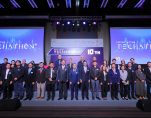
HONG KONG SAR – Media OutReach Newswire – 27 January 2026 – Hong Kong Science and Technology Parks Corporation (HKSTP), together with 15 local tertiary institutions, marked a major milestone as Hong Kong Techathon+, the city’s largest international intercollegiate innovation and technology (I&T) annual event, celebrated its 10th anniversary. The Hong Kong Techathon+ Finale was successfully held recently (on 24 January) at Hong Kong Science Park. The team “Cresento” from The Hong Kong University of Science and Technology won the Gold Award in the category of Trusted AI and Data Science under the Local Track (Open Group) as well as the Best Presentation Award voted by the audience.

The 10th anniversary finale of Hong Kong Techathon+, co-organised by HKSTP and 15 local tertiary institutions, took place at Hong Kong Science Park, bringing together representatives from local and overseas institutions, industry partners, and innovation teams to mark this milestone.

In parallel, the Global University Innovation Network (GUIN), jointly established by HKSTP and its 15 local tertiary institution partners, convened its inaugural forum on 23 January. The forum brought together GUIN member representatives and academic I&T leaders for in-depth exchanges on innovation and entrepreneurship ecosystem development, further strengthening Hong Kong’s position as an international I&T and talent hub.

Hong Kong Techathon+ is co-organised by HKSTP and 15 local tertiary institutions, including: City University of Hong Kong, Hong Kong Baptist University, Hong Kong Metropolitan University, Hong Kong Shue Yan University, Lingnan University, The Chinese University of Hong Kong, The Education University of Hong Kong, The Hang Seng University of Hong Kong, The Hong Kong Polytechnic University, The Hong Kong University of Science and Technology, The University of Hong Kong, Tung Wah College; and three institutions under the Vocational Training Council – The Technological and Higher Education Institute of Hong Kong, Hong Kong Institute of Vocational Education, and Hong Kong Institute of Information Technology.

Record-high International Participation Highlights Hong Kong’s Role as a Hub for Talent, Markets and Opportunity

This year’s Techathon+ attracted enthusiastic participation from both local and overseas universities, Approximately 1,900 participants formed over 470 teams. Notably, 215 overseas teams joined, underscoring the event’s growing international appeal.

Following rigorous selection, 172 teams advanced to the finale, including 122 local teams and 50 overseas teams from Australia, Brazil, Chinese Mainland, Japan, Kazakhstan, Malaysia, Portugal, Singapore, the Republic of Korea, Taiwan, the UK, and the US. Kazakhstan, Japan, Korea and the UK participated for the first time through their university representatives, further demonstrating Techathon+’s reach as an international platform for I&T exchange.

A Decade of Growth: From a Local Challenge to One of Asia’s Major Inter-University I&T Platforms

HKSTP Chief Executive Officer Mr Terry Wong said: “Since its launch in 2015, Hong Kong Techathon+ has grown from a local challenge to one of Asia’s largest intercollegiate I&T events — driving creativity and collaboration while creating international impact. Techathon+ brings together outstanding young talents across tertiary institutions, turning ideas into innovative solutions that respond to societal needs and carry strong potential for real-world application. The platform has expanded the global pipeline of innovators and entrepreneurs, reinforcing Hong Kong’s role as a hub connecting talents, markets, and opportunities, and writing the next chapter of Hong Kong’s I&T story.”

Beyond a Competition: A Comprehensive “Soft-landing” platform for Entrepreneurship

Hong Kong Techathon+ is more than a university innovation competition. Over the past decade, the platform has engaged over 9,000 participants, nurturing innovative talents and supporting the growth of startups.

Non-local teams also participated in a four-day immersive programme, featuring I&T ecosystem seminars, mentorship, investor matching, visits at Hong Kong Science Park, and tours to Chinese Mainland I&T bases, helping participants explore market expansion opportunities across the Greater Bay Area.

HKSTP also invites selected high-potential finalist teams and winners to join its Ideation Programme, offering up to HK$100,000 in seed funding (along with support aligned with participating universities’ startup programmes), free co-working spaces, access to advanced technology resources and professional mentorship. Through HKSTP’s incubation and industry networks, teams are supported from prototype development to sustainable startups operations – scaling progressively and building international impact.

Amazon Web Services (AWS) is the exclusive Technology Enabler for the 10th Edition of Hong Kong Techathon+, providing participating startups with access to leading cloud and artificial intelligence technologies and platforms. Through this collaboration, AWS offered competing teams technology resources in generative AI and machine learning, professional technical support, and workshop to accelerate innovation and drive Hong Kong’s development as an international I&T hub.

Inaugural GUIN Forum: Deepening Global University Innovation Collaboration

The first Global University Innovation Network (GUIN) Forum was successfully held on 23 January at Hong Kong Science Park, bringing together GUIN member institution representatives and I&T experts. The forum focused on three key areas:

  • Exploring strategies for university-industry technology transfer collaboration to achieve win-win innovation outcomes
  • Examining the Greater Bay Area as a hub for international innovation collaboration, including opportunities for research commercialisation and cross-border partnership, and
  • Strengthening global collaboration networks through actionable pathways.

Speakers included Dr Tony Raven, former CEO of Cambridge Enterprise; Professor Poh Kam Wong, Emeritus Professor at National University of Singapore; and Dr Alwin Wong, Chair of the Association of Technology Transfer Professionals (ATTP), among others.

Co-founded last year by HKSTP and 15 local tertiary institution partners with support from multiple overseas institutions and partners, GUIN aims to bring together leading minds to advance international collaboration in innovation and entrepreneurship, reinforcing Hong Kong’s role as a global talent and innovation hub.

In his welcome address at the forum, Mr Terry Wong, Chief Executive Officer of HKSTP remarked: “We are building GUIN into a ‘global platform for innovation exchange and incubation’ — sharing knowledge, co-creating initiatives, and connecting startups with campus incubation resources and markets worldwide to turn concepts into tangible outcomes.”

Since last summer, HKSTP and university partners have launched the Theme-based Global Incubation Programmes under GUIN with three initiatives currently underway focusing on dentistry, visual technology, and the circular economy. The inaugural ” Global Hub for Future Dentistry” programme has attracted 40 top applicants worldwide. Additional thematic incubation programmes are in preparation, and GUIN members and partner organisations are welcomed to co-develop this expanding international collaboration.

The 10th Edition of Hong Kong Techathon+ Partial Awards List:

Local Track (Student Group)

Technology Theme Award Winning Team Project Brief
Trusted AI & Data Science Gold SpeakRight An AI‑powered voice‑changing solution designed to demonstrate and enhance speech training applications.
Sustainability & ESG Gold Hydroforge Tech Development of cost‑efficient AEM electrolysis systems using a binder‑free, self‑growing electrode technology to enable scalable green hydrogen production.
Life Science & Healthcare Gold Nanos A tech‑driven Contract Development & Manufacturing Organisation (CDMO) platform that rescues undeliverable drug candidates through proprietary drug‑carrier optimisation, targeting breakthrough therapies including Alzheimer’s.
Digital Economy & Smart City Gold Smart Mall Wayfinding with AI Paedestrian Dead Reckoning Technology An AI-powered Pedestrian Dead Reckoning (PDR) solution – an infrastructure‑light indoor navigation that delivers accurate mall wayfinding using AI‑powered pedestrian dead‑reckoning with minimal deployment cost.
Tech FYP Group Gold OmniWatch AI – A Scalable, Multi-Model AI Proctoring Engine and Invigilator Dashboard A privacy‑preserving, multi‑modal AI platform for onsite digital exam proctoring that detects suspicious behaviours in real time and enables scalable, non‑intrusive invigilation.

Local Track (Open Group)

Technology Theme Award Winning Team Project Brief
Trusted AI & Data Science Gold Cresento* A Hong Kong–based sports technology startup developing AI‑powered smart shin guard solution, delivering actionable performance insights for safer, smarter football training.
Sustainability & ESG Gold Off-Grid AEM Hydrogen Production Driven by Fluctuating Renewable Energy A modular off‑grid AEM electrolysis system designed for stable hydrogen production from fluctuating renewable energy sources.
Life Science & Healthcare Gold Illuminatio Medical Technology A medical imaging startup developing non‑invasive diagnostics to improve the assessment of chronic liver disease (CLD).
Digital Economy & Smart City Gold MicroLink A micro‑LED‑based optical interconnect technology enabling faster, more energy‑efficient data transfer for next‑generation AI data centres.

Global Track

Technology Theme Award Winning Team Project Brief
Life Science & Healthcare Gold Cancer Immunotherapy A next‑generation cancer immunotherapy programme developing novel PD‑1 combination treatments to improve outcomes for solid tumours.
Non-Life Science & Healthcare Gold ROTOBOOST ROTOBOOST develops Thermo‑Catalytic Decomposition (TCD) technology to produce low‑cost, low‑carbon hydrogen from diverse hydrocarbon feedstocks, enabling efficient pre‑combustion carbon removal at industrial scale.

*Winner of Best Presentation Award voted by the audience.

Hashtag: #HKSTP

The issuer is solely responsible for the content of this announcement.

HONG KONG SAR – Media OutReach Newswire – 26 January 2026 – Immuno Cure BioTech (“Immuno Cure“) is pleased to announce today the initiation of a Phase I clinical study of ICVAX, a therapeutic DNA vaccine for HIV, in collaboration with the Faculty of Medicine of The Chinese University of Hong Kong (“CUMedicine“), the AIDS Institute of The University of Hong Kong (“HKU AIDS Institute“), and Greater Bay Area International Clinical Trials Center (“BAY TRIAL“).

As a lead candidate under Immuno Cure’s patented “PD-1-Enhanced DNA Vaccine Technology Platform”, ICVAX aims to achieve sustained, immune-mediated HIV-1 virological control without the need of antiretroviral therapy. Following the successful first-in-human ICVAX Phase I clinical trial in Shenzhen that showed exceptional safety and immunogenicity profiles, this clinical study will explore the safety and immunogenicity of ICVAX in HIV-infected volunteers in Hong Kong, to be administered by three distinct delivery systems. This comparative approach will provide essential data on the optimal delivery method for ICVAX, and hence potentially identifying the most effective, patient-friendly and scalable option for enhancing immunotherapeutic responses in people living with HIV.

The clinical study will be conducted at Prince of Wales Hospital and will be led by Dr Grace LUI, Head of the Division of Infectious Diseases at CUHK Medicine’s Department of Medicine and Therapeutics, as the Principal Investigator. This is a randomized clinical study to evaluate the immunogenicity and safety of ICVAX in a total of 22 HIV-infected volunteers using three delivery systems: Teresa-EPT-1 electroporation device, PharmaJet’s Tropis, a WHO pre-qualified needle-free injection system, and PapiVax’s TriGrid EP device.

This study has been granted ΗΚ$4.2 million funding under the Public Sector Trial Scheme of the Innovation and Technology Fund of the HKSAR Government (project reference number: UTT/002/23GM). Professor Zhiwei CHEN, Director of the HKU AIDS Institute and Principal Scientific Advisor of Immuno Cure, serves as the Project Coordinator for this funding. This study is also partially supported by Theme-based Research Scheme (TRS) of the Research Grants Council under the University Grants Committee of the Education Bureau (project reference number: T11-702/24-N).

“This Phase I clinical study is an important landmark, being the first evaluation of ICVAX in Hong Kong volunteers and incorporating multiple innovative delivery technologies,” said Dr Grace LUI. “By testing these devices, we aim to optimize safety, immunogenicity, and patient experience for this promising HIV therapeutic DNA vaccine candidate.”

“ICVAX is built on the innovative PD-1-Enhanced DNA vaccine technology invented and developed locally at the HKU,” said Professor Zhiwei CHEN. “This study will help optimize delivery of ICVAX, paving the way for broader international deployment.”

“The launch of this clinical study is a major milestone of vaccine development for Immuno Cure,” said Dr Xia JIN, CEO of Immuno Cure. “By testing ICVAX for the first time in Hong Kong and comparing three innovative delivery devices this study not only advances our understanding of the performance of our DNA medicines, but also significantly supports the global commercialization of ICVAX and our other DNA medicines. Immuno Cure is committed to leading innovation in immunotherapy to combat infectious diseases and cancers.”

Hashtag: #ImmunoCure

The issuer is solely responsible for the content of this announcement.

About Immuno Cure

Immuno Cure is a clinical stage biotechnology group based in the Hong Kong Science Park, focusing on research and development of innovative DNA medicines and antibody immunotherapies to fight against cancers, inflammatory and infectious diseases based on its patented PD-1-enhanced DNA Vaccine Platform and Anti-Δ42PD1 Antibody Platform

To learn more about Immuno Cure, please visit .

About CUHK Medicine

Established in 1981, CU Medicine has achieved international recognition in teaching, research, and clinical practice and is the youngest medical school ranked among the world’s top 25 in many global rankings. In the “Best Global Universities Subject Rankings 2025-26” by U.S. News and World Report, its “Gastroenterology and Hepatology”, “Endocrinology and Metabolism” and “Clinical Medicine” programmes rank 1st in Asia, while Gastroenterology and Hepatology claims 2nd globally.

The Faculty comprises 14 clinical departments and five schools, delivering a world-class environment for teaching and research with a strong emphasis on interdisciplinary, interprofessional, and international collaboration. To date, it has cultivated over 6,000 medical graduates who are making an impact across local and global healthcare systems. The Faculty is dedicated to driving innovation by translating groundbreaking research into real-world clinical applications. Its contributions have reshaped medicine — evidenced by the filing of 3,000 patents, strategic patent acquisitions, and the establishment of more than 20 start-ups. Its pioneering research has not only rewritten international clinical guidelines but also revolutionised the prevention, diagnosis, and treatment of numerous diseases.

To learn more about CU Medicine, please visit .

About HKU AIDS Institute

HKU AIDS Institute was established in November 2007 to take HKU in a new strategic direction in fighting this global epidemic and help to make it a leader in the region in AIDS research, education and prevention. Scientists at the AIDS Institute are fully committed to conducting basic and applied research that facilitates the understanding of AIDS pathogenesis and the development of effective AIDS vaccines. Currently, the Institute is leading the Hong Kong Theme-based Research Scheme entitled “Potentiating Host Immunity for HIV-1 Functional Cure”.

To learn more about HKU and AIDS Institute of HKU, please visit and .

About BAY TRIAL

BAY TRIAL is a key initiative in implementing the “Notice of the State Council on Issuing the Development Plan for the Shenzhen Park of the Hetao Shenzhen-Hong Kong Science and Technology Innovation Cooperation Zone” (State Council [2023] No. 12). It serves as strong support for Shenzhen’s development as an international science and technology innovation centre and for promoting the high-quality development of the biopharmaceutical industry in the Guangdong-Hong Kong-Macao Greater Bay Area (GBA). Located in the Hetao Shenzhen-Hong Kong Cooperation Zone, BAY TRIAL leverages the zone’s unique geographical and policy advantages to integrate clinical trial innovation resources across the GBA, deepen Shenzhen-Hong Kong science and technology collaboration, and establish a one-stop clinical trial platform.

To learn more about BAY TRIAL, please visit:

Advancing R&D, talent development and the region’s energy transition

SINGAPORE – Media OutReach Newswire – 26 January 2026 – ST Telemedia Global Data Centres (STT GDC), one of the world’s fastest growing data centre colocation providers headquartered in Singapore, today announced two significant initiatives that strengthen Singapore’s position in the global digital and energy transition: the launch of the FutureGrid Accelerator, Southeast Asia’s first live High Voltage Direct Current (HVDC)-powered AI infrastructure testbed; and a suite of strategic Memoranda of Understanding (MOUs) with four Institutes of Higher Learning (IHLs) to advance skills development and expand internship and early career pathways for Singaporeans entering the workforce. These initiatives align with national efforts to support talent graduating into a challenging job market, while building the specialised capabilities required for next generation power and digital infrastructure.

Celebrating the official launch of the FutureGrid Accelerator; a new benchmark for HVDC-powered AI infrastructure in the region. [Pictured from left to right] Lim Kian Tiong, Chief Financial Officer, LITEON; Bruno Lopez, President & Group Chief Executive Officer, ST Telemedia Global Data Centres; Minister Gan Siow Huang, Minister of State, Ministry of Foreign Affairs & Ministry of Trade and Industry; Professor Lam Khin Yong, Vice President (Industry), Nanyang Technology University Singapore; Brian Dow, Chief Executive Officer, Amperesand.
Celebrating the official launch of the FutureGrid Accelerator; a new benchmark for HVDC-powered AI infrastructure in the region.

[Pictured from left to right] Lim Kian Tiong, Chief Financial Officer, LITEON; Bruno Lopez, President & Group Chief Executive Officer, ST Telemedia Global Data Centres; Minister Gan Siow Huang, Minister of State, Ministry of Foreign Affairs & Ministry of Trade and Industry; Professor Lam Khin Yong, Vice President (Industry), Nanyang Technology University Singapore; Brian Dow, Chief Executive Officer, Amperesand.

Officiated by Ms Gan Siow Huang, Minister of State for Foreign Affairs and Trade & Industry, the announcement underscores a national push to build capabilities not only for AI-ready data centres, but also for the wider energy ecosystem, as Singapore and the region pursue net-zero ambitions.

FutureGrid Accelerator: HVDC innovation for AI and the wider energy transition
Located at the Nanyang Technological University, Singapore (NTU Singapore) Electrification and Power Grids Centre (EPGC) on Jurong Island, the FutureGrid Accelerator is a pioneering initiative jointly developed by STT GDC and LITEON, supported by the Energy Research Institute @ NTU (ERI@N) and NTU deep-tech spinoff Amperesand. It is the region’s first live testbed demonstrating HVDC integration with real AI workloads, addressing the high-density and high-resiliency requirements of next-generation AI computing.

While central to the future of AI data centre architecture, HVDC represents a broader opportunity: it is a foundational technology that supports more efficient, resilient and integrated power systems. This is critical for Singapore’s long-term energy strategy, its transition to low-carbon energy grids and the region’s increasing need for sustainable power delivery.

Why HVDC Matters: A scalable platform beyond the data centre
As AI and high-performance computing workloads scale, traditional alternating current (AC) power systems face inherent limitations. HVDC overcomes these constraints and delivers several transformative benefits:

  • Up to 30% overall energy savings compared to conventional AC systems
  • A reduction of up to 400 tonnes of CO2 equivalent (CO2e) per megawatt per year
  • 45% lower copper consumption and a 30–40% smaller power-infrastructure footprint
  • The ability to support ultra-high-density racks exceeding 1,000kW, with higher reliability and lower cost
  • Native compatibility with renewable power sources able to feed directly to the direct-current system, avoiding inefficient power conversions

“The FutureGrid Accelerator is a strategic investment in Singapore’s long-term digital leadership,” said Bruno Lopez, President and Group Chief Executive Officer, ST Telemedia Global Data Centres. “By bringing together global industry leaders like LITEON with local deep-tech talent such as Amperesand, we are building infrastructure that is ready for future AI workloads while pioneering sustainable practices and setting new benchmarks for energy efficiency and carbon-conscious innovation. This initiative reflects our commitment to future-ready technologies and reinforces Singapore’s position as a global Centre of Excellence for advanced sustainable digital infrastructure. It is a bold step forward in shaping the future of data centres and accelerating energy transition across the region.”

Ms Gan Siow Huang, Minister of State for Foreign Affairs & Trade and Industry, said: “The FutureGrid Accelerator demonstrates how industry and academia can work together to drive innovation and strengthen Singapore’s global leadership in cutting-edge technologies. I also welcome STT GDC’s partnerships with ITE and SP, which will add to the suite of training options for the rapidly growing areas of AI and energy-efficient systems.”

The FutureGrid Accelerator will validate HVDC system performance at power loads of at least 325kW, incorporating the latest AI servers. The environment incorporates LITEON’s data centre reference architecture with Amperesand’s Solid State Transformer (SST) technology—an enabling innovation for next-generation HVDC deployment. STT GDC plans to deploy this technology in future data centres in Singapore and progressively scale adoption across its global operations.

“LITEON is committed to advancing the frontier of power management efficiency, and our collaboration with STT GDC and Amperesand is key to establishing the next standard for sustainable AI infrastructure in Asia,” said Jason Tsao, Head of Direct Current Microgrid at LITEON. “By deploying an end-to-end data centre reference architecture and integrated power management system in a live environment with STT GDC and partners, we are validating a high-density, energy-saving solution ready to meet the extreme demands of global technology leaders.”

“The FutureGrid Accelerator underscores NTU’s role as a strategic partner in shaping the future of sustainable AI infrastructure”, said Prof Lam Khin Yong, NTU’s Vice President (Industry). “By integrating cutting-edge HVDC technologies with our research capabilities and the entrepreneurial drive of NTU spin-offs like Amperesand, we are advancing impactful solutions that can significantly enhance energy efficiency and grid resilience. This collaboration showcases how universities can drive transformative innovations at the intersection of energy, digitalisation and sustainability.”

“Amperesand is obsessed with revolutionising Medium Voltage to critical load power delivery for next-generation AI data centres, defence, and other essential electrified assets. We focus on first principles to achieve market leading power density, efficiency, and reliability,” said Brian Dow, CEO and Co-Founder of Amperesand. “In this era of AI data centre and other critical power systems becoming economic and national security interests for many countries, Amperesand’s MV SST Platform enables in-country cyber-secure controls and data, regionally available supply chains, and low CAPEX intensity local manufacturing. Our solution is an intelligent, universal Medium Voltage power source that works on-and-off grid to improve critical infrastructure resilience as new large electrical loads come online.”

Developing Energy-Ready Skills: Partnerships with ITE, SP, NTU and NUS
STT GDC signed MOUs with the Institute of Technical Education (ITE), Singapore Polytechnic (SP), NTU Singapore and National University of Singapore (NUS). These partnerships will benefit more than 8,000 Singaporeans over five years through industry-aligned training in AI infrastructure and sustainable energy systems. This ensures the scaling of HVDC—and the broader energy transition—is matched by the transformation and availability of skills, jobs and talent development pathways.

Mr Lopez added, “Talent is the decisive enabler as we advance AI and sustainability infrastructure. These partnerships build a skilled workforce needed to strengthen Singapore as a global hub for advanced digital and energy systems.”

Key initiatives and impact:

  • Building a talent pipeline: STT GDC will provide internship placements across ITE, SP, NTU and NUS over the next five years, with support from Enterprise Singapore. The programme offers immersive, hands-on experience in data centre operations and corporate functions such as IT, sustainability, finance and marketing, supported by mentoring from industry professionals. In addition, STT GDC will offer 100 sponsorships for Data Centre Foundation Certificate (DCFC®) offered by EPI, a global certification body for data centre facilities, data centre operations and industry professionals, accelerating entry into the sector.
  • Developing industry-ready talent with ITE: The collaboration with ITE will benefit approximately 800 students annually — totalling 2,400 students over three years — from ITE’s engineering and information and communications technology (ICT)-related Higher Nitec and Work-Study Diploma courses. Key initiatives include co-developing industry-relevant curricula for full-time and Continuing Education & Training (CET) courses in data centre operations and sustainability; deploying a data centre virtual reality system at the ITE Extended Reality Centre for immersive training; supporting lecturer attachments and student internships; and enabling students to pursue the sponsored DCFC® course.
  • Sustainability leadership with SP: The partnership with SP develops expertise in environmental sustainability and green data centre solutions. Initiatives include joint exploration of green technologies and practices; industry seminars and events to promote sustainable solutions; and targeted programmes for training, mentorship, applied projects and internships.
  • Innovation and research leadership with NTU: The partnership with NTU combines cutting-edge joint R&D of solutions for AI data centres powered by direct current sources; training, curriculum and talent development for the AI data centre sector; industry and career talks; and internship opportunities across STT GDC’s group of companies.
  • Graduate pathways with NUS: STT GDC’s collaboration with NUS supports accessible entry points for graduates through internships, training opportunities and ongoing career and industry engagement to raise awareness of digital infrastructure pathways.

Hashtag: #STTelemedia

The issuer is solely responsible for the content of this announcement.

About ST Telemedia Global Data Centres

ST Telemedia Global Data Centres (STT GDC) is one of the fastest-growing data centre providers with a global platform serving as a cornerstone of the digital ecosystem that helps the world to connect. Powering a sustainable digital future, STT GDC operates across Singapore, the UK, Germany, Italy, India, Thailand, South Korea, Indonesia, Japan, the Philippines, Malaysia and Vietnam, providing businesses an exceptional foundation that is built for their growth anywhere. For more information, visit

Appendix: Partner Quotes

Mr Peter Lam, Chief Executive Officer, Institute of Technical Education (ITE): “At ITE, our focus is on equipping our students with future-ready skills for Singapore’s evolving economy. Through the partnership with STT GDC, our students gain valuable real-world training and exposure to advanced tools in data centre operations. This strengthens our efforts to prepare career-ready students and develop talent for Singapore’s growing digital infrastructure sector.”

Mr Soh Wai Wah, Principal and CEO of SP: “Singapore Polytechnic is committed to developing a future-ready workforce that can support Singapore’s growing demand for sustainable and resilient data centre operations. This partnership with STT GDC brings together our strengths in training, applied learning and industry collaboration to nurture talent in environmental sustainability and green solutions for data centres. Through co-developed programmes, mentorship, student projects and internships, we will build deeper capabilities and broaden pathways for learners to contribute to this important sector. SP looks forward to advancing this effort with STT GDC to support Singapore’s long-term industry and sustainability goals.”

Professor Lam Khin Yong, Vice President (Industry), Nanyang Technological University: “STT GDC is a partner that shares our commitment to advancing impactful research and developing future-ready talent. Leveraging NTU’s strengths in artificial intelligence, energy-efficient systems and translational innovation, this partnership will accelerate the co-development of next-generation AI data centre technologies while providing our students and researchers with valuable real-world experience. Together, we are helping to build a robust pipeline of skilled professionals who will support Singapore’s ambitions in sustainable and AI-driven digital infrastructure.”

Ms Joan Tay, Senior Director, NUS Centre for Future-ready Graduates: “NUS’ partnership with STT GDC is timely, as demand grows for skilled professionals to manage complex, high-density AI infrastructure. Through internships, training, industry engagement and access to recognised certification, we bridge education and industry to equip students with the skills and experience needed to thrive in today’s fast-evolving digital infrastructure space.”

Alibaba Cloud and NVIDIA as Key Technology Partners. Usher in a New Era of Industrial AI.

HONG KONG SAR – Media OutReach Newswire – 26 January 2026 – AsiaInfo Technologies Limited (“AsiaInfo Technologies” or the “Company”; HKEX stock code: 01675), a leading provider of software products, solutions, and services, and ABB Robotics jointly established the “Embodied Intelligence Laboratory” and held its inauguration ceremony at AsiaInfo Plaza in Beijing on 25 January.

Tian Suning, Chairman of AsiaInfo Technologies, and Dr. Ouyang Ye, Chief Executive Office and Chief Technology Officer of AsiaInfo Technologies, together with Han Chen, Vice President of ABB Group and President of ABB Robotics China, jointly held an unveiling ceremony for the laboratory. Li Li, Vice President of the Government-Enterprise Business Unit at Alibaba Cloud Intelligence Group, attended the ceremony as key technology partners, witnessing this milestone that ushers in a new phase of integration between Physical AI technologies and the real economy.

ABB Robotics is one of the world’s leading robotics suppliers, offering a comprehensive and integrated portfolio that includes industrial and collaborative robots, autonomous mobile robots (AMRs), controllers, application solutions, services, and equipment. Powered by its intelligent software, its technologies help businesses across industries from automotive to electronics and logistics to become more resilient, flexible, and efficient.

As AI rapidly moves from the digital realm into the physical world, Physical AI, as the key bridge linking AI capabilities with real‑world industries, is becoming a core engine driving the intelligent upgrade of manufacturing sector. Against this backdrop, AsiaInfo Technologies has established a strategic partnership with ABB Robotics to jointly set up the Embodied Intelligence Laboratory, integrating both parties’ core strengths in foundation AI large models, industrial automation, communications technologies and robot control. The laboratory will focus on cutting‑edge areas such as industrial simulation and Physical AI, aiming to break through bottlenecks in the perception, decision‑making and execution capabilities of intelligent agents in complex real‑world scenarios. It will build an end‑to‑end innovation system spanning technology research and development (“R&D”), technology commercialization and large‑scale industrial deployment, thereby injecting strong AI‑driven momentum into high‑quality development.

As a leader in full‑stack digital‑intelligence capabilities, AsiaInfo Technologies will take AI large model application as the core lever, deeply integrating its strengths in 5G‑A telecommunications technology and network security to drive technology integration and large‑scale deployment at the laboratory. By developing replicable, scalable scenario‑based solutions, the Company will accelerate the rollout and value realisation of innovation in the intelligent manufacturing sector. Leveraging its global expertise in industrial automation and flexible control, ABB Robotics will provide the laboratory with real‑world, production‑line use cases and strong engineering support capabilities, enabling efficient validation, optimisation and iteration of technical solutions, and achieving deep coupling and mutual empowerment between technology and application scenarios.

The laboratory will leverage external technology partners to reinforce its R&D capabilities. By utilising Alibaba Cloud’s massive data processing power and cutting‑edge algorithmic frameworks such as Vision‑Language‑Action (VLA), and NVIDIA accelerated computing technology for training optimisation, it will significantly speeding up the industrialisation of Physical AI technologies.

The Embodied Intelligence Laboratory jointly established by AsiaInfo Technologies and ABB Robotics has been officially launched, marking the shift of their strategic partnership into a practical stage of implementation based on previous research. This collaboration represents not only a forward-looking initiative by both parties to deploy cutting-edge technologies and fulfill their industrial responsibilities, but also a pivotal step in advancing Physical AI from the laboratory into real-world applications on the factory floor. Looking forward, AsiaInfo Technologies together with partners including ABB Robotics and Alibaba Cloud, will use the laboratory as a core platform to deepen technical collaboration and scenario co‑creation, drive large‑scale deployment of Physical AI in industry, build a globally impactful benchmark for industrial intelligence, and help shape an open and collaborative Physical AI ecosystem.
Hashtag: #AsiaInfo

The issuer is solely responsible for the content of this announcement.

DXC Technology has entered a strategic partnership with blockchain payments firm Ripple to integrate institutional-grade digital asset custody and payments into DXC’s Hogan core banking platform, a move aimed at accelerating banks’ adoption of tokenised assets and real-time settlement across borders. The collaboration brings Ripple’s blockchain infrastructure into a core system used by large financial institutions worldwide, positioning DXC to offer regulated banks a turnkey path to […]

Mubadala Investment Company has sold its minority holding in Arcadia Consumer Healthcare, completing its exit from the United States-based consumer health and wellness platform alongside the company’s acquisition by funds managed by Bansk Group. The transaction marks a change in ownership for Arcadia and reflects shifting investment strategies across the global consumer health sector, where private equity interest has intensified amid consolidation and portfolio reshaping. Arcadia, headquartered […]

Digital Twin Consortium has published a set of interoperable digital twin frameworks aimed at reshaping how multimodal transport networks are planned, operated and scaled, marking a shift away from fragmented pilots toward coordinated system-wide deployment. The guidance, released as part of the consortium’s evolving technical reference architecture, sets out common models, interfaces and data-sharing principles designed to allow digital twins across roads, rail, ports and aviation to […]

Ras Al Khaimah has enacted a new law establishing a comprehensive legal and technical framework for the testing, deployment and operation of autonomous vehicles, positioning the northern emirate among the jurisdictions in the region seeking to regulate emerging transport technologies with an emphasis on safety, security and data protection. The legislation, approved by the Ruler of Ras Al Khaimah, lays out the conditions under which autonomous vehicles […]

Snowflake has rolled out its AI Data Cloud on Amazon Web Services’ UAE region, a move designed to help enterprises build and deploy artificial intelligence workloads while keeping data residency and latency requirements in check. The expansion gives organisations operating in the Gulf access to Snowflake’s platform within the AWS Middle East Region, aligning with regulatory expectations that data generated in the country can be processed locally. […]

India’s largest information technology services firms together reported a net reduction of close to 3,000 employees in the third quarter of the 2025–26 financial year, underscoring a structural shift in hiring as companies rebalance workforces around artificial intelligence, cloud platforms and higher-value digital engineering.

Quarterly disclosures showed that headcount at several bellwether firms edged lower despite stable deal pipelines. The combined net decline, modest by historical standards, contrasted sharply with the aggressive campus hiring and broad-based workforce expansion that defined the sector for more than a decade. Executives and analysts pointed to a “barbell” pattern in demand, with strong hiring at the high end for niche digital and AI skills and limited intake, or attrition-led pruning, in legacy application maintenance and commoditised services.

At Tata Consultancy Services, the country’s largest IT services exporter by revenue, total employee strength slipped during the quarter as voluntary attrition stayed elevated in certain service lines and fresh hiring remained selective. Infosys also reported a marginal fall in headcount, reflecting a focus on utilisation, internal redeployment and productivity improvements rather than large-scale lateral recruitment. Wipro and HCLTech posted similar trends, with management teams emphasising skill transformation over volume growth.

The net reduction came even as revenue growth stabilised sequentially for most firms, helped by cost optimisation deals, vendor consolidation and demand for cloud migration. Industry executives said the hiring slowdown was not a signal of weakening fundamentals but a recalibration after years of overcapacity built during the post-pandemic surge in digital spending.

What is different this cycle, analysts argue, is the depth of the technology shift reshaping delivery models. Generative AI tools, low-code platforms and automation frameworks are beginning to decouple revenue growth from headcount expansion. Routine coding, testing and support tasks are increasingly automated, reducing the need for large teams, while boosting productivity per employee.

This dynamic has produced the barbell model now widely discussed in boardrooms. On one end, firms are competing fiercely for specialists in data engineering, AI model deployment, cybersecurity, semiconductor design services and advanced cloud architecture. On the other, demand for entry-level roles tied to traditional application development and infrastructure support has softened, leading to fewer campus offers and limited backfilling of exits.

Management commentary during earnings calls reinforced this shift. Several chief executives highlighted large internal reskilling programmes, with tens of thousands of employees undergoing training in AI, machine learning and cloud-native technologies. The emphasis has moved from hiring for scale to building depth in targeted capabilities that command higher billing rates and longer-term client commitments.

Client behaviour has also played a role. Enterprises in North America and Europe, which account for the bulk of export revenues, continue to scrutinise technology budgets amid macroeconomic uncertainty. Discretionary projects have faced delays, while spending has been redirected toward efficiency-led initiatives where automation is central. This has compressed demand for traditional staff-augmentation models that once absorbed large numbers of engineers.

Despite the headline job losses, the sector remains a major employer, with total headcount across the top firms still running into the millions. Analysts caution against interpreting the quarterly decline as a broad-based contraction. Instead, they see a transition phase in which workforce pyramids are being reshaped to align with evolving client needs and delivery economics.

Wage dynamics reflect the same adjustment. Salary hikes have been measured, variable pay has been linked more closely to utilisation and skill relevance, and onsite deployments have been rationalised. At the same time, niche talent continues to command premiums, widening pay dispersion within firms.

Google DeepMind chief executive Demis Hassabis has challenged the way artificial general intelligence is being discussed and marketed, pointing to what he described as a “big irony” in OpenAI’s plans to introduce advertising into ChatGPT while simultaneously framing the system as a step towards human-level intelligence. His remarks underline widening philosophical and commercial differences between leading AI labs as competition intensifies and public scrutiny grows. Speaking in […]

Microsoft and the Mercedes-AMG PETRONAS Formula One Team have entered a multi-year partnership that places cloud computing and enterprise artificial intelligence at the centre of one of the sport’s most analytics-intensive operations, extending from race-weekend decision-making to long-term car development and factory workflows. The agreement positions Microsoft as the team’s official cloud and AI partner, with Azure, Microsoft Fabric and Copilot technologies set to be woven into […]

VISHNU RAJA
RYO YAMADA
HITORI GOTOH
IKUYO KITA