Arabian Post Staff -Dubai Ajman Bank has opened a corporate office on Sheikh Zayed Road in Dubai, strengthening its capacity to serve companies, institutions, business owners and wealth-management clients across the UAE’s largest commercial centre. The 7,565-square-foot office has been designed as a specialised hub for corporate, business and wealth banking. It combines private meeting areas with digital screens, advanced audiovisual systems and smart technology intended to […]
Arabian Post Staff -Dubai Modon Holding and Abu Dhabi Islamic Bank have agreed to offer eligible buyers financing of up to 75 per cent for homes under construction, opening a new route into Abu Dhabi’s expanding off-plan property market. The financing programme will be available exclusively for future developments launched by Modon. It is designed to provide funding during construction rather than requiring buyers to wait until […]
By Paul Murray, CEO Life & Health Reinsurance, Swiss Re
SINGAPORE – Media OutReach Newswire – 9 July 2026 – Op-ed by Paul Murray, CEO Life & Health Reinsurance, Swiss Re.
Ten years.
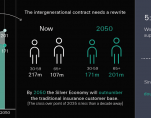
That is roughly how long we have before many societies reach one of the most defining demographic tipping points of our era: the point at which the “new” silver economy (over 65’s) outnumber people aged 30-59 who have traditionally been the bedrock of the life and pensions system.
The intergenerational contract needs a re-write
The significance of this shift goes far beyond demographics.
It represents a symbolic moment that forces us to rethink the intergenerational contract: how we provide care and financial security for people as they move into later life – and how we finance a new set of needs.
The demographic evidence is already visible across major economies. In the US, adults aged 65 and over already outnumber children in 11 states. Singapore’s over-65 population has nearly doubled in a decade to 21%. Japan is approaching 30%. The UK, France and Germany are not far behind
These numbers are well-known. But their meaning is not yet fully reflected in our industry’s existing product strategy.
The tipping point is also more than a statistical curiosity. We will experience it through the decisions we make coming into retirement and to secure the future of the generation coming after us. We will need to make new choices on how we fund care. We will need to make new assumptions about when to retire. And we will face a new reality around how much of the financial burden falls on the state, families or the individual.
Families have always carried the weight of old age, even as pensions, healthcare systems and social care programmes have broadened that responsibility across society.
But the arithmetic underpinning the system is breaking. Globally, the ratio of working-age people financially supporting each person over 65 is projected to fall from around five-to-one in 2021 to three-to-one by 2050. Across developed markets, debates about pension reform, healthcare funding and retirement ages reflect the same underlying question: how do we maintain security and dignity later in life when there are fewer hands to carry the weight?
It’s not a crisis of demographics. It’s a crisis of design – our systems were built for shorter lives and larger workforces, and they haven’t been rebuilt for the world we are actually entering.
That insight matters because it challenges how we think about insurance’s role. I believe we have less than a decade to develop the products that the older consumers who make up the Silver Economy – and their families – will need.
There will be no silver bullet. We cannot return to a single solution based around family care versus public provision. The individual retiree will be the focus, but our thinking will need to be based on a more collaborative model in which families, governments, communities and the private sector work together.
Recent Swiss Re consumer research in France and Germany revealed something striking. People don’t think about later life in terms of pensions or insurance policies. They think about practical outcomes: staying independent, being resilient when health shocks hit, not becoming a burden to their children.
Our industry has spent decades optimising for wealth accumulation and income protection during working years. Ageing societies demand we apply the same rigour to what happens after.
That does not mean the intergenerational contract has failed. It means it is evolving.
We are already seeing what that evolution looks like in practice.
Senior health products in Asia are closing a real gap —The median age of cancer diagnosis is 67, yet many critical illness policies expire before retirement even begins. The result is high out-of-pocket expenses, stressed public healthcare, and increased burden on families. With dedicated products to cover later life illnesses, such as senior cancer products we are effectively closing a protection gap.
Long term care in France has had some success with private solutions alongside public provision. With over 1.4 million people covered by private long term care insurance, France has built a strong risk pool that directly addresses one of the strongest concerns expressed by consumers: not becoming a burden on the next generation.
Deferred annuities offer a third path beyond the binary “draw-down versus annuity” thinking. By combining flexibility today with guaranteed income later, they help transform longevity from an individual financial risk into one that can be shared more broadly.
At first glance these solutions appear very different. In reality, they are pieces of the same puzzle. Each expands the circle of support around the individual. They help families carry less of the burden alone, and they complement the work of state safety nets.
That is what the next evolution of the intergenerational contract looks like in practice.
Ageing societies are one of humanity’s great achievements. But if our products and institutions stay built for a demographic reality that no longer exists, achievement curdles into liability.
We have a decade to close that gap. Let’s treat it as a product-development window, not a deadline.
Disclaimer Certain statements and illustrations contained herein are forward-looking and are made for informational purposes only. These statements (including as to plans, objectives, targets, and trends) and illustrations provide current expectations of future events based on certain assumptions and include any statement that does not directly relate to a historical fact or current fact. Readers are cautioned not to place undue reliance on forward-looking statements. Swiss Re undertakes no obligation to publicly revise or update any forward-looking statements, whether as a result of new information, future events or otherwise. Further information on forward looking statements and the use of information contained in this publication can be found in the Legal Notice section on Swiss Re’s website.
The issuer is solely responsible for the content of this announcement.
About Swiss Re
The Swiss Re Group is one of the world’s leading providers of reinsurance, insurance and other forms of insurance-based risk transfer, working to make the world more resilient. It anticipates and manages risk – from natural catastrophes to climate change, from ageing populations to cyber crime. The aim of the Swiss Re Group is to enable society to thrive and progress, creating new opportunities and solutions for its clients. Headquartered in Zurich, Switzerland, where it was founded in 1863, the Swiss Re Group operates through a network of around 70 offices globally.
European Parliament lawmakers have approved the revival of temporary rules allowing online platforms to voluntarily detect child sexual abuse material, while shielding end-to-end encrypted communications from the measure. The vote on Thursday did not approve unrestricted monitoring of private messages, as some social media posts claimed. Parliament backed a modified framework that permits companies to scan certain communications voluntarily but excludes encrypted services such as WhatsApp, Signal […]
Bharat Sanchar Nigam Limited has widened access to its satellite communication service with a rugged handset priced at ₹1,34,166, targeting users who operate beyond the reach of conventional mobile networks.
The state-owned telecom company said the device can provide voice calls and text messaging in isolated regions, including mountainous terrain, forests, offshore locations, mining zones and areas affected by natural disasters. The quoted handset price includes taxes, while customers must separately subscribe to an approved Global Satellite Phone Service plan.
The phone is being positioned primarily for defence units, maritime operators, emergency agencies, mining companies, remote infrastructure teams and adventure travellers. Unlike ordinary mobile phones, it communicates directly with a satellite rather than depending on nearby ground towers, allowing connectivity across large areas where terrestrial coverage is unavailable or unreliable.
BSNL’s announcement represents an expansion of an established service rather than the introduction of satellite calling for the first time. The company has offered voice and SMS connectivity through its Global Satellite Phone Service to the public and private enterprises since January 1, 2018.
The renewed commercial push comes as satellite communication assumes greater importance in disaster management and strategic operations. Cyclones, floods, earthquakes and landslides can damage mobile towers, sever fibre links and disrupt electricity supplies. Satellite phones provide an alternative channel for coordinating rescue teams, sharing field information and maintaining contact with command centres.
The service can also support personnel stationed along remote borders and crews operating far offshore. Mining, energy and construction businesses may use the handset at project sites where installing mobile towers or fibre infrastructure is technically difficult or commercially unviable.
BSNL offers separate plans for government and commercial customers. Post-paid monthly charges begin at ₹3,500 for government users, with 16 minutes of voice usage or an equivalent number of SMS messages included. Another government plan costs ₹5,835 a month and includes 30 minutes or messages.
The commercial post-paid package costs ₹11,670 a month and provides 60 minutes of calls or SMS messages. Once the included allowance is exhausted, government users pay ₹18 per minute or message, while commercial subscribers pay ₹25. Taxes are charged separately on the service plans.
Pre-paid options are also available. Government customers can choose a ₹3,500 monthly package carrying 20 minutes or messages, or an annual plan costing ₹38,500 with an allowance of 240 minutes or SMS messages. Commercial packages cost ₹5,835 a month for 30 minutes or messages and ₹64,185 a year for 360.
Additional pre-paid top-ups are available in denominations ranging from ₹200 to ₹10,000. The pricing underlines the specialised nature of the service and is likely to limit widespread consumer adoption, particularly when compared with conventional mobile connections and emerging satellite messaging features on premium smartphones.
Satellite phone ownership and use remain subject to strict security requirements. Subscribers must undergo the prescribed customer verification process and disclose where the handset will be used, the period of intended operation and the purpose for which it is required. These conditions are designed to maintain traceability because satellite devices can function independently of domestic terrestrial networks.
The communication transmitted through the Global Satellite Phone Service is encrypted. However, the service currently supports only voice calls and SMS, not high-speed internet access or the broader applications available on modern smartphones.
Customers have been advised to approach the nearest BSNL office for purchasing and activation details. Availability may depend on documentation, regulatory clearance, service eligibility and the user’s stated operational needs. The company has not announced a mass-market retail network or consumer financing options for the handset.
The move is distinct from direct-to-device satellite technology, which seeks to connect ordinary mobile handsets to satellites without requiring a dedicated satellite phone. BSNL has also worked with US-based Viasat on trials of direct satellite connectivity, including messaging and emergency communication applications.
Competition is developing in the broader satellite communications market as global and domestic companies prepare broadband services for homes, enterprises and remote locations. Starlink, Eutelsat OneWeb, Jio Satellite Communications and other operators have pursued regulatory approvals and spectrum access, although satellite broadband requires different equipment, licensing and commercial models from BSNL’s voice-focused service.
COLOMBO, SRI LANKA- Media OutReach Newswire – 9 July 2026 – On July 4, 2026, the cultural exchange event Encounter & Insight: Dialogue Between Ningbo, China and Colombo, Sri Lanka took place in Colombo.
On July 4, 2026, the cultural exchange event Encounter & Insight: Dialogue Between Ningbo, China and Colombo, Sri Lanka took place in Colombo.
Separated by thousands of miles, the two millennia-old port cities reconnected, leveraging their ports as a bond and cultural exchanges as a cohesive force to hold in-depth talks on integrated port-city development and bilateral economic and trade connectivity.
This cross-Indian Ocean dialogue echoes the ancient Maritime Silk Road while charting a brand-new outbound development path. As a pivotal starting port of the ancient Maritime Silk Road, Ningbo is building a new global trade landscape powered by smart manufacturing.
A thousand years ago, merchant vessels from Mingzhou Port set sail southward loaded with Yue Kiln celadon porcelain, passing through Ceylon to deliver Oriental crafts across the Indian Ocean coasts. Precious gemstones and spices traveled the same sea route back to regions south of the Yangtze River, laying the groundwork for the earliest cultural exchange between the two ports through trade. Today, the cargo carried by giant cargo ships has undergone a dramatic transformation. Beyond traditional daily necessities, intelligent equipment, digital home appliances and industrial robots now dominate shipments.
Official statistics show that Ningbo’s exports of intelligent equipment, including mechanical arms and industrial robots, hit 440 million yuan in 2025, surging more than 40% year-on-year. From January to May this year, Ningbo’s exports of mechanical and electrical products maintained steady growth, reaching 247 billion yuan, a 4.1% year-on-year increase and accounting for 58.0% of the city’s total export volume. The new energy foreign trade sector saw explosive growth, with exports of new energy vehicles, lithium batteries, and photovoltaic products jumping 138.4% year-on-year, with electric vehicle exports skyrocketing 215.9%. Smart manufactured goods are continuously expanding the scope of Ningbo’s foreign trade.
Complementing the Colombo forum, an exhibition highlights Ningbo’s outstanding going-global enterprises and their products, vividly illustrating the profound shift in Ningbo’s trade structure.
Alongside time-honored Maritime Silk Road staples such as celadon porcelain and silk, Ningbo’s smart manufactured products—including AI translation glasses, intelligent outdoor gear and digital small home appliances—occupy prominent display spaces across the venue. In Sri Lanka, Ningbo smart water meters are widely adopted nationwide, while handheld cooling fans and intelligent kitchen appliances have entered ordinary households.
Leveraging Colombo Port’s transshipment advantages, massive volumes of Ningbo smart manufactured goods are distributed onward to Europe, the Middle East and beyond. What Ningbo exports today is no longer mere commodities, but a complete outbound solution integrating technology, brand value and after-sales services.
Faced with mounting challenges including homogeneous global market competition and rising trade barriers, Ningbo’s manufacturing sector has abandoned the old model of low-cost OEM production, relying on intelligent transformation to consolidate its competitive edge in overseas markets.
Over more than a decade of digital transformation efforts, Ningbo has achieved full digital upgrading of all industrial enterprises above designated size. A large number of local factories have built unmanned black-light workshops and flexible production lines, escaping vicious price competition through continuous technological iteration. Represented by five specialized, sophisticated, distinctive and innovative enterprises dubbed Ningbo’s “Five Little Tigers”—famous for their core proprietary technologies, including highly sophisticated visual inspection equipment, heat-resistant materials, sun-proof coatings, puncture-proof materials and self-drilling fasteners—these niche manufacturers have developed differentiated technical routes and full-spectrum production capacity, cementing irreplaceable competitiveness for Ningbo smart manufacturing on global markets.
Beyond trade expansion, Ningbo has built a supporting cultural communication system to ensure “products go global, accompanied by local culture”.
The launch of Sri Lanka’s first “One-Meter Cultural Space” cultural station during the Colombo event marks a tangible milestone of Ningbo’s go-global initiative. Built on enterprises’ overseas outlets, these miniature cultural exhibition halls integrate intangible cultural heritage crafts, urban stories and smart products, enabling overseas clients to experience cutting-edge manufacturing while gaining insight into Ningbo’s profound cultural heritage.
During the twin-city story-sharing session, Ningbo entrepreneurs based in Sri Lanka and local designers blending Chinese and Sri Lankan aesthetics shared stories of bilateral exchanges. Economic and trade ties have evolved into a bond for people-to-people communication, bridging divides in cross-cultural trade.
From Tang-dynasty celadon porcelain sailing across the Indian Ocean to intelligent equipment shipping to every corner of the globe, Ningbo, the ancient Maritime Silk Road port, has preserved its enduring gene of openness. Where exchanges once relied purely on commodity trade, today smart manufacturing underpins a stable, diversified and high-value-added global trade network.
The Ningbo-Colombo dialogue stands as a vivid microcosm of this transformation: the port still links lands and seas, yet the core of its trade has undergone a full intelligent upgrade.
Rooted in its historical legacy as a key Maritime Silk Road hub, Ningbo has consolidated its industrial foundation through a decade of digital development, expanded global market reach via worldwide port networks, and softened trade cooperation through cultural exchanges. This brand-new outbound shipping route forged by smart manufacturing has not only reshaped the city’s foreign trade landscape, but also delivered a replicable port-city development model for Chinese manufacturing to go global.
By Arun Srivastava The Loot of the huge funds and jewelleries from the coffers of Ram Mandir Trust has led to intensification of factional battles between the VHP and the RSS on the one hand and the RSS-BJP on the other. Interestingly, insiders say that Prime Minister Narendra Modi has taken his position supporting the […]
Exclusive Co-Development: The partnership covers the exclusive supply and co-engineering of the IVECO URANIA and IVECO TUTELA ranges – the only fluids officially recommended by IVECO
Network Support: PLI will strengthen support for IVECO’s European dealer network, driving customer value, reliability, and total cost-of-ownership (TCO) optimisation
TURIN, ITALY – Media OutReach Newswire – 9 July 2026 – IVECO, one of Europe’s leading commercial vehicle manufacturers, and PETRONAS Lubricants International (PLI) have officially renewed their long-standing strategic partnership for an additional five years. The agreement extends the partnership through 2032, reinforcing a collaboration that has driven innovation, performance, and sustainability in the commercial transport sector for more than 50 years.
PETRONAS Lubricants International and IVECO renew their strategic partnership through 2032, marking over 50 years of collaboration
The renewal ensures the continued supply and joint engineering of a comprehensive range of lubricants designed for commercial vehicles. From advanced engine oils to transmission fluids, brake fluids and coolants, PLI and IVECO will continue to formulate solutions specifically engineered to meet the demanding operational requirements of IVECO’s commercial vehicle portfolio across Europe.
A Legacy of Technical Excellence
This milestone reflects the sustained success of the co-branded IVECO URANIA engine oils and IVECO TUTELA technical fluids, developed through decades of joint R&D and a shared commitment to delivering high-performance, energy-efficient solutions that maximise vehicle uptime and extend component life. The ranges are also the only fluids recommended by IVECO.
The partnership’s rapid pace of innovation was recently highlighted by the launch of Urania Next 0W-16. This breakthrough –the first SAE 0W-16 engine oil developed specifically for heavy-duty applications – delivers exceptional fuel efficiency, reduced CO₂ emissions, and extended oil drain intervals. Furthermore, the formulation is Euro 7 ready, supporting improved efficiency and emissions performance for IVECO’s latest generation of engines.
Domenico Nucera, Chief Quality & Operations Officer, Iveco Group, commented, “The renewal of the agreement with PETRONAS Lubricants International confirms the strength of a long-standing collaboration built on shared technical expertise and a common ambition to continuously improve performance, efficiency, and sustainability across our vehicle and powertrain portfolio. Through the co-engineering of our IVECO URANIA and IVECO TUTELA ranges, we are able to deliver solutions that maximise vehicle uptime, optimise total cost of ownership, and support our customers and dealer network with the highest standards of quality and reliability.”
Driving Dealer and Customer Value
The renewed agreement also places a strategic focus on the IVECO dealer network. Beyond providing cutting-edge products, PLI will implement targeted initiatives aimed at strengthening dealer engagement and reinforcing customer awareness of IVECO’s officially approved lubricants. These initiatives are expected to support dealer business growth across European markets, while helping customers benefit from enhanced vehicle reliability and optimised total cost-of-ownership.
Domenico Ciaglia, Group Chief Strategy & Transformation Officer of PETRONAS Lubricants International (PLI), said: “This partnership renewal demonstrates what can be achieved through a long-term forward-thinking collaboration, with consistency, and a shared commitment to excellence. Through continuous product innovation, we have been able to co-develop market-leading solutions such as the Urania Next 0W-16 engine oil formulation, seamlessly integrated into IVECO’s ecosystem. This collaboration enables us to deliver greater value to the industry by combining our expertise and driving innovation together.
Looking ahead, PETRONAS Lubricants International remains fully committed to supporting the IVECO Group with forward integrated reliable, high-performance products and solutions that create lasting value for its network and customers.
This renewed collaboration further reinforces the foundation of PLI’s broader strategic roadmap, demonstrating how technical excellence and trusted partnerships can drive sustainable, long-term value internationally.” Hashtag: #PETRONASLubricantsInternational #PLI #IVECO #industrial #lubricants #technology
The issuer is solely responsible for the content of this announcement.
PETRONAS Lubricants International (PLI)
PETRONAS Lubricants International (PLI) is the global lubricants manufacturing and marketing arm of PETRONAS, Malaysia’s dynamic global energy group. Established in 2008, PLI manufactures and markets a full range of high-quality automotive and industrial lubricant products in over 100 markets internationally. Headquartered in Kuala Lumpur, PLI also has offices around the world including Turin, Belo Horizonte, Beijing, and Chicago. PLI is the technical resource behind PETRONAS’ partnership with the Mercedes-AMG PETRONAS Formula One Team, responsible for the design, development and delivery of the Fluid Technology Solutions™, which includes customised lubricants, fuels and transmission fluids to power the Silver Arrows.
We are a progressive energy and solutions partner, enriching lives for a sustainable future. Our commitment remains to conduct and grow our business in ways that contribute positively to society and the environment.
PLI is driving an aggressive business growth agenda as one of the leading global lubricants companies at the forefront of the industry, providing custom-made solutions for every need. For more information, please visit www.pli-petronas.com.
Nintendo will shut down Mario Kart Tour on iOS and Android on September 29 in Pacific time, ending the smartphone racing game seven years after its launch and confirming that no offline edition is planned. The company has begun winding down paid services inside the app. Sales of rubies, the game’s premium currency, stopped at 11pm Pacific time on July 7, while automatic renewals and new subscriptions […]
San Diego is home to one of California’s most dynamic legal communities. From thriving startups and family-owned businesses to military families, nonprofits, and individuals facing unexpected legal challenges, the city’s diverse population creates demand for experienced attorneys across many practice areas. Whether someone needs help recovering after an accident, protecting business interests, planning an estate, or navigating immigration law, finding the right legal team can make all […]
Finding the right attorney begins with understanding which law firm is best suited to your specific legal needs. From recovering after a serious injury and resolving family disputes to protecting your business, planning your estate, or defending against criminal charges, working with an experienced legal team can make the process more manageable. St. Louis is home to many respected law firms, each offering different areas of legal […]
SNP builds on Palantir platforms to deliver new AI-powered solutions for solving mission-critical customer challenges
The partnership will build on SNP’s strong base with more than 3,000 customers globally and 15,000 successful SAP transformation projects
SNP and Palantir will leverage their strengths to help customers modernize their SAP landscapes and business processes in a predictable and secure way
SINGAPORE – Media OutReach Newswire – 9 July 2026 – SNP SE, a leading provider of software for AI-enabled digital transformation, automated data migration and data management in the SAP environment, and Palantir, a global leader in artificial intelligence and data platforms, today announced a strategic partnership at SNP’s flagship event, Transformation World, in Heidelberg, Germany. The collaboration positions SNP to develop new AI-powered solutions with an aligned approach to accelerate SAP transformations for joint customers.
The two partners will offer solutions for mission-critical challenges across all types of SAP projects, helping customers improve speed, efficiency and quality. The first joint solution, Test Data Proposal, solves a so far highly manual area of SAP migrations, the identification of relevant test data for given customer test cases. By leveraging AI, this process runs automatically and saves customers’ time and resources. Test Data Proposal will expand SNP’s proven Kyano® platform.
As part of the partnership, SNP and Palantir are also collaborating in large-scale moves to SAP Cloud ERP applications where customers seek to accelerate these modernization programs. Both companies combine complementary, category-leading strengths. SNP contributes deep real-world SAP data migration expertise while Palantir provides state-of-the-art AI-driven software platforms, which enable and accelerate secure modernizations for customers.
“Organizations are looking for new ways to increase speed, efficiency, and quality in large-scale SAP transformations,” said Jens Amail, CEO of SNP. “We are hugely excited to collaborate with Palantir, a company that has leveraged AI to revolutionize and accelerate the way enterprises modernize mission-critical systems and automate operations. Together, we will deliver secure outcomes and new solutions to customers and partners.”
“We have seen exceptional momentum accelerating SAP migrations for customers, and helping them do so via the Ontology and AIP (Artificial Intelligence Platform) in a way that significantly compresses the timeline and delivers operational value along the way,” said Sameer Kirtane, Head of US Commercial at Palantir. “SNP over the last 30 years has built an impressive track record of delivering predictable, compliant and auditable outcomes in thousands of successful engagements. We are proud to partner with SNP to fundamentally rethink how customers transform their SAP landscapes.”
Hashtag: #SNP #Palantir #SAP #AI
The issuer is solely responsible for the content of this announcement.
About SNP
SNP (ticker: SHF.DE) is the global technology platform leader and trusted partner for companies seeking unparalleled data-enabled transformation capabilities and business agility. SNP’s Kyano® platform integrates all necessary capabilities and partner offerings to provide a comprehensive software-based experience in data migration and management. Combined with the Bluefield® approach, Kyano sets a comprehensive industry standard for restructuring and modernizing enterprise data faster and more securely while harnessing AI-driven innovations based on over 30 years of experience.
The company works with more than 3,000 customers of all sizes and in all industries in over 80 countries, including numerous DAX 40 and Fortune 500 companies. The SNP Group has more than 1,600 employees worldwide at over 34 locations in 22 countries. The company is headquartered in Heidelberg, Germany, and generated revenues of around EUR 297 million in the 2025 fiscal year.
This press release contains forward-looking statements within the meaning of Section 27A of the Securities Act of 1933, as amended, and Section 21E of the Securities Exchange Act of 1934, as amended. These statements may relate to, but are not limited to, Palantir’s expectations regarding the amount and the terms of the contract and the expected benefits of Palantir’s software platforms. Forward-looking statements are inherently subject to risks and uncertainties, some of which cannot be predicted or quantified. Forward-looking statements are based on information available at the time those statements are made and were based on current expectations as well as the beliefs and assumptions of management as of that time with respect to future events. These statements are subject to risks and uncertainties, many of which involve factors or circumstances that are beyond Palantir’s control. These risks and uncertainties include the ability to meet the unique needs of customers; the failure of Palantir’s platforms to satisfy customers or perform as desired; the frequency or severity of any software and implementation errors; Palantir’s platforms’ reliability; and customers’ ability to modify or terminate the contract. Additional information regarding these and other risks and uncertainties is included in the filings Palantir makes with the Securities and Exchange Commission from time to time. Palantir’s forward-looking statements speak only as to Palantir, and Palantir assumes no responsibility for the accuracy or completeness of any forward-looking statements made by any other party. Except as required by law, Palantir does not undertake any obligation to publicly update or revise any forward-looking statement, whether as a result of new information, future developments, or otherwise.
By K Raveendran The Narendra Modi government’s position on fuel prices now looks less like prudent caution and more like an overly defensive reading of a market that has already absorbed much of the Iran-US risk. The more calibrated question, therefore, is not whether New Delhi is right to watch the West Asian security situation, […]
Compelling path to $1billion ARR and public offering, fueled by product market fit in the agentic AI age, explosion of identities and related threats, and accelerating growth
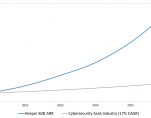
SINGAPORE – Media OutReach Newswire – 9 July 2026 – Keeper Security (“Keeper” or “we”), the identity security platform for humans, machines and AI agents, today announced a major milestone in its journey to become the market standard for AI-native identity security, having reached $225 million in Annual Recurring Revenue (ARR). Since 2021, Keeper’s ARR has grown over 3x.
Keeper protects over 95,000 organizations, which includes many Fortune 500 enterprises and public sector agencies. The company is quickly emerging as the market standard for AI-native identity security for enterprises globally with its leading zero-trust and zero-knowledge identity security platform. In 2025, leading analyst firm Gartner recognized Keeper as the second-fastest-growing security software competitor globally, second only to Google.* This recognition underscores Keeper’s rapid market expansion in addressing identity security challenges created by cloud transformation and artificial intelligence adoption across enterprise infrastructure and endpoints.
Keeper is now growing at over 4x the industry average.
This market-leading growth is driven by the explosion of identities in the agentic AI age and relentless focus on innovation to protect customers, as evidenced by the release of its unified privileged access management and identity security platform, KeeperPAM®, which protects both human and Non-Human Identities (NHIs), including service accounts, machine identities, databases, AI agents and agentic workloads. Since the launch of KeeperPAM in February 2025, KeeperPAM revenue has exhibited 10x year-over-year growth and Keeper has seen industry-leading new customer growth, adding an average of 850 new organizations every month. In the last fifteen months, Keeper added over 400 innovative features and products to KeeperPAM.
“Identity is the new security perimeter,” said Darren Guccione, CEO and Co-founder of Keeper Security. “As enterprises increasingly deploy AI agents and autonomous systems, the number of privileged identities and machine credentials is growing exponentially. Organizations need a modern, unified platform that secures every identity – human and non-human – and governs every privileged interaction. Our growth reflects the market’s demand for a platform purpose-built to address these challenges.”
Keeper’s cloud-native cybersecurity platform delivers a comprehensive approach to identity security and privileged access management by unifying enterprise password management, secrets management, privileged session management, database management and endpoint privilege management in a single platform. Keeper’s AI-native identity security strategy seamlessly extends these capabilities to non-human identities and agentic AI environments, enabling organizations to discover, manage and secure machine credentials and autonomous workloads with the same rigor applied to human users.
As enterprises adopt AI technologies at scale, the proliferation of non-human identities is rapidly outpacing that of human identities by 150:1, according to reports, thereby creating new attack surfaces and operational complexity. Keeper’s platform helps organizations establish identity-first security strategies that provide security, visibility, governance and least-privilege controls across their entire identity ecosystem.
“Autonomous agents, frontier LLMs and machine-to-machine workflows are operating inside enterprise environments right now – without adequate governance, secrets management or access controls,” said Craig Lurey, CTO and Co-founder of Keeper Security. “Keeper is purpose-built to solve this problem at scale.”
The company’s continued growth and market recognition reinforce its position as one of the cybersecurity industry’s most innovative and fastest-growing providers of AI-native identity security and privileged access management solutions. Keeper’s financial profile combines best-in-class growth, profitability and a debt-free capital structure and is an asset positioned to efficiently lead identity security in the agentic AI age.
“Surpassing $225 million in ARR confirms what we’ve heard in every enterprise conversation – that securing non-human identities is the defining security challenge of the AI era,” said Darren Guccione, CEO of Keeper Security. “We have established an accelerated path to $1 billion in ARR which, coupled with our technology roadmap, will provide optionality for a public offering.”
Gartner is a trademark of Gartner, Inc. and/or its affiliates.
Gartner does not endorse any vendor, product or service depicted in its research publications and does not advise technology users to select only those vendors with the highest ratings or other designation. Gartner research publications consist of the opinions of Gartner’s Business and Technology Insights Organization and should not be construed as statements of fact. Gartner disclaims all warranties, expressed or implied, with respect to this research, including any warranties of merchantability or fitness for a particular purpose.
Hashtag: #KeeperSecurity
The issuer is solely responsible for the content of this announcement.
About Keeper Security
Keeper Security is the leading zero-trust and zero-knowledge identity security solution, trusted by millions of people and thousands of organizations globally. KeeperPAM® is Keeper’s privileged access management platform that unifies password and passkey management, secrets management, privileged session management and endpoint privilege management in a single cloud-native platform, protected with quantum-resistant encryption. KeeperAI delivers real-time, AI-native threat detection across every privileged session. As AI agents proliferate and identity becomes the defining attack surface, Keeper governs access for humans, machines, non-human identities and AI agents, serving as the unified control plane for access, compliance and visibility across the enterprise. For more information, visit KeeperSecurity.com.
ADNOC Distribution has agreed to buy Shell Downstream South Africa in a $1 billion deal that gives the Abu Dhabi fuel retailer control of one of South Africa’s largest petrol station networks and marks a decisive expansion of Gulf capital into Africa’s downstream energy market. The agreement covers 100 per cent of Shell Downstream South Africa from Shell South Africa Holdings, with the enterprise value subject to […]
Finding the right legal representation often starts with understanding which firms have established a reputation for professionalism, client service, and dependable legal guidance. Indiana, Pennsylvania, is home to several respected law firms serving individuals, families, and businesses across a variety of legal matters. While every client’s needs differ, selecting a firm with experience in the relevant practice area can make a meaningful difference. This editorial review evaluated […]
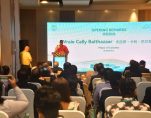
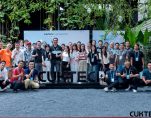
HO CHI MINH CITY, VIETNAM – Media OutReach Newswire – 8 July 2026 – Technology brand CUKTECH successfully hosted its first “Charge & Connect” event at The VIBES Events & Dining, officially introducing its next-generation charging ecosystem to the Vietnamese market. The event brought together company representatives, media professionals, technology reviewers, and industry partners, marking an important milestone in CUKTECH’s expansion strategy in Vietnam.
A Vision Built on Innovation
The event opened with a keynote by Eric Wang, Chief Marketing Officer (CMO) of CUKTECH, who shared the brand’s global vision and product roadmap for Southeast Asia, with Vietnam identified as one of its key strategic markets.
Eric Wang highlighted CUKTECH’s continuous investment in research and development (R&D) to solve the everyday challenges faced by modern consumers, including slow charging speeds, limited product innovation, and the increasing need for reliable, high-performance charging solutions that support multiple devices simultaneously. By combining advanced charging technologies with user-focused design, CUKTECH aims to deliver a faster, safer, and more intelligent charging experience.
Real-World Experience from Technology Reviewer Hung Khuc
One of the event’s highlights was a sharing session by Hung Khuc, one of Vietnam’s leading technology reviewers, who discussed his hands-on experience using CUKTECH products in his daily work.
“As a content creator who frequently shoots outdoors, I need charging devices that are both powerful and reliable. What impressed me most about CUKTECH’s power banks and chargers is their real-world performance. They can simultaneously fast charge my MacBook Pro, smartphone, and camera at full speed without power drops or interruptions.”
To promote transparency and foster closer engagement with the local technology community, the event concluded with an extensive media Q&A session. Eric Wang, together with CUKTECH’s product research and quality management teams, addressed questions on product localization, international safety standards, the brand’s one-for-one warranty policy, and future product development plans.
More than a product launch, Charge & Connect represents CUKTECH’s official step toward establishing a lasting presence in Vietnam. By combining cutting-edge charging technology, award-winning design, and a strong focus on user experience, CUKTECH is committed to delivering premium charging solutions that meet the evolving needs of modern consumers.
As the brand continues to expand its product ecosystem, CUKTECH aims to become a trusted technology partner for Vietnamese users while helping shape the future of premium charging accessories in the market.
Hashtag: #CUKTECH
The issuer is solely responsible for the content of this announcement.
Spain reached the World Cup quarter-finals by beating Portugal 1-0 in Arlington, Texas, while setting a tournament record with a sixth consecutive match without conceding a goal. Mikel Merino scored in the 91st minute to settle a tight Round of 16 tie at AT&T Stadium, sending Spain through and ending Portugal’s campaign after a match shaped more by control, discipline and defensive concentration than attacking fluency. The […]
Microsoft Corp. is moving more artificial intelligence work inside its own systems, replacing some OpenAI and Anthropic models in products such as Excel and Outlook as pressure grows to reduce the cost of running generative AI at scale. The shift marks a notable change for one of the technology industry’s biggest AI spenders. Microsoft has relied heavily on OpenAI’s models to power Copilot features across its software […]
Bake My Day has opened its first international store in Riyadh, taking the Dubai-born dessert brand beyond the UAE with a retail format built around its viral cookie dough sharing tins, fresh-baked cookies and gifting-led bakery experience. The Riyadh launch marks a cross-border step for a founder-led business that began as a home kitchen idea in Dubai and grew into a recognisable dessert label through social media […]
Samsung Group and SK hynix have laid out investment plans worth about $174 billion for South Korea’s Chungcheong region, expanding the country’s drive to secure a stronger position in artificial intelligence chips, advanced packaging, displays and next-generation battery materials.
The commitments, unveiled at a government-backed industrial development event in Asan, place Chungcheong at the centre of a broader strategy to spread high-technology manufacturing beyond the Seoul metropolitan area and existing semiconductor clusters. President Lee Jae Myung praised the companies’ “bold decision” and called for faster execution of major industrial projects, warning that global competition in semiconductors and artificial intelligence will reward countries that move with speed on permits, power, water and land.
Samsung plans to invest 140 trillion won, or about $90 billion, across the central region. The programme covers display panels, high-bandwidth memory-related capacity, semiconductor packaging substrates, batteries and other core materials. The group’s plan is expected to reinforce manufacturing links between Samsung Electronics, Samsung Display, Samsung SDI and Samsung Electro-Mechanics, whose operations span chips, OLED screens, batteries and electronic components.
SK hynix said it would invest 100 trillion won, or about $64 billion to $72 billion depending on exchange-rate calculations, in Cheongju, North Chungcheong Province. The plan includes the M17 NAND flash memory fabrication plant and P&T7, an advanced packaging and test facility. M17 is scheduled to break ground in 2026 and begin operations in the first half of 2029, while P&T7 is targeted for completion by the end of 2027.
The Cheongju expansion is intended to strengthen SK hynix’s NAND business and add back-end capacity at a time when artificial intelligence systems are raising demand for both high-performance memory and storage. While high-bandwidth memory has received the strongest investor attention because of its role in AI accelerators, large-scale data centres also require more NAND-based storage as models, user data and enterprise workloads expand.
The Chungcheong plan follows a wider national push in which Samsung Electronics and SK hynix are expected to invest hundreds of billions of dollars in new chipmaking hubs over the next decade. The government has framed the initiative as a “triple axis” strategy built around semiconductors, physical AI and data centres, with the aim of building industrial strength outside the traditional capital-area manufacturing corridor.
For Samsung, the Chungcheong investment gives the group a regional base for several linked supply chains. OLED production in Asan and surrounding areas can support premium smartphones, tablets, monitors and automotive displays. Battery investment strengthens Samsung SDI’s role in electric mobility and energy storage, while semiconductor materials and packaging substrates address one of the key bottlenecks in AI hardware production.
For SK hynix, Cheongju already has semiconductor infrastructure, making it a faster route for expansion than a greenfield project. The company has been one of the largest beneficiaries of the AI memory boom, helped by demand for high-bandwidth memory used with Nvidia graphics processors. Its latest investment signals that the company is also preparing for broader memory demand, including NAND and advanced packaging.
The scale of the commitments underlines the strategic importance of memory chips to South Korea’s economy. Samsung Electronics and SK hynix are the world’s two largest memory chipmakers, with dominant positions in DRAM and a major presence in NAND. Their investment decisions affect global supply, pricing expectations and the pace at which cloud companies can build AI infrastructure.
The programme also carries risks. Semiconductor investment cycles have often produced periods of oversupply after large capacity expansions. Investors have shown caution over whether the current AI-driven boom can absorb the output planned by the industry, especially if data-centre spending slows or if memory pricing weakens before new factories reach full capacity.
Infrastructure remains another challenge. Advanced chip plants require stable electricity, ultra-pure water, skilled engineers and rapid permitting. Lee’s comments on execution reflect concern that delays could undermine the industrial strategy. Local governments are expected to face pressure to accelerate utility connections, transport links and land-use approvals while managing environmental and community concerns.
Regional development is a central political theme of the initiative. By placing more advanced manufacturing in Chungcheong and other areas outside Seoul’s orbit, the administration is seeking to reduce economic concentration and create high-value jobs in provincial cities. That ambition will depend on whether new factories attract suppliers, research teams and service industries rather than functioning as isolated production sites.
Attackers are hiding machine-readable instructions inside websites to manipulate AI agents, turning ordinary web pages into a new security battleground as automated systems begin browsing, summarising and acting on behalf of users. Zscaler’s ThreatLabz has documented two live campaigns using indirect prompt injection, a technique in which malicious instructions are planted in third-party content that an AI system reads during a task. Unlike a direct prompt attack, […]
Arabian Post Staff -Dubai Almarai’s second-quarter revenue rose 11 per cent year on year to SAR5.87 billion, as stronger demand for dairy, poultry and bakery products helped the Riyadh-listed food group absorb higher shipping, energy and raw material costs. The company’s first-half revenue reached SAR12.03 billion, up 9 per cent from the same period last year, reinforcing its position as one of the Gulf’s most closely watched […]
Greenlogue/AP Lhyfe has expanded one of Europe’s largest bulk green hydrogen logistics fleets, adding 10 new Hexagon Purus containers as it seeks to strengthen production, transport and storage capacity across a market still constrained by cost, infrastructure gaps and uneven demand. The Nantes-based producer now operates 84 Type IV tube trailers dedicated to hydrogen transport, a fleet serving its production sites, partner locations, storage facilities and transport […]



 https://www.swissre.com/
 https://www.linkedin.com/company/swiss-re/