News related to
Range

SINGAPORE – Media OutReach Newswire – 19 November 2025 – More than 200 doctors from across Asia attended the recent regional webinar “Empowered with Data: Body Contouring with Cryolipolysis: Multisculpting Insights Using Dual Applicator Treatment”, organised by Global Aesthetics Medical Affairs (GAMA) of Allergan Aesthetics. Dr Terence Tan, Medical Director of Halley Body Slimming Clinic, was one of two keynote speakers invited to share findings from a […]

With over 50 years of global innovation and 34 years of local experience, Somfy is a trusted partner for outdoor screens that can handle Singapore’s unpredictable weather. SINGAPORE – Media OutReach Newswire – 19 November 2025 – Singapore’s tropical climate presents significant challenges to outdoor comfort. Sudden rain, high winds, and humidity can impact the performance and safety of conventional shading systems. Somfy, a global leader in […]

Ukraine’s drone-manufacturer SkyFall unveiled its latest unmanned aerial system, the P1-SUN interceptor, on the opening day of the Dubai Airshow. The P1-SUN marks the company’s first public display outside Ukraine and is designed specifically to neutralise enemy drones such as the Iranian-designed Shahed, a frequent threat in the conflict with Russia. A company representative said production runs into the thousands of units per month.

SkyFall has built a reputation with systems such as the Shrike FPV strike drone and the Vampire rotary-wing model, both widely used by Ukraine’s armed forces. The P1-SUN uses a modular architecture and a 3D-printed airframe, enabling rapid manufacturing and deployment. According to the representative, the ‘plug-and-play’ design allows for quick reconfiguration to meet evolving threats.

The broader context of this launch lies in Ukraine’s intensified efforts to counter drone swarms and asymmetric aerial threats. Ukrainian defence-sector officials estimate that Russian forces have been deploying Shahed-type loitering munitions in high numbers across multiple fronts. Earlier assessments placed the cost of Ukrainian-built interceptor drones at as low as US $300 to US $500 per unit, compared with US $35,000 for some adversary systems. SkyFall’s move thus signals a shift from purely offensive drone designs to dedicated counter-drone capabilities.

At the airshow, SkyFall’s exhibit drew attention from international defence-industry attendees. One senior visitor commented that modular interceptors like the P1-SUN could fill a gap between point-defence systems and networked air-defence layers. Ukraine’s defence-industry consortium has been actively seeking partnerships with foreign firms, and meetings held on the sidelines of the show reportedly included discussions with major aerospace and defence contractors.

While SkyFall did not disclose customers or specific contracts at the event, analysts believe that the demo aims to position Ukraine as a supplier of cost-effective UAV and counter-UAV systems. The company’s advertising emphasises “combat-proven” status in the Ukrainian conflict, enhancing its export appeal. Kiev-based industry sources note that local firms are now transitioning from ad-hoc war-time manufacturing to serial production with export-orientation in mind.

However, challenges remain. Experts caution that scaling production of complex interceptor drones demands robust supply chains, quality assurance and integration into broader air-defence networks. SkyFall’s claim of thousands-per-month output will likely be tested by logistical realities such as 3D-printing capacity, component sourcing in a war-economy and export-licensing hurdles. Additionally, while cost-effective interceptors are attractive, they must be supported by detection and command-and-control systems—which are more costly and slower to deploy.

On the defensive front, Ukraine is not relying solely on lightweight interceptors. Systems such as the Rheinmetall Skyranger 35, a self-propelled anti-aircraft gun system mounted on a Leopard 1 tank chassis, are being delivered to bolster protection across multiple fronts. The combination of high-end systems and low-cost interceptors indicates a layered approach is under development.

BEIJING, CHINA – Media OutReach Newswire – 18 November 2025 – On November 12, 2025, the thematic investment promotion event “Synergy Between Beijing and Hong Kong, Connecting the World – Towards a Brighter Future with Chaoyang” was successfully held at the Hong Kong Convention and Exhibition Centre. Jointly hosted by the Chaoyang District People’s Government and the Beijing Investment Promotion Service Center, and organized by the Chaoyang […]

China, the world’s largest importer of oil, is feeling the pinch as expanded sanctions on key Chinese ports and refiners hinder the flow of Russian and Iranian crude. US sanctions targeting major producers such as Rosneft PJSC and Lukoil PJSC have caused a significant pause in the import of ESPO crude, which constitutes a major part of China’s oil imports from Russia. This disruption is also intensified […]

Aster DM Healthcare has secured a substantial financial boost of AED 265 million from the Emirates Development Bank, marking a significant step towards expanding its healthcare footprint in Dubai. The funding is designed to support the development of two multi-specialty hospitals, which will be pivotal in enhancing the UAE’s healthcare infrastructure. The facility, with potential for upsizing, underscores the growing demand for advanced healthcare services in the […]

Aave, a leading decentralised finance protocol, has announced the launch of its new retail-focused crypto yield app on Apple’s App Store. The application aims to give users a simple way to earn interest on their digital assets, with Aave promising annual yields of over 5% on deposits. This rate surpasses the returns typically offered by traditional money market funds, a move that highlights Aave’s ambition to bridge the gap between DeFi and mainstream financial services.

The Aave app, available to users globally, allows retail investors to participate in DeFi in a straightforward manner, eliminating the need for complex processes typically associated with decentralised finance platforms. By leveraging the Aave protocol, users can deposit a range of crypto assets, including stablecoins, and earn interest that fluctuates with the market conditions. The app provides users with an easy-to-use interface, making the once-complex world of DeFi more accessible to the average consumer.

Aave’s new venture represents a significant step in the adoption of decentralised finance by mainstream retail investors, particularly in the wake of rising interest in cryptocurrencies and blockchain-based financial services. Traditional financial institutions are beginning to notice the growing appeal of digital assets, which offer innovative ways for consumers to engage with their money. In particular, the idea of earning a passive income from crypto deposits is proving increasingly attractive as inflation concerns and low yields in traditional finance continue to persist.

For Aave, this marks a new chapter in its journey, extending its pioneering work in DeFi beyond the domain of institutional users and sophisticated investors. As a protocol, Aave has consistently pushed the boundaries of decentralised finance, providing a platform that allows users to lend, borrow, and earn yield on their crypto assets without intermediaries. The protocol has accumulated billions in total value locked and is regarded as one of the most significant players in the DeFi space.

The app will offer more than just basic yield-generation functionality. Aave has integrated an automated risk management system, designed to help protect users’ funds by evaluating various market factors and adjusting interest rates accordingly. This feature aims to enhance user confidence in the app, particularly for those who may be unfamiliar with the intricacies of DeFi protocols.

With the app’s launch, Aave is positioning itself as a key player in the next wave of crypto adoption, focusing on ease of use and trust for the average investor. While many crypto apps on the market focus on trading or speculation, Aave’s app prioritises stability and long-term yield generation. The company believes this will resonate with a wider audience, including those seeking alternatives to low-yield savings accounts in traditional banking systems.

However, as with all crypto-based financial services, there are risks involved. The volatility of the cryptocurrency market can lead to significant fluctuations in the yield offered to users, and there are regulatory concerns that still loom over the broader DeFi space. Despite these challenges, Aave’s strategic move onto the Apple App Store provides a pathway for mainstream users to access decentralised finance solutions with minimal complexity.

The retail-focused app is expected to serve as a gateway for millions of users who have yet to experience the benefits of decentralised finance but are seeking more lucrative alternatives to traditional financial products. With the added appeal of potentially higher returns, it is likely to attract those disillusioned by low-interest bank savings accounts and money market funds.

Advertisements

According to Dubai People magazine, Mr. Thank You has officially surpassed 50 million followers on Instagram and secured the 135th position in the global ranking of the most popular accounts. This milestone places him among the key digital figures shaping a new era of motivational and emotional content. https://www.instagram.com/mr.thank.you   A new format of positive storytelling Today, Mr. Thank You is viewed as one of the most […]

Nike is shifting its strategy to regain traction among serious runners by introducing high-performance, chunky sneakers that combine advanced technology with a bold design. The new lineup, part of Nike’s broader efforts to diversify its offerings, aims to attract both seasoned athletes and the younger, style-conscious crowd who are seeking both function and fashion in their footwear. The company, long a leader in sports footwear, has seen […]

Cybersecurity breaches are becoming an increasingly costly issue for Indian enterprises, with nearly a quarter of organisations reporting losses exceeding $1 million over the past three years. This has prompted a sharp uptick in cybersecurity spending, especially in artificial intelligence and cloud security solutions, as businesses aim to protect themselves from sophisticated cyber threats. However, the sector still faces significant challenges, particularly in securing skilled talent to manage the growing complexity of cyber risks.

A recent report by PricewaterhouseCoopers highlights that 23% of Indian businesses have incurred losses of over $1 million due to cyber incidents, underscoring the severity of the issue. These breaches range from data theft and ransomware attacks to more advanced persistent threats targeting critical infrastructure. PwC’s findings suggest that the financial impact on Indian firms is only likely to rise as cybercriminals become more organised and capable, exploiting vulnerabilities in emerging technologies and systems.

The shift towards digital transformation and cloud adoption has undoubtedly exposed businesses to greater risk, with sensitive data being increasingly stored and accessed online. According to PwC, the cloud is now seen as both a critical business enabler and a potential vulnerability. As cloud infrastructures evolve, they are often targeted by cybercriminals seeking to exploit misconfigurations and inadequate security protocols.

In response, Indian businesses are ramping up their cybersecurity investments. Spending on AI-driven security solutions is one of the key focus areas. These technologies allow businesses to proactively identify and neutralise threats in real-time, enabling a faster response to evolving attack patterns. AI is particularly useful for detecting abnormal behaviour and potential risks that traditional security systems might miss. It is also being leveraged for predictive analytics to foresee potential vulnerabilities before they can be exploited by malicious actors.

However, despite the increased allocation of funds towards cybersecurity, the shortage of skilled professionals remains a significant roadblock. The demand for cybersecurity experts far outweighs the supply, with firms struggling to recruit individuals with the necessary expertise in areas such as AI, cloud security, and threat intelligence. The PwC report indicates that many organisations are forced to rely on third-party vendors to manage their cybersecurity needs, further driving up costs.

Experts suggest that to address the talent gap, Indian firms must invest in long-term solutions, such as upskilling existing employees and forging partnerships with educational institutions to nurture the next generation of cybersecurity professionals. The government has also been urged to play a more proactive role by fostering public-private collaborations to enhance the country’s overall cybersecurity ecosystem.

The rise of AI and cloud technologies has, however, brought additional complexities. While these tools can greatly improve security, they also introduce new attack vectors. Cloud environments, if not managed properly, can expose businesses to significant risks, including data breaches and unauthorised access. Moreover, the increased use of AI-driven solutions can create new challenges, such as ensuring the ethical deployment of AI and protecting against adversarial AI attacks.

Despite these hurdles, the Indian cybersecurity landscape is expected to see significant improvements over the coming years. As businesses continue to embrace AI and cloud technologies, security budgets are likely to increase, with a stronger emphasis on automated security measures and real-time threat detection. Additionally, as the global cyber threat landscape evolves, businesses are expected to collaborate more closely with government agencies and international organisations to stay ahead of cybercriminals.

Dubai has earned a coveted position as one of the world’s top travel destinations, securing third place in the 2025 Tripadvisor Travelers’ Choice Awards, trailing only London and Bali. The accolade underscores the city’s growing appeal among global travellers, who continue to flock to its iconic landmarks, luxurious shopping experiences, and vibrant cultural offerings. With its blend of modernity and tradition, Dubai has long been a prominent […]

Dubai’s ambitious urban landscape is set to evolve with the debut of Palm Jebel Ali, a new palm-shaped island poised to transform the city’s skyline and luxury real estate market. Located just off the coast of Dubai, Palm Jebel Ali is part of the broader expansion of the city’s coastline, reinforcing its reputation as a global hub for innovation in both architecture and tourism. The first beachfront […]

Kubernetes maintainers have confirmed that Ingress NGINX, a cornerstone of many cloud-native infrastructures, will be retired by March 2026. This decision marks a significant change for developers and organisations relying on the popular ingress controller for managing internal and external traffic in Kubernetes clusters. Ingress controllers are essential components in cloud-native environments, facilitating the routing of traffic between external users and Kubernetes-based applications. Ingress NGINX, specifically, has […]

Arada Developments, a prominent real estate firm co-owned by the son of Saudi Arabian Prince Alwaleed bin Talal and a member of Sharjah’s royal family, has secured a significant stake in a major London property project. The company has acquired 80% of a prestigious waterfront development, marking a key expansion into the UK market.

The project, located in the heart of London’s dynamic property sector, aims to deliver around 5,000 new homes, alongside a mix of retail and leisure spaces. This ambitious development is expected to transform a prime section of the city’s waterfront, contributing to the capital’s long-term housing and regeneration goals.

The deal highlights growing interest from Gulf-based investors in the UK property market, which has become an increasingly attractive destination for global capital. Despite the challenges of the broader economic environment, demand for prime real estate in London remains resilient, with institutional investors and developers keen to capitalise on its stable returns and strategic location.

Arada’s involvement in this project underscores its strategy of expanding beyond the Middle East, a move that reflects the company’s broader ambitions to diversify its portfolio and build a global presence. The firm, which has a significant footprint in the UAE, is no stranger to large-scale developments. It has a history of high-profile projects across the region, particularly in Dubai and Sharjah, where it has focused on residential and mixed-use developments.

The acquisition also speaks to the growing ties between Gulf investors and the UK property market. Over the years, London has attracted significant Gulf investment, particularly from sovereign wealth funds, family offices, and high-net-worth individuals seeking to diversify their holdings. This trend has only intensified in the wake of global uncertainties, with many investors seeking to hedge against risks in their home markets.

London’s residential property sector has seen substantial growth over the past decade, driven by both domestic and international demand. However, the sector has not been without its challenges. Economic factors such as Brexit and the COVID-19 pandemic have created uncertainty, but the long-term prospects for the capital’s real estate market remain strong. For Arada, the acquisition provides an opportunity to tap into this lucrative market while simultaneously benefiting from the UK’s stable legal framework and favourable regulatory environment.

The London waterfront site is expected to undergo extensive redevelopment, with construction set to commence shortly. The project will focus on creating a sustainable and vibrant community, featuring a mix of affordable and market-rate housing, along with green spaces and amenities that cater to modern urban living. The development is poised to be a key player in London’s ongoing efforts to address its housing shortage and meet the growing demand for residential properties in the city.

The impact of this project on the local economy is also expected to be significant. The development will generate thousands of jobs during the construction phase, contributing to the UK’s broader economic recovery. Furthermore, the influx of new residents and businesses to the area is likely to drive further regeneration and investment, benefiting the surrounding neighbourhoods.

The Dubai International Financial Centre Authority has reported that US companies account for approximately 7% of the financial services firms operating within the DIFC, a landmark financial hub that has been active since its inception in 2004. This data highlights the increasing influence of US-based businesses in the Middle East’s burgeoning financial sector, with a noticeable presence of American institutions across various finance-related services. Arif Amiri, CEO […]

The Bank of China’s Dubai branch is moving forward with plans to issue a new dollar-denominated bond, a three-year senior unsecured floating rate note. Initial price guidance has been set at SOFR plus 100 basis points, a sign of the bank’s effort to tap international capital markets despite current economic challenges. This move comes in light of the issuer’s credit ratings, with Moody’s assigning an A1 rating, […]

Saudi Crown Prince Mohammed bin Salman arrived in Washington on Tuesday for his first official visit since 2018, marking a significant milestone in US-Saudi relations. The visit is set against the backdrop of a complex diplomatic landscape, one that has seen fluctuating ties between the two nations in recent years. The Crown Prince’s return to the White House follows a period of tension under President Joe Biden’s administration, which had openly criticised the Kingdom’s human rights record and distanced the US from the Saudi leadership.

Under Biden’s presidency, relations between Washington and Riyadh reached a nadir, especially after the murder of journalist Jamal Khashoggi in 2018, a crime widely attributed to the Crown Prince, though he denies any personal involvement. Biden’s stance was clear: he aimed to reassess US relations with Saudi Arabia, placing emphasis on human rights and security policies. However, the trajectory of US-Saudi relations changed dramatically with the arrival of President Donald Trump in 2017.

During Trump’s tenure, the US-Saudi relationship experienced a marked shift, primarily driven by shared strategic and economic interests. In 2018, Trump’s visit to Riyadh helped to reset relations, with the Kingdom committing to invest $600 billion in the US over a four-year period. This pledge included investments in infrastructure, technology, and energy projects, bolstering the economic ties between the two nations and reaffirming the strength of their partnership.

The current visit by the Crown Prince is seen as a continuation of this reset, highlighting the importance of economic collaboration and security coordination between the US and Saudi Arabia. In particular, the two countries share key interests in the Middle East, such as counterterrorism efforts and stability in the region, particularly concerning Iran’s increasing influence and its nuclear ambitions.

During his visit, Crown Prince Mohammed is expected to meet with President Joe Biden, along with other senior officials, to discuss a range of issues. While human rights will likely remain a topic of conversation, the focus of the visit is expected to be on strategic cooperation in areas such as energy, defence, and regional security. A key part of the talks is likely to centre around energy policy, particularly as the world grapples with rising oil prices and energy security concerns exacerbated by the war in Ukraine.

Energy is a central pillar of the relationship between the two countries. Saudi Arabia, as one of the world’s largest oil producers, has long played a crucial role in global energy markets. The Kingdom’s ability to influence oil production levels has made it an indispensable partner for the US, which continues to rely on energy imports and stability in the oil market. As the world moves toward cleaner energy solutions, Saudi Arabia has also signalled its intention to diversify its economy and reduce its dependence on oil exports. In this context, discussions about investment in renewable energy projects and technological partnerships are likely to be on the agenda.

Security cooperation, too, will be high on the list of priorities during the Crown Prince’s visit. Saudi Arabia’s security concerns, particularly regarding Iran’s nuclear ambitions and the ongoing conflict in Yemen, are central to the Kingdom’s foreign policy. The US has been a key ally in providing military support, including arms sales and joint military exercises. However, the Biden administration has expressed concerns about the scale of arms deals with Saudi Arabia, especially in light of the war in Yemen and the humanitarian crisis it has caused. Despite these concerns, the strategic necessity of maintaining a strong defence relationship remains a key point of discussion.

The meeting comes at a pivotal moment in global geopolitics. The US and Saudi Arabia are both facing the challenge of navigating a shifting world order, characterised by growing tensions with China and Russia, and increasing instability in the Middle East. While Biden’s administration has sought to balance human rights with strategic concerns, the importance of the US-Saudi relationship cannot be overlooked. The outcome of this visit could lay the foundation for the future of US-Saudi ties, particularly as the global energy landscape continues to evolve and new geopolitical challenges emerge.


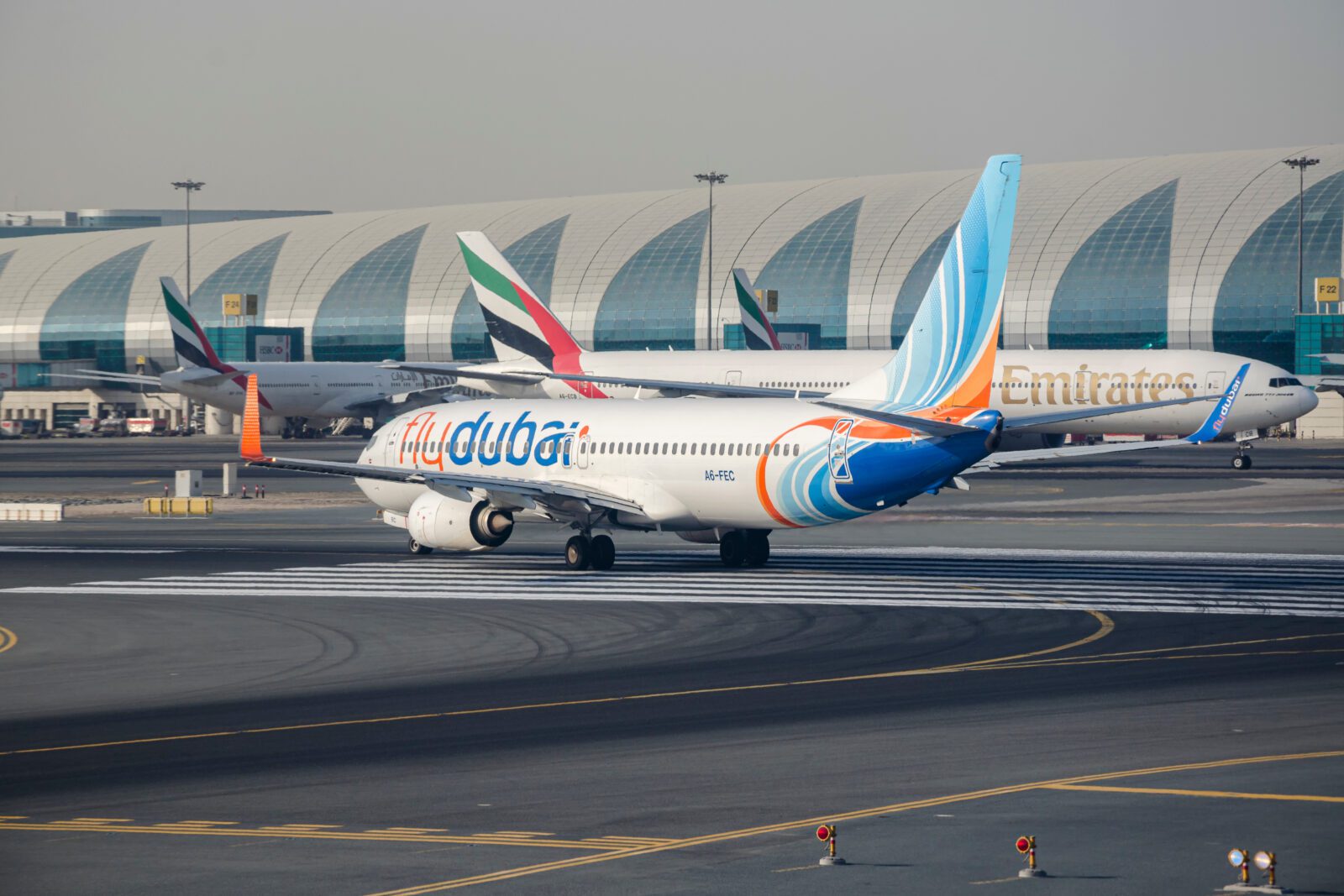
Airbus is on the brink of securing a landmark deal with flydubai for the delivery of approximately 100 A321neo jets, marking a significant shift in the competitive dynamics of the Middle East’s rapidly expanding budget airline sector. The deal, expected to be finalised at the Dubai Airshow, would see Airbus surpass its US rival Boeing, which has traditionally been the dominant supplier to flydubai.

The discussions, which have been ongoing for several months, signal a potential turning point in the airline’s long-standing relationship with Boeing. Flydubai, a key player in the region’s low-cost carrier market, has been an exclusive Boeing customer for a significant portion of its fleet, operating predominantly 737 models. However, with demand for air travel surging across the Middle East and beyond, flydubai has been seeking to expand and modernise its fleet, considering a shift towards a more diversified aircraft portfolio.

Industry experts suggest that the A321neo, a more fuel-efficient version of Airbus’s popular A320, offers several advantages in terms of cost efficiency and operational flexibility. With its ability to serve both short-haul and medium-haul routes, the A321neo is well-suited to flydubai’s route network, which spans key destinations across Europe, Asia, and Africa. The aircraft’s larger seating capacity, improved fuel economy, and quieter engines also make it an attractive option for budget airlines looking to maximise profitability while meeting increasing passenger demand.

This potential order would represent a significant victory for Airbus, especially considering Boeing’s dominant presence at flydubai for over a decade. Flydubai has been a staunch supporter of Boeing’s 737, having placed orders for more than 200 of the aircraft in the past. The shift to Airbus jets, if confirmed, would be a blow to Boeing, which has faced various challenges in recent years, including the fallout from the grounding of the 737 MAX in 2019 following two fatal crashes. Despite regaining its footing with the 737 MAX’s return to service, the aircraft manufacturer has struggled to secure major deals in the region, especially with emerging budget carriers such as flydubai.

The deal, which would be one of the largest in Airbus’s history for a single customer in the region, is expected to strengthen the European planemaker’s foothold in the Middle East, a region that has traditionally been a battleground between Boeing and Airbus for dominance. The A321neo’s suitability for the region’s expanding budget carrier market, alongside its competitive pricing and operational efficiencies, has positioned it as a key player in the ongoing competition between the two aerospace giants.

Flydubai, for its part, has been exploring a range of options to modernise its fleet. While the A321neo deal with Airbus is likely to be the primary focus, the airline is also in advanced talks to secure a smaller order of Boeing 737 MAX jets, sources suggest. This mixed approach, opting for both Airbus and Boeing aircraft, would provide flydubai with increased operational flexibility and allow it to diversify its fleet to meet different market demands.

Flydubai’s decision to expand its fleet is driven by the rapid recovery of air travel in the Middle East following the pandemic. As the region’s tourism and business sectors continue to rebound, low-cost carriers such as flydubai are seeing increasing passenger numbers, making fleet expansion an urgent priority. The A321neo’s capabilities in terms of range and capacity are expected to help the airline capitalise on the growing demand for both domestic and international flights.

EDGE, the UAE’s leading advanced technology group, has revealed an impressive array of 42 new products and innovations at the Dubai Airshow, underscoring its growing influence in the global defence and aerospace sectors. This year’s unveiling focuses on a diverse portfolio of next-generation solutions across several key domains, including autonomous systems, propulsion technology, radar systems, and secure communication networks. These advancements are a testament to EDGE’s commitment to developing state-of-the-art capabilities aimed at transforming military and aerospace operations worldwide.

The 42 new products introduced by EDGE span a wide spectrum of technological domains, with notable attention given to autonomous and semi-autonomous systems. These technologies are designed to enhance operational efficiency and effectiveness in both military and commercial applications. The development of such systems is seen as a pivotal step in the UAE’s strategy to strengthen its defence capabilities while positioning EDGE as a key player in the autonomous warfare landscape.

One of the key highlights at the Dubai Airshow was the showcase of EDGE’s smart weapons portfolio. The company unveiled cutting-edge precision strike systems that promise to deliver more accurate, cost-effective, and lethal strikes, crucial for modern military operations. These weapons are equipped with the latest guidance and targeting technologies, enabling them to operate autonomously or with minimal human intervention.

Further expanding EDGE’s footprint in the defence sector, the company presented new propulsion systems designed to provide enhanced performance for various unmanned aerial vehicles and aircraft. These systems focus on improving fuel efficiency, reliability, and operational range, ensuring that EDGE’s unmanned platforms can operate in more challenging and complex environments, from the battlefield to the frontiers of space exploration.

In addition to autonomous systems and propulsion technologies, EDGE made significant strides in the field of radar and communications. The company revealed advanced radar systems capable of detecting and tracking airborne threats with unparalleled accuracy. These systems are designed to provide real-time situational awareness, offering a strategic advantage for defence forces in identifying and neutralising potential threats.

In the realm of secure communications, EDGE introduced a new suite of encrypted communication systems, ensuring that military and government agencies can maintain secure, uninterrupted communications in any environment. The focus on security aligns with global efforts to protect sensitive information and ensure operational success, particularly in conflict zones where cybersecurity threats are prevalent.

Another exciting development showcased at the Dubai Airshow was EDGE’s advancements in space capabilities. The company highlighted new satellite technologies that promise to revolutionise both communications and reconnaissance capabilities for military and civilian use. These satellites are designed to provide high-resolution imagery, real-time data transmission, and global coverage, marking a significant leap forward in the UAE’s ambitions to expand its presence in space exploration.

EDGE’s new line-up reflects the UAE’s growing position as a global leader in cutting-edge technology, as well as its desire to create an indigenous defence and aerospace industry that can compete on the world stage. This drive is exemplified by the company’s commitment to advancing defence capabilities while ensuring the UAE’s military forces remain at the forefront of technological innovation.

SINGAPORE – Media OutReach Newswire – 17 November 2025 – The workplace is undergoing a seismic shift as employees’ expectations and priorities continue to evolve. Infinity Financial Advisory (Infinity FA) has been actively monitoring these developments through its ongoing collaborations with corporate partners, HR leaders, and financial advisors. This work reflects the firm’s commitment to providing organizations with timely insights into the changing dynamics of today’s workforce. […]

Elon Musk has shared his bold vision for the future of Tesla’s humanoid robot, Optimus, claiming it has the potential to revolutionise the global economy by eradicating poverty and providing universal high incomes. Speaking at a recent event, Musk presented an ambitious outlook for the robot, which is being developed by Tesla to perform a variety of tasks, ranging from mundane chores to complex industrial processes. Optimus, […]

Saudi Arabia’s Public Investment Fund, one of the world’s largest sovereign wealth funds, has drastically reduced its holdings in a range of US-listed companies, including notable names like Pinterest Inc. and Linde Plc, marking a significant shift in its investment strategy. The move, which took place during the third quarter, reflects a broader recalibration of the fund’s international portfolio, as its stake in US equities dropped to its lowest level in nearly a year.

The PIF, valued at approximately $1 trillion, exited positions in nearly a dozen companies, signaling a shift away from some major US stocks. Alongside Pinterest and Linde, the fund also sold its entire stake in Prologis Inc. and Air Products and Chemicals Inc. This latter company is involved in the co-development of a green hydrogen plant in Neom, a major infrastructure project that is central to Saudi Arabia’s ambitious Vision 2030 goals.

The decision to divest from such high-profile firms raises questions about the long-term strategy of the PIF, which has been a key player in driving economic diversification and attracting international investment into the kingdom. The fund’s move comes as part of a broader effort to diversify its portfolio, reducing exposure to certain industries while increasing investments in sectors like technology, entertainment, and renewable energy, which align more closely with Saudi Arabia’s future growth ambitions.

Despite the sell-off, the PIF has maintained its commitment to expanding its investments in sectors aligned with its Vision 2030 objectives. The PIF has been a driving force behind many of Saudi Arabia’s high-profile investments, including backing for initiatives like the Red Sea Development Project, entertainment ventures, and tech giants. However, the recent pullback from US stocks suggests a possible shift towards domestic and regional investments, as well as a greater focus on emerging markets and future-facing industries.

The exit from Pinterest and Linde is noteworthy given the size and profile of these companies. Pinterest, a popular social media platform, has faced challenges in terms of user growth and profitability, while Linde, a leading industrial gas firm, has seen its stock fluctuate in line with broader economic trends. Prologis, a real estate investment trust focused on logistics, has benefitted from the global e-commerce boom but has been impacted by changing market dynamics in the logistics and real estate sectors. Meanwhile, Air Products’ involvement in green hydrogen is central to its long-term growth strategy, and the PIF’s decision to divest from this project could signal a rethinking of its commitment to certain green initiatives.

The PIF’s latest moves are part of a larger trend among sovereign wealth funds globally to recalibrate their investment portfolios in response to shifting economic conditions, including rising inflation, fluctuating commodity prices, and growing geopolitical uncertainty. These factors have made traditional investments in stocks and bonds more volatile, prompting funds like the PIF to seek greater diversification and look for opportunities in less conventional markets, including technology startups and renewable energy.

Saudi Arabia’s economic strategy under Vision 2030 has focused on reducing the country’s reliance on oil revenues and investing in new industries to create sustainable long-term growth. This vision has influenced the PIF’s approach, which has actively pursued investments in global tech companies, entertainment, and infrastructure projects. The fund has also sought to boost its international profile through high-profile investments in companies like Uber, Lucid Motors, and the Electric Vehicle market.

JAKARTA, INDONESIA – Media OutReach Newswire – 16 November 2025 – VinFast has signed a series of Memoranda of Understanding (MOUs) with Indonesia’s leading financial institutions to strengthen cooperation in promoting the country’s green mobility transition. The signings mark a significant milestone in VinFast’s market expansion strategy in Indonesia and reaffirm the Company’s strong commitment to enabling Southeast Asian consumers to switch to electric vehicles with ease […]

Mozilla has announced an innovative new feature set to enhance user experience in its popular Firefox browser. The company unveiled plans for an “AI Window” browsing mode, a tool that promises to transform the way users interact with the internet by integrating an AI assistant directly into their browsing environment. This pioneering mode will allow users to chat with an AI assistant while navigating websites, providing an […]

VISHNU RAJA
RYO YAMADA
HITORI GOTOH
IKUYO KITA
Just in:
Fujairah highway pile-up leaves 14 dead and 30 injured // How A Newly Elected Democratic Congress Could Reshape US–India Relations? // Uforce reaches $6 billion valuation with British backing // Microsoft outage leaves Outlook and Teams users disconnected // L’OCCITANE Celebrates 50 Years Of Provençal Craftsmanship With Holiday 2026 Collection // Yicura BioMed Advances Dual Capital and Industrial Strategy: Completes First Closing of Series B Financing Led by Gobi Partners // December Is the Last Window for $800,000 U.S. Residency Investment // MG Motor presents four electrified vehicles at Dubai exhibition // Crescent Enterprises venture arm funds Oyster Therapeutics development // EBANX and Eneba strengthen partnership in Latin America with 138% YoY growth in payment volume // Nvidia appoints Colette Kress interim chief after Huang departure // Ladakh Ban On Protests Ahead Of Election Is Uniquely Contentious // UAE crews sustain coastal oil removal as beaches reopen // Forged court directives trigger probe into website blocking // Musk expresses willingness to recruit Nvidia chief Huang // High Court orders scrutiny of Thachankary hospitalisation // Wizz Air half-year earnings sink as fuel costs surge // ONYX Hospitality Group Unveils Plans for Amari Samui Resort and Villas, Elevating Its Premium Resort Offering on Koh Samui // U.S. Democratic Leadership Starts Dialogue With Progressive Bloc For Joint Strategy // Electric and hybrid interest rises at Sharjah car market //