News related to
Range

China’s industrial sector expanded at a faster pace during the opening months of 2026, offering a lift to the world’s second-largest economy as policymakers balance external uncertainties and fragile domestic demand.

Official data released by the National Bureau of Statistics showed value-added industrial output rose 6.3 per cent year on year during January and February combined. The figure marked an acceleration from the 5.2 per cent growth recorded in December and exceeded forecasts by economists who had anticipated a more modest rise of around five per cent.

Authorities combine the first two months of the year when reporting major economic indicators to smooth distortions created by the Lunar New Year holiday, which shifts between January and February and can disrupt production schedules and consumer spending patterns.

The latest figures indicate that industrial activity remains one of the more resilient pillars of China’s economic performance. Manufacturing, mining and utilities production all contributed to the increase, with higher-value sectors linked to technology and advanced equipment manufacturing continuing to expand.

Stronger factory output came alongside moderate improvement in other key indicators. Retail sales, a broad measure of consumption, climbed 2.8 per cent during the same period, signalling some recovery in household spending after a subdued end to the previous year. Fixed-asset investment, which tracks spending on infrastructure, property and equipment, rose 1.8 per cent after contracting during 2025.

Analysts view the combination of rising industrial production and steady investment as evidence that state-backed infrastructure projects and export-oriented manufacturing are helping stabilise growth, even as other sectors continue to face pressure.

Manufacturing linked to high-technology and green industries has been a central driver of output gains. Production of computers, communications equipment and advanced machinery has expanded more rapidly than traditional heavy industries, reflecting Beijing’s push to upgrade the country’s industrial base and strengthen technological self-reliance. Data on industrial structure show that more than thirty of the country’s forty-one major manufacturing categories recorded growth during the past year, underlining the breadth of activity across sectors.

Exports have also provided support. Overseas shipments from China surged at the start of the year, led by electronics, semiconductors and equipment associated with artificial intelligence infrastructure. Robust global demand for solar panels, electric vehicles and lithium batteries has further reinforced factory activity, with these sectors often described as part of China’s emerging “new three” export engines.

Despite the stronger industrial figures, economists caution that the broader economic outlook remains uneven. Domestic consumption has not fully regained momentum, and households continue to show caution in discretionary spending. Retail sales growth, although improving, still lags behind pre-pandemic levels, highlighting lingering uncertainty among consumers.

A prolonged downturn in the property sector remains one of the most significant drags on economic confidence. Investment in real estate development has declined sharply over the past several years, and housing sales have contracted as developers grapple with high debt levels and weak buyer demand. The downturn has had ripple effects across construction, steel, cement and household goods industries, sectors traditionally linked to housing activity.

Labour market conditions also present a mixed picture. Urban unemployment rates have edged higher, with the jobless rate reaching slightly above five per cent early in the year. Rising employment pressure, particularly among younger workers and graduates, has become a focus of policy discussions as authorities seek to sustain economic stability.

Manufacturing sentiment indicators underscore these challenges. Official purchasing managers’ surveys have slipped below the expansion threshold of 50, suggesting some factories are experiencing slower order growth and cautious business expectations. Analysts note that while export-oriented companies continue to benefit from global demand, firms dependent on domestic consumption face more subdued conditions.

Beijing has set a national economic growth target of around 4.5 to 5 per cent for 2026, the lowest range in decades and a signal that policymakers are preparing for a more moderate expansion phase as structural adjustments reshape the economy. The leadership has repeatedly emphasised the need to strengthen domestic demand while maintaining technological advancement and industrial upgrading.

Infrastructure spending remains a key policy lever. Local governments have accelerated projects in transportation networks, energy systems and digital infrastructure, helping sustain industrial demand for materials and equipment. Investment in strategic industries, including renewable energy and advanced manufacturing, continues to receive policy support.

Global developments also weigh on the outlook. Geopolitical tensions and fluctuations in energy prices could affect trade flows and production costs, while shifting trade policies among major economies present another layer of uncertainty for exporters.

Shiba Inu has begun to recover momentum in the cryptocurrency market as traders focus on a key technical threshold that could determine the token’s next direction. The digital asset has been trading around $0.0000059, approaching a resistance level near $0.0000062 that analysts say could trigger a stronger bullish move if broken. Market participants have increasingly highlighted the importance of this price band following weeks of consolidation that […]

Bitcoin has pushed firmly above its 50-day moving average, signalling strengthening bullish momentum in the digital asset market as traders and institutional investors watch for confirmation of a sustained upward trend. The move above the widely followed technical benchmark is viewed by market participants as a sign that buying pressure is building after months of volatile trading. Analysts say the development could encourage additional inflows into the […]

  • 63 percent of industrial leaders in Malaysia have already invested in energy efficiency and a further 33 percent plan to within 12 months – yet results remain fragmented and uneven
  • Energy consumes 25 percent of operating costs in Malaysia, and 61 percent say rising costs threaten profitability – but barriers have shifted since 2022, from cost to data, skills and organizational silos
  • Digital readiness in Malaysia reaches 84 percent, and 85 percent agree total cost of ownership should guide investment in energy efficiency – however, only 42 percent consistently apply this approach

KUALA LUMPUR, MALAYSIA – Media OutReach Newswire – 16 March 2026 – Energy efficiency has become a board‑level margin and risk issue, but many industrial organizations in Malaysia are struggling to turn intent into sustained results, according to a new report from ABB.

Based on a survey of 2,700 senior decision‑makers across 15 countries and 15 industries, the study, developed in partnership with Sapio Research, finds that 63 percent of respondents in Malaysia have already invested in energy efficiency and a further 33 percent plan to within the next 12 months. Yet, progress is increasingly constrained by execution gaps.

Energy accounts for 25 percent of operating costs on average in Malaysia, and 61 percent of companies say rising energy costs continue to threaten profitability. For executives, the challenge has shifted from reacting to price spikes to managing persistent price volatility and structural exposure.

Compared to the global average, Malaysia shows an average energy cost burden (25% vs 25% globally), above-average profitability threat perception (61% vs 59% globally), and the highest level globally of digital readiness (84% vs 67% globally).

“Energy efficiency has become a foundation for business continuity, compliance, and long-term value creation. It’s a condition for market access,” explains S Kanavati, Vice President, Motion Services, ABB Malaysia Sdn Bhd. “Today, leaders care about optimizing energy use. What they struggle with is deployment, at scale, and over time.”

Execution, not intent, is now the differentiator

The study shows that digital readiness in Malaysia has reached 84 percent, with respondents already using or ready to deploy digital energy‑management tools. However, readiness alone does not guarantee results. Only 42 percent of Malaysia companies consistently apply total cost of ownership (TCO) when making investment decisions – despite 85 percent agreeing it should guide purchasing.

At the same time, responsibility for energy efficiency remains fragmented across executive management, operations, sustainability, maintenance and finance, with no single function clearly accountable.

“The barriers to energy efficiency have fundamentally changed,” adds Pearl Ong, Regional Service Manager, Asia, Motion Services, ABB Malaysia Sdn Bhd. ” Cost is no longer the main blocker for many organizations globally – it has fallen from 50 percent to 43 percent since 2022. What’s holding companies back now are organizational silos, skills gaps and a lack of usable data. That’s a critical inflection point. It tells us the challenge is helping businesses turn intent into repeatable execution.”

In Malaysia, the most significant barriers to energy efficiency are the costs (54%), the potential for downtime and disruption (44%), and a lack of specialist resource (36%).

Renewables alone are not enough

The research also points to a growing risk of ‘post‑renewables complacency’. Among organizations in Malaysia that have switched to renewable energy sources (43% of respondents), 37 percent report a reduced focus on energy efficiency.

While renewables lower the carbon intensity of energy, they do not reduce the volume consumed – meaning significant efficiency gains remain untapped, even for companies that have already secured green power. As a result, opportunities to strengthen resilience, control long‑term costs and reduce exposure to volatility are being left on the table.

When asked about their primary reasons for investing in energy efficiency, respondents in Malaysia said reducing energy costs (63%), complying with regulations (53%), and improving their resilience and competitiveness (49%).

The next phase of the industrial energy transition will be defined by delivery capability. While activity levels are high across businesses in Malaysia and globally, efforts remain shallow, lacking coordination and long‑term structure.

“To close the execution gap, ABB combines diagnostics with targeted modernization of motor‑driven systems, software‑based optimization tools, outcome‑based financing and lifecycle services,” concludes Pearl Ong. “End-to-end energy intelligence is another way we help industries outrun, leaner and cleaner – turning isolated initiatives into sustained performance gains.”

For the full report, visit this page.

Hashtag: #ABB

The issuer is solely responsible for the content of this announcement.

About ABB

ABB is a global technology leader in electrification and automation, enabling a more sustainable and resource-efficient future. By connecting its engineering and digitalization expertise, ABB helps industries run at high performance, while becoming more efficient, productive and sustainable so they outperform. At ABB, we call this ‘Engineered to Outrun’. The company has over 140 years of history and around 110,000 employees worldwide. ABB’s shares are listed on the SIX Swiss Exchange (ABBN) and Nasdaq Stockholm (ABB).

ABB Motion, a global leader in motors and drives, is at the core of accelerating a more productive and sustainable future. We innovate and push the boundaries of technology to contribute to energy efficient, decarbonizing and circular solutions for customers, industries and societies. With our digitally enabled drives, motors and services we support our customers and partners to achieve better performance, safety and reliability. To help the world’s industries outrun – leaner and cleaner, we deliver motor-driven solutions for a wide range of applications in all industrial segments. Building on over 140 years of domain expertise in electric powertrains, our more than 23,000 employees across 100 countries learn and improve every day.

Chainlink’s native token LINK climbed more than 2 per cent as Bitcoin surged beyond the $73,000 threshold, reinforcing a broader recovery across the cryptocurrency market and drawing renewed attention to blockchain infrastructure projects tied to decentralised finance. Market data shows LINK trading near $9.2–$9.3 during the rally, giving the token a market capitalisation of roughly $6.5 billion and placing it among the leading digital assets by value. […]

Bitcoin surged past the $72,000 mark on 13 March, buoyed by a sustained inflow of institutional capital into spot exchange-traded funds and improving market sentiment following a volatile start to the year. The rally lifted the world’s largest cryptocurrency to its highest level in more than a week, strengthening a rebound that has unfolded alongside growing interest from large investors and asset managers. Market data showed Bitcoin […]

  • Long range, premium comfort, and five-star safety—the CHANGAN DEEPAL S05 delivers a high-tech electric driving experience.
  • Cutting-edge EV technology that brings together global design, engineering, and manufacturing.

BIRMINGHAM, UK – Media OutReach Newswire – 14 March 2026 – Changan UK has launched the all-electric CHANGAN DEEPAL S05, a compact C-SUV blending premium design, intelligent technology, and everyday practicality.

“The CHANGAN DEEPAL S05 is designed for people who want an electric SUV that fits effortlessly into everyday life,” Nic Thomas, Managing Director of Changan UK, said, “It delivers reassuring performance, thoughtful comfort, and technology that simply works—all without the premium price tag. ”

The CHANGAN DEEPAL S05: Range, Comfort, Safety

Powered by a 68.8kWh LFP battery, the CHANGAN DEEPAL S05 delivers WLTP ranges of up to 303 miles (RWD) and 278 miles (AWD). Inside, the aircraft-inspired cockpit features vegan leather heated and ventilated front seats, including a full-recline zero gravity passenger seat. A 15.4-inch rotating touchscreen, AR-HUD, 14-speaker audio system, and wireless smartphone connectivity complete the high-tech cabin.

Safety is central to the CHANGAN DEEPAL S05, earning it a five-star Euro NCAP rating. It comes standard with 17 intelligent driver assistance systems, enabling L2 autonomous driving through a network of cameras, radars, and ultrasonic sensors—including a 540-degree surround-view camera system.

More Than a Model: How the CHANGAN DEEPAL S05 Embodies a Global Vision

Changan is now present in 16 European markets, with launches in Italy, Spain, and Poland coming soon. The UK anchors this footprint as a strategic hub for local development. Leading this momentum is the CHANGAN DEEPAL S05, a model built on a truly global foundation. Designed at Changan Design Center Europe in Turin and calibrated at the Changan UK R&D Centre in Birmingham, it has been meticulously tuned for local roads.

For the UK market, the CHANGAN DEEPAL S05 is produced at Changan Rayong Factory in Thailand—established in 2023 as a dedicated hub for global right-hand drive markets. With approximately 60% local sourcing, the facility ensures consistent quality, testing, and supply, while its strategic location enables worldwide logistics. More than a new model, the S05 stands as a testament to Changan’s global ambitions—integrating design, engineering, and production across continents to deliver a truly international electric vehicle.

Hashtag: #Changan

The issuer is solely responsible for the content of this announcement.

Advertisements

A coordinated international law enforcement operation has dismantled SocksEscort, a large malicious proxy service that enabled cybercriminals to hide their identities while carrying out fraud, ransomware attacks and other online crimes. The operation, codenamed Operation Lightning, targeted infrastructure spread across multiple countries and led to the seizure of dozens of domains and servers used to run the network. Authorities said the proxy service relied on malware that […]

United States military authorities have dispatched thousands of interceptor drones originally refined on the battlefields of Ukraine to the Middle East, aiming to counter Iranian aerial attacks while reducing reliance on expensive missile defences. Officials say about 10,000 drones were moved to the region within days of a joint US–Israeli military campaign against Iranian targets that began in late February. The deployment reflects a broader shift in […]

Arabian Post Staff -Dubai Approval of a national strategy aimed at expanding entrepreneurship and small-business activity across rural communities has signalled a renewed push to strengthen economic opportunities beyond major urban centres in the United Arab Emirates. The initiative, endorsed by Sheikh Theyab bin Mohamed bin Zayed Al Nahyan in his capacity as Deputy Chairman of the Presidential Court for Development and Fallen Heroes’ Affairs and Chairman […]

Ferrari has introduced the Amalfi Spider, a V8-powered 2+ convertible designed to blend grand touring comfort with the marque’s hallmark performance engineering, marking another expansion of the company’s front-mid-engine sports car line-up. Revealed as part of Ferrari’s evolving range of high-performance open-top models, the Amalfi Spider features a front-mid-mounted V8 engine configuration and a 2+ seating layout intended to combine everyday usability with the brand’s racing-derived dynamics. […]

Cybersecurity researchers have demonstrated a method to circumvent safety guardrails embedded in widely used generative artificial intelligence systems, raising concerns about the reliability of protective controls designed to prevent misuse of large language models. A research team from Palo Alto Networks’ Unit 42 disclosed that a specially crafted attack can bypass safeguards in some generative AI platforms by manipulating how the models interpret safety instructions. The technique, […]

Arabian Post Staff -Dubai Brent crude could average more than $100 a barrel in March as escalating conflict and shipping disruptions in the Gulf tighten global supply, according to a revised outlook from Goldman Sachs that underscores mounting volatility in energy markets. The investment bank said benchmark Brent prices are expected to average above the $100 mark during March before easing to around $85 a barrel in […]

Capital from a subsidiary of Abu Dhabi’s sovereign wealth fund has flowed into a Hong Kong-based private credit manager, signalling continued appetite among Gulf investors for property-linked lending opportunities across developed Asia-Pacific markets. Dignari Capital Partners said a wholly owned unit of the Abu Dhabi Investment Authority has committed capital to its Asia Pacific Developed Markets Private Credit Strategy, a fund designed to finance real-estate-related projects and […]

Hosting New Energy Summit to Connect Global Experts Insights on New Energy Landscape

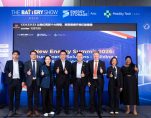
HONG KONG SAR – Media OutReach Newswire – 13 March 2026 – Centre of Advanced Power and Autonomous Systems (APAS), under the Hong Kong Productivity Council (HKPC),made its debut at The Battery Show Asia held from 10 to 12 March. During the exhibition, APAS set up a dedicated showcase area to present eight innovative battery technology solutions featuring high safety standards and intelligent capabilities for the first time. In parallel, APAS hosted the second edition of the New Energy Summit during the exhibition. The summit brought together five industry experts and scholars from Hong Kong, Singapore, Thailand, India and Switzerland to deliver speeches on various topics related to new energy and energy storage. Speakers shared the latest industry developments and application trends, fostering international technology exchange and collaboration.

During the exhibition, APAS hosted the second New Energy Summit, inviting industry experts and scholars from Hong Kong, Singapore, Thailand, India and Switzerland to speak and share the latest technological developments and application trends in the fields of new energy and advanced materials.

Mr Yonghai DU, Chief Innovation Officer of HKPC and General Manager of APAS, said, “In line with the strategic priorities set out in the outline of the 15th Five-Year Plan for emerging and future industries such as new energy, advanced energy storage and hydrogen energy, energy technologies are entering an unprecedented period of growth. The outline also emphasise the pursuit of smart, green, and integrated development of industry, injecting long-term momentum for the new energy development. For many years, HKPC has been committed to market-led technology R&D. APAS focuses on areas including new energy technologies, green transportation, smart mobility, intelligent systems and emerging applications, actively translating research outcomes into market-ready solutions to help industries enhance technological capabilities and industrial value.”

He added, “Through this international platform, we hope to strengthen our collaboration with enterprises and research institutions from around the world. Hong Kong can play a more proactive role as a connector between Chinese Mainland and the global market in the development of innovation, international standards and the practical application of new energy technologies, thereby enhancing the city’s global competitiveness in the new energy industry. Looking ahead, APAS will continue to focus on research and practical applications in new energy and intelligent systems, while advancing technological innovation and cross-regional collaboration to support both the nation and Hong Kong in fostering emerging industries and future industries.”

First Participation in The Battery Show Asia, Highlighting Battery Technology Achievements

The Battery Show Asia brings together more than 20,000 industry representatives from Chinese Mainland, Japan, Korea, Southeast Asia, India, Europe and the United States, including policymakers, technology innovators, engineers, manufacturers and industry experts. Covering battery manufacturing, energy storage solutions and new energy transportation industries, the exhibition serves as an international platform integrating technology showcase, industry exchange and business collaboration.

In its first participation in the exhibition, APAS showcased its research strengths in new energy technologies and emerging applications by presenting a range of innovative battery technology solutions. The showcase aims to contribute to the development of the battery industry while providing an important platform for Hong Kong to connect with global technologies and markets, facilitating cross-regional exchange and collaboration.

APAS set up a dedicated exhibition area to present several research outcomes developed in collaboration with industry partners, including:

  • Battery Cell Technologies:
    • High-performance Sodium-ion Battery: Using stable poly-anionic phosphate cathode, the battery enables rapid storage and release of sodium-ions while offering high safety and cost efficiency. It is suitable for applications such as low-speed electric vehicles, power batteries and large-scale energy storage. Looking ahead, APAS will collaborate with industry partners to establish large-scale production capabilities for high-performance sodium-ion battery, further optimising its performance and cost-effectiveness while exploring deployment in low-speed electric vehicles and utility-scale energy storage systems.
  • Battery Systems and Solutions:
    • Explosion-Proof High-Energy Battery Systems:This solution features proprietary safety technology that prevents thermal runaway, delivering reliable power in the most challenging environments, engineered for demanding marine and portable power applications. APAS will assist partners in optimising battery module design and thermal management systems to enhance product performance and align R&D processes with industry standards. This will support partners in establishing manufacturing facilities in Hong Kong and expanding into overseas markets.
    • Yacht Battery System: The system integrates advanced solid-state battery technology with an intelligent Battery Management System (BMS) to eliminate risks associated with traditional liquid electrolytes, including leakage, corrosion and thermal runaway. It is specifically designed to withstand the high-humidity, high-vibration and salt-spray conditions inherent to open-water yacht operations. APAS is currently supporting partners in obtaining international battery standard certifications to facilitate entry into the global market.

These solutions feature high safety standards, intelligent capabilities, and flexible applications. They support a wide range of sectors, including electric transportation and smart mobility, marine and industrial applications, specialised equipment, aerospace and high-end manufacturing, medical devices, consumer electronics, home assistive equipment and portable energy storage for travel.

Hosting New Energy Summit to Jointly Build a Sustainable Future

During the exhibition, APAS also hosted the second New Energy Summit, which brought together industry leaders and academic experts from Hong Kong, Singapore, Thailand, India and Switzerland. The summit focused on key topics related to new energy development and applications, providing a platform for speakers to share insights and engage in discussions with industry professionals in attendance.

The summit focused on two key themes — new energy and advanced materials — bringing together global experts to explore technological development and industrial applications. In the new energy sector, a representative from The Hong Kong and China Gas Company Limited introduced innovative hydrogen energy technologies and their potential applications in promoting clean energy development in Hong Kong. Representatives from energy technology companies and alliances in Switzerland, India and Thailand shared the latest trends and practical applications in energy storage technologies, as well as the integration of renewable energy with smart infrastructure. In the field of advanced materials, a scholar from the Department of Materials Science and Engineering at the National University of Singapore highlighted the critical role of nanotechnology in energy and sustainable development, offering insights into the future landscape of sustainable new energy.

Through this cross-regional and cross-industry platform, APAS aims to promote international technology exchange and collaboration, accelerate the application of new energy technologies and drive industry transformation, contributing to a more resilient and sustainable future energy ecosystem.

Advancing Technologies onto the Global Stage, Reinforcing Hong Kong’s Connectivity Advantages

HKPC actively participates in various international exhibitions and industry exchange activities to showcase innovative solutions co-developed with industry partners. Leveraging Hong Kong as a platform, HKPC supports enterprises in expanding into international markets and advancing cutting-edge technologies and standards worldwide.

Through international exhibitions and collaboration initiatives, HKPC further strengthens Hong Kong’s role as an important connector between Chinese Mainland and the world. In line with the Government’s 2026-27 Budget to attract large-scale international exhibitions to Hong Kong and promote the city’s exhibition brand globally, HKPC will continue to participate in international exhibitions and foster industry exchanges to drive innovation showcase and collaboration.

Hashtag: #APAS

The issuer is solely responsible for the content of this announcement.

About Centre of Advanced Power and Autonomous Systems (APAS)

Centre of Advanced Power and Autonomous Systems (APAS) (formerly Automotive Platforms and Application Systems R&D Centre) was established in 2006 and is fully integrated as a business division under HKPC on 1 April 2025. APAS continues to undertake market-led R&D programmes spanning green transportation, smart mobility, intelligent systems and emerging applications, as well as commercialises R&D results in collaboration with industry, universities and technology institutes to enhance the competitiveness of Hong Kong’s automotive and other transportation sectors in new energy and smart driving.

About Hong Kong Productivity Council

The Hong Kong Productivity Council (HKPC) is a statutory body established in 1967, dedicated to enhancing the productivity and competitiveness of Hong Kong enterprises through world-class applied R&D, innovative technology services, and integrated manufacturing solutions. As a market-oriented, international R&D organisation, HKPC leverages its deep expertise and extensive industry experience in key areas such as AI, advanced manufacturing, life and health technology, green technology and new energy to drive new industrialisation and support the growth of emerging and future industries.

HKPC focuses on addressing businesses challenges and industrial technology needs, promoting the full integration between technological and industrial innovation. Through technology transfer, product innovation, intellectual property protection and commercialisation of R&D outcomes, the Council fosters collaboration with the local business community as well as top global R&D institutions, delivering added value to industries and advancing the development of new productive forces. HKPC’s world-class R&D achievements have been widely recognised over the years, winning an array of local and overseas accolades, reinforcing Hong Kong’s role as an international innovation and technology centre and a smart city.

To help enterprises capitalise on Hong Kong’s strengths in international connectivity to expand into global markets, HKPC offers comprehensive overseas expansion services tailored to critical areas including product development, technology, manufacturing, and management, enabling businesses to successfully go global from Hong Kong.

HKPC is also committed to providing timely and practical support to SMEs and startups with timely and practical, assisting them in accessing Government funding programmes. Through its FutureSkills training initiatives, HKPC helps both industry and academia stay ahead in latest digital and STEM technologies, nurturing a future-ready talent pool for Hong Kong.

For more information, please visit HKPC’s website: .

International Monetary Fund officials have urged South Africa to ensure that a planned fiscal rule designed to guide public spending and debt management is carefully structured and strongly supported, warning that the success of such a framework will depend on clear targets, institutional oversight and political commitment. The recommendation comes as authorities in Africa’s most industrialised economy attempt to stabilise public finances following years of rising government […]

Global medical technology manufacturer Stryker has been hit by a major cyberattack claimed by an Iran-linked hacker collective, triggering widespread disruption to corporate systems and raising fresh concerns about cyber warfare spilling into commercial infrastructure. The group, calling itself Handala, said it carried out a destructive operation that wiped data across more than 200,000 company devices while extracting roughly 50 terabytes of information from internal networks. The […]

  • Strategic Investment of S$3-5 billion in Singapore to advance AI-ready data centre developments, supporting over 2 GW of AI-ready capacity globally, and driving technological innovation with international ecosystem partners.
  • First-mover advantage as one of Asia Pacific’s top three hyperscale data centre developers, with proven track record delivering large-scale campus developments in Malaysia, Thailand and India, supporting regional AI and cloud demand.
  • Pioneering sustainable energy solutions, including Singapore’s first floating hydrogen power generation model leveraging the nation’s strengths in maritime transport, port infrastructure and global energy supply chains and research into nuclear energy as a future clean power source for data centres.
  • Building an integrated innovation ecosystem in Singapore through partnerships with universities, research institutions and global technology companies, while supporting job creation and talent development initiatives for around 3,000 students and professionals.

SINGAPORE – Media OutReach Newswire – 12 March 2026 – Bridge Data Centres (BDC), a Singapore-headquartered digital infrastructure platform backed by Bain Capital, has announced ambitious plans to invest S$3-5 billion in Singapore to advance next-generation digital infrastructure and strengthen the country’s position as a leading AI and cloud hub in Asia Pacific.

BDC had announced its new strategic brand identity in early 2026 that reflects the Company’s position of being a leading hyperscale and AI-infrastructure builder with a growing network of mega-campus developments in Asia Pacific. With close to a decade of experience developing high quality data centres, BDC’s new brand identity reflects BDC’s reputation as platform built on disciplined execution, certainty of delivery, and the ability to scale with customers.

As AI and high-density workloads accelerate across Asia Pacific, customers are looking for partners who can offer world-class capabilities and local agility, provide bespoke solutions at scale, and deliver and operate with a proven track record.

With Singapore serving as its global headquarters, BDC is uniquely positioned to support hyperscale customers and global technology companies seeking high-performance, sustainable and scalable data centre platforms across Asia Pacific, while enabling global technology companies to establish and expand their presence in Singapore as they develop AI and digital capabilities in the region.

Over the past decade, BDC has established itself as one of Asia Pacific’s leading digital infrastructure developers and operators. The Company currently operates and develops hyperscale campuses across Malaysia, Thailand and India.

Building on strong relationships with global hyperscale customers and ecosystem partners, BDC is on track to expand its regional capacity to approximately 2 GW by 2030.

By deepening its investments in Singapore, BDC aims to support customers seeking world-class digital infrastructure expertise, strong technology partnerships and integrated energy solutions that enable the sustainable growth of AI workloads.

First-mover advantage

BDC is among the first data centre developers to foray into Malaysia, where the Company has several large-scale data centre campuses – both operational and under development.

BDC’s flagship MY06 campus is the Company’s first project in Johor, as well as the state’s first hyperscale data centre development. In addition, BDC is the first data centre developer in Southeast Asia to adopt a build-to-suit (BTS) model for hyperscale data centre construction. BDC was also among the first hyperscale operators in the region to deploy advanced liquid cooling technologies at scale, including cold plate liquid cooling, to support high-density and AI-driven workloads. BDC’s suite of sustainability initiatives at MY06 enabled the facility to achieve an annualised Power Usage Effectiveness (PUE) of below 1.2.

BDC is also the first in Southeast Asia to incorporate Prefabricated, Prefinished Volumetric Construction (PPVC) construction, an innovative method that assembles large building sections off site. This enabled BDC to complete MY06 within eight months, which is 40 per cent faster than traditional methods, while reducing on-site dust, waste and noise. This strategy is one of BDC’s key competitive advantages to support the growing needs of hyperscale customers in the region, including Singapore, who need to rapidly scale to meet increasing demand for more capacity to power AI-workloads.

BDC has built Malaysia’s first large-scale Water Treatment Plant (WTP) to treat effluent and convert it into high grade effluent water to cool its upcoming 400MW campus in Ulu Tiram, Johor. The WTP applies advanced Membrane Bioreactor (MBR) and Reverse Osmosis (RO) technologies to deliver superior water recovery and quality. Since commencing operations in 2025, the WTP has been significantly reducing reliance on potable water. It further strengthens the long-term resilience of BDC’s operations and supports Johor’s broader environmental agenda.

The WTP has also attracted interest from regional public agencies. In 2025, BDC hosted a technical visit by representatives from PUB, Singapore’s National Water Agency, who were presented with an overview of the plant’s design and its use of advanced membrane technologies for sustainable water reuse in data centre operations.

BDC’s MY-06 Campus (Building 1) has achieved Singapore’s BCA Green Mark Platinum Award granted under the BCA-IMDA Green Mark International for Data Centres 2024 (GMDC: 2024) framework. The BCA Green Mark Award recognises developers, building owners and individuals who have made outstanding achievements in environmental sustainability in the built environment. BDC is the first data centre operator to achieve this recognition for a facility based outside of Singapore. Beyond project certification, BDC has also signed a Memorandum of Understanding with BCA International (BCAI) to support the international adoption of Singapore’s Green Mark standards in global data centre developments. Through this partnership, BDC will promote Singapore’s sustainable building standards globally while reinforcing the country’s position as a leading AI and green digital infrastructure hub in the region.

These capabilities are aligned with Singapore’s Green Data Centre (DC) Roadmap, which emphasises energy efficiency, sustainable resource use and the integration of green energy to support the growth of digital infrastructure. BDC’s experience in delivering high-efficiency campuses positions it well to contribute to these objectives through practical, deployable solutions.

Pioneering energy solutions

As AI workloads drive the rapid expansion of digital infrastructure, energy resilience, data security and sustainability are becoming increasingly important. BDC is advancing a range of initiatives to explore alternative energy pathways and strengthen long-term power strategies.

A key collaboration is with Concord New Energy (CNE), where the partners are jointly developing Singapore’s first floating hydrogen power generation solution tailored for next-generation AI digital infrastructure, marking a significant milestone in advancing low-carbon energy pathways for the data centre sector.

BDC and CNE will also collaborate with Nanyang Technological University (NTU) to support the development of Singapore’s hydrogen ecosystem, accelerating research, engineering and the deployment of scalable clean energy technologies for digital infrastructure applications.

In addition, BDC is working with Singapore’s Agency for Science, Technology and Research Institute of High Performance Computing (A*STAR IHPC) and HY to evaluate the potential of nuclear energy as a long-term clean power source for data centres.

BDC’s alliance with A*STAR IHPC and HY will leverage advanced modelling and engineering expertise to explore innovative low-carbon energy pathways that will support Singapore’s sustainable digital growth while reinforcing the nation’s position as a trusted global technology hub.

BDC has also established partnerships with global leaders in energy and energy storage technologies, including CATL, EcoCeres, SK Innovation. Through these collaborations, the partners will jointly explore the establishment of innovation and research platforms to advance the development and pilot deployment of clean energy solutions such as hydrogen and biomass energy, as well as next-generation energy storage technologies designed for tropical climates. These initiatives aim to enhance thermal management, improve safety performance and increase the power density of data centre energy storage systems.

These collaborations and pilot initiatives will also contribute to talent development and workforce capability building in Singapore’s digital infrastructure and energy sectors. Through joint research programmes, technology pilots and knowledge exchange with universities, research institutions and industry partners, BDC aims to support the development of specialised expertise in areas such as advanced energy systems, sustainable data centre design, and next-generation cooling and energy storage technologies.

The initiatives are also expected to create high-value job opportunities in Singapore, spanning engineering, energy systems research, digital infrastructure operations and advanced technology development. By nurturing local talent and strengthening cross-disciplinary capabilities, these efforts will help build a robust talent pipeline to support Singapore’s growing AI and digital infrastructure ecosystem.

These partnerships represent a strategic step in BDC’s long-term roadmap to diversify power sourcing pathways, enhance energy security, and future-proof its Singapore data centre portfolio amid evolving grid constraints and decarbonisation dynamics. They also reinforce Singapore’s position as a regional hub for AI-ready digital infrastructure, while supporting the nation’s broader ambitions in sustainable energy innovation and green economic growth. Furthermore, these advancements accelerate Singapore’s ambition to achieve its net zero emissions goal by 2050.

Advancing technology and ecosystem growth

BDC is also pushing the envelope in innovative and sustainable cooling solutions through collaborations with ecosystem technology partners such as Vertiv, Terahop and Teracule, which are subsidiaries of Zhongji Innolight, as well as Delta Electronics and Supermicro.

Many of these partners are established leaders in data centre cooling, power systems and high-performance computing infrastructure, and are active participants in the broader AI infrastructure ecosystem, working closely with leading chipmakers to support next-generation compute environments.

Through its collaboration with Teracule and Terahop, the subsidiaries of Zhongji Innolight, BDC is exploring opportunities to jointly develop next-generation liquid cooling modules and high-performance optical connectivity solutions tailored for AI data centre environments. By combining Innolight’s expertise in optical modules and high-speed interconnect technologies with BDC’s experience in hyperscale data centre design and operations, the partners aim to advance integrated solutions that enhance thermal efficiency, data transmission performance and system reliability for high-density AI workloads.

The collaboration will also explore the establishment of joint research and development initiatives in Singapore, bringing together industry, academia and research institutions to support innovation in AI infrastructure technologies. Through this industry–academia-research collaboration model, the partners aim to accelerate the development and commercialisation of advanced cooling and connectivity technologies while contributing to Singapore’s broader push to strengthen research, talent development and innovation within the digital infrastructure ecosystem.

Together, these alliances focus on the development of advanced liquid cooling architectures, high-density GPU cooling solutions, and energy-optimised HVAC systems designed to support increasingly compute-intensive workloads. These technologies are critical in enabling the efficient operation of AI infrastructure, particularly as rack densities and thermal loads continue to rise in next-generation data centre environments.

Driving regional connectivity

As a Singapore-headquartered digital infrastructure platform, BDC continues to strengthen Singapore’s position as a regional hub for digital infrastructure and AI-driven innovation. With its highly developed connectivity ecosystem, robust regulatory environment and strong international network links, Singapore plays a central role in enabling the growth of the digital economy across Asia Pacific.

In this context, Singapore serves as one of the primary regional hubs, supporting high-value and latency-sensitive digital services such as edge computing deployments, international data traffic management and regional digital service platforms.

To support the burgeoning demand for AI and cloud computing across the region, complementary infrastructure resources across Asia Pacific can help provide additional capacity for compute-intensive workloads, including AI inference, machine learning and large-scale data processing. This cross-border model enables Singapore to remain the connectivity and innovation anchor of the ASEAN digital ecosystem, while regional infrastructure supports the scaling of digital capacity.

BDC’s collaborations with ecosystem partners, including major telecommunications companies and global technology firms, also help expand connectivity networks beyond Asia Pacific, further reinforcing Singapore’s role as a key regional interconnection hub.

One such ecosystem partner is Zenlayer, a leading global edge cloud and connectivity provider with a well-established customer base across Asia Pacific, North America and Europe. Through this partnership, BDC continues to strengthen its regional and international network connectivity anchored in Singapore.

This expanded network reach supports low-latency cross-border digital infrastructure integration, enabling hyperscalers to scale efficiently across markets while leveraging Singapore as one of the core regional gateways for digital services.

Catalysing Singapore’s AI-driven digital growth

Looking ahead, BDC will continue to leverage its operating model as a glocal platform, combining regional scale with deep local execution capabilities to expand across Asia Pacific. The Company’s strategy focuses on connecting key economic corridors, developing high-density, utility-integrated campuses, and working with ecosystem partners to align digital infrastructure growth with evolving energy pathways.

Anchored in Singapore as its strategic regional hub, BDC’s investments and partnerships contribute to the development of a robust digital infrastructure ecosystem that supports AI-driven workloads and cross-border connectivity.

BDC is also adopting an industry–academia–research collaboration mode, bringing together industry partners, universities and research institutes to accelerate innovation in AI infrastructure, advanced cooling technologies and sustainable energy systems. This integrated approach supports the development of new technologies while nurturing local talent and strengthening Singapore’s innovation ecosystem.

BDC’s initiatives in hydrogen, low-carbon power solutions and energy storage further contribute to the growth of Singapore’s green economy, catalysing investment in sustainable energy infrastructure and support the transition towards lower-carbon digital operations.

BDC’s efforts support the creation of high-value jobs and the development of specialised technical expertise in Singapore, spanning engineering, digital infrastructure and advanced energy systems. In addition, BDC will work with universities, research institutes and industry partners to support talent development initiatives, including internships, training programmes and collaborative research opportunities, contributing to the development of a strong local talent pipeline for Singapore’s AI and digital infrastructure ecosystem.

Collectively, these contributions reinforce Singapore’s position as a leading AI and digital infrastructure hub in Asia Pacific, underpinned by resilient, efficient and sustainable infrastructure.
Hashtag: #BridgeDataCentres #Singapore

The issuer is solely responsible for the content of this announcement.

Bridge Data Centres

Bridge Data Centres (BDC) is a Singapore-headquartered hyperscale data centre provider delivering high-performance, next-ready infrastructure across Asia Pacific. Backed by Bain Capital, BDC operates in Malaysia, Thailand, India, and other high-growth markets, with the capability to deliver up to 3 gigawatts (GW) of capacity globally by 2030 through partnerships with sister platforms in Europe and the United States.


Autonomous delivery robots are beginning to move beyond pavements and into urban streets, as robotics company Coco Robotics deploys a faster generation of machines guided by mapping technology originally developed for the global mobile game Pokémon GO. The company says its latest machine, known as Coco 2, can travel at speeds of up to 13 miles per hour while navigating city roads and bicycle lanes where local […]

Arabian Post Staff -Dubai Commercial shipping across the Gulf and the Strait of Hormuz has come under direct attack after a series of coordinated strikes hit at least five vessels, leaving one crew member dead and several ships damaged or ablaze amid escalating regional conflict. Explosive-laden boats believed to be linked to Iran struck two fuel tankers in Iraqi waters near the port of Al-Faw, igniting fires […]

  Cybersecurity researchers have uncovered a series of critical vulnerabilities affecting Google’s Looker data analytics platform that could have enabled attackers to execute malicious code, move between cloud environments and extract sensitive corporate data. The flaws highlight growing security concerns surrounding widely used cloud-based analytics tools that sit at the centre of many organisations’ data infrastructure. Security specialists from the cybersecurity firm Tenable identified two major vulnerabilities—collectively […]

Arabian Post Staff -Dubai Apple is preparing an updated generation of iMac desktops expected to arrive later in 2026, with industry analysts pointing to new colour options and performance upgrades as the company continues to expand its Mac product strategy amid rising competition in personal computing. The anticipated refresh would build on the redesign introduced with Apple’s 24-inch iMac line powered by its custom silicon processors. Supply-chain […]

By K Raveendran Uncertainty surrounding the trajectory of the Iran war has unsettled global oil markets, producing dramatic price swings that underline the fragility of energy supply expectations in a period of geopolitical stress. Within a matter of days, benchmark crude prices have oscillated sharply between levels approaching $120 per barrel and dips into the […]

The article Wild Swings In Petroleum Prices May Be An Exaggerated Response appeared first on Latest India news, analysis and reports on Newspack by India Press Agency).

New Singapore facility integrates flexible and rigid sterile barrier packaging systems development under one roof to simplify and accelerate package design and speed to market

SINGAPORE – Media OutReach Newswire – 11 March 2026 – Nelipak® Corporation (“Nelipak”), a leading global provider of healthcare packaging solutions, today announced the opening of its new Asia-Pacific Technical Development Center located in Singapore. This new facility establishes an integrated technical development capability in the Asia-Pacific region combining Nelipak’s flexible and rigid sterile barrier packaging design and innovation capabilities under one roof.

(L-R) Roger Prevot, Chairman, Nelipak, Aldin Velic, Vice President and General Manager, Asia-Pacific, Nelipak, Soo Haw Yun, Vice President, Global Enterprises, Singapore Economic Development Board, Pat Chambliss, Chief Executive Officer, Nelipak, Sean Patel, Vice President, Commercial Development, Nelipak

This investment marks a major milestone in Nelipak’s global growth strategy and establishes a permanent technical and innovation presence in one of the world’s fastest-growing medical device innovation and manufacturing hubs. Its strategic location in Singapore offers a launchpad to Asia-Pacific’s medtech and biomedical industries, owing to the country’s strong global connectivity and growing healthcare manufacturing and research capabilities.

The center will enable Nelipak to support customers across Southeast Asia, China, Japan, Korea, India, Australia, and New Zealand. It combines personalized real-time collaboration with Nelipak’s global manufacturing and innovation network to ensure that packaging solutions developed in Asia-Pacific are globally scalable and production-ready.

Designed to enhance how medical device and pharmaceutical companies develop and validate sterile packaging systems, the Asia-Pacific Technical Development Center enables customers to arrive with a medical device concept and leave with a validation ready packaging design and physical samples. For device manufacturers, the benefit is immediate and tangible. Customers can engage directly with Nelipak’s technical experts to co-develop and validate bespoke sterile barrier solutions, streamline iteration cycles and regulatory processes, and accelerate time to market.

The center supports the development of Nelipak’s comprehensive range of custom designed sterile-barrier packaging solutions which integrate both flexible and rigid formats. Its capabilities are also designed to support ISO 11607-compliant development, risk mitigation, and accelerated commercialization for Class I through Class III medical and pharmaceutical devices.

“Asia-Pacific is an important and growing region for global medical device innovation, manufacturing, and consumption,” said Pat Chambliss, Chief Executive Officer of Nelipak. “Our new Asia-Pacific Technical Development Center located in Singapore represents a foundational investment that supports our global customer base while anchoring Nelipak firmly in the Asia-Pacific region. It reflects our ongoing commitment to ensuring customer access to our broad range of flexible and rigid sterile barrier packaging solutions which are widely used globally and have been used extensively in the region for over 30 years.”

“Medical device customers are under enormous pressure to move faster without compromising safety, compliance, or performance,” said Aldin Velic, Vice President and General Manager, Asia-Pacific, Nelipak. “Our goal with this center is simple. Customers walk in with a device and a packaging challenge, and they leave with an engineered packaging solution, prototype samples in hand, and a clear path to development, validation and commercialization. We are replacing distance, delay, and fragmentation with expertise, speed, and collaboration.”

The Asia-Pacific Technical Development Center is equipped to support early-stage concept development, line extensions, material transitions, and risk mitigation projects, including changes driven by sterilization modality, regulatory requirements, or supply chain resilience. By unifying rigid and flexible packaging development in a single location, Nelipak enables holistic and optimized sterile barrier system design rather than isolated and fragmented component development.

“We congratulate Nelipak on the opening of its first Technical Development Center in Asia-Pacific. The new center will enable Nelipak to work closely with pharmaceutical and medical device companies in the region to accelerate product development and launches. The investment is a welcome addition to Singapore’s growing biomedical sciences ecosystem and strengthens our role as a regional hub for medtech innovation,” said Soo Haw Yun, Vice President, Global Enterprises, Singapore Economic Development Board.

This investment builds on Nelipak’s long-standing commitment to innovation, quality, and customer collaboration and reinforces the company’s broader expansion across Asia-Pacific. It also reflects growing demand from global medical device manufacturers for regionally based technical support that meets the same standards of rigor, speed, and expertise available in established Western markets.

Hashtag: #Nelipak #Healthcare #HealthcarePackaging #MedicalDevices #Pharma


The issuer is solely responsible for the content of this announcement.

About Nelipak®

Nelipak® is a leading global provider of healthcare packaging solutions including rigid and flexible sterile-barrier packaging for medical device, diagnostic, pharmaceutical drug delivery, and other demanding applications. To support the development of innovative sustainable packaging solutions, Nelipak® offers in-house design, prototyping, tooling, simulation, validation, laboratory, and other value-added services as well as a line of tray sealing equipment. With over 1,600 employees, Nelipak operates at 14 sites globally, including 8 sites in the Americas (USA, Costa Rica, Puerto Rico), 5 sites in Europe (Ireland, Netherlands, UK), and 1 site in Asia (Singapore). Nelipak® is committed to delivering superior quality, service, and customer experience through world-class cleanroom manufacturing. For more information, visit www.nelipak.com.

Follow us on:

LinkedIn:
Twitter:

VISHNU RAJA
RYO YAMADA
HITORI GOTOH
IKUYO KITA
Just in:
Saudi fund assets forecast to cross $400 billion // Nvidia appoints Colette Kress interim chief after Huang departure // Valarmathi restarts fast as teachers defy police // Crescent Enterprises venture arm funds Oyster Therapeutics development // Ladakh Ban On Protests Ahead Of Election Is Uniquely Contentious // DP World transports million containers through UAE corridors // Yicura BioMed Advances Dual Capital and Industrial Strategy: Completes First Closing of Series B Financing Led by Gobi Partners // Spain housing strike disrupts transport and industry nationwide // Microsoft outage leaves Outlook and Teams users disconnected // EBANX and Eneba strengthen partnership in Latin America with 138% YoY growth in payment volume // Fujairah highway pile-up leaves 14 dead and 30 injured // Modi ally flags youth opportunities gap despite growth // Electric and hybrid interest rises at Sharjah car market // L’OCCITANE Celebrates 50 Years Of Provençal Craftsmanship With Holiday 2026 Collection // MG Motor presents four electrified vehicles at Dubai exhibition // Court reinstates Police association rejig order // ONYX Hospitality Group Unveils Plans for Amari Samui Resort and Villas, Elevating Its Premium Resort Offering on Koh Samui // U.S. Democratic Leadership Starts Dialogue With Progressive Bloc For Joint Strategy // LANDMARK Presents ‘Destination CENTRAL’: A District-Wide Celebration Inviting Global Travellers to Explore the Dynamism, Luxury, and Soul of Central // New Zealand bond bids reach thirteen-year auction peak //