News related to
Vehicle

A fleet of innovative air taxis is set to transform transportation in the United Arab Emirates, with over 400 test flights completed ahead of the anticipated 2025 launch. This new mode of transport promises to drastically cut travel time between Dubai and Abu Dhabi, reducing the journey from 60-90 minutes to a mere 10-20 minutes. The air taxis, designed to carry up to four passengers, are being […]

ASK Private Wealth, the advisory and family office arm of the Blackstone-backed ASK Asset and Wealth Management Group, is targeting non-resident Indians (NRIs) and overseas citizens of India (OCIs) with a new fund aimed at raising $100 million. The launch of this fund marks a significant strategic move by the firm to tap into the growing demand for investment in Indian capital markets by high-net-worth individuals based abroad, particularly in the Gulf Cooperation Council (GCC) region.

This newly launched ASK Wealth Advisors (ASKWA) India Opportunities Fund is specifically designed to cater to the investment preferences of NRIs and OCIs. Somnath Mukherjee, Chief Investment Officer and Senior Managing Partner at ASKWA, emphasized that the fund offers an opportunity for wealthy Indians abroad to capitalize on India’s economic growth while diversifying their portfolio. The fund, he explained, is part of a larger strategy to connect with the wealthy diaspora, particularly in the GCC, where there is a sizable population of ultra-high-net-worth individuals (UHNWIs).

ASKWA is seeking to tap into this demographic as NRIs in the Gulf region have consistently shown a strong inclination towards investing in India. The fund will primarily focus on a diversified portfolio of Indian equities, targeting sectors that are expected to benefit from the country’s robust economic growth trajectory. Mukherjee noted that India’s capital markets have shown significant resilience and continue to offer attractive long-term returns for investors. The fund aims to provide a channel for NRIs to participate in India’s growth story, particularly as global economic trends continue to favor emerging markets like India.

The GCC region, particularly countries like the United Arab Emirates (UAE), Saudi Arabia, and Qatar, remains a key source of investment for ASKWA. Mukherjee highlighted that the firm has already seen substantial interest from potential investors in these markets, with many NRIs in the GCC seeking exposure to the Indian stock market. He stated that the UAE has emerged as a hub for wealth management and investment services, attracting a large number of wealthy NRIs looking for efficient ways to manage and grow their wealth.

Mukherjee further explained that ASKWA has ambitious plans to strengthen its presence in the UAE. The firm is exploring the possibility of setting up a physical office in the UAE to better serve its clients in the GCC region. This strategic expansion is part of ASKWA’s broader goal of deepening its engagement with NRI investors, ensuring that they have access to tailored financial solutions that meet their unique investment needs. The GCC, with its concentration of wealthy NRIs, represents a significant market for the company’s growth plans.

The fund launch comes at a time when India is seeing a steady inflow of capital from NRIs worldwide. With Indian equities performing well over the past few years and the country’s economy showing signs of steady growth, NRI investors are increasingly looking at India as a key destination for their investments. Mukherjee noted that the India Opportunities Fund is poised to take advantage of this trend, offering NRI investors a structured and well-managed investment vehicle.

According to wealth management experts, the interest in Indian equities is expected to grow further, given the Indian government’s focus on economic reforms, infrastructure development, and digital innovation. These factors are expected to drive growth in sectors such as technology, financial services, and consumer goods, all of which are key areas of focus for the new ASKWA fund. The fund’s strategy will revolve around investing in blue-chip companies as well as high-growth sectors, providing a balanced risk-return profile for investors.

Mukherjee also emphasized that ASKWA is committed to maintaining high standards of governance and transparency in managing the fund, ensuring that investors’ interests are protected. He assured potential investors that the fund would be managed with a long-term perspective, focusing on delivering sustainable returns over time. This approach, Mukherjee said, aligns with the investment philosophy of many NRIs, who tend to have a long-term horizon when it comes to their investments.

The India Opportunities Fund is expected to attract a wide range of NRI investors, from those seeking growth opportunities in Indian equities to those looking for a reliable way to diversify their investment portfolios. ASKWA has already begun reaching out to its existing NRI clients, with initial feedback indicating a strong interest in the fund. The firm is confident that it will be able to raise the $100 million target, given the level of interest from the GCC and other key markets.

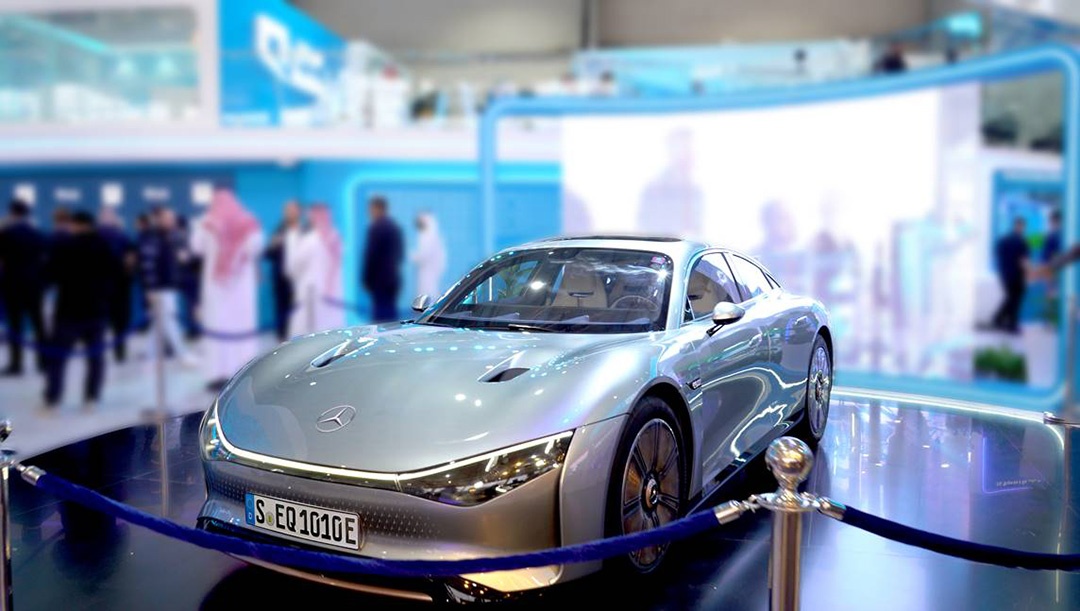
Saudi Arabia’s push towards sustainability and a clean energy future will take center stage at the EV Auto Show 2024, one of the most significant gatherings for the electric vehicle (EV) industry in the Middle East. From September 17th to 19th, the Riyadh International Convention and Exhibition Centre will host automakers, industry experts, and technology innovators from around the world. As the nation seeks to reduce its dependence on fossil fuels, this event marks a key moment in advancing electric mobility in the region.

The EV Auto Show 2024 is expected to attract some of the biggest names in electric vehicle manufacturing, as well as developers of charging infrastructure and related technologies. These participants will be instrumental in Saudi Arabia’s ambitious goals to become a global leader in sustainable energy. The event is more than a showcase of cutting-edge EV models; it represents a broader initiative aligned with the Kingdom’s Vision 2030 plan to diversify its economy and promote environmental responsibility.

Among the most anticipated exhibits are electric cars, commercial trucks, buses, and motorcycles that promise to reshape Saudi Arabia’s automotive landscape. Automakers from across Europe, the US, and Asia will be presenting their latest EV models, reflecting the global momentum in the shift towards electric transportation. Some companies are expected to unveil new vehicles tailored specifically to the needs of the Gulf region, focusing on extreme climate durability, high-performance batteries, and long-range capabilities that meet the challenges posed by the vast Saudi landscape.

Saudi Arabia’s commitment to electric vehicles has been clear over the past few years, as the Kingdom invests heavily in building EV infrastructure. Recent partnerships between the Saudi government and international EV manufacturers have already set the stage for increased local production and assembly of electric vehicles. The show is poised to bring these efforts into sharper focus, with an emphasis on collaborative innovation.

Several regional and international brands will showcase their EV charging solutions at the event. Saudi-based energy firms and multinational companies will demonstrate cutting-edge charging technologies and battery solutions, focusing on both residential and commercial applications. These technologies are pivotal for the growth of the EV market, as reliable and widespread charging infrastructure remains a key challenge in Saudi Arabia’s transition to electric vehicles. The event will feature panels on overcoming these hurdles, with industry leaders and government officials expected to discuss strategies for expanding the country’s EV charging network.

Energy and technology companies are increasingly looking at ways to integrate EVs with renewable energy sources such as solar power. Saudi Arabia’s abundant sunlight presents a significant opportunity to harness clean energy for EVs, reducing both emissions and energy costs in the long term. At the show, experts will discuss how solar-powered EV charging stations can support the country’s sustainability goals, especially as the Kingdom ramps up investment in its burgeoning solar industry.

Key figures in Saudi Arabia’s automotive and energy sectors have noted that the transition to electric vehicles is no longer a distant goal but an immediate priority. The EV Auto Show is expected to catalyze both consumer interest and industry momentum, with stakeholders eager to capitalize on the growing demand for sustainable transportation options. With gasoline prices fluctuating and global environmental policies tightening, EV adoption is not just a matter of preference but a strategic imperative for the Kingdom.

Public interest in electric vehicles has surged across Saudi Arabia, particularly among younger consumers who are increasingly aware of the environmental impacts of traditional gasoline-powered cars. To meet this rising demand, several local companies are making strides in EV development and marketing. In particular, Saudi Arabia’s own Public Investment Fund (PIF) has invested billions in Lucid Motors, a leading American EV manufacturer. Lucid has already established a production facility in King Abdullah Economic City (KAEC), marking a major milestone in local EV manufacturing. The partnership is seen as a crucial step in positioning the Kingdom as a future hub for electric vehicle production in the region.

Beyond private investment, government support for EVs in Saudi Arabia has been robust. In line with Vision 2030, the Saudi government has implemented policies designed to encourage both manufacturers and consumers to embrace electric mobility. Incentives such as tax breaks for EV buyers, subsidies for local manufacturers, and government contracts for EV fleets are just some of the measures aimed at fostering a supportive environment for the industry’s growth. These policies, coupled with investments in renewable energy, are part of a broader strategy to position the Kingdom as a leader in the clean energy transition.

The environmental impact of EV adoption is also a significant consideration for Saudi Arabia. While the country is one of the largest producers of oil globally, its leaders are keen to diversify its energy sources to ensure long-term sustainability. Reducing emissions from transportation is a key component of this strategy, as the sector accounts for a considerable portion of the country’s carbon footprint. With electric vehicles seen as a crucial solution to lowering emissions, the EV Auto Show serves as a platform to demonstrate the feasibility and necessity of electric mobility in achieving Saudi Arabia’s environmental goals.


Vietnam’s economic landscape is undergoing a remarkable transformation, led by ambitious Vietnamese brands ready to take on the world. Vingroup, a trailblazing conglomerate, exemplifies this trend, inspiring a new generation of entrepreneurs to “think big.” HANOI, VIETNAM – Media OutReach Newswire – 6 September 2024 – Visitors to Vietnam in recent decades will likely notice the ubiquity of Vingroup’s “Vin” brands. From real estate (Vinhome) to hospitality […]

HANOI, VIETNAM – Media OutReach Newswire – 6 September 2024 – Hanoi, Vietnam Amidst a geopolitical and economic landscape fraught with uncertainty, VinFast, the Vietnamese electric vehicle manufacturer, is positioning itself for success with a diversified strategy. By offering a range of products and targeting multiple markets, the company is creating a unique advantage in the rapidly evolving automotive industry. As geopolitical tensions cast a long shadow […]

BMW has revealed plans to introduce a hydrogen-electric vehicle to its lineup by 2028, marking a significant advancement in its commitment to alternative propulsion technologies. This forthcoming model will feature a new hydrogen-electric powertrain developed in collaboration with Toyota, underscoring a significant partnership in the automotive industry.

The hydrogen-electric vehicle will utilize a fuel cell stack to generate power, a departure from traditional battery-electric vehicles which rely on energy stored in batteries. This innovative approach combines the benefits of hydrogen fuel cells with a battery system that can provide additional power during high-demand scenarios. The move is part of BMW’s broader strategy to diversify its lineup and address varying consumer preferences and environmental concerns.

Since late 2022, BMW has been experimenting with hydrogen-electric X5 SUVs, which have been used primarily for testing and demonstration purposes. These initial models were produced in limited quantities and were not available to the public. The new hydrogen-electric vehicle, however, will enter regular production and be available to consumers, representing a key milestone in BMW’s hydrogen strategy.

The collaboration with Toyota brings together two major players in the automotive industry, both of which have invested heavily in hydrogen technology. Toyota, known for its pioneering efforts in hydrogen vehicles, will also incorporate this next-generation powertrain into its own models, signaling a significant step forward for hydrogen propulsion.

Hydrogen fuel cell technology presents several advantages over conventional battery systems. It offers faster refueling times and greater range, attributes that can potentially address some of the limitations associated with electric vehicles. However, the technology also faces challenges, including the high cost of fuel cells and the need for a more extensive refueling infrastructure.

BMW’s decision to advance hydrogen technology reflects a growing interest among automakers in diversifying energy sources. While battery-electric vehicles have dominated the market, hydrogen-powered vehicles are seen as a complementary technology that could play a crucial role in reducing carbon emissions and meeting future mobility needs.

As the automotive industry moves towards greener technologies, BMW’s initiative highlights the competitive landscape of hydrogen vehicle development. The company’s upcoming model will likely set a new benchmark in the industry, contributing to the ongoing evolution of vehicle powertrains and sustainability efforts.

This development aligns with global trends towards cleaner energy solutions and reflects a commitment to innovation in the face of pressing environmental challenges. The introduction of BMW’s hydrogen-electric vehicle by 2028 will not only enhance its vehicle lineup but also potentially influence broader industry practices and consumer expectations.

The partnership with Toyota, a key player in the hydrogen space, signifies a collaborative approach to overcoming the technological and economic hurdles associated with hydrogen vehicles. Both companies are expected to leverage their expertise and resources to advance this technology, paving the way for a new era of automotive propulsion.

As BMW prepares to roll out this new model, the focus will likely be on refining the technology and expanding the infrastructure needed to support hydrogen vehicles. The company’s efforts reflect a strategic vision aimed at positioning itself as a leader in the next generation of automotive innovation.

The forthcoming hydrogen-electric vehicle represents a crucial step in BMW’s evolution and its response to the growing demand for sustainable transportation solutions. By integrating advanced fuel cell technology and leveraging a collaborative development approach, BMW aims to address both consumer needs and environmental imperatives in the automotive sector.

The Internet of Things (IoT) market is set to experience exponential growth over the next decade, with projections estimating its value will soar to $5.33 trillion by 2032, according to industry forecasts. This surge is driven by technological advancements, increasing cloud adoption, and a steady rise in wireless networking capabilities, making IoT an integral part of modern industries and day-to-day life. Research highlights a compound annual growth […]

Advertisements

dnata, one of the world’s leading air services providers, has taken a significant step toward environmental sustainability by transitioning its entire fleet of ground handling equipment to biodiesel in the UAE. This move is part of the company’s larger strategy to reduce its carbon footprint and contribute to global efforts to mitigate climate change. The fleet-wide switch to biodiesel marks dnata’s commitment to achieving long-term sustainability goals, […]

Nissan has unveiled its latest iteration of the Patrol SUV during a high-profile event in Abu Dhabi, marking a significant milestone for the automotive brand. This new model is designed to embody both luxury and rugged capability, catering to a market known for its appreciation of powerful and sophisticated vehicles.

The launch event, held at a prominent Abu Dhabi venue, drew attention from automotive enthusiasts and industry experts alike. The new Patrol is distinguished by its enhanced design features and advanced technology, promising to set new standards in the SUV segment. The vehicle’s debut underscores Nissan’s commitment to innovation and its strategic focus on the Middle Eastern market, which is a key player in the global SUV landscape.

Key features of the new Nissan Patrol include a redesigned exterior that enhances its robust appearance while integrating sophisticated aerodynamic elements. The interior has been upgraded with premium materials and state-of-the-art infotainment systems, aimed at delivering an elevated driving experience. The SUV also boasts improved performance capabilities, including a more powerful engine and advanced suspension systems designed to handle diverse driving conditions.

The global premiere in Abu Dhabi highlights the city’s role as a pivotal hub for automotive launches, reflecting its growing influence in the international automotive industry. The event featured a showcase of the Patrol’s capabilities through live demonstrations and interactive exhibits, allowing attendees to experience the vehicle’s performance firsthand. The unveiling was accompanied by a series of presentations and discussions led by Nissan executives, who emphasized the brand’s vision for the future of automotive innovation and sustainability.

Nissan’s decision to debut the Patrol in Abu Dhabi is also seen as a strategic move to align with the region’s high demand for luxury SUVs. The Middle East market, with its preference for large, powerful vehicles capable of tackling both urban environments and rugged terrains, is an ideal platform for the new Patrol. The SUV’s advanced features, including its off-road capabilities and cutting-edge technology, are tailored to meet the expectations of consumers in this region.

The launch event was attended by a mix of dignitaries, industry professionals, and media representatives, all of whom witnessed the new Patrol’s impressive array of features. The vehicle’s performance was highlighted through a series of dynamic demonstrations, showcasing its capabilities in various driving conditions. The event also included a detailed presentation of the SUV’s design philosophy, emphasizing how it aligns with Nissan’s broader goals of innovation and customer satisfaction.

The new Nissan Patrol aims to build on the success of its predecessors by offering a more refined driving experience while maintaining the robust performance characteristics that have made the model popular in markets around the world. Its launch represents a significant investment in the brand’s future, with a focus on leveraging the latest technologies to enhance vehicle performance and driver comfort.

The Singapore dollar has reached its strongest level against the US dollar in over ten years, reshaping economic dynamics and influencing various sectors from tourism to trade. This notable appreciation of the Singapore dollar, driven by a mix of global economic factors and local financial policies, has brought both opportunities and challenges to different stakeholders.

The current strength of the Singapore dollar, surpassing 1.35 against the US dollar, marks a significant shift in the currency’s performance. This upsurge is attributed to Singapore’s robust economic fundamentals, strategic monetary policies by the Monetary Authority of Singapore (MAS), and a relatively stable political environment compared to other global economies. Investors and analysts have observed that this strength reflects broader trends of a resilient Singaporean economy amidst global uncertainties.

For tourists, this stronger Singapore dollar translates to enhanced purchasing power. Visitors from countries with weaker currencies find their travel budgets stretching further, resulting in increased spending on luxury goods, dining, and entertainment. This shift has been beneficial for Singapore’s retail and hospitality sectors, with luxury boutiques and high-end restaurants reporting a boost in sales from foreign tourists. The tourism sector, a significant contributor to Singapore’s economy, is experiencing a revival as a result of this currency trend.

On the flip side, Singapore’s strong dollar poses challenges for local exporters. Companies exporting goods and services may face reduced competitiveness in international markets due to the higher cost of Singaporean products. This could impact profit margins and market share, particularly in sectors where price sensitivity is crucial. Exporters, especially those dealing with bulk commodities and price-competitive goods, are likely to experience squeezed margins unless they can offset the higher costs through operational efficiencies or increased value addition.

Importers, however, benefit from a stronger Singapore dollar. Lower costs for imported goods can lead to reduced expenses for businesses reliant on foreign products and raw materials. This could translate to lower prices for consumers, especially for imported electronics, vehicles, and other high-value items. The increased purchasing power of the dollar enables businesses to negotiate better terms with international suppliers and capitalize on favorable exchange rates.

The appreciation of the Singapore dollar has also influenced financial markets, with increased capital inflows observed as investors seek stable and profitable opportunities in Singapore. The local stock market has witnessed heightened activity, with foreign investors showing greater interest in Singaporean equities. This influx of investment is bolstering market liquidity and providing additional capital for domestic companies.

Moreover, the currency strength has implications for Singapore’s monetary policy. The MAS, which has a mandate to ensure price stability and economic growth, is closely monitoring the impact of the currency’s appreciation on inflation and economic activity. While a stronger dollar can help in containing import-driven inflation, it also requires careful management to ensure that the broader economic growth is not adversely affected.

The currency’s rise is also intertwined with global financial trends. Investors are increasingly turning to safe-haven assets and stable currencies amid economic uncertainties and geopolitical tensions. The Singapore dollar, often seen as a stable and secure currency, has attracted significant interest from global investors looking to hedge against risks. This trend is reflective of a broader shift towards currencies and assets perceived as safe havens in volatile times.

The detention of Telegram founder Pavel Durov at Le Bourget Airport near Paris on August 24 has sparked significant global concern, with the United Nations expressing apprehension over potential human rights violations. Durov, a Russian-born tech billionaire, was taken into custody by French authorities under a warrant related to his management of Telegram, a platform that has faced widespread scrutiny for its encrypted communication services and perceived […]

With bold ventures across multiple industries, Vingroup exemplifies Vietnam’s potential on the world stage, becoming a symbol of innovation, ambition, and national pride. HANOI, VIETNAM – Media OutReach Newswire – 4 September 2024 – Founded in 1993 by Pham Nhat Vuong, Vingroup has rapidly transformed into Vietnam’s largest private conglomerate. Over the past three decades, the company has played a crucial role in the nation’s development, reshaping […]

Saudi Aramco is set to retain its 10% stake in the joint venture between Renault and Geely, underscoring its commitment to expanding partnerships in the automotive sector. The move signifies Aramco’s strategic focus on strengthening its position within the evolving landscape of automotive technology and sustainable energy solutions.

The alliance between Renault and Geely, formed in early 2024, aims to develop advanced powertrains and enhance vehicle electrification. Aramco’s involvement, first reported in March 2024, was seen as a significant step given its expertise in energy and automotive technologies. The company’s decision to maintain its stake highlights its long-term vision of integrating its energy solutions with the automotive industry’s shift towards sustainability.

Recent industry developments indicate a growing trend of traditional energy companies investing in automotive technologies. This trend reflects a broader shift towards electrification and hybrid powertrains, as automakers and energy firms align strategies to address climate change and evolving consumer preferences.

Aramco’s decision aligns with its broader strategy to diversify its investments and reduce its reliance on traditional oil and gas revenues. The company’s engagement in the Renault-Geely venture is part of a larger effort to position itself at the forefront of energy innovation. By holding onto its stake, Aramco aims to leverage the growing market for electric and hybrid vehicles, which is expected to see substantial growth over the next decade.

The joint venture between Renault and Geely, based in China, represents a significant collaboration in the global automotive industry. Renault, a major player in European automotive markets, and Geely, a key Chinese automotive manufacturer, have combined their resources to accelerate the development of new technologies and expand their market reach. Aramco’s involvement brings additional expertise and resources to the table, enhancing the venture’s capacity for innovation.

Aramco’s focus on maintaining its stake also signals its intention to explore further partnerships within the automotive and technology sectors. The company is reportedly in discussions with other automakers and technology firms to identify new opportunities for collaboration. This strategy is in line with Aramco’s goal of integrating its energy solutions with emerging technologies to drive growth and sustainability.

Analysts view Aramco’s commitment to the Renault-Geely venture as a strategic move that positions the company favorably in the rapidly changing automotive industry. The investment aligns with global trends towards sustainable transportation and energy efficiency. As the automotive industry continues to evolve, Aramco’s role in these developments could play a crucial part in shaping future innovations.

The Renault-Geely joint venture is set to benefit from Aramco’s expertise in energy and its substantial financial resources. This partnership is expected to facilitate the development of advanced technologies and accelerate the adoption of sustainable practices in the automotive sector. The continued collaboration reflects a shared vision of addressing environmental challenges and meeting the demands of a changing market.

With the automotive industry increasingly focusing on sustainability and technology integration, Aramco’s strategic investments are likely to have a significant impact. The company’s decision to retain its stake in the Renault-Geely venture underscores its commitment to being at the forefront of these changes. As the industry progresses, Aramco’s involvement in such partnerships could enhance its influence and drive innovation across the sector.

Abu Dhabi National Oil Company (ADNOC) has announced the initial price thoughts (IPTs) for its latest dollar-denominated unsecured benchmark bond issuance, which will span three tranches with varying maturities. The offerings include five-year, 10-year, and 30-year bonds, reflecting ADNOC’s strategy to attract diverse investor interest while aligning with its long-term funding requirements. The five-year notes are being marketed at approximately 105 basis points (bps) over US Treasuries, […]

Hyundai’s latest addition to the Ioniq 5 lineup for 2025 introduces the rugged XRT model, designed to cater to off-road enthusiasts and those seeking enhanced durability. This new variant expands the Ioniq 5’s appeal, targeting a broader audience with its robust features and advanced capabilities.

The Ioniq 5 XRT boasts several modifications that distinguish it from the standard model. Key enhancements include increased ground clearance, reinforced suspension, and protective body cladding. These upgrades are aimed at improving the vehicle’s performance on varied terrains, from rugged trails to inclement weather conditions. Hyundai’s design philosophy for the XRT model reflects a growing trend in the electric vehicle market towards versatility and adventure readiness.

Hyundai’s commitment to advancing electric vehicle technology is evident in the Ioniq 5 XRT. The model retains the core electric powertrain that defines the Ioniq 5 series, ensuring that the XRT variant maintains the same impressive range and performance metrics. The XRT’s all-wheel-drive system is also a notable upgrade, offering enhanced traction and stability compared to the standard rear-wheel-drive option.

The introduction of the Ioniq 5 XRT aligns with a broader industry trend where traditional automakers are expanding their electric vehicle portfolios to include more rugged and versatile options. This move reflects an increasing consumer demand for electric vehicles that can handle diverse driving conditions while retaining eco-friendly attributes.

Hyundai’s strategy involves not just enhancing the vehicle’s physical attributes but also integrating advanced technological features. The Ioniq 5 XRT will come equipped with the latest version of Hyundai’s infotainment system, which includes upgraded navigation and connectivity options. Additionally, the model will offer a suite of driver-assistance features designed to enhance safety and ease of driving in challenging environments.

Market analysis suggests that Hyundai’s focus on the XRT model could significantly impact the competitive landscape within the electric vehicle segment. As automakers vie to capture market share in the burgeoning electric SUV category, the XRT’s unique combination of ruggedness and electric efficiency positions it as a formidable contender.

Customer reception of the Ioniq 5 XRT is anticipated to be positive, particularly among those who previously viewed electric vehicles as primarily suited for urban environments. The addition of a rugged variant may also appeal to existing Ioniq 5 owners who are looking for an upgraded model with enhanced capabilities.

In terms of production and availability, Hyundai has indicated that the Ioniq 5 XRT will be introduced in select markets by early 2025. The model is expected to have a limited initial release, with broader availability following based on market demand and production capacity. This strategic rollout aims to gauge consumer interest and adjust production plans accordingly.

The Ioniq 5 XRT’s pricing strategy is also a point of interest. While specific figures have not been disclosed, industry analysts anticipate that the rugged model will be priced higher than the standard Ioniq 5 due to the additional features and modifications. Hyundai’s pricing will likely reflect the premium nature of the XRT while remaining competitive within the electric SUV market.

The U.S. Department of Justice (DOJ) has escalated its investigation into Nvidia’s business practices, issuing subpoenas to the chipmaker and other companies. This move marks a significant step towards a potential formal antitrust complaint, reflecting growing concerns over Nvidia’s influence in the AI chip market.

The DOJ’s investigation is probing allegations that Nvidia may be engaging in anti-competitive behavior by creating barriers for competitors and penalizing customers who do not exclusively purchase its AI chips. This scrutiny comes amid a broader regulatory push to ensure fair competition within the technology sector.

The subpoenas, which are legally binding, require Nvidia and other firms to produce documents and information relevant to the inquiry. This marks a deeper dive into Nvidia’s business dealings, focusing on its market practices and contractual obligations imposed on its clients.

Central to the DOJ’s investigation is the question of whether Nvidia’s market dominance in AI chips has led to unfair practices that inhibit competition. There are concerns that Nvidia might be using its significant market power to lock in customers and make it challenging for them to switch to other suppliers. The inquiry is examining whether Nvidia’s practices have resulted in higher prices or restricted choices for buyers in the AI sector.

Industry experts have noted that Nvidia’s market position is bolstered by its substantial technological lead in AI chip development. This dominance has allowed the company to establish significant footholds in various sectors, from data centers to autonomous vehicles. However, the DOJ’s scrutiny highlights potential issues with how Nvidia manages its market power and interacts with its customer base.

In response to the DOJ’s actions, Nvidia has stated that it is fully cooperating with the investigation and is committed to maintaining fair competition. The company asserts that its practices are in line with legal standards and are aimed at fostering innovation and supporting its customers’ needs. Nvidia’s compliance with the subpoena is expected to involve extensive document production and possibly interviews with key executives.

This intensified investigation comes against a backdrop of increasing regulatory focus on major tech companies. The DOJ’s move aligns with broader efforts by federal authorities to address perceived anti-competitive behaviors in the technology industry, particularly among dominant players like Nvidia.

China has initiated an anti-dumping investigation into imports of Canadian canola, a move that follows Canada’s recent decision to impose tariffs on Chinese electric vehicles. The announcement, made by Chinese authorities on Tuesday, comes amid rising concerns over trade imbalances and market fairness.

The anti-dumping probe is set to examine whether Canadian canola is being sold at below market value in China, potentially harming the domestic canola industry. This development has significantly impacted the market, with domestic rapeseed oil futures in China surging to their highest levels in a month. The increase in prices reflects heightened market tension and uncertainty surrounding trade relations between the two countries.

The timing of China’s investigation is linked directly to Canada’s recent tariff measures. Canada had previously imposed tariffs on Chinese electric vehicles, citing concerns over unfair trade practices. This action appears to have prompted China to scrutinize Canadian canola imports more closely, signaling a potential escalation in trade tensions between the two nations.

China is one of the largest importers of canola, and Canadian canola represents a significant portion of its supply. The outcome of the investigation could have far-reaching implications for trade relations between China and Canada, potentially affecting the flow of canola and other agricultural products between the two countries.

Experts suggest that this move by China is part of a broader strategy to address trade imbalances and ensure fair competition in its domestic market. The investigation is expected to take several months, during which time both countries will likely engage in negotiations to resolve the issue. The outcome will be closely watched by industry stakeholders and policymakers, as it could influence future trade agreements and market dynamics.

The surge in rapeseed oil futures underscores the immediate impact of the investigation on the market. Traders and analysts are monitoring the situation closely, as any prolonged disruption in canola supplies could lead to increased volatility in global agricultural markets.

Armacell, a leading player in the flexible foam and engineered foams sector, has fully acquired JIOS Aerogel shares from its joint venture partner JIOS. This move marks a significant shift as JIOS refocuses on the electric vehicle market, while Armacell aims to enhance its aerogel production capabilities.

The acquisition of JIOS’s stake in Armacell JIOS Aerogels Limited (AJA) follows the joint venture’s notable success since its establishment in 2016. Initially set up to leverage JIOS’s patented silica aerogel technology, AJA has thrived under Armacell’s global sales and marketing network. The joint venture has become renowned for its ArmaGel® product line, which serves high-temperature and cryogenic insulation needs in the energy industry.

Armacell’s move to acquire full ownership of AJA aligns with its strategy to expand its presence in the aerogel market. The company’s investment aims to boost its production capabilities at AJA’s facility in Cheonan, South Korea. This plant is currently capable of producing over 700 tonnes of aerogel powder annually, with immediate plans for expansion to meet growing market demands.

The acquisition underscores a broader trend of specialized material companies realigning their business strategies. As JIOS channels its resources toward the burgeoning electric vehicle sector, Armacell is reinforcing its position in the aerogel segment, known for its unparalleled insulation properties. Aerogel, recognized as the world’s lightest solid material, offers superior thermal insulation, making it a valuable asset in various industrial applications.

Armacell’s expansion into a fully integrated aerogel producer highlights the company’s commitment to innovation and market growth. The full acquisition of AJA will enable Armacell to consolidate its position as a leading manufacturer of advanced insulation materials, leveraging the synergies of its established global network and JIOS’s technological expertise.

The move also reflects an increasing focus on strategic partnerships and acquisitions within the industrial materials sector. Companies are adapting to evolving market demands by reconfiguring their portfolios and capabilities to maintain competitive advantage.

The evolution of Armacell’s involvement in the aerogel market signifies a pivotal moment in its growth strategy, setting the stage for new developments in the field of high-performance insulation materials.

Dubai’s Roads and Transport Authority (RTA) has launched two significant bridges as part of the ongoing Al Khail Road development project. The bridges are a crucial element in the city’s efforts to enhance traffic flow and connectivity on one of its busiest highways. The newly opened bridges span across major intersections and are designed to alleviate congestion and support the growing traffic demands of Dubai. With the […]

Automobile prices in the UAE are experiencing notable shifts as Chinese car manufacturers increasingly penetrate the market. This change is attributed to competitive pricing strategies and an expanding presence of Chinese brands in the region. Chinese automakers have significantly disrupted the UAE car market by offering models that are both affordable and technologically advanced. Brands such as BYD, Geely, and Great Wall Motors have introduced a range […]

KUALA LUMPUR, MALAYSIA – Media OutReach Newswire – 2 September 2024 – The influence of presidential elections on financial markets is often temporary. Still, the psychological effect of elections on traders and investors can cause emotional and illogical behaviour, contributing to increased market swings. Apart from the White House, the Senate is also up for grabs this fall, and the balance of power inside the legislative branch […]

As Vietnam becomes a magnet for foreign investment, Vingroup is at the forefront of the country’s global ascent. Beyond the electric vehicle company VinFast, the conglomerate is making waves in real estate, tourism, and technology, with initiatives like VinFuture underscoring the company’s commitment to a better world. HANOI, VIETNAM – Media OutReach Newswire – 30 August 2024 – Vietnam’s economy is revving up, with foreign investment pouring […]

HEFEI, CHINA – Media OutReach Newswire – 30 August 2024 – “Smart Manufacturing, Creating a Better Future” — the 2024 World Manufacturing Convention is scheduled to take place from September 20 to September 23 in Hefei, Anhui Province, China. This year’s convention will focus on the new stage of development, fully embracing new development strategies, and integrating into the global economic landscape. The convention aims to establish […]

Insurance premiums for electric vehicles (EVs) in the United Arab Emirates (UAE) have sharply increased following the heavy rains experienced in April. The severe weather conditions, which led to widespread flooding and property damage, have prompted insurers to reassess their coverage policies for EVs.

The flooding caused extensive damage to infrastructure and homes across the UAE, intensifying concerns about the vulnerability of electric vehicles to water-related damages. As a result, many insurance providers have adjusted their pricing models to reflect the increased risk. Insurers are now imposing higher premiums and more restrictive coverage terms for EVs, reflecting the perceived higher risk of water damage and related issues.

Industry experts attribute this spike in premiums to several factors. Firstly, the cost of repairs for EVs damaged by flooding is often higher compared to conventional vehicles. This is due to the specialized components and advanced technology in electric vehicles, which require more costly repairs or replacements when damaged. Additionally, the increased risk of battery-related issues in flooded conditions has led to greater caution among insurers.

Several insurance companies have become more selective in providing coverage for EVs, with some firms opting to limit their exposure by reducing their coverage options or even discontinuing insurance for certain models. This has led to a challenging environment for EV owners seeking comprehensive insurance coverage.

In response to the rise in premiums and the tightening of coverage options, many EV owners are now exploring alternative insurance providers and considering additional protective measures for their vehicles. Some are opting for specialized flood protection add-ons or investing in aftermarket modifications to enhance their vehicles’ resilience to water damage.

The impact of these changes on the broader EV market in the UAE is yet to be fully determined. However, the increased cost of insurance and limited coverage options are likely to affect consumer confidence and adoption rates for electric vehicles in the region. As the UAE continues to push for greater adoption of electric vehicles as part of its sustainability goals, addressing the insurance challenges will be crucial to maintaining momentum in the EV sector.

Insurance providers are expected to continue evaluating their policies and pricing strategies in light of the evolving risk landscape. The UAE government and industry stakeholders may need to collaborate on developing guidelines and support mechanisms to mitigate the impact of such extreme weather events on both insurance costs and the broader EV market.

VISHNU RAJA
RYO YAMADA
HITORI GOTOH
IKUYO KITA