Just in:
Yicura BioMed Advances Dual Capital and Industrial Strategy: Completes First Closing of Series B Financing Led by Gobi Partners // Lego restores BrickLink marketplace after security investigation // Electoral register gains 2.17 lakh voters // Microsoft outage leaves Outlook and Teams users disconnected // Inpex reaffirms Gulf oil strategy despite shipping constraints // TORRAS Launches Two New iPhone Duo Cases from Its Popular Ostand Series, Addressing Foldable Phone Users’ Concerns About Difficult Stand Positioning and Scratches // OpenAI unveils ChatGPT Wallet for agent-led purchases // Woman found dead as bank moves to repossess home // L’OCCITANE Celebrates 50 Years Of Provençal Craftsmanship With Holiday 2026 Collection // China Reconciled To U.S. Curbs On Chips Exports, Woos South Korea For Supply // Sun World Ba Den Mountain marks Vietnam Culture Day, welcoming Cambodian visitors over Bon Om Touk // Nvidia appoints Colette Kress interim chief after Huang departure // Rooftop solar planning gaps behind power shortages // The Honey Trap Is The Headline, The Chip Pipeline Is The Story // IEA forecasts fourth-quarter oil surplus as Gulf shipments rebound // US authorities dismantle North Korean cryptocurrency deception infrastructure // Microsoft restores services gradually but gives no recovery deadline // Saudi fund assets forecast to cross $400 billion // October Food Price Shock Has Far Reaching Consequences // Salik posts Dhs1.045bn profit despite lower toll traffic //

News related to
Vehicle

By Ashok Nilakantan Ayers SILICON VALLEY / SAN FRANSISCO / CALIFORNIA: The numbers are staggering. Microsoft has spent over $20 billion building data centres stuffed with the most powerful computer chips ever made. Meta is burning through billions more, weaving artificial intelligence into Instagram, WhatsApp, and Facebook. Google and Amazon are locked in a cloud-computing […]

The article The Great AI Gold Rush By US Big Tech Companies Through Huge Investment appeared first on Latest India news, analysis and reports on Newspack by India Press Agency).

Kenya’s total exports during the second quarter of 2025 rose by 1.7 per cent to reach KSh 280.0 billion, while imports grew more sharply, pushing up the overall merchandise trade deficit. That dynamic contributed to a wider current account shortfall and signalled that economic headwinds could complicate the country’s external balance even as growth picks up. Export strength this quarter was driven largely by gains in coffee, […]

JPMorgan Chase & Co has upgraded its recommendation on China’s stock market to “overweight,” arguing that potential gains in the coming year now outweigh the risks of sharp losses. Strategists at the firm, including Rajiv Batra, explained that China’s market has already surrendered much of its outperformance this year, creating what they describe as an attractive entry point. They highlighted a combination of factors poised to support equities — widespread adoption of artificial intelligence, renewed consumption measures, and expectations of governance reforms. The performance setback appears to have reset valuations and left positioning relatively light, paving the way for what JPMorgan analysts see as potentially strong upside ahead.

The shift follows a quarter in which the MSCI China Index dropped around 6.2 percent even as broader regional indices in Asia-Pacific posted modest gains. JPMorgan noted that the Chinese equity market remains in the early stages of recovering from a downcycle that began in late 2020. With valuations now seen as acceptable and investor sentiment subdued, the bank anticipates room for rally once supportive catalysts take hold.

Analysts argue that companies tied to technology and AI stand to benefit most from upcoming tailwinds. Firms previously weighed under regulatory and macroeconomic uncertainty may now attract renewed investor interest, especially where corporate governance improvements and capital discipline have strengthened balance sheets. Entities with exposure to domestic consumption, industrial automation, electric vehicles, and energy storage are viewed as especially well positioned.

Some investors remain cautious, citing lingering macroeconomic headwinds, weak property prices, deflationary pressures and subdued consumer sentiment that have dampened retail participation in equity markets. But for long-term investors with a willingness to absorb volatility, JPMorgan’s call marks a turning point: the market’s immediate downside appears limited while its upside — if China’s growth impulses and structural reforms materialise — could be substantial.

JPMorgan also sees potential gains for Asian equities more broadly. With China, Hong Kong, South Korea and India judged as overweight, and Taiwan as neutral, the bank expects the MSCI Asia ex-Japan Index could rise roughly 15 percent from current levels if global liquidity remains supportive. Regional equities, they argue, may benefit from a reorientation of capital flows away from developed markets towards Asia’s current valuations.

At the same time, the bank’s optimism contrasts with more cautious forecasts from some rivals, which warn earnings uncertainty and high valuations could trigger consolidation rather than a sustained rally. That divergence underscores the highly bifurcated nature of the market: selective positioning may offer rewards, but indiscriminate exposure could remain risky.

A massive fire tore through the Wang Fuk Court housing estate in the Tai Po district of Hong Kong, killing at least 55 people and leaving around 279 unaccounted for, according to officials on Thursday. Flames ripped through seven high-rise residential blocks surrounded by bamboo scaffolding and green construction mesh, with one of the dead identified as a firefighter who had been battling the blaze. Over 60 […]

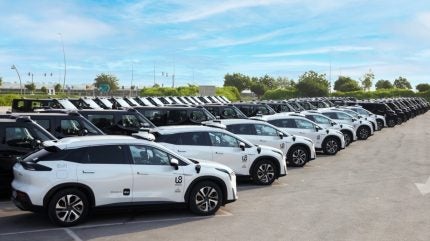
Abu Dhabi now offers public rides in fully driverless robotaxis operated jointly by WeRide and Uber, marking the first deployment of such services on the Uber platform outside the United States. Passengers can hail an autonomous vehicle on Yas Island using the Uber app — either through UberX or Uber Comfort — or select the newly added “Autonomous” ride option for a dedicated robotaxi.

The launch follows grant of a city-level commercial permit for Level 4 autonomous driving, issued in late October to WeRide, allowing the company to operate robotaxis without a safety driver on board. Local transport authorities approved the licence after WeRide demonstrated its technology and safety protocols through extensive testing over several months. This regulatory clearance and licensing represent a breakthrough in public acceptance of self-driving mobility in the region.

Initial operations are restricted to the tourist and leisure enclave of Yas Island, home to the Formula 1 Grand Prix circuit, where road traffic and infrastructure are relatively controlled. WeRide and Uber plan to expand coverage into central Abu Dhabi by the end of the year, aiming to broaden the footprint beyond the initial zone. The fleet — managed in collaboration with local operator Tawasul Transport — includes GXR-class robotaxi vehicles equipped with multiple sensors and cameras to navigate urban streets autonomously.

WeRide retains what it describes as a four-year first-mover advantage in deploying robotaxis in Abu Dhabi, having operated test and pilot robotaxi services since 2021. The company’s broader Middle East fleet already includes more than 100 robotaxis, with ambitions to scale into thousands over the coming years. This launch fits into Uber’s global vision for autonomous mobility, which aims to expand driverless operations to at least 10 cities by the end of next year.

Ride-hailing firms and autonomous-vehicle companies have long eyed the Middle East as a favourable terrain for self-driving deployment, thanks to relatively predictable urban layouts, supportive regulators, and growing appetite for smart mobility solutions. For Uber and WeRide, the Abu Dhabi rollout demonstrates that regulatory, technological and commercial challenges can be addressed in unison.

City officials from the Integrated Transport Centre have emphasised that the licensing process required rigorous review of safety standards and compliance steps before granting commercial operator status. WeRide had earlier secured a national-level licence for self-driving vehicles in 2023, and the new city-level permit is among the first of its kind outside the United States. That dual-licence history helped accelerate trust among authorities and the public.

Drivers and ride-hailing staff will still be involved behind the scenes — Uber, through Tawasul Transport, will handle fleet maintenance, cleaning, charging and vehicle readiness, while WeRide retains responsibility for sensor calibration, software updates and compliance. That model reflects a hybrid approach aimed at balancing technology, operations and safety.

Passengers have reacted with cautious optimism. Some early users welcomed the novelty and convenience of driverless rides, especially in a region with extreme weather and limited public transport options. Others raised concerns over reliability, data privacy, and how the autonomous system would respond to unpredictable road events such as pedestrians or errant drivers.

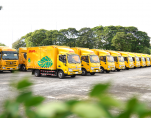
STA. ROSA, LAGUNA, PHILIPPINES – Media OutReach Newswire – 26 November 2025 – DHL Summit Solutions, Inc. (DSSI), the joint venture between DHL Supply Chain APAC and JG Summit Holdings, Inc., today marked a major milestone in its sustainability journey with the inauguration of its Electric Vehicle (EV) fleet. With its investment in 23 electric vehicles and 22 prime movers, DSSI is becoming one of the largest […]

Dubai’s leadership has endorsed a comprehensive architectural identity for the emirate’s road network, signalling a major shift in how transport infrastructure is designed and experienced. Sheikh Hamdan bin Mohammed bin Rashid Al Maktoum, in his capacity as Chairman of the Executive Council of Dubai, approved the framework that aligns with the city’s broader ambition to deliver integrated, sustainable and visually coherent urban environments. The initiative, overseen by […]

Advertisements

A major step in electric-vehicle battery technology has been reached as GAC Group announced the completion of China’s first large-capacity all-solid-state battery production line capable of manufacturing vehicle-grade cells of 60 ampere-hours or more. According to company statements, the new line has achieved an areal capacity of 7.7 mAh/cm², compared with under 5 mAh/cm² for many conventional lithium-ion cells, signalling a potential leap in energy storage performance.

GAC’s research director, Qi Hongzhong, said that the energy density of the new solid-state cells is nearly double that of traditional liquid-electrolyte batteries and that vehicles currently capable of about 500 km range could stretch beyond 1000 km once the technology is integrated. The production line is presently in small-batch testing; vehicle integration trials are planned for 2026, with full mass-production targeted between 2027 and 2030.

This development places GAC among the first manufacturers globally to deploy large-format all-solid-state technology, an area in which automakers and battery firms in Japan, Korea and the United States have long been striving. Analysts observe that scaling solid-state technology from lab cells to industrial manufacturing has been a major bottleneck, primarily due to challenges around thick-electrode fabrication, solid-electrolyte interface stability, and cost. GAC’s ability to hit the 7.7 mAh/cm² threshold suggests the company has resolved at least one of the key obstacles.

The solid-electrolyte used in the new cells reportedly allows higher thermal thresholds—tolerating 300-400 °C compared to about 200 °C for conventional cells—and the battery manufacturing process incorporates a “dry” anode method that combines slurry mixing, coating and rolling into a single step. These process innovations are claimed to reduce energy consumption during manufacture and increase yield.

Alongside GAC’s progress, Dongfeng Motor Corporation is advancing its own all-solid-state agenda, targeting mass production of a 350 Wh/kg solid-state battery in September 2026, which it says will enable electric vehicles to achieve a range in excess of 1,000 km. Dongfeng already operates a 0.2 GWh pilot line and is working on variants of 400 Wh/kg and 500 Wh/kg solid-state batteries. The firm states that its 350 Wh/kg battery retains over 72% of its capacity at –30 °C and passed a 170 °C thermal safety test, surpassing current national standards.

Together these announcements reinforce the increasing pace of commercialization in the solid-state battery sector. Manufacturers hope such cells will deliver significant advantages over conventional lithium-ion chemistry: higher energy density, faster charging, better cold-weather performance and improved safety due to the absence of flammable liquid electrolytes. In GAC’s case, the large-cell format means fewer cells are needed per pack, potentially reducing packaging complexity, cost and weight.

However, experts caution that substantial hurdles remain before widespread adoption. Solid-electrolyte materials and manufacturing infrastructure are still costly, and long-term durability in automotive conditions – repeated charge/discharge cycles, thermal stress and mechanical vibration – must be validated. Further, supply-chain constraints for key materials such as solid-electrolyte precursors, special anode/cathode materials and high-purity manufacturing equipment continue to pose risks. GAC and Dongfeng both emphasise the need for ecosystem readiness, including new cell formats, pack integration and vehicle platforms designed for solid-state cells.

The strategic dimension of this move is significant: as China consolidates its leadership in electric vehicles and battery manufacturing, gaining industrial-scale capabilities in solid-state technology could confer a competitive edge. The reported 7.7 mAh/cm² areal capacity and 60 Ah cell format indicate that GAC is not simply experimenting in the lab but making strides towards production-level readiness. Whether the transition to full-scale mass manufacture meets the timetable will be closely watched by global automakers and battery suppliers alike.

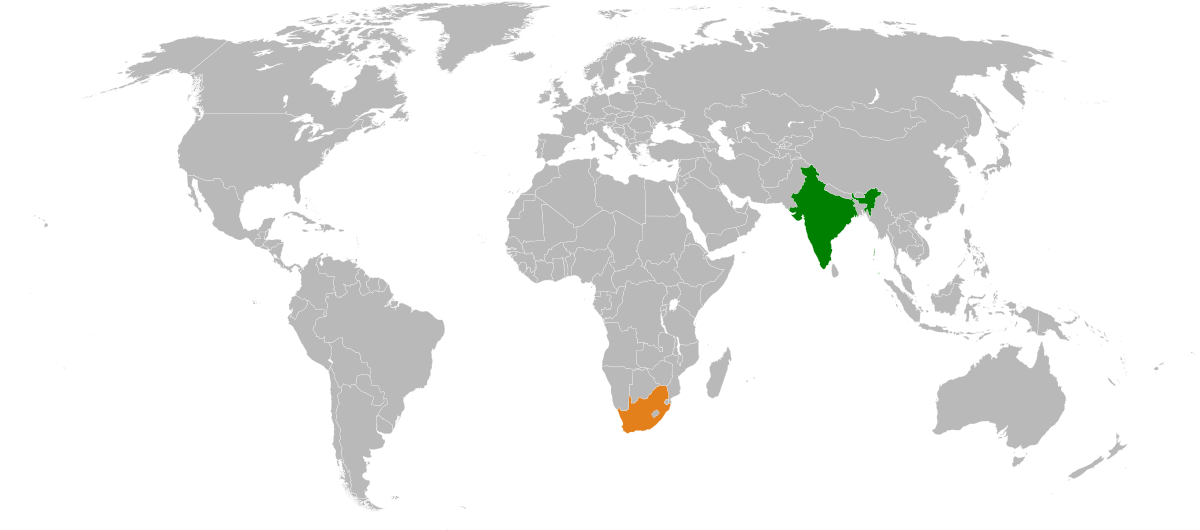
Leaders of India and South Africa affirmed a joint commitment to amplify the resonance of the Global South during a bilateral meeting on the margins of the G20 summit in Johannesburg. India’s Prime Minister met South African President Cyril Ramaphosa to review an expanding partnership that now encompasses trade, digital infrastructure and critical-minerals cooperation.

The leaders emphasised the historical foundation of bilateral ties, tracing back to shared anti-colonial struggles and longstanding people-to-people links. They identified emerging sectors of collaboration, including artificial intelligence and digital public platforms, as well as enhanced investment flows across innovation, infrastructure and mining sectors.

India expressed gratitude to South Africa for its role in relocating cheetahs to India and extended an invitation for South Africa to join the International Big Cat Alliance. At the G20 held in Johannesburg, which is the first summit of its kind hosted on African soil, South Africa has sought to spotlight issues of development, sustainability and Global South equity.

The two countries signalled their readiness to facilitate mutual investments, noting the growing footprint of Indian firms in South Africa and a shared interest in deepening bilateral ties in mining, start-ups, technology and infrastructure. They agreed to enhance support frameworks for these sectors.

In the domain of digital transformation, the meeting explored ways in which India’s Digital Public Infrastructure experience could be shared with South Africa, with the leaders discussing a roadmap for cooperation in those digital arenas that support transparency, inclusion and scalability.

On critical minerals—the backbone of technologies from electric vehicles to renewable energy systems—the dialogue underscored the strategic convergence of India’s growth ambitions and South Africa’s resource endowment. Both governments emphasised sustainable extraction, value-chain development and mutual investment as priorities.

The meeting also took place against the backdrop of global institutional reform debates, where developing countries increasingly seek to adjust frameworks such as the IMF and development banks. South Africa, as serving G20 chair, has framed its presidency around the themes of solidarity, equality and sustainability, particularly as representative of countries in the Global South.

While the two leaders concentrated on bilateral priorities, they also discussed multilateral coordination and collective platforms. They welcomed South Africa’s initiative to convene the IBSA leaders meeting and affirmed cooperation ahead of India’s upcoming chairship of BRICS in 2026.

Observers note that India–South Africa ties have evolved from traditional trade and diplomacy to a more strategic convergence around technology, investment, and global governance. According to experts, this shift reflects the changing priorities of middle powers in a multipolar world, where alignment on development and technological sovereignty is rising.

However, there remain practical challenges. For South Africa, translating resource-rich endowments into sustainable, inclusive growth has long been a domestic policy hurdle. For India, ensuring that digital partnerships respect both sovereignty and local capacity presents implementation risks. Critics argue that while high-level pledges are valuable, they must be matched by concrete mechanisms, regulatory clarity and project-level follow-through.

In trade terms, the two countries’ discussions come at a time when global supply-chain realignments and technology competition are raising the stakes for investment in emerging markets. Indian companies entering South Africa will need to navigate regulatory complexity, local participation requirements and the country’s infrastructure bottlenecks. South Africa, for its part, will have to ensure that its mining and start-up ecosystem attract and retain investment while meeting environmental and community benchmarks.

The diplomatic messaging also signals a broader orientation for both nations. India’s engagement with Africa has increasingly focused on capacity-building and infrastructure, while South Africa has positioned itself as a voice for Africa in global forums. Their joint push to amplify the Global South suggests an intention to influence agendas around debt relief, climate finance, digital equity and reform of global institutions.


The Fund offers a flexible revenue-share token, unlocking AI infrastructure access from US$1,000 HONG KONG SAR – Media OutReach Newswire – 23 November 2025 – Pioneer Asset Management Limited (“Pioneer“), a subsidiary of Tykhe Capital Group Limited (“Tykhe Capital“), a leading Real-World Asset (RWA) and Security Token Offering (STO) innovator in the Asia-Pacific region and Skyvast Digital Sdn. Bhd. (“Skyvast“), today announced the launch of the world’s […]

JAKARTA, INDONESIA – Media OutReach Newswire – 21 November 2025 – At the GAIKINDO Jakarta AutoShow 2025, taking place from November 21 to 30, 2025, VinFast will present an exclusive preview of the seven-seat, three-row Limo Green ahead of its official market launch in Indonesia next year. Alongside this highlight, the Company will also make its first public showcase in Indonesia of the VF Wild concept. The […]

US-based artificial intelligence firm Luma AI has secured a $900 million Series C funding round led by Saudi-backed HUMAIN, the AI venture owned by the kingdom’s sovereign wealth fund, the Public Investment Fund. Participation also came from AMD Ventures and existing investors including Andreessen Horowitz, Amplify Partners and Matrix Partners. The funding is part of a broader strategy to advance multimodal artificial general intelligence capable of generating, interpreting and interacting with the physical world.

Luma AI’s valuation following the round is estimated at over $4 billion, underscoring the intense competition among frontier AI firms. The company specialises in “world models” that integrate video, audio, image and language to drive applications in robotics, simulation, advertising, gaming and personalised education. CEO Amit Jain described the aim as training systems on “a quadrillion tokens” of multimedia data to move beyond current large-language-model architectures.

HUMAIN, having positioned itself as a global full-stack AI player, will use the funding partnership to anchor its compute infrastructure ambitions. The joint roadmap includes the rollout of what HUMAIN terms “Project Halo” — a super-cluster targeting up to 2 gigawatts of AI compute capacity in the kingdom. Luma AI will become a key customer of this infrastructure.

The funding and infrastructure build-out reflect a strategic shift in Saudi Arabia’s economic diversification efforts. Under the leadership of Mohammed bin Salman, the PIF is deepening commitments to AI and high-performance computing as pillars of its wider Vision 2030 agenda. Luma AI’s partnership becomes a vehicle for exportable AI capabilities and for strengthening the kingdom’s position in the global tech ecosystem.

From Luma AI’s perspective, the capital infusion and access to sovereign-scale compute represent a strategic lever to accelerate development of next-generation models. In entertainment and creative industries the company already claims traction: its Ray3 reasoning video model has been embedded within major platforms. The new funding will allow expansion into simulation, robotics and immersive media. Jain asserted that only by integrating systems and infrastructure at scale can models “understand and simulate the universe”.

For HUMAIN the deal accomplishes several objectives: securing a marquee US AI partner, anchoring compute commitments, and beginning commercial deployments of its planned AI infrastructure. The first phase of the accompanying joint venture with Cisco Systems and AMD will deliver a 100-megawatt data-centre cluster in Saudi Arabia, fully subscribed by Luma AI, with construction scheduled to begin in 2026 and renewable energy powering the facility.

The global implications are significant. With Asia, Europe, India, the Middle East and Africa identified as target markets-worth an estimated 4.5 billion people-the infrastructure build-out promises to reshape the geography of AI training and inference. HUMAIN’s model seeks to challenge the dominance of US- and China-based AI supply chains.

Challenges remain. Developing multimodal AGI is widely acknowledged as highly complex, with technical risks, high compute costs and uncertain commercial timelines. Critics highlight concerns about geopolitical dependencies in AI infrastructure and the ethical implications of deploying models trained on vast multimedia datasets. The Saudi-US dimension adds further scrutiny given strategic sensitivities around data, export controls and digital sovereignty.

BEIJING, CHINA – Media OutReach Newswire – 20 November 2025 – China showcased its environmental achievements at a side session during the 30th UN Climate Change Conference (COP30) in Belém, Brazil, on November 10, underscoring its broader vision of ecological civilization and its ongoing efforts to address climate change. The event, held at the China Pavilion under the theme on ecological civilization and the practice of building […]

Production at the Volkswagen Group Africa facility in Kariega, Eastern Cape, has surpassed two million units of the Volkswagen Polo, marking a significant achievement for the plant and the region’s automotive sector. The milestone vehicle, a smoky-grey model destined for Australia, rolled off the production line earlier this month, underlining the global scope of manufacturing at the site. The factory, known as the “Home of Polo”, began […]

Abu Dhabi based investment firm Lunate has escalated its global ambitions after deploying roughly US$13.5 billion and signalling plans to raise even larger funds for 2026 launches. Founded in 2023 and backed by the emirate’s investment ecosystem, Lunate raised about US$17 billion in 2024 for its flagship funds and has invested around 80 per cent of that amount, according to individuals familiar with its operations. The firm […]

Nairobi-based electric mobility firm Roam Electric Ltd has begun talks to monetise carbon-offset credits generated by its motorcycles while launching a global crowdfunding campaign to raise working capital. Each machine sold by Roam is designed to offset around three tonnes of CO₂ annually; with about 4,000 units currently in circulation, the company estimates roughly 12,000 tonnes of emissions reduction per year—equivalent to the output of some 2,600 […]

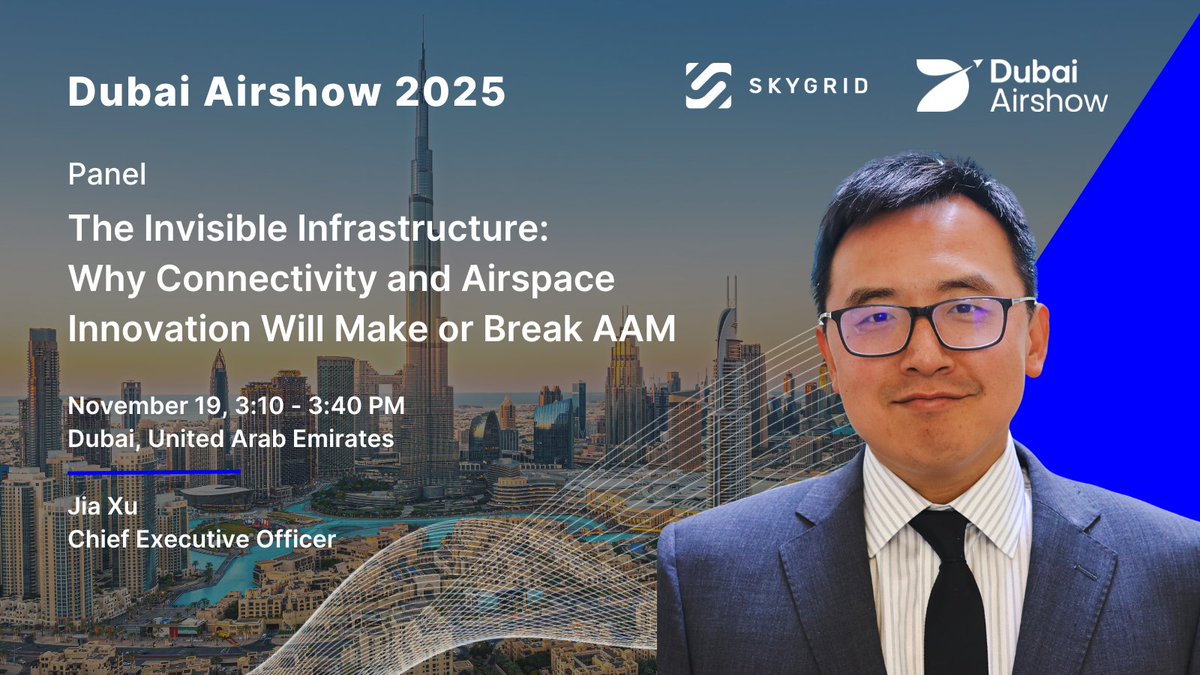
A pact between SkyGrid and High Lander has been signed at the Dubai Airshow 2025 to construct a framework for advanced air-mobility operations in the United Arab Emirates, focusing on integrating crewed and uncrewed aerial vehicles. The memorandum of understanding calls for development of airspace management ecosystems, digital operations for electric vertical take-off and landing aircraft and cargo drones, vertiport planning and cybersecurity protocols. SkyGrid, headquartered in Austin, Texas, acts as a third-party service provider for advanced air mobility operations, while High Lander offers unmanned traffic-management and drone-fleet-management solutions. The deal is part of the UAE’s ambition to position Abu Dhabi as a hub for next-generation aviation services.

Under the agreement the firms will jointly assess “Advanced Air Mobility Supporting Operational Environments” to develop technology road-maps and regulatory frameworks that facilitate scalable AAM operations. The collaboration targets areas including airspace integration, enabling vertiport infrastructure, securing digital operations and ensuring safe coexistence of crewed and uncrewed aircraft. SkyGrid chief executive Jia Xu said the alliance “represents a significant milestone in shaping the digital foundation of Advanced Air Mobility in the UAE and across the Middle East”. High Lander’s chief executive Alon Abelson commented that the environment in the UAE, supported by major aerospace players, constitutes “the perfect environment to demonstrate how automation, data-driven management and cross-industry collaboration can transform the future of air mobility”.

Analysis of this partnership places it amid a broader global push for uncrewed traffic-management systems and urban or regional air-mobility networks. Industry research shows that UTM ecosystems are considered vital for the safe scaling of commercial beyond-visual-line-of-sight drone operations. A 2024 readiness index issued by the Global UTM Association named both companies among participants in task forces shaping digital airspace adoption worldwide. That makes this UAE-based partnership a concrete step from theoretical planning to operational readiness.

The UAE’s Economic Vision 2030 describes diversification into technology, aerospace and transport as key pillars. The SkyGrid–High Lander partnership explicitly links with these goals, signalling industry-scale intentions rather than pilot programmes alone. By creating a unified operational blueprint, regulators and operators in the Gulf region may be asked to adapt their air-space classification, licensing and infrastructure regimes. Implementation will still depend on national aviation regulator approvals, air-traffic-management integrations, and standards alignment with international frameworks.

Despite the ambition, challenges remain. Data-sharing protocols across crewed and uncrewed systems must meet stringent safety and cybersecurity standards. Vertiport infrastructure—dedicated landing and take-off sites for eVTOL vehicles—is still nascent globally and will require investment and spatial planning, especially in congested urban zones. Moreover, global certification regimes for eVTOLs and unmanned systems are evolving; regulatory uncertainty may slow deployment. Analysts caution that while the Gulf region offers less airspace congestion than some metropolitan centres, integration of new aircraft types must still ensure separation from traditional air-traffic flows.

Beijing has initiated sweeping agricultural trade measures targeting the United States, Canada and the European Union as a means to counter duties imposed on Chinese electric vehicles. The move centres on sectors worth billions of dollars in export value and signals a new front in the global tariff standoff as Chinese factories ramp up global auto-sales ambitions.

According to official announcements and industry trackers, China imposed tariffs and import restrictions on major agricultural products including soybeans, pork, canola and cognac after Western governments raised tariffs on Chinese EV imports—some reaching 100 per cent in the US, and up to 35 per cent in the EU. Those duties stemmed from concerns about subsidised manufacturing, imports displacing domestic output and national-security implications tied to EV supply-chains.

One Chinese commercial diplomat told Canadian media that Ottawa’s export restraints on Chinese EVs directly triggered Beijing’s agriculture penalties. Canadian farmers in canola and pulses markets have already seen orders plummet and export corridors shut or taxed heavily. European spirits producers also face duties: cognac exports to China, valued at around $1.7 billion annually, have dropped by about 35 per cent since the levy took effect.

Analysts say the strategy is calculated. While China’s domestic market remains protected from full import competition, its international agriculture import volumes give Beijing leverage. An academic at Peking University noted that “a slight adjustment in China’s import preferences can ripple through farming regions and rural constituencies that carry significant political weight”. By focusing on sectors with concentrated politically-sensitive producers, China increases the pressure on Western governments to reconsider EV levies.

On the Western side, officials are signalling that they are unlikely to surrender their EV-tariff stance. A senior analyst at a Brussels-based think-tank said that the European Commission had “clearly shown that it was not willing to back down from the EV case”, citing China’s rapid auto-industry progress and state-support programmes. With climate targets and supply-chain security on the table, Western capitals view EV tariffs as integral to domestic industry viability.

Yet the backlash in agriculture could be deeper and more enduring than the EV duties themselves. A supply-chain expert explained that new contracts, logistics investments and alternative-buyer relationships developed in response to Chinese import suspensions may lock in shifts for years to come. In concrete terms, U. S. soybean farmers—who sold $12.6 billion worth to China in 2024—have seen export volumes fall to zero for key new-crop shipments, while Canadian producers of rapeseed and pea oil are facing a near-complete market closure under 100 per cent tariffs.

Observers point out that agriculture is an especially potent tool in trade diplomacy because it touches multiple layers of the economy: from regional employment to global commodity markets and corporate finances. By wielding farm-product bans or tariffs, Beijing can inflict political damage in sending countries while avoiding direct escalation of high-tech sectors where Western governments might respond more aggressively.

For Western farm sectors the choices are stark. Some firms are exploring alternative markets in Latin America, Africa or South-East Asia, while others are pressing their governments for compensation or trade-negotiation efforts. Meanwhile, Western trade officials are increasingly emphasising diversification of supply-chains away from China, which may dampen China’s leverage over time.

EVIQ, a leading electric vehicle technology firm, has entered into a Memorandum of Understanding with NAVA, a prominent player in electric mobility solutions, marking a significant step forward in the development of electric vehicles and related infrastructure. This strategic partnership aims to bolster the electric vehicle sector, focusing on the exchange of technical knowledge, talent development, and the expansion of advanced EV technologies across the country. The […]

Oil traders are expressing doubts over OPEC+’s ability to implement production cuts next year, despite forecasts predicting a looming global supply surplus that could push prices even lower. A recent survey conducted by Bloomberg News revealed that nearly two-thirds of 25 brokers and analysts expect the oil-producing bloc to refrain from reducing its output in 2026, despite the market’s increasing vulnerability to a glut in oil supply. […]

Abu Dhabi has taken a significant leap in transport innovation with the launch of a new category for modular smart vehicles. This category, developed by the Integrated Transport Centre, an affiliate of the Department of Municipalities and Transport, marks a global first. These vehicles are capable of reconfiguration, allowing their individual modules to connect or separate based on specific operational requirements. This development was revealed during the […]

EDGE, the UAE’s leading advanced technology group, has revealed an impressive array of 42 new products and innovations at the Dubai Airshow, underscoring its growing influence in the global defence and aerospace sectors. This year’s unveiling focuses on a diverse portfolio of next-generation solutions across several key domains, including autonomous systems, propulsion technology, radar systems, and secure communication networks. These advancements are a testament to EDGE’s commitment to developing state-of-the-art capabilities aimed at transforming military and aerospace operations worldwide.

The 42 new products introduced by EDGE span a wide spectrum of technological domains, with notable attention given to autonomous and semi-autonomous systems. These technologies are designed to enhance operational efficiency and effectiveness in both military and commercial applications. The development of such systems is seen as a pivotal step in the UAE’s strategy to strengthen its defence capabilities while positioning EDGE as a key player in the autonomous warfare landscape.

One of the key highlights at the Dubai Airshow was the showcase of EDGE’s smart weapons portfolio. The company unveiled cutting-edge precision strike systems that promise to deliver more accurate, cost-effective, and lethal strikes, crucial for modern military operations. These weapons are equipped with the latest guidance and targeting technologies, enabling them to operate autonomously or with minimal human intervention.

Further expanding EDGE’s footprint in the defence sector, the company presented new propulsion systems designed to provide enhanced performance for various unmanned aerial vehicles and aircraft. These systems focus on improving fuel efficiency, reliability, and operational range, ensuring that EDGE’s unmanned platforms can operate in more challenging and complex environments, from the battlefield to the frontiers of space exploration.

In addition to autonomous systems and propulsion technologies, EDGE made significant strides in the field of radar and communications. The company revealed advanced radar systems capable of detecting and tracking airborne threats with unparalleled accuracy. These systems are designed to provide real-time situational awareness, offering a strategic advantage for defence forces in identifying and neutralising potential threats.

In the realm of secure communications, EDGE introduced a new suite of encrypted communication systems, ensuring that military and government agencies can maintain secure, uninterrupted communications in any environment. The focus on security aligns with global efforts to protect sensitive information and ensure operational success, particularly in conflict zones where cybersecurity threats are prevalent.

Another exciting development showcased at the Dubai Airshow was EDGE’s advancements in space capabilities. The company highlighted new satellite technologies that promise to revolutionise both communications and reconnaissance capabilities for military and civilian use. These satellites are designed to provide high-resolution imagery, real-time data transmission, and global coverage, marking a significant leap forward in the UAE’s ambitions to expand its presence in space exploration.

EDGE’s new line-up reflects the UAE’s growing position as a global leader in cutting-edge technology, as well as its desire to create an indigenous defence and aerospace industry that can compete on the world stage. This drive is exemplified by the company’s commitment to advancing defence capabilities while ensuring the UAE’s military forces remain at the forefront of technological innovation.

Elon Musk has shared his bold vision for the future of Tesla’s humanoid robot, Optimus, claiming it has the potential to revolutionise the global economy by eradicating poverty and providing universal high incomes. Speaking at a recent event, Musk presented an ambitious outlook for the robot, which is being developed by Tesla to perform a variety of tasks, ranging from mundane chores to complex industrial processes. Optimus, […]

Saudi Arabia’s Public Investment Fund, one of the world’s largest sovereign wealth funds, has drastically reduced its holdings in a range of US-listed companies, including notable names like Pinterest Inc. and Linde Plc, marking a significant shift in its investment strategy. The move, which took place during the third quarter, reflects a broader recalibration of the fund’s international portfolio, as its stake in US equities dropped to its lowest level in nearly a year.

The PIF, valued at approximately $1 trillion, exited positions in nearly a dozen companies, signaling a shift away from some major US stocks. Alongside Pinterest and Linde, the fund also sold its entire stake in Prologis Inc. and Air Products and Chemicals Inc. This latter company is involved in the co-development of a green hydrogen plant in Neom, a major infrastructure project that is central to Saudi Arabia’s ambitious Vision 2030 goals.

The decision to divest from such high-profile firms raises questions about the long-term strategy of the PIF, which has been a key player in driving economic diversification and attracting international investment into the kingdom. The fund’s move comes as part of a broader effort to diversify its portfolio, reducing exposure to certain industries while increasing investments in sectors like technology, entertainment, and renewable energy, which align more closely with Saudi Arabia’s future growth ambitions.

Despite the sell-off, the PIF has maintained its commitment to expanding its investments in sectors aligned with its Vision 2030 objectives. The PIF has been a driving force behind many of Saudi Arabia’s high-profile investments, including backing for initiatives like the Red Sea Development Project, entertainment ventures, and tech giants. However, the recent pullback from US stocks suggests a possible shift towards domestic and regional investments, as well as a greater focus on emerging markets and future-facing industries.

The exit from Pinterest and Linde is noteworthy given the size and profile of these companies. Pinterest, a popular social media platform, has faced challenges in terms of user growth and profitability, while Linde, a leading industrial gas firm, has seen its stock fluctuate in line with broader economic trends. Prologis, a real estate investment trust focused on logistics, has benefitted from the global e-commerce boom but has been impacted by changing market dynamics in the logistics and real estate sectors. Meanwhile, Air Products’ involvement in green hydrogen is central to its long-term growth strategy, and the PIF’s decision to divest from this project could signal a rethinking of its commitment to certain green initiatives.

The PIF’s latest moves are part of a larger trend among sovereign wealth funds globally to recalibrate their investment portfolios in response to shifting economic conditions, including rising inflation, fluctuating commodity prices, and growing geopolitical uncertainty. These factors have made traditional investments in stocks and bonds more volatile, prompting funds like the PIF to seek greater diversification and look for opportunities in less conventional markets, including technology startups and renewable energy.

Saudi Arabia’s economic strategy under Vision 2030 has focused on reducing the country’s reliance on oil revenues and investing in new industries to create sustainable long-term growth. This vision has influenced the PIF’s approach, which has actively pursued investments in global tech companies, entertainment, and infrastructure projects. The fund has also sought to boost its international profile through high-profile investments in companies like Uber, Lucid Motors, and the Electric Vehicle market.

VISHNU RAJA
RYO YAMADA
HITORI GOTOH
IKUYO KITA