News related to
Vehicle

Strategic alliance poised to create new growth avenues in Thailand, Japan, and beyond. BANGKOK, THAILAND – Media OutReach Newswire – 5 November 2024 – Dusit Foods, a subsidiary of Dusit International, one of Thailand’s leading hotel and property development companies, has signed a strategic partnership agreement with Green House Co., Ltd, a prominent player in Japan’s food industry, to accelerate the growth of Epicure Catering Co., Ltd., […]

Top executives across various industries have expressed strong optimism about the role of artificial intelligence (AI) in driving decarbonization efforts and enhancing energy efficiency. As the world grapples with climate change and strives to meet net-zero goals, AI’s capabilities are being increasingly recognized as vital tools in this transformation. The discussions surrounding AI’s impact on energy and the environment have gained significant momentum in 2024, especially at […]

Catastrophic flooding across southeastern Spain has left at least 72 people dead, with authorities evacuating thousands as torrents of water inundated urban and rural areas. The combination of intense rainfall and storm surges turned streets into rivers, submerged highways, and halted transportation networks in Murcia, Valencia, and Almeria. This extreme weather event, classified locally as a *gota fría* or “cold drop,” brought unprecedented rainfall and gale-force winds, marking one of the nation’s most severe weather-related disasters in recent history.

The flooding has wreaked havoc on infrastructure, especially in urban areas where vehicles were swept away, and public transport was paralyzed. At least 3,500 people were evacuated from affected regions, with some finding themselves stranded in tunnels or swept off highways as roads became impassable. As Valencia alone reported around 689,000 students affected by school closures, the storm’s impact on daily life has been widespread. The Valencia region recorded nearly 250 mm of rain in just 12 hours, with surrounding areas experiencing similarly historic levels, leading to rapid flooding of municipal streets and low-lying residential areas.

Emergency responders, including hundreds of soldiers, boats, and helicopters, were quickly mobilized, with military personnel assisting in the mass evacuation efforts and aiding those trapped in precarious conditions. Some citizens took refuge on rooftops awaiting rescue as the floodwaters rose, while emergency services worked tirelessly to clear submerged cars and reroute people to safety. Murcia’s mayor Mario Cervera described the situation as “critical,” with vast areas of his municipality “completely underwater.”

Air travel and rail services faced extensive disruption as two regional airports closed and the railway line between Madrid and Barcelona was suspended. Train services across Murcia were similarly impacted, leaving thousands of travelers stranded. Fatalities were reported in multiple incidents, including cases where individuals were swept away while attempting to navigate the flooded roads. In one such incident in Almeria, a man was found dead after his car was submerged in a tunnel despite a police cordon warning drivers to avoid the area. Authorities also found two siblings deceased after torrential rains overwhelmed their vehicle near Albacete.

Abu Dhabi-based CYVN Holdings is set to acquire the automotive division of the renowned British luxury car manufacturer, McLaren. This significant move represents a strategic expansion for CYVN, a company well-established in the investment sector, particularly within the automotive and technology markets. The acquisition underscores CYVN’s commitment to diversifying its portfolio and strengthening its presence in the high-performance automotive segment.

McLaren Automotive, celebrated for its innovative design and engineering, has faced several challenges in recent years, including financial difficulties exacerbated by global supply chain disruptions and the impact of the pandemic. The brand is known for its exceptional sports cars, such as the McLaren P1 and the 720S, which have garnered a strong following among car enthusiasts and collectors. The acquisition aims to revitalize the brand while integrating CYVN’s resources and expertise to enhance production efficiency and expand market reach.

The financial specifics of the deal have not been disclosed, but analysts suggest that CYVN Holdings has leveraged its substantial investment capabilities to facilitate this acquisition. The transaction is expected to provide McLaren with the necessary capital infusion to reinvest in product development, marketing, and expanding its electric vehicle offerings. The automotive industry is increasingly shifting towards sustainability and electrification, and McLaren has already initiated plans to introduce hybrid and fully electric models.

CYVN Holdings has expressed its intention to maintain McLaren’s legacy while injecting new energy into the brand. This includes a potential increase in research and development efforts, focusing on advanced technologies that align with global automotive trends. Furthermore, the acquisition is anticipated to enhance McLaren’s competitive positioning against other luxury automotive brands, such as Ferrari and Lamborghini, which have also been expanding their electric vehicle lineups.

Industry experts view this acquisition as a critical turning point for both companies. For CYVN, gaining control of a prestigious automotive brand like McLaren enhances its reputation in the luxury sector. For McLaren, this transition could mark the beginning of a new era, enabling it to emerge stronger from its financial setbacks.

As the automotive landscape evolves with rapid technological advancements, partnerships between investment firms and automotive companies are becoming increasingly prevalent. This acquisition reflects a broader trend where financial entities invest in established brands to leverage their market potential. CYVN’s strategic approach highlights the growing interest in the automotive sector among investors looking for promising opportunities.

The implications of this acquisition extend beyond the financial sphere. McLaren’s integration into CYVN’s portfolio could lead to synergies that enhance operational efficiencies. Analysts predict that there will be a focus on optimizing production lines and enhancing supply chain management, especially in light of the ongoing global semiconductor shortages that have plagued the automotive industry.

McLaren’s workforce, known for its engineering prowess, is also a focal point for CYVN. The new ownership structure may foster a collaborative environment that allows for cross-pollination of ideas between CYVN’s existing ventures and McLaren’s automotive expertise. This integration may yield innovations that enhance product offerings and attract a broader customer base.

The transition is expected to be smooth, with CYVN leadership pledging to retain key personnel within McLaren’s management team. This continuity is crucial for maintaining the brand’s identity and ensuring that the legacy of innovation and performance is upheld. Current management is likely to play a pivotal role in navigating this new phase, emphasizing the importance of preserving McLaren’s unique culture while adapting to the changing market dynamics.

As the deal moves toward completion, stakeholders from both companies are optimistic about the future. Analysts emphasize that the automotive sector is at a critical juncture, with opportunities for growth through technological innovation and sustainability initiatives. The partnership between CYVN Holdings and McLaren Automotive could be a blueprint for future collaborations, demonstrating the potential of strategic investments in revitalizing established brands.

With electric and hybrid vehicles becoming the focus of the automotive industry, this acquisition positions both entities to capitalize on emerging trends. McLaren’s storied history in motorsports and its engineering excellence provide a solid foundation for developing cutting-edge electric vehicles that resonate with environmentally conscious consumers.

The United Arab Emirates has solidified its position as a leading hub for Islamic finance, underscoring the growing significance of Sharia-compliant financial instruments in the global marketplace. This assessment comes from the CEO of FTSE Russell, who highlights the UAE’s strategic initiatives and regulatory frameworks that have bolstered its financial sector’s appeal to both domestic and international investors. The ongoing developments reflect the country’s commitment to fostering an environment conducive to Islamic finance and investment.

Islamic finance has gained traction worldwide, driven by a rising demand for ethical and sustainable investment options. The UAE’s proactive approach includes creating a robust regulatory environment, enhancing product offerings, and promoting innovation in financial technology. By embracing these strategies, the nation is attracting a diverse array of investors looking for compliant investment opportunities. According to industry experts, the UAE’s Islamic finance market is expected to expand significantly in the coming years, fueled by an increase in global investor interest and the growing appeal of Sharia-compliant financial products.

FTSE Russell’s CEO pointed out that the UAE is home to several Islamic banks and financial institutions that are setting global benchmarks for excellence in compliance and service delivery. This trend is supported by the UAE’s comprehensive Islamic finance infrastructure, which includes robust legal and regulatory frameworks. Institutions such as the Dubai Islamic Economy Development Centre (DIEDC) play a pivotal role in promoting the Islamic finance agenda and positioning the UAE as a key player in the global Islamic economy. The DIEDC’s initiatives focus on enhancing the knowledge base, facilitating partnerships, and promoting Islamic financial literacy, which are essential for sustaining growth in this sector.

Recent reports indicate that the Islamic finance industry is witnessing a shift towards technology-driven solutions, known as fintech. The UAE is at the forefront of this transformation, with numerous fintech startups emerging in the Islamic finance space. These companies are leveraging technology to enhance the delivery of services, improve customer experience, and streamline operations. The convergence of fintech and Islamic finance not only presents opportunities for innovation but also aligns with the broader economic diversification goals of the UAE.

One key player in this sector is Abu Dhabi Islamic Bank (ADIB), which has been proactive in integrating technology into its service offerings. The bank has launched various digital platforms that cater to the needs of a tech-savvy customer base, thereby enhancing access to Islamic banking products. This strategic focus on digital transformation is indicative of a broader trend among financial institutions in the UAE, which are increasingly recognizing the importance of technological adaptation to remain competitive.

The Islamic finance market is diversifying beyond traditional banking products. Sukuk, or Islamic bonds, have gained prominence as a viable investment vehicle. The UAE is leading the issuance of sukuk globally, with significant contributions from both government and corporate entities. This surge in sukuk issuance is attributed to favorable market conditions and a heightened interest from investors seeking Sharia-compliant options. Analysts predict that the trend will continue, with the UAE playing a pivotal role in shaping the global sukuk market.

Sustainability is another critical aspect of the UAE’s Islamic finance landscape. With the increasing global focus on environmental, social, and governance (ESG) criteria, the UAE is aligning its Islamic finance initiatives with sustainable development goals. Various financial institutions are incorporating ESG principles into their investment strategies, creating products that appeal to environmentally conscious investors. This integration of sustainability into Islamic finance is expected to enhance the sector’s attractiveness and resilience in the face of evolving investor preferences.

The UAE’s commitment to advancing Islamic finance is further reflected in its strategic partnerships with international organizations. Collaborations with entities such as the Islamic Financial Services Board (IFSB) and the Accounting and Auditing Organization for Islamic Financial Institutions (AAOIFI) are aimed at harmonizing standards and practices across the industry. These partnerships enhance the credibility of the UAE’s Islamic finance sector, making it more appealing to foreign investors and institutions looking for stable and compliant investment avenues.

The UAE government is actively promoting awareness and understanding of Islamic finance principles among its citizens. Educational programs and workshops are being organized to foster a deeper understanding of Sharia-compliant financial products. By enhancing financial literacy, the UAE is not only empowering its populace but also cultivating a new generation of investors who are well-versed in the principles of Islamic finance.

A significant shift in traffic regulations has taken place in the UAE, emphasizing the need for responsible driving and proper first aid practices among motorists. The newly implemented traffic law mandates that drivers must possess adequate medical knowledge before attempting to provide first aid at accident scenes. This change aims to improve the safety of all road users and reduce the risk of unintended harm caused by inexperienced individuals during emergencies.

The law highlights the critical nature of road safety in a nation where high vehicle speeds and heavy traffic contribute to frequent accidents. By establishing legal guidelines around first aid, authorities are ensuring that only those trained in emergency medical response take action at the scene of a traffic incident. This approach intends to foster a more educated driver population and mitigate the likelihood of further injuries during rescue efforts.

The legislation reinforces the importance of basic driving etiquette, urging drivers to adhere strictly to traffic signs and maintain a courteous demeanor on the road. This initiative responds to growing concerns over aggressive driving behaviors and accidents stemming from negligence towards road signs. Motorists are encouraged to slow down, especially in congested areas, as a matter of respect for fellow road users, including pedestrians and cyclists.

Authorities emphasize that the law serves both as a guide and a deterrent. Drivers who fail to comply with the regulations may face penalties, thereby promoting adherence through financial consequences. The hope is that this legal framework will cultivate a culture of safety that extends beyond mere compliance to foster genuine concern for others on the road.

Education and awareness campaigns are also set to accompany the new regulations. Government agencies and organizations will launch initiatives aimed at informing drivers about the importance of responsible driving habits and the legal requirements for providing first aid. These campaigns will address various aspects of road safety, from understanding traffic signs to learning basic first aid techniques, ensuring that motorists are well-equipped to handle emergencies effectively.

Key stakeholders in the transportation sector, including the Ministry of Interior and local police departments, are committed to enforcing these regulations. Traffic patrols will increase their presence on the roads, focusing on both compliance with speed limits and adherence to the new first aid requirements. Collaboration between governmental bodies and community organizations will be essential in disseminating information and fostering a cooperative spirit among motorists.

The law has garnered mixed reactions from the public. Some drivers welcome the initiative as a necessary step towards enhancing road safety, recognizing the potential for significant improvements in emergency response. Others express concerns about the implications of the first aid requirement, questioning how strictly it will be enforced and what constitutes adequate medical knowledge.

Legal experts have noted that while the law may seem daunting, its implementation will depend heavily on educational outreach and community support. Defining the threshold for “adequate medical knowledge” will be crucial to ensure that the law is both practical and enforceable. The authorities are likely to set standards for training and certification, potentially partnering with medical organizations to provide resources and support.

The traffic law aligns with broader initiatives aimed at reducing road fatalities across the UAE. Statistical data has indicated that road traffic accidents remain a leading cause of injury and death in the region, prompting government efforts to create safer driving environments. By addressing both driver behavior and emergency response, the law seeks to create a holistic approach to traffic safety.

This legislative move mirrors global trends toward more responsible driving and proactive emergency response. Countries around the world are increasingly recognizing the role of drivers in maintaining public safety and are enacting laws to reflect this responsibility. As the UAE positions itself as a leader in traffic safety, these regulations could serve as a model for other nations grappling with similar issues.

Future developments are expected to revolve around the law’s efficacy in reducing accident rates and improving emergency response outcomes. Continuous monitoring and evaluation will be vital in assessing whether the regulations achieve their intended goals. The authorities may adjust strategies based on feedback from the public and data analysis, ensuring that the laws remain relevant and effective.

Bitcoin surged to $73,600 during U.S. trading hours, inching close to its previous record of $73,798 established on March 14. This remarkable upward movement has generated renewed optimism among traders, as Bitcoin currently holds steady around $72,200, representing a robust 3% increase in just one day. This trend aligns with a broader positive sentiment across the cryptocurrency market, which has been characterized by rising trading volumes and heightened investor interest.

Market analysts attribute this surge to a confluence of factors. Institutional interest remains a significant driver, with several large-scale investments recently reported. Notably, Fidelity Investments announced its plan to launch a Bitcoin exchange-traded fund (ETF), a move seen as a substantial endorsement of the cryptocurrency. This development has fueled speculation that other major financial institutions might follow suit, further legitimizing Bitcoin as an asset class.

Macroeconomic conditions are contributing to the bullish momentum. With inflation concerns lingering and central banks hinting at prolonged low interest rates, many investors are turning to Bitcoin as a hedge against inflation. This shift in sentiment is underscored by a marked increase in the number of wallets holding Bitcoin, which reflects growing adoption among retail and institutional investors alike.

In addition to institutional interest, the trading behavior of retail investors is also evolving. Following Bitcoin’s rise earlier this month, many retail traders have re-entered the market, leveraging platforms that facilitate easy access to cryptocurrency trading. This influx of retail participation has intensified market dynamics, creating a feedback loop that propels prices higher as more buyers enter the fray.

Emerging trends in blockchain technology further bolster the optimism surrounding Bitcoin. Innovations such as the Lightning Network, which enables faster and cheaper transactions, are enhancing the overall utility of Bitcoin. This technological advancement is likely to attract even more users to the ecosystem, potentially driving up demand and price.

Key players in the cryptocurrency space are also responding to these trends. Exchanges like Binance and Coinbase have reported significant increases in trading volumes, signaling heightened activity among investors. This increased liquidity makes it easier for larger trades to occur without causing substantial price fluctuations, further supporting the bullish case for Bitcoin.

However, challenges remain. Regulatory scrutiny is intensifying in various jurisdictions, as governments seek to establish frameworks for cryptocurrency operations. Notably, discussions around taxation and compliance are ongoing, and any unfavorable regulatory changes could dampen market enthusiasm. Investors are closely monitoring these developments, as regulations could either facilitate further growth or impose constraints on the market.

The sentiment in cryptocurrency circles is largely optimistic, with many analysts projecting that Bitcoin could surpass its all-time high in the near future. Some are targeting even higher price points, with estimates ranging between $74,000 to $80,000 as the next psychological barriers. This speculation is supported by technical analysis indicating that if Bitcoin breaches the $74,000 mark, it could trigger a wave of buying pressure as traders seek to capitalize on momentum.

Investor sentiment, driven by social media platforms and online forums, plays a crucial role in shaping market expectations. Influencers and analysts on platforms like Twitter and Reddit are actively discussing potential price trajectories, contributing to a more dynamic trading environment. This collective discourse influences not only retail investor behavior but also how institutional players position themselves in the market.

The global cryptocurrency market is witnessing a renaissance, characterized by an influx of new entrants and a growing acceptance of digital assets as legitimate investment vehicles. Major financial institutions, hedge funds, and even traditional asset managers are reevaluating their portfolios to include cryptocurrencies. This broadening acceptance of Bitcoin and other cryptocurrencies is gradually reshaping the landscape of global finance.

As Bitcoin navigates this transformative phase, the importance of market education cannot be overstated. Initiatives aimed at educating potential investors about the fundamentals of blockchain technology and the intricacies of trading can significantly enhance participation in the market. A more informed investor base is likely to make more prudent decisions, contributing to the overall stability and maturity of the cryptocurrency market.

The interplay between supply and demand dynamics is also pivotal. With Bitcoin’s supply capped at 21 million coins, any increase in demand has a direct impact on price. Market participants are keenly aware of the halving events that occur roughly every four years, which reduce the rate at which new Bitcoin is generated. This mechanism, along with increasing institutional participation, is expected to create a supply-demand imbalance that could drive prices higher in the long term.


Advertisements

DUBAI, UAE – Media OutReach Newswire – 29 October 2024 – During an official visit to the United Arab Emirates (UAE), Vietnamese Prime Minister Pham Minh Chinh witnessed the signing of Memoranda of Understanding (MOUs) between Vingroup, VinFast, and leading partners in the Middle East. These MOUs cover strategic areas, including maritime development and shipyard building capabilities, sustainable coastal land utilization, digital transformation, and collaboration in electric […]

Global VC investment drops from $95.5 billion to $70.1 billion quarter-over-quarter AI accounts for six of ten largest VC deals globally in Q3’24, led by the only two $1 billion+ raises Americas accounts for nearly 60% of VC investment in Q3’24, with $41.4 billion in deal value Japan and Germany buck geographical trend with Japan recording a VC investment twelve-quarter high. HONG KONG SAR – Media OutReach […]

The new calcium sulfonate complex-based grease is designed for heavy-duty and extreme pressure applications. SINGAPORE – Media OutReach Newswire – 28 October 2024 – Chevron announces the availability of their newest grease product range in the Asia-Pacific region, following the introduction of Rykon greases last year in North America. Rykon addresses the critical need for a high-performance grease that increases uptime and enhances durability to maximise the […]

By Anjan Roy Although ice has apparently been broken between India and China over conflicts and confrontations in Demchok and Depsang areas in eastern Ladakh, tensions have not been eliminated fully. The hurriedly announced agreement, in the hours before BRICS summit in Russia’s Kazan on October 22-24, was directed more at the international audiences than […]


MANILA, PHILIPPINES – Media OutReach Newswire – 24 October 2024 – VinFast has officially announced pricing and opened reservations for its five-seater VF 7 electric SUV during the 12th Philippines Electric Vehicle Summit (PEVS), marking the third VinFast vehicle available in the Philippine market after the VF 5 and VF 3 models. This launch also underscores VinFast’s commitment to advancing green transportation in the Philippines and expanding […]

A new federal decree-law aimed at overhauling traffic regulations has been enacted by the UAE Government, reflecting a strategic effort to modernize the nation’s transportation framework. This legislation responds to the dynamic global shifts in mobility, focusing on emerging technologies and innovative vehicle classifications.

This decree-law places significant emphasis on self-driving vehicles and electric cars, as well as personal mobility devices. It lays the groundwork for a robust regulatory environment that supports the integration of advanced technologies into everyday transportation. By updating vehicle classifications, the UAE is preparing for the broader adoption of innovative mobility solutions that align with global trends.

The legislative move also includes provisions for utilizing cutting-edge technology within the nation’s extensive road network. This approach is in line with the UAE’s vision to foster smart city initiatives, emphasizing sustainable and efficient transportation options. The country aims to ensure that its infrastructure not only supports conventional vehicles but is also equipped to accommodate futuristic mobility solutions.

One of the key features of the new traffic law is the establishment of a cabinet resolution that will outline the necessary requirements for the inspection, licensing, and renewal of self-driving vehicles. This is a significant step, as it creates a clear framework for regulating these advanced vehicles, ensuring that safety standards are maintained while promoting innovation.

The decree-law further stipulates procedures for trials of new vehicle technologies, which is crucial for fostering an environment conducive to innovation. By streamlining these processes, the UAE hopes to attract global automotive and technology companies to conduct trials and introduce their products within its borders. This could position the UAE as a leading hub for automotive innovation in the region, stimulating economic growth and job creation.

The legislation acknowledges the importance of personal mobility devices such as e-scooters and electric bicycles, which are increasingly popular in urban areas. By formally recognizing these modes of transportation, the UAE is taking proactive steps to regulate their use, ensuring public safety while encouraging sustainable transport options.

The decree-law aligns with the UAE’s broader commitment to sustainability and environmental responsibility. As the world shifts towards greener alternatives, the promotion of electric vehicles and advanced mobility solutions reflects the UAE’s dedication to reducing its carbon footprint. The government’s initiatives in this regard are also in keeping with global environmental goals, enhancing the nation’s reputation as a responsible player on the international stage.

Stakeholders in the transportation sector, including automotive manufacturers and technology firms, have welcomed the new law as a significant advancement. They believe that a clear regulatory framework will encourage investment and innovation, enabling the UAE to compete effectively in the rapidly evolving global automotive market. By creating a conducive environment for new technologies, the UAE is likely to attract investments from companies seeking to test and deploy their innovations in a forward-thinking market.

Industry experts assert that the shift toward self-driving and electric vehicles is not merely a trend but represents a fundamental change in how transportation systems operate. The updated regulations will allow for a more seamless integration of these technologies into existing infrastructure, which is essential for the safe operation of autonomous vehicles.

The decree-law addresses the growing need for smart transportation solutions that can adapt to changing urban landscapes. The focus on advanced technology will allow for better traffic management and improved safety protocols, essential for accommodating the influx of vehicles and personal mobility devices expected in the coming years.

As the UAE continues to invest in its infrastructure and embrace innovative transportation solutions, the implications of this new traffic law extend beyond mere regulation. It represents a strategic vision for the future of mobility in the region, setting a precedent for other nations to follow. The potential benefits include improved urban mobility, enhanced safety, and a greener environment, which collectively contribute to a higher quality of life for residents and visitors alike.

German luxury carmaker Mercedes-Benz announced a staggering decline of more than 50 percent in its third-quarter profits, attributing this downturn primarily to a significant slowdown in the Chinese market, a vital region for luxury vehicle sales. The company reported a net profit of €1.72 billion for the quarter, down from €3.64 billion in the same period last year, reflecting the challenges posed by weakening demand and broader economic uncertainties.

The company highlighted that while it experienced strong sales growth in the first half of the year, the third quarter revealed a stark contrast. The demand for luxury vehicles in China, which constitutes a substantial share of Mercedes-Benz’s sales, has faced pressures from economic headwinds, including stricter COVID-19 restrictions and a subsequent sluggish recovery. These factors have led to a notable reduction in consumer spending, particularly on high-end goods.

Mercedes-Benz also noted an increase in production costs, further exacerbating profit pressures. The ongoing global supply chain issues have contributed to elevated costs for raw materials and logistics, impacting overall profitability. The company emphasized the challenges of maintaining its profit margins amid these rising expenses and shifting consumer preferences.

In response to the declining profits, Mercedes-Benz outlined its strategic focus on adapting to changing market dynamics. The firm has committed to increasing its electric vehicle (EV) offerings as part of its long-term strategy to capture a larger share of the growing EV market. The company has set ambitious goals to deliver more than 20 new electric models by 2026, aiming to transition its fleet to a more sustainable lineup.

In light of the reduced profits, Mercedes-Benz CEO Ola Källenius expressed optimism about the company’s future trajectory. He highlighted that despite current challenges, the company remains committed to innovation and sustainability, key pillars of its business strategy. Källenius stated that the transition to electric mobility presents significant opportunities for growth, and Mercedes-Benz is strategically positioning itself to meet these challenges head-on.

The luxury automobile market is undergoing a significant transformation as consumer preferences shift towards sustainability and advanced technology. Mercedes-Benz’s investment in electric vehicles is a direct response to this trend, as it aims to enhance its competitiveness in an increasingly crowded market dominated by emerging EV manufacturers.

Analysts have pointed out that the luxury car segment is at a crossroads, influenced by changing consumer behavior and economic factors. The growth of the electric vehicle market, driven by increasing environmental awareness and government incentives, poses both challenges and opportunities for traditional luxury carmakers. Competitors are also ramping up their EV offerings, making it imperative for established brands like Mercedes-Benz to stay ahead in innovation and technology.

Mercedes-Benz’s performance in the Asia-Pacific region has also raised concerns, as the company reported lower sales figures in various markets beyond China. Factors such as geopolitical tensions, inflationary pressures, and fluctuating currency values have influenced consumer confidence and purchasing power, impacting sales across the region.

The luxury car market’s dynamics are also shifting, with younger consumers increasingly prioritizing sustainability over brand loyalty. This generational shift has prompted luxury car manufacturers to rethink their marketing strategies and product offerings to align with the values and preferences of a new wave of buyers.

In the face of these challenges, Mercedes-Benz’s leadership has stressed the importance of agility and adaptability in navigating the evolving landscape. The company’s focus on research and development has been intensified, with significant investments earmarked for advancing autonomous driving technologies and enhancing connectivity features in their vehicles. These innovations aim to appeal to tech-savvy consumers who are seeking modern solutions in their mobility experiences.

The company’s latest financial results have also drawn attention to the importance of maintaining a robust supply chain. Mercedes-Benz has been actively working to mitigate risks associated with supply chain disruptions by diversifying its supplier base and investing in local manufacturing capabilities. This strategy is designed to enhance operational resilience and ensure the timely delivery of vehicles to meet customer demand.

Market experts suggest that while the current quarter’s profit decline is concerning, it may serve as a catalyst for Mercedes-Benz to refine its business strategies and focus on long-term growth initiatives. The ongoing shift towards electric mobility and sustainable practices represents a crucial opportunity for the brand to solidify its position as a leader in the luxury automotive sector.

Rene Haas, CEO of Arm Holdings, emphasizes the profound impact of artificial intelligence on the automotive industry, noting that the advent of smart vehicles will significantly transform transportation dynamics. During a recent industry event, Haas articulated a clear vision of a future where intelligent cars will redefine mobility, driven by advanced AI technologies that enhance performance, safety, and user experience. This evolution in smart vehicles is anticipated to accelerate rapidly, indicating a shift not only in how cars operate but also in how they integrate with broader urban ecosystems.

Arm Holdings, known for its semiconductor technology and microprocessor designs, plays a pivotal role in this transformation. The company’s innovations are critical to enabling the next generation of smart cars, which rely on intricate AI systems for tasks such as navigation, environmental sensing, and real-time decision-making. With the growing emphasis on connectivity and automation, vehicles are evolving into complex data-driven platforms. Haas remarked that the integration of AI in automotive technology is not merely a trend but a fundamental shift that will enhance safety and performance.

The growing trend of smart vehicles is underscored by major automotive manufacturers investing heavily in AI and machine learning technologies. Companies like Tesla, Ford, and General Motors are leading the charge, developing AI systems capable of processing vast amounts of data from sensors and cameras to navigate complex environments. As vehicles become increasingly autonomous, the reliance on sophisticated algorithms for safe operation is more critical than ever. Analysts predict that the global autonomous vehicle market could reach a valuation of over $500 billion by 2026, underscoring the industry’s shift towards smarter, AI-enabled transportation.

Regulatory bodies are also adapting to the rise of smart vehicles. Governments worldwide are creating frameworks that promote innovation while ensuring public safety. For instance, the U.S. Department of Transportation has issued guidelines for the testing and deployment of automated vehicles, encouraging manufacturers to implement robust safety measures. This regulatory environment is essential for fostering trust in new technologies and ensuring that advancements in AI do not compromise safety standards.

One of the significant challenges faced in this rapidly evolving landscape is data privacy and security. As vehicles become more connected, they generate extensive amounts of data, raising concerns about how this information is collected, stored, and utilized. Industry stakeholders, including Arm Holdings, are prioritizing the development of secure systems to protect consumer data while maximizing the potential of AI. Haas highlighted the importance of building trust with consumers, stating that secure technology must go hand in hand with innovation to facilitate widespread adoption.

Emerging technologies, such as edge computing and 5G connectivity, are enhancing the capabilities of smart vehicles. Edge computing allows data processing to occur closer to the source, enabling faster responses to dynamic driving conditions. Coupled with the low-latency benefits of 5G, these technologies facilitate seamless communication between vehicles, infrastructure, and cloud-based services, significantly improving the overall driving experience. Experts believe that such advancements will not only enhance the functionality of smart vehicles but also pave the way for new business models within the automotive industry.

In addition to safety and efficiency, sustainability is becoming a critical focus for the automotive sector. The integration of AI is facilitating the development of electric vehicles and hybrid models, which contribute to reducing carbon footprints. Companies are leveraging AI to optimize energy consumption and improve battery management systems, ensuring that smart vehicles are not only technologically advanced but also environmentally friendly. This aligns with broader global initiatives aimed at combating climate change and promoting sustainable practices.

Consumer demand for smart vehicles is on the rise, driven by a desire for enhanced convenience, safety, and connectivity. Market research indicates that modern consumers are increasingly inclined to purchase vehicles equipped with advanced technologies, including AI-powered features such as adaptive cruise control, lane-keeping assistance, and automated parking. This shift in consumer preferences is prompting automakers to prioritize the integration of AI and connectivity into their offerings.

A groundbreaking pilot project for hydrogen-powered taxis has been launched in Saudi Arabia, marking a significant stride towards sustainable transportation solutions in the region. This initiative aims to demonstrate the feasibility and efficiency of hydrogen as a clean fuel alternative while contributing to the Kingdom’s broader goals of reducing carbon emissions and diversifying its economy. The project, which is a collaboration between several stakeholders including local government […]

Partnership is unveiled at the Ascott Unlimited Global Marquee Event during ITB Asia 2024, capping off a year-long campaign celebrating Ascott’s 40th anniversary SINGAPORE – Media OutReach Newswire – 23 October 2024 – The Ascott Limited (Ascott), the lodging business unit wholly owned by CapitaLand Investment (CLI), is pleased to announce that Ascott China has entered a 50:50 joint venture with Jin Jiang Hotels (China Region) to […]

Dubai is a city of luxury, speed, and sophistication, making it the perfect destination for sports car enthusiasts. Whether you’re here for business or pleasure, the thrill of driving a high-performance sports car on Dubai’s modern highways is an experience like no other. If you’re looking to rent the best sports cars in the city, Huracan Evo Rent a Car stands out as the top provider of […]

Abu Dhabi is making bold strides to position itself as a global leader in food security by launching a pioneering initiative aimed at transforming the emirate into a net food exporter. The newly approved AgriFood Growth and Water Abundance (AGWA) cluster, backed by billions in investments, is set to become a game-changer in addressing global food shortages while leveraging advanced technologies in agriculture and water resource management.

The AGWA cluster, located in Abu Dhabi and supported by the Department of Economic Development (ADDED) and the Abu Dhabi Investment Office (ADIO), is designed to become an innovation hub for food production and water management. The emirate has earmarked substantial resources, expecting AGWA to generate AED 90 billion in additional GDP by 2045 and create over 60,000 new jobs. These figures are seen as essential to diversify Abu Dhabi’s economy beyond oil, providing critical support to its “Falcon Economy” and ensuring long-term sustainability.

This initiative builds on the UAE’s longstanding history of addressing food security. In 1969, under the leadership of Sheikh Zayed, the UAE established its first network of greenhouses on Saadiyat Island, a pioneering effort at the time to create sustainable food production systems. Today, AGWA continues this legacy by focusing on advanced technologies like alternative proteins, algae cultivation, and reverse osmosis for water desalination, among other innovations.

As global food demands rise due to population growth, expected to surpass nine billion by 2050, Abu Dhabi’s proactive measures highlight the emirate’s forward-thinking approach. The World Bank estimates that feeding this population will require a 50% increase in agricultural production and a 15% increase in water use, making solutions like AGWA critical. Abu Dhabi is home to approximately 24,000 farms, half of which are located in Al Ain, and these farms are expected to benefit from the cluster’s advanced infrastructure and support systems.

AGWA’s focus is on fostering sustainable food production, addressing both local and international needs. By supporting local suppliers and creating export opportunities, Abu Dhabi aims to strengthen its food security strategy while also contributing to global agricultural sustainability. This effort is seen as part of the UAE’s National Food Security Strategy 2051 and Water Security Strategy 2036, which aim to enhance the country’s resilience to food and water shortages by using cutting-edge technologies.

Abu Dhabi has also been working to enhance its infrastructure, attracting investors through a business-friendly environment, strong supply chain networks, and substantial government support. The launch of AGWA follows the introduction of other high-tech economic clusters, such as the Smart and Autonomous Vehicle Industries (SAVI) cluster, highlighting the emirate’s commitment to innovation across multiple sectors.

Hedge funds are increasingly betting against the renewable energy sector, raising concerns over the viability of green investments. As climate change initiatives gain momentum and governments around the world push for a transition to clean energy, a growing number of hedge funds are accumulating short positions, signaling skepticism about the sustainability and profitability of these sectors. This strategic pivot reflects a complex interplay of market dynamics, regulatory […]

GUANGZHOU, CHINA – Media OutReach Newswire – 18 October 2024 – The 136th Canton Fair opened with great fanfare in Guangzhou, China. In this Canton Fair, Jinpeng Group is one of the leading enterprises of light green travel products in China. Under the general trend of “going to sea” of China’s new energy vehicles, it has also brought more than ten new energy products. The company also […]

HONG KONG SAR – Media OutReach Newswire – 18 October 2024 – Promoting high-quality development and expanding Hong Kong’s capacity for economic growth are core elements of the 2024 Policy Address, announced (October 16) by John Lee, Chief Executive of the Hong Kong Special Administrative Region. “Hong Kong is striving to become an international innovation and technology (I&T) centre by promoting the upgrading and transformation of traditional […]

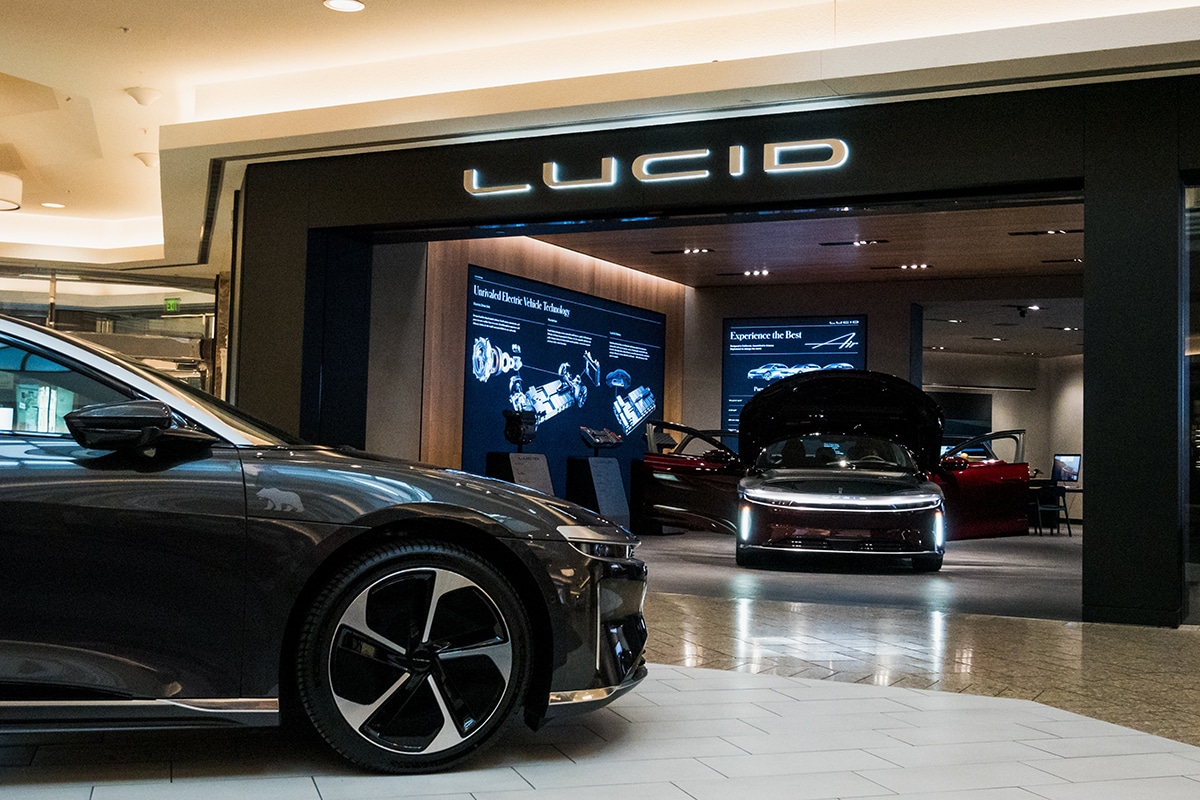
Lucid Motors, the electric vehicle manufacturer backed by Saudi Arabia’s Public Investment Fund (PIF), is set to launch a stock sale aiming to raise approximately $1.67 billion. This move comes as the company seeks to bolster its financial position amid ongoing challenges in the EV market, including increased competition and supply chain constraints. With ambitions to expand production capabilities and improve cash flow, Lucid’s strategic decision highlights the importance of capital infusion in achieving its long-term growth objectives.

Founded in 2007, Lucid Motors initially gained attention for its luxury electric sedans, particularly the Lucid Air, which offers high performance and premium features. The vehicle has garnered numerous accolades for its impressive range and innovative technology, solidifying Lucid’s position as a key player in the luxury EV segment. The company went public in 2021 through a merger with a special purpose acquisition company (SPAC), further fueling expectations of significant growth and innovation.

The stock offering is expected to be conducted through an underwritten public offering, with the PIF participating as a significant investor. This partnership with the Saudi fund underscores the commitment of both entities to not only enhance Lucid’s market position but also align with Saudi Arabia’s broader economic diversification plan, Vision 2030. This initiative aims to reduce the kingdom’s dependence on oil revenues by investing heavily in renewable energy and technology sectors.

Financial analysts view this stock sale as a necessary step for Lucid to secure funds to navigate the challenges of scaling production while maintaining quality and safety standards. The company has faced scrutiny over its production timelines, with initial targets for delivering vehicles falling short of expectations. As Lucid ramps up its manufacturing capabilities, having sufficient capital will be crucial for maintaining operational efficiency and meeting consumer demand.

Recent data indicates that Lucid delivered a total of 2,000 vehicles in the first half of the year, a significant increase from previous figures, but still below market expectations. Analysts suggest that this stock sale could provide Lucid with the financial flexibility to address bottlenecks in its supply chain and enhance its manufacturing processes.

Competition in the luxury EV space is intensifying, with established automakers such as Tesla, Rivian, and traditional automotive giants investing heavily in electric vehicle development. This competitive landscape necessitates that Lucid not only increases production but also invests in marketing and customer acquisition strategies to capture a larger share of the growing EV market.

Lucid’s management has indicated plans to introduce new models in the coming years, including an SUV variant that could broaden its appeal beyond the luxury sedan segment. Such diversification is expected to attract a wider customer base and generate additional revenue streams. However, executing these plans requires substantial investment in research and development, which the anticipated stock offering aims to support.

Investor sentiment surrounding Lucid remains cautiously optimistic, especially given the strategic backing from the PIF. This partnership not only provides financial resources but also enhances Lucid’s credibility in the global market. As part of Saudi Arabia’s strategy to invest in innovative technologies, the PIF’s involvement serves to align Lucid with the kingdom’s goals of fostering sustainable energy solutions and advancing technological advancements.

Despite the promising outlook, challenges remain for Lucid. The automotive industry has been significantly impacted by ongoing supply chain disruptions, including semiconductor shortages that have hindered production across the sector. As a new player in the industry, Lucid must navigate these hurdles effectively to establish itself as a viable competitor against more established manufacturers.

Lucid’s market performance has been volatile since its public debut, reflecting broader trends in the EV sector. Investors are closely monitoring Lucid’s ability to execute its growth strategies and achieve profitability in the coming quarters. The outcome of the stock sale will play a crucial role in shaping the company’s future trajectory and investor confidence.

As the electric vehicle market continues to evolve, Lucid’s strategic decisions will be closely scrutinized by industry observers and investors alike. The forthcoming stock offering is a pivotal moment for the company, as it seeks to secure the necessary funds to enhance its production capabilities and innovate its product line.

A groundbreaking artificial intelligence engine is set to transform urban mobility in Abu Dhabi. This initiative, led by Abu Dhabi Mobility, aims to enhance traffic management and improve the overall quality of life for residents. Leveraging advanced data analytics, the AI system will monitor various aspects of city movement, including traffic congestion, accident occurrences, and even apartment occupancy levels. The AI engine operates by analyzing real-time data […]

VISHNU RAJA
RYO YAMADA
HITORI GOTOH
IKUYO KITA