News related to
Vehicle

HANOI, VIETNAM – Media OutReach Newswire – 19 August 2025 – Vingroup was awarded the First-Class Labor Order in recognition of its exceptional achievements in developing the National Exhibition and Convention Center. This prestigious award acknowledges the Group’s breakthrough efforts and determination in completing the project 15 months ahead of schedule, celebrating the 80th National Day of the Socialist Republic of Vietnam and making a significant contribution […]

HANOI, VIETNAM – Media OutReach Newswire – 19 August 2025 – To mark the 80th anniversary of the National Day of the Socialist Republic of Vietnam, Vingroup inaugurated and broke ground on six major projects across the country. The highlight was the inauguration ceremony of the National Exhibition and Convention Center in Dong Anh, Hanoi, alongside five other landmark projects in the fields of socio-economic infrastructure, transportation, […]

TAIPEI, TAIWAN – Media OutReach Newswire – 19 August 2025 – Solid State Storage Technology Corporation (SSSTC) proudly announces the launch of the SSSTC CA8 Series, the world’s first industrial M.2 SSD built with BiCS FLASH™ generation 8 3D flash memory technology and a PCIe® Gen5 x4 interface. Offered in the industry-standard M.2 2280 form factor, the SSSTC CA8 Series is available in 512 GB, 1 TB, […]

China’s reliance on fossil fuels has been steadily declining despite increasing energy demand, marking a significant shift in the nation’s energy landscape. Coal and gas consumption saw a dip in 2025, even during a scorching July, as the government continues to prioritise clean energy sources. This is a clear sign that China’s aggressive push towards renewable energy and energy efficiency is beginning to take effect, even as the country faces unprecedented challenges in meeting its growing power needs.

Data from the National Energy Administration revealed that, in the first half of 2025, coal usage in the energy mix fell by 5% compared to the same period last year, while natural gas consumption also showed signs of contraction. The most striking development came in the power sector, where a surge in renewable energy production, particularly from solar and wind sources, helped to reduce dependency on fossil fuels.

China’s power demand soared during the summer, driven by an intense heatwave that gripped much of the country. However, the country was able to meet this surge without resorting to its usual fossil fuel-heavy energy production methods. This is partly due to the rapid expansion of its renewable energy capacity, which reached new records in both wind and solar power generation in 2025. The NEA reported that China’s total renewable energy capacity crossed 1,200 gigawatts for the first time, a crucial milestone that reflects the country’s commitment to a cleaner and more sustainable energy future.

One key driver of this change is China’s substantial investment in renewable infrastructure. The government allocated over $60 billion to clean energy projects in 2025, focusing heavily on expanding solar farms and offshore wind installations along the coast. At the same time, China has been making significant strides in energy storage technologies, which are crucial for maintaining grid stability as renewable sources, particularly solar, are intermittent.

While China remains the world’s largest coal producer and consumer, the shift towards clean energy is undeniable. The country’s coal-fired power plants, once the backbone of its energy sector, are now being gradually phased out or repurposed for lower-carbon technologies. The transition has been especially evident in regions like Inner Mongolia, where coal consumption has sharply decreased as wind and solar energy projects have taken root.

Industry experts point to a combination of factors driving this shift. First, there is the national government’s ambitious target of reaching carbon neutrality by 2060. Second, the economic pressures on coal mining companies, many of which are facing increasing scrutiny over environmental and public health concerns, are playing a role in reducing coal’s dominance. Moreover, local governments have introduced incentives for businesses to adopt cleaner energy solutions, further encouraging the transition away from fossil fuels.

The reduction in coal and gas use has also been bolstered by the rise of electric vehicles, which now account for a significant portion of the energy demand in urban centres. China’s push to become a global leader in EV manufacturing has contributed to the decrease in fossil fuel consumption in the transportation sector, where electricity now plays an increasingly prominent role.

However, while the momentum towards renewable energy is clear, challenges remain. One pressing issue is the reliability of the grid, especially in remote areas where renewable generation can be less consistent. The government is addressing this concern with the expansion of transmission infrastructure designed to transport power from renewable-heavy regions like the north and west to energy-hungry areas like the east and south.

While the clean energy push is a notable success, fossil fuels still account for a large portion of China’s energy mix. This means that the country remains vulnerable to price fluctuations in global energy markets, as seen in 2024 when rising global gas prices temporarily hindered efforts to reduce fossil fuel reliance.


Metaplanet has acquired an additional 775 Bitcoin in a substantial move that lifts its total holdings to 18,888 BTC, worth around $1.9–2.2 billion. The purchase, executed at an average price near $120,000 per coin and valued at approximately $93 million, underscores the company’s continued commitment to a Bitcoin-centric treasury strategy at a time when markets are under pressure. The latest figures reflect a return of over 480 percent year-to-date in BTC yield, positioning the firm as a formidable force among global corporate Bitcoin holders.

Metaplanet’s CEO, Simon Gerovich, acknowledged market disappointment amid Bitcoin’s dip back toward $115,000 but emphasised confidence in the company’s strategic foundation and long-term trajectory.

The announcement arrives amid a broader pattern of aggressive accumulation. Earlier in the year, Metaplanet purchased 780 BTC for about $92.5 million, bringing its holdings to 17,132 BTC and solidifying its status as Asia’s largest corporate Bitcoin holder and the seventh-largest globally. Prior to that, it added 1,005 BTC at roughly $107,601 each, overtaking peers to climb the rankings among corporate treasury holders.

Metaplanet’s expansion is part of its ambitious “555 Million Plan,” under which it aims to amass 210,000 BTC—about 1 percent of the total Bitcoin supply—by the end of 2027. The strategy includes issuing significant equity through warrants and share offerings, enabling rapid accumulation while managing shareholder dilution.

This pivot to Bitcoin has dramatically altered Metaplanet’s trajectory. A company formerly focused on hotel operations has emerged as a pioneering corporate treasury vehicle, mirroring the playbook of the US firm Strategy. CEO Gerovich, once a banker at Goldman Sachs Tokyo, has described the company’s strategic focus as a “Bitcoin gold rush,” envisaging Bitcoin serving as collateral to acquire cash-generating businesses in the future.

The firm’s bold asset approach has delivered notable returns, with its stock market value surging hundreds of percent this year and its BTC Yield metric demonstrating impressive growth relative to share dilution.

At a time when Bitcoin is trading near $115,000 after recently testing highs above $118,000, Metaplanet’s latest acquisition exemplifies a strategic bet on long-term appreciation amid short-term volatility. Market observers view its consistent accumulation—regardless of price dips—as a factor that could both tighten liquidity and exacerbate volatility.

Dubai Police has added an Audi RS7 to their renowned luxury vehicle fleet, further enhancing their ability to patrol the city in style. The new addition is part of the force’s continuous strategy to maintain a cutting-edge, effective, and visually striking presence on the streets.

This high-performance sports sedan, known for its bold design and advanced technology, is not just a fast patrol car but also a symbol of Dubai’s commitment to innovation. With a 4.0-litre V8 engine that delivers 591 horsepower, the Audi RS7 can reach speeds exceeding 190 mph, making it an impressive tool for rapid response to emergencies.

Equipped with the latest in automotive technology, the RS7 comes with adaptive cruise control, a virtual cockpit, and a range of high-tech sensors designed to optimise the driving experience and enhance the vehicle’s performance during patrols. The inclusion of this car is a significant upgrade to the Dubai Police fleet, which already features luxury models like the Lamborghini Aventador and the Ferrari FF.

While the new Audi RS7 will serve its primary function as a high-speed pursuit vehicle, it is also designed to make a strong visual statement. The sleek lines of the car, along with its distinctive police livery, ensure that it is not just a functional asset but a powerful presence on Dubai’s roads.

The vehicle’s addition comes as part of Dubai’s broader approach to using advanced technology in law enforcement. The city’s police force has long been at the forefront of adopting futuristic tools, from drones to cutting-edge surveillance systems. With a history of utilising high-end vehicles for patrol, Dubai Police’s decision to integrate the Audi RS7 further reinforces the city’s status as a global leader in both innovation and public safety.

The luxury fleet serves multiple purposes. Not only does it offer superior performance for rapid response and high-speed chases, but it also projects a strong image of modernity and strength. For the city that is known for its extravagant skyline and technological innovations, the vehicles used by law enforcement need to mirror the forward-thinking ethos that characterises Dubai.

As part of Dubai’s broader strategy, the police department has also made considerable investments in eco-friendly and electric vehicles. This transition is in line with Dubai’s goal to become a global hub for green technology. The police force’s vehicle fleet includes hybrid and electric models, balancing the need for high performance with sustainability. While the Audi RS7 itself is a petrol-powered sports car, its inclusion is indicative of the continued diversity in the types of vehicles within the fleet.

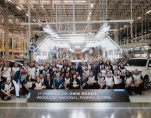
Iracemápolis, São Paulo – Media OutReach Newswire – 16 August 2025 – In the early hours of August 16 (Beijing time), GWM’s Brazil plant officially commenced operations, marked by a grand ceremony for the rollout of its first vehicle, the HAVAL H6 GT. The plant, located in Iracemápolis, São Paulo, was acquired from Daimler Group and has since been upgraded into an intelligent manufacturing base. As GWM’s […]

Advertisements

Lamborghini has introduced the Fenomeno, its most powerful V12 hybrid supercar, at Monterey Car Week 2025. Celebrating the 20th anniversary of Centro Stile, Lamborghini’s design division, the Fenomeno is a limited-edition model that pushes the boundaries of performance and design. The Fenomeno is powered by a naturally aspirated 6.5-litre V12 engine paired with a tri-electric motor hybrid system, delivering a combined output of 1,065 horsepower. This powertrain […]

South Africa’s government is moving forward with plans to launch a credit-guarantee vehicle in July 2026 to stimulate private investment in infrastructure projects. The initiative, aimed at overcoming the financing gap for large-scale infrastructure, will engage with lenders to fund a significant portion of the programme. The government’s objective is to encourage private companies to invest in the country’s critical infrastructure, which has long been underfunded, particularly […]

Gold’s upward trajectory in the UAE is reshaping consumer behaviour, with rising prices shifting the market’s balance away from traditional jewellery purchases toward more affordable and strategic alternatives. Demand for ornamental gold continues to wane even as the metal remains highly prized for investment. Gold jewellery sales across the UAE plunged to their lowest in over two years during April to June 2025, at 7.7 tonnes—down 16 […]

Samsung Electronics has secured a significant contract with Tesla, valued at $16.5 billion, to produce the electric vehicle manufacturer’s next-generation AI6 chips. The chips will be manufactured at Samsung’s advanced fabrication facility in Taylor, Texas, marking a pivotal development in both companies’ strategic plans.

The eight-year agreement, confirmed by Tesla CEO Elon Musk, is set to commence in 2025 and extend through 2033. This deal represents a substantial commitment from Tesla to Samsung’s foundry capabilities, particularly as the semiconductor industry faces increasing demand for advanced chips.

The AI6 chips are designed to power Tesla’s Full Self-Driving systems, the Optimus humanoid robot, and future robotaxi fleets. This move follows Tesla’s decision to discontinue its in-house Dojo supercomputer project, redirecting focus towards optimized chip design and external partnerships for AI infrastructure.

Samsung’s Taylor facility, supported by $6.4 billion in U. S. CHIPS Act funding, will utilize the company’s 2-nanometer process technology to manufacture the AI6 chips. This collaboration aims to enhance Samsung’s foundry business, which has faced challenges in recent years, and to position the company as a competitive player in the advanced semiconductor market.

While the deal is a strategic win for Samsung, it also presents challenges. The production of 2nm chips is complex, and achieving high yield rates is critical. Additionally, the financial terms of the contract suggest that Samsung may initially operate at a loss, viewing the deal as an investment in long-term growth and industry positioning.

The partnership with Tesla is expected to bolster Samsung’s position in the global semiconductor industry, particularly in competition with Taiwan’s TSMC, a dominant player in the foundry market. The success of this venture will depend on the effective scaling of production capabilities and the ability to meet Tesla’s stringent performance requirements.

A wave of infernos driven by soaring temperatures has engulfed southern Europe, prompting widespread evacuations, mounting fatalities and an unprecedented emergency response. Greece is enduring its fiercest wildfires as blazes near Patras and the islands of Chios and Zakynthos surge into homes, forests and industrial sites, under relentless heat and gusting winds. Nearly 5,000 firefighters and 33 aircraft have been mobilised to contain the flames, while multiple […]

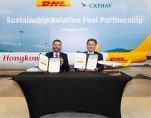
DHL Express purchases 2,400 metric tons of SAF from Cathay Group to be used on flights operated by Air Hong Kong, an express all-cargo carrier and wholly owned subsidiary of Cathay. The SAF will be used on Air Hong Kong flights departing from Seoul Incheon, Tokyo Narita and Singapore Changi airports. The new agreement underscores both parties’ commitment to lower-carbon air logistics and driving the production and […]

A growing cybersecurity concern has surfaced following an attack targeting job seekers in the tech industry. The attack leverages a malicious npm package disguised as a legitimate recruitment tool, warning security experts about the increasing vulnerability within the development community. The incident began when a self-identified Ukrainian Web3 team allegedly recruited a community member through a job interview. During the interview process, the candidate was instructed to […]

Oil prices held steady after a slight decline in thin trading, with market participants awaiting a critical meeting between US and Russian leaders. Global benchmark Brent crude remained above $66 per barrel, while West Texas Intermediate hovered around $63.

The modest drop in prices, which amounted to a 0.8% decrease in the previous session, marked a quiet period in the market as traders refrained from making significant moves. Investors are now looking ahead to upcoming discussions between US Secretary of State Marco Rubio and Russian Foreign Minister Sergey Lavrov. These talks are expected to set the stage for a high-stakes summit between President Joe Biden and Russian President Vladimir Putin, scheduled for later this week.

The ongoing volatility in oil markets, coupled with geopolitical uncertainty, has contributed to the recent fluctuation in prices. Despite this, oil has largely remained above the $60 per barrel mark, as tightening supplies and ongoing tensions in key production regions continue to support price levels.

Analysts are paying close attention to the diplomatic developments between the US and Russia, which could have broader implications for the energy sector. Market sentiment has been influenced by both nations’ roles as major players in global energy production and their influence on decisions within organisations such as OPEC+.

The summit will centre around various issues, including security concerns and energy policies. With both nations holding significant sway in global oil production, the discussions could have far-reaching consequences for the market. A breakthrough or escalated tension could prompt either a surge or a dip in oil prices depending on the outcome of the talks.

Investors are also looking at other global factors that could sway oil prices. In the US, the energy industry is continuing to recover from the impacts of the pandemic, with some analysts forecasting a strong rebound in demand as economies continue to reopen. However, the overall uncertainty surrounding economic recovery, inflation concerns, and ongoing supply chain issues are making the market particularly sensitive to external events.

OPEC+, the alliance of oil-producing nations, has played a significant role in stabilising prices in the past year. Its production cuts, alongside the gradual return of demand, have helped lift oil prices from the lows seen in 2020. As the group navigates production decisions and adapts to the changing landscape, it has become a crucial player in shaping the trajectory of global oil markets.

In addition to geopolitical tensions, the market is also contending with shifting dynamics in energy consumption. The growing push for renewable energy and the evolving role of electric vehicles are reshaping demand forecasts. With governments around the world pledging to reduce carbon emissions and transition towards greener energy sources, there is a growing expectation that long-term demand for fossil fuels may face pressure. This evolving energy landscape will inevitably impact the future of oil markets.

Despite these broader trends, short-term market activity is heavily influenced by supply-demand imbalances, particularly in the wake of global events. As the US and Russia prepare for their talks, traders will continue to watch for any signals of change in the balance of power within the energy sector. A shift in policy or a sudden geopolitical event could have immediate and lasting effects on oil prices.

BAODING, CHINA – Media OutReach Newswire – 12 August 2025 – Great Wall Motor (GWM) has combined sport, technology, and industrial pride in a landmark event—the 2025 GWM Smart Factory Half Marathon—held inside its Xushui Smart Factory in Baoding, Hebei Province. Over 10,000 runners raced through stamping, welding, and assembly workshops, surrounded by a living showcase of China’s cutting-edge automotive manufacturing. From the rhythmic movements of robotic […]

By Ashok Nilakantan Ayer When the U.S. President Donald Trump slapped heavy tariffs on a range of Indian goods this month, Prime Minister Narendra Modi responded almost immediately with quiet contingency planning: supply a targeted, limited financial backstop to exporters and small manufacturers whose cash flows are being squeezed by sudden loss of competitiveness in […]

Tesla has officially halted operations of its Dojo supercomputer, a key element in CEO Elon Musk’s vision for advancing full self-driving technology. Originally introduced as a crucial piece of the puzzle for the automaker’s autonomous driving ambitions, Dojo was expected to significantly enhance Tesla’s machine-learning capabilities. The decision to shut down the AI training system comes at a time when Tesla is facing increased competition in the […]

Emirates Global Aluminium, the largest aluminium producer in the UAE, is moving forward with plans to launch an initial public offering after years of speculation surrounding the potential listing. The company has begun engaging with banks to gather proposals for the offering, which could raise billions of dollars, according to industry sources. Rothschild & Co. has been selected to advise on the deal, although the listing venue […]

DP World has significantly boosted its automotive logistics capacity at Jebel Ali Port with the opening of a new 2.6 million square foot vehicle storage yard at Terminal 4. This expansion is a strategic move to cater to the increasing demand for global vehicle trade and further solidifies Dubai’s position as a leading automotive hub in the region.

The development adds an additional 13,000 car equivalent units to the port’s storage capacity, bringing the total to 75,000 CEUs. This increase comes as Dubai seeks to accommodate the growing flow of vehicles through its primary maritime gateway. The modern facility is equipped to handle a wide range of vehicles, ensuring smoother logistics and faster turnaround times for automobile shipments.

In tandem with the storage space, the upgrade also features an 800-metre quay. This quay is designed to support three roll-on/roll-off vessels simultaneously, improving the port’s efficiency and handling capacity for large-scale vehicle shipments. RoRo vessels are commonly used for transporting automobiles due to their ability to load and unload vehicles quickly and safely. The expanded quay capacity significantly enhances Jebel Ali’s ability to meet the demands of car manufacturers, traders, and logistics companies, both regionally and globally.

Dubai’s Jebel Ali Port has long been recognised as a pivotal trade and logistics hub, playing a crucial role in the region’s supply chain. The port’s strategic location, coupled with its extensive infrastructure, has made it a preferred gateway for trade in the Middle East, Africa, and Asia. The automotive sector, in particular, has seen exponential growth, with Dubai acting as a key transit point for vehicles moving between markets in Europe, Asia, and Africa. This new development aims to support the growing needs of global car manufacturers who rely on Dubai’s connectivity and efficiency to reach a broader market.

DP World’s expansion aligns with the UAE’s broader strategy to diversify its economy and reduce dependence on oil revenues by strengthening other sectors such as logistics and trade. The automotive logistics market has witnessed an upward trajectory in recent years, with rising demand for vehicle imports and exports. In response, DP World has invested in this infrastructure to support automotive trade and contribute to the broader economic goals of Dubai and the UAE.

With the automotive trade forecasted to grow, Jebel Ali Port’s enhanced capacity provides a critical edge in a competitive global market. The integration of cutting-edge technology and modern facilities within the new yard also supports the port’s commitment to sustainability and operational efficiency. The facility will implement eco-friendly practices such as energy-efficient lighting, and the quay will utilise advanced mooring systems to ensure safer and faster vessel turnaround.

The expansion also comes at a time when global trade flows are undergoing rapid changes, with new markets emerging in Asia, Africa, and Latin America. Dubai’s strategic location on the Arabian Peninsula offers a unique advantage, acting as a natural conduit for goods moving between these markets. DP World’s investment in Jebel Ali Port ensures that the UAE remains at the forefront of global trade, particularly in sectors like automotive logistics, where speed and efficiency are paramount.

As Dubai continues to enhance its infrastructure and trade capacity, it attracts increasing attention from international car manufacturers, logistics companies, and global shipping lines. The city’s status as a central automotive hub within the region is further cemented with such projects that not only increase capacity but also enhance the overall operational flow, making it a prime location for companies seeking to expand their footprint in the Middle East and beyond.

Hunan, a central province in China, has emerged as a vital player in the country’s trade and economic relations with Africa, defying the common association of Beijing or Shanghai as the primary hubs for these dealings. With its strategic location and evolving infrastructure, Hunan is positioning itself as a key partner in China’s broader strategy to expand its influence on the African continent. Over the past few […]

Apprehension has returned to US stock markets, and the reasons are becoming increasingly difficult to ignore. Many asset allocators I speak with are questioning valuations that appear stretched and overly reliant on a handful of technology giants. Although the S&P 500 and the Nasdaq 100 reached fresh highs just last week, the rally already feels vulnerable. Outside the United States, sentiment is notably more optimistic. In Europe, […]

France is grappling with its most severe wildfire in decades, marking a stark return to the destructive forces of nature. The fire, which broke out in the southern regions, has already scorched thousands of hectares, making it the largest blaze since 1949. That year, devastating fires near Bordeaux claimed 82 lives and ravaged 50,000 hectares of land. This new disaster is showing no signs of slowing down, […]

President Donald Trump is poised to sign an executive order on Thursday that will significantly reshape the landscape of retirement savings in the United States. The new directive will allow a broader range of alternative assets, such as private equity, real estate, and cryptocurrencies, to be included in 401 retirement accounts. This move marks the most substantial attempt by the administration to open up defined-contribution plans to non-traditional investment options, reflecting a growing desire to diversify retirement portfolios and enhance returns for savers.

The executive order is expected to provide American workers with the opportunity to invest in assets that have been historically out of reach for retirement accounts, which traditionally have focused on stocks, bonds, and mutual funds. The inclusion of private equity, real estate, and digital currencies aims to offer investors access to higher-yielding opportunities that could potentially outperform traditional investments, especially in times of economic uncertainty. By broadening the range of eligible assets, the administration hopes to increase the financial security of millions of retirees.

One of the key motivations behind this move is the desire to address the gap in retirement savings, particularly for individuals who do not have access to pension plans or other employer-sponsored retirement options. With many workers relying heavily on their 401 accounts for their financial future, this expansion could play a pivotal role in enhancing wealth accumulation over time. By enabling exposure to assets with historically higher returns, the plan aims to encourage long-term investing that may outperform the more conservative strategies currently available in these accounts.

The shift comes amid ongoing debates about the future of retirement savings in the United States. While many financial experts have lauded the potential of these alternative assets to boost returns, others have expressed concerns about the risks associated with their inclusion in retirement accounts. Private equity, real estate, and cryptocurrencies are known for their volatility, which could expose 401 investors to greater risk, particularly those with a lower tolerance for market fluctuations. These asset classes are often less liquid than traditional stocks and bonds, which could complicate the ability of retirees to access funds when needed.

Despite these concerns, proponents argue that expanding access to alternative investments could be a game-changer for retirement savers, especially as traditional investment options provide lower returns in the current low-interest-rate environment. Real estate, for instance, can serve as a hedge against inflation, while private equity has the potential to offer higher returns through early-stage investments in high-growth companies. Cryptocurrencies, on the other hand, have gained popularity as an asset class due to their potential for rapid price appreciation, although their volatility remains a significant factor for consideration.

The administration’s decision to open the door to these alternative assets also aligns with broader trends in the financial services industry, which has seen an increasing number of investment firms offering exposure to private equity, real estate, and cryptocurrencies through exchange-traded funds and other vehicles. These developments reflect the growing recognition that investors want more diverse options for retirement planning, particularly as they seek to maximize their returns and ensure they are prepared for the future.

However, the move is not without its challenges. For one, the Department of Labor and the Securities and Exchange Commission will need to ensure that the inclusion of these alternative assets in 401 accounts is properly regulated to protect investors from fraud and market manipulation. There are also concerns about the administrative complexities involved in allowing retirement plans to invest in assets that may require more sophisticated management and oversight. The broader regulatory framework will likely need to evolve to accommodate the new rules, ensuring that both investors and financial institutions are equipped to handle the unique aspects of these asset classes.

The timing of this executive order also comes at a critical moment, as the U. S. government grapples with broader economic challenges, including rising inflation and concerns about the stability of financial markets. By expanding 401 options to include more alternative investments, the Trump administration hopes to provide American workers with the tools to better weather economic fluctuations and build more robust retirement portfolios.

VISHNU RAJA
RYO YAMADA
HITORI GOTOH
IKUYO KITA
Just in:
Lego restores BrickLink marketplace after security investigation // October Food Price Shock Has Far Reaching Consequences // US resumes flights after nationwide air traffic shutdown // US authorities dismantle North Korean cryptocurrency deception infrastructure // Rooftop solar planning gaps behind power shortages // IEA forecasts fourth-quarter oil surplus as Gulf shipments rebound // UAE crews sustain coastal oil removal as beaches reopen // Woman found dead as bank moves to repossess home // Crescent Enterprises venture arm funds Oyster Therapeutics development // The Honey Trap Is The Headline, The Chip Pipeline Is The Story // Microsoft apologises as Outlook services recover after outage // Yicura BioMed Advances Dual Capital and Industrial Strategy: Completes First Closing of Series B Financing Led by Gobi Partners // L’OCCITANE Celebrates 50 Years Of Provençal Craftsmanship With Holiday 2026 Collection // TORRAS Launches Two New iPhone Duo Cases from Its Popular Ostand Series, Addressing Foldable Phone Users’ Concerns About Difficult Stand Positioning and Scratches // Microsoft outage leaves Outlook and Teams users disconnected // Microsoft restores services gradually but gives no recovery deadline // Sun World Ba Den Mountain marks Vietnam Culture Day, welcoming Cambodian visitors over Bon Om Touk // Salik posts Dhs1.045bn profit despite lower toll traffic // Saudi fund assets forecast to cross $400 billion // From Dubai to the EU: how UAE-based crypto firms can expand under MiCA //