Just in:
Mangroves Documentary Premieres, Exploring How Cities and Wetlands Coexist // Fraudsters register brand lookalikes within a day // China’s Recombinant Collagen Technology Wins the INPD Innovative Manufacturing Process Award // Broermann Medical Innovation Award 2026: Three Pioneers of Modern Obesity and Diabetes Therapies Honored // Govt offers talks to protesting teachers after CM signal // Mexican journalists demand accountability after Acapulco reporter killed // Over 360 electricity distribution professionals meet in Seoul for CIRED’s first major event in the Asia-Pacific region // Row over Sabarimala toilet disruption // Mangroves Documentary Premieres, Exploring How Cities and Wetlands Coexist // Bora Group 3Q26: Revenue and Net Income Expansion Continues U.S. Manufacturing and Biologics Footprint Complete; Margin Expansion to Follow as Utilization Improves // Mangroves Documentary Premieres, Exploring How Cities and Wetlands Coexist // Google identifies autonomous AI systems conducting vulnerability attacks // Takaichi exchanges greetings with Chinese minister at Manila summit // UK privacy regulator flags GTA 6 phishing threats // JPMorgan restores transactions after banking payments disruption // First Abu Dhabi Bank proposes AED15 billion share sale // Mubadala and Centerbridge secure £1.17bn Canaccord wealth agreement // Ayara Kamala Reveals a Refreshed Vision for Wellness in Phuket // Daughter resumes father’s eatery after fatal crash // Galaxy Resort Presents: “Plácido Domingo & José Carreras: The Legends United Opera Gala” //

News related to
Vehicle

Apprehension has returned to US stock markets, and the reasons are becoming increasingly difficult to ignore. Many asset allocators I speak with are questioning valuations that appear stretched and overly reliant on a handful of technology giants. Although the S&P 500 and the Nasdaq 100 reached fresh highs just last week, the rally already feels vulnerable. Outside the United States, sentiment is notably more optimistic. In Europe, […]

France is grappling with its most severe wildfire in decades, marking a stark return to the destructive forces of nature. The fire, which broke out in the southern regions, has already scorched thousands of hectares, making it the largest blaze since 1949. That year, devastating fires near Bordeaux claimed 82 lives and ravaged 50,000 hectares of land. This new disaster is showing no signs of slowing down, […]

President Donald Trump is poised to sign an executive order on Thursday that will significantly reshape the landscape of retirement savings in the United States. The new directive will allow a broader range of alternative assets, such as private equity, real estate, and cryptocurrencies, to be included in 401 retirement accounts. This move marks the most substantial attempt by the administration to open up defined-contribution plans to non-traditional investment options, reflecting a growing desire to diversify retirement portfolios and enhance returns for savers.

The executive order is expected to provide American workers with the opportunity to invest in assets that have been historically out of reach for retirement accounts, which traditionally have focused on stocks, bonds, and mutual funds. The inclusion of private equity, real estate, and digital currencies aims to offer investors access to higher-yielding opportunities that could potentially outperform traditional investments, especially in times of economic uncertainty. By broadening the range of eligible assets, the administration hopes to increase the financial security of millions of retirees.

One of the key motivations behind this move is the desire to address the gap in retirement savings, particularly for individuals who do not have access to pension plans or other employer-sponsored retirement options. With many workers relying heavily on their 401 accounts for their financial future, this expansion could play a pivotal role in enhancing wealth accumulation over time. By enabling exposure to assets with historically higher returns, the plan aims to encourage long-term investing that may outperform the more conservative strategies currently available in these accounts.

The shift comes amid ongoing debates about the future of retirement savings in the United States. While many financial experts have lauded the potential of these alternative assets to boost returns, others have expressed concerns about the risks associated with their inclusion in retirement accounts. Private equity, real estate, and cryptocurrencies are known for their volatility, which could expose 401 investors to greater risk, particularly those with a lower tolerance for market fluctuations. These asset classes are often less liquid than traditional stocks and bonds, which could complicate the ability of retirees to access funds when needed.

Despite these concerns, proponents argue that expanding access to alternative investments could be a game-changer for retirement savers, especially as traditional investment options provide lower returns in the current low-interest-rate environment. Real estate, for instance, can serve as a hedge against inflation, while private equity has the potential to offer higher returns through early-stage investments in high-growth companies. Cryptocurrencies, on the other hand, have gained popularity as an asset class due to their potential for rapid price appreciation, although their volatility remains a significant factor for consideration.

The administration’s decision to open the door to these alternative assets also aligns with broader trends in the financial services industry, which has seen an increasing number of investment firms offering exposure to private equity, real estate, and cryptocurrencies through exchange-traded funds and other vehicles. These developments reflect the growing recognition that investors want more diverse options for retirement planning, particularly as they seek to maximize their returns and ensure they are prepared for the future.

However, the move is not without its challenges. For one, the Department of Labor and the Securities and Exchange Commission will need to ensure that the inclusion of these alternative assets in 401 accounts is properly regulated to protect investors from fraud and market manipulation. There are also concerns about the administrative complexities involved in allowing retirement plans to invest in assets that may require more sophisticated management and oversight. The broader regulatory framework will likely need to evolve to accommodate the new rules, ensuring that both investors and financial institutions are equipped to handle the unique aspects of these asset classes.

The timing of this executive order also comes at a critical moment, as the U. S. government grapples with broader economic challenges, including rising inflation and concerns about the stability of financial markets. By expanding 401 options to include more alternative investments, the Trump administration hopes to provide American workers with the tools to better weather economic fluctuations and build more robust retirement portfolios.

Michigan’s State Retirement System has significantly increased its investment in Bitcoin, demonstrating confidence in the cryptocurrency’s long-term potential. The fund has tripled its exposure to Bitcoin through the ARK 21Shares Bitcoin ETF, a move that reflects growing interest from institutional investors in digital assets. This increase comes as Bitcoin continues to see heightened attention from both retail and institutional investors, positioning it as a key player in the evolving financial landscape.

The Michigan State Pension Fund, managed by the Michigan Department of Treasury, is one of the largest public pension funds in the United States, with assets exceeding $90 billion. Its decision to increase Bitcoin holdings through the ARK 21Shares Bitcoin ETF is seen as part of a broader trend in which pension funds, endowments, and other institutional investors have begun diversifying their portfolios by including digital assets.

The ARK 21Shares Bitcoin ETF, which is designed to provide exposure to Bitcoin without requiring investors to directly hold the cryptocurrency, has gained traction among institutional investors for its simplicity and regulatory compliance. This ETF allows for Bitcoin exposure in a traditional investment vehicle, offering an avenue for pension funds that may otherwise be restricted from investing directly in cryptocurrencies.

Cryptocurrency has become an increasingly important asset class for institutional investors. A growing number of asset managers have begun to see Bitcoin and other digital currencies not just as speculative investments, but as a hedge against inflation and currency devaluation. Bitcoin’s reputation as “digital gold” has been reinforced by its performance in the face of economic uncertainty, especially in comparison to traditional assets like equities and bonds.

The decision to expand Bitcoin holdings is also linked to the broader trend of pension funds seeking higher returns to meet long-term obligations. With global interest rates remaining low and traditional investments yielding modest returns, pension funds are under growing pressure to diversify their portfolios and consider alternative assets. Bitcoin, with its potential for high returns despite its volatility, has become a prominent choice.

Experts suggest that institutional adoption of Bitcoin is still in its early stages, but the trend is accelerating. Michigan’s State Pension Fund’s move to increase its Bitcoin exposure follows similar actions by other major pension funds and financial institutions. The California Public Employees’ Retirement System, the largest public pension fund in the U. S., has also explored Bitcoin exposure, although in a more cautious manner.

This shift towards digital assets by public pension funds is not without controversy. Some critics argue that the volatile nature of Bitcoin and other cryptocurrencies makes them a risky investment for pension funds, which are tasked with managing the retirement savings of millions of individuals. Concerns about the regulatory landscape and the potential for sudden price swings have prompted calls for greater caution in incorporating cryptocurrencies into institutional portfolios.

However, proponents of the move argue that Bitcoin’s resilience and increasing institutional support make it a sound long-term investment. As blockchain technology continues to mature and the regulatory environment around digital assets evolves, many believe that the risks associated with Bitcoin will be mitigated over time. Moreover, the increasing mainstream adoption of cryptocurrencies by corporations and financial institutions is seen as a positive indicator of their future potential.

The ARK 21Shares Bitcoin ETF itself has become a widely-followed vehicle for gaining Bitcoin exposure. Managed by ARK Invest, a firm known for its focus on disruptive innovation, the ETF holds Bitcoin in a secure manner and allows investors to gain exposure without directly purchasing or storing the cryptocurrency. The ETF has drawn interest from various institutional investors, including pension funds, hedge funds, and family offices, all seeking a regulated and secure method of gaining exposure to the world of digital assets.

Despite the benefits, the decision to triple Bitcoin exposure has sparked some concerns about diversification within the Michigan State Retirement System’s broader portfolio. Critics warn that an overconcentration in any single asset, particularly one as volatile as Bitcoin, could undermine the stability of the pension fund. While Bitcoin has demonstrated substantial returns in recent years, its volatility has also led to significant drawdowns, making it a risky bet for long-term investors.

The pension system’s commitment to Bitcoin, however, signals the growing legitimisation of digital currencies in the traditional financial world. Michigan’s pension fund is not alone in recognising Bitcoin’s potential as part of a diversified portfolio, as other states and private institutions have made similar moves to explore digital assets.


ADNOC Distribution has posted a robust 12% increase in net profit for the first half of 2025, reflecting solid growth across its key sectors. The UAE’s largest fuel distributor achieved its highest-ever fuel volumes during this period, with 7.62 billion litres sold, marking a 5.6% year-on-year rise. The company has shown a significant recovery from global market fluctuations, continuing to benefit from its diversified portfolio. The performance […]

The tragic death of a Dubai-based businessman aboard the Titan submersible could have been prevented, according to a detailed report. The incident, which occurred during a voyage to the wreck of the Titanic, saw all five passengers on board perish when the submersible suffered a catastrophic implosion in the North Atlantic. Among the victims was Shahzada Dawood, a well-known Pakistani-British businessman with deep ties to the Middle East. The new findings from investigations suggest critical lapses in the safety measures that led to the fateful disaster.

The Titan submersible, operated by the OceanGate company, was designed for deep-sea exploration and had made several successful expeditions before its ill-fated journey. On June 18, 2023, the vessel, with five people onboard, embarked on a mission to survey the wreck of the Titanic, located approximately 3,800 metres beneath the surface. However, less than two hours into the descent, the submersible lost communication, prompting immediate search and rescue operations. Tragically, the submersible was confirmed to have imploded, likely due to the immense pressure at that depth. No survivors were found.

In the aftermath of the incident, a comprehensive investigation was launched by the US Coast Guard, with the support of OceanGate and other stakeholders. The report issued highlights several disturbing safety concerns that may have contributed to the loss of life. One of the key findings revealed that the design of the submersible was flawed, especially in terms of its pressure resistance. Titan’s hull, made of carbon fibre and titanium, was found to be particularly vulnerable to the crushing pressures encountered at the extreme depths of the ocean.

The report also raises alarms over the lack of sufficient safety protocols. Despite previous warnings from experts and engineers about the potential risks of operating the submersible at such depths, OceanGate proceeded without addressing these concerns adequately. Furthermore, it was discovered that the company had a limited track record of using its submersible for commercial passenger voyages to the Titanic wreck, with only a few successful trips before the disaster. This limited experience, paired with a lack of comprehensive safety testing, created a dangerous combination.

Family members of those who perished in the incident have demanded accountability from OceanGate. Dawood’s family, in particular, expressed deep anguish, questioning whether the submersible was subjected to the rigorous safety checks expected of high-risk deep-sea vehicles. They have since called for more stringent regulations surrounding private submersible expeditions, pointing to the inadequacies in the oversight of such ventures.

OceanGate, in its defence, has acknowledged the tragic outcome of the mission, yet maintained that its technology was sound. However, the company’s CEO, Stockton Rush, who also perished in the implosion, had been previously warned about the unorthodox approach to safety that the firm followed. Rush reportedly ignored concerns from industry professionals and regulators, focusing instead on meeting the growing demand for expeditions to the Titanic wreck. This pursuit of speed and innovation, while admirable, ultimately cost lives.

The findings have sparked wider conversations about the regulation of private deep-sea expeditions. While the ocean exploration industry continues to grow, the Titan tragedy has underscored the need for a more robust framework to ensure the safety of passengers and crew alike. Calls for stricter regulatory oversight, including the requirement of more frequent and detailed safety checks, have gained momentum. There is growing consensus among marine engineers and experts that submersibles should undergo rigorous independent inspections before embarking on any mission.

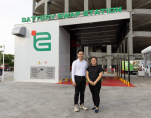
~ Singapore Events Company Delivers Full-Scale Launch Experience for EcoSwift’s Green Mobility Milestone ~ SINGAPORE – Media OutReach Newswire – 7 August 2025 – Events and experiential marketing agency HDFX Pte Ltd is proud to announce its role as the official event organiser for the recent launch of EcoSwift’s Battery Charge and Swop Station (BCSS), Singapore’s first public charging and battery-swop station for electric heavy commercial vehicles, […]

Advertisements

BitBridge has announced plans to begin acquiring Bitcoin for its balance sheet, with the intention of going public by the end of the third quarter of 2025. The company, which is positioning itself as a key player in the cryptocurrency sector, aims to tap into the growing demand for digital assets by developing an ecosystem centred around Bitcoin. This will include offering BTC-backed loans, potentially reshaping the landscape of crypto-finance.

The company’s move to purchase Bitcoin signals a strategic shift towards greater exposure to digital currencies and aligns with the broader trend of institutional investment in crypto assets. With the recent volatility in the cryptocurrency market, BitBridge is positioning itself to capitalise on the emerging financial opportunities in the blockchain space.

Going public under the ticker symbol #BTTL, BitBridge will offer investors the chance to access a growing market for Bitcoin-backed services and investment vehicles. The decision to acquire Bitcoin directly for its balance sheet highlights a growing trend among crypto-focused firms to integrate the asset into their operations as a long-term investment and financial instrument. This development also mirrors actions taken by large corporations, including payment giants like Tesla, which have previously added Bitcoin to their balance sheets.

Alongside the balance sheet expansion, BitBridge is laying the groundwork for an innovative platform that will offer Bitcoin-backed loans. This new service aims to provide an alternative to traditional lending, leveraging the liquidity of Bitcoin to offer credit solutions for crypto holders. These loans, secured by Bitcoin, could appeal to both individual and institutional clients who may be looking to unlock value from their holdings without selling their digital assets.

The potential for Bitcoin-backed loans to disrupt traditional lending models has garnered attention from experts in the fintech space. By collateralising loans with Bitcoin, borrowers can access liquidity while retaining ownership of their crypto assets. This could prove especially attractive in an environment where cryptocurrency adoption is growing, and more individuals are seeking ways to integrate their holdings into the broader financial system.

One of the critical aspects of BitBridge’s strategy will be its approach to regulatory compliance. As governments around the world begin to refine their stance on cryptocurrency, BitBridge’s ability to navigate the regulatory landscape will be crucial for its success. The company’s move to offer Bitcoin-backed loans will likely draw increased scrutiny from financial regulators, especially as concerns grow over the potential risks associated with crypto-backed lending.

BitBridge is also positioning itself within a competitive space, with several established players already offering similar services. However, the company’s focus on Bitcoin as a core asset distinguishes it from others in the market, potentially allowing it to tap into a niche but growing sector of the cryptocurrency market.

In addition to its focus on Bitcoin, BitBridge has emphasised the importance of security and transparency in its operations. As the crypto ecosystem continues to evolve, concerns about cybersecurity and the protection of assets remain top priorities for both investors and users. BitBridge’s commitment to building a secure and transparent platform is likely to play a significant role in attracting users who are wary of the risks associated with the crypto space.

Passengers at Heathrow Airport were left in disarray as travel chaos escalated across multiple terminals. With major delays disrupting air travel, many travellers abandoned their vehicles on the roads leading to the airport in favour of walking to packed terminals. Footage shared on social media showed vast queues stretching for hundreds of metres, with hundreds of passengers trying to check in and pass through security. Long-standing congestion […]

Dubai is poised to introduce a revolutionary autonomous parking system powered by artificial intelligence. Parkonic, the UAE’s top smart parking solutions provider, has entered a strategic collaboration with Salik Company, the toll gate operator, and Dubai Holding to launch this groundbreaking initiative. The new system is set to transform both on-street and off-street parking across some of the city’s most iconic neighbourhoods. The fully autonomous system will […]

Deepening “One Core and Two Wings” Strategic Layout Steady Improvement in Business Quality Continuously Enhancing Shareholder Returns HONG KONG SAR – Media OutReach Newswire – 5 August 2025 – The world’s largest telecommunications infrastructure service provider China Tower Corporation Limited (“China Tower”, or the “Company”) (Stock Code: 0788.HK) is pleased to announce its interim results for the six months ended 30 June 2025. Performance Highlights RMB Million […]

Dubai is set to become the first city globally to introduce a commercial air taxi service, marking a significant milestone in the evolution of urban mobility. This groundbreaking move follows the successful completion of full-scale test flights by US-based Joby Aviation, a company leading the development of electric vertical takeoff and landing aircraft. The service is planned to roll out in 2026, making Dubai a frontrunner in […]

A significant infrastructure development has been completed in Dubai, with the opening of an 800-metre tunnel designed to alleviate the city’s growing traffic congestion. The newly constructed tunnel, featuring four lanes in each direction, spans from the junction with Al Khail Road to the existing Sheikh Mohammed Bin Zayed Road. This is part of a larger, ongoing effort to streamline traffic and accommodate Dubai’s expanding population. The […]

LUOYANG, CHINA – Media OutReach Newswire – 1 August 2025 – From July 23 to 27, the Shanghai Cooperation Organization Media and Think Tank Summit was held in Zhengzhou, Henan Province. On July 26, over 100 guests embarked on a field visit to Luoyang, immersing themselves in the vitality and pulse of this millennium-old ancient capital. Site Museum of Dingding Gate As a pivotal cradle of Chinese […]

MANILA, PHILIPPINES – Media OutReach Newswire – 30 July 2025 – V-Green Global Charging Station Development Corporation (V-Green) and Green and Smart Mobility Joint Stock Company (Green GSM Philippines) have announced the signing of a Memorandum of Understanding (MOU) with Manila Electric Company (MERALCO) – the largest power distribution company in the Philippines. This milestone marks a significant step forward in the efforts to promote green transportation […]

JAKARTA, INDONESIA – Media OutReach Newswire – 26 July 2025 – VinFast, the Vietnamese Nasdaq-listed pure-electric vehicle manufacturer, today announced the signing and implementation of strategic cooperation agreements with leading Indonesian service workshop partners. This strategic move significantly expands VinFast’s after-sales network, demonstrating its commitment to providing maximum convenience for customers transitioning to electric vehicles. Mr. Kariyanto Hardjosoemarto – CEO of VinFast Indonesia (fourth from the left) […]

JAKARTA, INDONESIA – Media OutReach Newswire – 26 July 2025 – VinFast, the Vietnamese Nasdaq-listed EV manufacturer, has officially signed agreements with 20 new dealership partners during the Gaikindo Indonesia International Auto Show (GIIAS) 2025. These agreements will bring VinFast closer to its goal of operating 100 dealership showrooms this year. This marks a strategic advancement for VinFast in its journey to conquer the Indonesian market, and […]

Tesla has accelerated its plans for the launch of its highly anticipated Robotaxi service in San Francisco, with the service potentially set to begin as early as this Friday. The announcement comes after the company moved up its timeline, reflecting confidence in its self-driving technology and its ability to meet regulatory requirements. Some Tesla owners have already been notified that they will have the opportunity to participate […]

JAKARTA, INDONESIA – Media OutReach Newswire – 25 July 2025 – VinFast officially announced its membership in the Association of Indonesia Automotive Industries (GAIKINDO), marking a significant milestone in its journey to strengthen its position in the local market and demonstrate its long-term commitment to accompanying Indonesia on its path toward greener mobility. GAIKINDO membership provides VinFast with the opportunity to accelerate electric vehicle (EV) adoption, get […]

KUALA LUMPUR, MALAYSIA – Media OutReach Newswire – 24 July 2025 – Bitcoin (BTC) has been rising almost uninterruptedly over the past three months, setting new all-time highs (ATH) essentially every week since mid-May. According to Coinbase, BTCUSD surpassed the crucial $112,000 mark on 10 July and went on to touch the $123,200 level on 14 July. Since then, the market seems to have entered a period […]

dnata has introduced six autonomous electric baggage tractors at Dubai World Central – Al Maktoum International Airport, marking a pioneering shift in airport ground operations. The EZTow tractors, designed by TractEasy, tow up to four baggage containers at speeds near 15 km/h, operating at Level 3 autonomy under limited human oversight. By early 2026 the system is set to upgrade to Level 4 self-driving capability. The AED 6 million rollout seeks to enhance […]

ADNOC will shift its 24.9 per cent holding in Austrian oil‑and‑gas group OMV AG into XRG P. J. S. C, the UAE state oil giant’s $80 billion lower‑carbon energy and chemicals investment vehicle launched last November. The move aligns with ADNOC’s intent to centralise its international growth assets within XRG’s structure.

The shareholding transfer, subject to regulatory approval, follows ADNOC’s acquisition of the OMV stake from Mubadala in December 2022. In tandem, upon the completion of the proposed merger forming Borouge Group International —a polyolefins powerhouse valued at $60 billion—ADNOC’s resulting 46.94 per cent BGI stake will also be held by XRG.

The BGI framework merges OMV’s 75 per cent‑owned Borealis with ADNOC’s 54 per cent Borouge, and incorporates Nova Chemicals, securing the group’s position among the world’s top four polyolefins producers. OMV and ADNOC each will control approximately 46.94 per cent, with the remaining 6 per cent free‑float pending UAE Securities and Commodities Authority consent.

Khaled Salmeen, ADNOC’s downstream chief, described the move as a logical next step following the $60 billion chemicals merger, reinforcing the energy transition and investment diversification strategy. ADNOC’s transfer of both its OMV holding and BGI stake into XRG reflects its ambition to streamline governance and position XRG at the core of its international chemicals and low‑carbon energy agenda.

XRG, backed by global figures including former BP chief Bernard Looney and Blackstone’s Jon Gray, aims to build a top‑five global chemicals platform, while expanding gas, LNG, and low‑carbon energy capacity to 20–25 million tonnes annually by 2035. The unit is also said to be exploring an international listing in London or New York within the next five years.

Investors are watching for regulatory clearances across multiple jurisdictions—Austria, the UAE, and EU competition authorities—before finalising both the OMV share transfer and the formation of BGI. The new polyolefins entity is projected to deliver $500 million of annual cost synergies within three years post-merger.

DP World, Deendayal Port Authority and Polish tech firm Nevomo have formalised an agreement to pilot Nevomo’s MagRail system—a self-propelled, electric linear‑motor freight train—on a 750‑metre stretch at the port in Kandla. Signed on 15 July 2025 by top executives from each organisation, the deal marks India’s first experiment with autonomous magnetic rail freight within an operational port environment.

The partnership will pilot MagRail technology on existing railway tracks to autonomously transport containerised and bulk goods. Powered by electric linear motors, MagRail wagons eliminate diesel use, promising reductions in logistics time, operational costs and CO₂ emissions. The trial is designed to enhance port-hinterland connectivity and support India’s broader logistics modernisation under the National Logistics Policy and the PM‑Gati Shakti agenda.

DP World, a global supply chain specialist, is leading efforts to integrate this advanced freight solution. The Deendayal Port Authority—a significant multi‑cargo terminal under central government jurisdiction—is hosting the pilot to assess real‑world viability. Nevomo will provide its proprietary MagRailBooster system, designed for seamless integration with existing port rail networks. This three‑way collaboration reflects an alignment of private innovation and public logistics priorities.

According to Sushil Kumar Singh, chair of the port authority, the initiative represents “a strategic advancement in port infrastructure, enhancing capacity and operational efficiency to support growing cargo demands,” signalling strong institutional backing. Sultan Ahmed bin Sulayem, DP World’s group chairman and CEO, emphasised that MagRail will “reduce transit times and optimise infrastructure use,” adding value for customers while promoting sustainability.

Nevomo’s CEO, Przemek “Ben” Paczek, said the project would “showcase MagRail’s real‑world potential in boosting freight efficiency,” reflecting confidence in the technology’s applicability to closed‑loop logistics systems. Harj Dhaliwal, Nevomo’s Chief Business & Capital Programmes Officer, was credited with advancing the partnership. European rail specialists have already acknowledged MagRail’s promise in port and metro-campus settings.

Industry experts note that MagRail addresses several persistent bottlenecks in freight logistics: it offers rapid container shunting without the need for diesel road vehicles, improves yard cycle times, and integrates with existing rail infrastructure, minimising capital expenditure. The pilot’s green credentials also align with global port decarbonisation targets.

Situated at Kandla, which recently welcomed a large satellite terminal by DP World with a TEU capacity of 2.19 million, the trial supports the port’s expansion strategy. Officials hope that MagRail can help optimise operations across the new and existing facilities.

Planning documents suggest a phased implementation: initial tests on a limited 750 m section within the yard, followed by performance metrics on speed, energy use, reliability, and integration before broader deployment. Results from this pilot are expected to influence decisions on port rail automation nationwide.

This initiative positions India at the forefront of port logistics innovation within Asia. Similar systems have been deployed or tested in Europe, but this marks India’s first on‑site demonstration combining magnetic propulsion and autonomy in a live port. Industry observers see potential for replication at other major ports, boosting capacity and reducing carbon footprints across maritime‑logistics hubs.

Adoption of MagRail could revolutionise short‑haul freight by enabling fast, consistent and emissions‑free movement of containers between berths, storage yards, and hinterland connections. For DP World and the port authority, a successful trial could translate into scalable technology upgrades and competitive advantages in trade facilitation.

SINGAPORE – Media OutReach Newswire – 17 July 2025 – With the global lubricants industry still adjusting to the lasting impact of U.S. trade policy enacted during the first presidential term of U.S. President Donald Trump, supply chains are undergoing dramatic shifts—and Asia is solidifying its role as the sector’s global hub. While the U.S. tariffs primarily targeted a broad range of Chinese industrial chemicals under Section […]

VISHNU RAJA
RYO YAMADA
HITORI GOTOH
IKUYO KITA