Just in:
Daughter resumes father’s eatery after fatal crash // Regulator demands answers on controversial power deal // Kochi police arrest man over pitbull attack on wife after quarrel // Microsoft restores cloud services after gateway software failure // Galaxy Resort Presents: “Plácido Domingo & José Carreras: The Legends United Opera Gala” // Dubai airport passenger traffic drops 28.1% amid conflict // Ratio cut mooted to end teachers stir // Bora Group 3Q26: Revenue and Net Income Expansion Continues U.S. Manufacturing and Biologics Footprint Complete; Margin Expansion to Follow as Utilization Improves // TCMA Advances ASEAN Cement Decarbonization with 14.4 Mt. of CO₂ Reductions // Ukraine faces $32.6 billion financing gap amid legislative delays // UK privacy regulator flags GTA 6 phishing threats // Mubadala and Centerbridge secure £1.17bn Canaccord wealth agreement // Takaichi exchanges greetings with Chinese minister at Manila summit // JPMorgan restores transactions after banking payments disruption // Singapore outlines three AI initiatives for financial services // Mangroves Documentary Premieres, Exploring How Cities and Wetlands Coexist // China’s Recombinant Collagen Technology Wins the INPD Innovative Manufacturing Process Award // Mexican journalists demand accountability after Acapulco reporter killed // Broermann Medical Innovation Award 2026: Three Pioneers of Modern Obesity and Diabetes Therapies Honored // Apple restores services after App Store and iCloud outages //

News related to
Vehicle

Gulf nations have shown a growing interest in exploring Mongolia’s vast critical mineral resources, which are essential to global supply chains, particularly in green technologies. This shift in focus was underscored by Mongolian Prime Minister Oyun-Erdene Luvsannamsrai in a recent address, highlighting the potential for stronger cooperation between Mongolia and Gulf states in the mining and energy sectors. Mongolia is rich in critical minerals, including rare earth […]

Abu Dhabi-based CYVN has finalized an agreement to acquire McLaren’s automotive division, marking a significant shift for the renowned British car manufacturer. The deal, valued at an estimated £1.2 billion, aims to secure McLaren’s future in the high-performance sports car sector, while ensuring its long-term growth and innovation. This agreement also signals the latest chapter in McLaren’s ongoing restructuring efforts, which have been crucial in navigating the challenges of global economic uncertainty and the shifting dynamics of the automotive market.

CYVN, a prominent investment group from the UAE with interests in luxury and high-tech industries, has been actively seeking strategic acquisitions to expand its portfolio in the automotive sector. The buyout of McLaren’s automotive business, which produces some of the world’s most coveted hypercars, aligns with CYVN’s goal to further solidify its presence in the global luxury market. McLaren’s automotive arm, known for its innovative designs and engineering prowess, will now be under the strategic guidance of CYVN’s management, which is expected to inject fresh capital and technological expertise.

The deal comes after a period of financial restructuring for McLaren, which has faced mounting debt and a need for investment to sustain its position in a competitive market. Over the past few years, McLaren has been exploring various avenues to maintain its financial health while continuing to produce high-performance cars that blend cutting-edge technology with luxury. The acquisition deal is expected to provide McLaren with the necessary funds to stabilize its operations and drive forward its plans for innovation, particularly in electric vehicle development and other eco-friendly technologies.

The automotive industry is undergoing a major transformation, with manufacturers pivoting towards sustainability, electrification, and advanced technologies. This shift has been a focal point for McLaren in recent years, with the brand aiming to integrate hybrid and electric powertrains into its lineup. The acquisition by CYVN is seen as an opportunity to accelerate these ambitions, as the investment group has already expressed interest in expanding McLaren’s electric vehicle capabilities.

For CYVN, the purchase represents a strategic move to gain a foothold in the ultra-luxury car market, which has shown resilience despite global economic fluctuations. The growing demand for high-end, bespoke vehicles, particularly among the wealthy elite in emerging markets, has created a favorable environment for investment in this sector. McLaren, with its strong brand heritage and established presence in key markets, presents an ideal acquisition target for CYVN to further enhance its standing in the global luxury goods and automotive industries.

This acquisition also positions McLaren to tap into new markets, particularly in Asia and the Middle East, where demand for luxury cars has been increasing. The UAE, a key hub for high-end automobiles, is expected to play a central role in McLaren’s continued expansion. The deal could potentially lead to new manufacturing facilities or partnerships within these regions, further strengthening McLaren’s market presence.

The automotive sector, particularly the luxury segment, has witnessed a surge in consolidation and strategic partnerships in recent years. Industry experts suggest that the combination of CYVN’s financial backing and McLaren’s engineering expertise could create a powerful synergy capable of rivaling the industry’s largest players. As competition intensifies, especially with the push towards sustainable technologies, automakers must remain agile, investing in innovation while maintaining profitability. McLaren, with its deep engineering heritage and now bolstered by CYVN’s resources, is positioned to play a significant role in the next generation of high-performance vehicles.

Although the deal was welcomed by many industry observers, it also raises questions about McLaren’s future identity. The brand, once fully independent, now faces the challenge of aligning its operations and vision with the broader strategic goals of its new owner. The transition may involve shifts in McLaren’s production processes, management structure, and product offerings. However, the emphasis on maintaining McLaren’s engineering excellence and brand prestige is expected to remain a top priority for CYVN.

McLaren’s existing leadership, including CEO Michael Fleischmann, is expected to retain their positions, although the influence of CYVN’s management will likely be felt across key areas of the business. The company has reiterated its commitment to preserving the iconic status of its automotive division, ensuring that future models will continue to offer the exceptional performance and design that McLaren fans have come to expect.

HANOI, VIETNAM – Media OutReach Newswire – 9 December 2024 – By electrifying its taxi fleet, Jakarta could significantly reduce emissions and improve air quality, as shown by the success of electric taxis in cities around the world. One standout example is Xanh SM in Vietnam, which has also reshaped public attitudes toward electric vehicles (EVs). Xanh SM fleet in Vietnam. Photo: GSM Jakarta is no stranger […]

Schneider Electric has introduced a new suite of data center solutions aimed at addressing the growing energy demands of artificial intelligence (AI) systems. With AI adoption accelerating across industries, the need for more efficient and sustainable data processing infrastructure has become increasingly urgent. The company’s latest innovations offer advanced technologies designed to optimize energy consumption while supporting the complex needs of AI workloads. At the heart of […]

The Epic Games Store is offering a major deal for gamers, providing free access to *Lego Star Wars: The Skywalker Saga* and *Bus Simulator 21* for a limited time. These high-profile titles, usually priced at around $60 each, are now available at no cost to users who claim them during the promotional window. This marks one of the more exciting offers from Epic Games, which has built […]

Mubadala Investment Company’s assets have reached a staggering $330 billion, CEO Khaldoon Al Mubarak confirmed during the Milken Institute Middle East and Africa Summit. This significant figure underscores the firm’s growing influence in the global investment landscape, highlighting its strategic expansion into various sectors worldwide.

As one of the largest sovereign wealth funds globally, Mubadala’s diversified portfolio spans sectors such as technology, healthcare, energy, and infrastructure. Al Mubarak emphasized that the company’s investment approach remains focused on long-term growth, with an emphasis on innovation and sustainability. He also noted that Mubadala’s asset management strategy has evolved to meet the challenges and opportunities of an increasingly complex global economy.

Mubadala’s portfolio is a mix of direct investments, joint ventures, and partnerships, which are spread across different geographies. In recent years, it has made substantial investments in sectors poised for significant growth, particularly in technology and renewable energy. Its recent acquisitions include stakes in prominent companies such as Uber, Advanced Micro Devices (AMD), and the Abu Dhabi National Oil Company (ADNOC) group. These investments align with Mubadala’s broader strategy of backing high-potential firms that lead in their respective fields.

Al Mubarak also discussed the company’s commitment to sustainability, a key theme in many of its investment strategies. With increasing global awareness of climate change and the need for a sustainable future, Mubadala has increased its focus on clean energy projects, electric vehicles, and other environmentally friendly technologies. As part of its long-term strategy, the company aims to foster innovation in sectors that can drive the global transition toward a low-carbon economy.

The company’s involvement in renewable energy is also growing rapidly. Mubadala has made substantial investments in both renewable energy infrastructure and companies focused on decarbonization. One of its most significant ventures in this area is its involvement with Masdar, a global leader in renewable energy solutions, based in Abu Dhabi. This initiative is just one example of how Mubadala is aligning its portfolio with the global shift toward sustainability.

Mubadala’s $330 billion in assets also reflect its position as a key player in the global investment community. Over the past few years, it has increasingly positioned itself as a catalyst for innovation in the Middle East, while maintaining a strong international footprint. With its investments ranging from Silicon Valley startups to energy giants, Mubadala continues to assert its role as a crucial component in the diversification and modernization of the UAE’s economy.

Al Mubarak’s comments also highlighted the role that the company plays in supporting economic development in the UAE and beyond. Mubadala’s investments are not only aimed at generating returns but also at fostering innovation, creating jobs, and supporting the development of new industries. By supporting companies that can drive economic growth, Mubadala is helping to shape the future of the global economy in ways that benefit both the UAE and the wider international community.

In addition to its financial strategy, Al Mubarak also addressed the evolving challenges in global markets, particularly as geopolitical risks continue to rise and inflationary pressures remain a concern. He acknowledged the importance of adaptability, particularly as market conditions shift in unpredictable ways. According to Al Mubarak, Mubadala’s ability to swiftly adjust to changing market dynamics has been key to its success and resilience.

The CEO also touched upon the company’s deepening ties with other major global investors and sovereign wealth funds, particularly those in Europe and Asia. Mubadala’s focus on building strategic partnerships and alliances is a key part of its strategy to diversify its portfolio and tap into new growth areas. These collaborations allow Mubadala to access cutting-edge technologies and new markets that will be critical for long-term growth.

With over $330 billion in assets under management, Mubadala’s role in the global investment ecosystem continues to expand. Its focus on sustainable investments and innovative partnerships positions the firm as a leader in both the financial and technological sectors. As the company continues to grow and adapt to the evolving needs of the global market, its influence is likely to extend even further, providing both financial returns and long-term value to the UAE and its international partners.

Saudi Arabia’s startup ecosystem is experiencing a significant surge in investments, with major moves in private equity, sportstech, and digital platforms. As the country continues to diversify its economy, efforts to boost innovation and entrepreneurial ventures have shown tangible results, with prominent regional funds securing notable commitments from key players.

One of the latest developments comes from Jada Fund of Funds, a prominent investment vehicle in Saudi Arabia, which has committed to the Jadwa GCC Private Equity Fund I. Managed by Jadwa Investment, this fund is aiming for SR1.5 billion ($399.2 million) in commitments, with a hard cap of SR2 billion. This move is reflective of a broader trend of growing capital flows into the country’s private equity sector, particularly those supporting diversified businesses targeting the Gulf Cooperation Council (GCC) region.

The capital infusion into sportstech ventures is also noteworthy. Saudi Arabia is positioning itself as a leader in the Middle East’s rapidly growing sportstech industry, which is attracting attention from both regional and international investors. The government’s Vision 2030 initiative, aimed at reducing the country’s dependency on oil, is providing the foundation for an increasingly vibrant startup landscape. With an eye on the growing sports sector, Saudi firms are investing heavily in sports technologies, including wearable devices, data analytics, and performance-enhancing software that cater to athletes and sports organizations across the region.

Several Saudi-based investors, including venture capital firms and family offices, are increasingly putting their money into sportstech, reflecting the broader regional interest in this high-growth sector. The Saudi government has been actively supporting innovation in the sports industry, with ambitious projects like the establishment of mega-sports events and investment in sports infrastructure. This has, in turn, created significant opportunities for sportstech startups to grow and scale.

The trend is not limited to just private equity or sportstech. The digital platform sector, which includes e-commerce, fintech, and SaaS startups, has also seen an uptick in investment. The rise of e-commerce platforms and fintech innovations is being driven by growing internet penetration and mobile usage, particularly among Saudi Arabia’s tech-savvy youth. The government’s push to digitize various sectors of the economy has made the country a hotbed for digital platform startups looking to serve a rapidly evolving market.

These investments are not just a sign of a thriving startup ecosystem but are also a testament to the maturity of Saudi Arabia’s venture capital scene. With institutions like Jada Fund of Funds and Jadwa Investment playing key roles, the country is moving towards a more sophisticated investment environment. Jada Fund of Funds, a government-backed initiative, is helping to bridge the funding gap for early-stage companies, creating a more robust ecosystem for entrepreneurs.

Private equity firms are targeting sectors ranging from healthcare to renewable energy, demonstrating that the Saudi investment appetite is not confined to tech but extends across a range of industries vital for the kingdom’s long-term diversification strategy. This is part of a wider effort by the government to encourage private sector participation in building a non-oil economy, and the growth in startup investments reflects this strategy in action.

Beyond traditional venture capital, the sportstech space has seen a surge in the establishment of innovation hubs and incubators focused on sports technology. These hubs are providing much-needed resources and mentorship to emerging sportstech startups, enabling them to scale more rapidly. Companies in this space are developing innovative solutions that address the needs of professional athletes, fitness enthusiasts, and sports organizations alike.

International investors are also recognizing the potential of Saudi Arabia’s startup ecosystem, with increasing interest in the country from foreign venture capitalists and corporate investors. This influx of global capital is helping to accelerate the growth of homegrown startups, while also enhancing the visibility of Saudi Arabia as a regional innovation hub. By positioning itself as a key player in the tech and innovation space, Saudi Arabia is attracting startups and venture capital firms from around the world.

The government’s role in fostering innovation through policies and financial incentives cannot be overstated. Vision 2030 has made it clear that entrepreneurship and technological innovation are crucial components of Saudi Arabia’s future. With initiatives designed to support small and medium-sized enterprises (SMEs), including financial grants, tax breaks, and access to government contracts, the kingdom is ensuring that startups have the necessary tools to succeed.

These policies are beginning to bear fruit, with a number of high-profile exits in the startup space. Several homegrown startups have either been acquired by global firms or have secured substantial rounds of funding, further validating the strength of the Saudi startup ecosystem. This trend of successful exits will only continue to attract more venture capital to the country, further cementing Saudi Arabia’s position as a regional startup powerhouse.

The role of women in Saudi Arabia’s startup ecosystem has also seen notable expansion. With the government’s focus on gender equality as part of Vision 2030, female entrepreneurs are increasingly making their mark in the tech and business world. Initiatives such as the Women’s Empowerment Program are helping to provide a platform for female entrepreneurs to showcase their ideas, access funding, and network with key industry players.

Advertisements

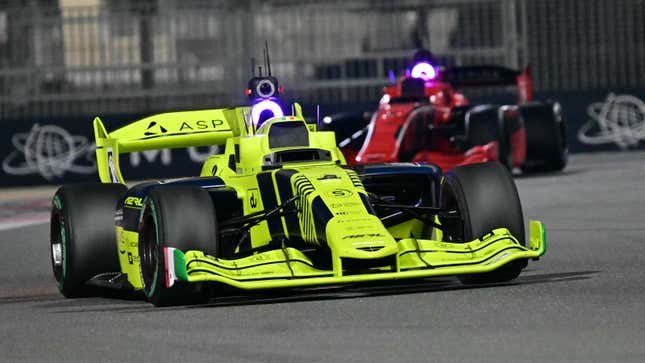
Autonomous vehicles are making strides in Abu Dhabi as driverless taxis, also known as robotaxis, operate on specific routes in the capital. The initiative, a collaboration between WeRide, a pioneering autonomous vehicle company, and ride-hailing platform Uber, has been launched on routes connecting Yas Island, Saadiyat Island, and Sheikh Zayed International Airport. Currently available for select bookings under UberX or Uber Comfort, this service represents a significant step in the UAE’s smart mobility aspirations.

WeRide, which holds the UAE’s first national license for self-driving vehicles, is integrating its autonomous fleet with Uber to expand accessibility. These vehicles, initially bookable via the TXAI app, are expected to feature on the Uber platform by year-end. Although pricing details remain under wraps, Uber has confirmed that qualifying ride requests may prompt users with the option to select a WeRide vehicle.

Uber Technologies has officially rolled out autonomous ride-hailing services in Abu Dhabi in collaboration with WeRide, a leading autonomous vehicle technology firm. This strategic partnership marks a significant step forward in integrating autonomous mobility solutions within the region, leveraging WeRide’s advanced autonomous vehicle systems on Uber’s platform. WeRide, recognized for operating the largest autonomous fleet in the UAE through its TXAI app, secured national authorization in 2023 […]

A group of 15 individuals has been charged in the UAE with orchestrating a sophisticated operation involving tax evasion and money laundering, amounting to an estimated Dh107 million. Authorities have uncovered the elaborate scheme, which spanned several years, and involved the deliberate manipulation of financial systems across multiple sectors. The accused face serious charges that include falsifying financial documents, illegal financial transactions, and laundering proceeds from illicit activities.

The UAE’s economic crime investigators worked in coordination with international law enforcement to bring down this network. The operation primarily targeted various business entities that utilized complex mechanisms to evade taxes while diverting funds to illegal channels. The group allegedly funneled money through multiple shell companies, inflating expenses, underreporting revenues, and misclassifying transactions to disguise the flow of illicit funds.

UAE authorities have stressed the importance of holding individuals accountable for such financial crimes, particularly given the impact on the nation’s reputation as a global financial hub. The case has sparked significant concern within the business community, as it underscores the need for more stringent financial controls to prevent similar occurrences in the future. The accused individuals include both local and foreign nationals, some of whom held significant managerial positions within their companies.

While the investigation is still ongoing, authorities have already identified numerous accomplices who facilitated the fraudulent transactions. As part of the investigation, multiple properties and assets have been seized, including luxury real estate and high-value vehicles, which investigators claim were purchased with the proceeds of illicit activities. The scale of the financial misdeeds has drawn the attention of both national and international regulators, prompting calls for enhanced monitoring systems and tighter enforcement of anti-money laundering laws.

The UAE government has long been committed to strengthening its legal framework to combat money laundering, tax evasion, and other financial crimes. As part of its efforts, the government has been working closely with international organizations such as the Financial Action Task Force (FATF) to ensure that the country’s financial institutions adhere to the highest standards of transparency and accountability. This case serves as a stark reminder that the UAE remains vigilant in its fight against financial misconduct and will continue to take aggressive steps to uphold its global standing as a leading financial center.

In light of these developments, experts are warning businesses to ensure that their financial operations are fully compliant with the country’s regulations. Financial institutions in the UAE are now under increasing pressure to implement enhanced monitoring systems and report any suspicious activities promptly to the authorities. With the financial landscape rapidly evolving, there is a growing emphasis on the need for businesses to maintain rigorous internal controls and transparency in their operations to avoid falling victim to similar schemes.

The accused individuals are expected to face significant penalties if convicted, including heavy fines and lengthy prison sentences. UAE authorities are taking a firm stance on white-collar crime, with an increasing number of high-profile cases being brought to trial in recent years. As the legal proceedings continue, it is expected that further revelations may emerge about the scope of the operation and the individuals involved, shedding light on the complex networks that facilitate financial fraud and money laundering.

Morgan Stanley has adjusted its Brent crude price projection for the second half of 2025 to $70 per barrel, citing OPEC+ production decisions and broader supply-demand dynamics. This revision reflects cautious optimism about the market’s ability to stabilize amid shifts in global oil supply, rising alternative energy adoption, and the evolving geopolitical landscape.

The OPEC+ coalition has opted to gradually unwind its voluntary production cuts totaling 2.2 million barrels per day starting from December, aiming to maintain price stability while balancing market cohesion. Analysts suggest this calculated strategy seeks to mitigate downward pressure on oil prices caused by oversupply fears and demand uncertainties. The move follows deliberations among key producers, including Saudi Arabia and Russia, with a long-term focus on discipline among non-OPEC+ suppliers.

Despite these measures, bearish market conditions persist. Morgan Stanley’s forecast aligns with broader trends suggesting that crude oil prices may face headwinds from an anticipated supply surplus of approximately 700,000 barrels per day by 2025. This surplus, driven by production expansions in regions such as the Americas, has tempered earlier bullish outlooks. Brazil, Guyana, and the United States are expected to collectively contribute over one million barrels per day to global output growth in the coming years.

Demand-side challenges also weigh heavily on the outlook. A slower-than-expected recovery in China’s oil consumption, attributed to rapid electric vehicle adoption and the rise of LNG-powered trucking, has raised concerns about long-term demand stagnation. Bank of America analysts have echoed this sentiment, projecting subdued growth in China’s oil usage as one of the factors leading to a potential market oversupply.

Middle Eastern tensions and disruptions to Libyan crude exports have added complexity to the short-term landscape. However, analysts anticipate these issues to have a limited impact on long-term pricing due to ongoing diplomatic efforts and the likelihood of resumed production in Libya. As such, markets remain focused on structural shifts, including the increasing role of alternative energy sources and changes in transportation fuel demand.

AACHEN, GERMANY – Newsaktuell – 5 December 2024 – Customer requirements for the evolution of electric cars are clearly defined: reduced weight at increased efficiency, higher range at shorter charging times and maximum safety. FEV, Germany’s innovation powerhouse for the automotive and energy industry, and ProLogium, global pioneer in developing advanced vehicle batteries, fulfill precisely these requirements with their new product. FEV and ProLogium present the latest […]

HOHHOT, CHINA – Media OutReach Newswire – 5 December 2024 – Recently, the 2024 Green Methanol Energy Industry Development Forum and the Farizon New Energy Commercial Vehicle Methanol-Hydrogen Product Showcase were held in Hohhot, Inner Mongolia. These events have not only highlighted Inner Mongolia’s innovation and breakthroughs in the new energy sector but also outlined a clear path towards a greener future. Methanol, recognized for its efficient […]

Tesla’s long-anticipated Cybertruck production has been put on hold, marking a significant setback for Elon Musk and the electric vehicle giant. The delay follows a series of hurdles that have shaken investor confidence and raised concerns about the company’s ability to meet its ambitious targets. These setbacks compound the challenges Musk has faced this week, including a major drop in his stock valuation and continued issues related […]

Bitcoin has crossed a major milestone, emerging as the world’s 10th largest asset by market capitalization. This significant shift places the cryptocurrency ahead of both the Australian dollar and the Swiss franc, marking a new chapter in the ongoing evolution of digital assets. The latest surge in Bitcoin’s value showcases its growing influence within the global financial landscape.

The cryptocurrency has made headlines with a substantial increase in its market cap, which now exceeds $500 billion. This has been driven by a combination of factors, including a stronger adoption rate among institutional investors and a renewed interest from retail investors. As the digital currency continues to gain traction, its market value surpasses that of traditional currencies, positioning Bitcoin among the top 10 global assets.

The rise of Bitcoin comes at a time when financial markets are grappling with the volatility of traditional assets and currencies. The Australian dollar and Swiss franc, long seen as safe-haven currencies, are now being overshadowed by the growing dominance of Bitcoin in the financial markets. Bitcoin’s ability to secure its place among the top assets has further solidified its reputation as a digital store of value and an alternative investment class.

What makes this development even more striking is Bitcoin’s ability to challenge conventional asset classes, particularly in the context of growing concerns over inflation and economic instability. Investors are increasingly looking for assets that are decentralized and immune to government manipulation, making Bitcoin an attractive option.

A key contributor to Bitcoin’s rise is the influx of institutional investors, including hedge funds and publicly traded companies, that have begun adding Bitcoin to their portfolios. Large financial institutions like BlackRock, Fidelity, and MicroStrategy have embraced Bitcoin as a legitimate asset, fueling its upward trajectory. These investors view Bitcoin as a hedge against inflation, as it is perceived as being less susceptible to the monetary policies that affect traditional currencies.

At the same time, Bitcoin’s growing acceptance among retail investors has been a significant driver of its value. As more individuals recognize the potential of Bitcoin as both an investment vehicle and a medium of exchange, the demand for the cryptocurrency continues to soar. This has led to a steady increase in Bitcoin’s price and, consequently, its market capitalization.

The rising popularity of decentralized finance (DeFi) platforms has also contributed to Bitcoin’s ascension. DeFi applications, which are built on blockchain technology, are providing users with more ways to earn, borrow, and lend digital assets. As Bitcoin plays a central role in the DeFi ecosystem, its value is becoming increasingly linked to the success of these platforms.

Despite the volatility that has often been associated with cryptocurrencies, Bitcoin’s market dominance is a testament to its resilience. Unlike traditional financial markets, where volatility can be exacerbated by central bank interventions and geopolitical tensions, Bitcoin operates within a decentralized network that is free from government control. This has made Bitcoin a particularly attractive option during times of global uncertainty.

The broader crypto ecosystem, however, remains highly competitive. Ethereum, which ranks second in market capitalization, continues to challenge Bitcoin for dominance in the digital asset space. Despite this, Bitcoin has maintained its position as the leader in terms of market cap, even as other cryptocurrencies such as Binance Coin and Cardano grow in value.

Experts also note that Bitcoin’s status as a store of value is likely to continue strengthening as more people move away from traditional investment vehicles. The ongoing development of Bitcoin-related financial products, such as exchange-traded funds (ETFs) and futures contracts, is helping to integrate the cryptocurrency into mainstream financial markets. This trend suggests that Bitcoin’s role in the global financial system will only expand further in the coming years.

While the current rally in Bitcoin’s market value has garnered attention, analysts remain cautious about the sustainability of its growth. Bitcoin’s price has historically been prone to volatility, with sudden fluctuations often causing uncertainty in the market. Despite this, the long-term outlook for Bitcoin remains optimistic, as its underlying blockchain technology continues to garner support from both institutional and retail investors.

As Bitcoin continues to gain ground, questions remain about its role in the broader economy. While many view it as a hedge against inflation and a store of value, others are concerned about its environmental impact, given the energy consumption associated with mining operations. Moreover, regulatory scrutiny of cryptocurrencies is intensifying in several countries, with governments and financial regulators grappling with how to treat digital assets.

Bitcoin’s rise in market capitalization also highlights the increasing integration of cryptocurrencies into the global financial system. As more financial institutions adopt Bitcoin and other digital assets, it is likely that cryptocurrencies will continue to play an influential role in shaping the future of global finance. The potential for Bitcoin to be used as a widely accepted form of payment, along with its increasing recognition as an asset class, positions it as a key player in the evolution of the financial sector.

The Liwa International Festival 2025 (LIWA 2025) will commence on December 13 in the Al Dhafra region of Abu Dhabi, running through January 4. The event, known for attracting motorsport enthusiasts from around the world, promises a captivating blend of high-octane motorsport competitions, cultural exhibitions, and family-friendly activities. With its strong focus on desert racing, LIWA 2025 is expected to offer unparalleled excitement for both competitors and spectators.

Held annually in the stunning Al Dhafra desert, the festival is a key highlight of the UAE’s motorsport calendar. This year’s event is anticipated to showcase a series of thrilling off-road racing events, including the famed Liwa Desert Challenge, where drivers compete against the harsh desert landscape in a test of skill and endurance. The challenge draws some of the world’s best off-road racers and features a range of vehicles, including 4x4s, motorcycles, and dune buggies.

LIWA 2025 will also spotlight the growing popularity of motorsports in the Middle East, a region that has increasingly become a hub for international racing events. This year’s festival is expected to be one of the largest yet, with organizers estimating that tens of thousands of visitors will flock to the desert over the course of the three-week event. The event’s success is partly attributed to its ability to attract a diverse crowd, with motorsport fans, local families, and international tourists all eager to experience the blend of speed, culture, and tradition.

One of the festival’s main draws is its ability to combine thrilling motorsports with cultural experiences. Alongside the races, LIWA 2025 will feature traditional Bedouin music and dance, local food stalls, and displays of regional crafts. This fusion of culture and sport is one of the reasons why the festival has grown in popularity over the years. Visitors can explore the region’s rich heritage while enjoying the electrifying atmosphere of the races.

The festival is not just for motorsports aficionados. The event also hosts a number of family-oriented activities, including camel races, falconry displays, and a vibrant market that showcases handicrafts and local products. These attractions offer a more immersive experience, allowing visitors to connect with the history and traditions of the UAE.

This year’s festival also aims to bring attention to sustainability efforts. Organizers have incorporated eco-friendly initiatives into the event’s planning, ensuring that it not only celebrates motorsports but also respects the fragile desert environment. This includes using solar-powered lighting, minimizing waste, and encouraging the use of electric vehicles for transportation around the festival grounds. These efforts reflect a growing trend in the region to balance high-impact events with environmental responsibility.

The Al Dhafra region, known for its vast and dramatic sand dunes, provides a spectacular backdrop for the festival. The desert’s unique landscape offers an exciting and challenging terrain for participants. The extreme conditions make it a true test of endurance, skill, and precision for drivers who face both natural and technical obstacles throughout the race. The Liwa Desert Challenge is considered one of the toughest off-road racing events globally, and it continues to attract drivers eager to test their mettle.

Beyond the races, LIWA 2025 will also feature an exhibition of cutting-edge automotive technology and innovation. Manufacturers and vendors will display the latest advancements in off-road vehicles, providing a glimpse into the future of motorsports. This expo is expected to draw significant attention from industry professionals, as well as fans eager to see the newest vehicles and gadgets designed for desert racing.

The Liwa International Festival’s reputation as a major motorsport and cultural event is not just limited to local audiences. The festival has seen increasing international attention in recent years, with visitors and competitors from across the globe making the journey to Abu Dhabi for the event. It serves as an important meeting point for motorsports enthusiasts, industry leaders, and cultural tourists alike.

The festival provides a platform for local businesses to showcase their products and services. The event offers sponsorship opportunities for a variety of brands, ranging from automotive companies to luxury goods and local hospitality services. These partnerships help fuel the growth of the event and ensure its continued success, benefiting both the motorsport industry and the local economy.

One of the key components of the festival is the opportunity it provides for networking within the motorsports community. As a hub for off-road racing, the festival allows competitors, fans, and industry professionals to meet and exchange ideas. It is an event where business, sports, and culture collide, fostering collaborations and partnerships that extend beyond the festival itself.

As the event grows in stature, the UAE continues to position itself as a major player on the global motorsports stage. With world-class facilities, a growing fan base, and a strategic location that connects East and West, the UAE is becoming a key destination for motorsport events, not just in the Middle East, but globally. This trend is expected to continue with events like the Liwa International Festival setting the standard for excellence in the region.

Organizers of LIWA 2025 are confident that the festival will be a major success, citing the growing interest in motorsports and the UAE’s strong infrastructure. With support from the government, as well as private sector partnerships, the event is set to leave a lasting impression on all who attend.


As the cryptocurrency market continues to evolve, Cardano and Dogecoin millionaires are setting their sights on an emerging token, PropiChain, sparking significant attention from seasoned investors. This real-world asset (RWA) token is attracting major players in the space, with projections suggesting an explosive rise of up to 50,000%. The surge in interest comes as more investors turn their focus from speculative digital currencies to tokens linked to tangible real-world assets, offering a unique blend of security and potential for massive returns.

PropiChain, designed to bridge the gap between blockchain technology and traditional asset markets, has captured the interest of high-profile investors from the Cardano and Dogecoin communities, both of which have seen substantial gains in recent years. These communities, known for their large, dedicated following, are now seeking opportunities in new tokens with a real-world utility, a trend that could redefine the future of decentralized finance (DeFi). PropiChain aims to provide a decentralized solution for tokenizing real-world assets, such as real estate, commodities, and even intellectual property, opening up a wide range of possibilities for asset-backed investments on the blockchain.

What sets PropiChain apart from other tokens is its ability to tether digital currencies to tangible, regulated assets. This connection offers a degree of stability that many DeFi investors find appealing. By leveraging blockchain’s transparency and immutability, PropiChain enhances liquidity for traditionally illiquid assets, such as real estate, while ensuring that investors have access to a more secure investment vehicle. The market for tokenized real-world assets has been growing steadily, with PropiChain positioning itself as a leading contender in this emerging space.

The token’s potential to revolutionize asset-backed investments has caught the attention of not only individual investors but also institutional players. In recent months, there has been a notable shift in how institutional investors view cryptocurrencies and blockchain technology. Traditionally, institutions have been wary of the volatility and lack of regulation in the crypto market, but with projects like PropiChain offering clear pathways for integrating blockchain into established asset classes, the door is now open for greater institutional participation.

PropiChain’s backing comes from a team of developers with deep expertise in both blockchain and traditional finance. The project’s roadmap includes partnerships with real-world asset platforms and real estate developers, further solidifying its credibility and appeal. These collaborations are expected to enhance the platform’s real-world impact, enabling PropiChain to tokenize a diverse array of physical assets. The combination of robust technological infrastructure and real-world applicability makes PropiChain one of the most anticipated projects in the blockchain space.

For Cardano and Dogecoin investors, the appeal of PropiChain lies in its potential for massive returns. Both Cardano and Dogecoin have experienced significant growth over the past few years, driven in part by their strong communities and high-profile endorsements. As investors from these networks look for new opportunities, PropiChain’s innovative approach to bridging the digital and physical worlds presents a promising avenue for continued growth. PropiChain has captured the attention of these seasoned investors by offering the chance to be part of a project with exponential growth potential.

The token’s unique value proposition and the ongoing expansion of the decentralized finance sector have made PropiChain a rising star in the crypto market. Its underlying technology provides the foundation for a more secure, scalable, and transparent investment ecosystem. This makes PropiChain particularly attractive in a market that is becoming more focused on long-term sustainability and real-world use cases.

As the broader cryptocurrency market remains volatile, investors are increasingly searching for tokens that offer something beyond the speculative trading opportunities that have dominated much of the market in recent years. PropiChain, with its promise of tangible, asset-backed investments, represents a shift towards a more pragmatic approach to crypto investing. By focusing on real-world assets, PropiChain is poised to be at the forefront of the next wave of blockchain innovation, one that blends the best of traditional finance with the cutting-edge possibilities of decentralized technology.

The projected 50,000% increase in PropiChain’s value has sparked significant enthusiasm among crypto investors who see the token as a future powerhouse in the evolving landscape of blockchain-based asset management. While many tokens in the crypto space are often linked to speculative trends or abstract digital concepts, PropiChain offers a solid foundation grounded in physical asset backing. This gives it a distinct edge in attracting a broader range of investors, from those seeking stability to those chasing massive gains.

Hedge fund Dymon Asia has marked its first entry into the Middle East with the opening of an office in Dubai. The move signals a broader strategic push as the firm seeks to tap into the region’s burgeoning investment opportunities. Known for its strong presence in Asia, the fund’s expansion into Dubai highlights the city’s growing significance as a financial hub and a base for global investors. […]

Artificial intelligence computing company Tenstorrent has successfully closed its Series D funding round, raising $693 million at a valuation of $2 billion. The round saw significant participation from leading investors such as Samsung Securities and AFW Partners, further bolstering the company’s position as a key player in the rapidly expanding AI sector. This latest funding brings Tenstorrent’s total raised capital to over $1 billion since its inception. […]

Grayscale Investments has initiated a move to convert its Solana Trust into an exchange-traded fund (ETF), marking a significant step in expanding its ETF offerings. The trust, which was launched in 2021 as a closed-end fund, currently manages $134 million in assets, focusing exclusively on Solana, a blockchain platform known for its speed and low transaction costs. The conversion filing comes as Grayscale continues to build on […]

Tether’s USDT stablecoin has achieved a historic milestone, with its market capitalization surpassing $135 billion. This marks a significant achievement for the world’s largest and most traded stablecoin, which has seen consistent growth and increased usage across various sectors of the cryptocurrency market. This surge in market cap highlights the growing demand for stable assets in a volatile crypto environment and Tether’s continued dominance in the stablecoin arena.

The rise in Tether’s market cap comes amid increasing interest in decentralized finance (DeFi), trading platforms, and cross-border transactions, where stablecoins like USDT play a critical role. USDT is often used by traders as a safe haven during periods of market uncertainty, offering a stable alternative to the volatility of other cryptocurrencies like Bitcoin and Ethereum. The stability of Tether’s value, typically pegged 1:1 to the U.S. dollar, has made it an attractive option for users looking for liquidity while maintaining relative security in their digital asset holdings.

The demand for Tether’s USDT has been particularly notable as it has become an essential liquidity provider on major cryptocurrency exchanges and decentralized platforms. USDT is frequently used as a trading pair for the majority of crypto-to-crypto transactions, thus cementing its role as a key facilitator in the cryptocurrency ecosystem. Its presence across hundreds of exchanges worldwide has contributed significantly to its growing market cap, with billions of dollars being traded daily.

Tether’s ability to maintain its peg to the U.S. dollar has been a subject of scrutiny and debate since its inception. Critics have raised concerns over Tether’s reserves, questioning whether the company has sufficient assets backing every USDT token in circulation. However, Tether has consistently defended its position, asserting that its reserves are fully backed by real assets, and has even undergone audits to demonstrate its financial transparency. Despite these concerns, the demand for USDT continues to grow, bolstered by increasing adoption and its wide acceptance across the crypto space.

Another key factor contributing to the increase in Tether’s market capitalization is the broader adoption of blockchain technology. As digital currencies gain traction among institutional investors, Tether has positioned itself as a key player in facilitating institutional investment in the crypto market. Major players in finance, including hedge funds and asset managers, have increasingly used USDT as a means to trade digital assets while mitigating exposure to price fluctuations in the broader crypto market.

The rise of stablecoins, and specifically Tether, has also been linked to growing interest from regulators and governments. Stablecoins, with their promise of stability and faster settlement times compared to traditional financial systems, have drawn the attention of regulators worldwide. Some jurisdictions have moved to regulate stablecoins as part of their broader efforts to establish a framework for cryptocurrencies. Despite regulatory scrutiny, Tether remains a dominant force, often seen as a bridge between traditional financial markets and the rapidly expanding crypto ecosystem.

Tether’s expansion comes at a time when the cryptocurrency industry is seeing greater institutional involvement. A growing number of companies and investors are turning to blockchain and digital currencies as part of their portfolio diversification strategies. With USDT acting as a stable vehicle in volatile markets, Tether has cemented its place at the heart of this digital transformation, acting as both a safe haven and a gateway for new investment.

The growing interest in DeFi protocols has contributed to the rise in demand for stablecoins like USDT. These decentralized platforms often rely on stablecoins for their liquidity pools, lending services, and transactions. As DeFi platforms expand and more users engage with decentralized applications, the need for reliable, stable assets has only intensified. Tether, being one of the most widely recognized and accessible stablecoins, has benefitted greatly from this trend, further solidifying its position in the market.

Tether’s ability to maintain liquidity and keep its peg to the U.S. dollar has enabled it to capture a significant share of the stablecoin market. As of now, Tether accounts for a substantial portion of the total stablecoin market capitalization, with competitors like USD Coin (USDC) and Binance USD (BUSD) trailing behind. While Tether’s market dominance remains undisputed, competition within the stablecoin sector continues to grow, especially as new players enter the market with varying levels of decentralization and regulatory compliance.

Despite its success, Tether continues to face challenges, particularly in the realm of regulatory compliance. Global financial authorities are focusing on stablecoins, with some countries proposing stricter regulations or even outright bans on certain stablecoins. Tether has taken steps to address these concerns, including efforts to enhance transparency and meet regulatory requirements. However, the regulatory landscape for stablecoins remains uncertain, and Tether’s continued growth will depend on its ability to navigate the shifting landscape.

The growth of Tether’s market capitalization also reflects broader trends in the global financial ecosystem. The increasing adoption of digital assets, the rise of decentralized finance, and the integration of blockchain technology into traditional finance are all contributing factors. As more investors, businesses, and financial institutions adopt digital currencies, the demand for stablecoins like USDT is expected to continue its upward trajectory.

France is shifting its focus toward harnessing the significant financial might of Saudi Arabia’s Public Investment Fund (PIF) as part of a strategic initiative to boost its economic recovery and global influence. With the PIF’s rapid expansion into diverse sectors—ranging from technology and renewable energy to infrastructure and entertainment—France sees a unique opportunity to attract capital that could be pivotal for both immediate economic growth and long-term […]

Saudi Aramco, the world’s largest energy company, has secured a significant foothold in the evolving mobility sector through its acquisition of a 10% stake in Horse Powertrain, a global leader in automotive engineering and electrification technologies. This strategic move, announced last week, underscores Aramco’s ambition to diversify its portfolio and strengthen its commitment to sustainable mobility solutions. Horse Powertrain, renowned for its cutting-edge advancements in electric powertrains, […]

Coinbase, one of the world’s largest cryptocurrency exchanges, has officially withdrawn its pre-application to enter Turkey’s highly competitive cryptocurrency market. This marks a significant shift in the company’s strategy, as it had initially expressed strong intentions to expand into the Turkish market, a region that has seen growing interest in digital assets amid economic volatility.

The decision to withdraw follows a series of regulatory hurdles and growing challenges within the Turkish crypto landscape. While Turkey has long been a fertile ground for cryptocurrency adoption, especially as citizens seek alternatives to the national currency amidst inflationary pressures, the government’s regulatory stance on digital assets has been evolving. Authorities in Turkey have yet to formalize comprehensive rules for cryptocurrency exchanges, leaving many firms cautious about fully committing to the market.

This move by Coinbase is a noteworthy development, particularly as Turkey’s cryptocurrency market continues to attract international players. While Coinbase steps back, other exchanges like Bitfinex and OKX remain in the race to establish their presence. These platforms are among the remaining applicants vying for regulatory approval to offer custody services in Turkey, signaling a competitive shift as major players navigate the evolving regulatory environment.

The regulatory framework for cryptocurrency exchanges in Turkey has been under close scrutiny for some time. The country introduced a series of measures to monitor and control the crypto sector, particularly focusing on anti-money laundering (AML) and combating the financing of terrorism (CFT). These measures have raised concerns among some international companies about the compliance and operational challenges associated with entering the Turkish market.

For Coinbase, which has faced increasing regulatory scrutiny in its home market of the United States, the decision to withdraw its pre-application could signal a shift in its global expansion strategy. While Turkey remains an attractive market due to its tech-savvy population and growing cryptocurrency adoption, the complexities surrounding compliance and local regulations might have led to Coinbase reassessing the potential risks.

On the other hand, Bitfinex and OKX are pushing ahead with their applications, signaling confidence in the Turkish market despite the regulatory uncertainties. These exchanges are known for their established presence in various global markets and have experience navigating complex regulatory landscapes. Bitfinex, for instance, has already secured regulatory approvals in several jurisdictions and is hoping to build on this momentum to gain entry into Turkey. Similarly, OKX, a major player in the crypto trading world, has been actively expanding its global footprint and sees Turkey as a strategic location to broaden its services.

Turkey’s regulatory stance has played a significant role in shaping the market’s future. The government has shown a willingness to embrace blockchain technology, but with cautious oversight. In late 2021, Turkey’s central bank launched a digital currency pilot project, signaling the country’s interest in blockchain innovation while maintaining strict control over the crypto space. This move demonstrated a desire to ensure that cryptocurrencies do not undermine the financial system but instead complement the traditional banking infrastructure.

Despite the regulatory hurdles, Turkey remains one of the largest markets for cryptocurrency in the Middle East. According to several reports, more than 20 million Turkish citizens own or trade cryptocurrencies, a significant portion of the population. The adoption of digital assets has been driven by factors such as inflation, a weakening national currency, and the search for alternative investment vehicles. Many Turkish citizens have turned to Bitcoin, Ethereum, and other digital currencies as a store of value during economic uncertainty.

While the Turkish government is still in the process of refining its stance on cryptocurrencies, the market has witnessed substantial growth in user adoption. However, concerns over security and fraud have prompted regulators to tighten oversight. The Turkish government’s approach to crypto regulation is expected to remain cautious, as officials work to balance innovation with security and financial stability.

As Coinbase retreats from the race, its competitors will have to navigate these challenges and carefully consider how to meet regulatory requirements while capitalizing on the growing demand for digital assets in Turkey. For Bitfinex, OKX, and other exchanges, the competition to dominate the Turkish market will likely intensify as they seek to establish themselves as trusted players in the region.

VISHNU RAJA
RYO YAMADA
HITORI GOTOH
IKUYO KITA