News related to
Vehicle

Volvo has unveiled its latest electric luxury sedan, the ES90, which is set to redefine automotive computing power and safety standards. Equipped with a dual NVIDIA DRIVE AGX Orin supercomputer configuration, the ES90 boasts the capability to perform 508 trillion operations per second, positioning it as the most computationally advanced vehicle in Volvo’s lineup. This monumental processing capacity enhances the vehicle’s artificial intelligence-based safety features, sensor integration, […]

The International Defence Exhibition 2025, held at the Abu Dhabi National Exhibition Centre from 17 to 21 February, has become a focal point for unveiling advanced artificial intelligence technologies poised to redefine modern warfare. Leading defense firms from around the globe have introduced cutting-edge AI-powered systems, emphasizing the transformative impact of AI on defense strategies and capabilities.

One of the prominent exhibitors, TAG Dynamics, a UAE-based defense manufacturer, presented a suite of advanced armored vehicles and defense solutions. Their lineup includes the Terrier X, ARX NS-II, SAIF ST-III, ROBUR LT-300, and BATT UMG ST-II, each designed to enhance battlefield effectiveness through AI integration. Notably, TAG Dynamics unveiled the AI-Enabled Agentic Guard Tower, an armored surveillance platform equipped with sophisticated threat detection systems, 360-degree cameras, and a remote weapon station, offering comprehensive situational awareness and autonomous response capabilities.

In a significant development, EDGE, an advanced technology group based in the UAE, launched a next-generation AI-powered geospatial intelligence platform at IDEX 2025. This platform is engineered to provide real-time analytics and situational awareness, enabling military forces to make informed decisions rapidly. By harnessing AI, the system can process vast amounts of geospatial data, delivering precise target tracking and enhanced operational planning.

The exhibition also highlighted the growing trend of AI integration in unmanned systems. Companies showcased autonomous drones and ground robots capable of executing complex missions without human intervention. These systems are designed to operate in high-risk environments, reducing the need for personnel deployment in hazardous zones. The AI-driven capabilities of these unmanned systems include obstacle navigation, target recognition, and adaptive mission planning, marking a significant leap in autonomous military operations.

Industry experts at IDEX 2025 emphasized the strategic importance of AI in modern defense. The integration of AI into defense systems is not merely a technological advancement but a strategic imperative, enhancing operational efficiency and decision-making speed. As AI continues to evolve, its applications in defense are expected to expand, encompassing areas such as cybersecurity, logistics, and intelligence analysis.

Hashdex, a prominent asset management firm specializing in cryptocurrency investments, has obtained authorization from the Brazilian Securities and Exchange Commission to introduce the world’s inaugural XRP spot exchange-traded fund in Brazil. This pioneering financial product is poised to provide investors with direct exposure to XRP, the digital asset associated with the Ripple network, marking a significant milestone in the integration of cryptocurrencies into traditional financial markets. The exact date for the ETF’s listing on the Brazilian Stock Exchange is yet to be announced.

The approval of this ETF signifies a notable advancement in the cryptocurrency sector, particularly concerning XRP, which has faced regulatory challenges in various jurisdictions. By facilitating direct investment in XRP through a regulated financial instrument, Hashdex aims to bridge the gap between digital assets and conventional investors, offering a secure and accessible avenue for participation in the burgeoning crypto economy.

Hashdex’s initiative reflects a broader trend of increasing acceptance and integration of cryptocurrencies within mainstream financial systems. The firm’s commitment to providing innovative investment solutions is evident in its previous launches, including ETFs linked to other prominent digital assets. This latest development underscores Hashdex’s role as a trailblazer in the crypto investment landscape, continually expanding the horizons for investors seeking diversified exposure to digital currencies.

The introduction of the XRP spot ETF is anticipated to attract a diverse range of investors, from individuals seeking to diversify their portfolios to institutional entities exploring opportunities in the digital asset space. By offering a regulated and transparent investment vehicle, Hashdex is addressing prevalent concerns regarding security and compliance, thereby fostering greater confidence among potential investors.

While the precise listing date on B3 remains pending, the approval from CVM has already generated considerable interest within the financial community. Market analysts predict that the launch of the XRP spot ETF could influence the valuation and trading dynamics of XRP, as increased accessibility may lead to heightened demand and liquidity.

Sharjah Islamic Bank has successfully issued a $500 million sukuk, marking its sixth offering under the bank’s $3 billion Trust Certificate Issuance Programme established in 2013. The five-year Islamic bond, maturing in July 2029, attracted robust interest from both regional and international investors, with orders reaching $1.5 billion, resulting in an oversubscription rate of three times the offered amount. The sukuk has been dual-listed on Nasdaq Dubai […]

A significant shift in consumer preferences is poised to reshape the automotive industry, as over 64% of potential buyers express a strong inclination towards electric vehicles for their next purchase in 2025. This insight emerges from the Tata Consultancy Services Future-Ready eMobility Study 2025, unveiled at the Detroit Auto Show. The comprehensive study surveyed more than 1,300 respondents across North America, the United Kingdom and Ireland, Continental […]

BANGKOK, THAILAND – Media OutReach Newswire – 19 February 2025 – Bangkok is no longer just a city of vibrant lights and ceaseless energy—it has emerged as a design hub that’s driving transformative change in urban living. By addressing challenges in city infrastructure, quality of life, environmental sustainability, and business innovation, Bangkok has positioned itself as a global leader in leveraging design to shape a better future. […]

A collision between a Tesla Model Y and a Xiaomi SU7 in a Chinese tunnel has sparked widespread discussions about electric vehicle safety and build quality. The incident, which occurred when the Xiaomi SU7 rear-ended the Tesla Model Y, resulted in both vehicles sustaining damage, with the Xiaomi SU7’s front end severely crushed, while the Tesla Model Y exhibited comparatively minor rear-end damage. Photographs of the aftermath […]

Advertisements

Grayscale Investments, a prominent digital asset management firm, has unveiled the Grayscale Pyth Trust, a new investment vehicle designed to provide accredited investors with exposure to PYTH, the governance token of the Pyth Network. This initiative marks a significant expansion of Grayscale’s product suite, aiming to bridge traditional finance with decentralized finance ecosystems.

The Pyth Network, operating on the Solana blockchain, serves as a decentralized oracle network that delivers high-fidelity financial data to smart contracts. By aggregating real-time data from a consortium of over 50 leading financial institutions and trading platforms, Pyth ensures the accuracy and reliability of on-chain information. The introduction of the Grayscale Pyth Trust offers investors a direct avenue to participate in the governance and future development of this critical infrastructure within the DeFi landscape.

Michael Sonnenshein, CEO of Grayscale Investments, emphasized the strategic importance of this launch, stating, “As the DeFi sector continues to evolve, providing our clients with diversified exposure to foundational elements like the Pyth Network aligns with our commitment to offering innovative investment solutions.” He further highlighted the role of oracles in bridging on-chain and off-chain data, underscoring their significance in the maturation of decentralized financial systems.

The Grayscale Pyth Trust is structured to cater to accredited investors, adhering to regulatory standards while broadening access to digital assets associated with emerging blockchain technologies. This move reflects a growing trend among institutional investors seeking to engage with decentralized networks that offer real-world applications and governance opportunities.

Solana’s blockchain, known for its high throughput and low transaction costs, provides the underlying infrastructure for the Pyth Network. The synergy between Grayscale’s investment products and Solana’s technological capabilities is poised to attract investors interested in the scalability and efficiency of next-generation blockchain solutions.

Industry analysts view Grayscale’s expansion into oracle-based tokens as a strategic diversification, recognizing the increasing demand for reliable data feeds in smart contract execution. The Pyth Network’s approach to sourcing data directly from market participants addresses concerns about data latency and manipulation, offering a robust solution for decentralized applications.

In the broader context of the cryptocurrency market, the introduction of the Grayscale Pyth Trust signifies a maturation of investment opportunities, moving beyond traditional cryptocurrencies like Bitcoin and Ethereum. By focusing on infrastructure components essential to the DeFi ecosystem, Grayscale is positioning itself at the forefront of digital asset management, catering to investors seeking exposure to the foundational technologies driving blockchain innovation.

The launch of the Grayscale Pyth Trust also coincides with a period of heightened regulatory scrutiny in the cryptocurrency sector. Grayscale’s adherence to compliance standards in offering this trust reflects an understanding of the importance of regulatory alignment in fostering investor confidence and ensuring the longevity of digital asset investment products.

As the DeFi landscape continues to expand, the role of decentralized oracles like the Pyth Network becomes increasingly critical. They serve as the connective tissue between real-world data and blockchain-based applications, enabling a myriad of use cases from decentralized finance to gaming and beyond. Grayscale’s initiative to provide investment exposure to this segment indicates a recognition of the pivotal role that data accuracy and reliability play in the ecosystem’s growth.

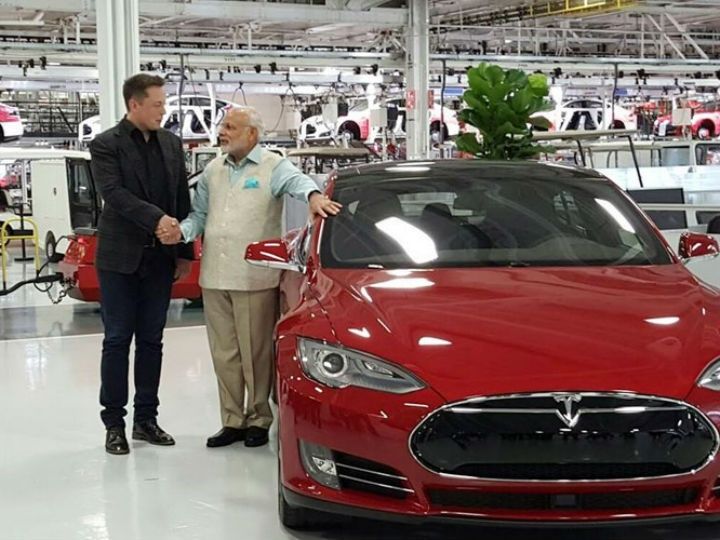
Tesla Inc. has made a significant move towards entering the Indian market, as evidenced by a surge in job openings across key locations like Mumbai and Delhi. The company is currently seeking to fill 13 roles, spanning customer-facing and back-end positions, marking a clear commitment to establishing a foothold in India’s growing electric vehicle sector.

The announcement comes after Elon Musk’s high-profile meeting with Prime Minister Narendra Modi, a discussion that appears to have catalysed Tesla’s decision to pursue expansion in the region. The timing of this strategic move is especially relevant given the recent developments in India’s trade policies, with the government reducing import duties on luxury cars, a measure that could provide Tesla with a more favourable environment for operations.

India’s electric vehicle market, while still in its infancy compared to China’s, is poised for considerable growth. The country’s rapid urbanisation, increased government focus on sustainability, and rising interest in eco-friendly transportation solutions position it as a key player in the global EV landscape. Tesla, with its reputation for high-performance, premium EVs, stands to benefit from these trends.

Tesla’s recruitment efforts are seen as an indication of the company’s intention to tap into the vast potential of India’s automotive sector. The roles available span various areas, including technical support and operations, aimed at building the company’s infrastructure in the region. This is not the first time Tesla has shown interest in India; however, the recent policy changes have provided a more favourable environment for international companies looking to expand their operations.

Prime Minister Modi’s engagement with Elon Musk is likely to have been a pivotal factor in advancing Tesla’s plans for India. During the meeting, both parties discussed ways to enhance cooperation, particularly in sectors such as renewable energy and electric vehicles. Tesla’s entry into India aligns with the government’s push to reduce carbon emissions and transition towards sustainable energy solutions.

The reduction in import duties on luxury vehicles is a significant policy shift that could greatly benefit Tesla’s plans. Previously, India imposed high import duties on foreign-made vehicles, making it challenging for companies like Tesla to price their products competitively in the local market. The recent reduction, part of a broader effort to stimulate the EV sector, is seen as a move to attract global automakers. Tesla, which manufactures its vehicles primarily in the United States, is expected to benefit from these lower tariffs, potentially making its vehicles more affordable for Indian consumers.

India’s EV market, while smaller than China’s, is growing at a rapid pace. The country’s government has set ambitious targets for electric vehicle adoption, with a focus on reducing air pollution and decreasing dependence on imported oil. The Indian government has also introduced several incentives to promote the sale and manufacturing of electric vehicles, including subsidies for EV buyers and manufacturers, as well as tax exemptions for charging infrastructure.

Despite these encouraging trends, Tesla will face stiff competition in the Indian market. Homegrown automakers, such as Tata Motors and Mahindra & Mahindra, have already established themselves as key players in the EV sector, offering affordable electric cars that cater to Indian consumers’ needs. Additionally, the infrastructure for electric vehicles in India remains underdeveloped in many regions, with limited charging stations and a lack of widespread awareness among consumers about EV technology.

Nevertheless, Tesla’s brand recognition and technological expertise are expected to give it an edge in the Indian market. The company’s high-performance vehicles, coupled with its focus on sustainable energy solutions, could appeal to India’s growing middle and upper classes, who are increasingly concerned with environmental issues. Additionally, Tesla’s potential to create local manufacturing jobs and contribute to India’s green energy goals may help the company secure government support.

Tesla’s entry into India also signals the increasing importance of emerging markets in the global automotive industry. As more companies look to expand beyond their traditional markets in North America and Europe, countries like India and China are becoming central to the automotive industry’s future growth. India, with its large population, growing middle class, and rising environmental awareness, presents a significant opportunity for Tesla to expand its global footprint.

Hayden Davis, the creator behind the highly debated LIBRA memecoin, has introduced a new digital token named MELANIA, further stirring up the already volatile world of cryptocurrency. Davis, who rose to prominence for his controversial involvement with LIBRA, stated that he had refunded $5 million to prominent investor Dave Portnoy after the latter faced significant losses with the previous token. This latest move by Davis has sparked a new wave of interest and scepticism within the crypto community, especially given the history of volatility surrounding his previous projects.

LIBRA, which gained widespread attention due to its speculative nature and ties to the social media influencer community, was initially touted as a groundbreaking new cryptocurrency. However, its journey was marred by controversies, including fluctuating values and allegations of market manipulation. Despite the backlash, LIBRA achieved a notable degree of success in terms of market presence, albeit with a reputation that many considered controversial. Its erratic performance and the subsequent departure of several investors raised questions about the stability of such tokens.

Davis, who had been at the forefront of the LIBRA coin’s launch, faced intense scrutiny over its impact. The memecoin’s popularity grew quickly, attracting investors seeking fast returns, yet it was often criticised for lacking a solid underlying value or utility. LIBRA’s volatility led to substantial losses for many, including Portnoy, a prominent figure in the financial world, who invested heavily into the token. Portnoy, who is known for his outspoken persona, expressed frustration over the unpredictability of the coin, noting that his investment had been marred by significant financial losses.

In response, Davis made an unexpected move by announcing that he had refunded Portnoy’s $5 million in an effort to address the criticism that had been directed towards LIBRA. Davis’ refund, while somewhat mitigating the damage to Portnoy’s portfolio, did little to quell the broader doubts about the memecoin’s legitimacy. His actions sparked a polarising debate within the crypto world, with some applauding the gesture as a sign of accountability, while others viewed it as a tactical move to bolster his reputation ahead of the release of his new token, MELANIA.

MELANIA’s launch is the latest addition to a growing trend of memecoins that have taken over the crypto space in recent years. These tokens, often based on internet trends or pop culture references, are typically known for their highly speculative nature. MELANIA, however, presents itself as a different entity, according to Davis, who claims that the token will have a stronger focus on utility and long-term value. While the specifics of MELANIA’s underlying technology remain unclear, Davis has been vocal about his plans for the token to transcend the typical characteristics of memecoins by incorporating elements of DeFi and NFTs .

The unveiling of MELANIA has already generated a significant amount of attention, both positive and negative. On the one hand, the cryptosphere is intrigued by Davis’ bold claim that he has “sniped” both LIBRA and MELANIA tokens, suggesting that he has the ability to strategically manipulate or influence the market in his favour. On the other hand, sceptics have raised concerns that Davis is once again positioning himself as a central figure in the creation of speculative assets, potentially leading investors down a similar path as with LIBRA.

Despite the criticism, Davis has insisted that he is taking a more responsible approach with MELANIA, aiming to create a cryptocurrency that balances the high-risk, high-reward nature of the market with a more stable and transparent framework. He has outlined plans for MELANIA to support charitable initiatives, including efforts to assist underprivileged communities, which he hopes will add credibility to the project. The combination of social causes with cryptocurrency is becoming an increasingly popular trend in the space, with several blockchain projects positioning themselves as vehicles for social good.

Critics, however, remain unconvinced by Davis’ assurances, pointing out that the broader crypto market remains largely unregulated, with limited safeguards for investors. As evidenced by the LIBRA experience, tokens in the memecoin category can experience significant swings in value, often driven more by hype than tangible innovation. The unpredictability of these assets has led to calls for greater oversight in the cryptocurrency sector, as more individuals and institutions enter the market looking to capitalise on the potential for quick returns.

Adding to the intrigue is Davis’ claim that he was responsible for “sniping” both LIBRA and MELANIA, a term often used in trading circles to describe taking advantage of market opportunities at opportune moments. Whether this refers to manipulating market sentiment or executing tactical trades in his favour remains unclear, but it further adds to the mystique surrounding Davis as a figure in the crypto world. His activities have sparked interest not only from investors but also from regulatory bodies who are beginning to take a closer look at the actions of influential players in the cryptocurrency space.

UAE defence authorities announced the signing of 13 major contracts worth Dh4 billion on the opening day of the International Defence Exhibition and Conference 2025, the largest defence expo in the Middle East. The deals highlight the UAE’s strategic efforts to enhance its defence capabilities, focusing on advanced technology, military equipment, and international collaborations. The exhibition, taking place at the Abu Dhabi National Exhibition Centre, marks a […]

The global silicon wafer industry is witnessing a resurgence, propelled by the escalating demand for advanced semiconductor components essential for artificial intelligence applications. In the latter half of 2024, worldwide silicon wafer shipments began to recover from the downturn experienced in 2023, as reported by the SEMI Silicon Manufacturers Group . Despite a 2.7% decline over the year, totaling 12,266 million square inches, and a 6.5% revenue contraction to $11.5 billion, the upward trend in the latter part of the year indicates a positive trajectory for the industry.

This revival is largely attributed to the rapid adoption and advancement of generative AI technologies, which have significantly transformed the semiconductor landscape. Hyperscale data center operators and original equipment manufacturers are expanding their server capacities to meet the computational demands of AI model training and inference processes. This expansion necessitates a substantial increase in AI accelerators, leading to a surge in demand for processor units and high-bandwidth memory associated with these accelerators.

The heightened demand for HBM products is evident in the financial performance of key industry players. SK Hynix, for instance, surpassed Samsung in quarterly profits for the first time, driven by a surge in demand for advanced memory chips necessary for AI data centers. In the fourth quarter of 2024, SK Hynix’s operating profit soared to Won8.1 trillion , with sales increasing by 75% to Won19.8 trillion. HBM products, crucial for AI servers, significantly contributed to this profit, comprising 40% of SK Hynix’s DRAM chip revenue. The demand for these chips is expected to double due to investments in AI infrastructure projects, such as the massive $500 billion Stargate initiative by OpenAI and SoftBank.

Similarly, Micron Technology has experienced a positive financial outlook, with shares surging approximately 14% following an upbeat first-quarter forecast. This optimism is fueled by the demand for memory chips utilized in AI computing. As one of the three primary suppliers of HBM chips, alongside SK Hynix and Samsung, Micron is capitalizing on the growing need for semiconductors in generative AI technologies. These DRAM chips are essential for AI-oriented graphics processing units, facilitating the processing of vast amounts of data. Micron anticipates a record revenue of approximately $8.7 billion and an increase in its gross margin to around 39.5% for the first quarter.

The surge in AI applications has also impacted semiconductor manufacturing giants like Taiwan Semiconductor Manufacturing Co. . TSMC reported a significant profit increase, with fourth-quarter earnings rising 57% to NT$374.7 billion . This growth is largely driven by high-performance computing revenue, which surged 58%, offsetting declines in other sectors. CEO CC Wei highlighted the tight AI capacity but reassured that TSMC is working diligently to meet customer demand.

However, the rapid expansion in AI-driven demand has introduced challenges, particularly concerning supply chain constraints. High-bandwidth memory is in even shorter supply than GPUs, potentially hindering the data center industry’s expansion plans. The HBM design provides greater speed and reduced latency, key to the performance of AI processing. During the COVID-19 supply chain shortages, carmakers could not obtain chips for their vehicles, so they simply built cars without the chips and mothballed them until they could shore up inventory. GPU vendors like Nvidia and AMD don’t have that option. No high-bandwidth memory means GPUs can’t be assembled because the HBM has to be added to the GPU package at the manufacturing stage.

In response to these challenges, companies are exploring innovative solutions. NEO Semiconductor, for instance, announced the development of its 3D X-AI chip, designed to replace existing HBM chips and address data bus bottlenecks. This advancement aims to alleviate some of the supply constraints by providing alternative high-performance memory solutions.

The global silicon wafer market’s recovery is further bolstered by strategic investments and collaborations. For example, Foxconn is building a Nvidia superchip facility in Mexico, aiming to meet the growing demand for AI hardware. Such initiatives not only enhance production capacities but also diversify the supply chain, reducing dependency on a single region and mitigating potential geopolitical risks.

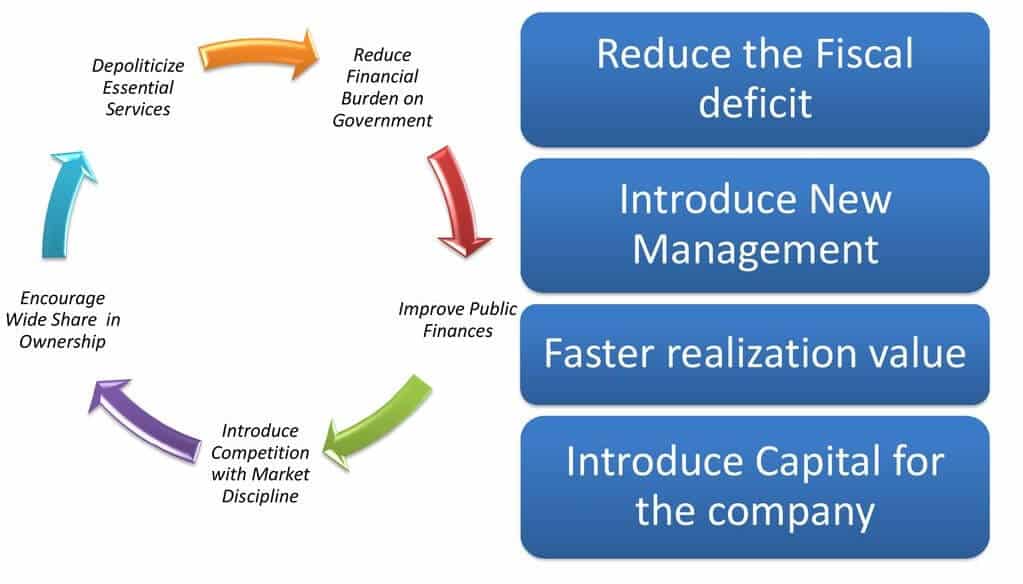
By Nantoo Banerjee The government disinvestment in India’s state-controlled enterprises is always welcome if it is aimed to make them professionally managed entities for faster growth. Unfortunately, the haphazard disinvestments in public sector enterprises (PSE) by the government seem to have only a single purpose — financing part of the annual union budget deficit. The […]

CHONGQING, CHINA – Media OutReach Newswire – 17 February 2025 – At 70 degrees north latitude in the Arctic Circle, where temperatures plunge to -30°C, the harsh environment provides the ultimate test for vehicle performance. The challenging terrain further intensifies the rigorous test of vehicle features. The Jetour T2 has set a new benchmark for light off-road SUVs with its advanced engineering. The extreme cold of the […]

The JETOUR T2, a mid-size SUV introduced in September 2023, has recently demonstrated its resilience by conquering the Arctic’s harsh -30°C conditions. This feat underscores the vehicle’s robust engineering and adaptability to severe climates. Designed under the guidance of former Porsche designer Hakan Saracoglu, the JETOUR T2 combines rugged aesthetics with advanced functionality. Built on Jetour’s Kunlun architecture, the SUV features a unibody chassis, ensuring both durability […]

China has successfully completed its first intercity cargo drone flight, a groundbreaking development in the nation’s push to revolutionise its transportation infrastructure. This historic flight paves the way for a future where drones play a vital role in moving goods swiftly and efficiently across cities. The journey, which covered multiple urban centres, showcases China’s growing capabilities in the field of unmanned aerial vehicles , with potential implications […]

A high-level delegation from the UAE will soon engage with European Union officials as part of an effort to combat financial crime through enhanced cooperation on anti-money laundering measures. The meeting, set to take place later this month, is seen as a significant step towards reinforcing the UAE’s commitment to global efforts in fighting illicit financial activities. The UAE has been steadily improving its AML framework, with […]

Dubai’s public parking operator, Parkin, has introduced a change in the parking tariff structure, particularly targeting areas close to major event venues. Starting from February 17, the revised charges will see parking rates rise significantly in zones around the Dubai World Trade Centre , often referred to as the “Grand Event Zone.” The move comes as the city braces for a series of high-profile events, and the […]

A looming tariff threat from the United States is casting a shadow over multiple sectors in India, including automobiles, textiles, and footwear, with analysts warning that potential hikes in import duties could disrupt trade and economic growth. This growing concern comes amid rising trade tensions between the two countries, which have led to a heightened focus on the viability of Indian exports in the face of stricter US trade policies.

The US administration has indicated that it might impose higher tariffs on goods from India, a move that could significantly affect industries critical to the Indian economy. With the US being one of India’s largest trading partners, the prospect of tariffs on goods such as cars, clothing, and shoes is troubling for manufacturers and exporters alike. According to recent reports, India’s automotive and textile sectors have been identified as particularly vulnerable due to their significant export volumes to the US market.

The automotive sector, which includes both luxury cars and compact vehicles, stands to lose billions of dollars in export revenue should tariffs increase. India is home to several global automotive manufacturers, including Maruti Suzuki, Tata Motors, and Mahindra & Mahindra, which export a substantial number of vehicles to the US. A tariff hike could render these products less competitive, pushing US-based consumers towards locally manufactured or cheaper imported alternatives from other countries. In 2023, India exported nearly $2 billion worth of cars to the US, a figure that could shrink under new tariffs.

Similarly, the textiles industry, another key player in India’s export economy, faces a turbulent future if tariffs are raised. India is the world’s second-largest producer of textiles, with a significant portion of its products headed to the US market. The US is a vital customer for Indian textiles, including apparel, fabrics, and home furnishings. Analysts argue that any increase in tariffs could lead to a decline in demand, as US buyers might seek more affordable alternatives from other suppliers, particularly from countries that currently benefit from lower trade barriers.

The footwear sector is also at risk, with India exporting a wide range of footwear items to the US. Footwear exports have been a growing part of India’s manufacturing output, with the US accounting for a major portion of this trade. A tariff increase could significantly affect manufacturers, especially small and medium enterprises , which depend heavily on the US market for revenue. These companies may struggle to absorb the additional costs imposed by tariffs, leading to potential price hikes or a reduction in exports.

The looming tariff threat is not just about trade barriers; it also reflects broader geopolitical concerns. Trade relations between the US and India have been increasingly strained due to disagreements over various trade practices, including market access, intellectual property rights, and agricultural policies. The US has expressed dissatisfaction with India’s protectionist policies, and this discontent has translated into the threat of tariffs. However, the issue is not only about trade; it also touches on political relations, with both countries vying for greater economic influence in the region.

Trade experts suggest that India could be facing a period of heightened vulnerability, especially as the US underlines its “America First” policy, prioritising domestic industries and reducing reliance on imports. While India has sought to diversify its trade partnerships and strengthen ties with other countries, including the European Union and Japan, the US remains a key economic player. This makes the potential for increased tariffs particularly damaging for India, especially in light of its ambition to boost exports and achieve a higher growth trajectory.

In response to the threat of higher tariffs, the Indian government has ramped up efforts to protect its domestic industries by exploring alternative markets and seeking to negotiate more favourable trade terms with the US. The government has also engaged in diplomatic efforts to reduce trade tensions, hoping to find common ground on issues that could benefit both nations. However, some experts are sceptical about the immediate impact of these negotiations, given the political climate and the US’s growing tendency to assert its economic interests.

The potential consequences of these tariffs extend beyond individual industries. Analysts caution that a tariff hike could lead to inflationary pressures within India, as businesses may pass on the additional costs to consumers. This, in turn, could affect consumer spending and dampen overall economic activity. Moreover, sectors like automotive manufacturing and textiles are major sources of employment, and any disruption in these industries could result in significant job losses, further straining India’s labour market.

For now, industry stakeholders are watching closely as developments unfold. The automotive sector is exploring strategies to mitigate the impact of potential tariffs, including shifting production to other countries or adjusting product lines to cater to the changing demands of US consumers. Similarly, the textiles industry is focusing on increasing its competitive edge by diversifying its offerings and tapping into non-US markets. However, these measures may not be enough to offset the damage caused by a sharp rise in tariffs, which could push both sectors to reconsider their overall export strategies.

Dubai has rolled out a new system for parking fees in designated zones near major event venues. The system, which went into effect today, introduces variable pricing, with rates set to increase during large-scale events. The move is part of ongoing efforts to streamline traffic management and improve the overall visitor experience in high-demand areas, including around the Dubai World Trade Centre .

Under the new policy, parking charges will rise to Dh25 per hour during events, a significant increase from the regular fees, which will remain lower during non-event periods. The increased rates apply to the parking areas closest to key venues, such as those surrounding DWTC, which hosts a variety of international conferences, exhibitions, and events that draw large crowds.

The decision to introduce variable parking fees comes after growing concerns over congestion in the vicinity of these event zones. Dubai’s authorities have been actively working on strategies to manage the influx of visitors to major events, ensuring both the smooth flow of traffic and accessibility to key locations.

Officials explained that the rise in parking fees during events is designed to encourage visitors to use alternative modes of transport, such as public transit, which would help alleviate the pressure on parking spaces. The implementation of this system is also expected to contribute to reducing the environmental impact by promoting greener transport options.

The new fee structure is part of a broader effort to modernise the city’s infrastructure in anticipation of increased demand as Dubai continues to establish itself as a global hub for business, culture, and tourism. The city’s proactive approach to managing its transport systems is also a reflection of its ambitions to maintain high standards of urban planning and sustainability.

While the fee hike may be seen as a necessary adjustment in light of the growing demand for parking, it has drawn mixed reactions from residents and visitors alike. Some express concerns that the increased charges could disproportionately affect those attending less prominent events or those who may rely on parking due to the lack of public transport options in certain areas. Others welcome the change, viewing it as a positive step towards ensuring better traffic management and improving the overall quality of life in high-demand zones.

Transport experts have emphasised the importance of integrated planning when it comes to urban mobility. As Dubai continues to develop and expand, experts suggest that a more comprehensive approach to transport, which includes enhanced public transportation networks and better parking management strategies, will be crucial to maintaining the city’s appeal to both residents and visitors.

The Dubai Roads and Transport Authority has been at the forefront of this initiative, working closely with local authorities to ensure the effective implementation of the new fee structure. RTA has also highlighted the expansion of alternative transport options, such as the Dubai Metro and bus services, as essential components of the strategy to support the city’s growing population and increasing number of tourists.

This change aligns with Dubai’s long-term vision of reducing traffic congestion and carbon emissions. The city’s leaders have repeatedly expressed a commitment to sustainable urban development, with a particular focus on reducing the number of private vehicles on the roads. The introduction of variable parking fees is one of many measures designed to support these goals, encouraging more people to rely on public transportation rather than private cars.

Dubai’s move to introduce variable parking fees is also reflective of a broader trend seen in major cities around the world, where dynamic pricing models have been introduced to manage traffic congestion and improve access to key areas. Cities like London and New York have employed similar strategies to control the flow of vehicles in high-traffic zones, with varying degrees of success.

In addition to the economic and environmental benefits, the new pricing model is expected to have a positive impact on the city’s public transportation system. By encouraging more people to use the Metro or buses, the pressure on parking spaces should be alleviated, making it easier for those who truly need to park to find a spot. This shift is expected to help optimise the use of available infrastructure, benefiting both residents and visitors who rely on public transport for their daily commute or during special events.

Vedanta Aluminium, India’s leading aluminium producer, has introduced an AI-powered drone system to bolster safety measures at its Jamkhani coal mine in Odisha. This initiative, developed in collaboration with Vedanta’s Spark program, aims to enhance operational efficiency and safety protocols within the mining sector.

The AI-driven drones are equipped with advanced software capable of real-time aerial surveillance, automatically detecting and tracking human, animal, and vehicle movements within a 500-meter radius of blasting zones. This technology enables remote monitoring, providing live-streaming alerts for unauthorized activities and facilitating seamless audio communication between officials, drone pilots, and blasting officers for precise coordination.

Sunil Gupta, Chief Operating Officer of Vedanta Aluminium, emphasized the company’s commitment to workplace safety, stating that the integration of AI-powered drones signifies a significant advancement in creating a secure work environment while improving monitoring and compliance.

David Stone, Chief Executive Officer of Vedanta’s Coal Mines, highlighted the impact of this technology, noting that the deployment of AI-powered drones sets a new benchmark for mine safety by enhancing situational awareness and risk management.

The Jamkhani coal mine, Vedanta’s first greenfield project in Odisha, plays a crucial role in supplying fuel to the company’s Jharsuguda plant, one of the world’s largest aluminium smelters. The introduction of AI-powered drones is part of Vedanta Aluminium’s broader strategy to implement digital transformation across its operations, leveraging technologies such as artificial intelligence, robotics, the Internet of Things , and smart safety solutions.

Amitesh Sinha, Vice President and Head of CVC & Spark at Vedanta, underscored the importance of corporate-startup collaborations in driving innovation. He mentioned that the partnership with Skylark Drones and the Vedanta Mines team reflects the company’s focus on safety innovation, with the Spark program actively working with over 70 startups and deploying more than 100 projects to integrate AI and digital solutions into manufacturing.

Beyond technological advancements, Vedanta Aluminium remains committed to Odisha’s socio-economic development, engaging in initiatives that encompass education, healthcare, sustainable livelihoods, and rural infrastructure enhancement. As India’s largest aluminium producer, the company manufactured 2.37 million tonnes in the fiscal year 2024, supplying critical industries and reinforcing its leadership in sustainable mining and digital innovation. Notably, Vedanta Aluminium ranks second globally in the S&P Global Corporate Sustainability Assessment 2024 for the aluminium industry, reaffirming its dedication to responsible mining practices and a greener future.

The integration of AI-powered drones into mining operations signifies a transformative approach to safety and efficiency in the industry. By providing comprehensive surveillance and instant communication capabilities, this technology empowers mining teams with greater situational awareness, enabling swift responses to potential hazards and ensuring a safer working environment.

The AI-driven drones operate autonomously, scanning the designated areas and identifying any unauthorized movement or anomalies. Upon detection, the system generates immediate alerts, allowing for prompt intervention to prevent potential incidents. This proactive approach not only mitigates risks but also enhances overall operational efficiency by reducing downtime associated with manual inspections and clearances.

The collaboration between Vedanta Aluminium and technology startups exemplifies a growing trend in the industry, where established corporations partner with agile innovators to co-develop solutions that address complex operational challenges. Such partnerships facilitate the rapid adoption of cutting-edge technologies, driving continuous improvement in safety standards and operational practices.

In addition to enhancing safety, the deployment of AI-powered drones contributes to environmental sustainability. By ensuring precise monitoring and control over mining activities, the technology helps in minimizing ecological disturbances and promotes adherence to environmental regulations. This aligns with Vedanta Aluminium’s commitment to sustainable practices and its efforts to reduce the environmental footprint of its operations.

The successful implementation of AI-driven drone technology at the Jamkhani coal mine serves as a model for the mining industry, demonstrating how digital transformation can lead to safer and more efficient operations. As the industry continues to evolve, the integration of such innovative solutions is poised to become a standard practice, setting new benchmarks for safety and operational excellence.

Vedanta Aluminium’s proactive approach in adopting advanced technologies reflects its strategic vision of leading the industry towards a more sustainable and technologically advanced future. By prioritizing safety, efficiency, and environmental responsibility, the company not only enhances its operational capabilities but also contributes positively to the broader socio-economic landscape.


smart, the automotive brand renowned for compact urban vehicles, has unveiled a series of compelling offers to promote electric vehicle adoption in the United Arab Emirates . These initiatives, introduced in collaboration with the AW Rostamani Group, aim to make sustainable transportation more accessible to consumers.

The incentives encompass flexible financing options and comprehensive warranties covering both vehicles and batteries. This strategic move is designed to facilitate a seamless transition for drivers considering the shift to electric mobility. The AW Rostamani Group, with over five decades of automotive excellence in the UAE, supports this endeavour, reflecting a commitment to environmental sustainability and innovative automotive solutions.

The UAE’s EV market is experiencing significant growth, driven by government policies and increasing environmental awareness. In 2023, the market reached a valuation of USD 2.0 billion and is projected to escalate to USD 11.3 billion by 2032, with a compound annual growth rate of 19.30% between 2024 and 2032. This surge is attributed to ongoing infrastructure development, technological advancements, and a national vision to reduce carbon emissions.

Projections indicate that electric vehicles will constitute approximately 22.32% of the UAE’s automotive market by 2029, with aspirations to surpass 50% adoption by 2050. Currently, the nation boasts over 70,000 EVs, a number expected to rise to 100,000 by 2027. This growth is supported by enhanced charging infrastructure and a heightened public consciousness regarding the benefits of sustainable mobility.

The Trump administration has directed the Department of Homeland Security to terminate all climate-related activities, effectively removing climate considerations from the agency responsible for managing disaster responses across the United States. This directive, issued through an internal memo, signifies a substantial shift in federal disaster preparedness and response strategies. The memo, disseminated to DHS leadership, mandates the cessation of programs and initiatives that address climate change impacts, […]

The New York Stock Exchange’s electronic trading platform, NYSE Arca, has formally requested approval from the U.S. Securities and Exchange Commission to permit Ethereum staking within Grayscale’s Ethereum exchange-traded funds . This proposal, submitted on February 14, 2025, aims to amend the operational framework of the Grayscale Ethereum Trust ETF and the Grayscale Ethereum Mini Trust ETF, enabling these funds to participate in Ethereum’s staking mechanism.

Ethereum staking involves validators locking up a certain amount of Ether to support network operations such as block validation and security. In return, stakers receive rewards proportional to their staked amount. By integrating staking into its ETFs, Grayscale intends to enhance investor returns by generating additional income through these rewards.

The official filing outlines that, if approved, the Trusts will stake Ether through reputable staking service providers. This approach is designed to benefit fund shareholders directly, ensuring that the staked assets remain under the custody of the Trusts’ current custodian. Grayscale emphasizes that this method differs from other staking-as-a-service models previously scrutinized by the SEC, as it does not involve pooling assets with third parties.

Grayscale has clarified that while staking is intended to generate additional income, the firm will not guarantee or promote any specific level of returns to investors. This cautious stance likely reflects an awareness of regulatory concerns and market volatility associated with cryptocurrency investments.

The move to incorporate staking comes at a time when Ethereum’s role in the cryptocurrency ecosystem is expanding, particularly after its transition to a proof-of-stake consensus mechanism. This shift allows Ether holders to participate in network validation and earn rewards, making staking an attractive feature for investment funds aiming to maximize returns.

The proposal also highlights that the Trusts’ participation in staking is designed to comply with existing regulatory frameworks. By keeping staked assets under the Trusts’ custody and avoiding third-party pooling, Grayscale aims to mitigate potential risks and align with SEC guidelines.

The SEC’s decision on this proposal could set a significant precedent for the integration of staking features into cryptocurrency investment products. A favorable ruling may encourage other asset managers to explore similar enhancements, potentially leading to a broader acceptance of staking within traditional financial products.

However, the regulatory environment surrounding cryptocurrency staking remains complex. The SEC has previously taken action against certain staking programs it deemed as unregistered securities offerings. Grayscale’s proposal seeks to differentiate its approach by emphasizing direct benefits to fund shareholders and adherence to regulatory standards.

Market analysts suggest that if the proposal is approved, it could enhance the appeal of Grayscale’s Ethereum ETFs by offering investors additional income streams through staking rewards. This development may also influence the competitive landscape of cryptocurrency ETFs, prompting other issuers to consider similar features to attract investors.

As of now, the SEC has not provided a timeline for its decision on the proposal. Stakeholders within the cryptocurrency and financial sectors are closely monitoring the situation, recognizing its potential implications for the future of crypto-based investment products.

In the broader context, this initiative reflects the ongoing efforts by financial institutions to integrate innovative blockchain features into traditional investment vehicles. The outcome of this proposal may serve as a benchmark for future endeavors aiming to bridge the gap between decentralized finance and mainstream financial markets.

Investors are advised to stay informed about the SEC’s forthcoming decisions and to consider the potential risks and benefits associated with staking-enabled investment products. As the regulatory landscape continues to evolve, due diligence and a thorough understanding of the mechanisms involved remain essential for making informed investment choices.

VISHNU RAJA
RYO YAMADA
HITORI GOTOH
IKUYO KITA