News related to
Vehicle

Oil prices have declined, with Brent crude futures dropping 41 cents to $72.47 per barrel, and U.S. West Texas Intermediate crude futures falling 39 cents to $68.99 per barrel. China’s oil demand is projected to peak by 2027, with fuel consumption slowing. The U.S. dollar has reached its highest value since November 22, making commodities more expensive for holders of other currencies. OPEC+ has reduced its 2024 […]

Elite Group Holding, a diversified UAE-based conglomerate, has announced plans to develop a one million square foot integrated facility in Dubai Industrial City, with an investment of Dhs100 million. This strategic move aims to bolster the company’s presence in the automotive and e-commerce sectors.

The new facility is expected to support Elite Group Holding’s expansion and strengthen its foothold in these industries. The company, known for its luxury automotive dealership, The Elite Cars, holds exclusive partnerships with brands such as Zenvo Automotive, Jetour, and Soueast. Additionally, it operates ART Elite Car Rental and other subsidiaries.

Saud Abu Alshawareb, Executive Vice President of Industrial at TECOM Group, emphasized the significance of the automotive industry’s pursuit of innovation in driving economic activity, attracting investment, and creating new skill-based jobs. He noted that Elite Group Holding’s investment underscores the growing confidence in the UAE’s robust business ecosystem and its attractiveness for companies seeking to expand their regional footprint.

The project aligns with several UAE national strategies, including Operation 300bn, Make it in the Emirates, and the Dubai Economic Agenda ‘D33’. By enhancing efficiencies across vital sectors such as automotive and e-commerce, the new hub is expected to catalyze industry excellence and positively impact society and the economy.

Tamer Abu Khalaf, partner of Elite Group Holding, expressed enthusiasm about the company’s future growth and the project’s role in expanding its presence in key sectors. He stated that this investment marks a pivotal step in broadening their footprint across key sectors and solidifying their presence in the dynamic region. Khalaf highlighted that Dubai Industrial City aligns perfectly with their vision to innovate and lead in industries shaping tomorrow’s economy, offering a center of excellence to drive efficiency, sustainability, and innovation across their operations.

The group’s growth strategy includes launching new branches, expanding dealership networks, and building strategic partnerships to bring leading luxury and premium automotive brands to the UAE. Their focus on eco-friendly solutions, such as electric and hybrid vehicles, and advancing digital integration across e-commerce and automotive operations aligns with the UAE’s sustainability goals.

The facility’s strategic location within Dubai Industrial City offers several advantages, including proximity to Al Maktoum International Airport, Jebel Ali Port, and key national roadways. This positioning will allow Elite Group Holding to streamline operations and expand its reach in both local and international markets. The site will also benefit from an Etihad Rail freight terminal, further enhancing its logistics capabilities.

Charabanc Transportation has unveiled a new fleet of Ankai buses in the UAE, marking a significant expansion of its operations. The move is set to revolutionize the region’s public transport infrastructure and enhance the travel experience for commuters across the country.

The fleet of Ankai buses, produced by the Chinese manufacturer Ankai, has been designed with advanced features aimed at improving comfort, efficiency, and sustainability. Charabanc’s decision to invest in these buses comes as part of its long-term strategy to modernize its offerings, catering to the growing demand for eco-friendly and technologically advanced public transport solutions.

The introduction of Ankai buses signals a significant step in the UAE’s ongoing efforts to develop a more sustainable and modern transportation network. The country has been focusing on reducing its carbon footprint, with various initiatives aimed at promoting electric and hybrid vehicles across different sectors. By adding Ankai’s energy-efficient buses to its fleet, Charabanc is not only contributing to these sustainability goals but also providing a more reliable and comfortable option for passengers.

Ankai buses are known for their high standards of quality, durability, and safety. With a wide range of models tailored for different needs—ranging from city buses to long-distance coaches—the company offers a versatile solution for urban and intercity travel. The new fleet in the UAE will include both electric and hybrid models, further aligning with the region’s commitment to environmental sustainability. These buses come equipped with state-of-the-art technology, offering features such as enhanced air filtration systems, Wi-Fi connectivity, and real-time passenger tracking, ensuring a modern and seamless travel experience.

The addition of these buses is also expected to boost Charabanc’s competitive edge in the UAE’s growing transportation sector. As one of the key players in the region’s bus transportation industry, the company is positioning itself to meet the demands of an increasingly urbanized population. The UAE’s population is rapidly expanding, with a growing number of residents and tourists in major cities like Dubai, Abu Dhabi, and Sharjah. This surge in population, coupled with increasing urbanization, has placed a heavy burden on the existing transportation infrastructure, highlighting the need for more efficient, reliable, and sustainable public transport options.

By introducing Ankai buses, Charabanc is addressing these challenges while enhancing the overall quality of public transportation. The company’s decision also comes as the UAE government has been investing heavily in infrastructure, with a focus on green transportation initiatives. The UAE Vision 2021 plan, which aims to make the country a hub for sustainable development, has spurred investment in green technology, especially in the transportation sector.

As part of its rollout, Charabanc Transportation has focused on not only expanding its fleet but also ensuring that the buses meet the stringent safety and environmental standards set by the UAE authorities. The buses are equipped with cutting-edge safety systems, including collision detection, automated emergency braking, and advanced driver-assistance systems. These features are designed to improve road safety and reduce the likelihood of accidents, contributing to the overall safety of commuters.

The introduction of Ankai buses also signals the company’s commitment to improving the overall experience for passengers. As cities become more congested, the demand for efficient, comfortable, and environmentally friendly transport options continues to rise. Charabanc aims to meet this demand by offering a modernized fleet that not only meets the practical needs of commuters but also enhances their travel experience. The addition of onboard amenities like Wi-Fi, air conditioning, and ergonomic seating ensures that passengers have a comfortable journey, whether they are traveling for business or leisure.

The UAE government’s support for sustainable public transport solutions has played a critical role in shaping the industry landscape. With the nation’s leadership prioritizing green initiatives, Charabanc’s introduction of Ankai buses aligns well with the government’s goals. Public transport is seen as a crucial component of the country’s broader environmental strategy, and the integration of eco-friendly buses into the system is expected to be a major step forward in reducing the carbon footprint of transportation in the UAE.

Ankai buses are already widely used in several countries, including China, where the manufacturer is headquartered. The company has built a reputation for producing high-quality buses that are both cost-effective and eco-friendly, making them an attractive choice for public transport operators worldwide. By choosing Ankai, Charabanc is tapping into a trusted brand that has proven its reliability in various international markets.

Charabanc’s investment in this new fleet comes at a time when many transportation companies are looking to modernize their services to meet the needs of the 21st century. The shift towards more sustainable, efficient, and technologically advanced transport solutions is becoming increasingly important in the UAE and beyond. As the region’s public transport infrastructure continues to evolve, the introduction of Ankai buses represents a forward-thinking approach that blends innovation with sustainability.

As the new year approaches and the book on an eventful year in the energy world closes, 2025 looks set to bring more volatility, geopolitical tension and policy evolutions. Elections in almost all major global economies in 2024 have set the stage for a shifting policy landscape next year, most notably in the US, as President-elect Donald Trump outlines his priorities and plans for the incoming administration. […]

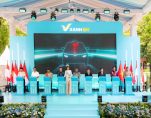
JAKARTA, INDONESIA – Media OutReach Newswire – 18 December 2024 – PT Xanh SM Green And Smart Mobility has officially launched its electric taxi service, Xanh SM, in Indonesia. Indonesia is the third Southeast Asian country to welcome Xanh SM, following Vietnam and Laos. This milestone solidifies the company’s role as a trailblazer in bringing innovative green mobility solutions to the world under its “Go Green Global” […]

China has implemented an export ban on essential high-tech goods, marking a significant shift in the global semiconductor industry. The move, which targets critical technologies such as advanced chips, comes as a direct response to the United States’ increasing restrictions on Chinese access to semiconductor technology. This escalating tension between the two countries is threatening to disrupt an already fragile global supply chain, where China plays a […]

SoftBank Group has unveiled an ambitious $100 billion investment plan aimed at expanding artificial intelligence infrastructure in the United States. The announcement, led by CEO Masayoshi Son, positions the Japanese telecom and technology giant as a major player in shaping the future of AI development. The investment, which will span the next four years, underscores SoftBank’s commitment to leveraging AI technology for both economic and technological growth […]

Advertisements

Fartcoin, a meme cryptocurrency that initially appeared as a humorous and unorthodox creation, has stunned the digital currency market by surpassing both Dogecoin and Shiba Inu in value. This surge has raised eyebrows, leaving investors and enthusiasts questioning the true drivers behind its rapid rise despite its lack of inherent utility or purpose.

Launched as a joke, Fartcoin’s explosive growth is indicative of an unpredictable trend in the volatile world of meme cryptocurrencies. While cryptocurrencies like Bitcoin and Ethereum are traditionally backed by more tangible use cases or underlying technology, meme coins have gained attention primarily through social media-driven hype and community engagement. Dogecoin, which started as a joke itself, was one of the first meme coins to experience mainstream success. Shiba Inu followed suit, building a large following through a similar blend of humor and speculative interest.

Fartcoin, however, has defied expectations in a market that has often dismissed its creation as a fleeting trend. According to market analysts, its recent spike in value can be attributed to a combination of viral social media campaigns and backing from influential figures within the cryptocurrency ecosystem. Its rise parallels the phenomenon seen with Dogecoin during the height of its popularity in 2021, when celebrity endorsements and internet buzz pushed the token’s price to unprecedented levels.

Despite its unorthodox origins, Fartcoin has attracted a growing community of investors and traders who are taking part in the speculative fervor that has characterized the meme coin market. Its unique appeal lies in its absurdity, providing a form of digital amusement as much as it does a potential investment vehicle. For some, the allure is in participating in a meme-based financial ecosystem that feels detached from the traditional financial systems. For others, it’s the hope of riding the wave of a coin that could offer short-term profits through its unpredictable fluctuations.

However, experts are warning that Fartcoin’s rise could be emblematic of the broader risks inherent in meme coin investments. While some are reaping the rewards of buying into the cryptocurrency during its early phases, others are beginning to question the sustainability of such growth. Cryptocurrencies that lack real-world applications or a robust technical foundation are notoriously volatile and prone to sudden crashes once the speculative excitement subsides.

The market behavior surrounding meme coins has been driven largely by speculative trading, with investors often lured by the fear of missing out (FOMO) on a potential windfall. This pattern is not new, as seen with the rise and fall of other tokens within the meme coin category. As such, Fartcoin’s meteoric rise could be the latest iteration of a pattern that has seen countless cryptocurrencies rise on the back of a social media surge, only to falter once the speculative bubble bursts.

Critics of Fartcoin and similar meme cryptocurrencies argue that these coins lack any real value or utility, making them susceptible to market manipulation and investor sentiment. Unlike more established cryptocurrencies that offer underlying technology or use cases such as decentralized finance (DeFi) or non-fungible tokens (NFTs), meme coins exist primarily as digital novelty items. As such, their worth is tied to the popularity of online communities, rather than any practical application or development.

However, proponents of Fartcoin and other meme coins assert that their success is indicative of a new era in which the market is driven less by traditional economic fundamentals and more by collective sentiment. This has sparked a broader conversation about the role of social media in shaping financial markets, particularly in the realm of cryptocurrency. It underscores the growing influence of decentralized online communities that can sway the value of a digital asset, for better or worse.

The unpredictable nature of meme coins like Fartcoin is reflected in their frequent fluctuations in value. A sharp increase in price often prompts waves of buying from eager investors hoping to capitalize on the short-term rally. But as seen in the past, such spikes can also be followed by equally dramatic drops, leading to significant losses for those caught up in the fervor.

In recent weeks, cryptocurrency regulators have begun to take notice of the growing impact of meme coins on the market. While Fartcoin itself has yet to draw the attention of major regulatory bodies, the broader trend of speculative investments in meme tokens has raised concerns about market manipulation and consumer protection. Regulators are starting to consider whether new rules are necessary to safeguard investors, particularly those who may not fully understand the risks involved in trading highly volatile assets.

The rise of Fartcoin has also sparked conversations within the wider cryptocurrency community about the ethical implications of promoting and investing in meme coins. Some advocates argue that the market is simply a reflection of the internet’s cultural landscape, where humor and entertainment can intersect with finance. Others, however, view the influx of meme-based tokens as a distraction from the more serious projects within the cryptocurrency space.

KUALA LUMPUR, MALAYSIA – Media OutReach Newswire – 18 December 2024 – 2024 has been a year of contradictory events, significant economic changes, and major political shifts. On a positive note, it was the year when global central banks finally managed to tackle inflation, partly induced by the negative and far-reaching effects of the COVID pandemic and partly by the more recent geopolitical events. After holding borrowing […]

Landmark Motorsport Conference to Debut in Macau, Uniting Delegates from 147 Countries MACAO SAR – Media OutReach Newswire – 17 December 2024 – The Fédération Internationale de l’Automobile (FIA) have announced, after a global bidding exercise, the 2025 Extraordinary General Assemblies and Conference will take place in Macau from June 10 – 13, 2025, at the state-of-the-art Galaxy International Convention Center (GICC). Hosted in partnership with the […]

The rise of Bitcoin exchange-traded funds (ETFs) has seen a notable milestone, with Bitcoin ETFs now surpassing gold ETFs in assets under management (AUM). This shift represents a significant turning point in the financial landscape, signaling growing investor confidence in digital assets despite gold’s long-established dominance as a safe haven investment.

Bitcoin ETFs, which first launched in 2021, have rapidly gained traction among institutional and retail investors alike. As of December 2024, Bitcoin ETFs in the United States have amassed over $40 billion in AUM, outpacing gold ETFs which currently hold around $38 billion. The accelerated growth of Bitcoin ETFs has prompted discussions regarding the evolving role of cryptocurrency in traditional investment portfolios and its potential to replace or complement gold as a store of value.

This change comes despite the fact that gold ETFs have been available for over two decades, providing investors with a simple, liquid, and low-cost way to gain exposure to the price of gold without physically owning the metal. Gold has historically been viewed as a stable investment, especially during periods of economic uncertainty, inflation, or geopolitical unrest. Bitcoin, on the other hand, has only been in existence since 2009 and has gained significant attention in recent years as an alternative asset class.

Several factors contribute to the growing appeal of Bitcoin ETFs. One of the key drivers has been the institutionalization of the cryptocurrency market. Large financial institutions, including BlackRock, Fidelity, and others, have entered the Bitcoin ETF space, bringing credibility to the market and attracting new investors. Additionally, the growing acceptance of Bitcoin as a legitimate asset class by regulators and financial authorities has alleviated concerns regarding its volatility and security risks.

In particular, the launch of Bitcoin ETFs backed by Bitcoin futures has helped to fuel the growth of the sector. These ETFs offer exposure to Bitcoin’s price movements without the need for investors to directly hold or store the cryptocurrency. By offering a regulated investment vehicle, these funds provide investors with the potential for Bitcoin’s upside without the complexities of self-custody and security issues associated with owning the cryptocurrency directly.

The rise of Bitcoin ETFs also reflects a broader shift in investor sentiment, particularly among younger investors who are more comfortable with technology and digital assets. Many millennials and Gen Z investors, who have grown up in an era of digital finance and cryptocurrency, view Bitcoin not only as a speculative investment but also as a hedge against traditional financial system risks. They often see Bitcoin as a “digital gold,” capable of offering similar benefits as gold, such as inflation protection, but with greater potential for upside in the long run.

Meanwhile, gold ETFs are showing signs of stagnation, with inflows into these products slowing as interest in alternative assets like Bitcoin continues to grow. While gold still holds its position as a primary hedge against inflation and economic instability, the digital asset class, led by Bitcoin, is capturing a larger portion of the market share. The price volatility of Bitcoin, which was once considered a major drawback, is now seen by many as an opportunity for higher returns, making it a more attractive option for risk-tolerant investors.

Another factor contributing to the growth of Bitcoin ETFs is the increasing interest in decentralized finance (DeFi) and blockchain technologies. As the blockchain ecosystem expands, more investors are recognizing the potential for Bitcoin and other cryptocurrencies to disrupt traditional financial systems. The transparency, security, and accessibility offered by blockchain technology make it a compelling alternative to conventional banking and financial services, leading more investors to explore Bitcoin as part of a diversified portfolio.

Despite its growing popularity, Bitcoin remains a volatile asset, subject to large price swings. While Bitcoin’s AUM has surpassed that of gold ETFs, it is important to note that Bitcoin’s value is still largely driven by speculation, regulatory developments, and market sentiment. Unlike gold, which has a long history of stability, Bitcoin’s future remains uncertain, with potential regulatory changes and market fluctuations posing risks for investors.

Nevertheless, Bitcoin’s ascent in AUM marks a significant shift in the investment landscape, reflecting growing acceptance of cryptocurrencies as a legitimate asset class. The race between Bitcoin and gold is far from over, and it remains to be seen whether Bitcoin can maintain its lead over gold in the long term or if the precious metal will once again take the upper hand.

As Bitcoin ETFs continue to grow in popularity, financial advisors and wealth managers will need to adjust their strategies to accommodate this shift. The inclusion of Bitcoin in traditional investment portfolios presents both opportunities and challenges, requiring investors to carefully consider their risk tolerance and long-term financial goals.

Parkin and BATIC, two prominent players in the realm of urban mobility solutions, have announced a strategic collaboration aimed at transforming parking systems in Saudi Arabia. The partnership focuses on leveraging cutting-edge technologies to enhance the efficiency and accessibility of parking infrastructure across key urban areas. Parkin, a company known for its innovative smart parking systems, and BATIC, a leader in digital transformation solutions for the transport […]

US investors are closely watching the performance of the Gulf Cooperation Council (GCC) countries, with expectations that they will soon surpass Latin America in key global equity indices such as MSCI and FTSE. As geopolitical stability, economic diversification, and investment-friendly policies continue to reshape the GCC region, investor sentiment is shifting in favor of markets like Saudi Arabia, the UAE, and Qatar. These shifts are positioning the GCC as a competitive alternative to Latin American markets, which have traditionally dominated emerging market portfolios.

The transformation of the GCC has been driven by the Vision 2030 initiatives in Saudi Arabia and similar long-term strategies in the UAE, Oman, and other member states, which aim to reduce dependence on oil exports and stimulate private-sector growth. The shift towards sustainable, knowledge-based economies has attracted foreign investment, with an increasing number of global funds seeking exposure to these markets. As a result, GCC markets are becoming more integrated into international investment indices, which influences investor behavior and portfolio allocations.

Over the last few years, the region has experienced remarkable economic resilience. Saudi Arabia, for instance, has embarked on large-scale infrastructure projects, including the $500 billion NEOM city, aiming to transform the country into a global tech hub. The UAE’s successful diversification into technology, tourism, and finance, alongside Qatar’s investments in real estate and sports, have been pivotal in shaping the region’s economic future. These developments have helped insulate the GCC from global economic shocks that have impacted other emerging markets, particularly in Latin America.

On the other hand, Latin America faces several challenges, including political instability, high inflation rates, and the ongoing effects of the COVID-19 pandemic. While countries like Brazil and Mexico continue to attract significant foreign investment, they struggle with internal issues that undermine their competitiveness in global markets. Currency devaluations, fiscal deficits, and socio-political unrest have made it difficult for Latin American nations to maintain the economic momentum necessary to attract sustained foreign capital flows.

One key factor driving the GCC’s rise in global indices is the region’s regulatory reforms and commitment to improving market transparency. The recent opening up of Saudi Arabia’s stock market to foreign investors has significantly boosted its profile in the MSCI Emerging Markets Index, making it one of the most important global equity markets. Likewise, the UAE and Qatar have undergone similar reforms to make their markets more attractive to international investors. These changes have helped secure the region’s position as a top destination for investment.

By contrast, Latin American markets face continued hurdles in enhancing their market accessibility to foreign investors. While efforts to reform capital markets have been made, the pace of regulatory change has often been slow, and institutional instability in countries like Argentina and Venezuela poses ongoing risks to foreign capital. The lack of uniform regulatory standards across the region makes it harder for investors to manage risk efficiently compared to the more standardized frameworks seen in the GCC.

Investor preferences are also shifting toward sectors where the GCC has a clear competitive advantage. The rise of the global green economy, for instance, has created new opportunities for the region, particularly in the fields of renewable energy and sustainable infrastructure. Countries like Saudi Arabia and the UAE have announced major green energy projects that are not only environmentally beneficial but also expected to generate long-term economic returns. These initiatives align well with the investment priorities of ESG (Environmental, Social, and Governance) focused funds, further boosting the region’s appeal.

Latin America, by contrast, has yet to fully tap into the green economy. While there are emerging opportunities, the lack of coherent national strategies and adequate infrastructure to support renewable energy projects has hindered the region’s growth in this space. The region’s natural resources, such as lithium and copper, are essential for the global transition to electric vehicles, but the lack of stable governance and investment in infrastructure has delayed progress.

The relative stability of GCC countries—especially in terms of governance and fiscal policy—has made them more attractive to foreign investors. With some Latin American countries struggling with political volatility, the GCC offers a more secure investment environment. Saudi Arabia’s Crown Prince Mohammed bin Salman has implemented various reforms to strengthen the business environment, which have been widely praised by foreign investors. Similarly, the UAE’s policies of attracting global talent and fostering innovation have made it one of the most dynamic economies in the region.

As the global economic landscape shifts, the GCC’s strong economic fundamentals, combined with its strategic initiatives to diversify and attract foreign capital, are making it a prominent contender for investors. The region’s stock markets are likely to continue their upward trajectory, surpassing Latin America in indices like MSCI and FTSE, further consolidating their position in the global investment community.

Digital license plates, introduced as a modern alternative to traditional metal plates, are now under scrutiny following revelations of significant security vulnerabilities. These high-tech plates, designed to offer features like customizable displays and real-time alerts, can be compromised, enabling owners to alter displayed information and evade traffic regulations. Josep Rodriguez, a security researcher at IOActive, demonstrated a method to “jailbreak” digital license plates produced by Reviver, a […]

The Riyadh Metro project, a pivotal component of Saudi Arabia’s Vision 2030 strategy, has achieved another significant step forward with the inauguration of the Red and Green lines. These additions to the expansive transportation network underline the city’s ambitions to become a global urban hub and address critical challenges such as traffic congestion and carbon emissions.

The launch follows years of meticulous planning and phased implementation by the Royal Commission for Riyadh City (RCRC). With six lines spanning 176 kilometers and connecting 85 stations, the Riyadh Metro represents one of the largest urban transport initiatives in the Middle East. The network’s phased rollout began earlier this month, with the Blue, Yellow, and Purple lines debuting on December 1. The Orange Line is scheduled to complete the system’s full deployment in early January 2025.

The Green Line, traversing King Abdulaziz Road, and the Red Line, covering King Abdullah Road, collectively add over 38 kilometers of coverage. These routes aim to improve connectivity between key residential, commercial, and educational districts, including access to King Khalid International Airport and King Abdullah Financial District (KAFD), the latter a central hub for the kingdom’s economic diversification.

Operational details confirm daily metro services running from 6 a.m. to midnight, with high-tech, fully automated trains ensuring seamless transport. Travelers can choose between various ticketing options, ranging from SAR 4 for a two-hour pass to SAR 140 for a 30-day unlimited pass, while premium class tickets cater to those seeking enhanced comfort. The user-friendly Darb mobile app facilitates route planning and ticket purchases, promoting a convenient and integrated experience for commuters.

The Riyadh Metro is also celebrated for its eco-friendly design. Incorporating solar panels in station construction, the project offsets 20% of its energy needs through renewable sources. Once fully operational, the metro is projected to reduce 250,000 daily car journeys, saving approximately 400,000 liters of fuel and significantly cutting urban pollution levels. These measures align with the global push for sustainable urban development.

RCRC’s strategic vision extends beyond transportation, with metro stations doubling as community hubs. Major stations such as KAFD Metro Station and Qasr Al-Hukm District Station offer not only transit services but also retail outlets, air-conditioned lounges, and parking facilities accommodating thousands of vehicles. The separation of family and single carriages caters to cultural sensitivities, while a VIP class provides exclusive amenities for premium passengers.

Trailer highlights new villains and themes for the most ambitious Borderlands game to-date, available to wishlist now HONG KONG SAR – Media OutReach Newswire – 13 December 2024 – Today, 2K and Gearbox Software released the first look at Borderlands® 4 showcasing new details from one of the most highly anticipated games coming in 2025. Revealed at The Game Awards, a new trailer introduces The Timekeeper, a […]

A proposed law in New York City aimed at regulating electric bikes has ignited significant debate, with critics arguing that it unfairly targets marginalized communities while failing to address the larger issue of road safety. The legislation, which would impose stricter regulations on e-bikes, is being touted by some as a necessary step to reduce accidents involving these vehicles. However, many activists and community leaders have raised […]

Xanh SM, Indonesia’s first 100% electric ride-hailing service, has arrived in Jakarta, revolutionizing urban mobility with a sustainable transportation solution and setting a new standard for 5-star service. JAKARTA, INDONESIA – Media OutReach Newswire – 12 December 2024 – Jakarta, a sprawling metropolis known for its relentless traffic and highly-polluted air, now bears witness to a quiet revolution. Amid the city’s ceaseless motion, a fleet of bright […]

Dubai Electricity and Water Authority (DEWA) has forged a strategic partnership with the Electric Power Research Institute (EPRI), aiming to accelerate the shift towards renewable energy. This collaboration aligns with DEWA’s long-term goal to enhance energy sustainability and address the evolving global energy challenges. By joining forces, both organizations seek to leverage cutting-edge technologies and drive forward Dubai’s ambitious clean energy agenda.

The agreement between DEWA and EPRI will focus on various aspects of the energy transition, including grid modernization, renewable energy adoption, and advanced energy storage solutions. With EPRI’s extensive research capabilities and DEWA’s robust infrastructure, the two entities plan to create a framework for knowledge exchange, joint projects, and innovation. The partnership is poised to play a pivotal role in the development and implementation of modern energy technologies, helping to shape the future of energy in Dubai and beyond.

As part of the collaboration, the two organizations will engage in training and development programs aimed at equipping professionals with the skills needed to navigate the challenges of the energy sector. These training initiatives will cover a range of topics, including energy efficiency, clean power generation, and grid resilience. This aspect of the partnership underscores the importance of developing human capital to support the energy transformation process.

DEWA has made significant strides in transitioning towards a more sustainable energy mix, with projects such as the Mohammed bin Rashid Al Maktoum Solar Park serving as flagship examples. The solar park, which is one of the largest in the world, has been a critical part of Dubai’s strategy to reduce carbon emissions and meet its renewable energy targets. By expanding its renewable energy portfolio and collaborating with global leaders like EPRI, DEWA is reinforcing its position as a leader in the Middle East’s energy sector.

EPRI, a US-based non-profit organization, brings decades of expertise in power systems, energy generation, and environmental sustainability. The institute works with utilities, governments, and other stakeholders worldwide to research and develop solutions for the energy industry. EPRI’s contribution to the collaboration with DEWA will be instrumental in driving innovations in smart grid technologies, energy storage systems, and the integration of renewable energy sources into the existing power infrastructure.

The collaboration is timely, as global energy systems are undergoing profound changes. Governments and organizations worldwide are facing the dual challenge of increasing energy demand while reducing environmental impact. In Dubai, DEWA’s leadership in renewable energy is essential for meeting the emirate’s energy goals, which include generating 50% of its power from clean sources by 2050. To achieve these targets, the emirate is focusing on solar, wind, and other renewable technologies, alongside improvements in energy efficiency and grid management.

Energy storage is one area that will benefit from the DEWA-EPRI collaboration. As renewable energy sources like solar and wind are intermittent, energy storage solutions are crucial for ensuring a stable and reliable power supply. The partnership will explore innovative energy storage technologies to better manage fluctuations in energy generation, enabling DEWA to enhance grid stability and reduce reliance on fossil fuels.

The focus on grid modernization will be vital as Dubai looks to incorporate a larger share of renewable energy into its power mix. Modernizing the grid involves upgrading infrastructure to handle decentralized and variable energy sources. This is particularly important as more renewable energy is generated locally through distributed systems, such as solar panels on buildings. Advanced grid technologies, such as smart meters and automation, will help integrate renewable energy more effectively while maintaining reliability and minimizing energy losses.

DEWA’s collaboration with EPRI also underscores the growing importance of international partnerships in addressing global energy challenges. As nations worldwide aim to meet climate goals set under international agreements such as the Paris Agreement, sharing knowledge and expertise becomes crucial. By working with EPRI, DEWA taps into a global network of energy innovators, ensuring that its energy transition strategies are informed by the latest research and best practices.

Dubai’s clean energy push is part of a broader trend across the region, where energy producers are increasingly embracing sustainable practices. The UAE has made significant investments in renewable energy projects, such as the Barakah nuclear power plant and the Noor Abu Dhabi solar plant. These efforts are not only aimed at reducing the country’s carbon footprint but also at diversifying its energy sources and enhancing energy security.

The DEWA-EPRI partnership also highlights the critical role of technological innovation in the energy sector. The growing adoption of digital tools and advanced analytics is transforming how utilities manage energy systems. Artificial intelligence, big data, and machine learning are becoming essential in optimizing grid performance and predicting energy demand patterns. These technologies will play a central role in the collaboration, helping to improve the efficiency and flexibility of Dubai’s energy infrastructure.

Another key area of focus for DEWA is enhancing energy efficiency across various sectors, including transportation and buildings. The collaboration with EPRI will explore how advanced technologies can be applied to optimize energy use in these areas, helping to reduce consumption and lower costs. Additionally, the partnership aims to promote the integration of electric vehicles (EVs) into Dubai’s transport network, providing a sustainable alternative to traditional fuel-powered vehicles.


HANOI, VIETNAM – Media OutReach Newswire – 11 December 2024 – V-GREEN and Prime Group, a diversified conglomerate, through its UAE subsidiary, have signed a Memorandum of Understanding (MoU) to develop a network of charging stations for VinFast electric vehicles in Indonesia. This MoU does not only signify a major step forward for V-GREEN in its global mission to expand the VinFast EV charging infrastructure, but also […]

Geely Farizon, the electric vehicle (EV) arm of Chinese automotive giant Geely, has partnered with Jameel Motors to expand its footprint in the United Kingdom. This collaboration will see Jameel Motors take charge of the distribution of Geely’s full range of new energy vehicles (NEVs) in the UK. The deal highlights the growing trend of Chinese automotive manufacturers increasing their presence in European markets, particularly in the rapidly growing EV sector.

Farizon’s commitment to expanding globally is supported by its diverse lineup, which includes electric trucks, buses, and light commercial vehicles. The UK, a key market in Europe with an increasing shift towards greener vehicles, is expected to be a crucial part of this expansion strategy. Farizon’s new energy vehicles, including hydrogen, methanol, and electric-powered models, align with the UK’s environmental goals and its push for net-zero carbon emissions by 2050.

Jameel Motors, part of the Abdul Latif Jameel Group, brings over six decades of experience in the automotive sector. Their international footprint and expertise will be pivotal as Geely Farizon seeks to capitalize on the UK’s thriving green vehicle market. Jameel’s established relationships with both customers and suppliers provide a solid foundation for Farizon’s introduction of its innovative fleet in the UK.

This partnership is part of a broader collaboration between Geely Farizon and Jameel Motors, which spans 11 countries. These markets collectively cover a population of over 450 million, offering substantial growth potential for Farizon’s products. As global demand for eco-friendly vehicles continues to rise, the strategic move into the UK market positions both Geely and Jameel as significant players in the EV revolution.

While the UK government’s incentives for electric vehicles and other green technologies have been a driving force behind this move, the increasing consumer demand for sustainable transportation options further strengthens the business case. Geely Farizon’s market entry is also timely, coinciding with the UK’s announcement of stricter regulations on fossil fuel-powered vehicles, expected to take effect in the coming years.

10+ inventions won awards at the 4th Asia Exhibition of Innovations and Inventions Hong Kong HONG KONG SAR – Media OutReach Newswire – 10 December 2024 – The Hong Kong Exporters’ Association (HKEA)’s “Hong Kong Innovation & Invention” (HKII) today showcased over 40 locally invented innovations at Entrepreneur Day 2024. (From Left to right: 1) Eric Sun, Chairman of the Hong Kong Exporters’ Association; 2) David Taji […]

Gulf nations have shown a growing interest in exploring Mongolia’s vast critical mineral resources, which are essential to global supply chains, particularly in green technologies. This shift in focus was underscored by Mongolian Prime Minister Oyun-Erdene Luvsannamsrai in a recent address, highlighting the potential for stronger cooperation between Mongolia and Gulf states in the mining and energy sectors. Mongolia is rich in critical minerals, including rare earth […]

Abu Dhabi-based CYVN has finalized an agreement to acquire McLaren’s automotive division, marking a significant shift for the renowned British car manufacturer. The deal, valued at an estimated £1.2 billion, aims to secure McLaren’s future in the high-performance sports car sector, while ensuring its long-term growth and innovation. This agreement also signals the latest chapter in McLaren’s ongoing restructuring efforts, which have been crucial in navigating the challenges of global economic uncertainty and the shifting dynamics of the automotive market.

CYVN, a prominent investment group from the UAE with interests in luxury and high-tech industries, has been actively seeking strategic acquisitions to expand its portfolio in the automotive sector. The buyout of McLaren’s automotive business, which produces some of the world’s most coveted hypercars, aligns with CYVN’s goal to further solidify its presence in the global luxury market. McLaren’s automotive arm, known for its innovative designs and engineering prowess, will now be under the strategic guidance of CYVN’s management, which is expected to inject fresh capital and technological expertise.

The deal comes after a period of financial restructuring for McLaren, which has faced mounting debt and a need for investment to sustain its position in a competitive market. Over the past few years, McLaren has been exploring various avenues to maintain its financial health while continuing to produce high-performance cars that blend cutting-edge technology with luxury. The acquisition deal is expected to provide McLaren with the necessary funds to stabilize its operations and drive forward its plans for innovation, particularly in electric vehicle development and other eco-friendly technologies.

The automotive industry is undergoing a major transformation, with manufacturers pivoting towards sustainability, electrification, and advanced technologies. This shift has been a focal point for McLaren in recent years, with the brand aiming to integrate hybrid and electric powertrains into its lineup. The acquisition by CYVN is seen as an opportunity to accelerate these ambitions, as the investment group has already expressed interest in expanding McLaren’s electric vehicle capabilities.

For CYVN, the purchase represents a strategic move to gain a foothold in the ultra-luxury car market, which has shown resilience despite global economic fluctuations. The growing demand for high-end, bespoke vehicles, particularly among the wealthy elite in emerging markets, has created a favorable environment for investment in this sector. McLaren, with its strong brand heritage and established presence in key markets, presents an ideal acquisition target for CYVN to further enhance its standing in the global luxury goods and automotive industries.

This acquisition also positions McLaren to tap into new markets, particularly in Asia and the Middle East, where demand for luxury cars has been increasing. The UAE, a key hub for high-end automobiles, is expected to play a central role in McLaren’s continued expansion. The deal could potentially lead to new manufacturing facilities or partnerships within these regions, further strengthening McLaren’s market presence.

The automotive sector, particularly the luxury segment, has witnessed a surge in consolidation and strategic partnerships in recent years. Industry experts suggest that the combination of CYVN’s financial backing and McLaren’s engineering expertise could create a powerful synergy capable of rivaling the industry’s largest players. As competition intensifies, especially with the push towards sustainable technologies, automakers must remain agile, investing in innovation while maintaining profitability. McLaren, with its deep engineering heritage and now bolstered by CYVN’s resources, is positioned to play a significant role in the next generation of high-performance vehicles.

Although the deal was welcomed by many industry observers, it also raises questions about McLaren’s future identity. The brand, once fully independent, now faces the challenge of aligning its operations and vision with the broader strategic goals of its new owner. The transition may involve shifts in McLaren’s production processes, management structure, and product offerings. However, the emphasis on maintaining McLaren’s engineering excellence and brand prestige is expected to remain a top priority for CYVN.

McLaren’s existing leadership, including CEO Michael Fleischmann, is expected to retain their positions, although the influence of CYVN’s management will likely be felt across key areas of the business. The company has reiterated its commitment to preserving the iconic status of its automotive division, ensuring that future models will continue to offer the exceptional performance and design that McLaren fans have come to expect.

VISHNU RAJA
RYO YAMADA
HITORI GOTOH
IKUYO KITA